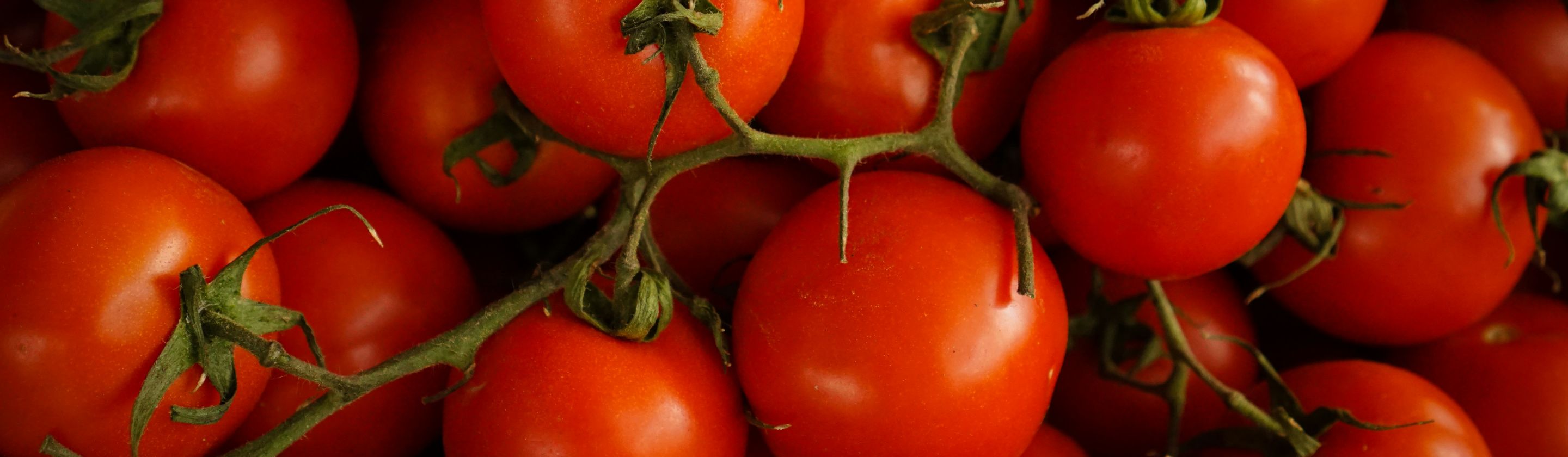
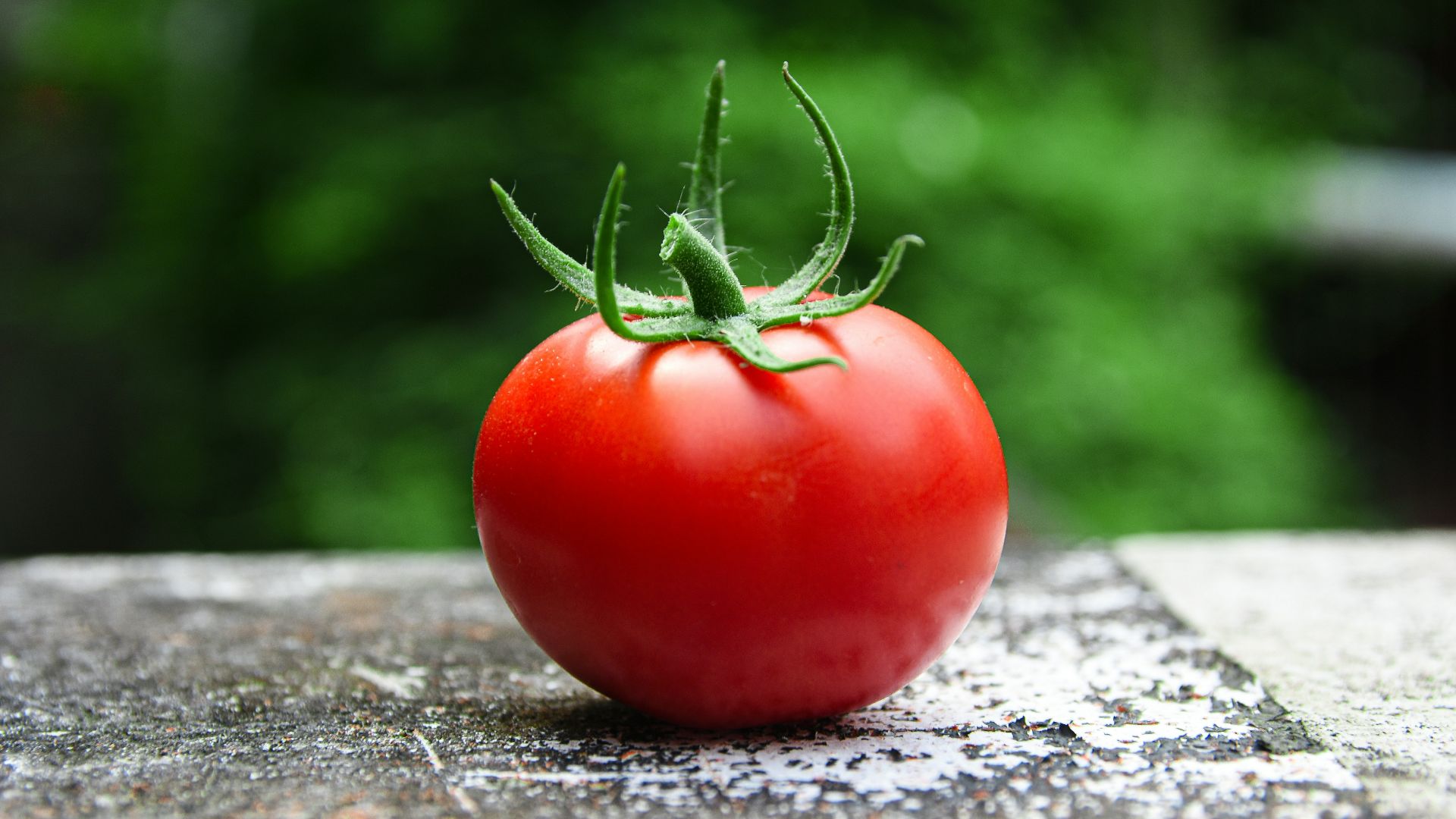
Tomatoes are so ordinary now that it’s hard to imagine anyone treating them with suspicion. They sit on burgers, simmer into pasta sauce, brighten salads, thicken soups, and quietly hold together half the recipes people make when they don’t know what else to cook. Yet for centuries, many Europeans and early Americans looked at tomatoes with caution rather than appetite.
The tomato’s old nickname, the “poison apple,” sounds dramatic, but it came from a real mix of fear, misunderstanding, and unlucky timing. People connected tomatoes to dangerous nightshade plants, blamed them for mysterious illnesses, and misunderstood what was actually making some wealthy diners sick. Before the tomato became a kitchen staple, it had to survive a reputation problem that was much juicier than the fruit itself.
A Beautiful Fruit With a Bad Family Reputation
The tomato is native to the Americas, and it entered European awareness after Spanish contact with the New World. Its name comes from the Nahuatl word “tomatl,” and early European varieties may have been smaller and yellow, which helps explain names like the Italian “pomi d’oro,” meaning golden apples. At first, many Europeans treated tomatoes more like decorative curiosities than dinner ingredients. They were pretty enough to grow, but not trusted enough to eat.
Part of the suspicion came from the tomato’s botanical family. Tomatoes belong to the nightshade family, which also includes some genuinely poisonous plants. To people who didn't yet understand plant chemistry very well, that family resemblance was enough to make the tomato seem risky. It didn't help that the plant’s leaves and stems are toxic, even though the ripe fruit is safe to eat.
Early herbalists also gave the tomato a strange reputation. In 1544, Italian herbalist Pietro Andrea Mattioli classified it with nightshades and mandrakes, plants surrounded by old associations with danger, medicine, and even aphrodisiac power. All this to say, the tomato wasn't entering Europe as a normal vegetable.
The Wealthy Were Poisoned, but Not by Tomatoes
The most famous explanation for the “poison apple” label involves rich Europeans, fancy tableware, and one very unfortunate misunderstanding. Wealthy diners often ate from pewter plates, which could contain high levels of lead. Tomatoes are acidic, and acidic foods can leach lead from certain metals. When aristocrats got sick after eating tomato dishes, people blamed the tomato instead of the plate.
This made the tomato seem especially dangerous because the victims were people whose meals were closely watched. If an aristocrat ate tomatoes and later became ill, the story traveled. Nobody at the time was likely to blame the fancy dinnerware when there was a shiny red newcomer on the table.
The irony is almost too perfect. Poorer people who ate from wooden bowls or simpler dishes may have had less reason to fear tomatoes, while wealthier people accidentally created the tomato’s deadly reputation through their own elegant table settings.
Fear Crossed the Atlantic
Tomato suspicion didn't stay in Europe. Early American colonists also treated the plant cautiously, partly because they inherited European fears and partly because the tomato looked unfamiliar. It eventually grew in gardens, but for a long time, many people still considered it ornamental or suspicious. A food can have a hard time becoming popular when everyone thinks it might be plotting something.
The tomato’s public image suffered from another strange scare in North America: the tomato hornworm. In the 1800s, some farmers feared the large green caterpillar that fed on tomato plants and believed it could be deadly. One New York farmer reportedly compared it to a rattlesnake in terms of danger, which was quite a promotion for a garden pest, and certainly didn't help the tomato's safety reputation.
Still, the tomato slowly gained ground. Immigrant food traditions, especially from southern Europe, helped normalize tomato-based cooking. Italian cuisine, in particular, embraced tomatoes in sauces, stews, and everyday dishes. Each time someone enjoyed a tomato without coiling over, the “poison apple” story became harder to maintain.
Cooking Changed the Tomato’s Image
The tomato’s transformation wasn't instant. It took time, recipes, trade, farming, and repeated proof that people could eat tomatoes and survive. As tomato dishes spread, the fruit began moving from suspicious garden ornament to practical kitchen ingredient. It helped that tomatoes were versatile, flavorful, colorful, and useful in everything from sauces to soups.
Canning also played a major role in the tomato’s rise. Because tomatoes are naturally acidic, they became especially useful for preservation, and canned tomato products became common in American kitchens. By the late 19th century, tomato soup, tomato sauces, and canned tomatoes were becoming familiar rather than frightening. Joseph Campbell’s condensed tomato soup, introduced in 1897, helped make the tomato even more ordinary in American homes.
Once the tomato became convenient, its old reputation lost much of its power. People may fear strange foods, but they rarely fear foods that come in familiar cans, jars, and family recipes. The tomato didn't just win people over with science; it won them over by showing up repeatedly at dinner, being delicious, and not causing any harm.
The “Poison Apple” Was Really a Lesson in Bad Assumptions
The strange history of the tomato shows how food fears can grow when people connect the wrong dots. Tomatoes looked suspicious, belonged to a troubling plant family, appeared in unfamiliar cuisines, and were blamed for illnesses actually connected to lead-contaminated tableware. Each piece of evidence seemed convincing at the time, but together they built the wrong story. The tomato was guilty mostly of being acidic, shiny, and new.
It’s also a reminder that “natural” fears often have cultural roots. People are more likely to distrust foods that feel foreign, unfamiliar, or difficult to categorize. The tomato was technically a fruit, cooked like a vegetable, linked to nightshade, and surrounded by rumors. That was a lot for one small red ingredient to overcome.
Today, the tomato’s old nickname feels funny because it’s so far removed from how people actually use it. We trust tomatoes in ketchup, salsa, pasta sauce, pizza, salads, soups, and sandwiches without giving them a second thought. The “poison apple” became one of the world’s most beloved ingredients, which is quite the comeback.
KEEP ON READING