


Romans Made Concrete That's Still Standing 2,000 Years Later, And We Still Haven't Figured Out How
Romans Made Concrete That's Still Standing 2,000 Years Later, And We Still Haven't Figured Out How
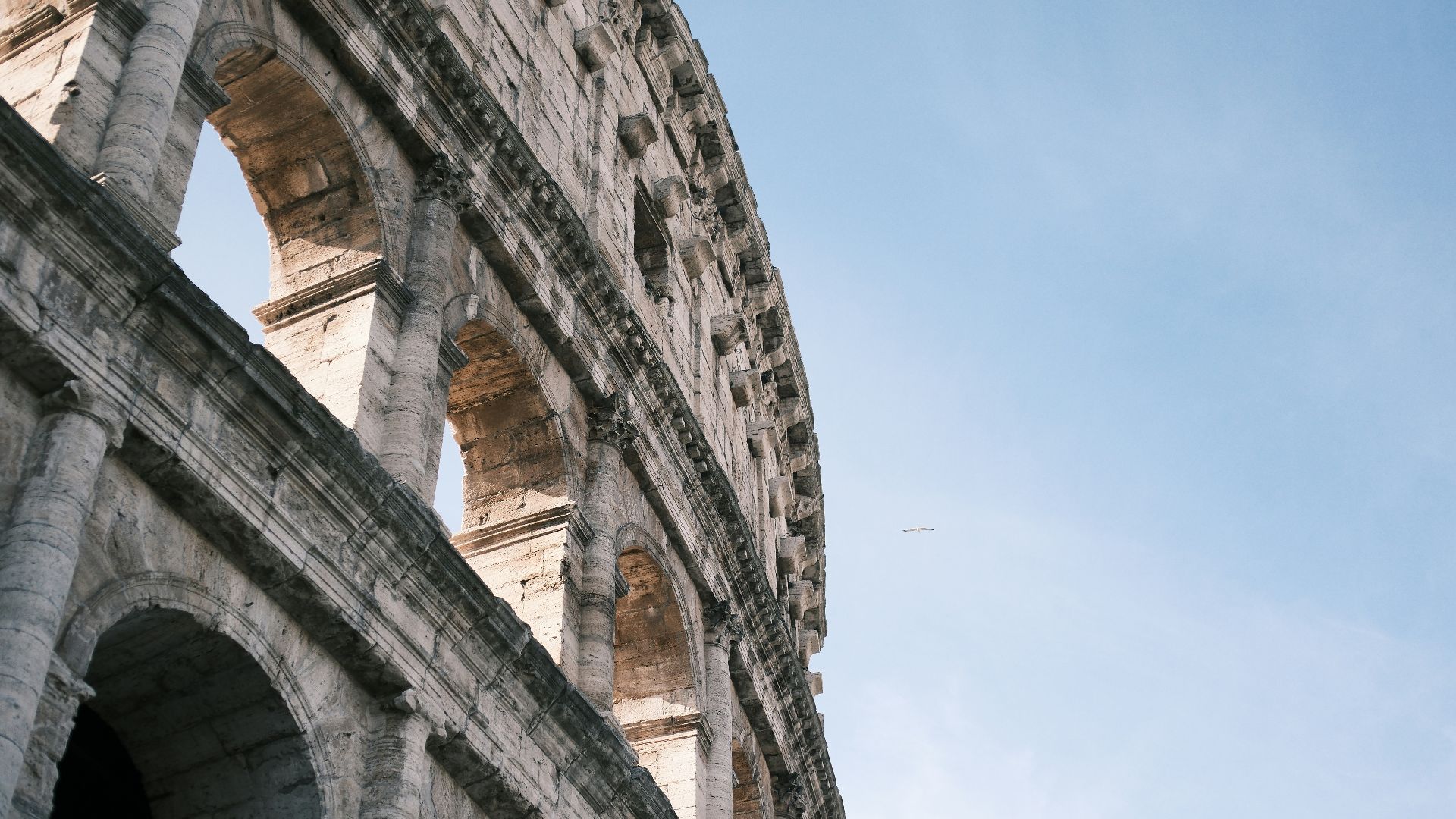 Chelms Varthoumlien on Unsplash
So, Roman concrete just... won't fall. The Pantheon is still standing. Roman harbor walls have been sitting in seawater for two millennia and are somehow fine. Every few years, another study comes out and basically says, "yeah, those ancient builders really knew what they were doing," and the rest of us just have to sit with that fact.
Their concrete had a name, opus caementicium, and calling it "just concrete" is a bit like calling a Swiss watch "just a clock." The stuff was engineered in ways that feel a little embarrassing when you look at how often modern infrastructure needs patching.
They Were Playing A Different Game Entirely
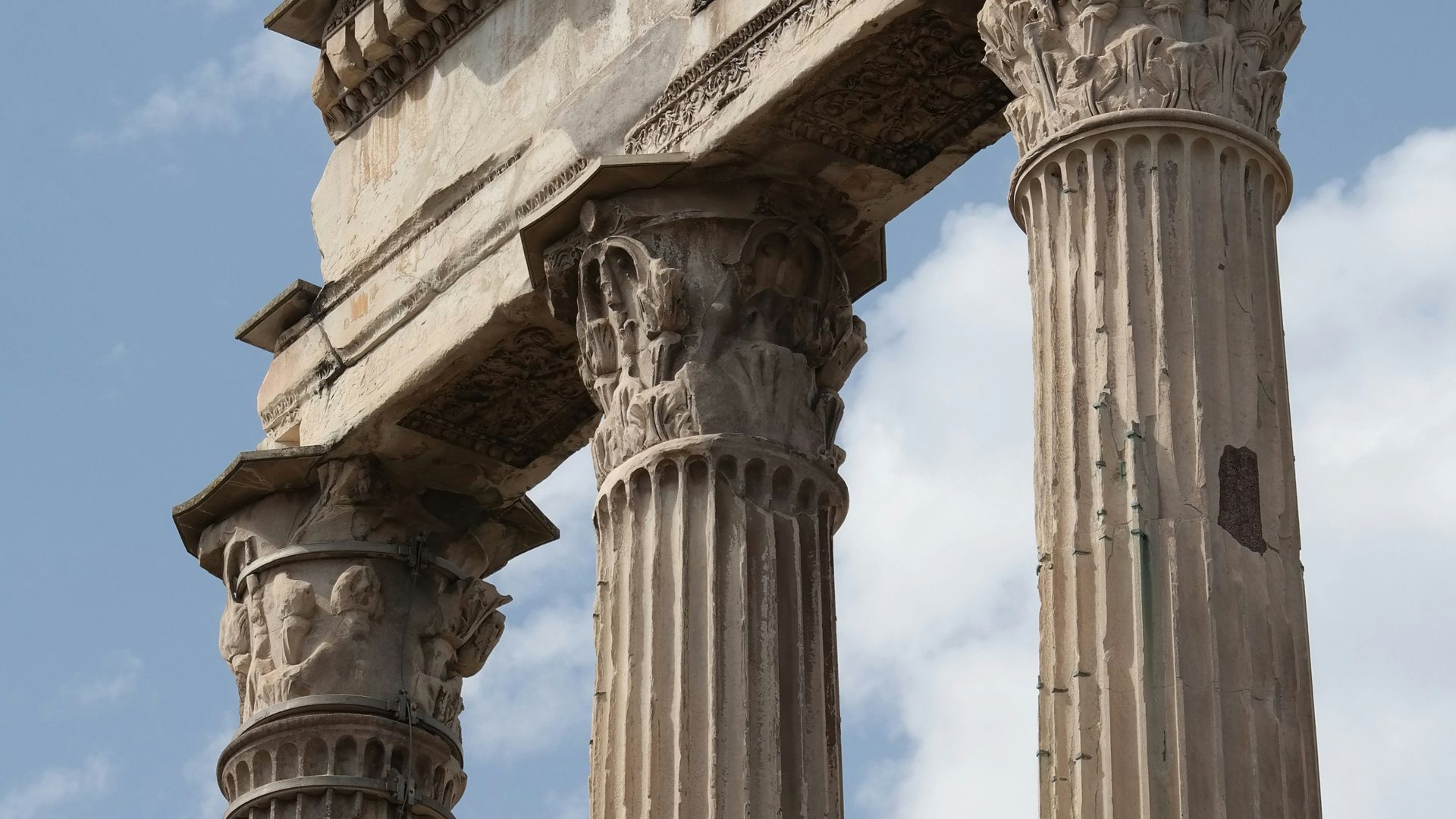
The Romans weren't exactly writing instruction manuals, but they did leave us clues. A guy named Vitruvius, writing in De architectura, Book II, described a volcanic powder from the area around Baiae and Mount Vesuvius. Mix it with lime and rubble, he said, and it hardens even underwater. That powder is what we now call pozzolana, a volcanic ash that transforms everyday mortar.
For years, researchers kept noticing these small white chunks scattered through Roman concrete samples and figured our ancient forebears were just mixing things up wrong. A 2023 study from MIT pushed back on that pretty firmly. Turns out those white chunks, called lime clasts, were put there on purpose, or at least intentionally produced. The Romans were using quicklime in a hot-mixing process, and those clasts stayed chemically reactive inside the hardened concrete.
Then, in December 2025, researchers got the most extraordinary stroke of luck. They were studying an unfinished construction site at Pompeii that was caught mid-task when Vesuvius erupted. The site gave scientists direct, physical evidence that the Romans were pre-mixing quicklime with dry pozzolan before adding water.
It Cracks. Then It Fixes Itself.
Here's the part that gets really interesting. Roman concrete does crack. Of course it does, that's what concrete does over centuries of weather, pressure, and time. This is where the lime casts come into play. When water seeps into a crack, they react with it, producing a calcium-rich solution that recrystallizes as calcium carbonate and seals the crack before it can get worse.
The concrete, in a way, heals itself.
Researchers tested this directly. In the 2023 MIT work, they deliberately cracked Roman-inspired concrete samples and ran water through them. The hot-mixed samples (the ones made the Roman way) sealed themselves within about two weeks. Samples made without quicklime didn't seal at all.
Seawater adds yet another wrinkle for Roman harbors. Long-term water-rock reactions in submerged structures actually form new minerals, things like phillipsite and Al-tobermorite, that tighten up the material's pore structure and make the bonding stronger over time. Roman harbor walls basically got a slow, centuries-long chemical upgrade just from sitting in the sea.
Chemistry was only part of it. The Pantheon's dome still spans about 43 meters, making it the largest unreinforced concrete dome in the world, but it isn't just the concrete mix that keeps it up. Heavier aggregate materials were placed lower in the structure, with lighter pumice higher up. The design itself is ruthlessly smart about weight and compression; you can't separate the recipe from the thinking behind it.
So, Why Can't We Just Steal The Recipe?

Modern concrete has an entirely different job. It has to work in skyscrapers, parking garages, bridges, precast systems, with steel reinforcement running through it, on tight construction schedules, and under strict building codes that don't really have a category for "volcanic ash from a specific Italian region." MIT researchers have been clear that the goal isn't to go back in time, it's to borrow useful principles and apply them thoughtfully.
There's also a climate angle here that's hard to ignore. Cement production is a massive emissions problem, and concrete that lasts longer means fewer repairs, fewer replacements, and less of the environmental cost that comes with constantly rebuilding things. With the cement sector still needing serious emissions cuts this decade, a material that extends how long structures stay standing isn't just historically charming. It's genuinely economically appealing and hard to ignore from a policy angle, too.
So what haven't we figured out? Not the hot mixing. Not the lime clasts. Not the pozzolanic chemistry or why seawater was oddly kind to Roman harbors. Researchers have made real, meaningful progress on all of that. What nobody has cracked yet is how to take the whole package, including the specific volcanic materials, the structural logic, the centuries of slow mineral growth, and translate it into something that can be mass-produced, code-approved, and reliably deployed in modern construction at scale.
The Romans left us a really good answer. We're still working on the right question to ask.
KEEP ON READING

20 Greek Gods We Don't Often Talk About
Step Aside, Zeus. Greek mythology isn’t only about Zeus and…
By Elizabeth Graham Jan 16, 2026
10 Historic Courtship Practices That Should Be Brought Back &…
Old-School Dating Was a Mix of Charming & Unhinged. Historic…
By Emilie Richardson-Dupuis Jan 20, 2026
Pooches Of The Past: Extinct Dog Breeds
Unknown authorUnknown author on WikimediaDogs have been showing up in…
By Elizabeth Graham Jan 27, 2026
The 20 Craziest Silent Films Ever Made
When Silence Let the Madness Speak. Silent cinema didn’t just…
By Chase Wexler Jan 5, 2026
Legendary Tales: 20 Most Fascinating Mythical Creatures from Folklore
Mythological Beasts. Stories about mythical creatures endure for a simple…
By Christy Chan Jan 16, 2026
The three most expensive historical artifacts ever sold at auction
Attributed to Leonardo da Vinci on WikimediaAuctions are where history…
By Emilie Richardson-Dupuis Jan 9, 2026