


One Signal, Two Thousand Years Apart
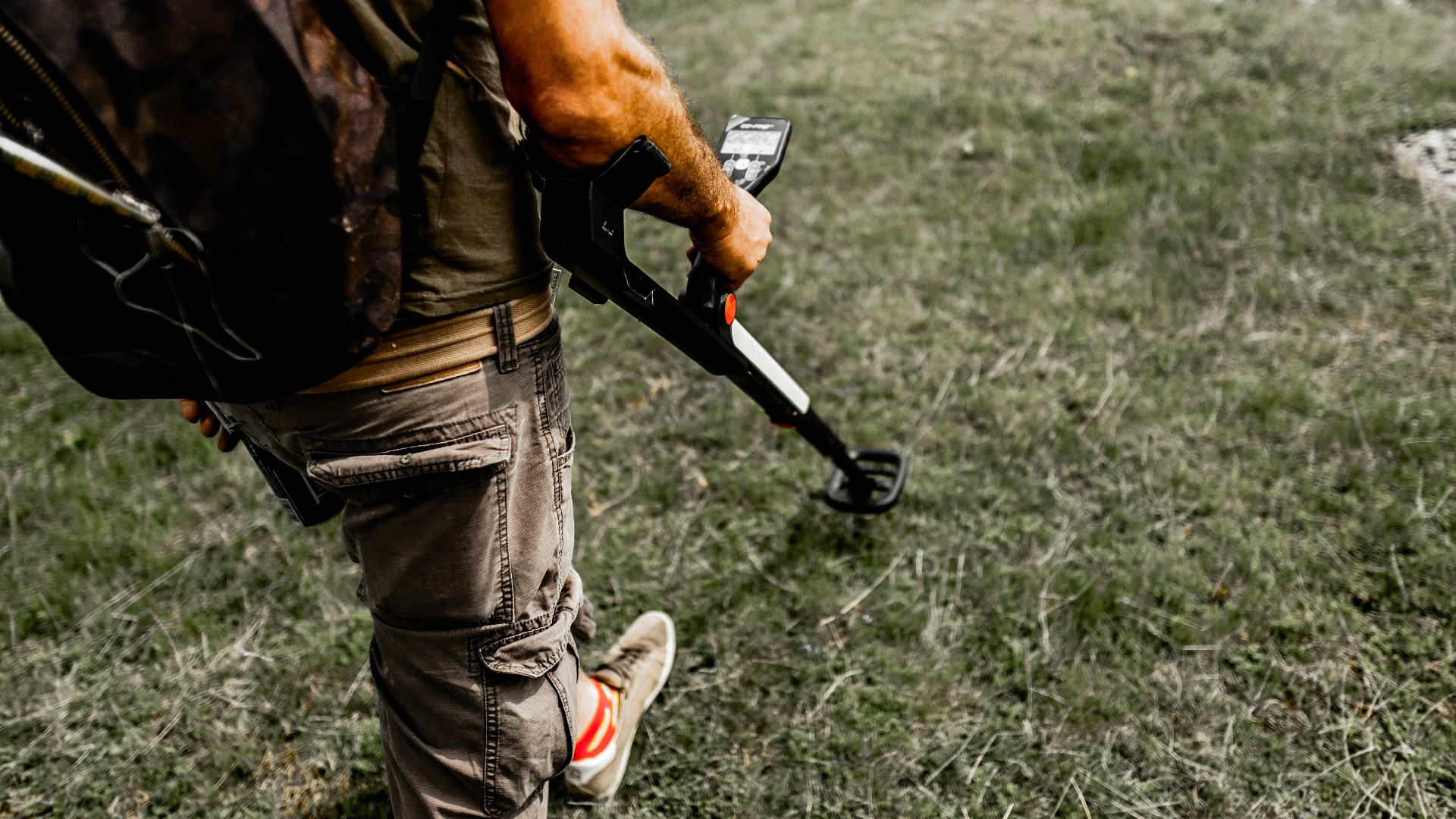
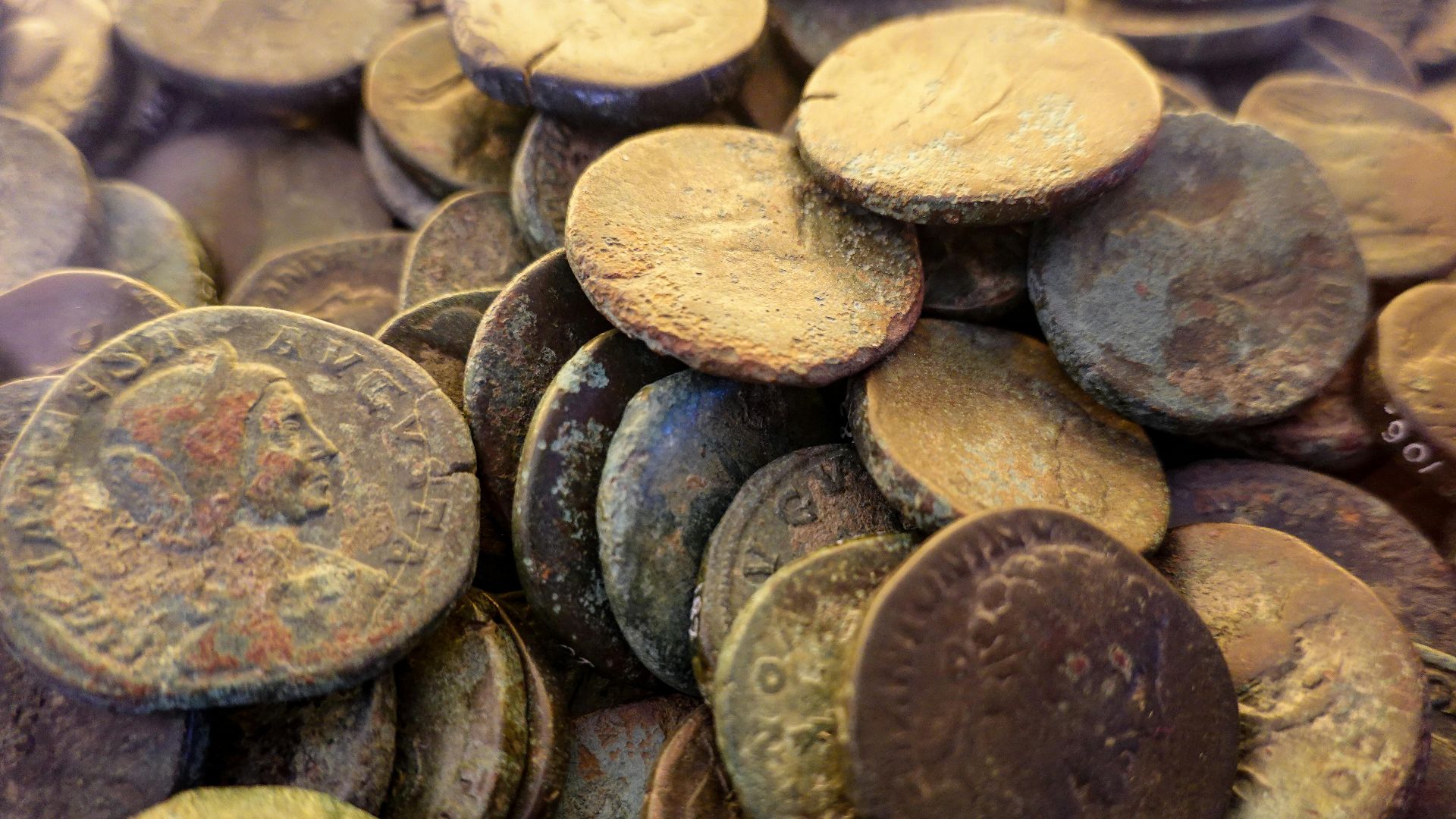
Metal detecting sits one step above fishing in terms of the patience required of its hobbyists. Most days, discoveries consist of a bottle cap here, a rusted nail there. When David Moss, a 36-year-old from Cheshire, set out into an isolated farm in North Wales, he was hoping, of course, to discover something interesting—a few Roman coins, a brooch, or a medieval relic. When his detector registered clay pots roughly a foot beneath the surface, he and his fellow hobbyist Ian Nicholson began to dig. After six hours of careful excavation, they unearthed two clay vessels containing between 10,000 and 15,000 Roman coins. Experts are calling the mix of denarii and silver-washed radiates one of the largest Roman coin hoards the country has ever seen.
The Signal That Changed Everything
Moss is no amateur detectorist, having logged about 2700 Roman coins over a decade in the hobby. The beep on his detector wasn’t even a particularly dramatic one, but Moss dug dutifully, expecting a few scattered coins at best. What he uncovered instead were two clay pots, wedged in the earth and both heavy enough to make his heart race. He later acknowledged that he felt goosebumps and that, ironically, a rainbow had appeared in the sky moments before his discovery.
Sleeping With Treasure
Roman coins and artefacts are occasionally unearthed across England, with 50,000 Roman coins found in a field in Somerset in 2010. While it’s known that the Romans held a presence in Wales, their influence does not run quite as deeply as in England. Moss’s discovery has specialists suggesting the map of Roman presence in North Wales may ultimately need to be redrawn. As soon as he discovered the trove, Moss notified the landowner in accordance with British law. Moss didn’t want to let the coins leave his sight and spent the next three days sleeping in his car next to them. After three restless nights, he drove four hours south to Cardiff and handed the treasure over to the National Museum.
The Long Paper Trail of the Past
Discovery is one thing; bureaucracy another. In the UK, ancient finds like this fall under the 1996 Treasure Act. When a valuable artefact is discovered, you’re required to report it and wait for an inquest. If the museum opts to keep the discovery, the finder and landowner will be able to split the reward. Before any of that can take place, the coins must be cleaned and catalogued. Experts will pore over every date and every faded emperor’s face to determine their value.
What Still Lies Beneath
Anthony Halse, chairman of a numismatic society in Wales, suspects the coins belonged to a member of the Roman army who buried his life savings during a period of unrest, intending to return. He never did. While Moss is ecstatic about the discovery, he’s keeping his lips sealed as far as the location of his find. His plan is to continue to explore this area over the coming years to see if anything else lies waiting under the grass, two millennia removed from when Rome still held sway over the region.
KEEP ON READING

20 Weirdest Historical Objects in Museums
Check Out the Pickled Heart of a Saint. Museums carry…
By Rob Shapiro Oct 1, 2025
20 Ocean Mysteries We Still Haven’t Solved
Unanswered Questions Of The Ocean. The ocean covers most of…
By David Davidovic Sep 1, 2025
10 Phenomenal Mythical Creatures & 10 That Are Just Plain…
Legends Both Majestic And Peculiar. Do you ever wonder why…
By Chase Wexler Oct 1, 2025
20 Historical Predictions That Turned Out To Be True
Crystal Ball Moments In History. Do you wonder what it's…
By Chase Wexler Sep 1, 2025
10 Presidents Who Never Served In The Military & 10…
Commanders And Civilians In Office. Power can rise from very…
By David Davidovic Sep 1, 2025
20 Wars That Could Have Ended Much Sooner Than They…
Wars That Lasted Far Too Long. Wars are often remembered…
By David Davidovic Sep 1, 2025