Grab Your Popcorn (If You Can Stomach It): Exploring The History Of Operating Theaters
Ever wondered what people did before Netflix? Well, the answer is a lot more strange and upsetting than you might expect
Before the advent of films and television, people often watched surgeries. Seriously. Operating theaters once drew crowds who paid good money to see doctors slice into conscious patients. It may sound completely outlandish, but this was once a common practice. Before you go back to binging, join us as we take a deep dive into the world of operating theatres.
Spectacle To Science
Before antiseptics and anesthesia, surgery was pure theater—literally. In the 16th century, public anatomical dissections became popular entertainment, with ticketed audiences watching doctors perform autopsies by candlelight, sometimes accompanied by live music.
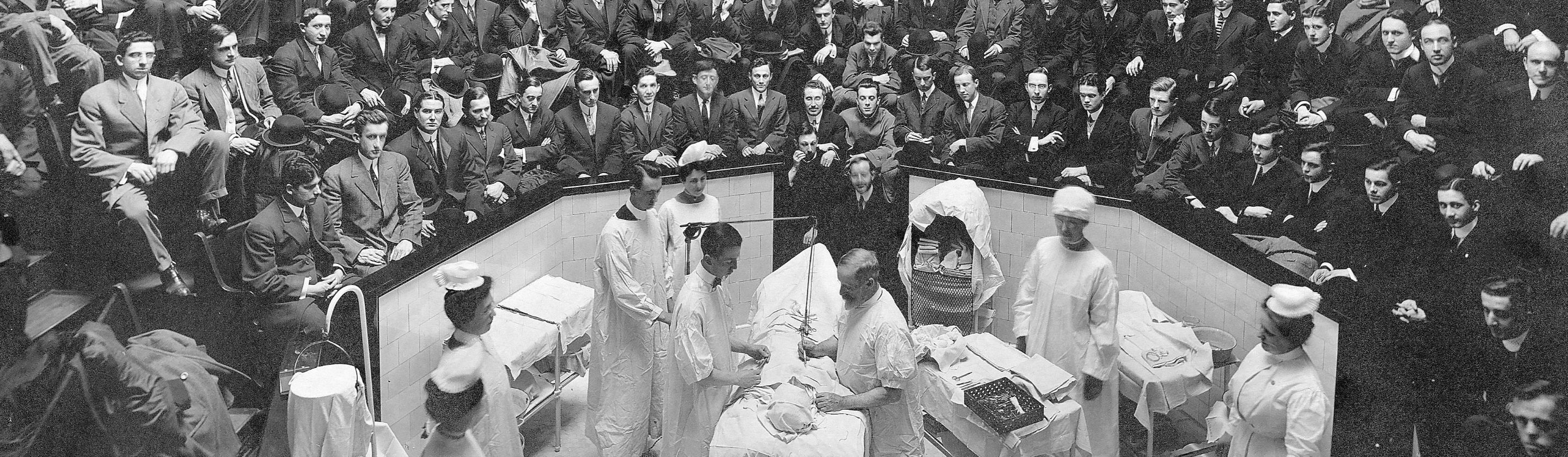
By the 18th century, the medical amphitheater evolved into something even more dramatic: live surgeries on conscious patients. Wealthy spectators and medical students crowded into steep-tiered rooms, jostling for the best views of the gruesome spectacles below. These surgical performances were as much about showmanship as medicine.
Scottish surgeon Robert Liston, nicknamed "the fastest knife in the West End," operated with a blade gripped between his teeth for dramatic effect. Without anesthesia, speed was a surgeon's greatest virtue. Patients were offered either liquor or a knock on the head with a mallet before procedures, though these methods were often ineffective.
Even with these "anesthetics," the screams echoed throughout the amphitheaters, creating an atmosphere more like a horror show than a medical procedure.
Medicine Takes Center Stage
By the 1800s, operating theaters had become essential to medical education and public entertainment. America's oldest surviving operating theater, built in 1804 at Pennsylvania Hospital in Philadelphia, could accommodate up to 300 spectators.
Similarly, the Jefferson Medical College's amphitheater in Philadelphia (known as "the Pit") resembled an orchestra pit where surgical performances played out to packed crowds.
The development of anesthesia in the 1840s dramatically changed the theatrical experience. With patients now mercifully unconscious, the disturbing screams disappeared, making surgical demonstrations even more popular.
The 1870s and 1880s saw operating theaters reach peak popularity, with some hospitals completely renovating their facilities to appeal to wealthy viewers. These grand theaters featured stunning architecture and improved sightlines—the equivalent of modern-day luxury boxes at sporting events.
The Final Curtain Call
Despite their popularity, these public performances had serious problems. Infection rates were astronomical—up to 50% of patients died after procedures. The theatrical setting prioritized visibility over sterility, with surgeons operating in street clothes, using unsterilized instruments, and performing before crowds carrying all manner of germs.
The end of the surgical spectacle came from two major developments. First, the introduction of anesthesia reduced the dramatic element of speed. Second and more critically, the acceptance of germ theory in the late 19th century revealed the dangers of performing in non-sterile environments with audiences present.
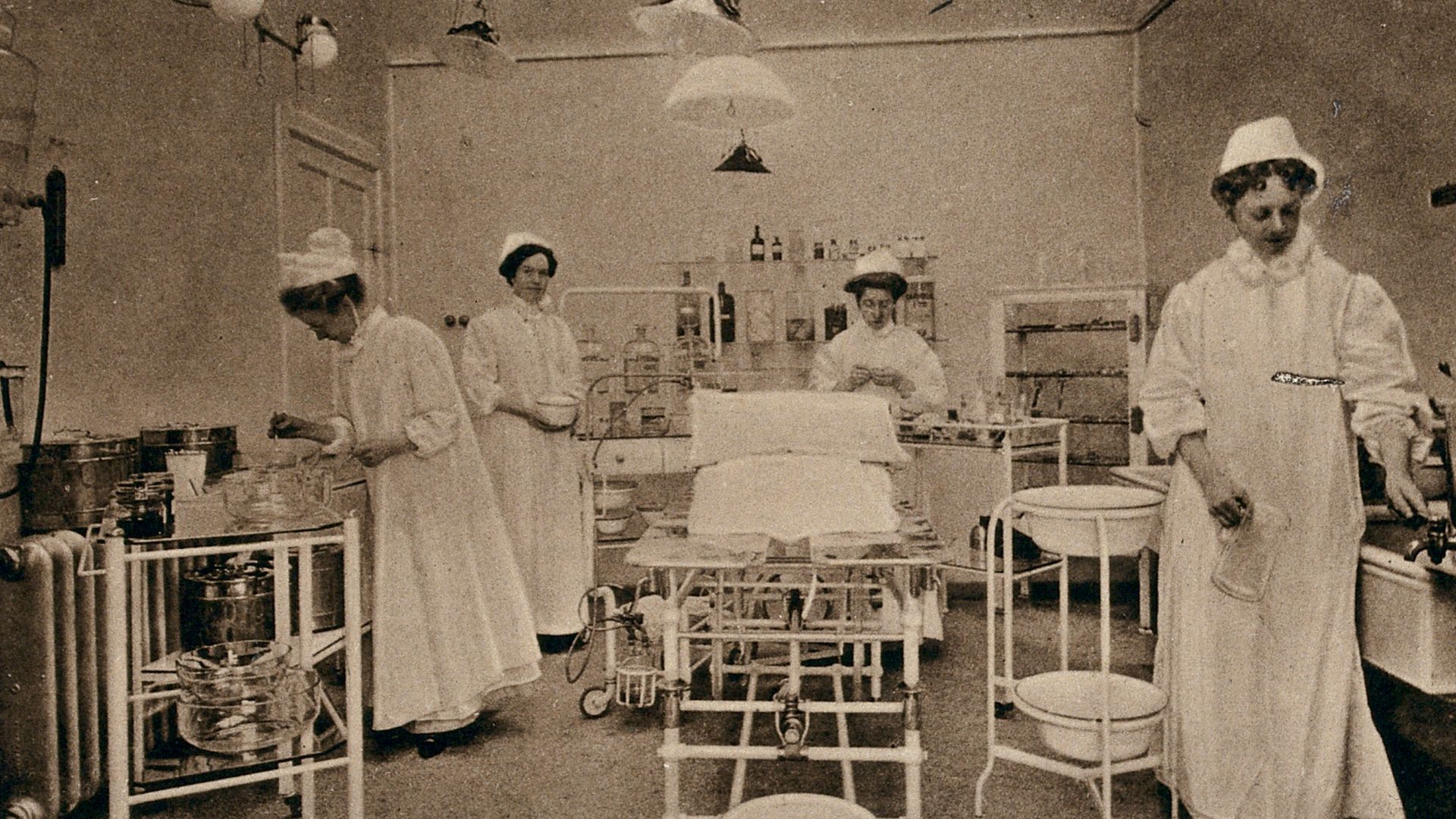
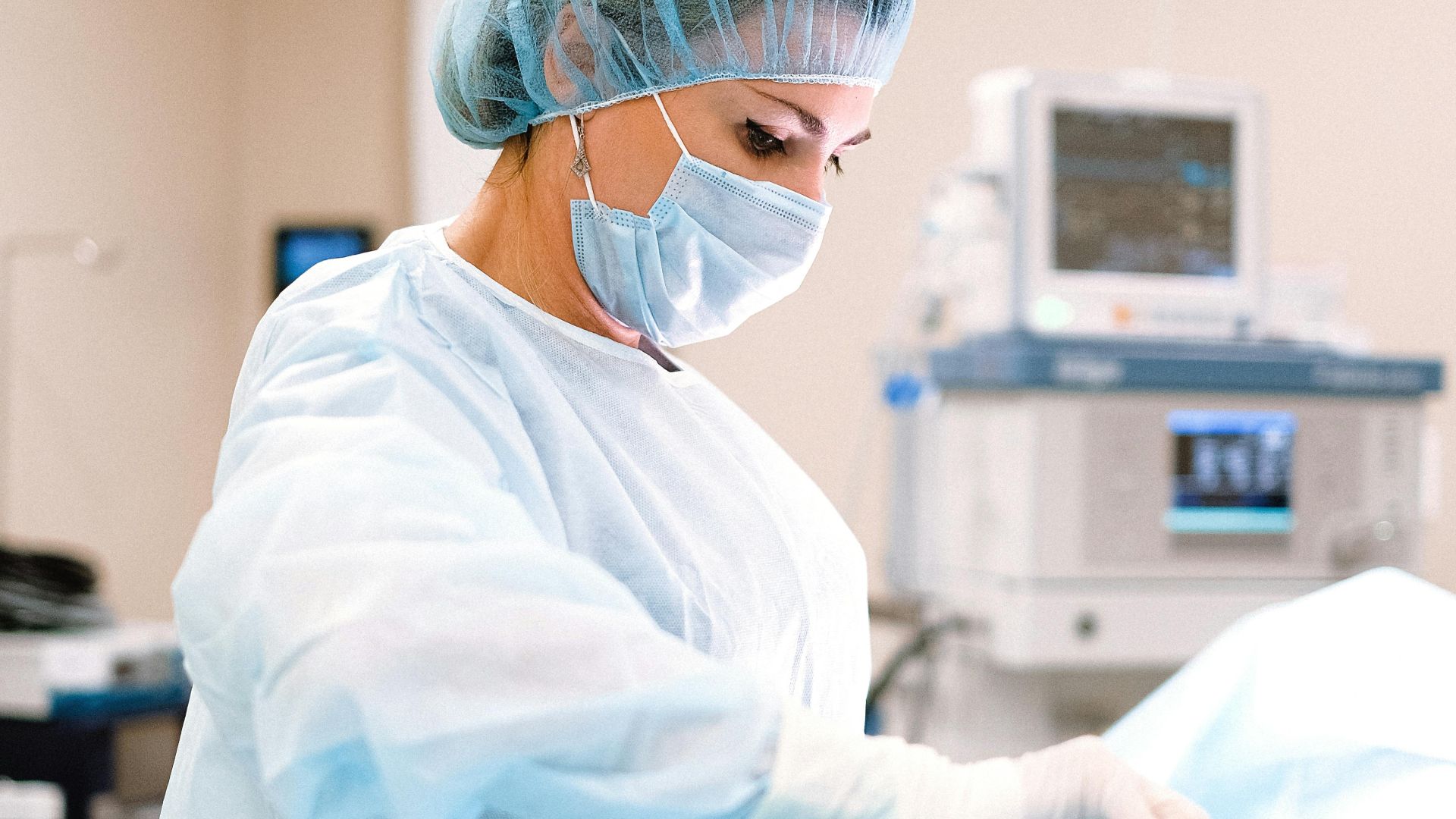
By the early 20th century, operating theaters turned into operating rooms—sterile, controlled environments with limited access. Today, the term "operating theater" persists, though modern surgical rooms bear little resemblance to their theatrical ancestors.
Yes, the drama of surgery continues in medical TV shows and virtual reality training, but the days of surgery as public entertainment have thankfully come to an end—proving that sometimes, the best shows are the ones we don't have to watch.
KEEP ON READING