

Back When Art Took the Gold
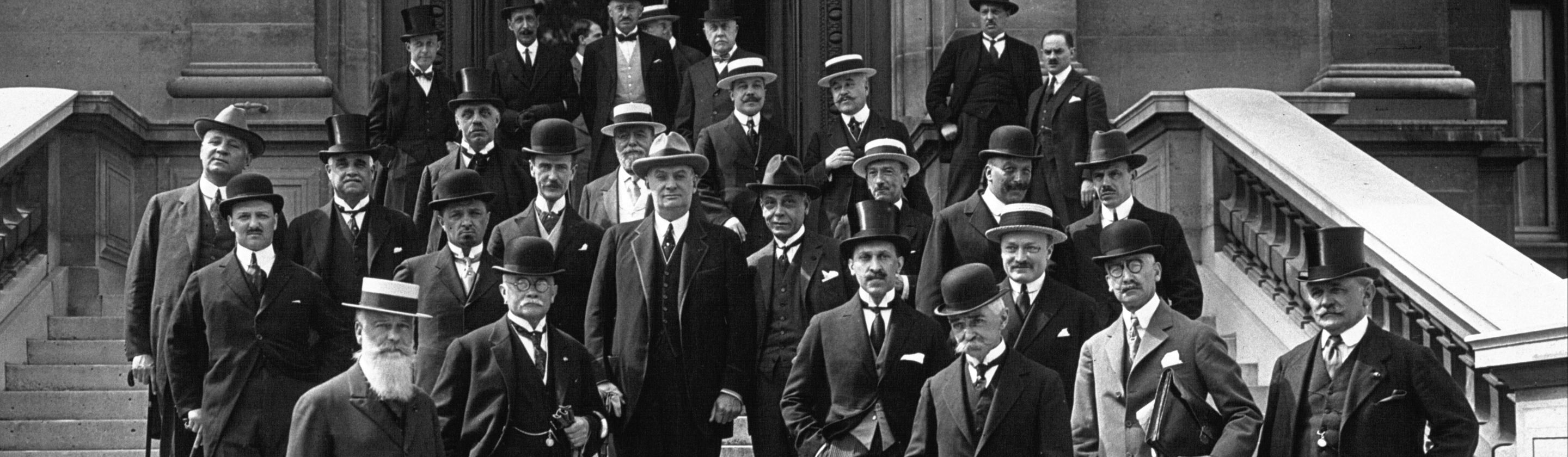
Believe it or not, there was a time when the Olympics weren't always just about running fast and jumping high. Pierre de Coubertin had a wild idea back in the early 1900s—what if artists competed alongside athletes? Painters, sculptors, writers, and musicians suddenly found themselves chasing gold medals for sport-themed masterpieces. Most people have no clue they ever existed, making them one of history's strangest Olympic experiments. But we're here to remind you!
 Unknown authorUnknown author on Wikimedia
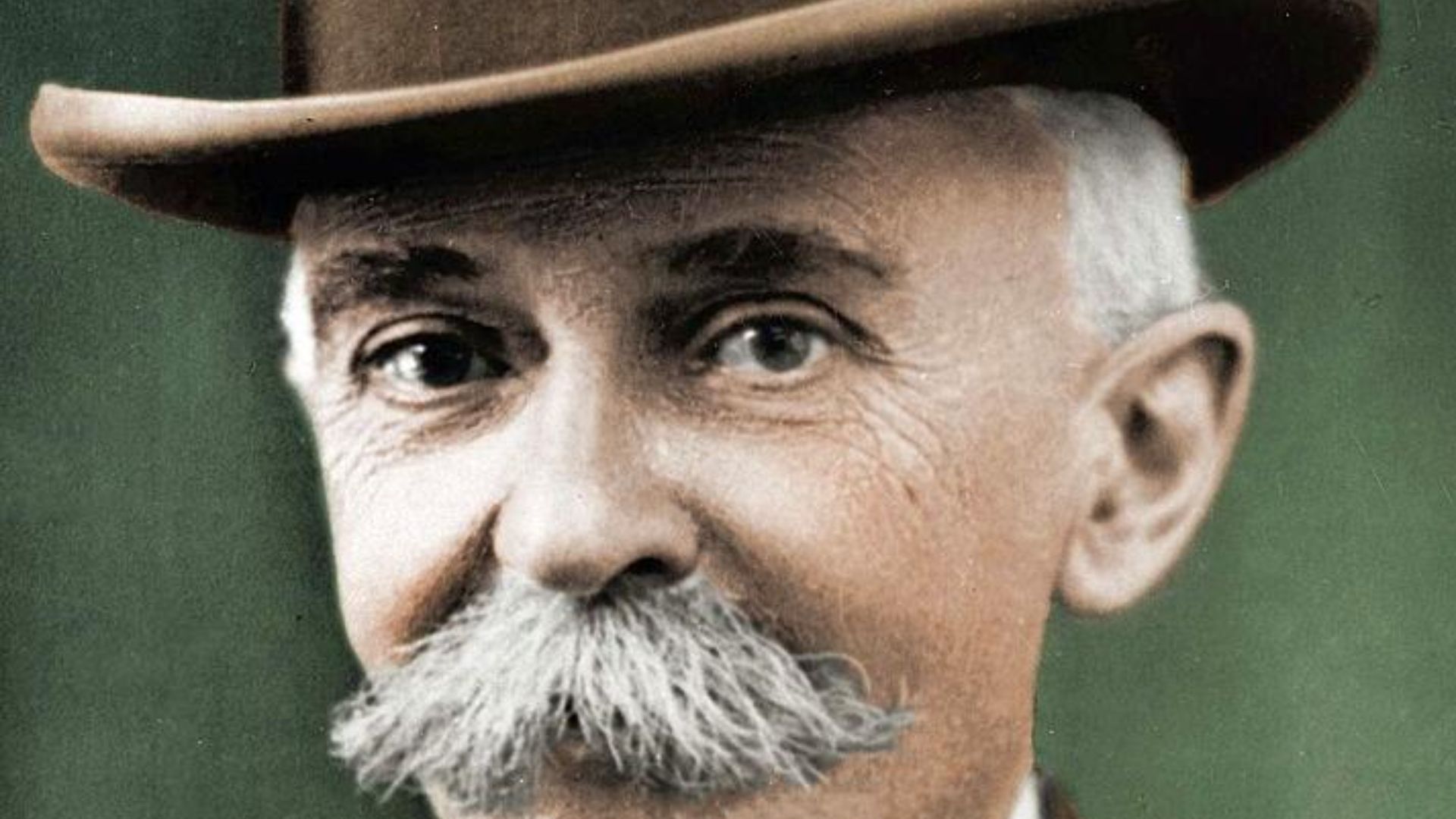
1. Introduction By Pierre De Coubertin
Pierre de Coubertin wanted muscle and mind to compete side by side. At a 1906 Paris conference, he pitched art competitions to revive ancient Greek ideals, leading to their 1912 Stockholm debut with architecture, literature, music, painting, and sculpture categories.
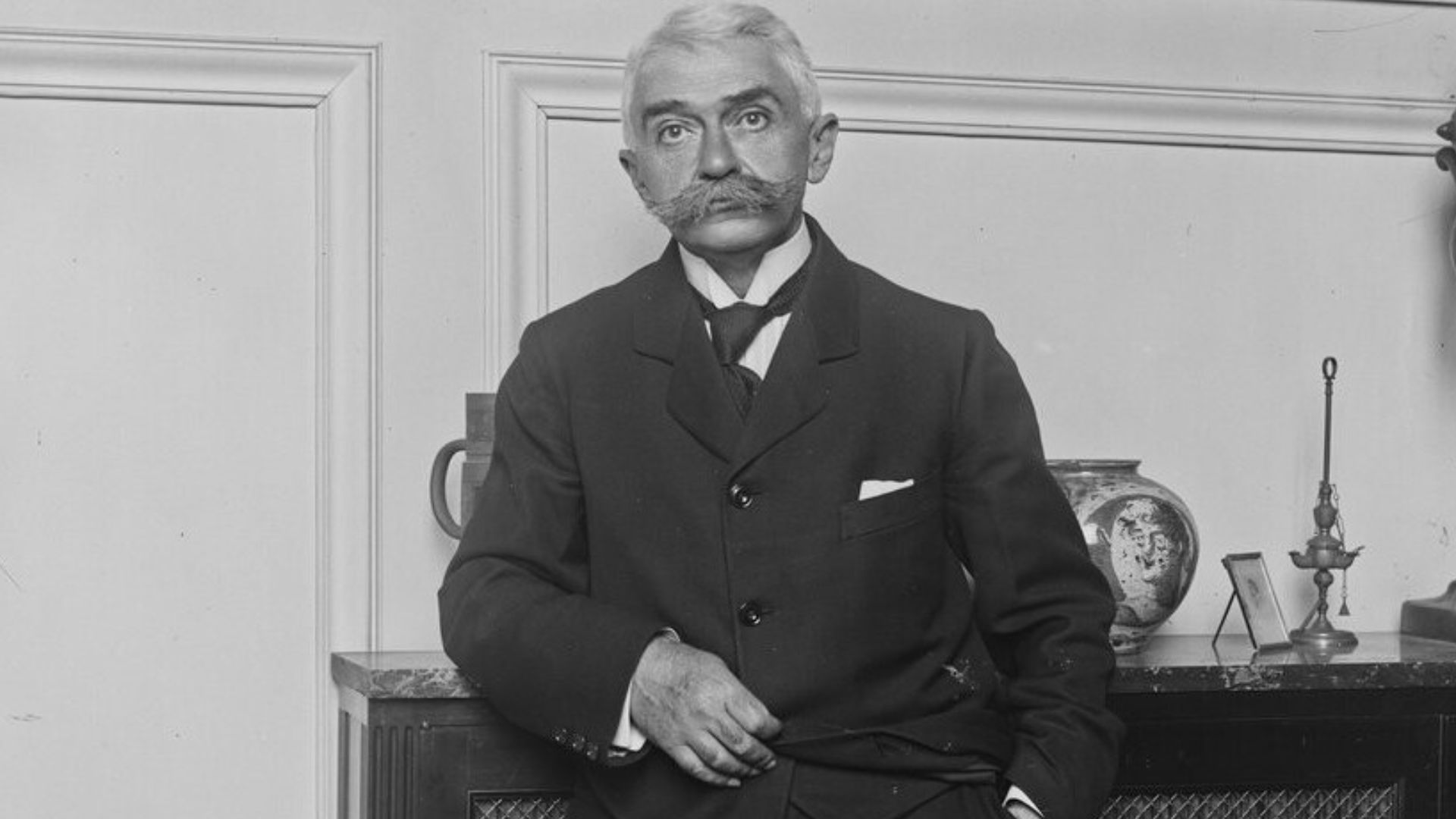
2. First Art Medals in Stockholm 1912
Walter Winans from the USA grabbed sculpture gold for "An American Trotter," a bronze horse and chariot model, while also snagging a shooting silver that same year. Several entries trickled into Stockholm's 1912 Games across five categories, all requiring sport themes and originality.
 Bain News Service, publisher on Wikimedia
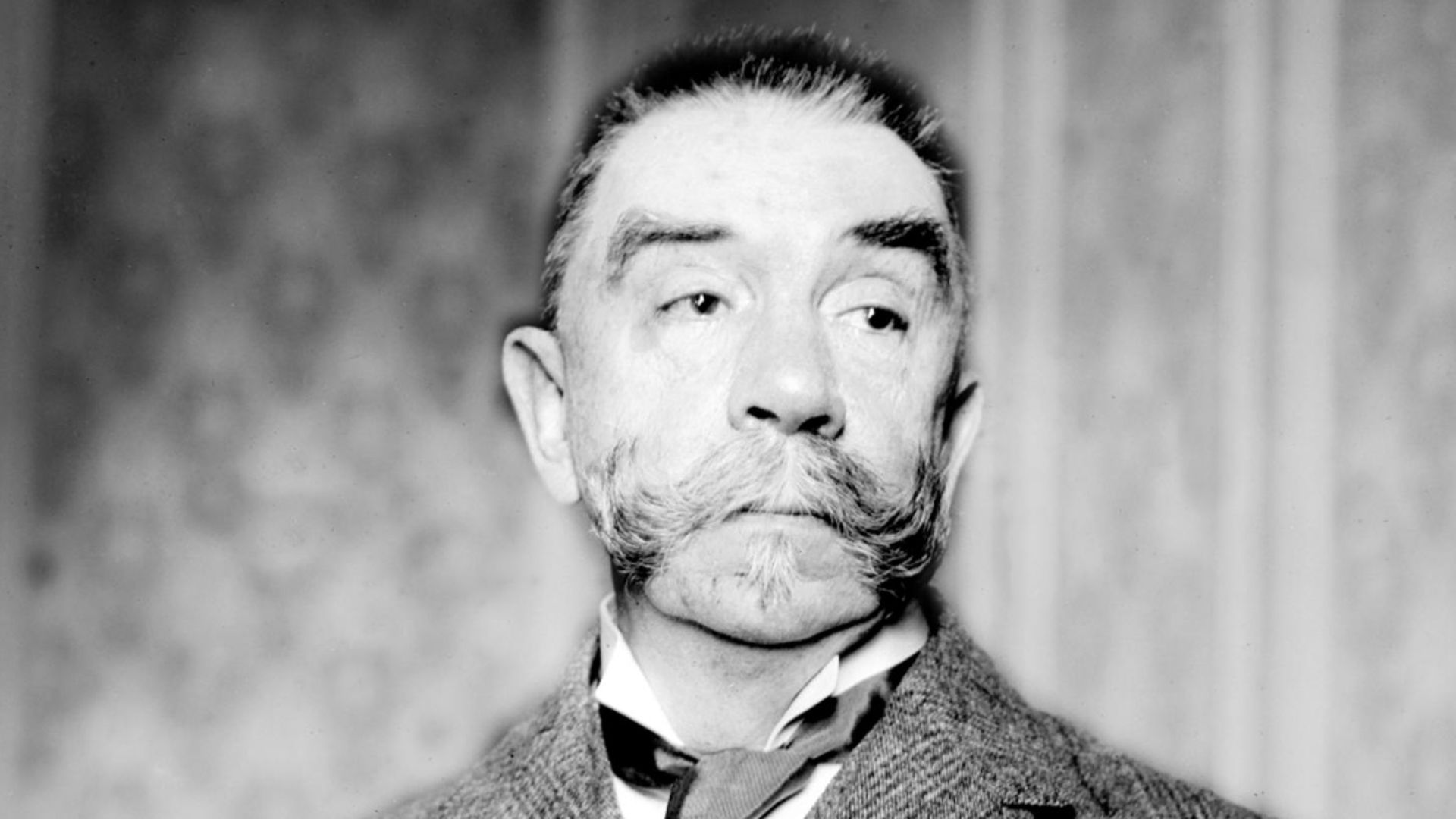
3. Low Participation in Early Years
Well, only 35 artists showed up in 1912, forcing juries to withhold most silvers and bronzes when entries fell short of standards. By 1920's Antwerp Games, post-WWI recovery left international involvement so limited that no architecture or painting golds were awarded.
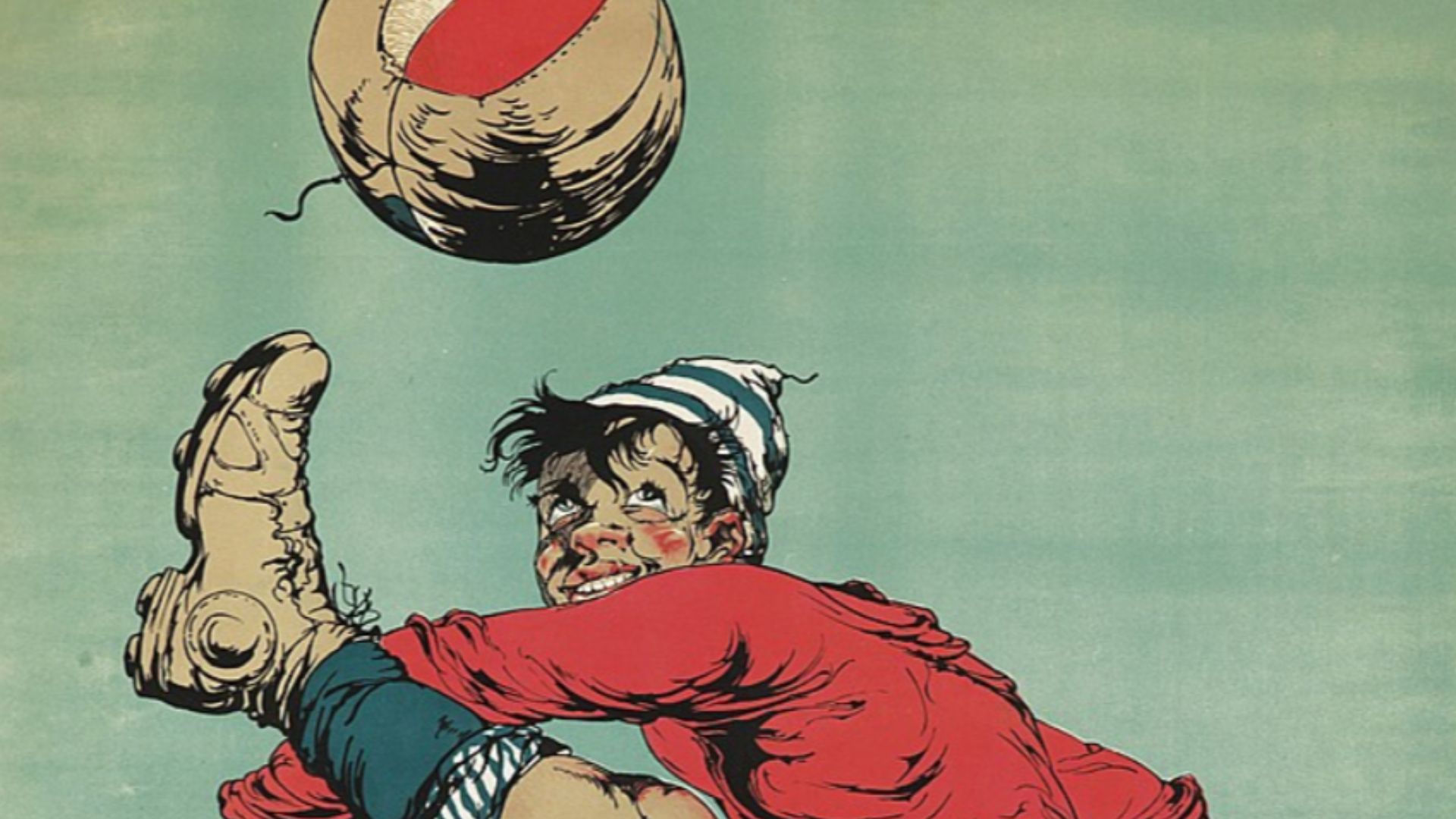
4. Antwerp 1920's Modest Revival
British poet Theodore Andrea Cook added a meta twist by winning literature silver for "Olympic Games of Antwerp," a self-referential poem literally about the Games he was competing in. Wartime devastation meant the 1920 Antwerp Games revived art contests with five strictly sport-themed categories.
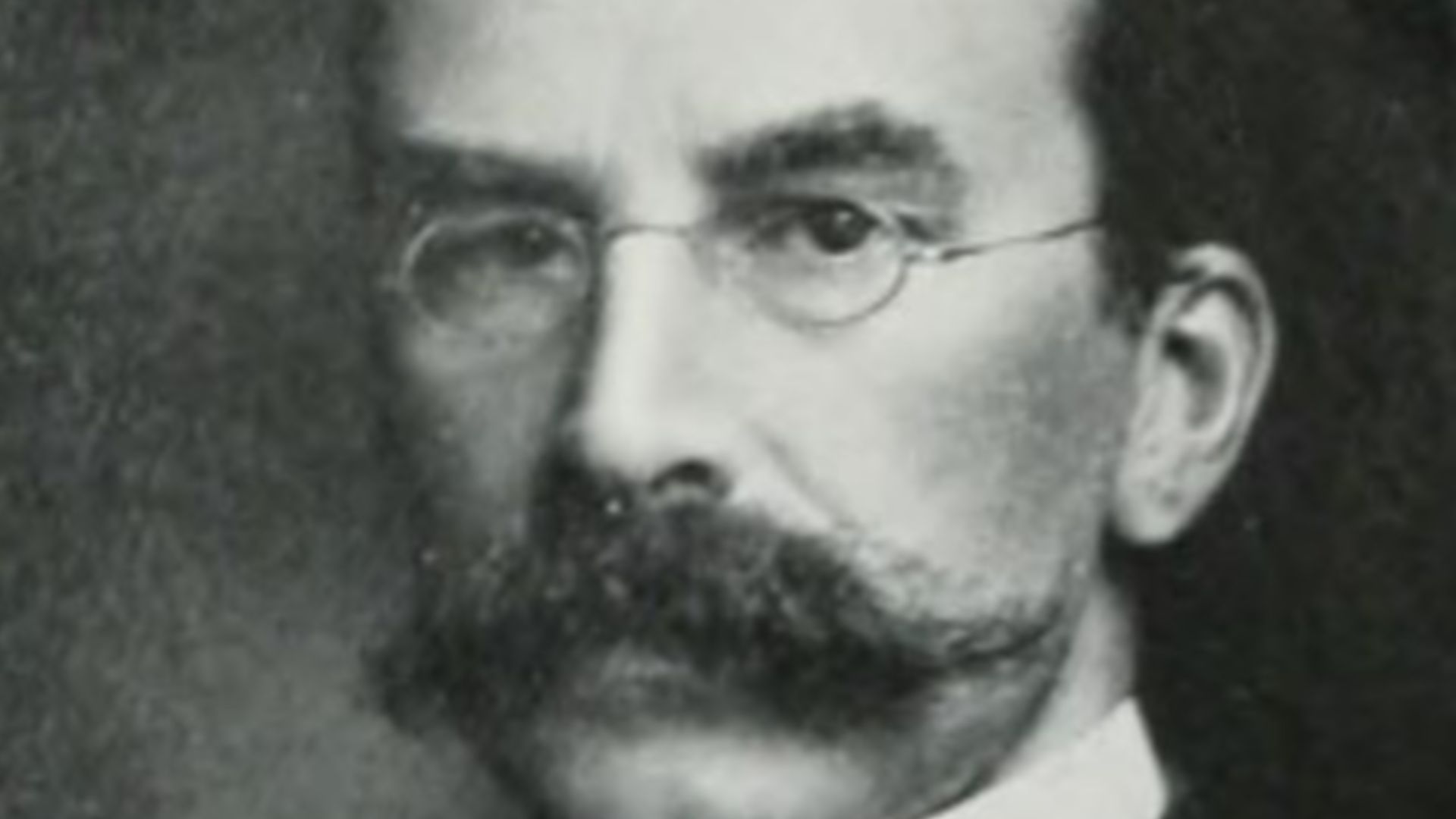 photographers: Elliott & Fry on Wikimedia
5. Paris 1924's Expansion
Jean Jacoby from Luxembourg won painting gold for "Sports Study," featuring rugby and athletics scenes, while music medals were withheld entirely due to quality concerns. Igor Stravinsky judged Olympic music when the 1924 Paris Games expanded to 193 entries from 24 countries.
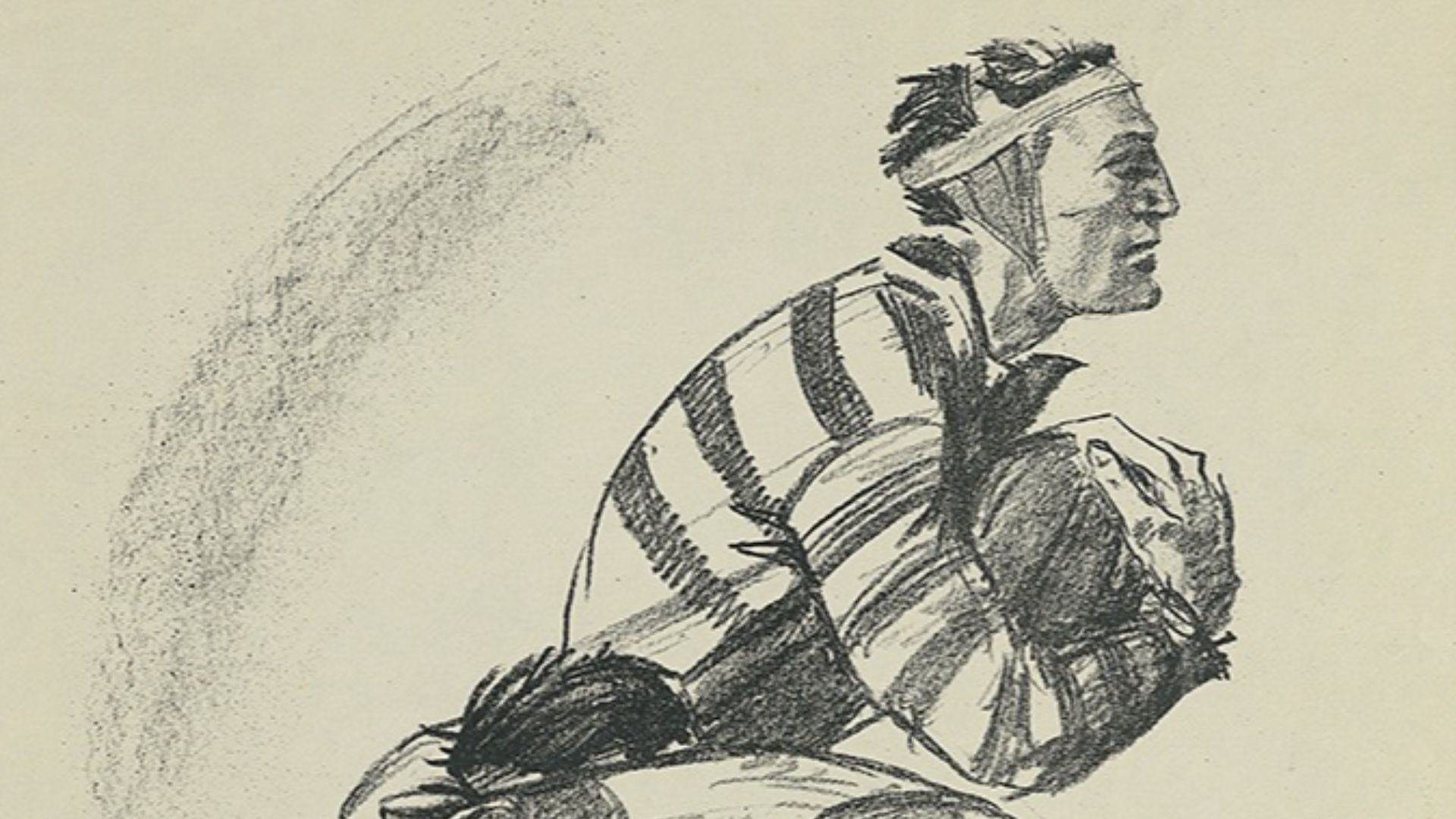
6. Music Category Challenges
Judging orchestral scores on paper without performances created a mess that plagued music competitions throughout their existence. Czechoslovakian Josef Suk won the 1932 silver for "Toward a New Life" as a professional composer, fueling the amateur-versus-professional debates.
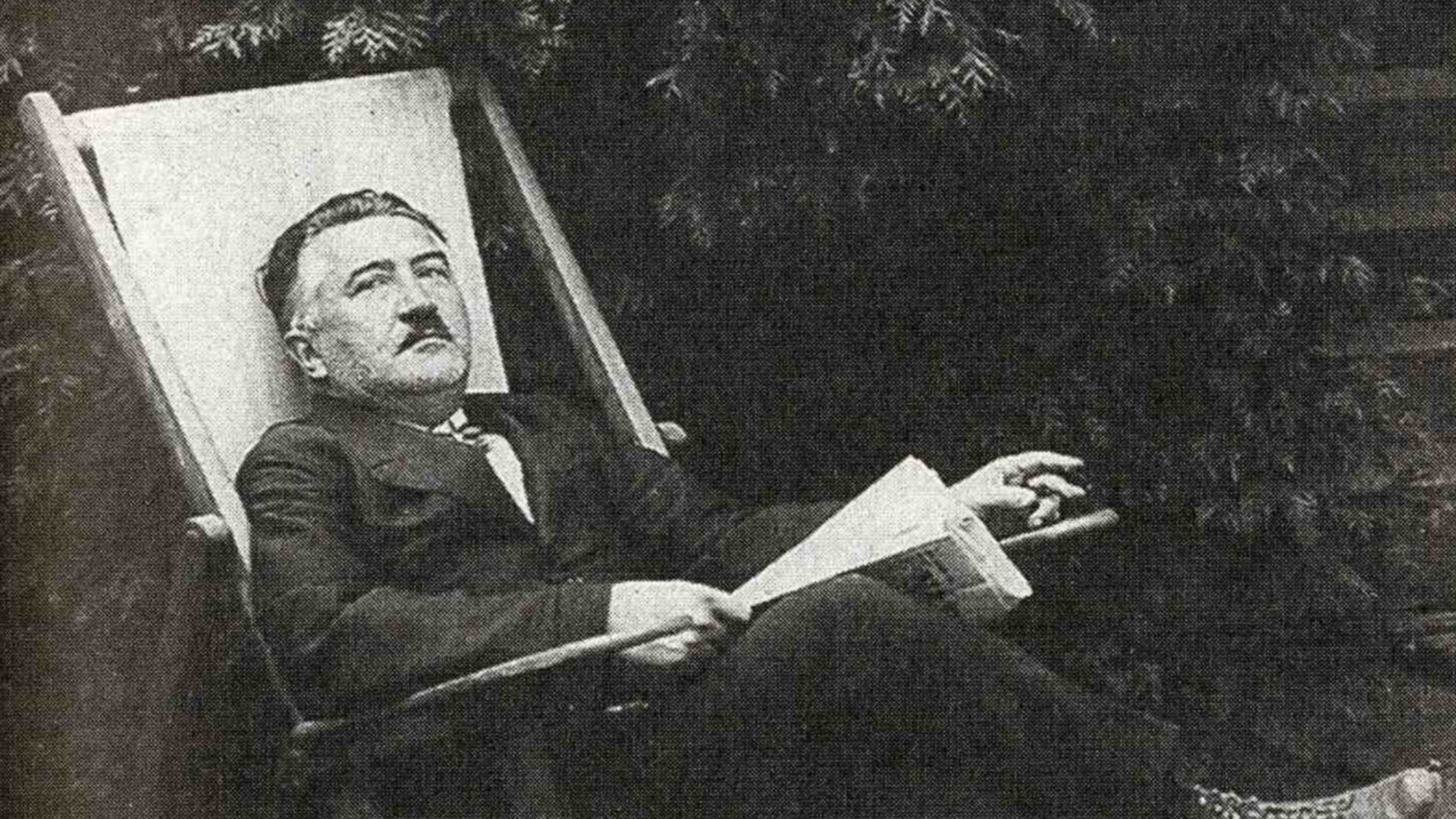 Unknown authorUnknown author on Wikimedia
7. Amsterdam 1928's Peak Entries
Amsterdam marked the high point of Olympic art competitions, attracting the largest number of international submissions. Architecture and painting categories were especially competitive, reflecting postwar optimism and modern design trends. The sheer volume and quality of entries showed genuine global engagement.
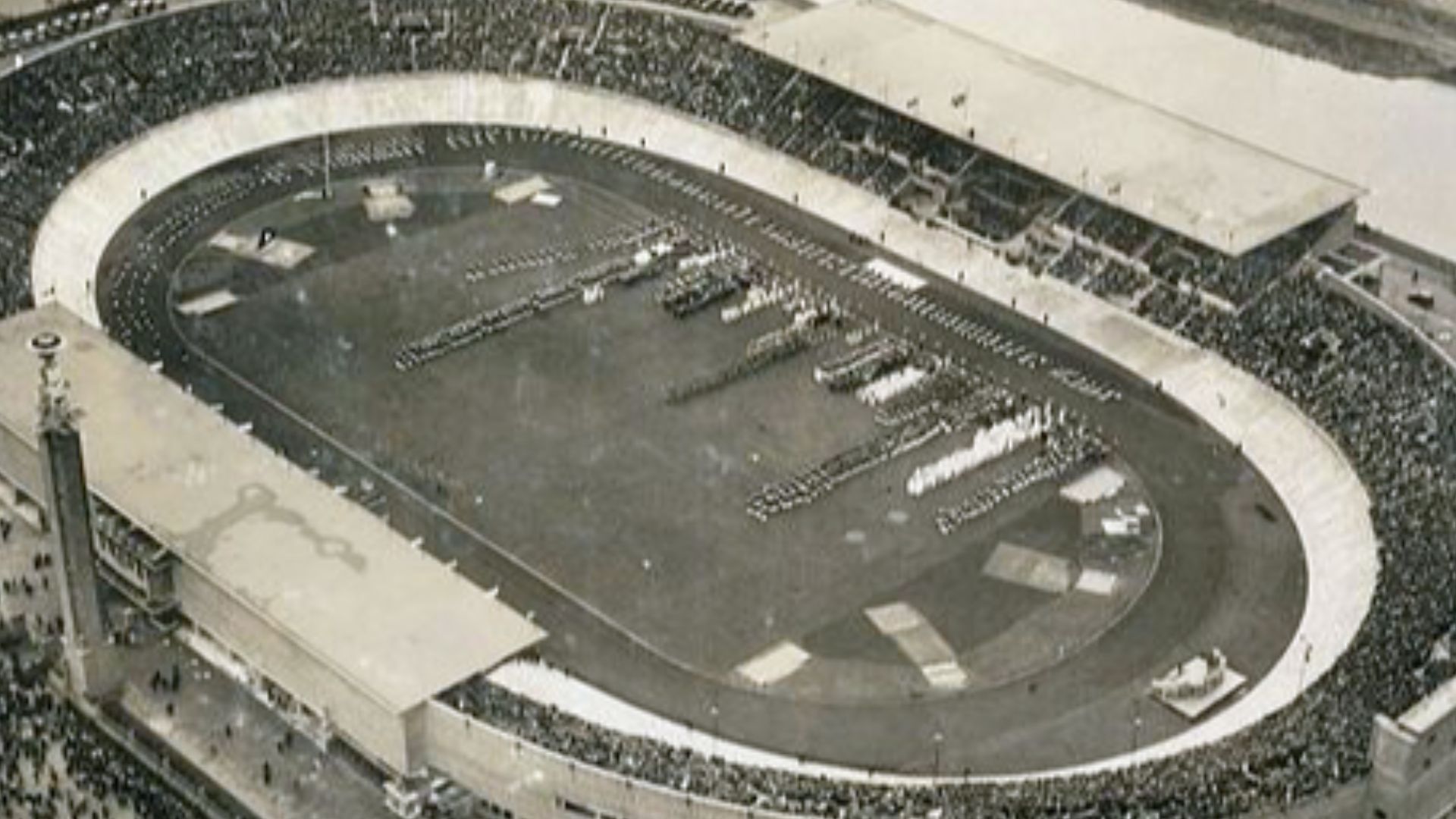 Unknown authorUnknown author on Wikimedia
8. Sculpture's Sport Themes
Multi-medalists like Poland's Józef Klukowski won 1932 gold for "Sport Sculpture" and 1936 silver, showcasing sustained talent in this forgotten visual category that awarded 34 total medals across all Olympic editions. Paul Landowski from France won the 1928 gold for "The Boxer.”
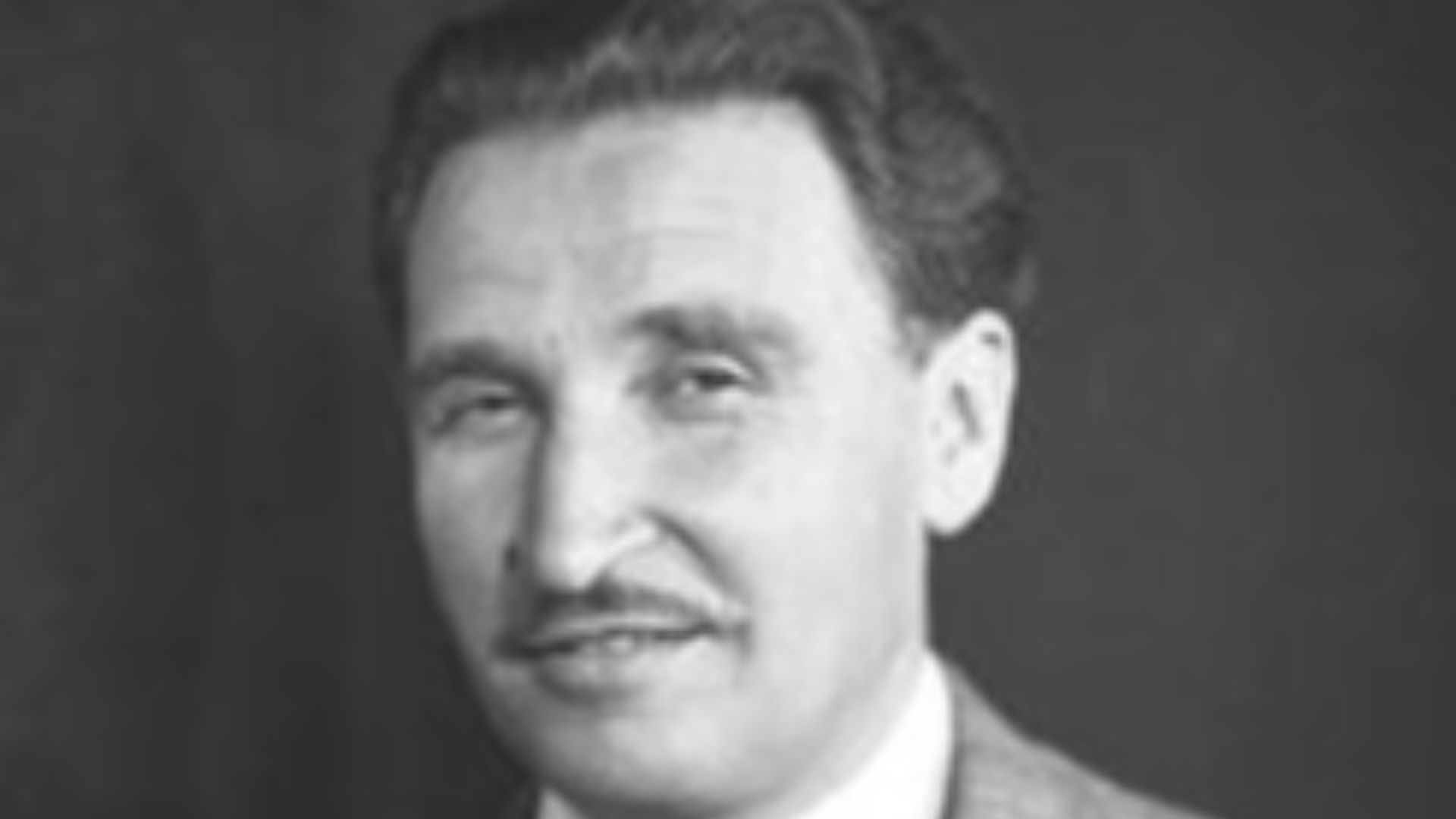
9. Literature’s Diverse Forms
From 1928, literature was subdivided into dramatic, epic, and lyric categories. Winning entries ranged from epic poems celebrating endurance to reflective essays on discipline and fair play. This category proved that the Games once valued storytelling as a force equal to physical performance.
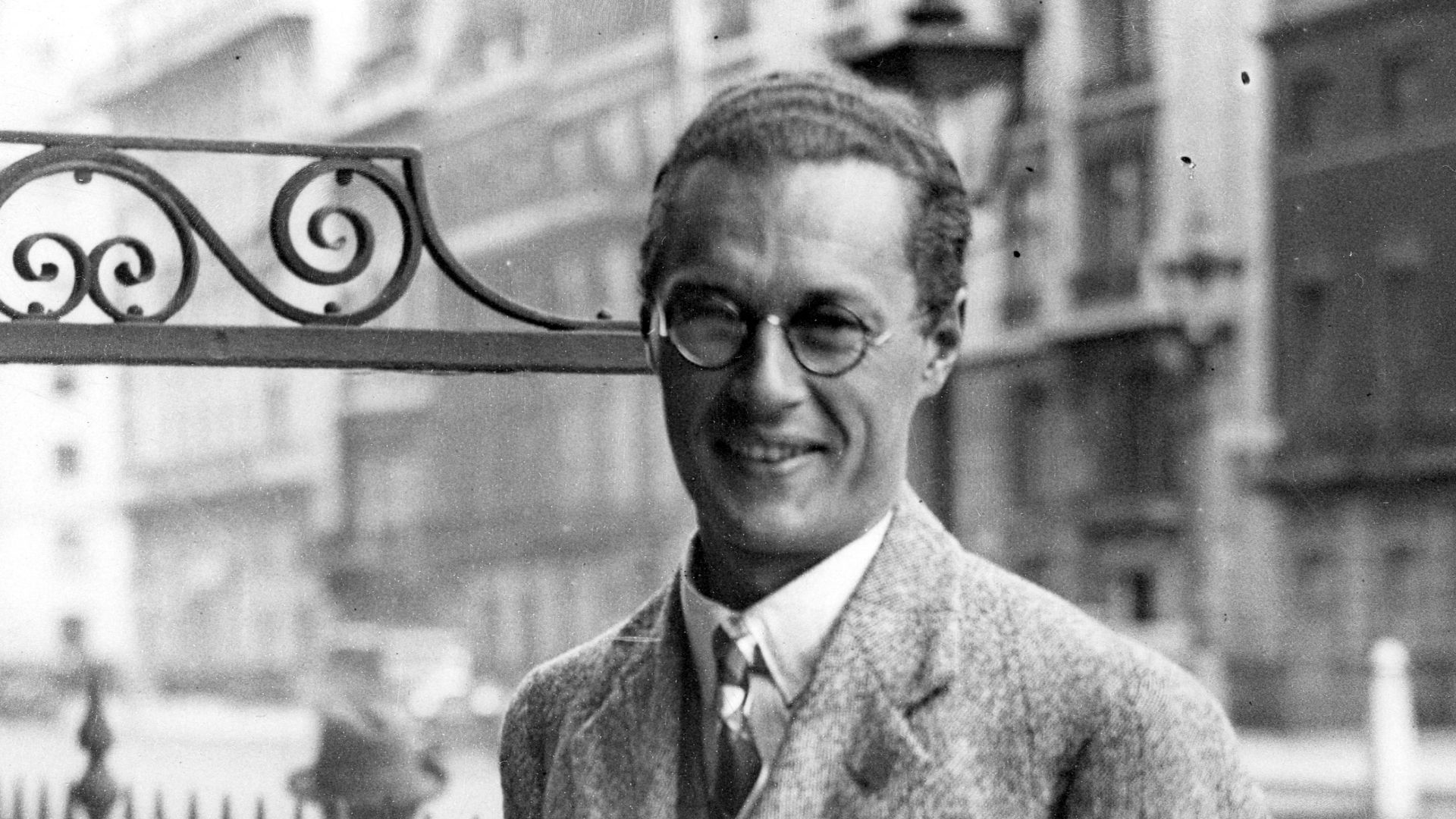 AnonymousUnknown author on Wikimedia
10. Los Angeles 1932's Hollywood Influence
The 1932 Los Angeles Games featured an exhibition at the museum drawing 384,000 visitors despite Depression-reduced entries hovering around 87, blending art with Hollywood visibility. Mostly American wins dominated due to fewer Europeans making the costly trip.
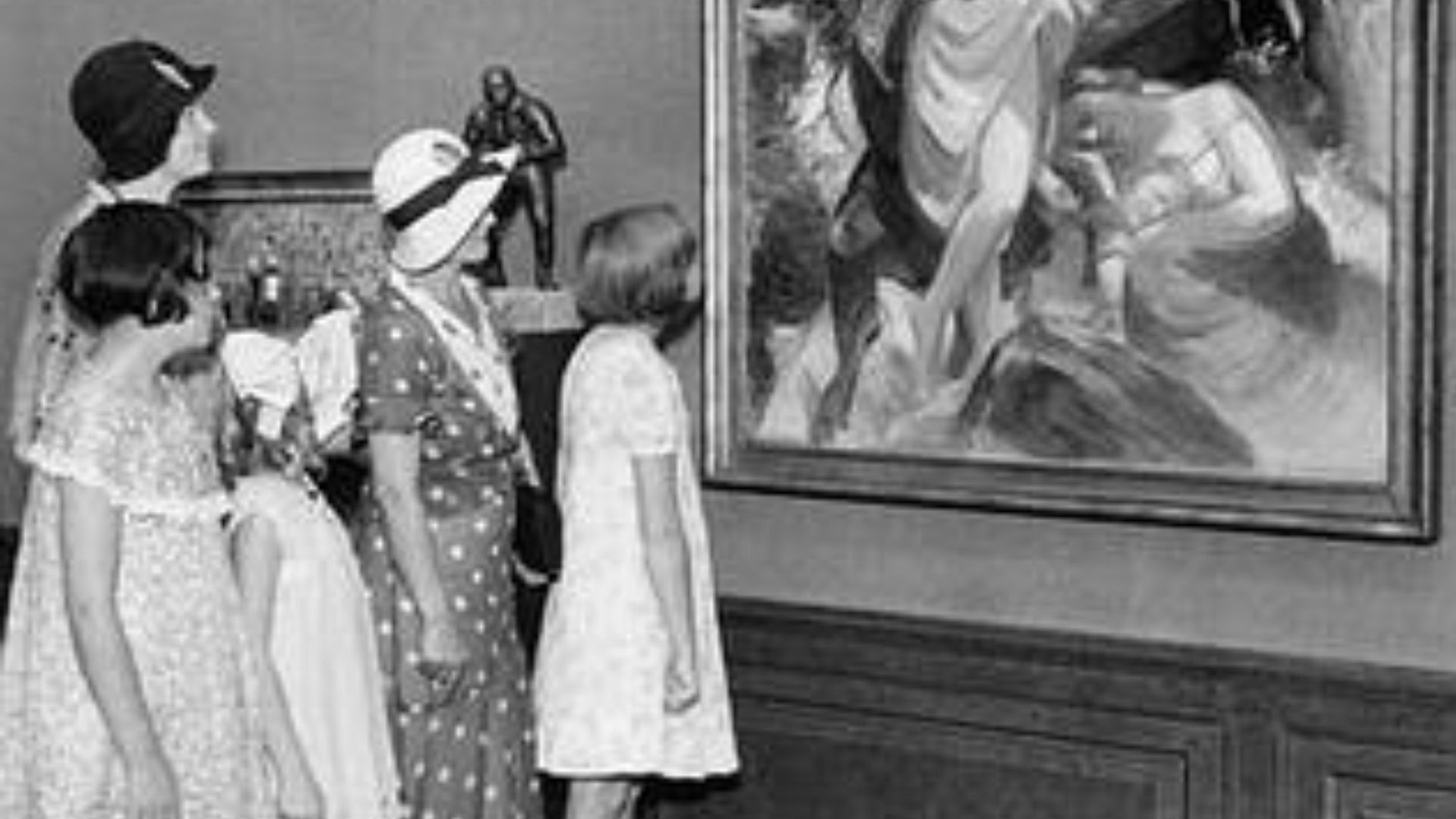 Unknown authorUnknown author on Wikimedia
11. Berlin 1936's Propaganda Element
Berlin unfortunately turned sport into a spectacle for propaganda. At the time, the regime used grand architecture, mass rallies, and Leni Riefenstahl’s pioneering film techniques to project power, unity, and so-called supremacy. Strict image control hid persecution and militarism from foreign visitors.
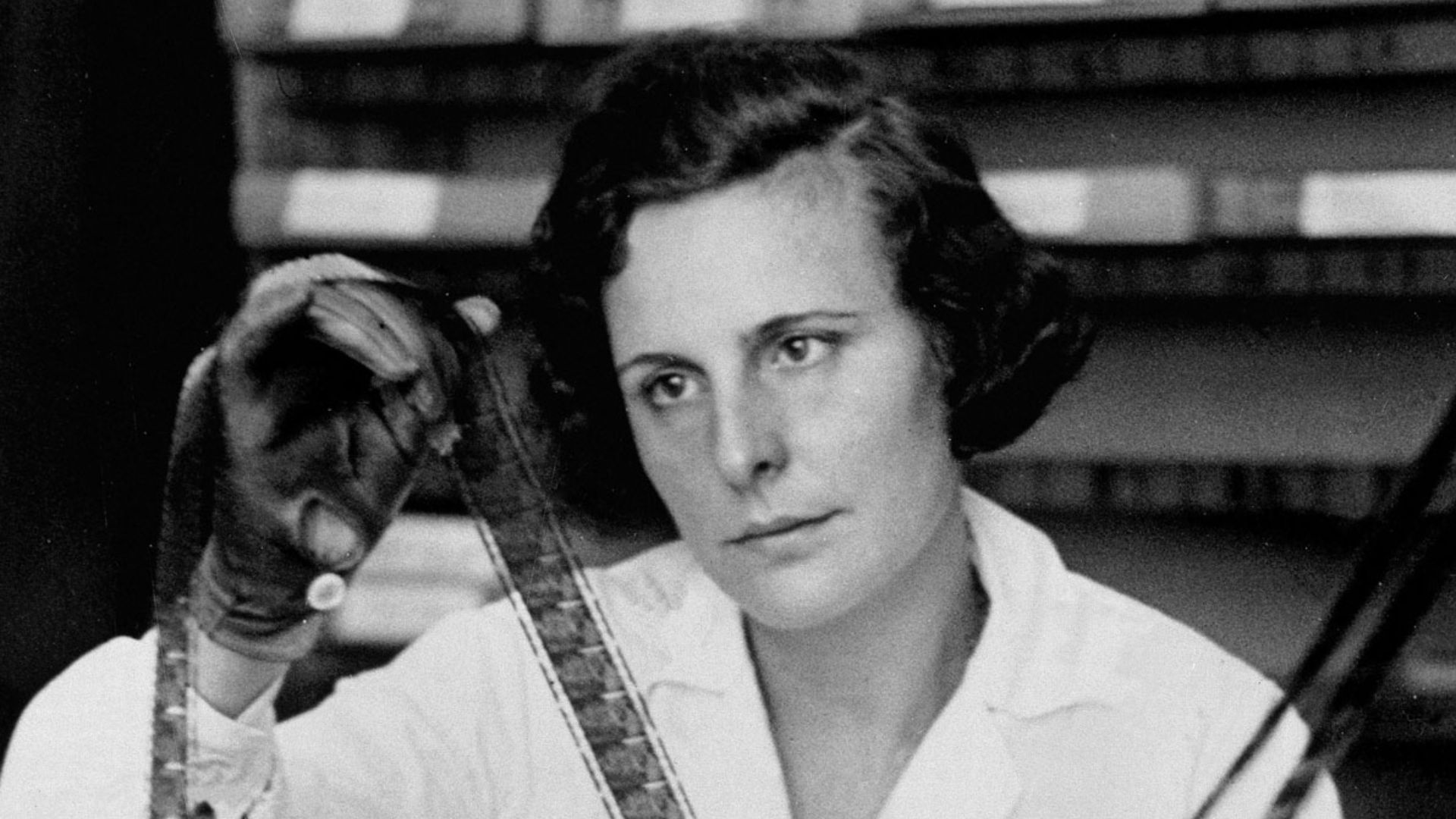 Unknown authorUnknown author on Wikimedia
12. Architecture's Practical Focus
Town planning subcategory from 1928 awarded urban layouts, such as the 1936 gold to the March brothers for Reich Sports Field, blending utility and aesthetics in this forgotten practical art. Forgotten impacts include the 1948 gold to Yrjö Lindegren of Finland for "Varkaus Athletic Centre”.
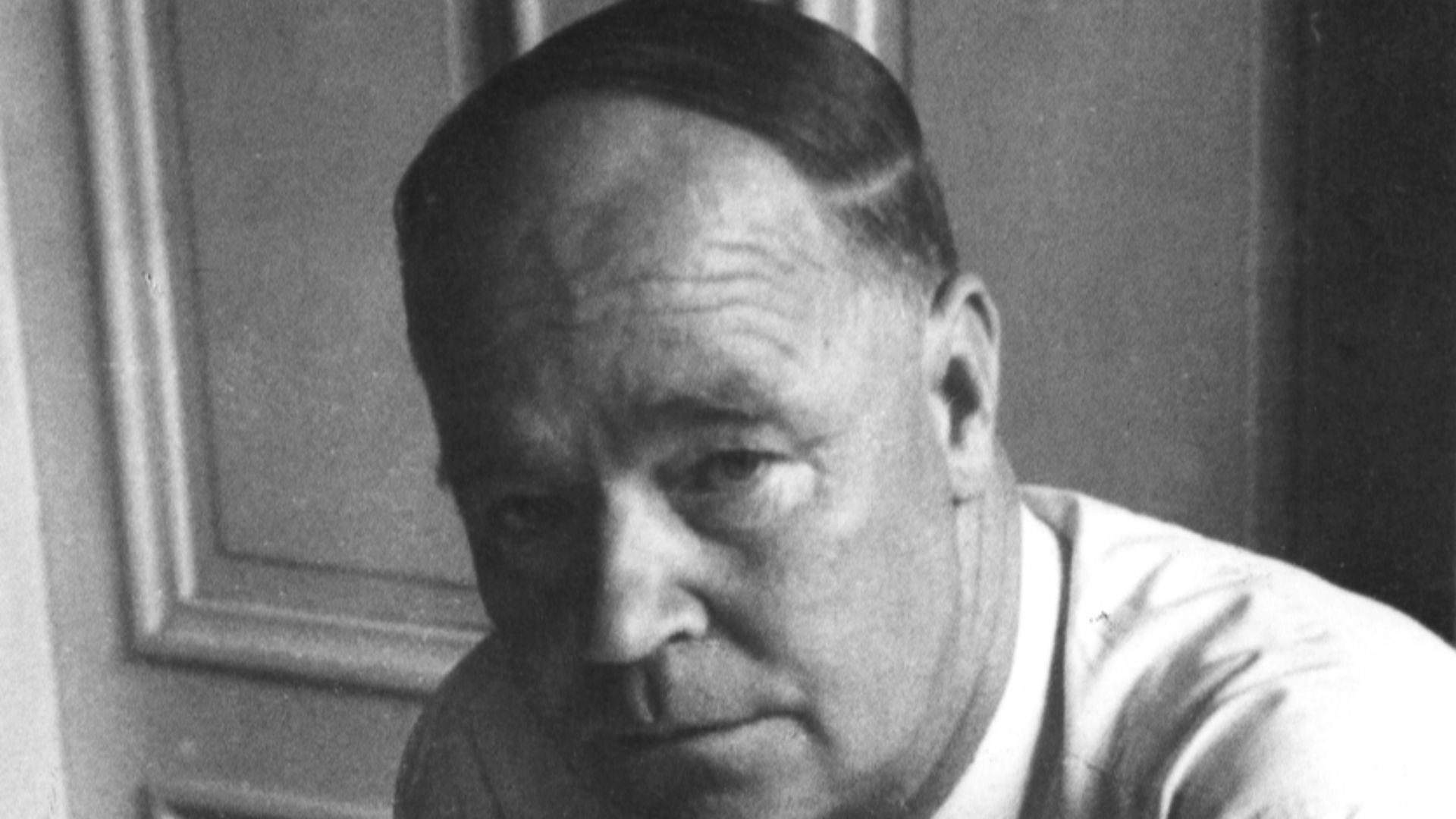 AnonymousUnknown author on Wikimedia
13. Women's Limited Participation
Women faced underrepresentation, mirroring Olympic gender gaps, but art allowed more entries. Aale Tynni from Finland won the 1948 literature gold for "Laurel of Hellas," the only female gold in literature, highlighting rare successes in diverse forms amid persistent gender barriers.
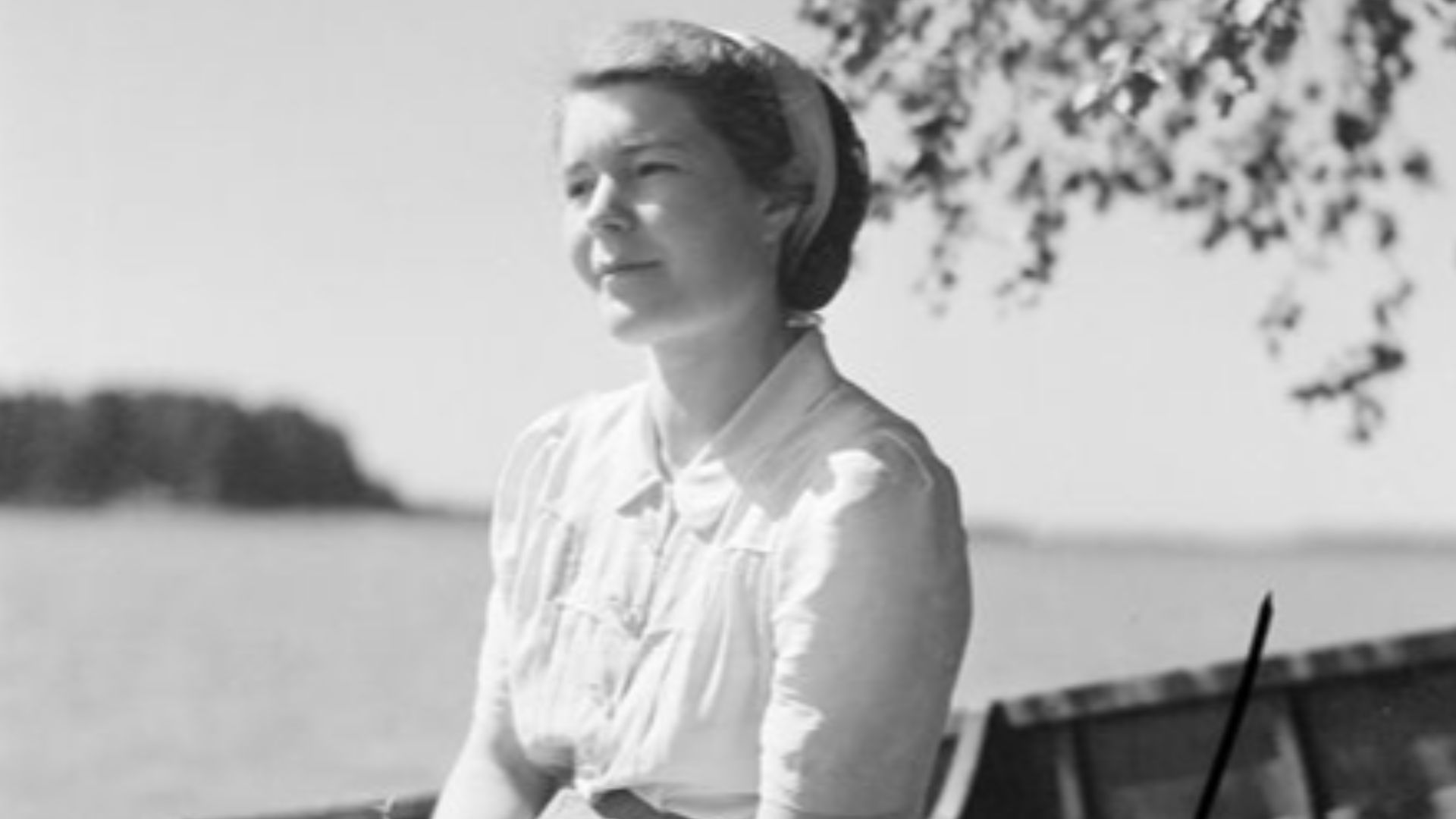
14. Judging Controversies
1928 exhibitions permitted post-Games sales, causing amateur uproar but adding a commercial quirk to artistic judging that highlighted the contradictions in Olympic ideals. International juries faced bias claims from national dominance and subjectivity, like the 1948 music no-golds in subcategories.
15. London 1948's Swan Song
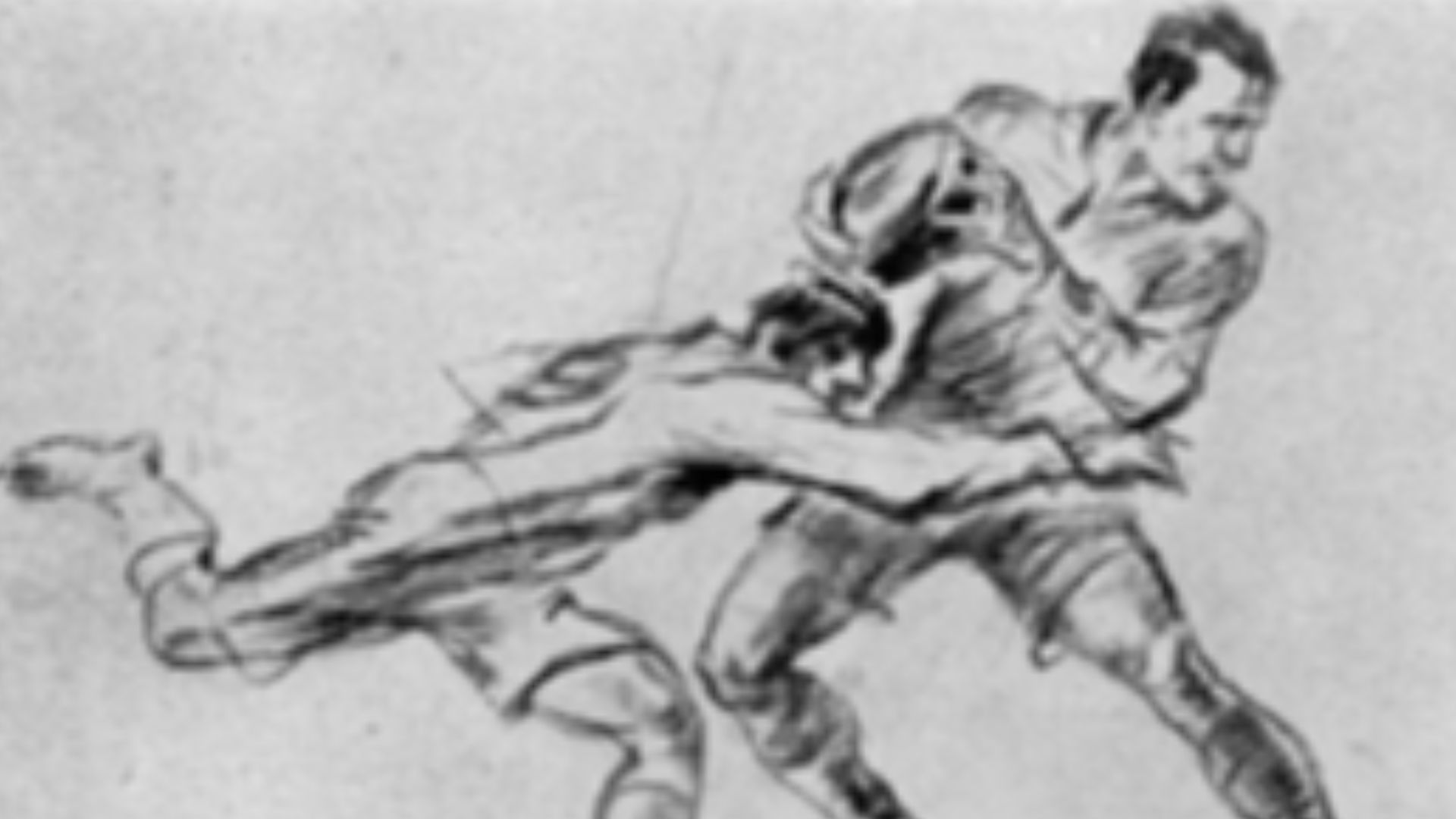
John Copley from Britain, aged 73, won an engraving silver medal for "Polo Players.” The 1948 London Games, the last art contests, had about 170 entries across 14 subcategories amid austerity, marking the end of medal events forever.
16. Multi-Medal Artists
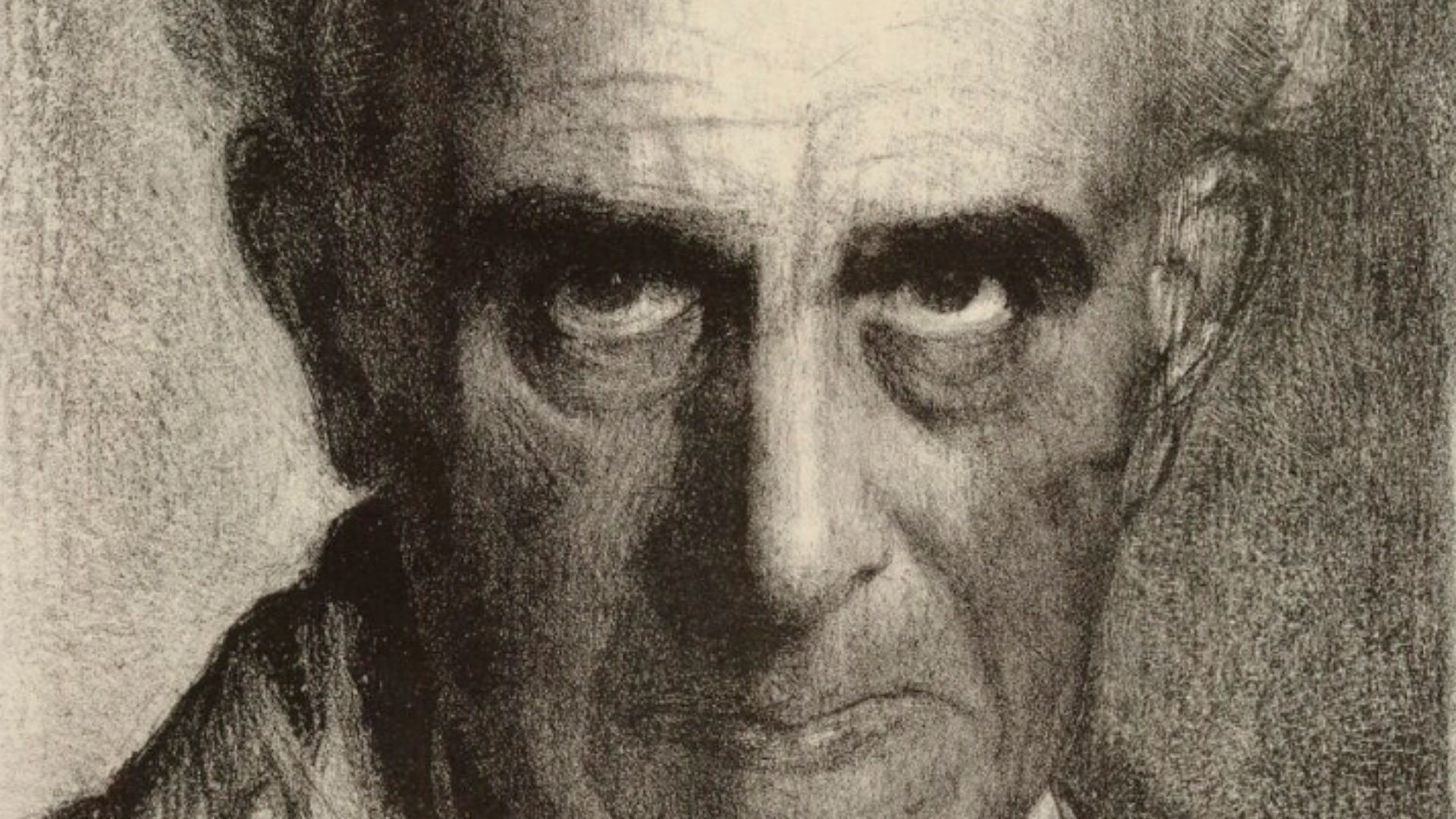
Jean Jacoby from Luxembourg won two painting golds (1924 "Sports Study," 1928 "Rugby"). This man became the only double gold artist in visual forms throughout these forgotten Olympic art competitions. Besides, Alex Diggelmann from Switzerland earned three medals in total.
17. Medal Tally Dominance
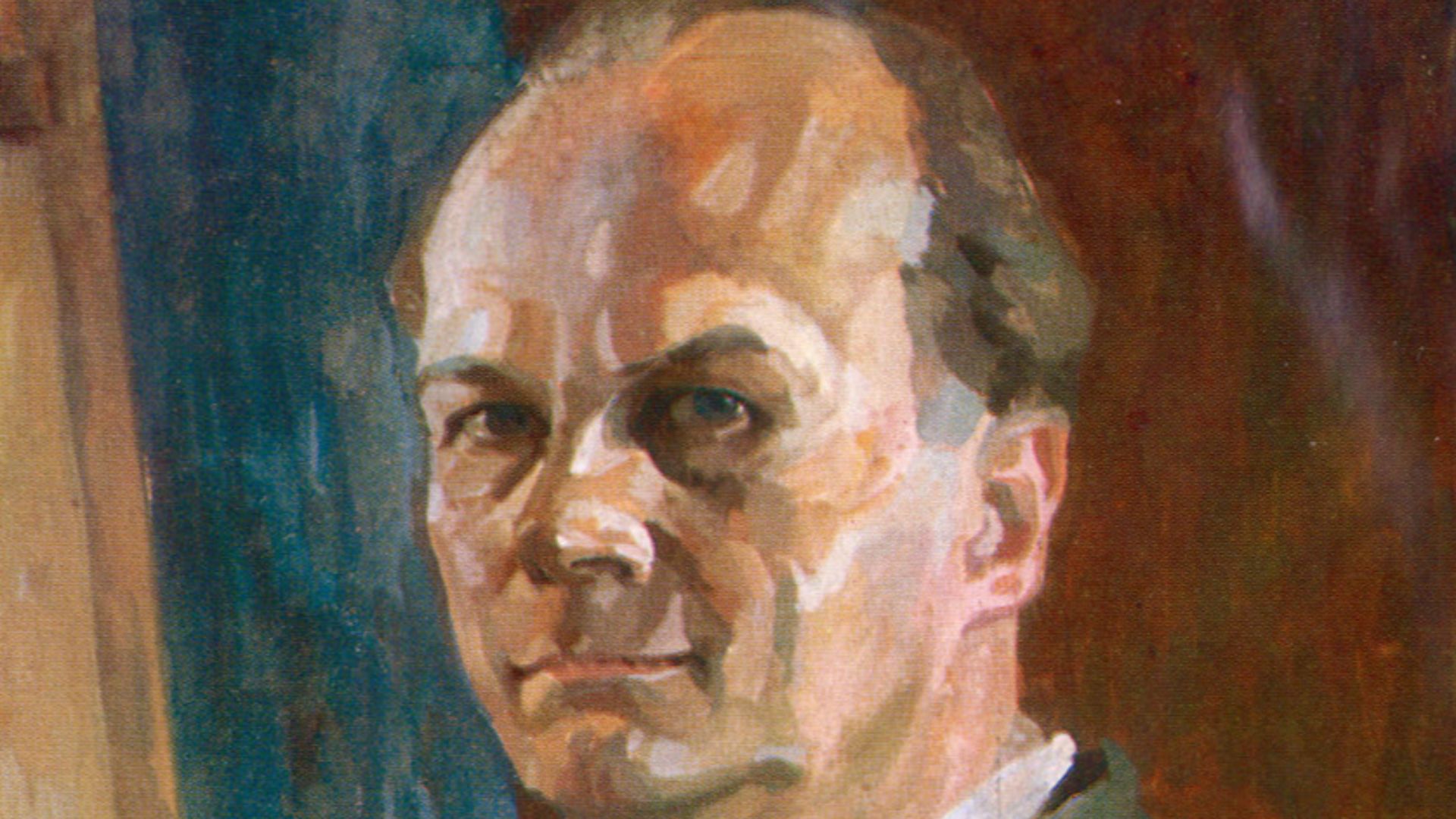
Italy earned 14 medals (5 gold, 7 silver, 2 bronze), while France had 13 (4 gold, 4 silver, 5 bronze), with discrepancies resolved by the IOC's 2021 updates, excluding Coubertin's pseudonym attribution. Germany topped the all-time table with 24 medals (8 gold, 7 silver, 9 bronze) across 1912–1948.
18. Amateurism Debates
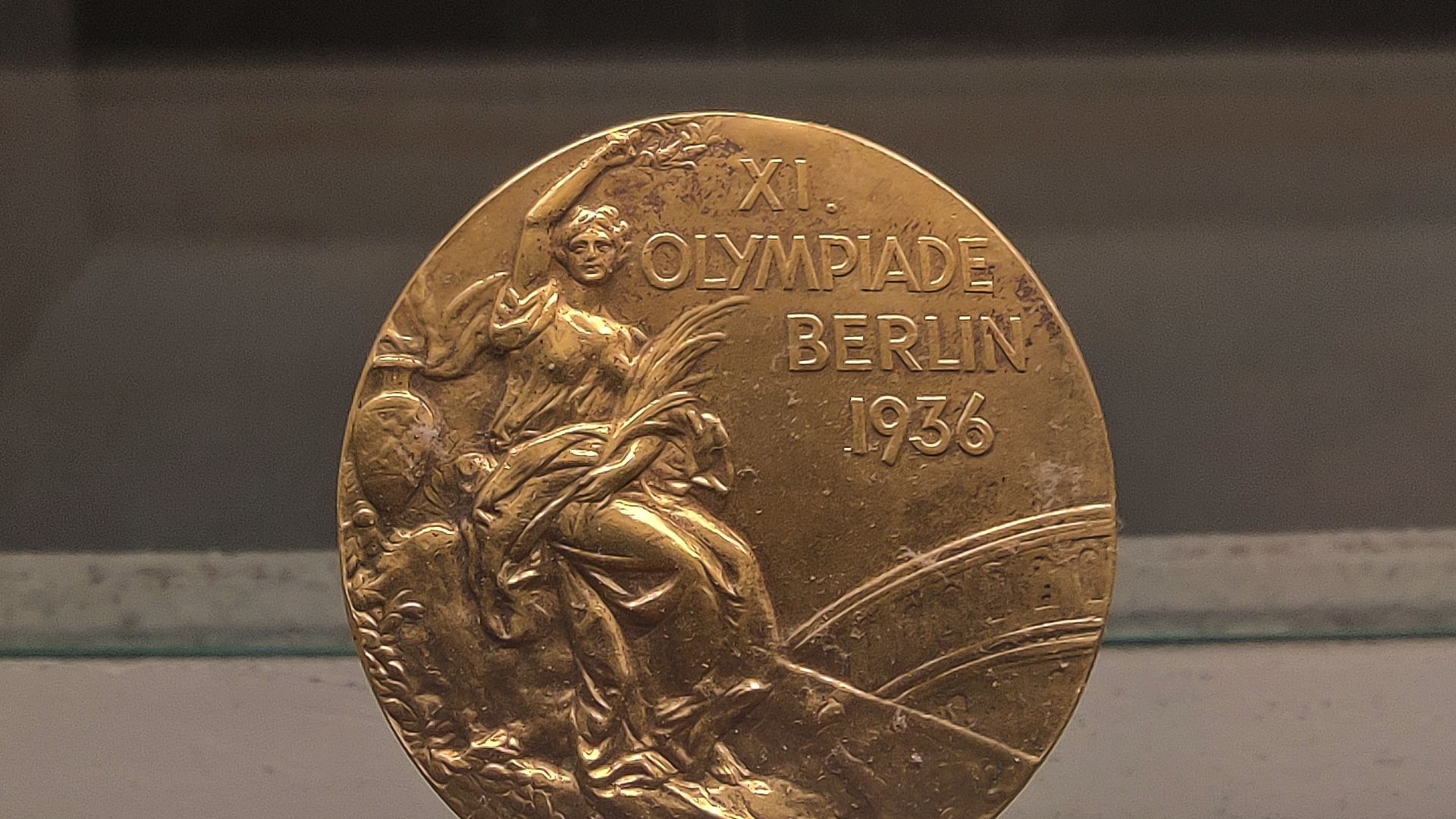
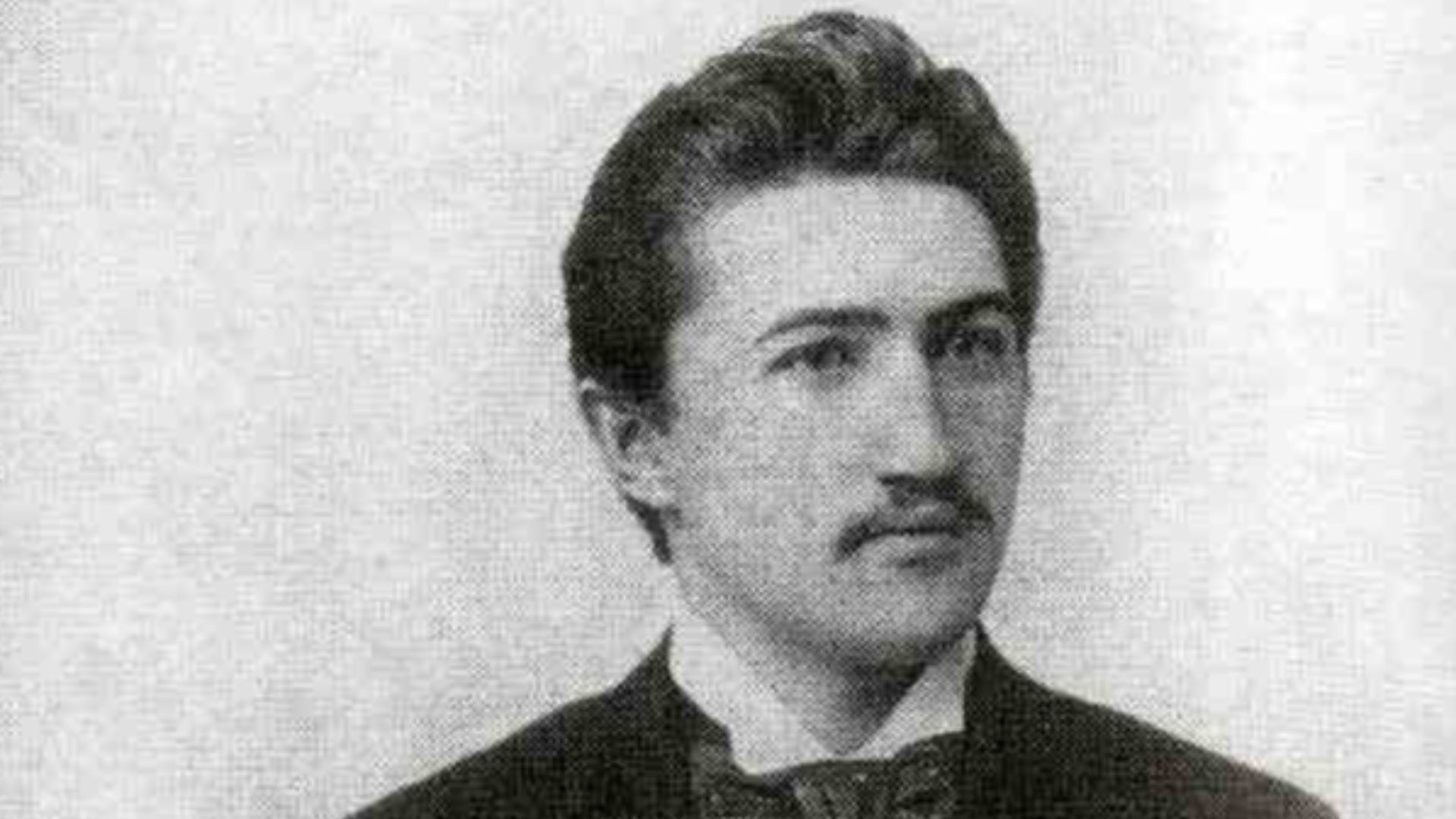
Hypocrisy was noted in architecture, allowing published works versus stricter literature and music standards, with 147 total medals awarded before the end, though older counts cited 151, including honorables. The IOC amateur rules clashed with professionals like Josef Suk's 1932 music silver.
 Unknown authorUnknown author on Wikimedia
19. Inspirational Themes Requirement
Rule unified categories, like 1948 literature gold to Aale Tynni for Hellas poems. This limited creative freedom but fosters unique creations in forgotten events dedicated to sports celebration. All works required sport or Olympic inspiration, disqualifying others.
20. War Cancellations Impact
Post-war 1920 and 1948 revivals showed resilience but featured fewer entries. WWI and WWII canceled the 1916, 1940, and 1944 Games, halting art evolution and potential additions like film in the interrupted era that might have modernized these competitions.


KEEP ON READING
The story of Ching Shih, the Woman Who Became the…
Unknown author on WikimediaFew figures in history are as feared…
By Emilie Richardson-Dupuis Dec 29, 2025
Einstein's Violin Just Sold At An Auction—And It Earned More…
A Visionary's Violin. Wanda von Debschitz-Kunowski on WikimediaWhen you hear…
By Ashley Bast Nov 3, 2025
This Infamous Ancient Greek Burned Down An Ancient Wonder Just…
History remembers kings and conquerors, but sometimes, it also remembers…
By David Davidovic Nov 12, 2025
The Mysterious "Sea People" Who Collapsed Civilization
3,200 years ago, Bronze Age civilization in the Mediterranean suddenly…
By Robbie Woods Mar 18, 2025
20 Greatest Ancient Athletes In History
Ancient Olympics. Long before modern stadiums and multimillion-dollar endorsements, athletes…
By Sara Springsteen May 1, 2026
20 Soldiers Who Defied Expectations
Changing the Rules of the Battlefield. You’ve probably heard plenty…
By Annie Byrd Feb 10, 2026