

What Happens When Innovation Meets Necessity?
The Soviet Union, determined to rival the West, often adapted or outright replicated Western technology and products. As you'll soon discover, some of these creations were driven by strategic needs, while others were ambitious efforts to showcase technical prowess. Either way, the results were hilariously similar! How many of these did you know about?

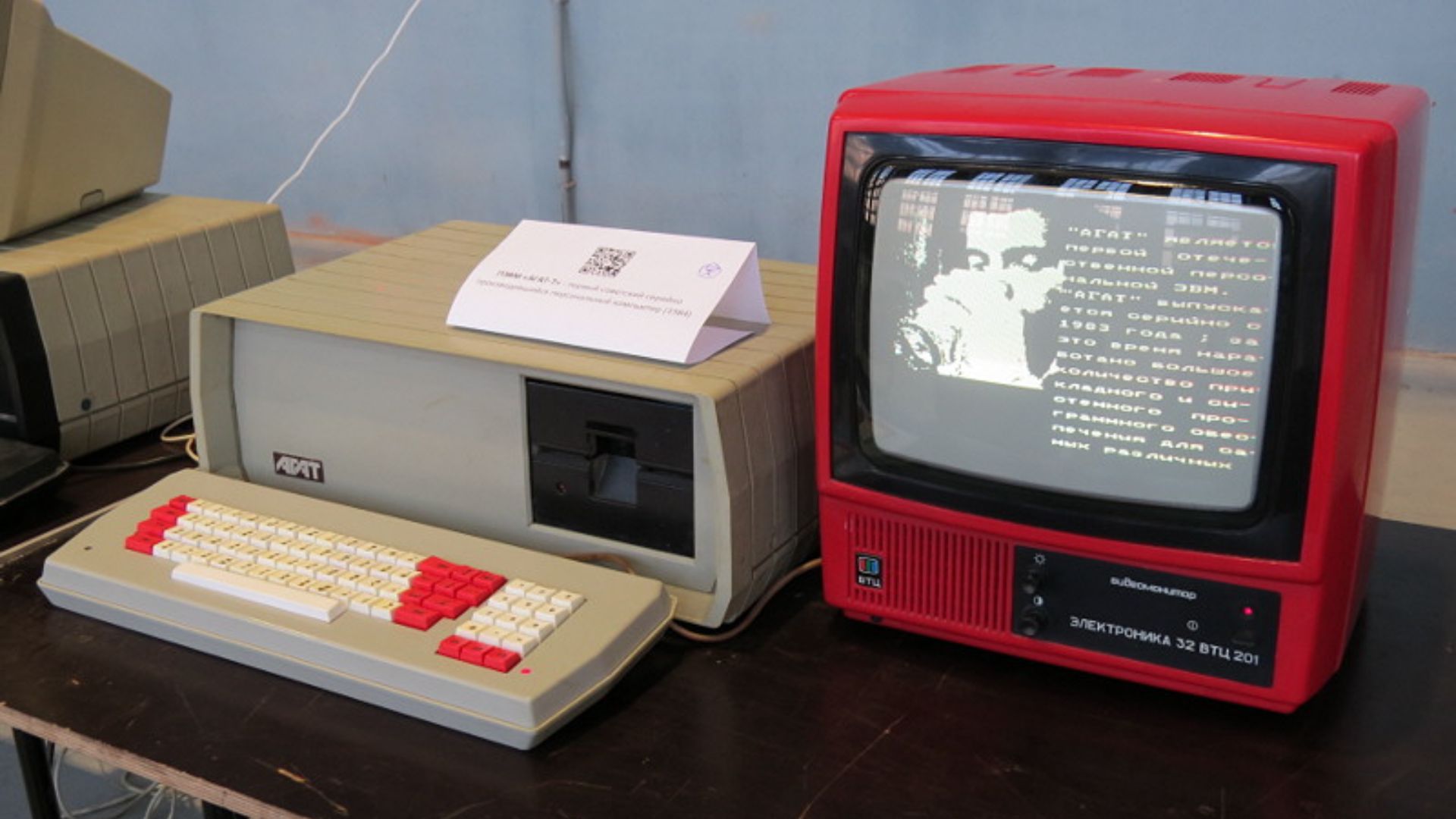
1. Agat Personal Computer (Apple II)
When the Agat debuted in Soviet schools in 1984, students were introduced to computing in a new way. The operating system was developed from scratch. It had the same MOS Technology 6502 microprocessor as the Apple II and was designed primarily for Soviet schools, introducing students to IT.
 Sergei Frolov, Soviet Digital Electronics Museum, http://www.leningrad.su/museum/ on Wikimedia
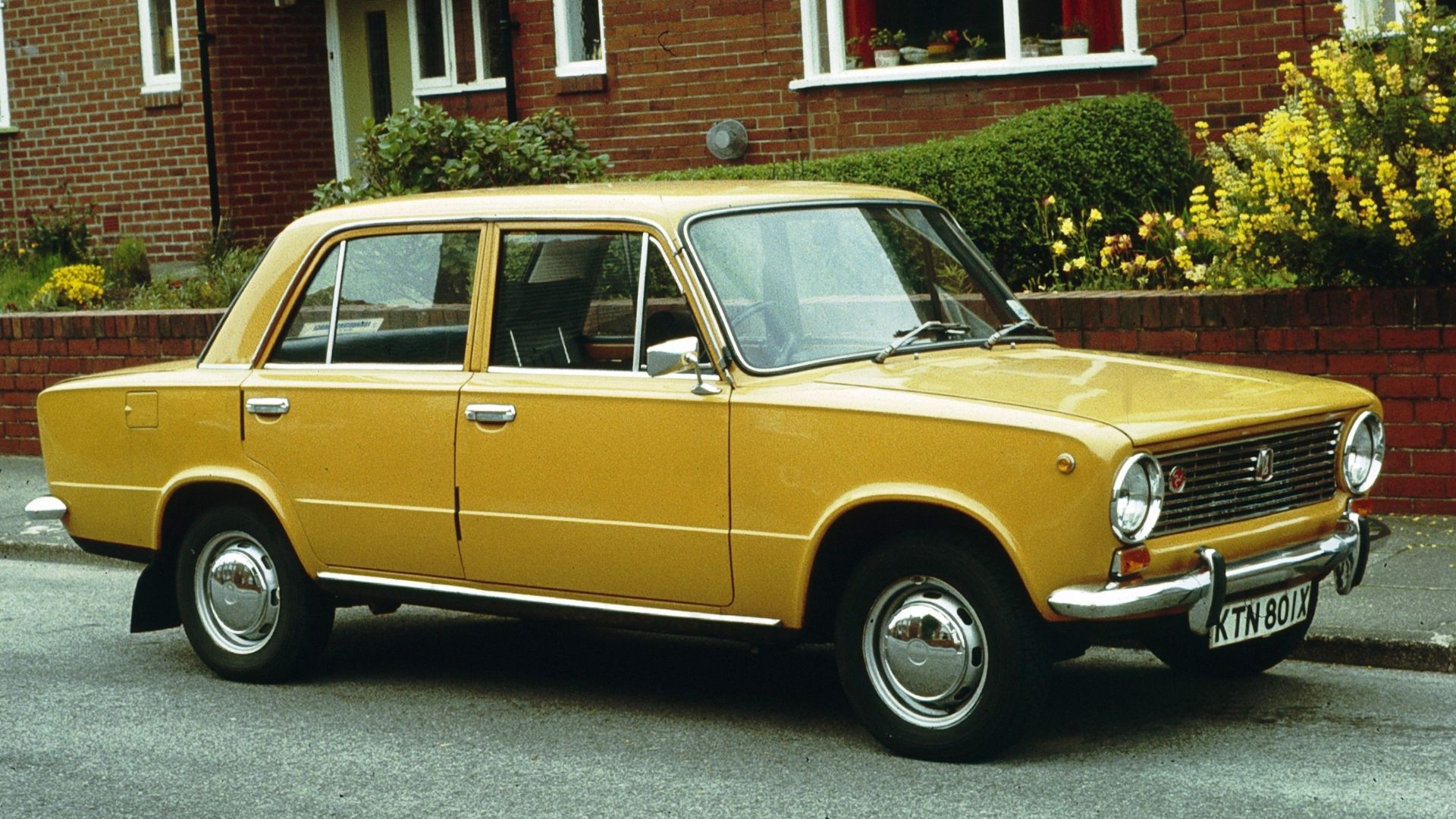
2. Lada 2101 Sedan (Fiat 124)
The Lada 2101, adapted from the Fiat 124, arrived in 1970 with modifications to suit their conditions. The reinforced chassis, drum brakes in the rear, and a simpler engine design ensured durability. It quickly became one of the most recognizable vehicles in the Soviet Union.
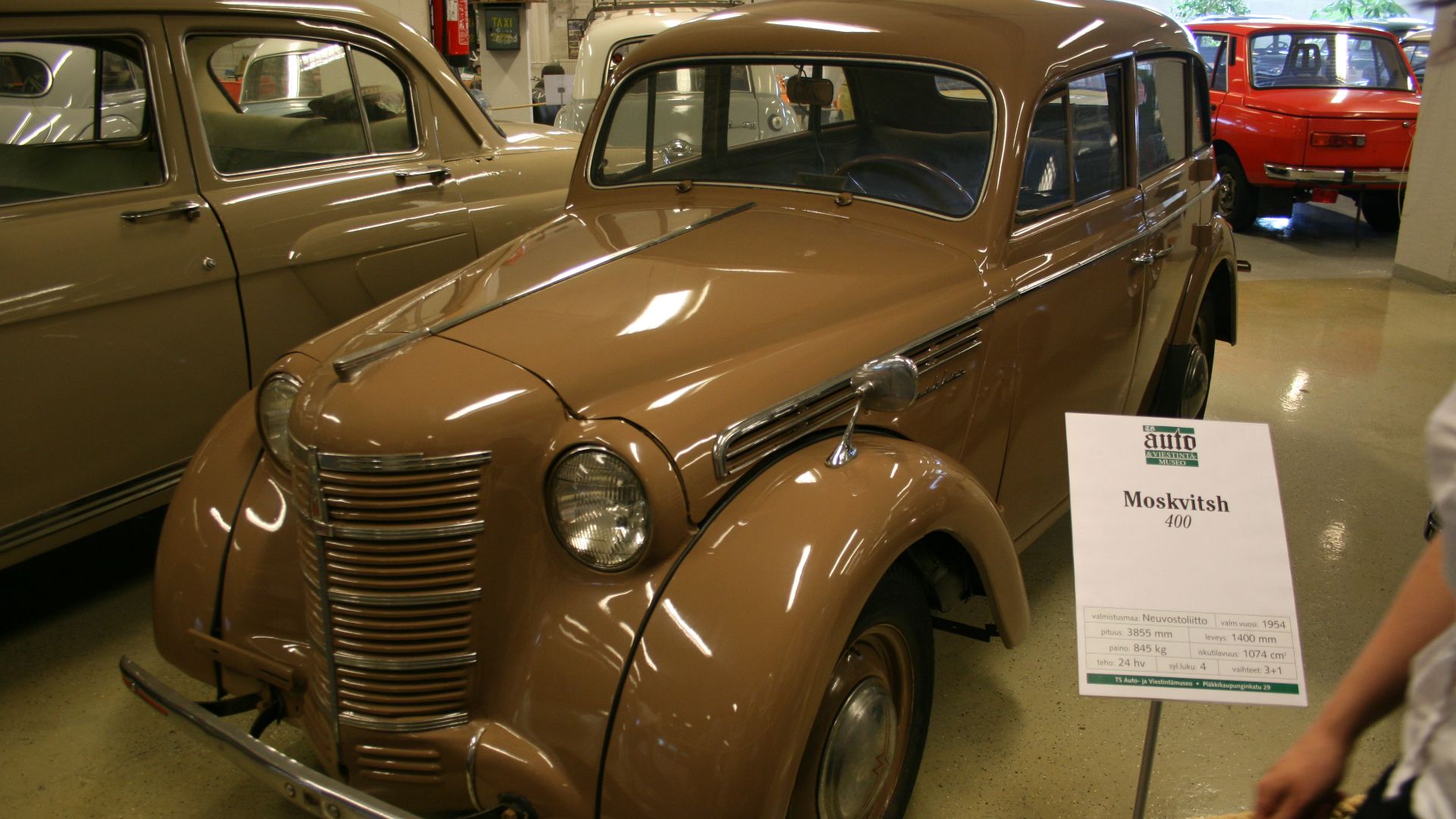
3. Moskvitch 400 Car (Opel Kadett K38)
War reparations played a vital role in their automobile production, and the Moskvitch 400 emerged from seized Opel factories. Its 1.1L engine was fuel-efficient but underpowered. The replication was facilitated by the Soviet acquisition of Opel's equipment and documentation as part of war reparations.
 Jan-Erik Finnberg on Wikimedia
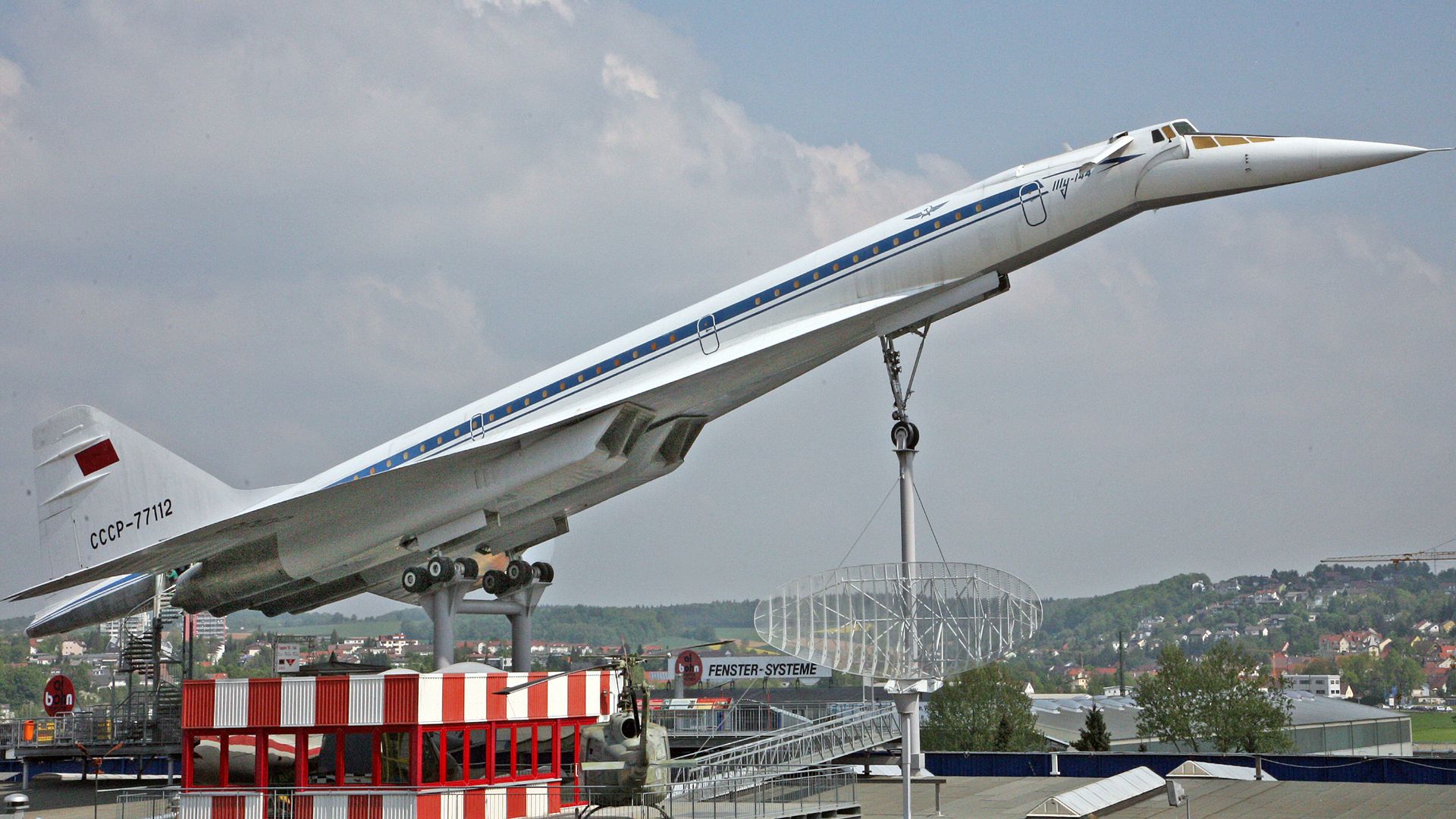
4. Tu-144 Supersonic Jet (Concorde)
In 1968, the Tu-144 took flight, narrowly ahead of the Concorde, in the race to break the sound barrier. Due to its resemblance to the Anglo-French Concorde, it earned the nickname the 'Konkordski.' After its disastrous participation in the 1973 Paris Air Show, its commercial viability was severely undermined.
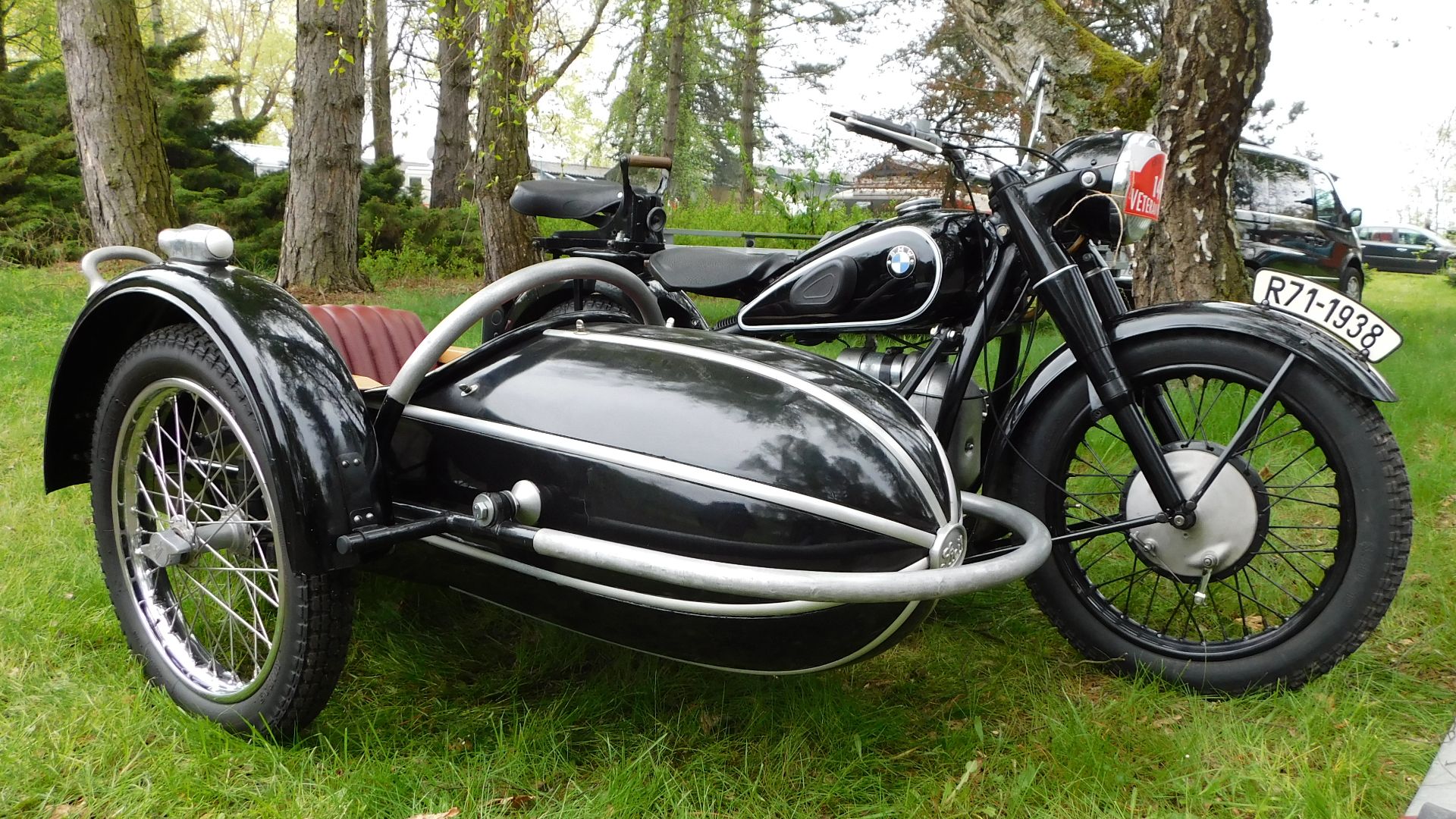
5. Ural Motorcycle (BMW R71)
Based on the BMW R71, the Ural motorcycle became a USSR military mainstay. Featuring a sidecar and a shaft-drive system, it handled rough terrain better than many competitors. Today, Ural motorcycles have a cult following among off-road enthusiasts worldwide.
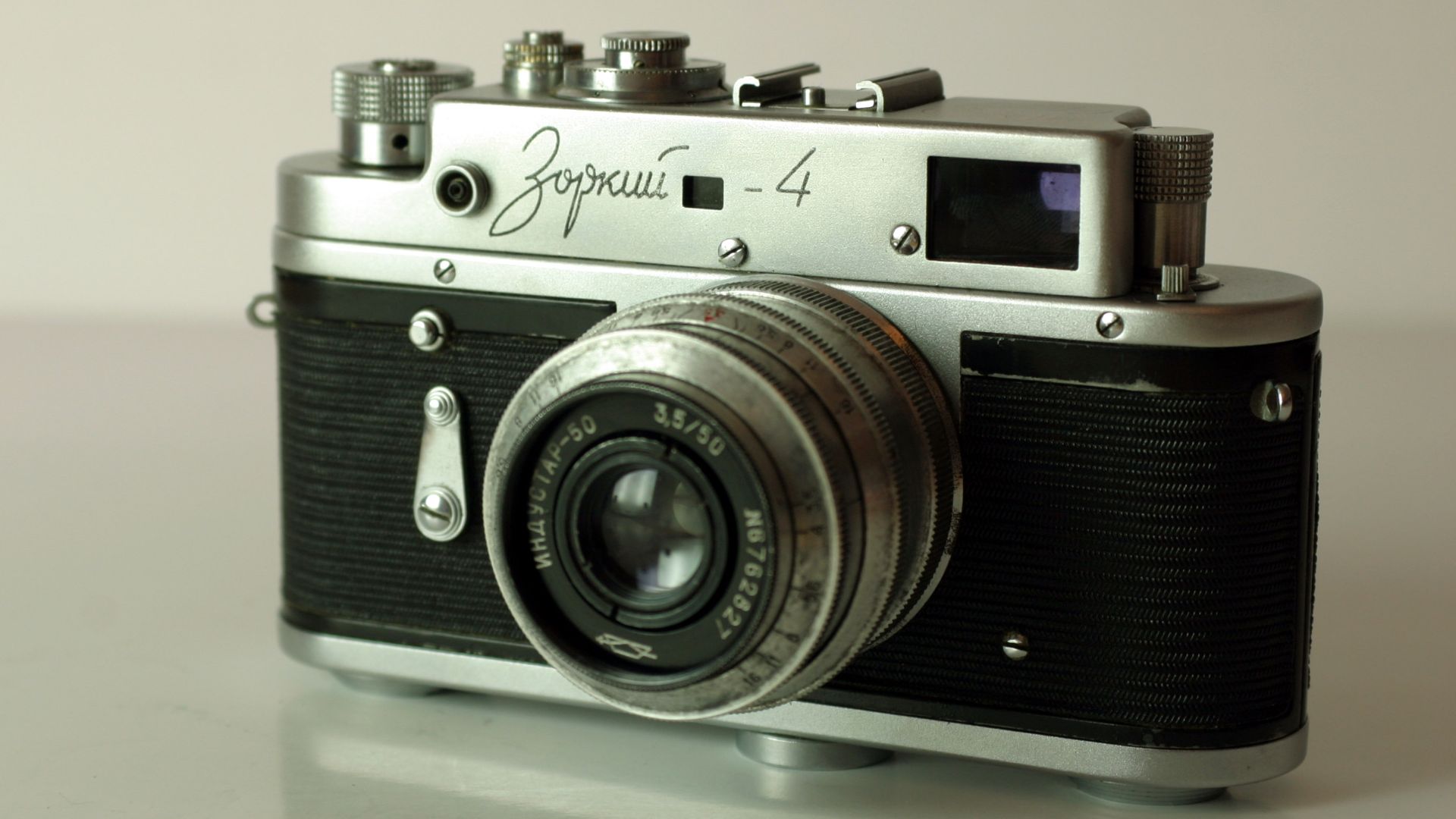
6. Zorki-4 Camera (Leica II)
USSR photographers found an affordable alternative to Leica in the Zorki-4. Produced between 1956 and 1973, it boasted interchangeable lenses and a sturdy metal frame. An enlarged viewfinder made outdoor shooting easier, distinguishing it from the Leica II.
7. Kiev-88 Camera (Hasselblad 1600F)
Designed as a lower-cost alternative to the Hasselblad 1600F, the Kiev-88 was widely used by Soviet professionals. Despite light leak issues in early models, the camera’s medium-format capabilities attracted photographers seeking a budget-friendly alternative.
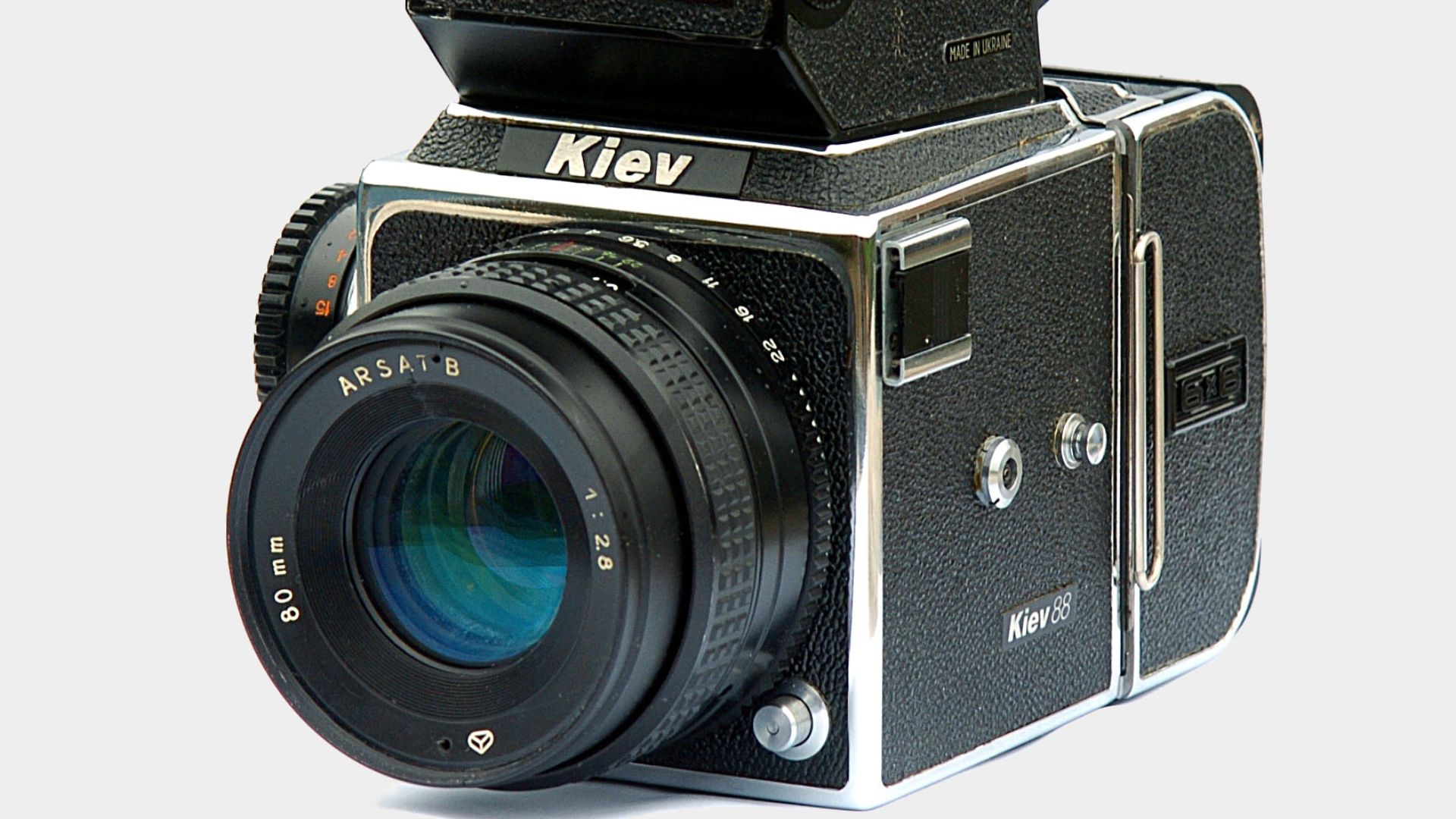 Lewis Collard, Kirsim on Wikimedia
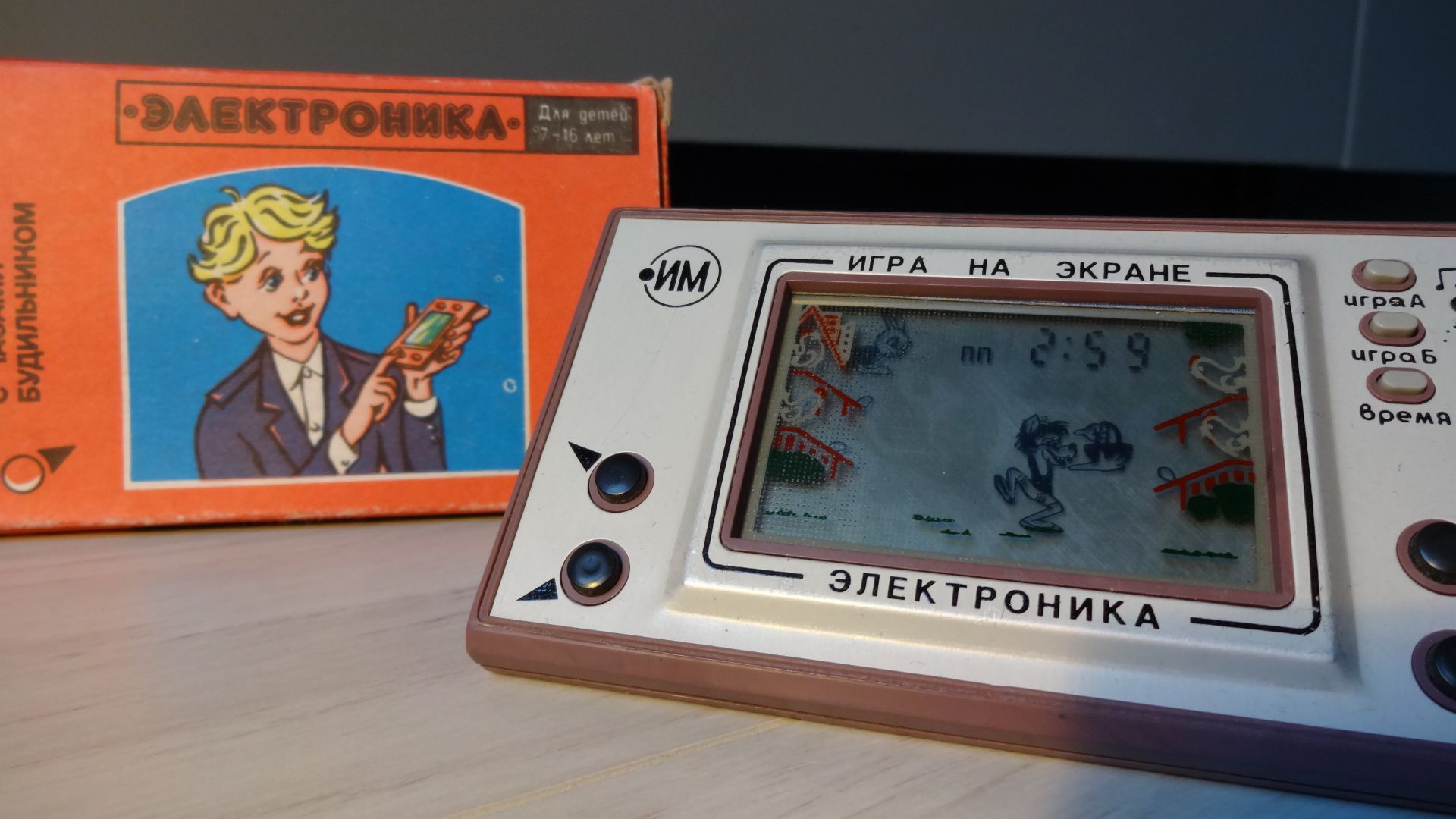
8. Elektronika IM-02 Handheld Game (Nintendo Game & Watch)
Soviet children experienced handheld gaming through the Elektronika IM-02, a response to Nintendo’s Game & Watch. Featuring their cartoon characters and simple gameplay, these devices became highly nostalgic collectibles despite their slower LCD response times.
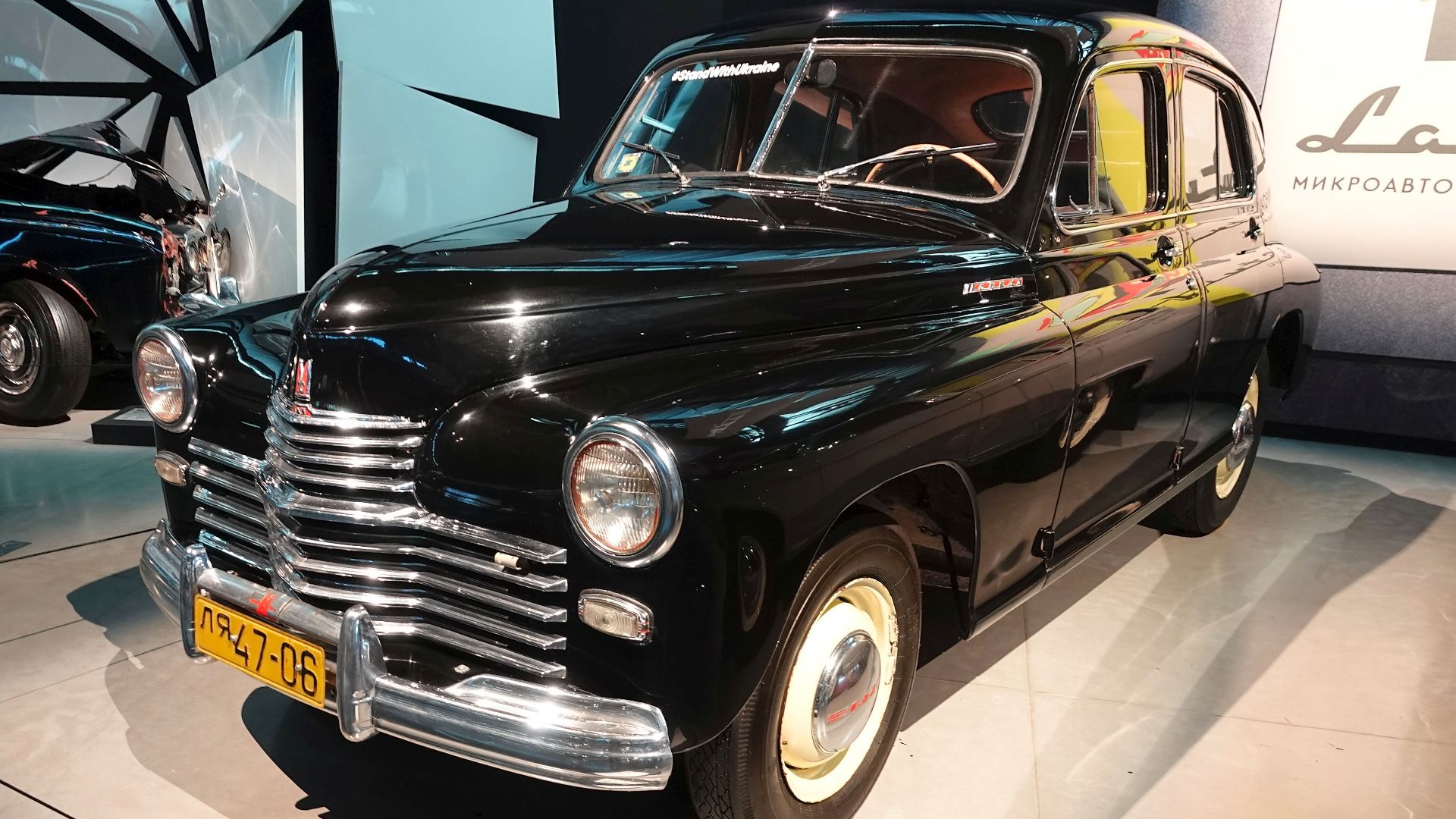
9. Pobeda M-20 Car (Chevrolet Fleetline)
With its streamlined design reminiscent of the Chevrolet Fleetline, the Pobeda M-20 became one of the first USSR cars developed without direct Western input. A four-cylinder engine emphasized efficiency, making it a preferred choice for taxi services at the time.
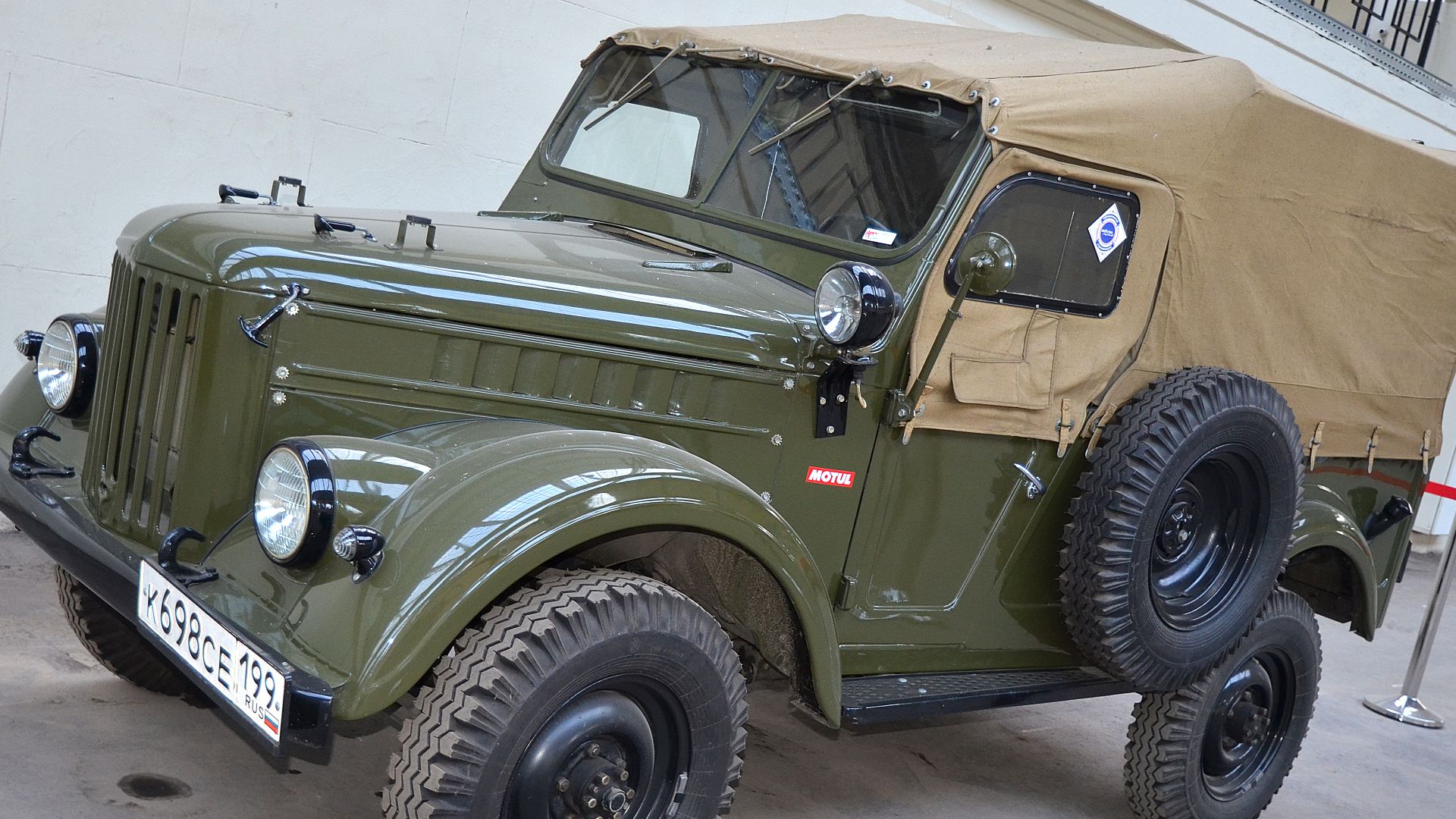
10. GAZ-69 Military Jeep (Willys MB Jeep)
The GAZ-69, a USSR reimagining of the Willys MB Jeep. Upgrades like sealed engine components made it indispensable. During World War II, the Soviet Union received over 50,000 Willys MB Jeeps through the Lend-Lease program, which influenced their military vehicle design.
 Sergey Korovkin 84 on Wikimedia
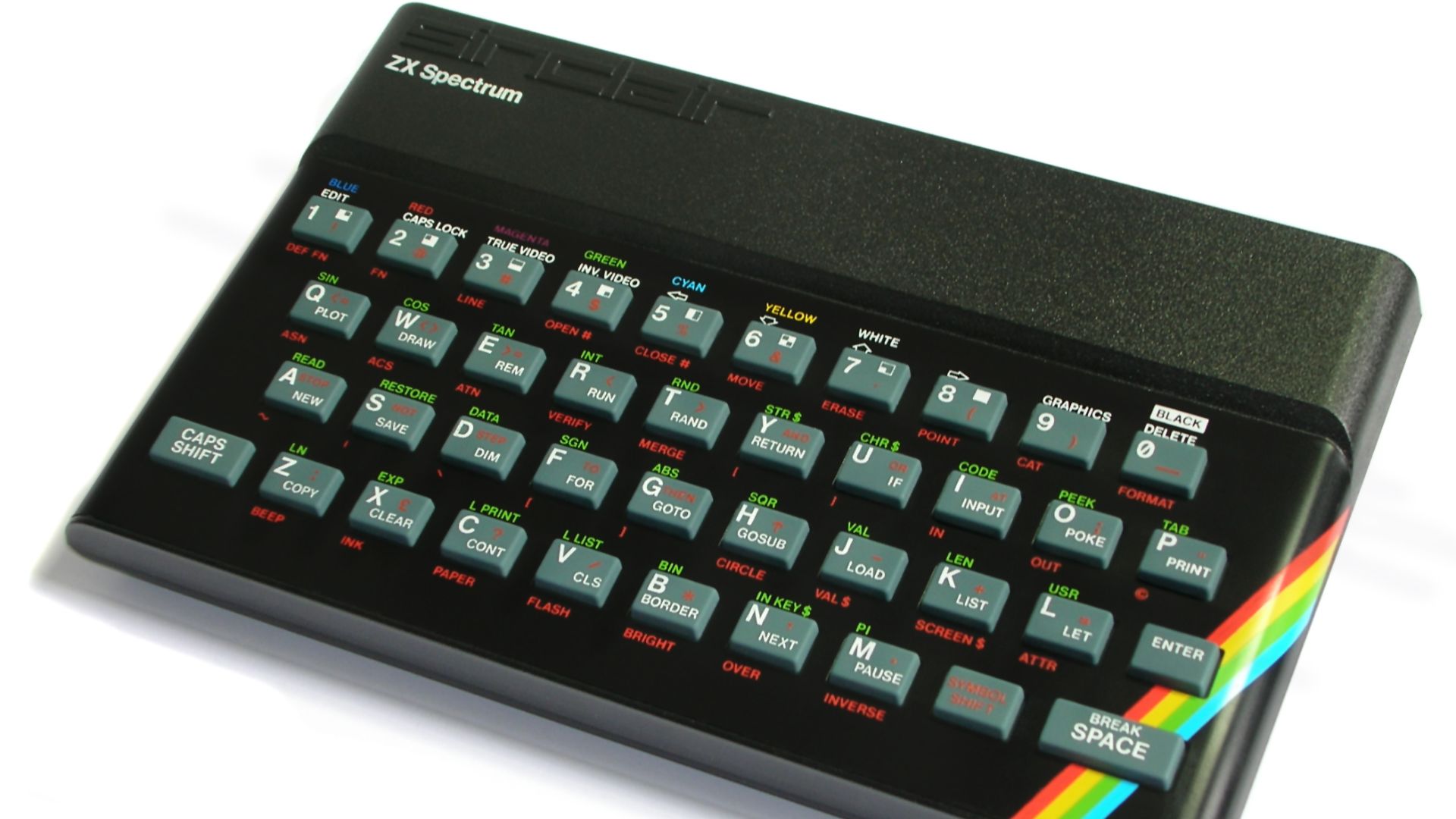
11. Orion-128 Computer (Sinclair ZX Spectrum)
The Orion-128 emerged as a Soviet counterpart to the Sinclair ZX Spectrum and allowed users to expand RAM and create their own software. The lack of official programs turned it into a platform for tech-savvy individuals who experimented with game development.
12. Mayak Reel-to-Reel Tape Recorder (Western Tape Recorders)
Mayak reel-to-reel tape recorders bore a resemblance to Western reel-to-reel technology and were widely used in Soviet studios. However, the lower quality of Soviet magnetic tape posed challenges. Issues led to rapid wear of magnetic heads, and inconsistencies in tape production resulted in subpar audio fidelity.
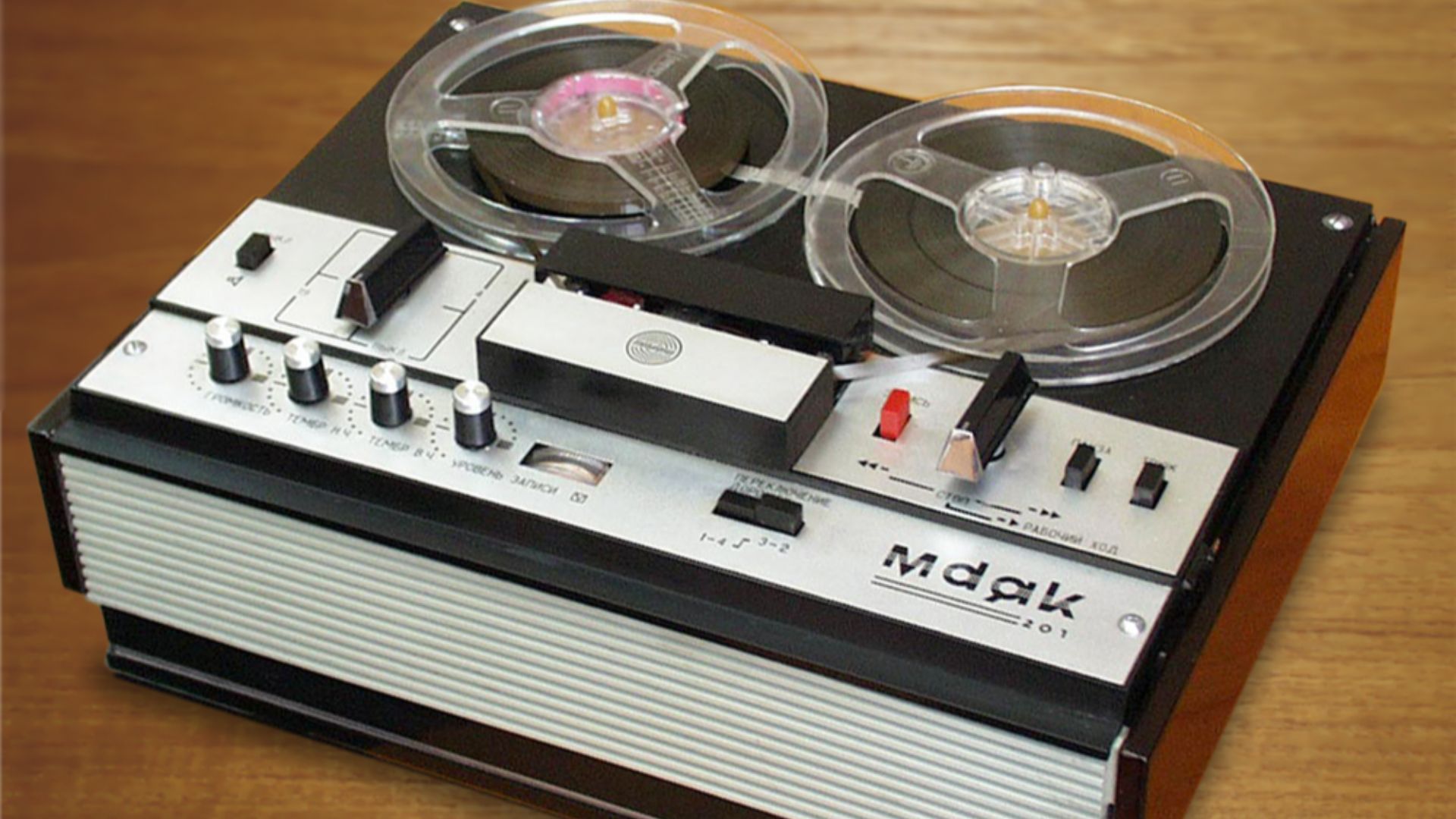 Віктор Ходєєв /Viktor Khodyeyev on Wikimedia
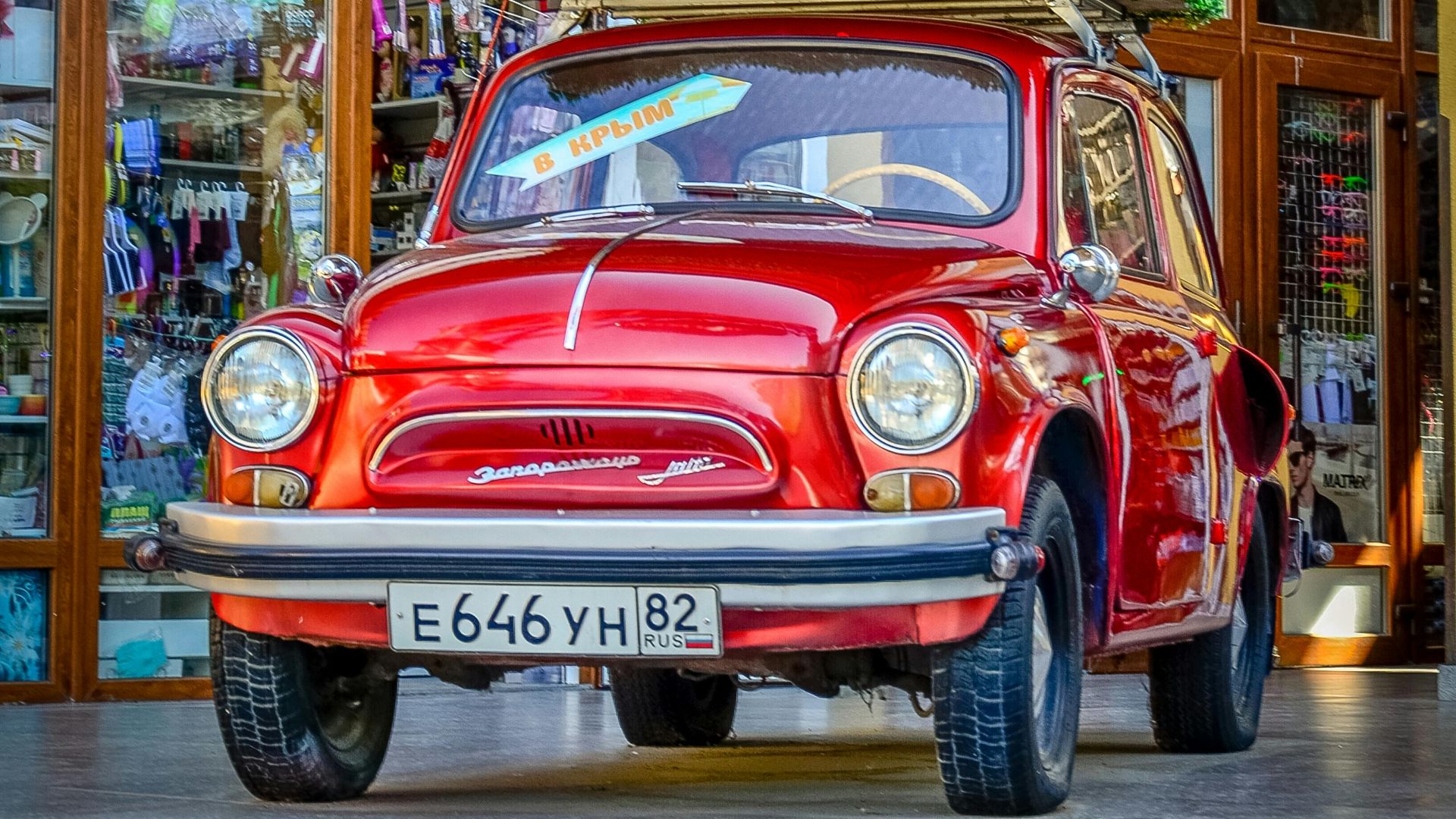
13. Zaporozhets 965 Car (Fiat 600)
Designed as a working-class vehicle, the ZAZ-965 took inspiration from the Fiat 600 but added a rugged rear-mounted, air-cooled engine. For unpaved roads, the vehicle's ground clearance was also increased to 200 mm, higher than the Fiat 600. The interior of the ZAZ-965 was minimalist.
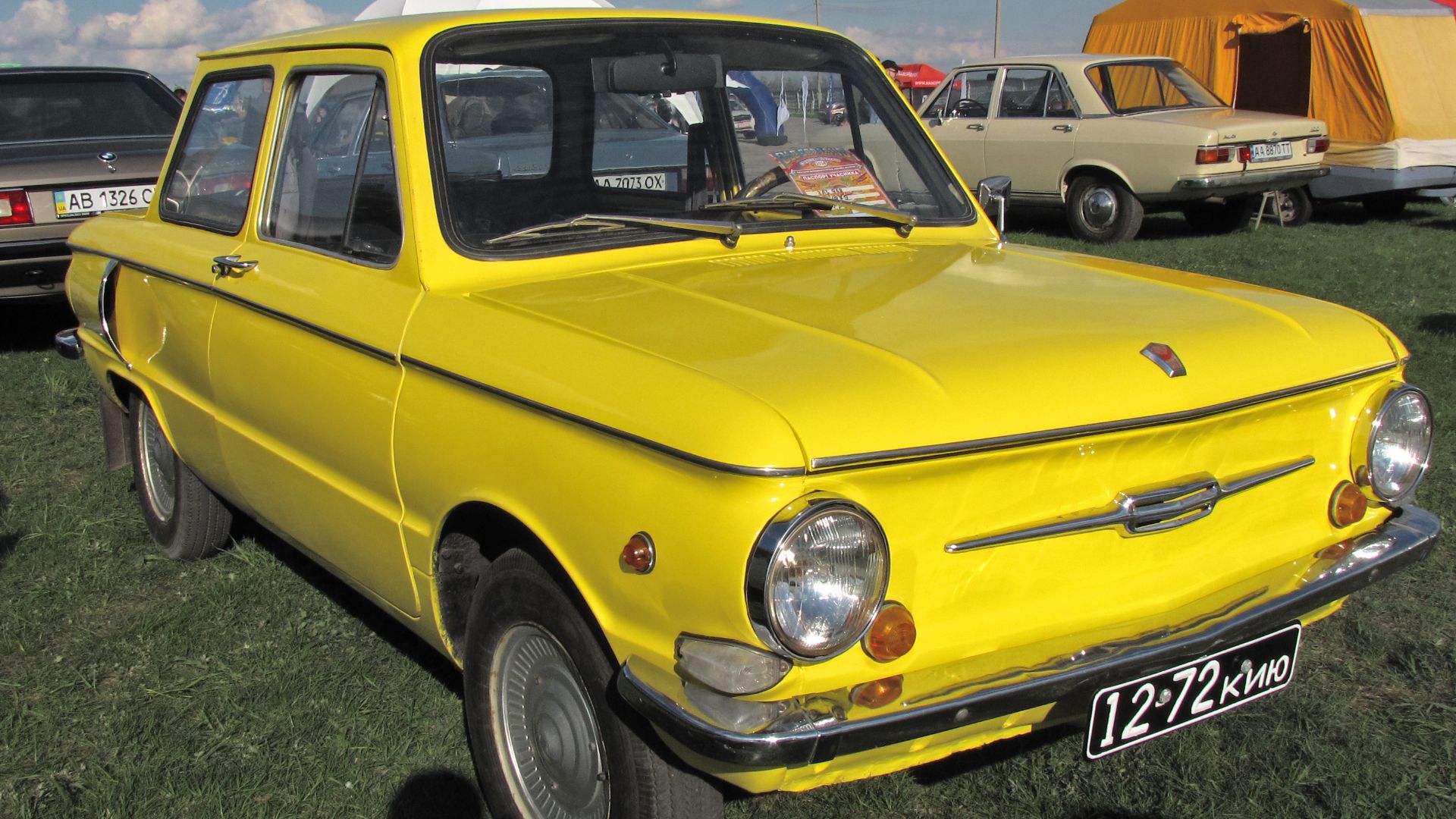
14. ZAZ 968 Car (NSU Prinz 4)
Building upon its predecessor, the ZAZ-968 bore a resemblance to the NSU Prinz 4 in its exterior design. Though prone to rust, its simplistic engineering allowed for easy roadside repairs. Its affordability and engineering made it popular among a wide range of drivers, from pensioners to intellectuals.
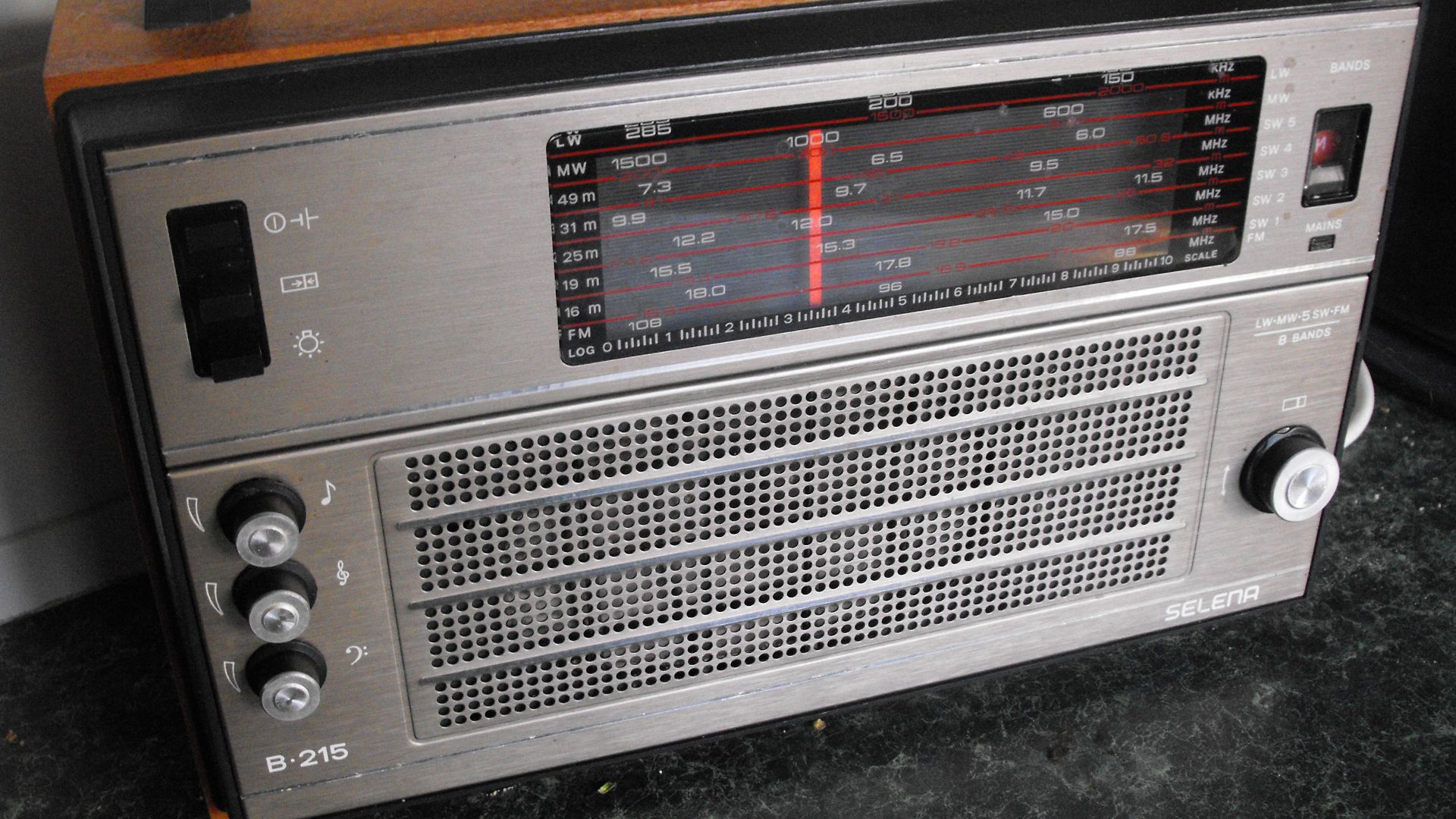
15. Soviet Shortwave Radios (Zenith Trans-Oceanic Radio)
Shortwave radios played a crucial role in Soviet news and communication, with several models bearing similarities to the Zenith Trans-Oceanic. However, state-imposed signal jamming hindered access to Western broadcasts. The jamming methods evolved to the generation of random noise.
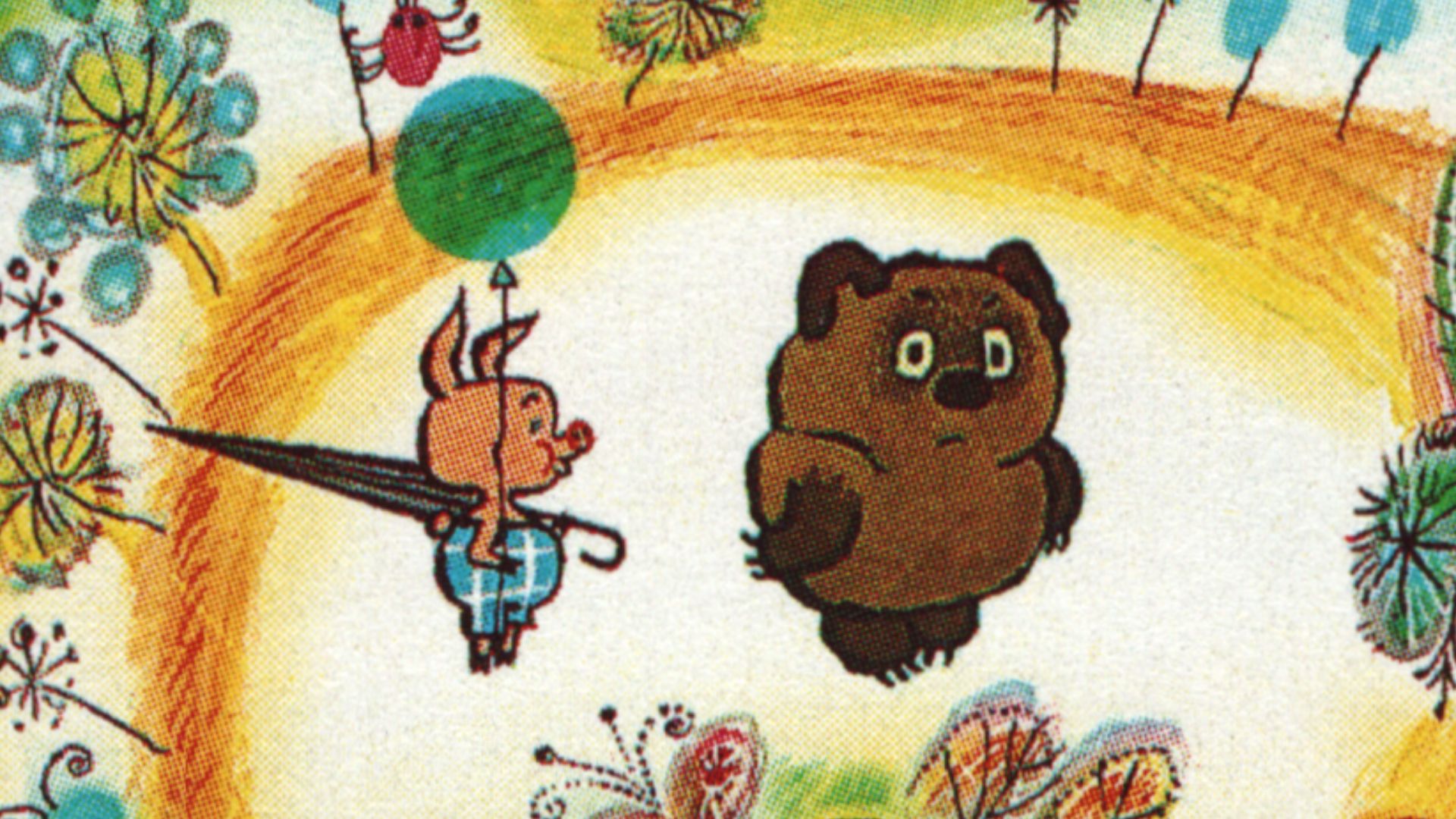
16. Vinni Pukh Animated Series (Disney’s Winnie the Pooh)
Despite obvious story similarities, unlike Disney’s bright and polished Winnie the Pooh, the Soviet Vinni Pukh adopted a more introspective tone and a distinct animation style. Its philosophical humor and minimalist design made it a beloved part of USSR-era childhood entertainment.
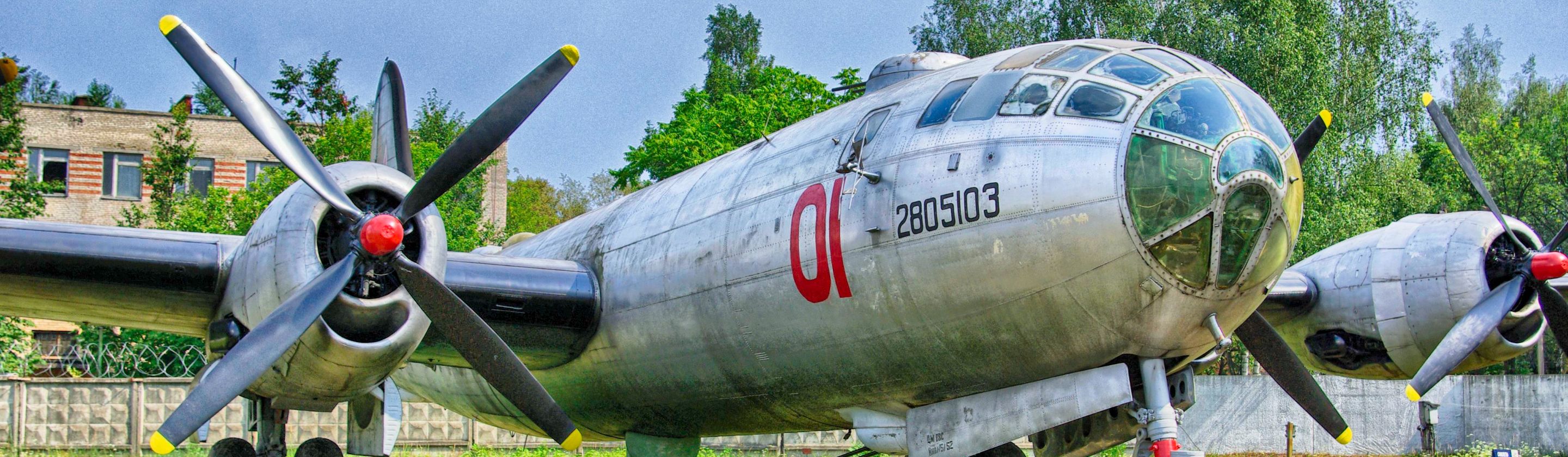
17. Tupolev Tu-4 Bomber (Boeing B-29 Superfortress)
Following the emergency landings of three U.S. Boeing B-29 bombers were in their territory, and engineers reverse-engineered them into the Tu-4. Under the direction of Andrei Tupolev, their engineers disassembled the B-29s to create a replica, adapting certain components to align with Soviet standards.
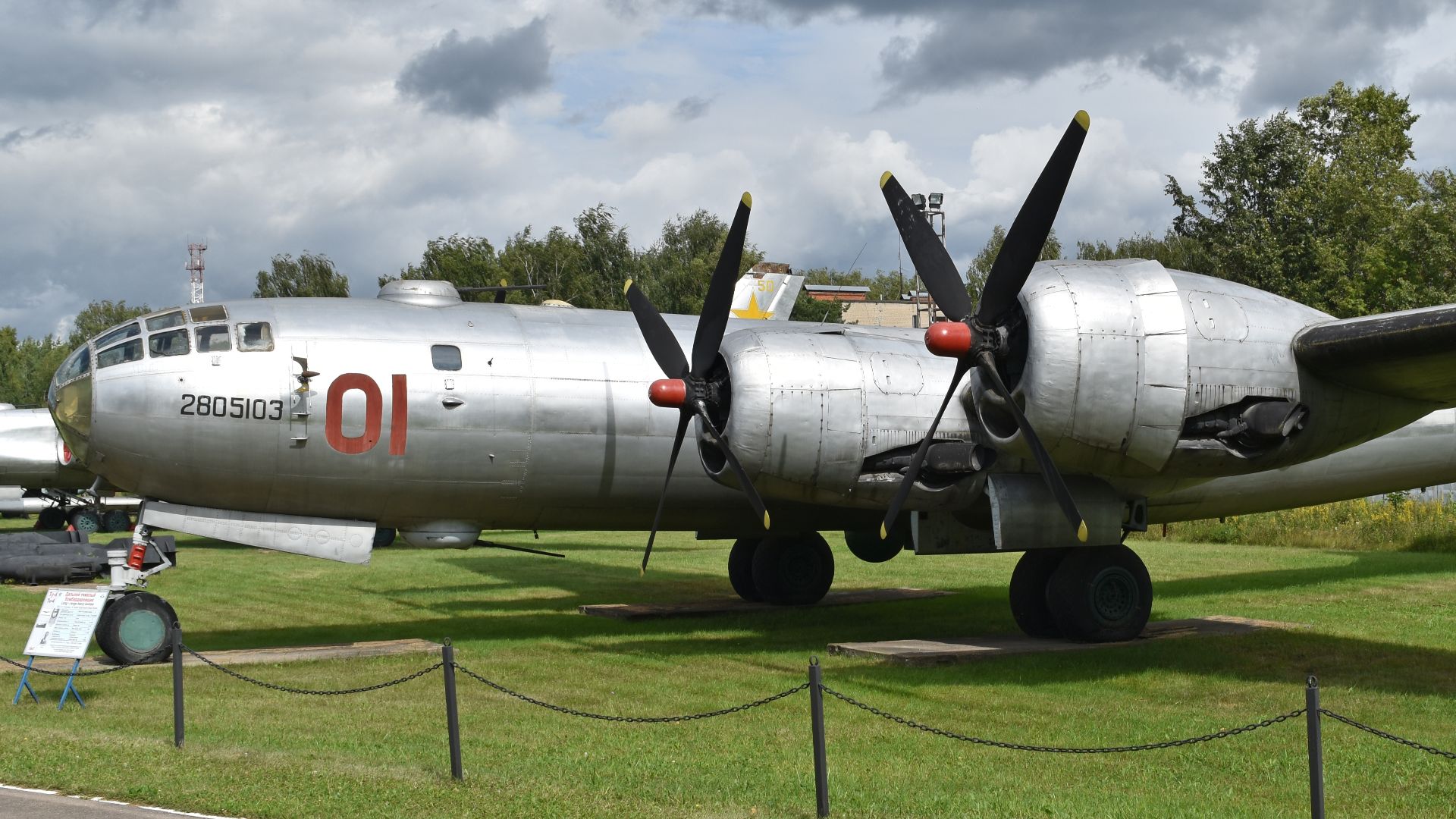 Alan Wilson from Stilton, Peterborough, Cambs, UK on Wikimedia
18. Beriev S-13 Spy Plane (Lockheed U-2C)
To counter U.S. aerial surveillance, the Beriev S-13 was designed to mimic the Lockheed U-2C. Following the downing of a U-2 over Soviet territory in 1960, the USSR replicated the aircraft. Despite the completion of the first fuselage by April 1961, the project faced numerous technical challenges.
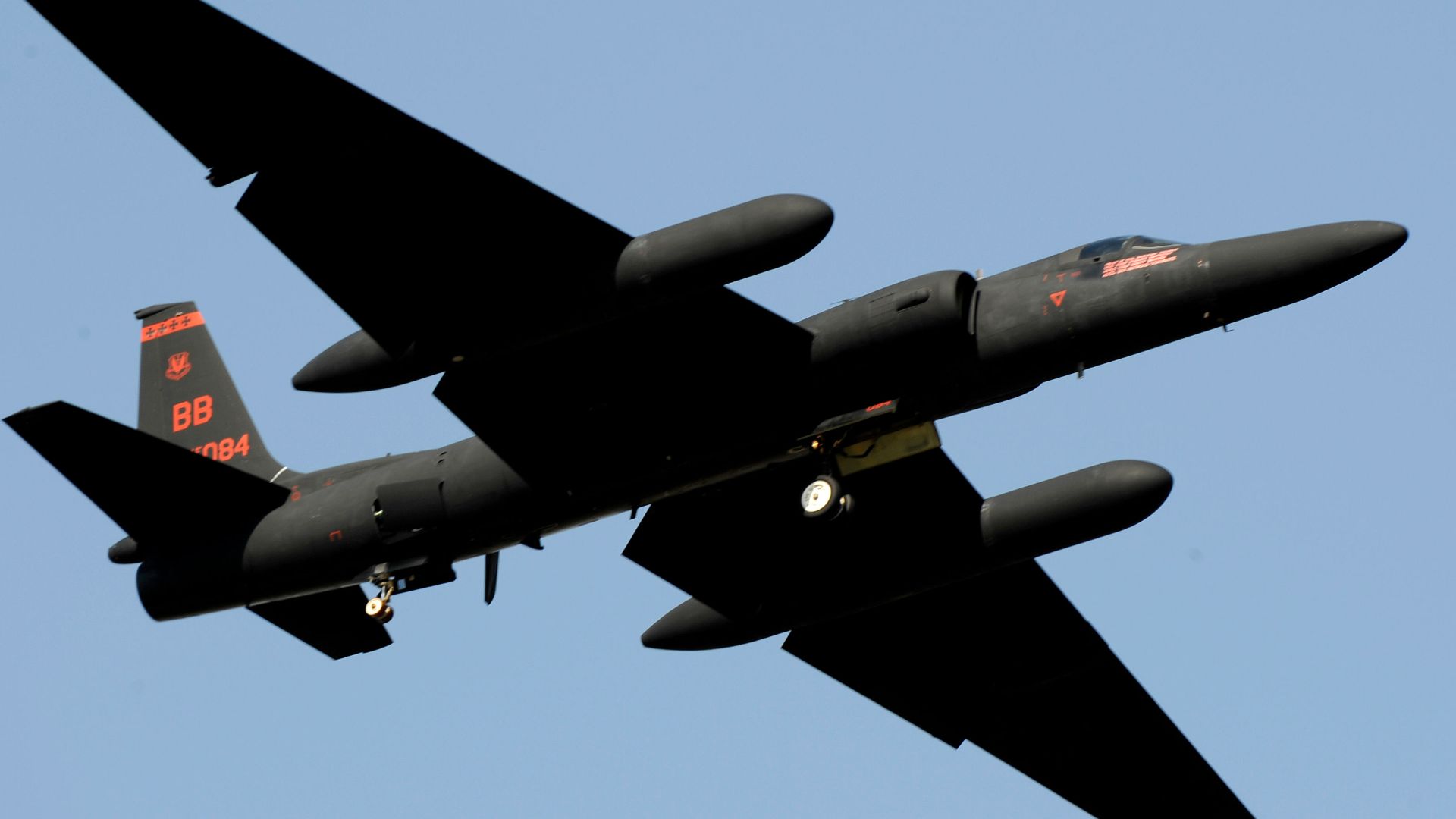 United States Air Force on Wikimedia
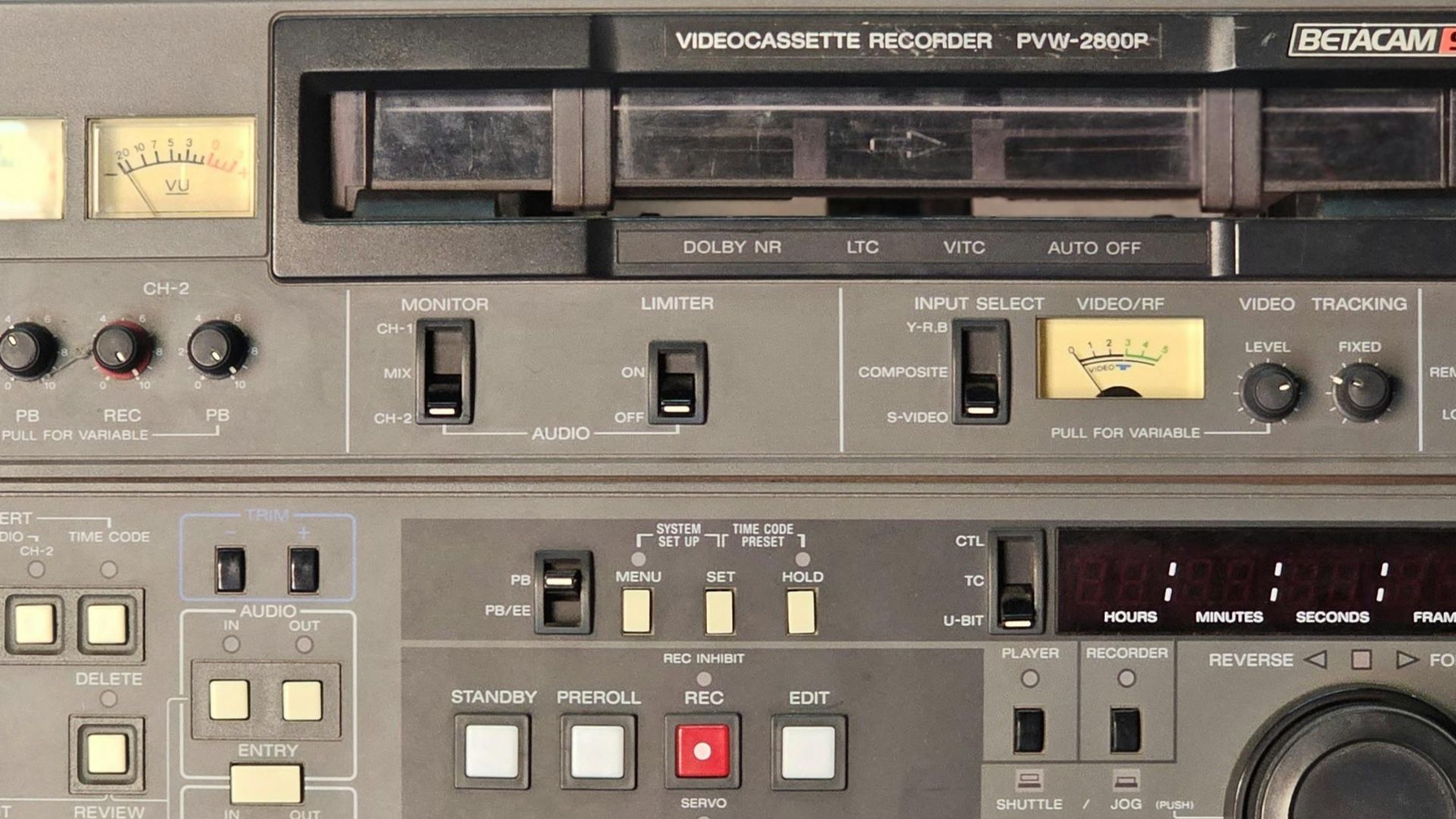
19. Soviet Vega Cassette Players (Sony/Philips Cassette Players)
Modeled after Sony and Philips cassette players, the Soviet Vega series struggled with inconsistent motor speeds, affecting audio playback. Additionally, the quality of magnetic tape produced in the USSR varied. Users encountered rapid wear of magnetic heads and subpar audio fidelity.
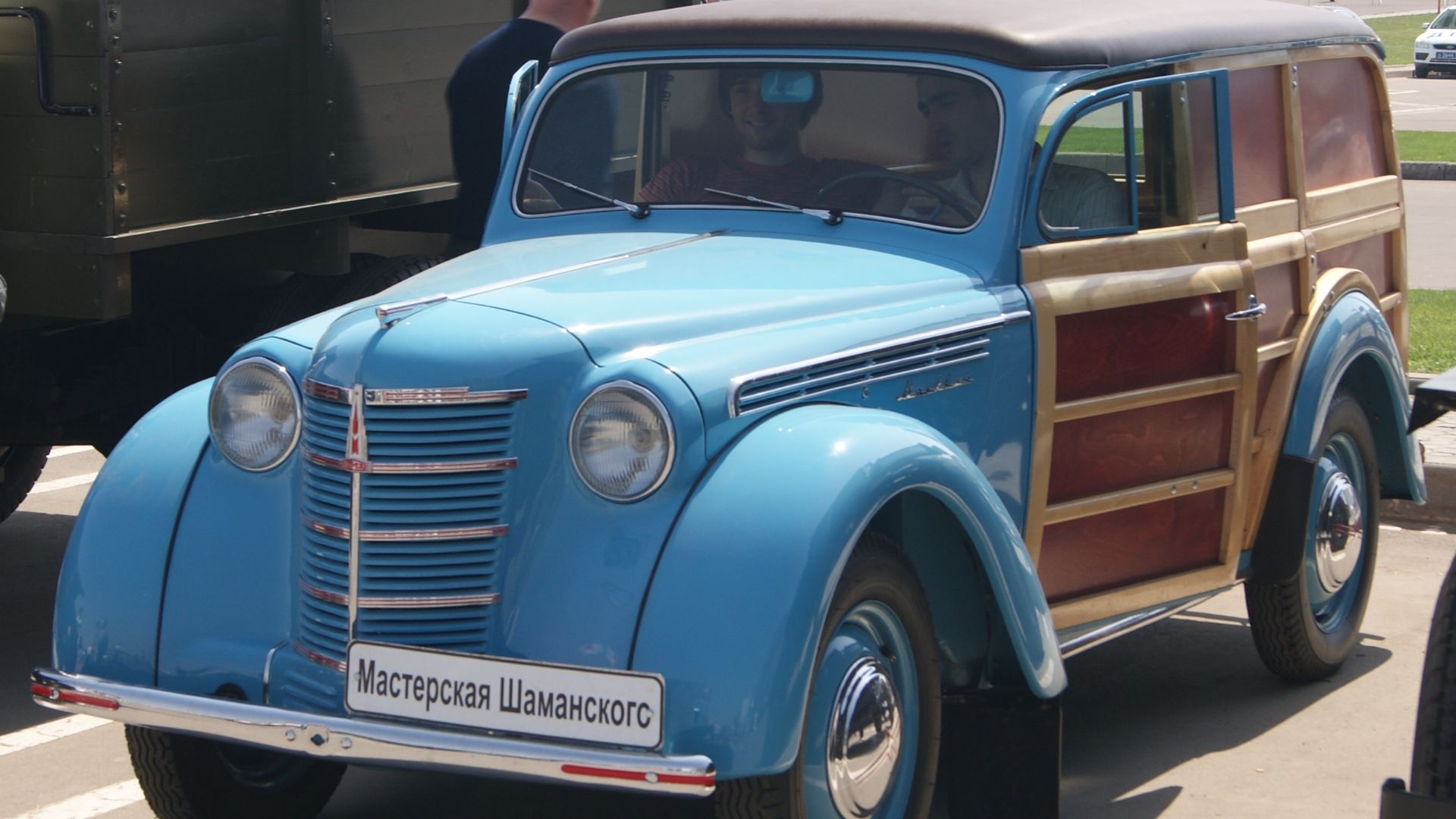
20. Moskvitch 400-422 (1947 Ford Super Deluxe Woody)
The Moskvitch 400-422 was a Soviet take on the American Ford Super Deluxe Woody. This wood-bodied station wagon offered increased cargo space. Its design provided a practical solution for transporting goods and people, serving as an essential vehicle in post-war USSR reconstruction efforts.
KEEP ON READING
The Brutal Realities Of Gladiator Life Beyond the Arena
David Cruz asenjo on PexelsWhen most people think of gladiators,…
By Rob Shapiro Mar 31, 2026
The Volcano Winter That Nearly Toppled Europe
Collin Ross on UnsplashMost people, if asked to name a…
By Cameron Dick Mar 31, 2026
From School Plays To Starting A Cult: 20 Of The…
The Books That Made Us. Many people will tell you…
By Farva Ivkovic Jan 31, 2025
20 Facts About Jane Grey, The Forgotten Queen Of England
A Quick, Messy, and Tragic Reign. Lady Jane Grey never…
By Maria Cruz Jan 31, 2025
20 Priceless Historical Art Pieces Rescued By The Monuments Men
Protecting Human History. While the soldiers on the front lines…
By Sara Springsteen Mar 31, 2026
Almost Every Ancient Statue Has a Missing Nose, And It's…
Gary Todd from Xinzheng, China on WikimediaWalk through the classical…
By Elizabeth Graham Mar 31, 2026