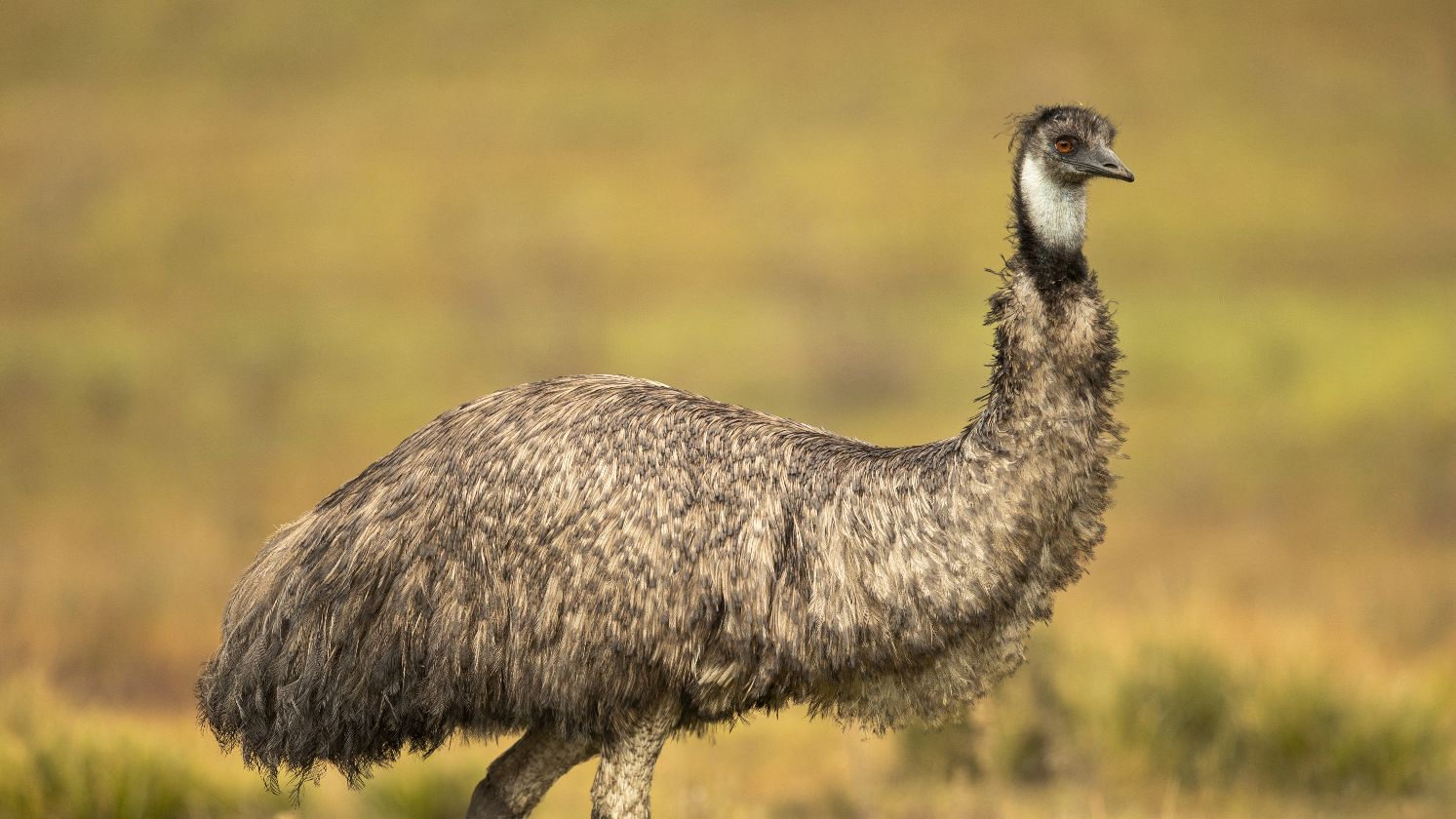
How Man Slayed Monsters
Stepping outside your front door during the Pleistocene epoch was a completely different experience than taking a casual stroll down a modern suburban street. Early ancestors shared the landscape with an absolute rogue's gallery of massive predators, from towering woolly mammoths to saber-toothed cats with fangs the size of steak knives. Lacking natural armor, sharp claws, or blinding speed, early humans had to rely entirely on their wits and creativity to avoid becoming a quick snack for the local megafauna.

1. The Braced Pike Technique
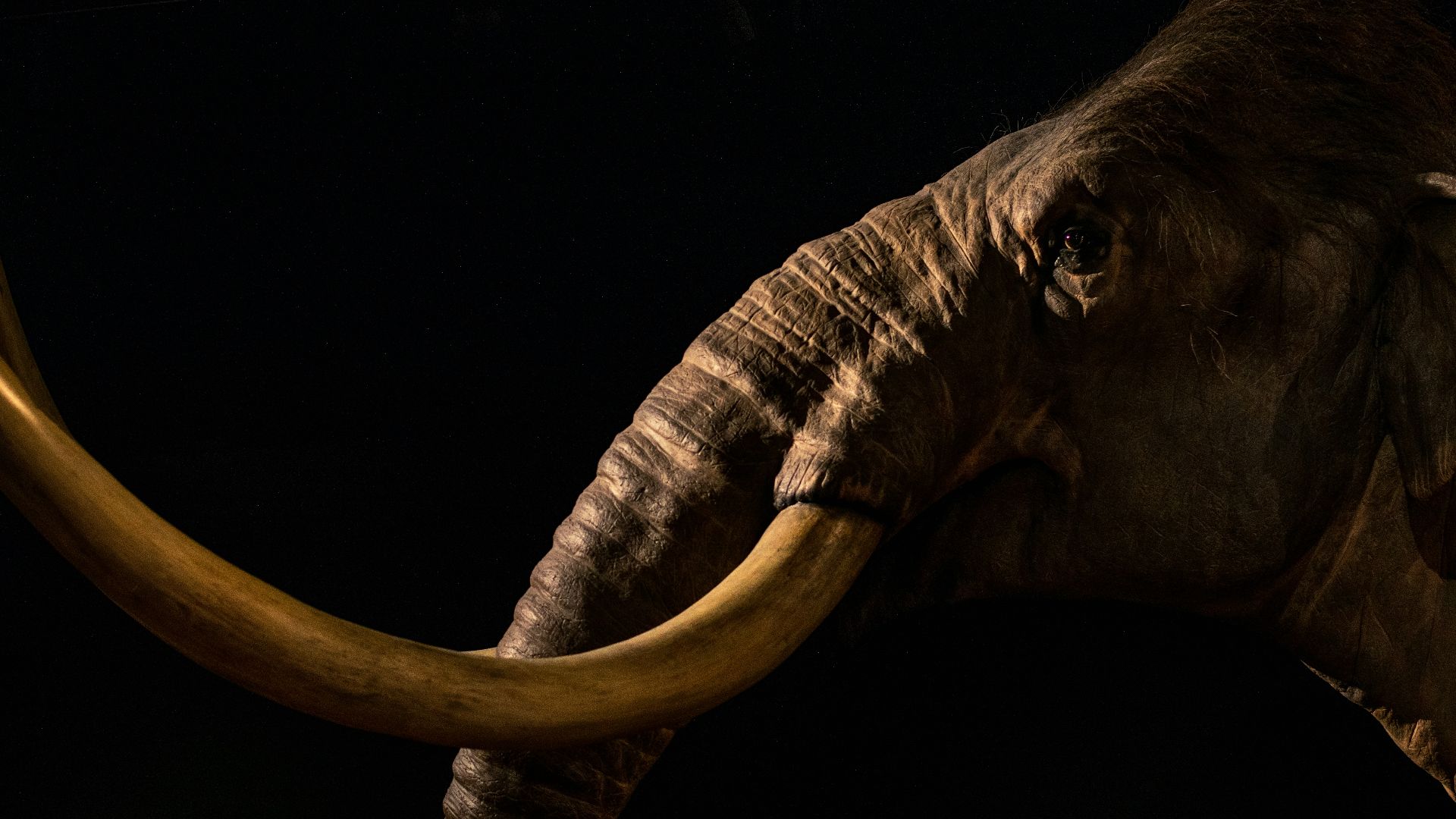
You might imagine ancient hunters constantly hurling their weapons through the air. But throwing a stick at a charging mastodon would mostly just make it angry. Instead, clever humans learned to plant the butt of a heavy, stone-tipped wooden spear firmly into the dirt at an upward angle.

2. Relentless Endurance Tracking
The fact that humans have millions of sweat glands is kind of the best-kept secret evolution cheat code. So, while you may never beat a woolly rhino in a race, if you follow it around for long enough, you will catch it out. Megafauna just can’t handle our cooling ability in the long run.

3. Exploiting Natural Cliff Traps
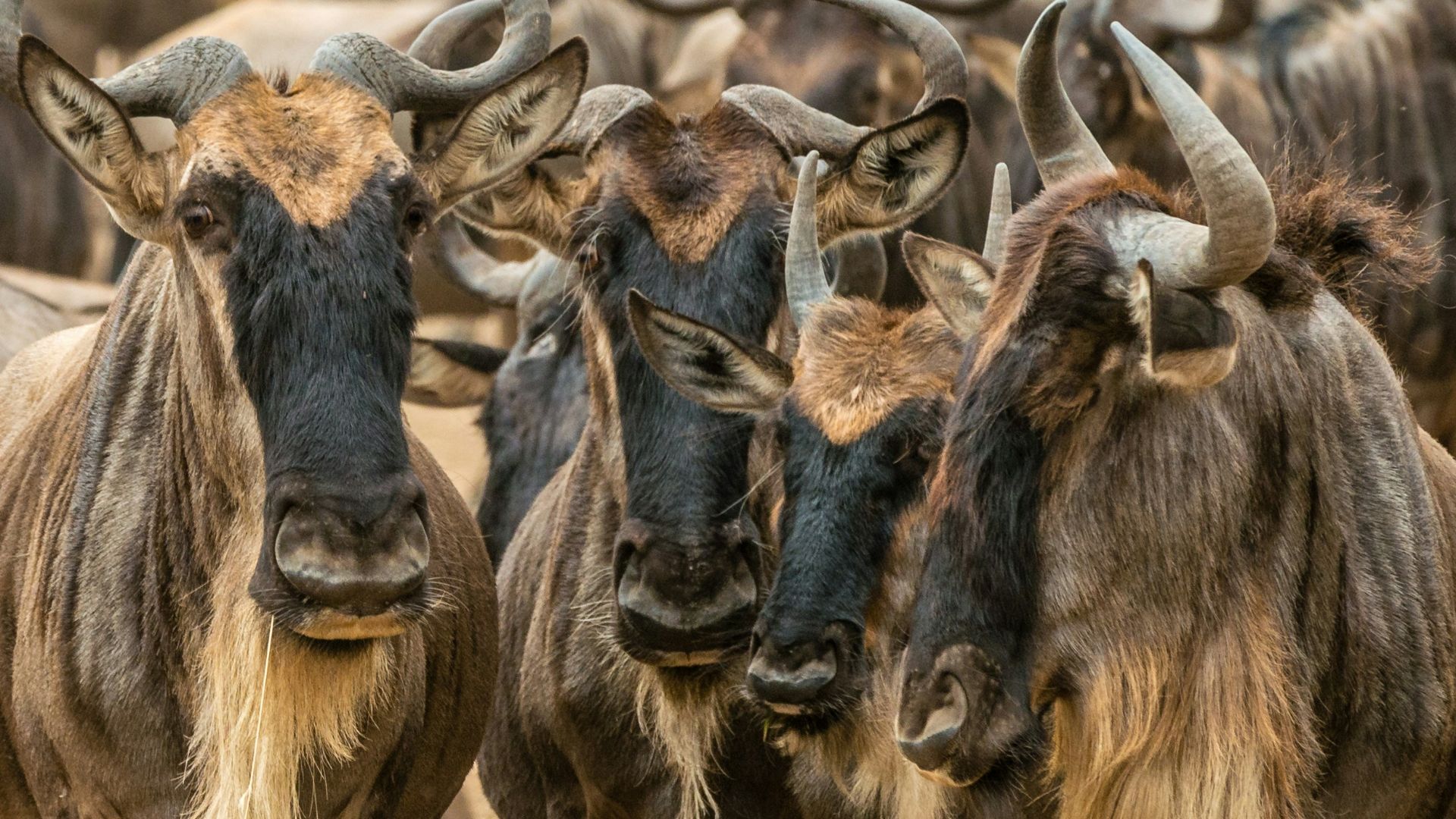
Attacking a herd of giant buffalo straight on is a great way to get gored. So instead, drive the herd off a cliff. Prehistoric humans knew all about triggering stampedes with noise and fire. Then they waited for the animals at the front to run right off ledges.

4. Harnessing the Power of Fire
Animals hate fire. Their instinct is to flee from it, no matter how hungry they are. By burning a pile of wood right outside their dwellings, prehistoric humans ensured they could sleep safely at night.
 Tobias Rademacher on Unsplas5. Weaponizing the Mighty Atlatl
Before the invention of the standard bow and arrow, early ballistics technology reached a major peak with the creation of the spear-thrower. This simple device was a carved wooden handle that acted as an extension of your arm. Allowing you to launch a dart with incredible leverage and speed.

6. Constructing Deep Pitfall Snares
Digging deep holes took an enormous amount of time and energy from humans. But if you’ve got the whole tribe working together on one huge pit, you can trap absolutely anything. Giant ground sloths weren’t quick enough to avoid these carefully covered traps.

7. Strategic Scavenging Protocols
You don’t have to hunt food; sometimes you can let some saber-toothed tigers do all the work for you. Savvy humans would keep their ears peeled for predators catching something they could tear into. Once they were done eating, the humans would grab the leftovers.
 Marc-Olivier Jodoin on Unsplash
8. Numerical Dominance in Groups
Walking through the prehistoric wilderness as a solo traveler was basically an open invitation to get hunted by a cave lion. Because of this extreme vulnerability, ancestors operated strictly in highly organized, tightly knit tribal units that moved together across the landscape. A massive predator might look at a single human as an easy lunch, but staring down twenty screaming adults waving sharp sticks was a completely different story.

9. Domesticating Early Canine Sentries
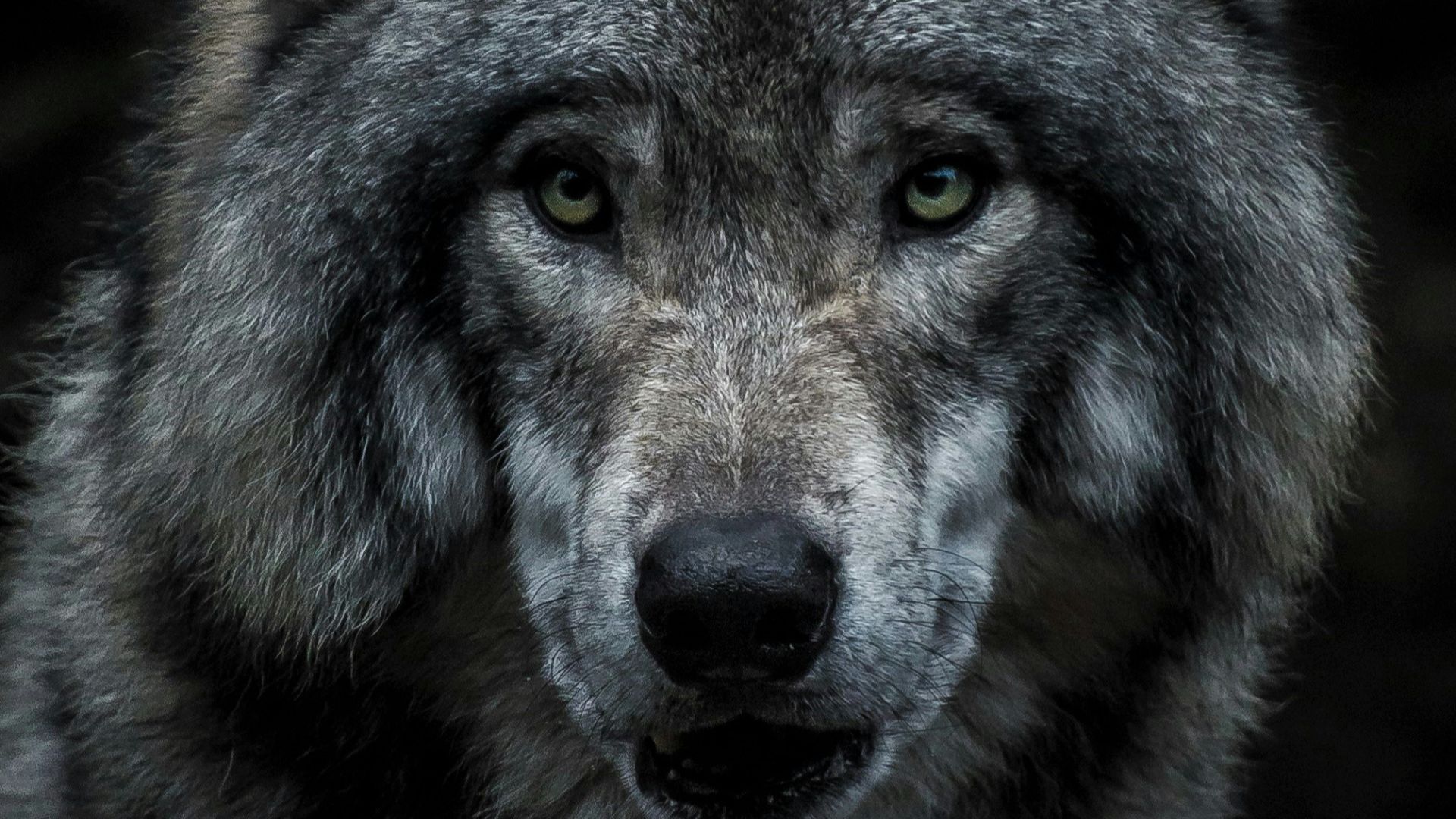
There are few things more terrifying in the night than knowing a pack of wolves are lurking out there somewhere. Luckily, ancient humans befriended these eerie creatures and have benefited from their companionship ever since. Wolves had great senses of smell and hearing. In return, these pups got food and a home.

10. Advanced Camouflage Techniques
Perfectly blending into your environment was an impressive skill to have when silently sneaking up on your prey. Painting your body with mud helped you smell less human, and wearing passed animals helped you look less like one. If a tiger can’t see you or smell you, you’ve got this.

11. Creating Toxic Projectile Tips
Nature provided an extensive pharmacy of lethal chemicals if you knew exactly which plants and insects to harvest. Early hunters would boil down specific roots or harvest venom from poisonous frogs to smear onto the tips of their stone darts. Even a minor scratch from a poisoned weapon could slow down a massive beast.

12. Utilizing Waterway Ambushes
Giant land mammals are often at their most vulnerable when they are wading through thick mud or crossing a fast-moving river. Prehistoric hunting parties would patiently camp out near popular watering holes, waiting for a massive mammoth to get partially stuck in the heavy riverbank silt. The water drastically restricted the creature's ability to turn around or defend its flanks.

13. Mastering Regional Seasonal Migrations
Prehistoric humans didn’t wander around without any idea of where they were going. They knew where every giant herd of land animals roamed at certain times of the year and planned their migration accordingly.
14. Utilizing Decoy Distractions
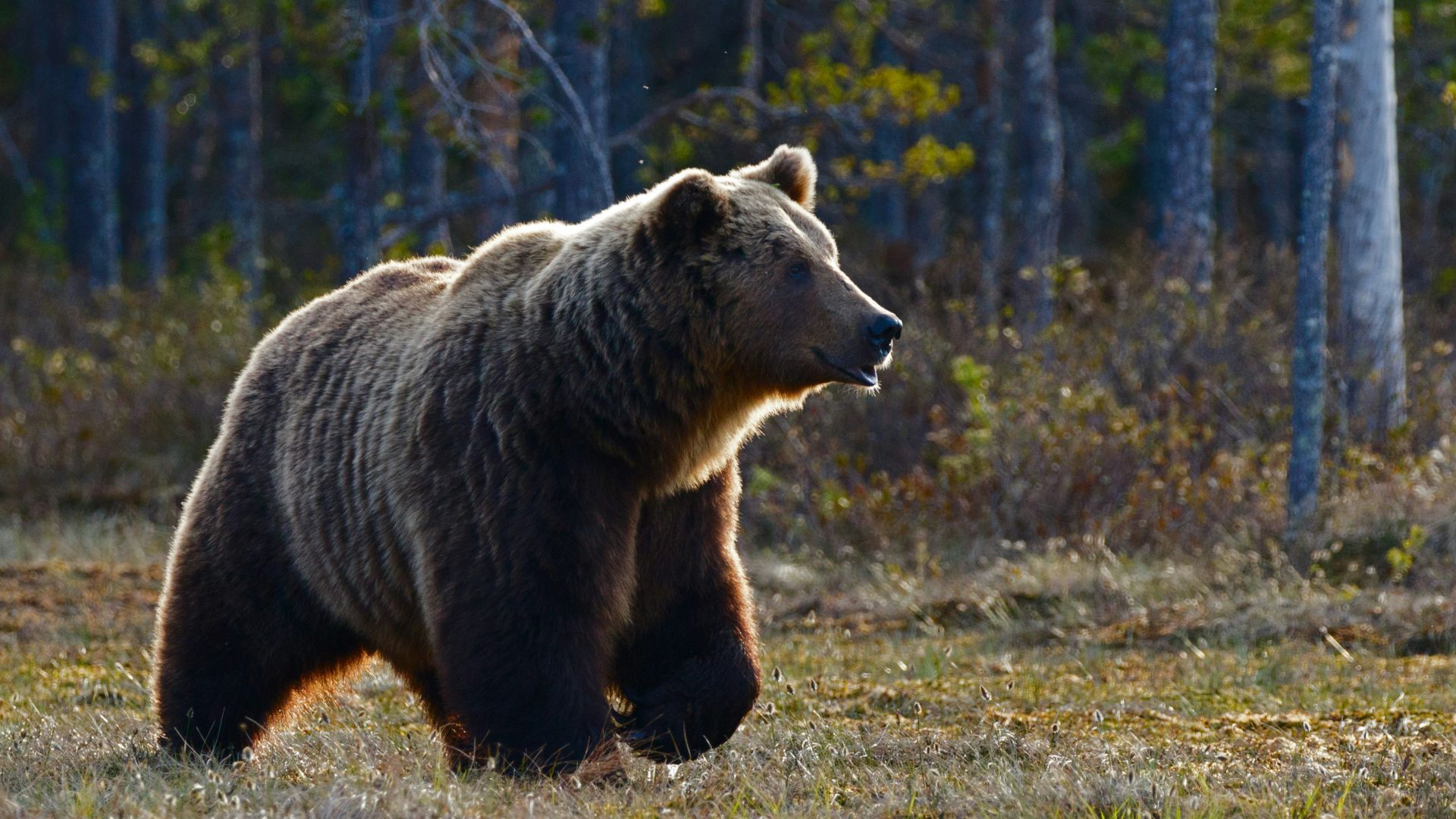
It takes a group effort to bring down a colossal bear these days, and it did back then too. Diverting a bear’s attention while your teammates attacked from behind was just one way prehistoric humans avoided becoming a snack.
15. Wearing Protective Layered Armor
Yep, ancient humans wore armor too. They made vests out of thick leather, animal hides, and woven grass to help buffer against attacks. Like all armor, it wasn’t 100% effective, but it was enough to keep you alive should a wild scuffle occur.

16. Developing High-Frequency Sound Signals
Survival often depended on passing information to your fellow hunters without scaring off your prey. So how did ancient humans warn each other of predators hiding in the grass? With bird calls.

17. Relying Heavily on High-Fat Storage
Nobody wants to waste food. So when you hunt a woolly mammoth, you find a way to store all that meat and fat to ensure your tribe doesn’t go hungry. Without refrigeration, ice pits and smokehouses were about the best option hunters had.
18. Choosing Defensive Elevated Habitats
When looking for a permanent place to raise a family, geographic elevation was an absolute priority for early builders. Choosing caves or rock shelters situated high up on steep cliffs made it virtually impossible for large, heavy predators to climb up and surprise the inhabitants. These elevated homesteads also provided an incredible panoramic view of the valley below, letting the tribe spot incoming threats.

19. Making Use of Sonic Intimidation
Whenever you felt threatened by a nearby predator, all you had to do was get its attention and scare it. Ancient humans were excellent at making loud, unnatural noises that big cats didn’t particularly care for. Flooding a predator's ears with a massive barrage of noise would frequently cause it to turn around.
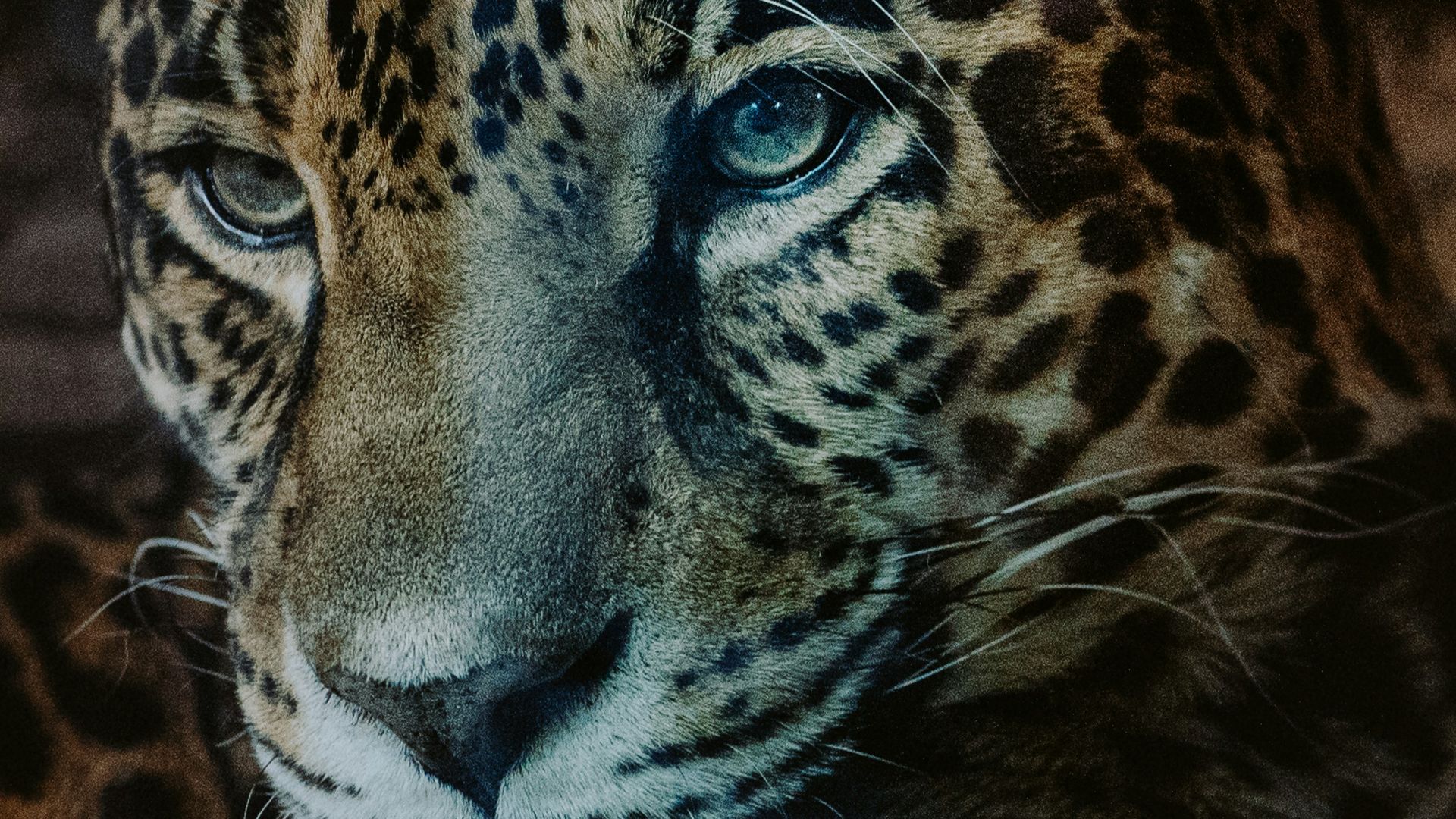 Kier in Sight Archives on Unsplash
20. Psychological Mapping of Territories
A big factor in avoiding predatory animals was simply knowing where they lived. Ancient humans made intricate maps in their heads of where predators liked to nest. Respecting these natural boundaries and staying clear of predator nesting zones was ultimately the simplest way to stay alive.

KEEP ON READING