

20 Historical Figures Who Had Debilitating Health Problems
Hidden Struggles
History often presents famous figures as symbols of power, but their lives behind the scenes weren't always so perfect. From Julius Caesar to Jane Austen, beyond many of the achievements you know these icons for, some suffered from mysterious, debilitating illnesses that historians still can't definitively diagnose. Reading about the conditions they dealt with on top of arduous work, especially what they had to keep from the public eye, may make you see them in a different light.

1. Julius Caesar: Epilepsy
Julius Caesar’s health has been debated for centuries; ancient writers often described episodes that resembled seizures or sudden collapses. Some later interpreters called it epilepsy, while modern scholars have also suggested strokes or other neurological conditions as possibilities. Whatever the exact diagnosis was, these episodes were significant because Caesar lived in a political culture where physical weakness could be turned into a public weapon.
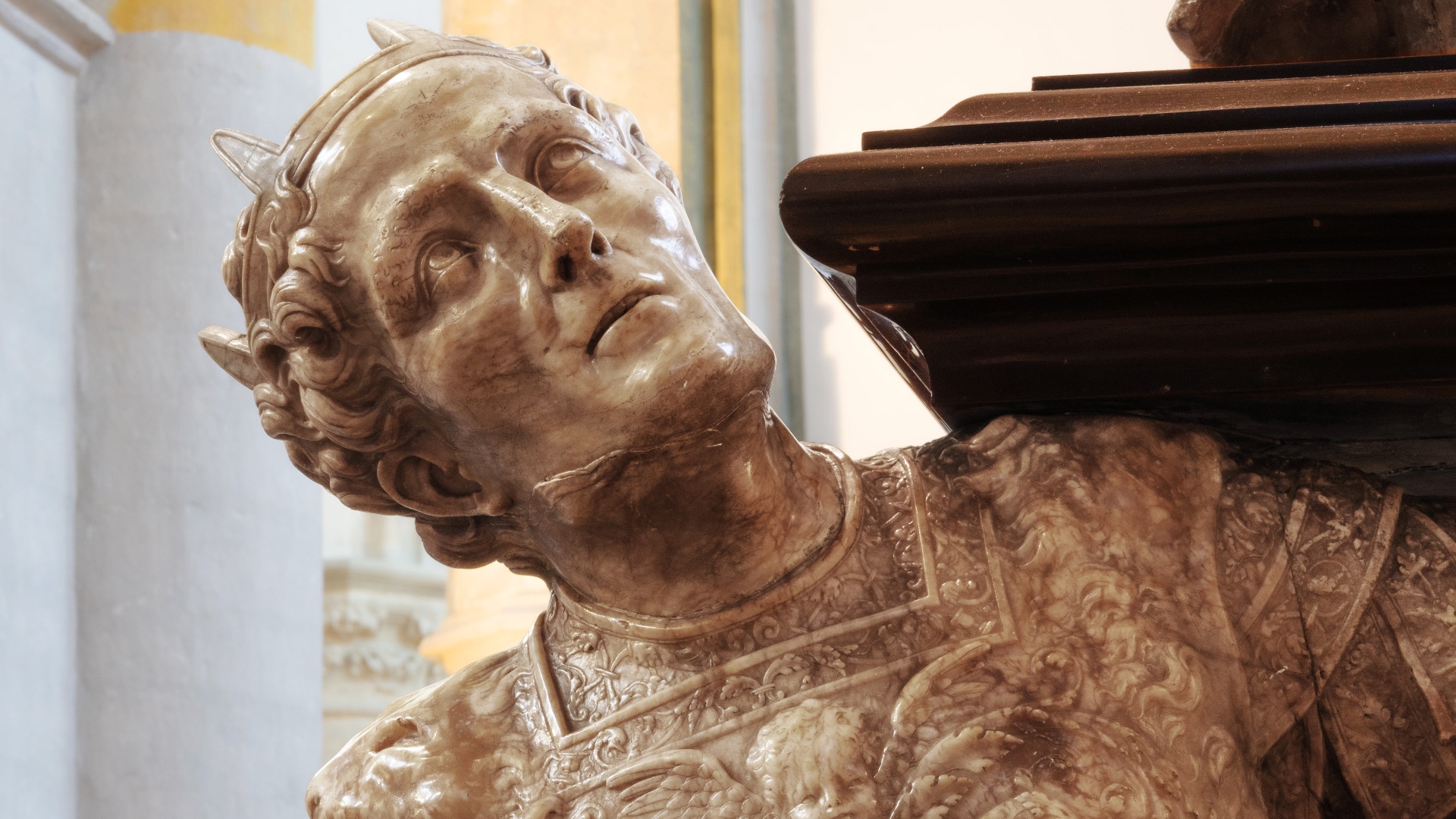
2. Henry VIII: Painful Leg Ulcers
Henry VIII began his reign as an athletic king known for jousting, hunting, and public display, but his later years looked very different. Chronic leg ulcers caused severe pain, repeated infection, and growing difficulty with movement. The condition appears to have worsened after injuries from tournaments, leaving him increasingly dependent on doctors and attendants.
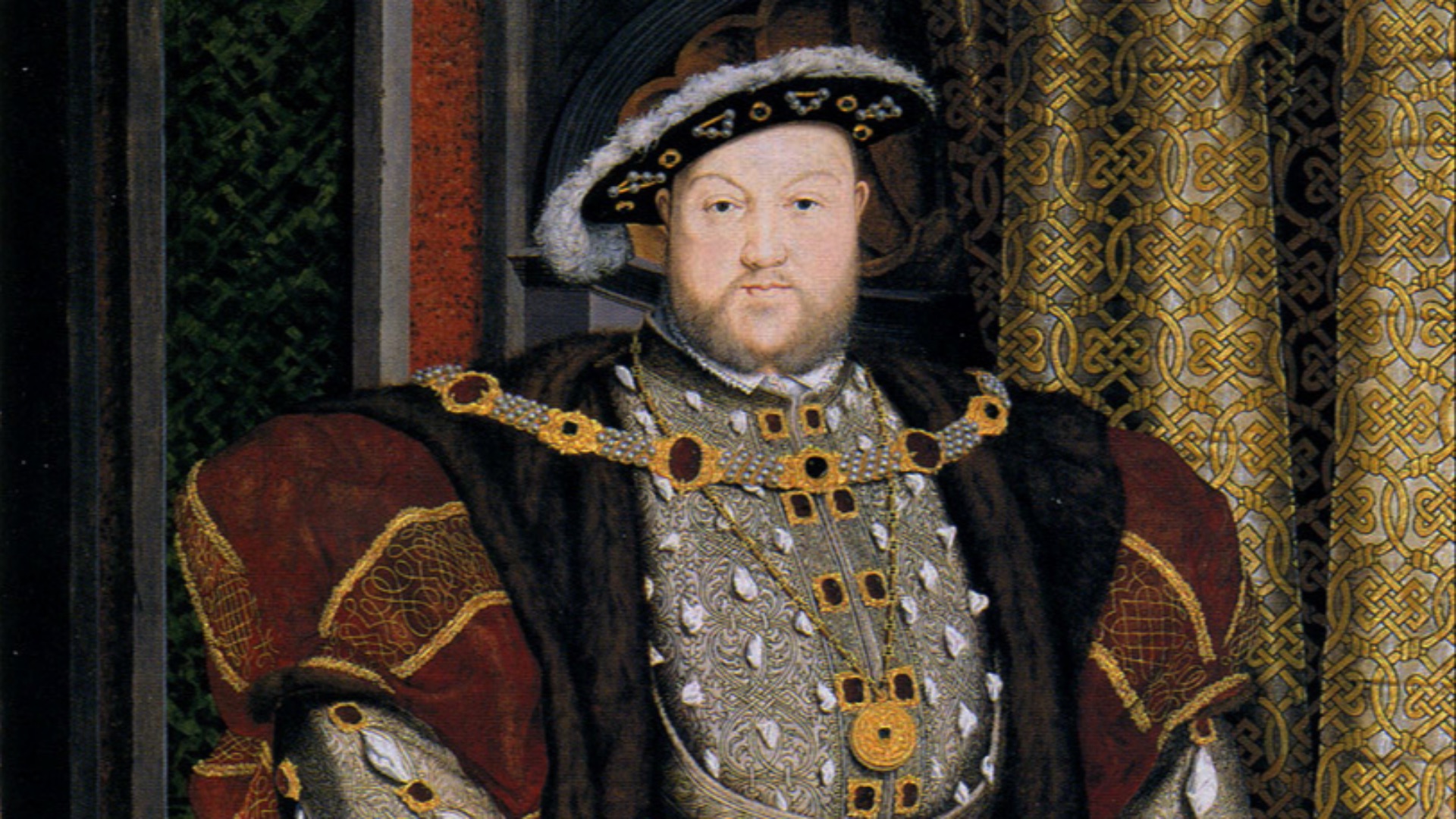
3. Tsarevich Alexei: Hemophilia
Alexei Nikolaevich, the son of Tsar Nicholas II and Empress Alexandra, lived with hemophilia, a blood-clotting disorder that made even small injuries dangerous. His condition was a closely guarded family crisis because it threatened the future of the Russian imperial line. The search for relief helped bring Grigori Rasputin into the Romanovs’ inner circle, which only deepened public suspicion around the court.
 Johann Gottfried Tannauer on Wikimedia
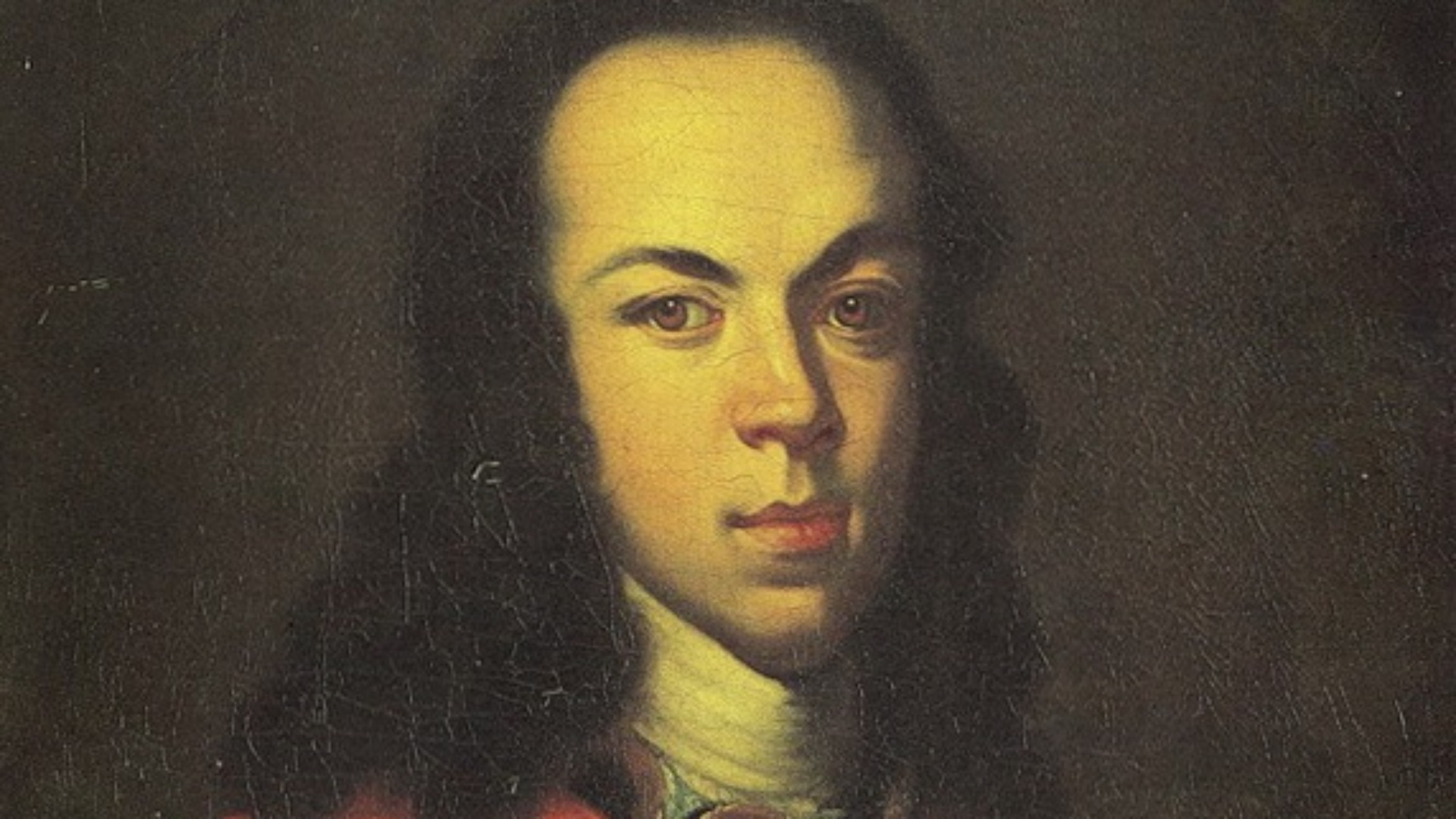
4. Harriet Tubman: Head Injury with Lifelong Symptoms
Harriet Tubman suffered a severe head injury as a child when an overseer threw a heavy weight that struck her instead of the person he was targeting. Afterward, she experienced sudden sleep episodes, headaches, and visions that have been discussed by modern doctors in connection with traumatic brain injury, epilepsy, or hypersomnia. These symptoms followed her while she guided enslaved people to freedom and later served during the Civil War. Her courage becomes even more remarkable when you consider that she was navigating danger while also managing unpredictable neurological effects.
 Horatio Seymour Squyer on Wikimedia
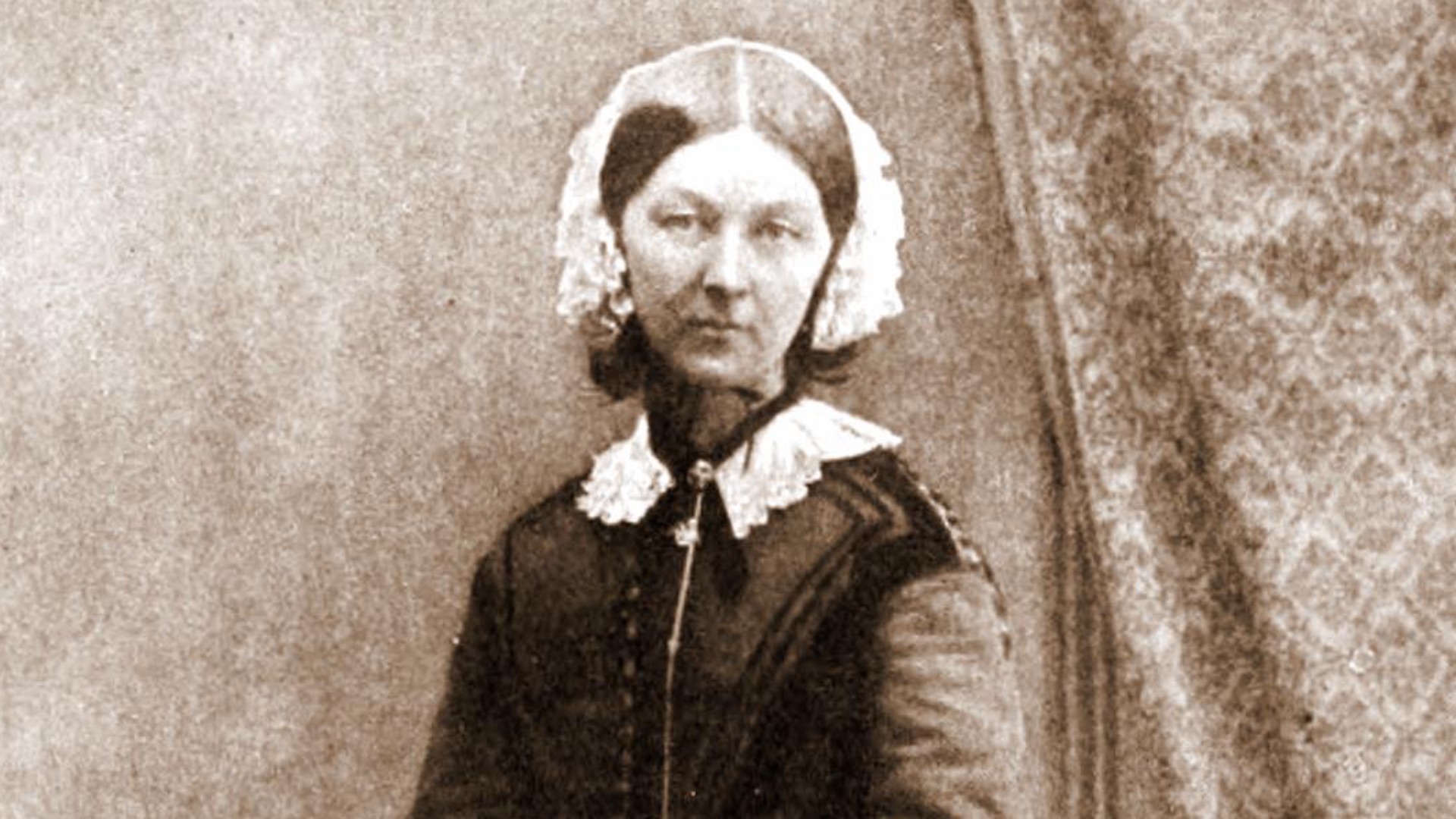
5. Florence Nightingale: Chronic Illness
Florence Nightingale became famous for transforming nursing, but after the Crimean War she spent much of her life affected by severe chronic illness. Scholars have connected her symptoms to brucellosis, though other explanations have also been proposed. She often worked from bed or from a restricted domestic life, using letters, reports, and political pressure to continue reforming public health.
6. Charles Darwin: Cyclic Vomiting Syndrome
Charles Darwin’s scientific work unfolded alongside a long history of stomach distress, vomiting, headaches, weakness, and exhaustion. Doctors and historians have offered many possible explanations, including cyclic vomiting syndrome and other chronic conditions. His illness often interrupted his schedule, limited travel, and shaped the rhythm of his research life at Down House. When you read about his careful, patient work, you’re also seeing someone who had to build his intellectual life around an unpredictable body.
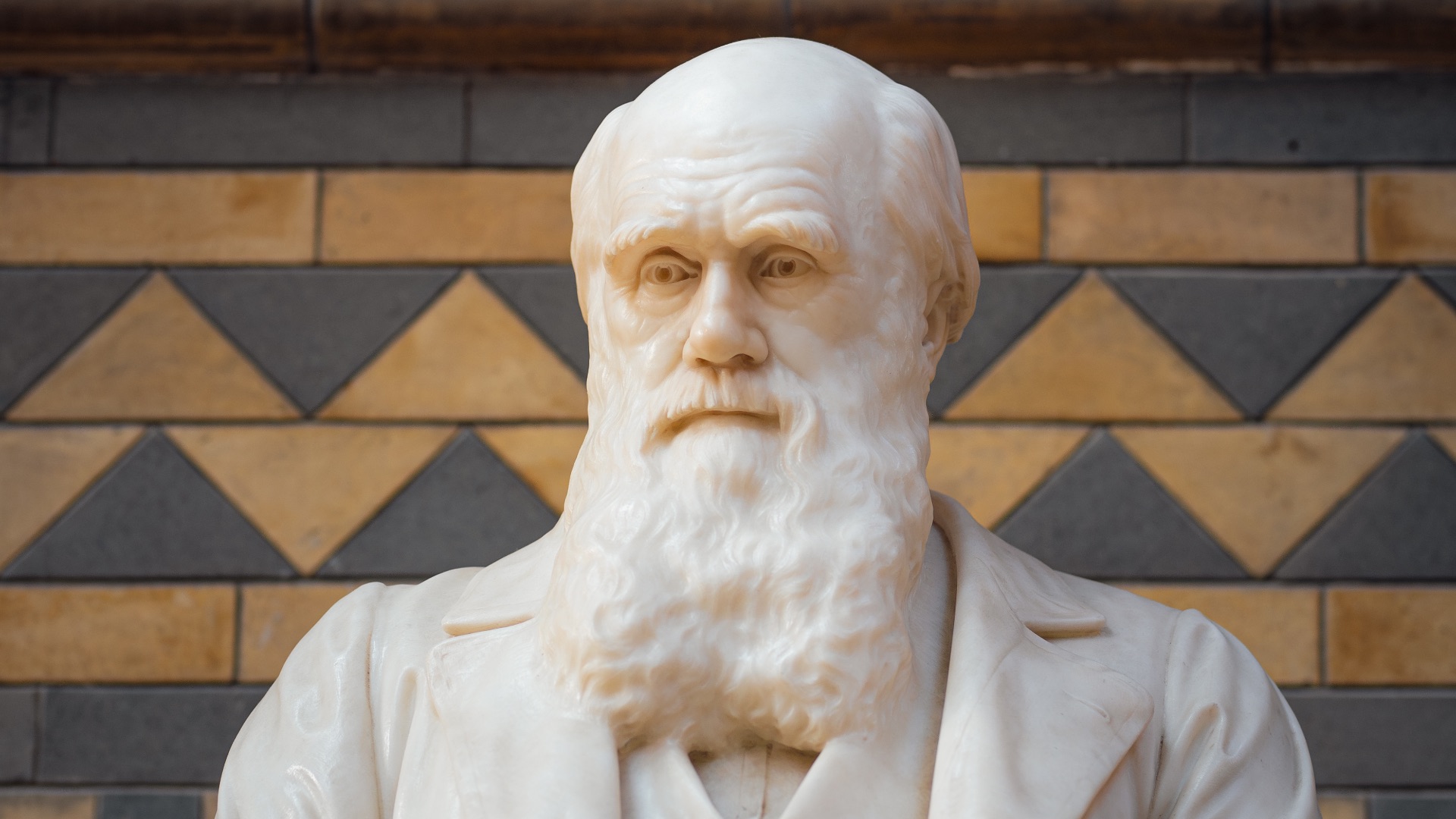 Julian Herzog (Website) on Wikimedia
7. Ludwig van Beethoven: Progressive Hearing Loss
Ludwig van Beethoven began losing his hearing as a young adult, and the condition eventually became profound. For a composer and performer, that was not a minor inconvenience; it affected communication, performance, social life, and emotional well-being. He continued composing major works even as his hearing deteriorated, relying on memory, notation, and an internal understanding of sound.
 Joseph Karl Stieler on Wikimedia
8. Frédéric Chopin: Long-Term Tuberculosis
Frédéric Chopin spent much of his short life dealing with frail health, chronic cough, respiratory trouble, and episodes of weakness. Tuberculosis was the diagnosis given during his lifetime, and later medical discussions have continued to connect his decline to long-standing lung disease. His health affected his travel, performance schedule, and personal relationships.
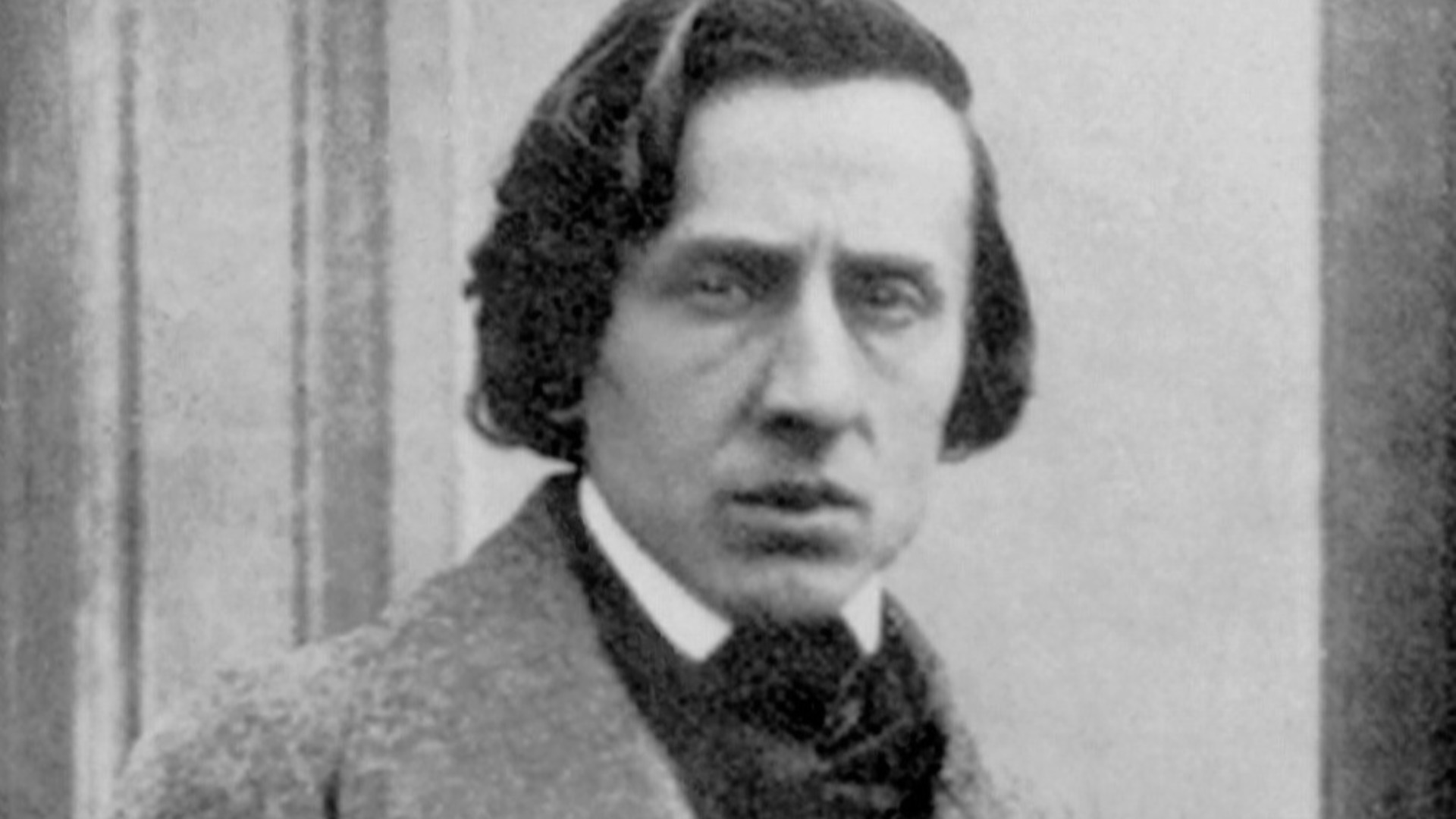 Louis-Auguste Bisson on Wikimedia
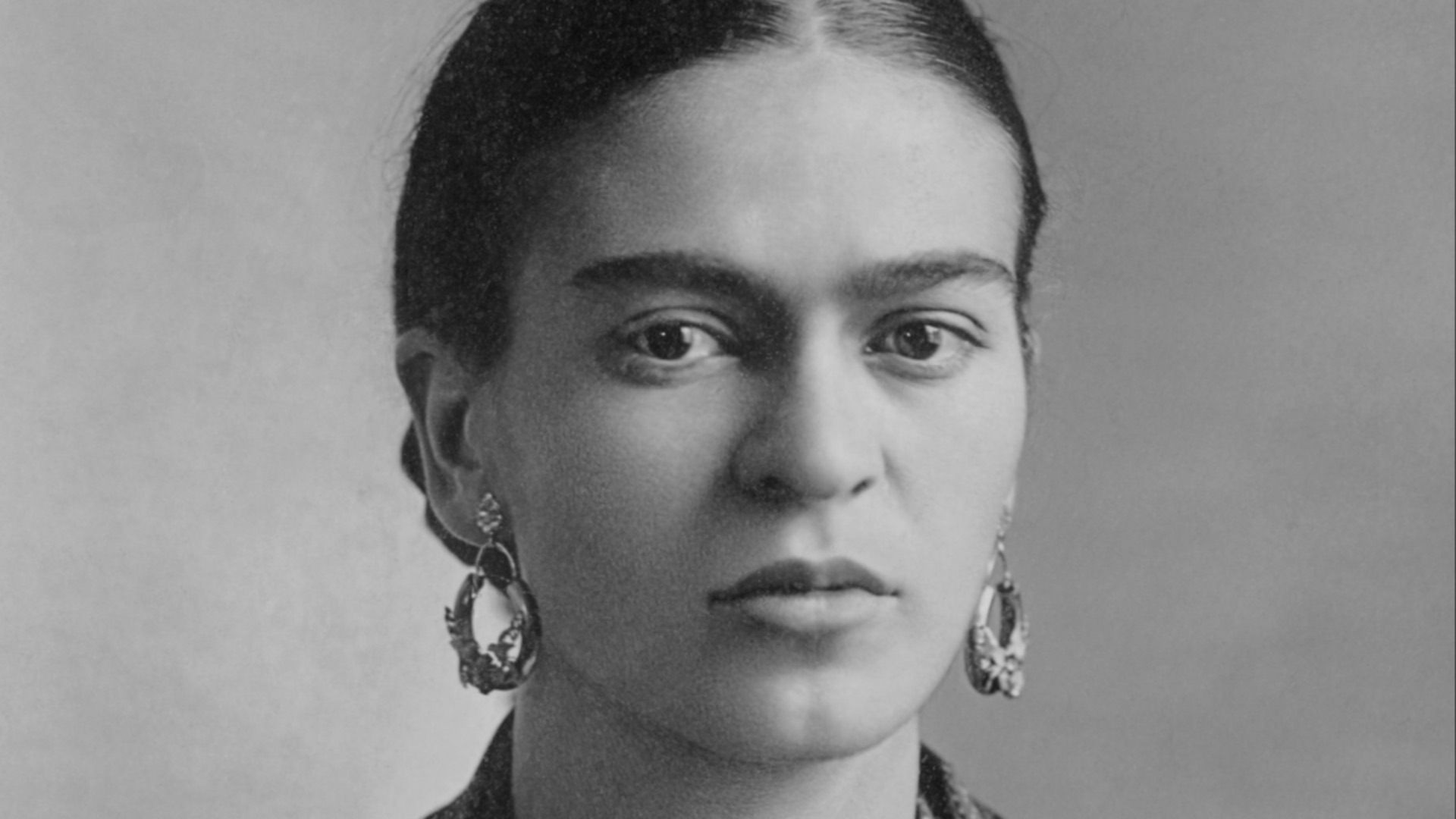
9. Frida Kahlo: Polio and a Bus Accident
Frida Kahlo had polio as a child, which affected one of her legs, and then survived a devastating bus accident as a teenager. The crash caused severe injuries to her spine, pelvis, and other parts of her body, leading to lifelong pain, surgeries, braces, and periods of immobility. Her paintings repeatedly returned to the physical reality of injury, disability, and medical treatment.
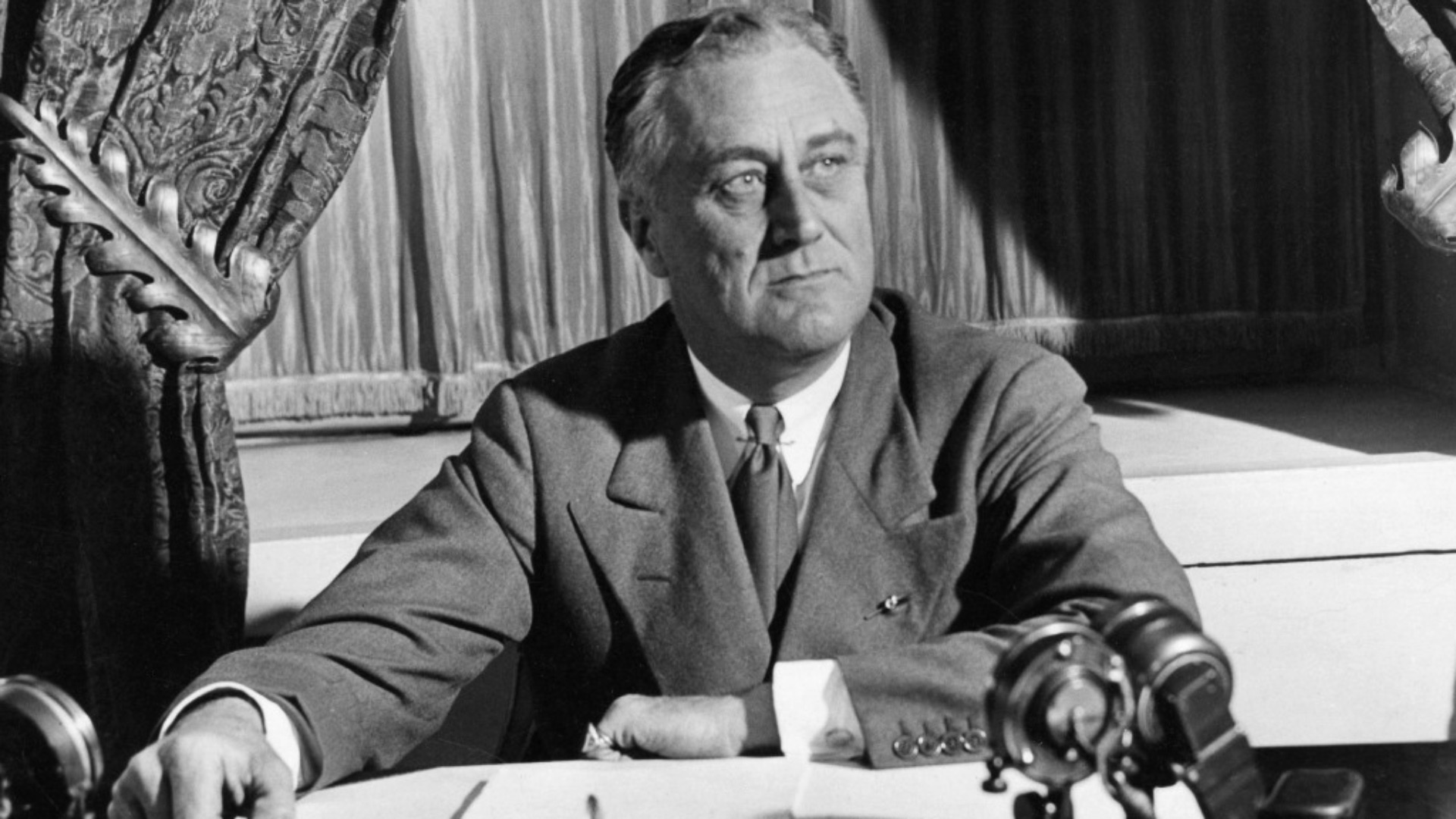
10. Franklin D. Roosevelt: Paralytic Illness
Franklin D. Roosevelt developed a paralytic illness in 1921, when he was 39, and was left unable to walk unaided. The illness was diagnosed as polio at the time, though some modern medical discussions have revisited the diagnosis. Roosevelt used braces, a wheelchair, and carefully managed public appearances while building one of the most consequential political careers in American history.
 Unknown or not provided on Wikimedia
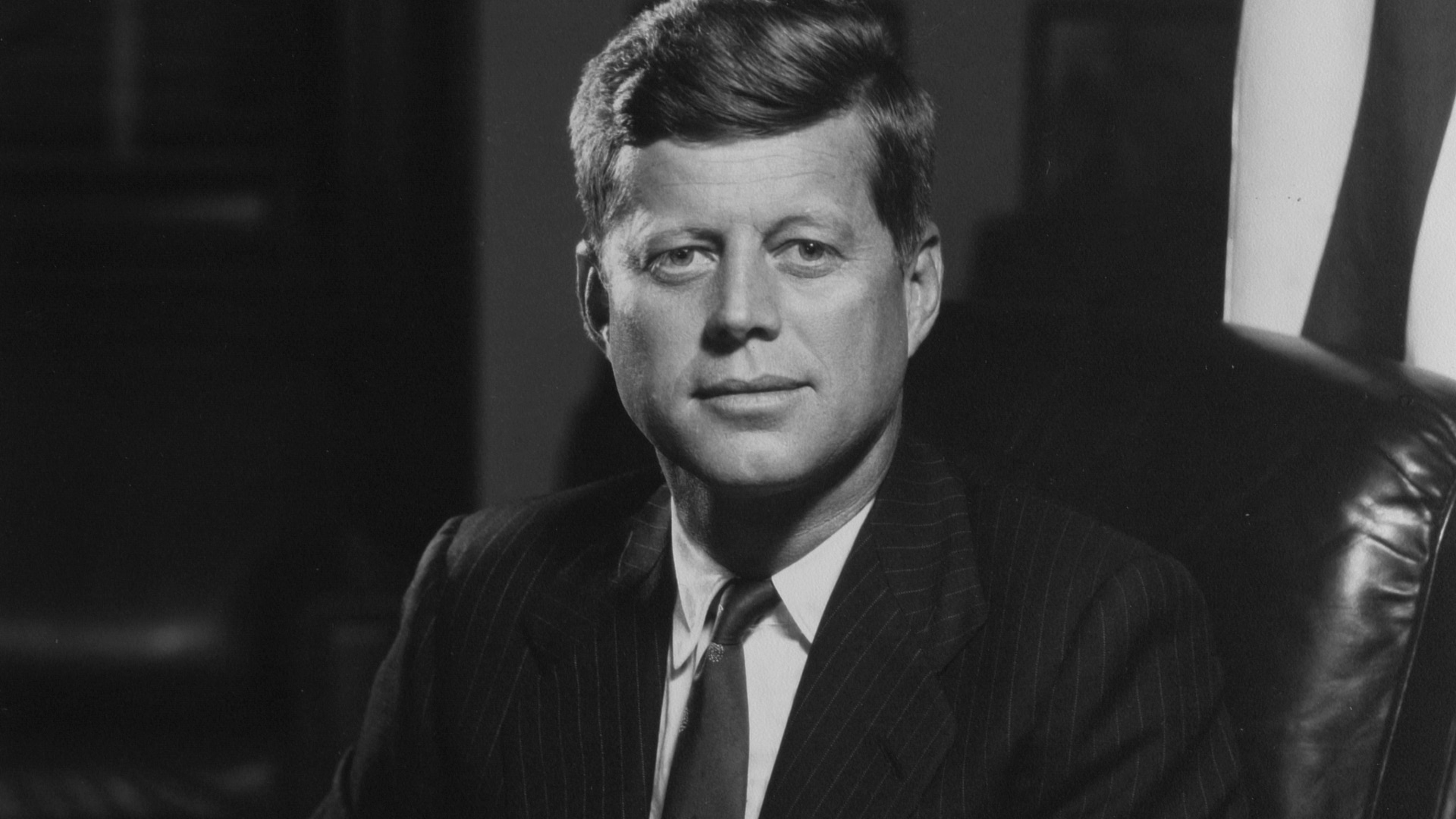
11. John F. Kennedy: Addison’s Disease
John F. Kennedy projected youth and vigor, but his medical history was far more complicated than the public image suggested. He lived with Addison’s disease, chronic gastrointestinal problems, and severe back pain that led to multiple surgeries. His pain management required extensive medication and medical attention, much of which was kept from voters.
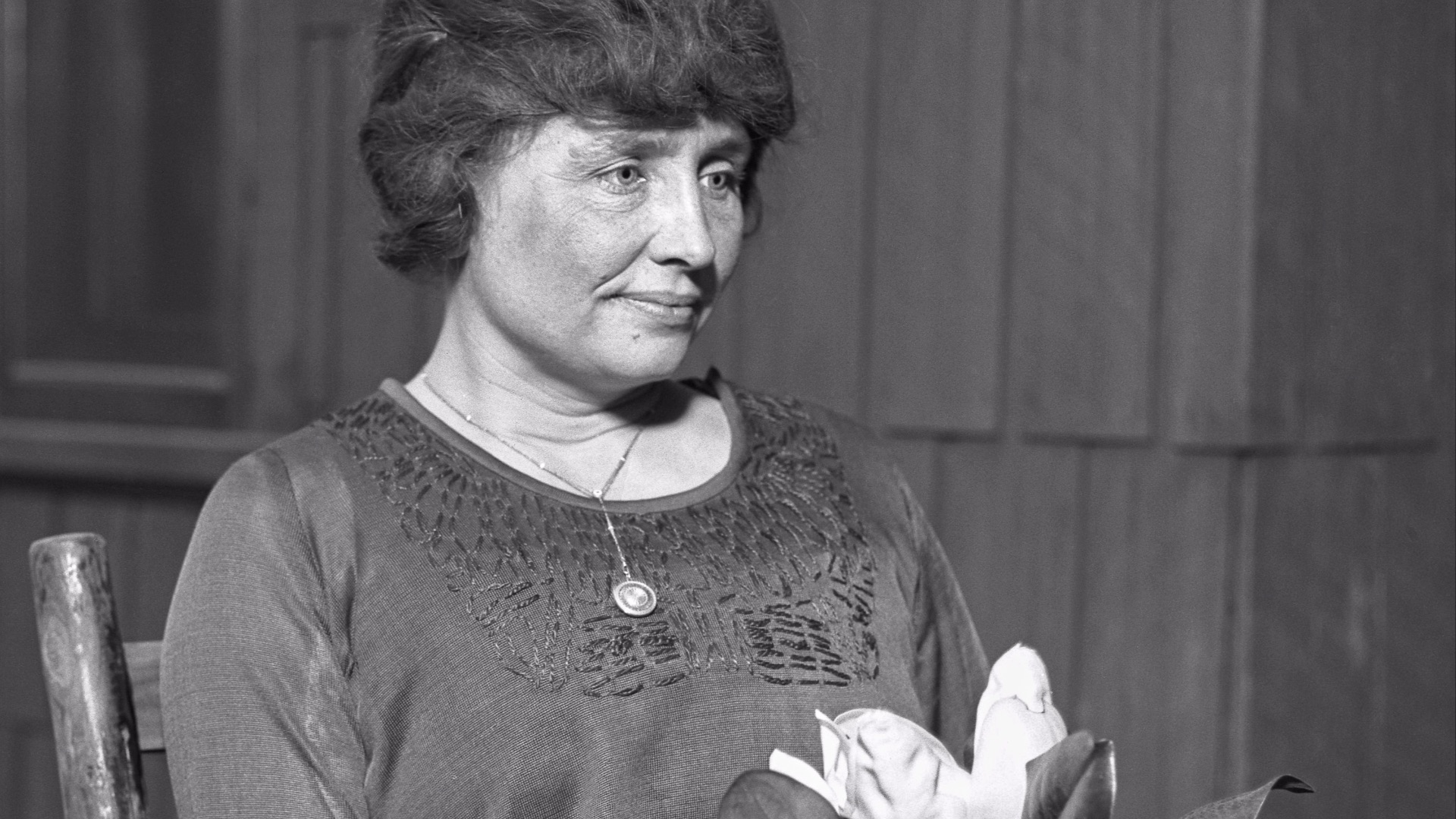
12. Helen Keller: Deafblindness
Helen Keller lost both sight and hearing after a severe illness when she was 19 months old. Modern medical analysis has suggested possible causes such as bacterial meningitis, though her exact childhood illness can’t be confirmed with certainty. Her disabilities shaped every part of her education, communication, and public life. Through writing, lectures, and activism, she became one of the most recognized advocates for people with disabilities.
 Los Angeles Times; restored by User:Rhododendrites on Wikimedia
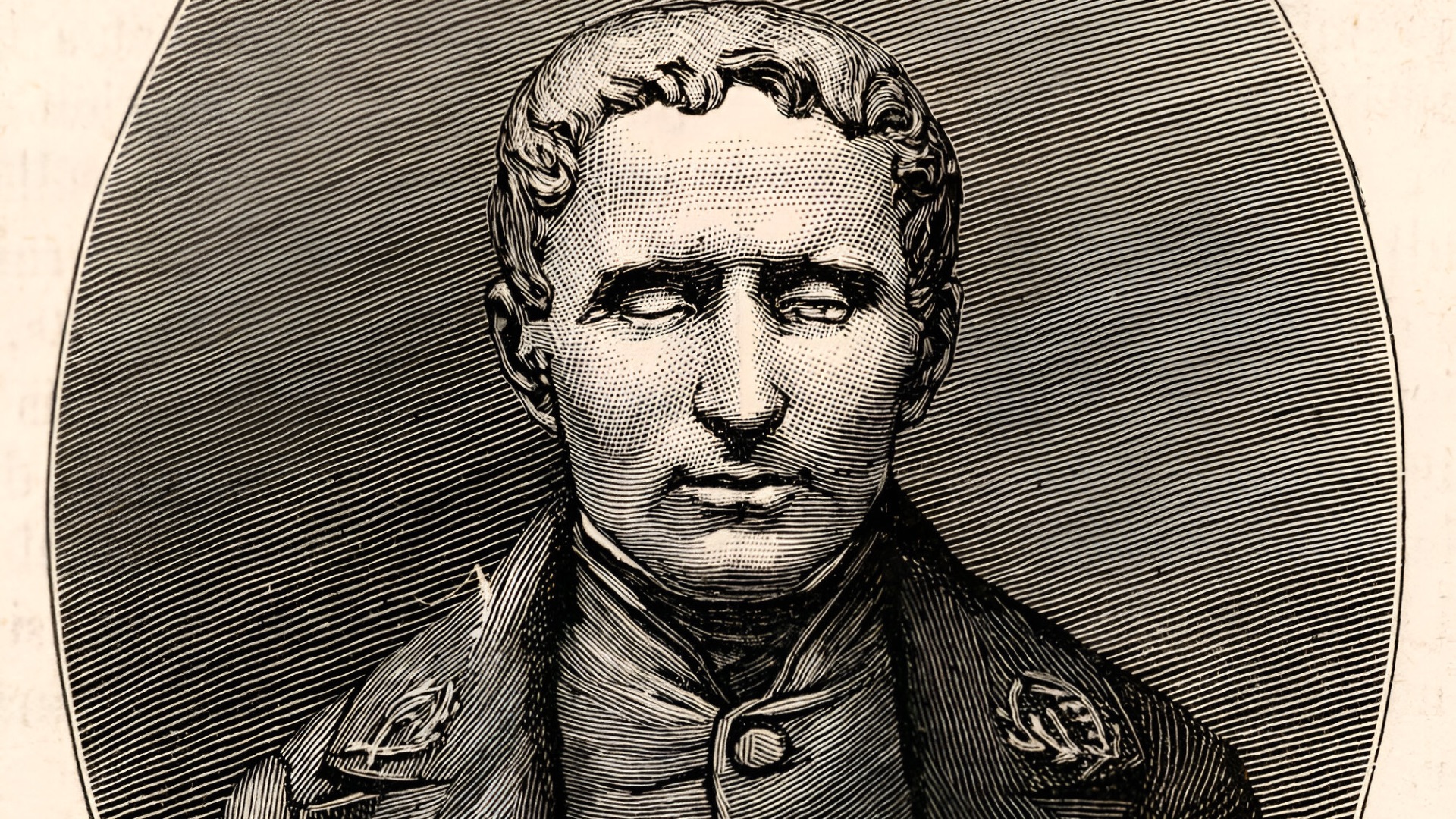
13. Louis Braille: Blindness and Chronic Respiratory Illness
Louis Braille lost his sight after a childhood accident with an awl led to infection that spread to both eyes. He later created the raised-dot reading and writing system that transformed literacy for blind people around the world. Braille also lived with chronic respiratory illness, widely believed to have been tuberculosis, and his health forced him to give up teaching before his death at 43. His life shows how a person directly affected by disability can change the practical conditions of life for others.
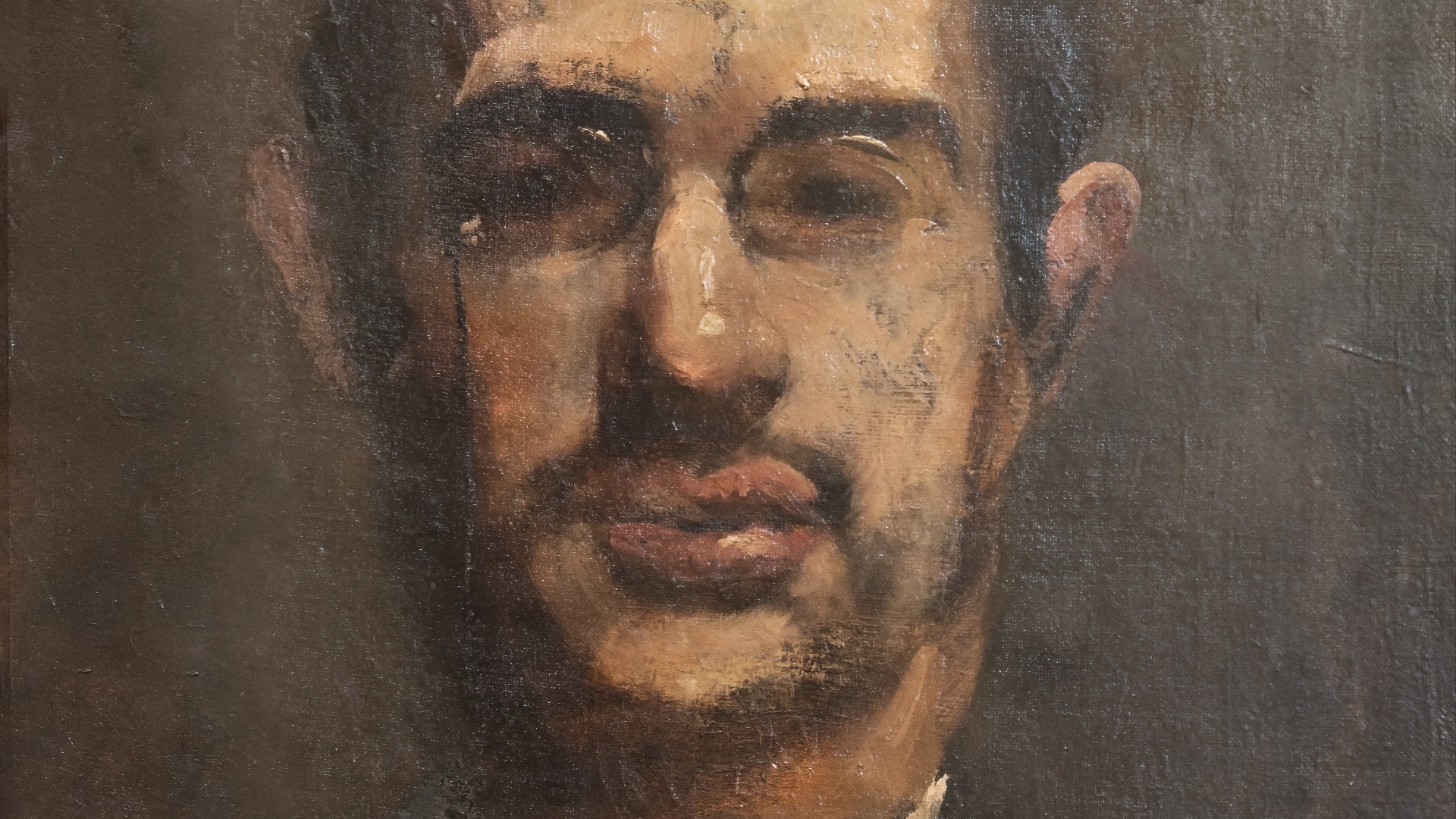
14. Henri de Toulouse-Lautrec: A Rare Bone Disorder
Henri de Toulouse-Lautrec is widely believed to have had pycnodysostosis, a rare genetic bone disorder. After fractures in adolescence, his legs stopped developing normally, leaving him with short stature, pain, and mobility limitations. These physical challenges affected how he moved through Parisian society, even as he became one of its most distinctive visual chroniclers.
15. Lou Gehrig: ALS
Lou Gehrig was known as one of baseball’s most durable players, but amyotrophic lateral sclerosis forced him out of the game in 1939. ALS progressively damages nerve cells that control voluntary muscles, leading to weakness, paralysis, and eventually respiratory failure. Gehrig’s farewell speech became famous because it showed his composure in the face of a devastating diagnosis. The disease is still commonly known as Lou Gehrig’s disease in the United States because his case brought national attention to it.
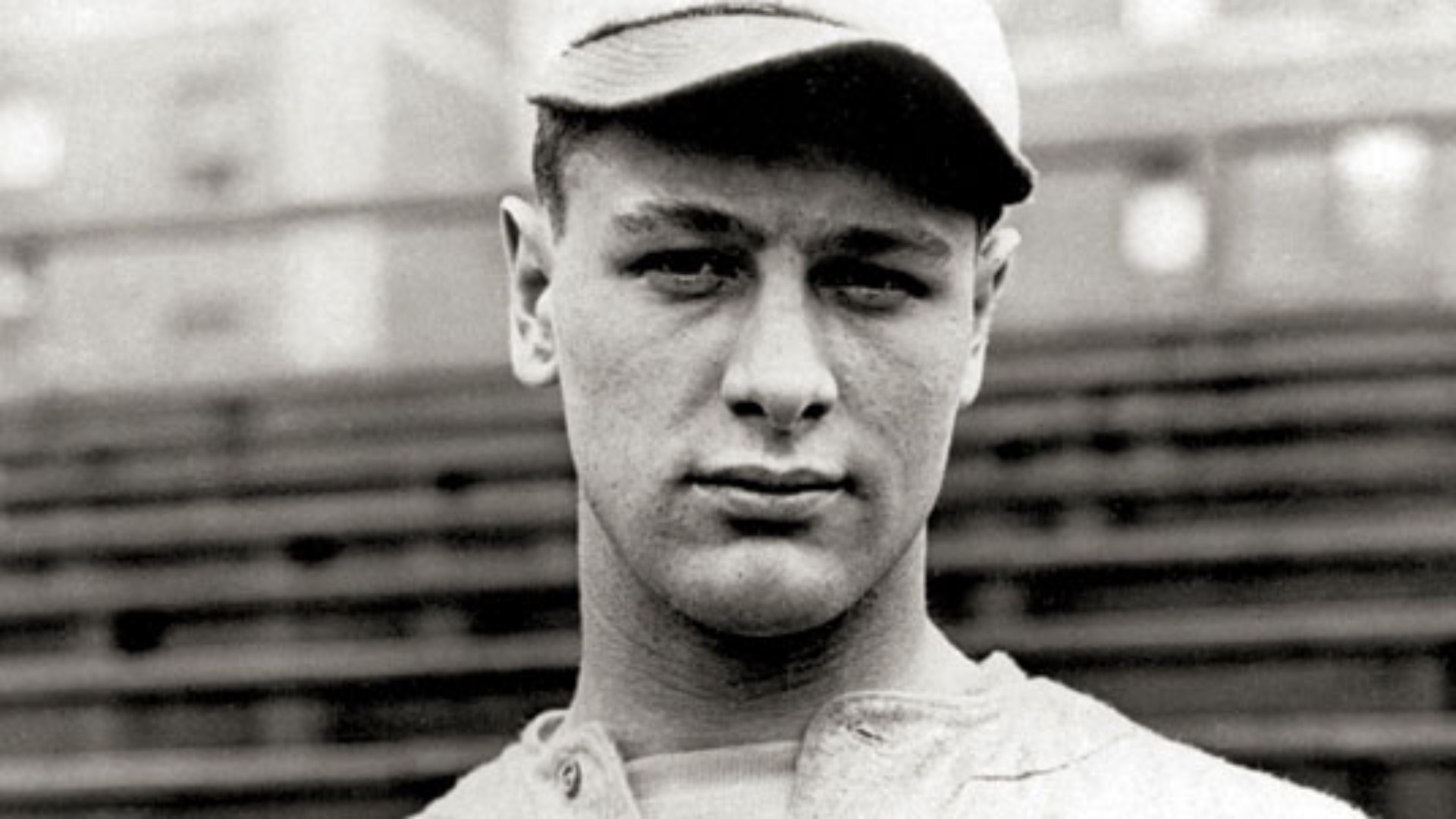 University Archives—Columbiana Library, Columbia University. on Wikimedia
16. Stephen Hawking: ALS Over Five Decades
Lou Gehrig wasn't the only famous figure diagnosed with ALS in the 1900s; Stephen Hawking was diagnosed with ALS in 1963, when he was still a young physicist. The disease gradually took away his mobility and speech, requiring a wheelchair and later a computerized communication system. His unusually long survival with ALS was medically rare, and it allowed him to continue a career that made him one of the best-known scientists of the modern era.

17. King Tutankhamun: Physical Disabilities
Tutankhamun’s remains have led researchers to discuss several possible health problems, including foot deformities, bone issues, and evidence of malaria infection. Although not every proposed diagnosis is settled, the medical evidence suggests he was not the effortless royal figure that popular imagination once preferred. Walking aids found in his tomb have added to the view that mobility may have been a real concern. For a ruler who died around age 19, his health problems make his short reign feel even more physically constrained.

18. King George III: Porphyria
King George III experienced several episodes of severe mental illness during his reign, including periods of confusion, agitation, and behavior that deeply alarmed his family, doctors, and government officials. During his first prolonged crisis in 1788, records show that he was sometimes physically restrained in what was then called a “strait waistcoat,” an early form of a straitjacket. Historians and physicians have long debated the cause of his illness, with theories ranging from porphyria to bipolar disorder or other psychiatric conditions. His health crises became matters of national concern, and his final decline eventually led to his son serving as Prince Regent in his place.
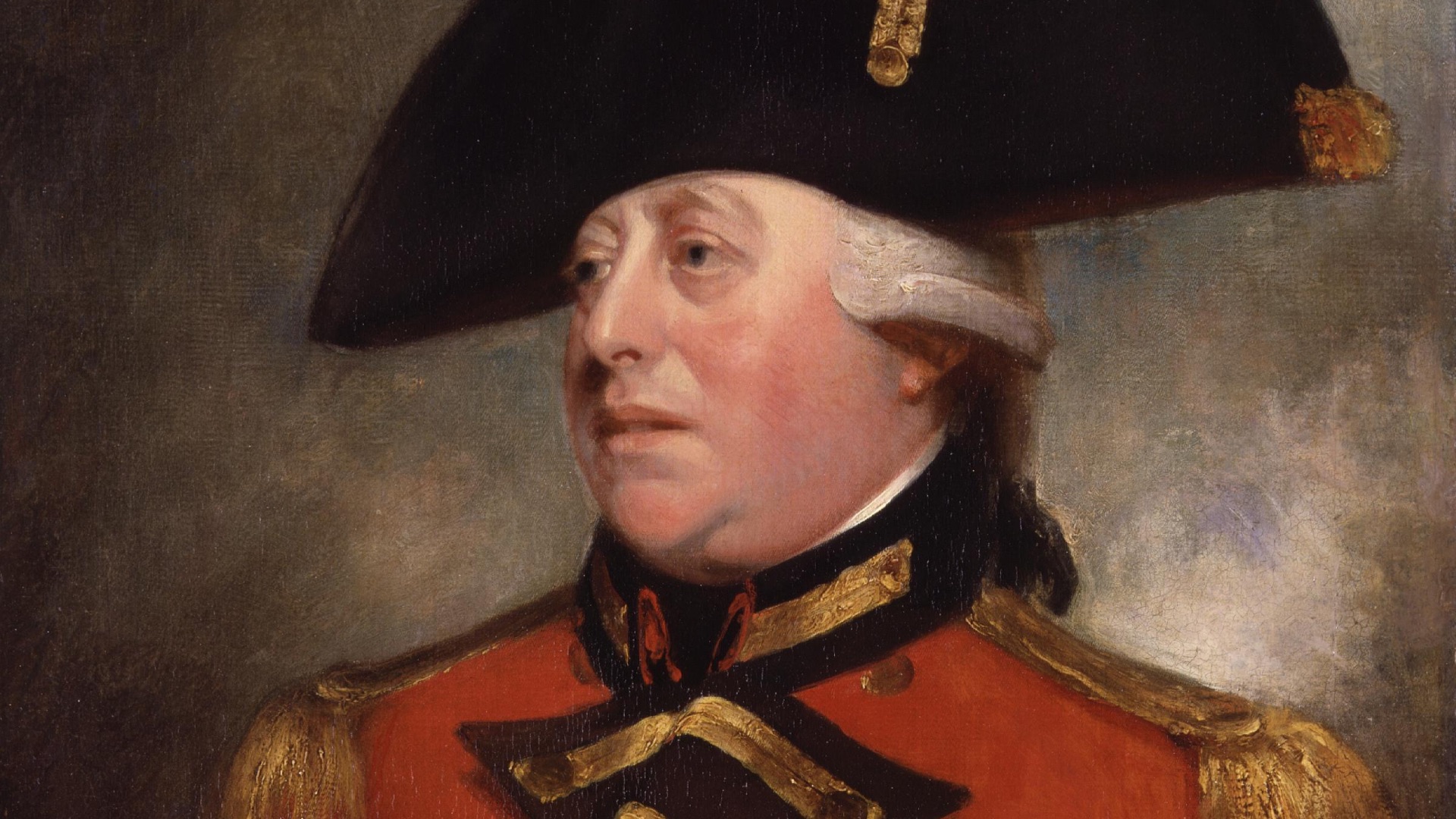 Workshop of William Beechey on Wikimedia
19. Jane Austen: A Mysterious Illness
Jane Austen suffered from a serious illness during the last years of her life, with symptoms that included fatigue, weakness, pain, and a worsening decline she described in surviving letters. The exact cause remains uncertain, but one long-discussed theory is that she may have suffered from Addison’s disease, a diagnosis first proposed in 1964 by surgeon Zachary Cope. Other scholars have suggested alternatives such as Hodgkin lymphoma, which means the safest approach is to treat Addison’s as a possibility rather than a settled fact. Despite her failing health, Austen continued writing and revising for as long as she could before her death in 1817 at the age of 41.

20. Abraham Lincoln: Severe Depression
Abraham Lincoln’s health history is often discussed in connection with severe depression, which he and his contemporaries sometimes called melancholy. He endured intense grief, political pressure, sleep loss, and the physical toll of leading the United States through the Civil War. While modern diagnosis from a distance should be handled carefully, the historical record leaves little doubt that his emotional suffering was serious and recurring.
 Author Ward Hill Lamon Editor Dorothy Lamon Artist G. P. A. Healy on Wikimedia
KEEP ON READING

The story of Ching Shih, the Woman Who Became the…
Unknown author on WikimediaFew figures in history are as feared…
By Emilie Richardson-Dupuis Dec 29, 2025
Einstein's Violin Just Sold At An Auction—And It Earned More…
A Visionary's Violin. Wanda von Debschitz-Kunowski on WikimediaWhen you hear…
By Ashley Bast Nov 3, 2025
This Infamous Ancient Greek Burned Down An Ancient Wonder Just…
History remembers kings and conquerors, but sometimes, it also remembers…
By David Davidovic Nov 12, 2025
The Mysterious "Sea People" Who Collapsed Civilization
3,200 years ago, Bronze Age civilization in the Mediterranean suddenly…
By Robbie Woods Mar 18, 2025
20 Historical Figures Who Had Debilitating Health Problems
Hidden Struggles. History often presents famous figures as symbols of…
By Christy Chan Jun 17, 2026
20 Soldiers Who Defied Expectations
Changing the Rules of the Battlefield. You’ve probably heard plenty…
By Annie Byrd Feb 10, 2026