

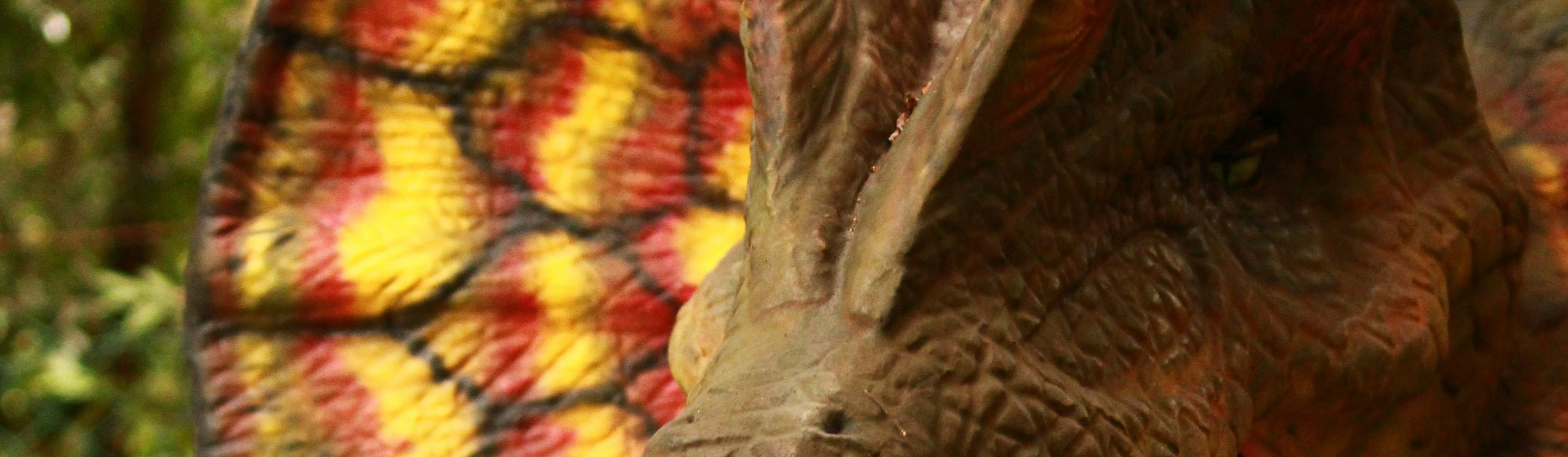
The Real Colors of Dinosaurs Revealed
You might think we’ve already dug up everything there is to find, but paleontologists are actually discovering new species at a record-breaking pace. Technology is finally catching up with our curiosity, allowing scientists to see through solid rock and reconstruct colors from microscopic fossils. It turns out the prehistoric world was much weirder and more vibrant than those dusty museum skeletons suggest.
1. The Real Colors of Dinosaurs
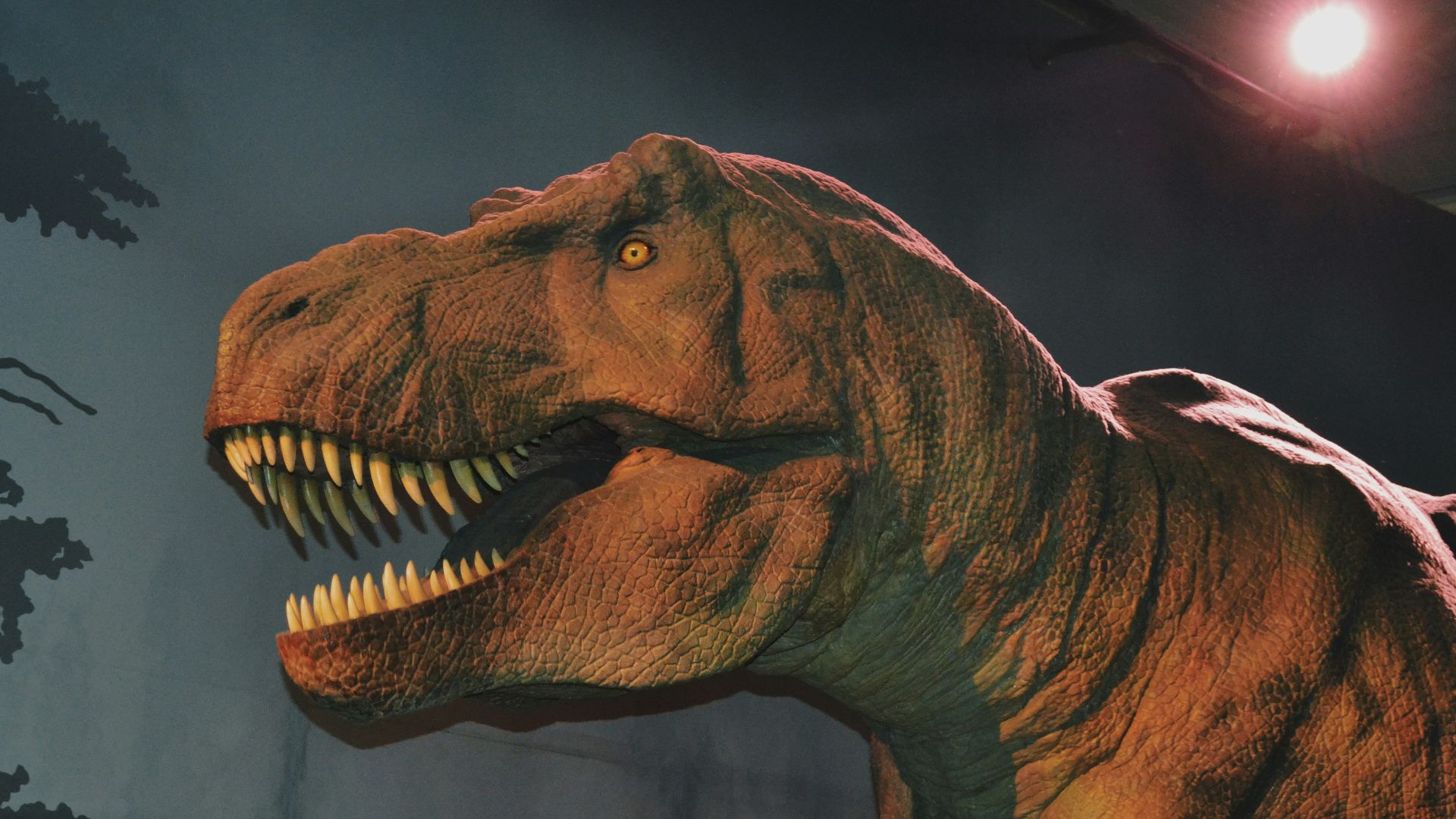
Paleontologists analyzed pigment-filled cells in fossil feathers under powerful electron microscopes. This allowed them to confirm that some small raptors had ginger plumage and an iridescent sheen. They’re probably more attractive than they look in typical dinosaur pictures.
2. Spinosaurus Was a Swimmer
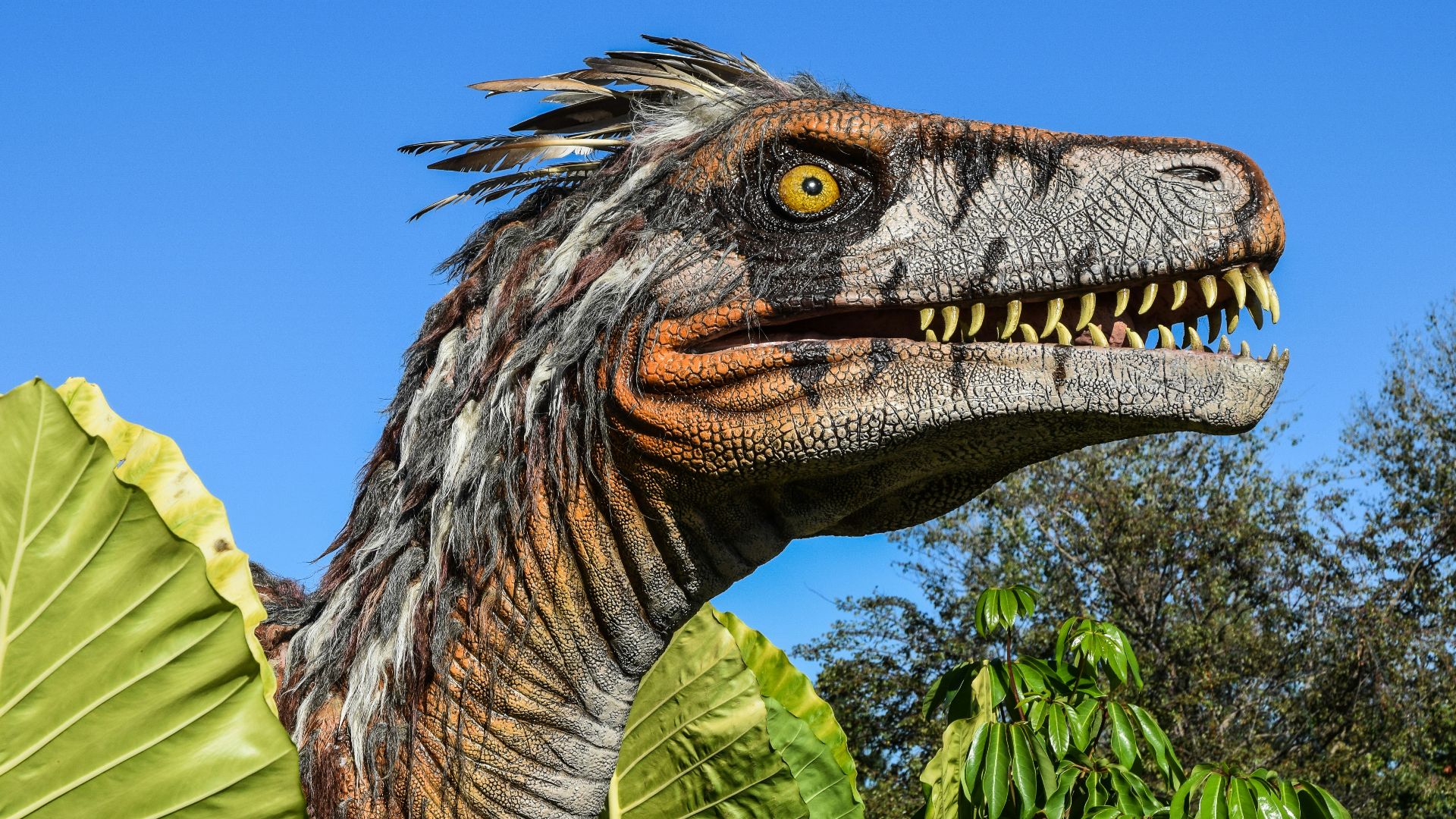
It was always assumed predators of dinosaur size were strictly land-based. Newly discovered tail fossils confirm that Spinosaurus was built for swimming and catching fish. It had a wide, paddle-like tail and probably hunted in what are now North Africa’s river systems.
3. Mammals Hunted Dinosaurs
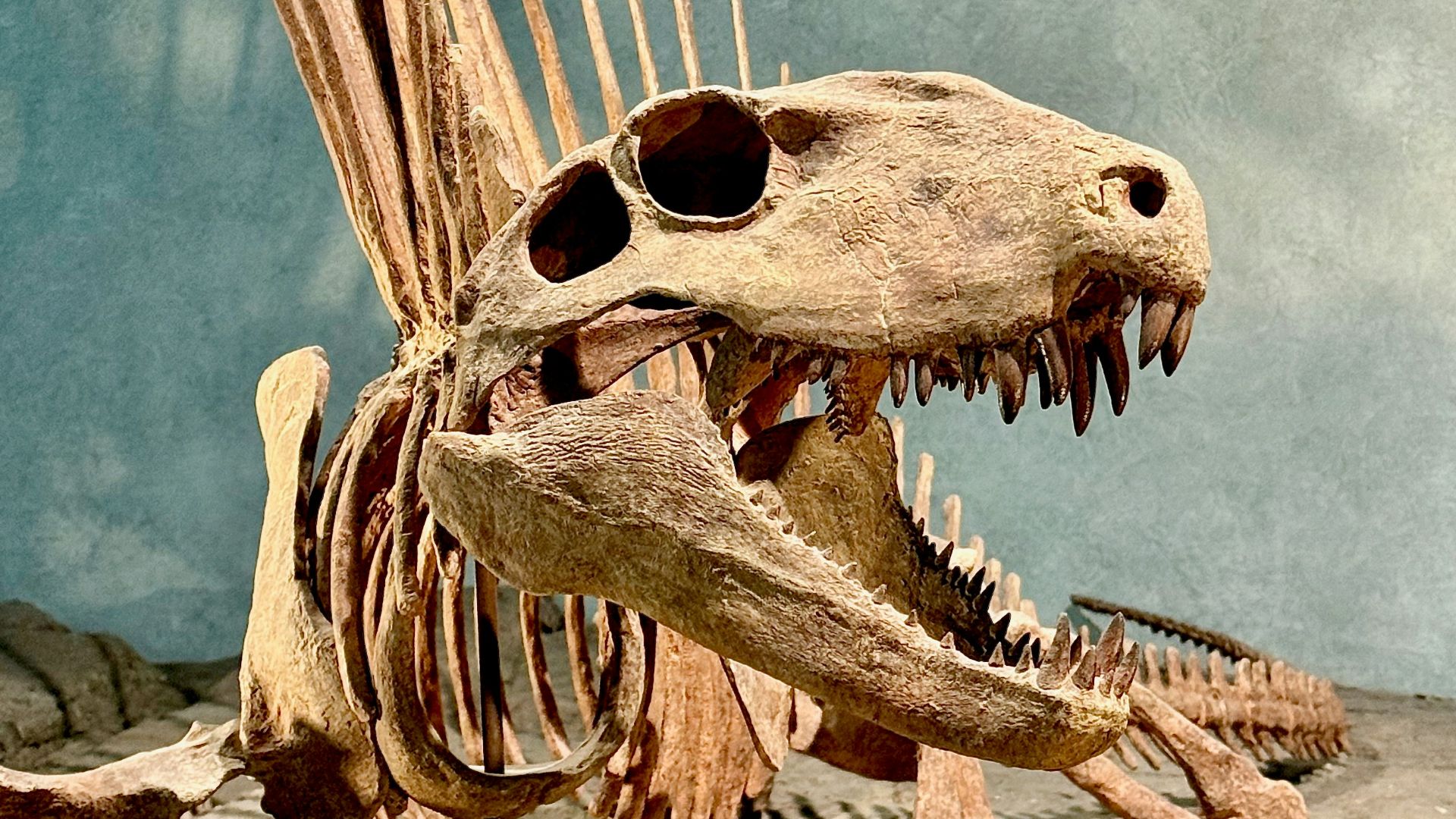
In a bizarre twist of fossilized fate, a badger-sized dinosaur predator was found locked in mortal combat with a much larger theropod. This newly discovered mammal was standing over its fallen foe. Judging by injuries on both skeletons, it started the fight. Who would have thought mammal ancestors could be so vicious?
4. Tiny Titanosaurs Exist
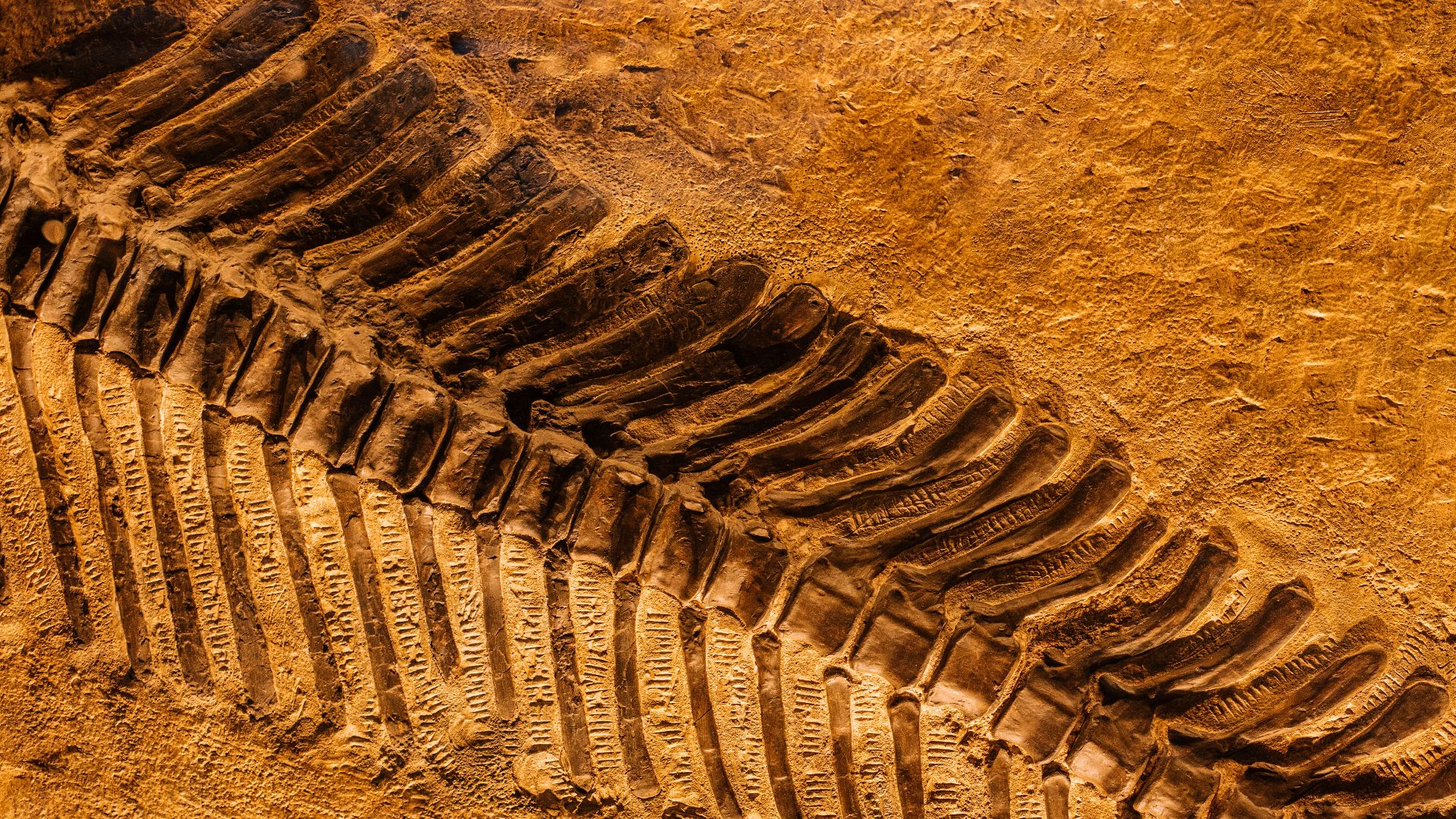
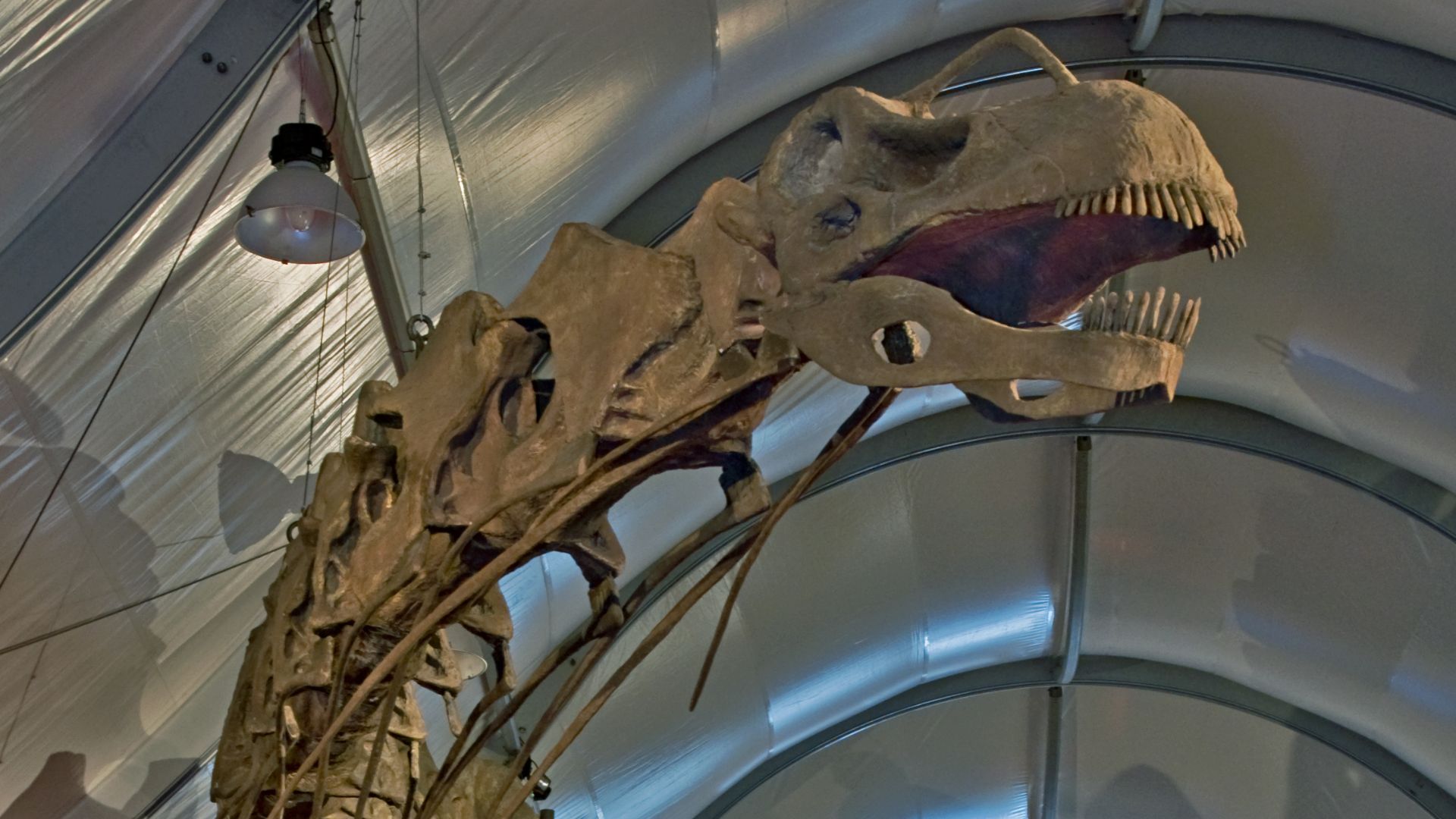
Although the largest members of this group were gigantic, some sauropods are now known to have remained small. One dwarfed species stayed only thirteen feet long due to its island habitat. Limited resources forced it to abandon its normal growth pattern and adapt to smaller dimensions.
5. Pterosaurs Had Colorful Crests
Scientists discovered preserved soft tissue that revealed flying reptiles had brightly colored, feathery crests on their heads. They likely utilized them to show off to mates and rivals from a distance. Imagine having to compete with that guy on sight and vocalizations alone.
6. The First Giant Sea Monster
In the deserts of Nevada, an ichthyosaur skull was found that stretched over thirty feet long. This means the creature was nearly the size of a modern whale when it was alive. This represents the upper size limit these animals reached faster than previously believed.

7. Soft-Shelled Eggs
Scientists uncovered dozens of ancient, leathery eggs in Mongolia that may have belonged to early dinosaurs. Dinosaurs were not the only ones laying hard-shelled eggs; many species opted to keep it soft like modern turtles. This is why we rarely find dinosaur eggs from certain time periods—they have not fossilized.

8. The Antarctic Forest
Ancient plants once thrived on Antarctica, as shown by fossilized pollen and root structures found by palynologists. If you could travel back to the age of dinosaurs, you would find huge rainforests where the ice desert is today. Bring some pineapple on your next trip to the South Pole.
9. Social Rexes
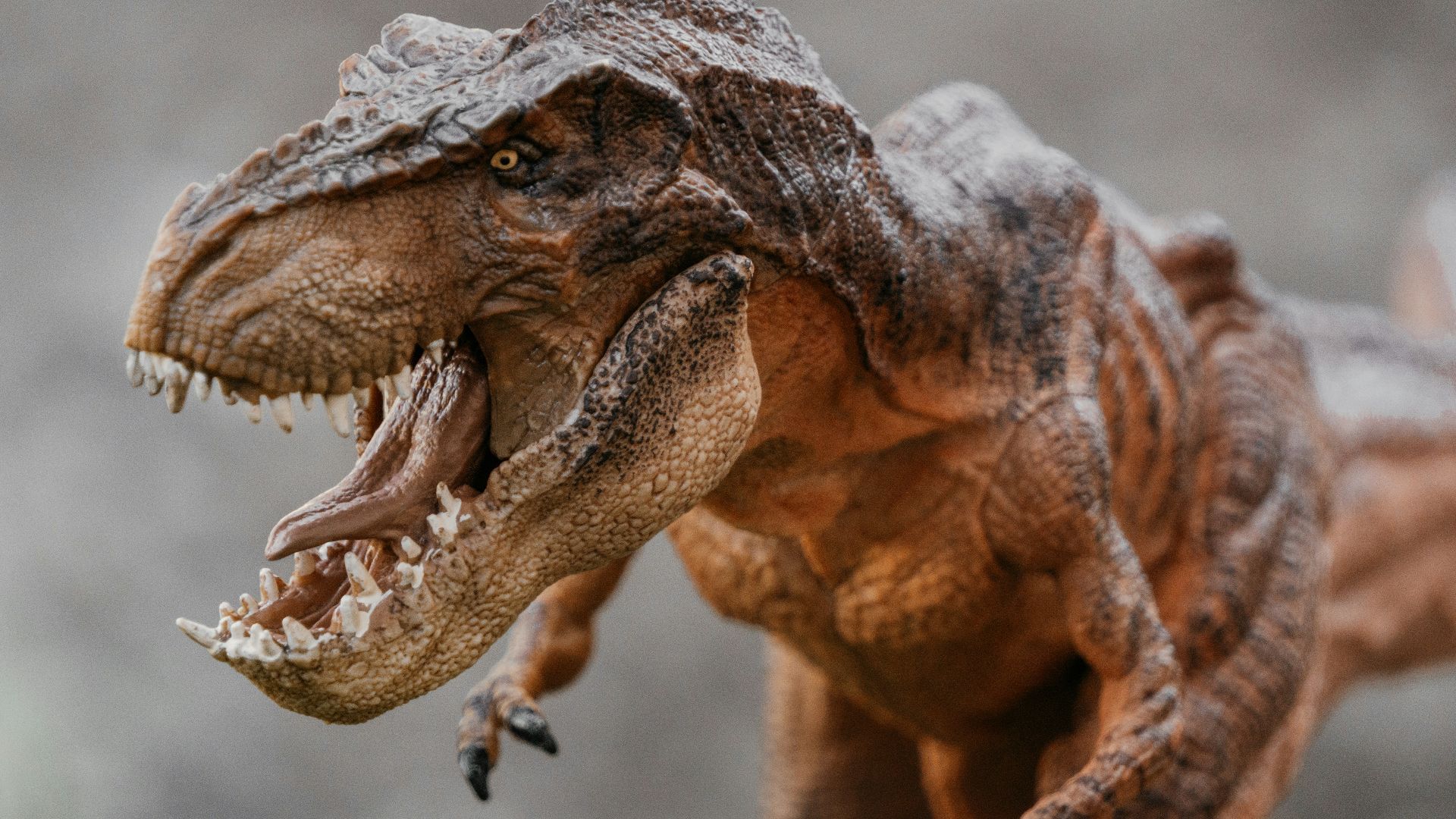
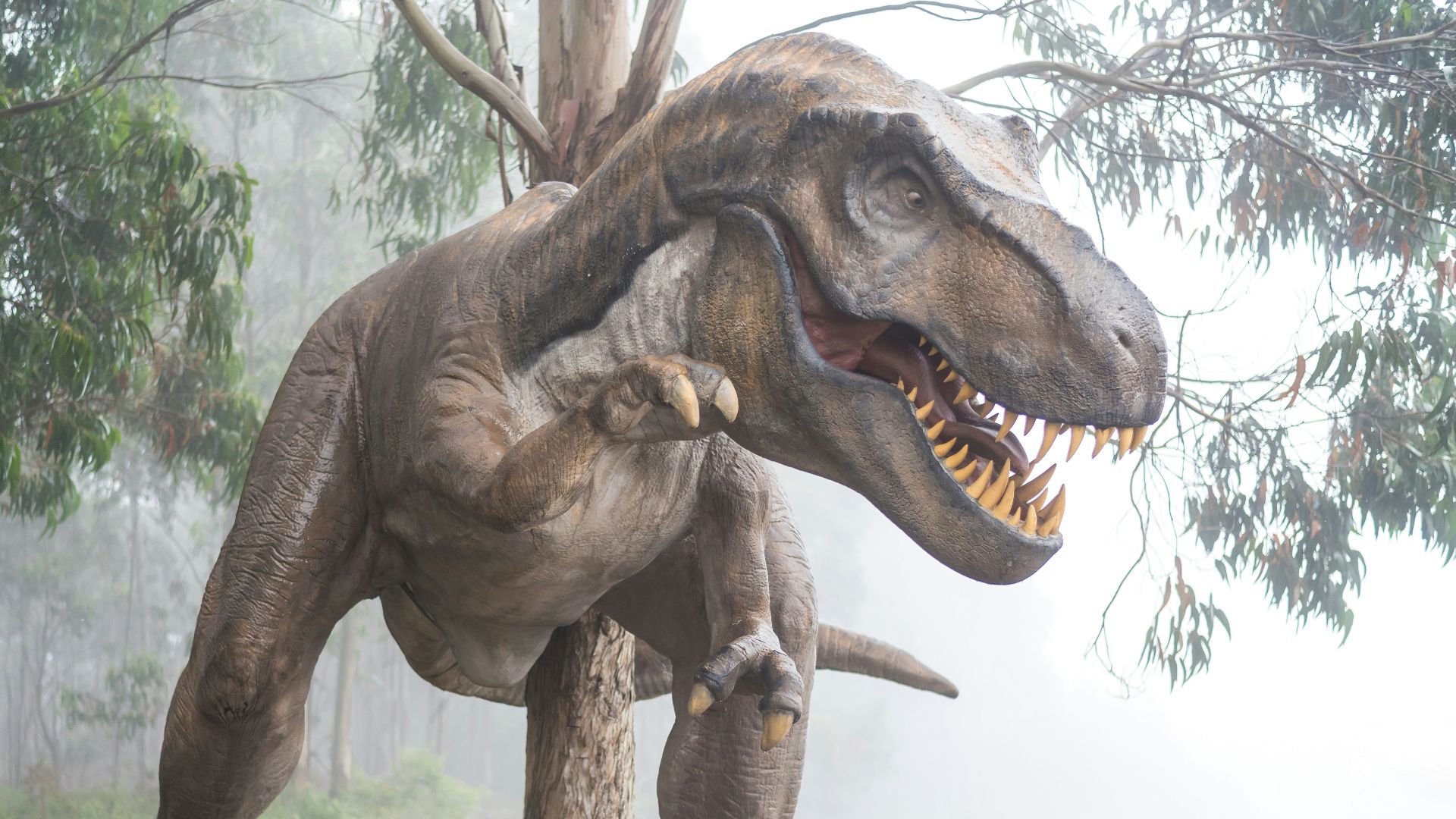
Thousands of gigantic tyrannosaur skeletons were discovered together at a single site. This may be evidence that T. rex hunted in packs like wolves or acted as family units. Large dinosaurs may have utilized complex social strategies to ambush massive prey.
10. Ancient Bird Brains
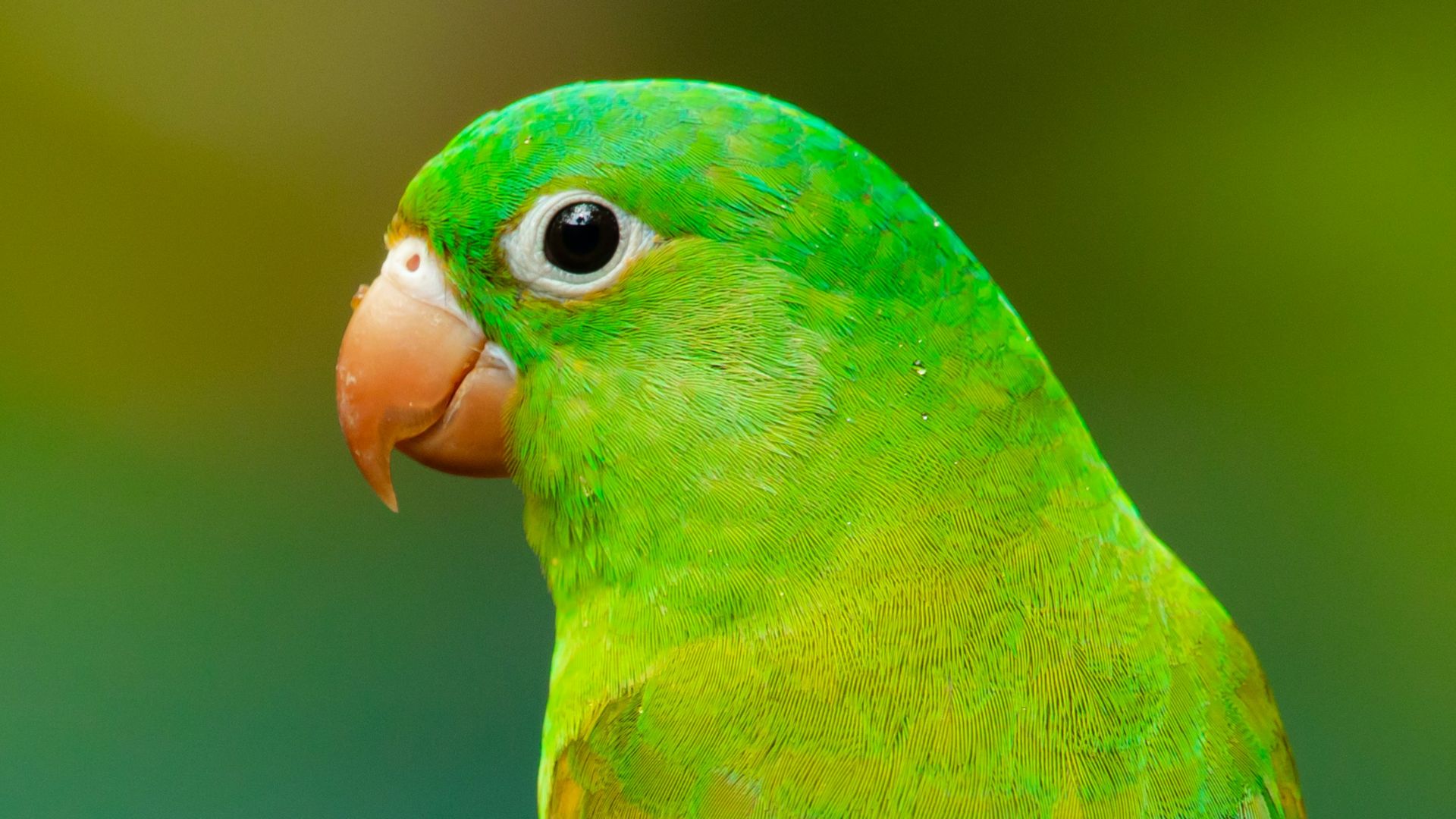
The skull of a primitive bird was unearthed with its brain still inside. Researchers believe avian brains developed in unique ways to allow powered flight. After studying it with CT scans, they concluded that only specific parts enlarged early on.
11. Armored Hearts
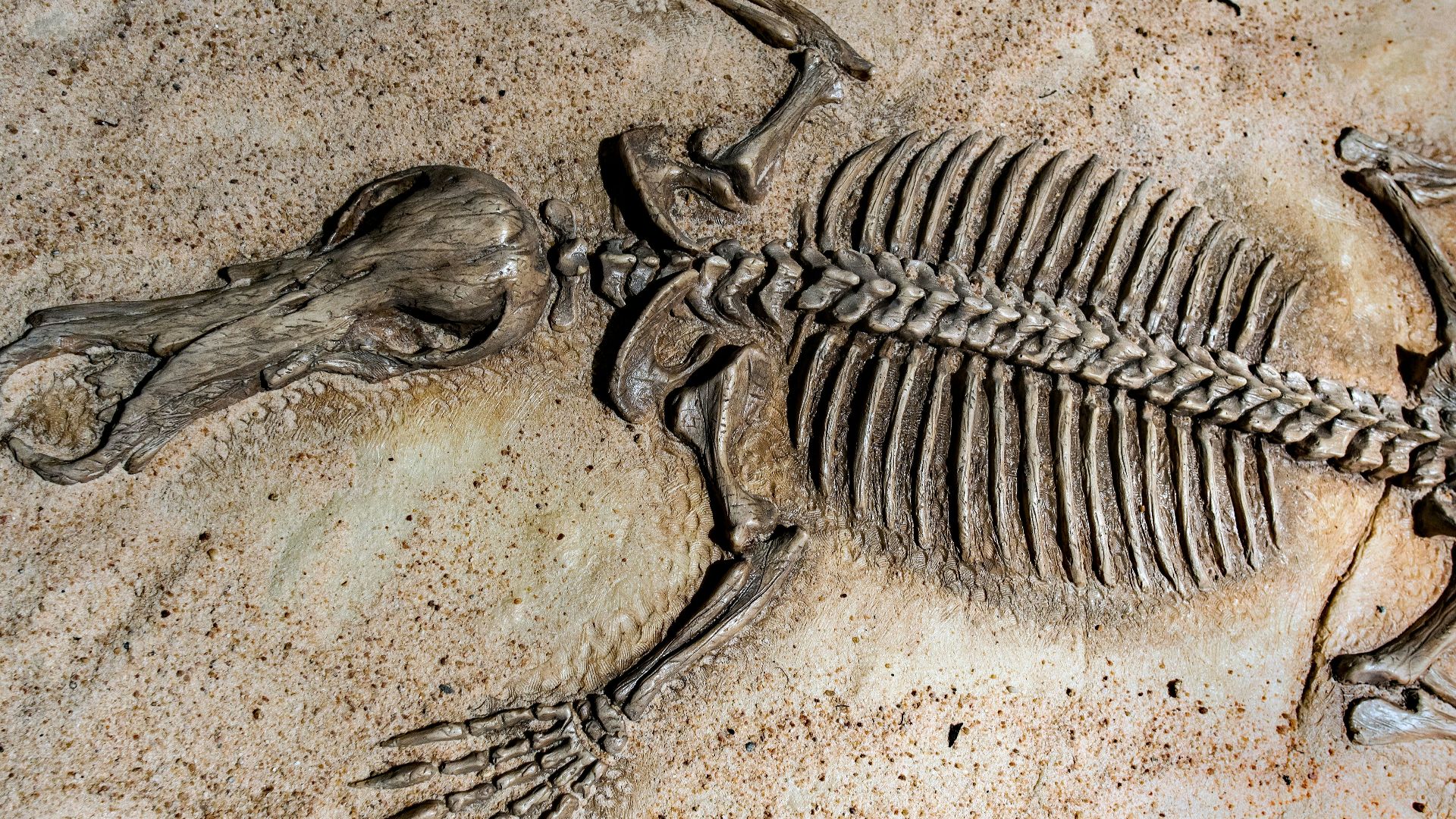
Thanks to the fossilized remains of a heart inside a Brazilian dinosaur specimen, scientists can see how their circulatory systems functioned. Dinosaurs had advanced hearts similar to mammals and birds, not the simple hearts seen in modern reptiles. It helped pump blood at high speeds to power their active bodies.
12. Giant River Dolphins
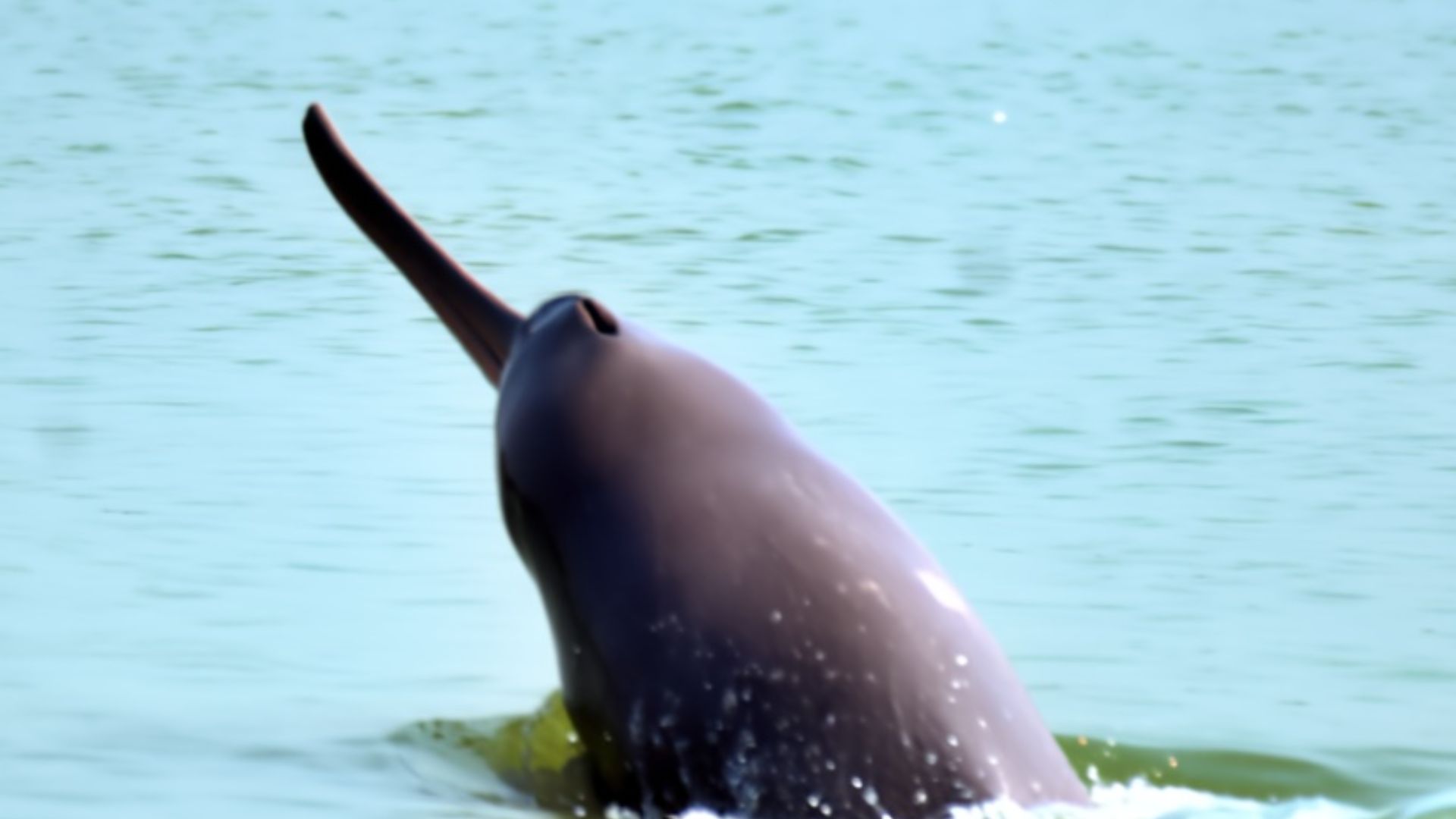
A newly discovered dolphin fossil was over ten feet long, which is unheard of for river dolphins today. Found in the Amazon Basin, this ancient dolphin lived over sixteen million years ago. There were once extremely large dolphins in the Amazon River.
 Munshi Abul Barakat on Wikimedia
13. High-Altitude Dinosaurs
Mountains were home to many dinosaurs, as fossils show species were able to live in lofty climates. Dinosaurs in these higher elevations grew thick coats of feathers to keep warm at night. Contrary to popular belief, you will not always find dinosaurs next to dinosaur-sized ferns.
14. The "Hell Heron"
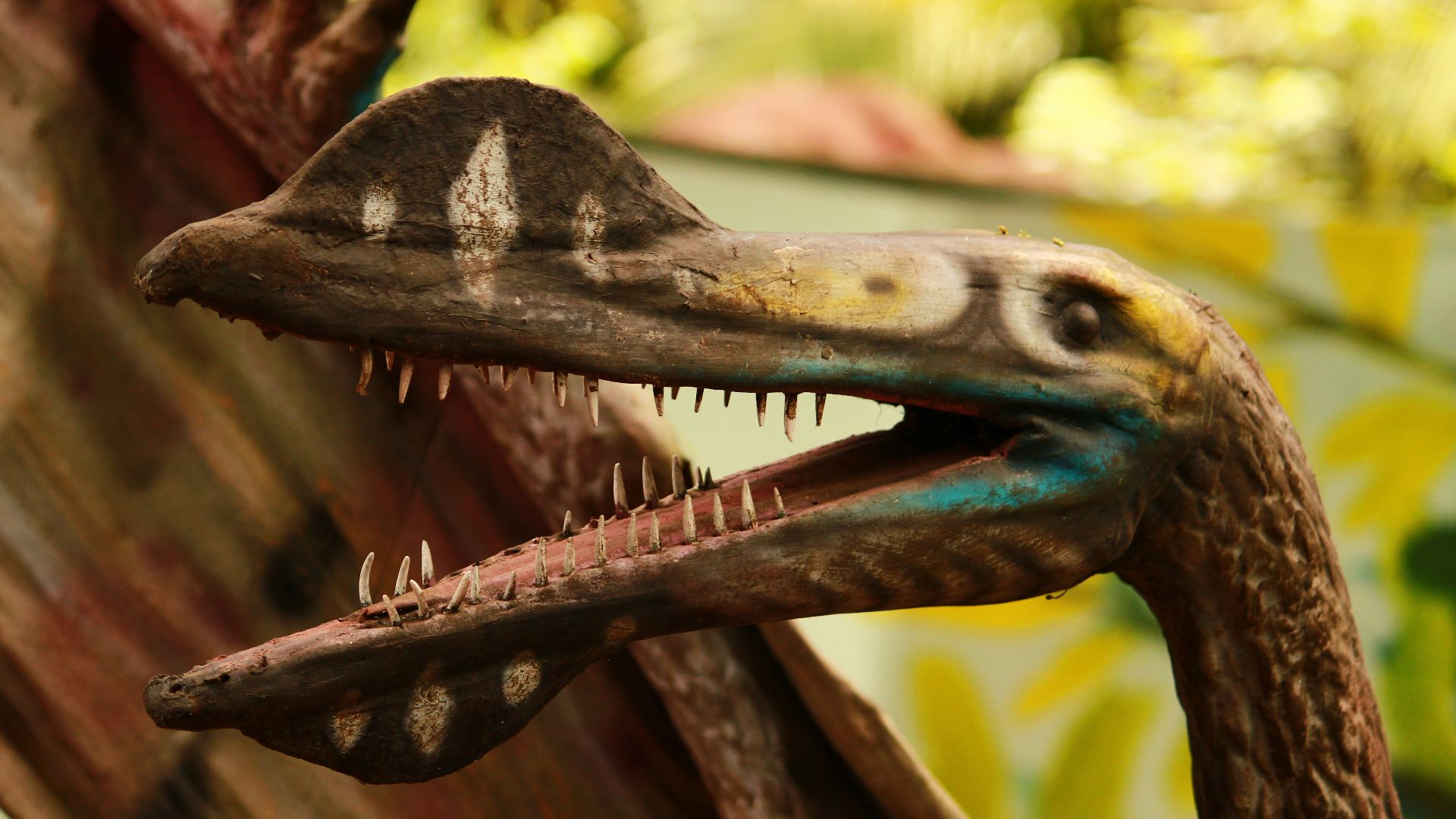
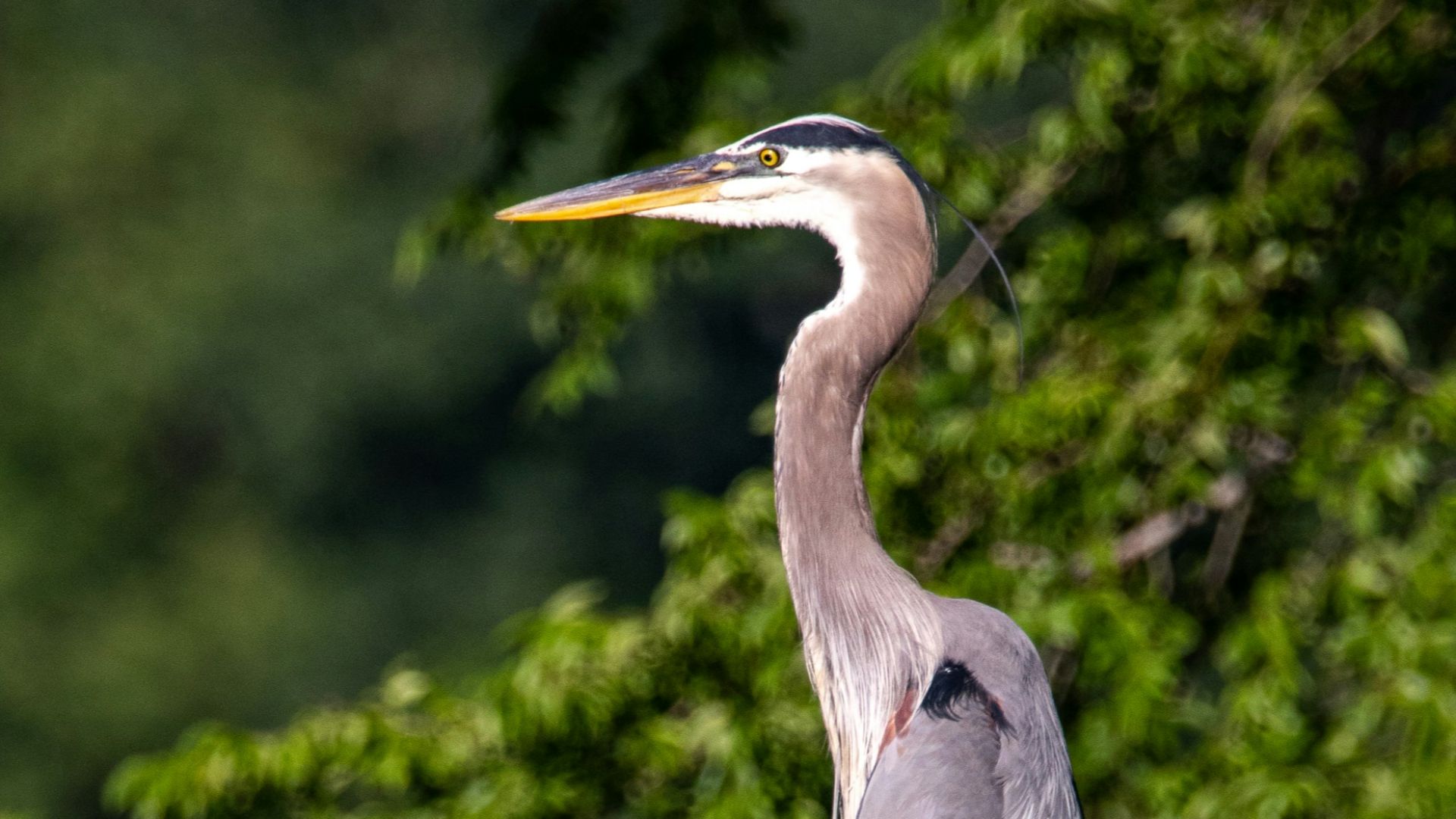
A newly discovered species of dinosaur resembled a gigantic heron and was dubbed the “Hell heron.” This dinosaur had a thin skull that specialized in catching slippery aquatic prey. Like many wading birds today, it likely prodded at the water with its beak.
15. Hibernating Lystrosaurus
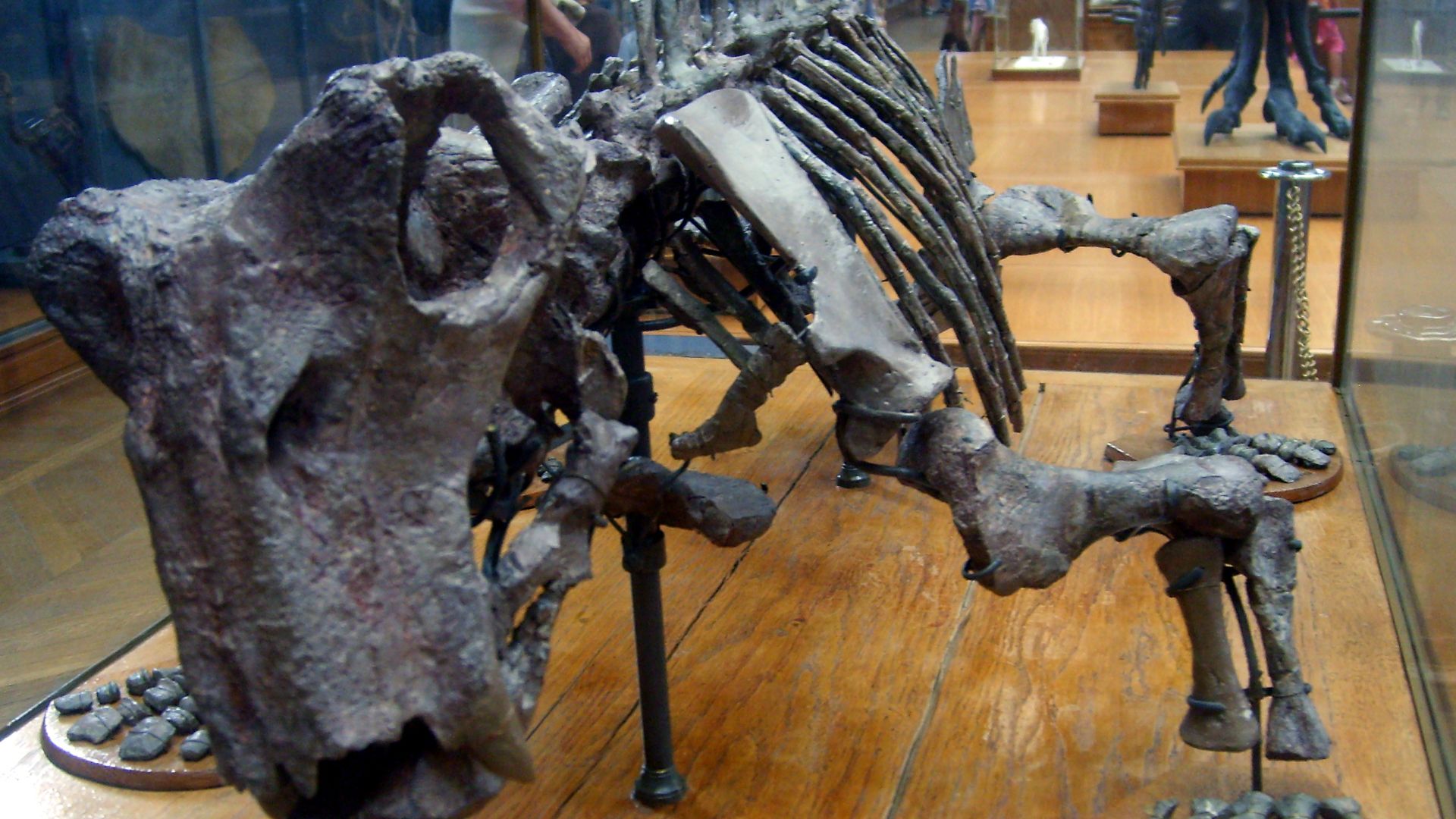
By examining the growth rings in the tusks of this ancient mammal relative, scientists found evidence of a state similar to hibernation. This creature lived in the Antarctic Circle and likely slept through the dark, cold winters to conserve energy. It is the oldest known record of a vertebrate animal using hibernation to survive.
16. Flowering Plants Appeared Earlier
Flowers may have first appeared hundreds of millions of years earlier than previously thought. Some of the earliest flower fossils were extremely small and disguised among taller plants. It would take the gradual evolution of flowering plants to kickstart insect diversity.

17. Mega-Millipedes
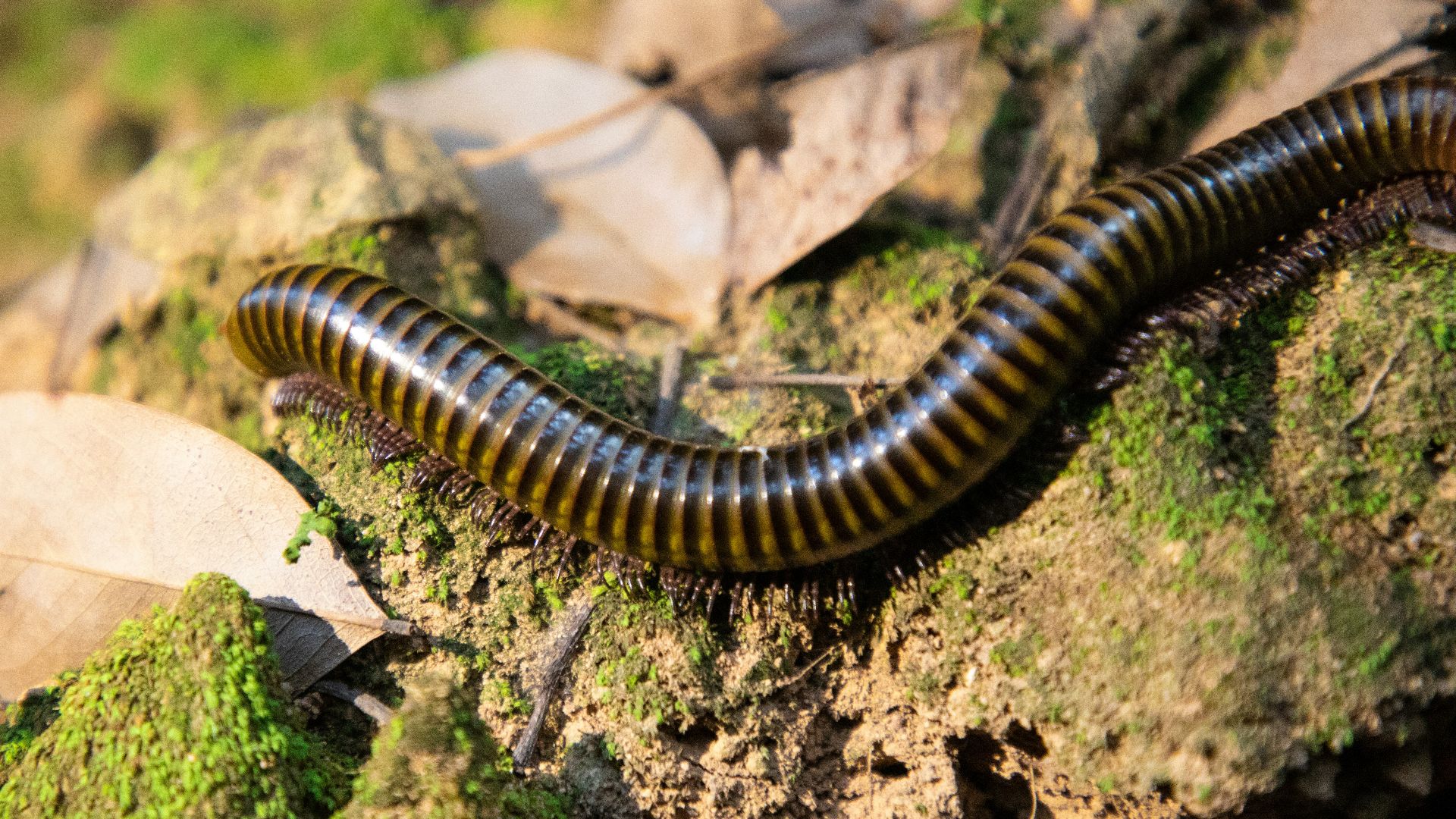
Scientists found fossils of what appears to be a car-sized millipede. Millipedes grew to enormous sizes because oxygen levels were higher during their heyday. High oxygen content allowed for their survival, as well as many other oversized insects.
18. Dinosaur Dandruff
Miniature pieces of fossilized skin were discovered in the plumage of several dinosaurs. The fragments show that dinosaurs lost their skin in small patches, much as humans and modern birds do. Imagine getting tiny pieces of dino-dandruff all over homework as a kid.
19. Vocalizing Dinosaurs
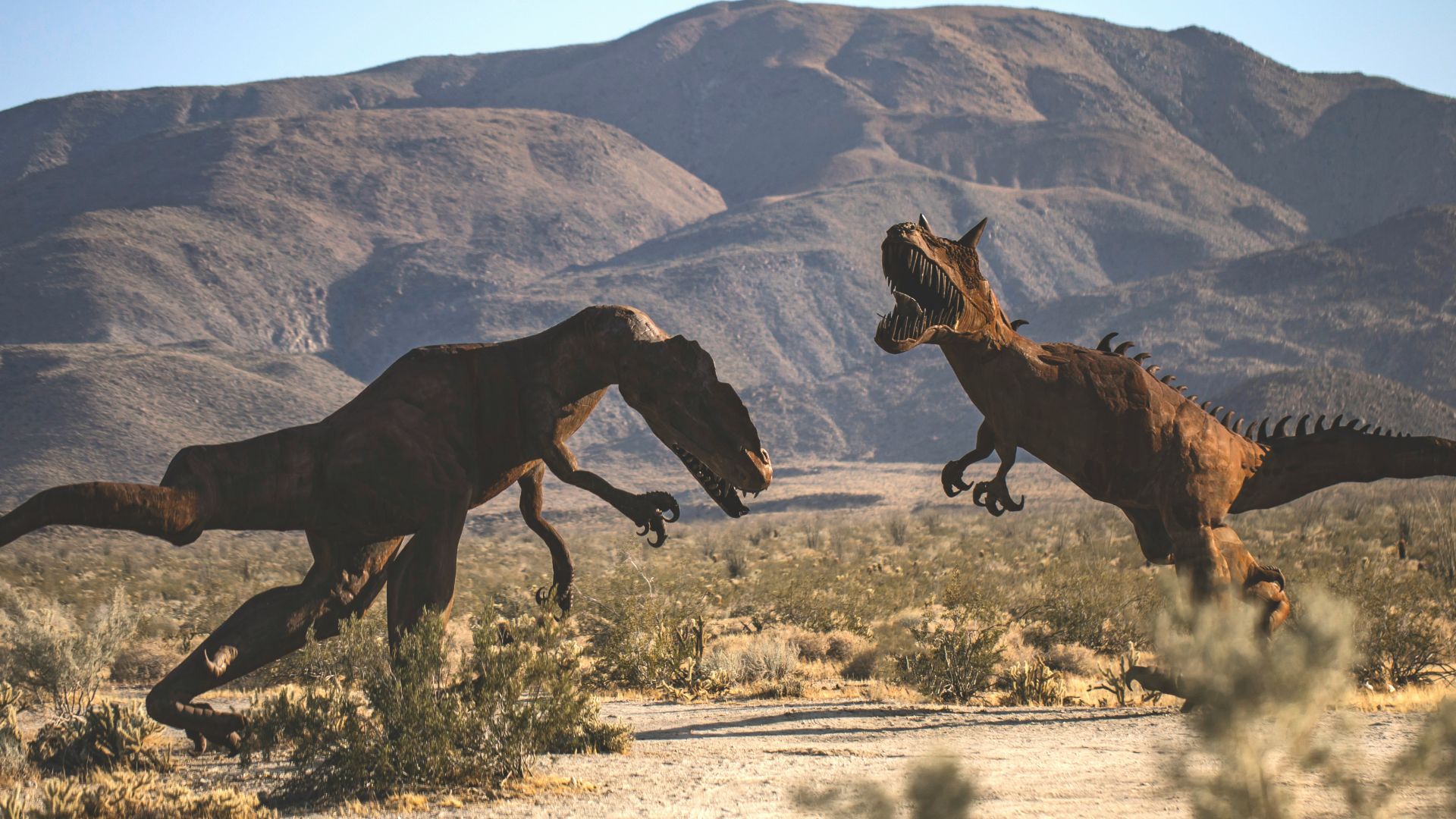
Dinosaurs could not technically sing, but new fossils show they could make booming noises. Similar to modern elephants, dinosaurs likely had low-range vocalizations that would be felt more than heard. Rather than hearing a Tyrannosaurus yawp through the trees, it would be felt.
 Fausto García-Menéndez on Unsplash
20. The Rise of the Titan
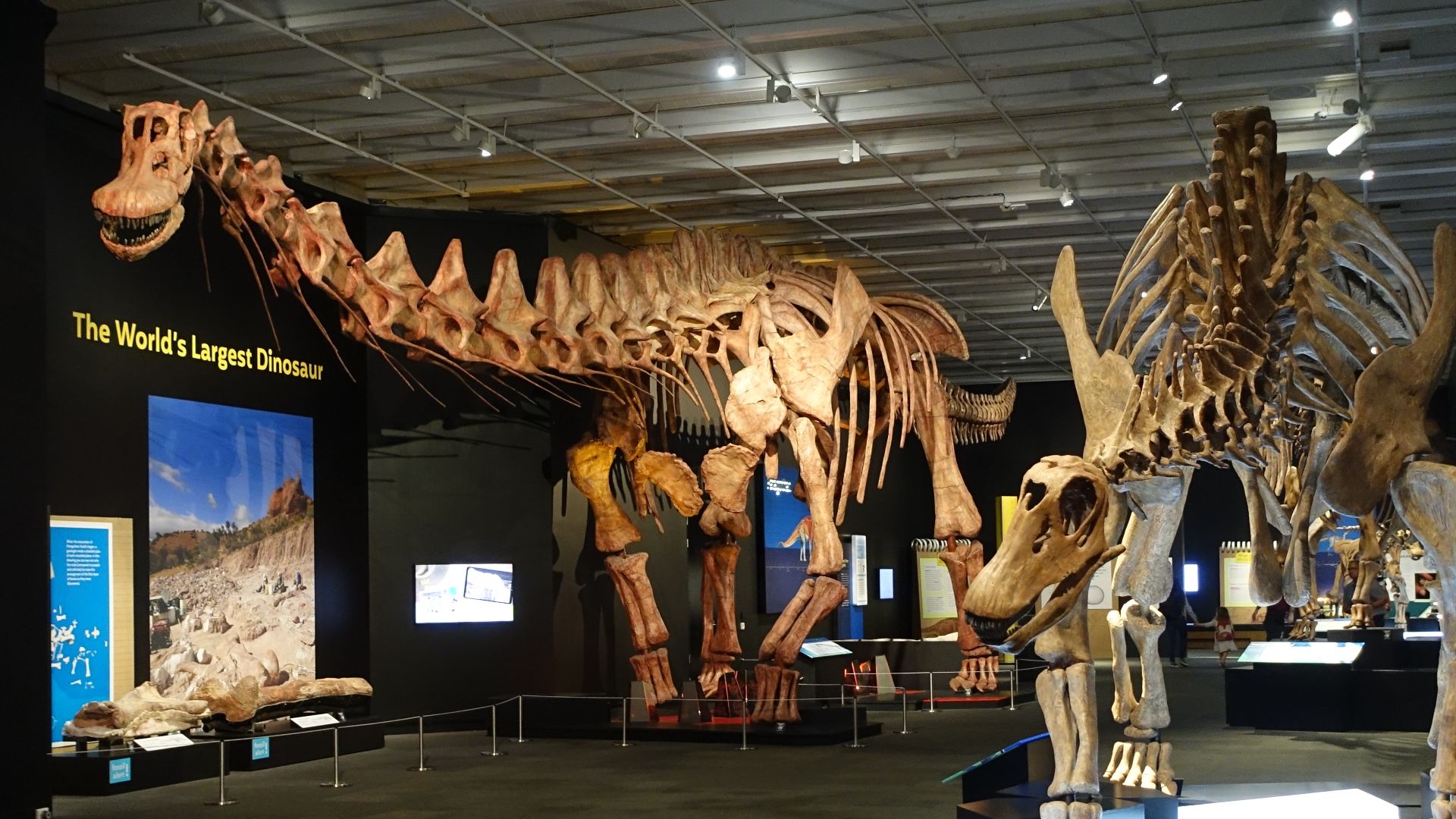
Patagotitan was one of the largest animals to ever walk the Earth. Now it is known how it got that big; its bones had extremely unique construction. They were made to support the highest pressures of any animal without breaking or buckling under its owner.
KEEP ON READING

The Brutal Realities Of Gladiator Life Beyond the Arena
David Cruz asenjo on PexelsWhen most people think of gladiators,…
By Rob Shapiro Mar 31, 2026
The Volcano Winter That Nearly Toppled Europe
Collin Ross on UnsplashMost people, if asked to name a…
By Cameron Dick Mar 31, 2026
From School Plays To Starting A Cult: 20 Of The…
The Books That Made Us. Many people will tell you…
By Farva Ivkovic Jan 31, 2025
20 Facts About Jane Grey, The Forgotten Queen Of England
A Quick, Messy, and Tragic Reign. Lady Jane Grey never…
By Maria Cruz Jan 31, 2025
20 Priceless Historical Art Pieces Rescued By The Monuments Men
Protecting Human History. While the soldiers on the front lines…
By Sara Springsteen Mar 31, 2026
Almost Every Ancient Statue Has a Missing Nose, And It's…
Gary Todd from Xinzheng, China on WikimediaWalk through the classical…
By Elizabeth Graham Mar 31, 2026