


Ruining The Fun for Everyone
One fake result can do a lot of damage, especially once it gets picked up by other experts in the field. While some of these cases stayed inside labs and wrecked careers there, others spilled into hospitals, classrooms, and public life, where the fallout got a lot harder to contain. These 20 frauds show what happened when bad evidence got a head start, and whole fields had to spend years cleaning up the mess.

1. Piltdown Man
In 1912, amateur antiquarian Charles Dawson presented skull fragments from Sussex, England, as evidence of an early human ancestor. The fossil turned out to be a fake made from a human skull and an orangutan jaw, and it kept paleoanthropology tangled up for decades in arguments built on evidence that never should’ve counted.

2. Beringer’s Lying Stones
Johann Beringer was a physician and naturalist in Würzburg, Germany, who was taken in during the 1720s by carved limestone “fossils” planted to fool him. He published a book defending them, and the episode became an early public lesson in how ego, rivalry, and wishful thinking can drag natural history off course.
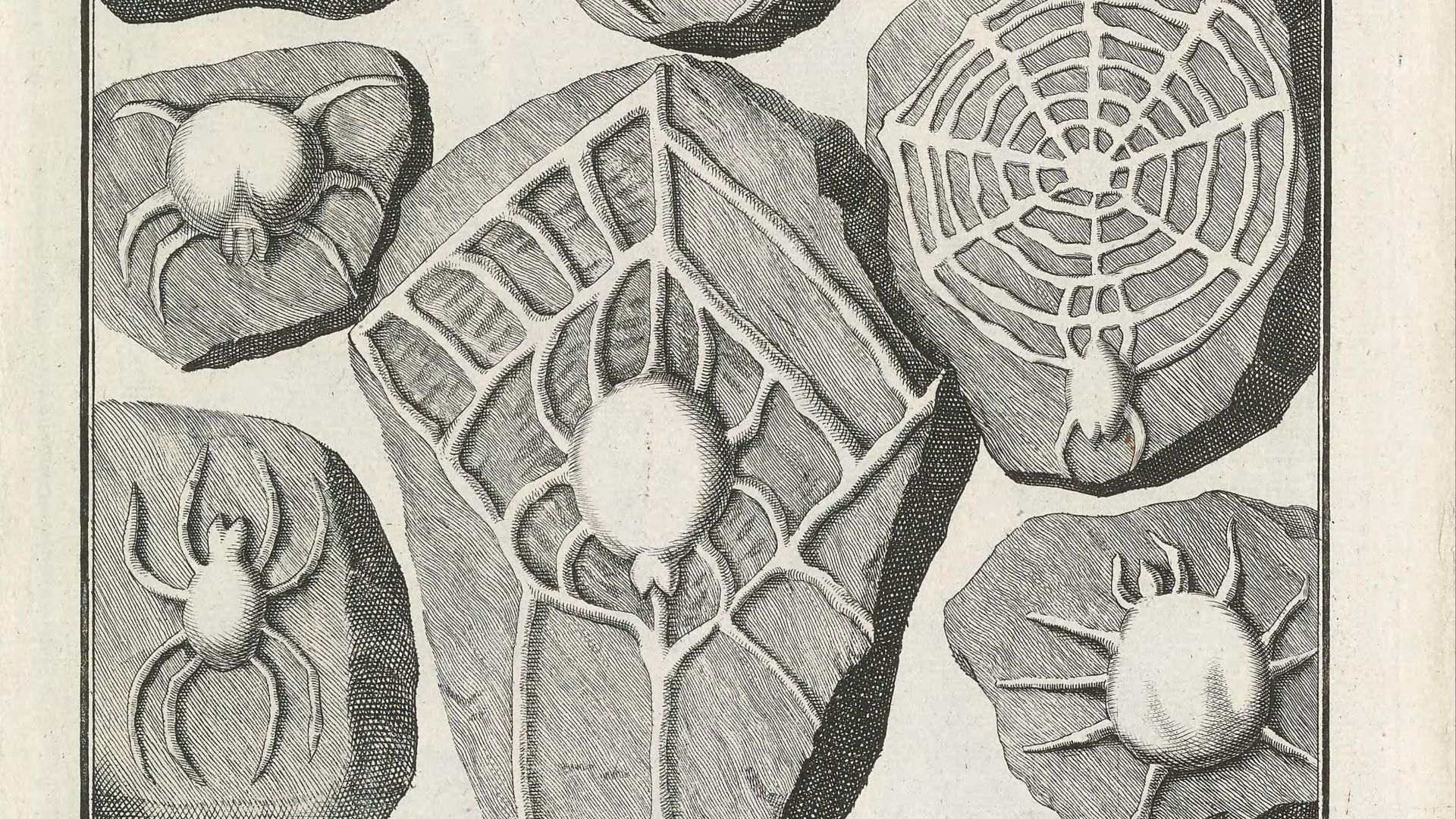 Johann Bartholomeus Adam Beringer (1667-1740) on Wikimedia
3. William Summerlin’s Painted Mice
William Summerlin was a transplant researcher at Memorial Sloan Kettering in New York, who claimed he’d solved a major graft-rejection problem in the 1970s. Then colleagues discovered he’d darkened white mice with markers to fake successful skin transplants, which badly embarrassed the transplant research field.
 National Cancer Institute on Unsplash
4. John Darsee’s Cardiology Fabrications
John Darsee looked like a rising cardiology star at places like Emory, Harvard, and Brigham and Women’s, and that reputation bought him a lot of trust. When fabricated data began surfacing in the early 1980s, the scandal shook biomedical research culture and exposed how easily prestige could hide work that wasn’t real.
5. Malcolm Pearce’s Impossible Pregnancy
Malcolm Pearce was a London obstetrician who published a sensational 1994 paper claiming an ectopic pregnancy had been removed and reimplanted into the uterus, ending in a live birth. The case was later exposed as fraud, and it left reproductive medicine dealing with a pretty massive editorial failure.

6. Andrew Wakefield’s MMR Paper
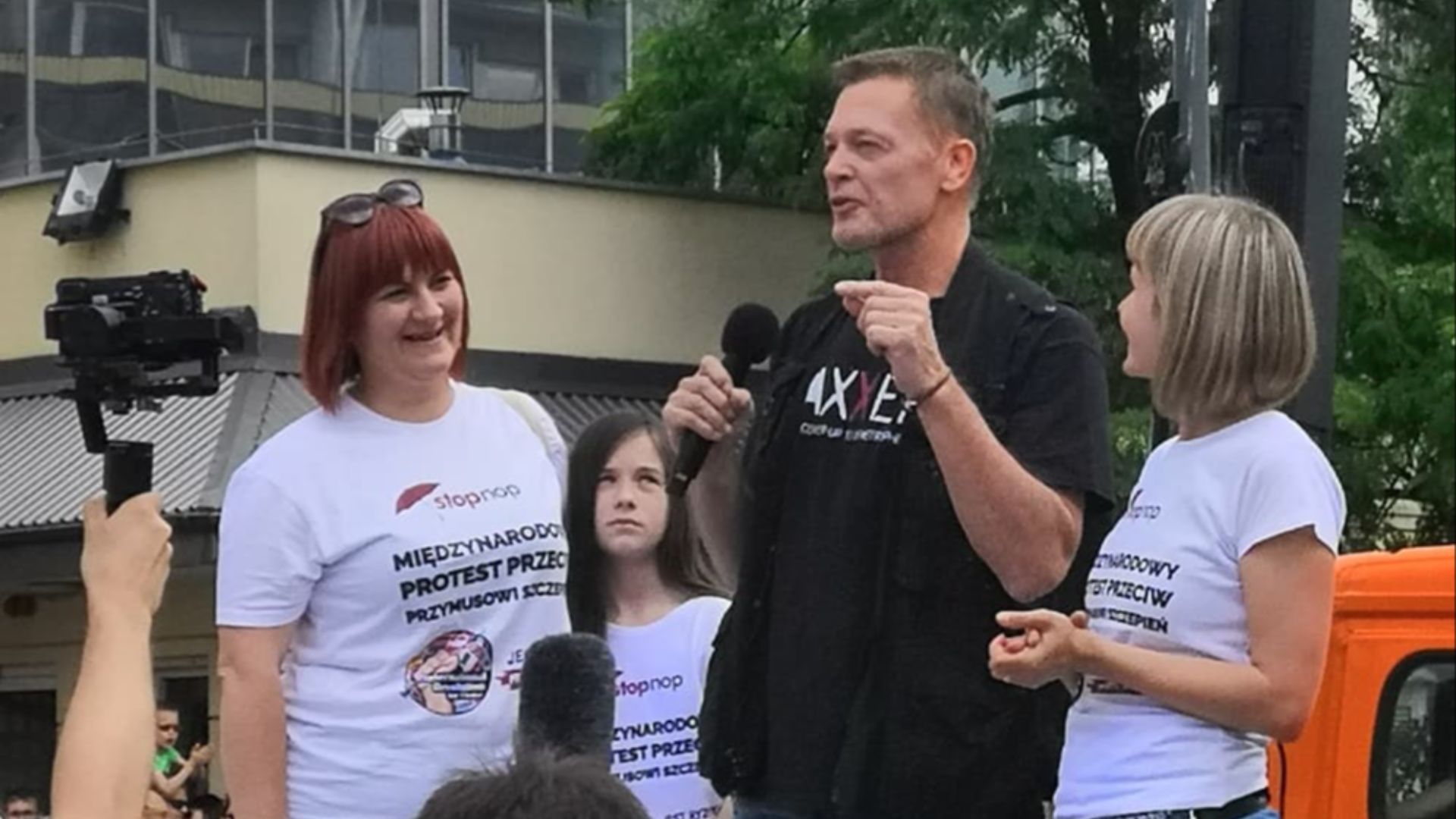
Andrew Wakefield was a British gastroenterologist whose 1998 paper linked the MMR vaccine to autism and set off panic well beyond academic medicine. The study was later exposed as fraudulent and retracted, but by then vaccination rates had dropped, and public health workers were stuck trying to contain fear that never should’ve taken hold.
7. Jan Hendrik Schön’s Nanotech Breakthroughs
Jan Hendrik Schön was a physicist at Bell Labs in New Jersey who seemed to be producing one breakthrough after another in molecular electronics and condensed matter physics. When investigators found falsified and reused data across multiple papers, nanotechnology researchers had to sort out how much time and energy had been spent chasing results that were never solid.
8. Hwang Woo-suk’s Stem Cell Claims
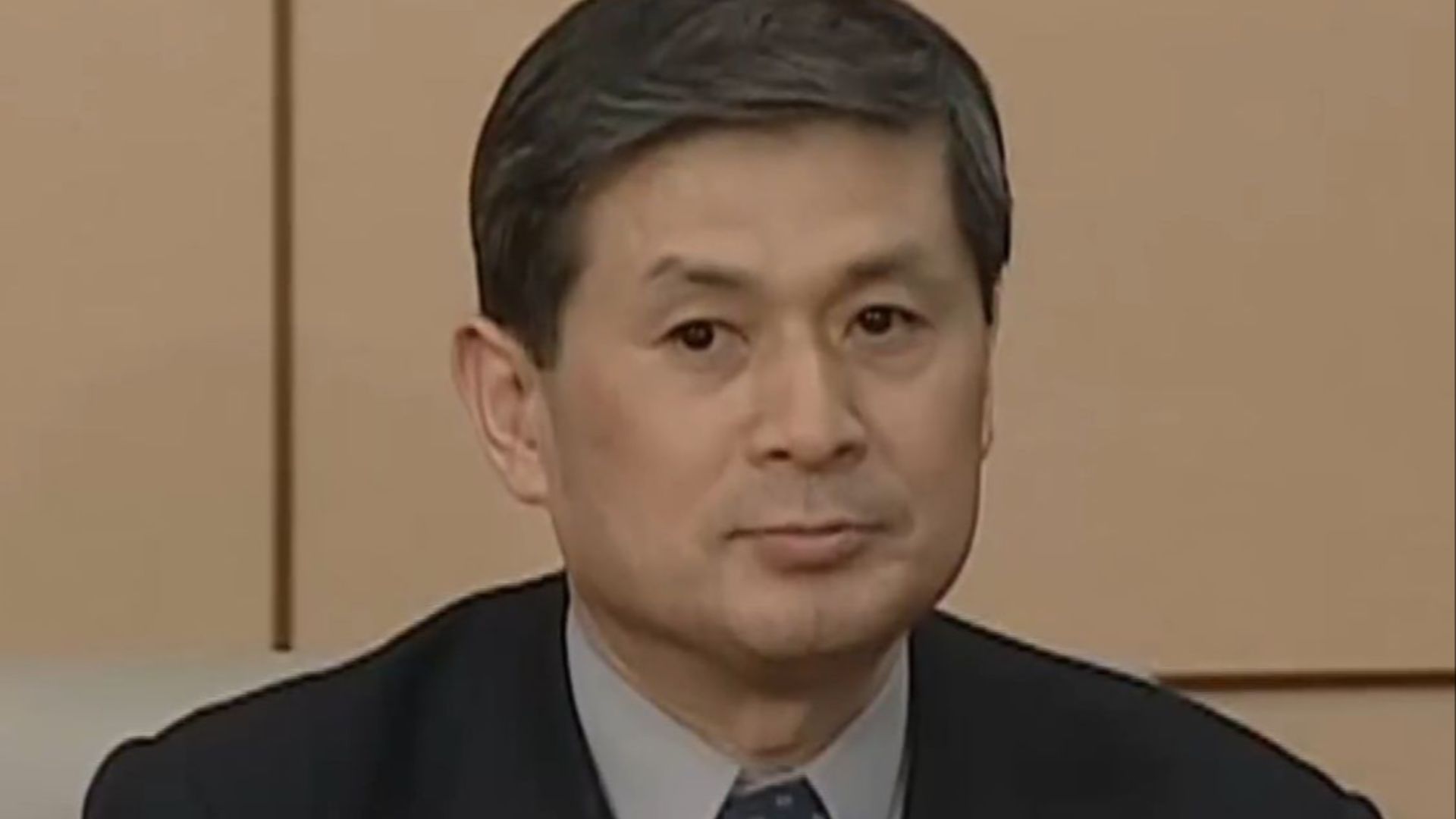
Hwang Woo-suk was a South Korean researcher who became a national celebrity after claiming he’d created patient-specific human embryonic stem cells through cloning in 2004 and 2005. When those papers collapsed as fraud, stem-cell research took a giant credibility hit.
9. Eric Poehlman’s Invented Data
Eric Poehlman was a prominent University of Vermont researcher studying obesity, metabolism, menopause, and aging. He falsified data in papers and grant applications, including participant information, and the damage reached past journals into federal funding decisions in an already high-stakes area of public health.

10. Diederik Stapel’s Too-Perfect Psychology
Diederik Stapel was a Dutch social psychologist whose studies on stereotypes, behavior, and social cues were polished, tidy, and easy to turn into headlines. When his fabricated datasets came to light in 2011, social psychology had to confront a bigger problem too: a research culture that had grown a little too comfortable with the fantastical.

11. Marc Hauser’s Primate Cognition Work
Marc Hauser was a Harvard psychologist and biologist whose work on monkeys, language, and morality fed into major debates about how human minds evolved. Misconduct findings later cast doubt on parts of that research, and the case left people rethinking claims that had already spread far beyond one lab or one subfield.
12. Yoshitaka Fujii’s Anesthesia Papers
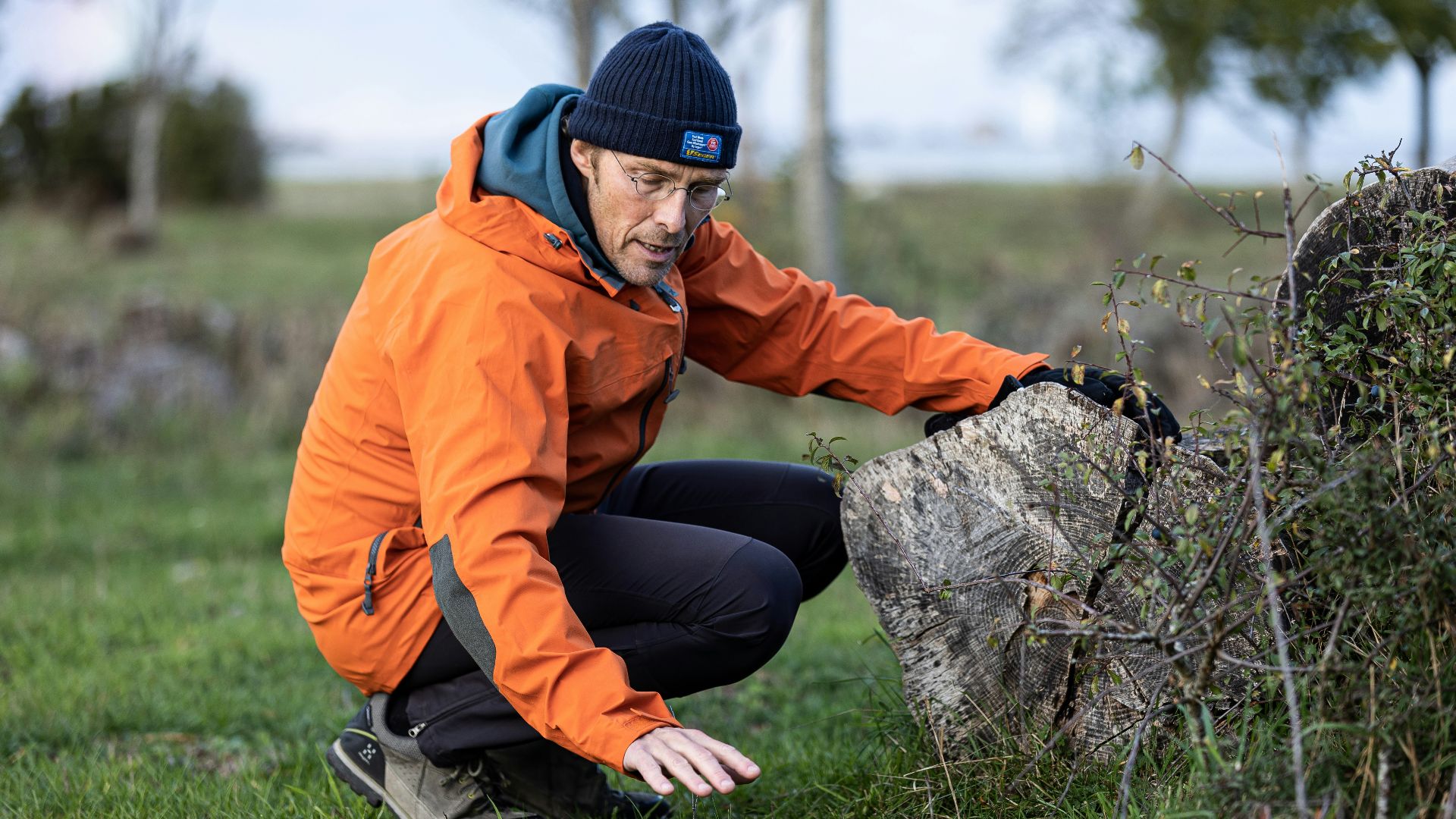
Yoshitaka Fujii was a Japanese anesthesiologist whose publication record eventually started looking more and more suspicious. Investigations found fabrication on a huge scale, and anesthesia researchers had to spend years pulling bad data out of the literature in areas tied to pain control, nausea treatment, and perioperative care.
13. Haruko Obokata’s STAP Cells
Haruko Obokata was a young researcher at RIKEN in Japan who became famous in 2014 for claiming ordinary cells could be pushed back into a stem-cell-like state through stress. The papers fell apart under misconduct findings and failed replications, and stem-cell biology had to absorb yet another public crash after a burst of wild excitement.
 National Cancer Institute on Unsplash
14. Anil Potti’s Personalized Cancer Research
Anil Potti was an oncologist at Duke whose work suggested gene-expression signatures could help match cancer patients with the best chemotherapy. The idea got close to clinical use before the research unraveled, and the later misconduct findings left precision oncology with halted trials, damaged trust, and patients drawn far too near a scientific failure.
15. Dong-Pyou Han’s HIV Vaccine Data
Dong-Pyou Han was a biomedical researcher in Iowa working on an HIV vaccine project with major federal support. He spiked rabbit blood samples with human antibodies to make the vaccine look more promising, wasting money and time in a field where both are painfully hard to come by.
16. Jon Sudbø’s Cancer Prevention Study
Jon Sudbø was a Norwegian physician and cancer researcher whose work suggested anti-inflammatory drugs might reduce oral cancer risk. That claim drew fast attention, then collapsed when it came out that the dataset included patients who did not exist, leaving oncology to unwind a line of prevention research built on fiction.
 National Cancer Institute on Unsplash
17. Scott Reuben’s Pain Studies
Scott Reuben was a Massachusetts anesthesiologist whose papers on postoperative pain management helped shape thinking around certain drug combinations after surgery. When it emerged that many of those studies had been fabricated, clinicians had to revisit years of assumptions in a field that feeds directly into everyday patient care.
 César Badilla Miranda on Unsplash
18. Joachim Boldt’s Fluid Therapy Research
Joachim Boldt was a major figure in German anesthesiology and critical care, especially on intravenous fluids used in surgery and intensive care. As retractions piled up, it became clear that fraudulent clinical research had seeped into a literature base that doctors and guideline writers actually relied on, which made the fallout feel a lot more immediate.
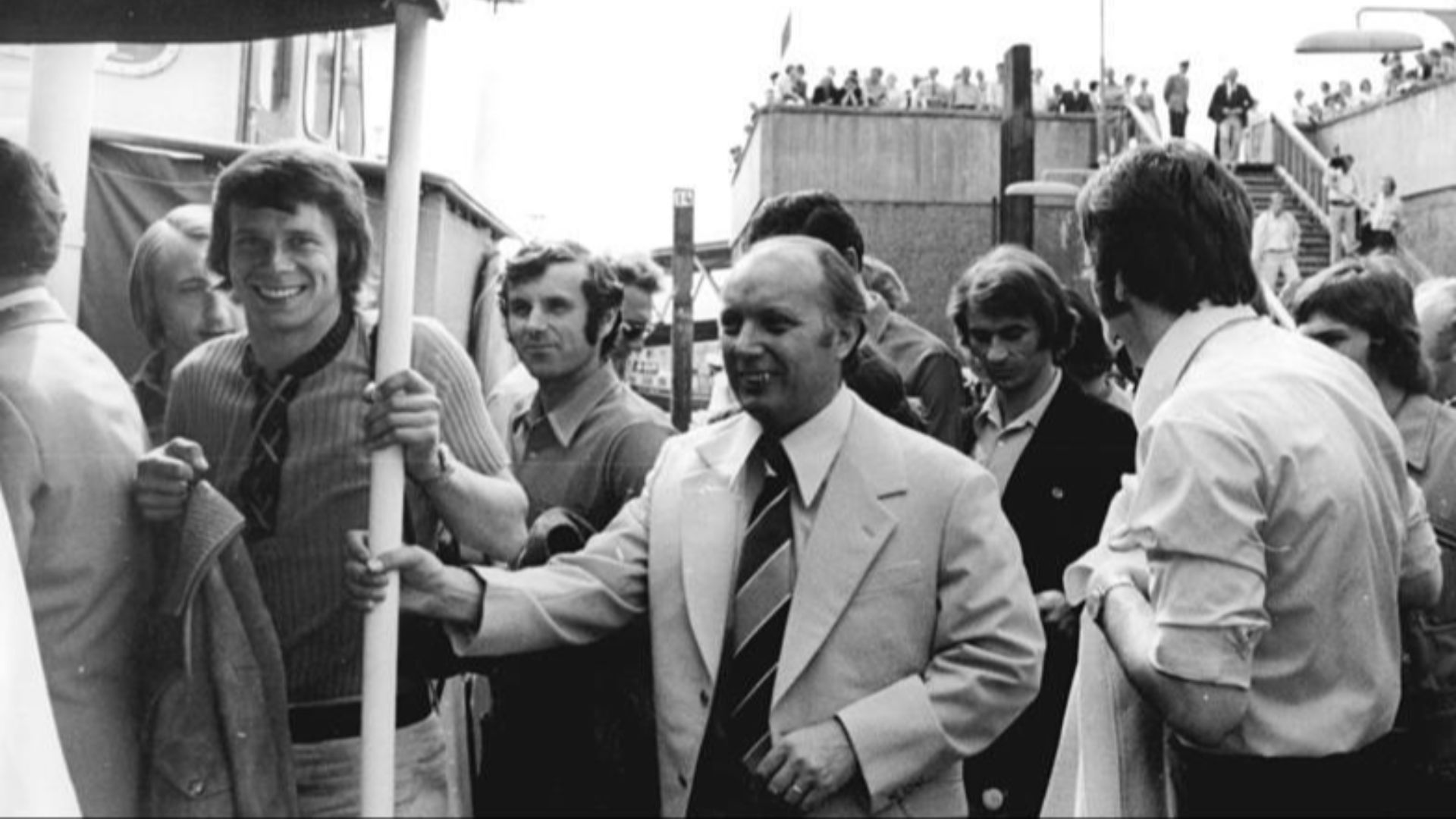 Rainer Mittelstädt on Wikimedia
19. Paolo Macchiarini’s Artificial Tracheas
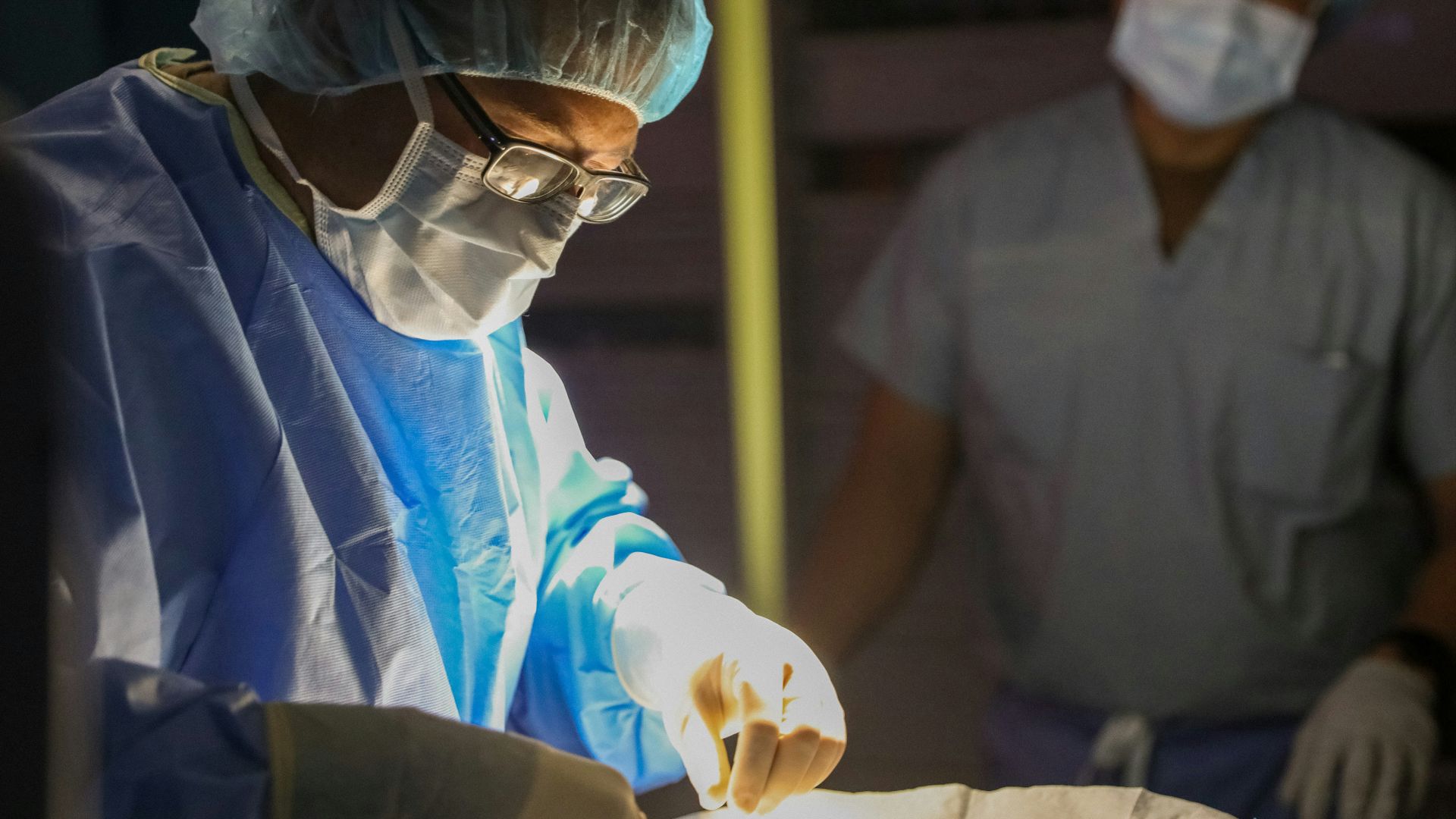
Paolo Macchiarini was a thoracic surgeon who promoted synthetic trachea transplants as a breakthrough in regenerative medicine, especially during his time in Sweden. Later investigations found serious misconduct issues around the research, and the case hit hard because real patients had already been harmed while the work was still being sold as the future.
20. Rusi Taleyarkhan’s Bubble Fusion Claims
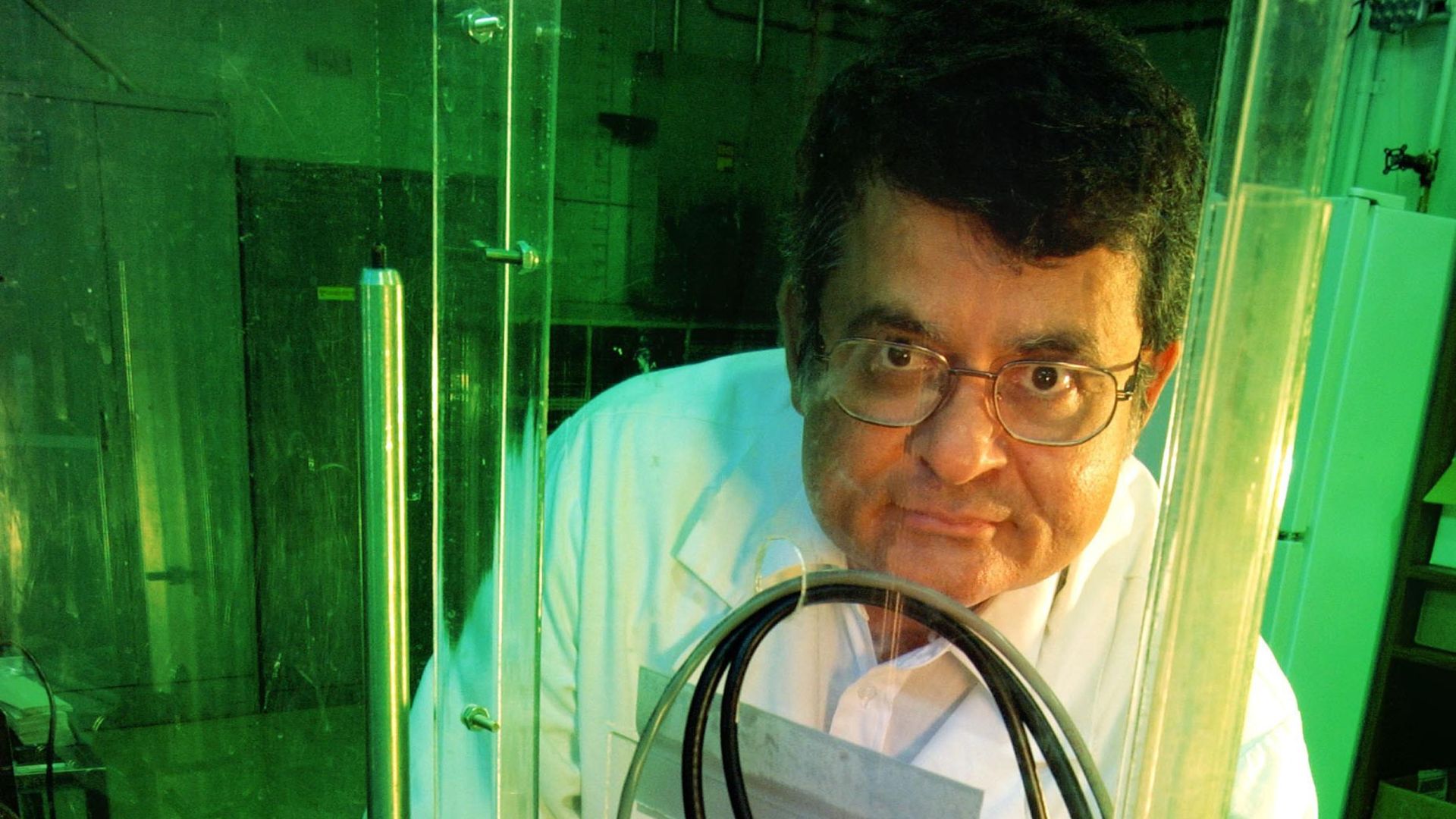
Rusi Taleyarkhan was a Purdue nuclear engineer who claimed evidence for sonofusion, or bubble fusion, in the early 2000s, and the idea drew plenty of hopeful attention. Misconduct findings later centered on how supposed independent verification had been presented, leaving an already controversial corner of physics even more mired in doubt.
KEEP ON READING
10 Greatest Quarterbacks Of All Time & 10 That Are…
Do You Disagree?. Few topics in sports generate as much…
By Farva Ivkovic Dec 2, 2025
The story of Ching Shih, the Woman Who Became the…
Unknown author on WikimediaFew figures in history are as feared…
By Emilie Richardson-Dupuis Dec 29, 2025
20 Shakespearean Words, Translated For A Modern Audience
What’s In A Word?. Shakespeare was a wordsmith of the…
By Breanna Schnurr Dec 17, 2025
20 Inspiring Stories From Native American History
Incredible Stories Of Resilience And Endurance. Many of us didn't…
By Ashley Bast Dec 17, 2025
You Think You Have Problems? These Royal Families Were Cursed
Boasson and Eggler St. Petersburg Nevsky 24. on WikimediaHeavy is…
By Ashley Bast Dec 5, 2025
MH370: The Plane That Can't Be Found
Anna Zvereva from Tallinn, Estonia on WikimediaEleven years after Malaysia…
By Christy Chan Dec 10, 2025