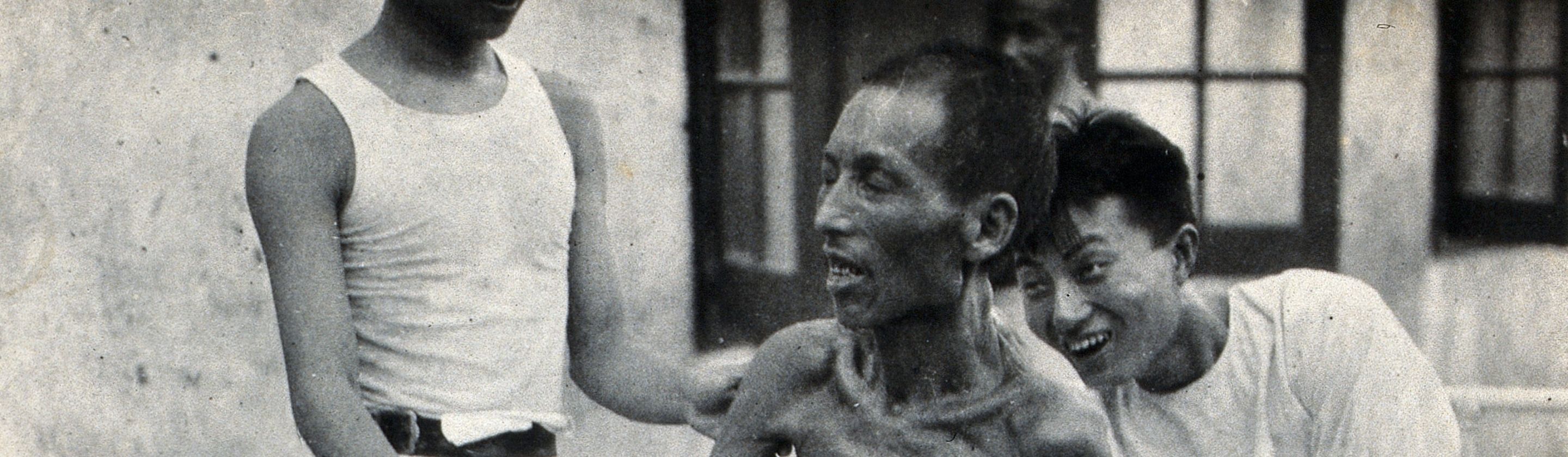
1. The Automobile
Cars made travel easier, but they also brought pollution, traffic deaths, and cities built around congestion. You can get anywhere faster, except when everyone else has the same idea. Even now, many places are still trying to undo the car-first design choices.

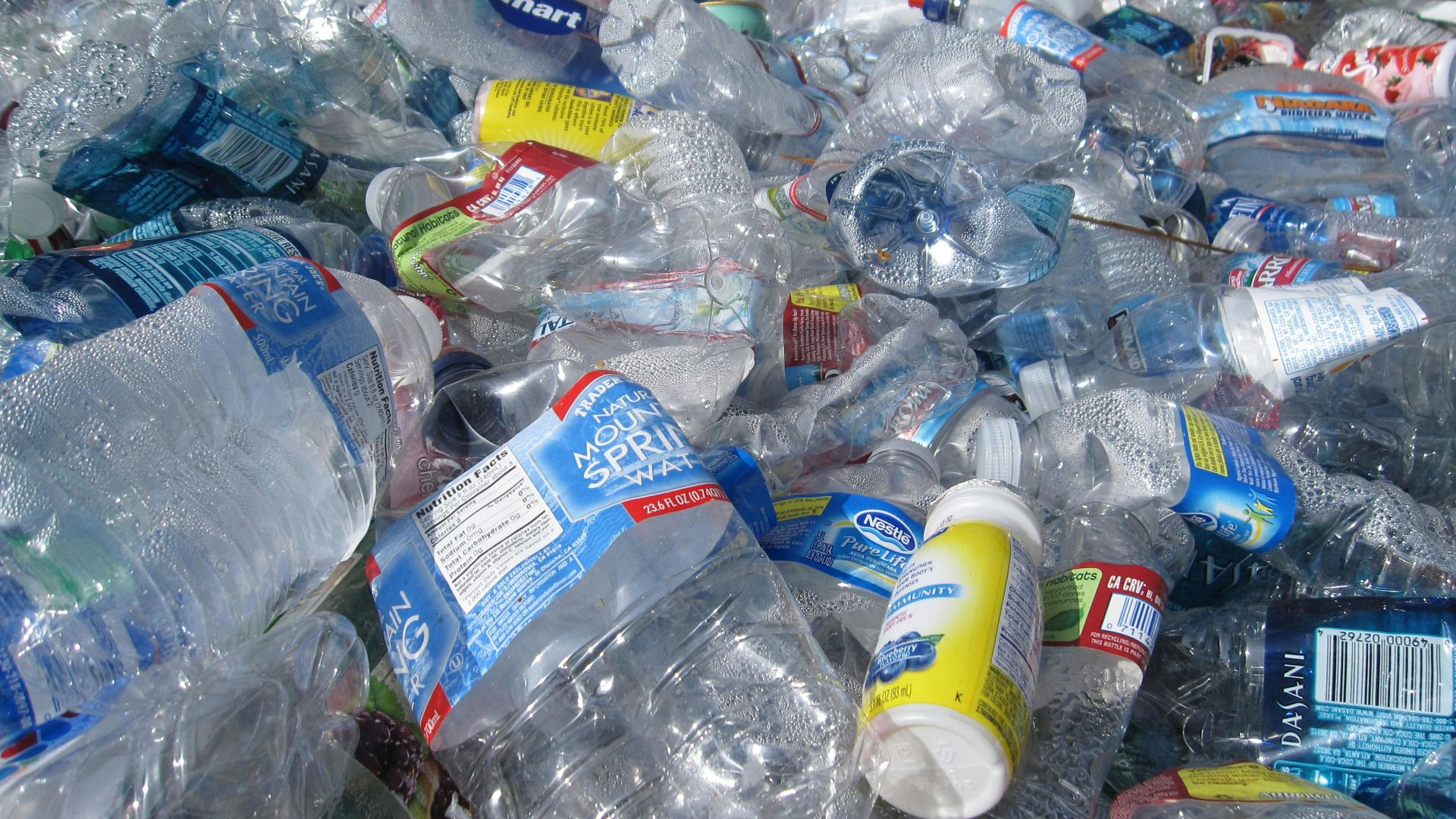
2. Single-Use Plastics
Disposable packaging made food storage and hygiene simpler in the short term. The long-term result has been oceans, landfills, and ecosystems filled with plastic. You get convenience for minutes in exchange for lasting environmental damage.
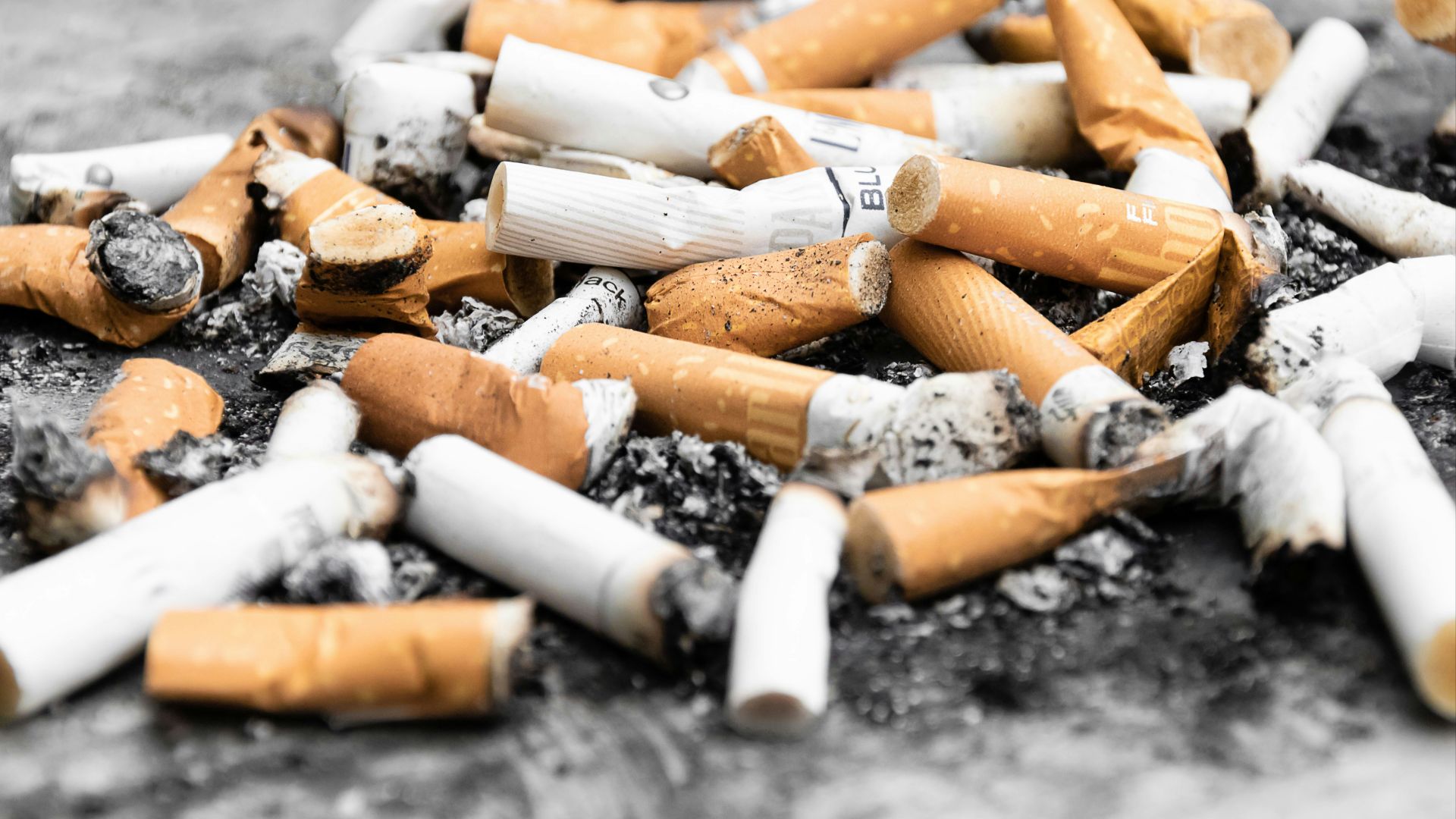
3. Cigarettes
Once cigarettes could be mass-produced, smoking became cheap, widespread, and socially normal. The health consequences were catastrophic, and it took years for the public to fully understand the scale. Smoking causes over 8 million premature deaths worldwide each year.
4. Lead Paint
Lead-based paint looked great, lasted long, and seemed like a win for builders. Unfortunately, it exposed generations to a toxic substance, especially children, with serious health effects. Removing it later became an expensive and ongoing public health project.
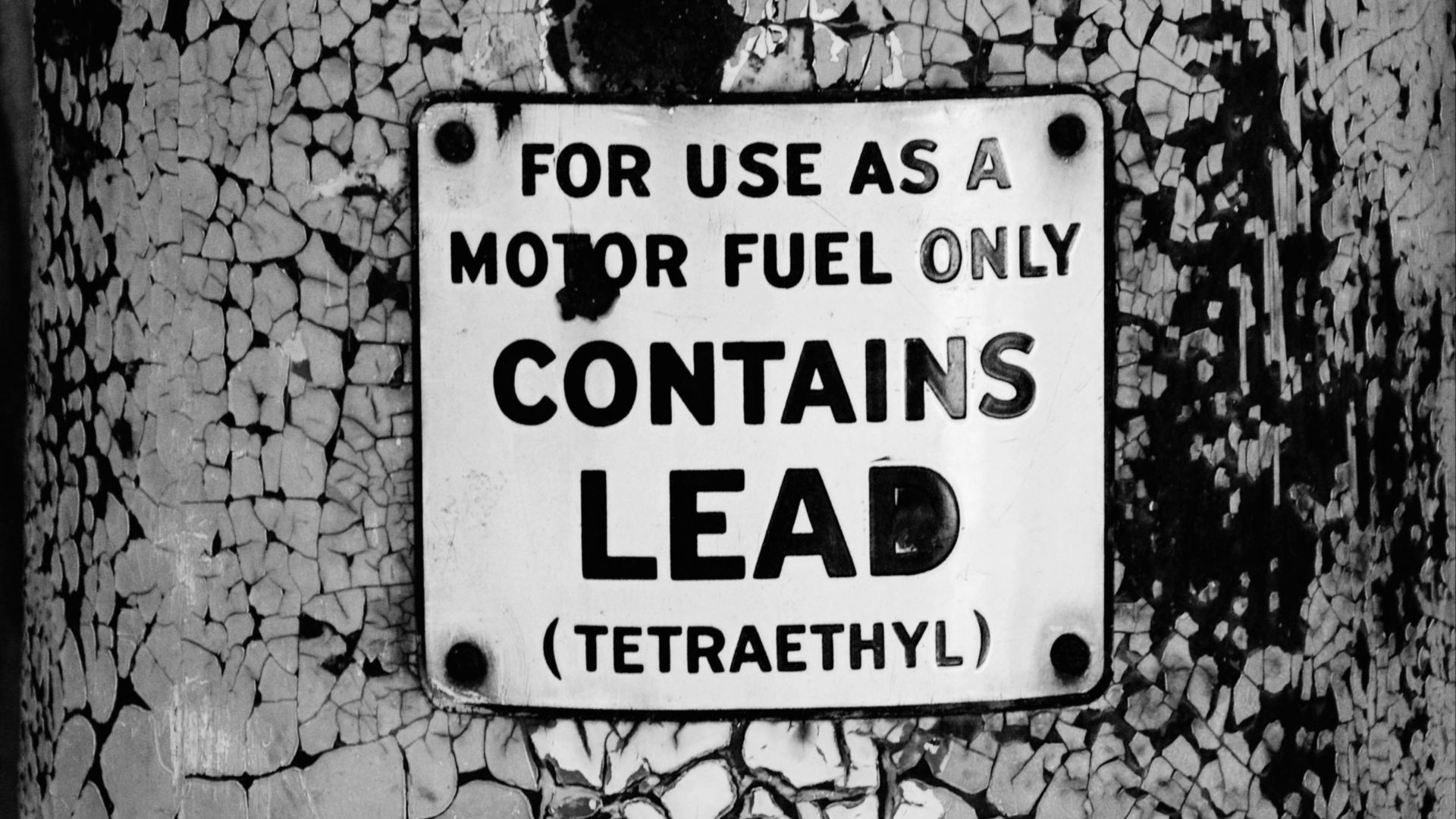
5. Leaded Gasoline
Adding lead to gasoline improved engine performance and longevity, which sounded helpful at the time. It also spread lead pollution widely, contributing to major public health harm. The fact that it was once “normal” is still hard to believe.
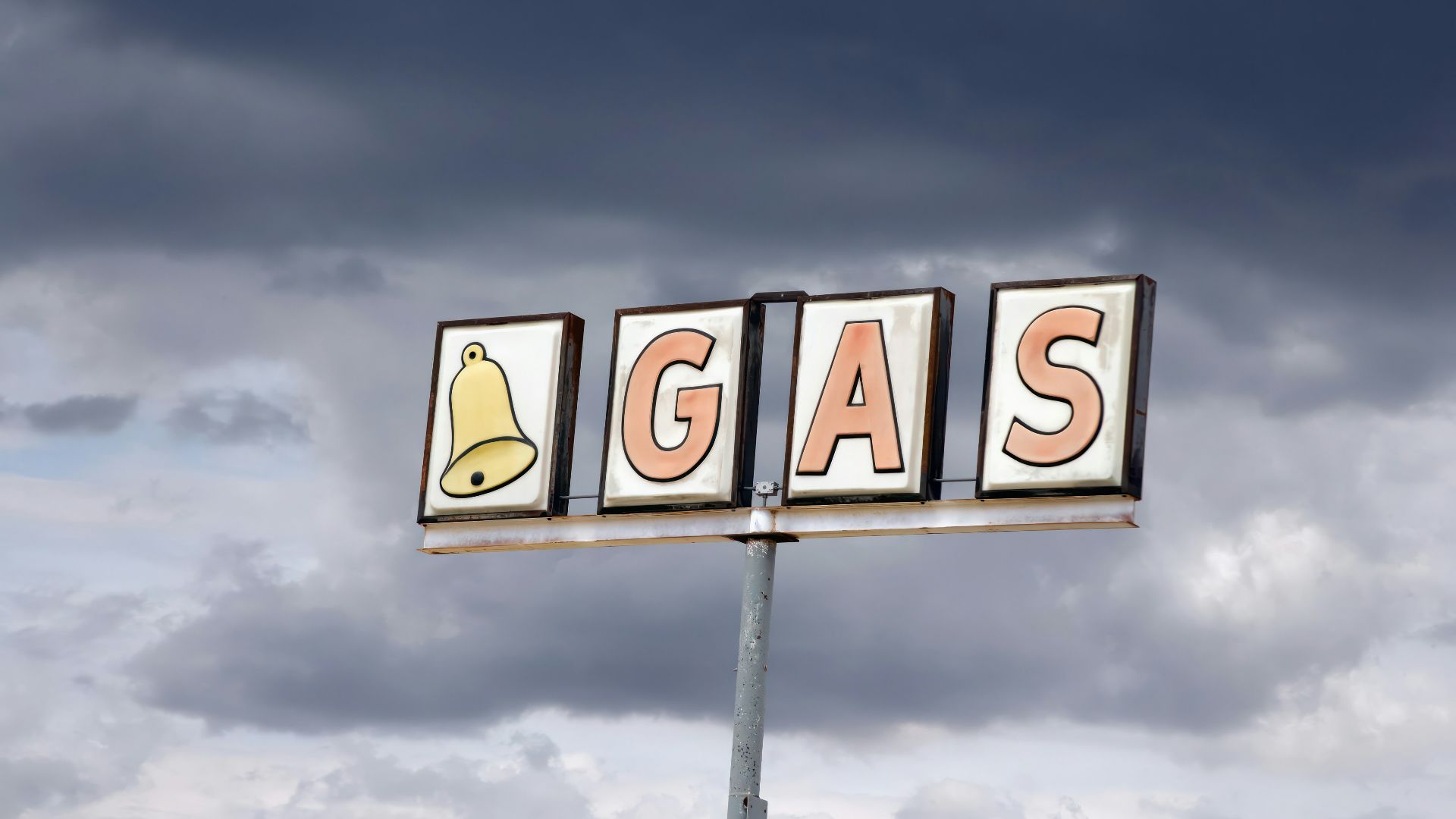 Carol Highsmith's America on Unsplash
6. DDT
As a pesticide, DDT helped control insect-borne disease and protected crops, which made it feel like a breakthrough. Later, its environmental damage became obvious, especially its effects on wildlife and ecosystems. It solved one problem loudly and created others quietly.

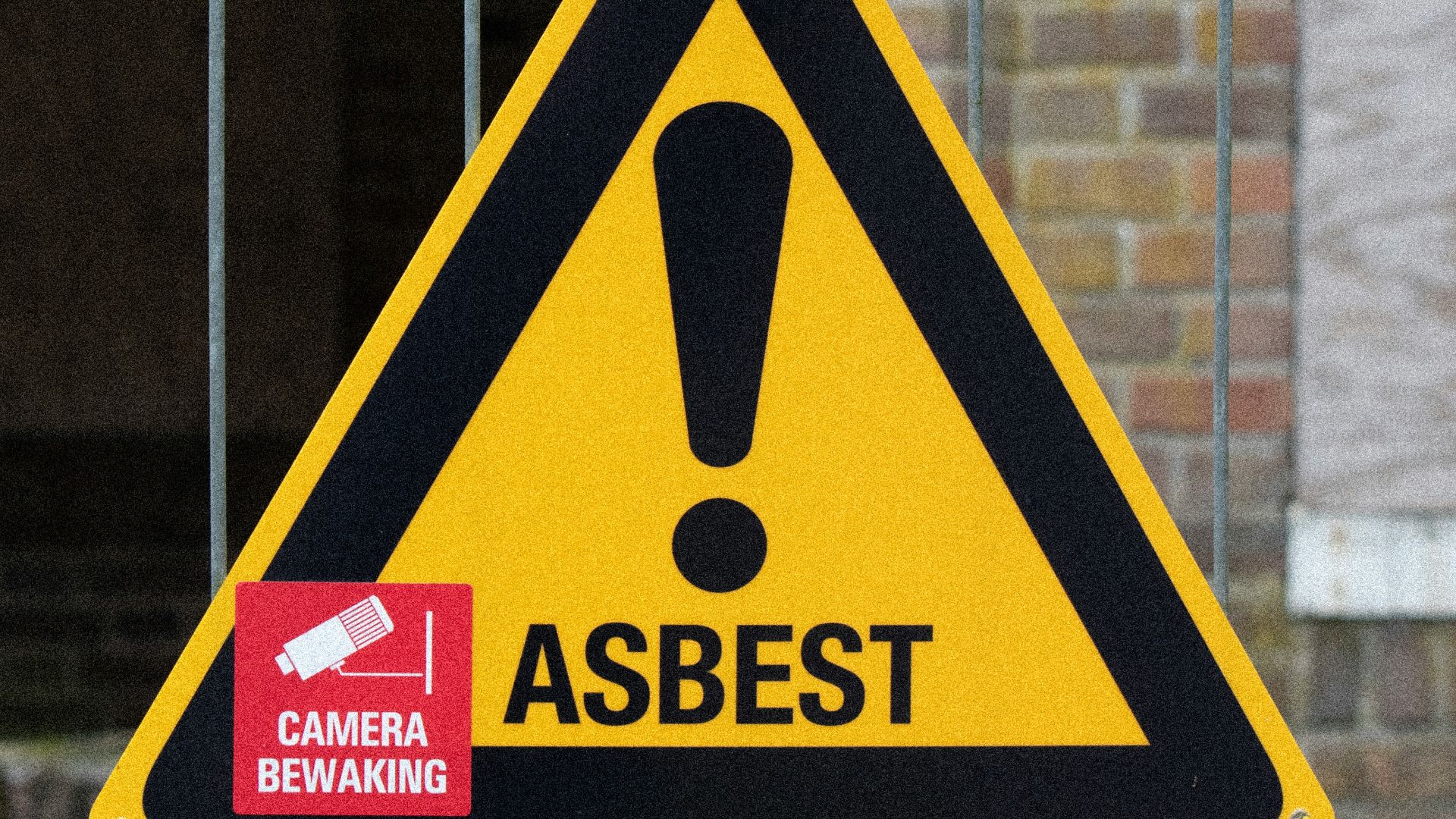
7. Asbestos Insulation
Asbestos was widely used because it resists heat and improves insulation. The problem is that asbestos fibers can cause severe lung disease when inhaled. It turned “safer buildings” into a long-term health hazard for workers and residents.
8. The Alarm Clock
This one was meant to help people wake up on time, and it definitely succeeded at that. It also helped normalize schedules that fight natural sleep patterns, especially when paired with long work hours. If you’ve ever started the day irritated at an object, you understand the downside.
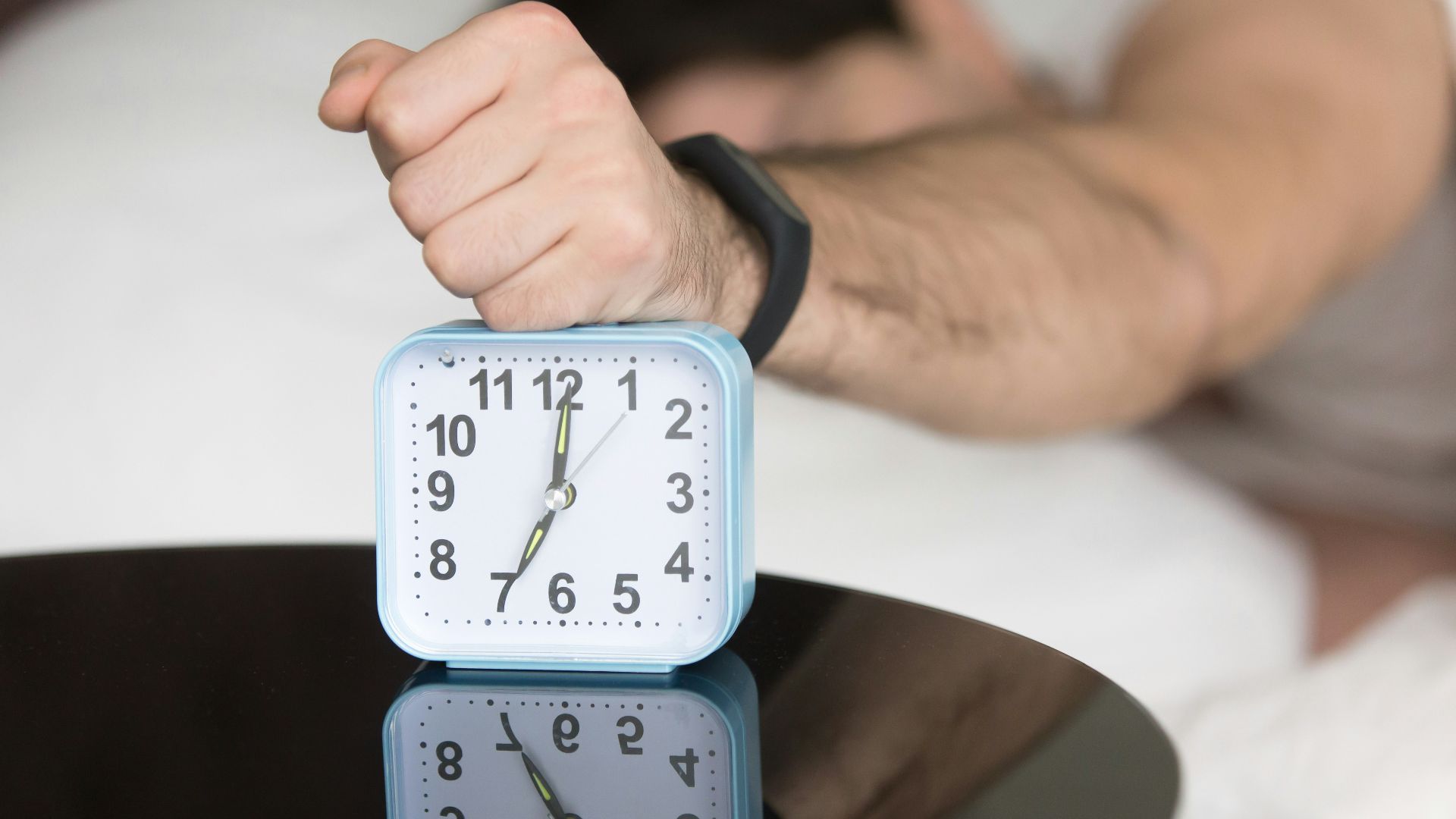 Solving Healthcare on Unsplash
9. The Blue Light Screen
Screens made information and entertainment endlessly accessible. They also made it easier to stay up late, overstimulated, and tired the next day. Your phone doesn't have evil intentions, but it does destroy your natural sleep pattern.

10. Email
Email was supposed to speed up communication and reduce friction. Instead, it helped create an always-on culture where you can never fully escape your inbox. If you’ve ever felt stress from a subject line, you know the downside.
11. Social Media Feeds
Social platforms were pitched as ways to connect with friends and share life. The feed model is also optimized for attention, outrage, and comparison, which can make people feel worse even when they’re “just scrolling.” It’s great at keeping you engaged, and not always great at keeping you happy.
12. Push Notifications
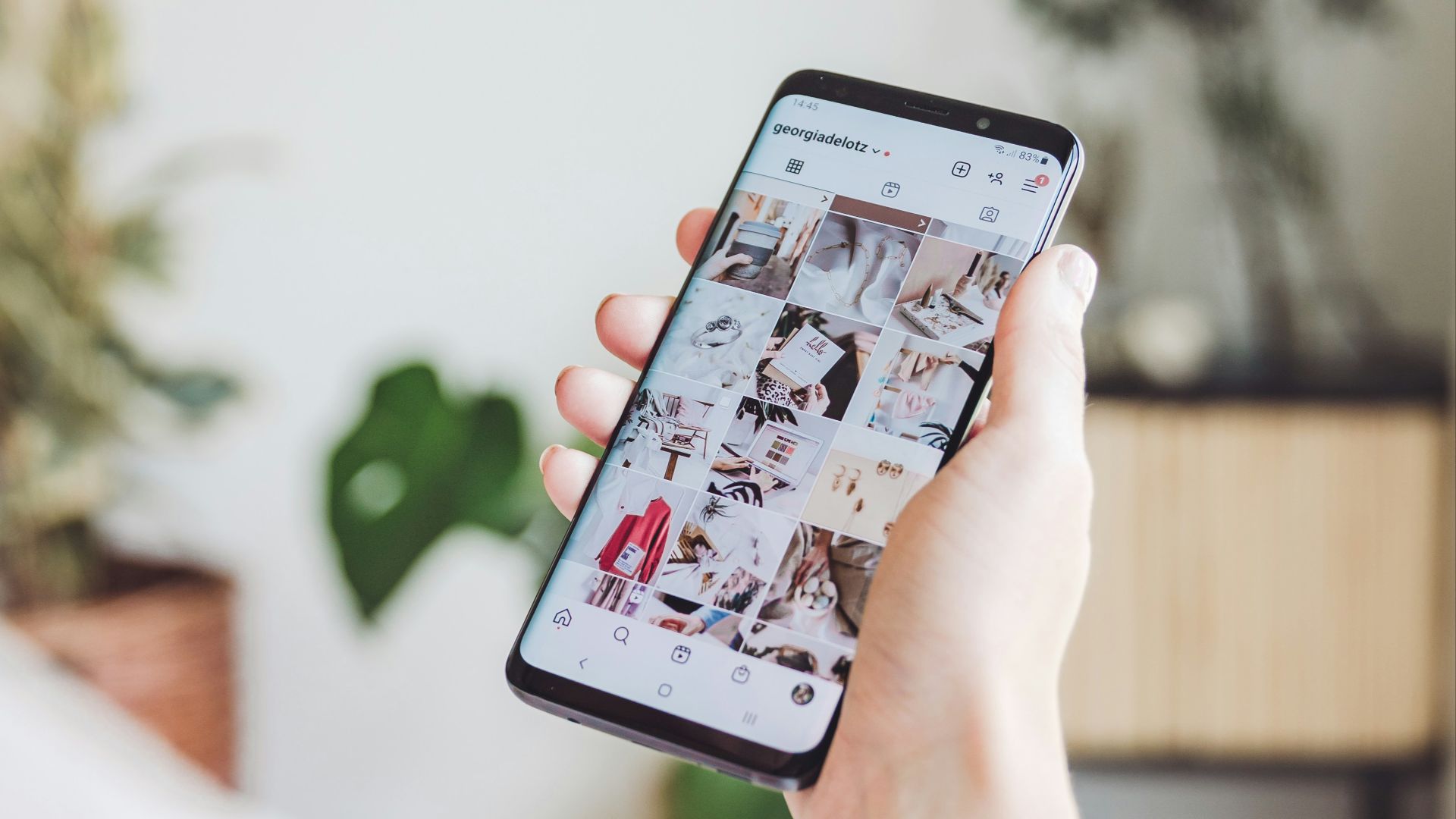
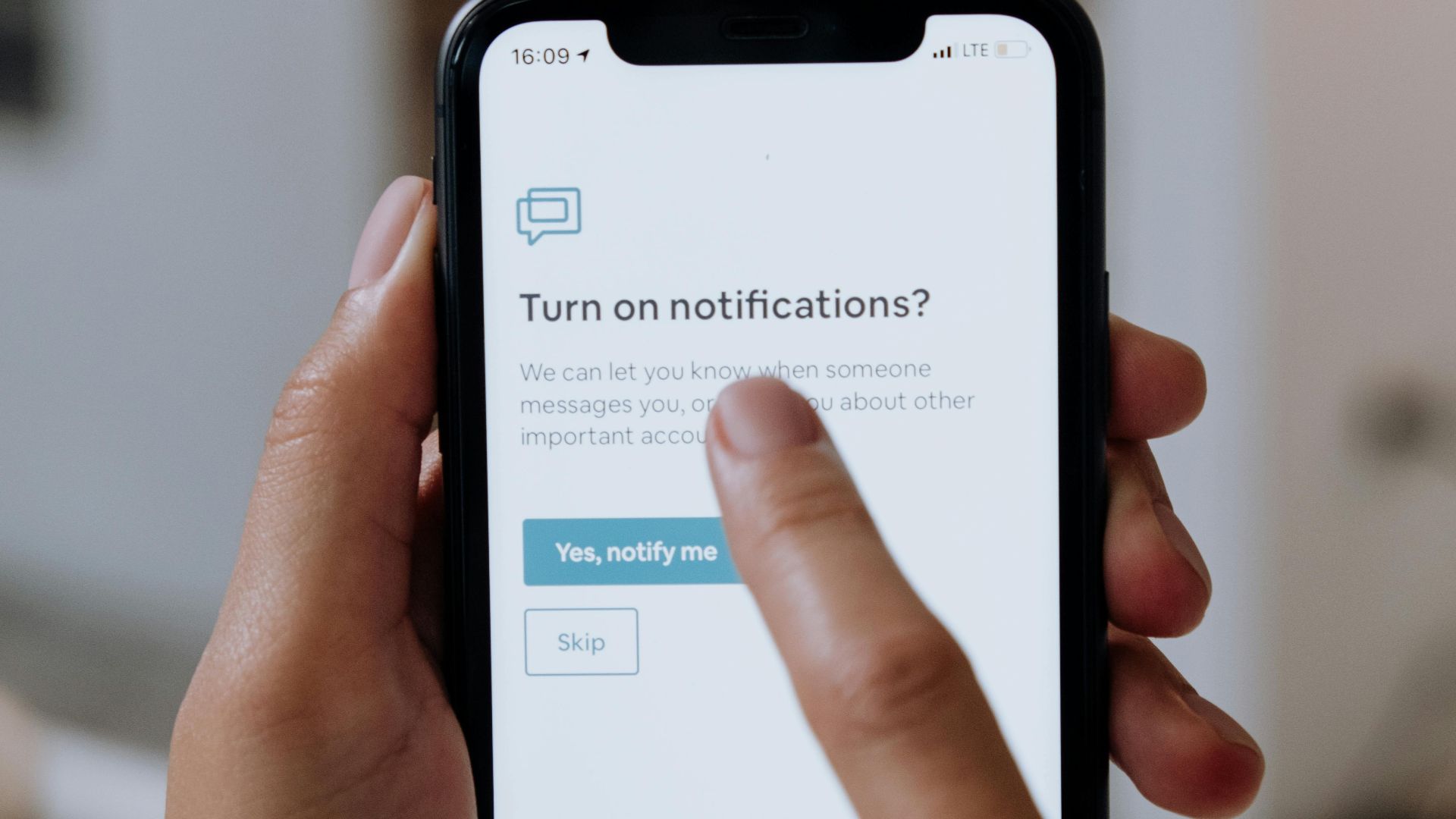
Notifications were meant to keep you informed, which sounds useful. In practice, they fragment attention and encourage constant checking, even when nothing is urgent. You don’t realize how tired they make you until you disconnect.
13. Fast Fashion
Cheap, trendy clothing made style more accessible to more people. It also accelerated waste, labor issues, and environmental damage on a massive scale. Your closet might be fuller, but the global cost is heavy.

14. The Microwave Dinner
Convenient meals helped busy households save time. They also made it easier for ultra-processed foods, which are strongly linked to a higher risk of chronic diseases, to become a daily default. Not every frozen meal is a villain, but the trend changed eating habits in a big way.

15. High-Fructose Corn Syrup
High-fructose corn syrup made sweetening products cheaper and easier for manufacturers. It also contributed to diets where sugar shows up everywhere, often without people realizing it. It's a high-calorie ingredient with zero nutritional benefits that contributes to obesity, type 2 diabetes, and chronic inflammation.

16. The Disposable Diaper
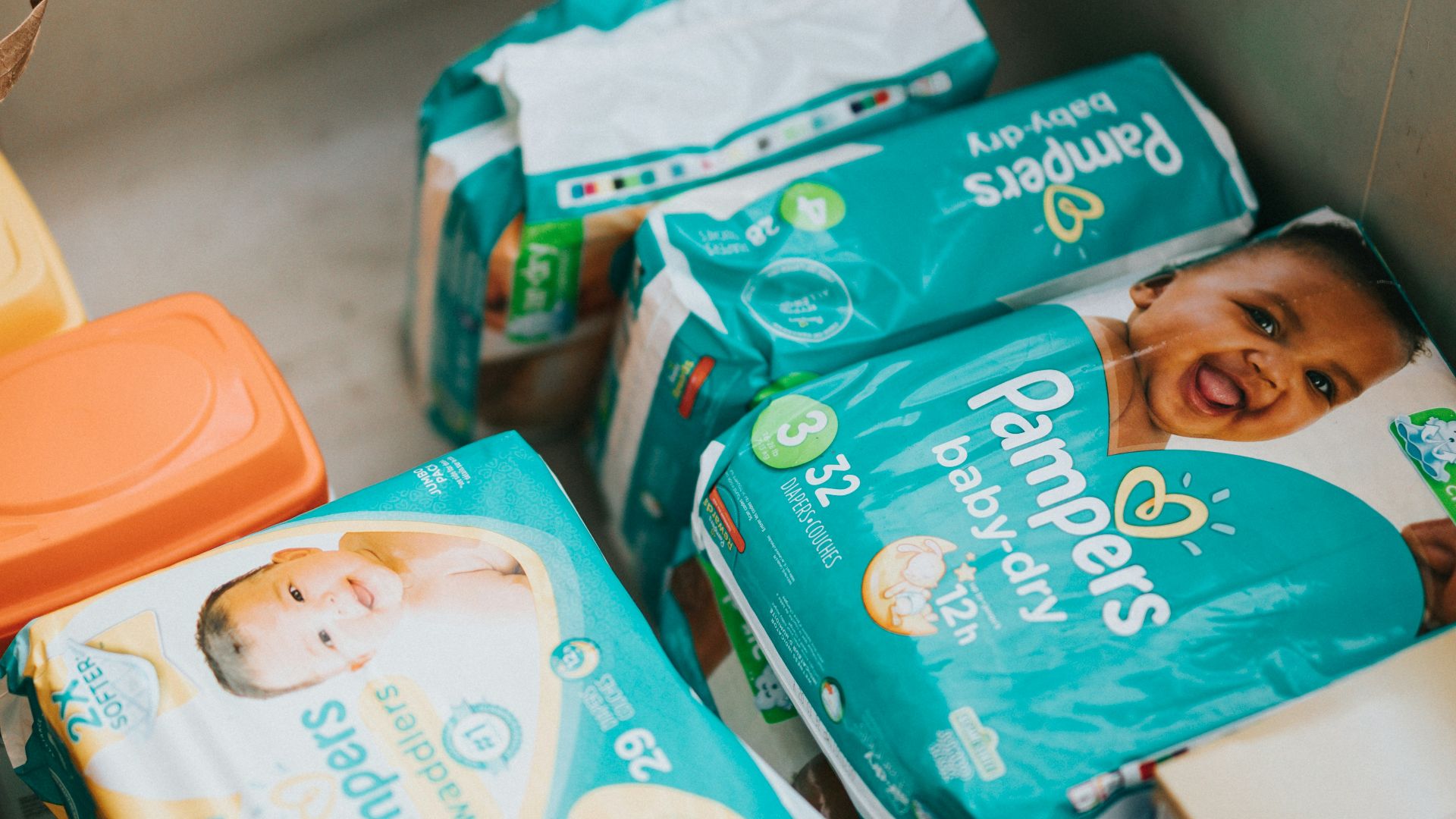
Disposable diapers made parenting easier, giving parents one less thing to do, which is not a small thing. However, it also created enormous waste that sticks around long after the baby stage ends.
17. The Lawn Mower
Cutting grass became easier, which pushed the idea that everyone should maintain a neat, uniform lawn. That led to water use, chemical treatments, and a lot of time spent managing a plant you don’t even eat. If you’ve ever wondered why you’re maintaining a yard like it’s a hobby you didn’t choose, blame the lawn mower.

18. The Shopping Cart
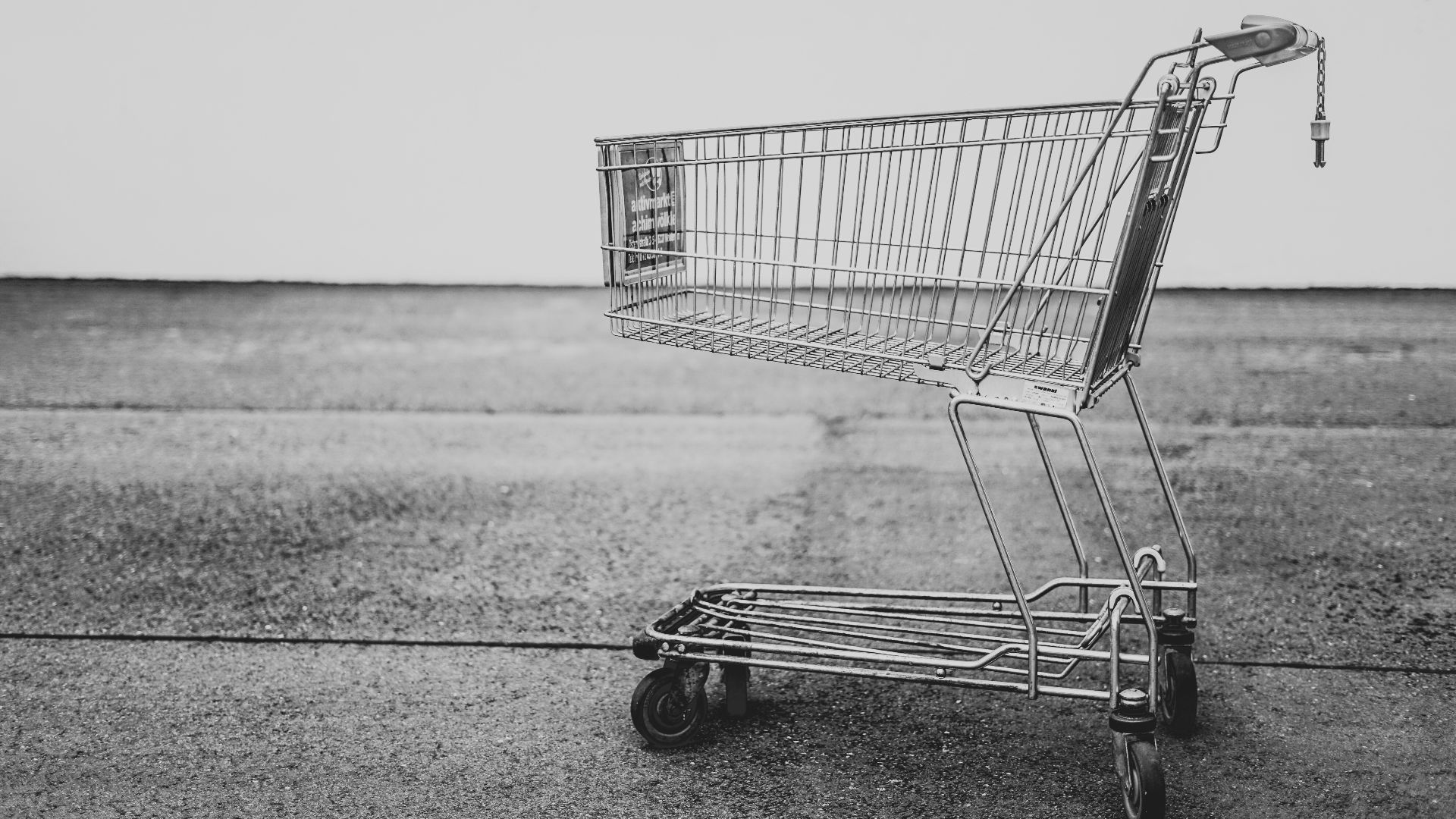
The shopping cart made carrying groceries easier and allowed bigger trips. It also made it easier to buy more than you planned, because suddenly the limit isn’t your arms, it’s your self-control. Retailers understood that immediately, and your pantry probably did too.
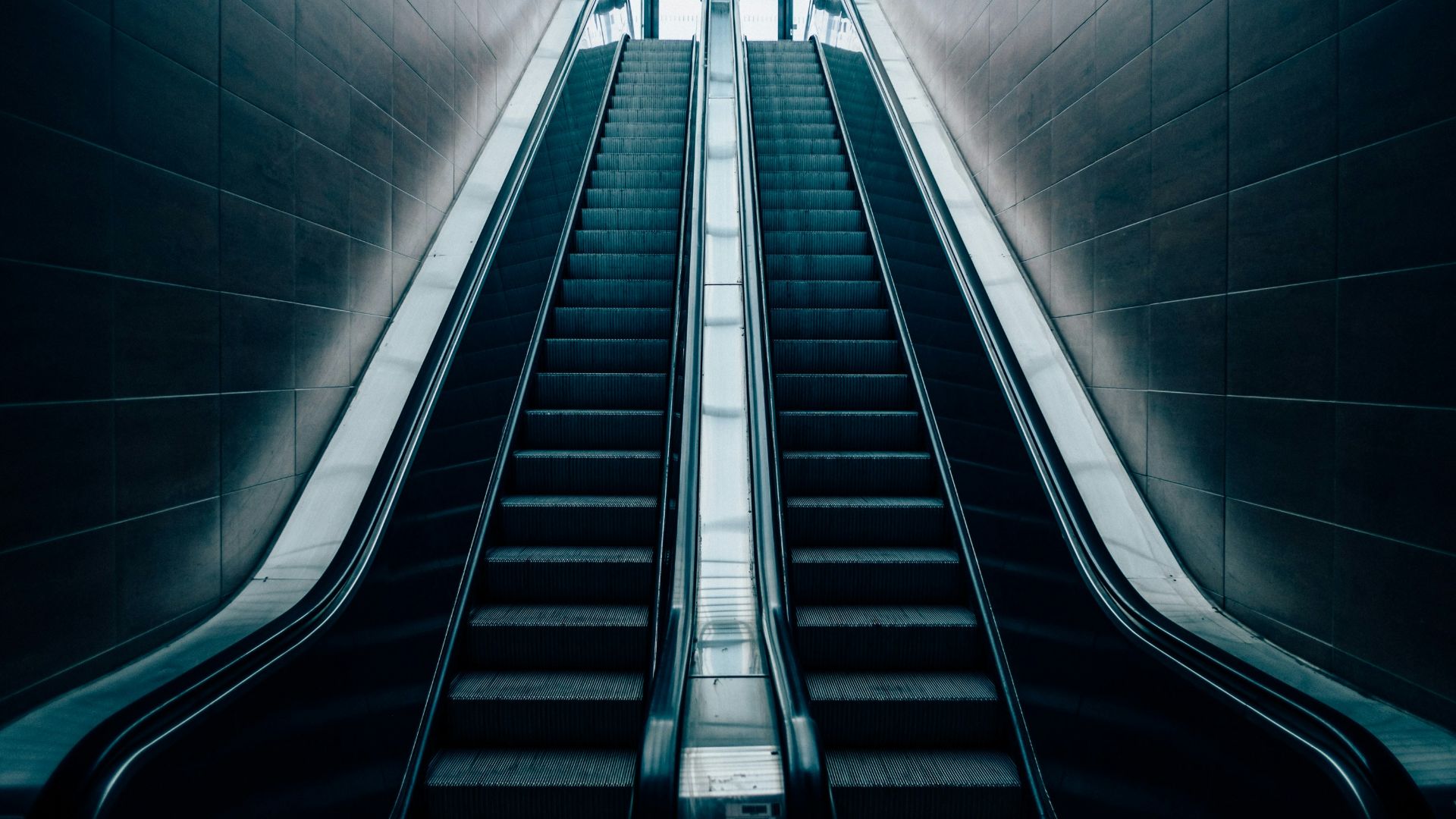
19. The Escalator
Escalators made movement through buildings more accessible and convenient. They also nudged people toward less daily movement, especially in places where stairs used to be the default. It’s not the escalator’s fault, but it didn’t exactly help our step counts or our waistlines.
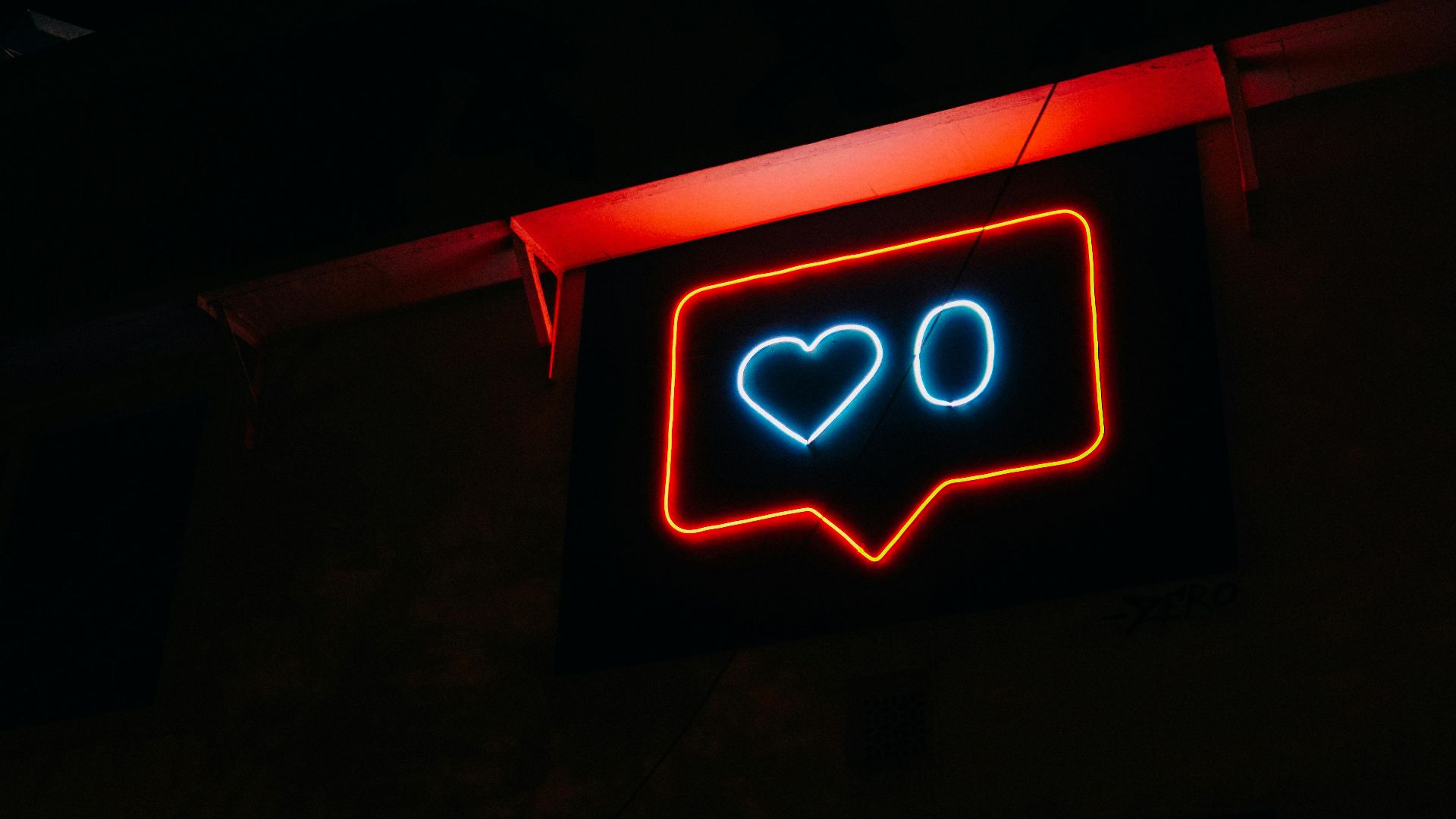
20. The “Like” Button
A like button made online feedback quick and simple. It also trained people to measure attention numerically and chase validation, sometimes at the expense of real connection. If you’ve ever posted something and then kept checking it, you’ve met the unintended consequence.
KEEP ON READING