

Ancient Ingenuity That Still Stumps Modern Labs
For all the advances in materials science, robotics, and computer-aided design, you'd think today's engineers could recreate anything a craftsman once built with stone tools or a furnace dug into a hillside. That assumption falls apart the moment you look closely at certain objects from the ancient and medieval world, items so finely tuned to their purpose that modern labs still can't fully explain or reproduce them. Some hide their secrets in microscopic structures that took electron microscopes to even notice, while others depended on regional materials, environmental quirks, or hand skills that simply don't exist anymore. The 20 inventions below span continents and millennia, yet they share one trait: each has humbled engineers who assumed nothing built before the Industrial Revolution could outpace their tools.
1. Damascus Steel's Nanotube Secret
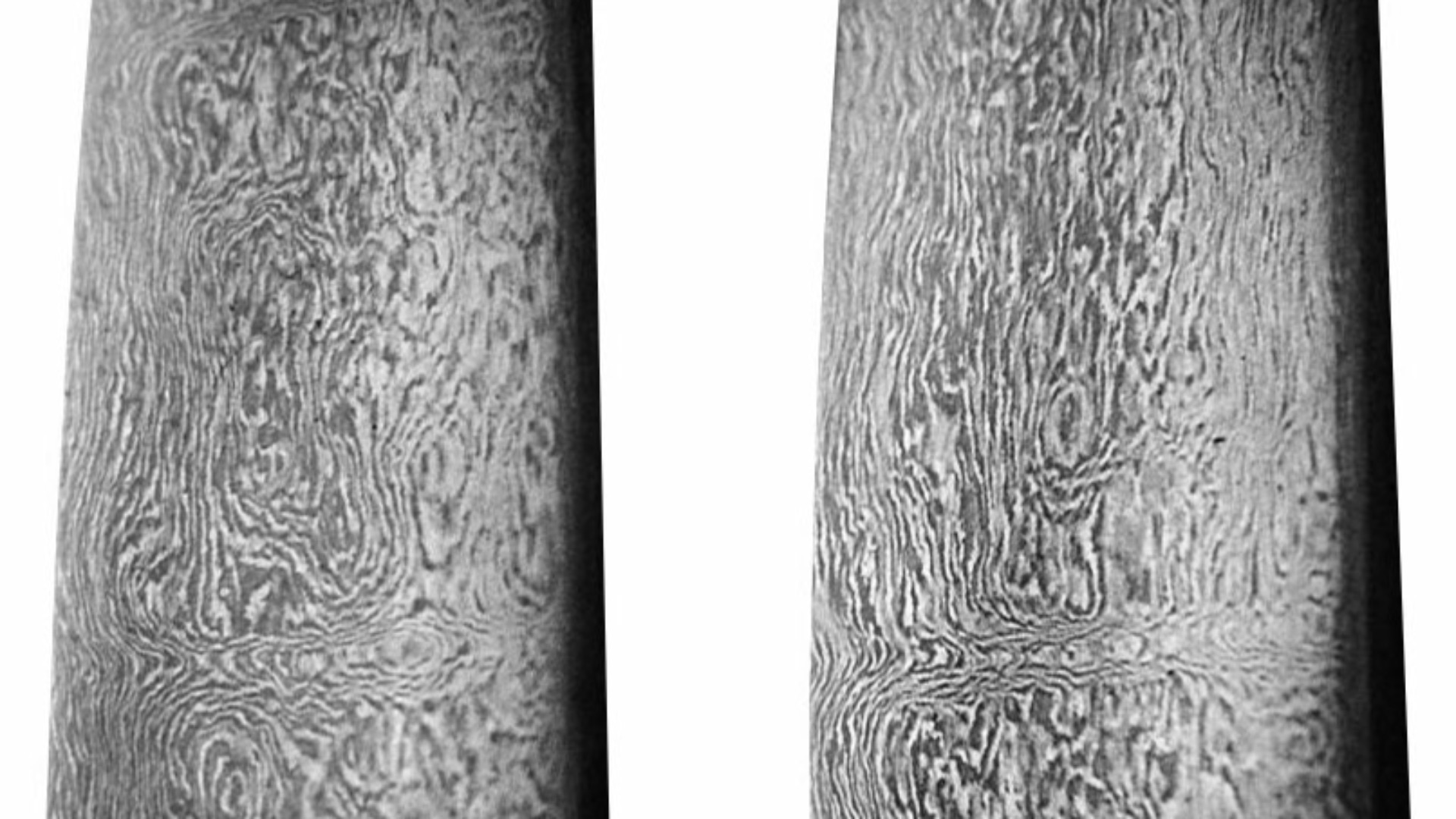
Damascus steel earned its legendary reputation among medieval swordsmiths for blades that held a razor edge through brutal combat while flexing instead of snapping. Researchers eventually discovered that the steel's signature banding came from carbon nanotubes and cementite nanowires forming at the microscopic level, a structure nobody expected to find in centuries-old metalwork. Modern metallurgists have produced similar patterns using crucible steel, but they still haven't pinned down the exact combination of ore impurities and smelting conditions that let medieval smiths create that nanostructure without any concept of what a nanotube was.
 Rahil Alipour Ata Abadi on Wikimedia
2. Roman Concrete That Heals Itself
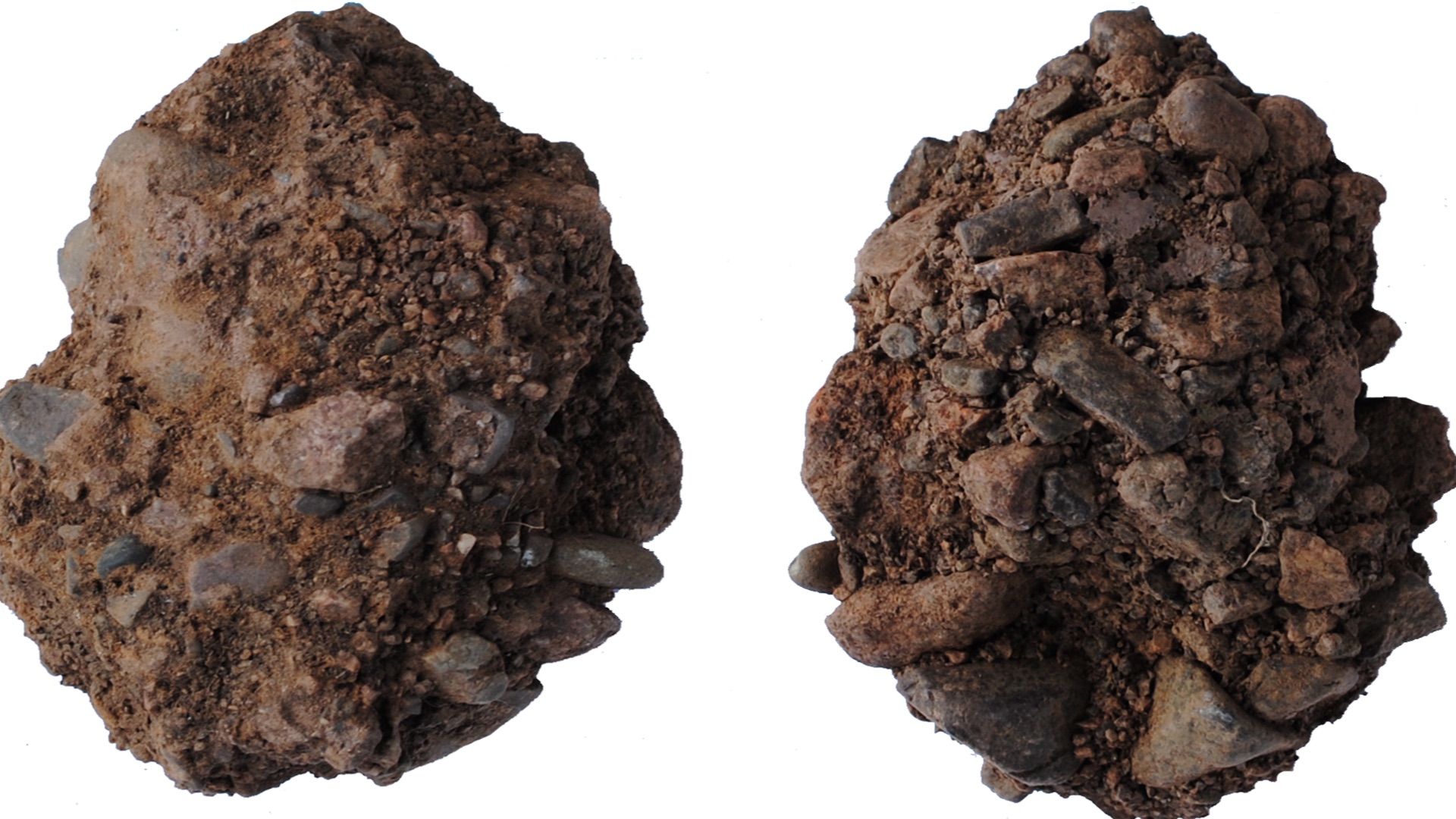
Roman engineers mixed quicklime, volcanic ash, and rock into a building material that has outlasted nearly every modern concrete structure by close to two thousand years. Scientists at MIT and Harvard found that small white deposits long dismissed as poor workmanship are actually calcium-rich lime clasts that give the concrete a self-healing capability, sealing cracks whenever water reaches them. Modern concrete relies on steel reinforcement instead of this chemistry, so engineers still haven't recreated a mix that can patch its own damage the way Roman seawalls and domes have done for centuries.
 The Portable Antiquities Scheme, Stuart Noon, 2013-10-01 16:12:23 on Wikimedia
3. The Antikythera Mechanism's Hidden Gears
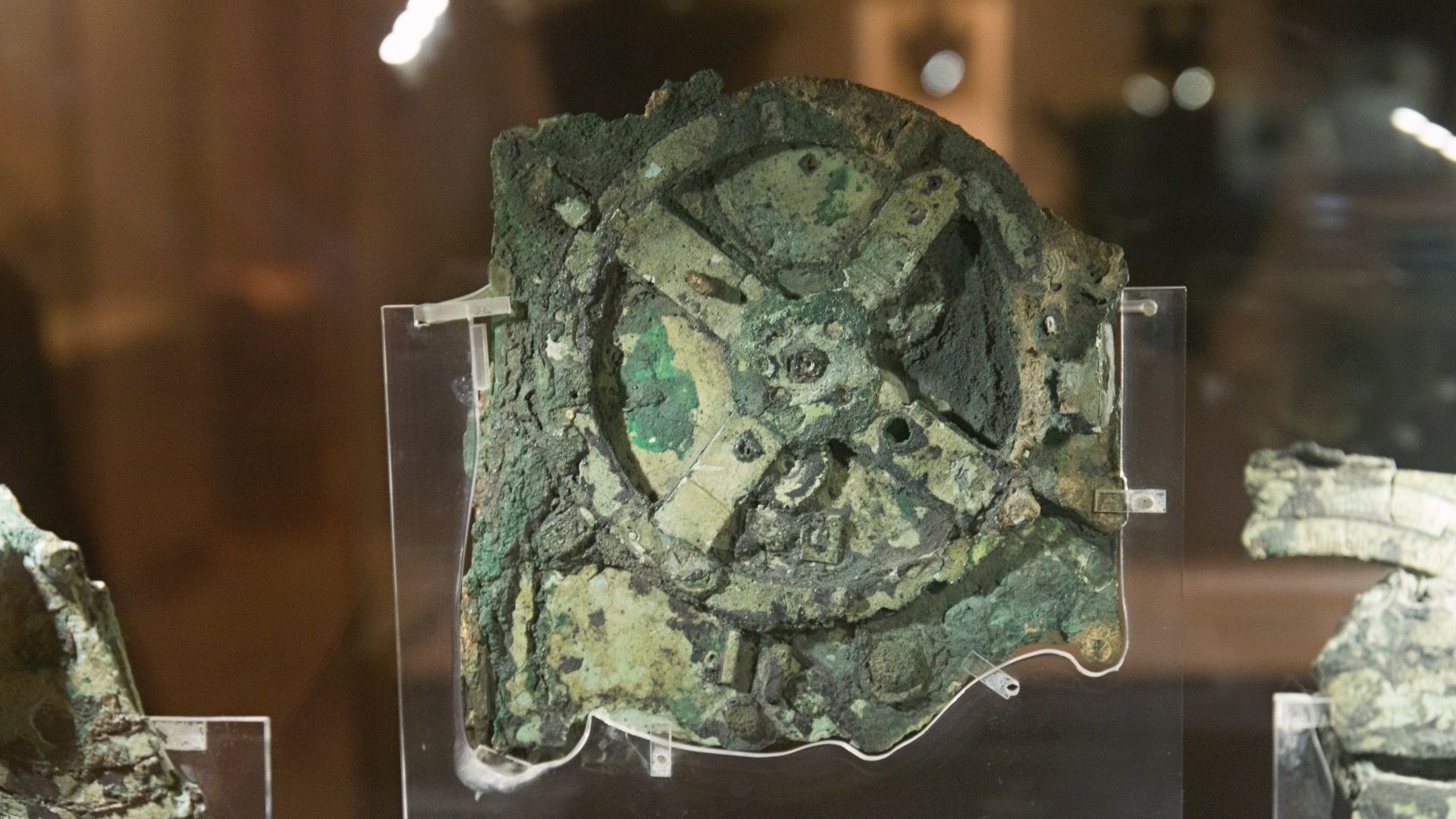
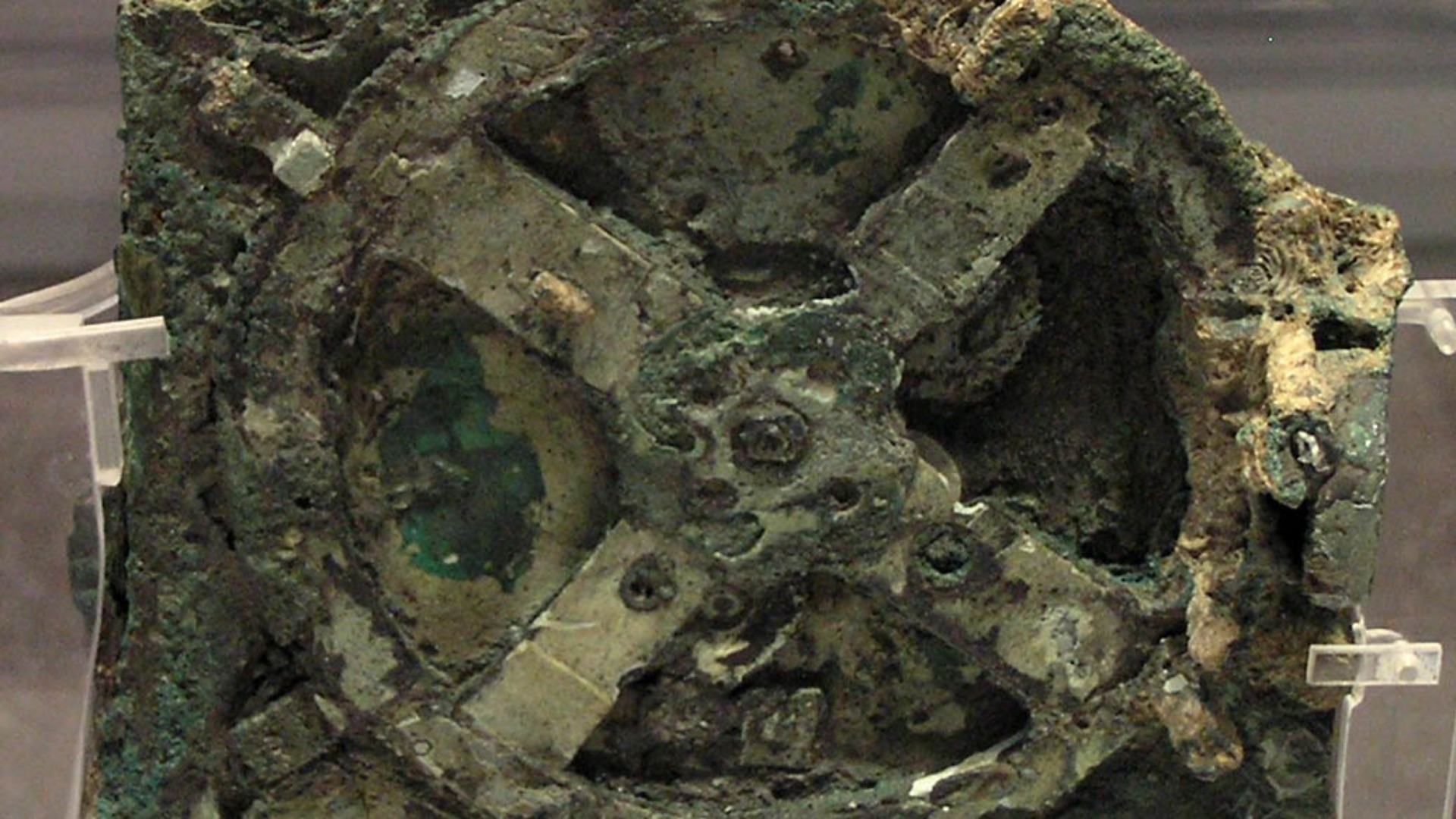
Long before anyone built a mechanical clock, Greek craftsmen assembled a hand-cranked bronze device capable of tracking the sun, the moon, and even predicting eclipses decades in advance. Pulled from a shipwreck in 1901, the Antikythera mechanism contains dozens of interlocking gears with teeth roughly a millimeter long, a level of precision unmatched by anything else from antiquity. Modern researchers have built working reconstructions based on X-ray scans of the corroded fragments, yet nobody has determined what tools the original makers used to cut gear teeth that fine without any documented precision machinery.
 No machine-readable author provided. Marsyas assumed (based on copyright claims). on Wikimedia
4. Greek Fire's Lost Formula
Byzantine forces turned the tide of countless naval battles using a flaming liquid that clung to enemy ships and kept burning even on water. Its inventor, a Greek refugee named Kallinikos, handed the recipe down as a state secret so tightly guarded that the exact composition remains unknown to this day. Modern chemists have proposed combinations involving naphtha, sulfur, and quicklime based on partial Byzantine accounts, but nobody has reconstructed a formula that matches the weapon's documented ability to ignite and keep burning on the surface of the sea.
 Unknown authorUnknown author on Wikimedia
5. The Unmatched Tone of the Stradivarius
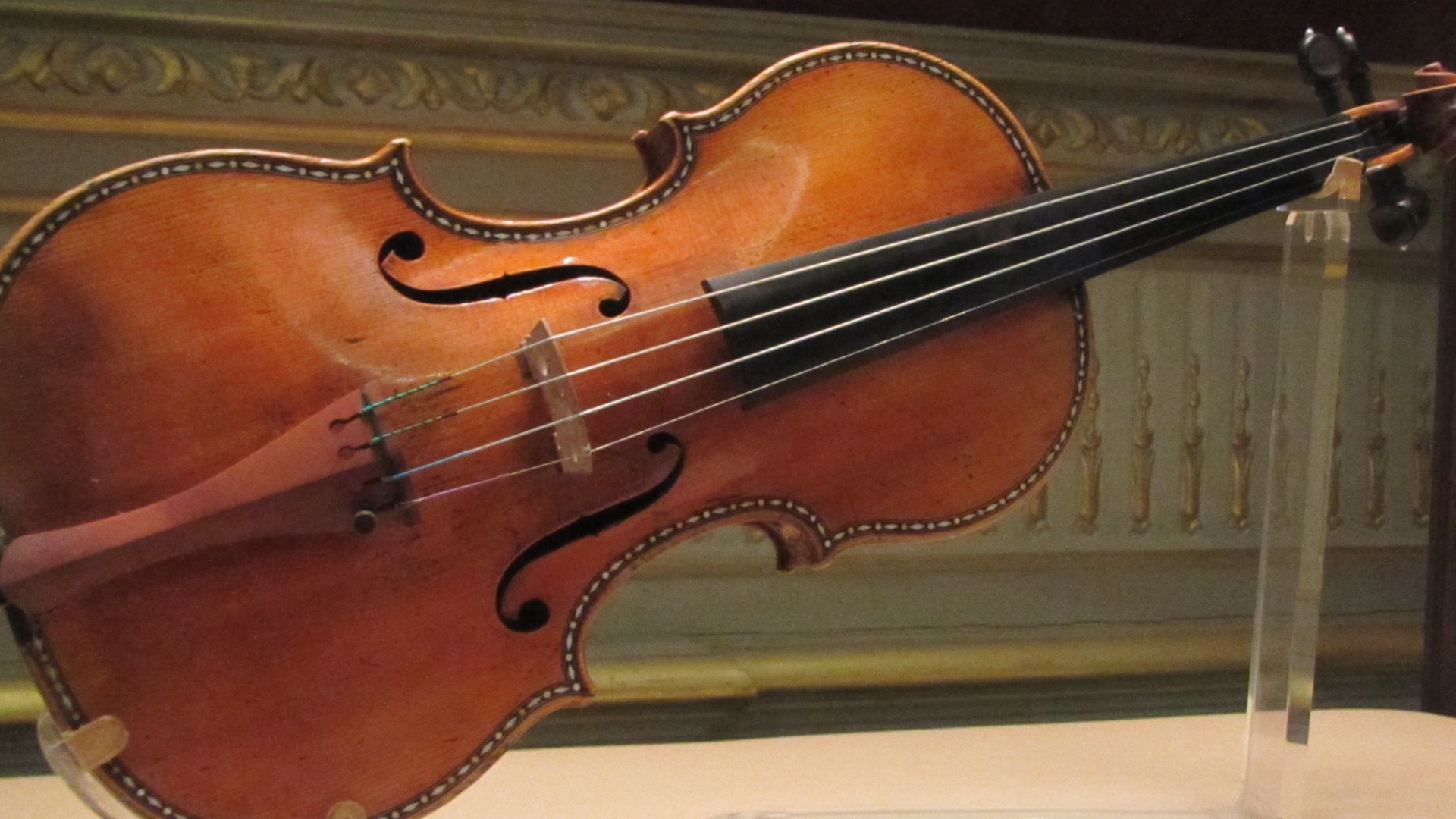
Few names carry more weight in the music world than Antonio Stradivari, whose violins from early eighteenth-century Cremona still sell for millions of dollars. One leading theory points to the wood itself; spruce that grew during a centuries-long cold spell developed unusually dense, uniform growth rings, and researchers comparing classical and modern violins have measured real differences in that wood density. Luthiers today can copy the shape, the varnish, and even the soundboard thickness down to the millimeter, but no one has produced a new violin that the world's top players and scientists universally agree matches a genuine Stradivarius.
6. The Color-Shifting Lycurgus Cup
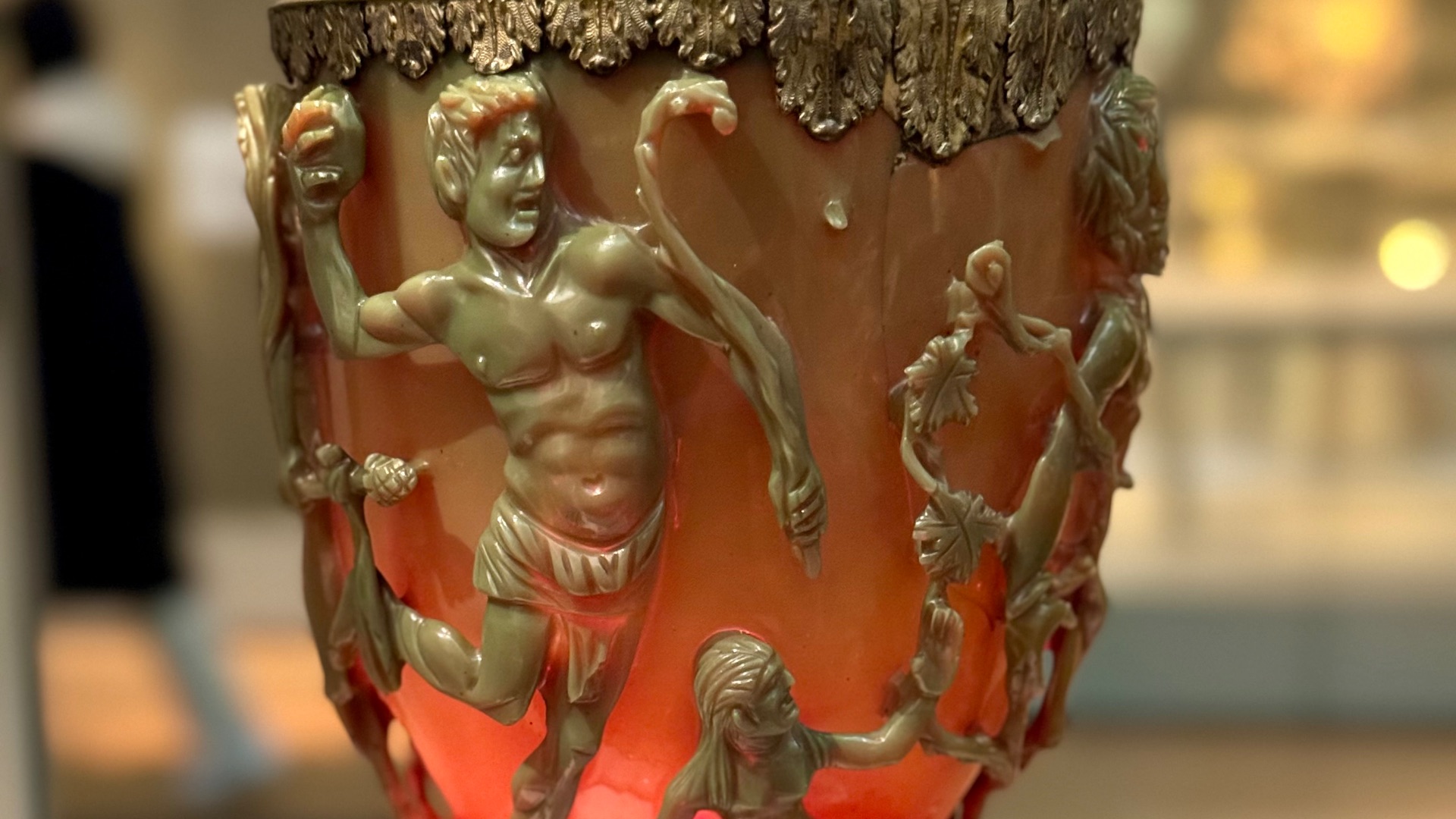
A fourth-century Roman drinking cup housed at the British Museum looks ordinary at first glance, appearing jade green under regular light. Hold a flame behind it, though, and the glass turns a glowing red because it contains gold and silver nanoparticles roughly fifty nanometers wide, spread through the material with astonishing consistency. Scientists have since recreated similar dichroic effects in flat nanoparticle arrays for use in security holograms, but they haven't reproduced a free-blown glass vessel that achieves the same color shift using the original Roman glassworking method.
7. Delhi's Rust-Proof Iron Pillar
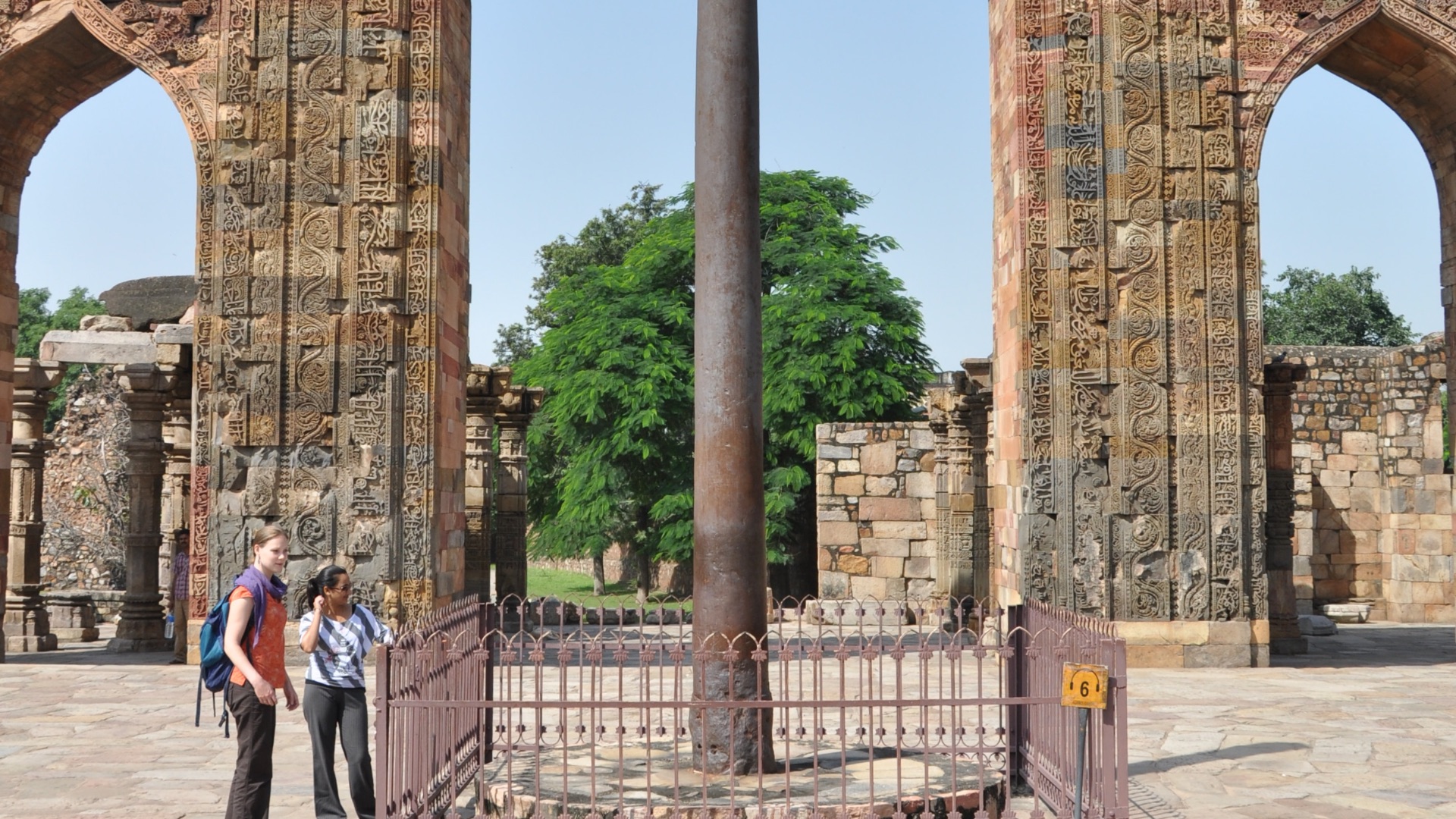
Standing in a courtyard within Delhi's Qutb complex, a 7.2-meter iron pillar has weathered sixteen centuries of monsoons and scorching heat without forming the flaky rust that destroys exposed iron within decades. Metallurgists traced its resistance to an unusually high phosphorus content, roughly five times that of modern steel, which triggers the formation of a thin protective layer called misawite. Today's steelmakers deliberately remove phosphorus because it makes metal brittle under stress, which means the very flaw that modern engineering avoids is what kept this ancient pillar standing rust-free for so long.
8. The Precision of the Nazca Lines
Carved into the high desert of southern Peru between 500 BC and 500 AD, the Nazca lines stretch for miles in perfectly straight segments and form animal figures only fully recognizable from the air. Archaeologists believe the Nazca people achieved this scale and accuracy using nothing more than wooden stakes, rope, and careful planning, removing dark surface rock to expose the pale soil beneath. Surveyors equipped with GPS and aerial drones still find it remarkable that a culture without any elevated vantage point could lay out designs hundreds of meters long without a single significant deviation.

9. The Great Pyramid's Perfect Alignment
Workers in ancient Egypt assembled roughly 2.3 million stone blocks into a monument that has stood for more than four thousand years, with sides aligned almost exactly to true north, south, east, and west. Engineers studying the Great Pyramid's construction have proposed sighting rods, plumb bobs, and star observations as the likely surveying tools, since no contemporary blueprints survive. Modern construction teams with laser levels and satellite positioning would still consider it a serious challenge to hit that degree of alignment across a structure spanning over seven hundred feet per side using copper tools and human muscle alone.

10. The Seamless Walls of Sacsayhuamán
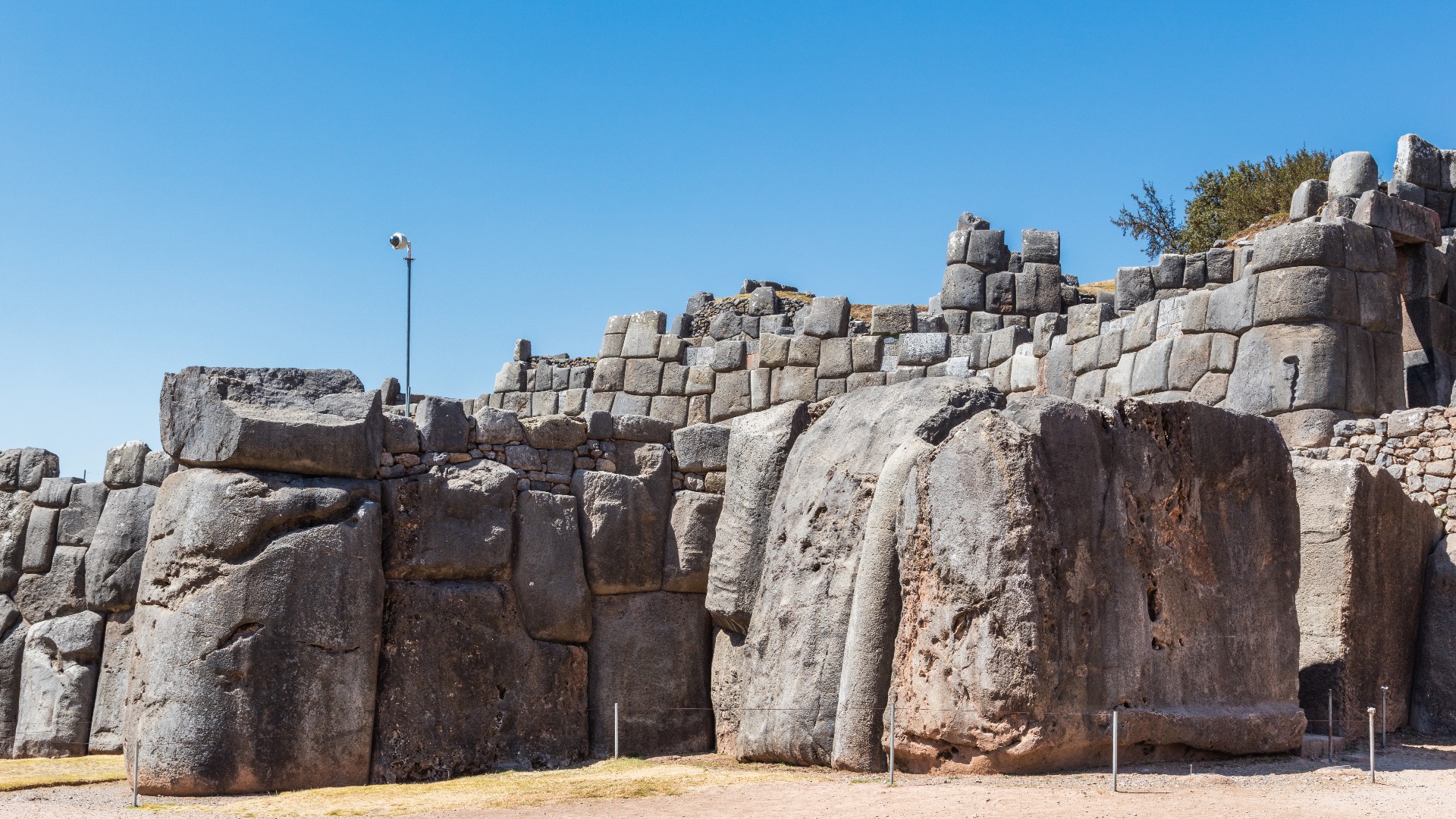
High above Cusco, Peru, Inca builders assembled terrace walls from limestone and andesite blocks weighing up to two hundred tons apiece without using any mortar between them. The stones were shaped through a painstaking process called scribing and coping, fitting together so precisely that not even a knife blade slides between the joints. Those interlocking walls have survived major earthquakes in 1650 and 1950 that destroyed Spanish colonial buildings nearby, and modern engineers have never matched that combination of seismic resilience and mortar-free precision at the same scale.
11. The Pantheon's Unreinforced Dome
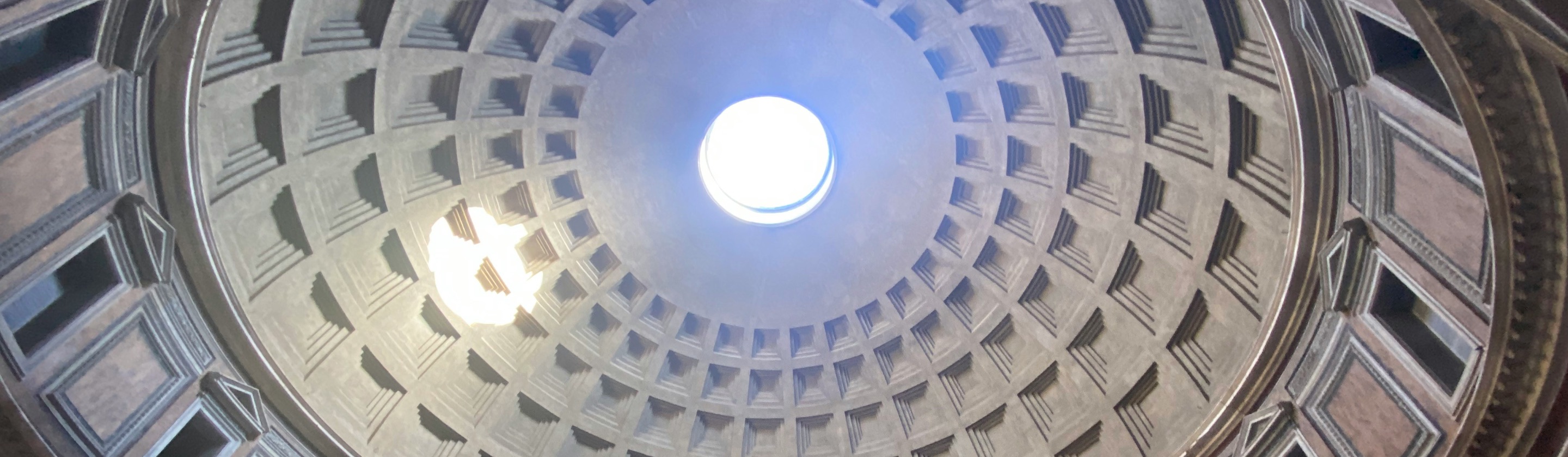
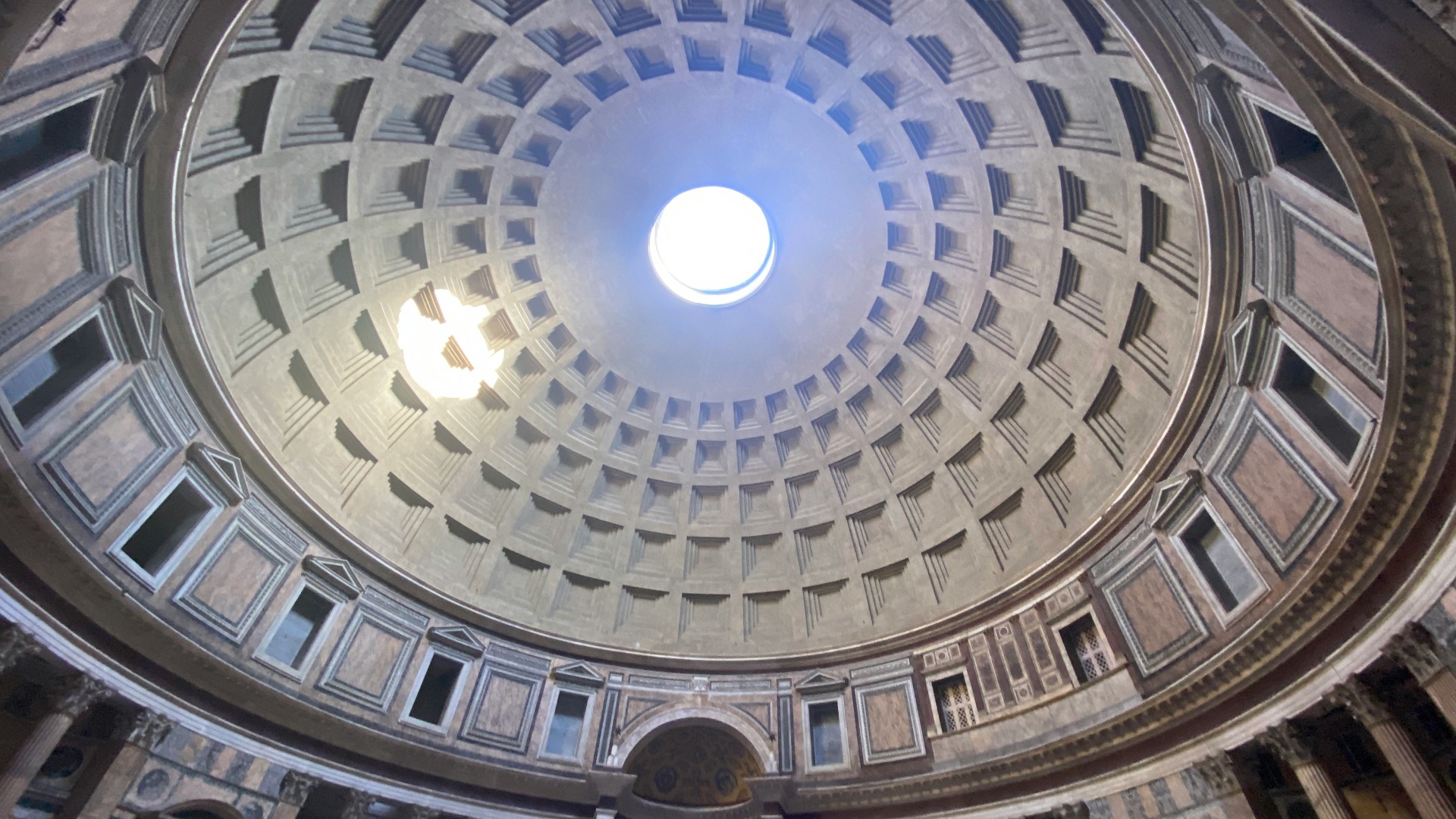
Nearly two thousand years after Emperor Hadrian completed it, the Pantheon in Rome still holds the title of the largest unreinforced concrete dome on Earth. Roman builders graded the concrete mix by density, using heavy travertine near the base and lightweight pumice closer to the oculus to cut the weight pressing down on the structure. Every comparable dome built since has relied on steel reinforcement or external buttressing, so no architect has matched the Pantheon's feat of holding up an unsupported concrete span this wide through material science alone.
12. The Purposeless Roman Dodecahedra
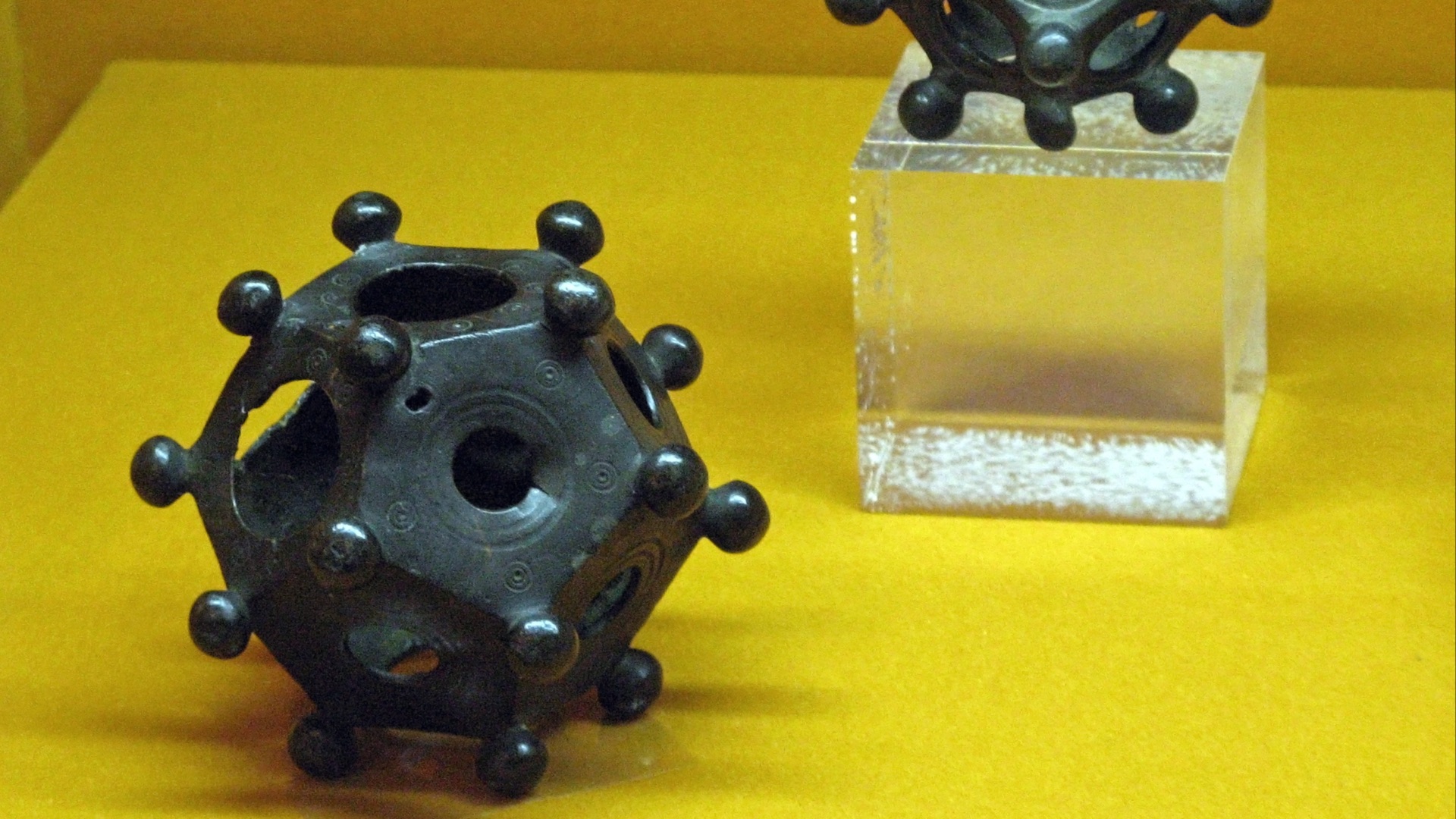
Scattered across what was once Roman Gaul, Britain, and Germany, archaeologists have uncovered more than a hundred small bronze objects with twelve pentagonal faces, each pierced with holes of varying sizes. No surviving Roman text or image ever mentions them, and researchers have proposed more than fifty competing theories for their purpose without reaching any consensus. Modern engineers can cast an identical replica in an afternoon, yet without knowing what function the original served, there's no way to claim anyone has actually reproduced the invention rather than just its shape.
13. The Indestructible Maya Blue Pigment
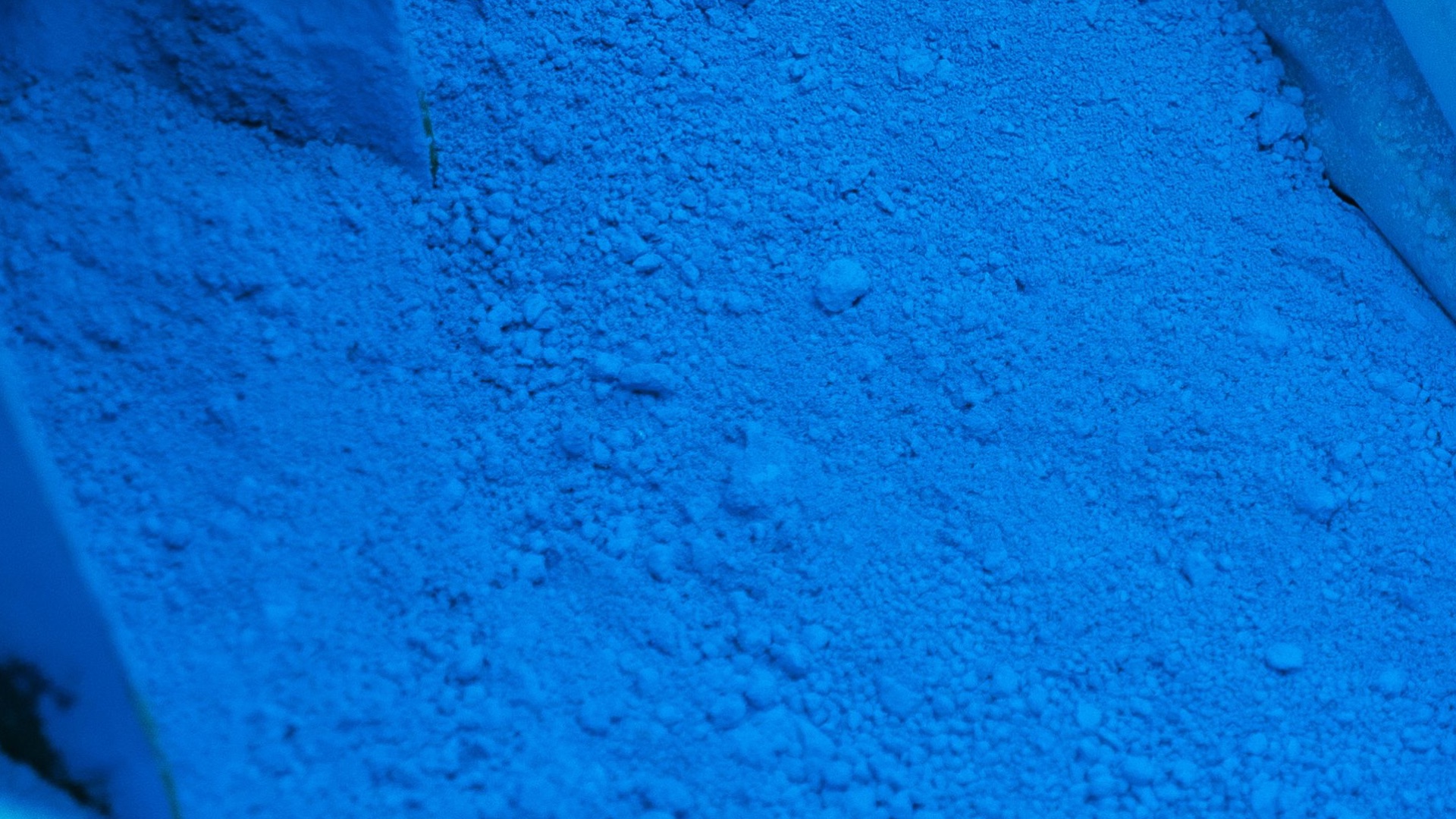
Ancient Maya artisans created a brilliant turquoise pigment by binding indigo dye to a clay mineral called palygorskite, often heating the mixture alongside copal resin. The result resisted acids, sunlight, and a thousand years of tropical weather so well that chemists only worked out the basic recipe in 1993, and reproducing its exact stability still proves difficult today. Modern paint chemistry has plenty of synthetic blues that won't fade, but none of them rely on the same organic-inorganic bonding the Maya achieved with materials gathered from their own jungle.
14. The Snail-Derived Tyrian Purple
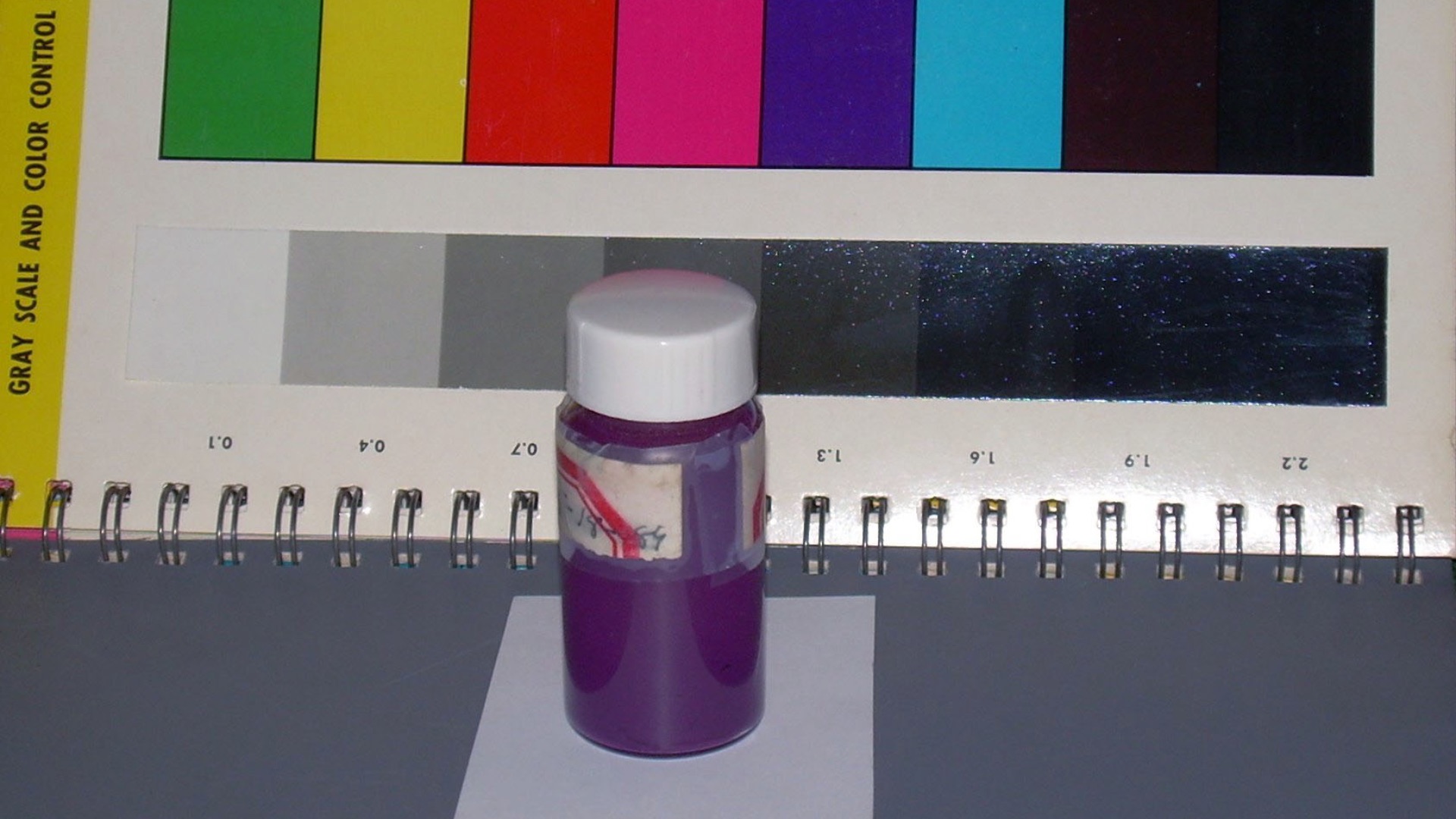
Wealthy Romans and Phoenician royalty once paid more for purple cloth than for its weight in gold, all because of a dye extracted from the hypobranchial glands of Mediterranean sea snails. Producing a single gram required roughly ten thousand mollusks, and the technique for harvesting and processing that dye on a commercial scale largely disappeared after the fall of Constantinople. A handful of modern hobbyists in Tunisia and the Mediterranean have revived small-batch production, but nobody has rebuilt an operation capable of dyeing fabric at the volume the ancient world managed using nothing but coastal labor and patience.
 Brochis at English Wikipedia on Wikimedia
15. Japan's Tatara-Forged Tamahagane Steel
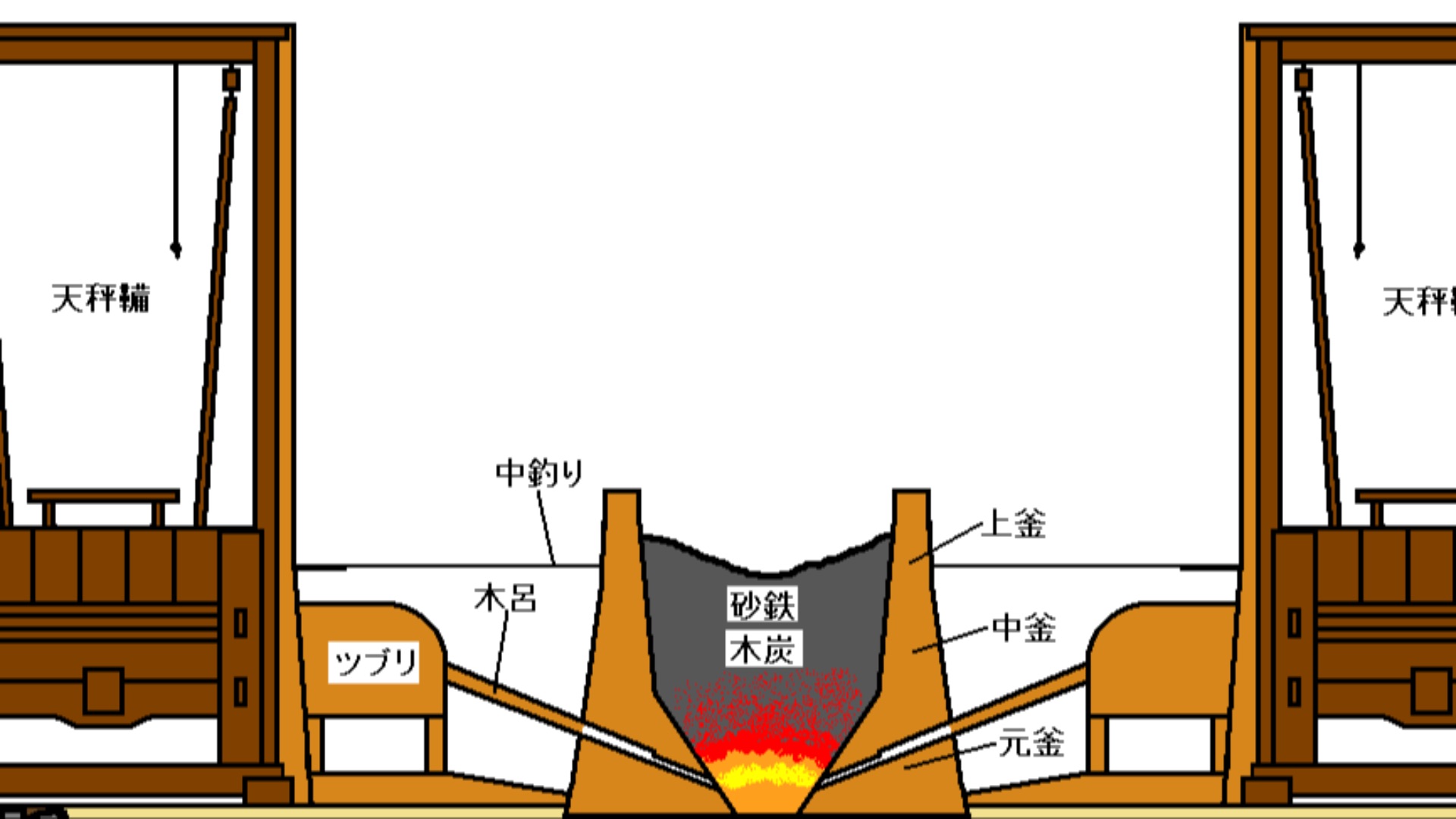
Japanese swordsmiths have spent centuries refining a process that turns ordinary iron sand into tamahagane, the high-carbon steel behind every authentic katana. The method requires building a clay furnace called a tatara and firing it continuously for about three days at temperatures above 1,200 degrees Celsius, separating usable steel from a porous mass of iron once the furnace cools. Only one traditional facility in Japan still produces tamahagane today, smelting it a few times a year under strict cultural preservation rules, and modern furnaces with far greater temperature control still haven't replaced that specific, irregular craft process.
 Serpen wiki woker on Wikimedia
16. China's Light-Penetrating Bronze Mirrors
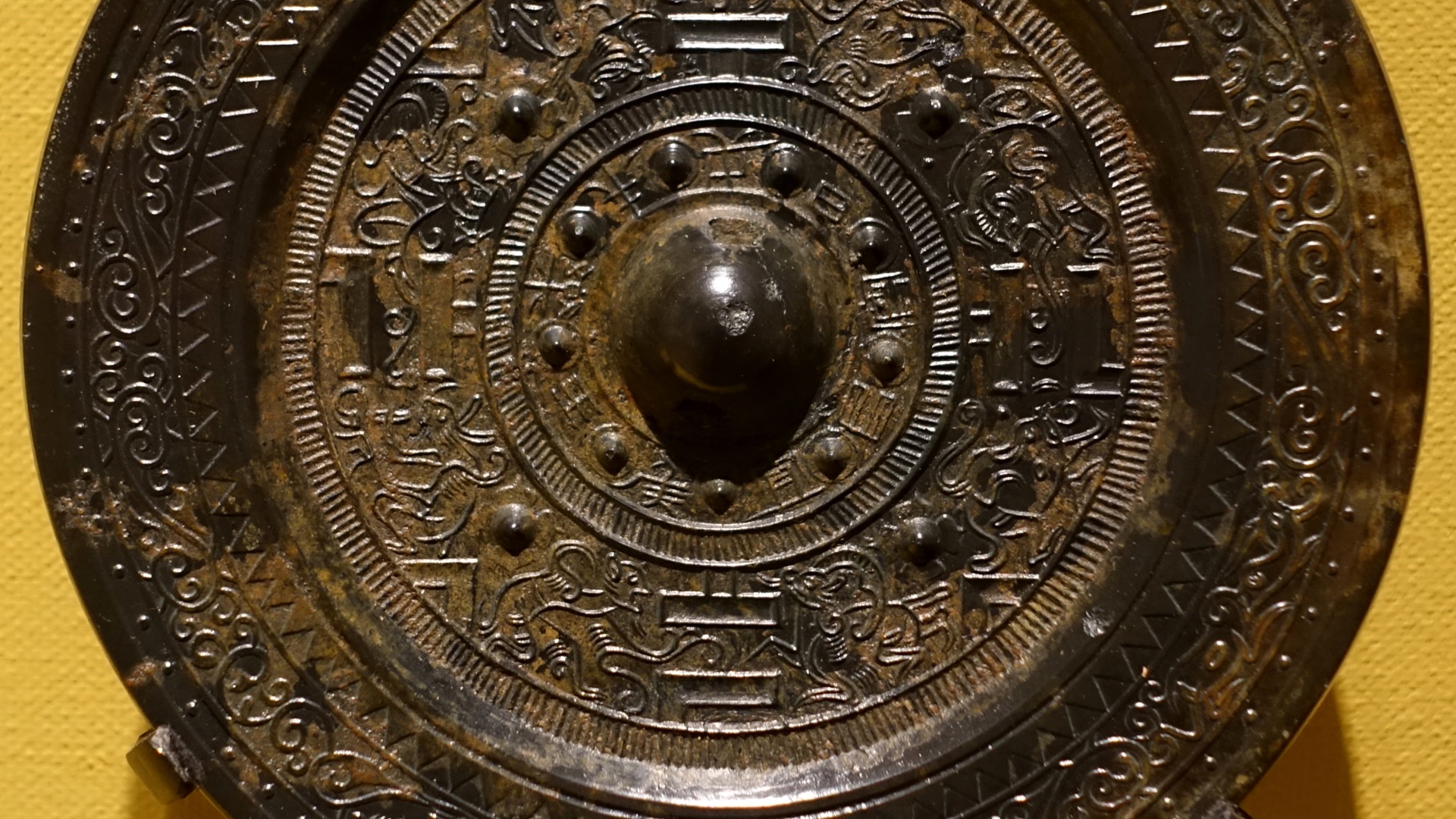
Han dynasty artisans cast bronze mirrors that appear perfectly ordinary until sunlight reflects off the polished face onto a wall, revealing the hidden pattern etched into the back as if the metal had turned transparent. Physicist William Bragg eventually explained the trick in the 1930s, attributing it to microscopic variations in surface curvature too small for the naked eye to detect, introduced during casting and polishing. The exact craft technique for controlling that curvature without modern measuring instruments died out after the Song dynasty, and only a small handful of the thousands of surviving bronze mirrors in Chinese museum collections still demonstrate the effect.
17. The Knotted Code of the Inca Quipu
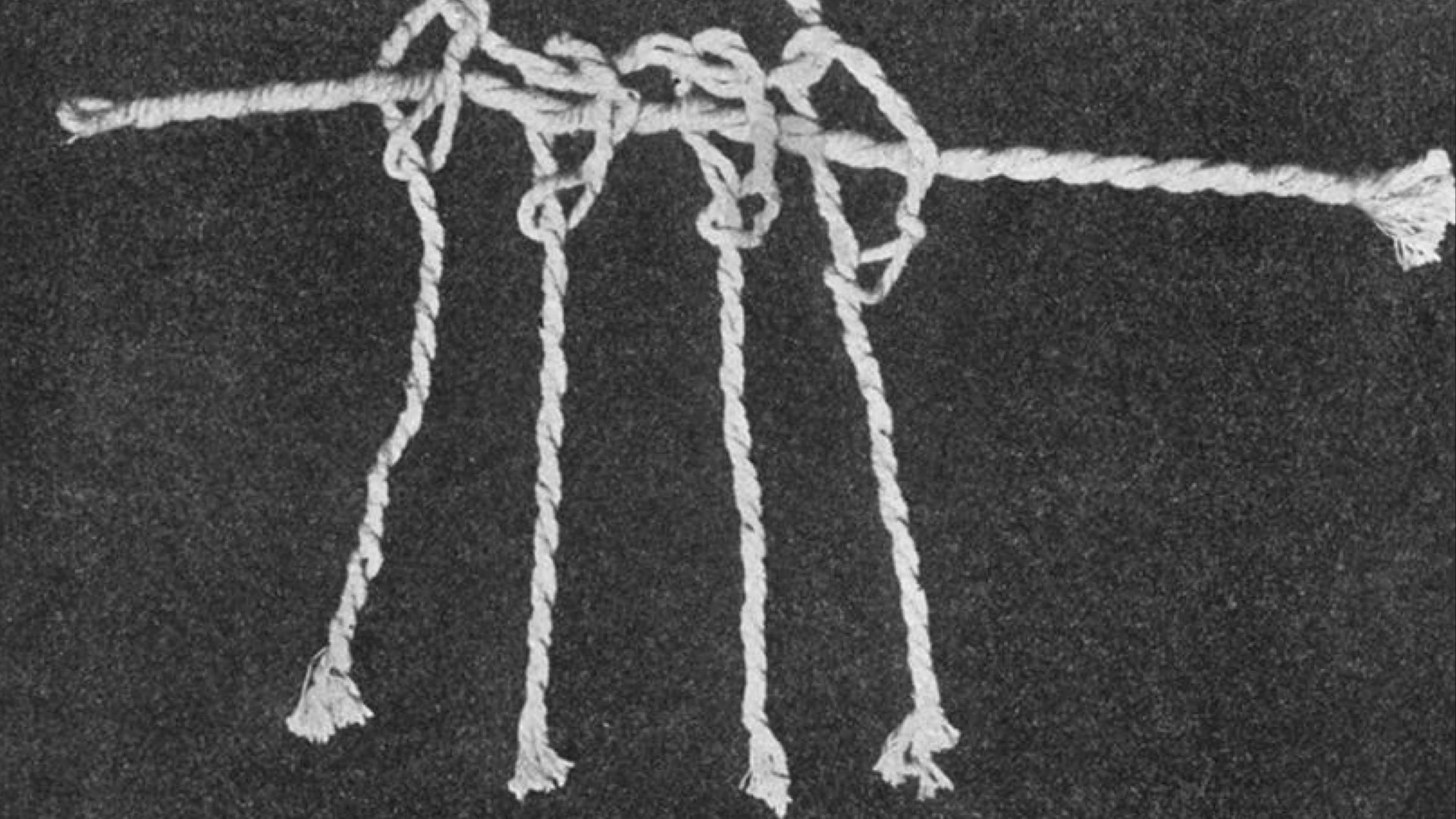
Without ever developing a written alphabet, the Inca managed censuses, tax records, and supply chains across an empire of millions using knotted cords called quipu. Specialists known as quipucamayocs encoded numbers through knot type, position, and color, and modern scholars have decoded much of the basic decimal counting system this way. A number of surviving quipu appear to hold narrative or non-numeric information that has resisted every attempt at translation, leaving researchers unable to reconstruct the full system the way its original keepers understood it.
 Leslie Leland Locke on Wikimedia
18. Stonehenge's Well-Traveled Bluestones
Stonehenge's smaller bluestones didn't come from anywhere near Salisbury Plain; geochemical testing has traced them back to outcrops in the Preseli Hills of west Wales, well over a hundred miles away. A 2024 analysis of a boulder found near the monument confirmed that people, not glaciers, moved these multi-ton stones across the landscape. Even with that question settled, nobody has demonstrated a confirmed method for hauling stones of that weight across boggy, forested Neolithic terrain without wheels, draft animals, or metal tools.

19. The Viking Sunstone's Hidden Physics
Icelandic sagas describe Viking navigators using a glowing sólarsteinn, or sunstone, to locate the sun's position even through thick fog or cloud cover. Physicists have since shown that a calcite crystal known as Iceland spar can reveal the polarization pattern of skylight accurately enough to pinpoint the hidden sun within about one degree, confirming the technique could have worked exactly as the sagas describe. No confirmed Viking-era sunstone has ever turned up at an archaeological site, though, so modern engineers can prove the physics works without anyone fully verifying how, or whether, Norse sailors actually built and used one.
20. The Vanishing Steel of the Ulfberht Sword
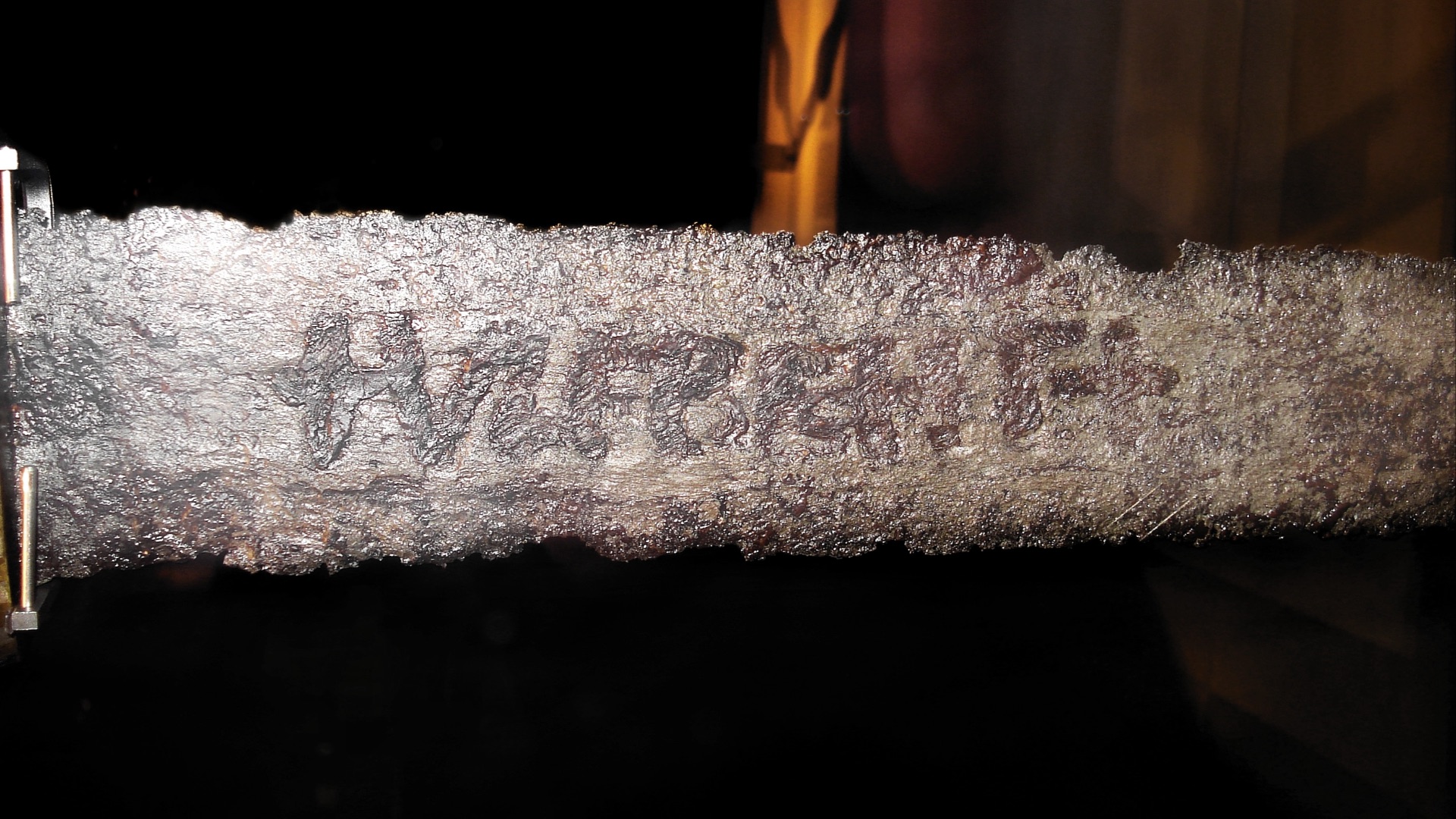
Roughly 170 Viking-age swords inlaid with the maker's mark "+VLFBERH+T" have survived in museums and riverbeds across Northern Europe, each forged from steel that shouldn't have existed for that era. This crucible steel carried nearly three times the carbon content of typical contemporary blades, likely smelted far away in Central Asia or the Middle East and shipped north along Volga River trade routes before that supply chain collapsed around 1000 AD. Europe wouldn't produce steel of comparable purity again until industrial blast furnaces arrived centuries later, and modern blacksmiths attempting traditional reproductions still struggle to match the metallurgical consistency of the genuine originals.
 Ulfberht.jpg: Torana
derivative work: Hic et nunc on Wikimedia
Ulfberht.jpg: Torana
derivative work: Hic et nunc on Wikimedia
KEEP ON READING

20 Weirdest Historical Objects in Museums
Check Out the Pickled Heart of a Saint. Museums carry…
By Rob Shapiro Oct 1, 2025
20 Scariest Missing Persons Cases in History
Eerie Disappearances. There's something uniquely unsettling about a person who…
By Christy Chan May 1, 2026
20 Greatest Ancient Athletes In History
Ancient Olympics. Long before modern stadiums and multimillion-dollar endorsements, athletes…
By Sara Springsteen May 1, 2026
10 Phenomenal Mythical Creatures & 10 That Are Just Plain…
Legends Both Majestic And Peculiar. Do you ever wonder why…
By Chase Wexler Oct 1, 2025
10 Presidents Who Never Served In The Military & 10…
Commanders And Civilians In Office. Power can rise from very…
By David Davidovic Sep 1, 2025
20 Wars That Could Have Ended Much Sooner Than They…
Wars That Lasted Far Too Long. Wars are often remembered…
By David Davidovic Sep 1, 2025