A World Full of Animals We'll Never See
The animal kingdom has changed dramatically over millions of years, and countless fascinating creatures disappeared long before humans had the opportunity to encounter them. Some were enormous predators, others were unusual little mammals, and a few had such strange physical features that they might seem almost impossible to believe today. Although fossils and other scientific discoveries have helped us piece together their appearances and lifestyles, there's still plenty we don't know about these remarkable animals.
 ДиБгд at Russian Wikipedia on Wikimedia
1. Anomalocaris
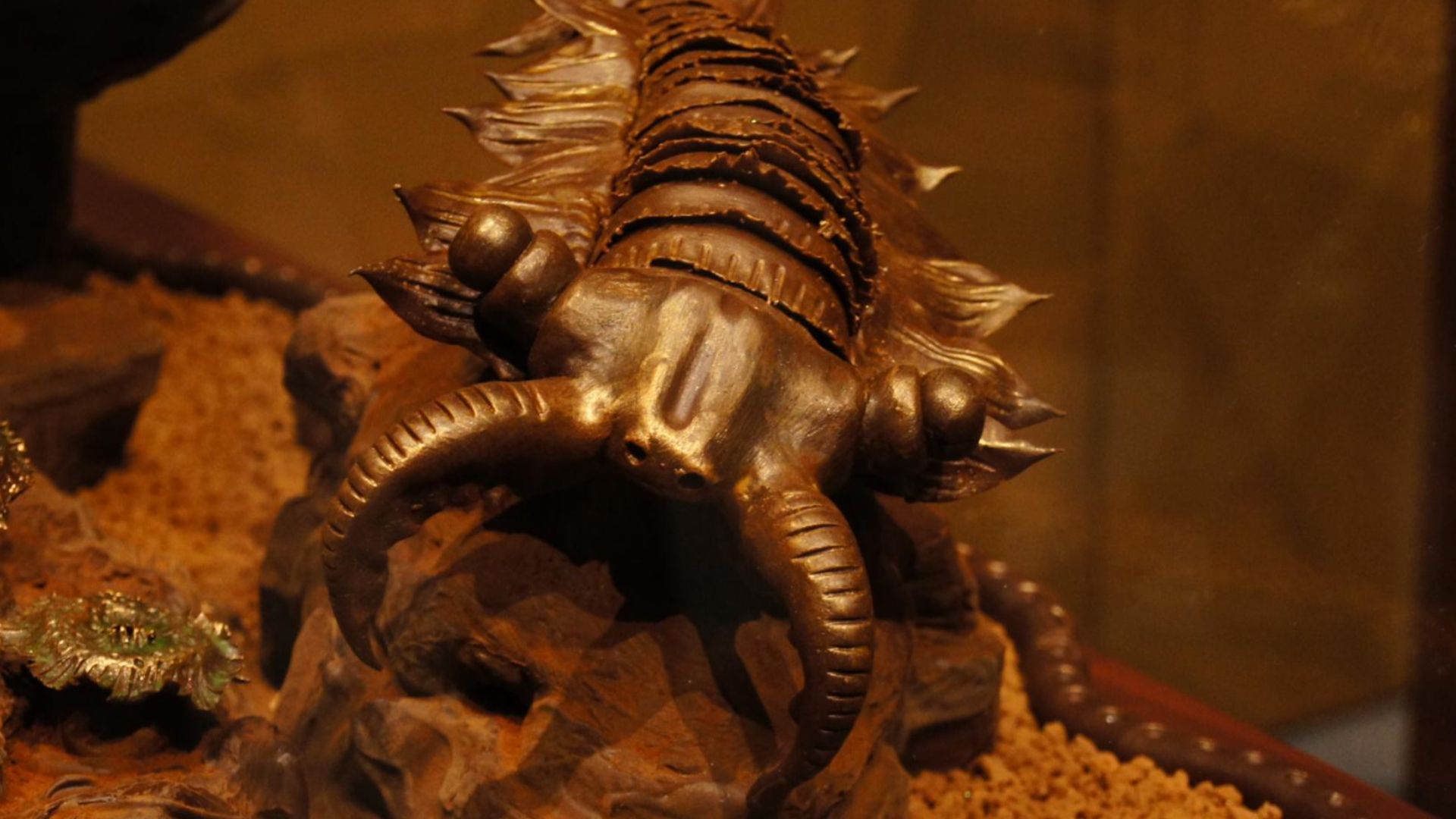
Anomalocaris predated sharks and lived in the oceans around 520 million years ago. It was about three feet in length and had huge eyes, claw-like arms, and a circular mouth filled with plates. Its unusual appearance made it one of the most recognizable predators of the Cambrian period, although researchers continue to investigate exactly what it ate.
2. Opabinia
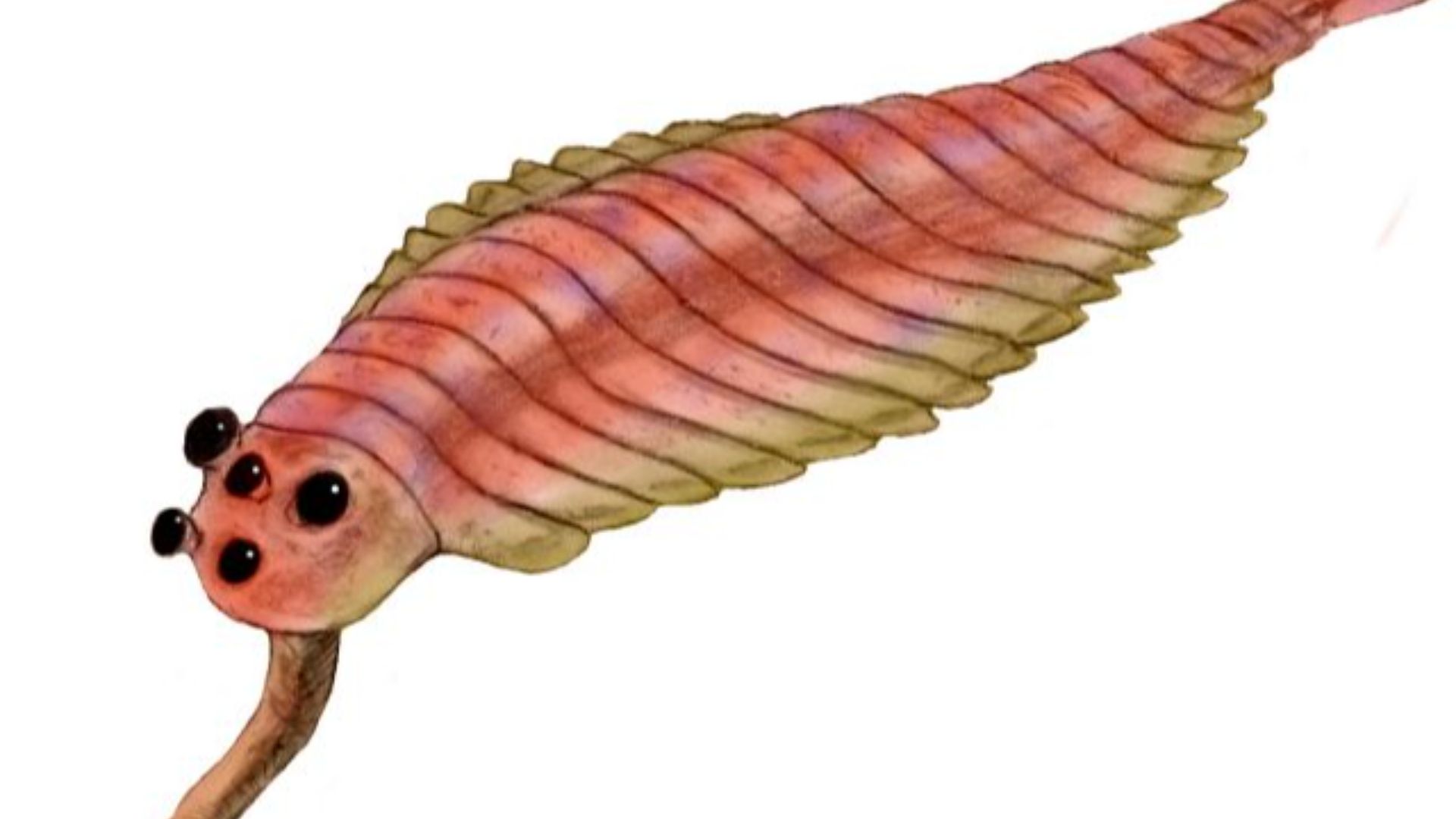
If you think modern sea creatures look unusual, Opabinia would have been quite a sight. This tiny marine animal lived approximately 508 million years ago and had five eyes, a segmented body, and a long, flexible proboscis ending in a claw-like structure. Scientists believe it used this unusual appendage to collect food from the seafloor, although its exact feeding habits remain uncertain.
 Nobu Tamura (http://spinops.blogspot.com) on Wikimedia
3. Hallucigenia
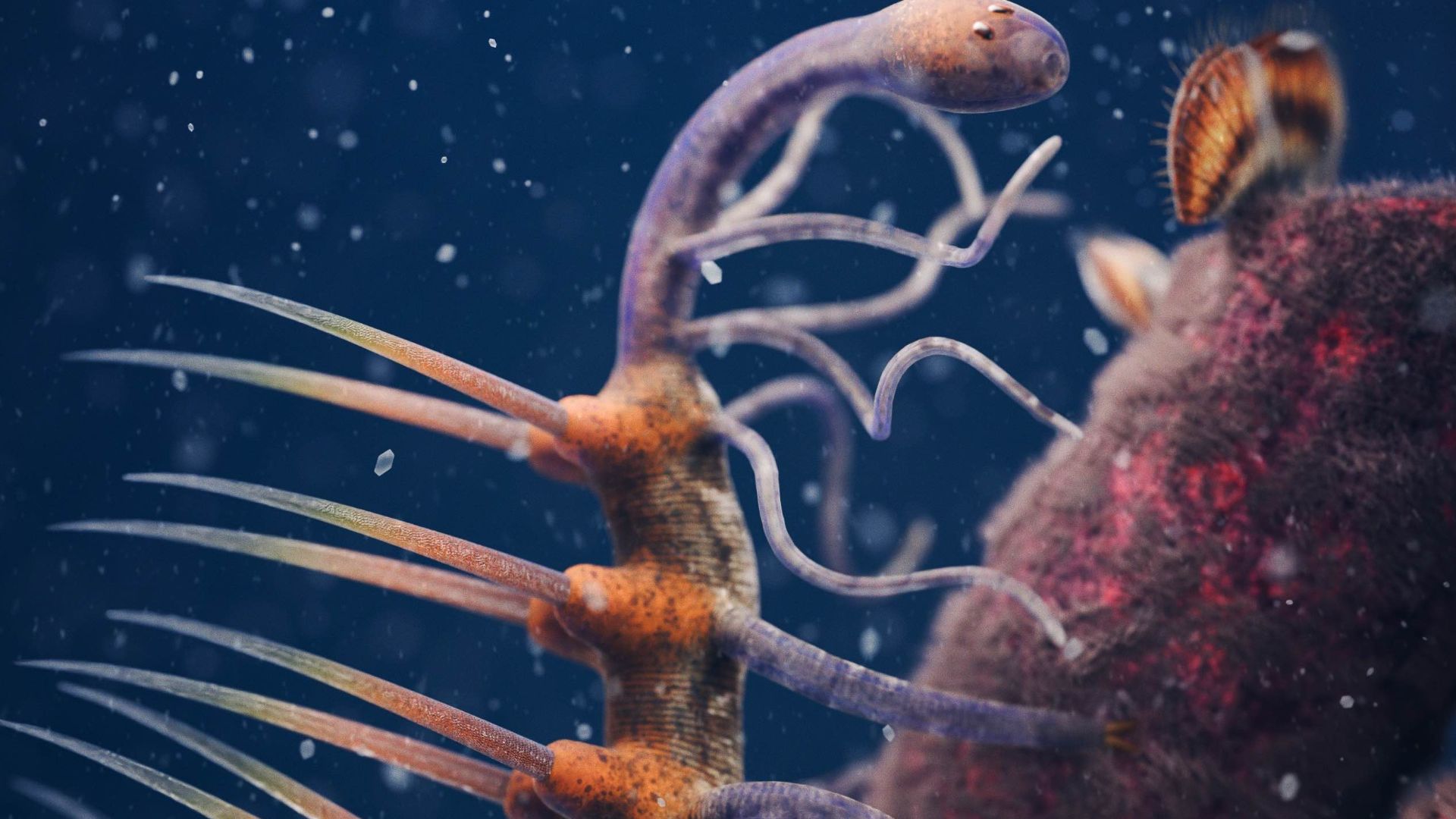
Hallucigenia is believed to have lived around 508 million years ago and was initially reconstructed upside down when scientists were deciphering its fossils. Scientists eventually revised their interpretation of its anatomy, and the creature is now considered an important part of the early evolutionary history of velvet worms and related animals. Its unusual appearance and spiny body make it one of the strangest creatures discovered in the fossil record.
4. Wiwaxia
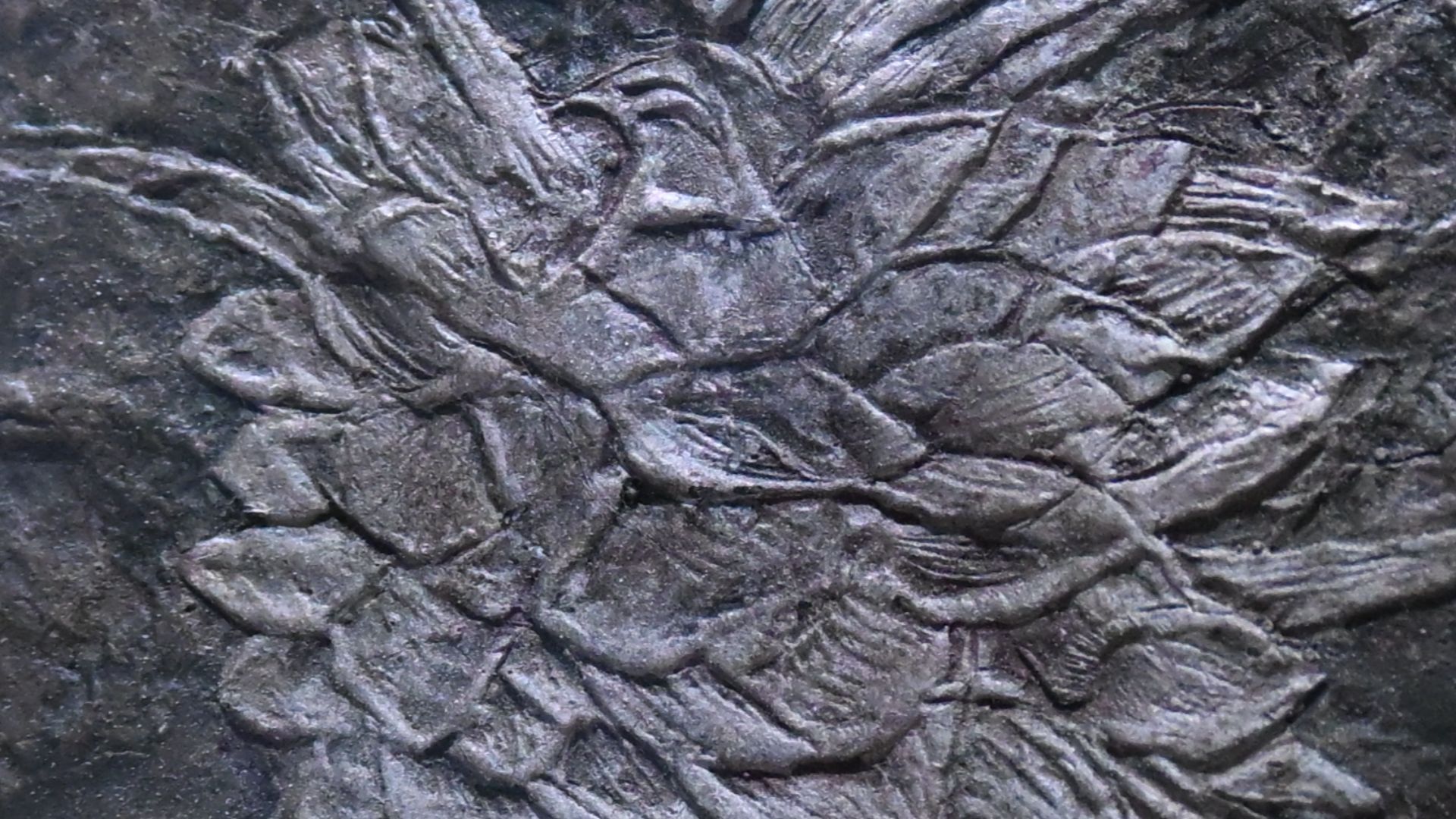
Around 508 million years ago, Wiwaxia traveled across the ocean floor looking for food. It was covered in armor-like scales and larger spikes all over its body to protect itself from its enemies. Although scientists have debated exactly where it belongs on the evolutionary tree, its unusual combination of features makes it one of the more interesting animals discovered in Cambrian fossil deposits.
5. Marrella
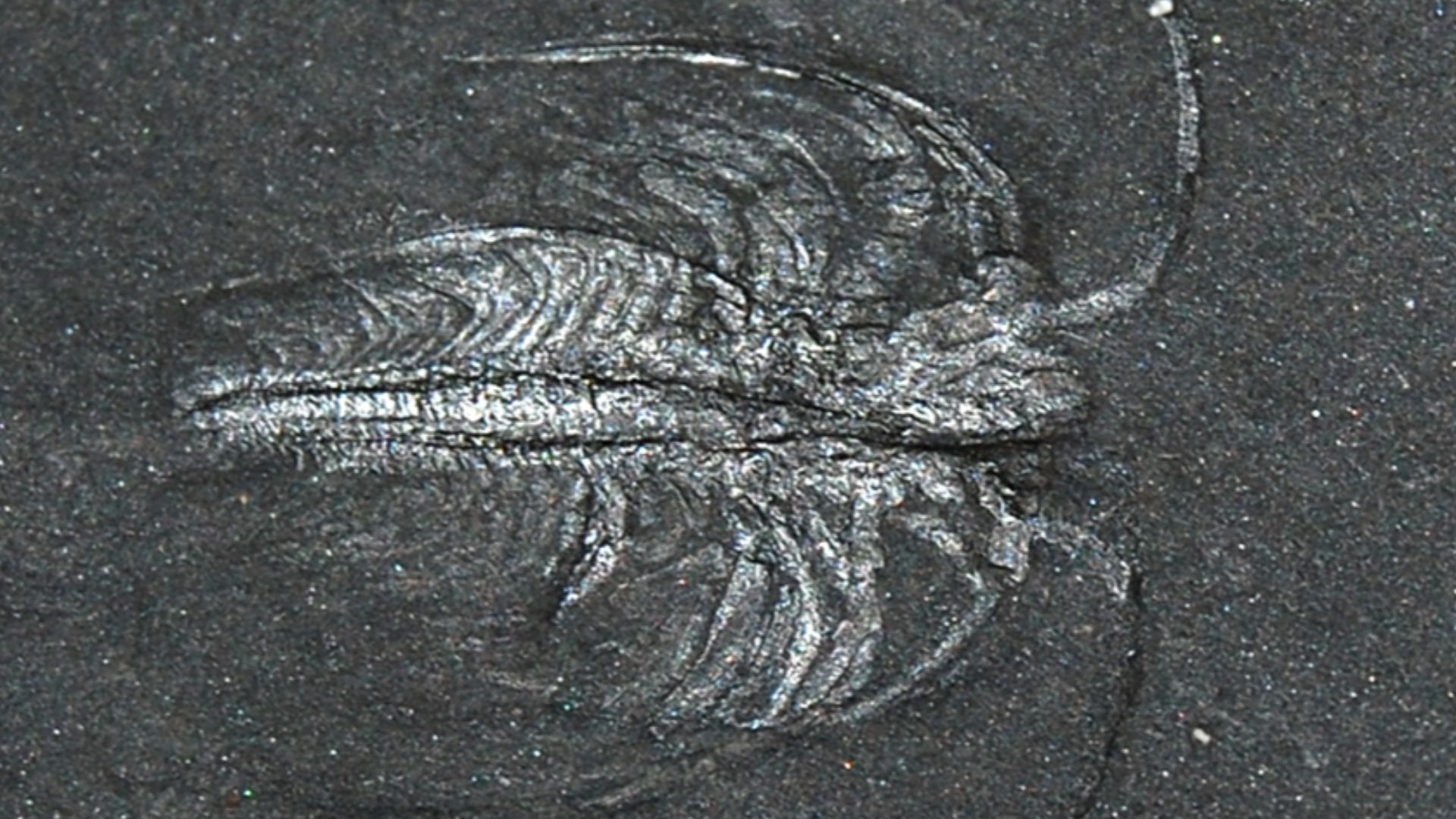
You don't have to be giant to be amazing in the world of prehistoric animals. Marrella lived about 508 million years ago and was no bigger than a couple of inches long. Thousands of its fossils have been discovered in Canada's Burgess Shale, giving scientists an unusually detailed look at an animal that disappeared hundreds of millions of years before humans existed.
 Gyik Toma (Tommy the paleobear) from Romania on Wikimedia
6. Pikaia
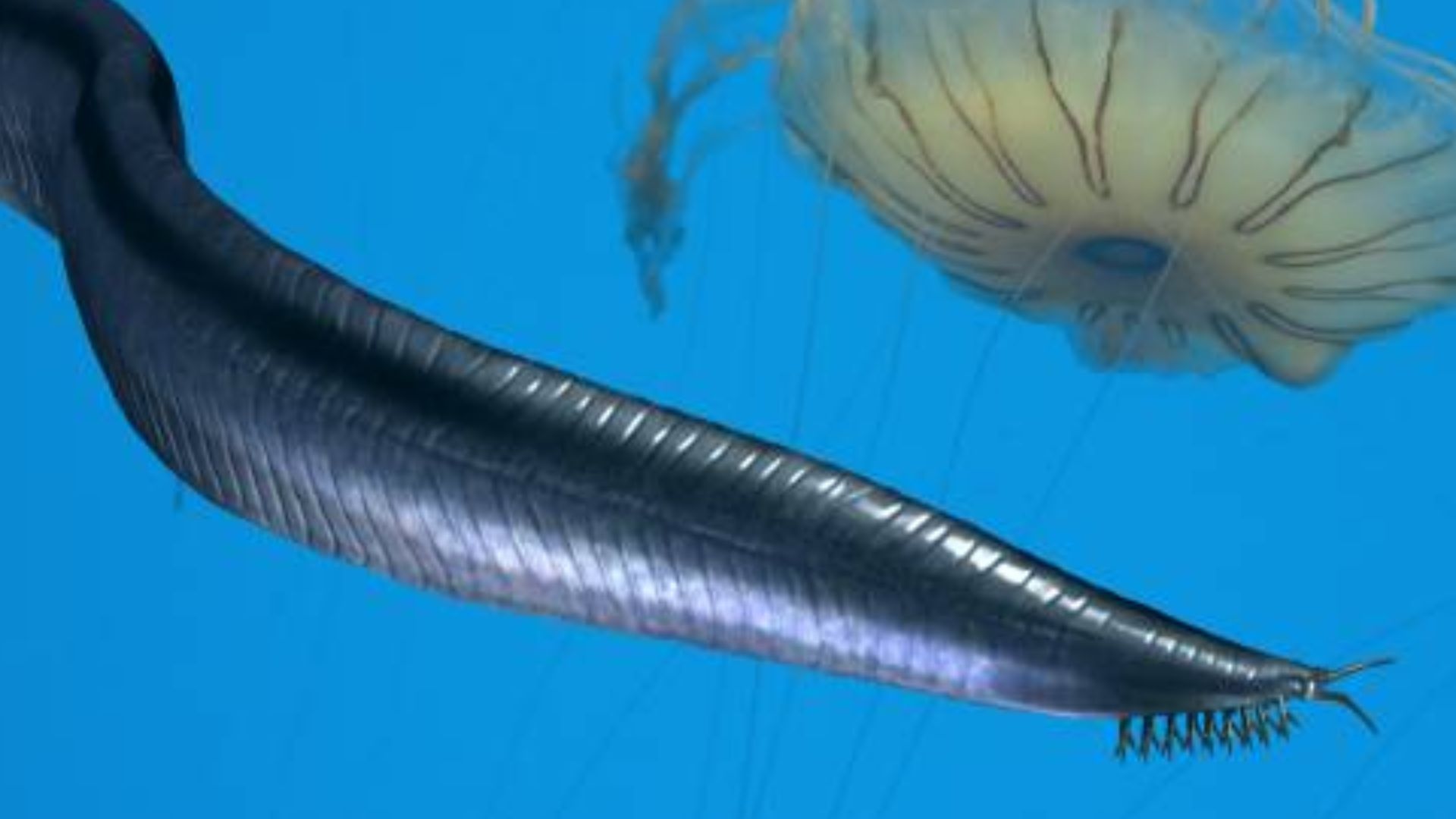
This little swimmer traveled the seas about 508 million years ago. Pikaia was slender and had muscular segments throughout its body. Although it wasn't a human ancestor in any direct sense, studying animals like Pikaia helps scientists understand the distant evolutionary history of creatures with backbones.
7. Jaekelopterus
What if sea scorpions could grow larger than you? Well, around 390 million years ago, they did! Jaekelopterus was a member of the group known as eurypterids. Some estimates suggest it reached more than eight feet in length, making it one of the largest known arthropods ever discovered.
8. Dunkleosteus
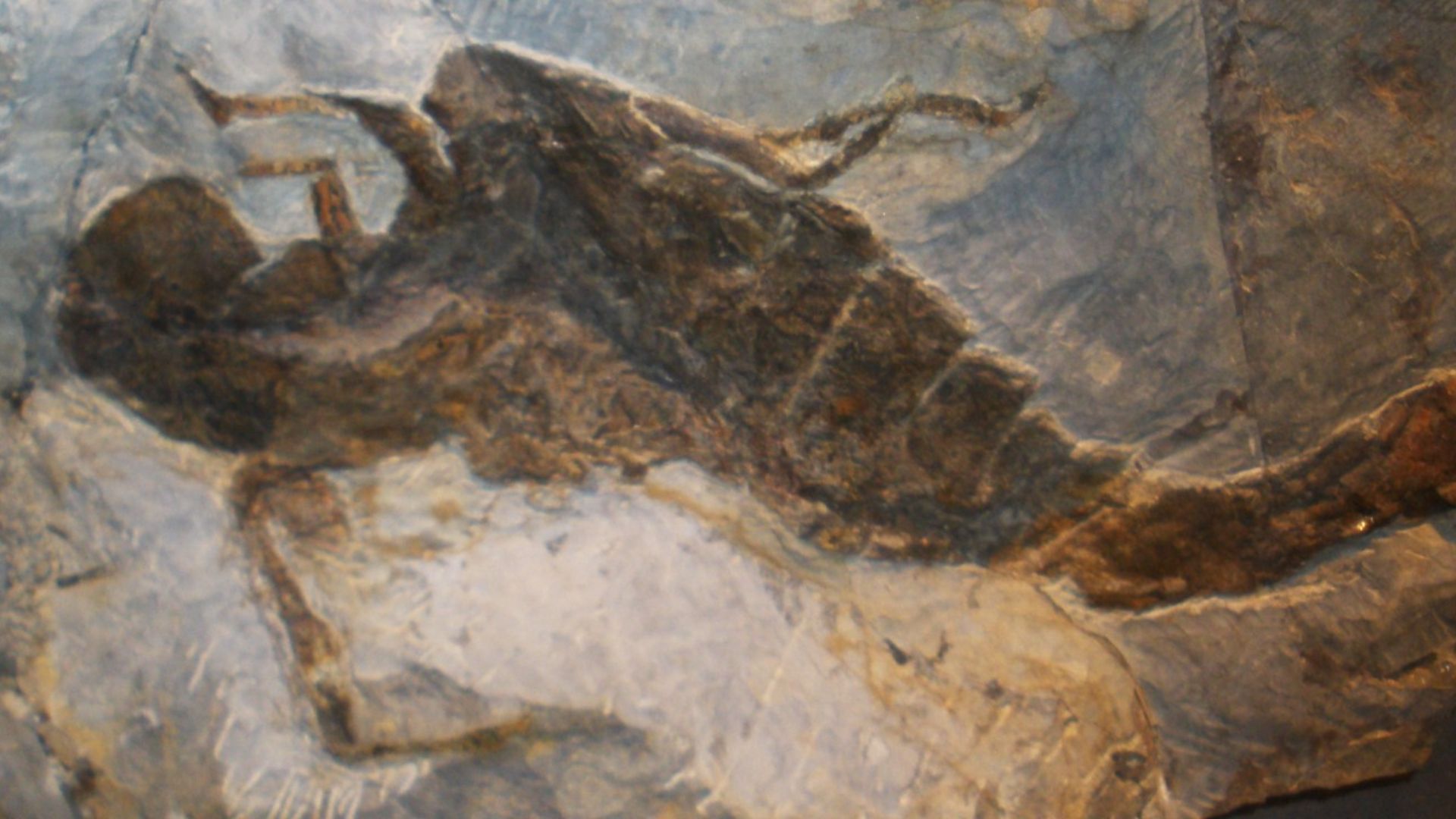
About 380 million years ago, a monstrous fish known as Dunkleosteus lived in the oceans. This fish existed long before the dinosaurs and, instead of teeth, had bony plates that could cut anything they touched. Its enormous armored head made it particularly distinctive, and some species are estimated to have reached around 20 feet in length, although size estimates remain debated.
9. Arthropleura
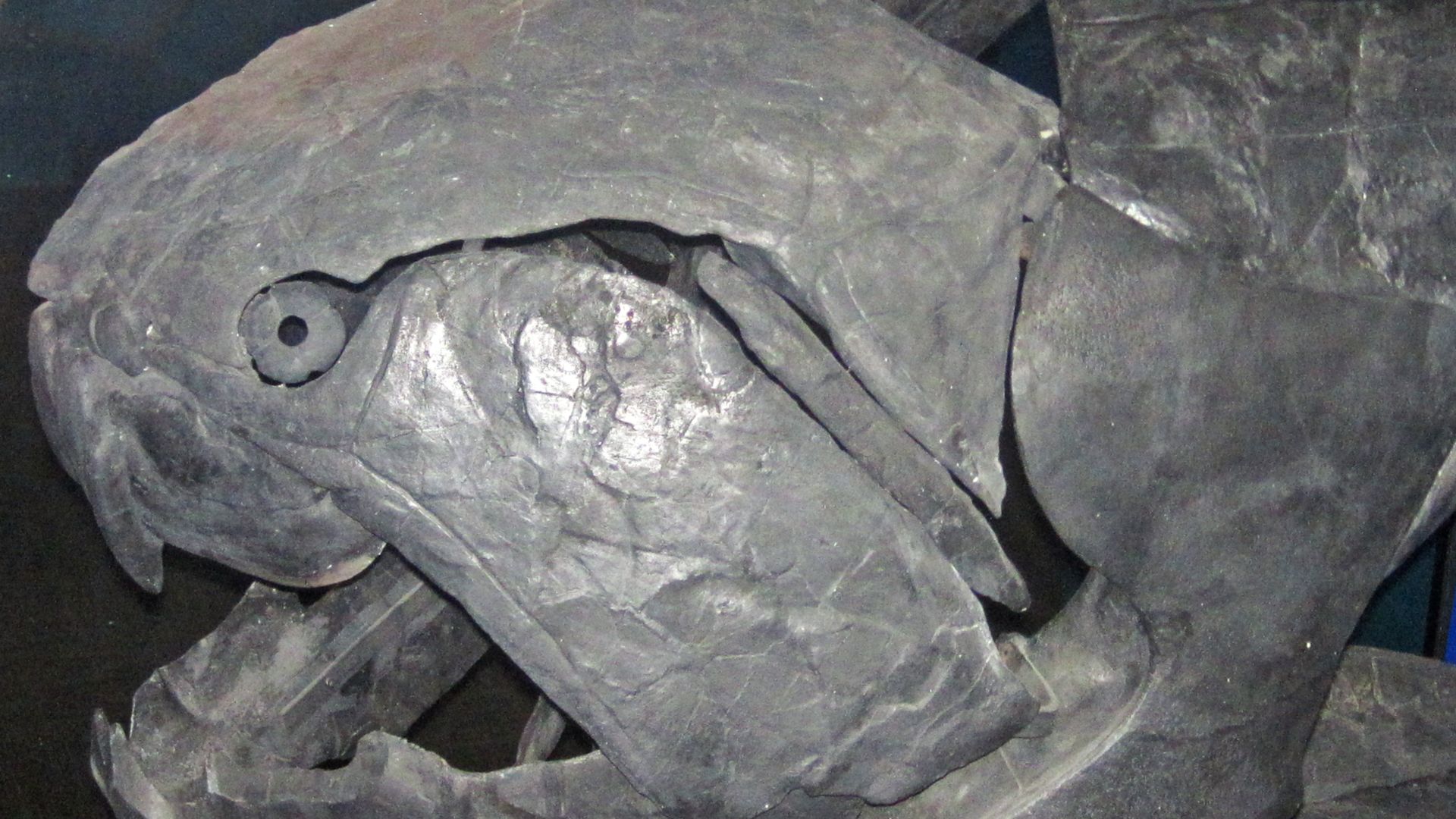
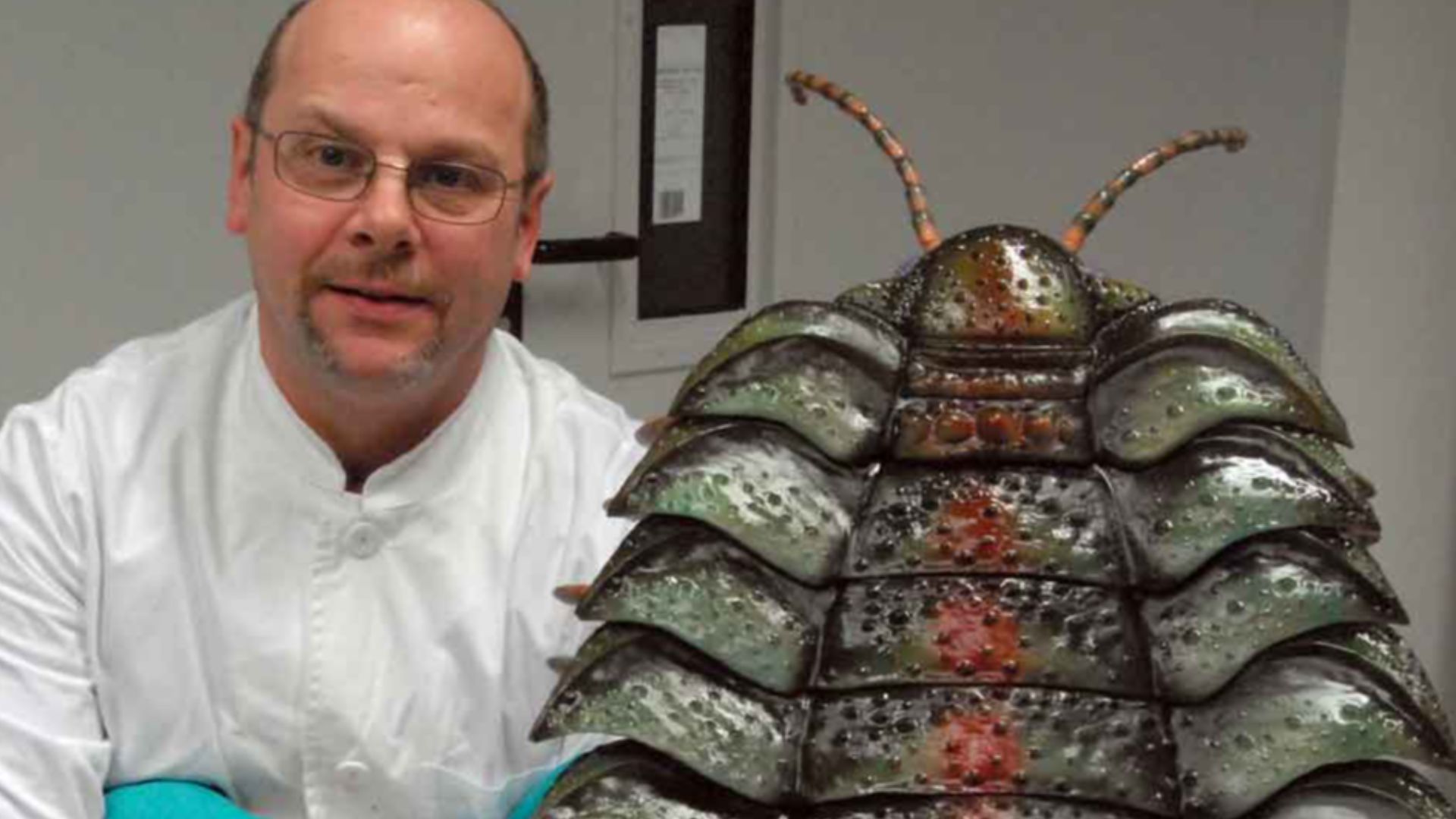
Arthropleura was a gigantic millipede-like arthropod that crawled through ancient forests approximately 300 million years ago. Some specimens suggest that the largest individuals could reach more than eight feet in length, making modern millipedes look considerably less impressive by comparison. Scientists believe it was primarily a plant-eater or detritus feeder, meaning this enormous creature probably wasn't hunting other animals despite its intimidating appearance.
10. Meganeura
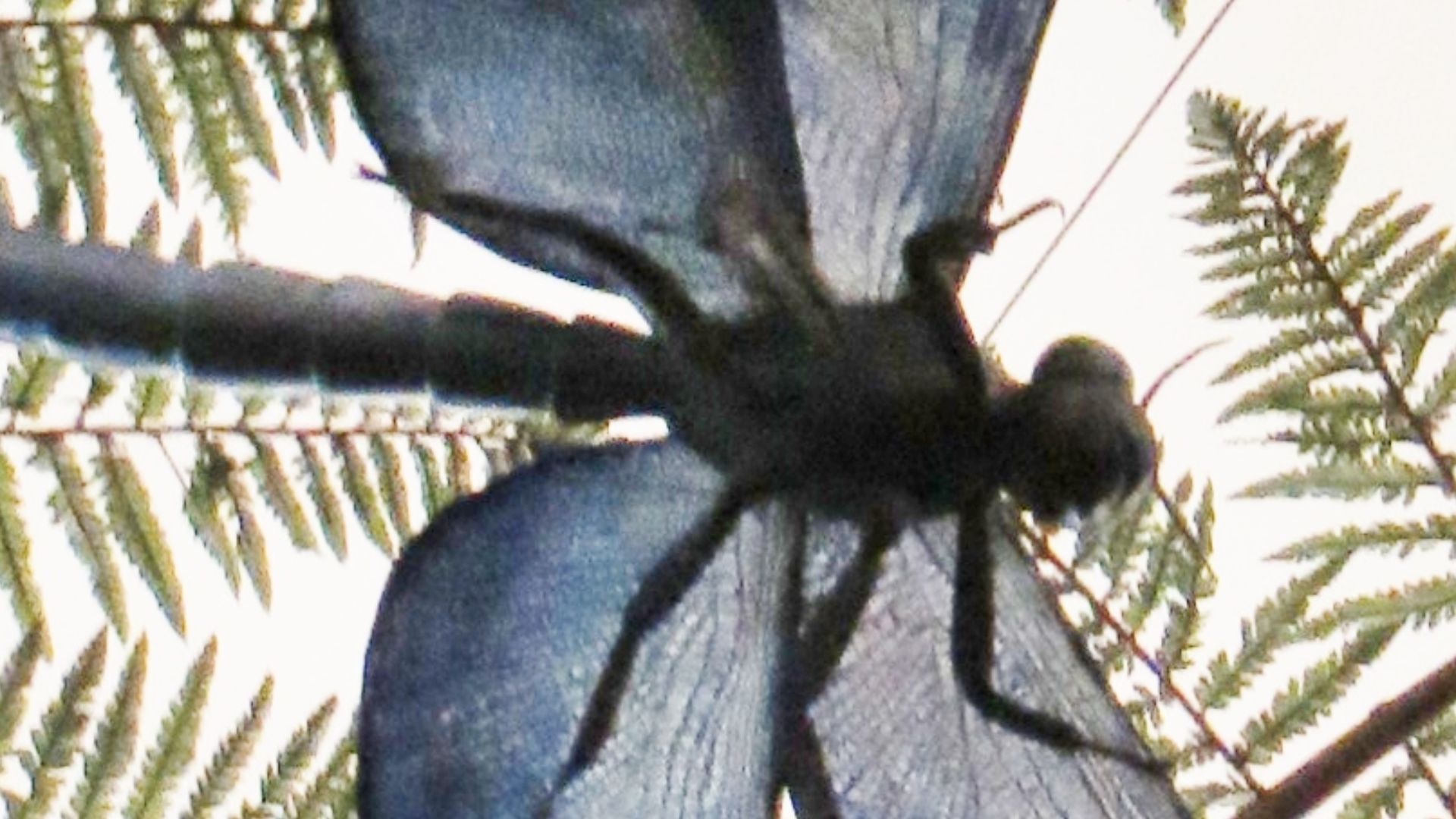
Long before birds and bats took to the skies, enormous flying insects were already inhabiting Earth's prehistoric forests. Meganeura was a griffinfly that lived approximately 300 million years ago and had an impressive wingspan of around two feet. It was a predator that likely hunted other insects, and its size makes it one of the most memorable examples of the enormous arthropods that lived during the Carboniferous period.
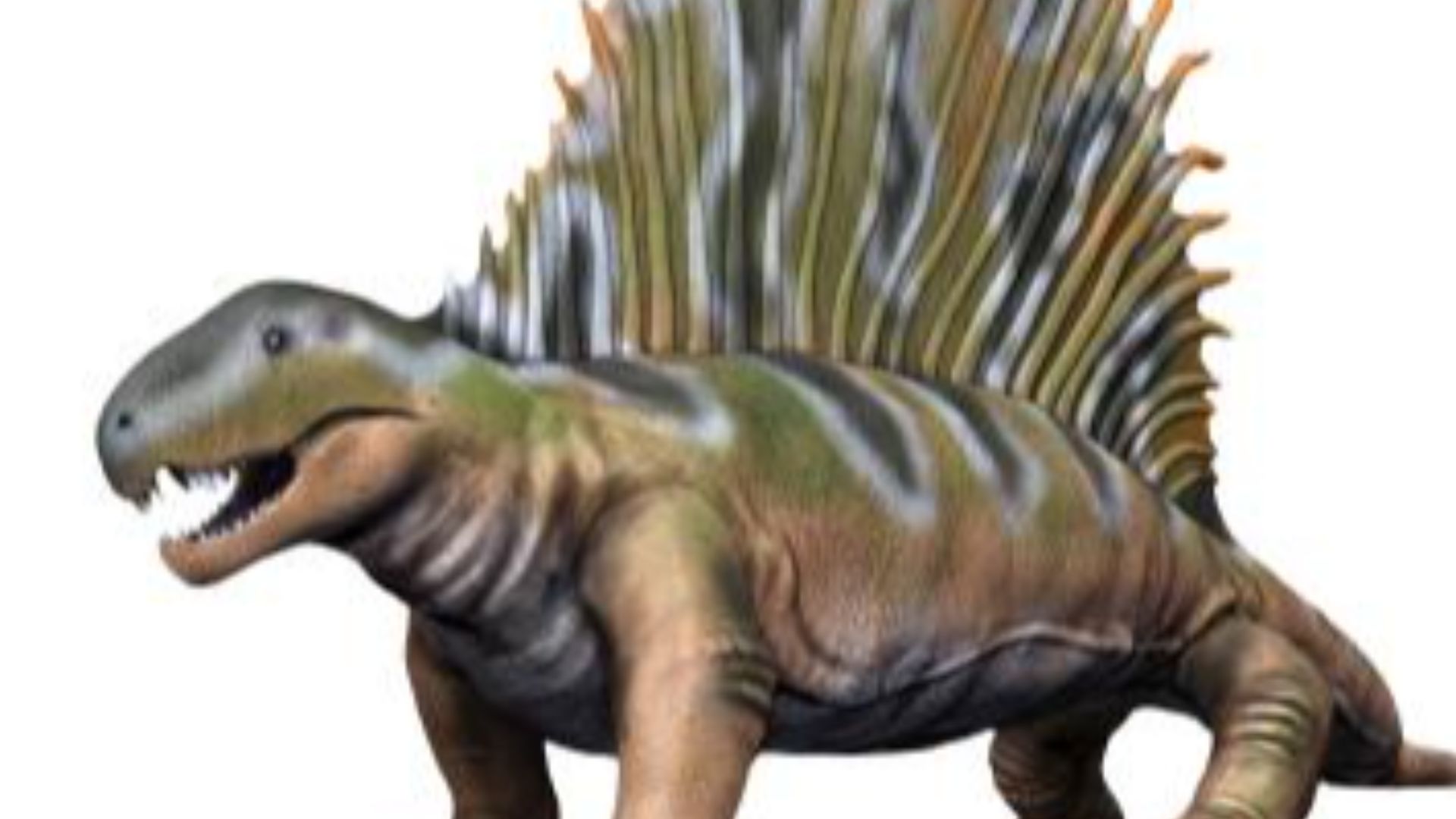
11. Dimetrodon
There were predators roaming the Earth before the dinosaurs arrived, and Dimetrodon was one of them. Dimetrodon lived 295–272 million years ago and had a massive fin coming out of its back. Despite its dinosaur-like appearance, Dimetrodon wasn't actually a dinosaur and was more closely related to the evolutionary group that eventually gave rise to mammals.
12. Edaphosaurus
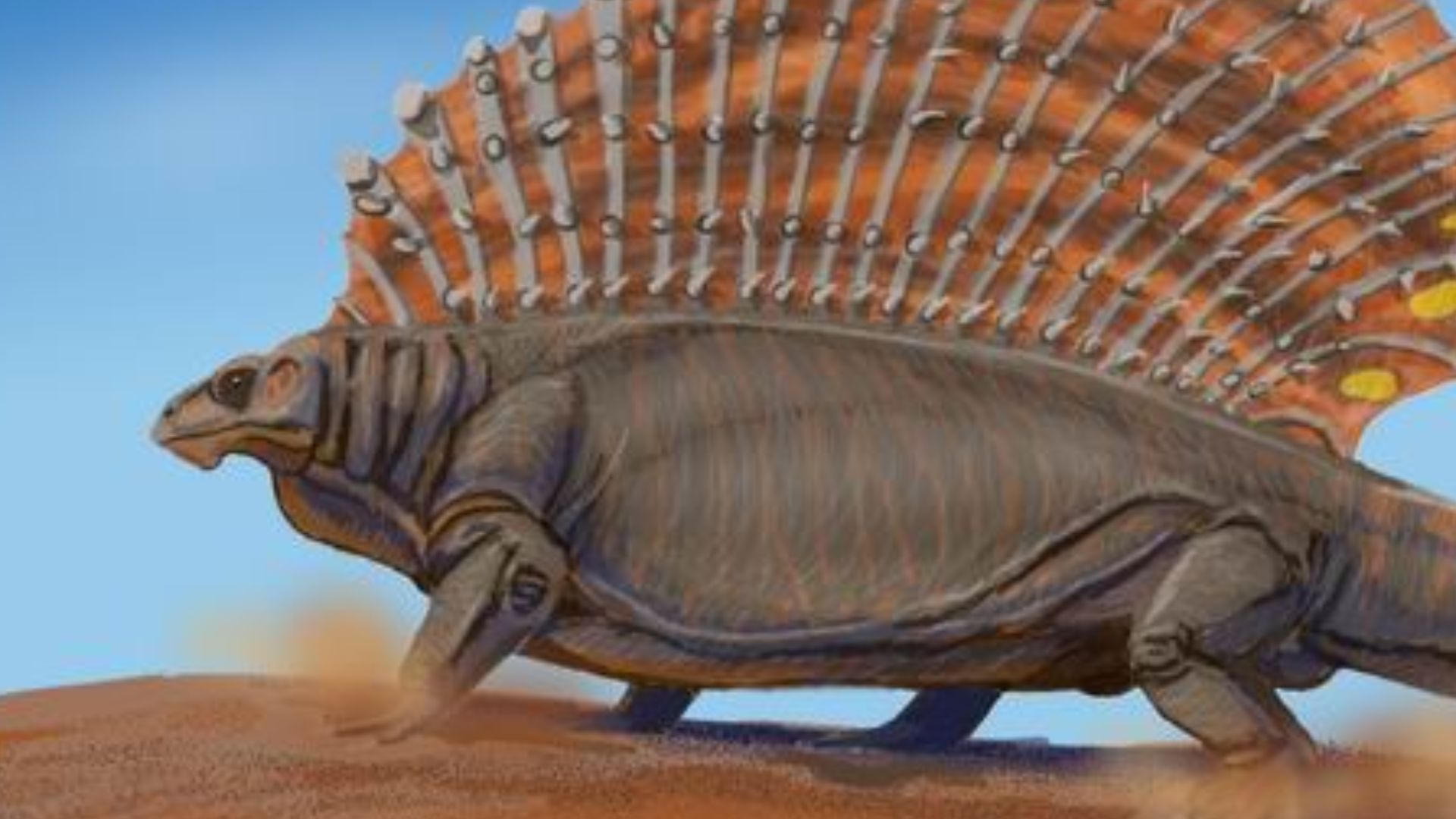
Just because it looked like Dimetrodon doesn't mean it had the same traits. Edaphosaurus lived 295–272 million years ago and was a plant-eater. Its unusual teeth were adapted for processing vegetation, making it one of the more recognizable herbivores of the Permian period.
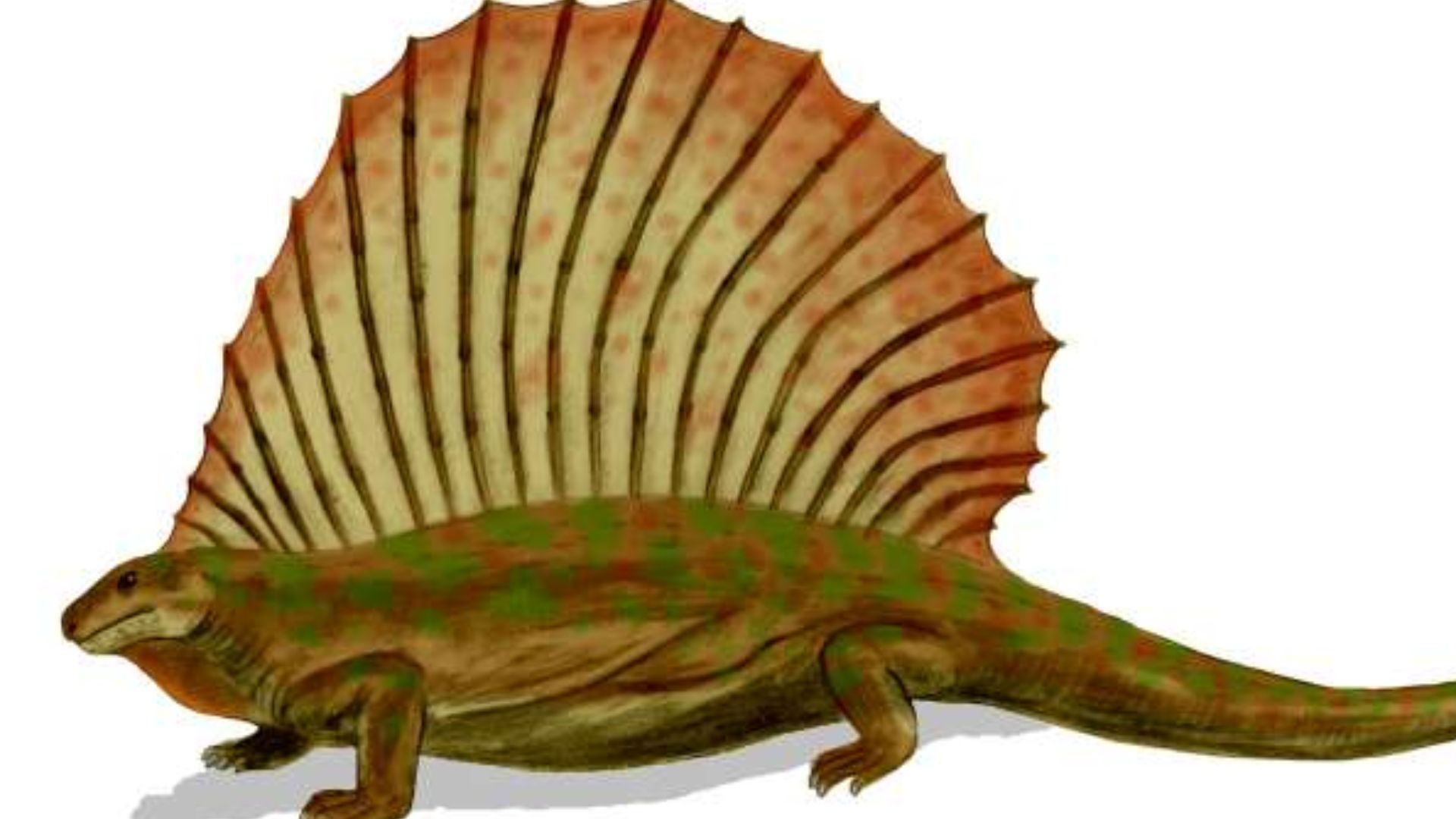 Nobu Tamura (http://spinops.blogspot.com) on Wikimedia
13. Plateosaurus
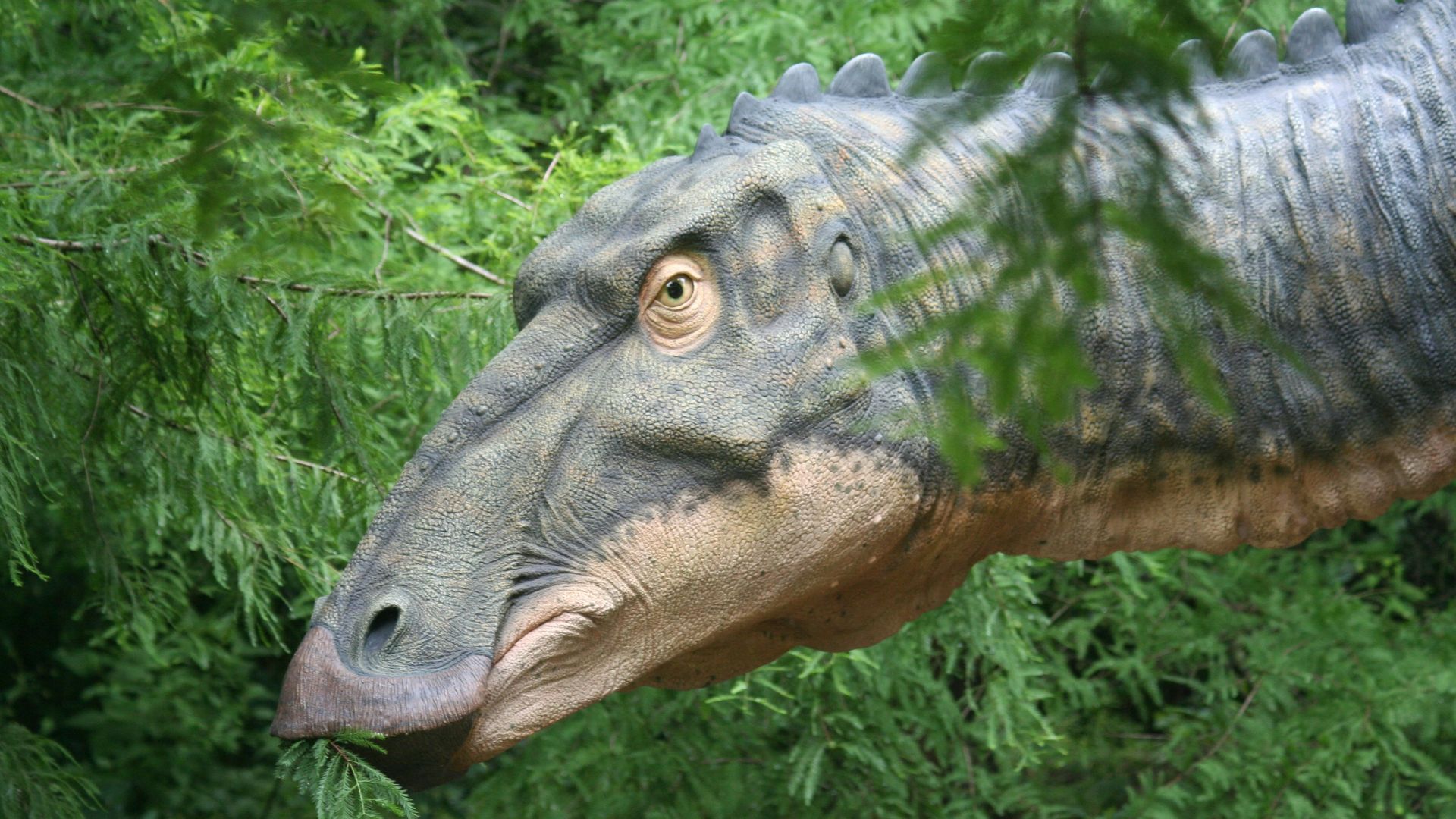
One of the first herbivorous dinosaurs was Plateosaurus, which lived about 214 to 204 million years ago. It could grow up to 25 feet long and was built to walk on either two legs or all fours. Scientists believe it could move on either two or four legs, depending on its activity, giving it some flexibility when reaching vegetation.
14. Stegosaurus
Stegosaurus lived approximately 150 million years ago and is famous for the large bony plates running along its back. This plant-eating dinosaur also had a powerful spiked tail that could help defend it against predators, including Allosaurus. Despite its enormous body, Stegosaurus had a remarkably small brain, and scientists are still investigating the precise purpose of its distinctive back plates.
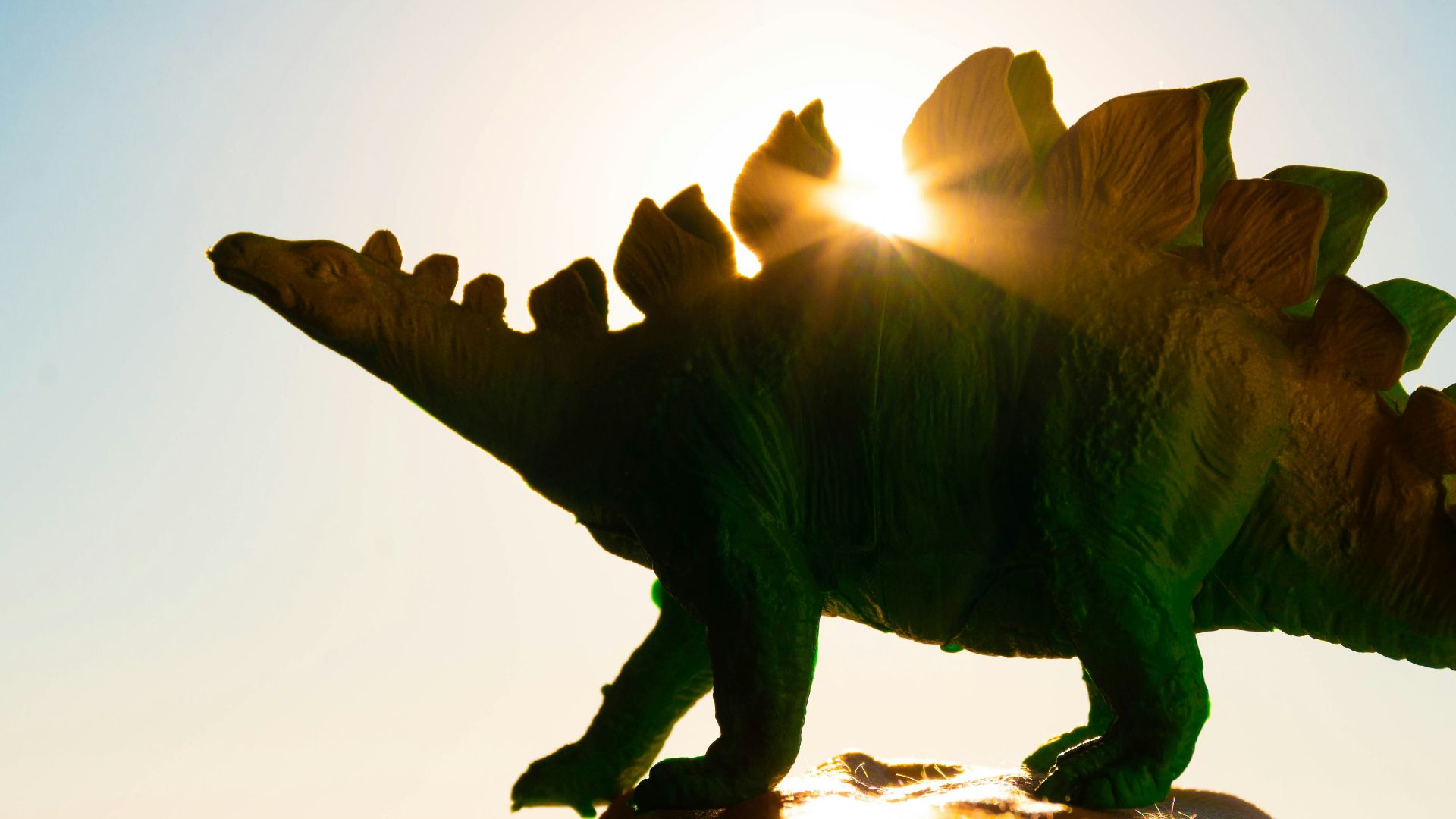 Lucas George Wendt on Unsplash
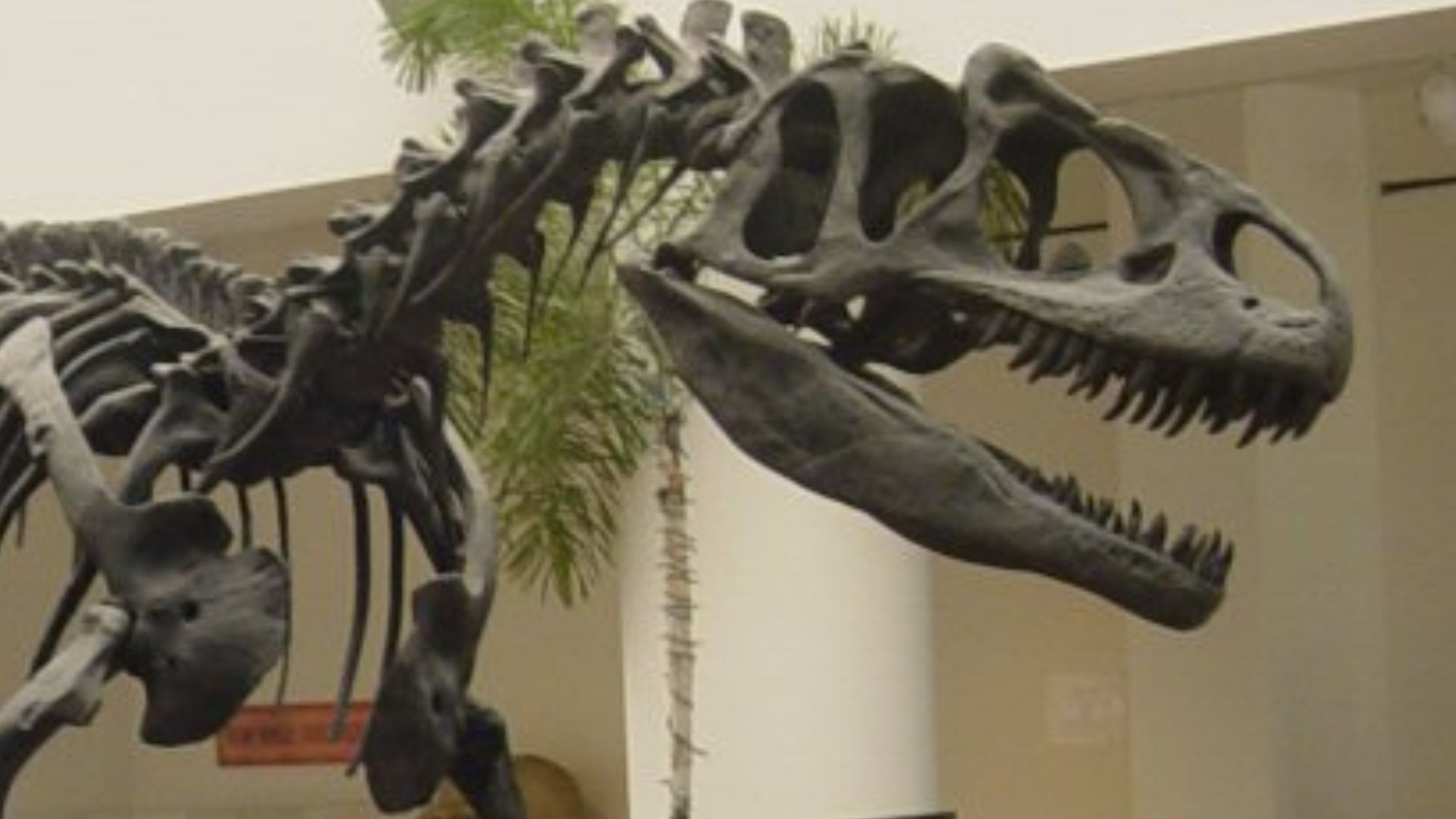
15. Allosaurus
Long before Tyrannosaurus rex became famous, Allosaurus was one of the dominant predators roaming parts of North America. It lived approximately 150 million years ago and could reach lengths of around 30 feet, with powerful jaws, sharp teeth, and short bony crests above its eyes. Fossils suggest it hunted large plant-eating dinosaurs, although exactly how it tackled such enormous prey remains a subject of scientific investigation.
16. Archaeopteryx
Birds used to be dinosaurs, and here's the proof. About 150 million years ago, Archaeopteryx lived on Earth. This creature looked similar to what a bird would look like but still had some traits from its dinosaur ancestors. Its discovery provided important evidence of the evolutionary relationship between birds and dinosaurs, although scientists continue to debate exactly how it moved and how capable it was of powered flight.
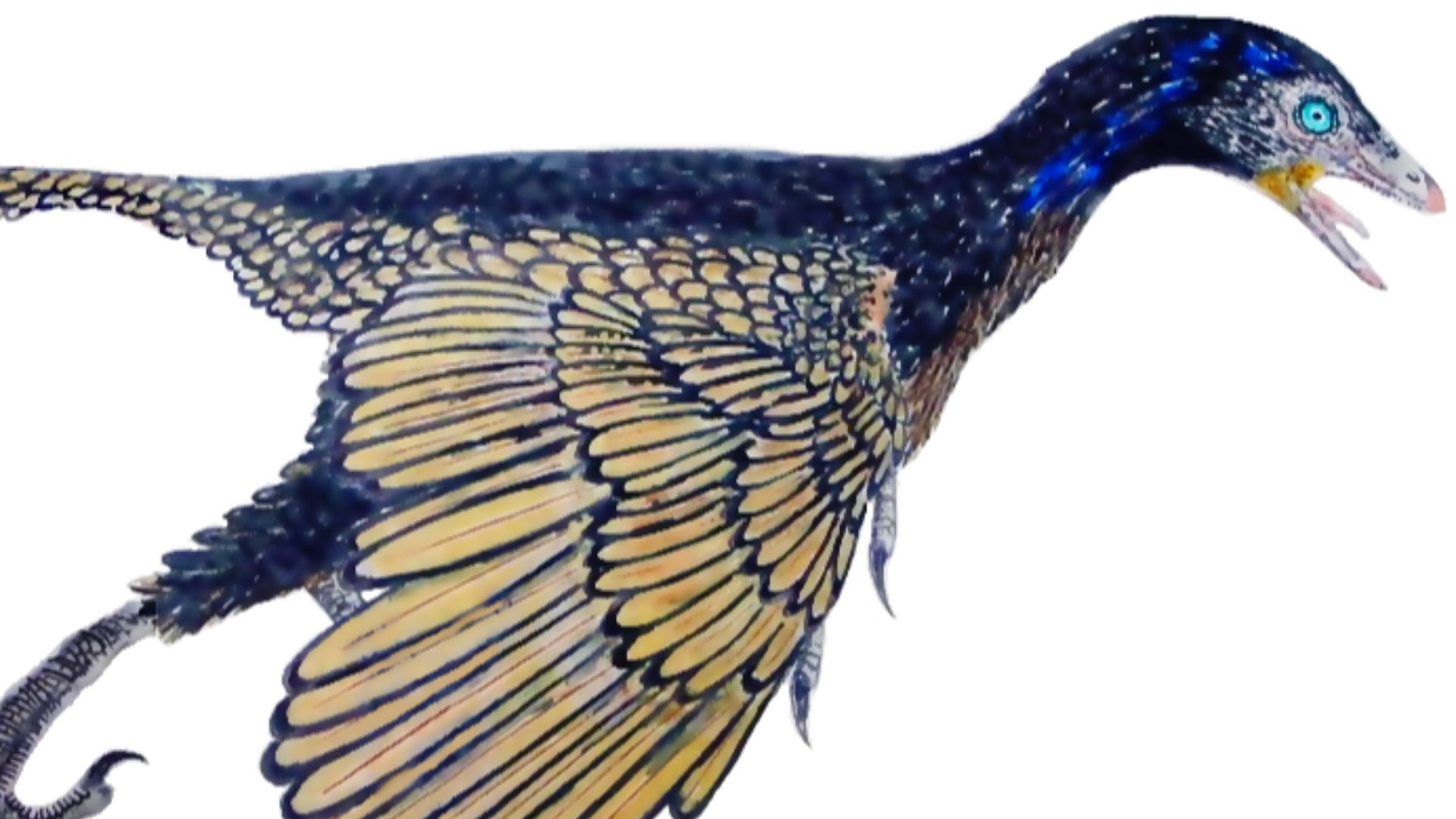 Pedro José Salas Fontelles on Wikimedia
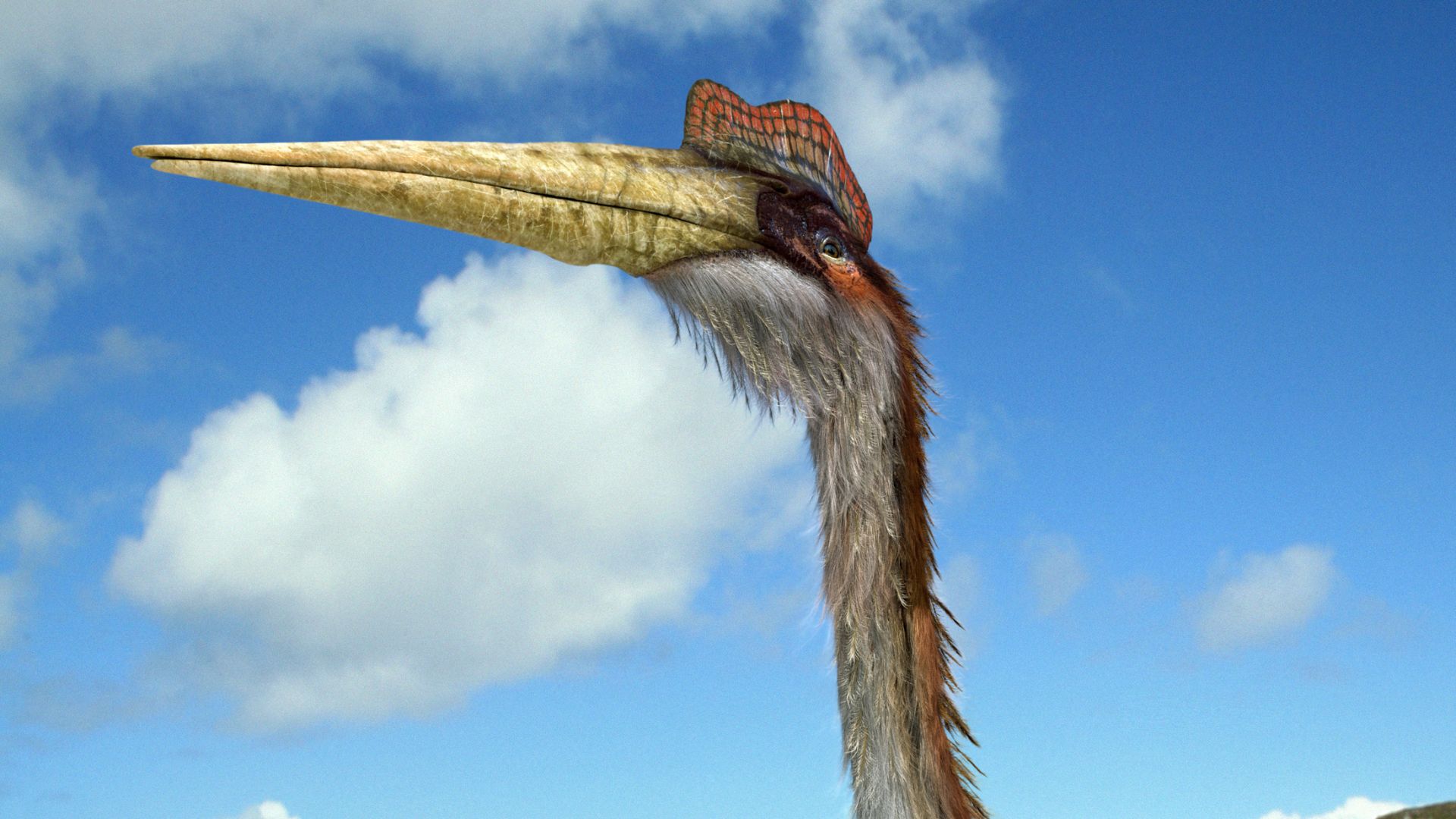
17. Quetzalcoatlus
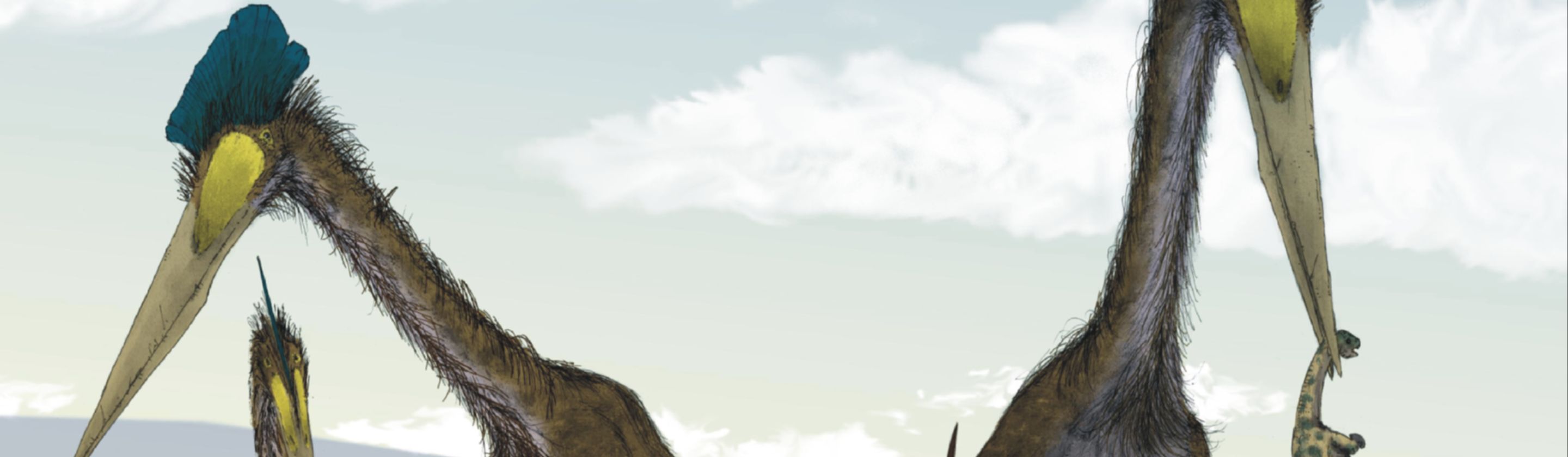
Quetzalcoatlus was an enormous flying reptile that lived near the end of the Cretaceous period, approximately 68 to 66 million years ago. Its wingspan may have reached around 36 feet, making it one of the largest known flying animals in Earth's history. Despite its impressive wings, it wasn't a dinosaur but belonged to a separate group of reptiles called pterosaurs, which had already been flying for millions of years before it appeared.
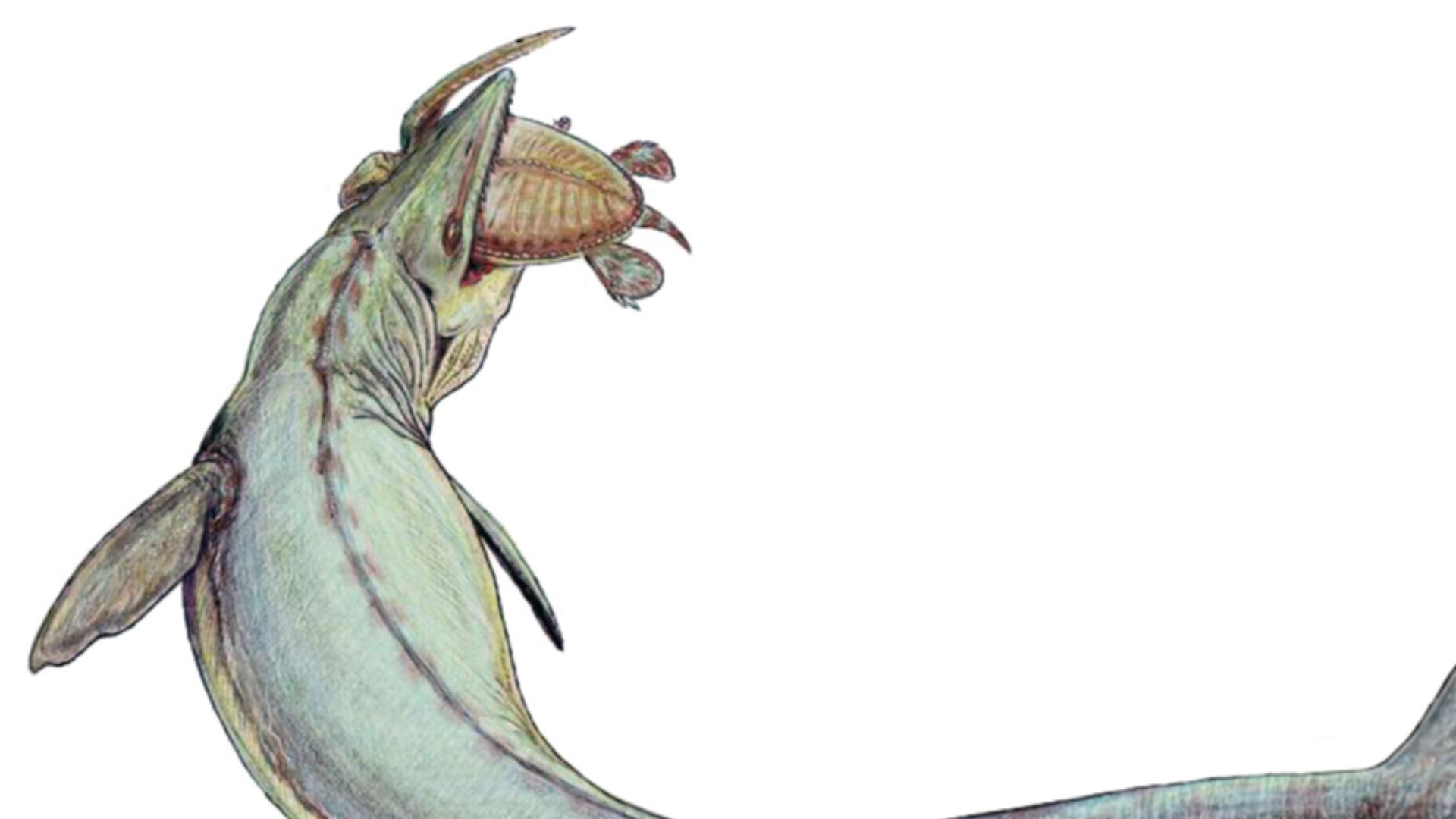
18. Mosasaurus
Mosasaurus ruled the oceans for millions of years until the asteroid impact that contributed to the mass extinction at the end of the Cretaceous period. Some species grew over 50 feet long and lived about 82 to 66 million years ago. They had long bodies, paddle-like limbs, powerful tails, and jaws capable of swallowing substantial prey, making them among the dominant predators of their marine environments.
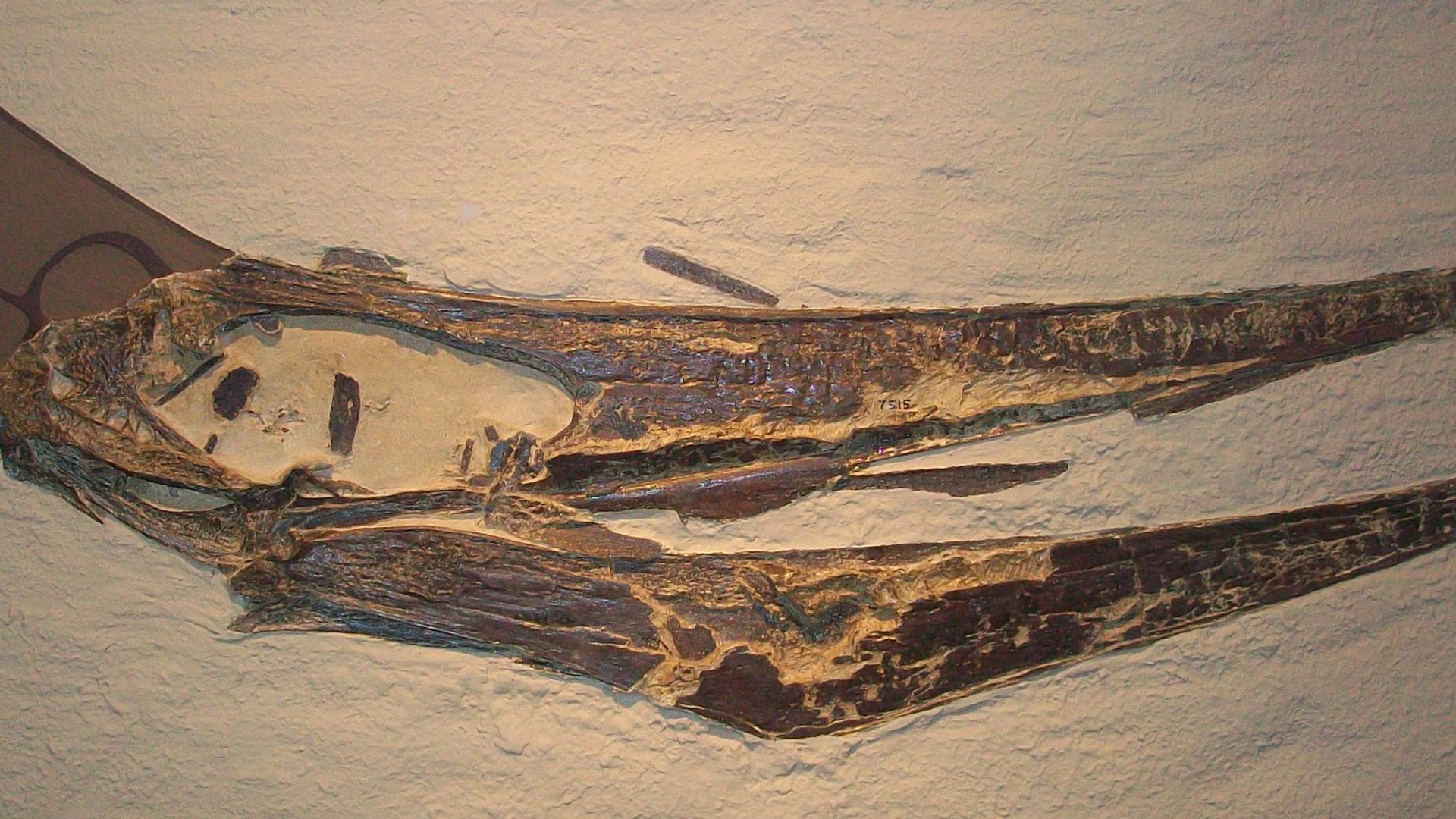
19. Pteranodon
About 86 to 84 million years ago, Pteranodon took flight over North America. It had a large wingspan that measured about 20 feet. Scientists believe it likely caught fish while flying over the water, much like some modern seabirds.
20. Triceratops
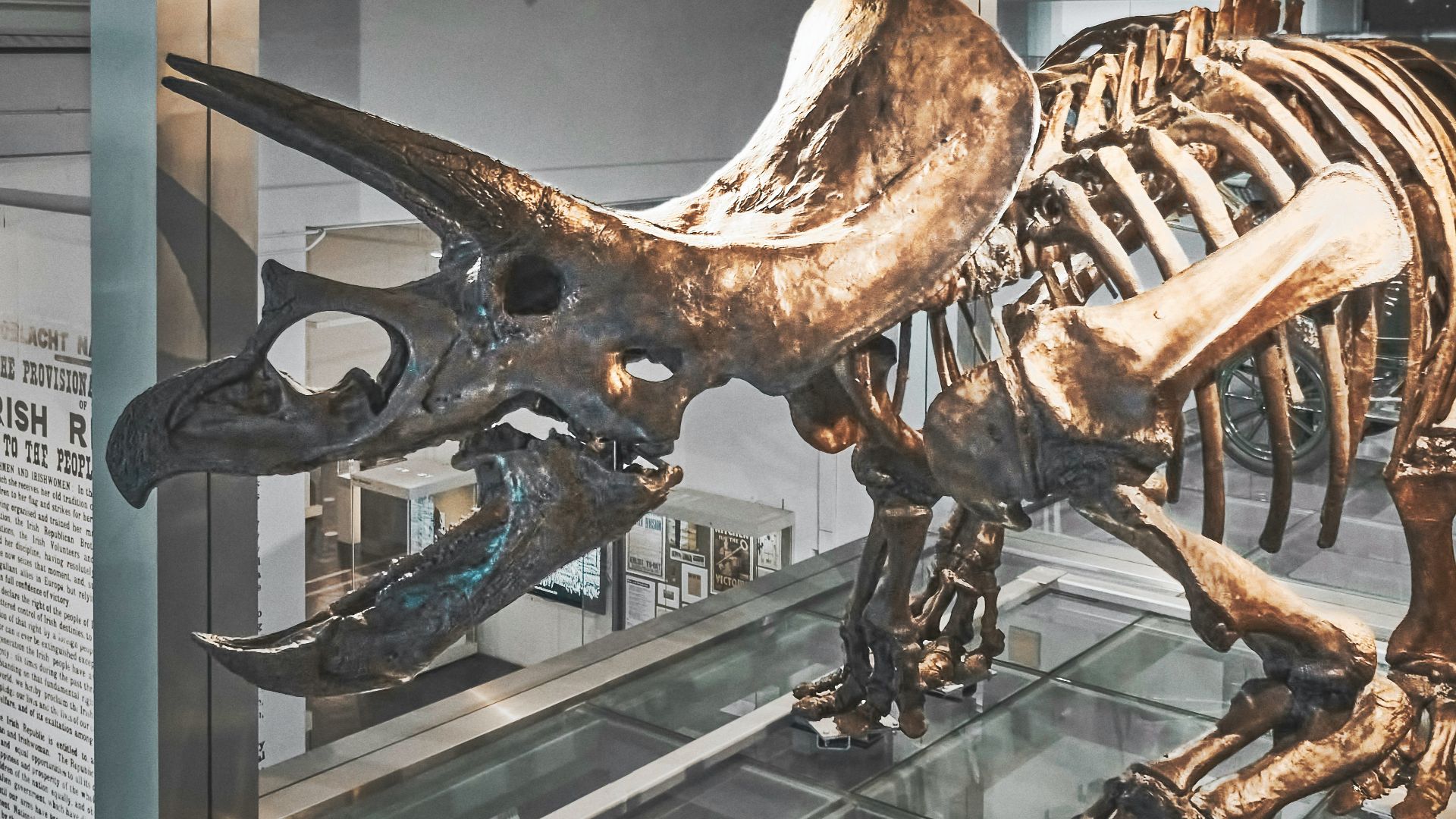
Triceratops lived approximately 68 to 66 million years ago, making it one of the dinosaurs that existed relatively close to the extinction event that ended the reign of non-avian dinosaurs. It had three prominent facial horns, a large bony frill, and a powerful beak that helped it feed on vegetation. Its fossils are frequently discovered alongside those of Tyrannosaurus rex, and the two animals likely shared some of the same North American habitats.