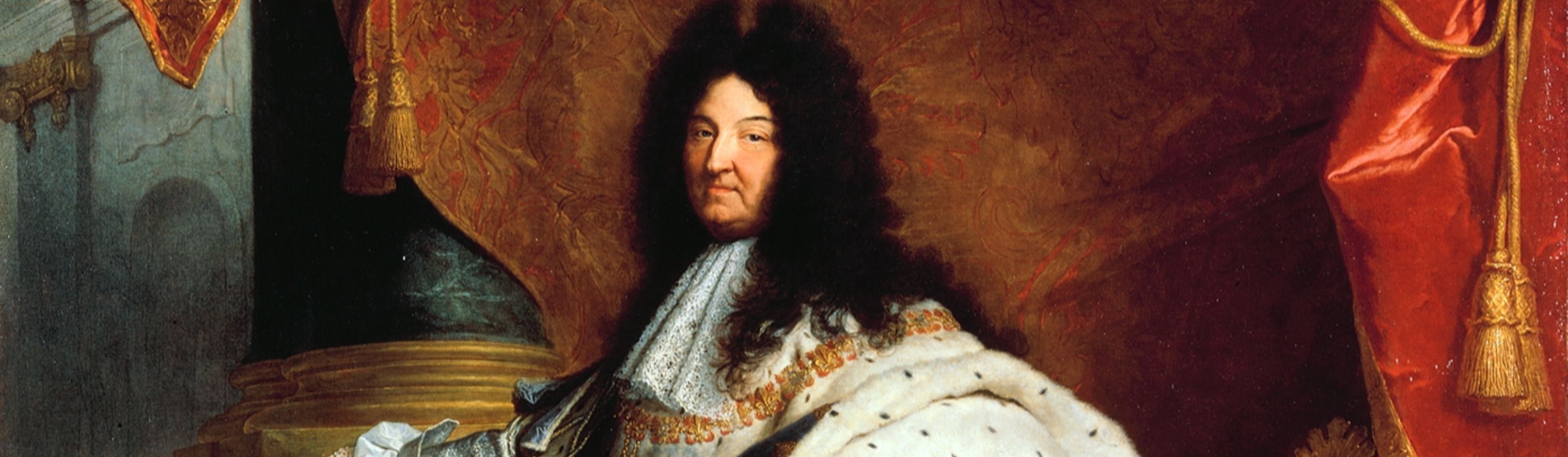


Names That Time Has Left Behind
Ancient Greece gave the world some remarkably memorable names, many of which are still recognizable thousands of years later. While names like Alexander, Helen, and Sophia have remained popular across generations, countless others have gradually disappeared from everyday use. Some were once associated with mythology, influential families, or important historical figures, while others were ordinary names given to people living in ancient Greek cities.
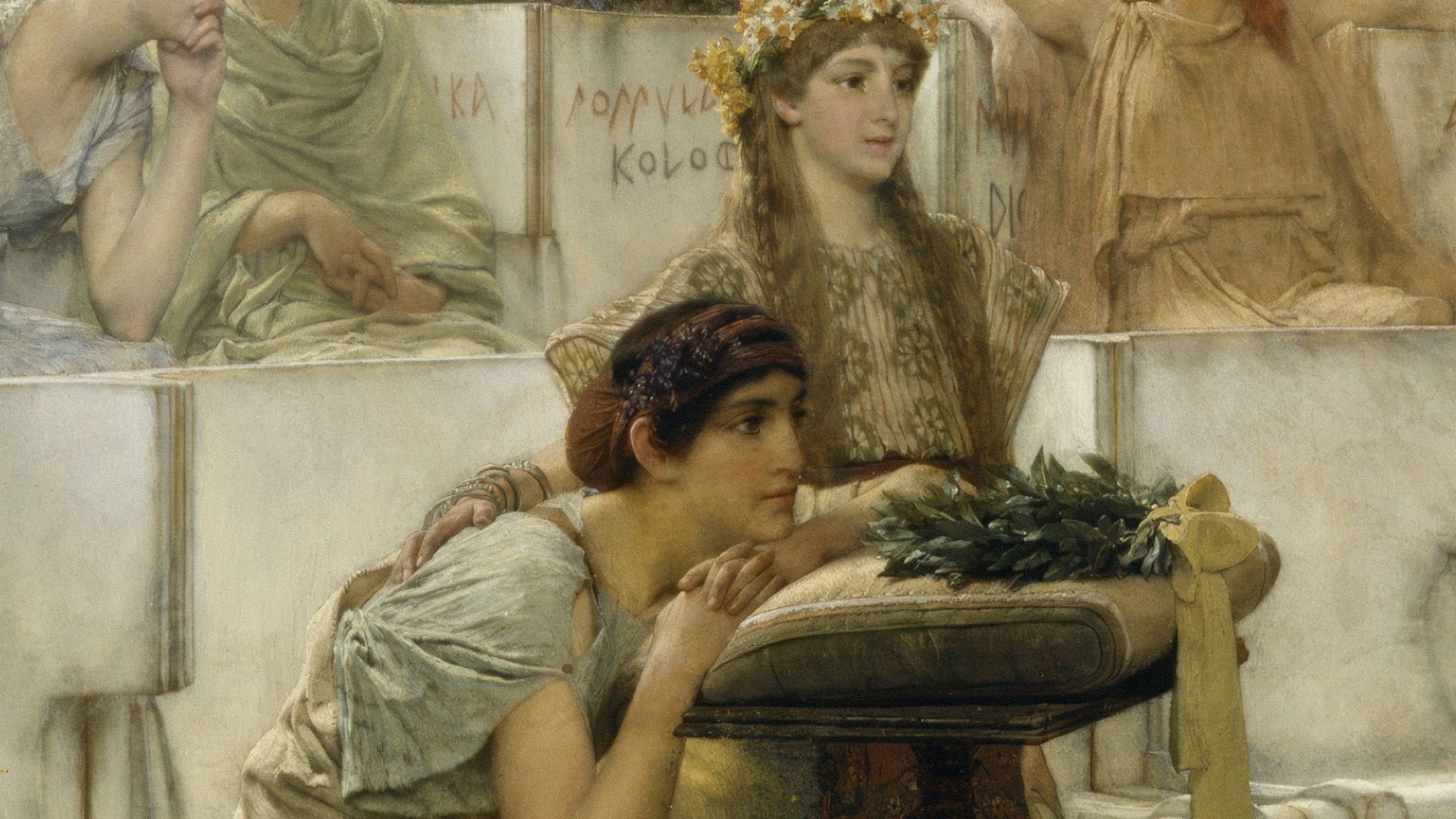 The Walters Art Museum on Unsplash
1. Aischra
Aischra is one of the more unusual names recorded in ancient Greek inscriptions, and it certainly wasn't a conventional choice. It appears to have been derived from the Greek adjective aischros, meaning shameful or ugly, making it an especially surprising name by modern standards. Historical research has identified only around a dozen examples across the ancient Greek world, suggesting that it was never particularly widespread.
 Gabriella Clare Marino on Unsplash
2. Chrysopolis
This ancient Greek name comes from a word meaning golden city. More commonly, this word is used as a place name, but we can find it in ancient Byzantium being used as a female name. It belongs to a small group of ancient names derived from words associated with gold, including Chrysa and Chryse.
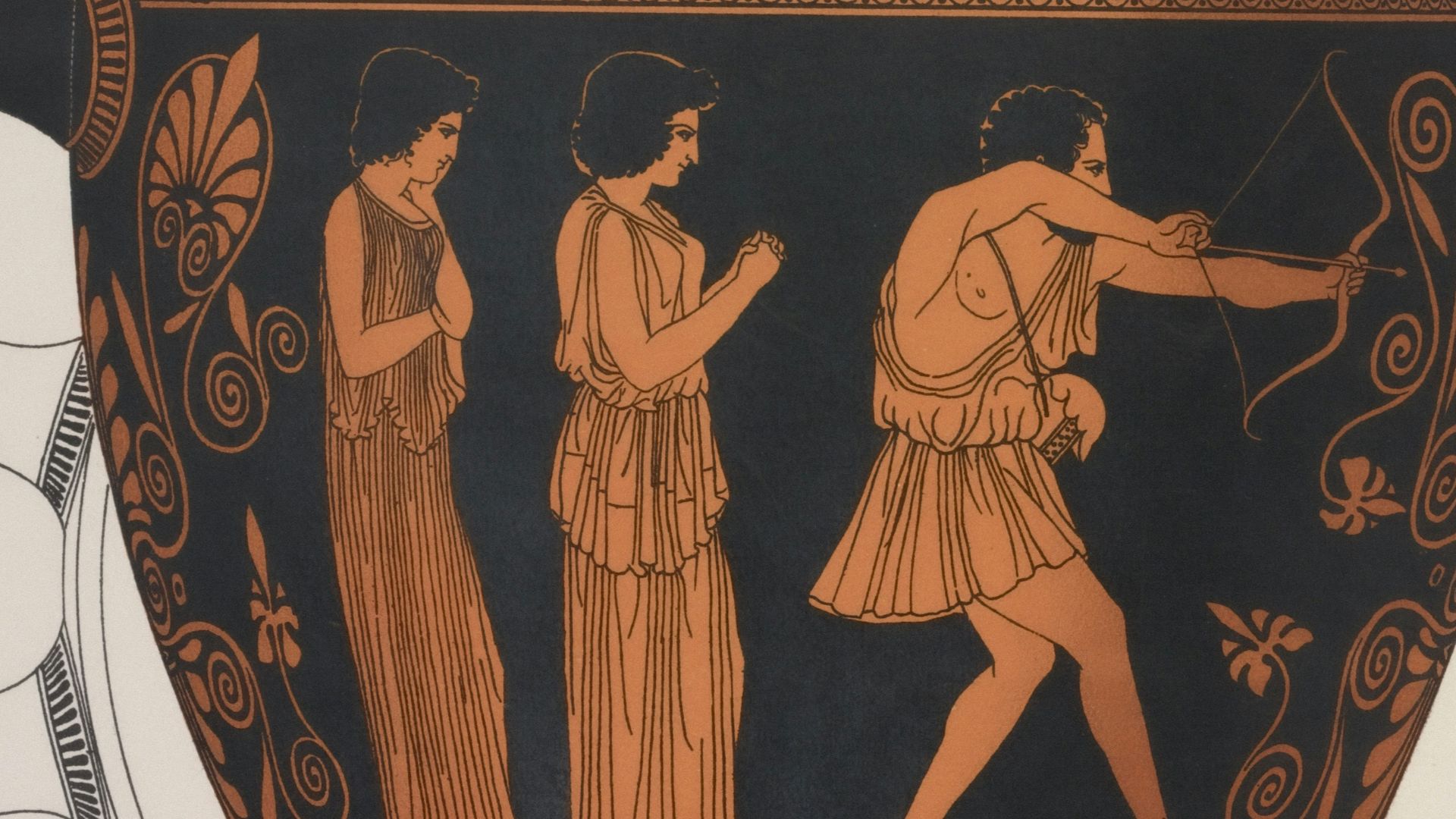 The New York Public Library on Unsplash
3. Parmeniska
Another female name we can find mentioned in Byzantium is Parmeniska. Like many names on this list, the male version of Parmeniska was Parmeniskos.
The name is an interesting reminder that ancient Greek naming conventions included plenty of distinctive variations that haven't survived in everyday naming traditions.
4. Parmeniskos
As stated above, Parmeniskos is the male version of Parmeniska. Like its female counterpart, it's another name you probably won't hear. We know of one person who had this name from the second century B.C., so this name wasn't just found in mythology. We don't know if these two were related, though.
5. Titha
Titha was yet another name from Byzantium. Only two examples have been recorded, and its true meaning is not completely clear to us. But we know, once again, that there are tons of unusual names in ancient Greece.
6. Athenophilos
This name was formed by using Athens' patron goddess, Athena, and adding the Greek word for love or friendship, which is philos. As with many names we can find listed in Babylon, this was one of them. Not too many people kept this name alive after it fell out of use.
7. Menophilos
One of the more common endings to many names in Greece was the word philos, which again translates to love or friendship. This name was also formed using the word meno, which translates to spirit.

8. Isitheos
Yet another strange name we can find is Isitheos.
Just like some names we saw above, it was formed using theos, which means God. Once again, we can find many examples of Gods being used in people's names. We just don't use Isitheos today.
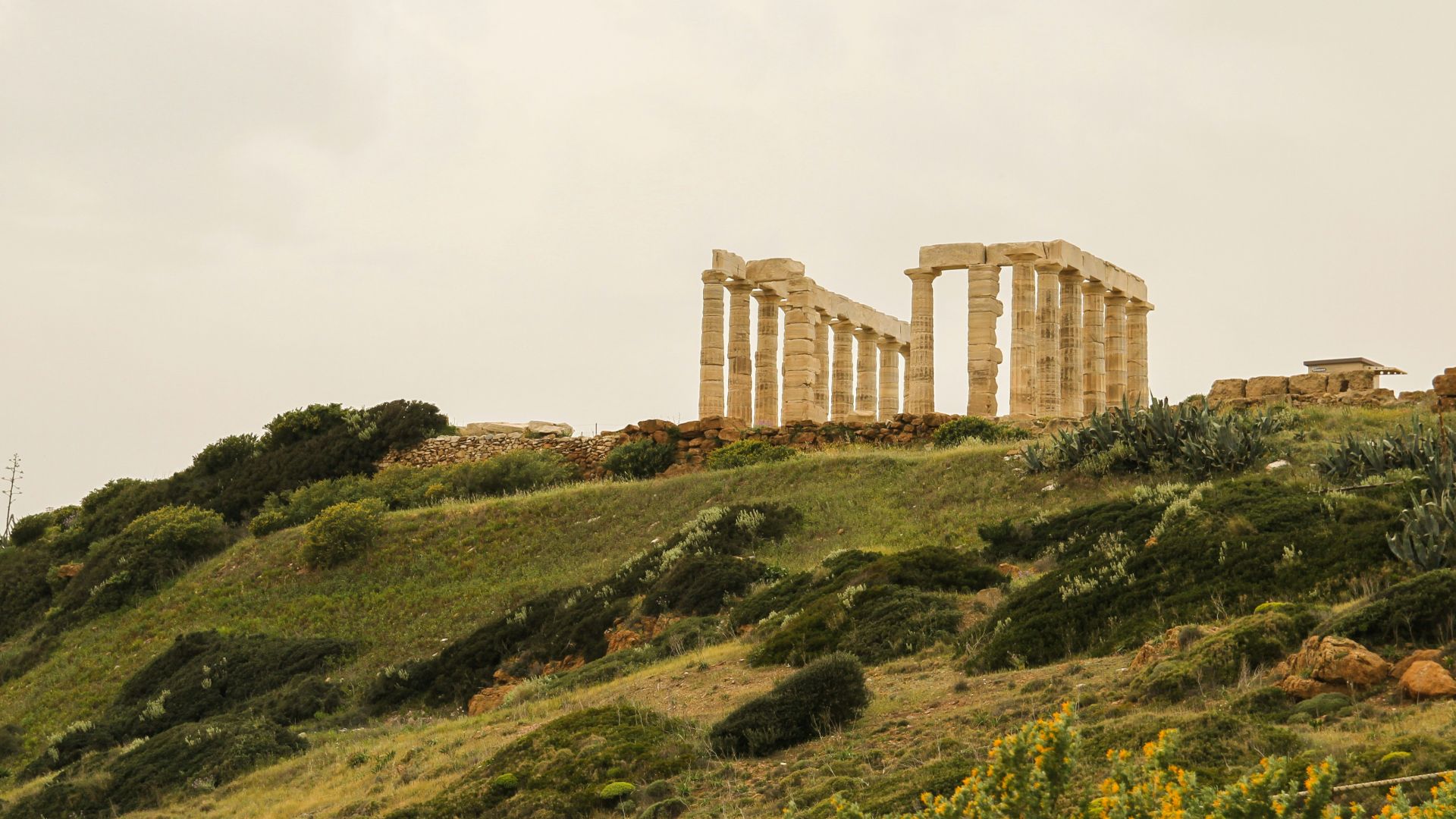 Black Iris Visuals on Unsplash
9. Theoboulos
Theoboulos combines theos, meaning god, with boule, a word associated with counsel or deliberation. The name therefore carries a religious meaning connected with divine counsel or guidance. It was among the Greek names documented in ancient Babylonian records, but it has largely disappeared from everyday naming traditions.
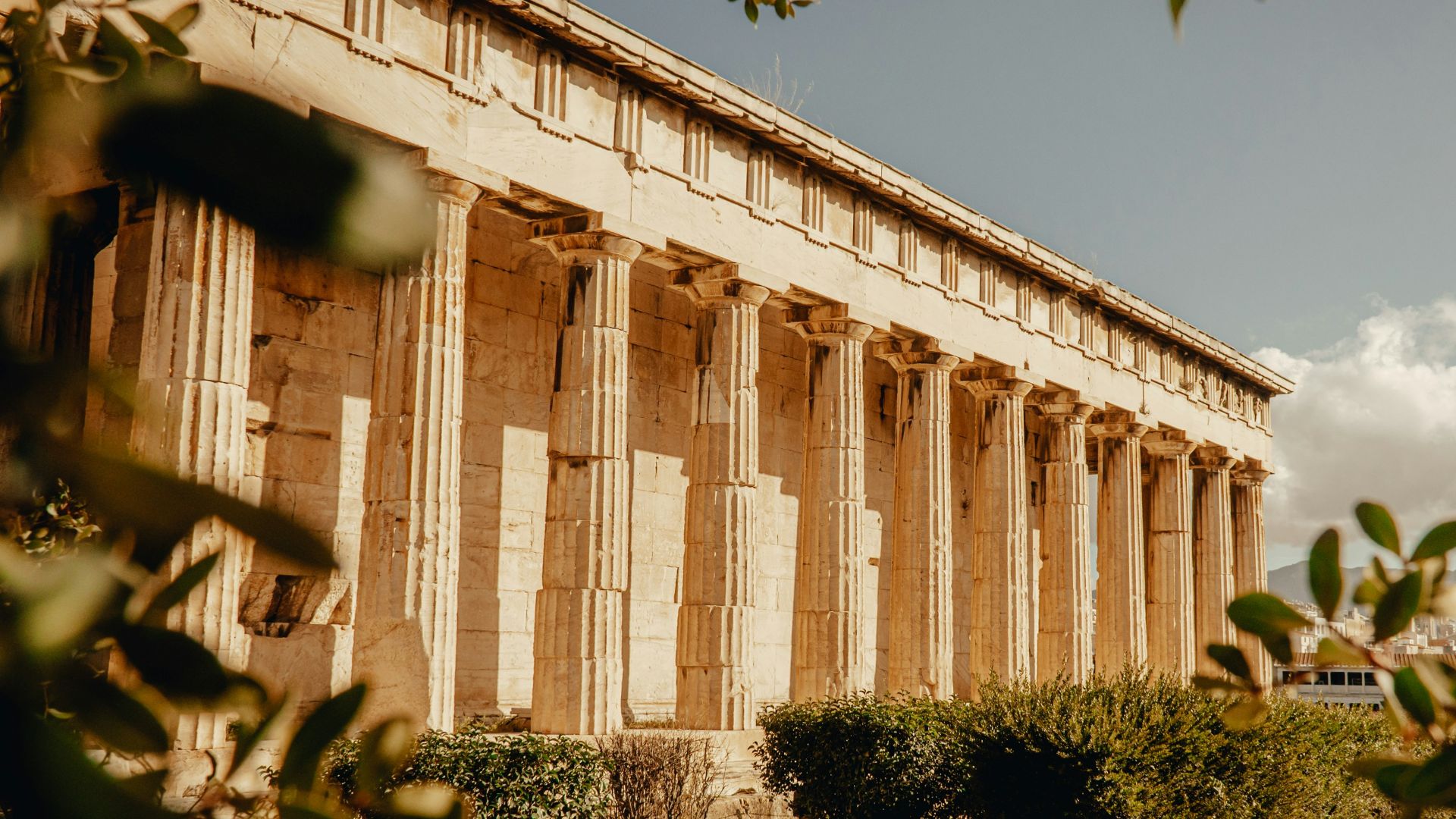
10. Theomeles
Theo is used once again in this name, but it can also mean limb or member. We're unsure of the true meaning of this person's name, but it was used at some point in time. Theodore is a common name nowadays, but not this one.
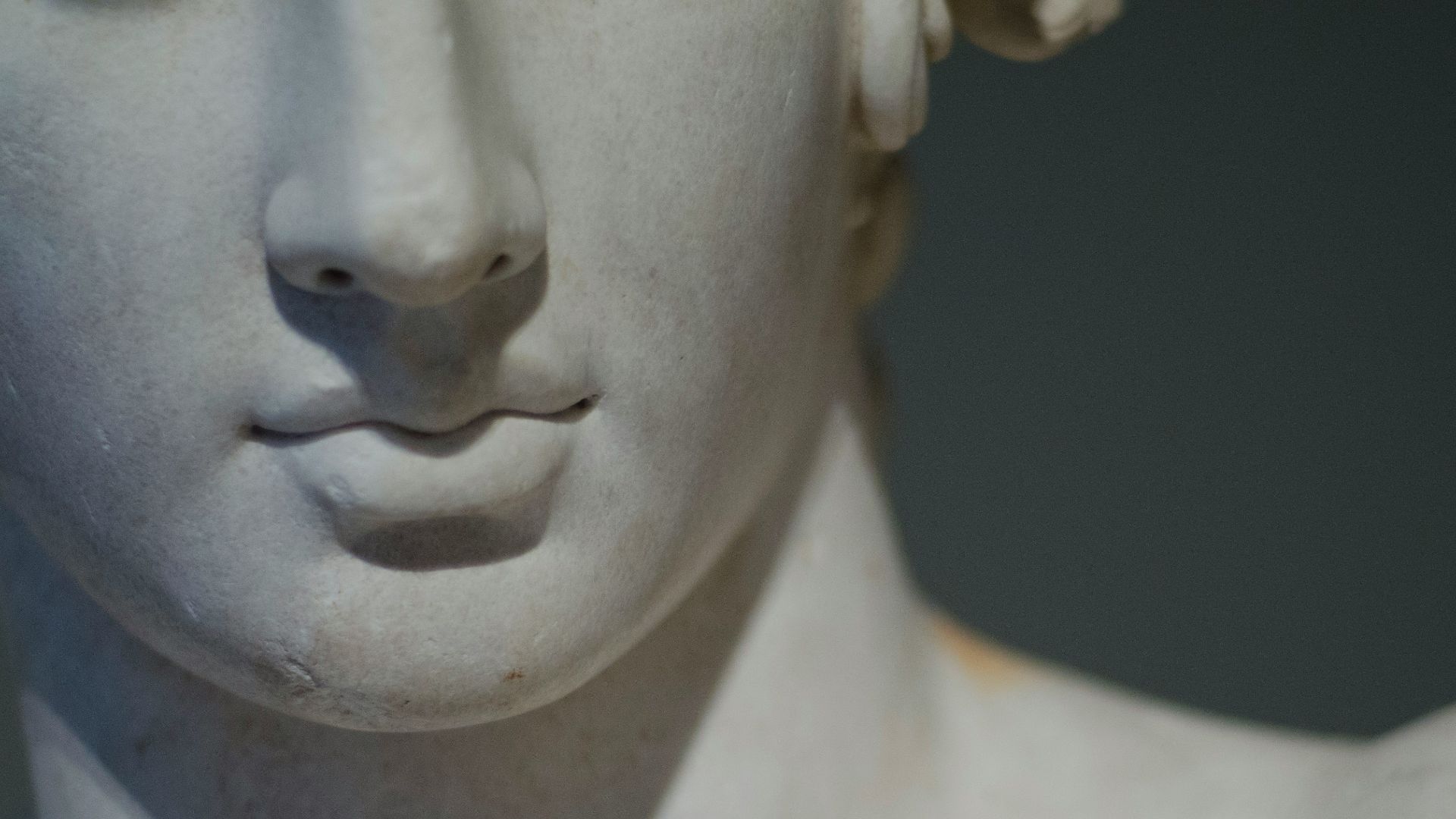
11. Nikarchos
Nike, meaning victory, and archos, meaning king or ruler, make up the name Nikarchos. It's another one of those names that you don't often see people naming their babies today. There are many names we can find that started with Nike, but not this one.
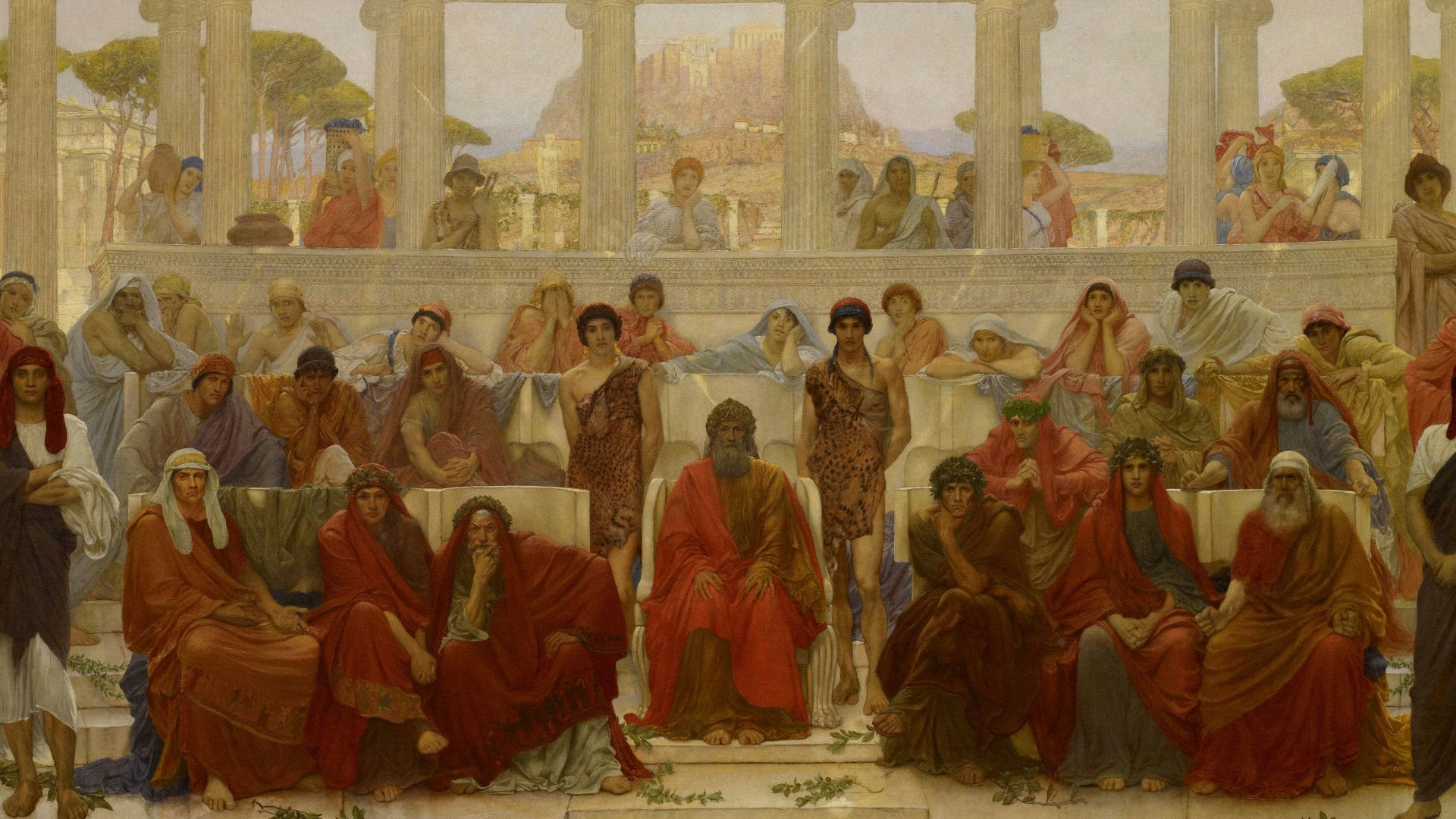 Birmingham Museums Trust on Unsplash
12. Nikeratos
Nik also means victory, while kratos means power. We can assume this person had power in battle and was victorious. Many modern-day names started with Nike, but this name has been forgotten.
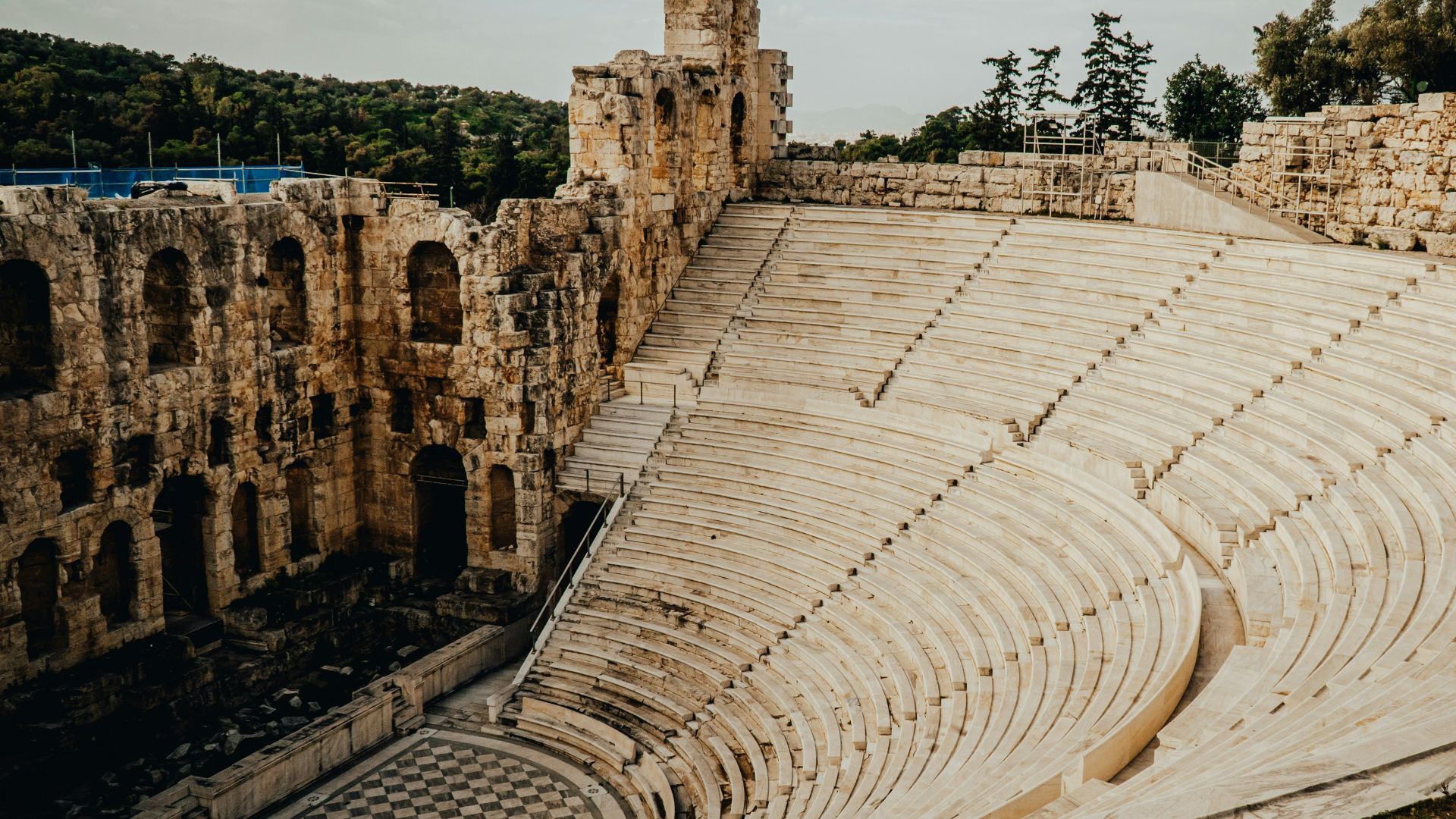
13. Alexippos
Alexippos combines the Greek element alexein, meaning to defend or protect, with hippos, meaning horse. Horses were important in ancient Greek society, particularly among wealthy families and those involved in warfare and cavalry. The name appears in ancient Greek records, but it hasn't enjoyed the continued popularity of related names such as Alexander or Philip.
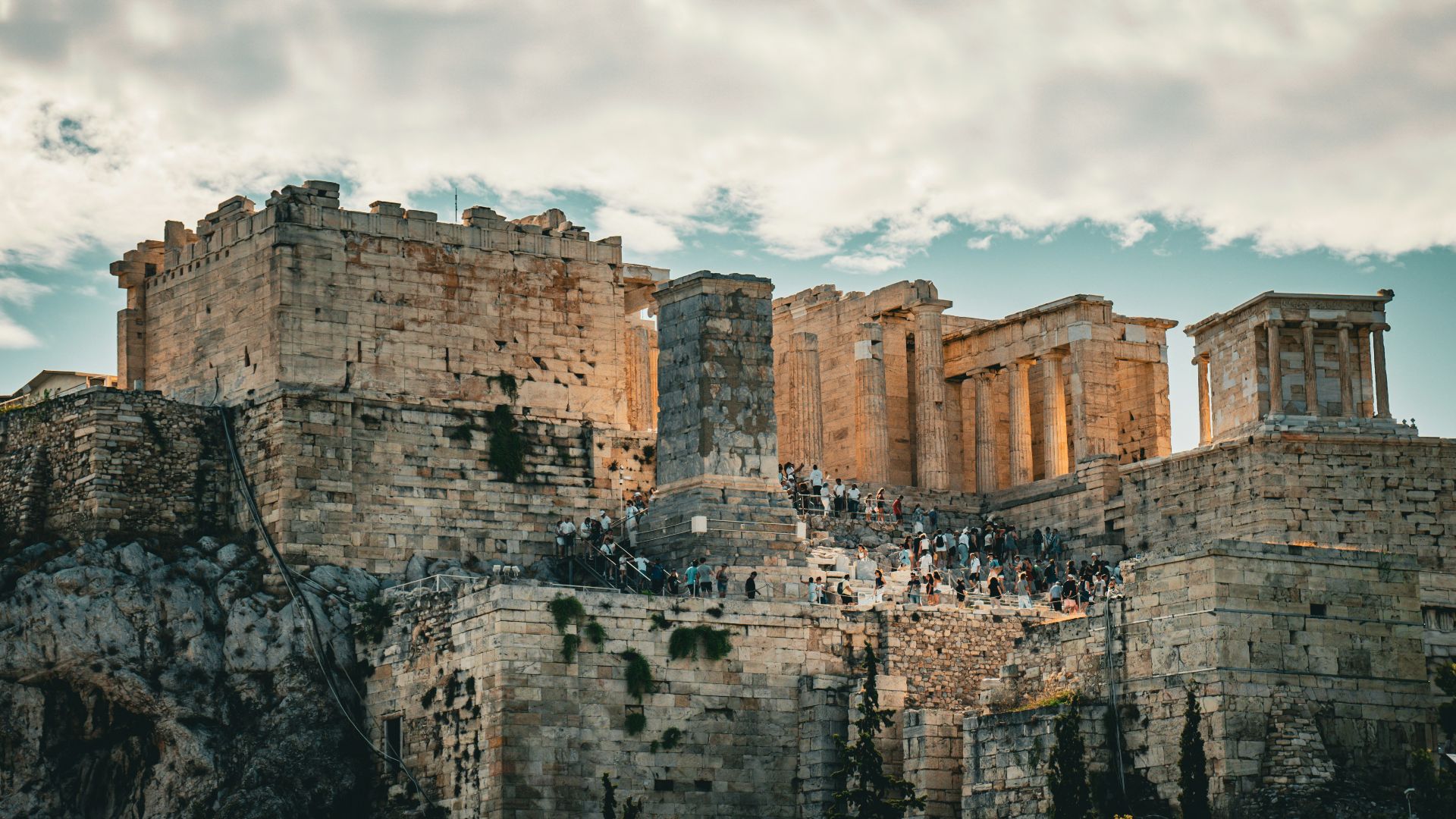
14. Hipponikos
Another name with Hippo in it (which means horse). If you want to learn more about why Greeks loved horses, you should look up more information on the subject. We don't use this name anymore, but we know of its existence.
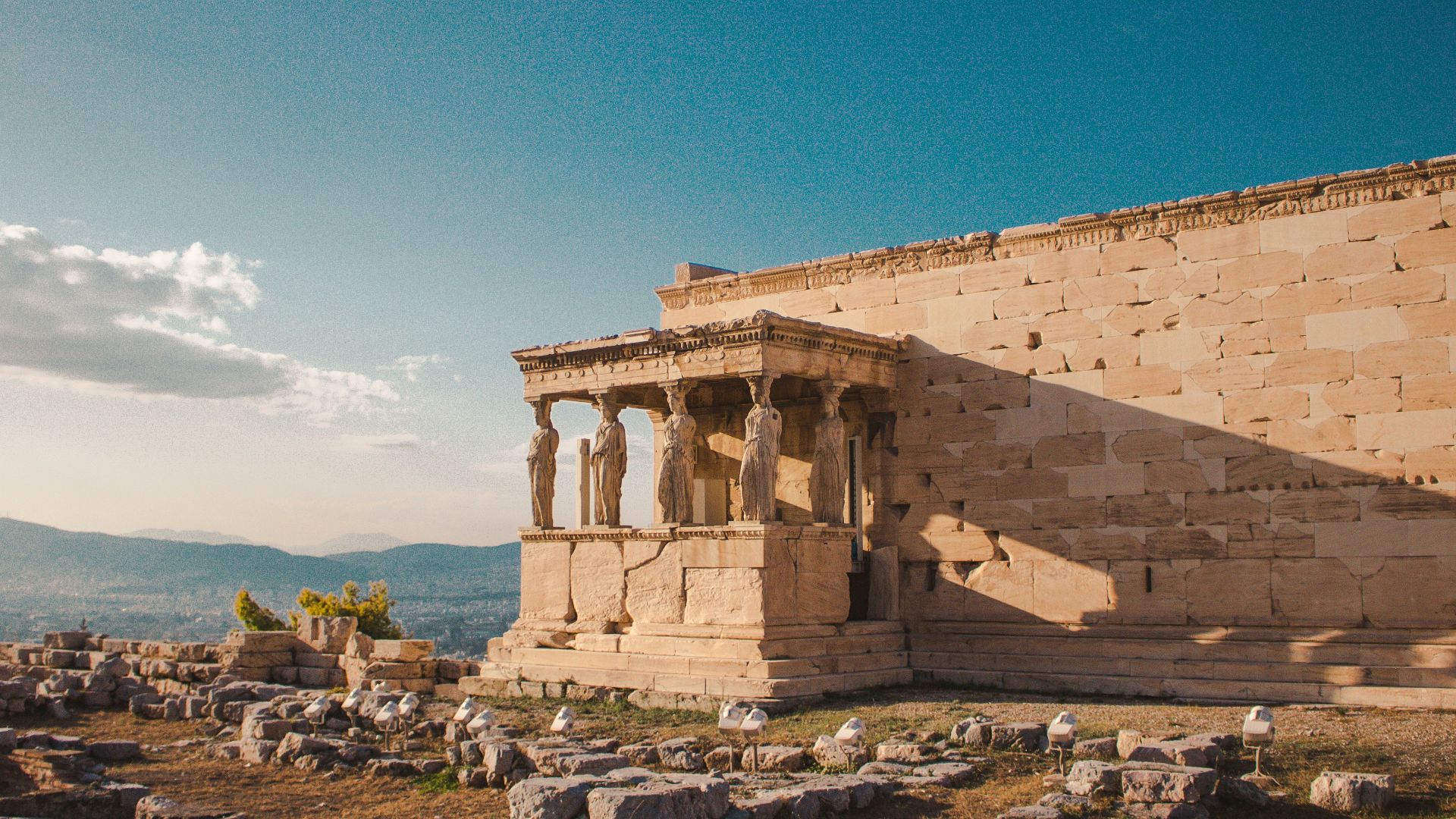
15. Sōsandros
People were saved by the name Sōsandros. Once again, this was a Greek name that was listed in Babylon. We can't remember everyone's name, but we can find some of them through old writings and records.
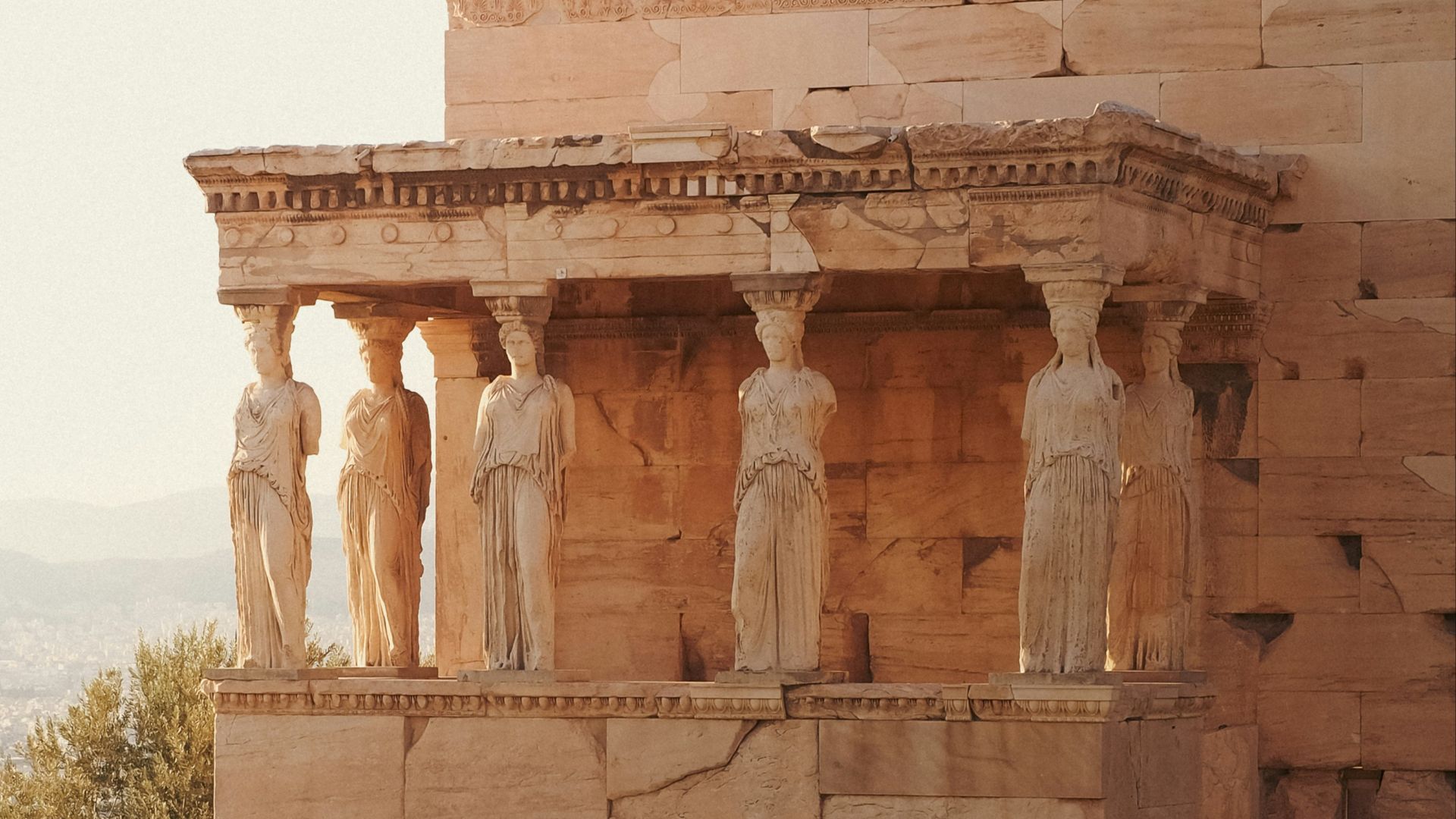
16. Aristeus
This name is derived from aristos, meaning best. There are many great names we know today that came from the same root as Aristotle, such as Aristides and Aristotle. Though we know of this name, it has been used little in recent years.
17. Diokles
Diokles is an ancient Greek masculine name formed from Dios, referring to Zeus, and kleos, meaning glory or fame. It was part of a wider tradition of names connecting individuals with divine favor, honor, and reputation.
While Zeus remains one of the most recognizable figures from Greek mythology, this particular name hasn't retained the popularity of other Zeus-related names.
18. Patrokles
You may know Patrocles from the Trojan War. Similar to other names above, we can assume they're all related. However, we don't know many people who know the name Patrokles. The name was recorded in ancient naming traditions, but the alternative form Patrokles is considerably less familiar today than the mythological figure's more widely recognized name.
19. Antigenes
Antigenes is a Greek masculine name combining anti, meaning against or in place of, with genos, meaning family, lineage, or origin. The name appears in ancient records, including documents from the Hellenistic world, when Greek names were increasingly encountered across different regions. Although its individual components remain recognizable to students of Greek, the complete name has largely disappeared from everyday use.
20. Herotheos
Herotheos is an uncommon ancient Greek name built around the element theos, meaning god. It was recorded among Greek personal names appearing in ancient Babylonian documents, demonstrating the geographic reach of Greek naming practices. Unlike more familiar religious names such as Theodore, Herotheos hasn't maintained much recognition in modern naming traditions.
KEEP ON READING