
Stepping Into the Forum
If you think modern baby naming trends are intense, you should take a look at how the citizens of ancient Rome handled the task. Roman parents didn't have online forums or giant books of options, so they relied heavily on a small, traditional pool of names that carried massive family pride and political weight. Let's take a fun trip back in time to explore twenty of the most common names that echoed through the streets of the empire.
 Birmingham Museums Trust on Unsplash
1. Lucius
Derived from the Latin word for light, this bright and cheerful choice was a massive hit among the Roman elite. It belonged to emperors, famous generals, and legendary statesmen who wanted their sons to project an image of clarity and high status. You would have heard this name called out across every busy marketplace and Senate chamber.
 Maria Dolores Vazquez on Unsplash
2. Claudia
This lovely option was the standard go-to for daughters born into the powerful, aristocratic Claudian family line. Since it was so tightly bound to political nobility, thousands of girls across the empire proudly carried it as a badge of honor. It possessed a sophisticated, high-society vibe.

3. Marcus
You couldn't walk ten feet in ancient Rome without running into someone sporting this incredibly popular masculine name. It was deeply connected to Mars, the Roman god of war, giving it a strong, fierce reputation that appealed to parents who wanted a powerful legacy. Legendary figures like Marcus Aurelius and Marcus Antonius helped solidify its legendary status.
4. Julia
Julia is the female version of the great Julius, whose dynasty was one of the most well-known families throughout Roman history. This made Julia extremely trendy because everyone wanted to get a piece of the royal pedigree. It is an effortlessly timeless classic that has never truly gone out of style since the fall of the Colosseum.

5. Gaius
You'll be hard-pressed to find a Roman who didn't know someone named Gaius. The meaning translates to "rejoice" or "be glad," which made it one of the most common names for boys. Roman wedding ceremonies even used the name Gaius as a placeholder for the groom.

6. Cornelia
If you were looking for the ultimate romantic, respectable Roman woman's name, look no further. Cornelia was the epitome of a Roman matron and held great cultural value. She was known for having strong leadership skills and raising wonderful Roman citizens.

7. Quintus
Were you the fifth-born child in your Roman family? Lucky you, because parents didn't have to stress about unique names like Quintus, which literally means fifth. A lot of children were named using this method.

8. Livia
As the name of Rome's very first empress, this stylish choice became the ultimate symbol of female power, intelligence, and political savvy. Women all over the Mediterranean rushed to copy the style of the imperial court, making it a dominant trend for generations. It offers a slightly softer and more melodic alternative to the much more common Olivia.
9. Publius
This highly popular masculine choice comes from the Latin word for "public" or "of the people," making it a hit for politicians. It signaled that a young man was destined for a life of civic duty, community leadership, and public service within his city. Countless writers, lawyers, and military commanders filled the history books while sporting this distinct moniker.
 Stephanie Klepacki on Unsplash
10. Aurelia
Glistening with historical prestige, this golden name was originally a family surname before transitioning into a beautiful given name for daughters. It has a wonderfully soft, vowel-heavy sound that feels like a warm Mediterranean breeze whenever you say it out loud. The empire loved it because it evoked wealth.
11. Decimus
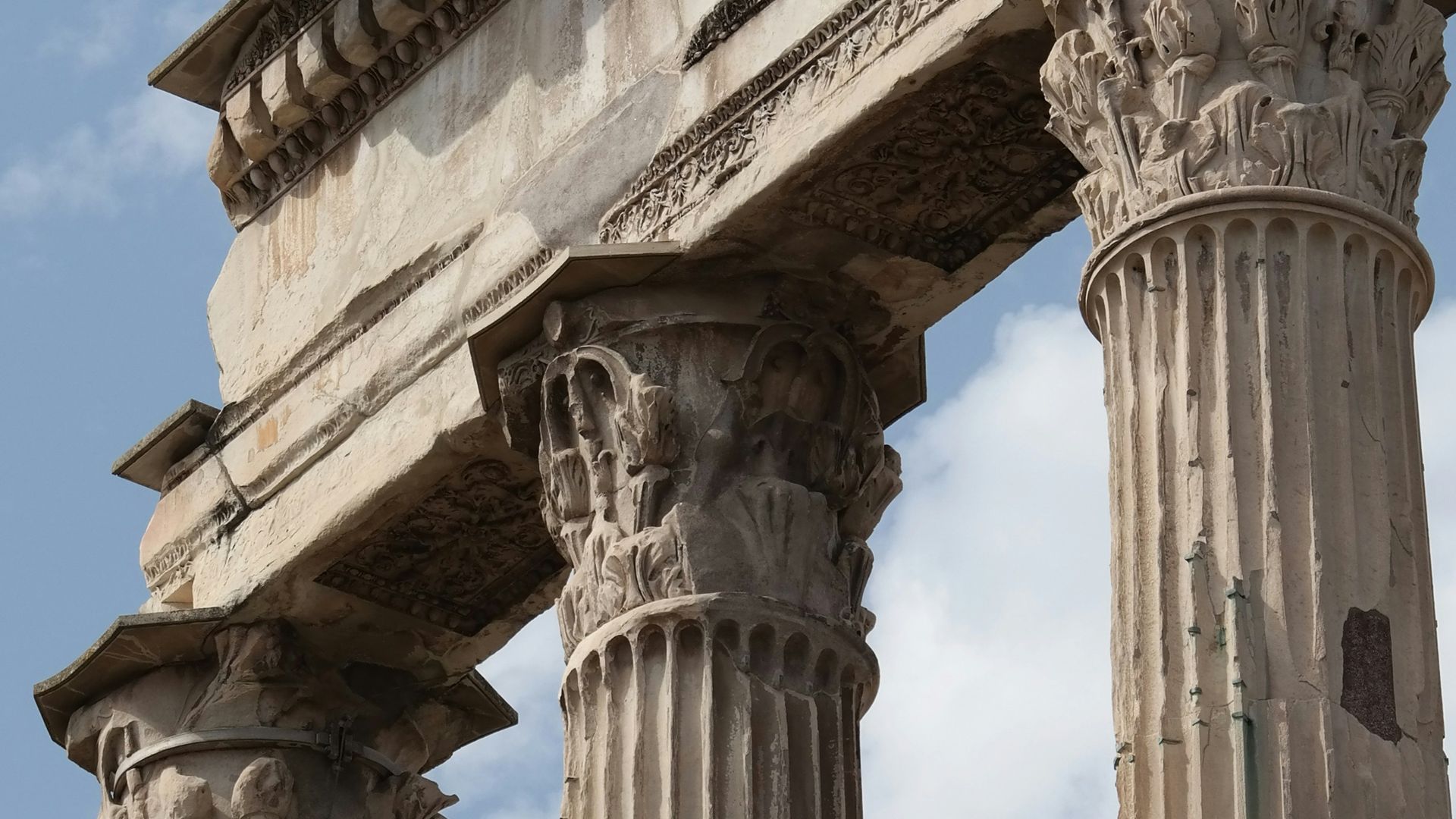
Another brilliant example of the numerical naming system, this distinct choice was reserved specifically for the tenth child or tenth son in a family. While reaching a tenth son is pretty rare today, it was a fairly common milestone in large ancient households. The name carries a surprisingly powerful, rhythmic cadence.

12. Tullia
This sweet, rare-sounding moniker belonged to the beloved daughter of Cicero, the famous orator who practically shaped the Latin language. Because of her high-profile life, the name gained a reputation for intellect, charm, and deep artistic appreciation. It has a playful, bouncy quality that keeps it from feeling too stuffy.

13. Titus
This short and assertive name means "title of honor," and it perfectly suited the tough, military-minded citizens of the Roman Republic. It belonged to powerful emperors who built massive monuments and commanded legions across the known world. It packs a ton of historical punch into just two syllables.

14. Fabia
Belonging to one of the oldest and most aristocratic patrician families in the city, this name carried an undeniable air of old-money luxury. The family was famous for its agricultural success, meaning the name originally had humble ties to growing beans before it became an elite status symbol. It flows beautifully off the tongue.

15. Servius
If you wanted to honor a heritage of protection and preservation, this popular male name was an excellent choice because it means to keep or preserve. It was held by early kings who built the city's foundational walls, cementing its place in the hearts of patriotic citizens. The name has a very smooth, sibilant sound.
16. Octavia
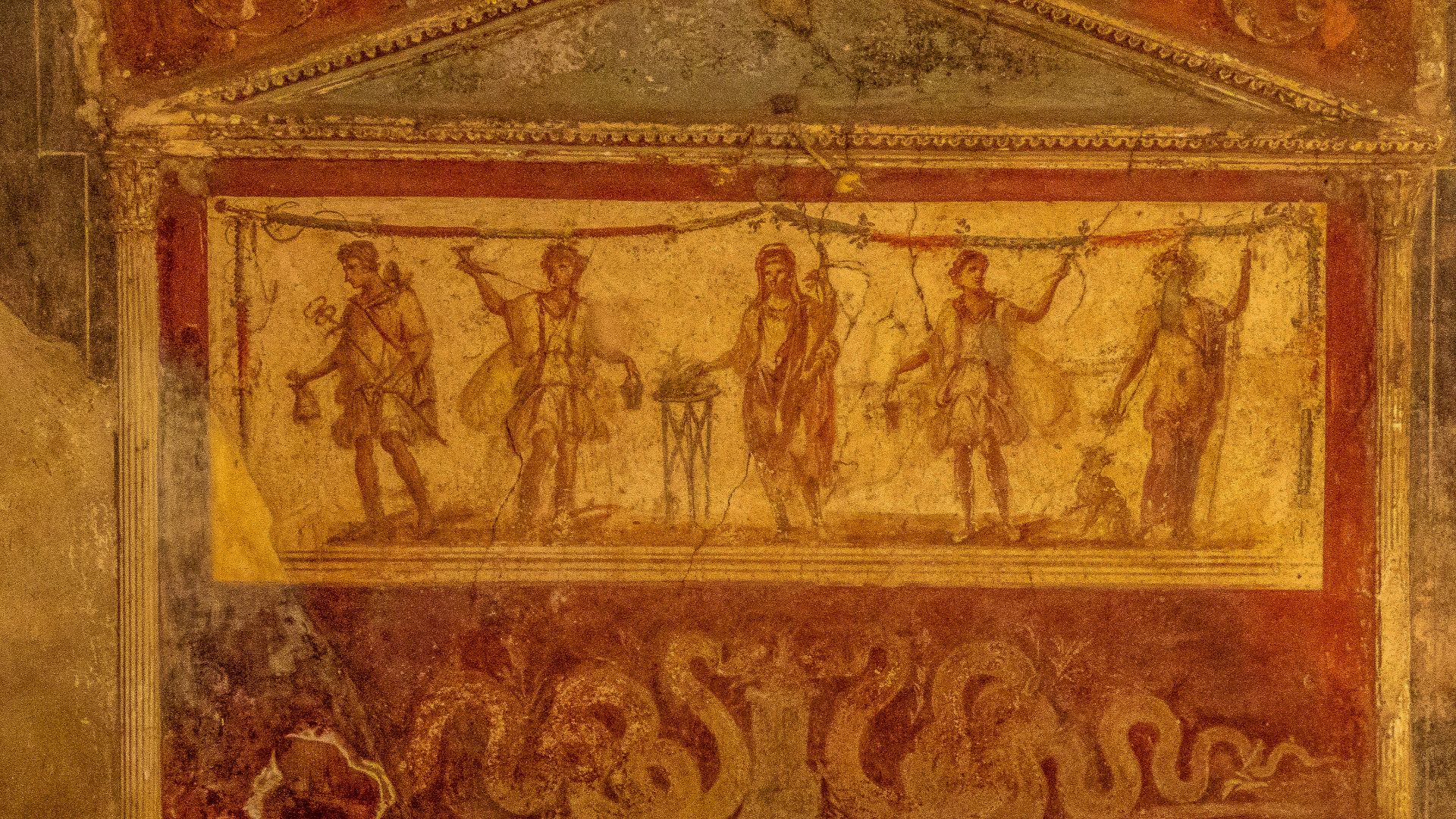
This regal name translates to the eighth, but it became globally famous thanks to the beloved sister of Emperor Augustus. Known for her loyalty and grace, she turned her numerical moniker into one of the most respected names in the ancient world. It has a wonderfully grand, symphonic quality.

17. Sextus
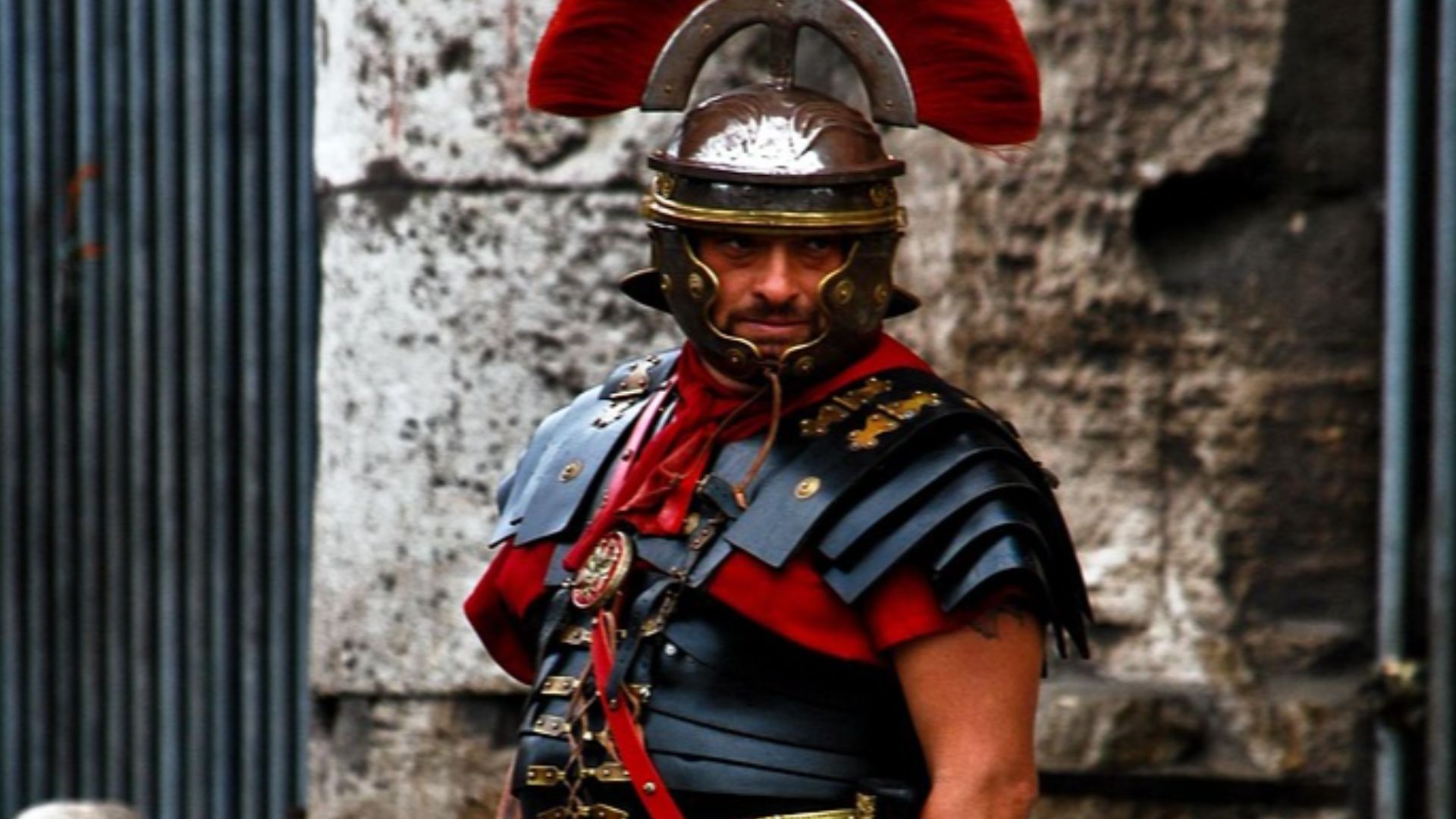
Parents who welcomed a sixth child into their home often turned to this simple, numerical option to get the job done quickly. While it might sound a bit shocking to modern ears due to its similarity to other English words, it was entirely mundane to the Romans. It popped up everywhere from military rosters to graffiti.
18. Drusilla
This powerful feminine choice carried a lot of weight because it was associated with the influential Claudian family tree. It has a slightly dark, mysterious, and dramatic flair that makes it stand out from the softer, flowery names of the era. Pop culture has occasionally used it for vampires and villains, adding a fun, gothic edge.

19. Aulus
This brief, ancient masculine name means palace or court, making it a natural choice for families with ties to royal circles. It was incredibly popular during the early days of the Republic and belonged to numerous politicians who frequented the Forum. It is incredibly rare to encounter this name today.

20. Faustina
Meaning fortunate or lucky, this cheerful name was popularized by a beloved empress who was famous for her extensive charity work with young girls. The Romans were incredibly superstitious people, so giving a child a name that literally promised good luck was considered a brilliant parenting strategy. It has a lovely, rhythmic bounce.

KEEP ON READING