Logic Over Legends
You'd think inventing democracy would be enough for one civilization, but the Greeks apparently woke up every morning asking themselves what else they could revolutionize. Everything from how they educated kids to how they drained sewage showed a society obsessed with logic, fairness, and improvement. Let's explore what made them so remarkably ahead of their time.
1. Direct Democracy
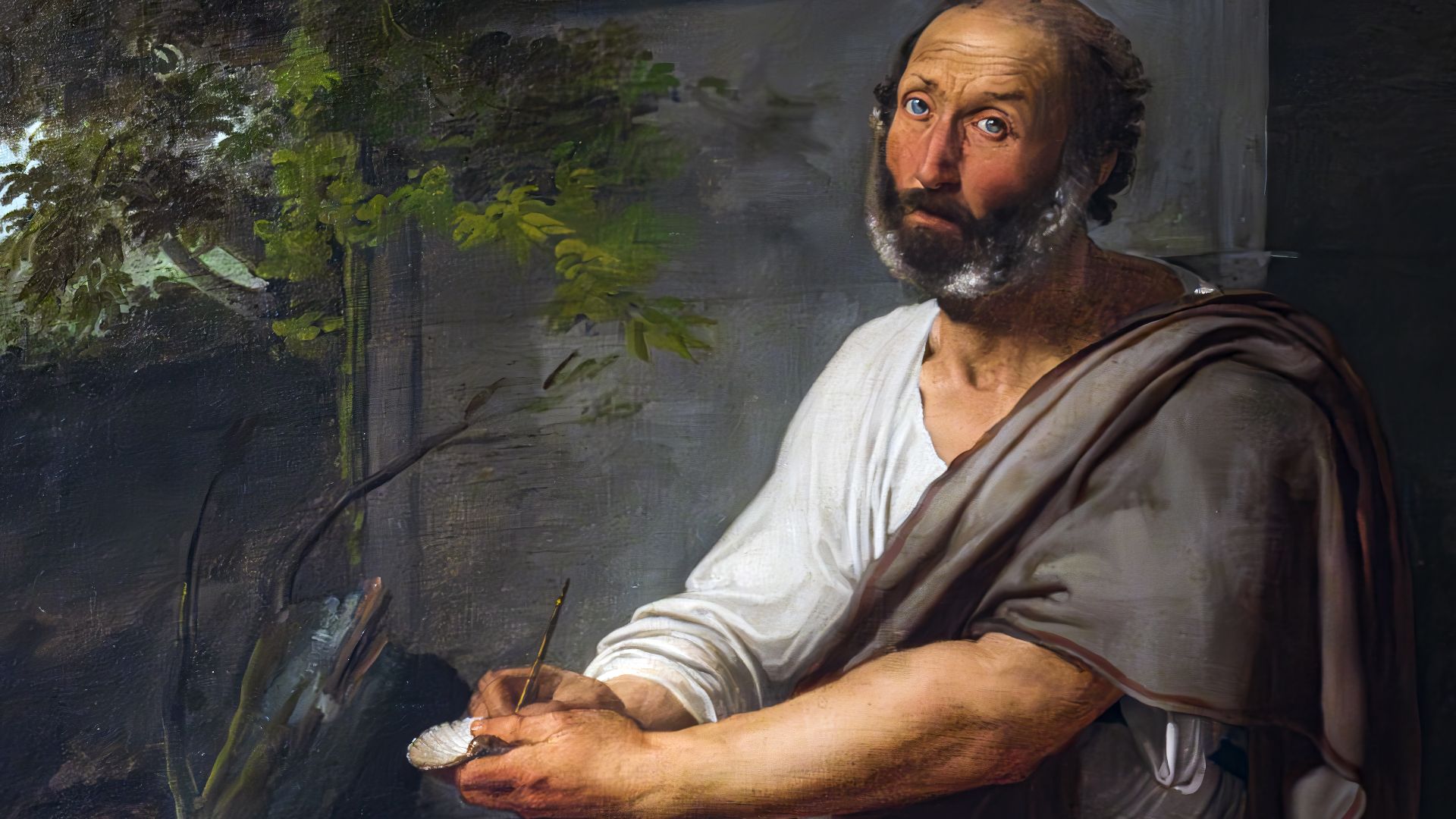
Up to 6,000 men would pack the Pnyx hillside for Athenian assembly meetings, raising hands or tossing pebbles to vote directly on war declarations, new laws, and city policies. Cleisthenes introduced this system around 508 BCE.
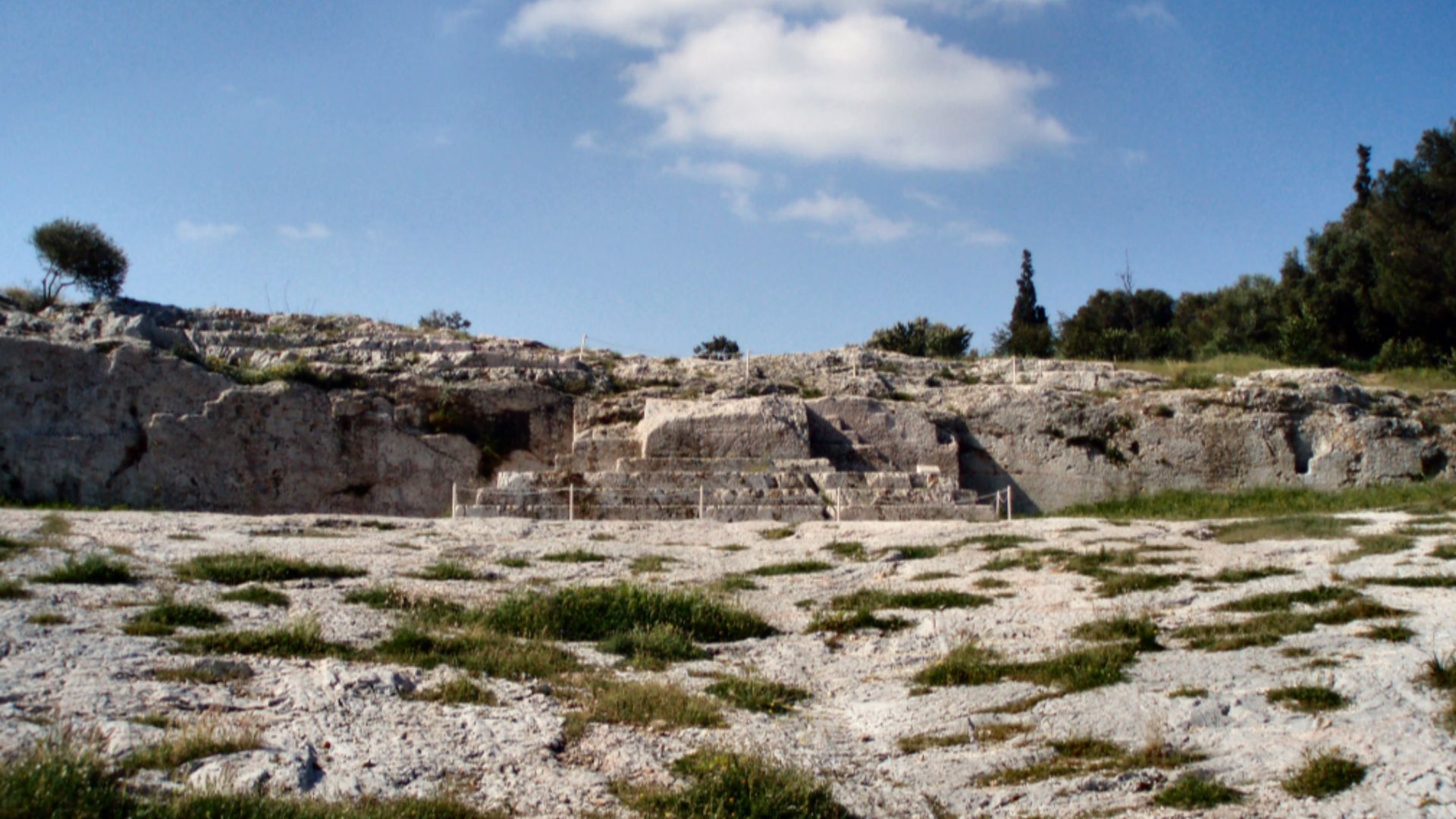 Qwqchris~commonswiki on Wikimedia
2. Large Citizen Juries
The bronze ballot wheels told the whole story: one with a hollow axle meant acquittal, one solid meant conviction, dropped silently into urns so nobody could track your vote or threaten you later. Athenian juries ranged from 201 to 1,501 randomly selected male citizens.

3. Rational Philosophical Inquiry
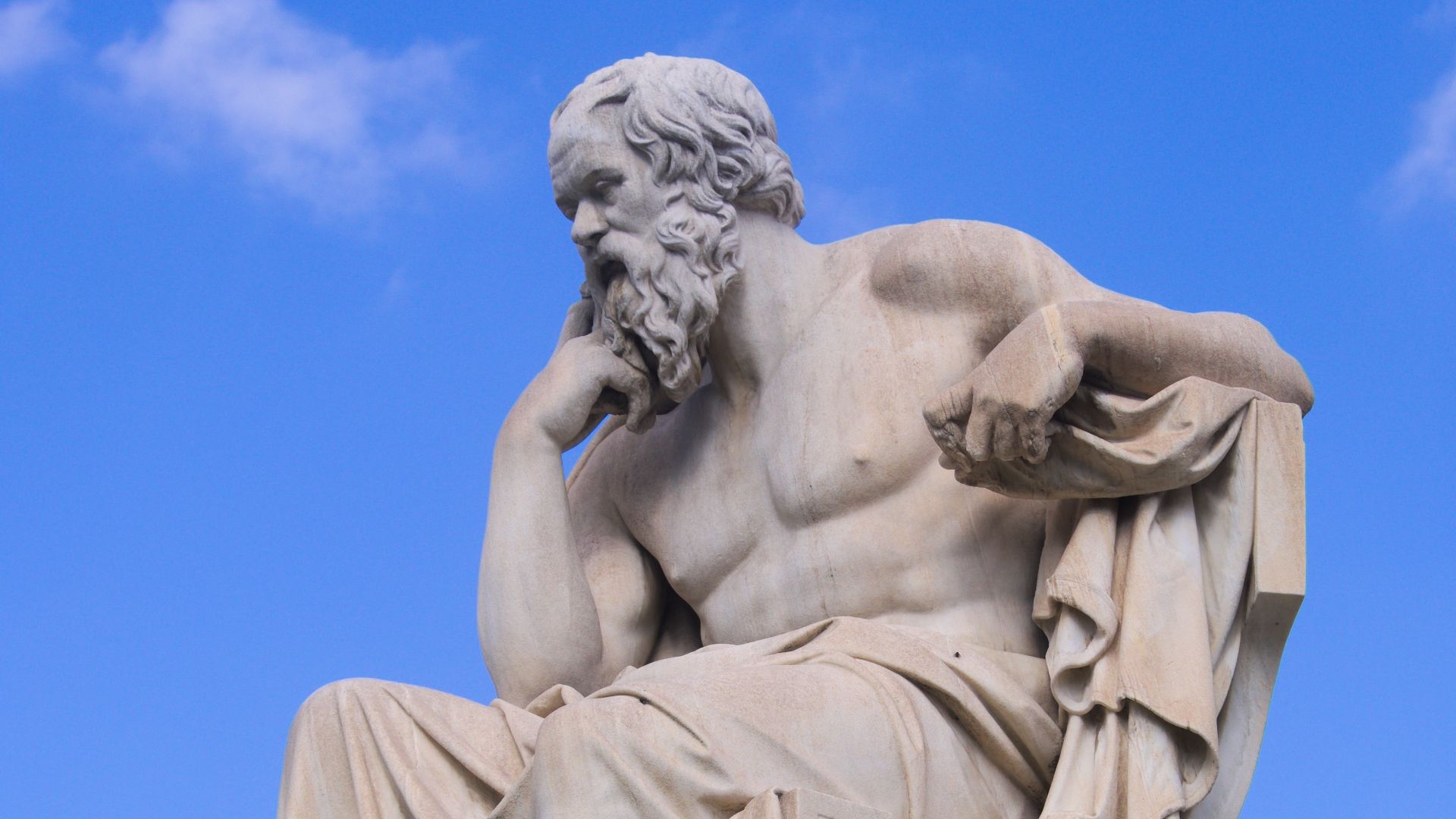
Socrates claimed a mysterious inner voice called his "daimonion" warned him against bad decisions, somehow blending rigorous questioning with personal ethics in an almost modern self-help style. His relentless interrogation technique forced Athenians to abandon "the gods made it happen" explanations.
4. Evidence-Based Medicine
Walking barefoot on dew-covered grass for headaches might sound quirky, but it represented the Hippocratic physicians' surprisingly gentle approach to wellness—no incantations, no amulets, just observation and natural remedies. Hippocrates and his 5th-century BCE followers rejected supernatural causes entirely.

5. Holistic Education (Paideia)
Teachers punished off-key lyre notes as character flaws, believing music literally harmonized the soul and shaped moral development in young Athenians. From the age of seven, boys studied literature, mathematics, and music while simultaneously training in wrestling and running.
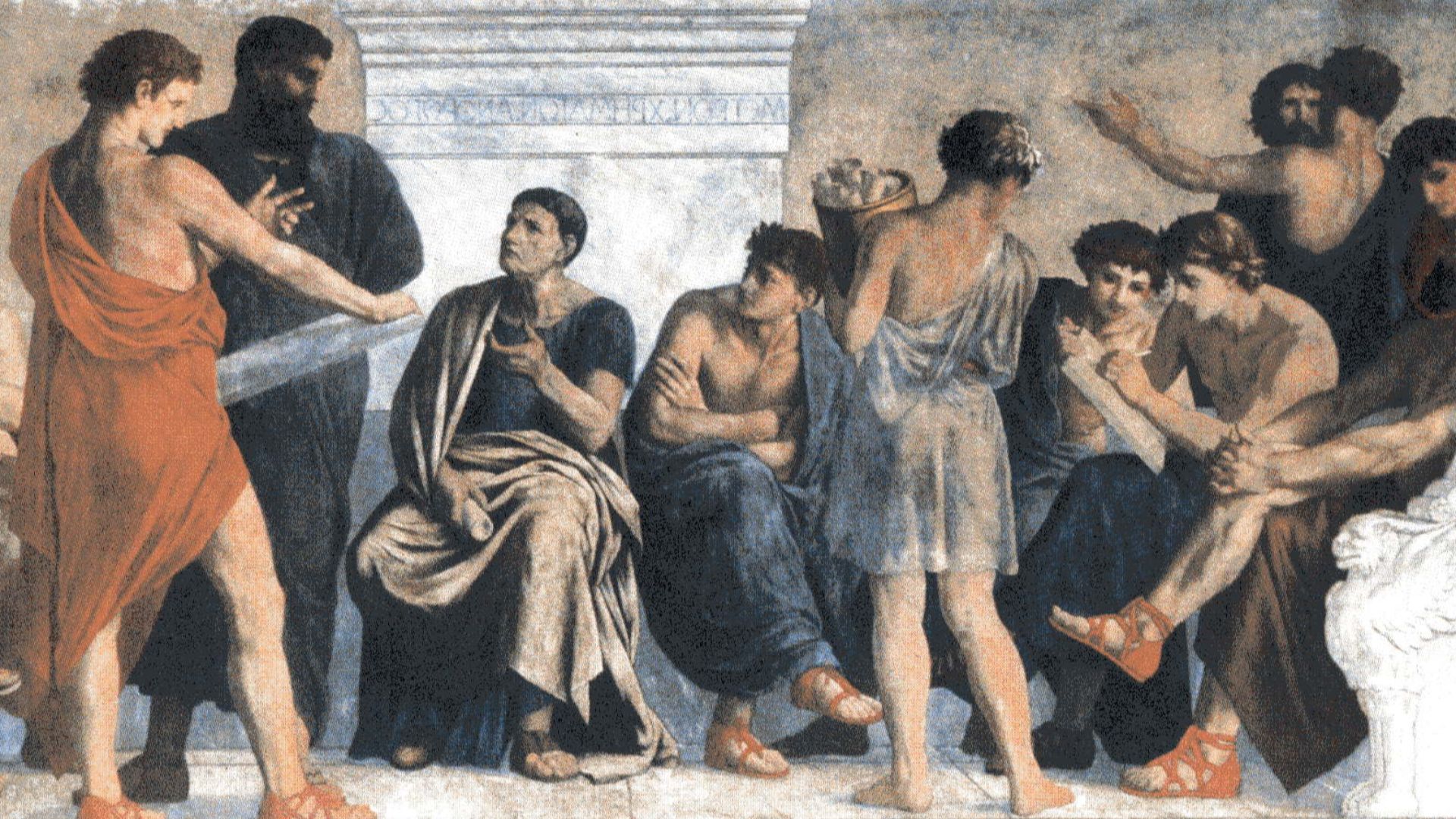 Gustav Spangenberg on Wikimedia
6. Public Gymnasia and Physical Training
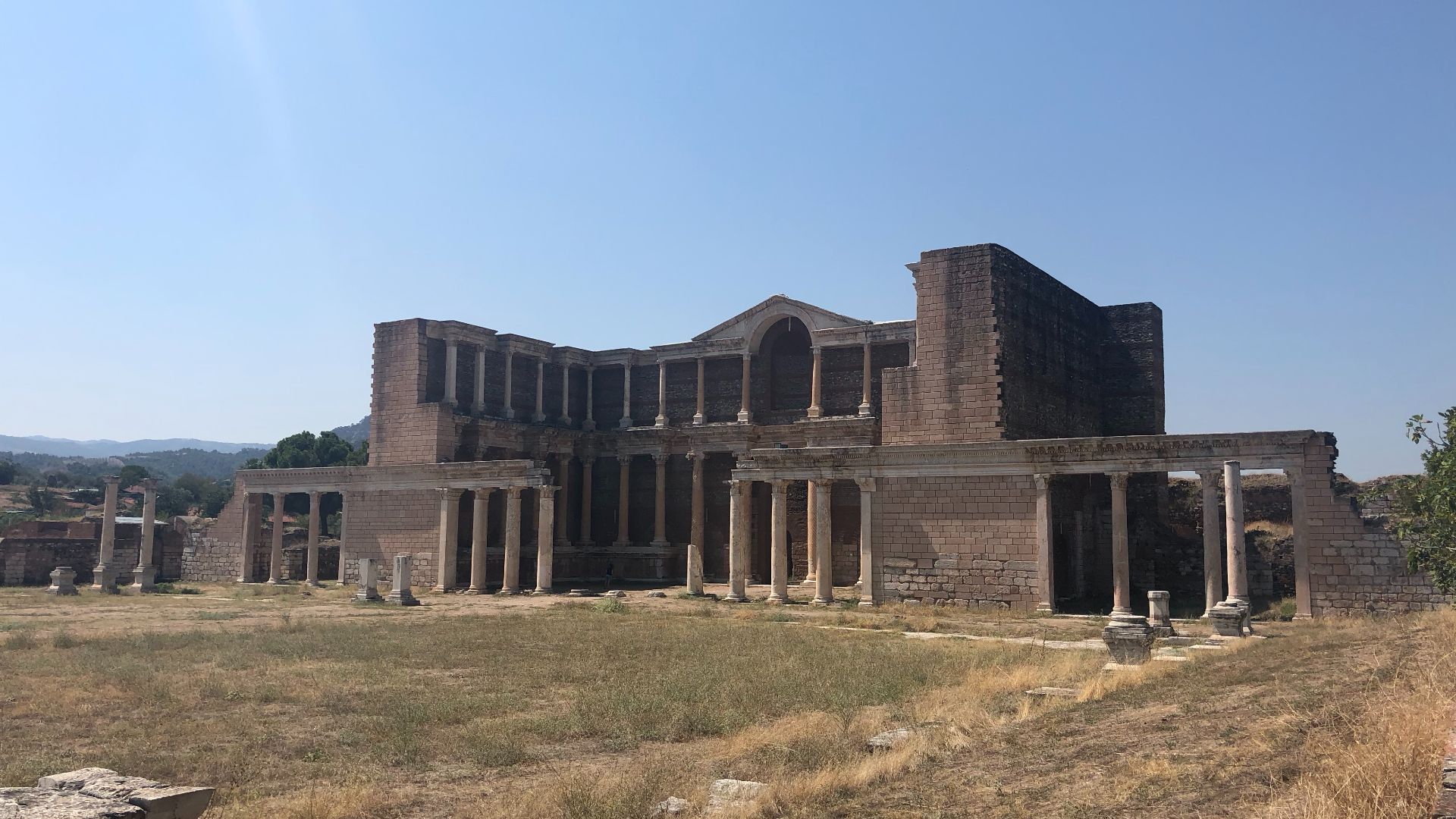
It's said that athletes oiled their bodies before exercise, then scraped off the dirt-and-sweat mixture with curved strigil tools—and some actually bottled these "sweat scrapings" to sell as miracle cures for various ailments. Public gymnasia, like Athens' Academy, provided free or low-cost facilities.
7. Pan-Hellenic Athletic Competitions
Winners at Olympia received free meals for life back home and sometimes got statues erected in their honor, yet the ultimate prize remained just a simple olive wreath cut from Zeus's sacred tree. The Olympic Games unified Greek city-states every four years from 776 BCE.

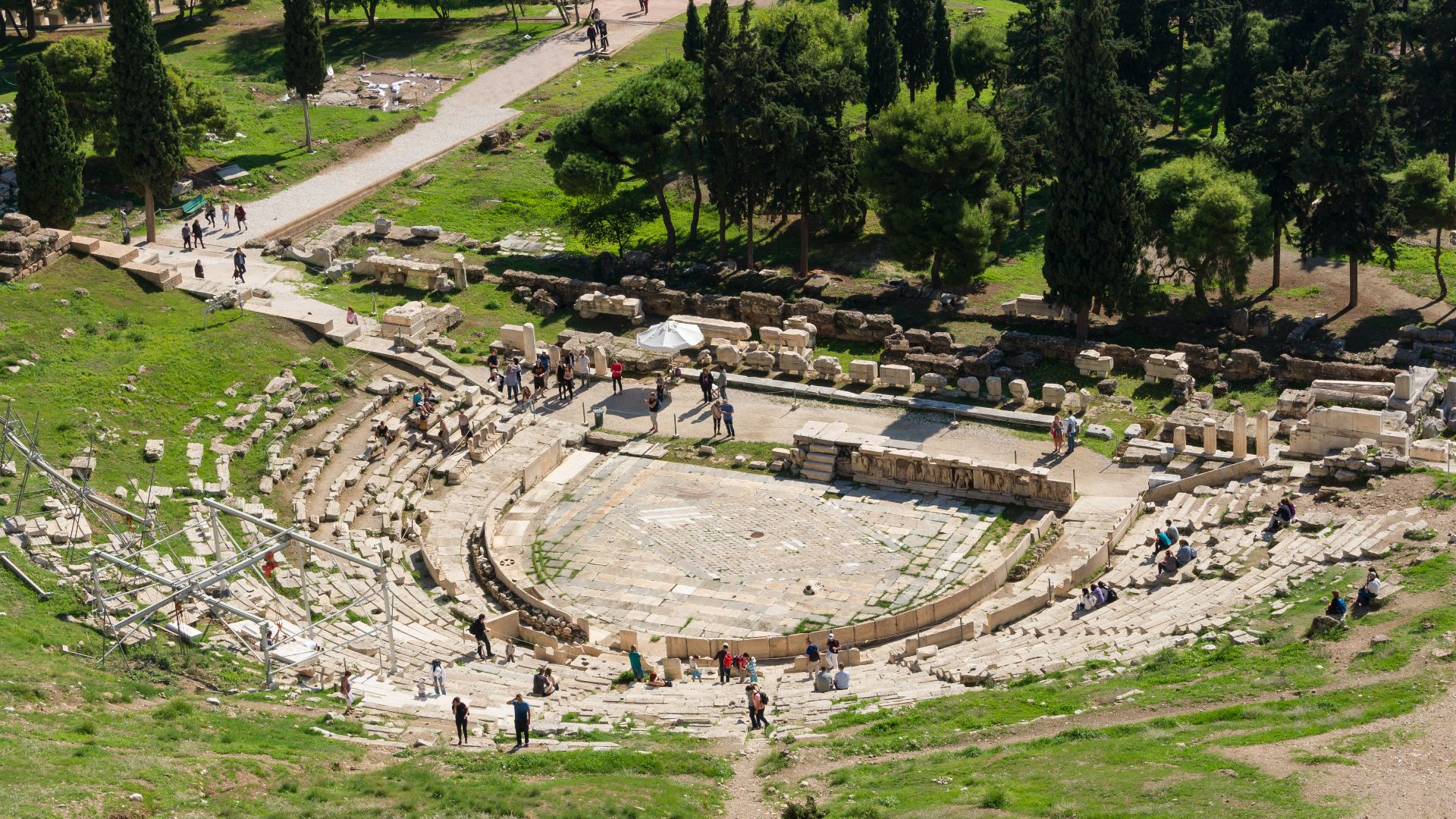
8. Public Theater as Civic Ritual
Audience members could boo loudly or hurl fruit at terrible performances, but winning playwrights received a goat as their prize. State-funded Dionysia festivals in 5th-century BCE Athens required citizens to attend massive open-air performances where tragedies and comedies explored justice.
9. Symposiums For Intellectual Exchange
A designated symposiarch controlled wine dilution ratios and conversation topics. This prevented drunken chaos while encouraging reasoned discourse on love, knowledge, and politics among reclining male participants. Plato's famous Symposium depicts one such event exploring the nature of love.
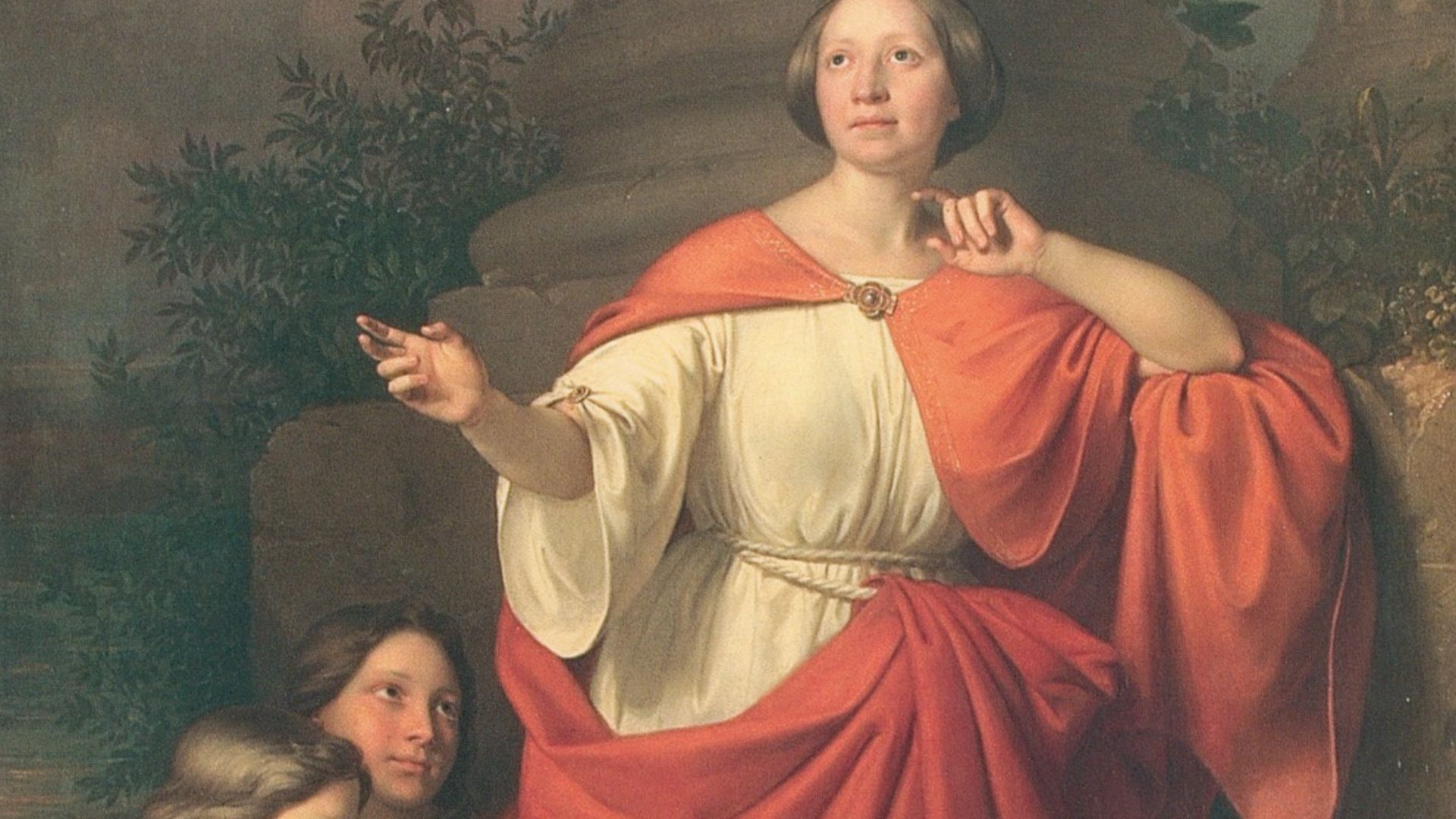
10. Grid-Based Urban Planning
Hippodamus of Miletus was reportedly so obsessed with geometric order that he proposed dividing all citizens into exact classes of farmers, artisans, and soldiers, with no messy overlap allowed. His 5th-century BCE grid layouts featured straight streets, rectangular blocks, and zoned areas.
11. Advanced Plumbing and Drainage
Wealthy homeowners actually installed indoor latrines flushed by collected rainwater, though users still wiped with stones or reusable sponges attached to sticks and dipped in communal water buckets. Classical Greek cities engineered terracotta pipe networks, covered sewers, and public fountains that delivered fresh spring water.
 No machine-readable author provided. AlMare assumed (based on copyright claims). on Wikimedia
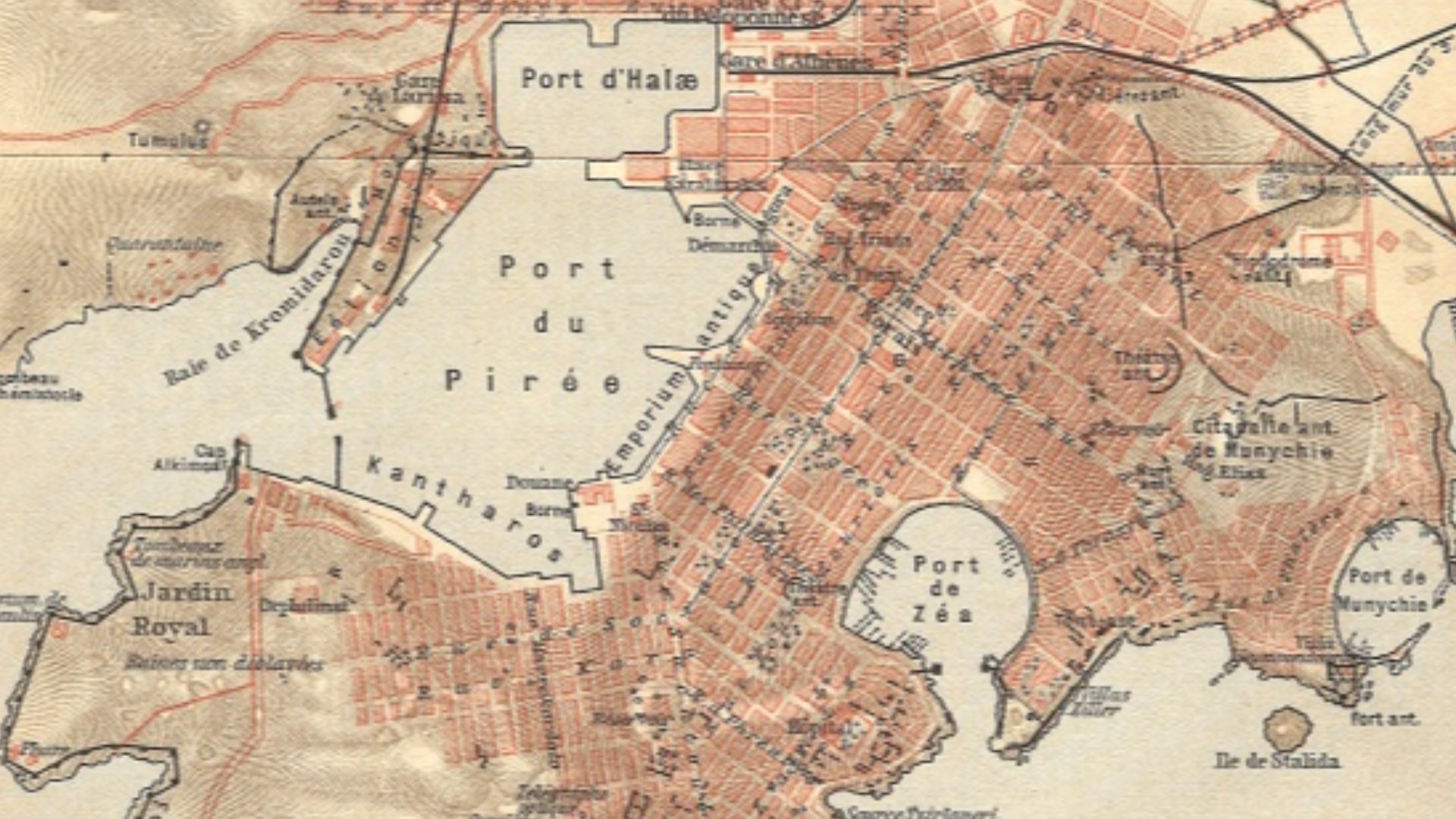
12. Precise Timekeeping With Water Clocks
Overly talkative lawyers sometimes tried to sabotage courtroom clepsydrae by sneaking wax into the mechanisms to slow water flow and steal extra speaking time. These water clocks measured fixed intervals by steady dripping, limiting Athenian court speeches to about six minutes per side.
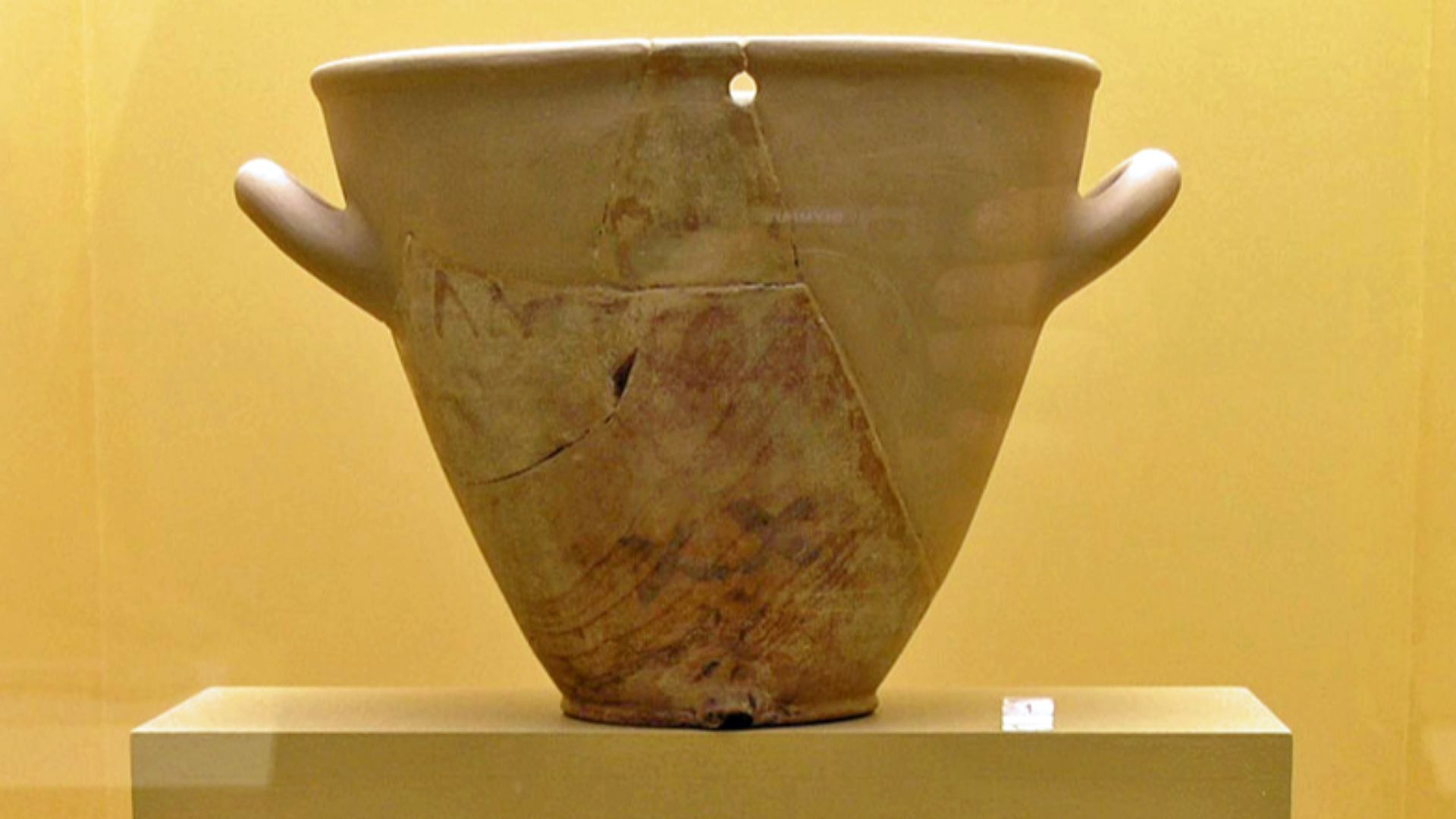
13. Standardized Coinage
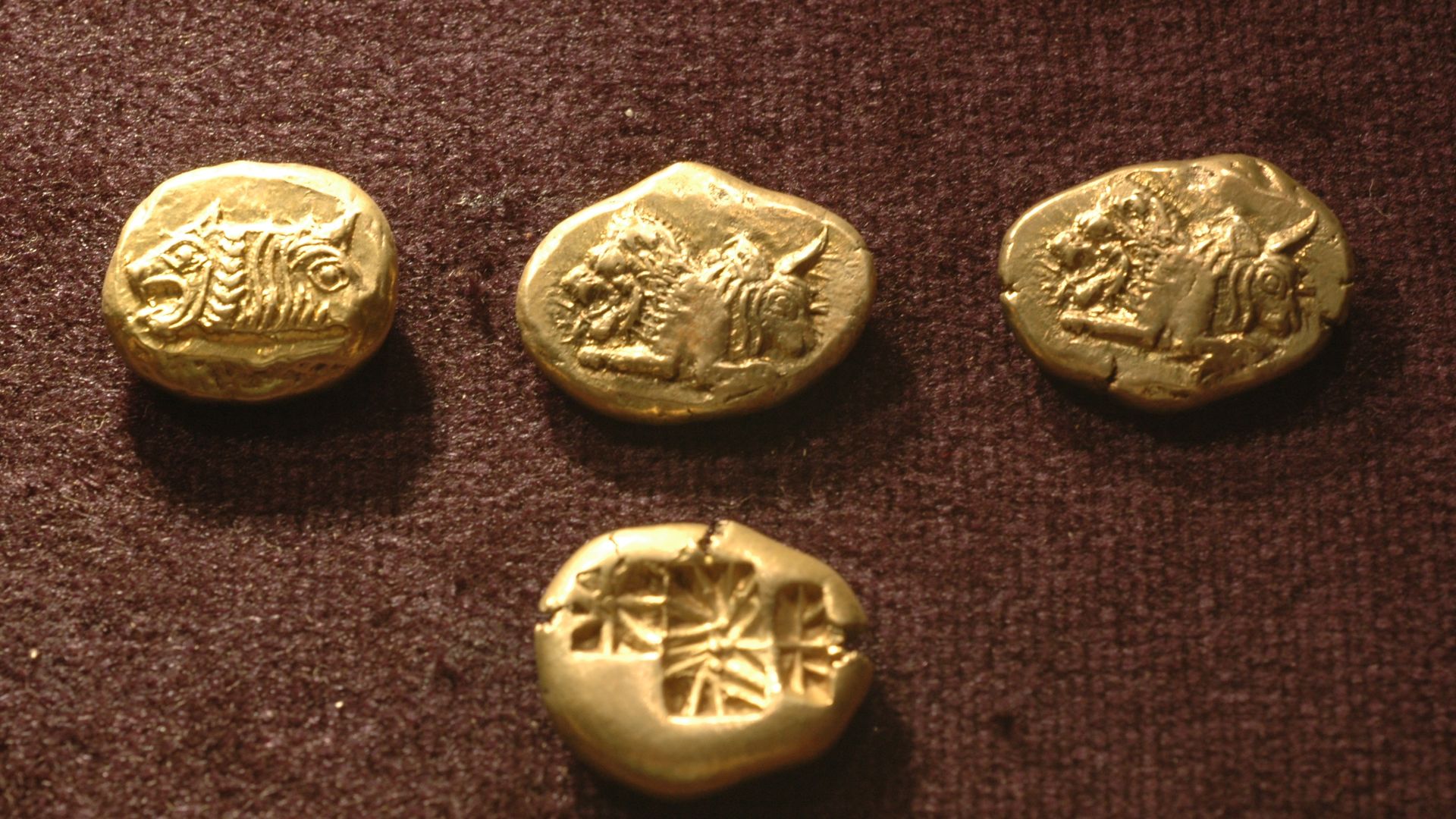
Some island mints stamped turtles or crabs onto their coins, effectively turning everyday money into miniature city-state advertisements that traveled across the Mediterranean. Greek refinement of Lydian coinage concepts produced electrum and silver pieces from the 6th century BCE featuring state-guaranteed weights.
14. Rhetorical Training
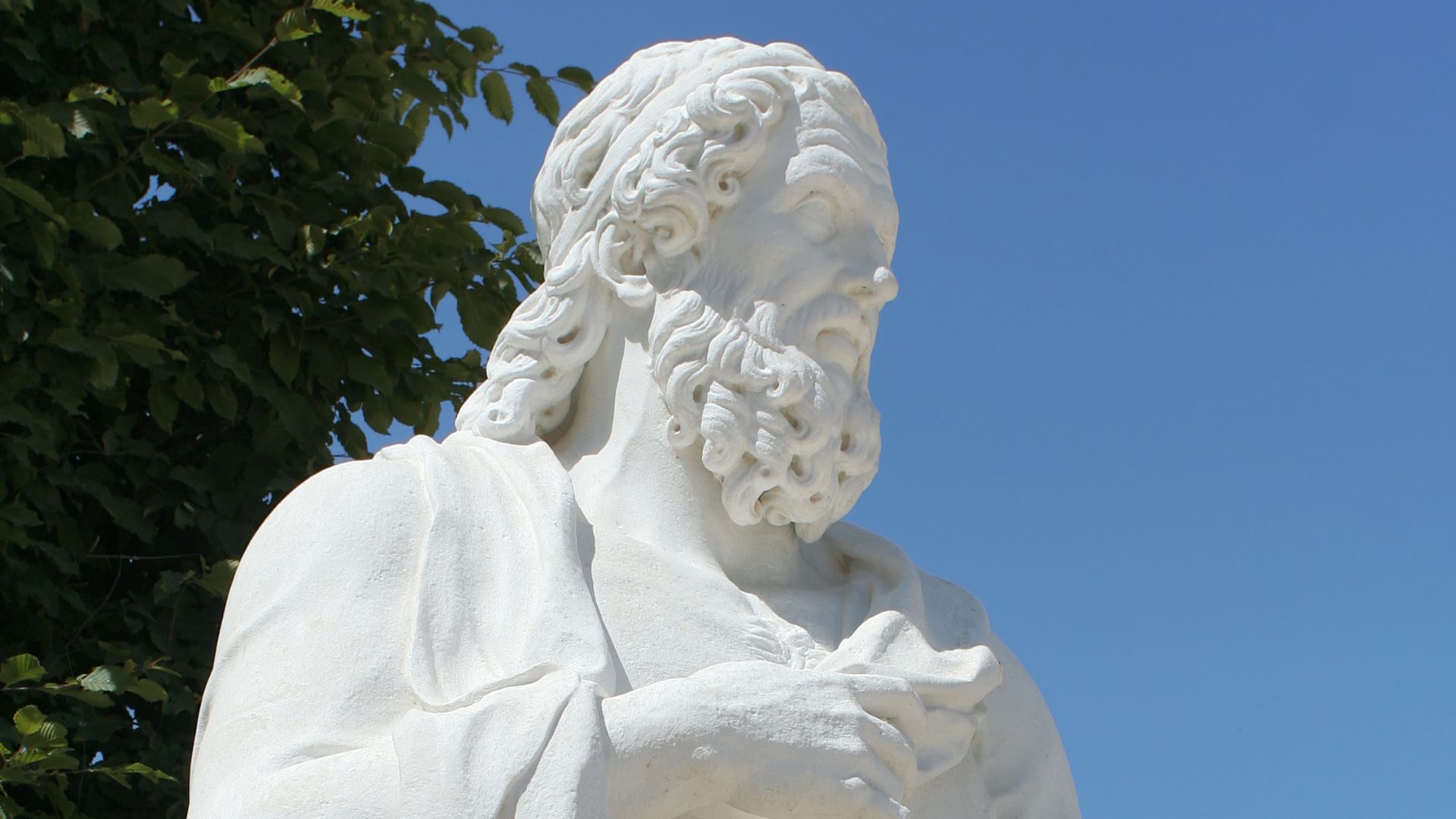
Professional schools taught systematic persuasion techniques, including structured arguments (introduction, narration, proof, conclusion) and polished delivery specifically for assembly debates and courtroom defenses. Isocrates and Aristotle formalized ethos, pathos, and logos as the three pillars of convincing an audience.
15. Objective Historiography
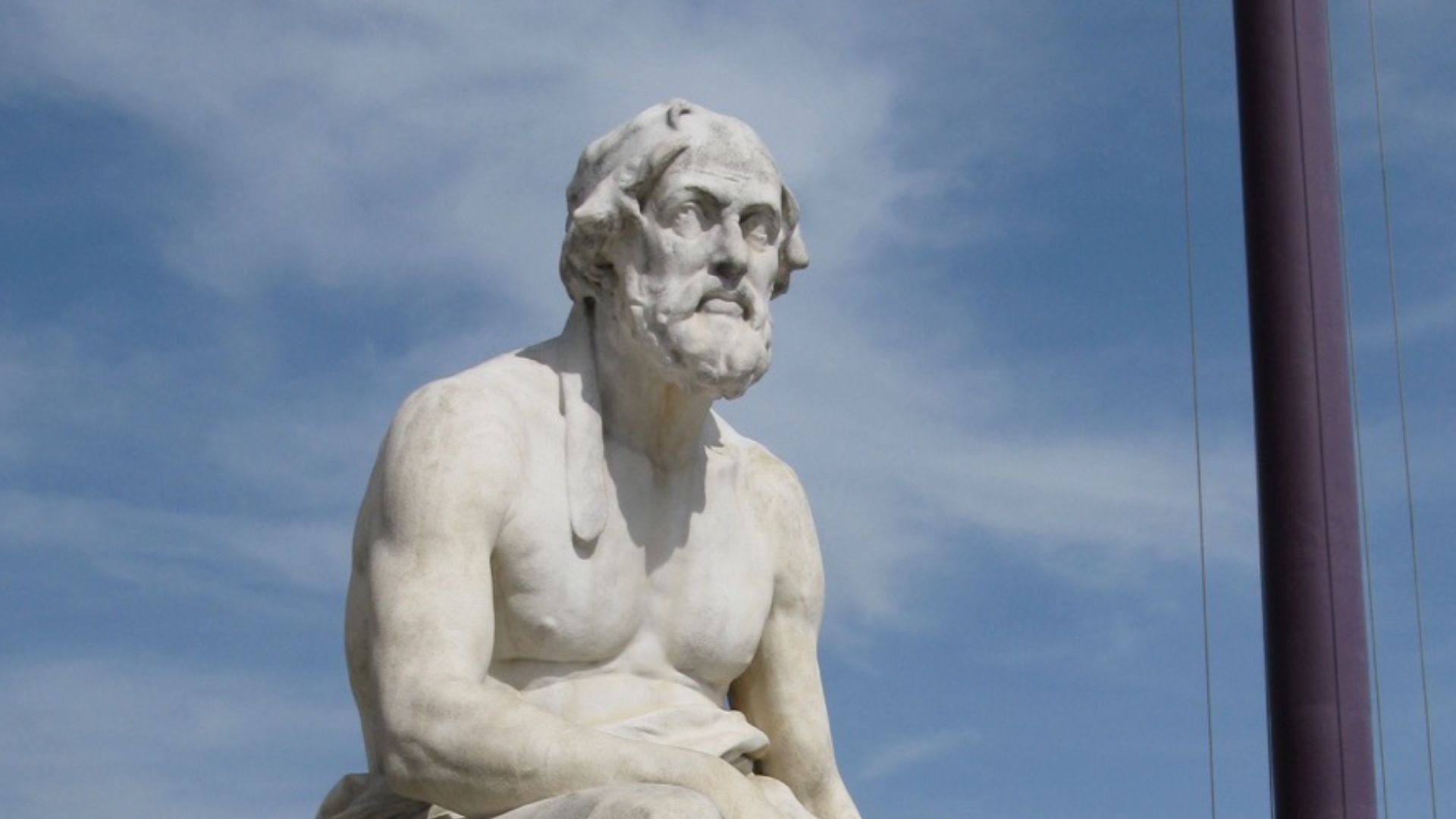
Thucydides declared his account of the Peloponnesian War "a possession for all time," written without divine explanations or bias to serve future generations as a warning about power. His 5th-century BCE analysis used eyewitness interviews and documentary evidence to examine battle causes.
16. Advanced Naval Architecture
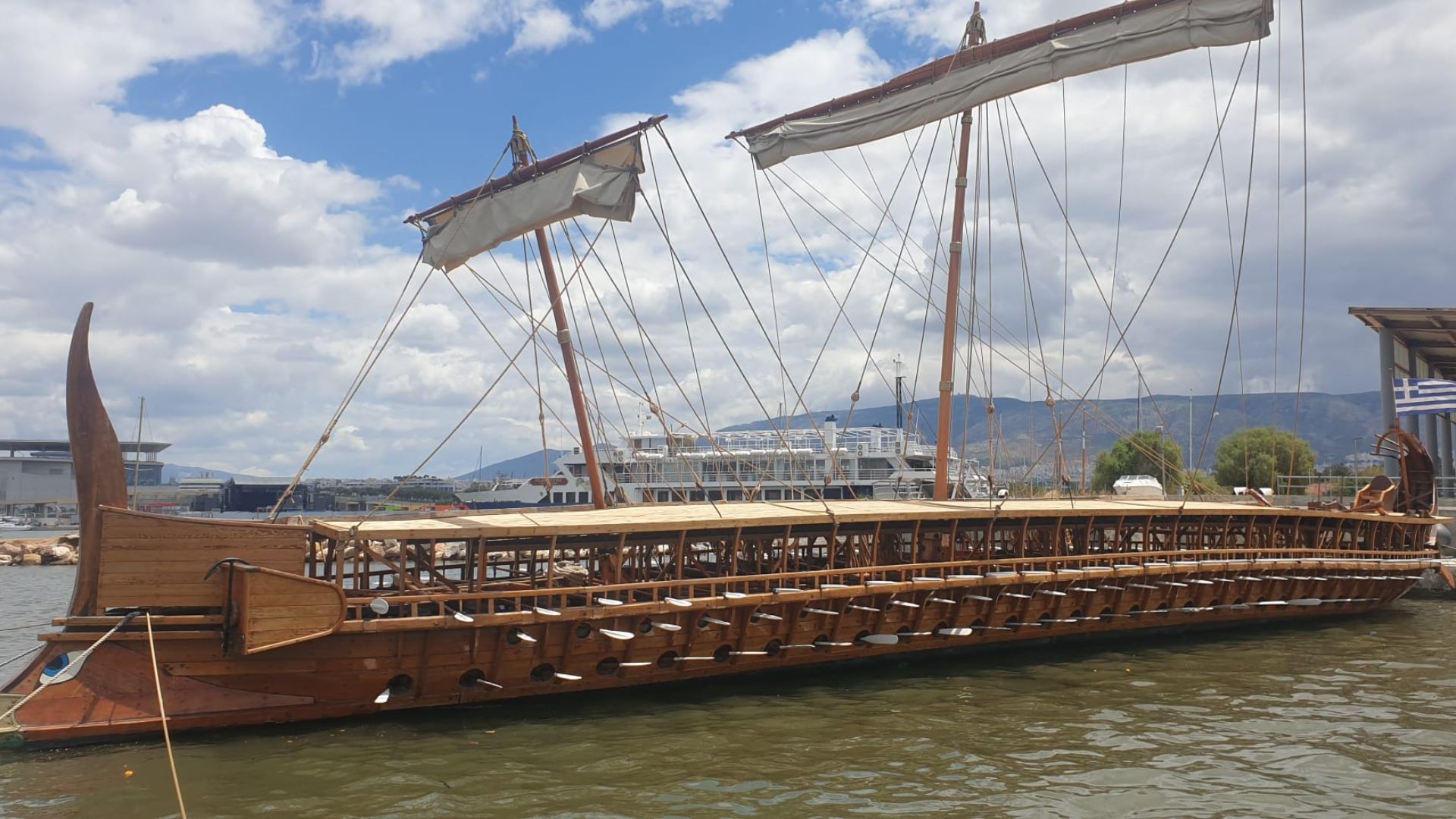
The trireme warship design had three banks of oars and a bronze ram capable of speeds exceeding eight knots, crewed by 170 citizen rowers who powered Athens' Aegean dominance through superior maneuverability. Naval architects balanced speed, stability, and ramming power in shallow-draft hulls.
17. Citizen Militia Warfare
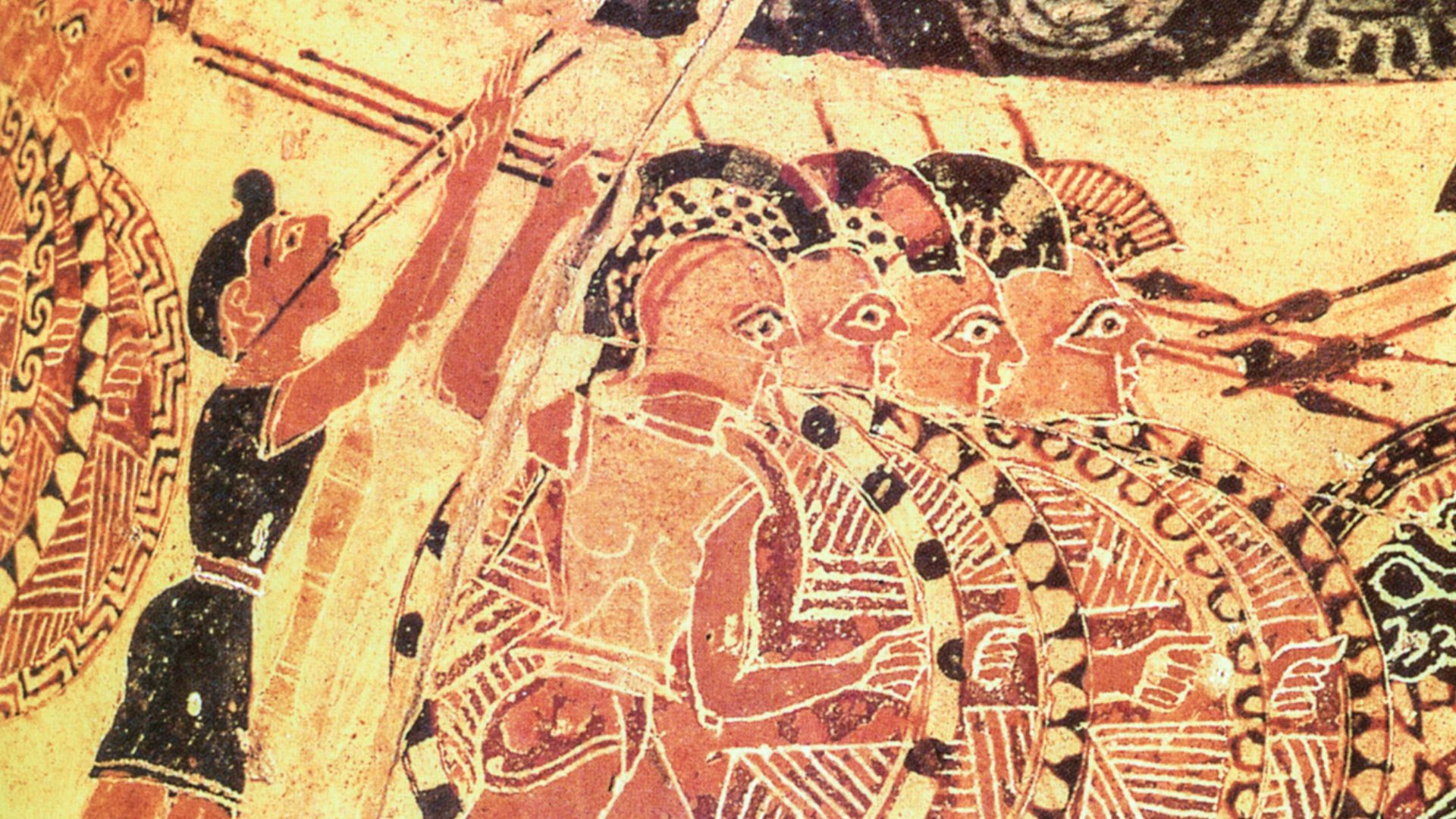
Before charging into battle, hoplite formations sang the paean war hymn while rhythmically clashing spears against bronze shields. These citizen-soldiers purchased their own spear, shield, and armor, then fought in tight phalanx formations that emphasized collective discipline over individual heroics or dueling prowess.
18. Monumental Architecture With Precision
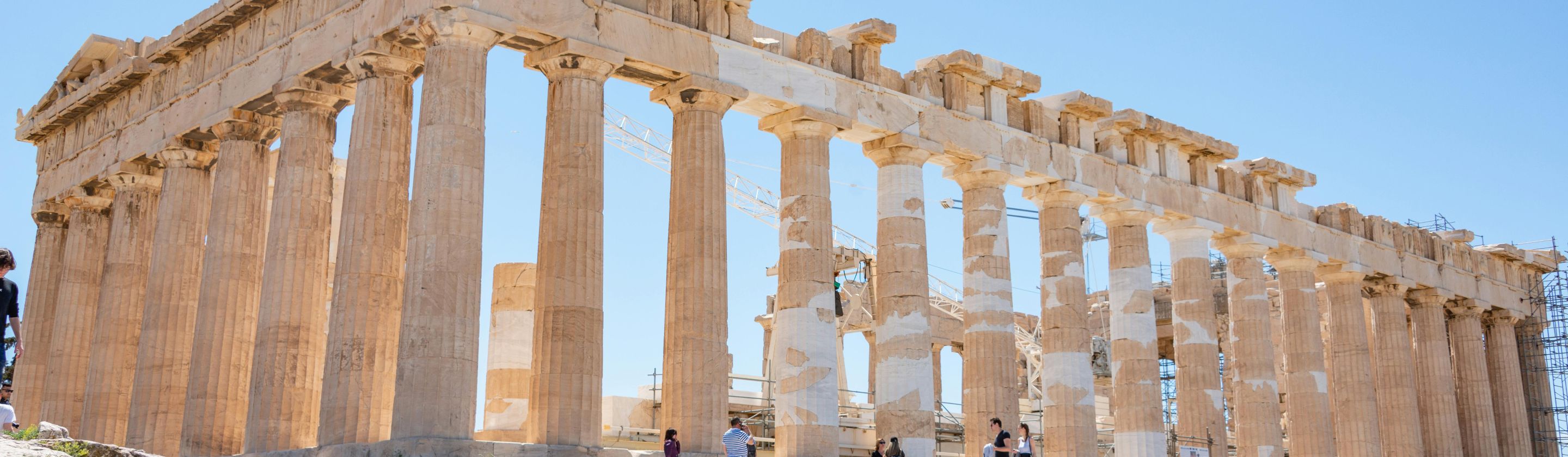
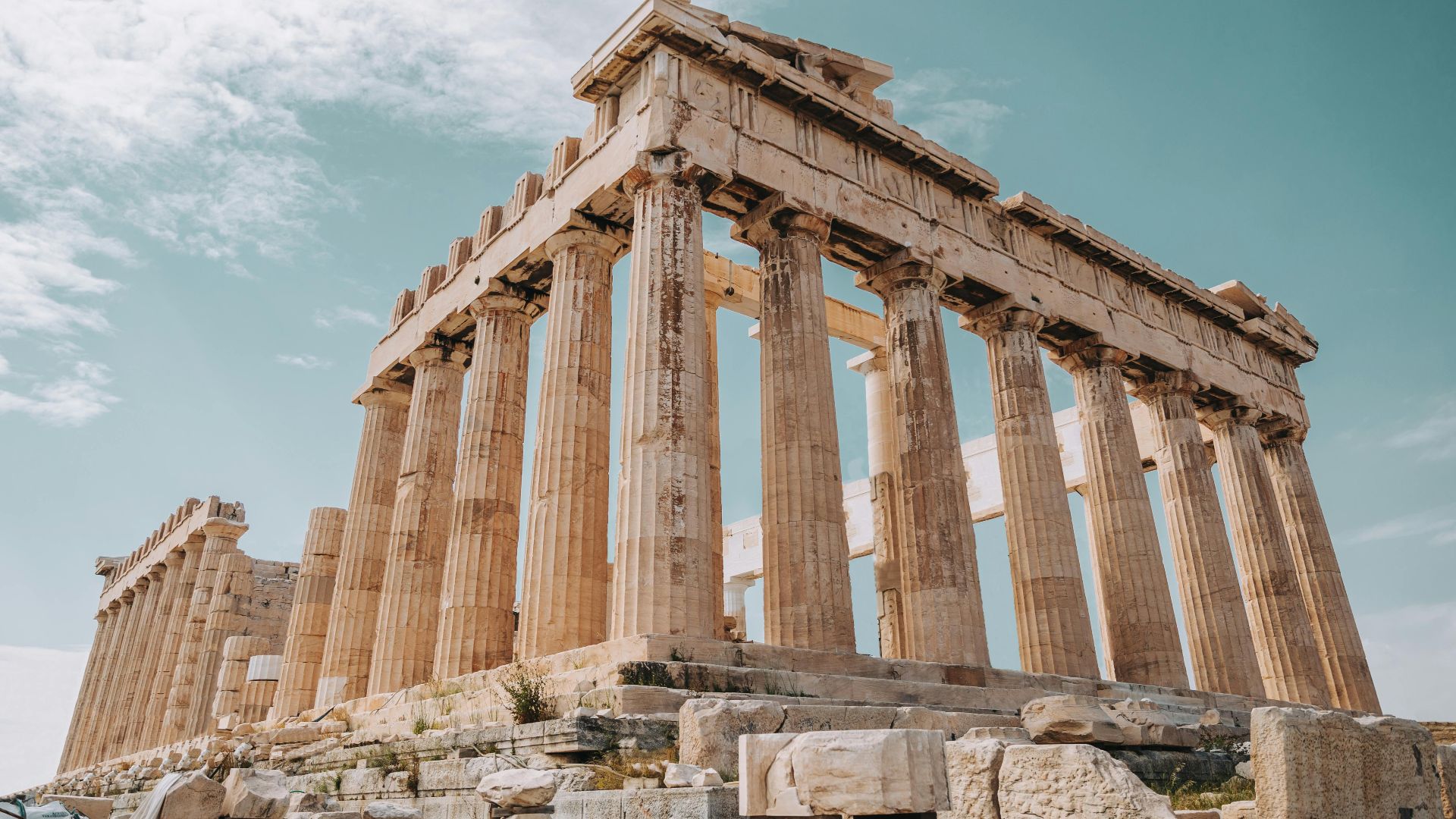
Architects deliberately built subtle imperfections into the Parthenon's columns and base. Construction between 447–432 BCE employed optical refinements throughout, including columns slightly wider at the middle (entasis) and golden ratio proportions that produced aesthetic harmony still studied today.
19. Deductive Geometry
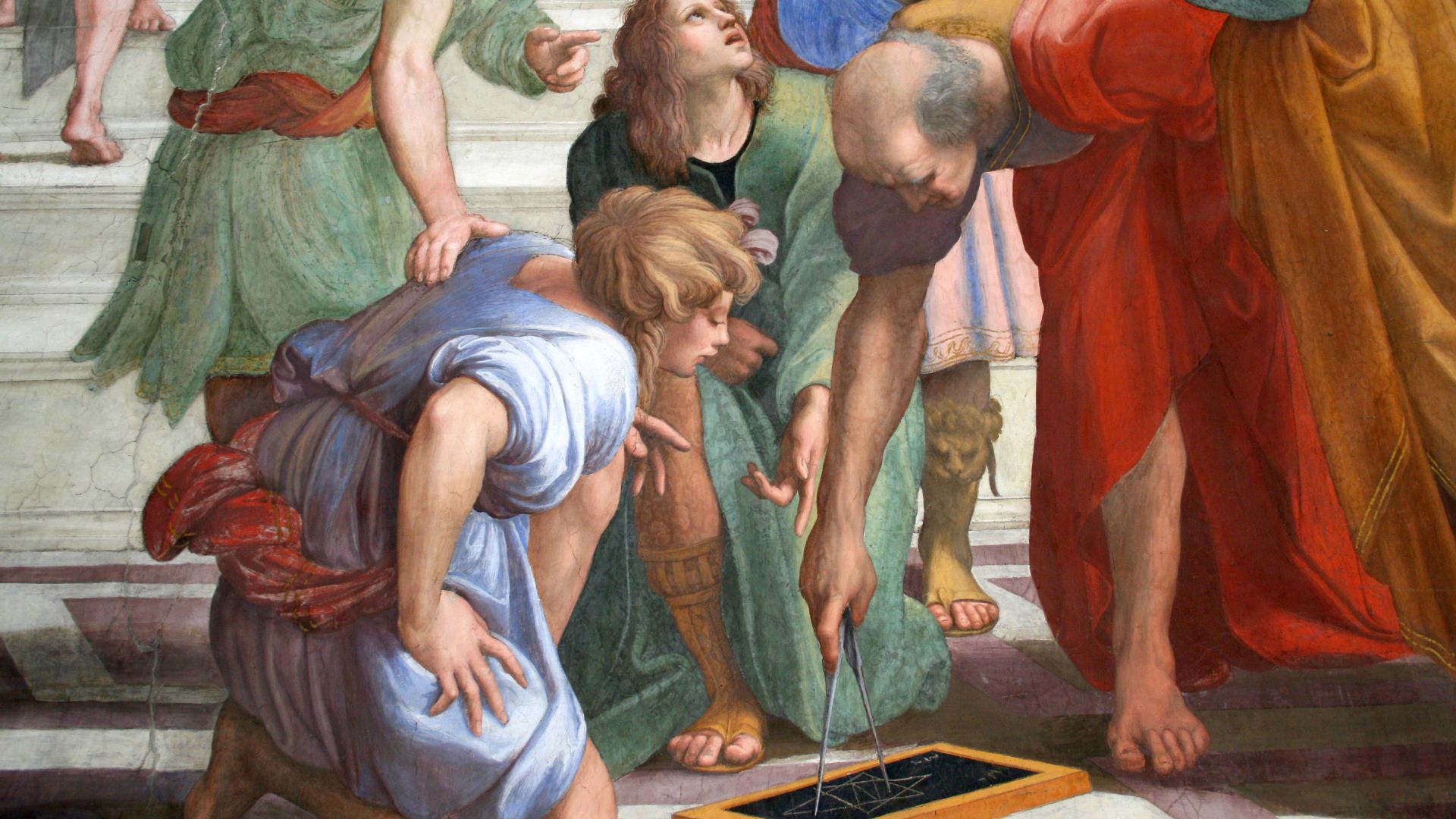
Euclid reportedly told a student asking about practical applications, "Give him threepence since he must make a gain out of what he learns," dismissing utilitarian concerns in favor of pure mathematical beauty. His Elements (circa 300 BCE) organized geometric theorems built from simple axioms.
20. Astronomical Observation
Precise observations of solstices, equinoxes, and star positions improved agricultural calendars and maritime navigation for farmers and sailors who depended on seasonal accuracy. Greeks integrated astronomy into daily life through sundials marking hours and religious festivals timed to celestial events.

KEEP ON READING