

10 Historical “Self-Care” Habits That Actually Helped & 10 That Definitely Didn’t
History Was Full of Wellness Advice, & Not All of It Was a Disaster
Humans have been trying to feel better, look healthier, sleep more soundly, and generally survive their own bodies for as long as people have existed. Some old self-care habits were surprisingly sensible and still recognizable today, while others were so misguided that it's honestly impressive anyone lived long enough to recommend them to somebody else. Looking back at historical wellness trends is a good reminder that humans have always wanted relief, but we've not always been especially good at finding it. Here are 10 self-care habits from history that actually make sense and 10 that don't at all.
 The Cleveland Museum of Art on Unsplash
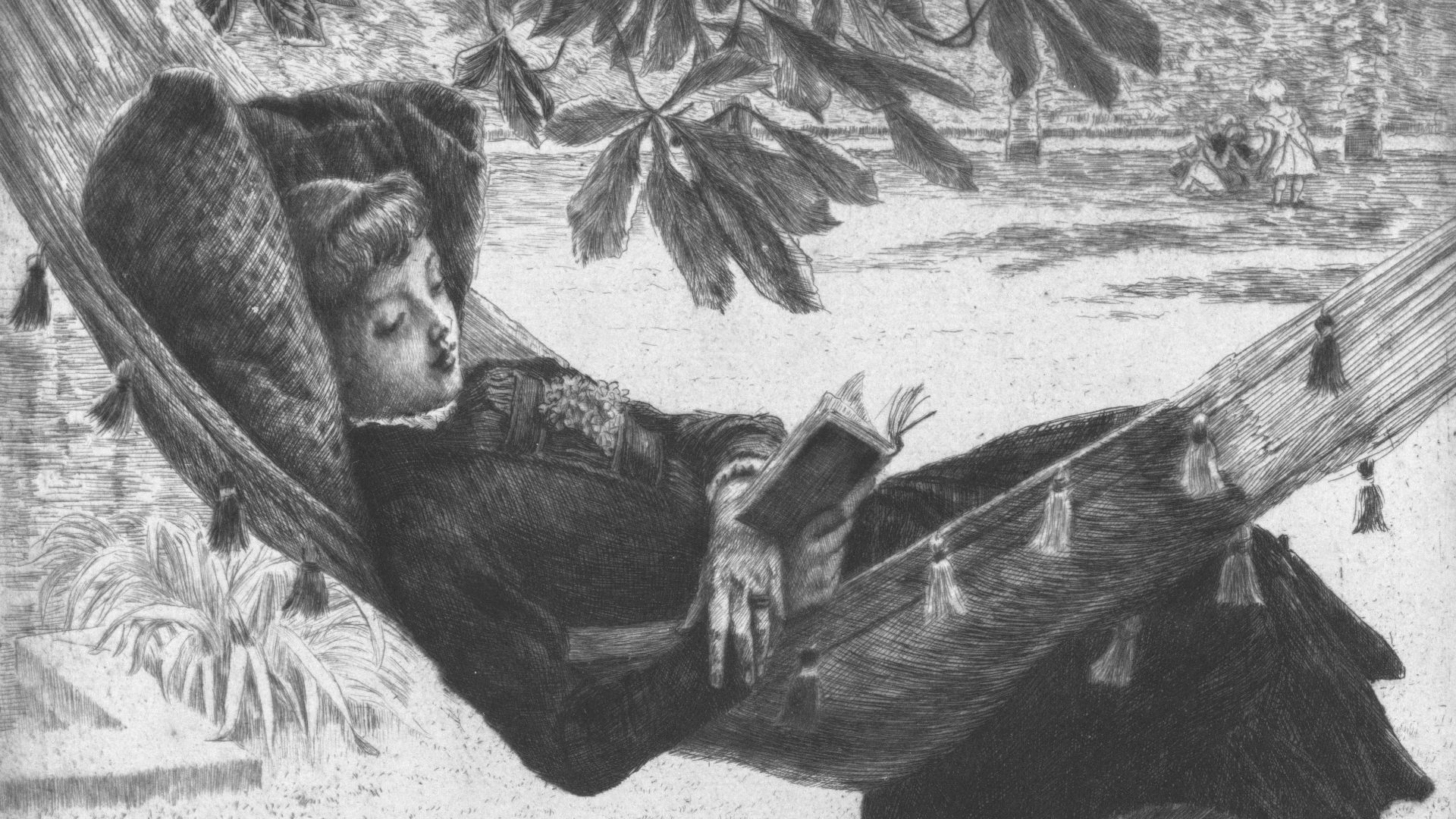
1. Taking Long Walks
Walking for health is one of those old habits that has aged beautifully. Across different periods, people treated regular walking as good for the body, mood, and digestion, and they weren't wrong.

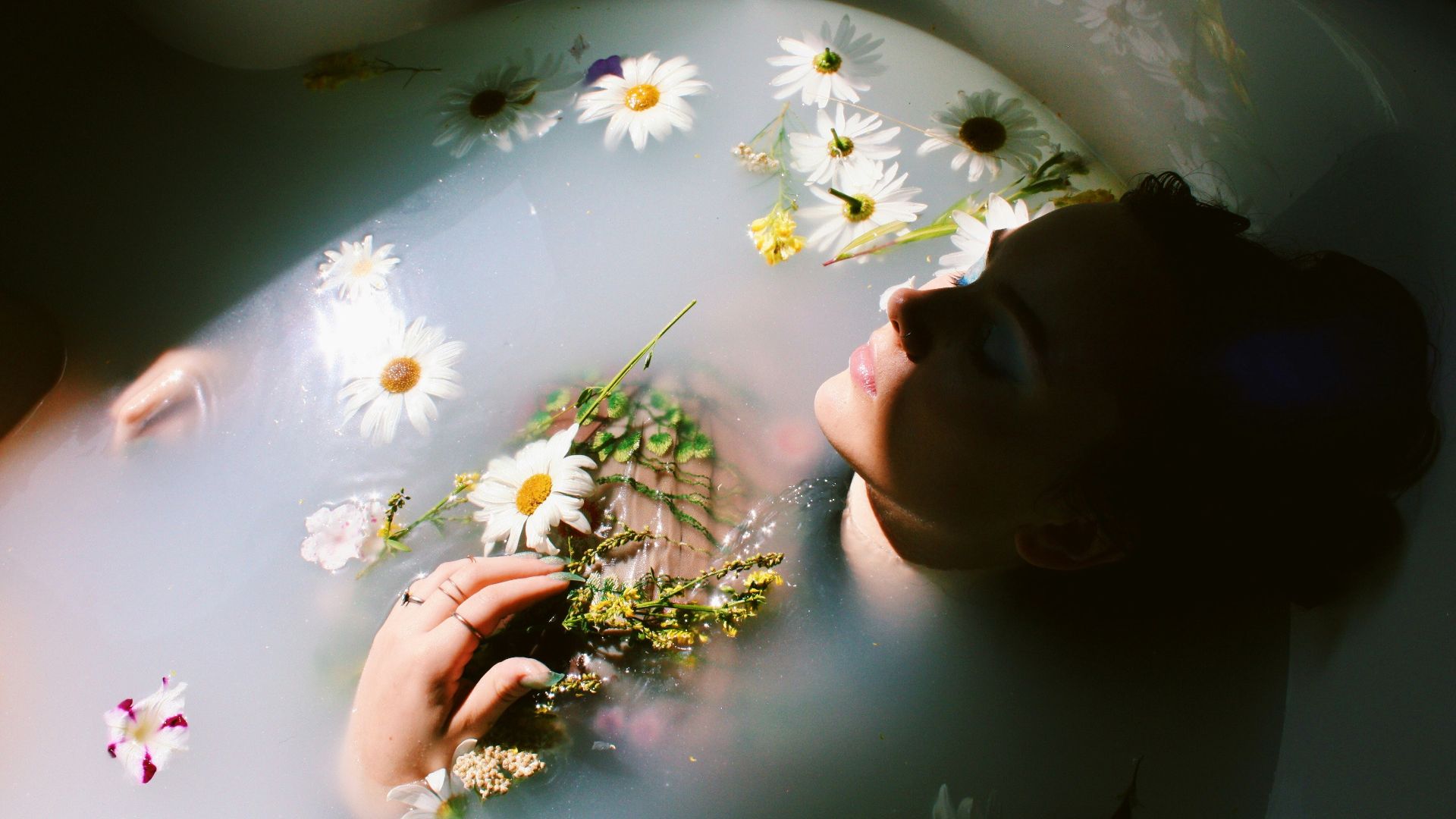
2. Bathing in Warm Water
Warm baths have been used for comfort and relaxation for centuries, and this one was actually onto something. A bath can help soothe sore muscles, calm the mind, and generally make a rough day feel less hostile. You don't need a luxury spa package to understand that hot water feels restorative.
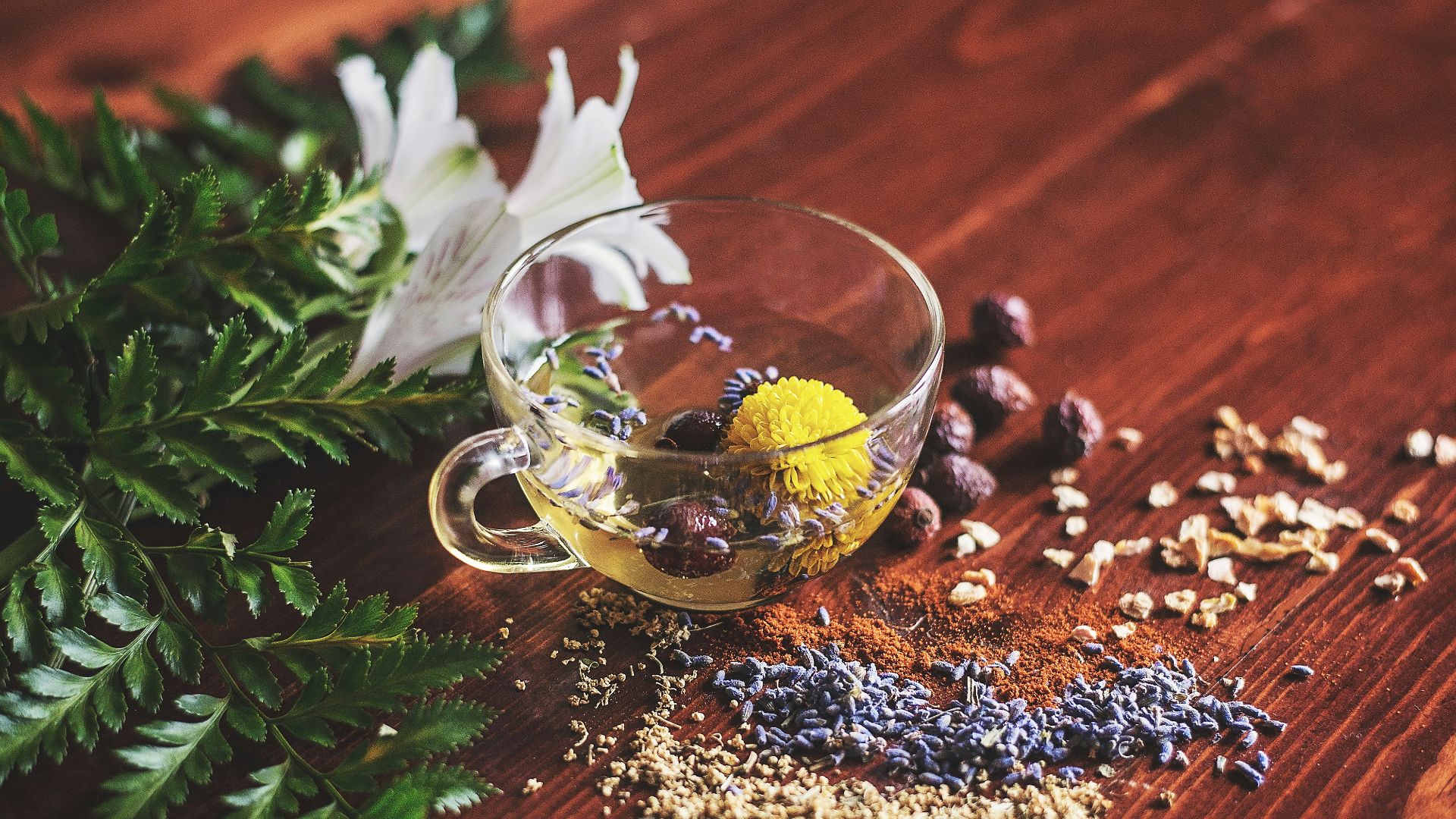
3. Drinking Herbal Teas for Comfort
Not every herbal remedy was scientifically solid, but plenty of people throughout history used mild herbal teas as a calming daily ritual. The warmth, hydration, and quiet routine were genuinely soothing, and some were infused with herbs that actually have some medicinal qualities. That may not sound revolutionary, but it's more useful than many historical alternatives.
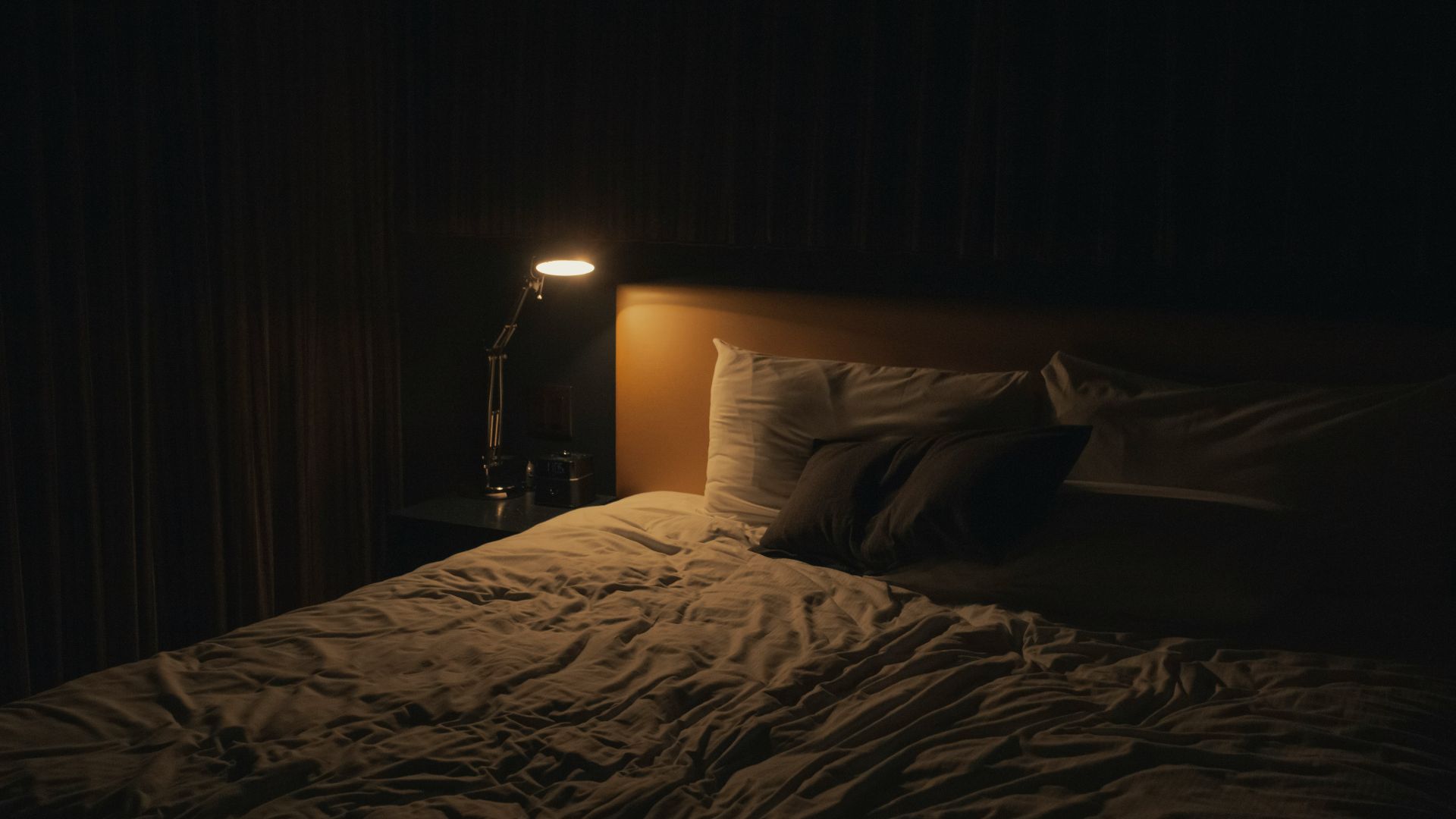
4. Going to Bed Earlier
Before electric lights stretched the day into nonsense, many people naturally followed a more sun-based rhythm. Getting more rest and sleeping closer to natural light cycles likely did a lot more good than some of the era’s more dramatic health theories.
5. Spending Time Outdoors
Fresh air has had excellent public relations for centuries, and it deserved them. Time outdoors could support exercise, reduce crowding indoors, and break up the stale conditions of daily life in dense cities or stuffy homes. Sometimes old advice sounds simplistic, but that doesn't mean it's wrong.

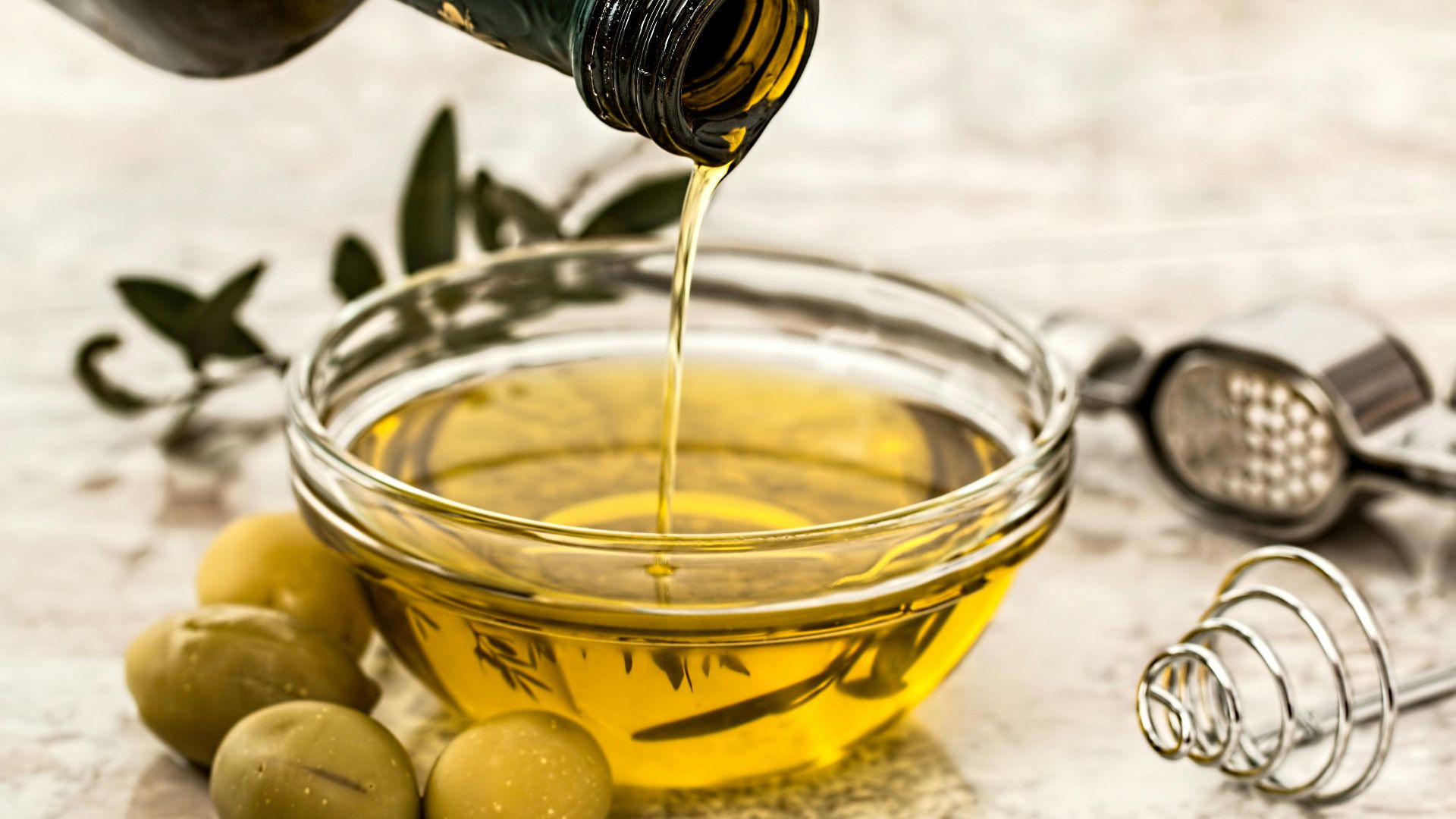
6. Using Olive Oil on Skin & Hair
Ancient people loved olive oil for beauty and body care, and honestly, that was a pretty decent call. As a moisturizer and conditioning aid, it could help soften and nourish skin and hair. It may not have solved every beauty concern, but it certainly caused fewer disasters than many later cosmetic ideas.
7. Stretching & Gentle Movement
Different cultures had their own forms of flexibility, posture, and movement practices long before modern fitness culture gave everything a branded mat and a monthly membership. Gentle movement has always had value for stiffness, aging bodies, and general comfort.

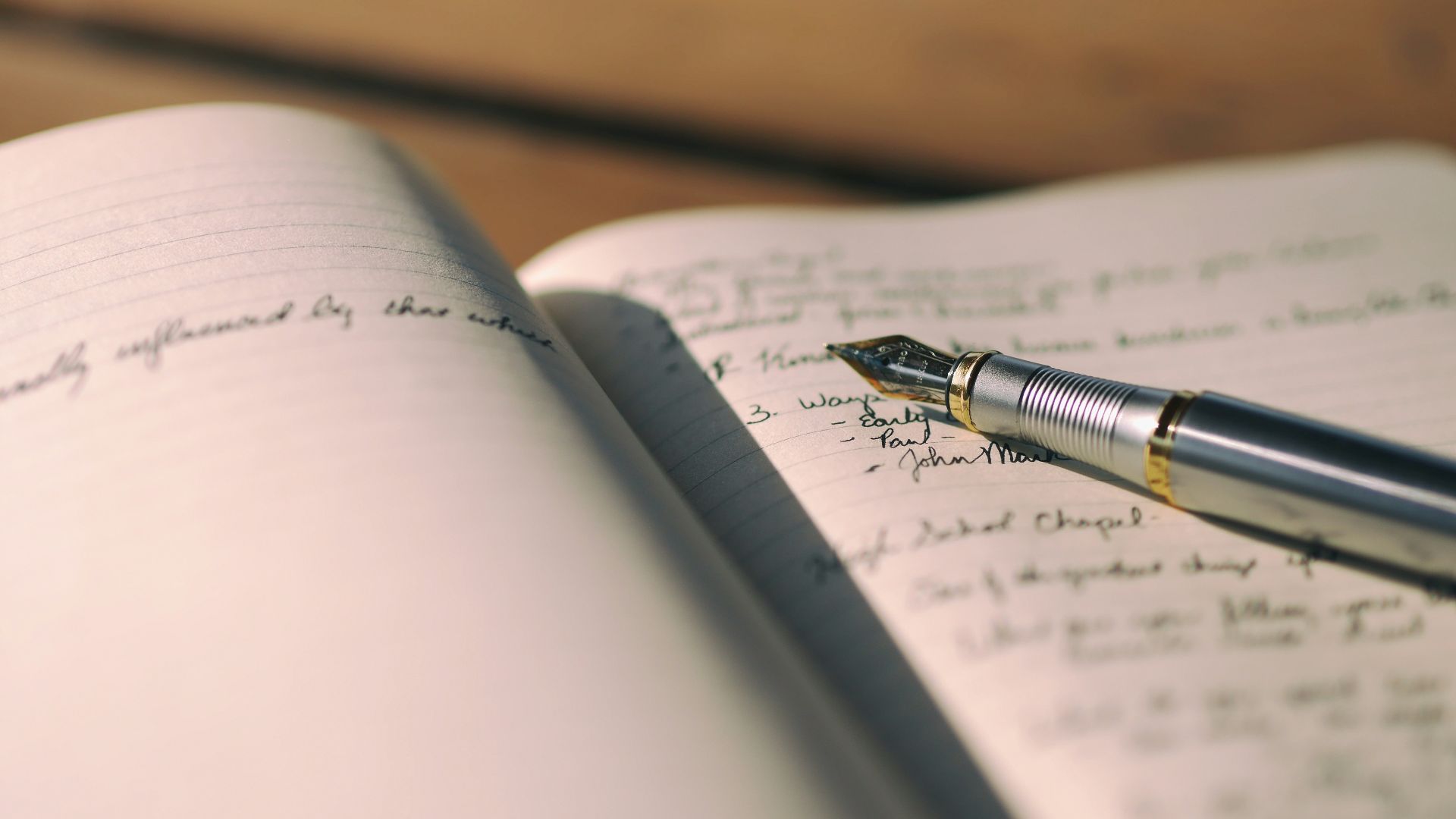
8. Writing in Journals Or Reflective Notebooks
People have been using writing to process thoughts and emotions for a very long time, even if they didn't call it mental health care. Reflective writing can help organize feelings, reduce mental clutter, and make private worries feel less chaotic. It's comforting to know that even without therapists on demand, people still found ways to think themselves through hard days.
9. Taking Rest Seriously After Illness
In some eras, rest was one of the few genuinely helpful things available when someone was sick or recovering. That didn't cure everything, of course, but giving the body time instead of immediately overtaxing it was often the wiser move. History had a lot of bad medicine, but occasionally it stumbled into the idea that exhausted people should maybe lie down.

10. Sharing Meals Slowly With Others
Long, communal meals have often been part of healthier historical lifestyles, and not just because of what was on the table. Eating with other people, taking your time, and making meals part of social life can be grounding in ways that go beyond nutrition. A calmer relationship to food and company is a form of care, even if nobody in the room used that phrase.

Now that we've covered the historical self-care habits that actually helped, let's talk about the ones that did more harm than good.
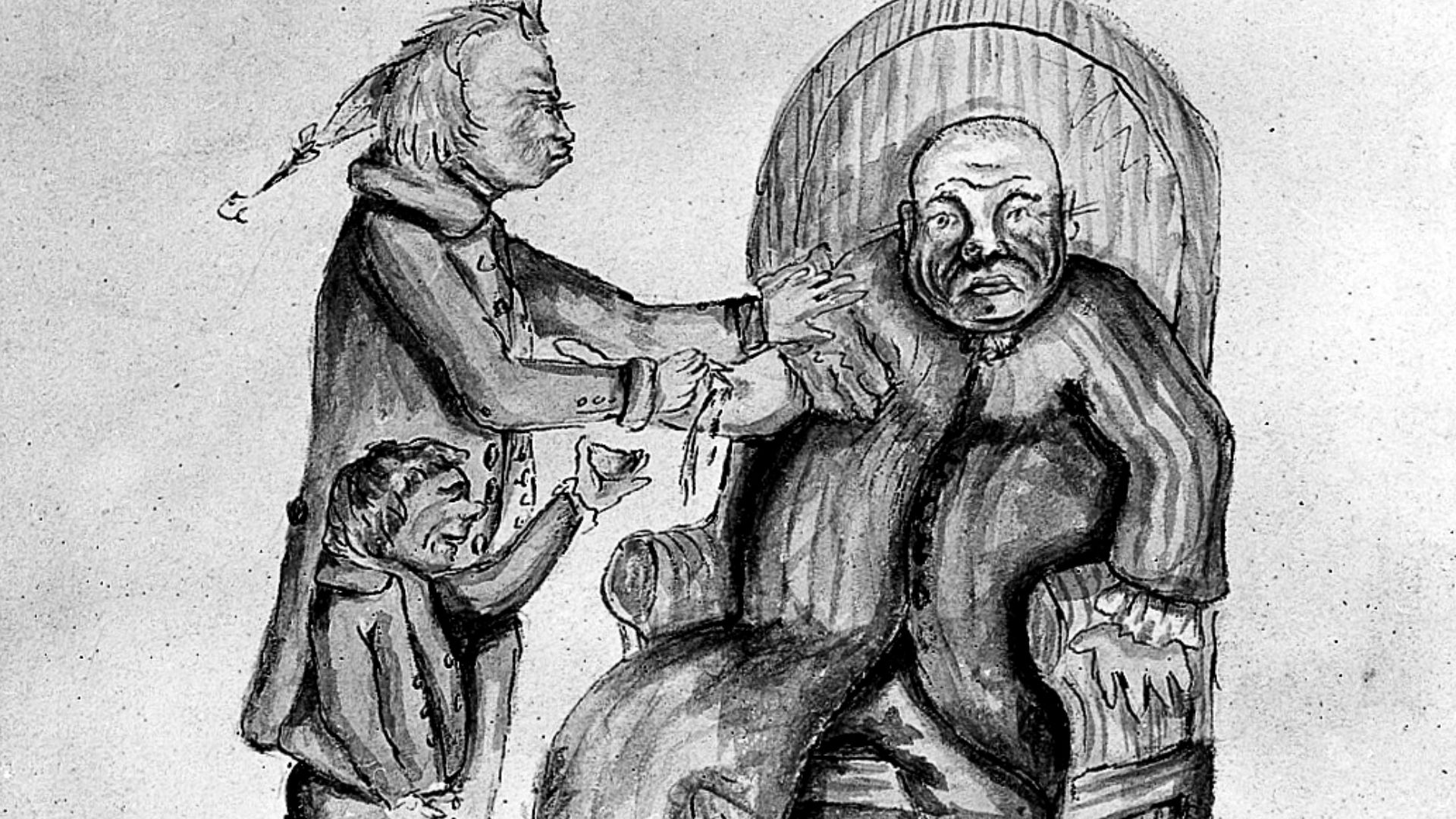
1. Bloodletting
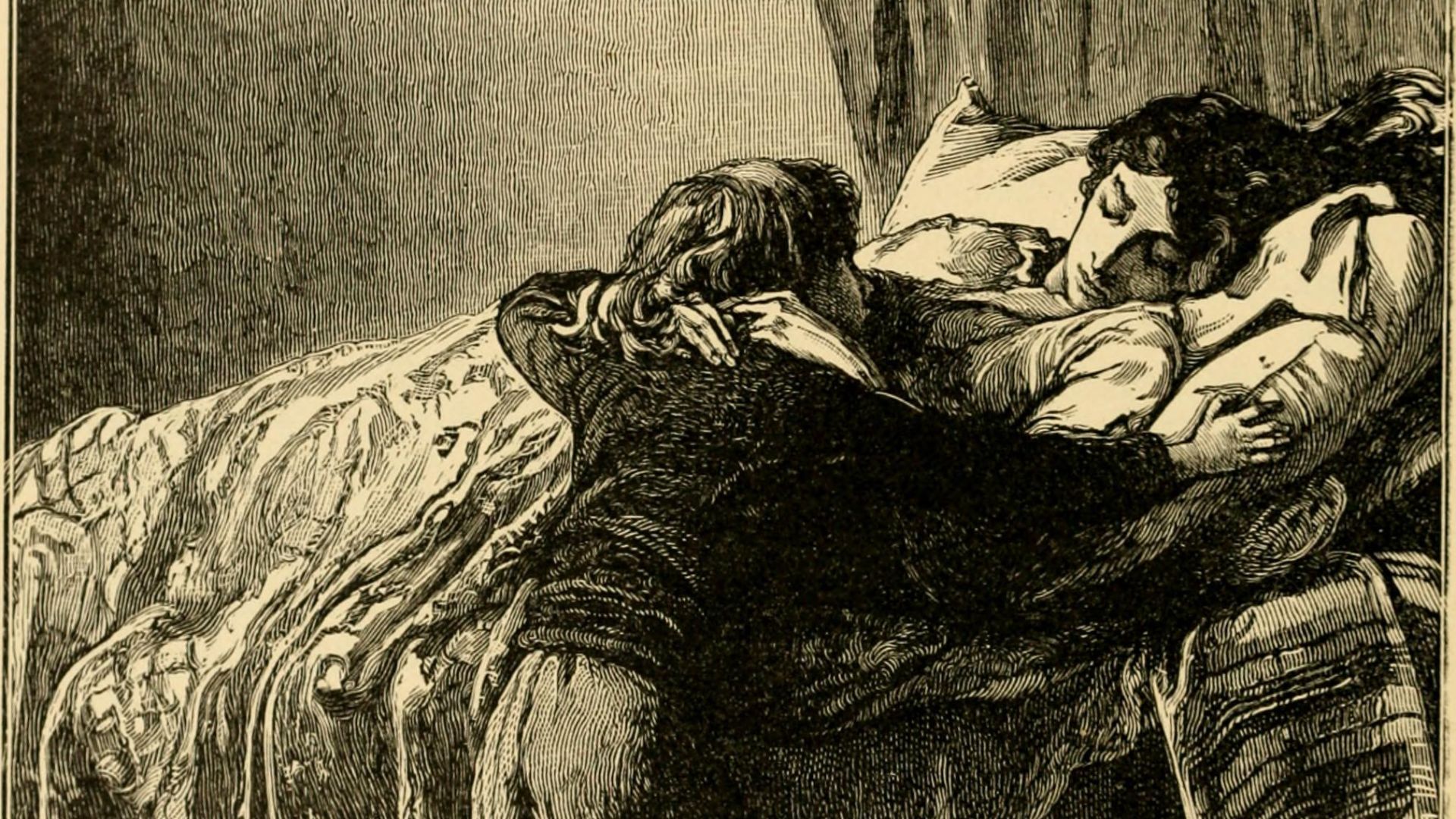
Bloodletting is probably one of history’s most famous bad ideas, and it was around for a shockingly long time. The theory was that removing blood would restore balance or release illness, but in reality, it often weakened already sick people and made things worse. If your self-care routine ends with you losing a troubling amount of blood, that is usually a sign to rethink the plan.
2. Using Lead-Based Cosmetics
People once used lead in face makeup to get a smooth, pale, fashionable complexion, which is a sentence that should disturb you immediately. The problem, obviously, is that lead is toxic and doesn't stop being toxic just because it is part of a beauty routine. Looking elegant is not a great trade if the cost is poisoning yourself slowly.
 Internet Archive Book Images on Wikimedia
3. Taking Mercury for Health & Beauty
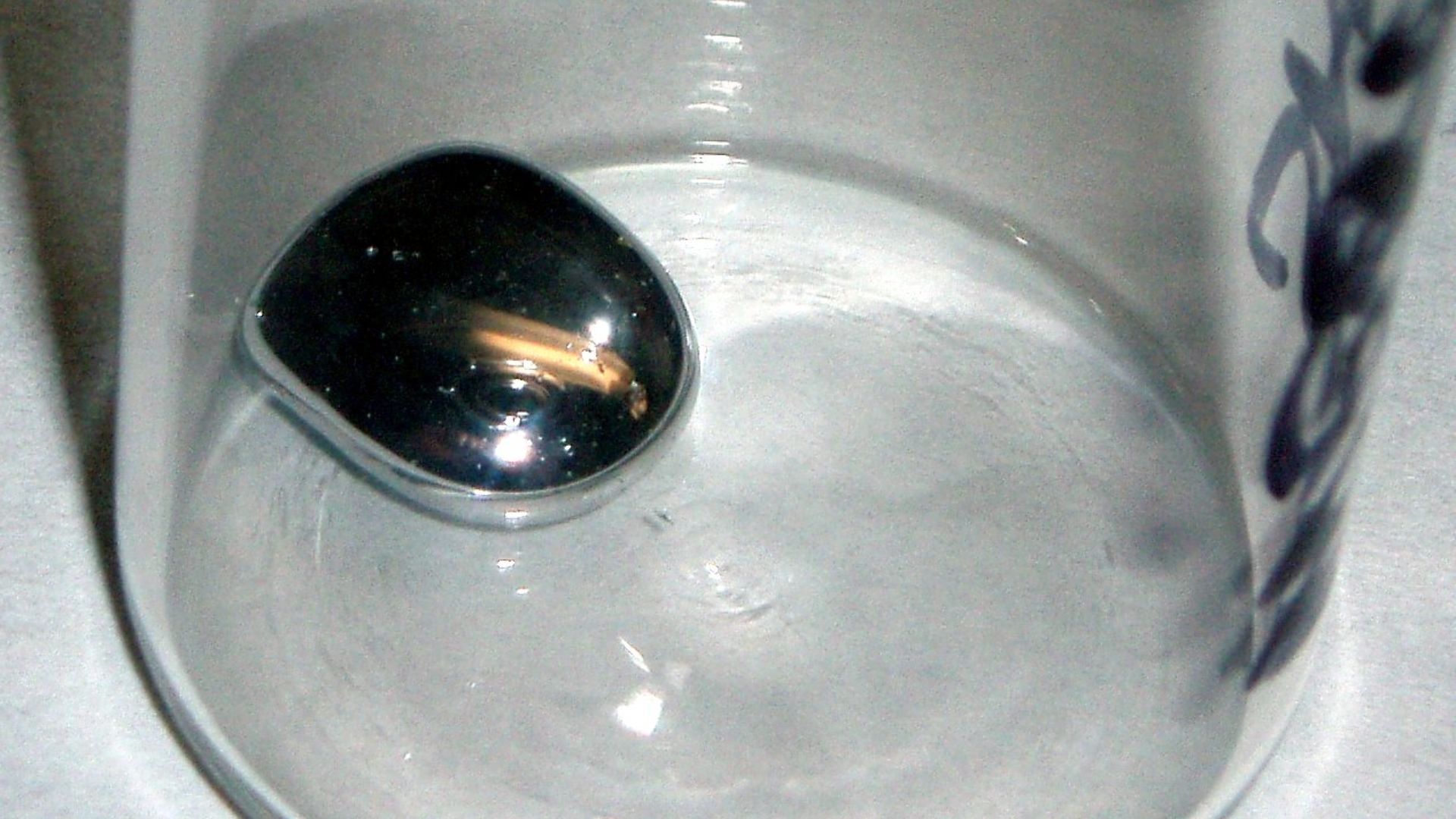
Mercury was used for skin issues and as treatments for everything from digestive issues to depression. It was only in the mid-20th century that most of this was phased out, after everyone understood how severely toxic mercury is. There is something uniquely bleak about a “wellness” product that's also a poison.
4. Arsenic Wafers for Beauty
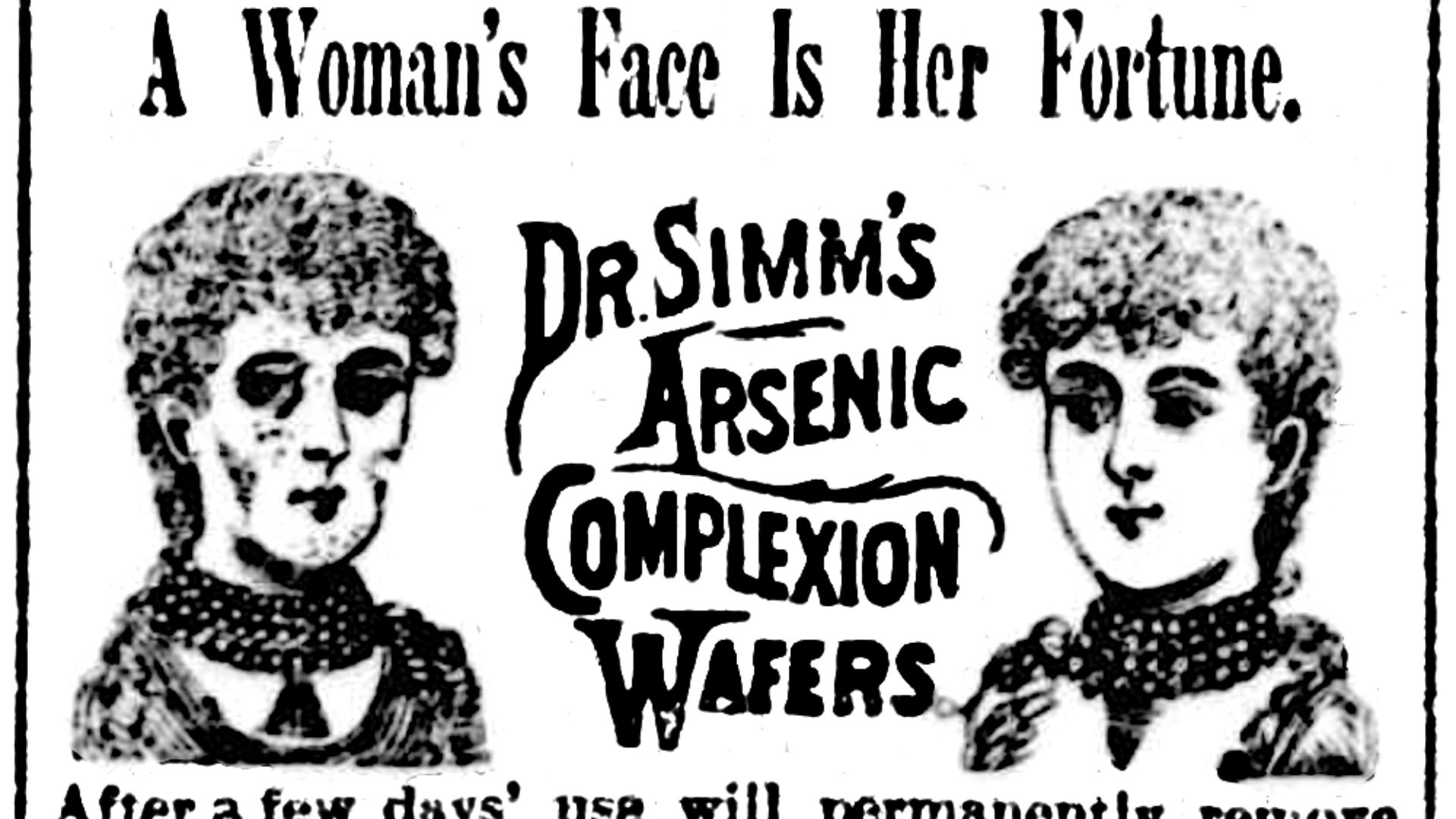
At certain points, arsenic was marketed as a way to improve complexion and give women a delicate glow. That's already a strong clue that beauty culture has once again wandered into criminal territory. Poisoning yourself in the name of looking fresh-faced is exactly the sort of self-care failure history specializes in.
 The Helena Independent (newspaper) on Wikimedia
5. Drinking Radioactive Tonics
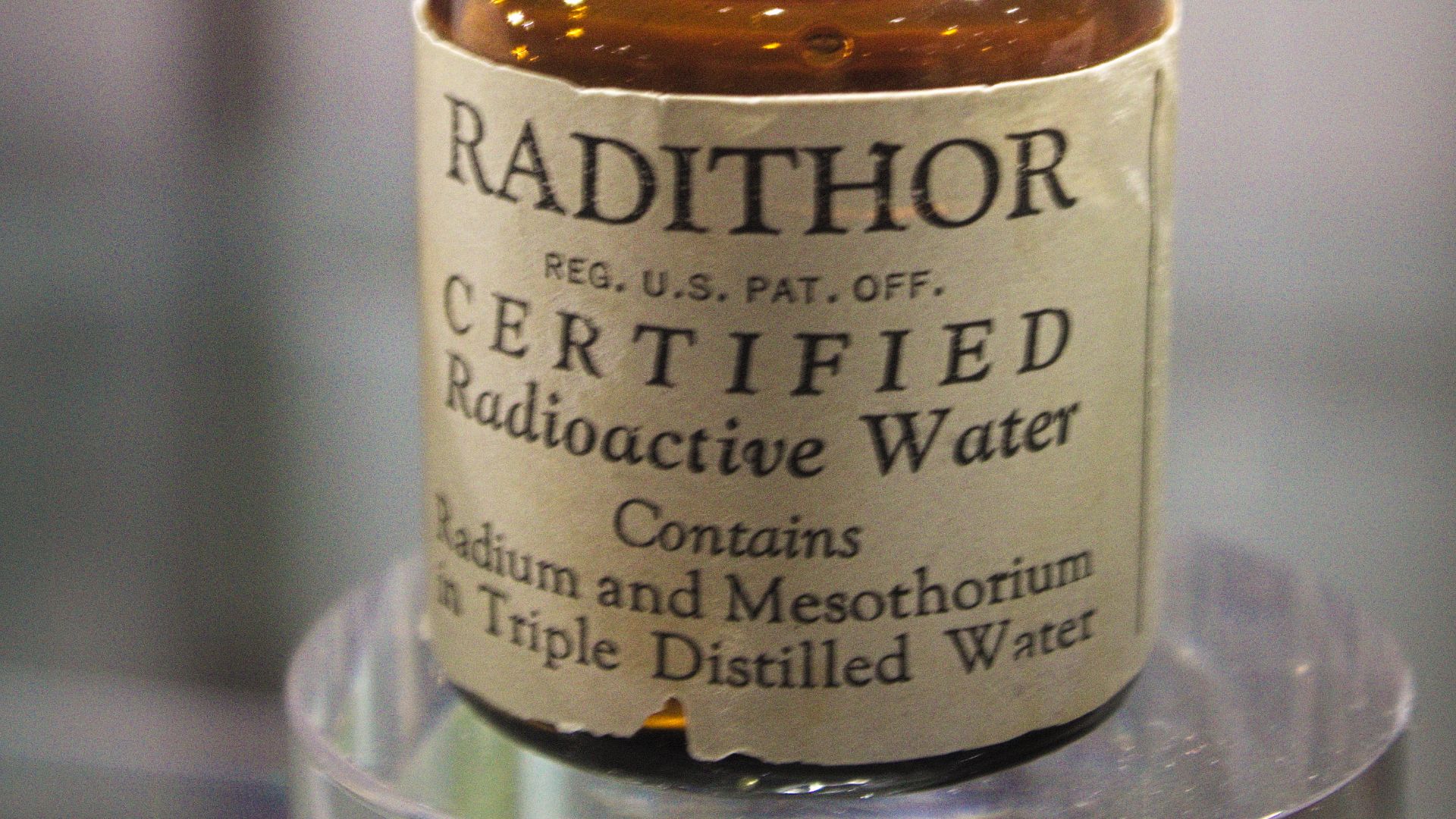
The early twentieth century had a bizarre enthusiasm for radioactivity before the full danger was understood, and that led to products no sensible person would now ingest willingly. Radioactive tonics were sold as energizing or health-promoting, which sounds absurd because it was. It's difficult to imagine a clearer example of confidence and novelty outrunning actual knowledge.
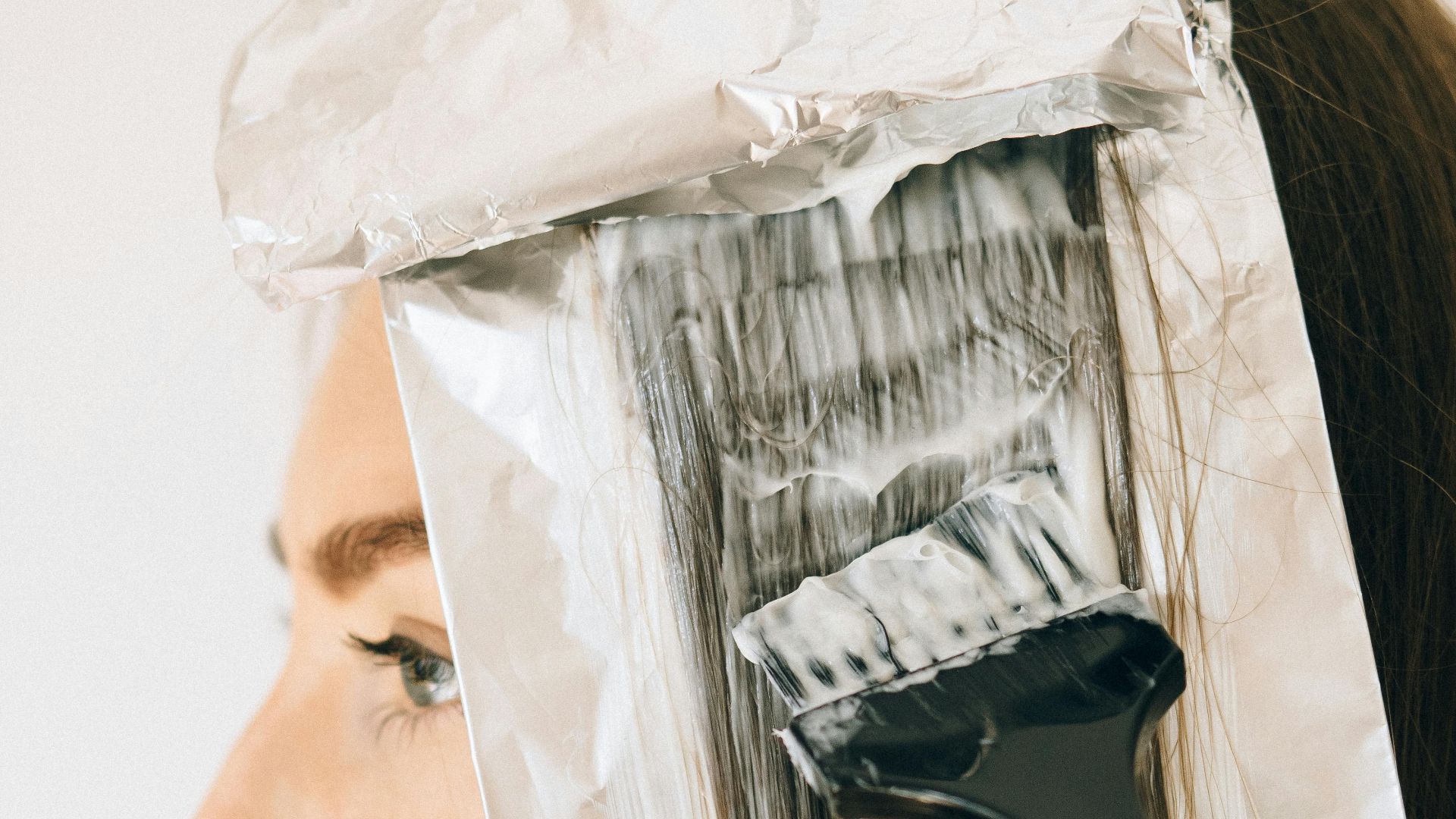
6. Sleeping With Toxic Hair & Beauty Products On
People have gone to bed wearing all kinds of treatments, powders, and substances in the hope of waking up improved. Unfortunately, many historical beauty products were full of ingredients that were irritating, unsafe, or outright poisonous. It's always awkward when your nighttime routine is less restorative ritual and more low-level chemical gamble.
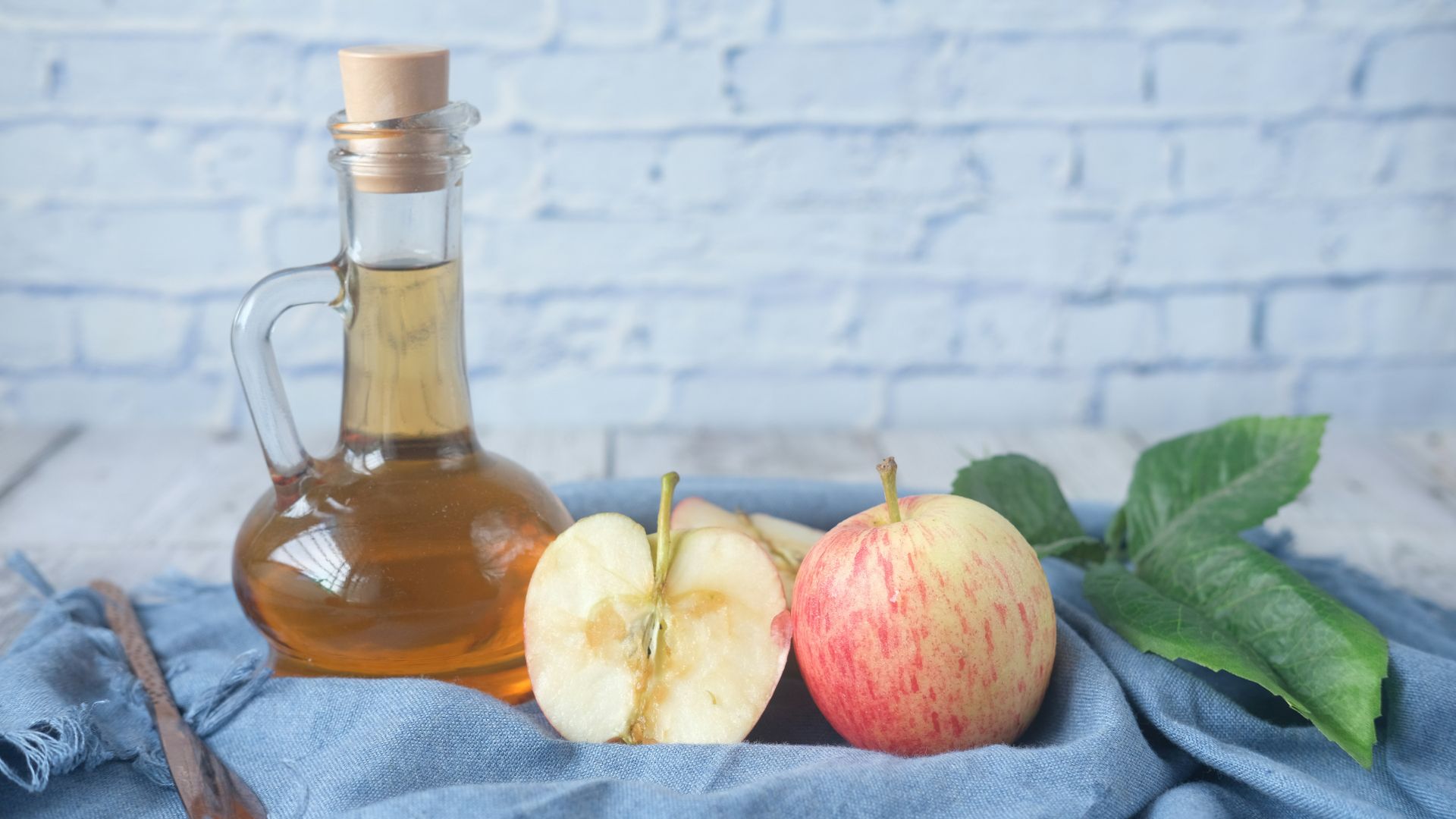
7. Victorian Vinegar Diets
Some people in the nineteenth century treated vinegar like a slimming aid and appetite-management trick. The idea was that it might suppress hunger or help maintain a fashionable paleness and thinness, which is exactly as miserable as it sounds.
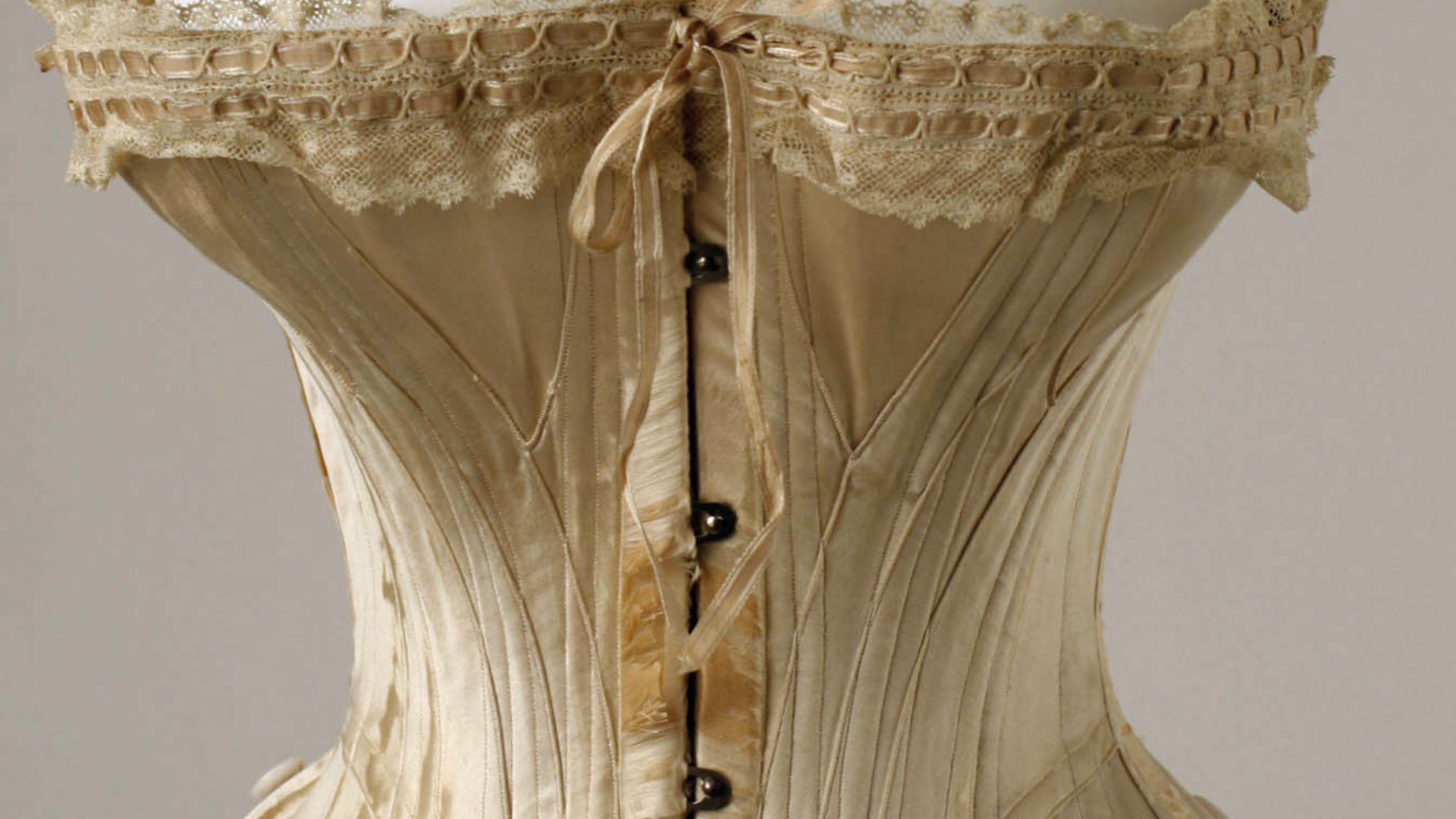
8. Tight-Lacing for Health & Beauty
Corsets are more complicated than popular myth sometimes admits, but extreme tight-lacing definitely deserves a place in the bad column. It severely compressed the ribs, shifting internal organs downward, restricting lung capacity, and sometimes causing permanent deformations, which doesn't sound like a path to flourishing. If you're faint, sore, and structurally inconvenienced, your wellness plan has taken a wrong turn.
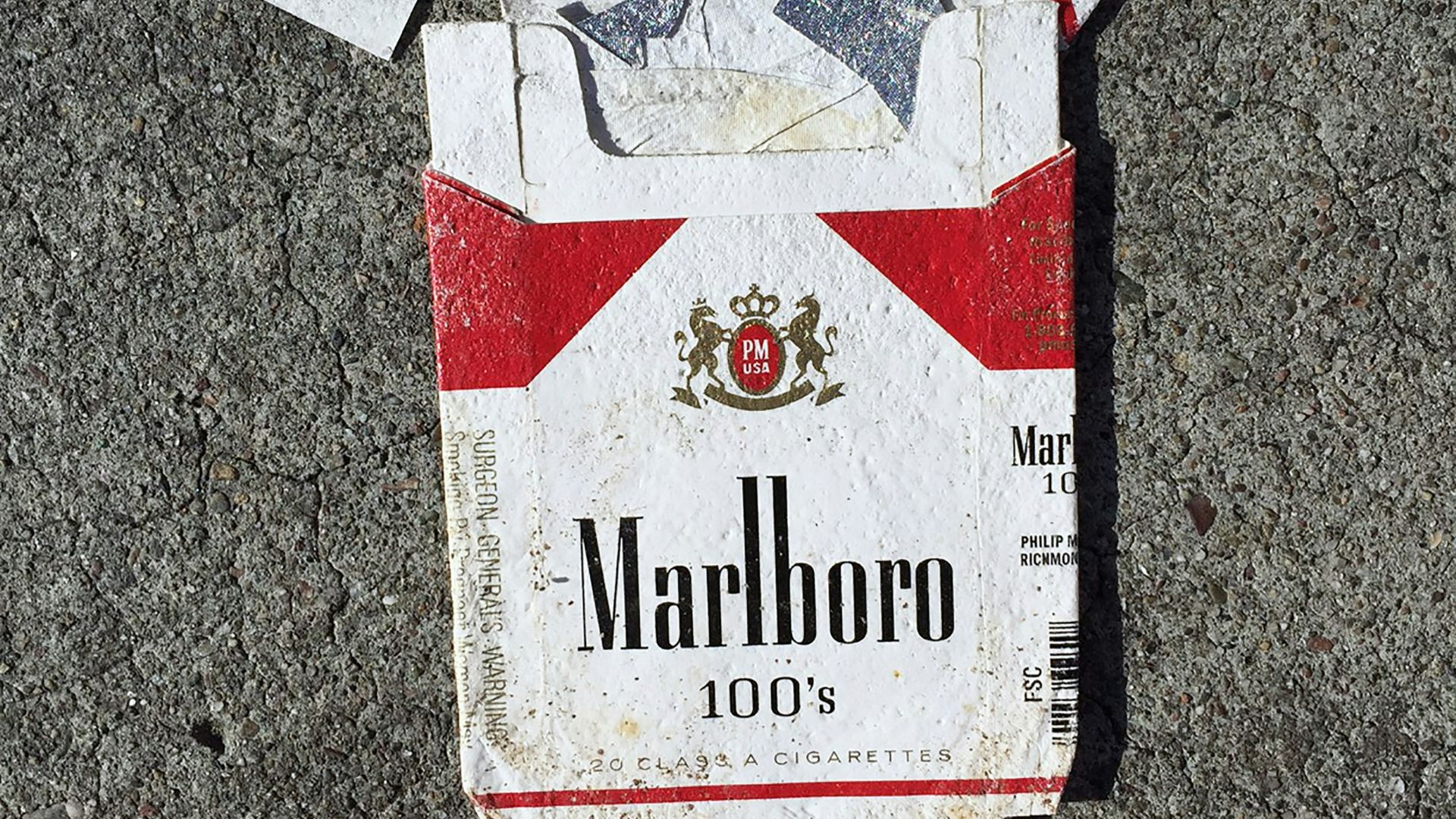
9. Smoking Cigarettes
There was a time when smoking was sold to people, especially women, as glamorous, calming, helpful for weight control, and somehow even healthy. Tobacco brands used paid actors to pose as doctors, and actual physicians to endorse cigarettes, pushing the message that they're harmless or even beneficial. That's one of those historical moments where the advertising sounds almost like satire now.
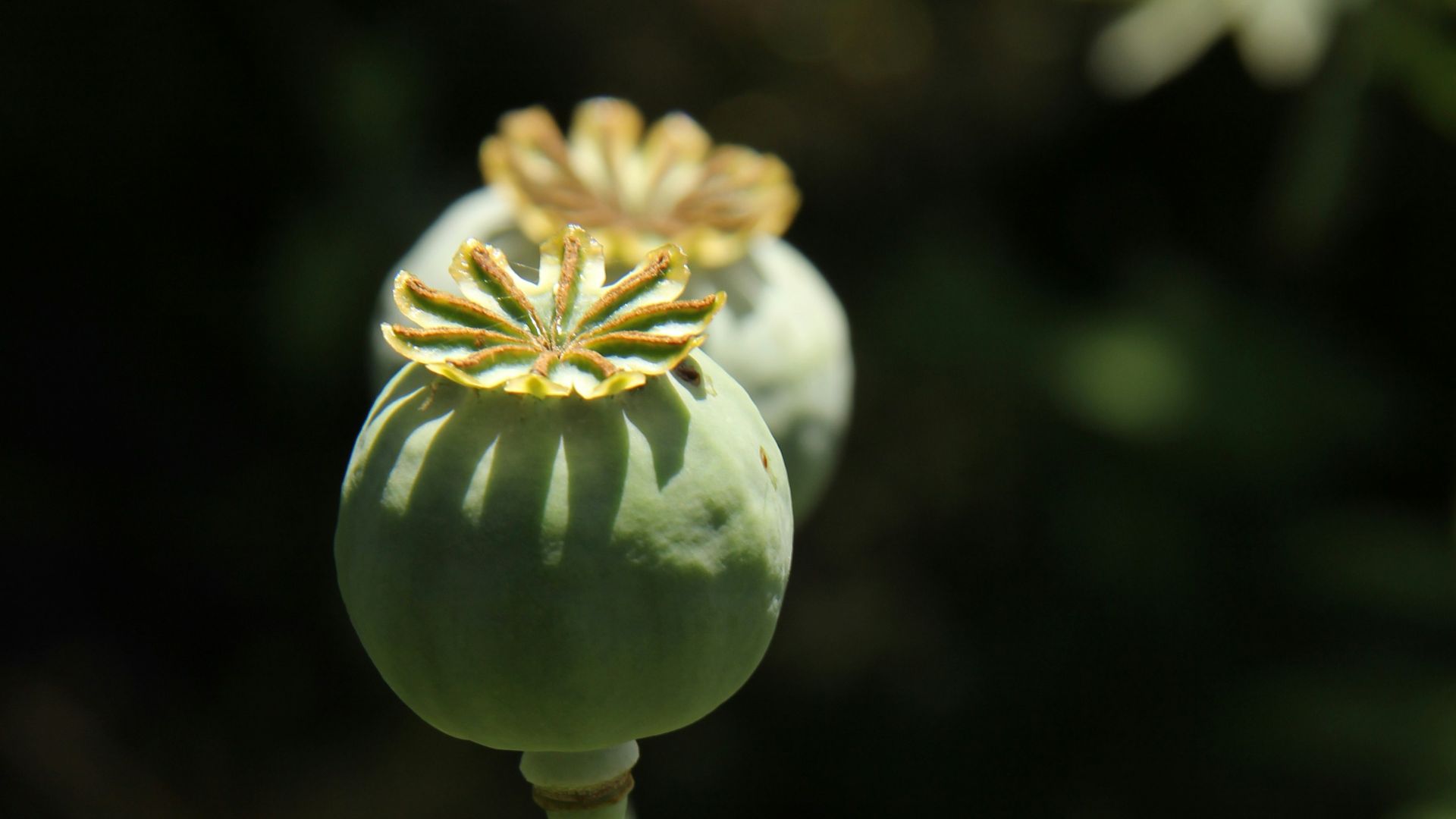
10. Self-Medicating With Opium-Based Patent Remedies
Patent medicines used to promise relief for everything from nerves to sleeplessness, and many of them were alarmingly generous with addictive ingredients. Opium and related substances showed up in products sold with a reassuringly tidy label and a wildly irresponsible lack of honesty. You might have slept better for a night, but history is very clear that this wasn't a healthy long-term coping strategy.
KEEP ON READING
The story of Ching Shih, the Woman Who Became the…
Unknown author on WikimediaFew figures in history are as feared…
By Emilie Richardson-Dupuis Dec 29, 2025
Einstein's Violin Just Sold At An Auction—And It Earned More…
A Visionary's Violin. Wanda von Debschitz-Kunowski on WikimediaWhen you hear…
By Ashley Bast Nov 3, 2025
This Infamous Ancient Greek Burned Down An Ancient Wonder Just…
History remembers kings and conquerors, but sometimes, it also remembers…
By David Davidovic Nov 12, 2025
The Mysterious "Sea People" Who Collapsed Civilization
3,200 years ago, Bronze Age civilization in the Mediterranean suddenly…
By Robbie Woods Mar 18, 2025
How Shipwrecks Became Time Capsules for Lost Economies
Yevhen Buzuk on UnsplashWhen you think about shipwrecks, do you…
By Breanna Schnurr Apr 9, 2026
20 Soldiers Who Defied Expectations
Changing the Rules of the Battlefield. You’ve probably heard plenty…
By Annie Byrd Feb 10, 2026