

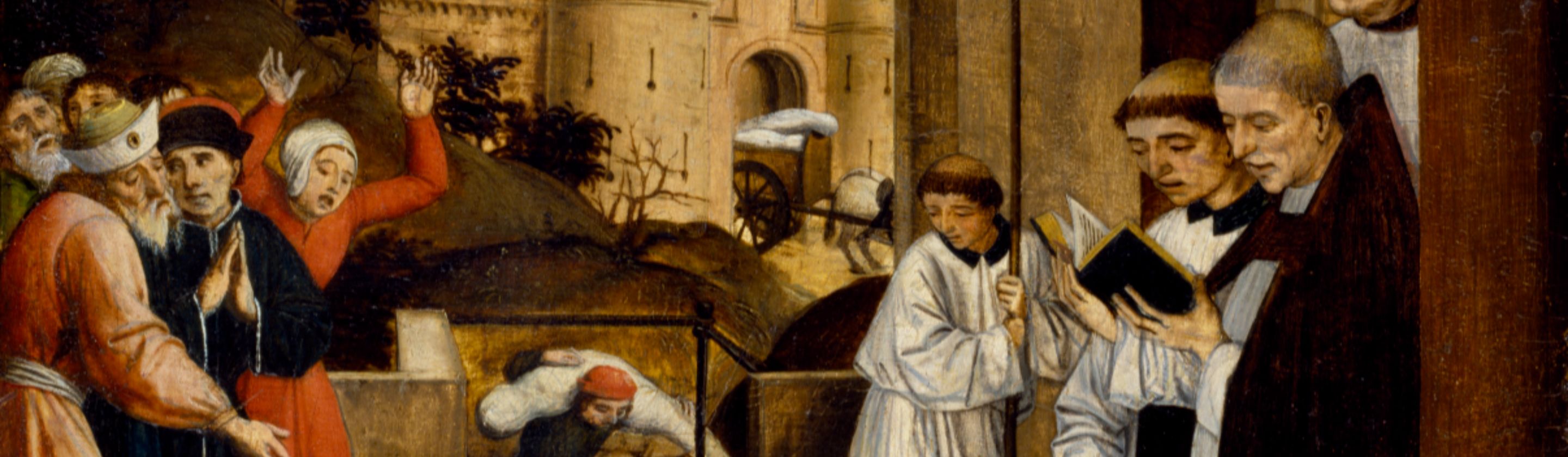
Why the Year 536 May Have Been the Worst Year in History
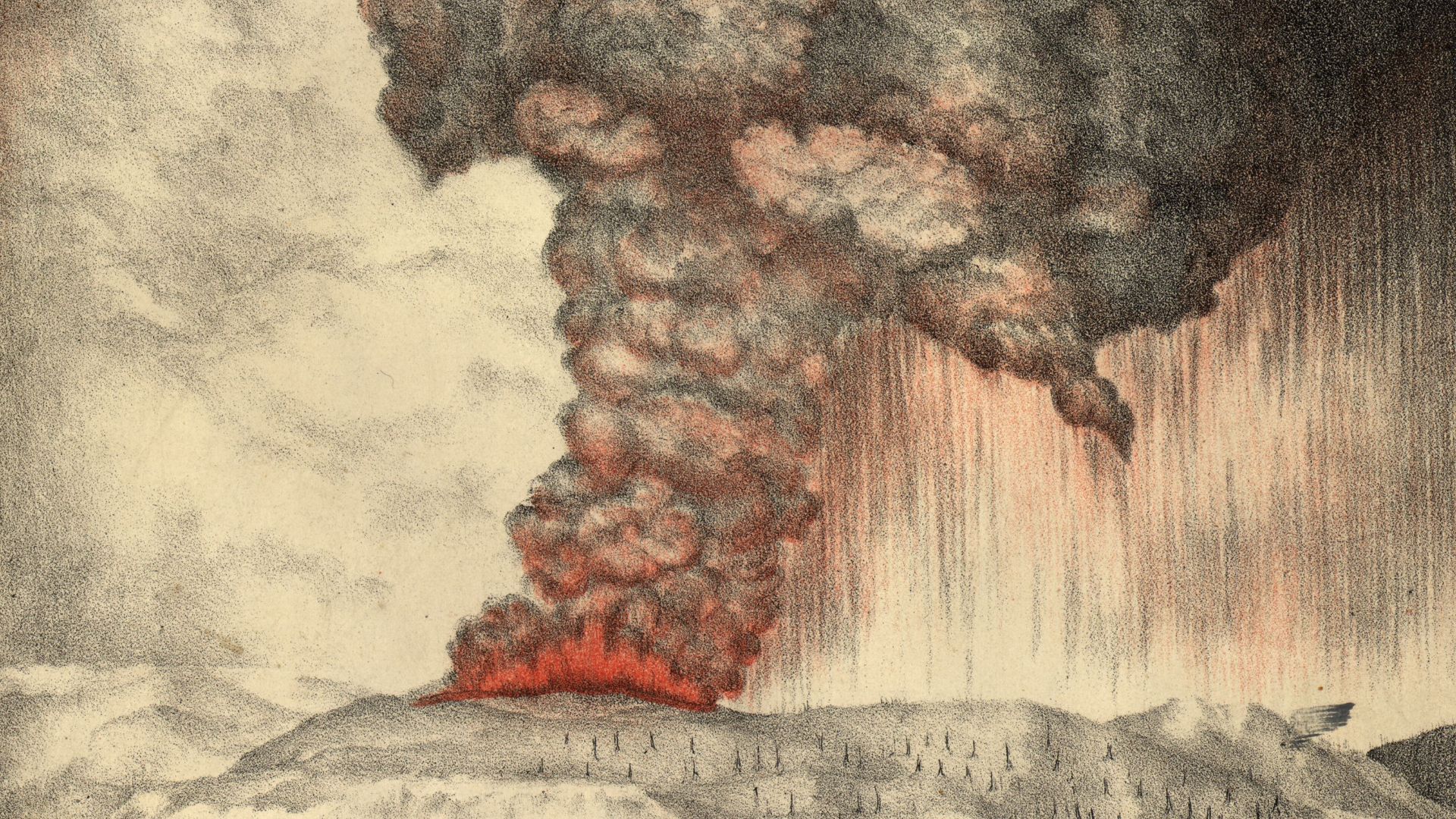 Lithograph: Parker & Coward on Wikimedia
Some years are remembered for wars, plagues, fires, invasions, or rulers making decisions that everyone else had to suffer through. Then there’s the year 536, which managed to be awful in a much stranger way. The sun seemed to dim, temperatures dropped, harvests failed, and people across different regions were left wondering why the sky had decided to stop cooperating.
The title of “worst year in history” is obviously a bold one, because humans have had plenty of terrible years to choose from. Still, 536 has a strong case because it didn’t just bring one crisis. It helped begin a long period of cold, hunger, instability, and disease that affected much of the Northern Hemisphere. You don’t have to crown it the absolute worst to admit it was a miserable time to be alive.
The Sun Went Dim, & Nobody Knew Why
One of the strangest things about 536 was the way people described the sky. Writers from the time recorded a sun that gave off light without its usual brightness, almost as if it were weakened or covered. That wasn't just poetry; these people were trying to explain a real and frightening change in daily life. A dim sun meant colder weather, confused seasons, and a very nervous agricultural world.
Today, researchers believe a major volcanic eruption likely blasted particles into the atmosphere around that time. Those particles could have reflected sunlight away from Earth and created a kind of volcanic veil. People in the sixth century didn’t have ice cores, satellites, or climate models to help them understand what was happening. They simply saw the light fade and had to live with the consequences.
The eerie sky also seems to have lasted far longer than a normal weather event. Some accounts suggest the haze or dimming continued for many months, making the year feel permanently unsettled. Even for people used to hardship, that kind of uncertainty must have been deeply unnerving.
Cold Weather Turned Into a Food Crisis
The real problem with a dimmer sun wasn't mood lighting; it was food. Cooler temperatures can shorten growing seasons, weaken crops, and make harvests far less reliable.
In a world where most people depended directly on agriculture, bad weather was more than a small inconvenience.
Tree-ring and ice-core evidence have helped modern researchers understand how unusual this cooling period was. The years around 536 were part of what scholars call the Late Antique Little Ice Age, a prolonged period of lower temperatures that followed multiple volcanic eruptions. It wasn’t just one chilly summer that made people grumble into their cloaks. The cold and instability continued long enough to strain societies that were already dealing with war, politics, and fragile economies.
Crop failures also had a way of creating problems beyond the dinner table. When food became scarce, communities could become more vulnerable to unrest, migration, disease, and conflict. Hungry people are rarely relaxed, and hungry governments don’t tend to function beautifully either. The climate shock of 536 helped put pressure on systems that weren't exactly enjoying a peaceful vacation beforehand.
The Disaster Kept Getting Worse
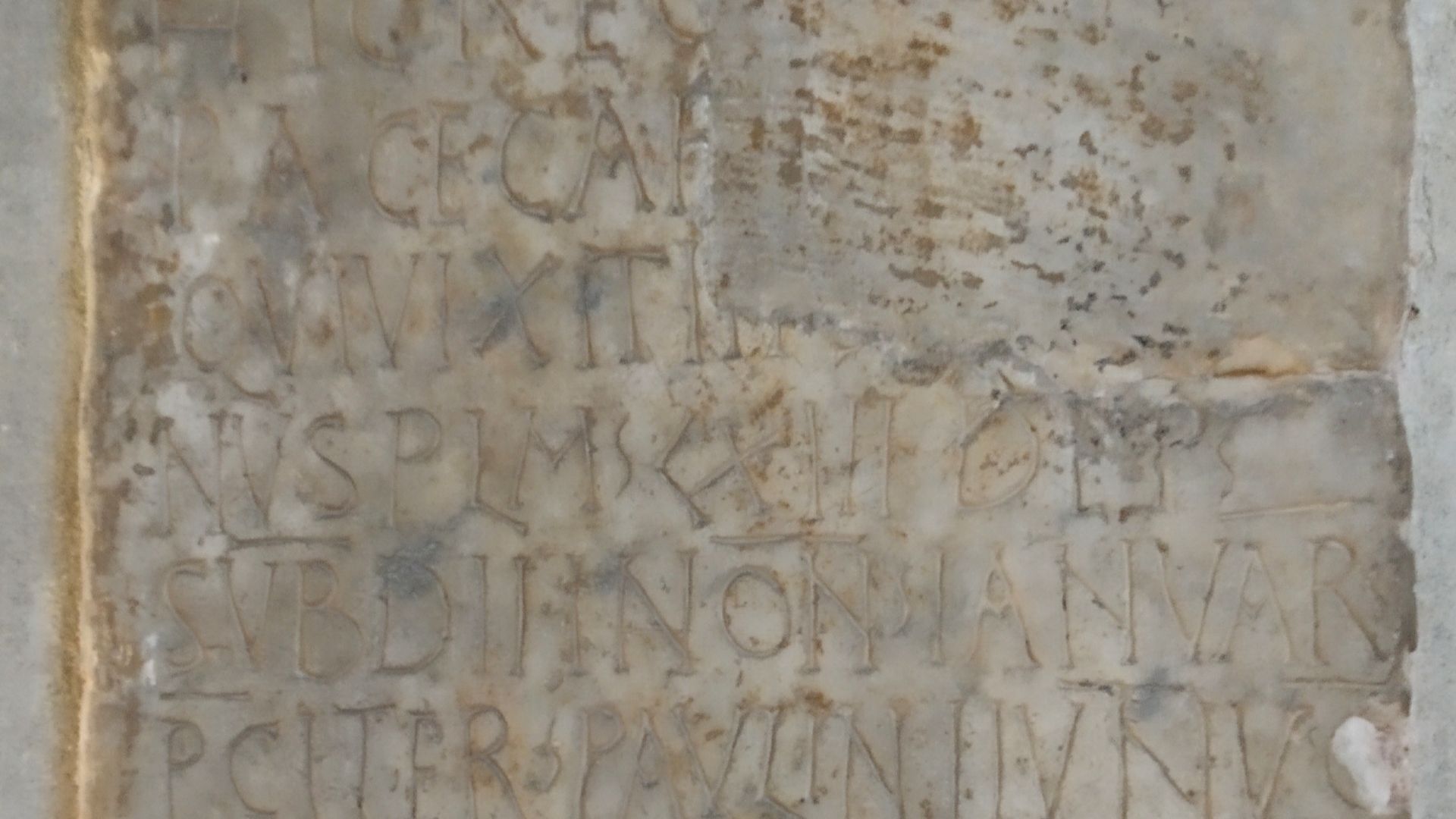 Giovanni Dall'Orto on Wikimedia
What makes 536 especially grim is that it appears to have been the opening act, not the finale. Another major volcanic eruption occurred around 540, adding more stress to an already damaged climate. Instead of recovering quickly, many regions faced years of hardship. If 536 knocked the world off balance, the following years kept pushing.
Then came the Plague of Justinian in the 540s, a devastating pandemic that struck the Byzantine Empire and other parts of the Mediterranean world. It didn't technically begin in 536, but it arrived during a period already weakened by the climate disruption and food insecurity that began that year. Disease spreads more brutally when people are hungry, displaced, crowded, or economically strained.
The Byzantine Empire, under Emperor Justinian, was trying to restore Roman power when these disasters hit. Wars, taxes, famine, and plague combined into a punishing burden. Even a strong empire would have struggled under that mix, and the Byzantine state was forced to absorb shocks that kept coming from several directions.
Why Historians Keep Returning to 536
The year 536 fascinates historians because it shows how nature can crash into human history without asking permission. A volcanic eruption, possibly far from the people who suffered most, may have altered weather, harvests, economies, and health across huge distances. That makes the year feel strangely modern, even though it happened nearly 1,500 years ago. It reminds you that climate and society have always been linked.
It also stands out because the evidence comes from several kinds of sources. Written accounts describe darkened skies and strange weather, while scientific research points to volcanic material in ice cores and unusual patterns in tree rings.
That combination gives the story more weight than a single dramatic chronicle. The more researchers study it, the less 536 looks like a legend and the more it looks like a genuine planetary problem.
Calling 536 the worst year in history may be partly a matter of debate, but it’s not hard to see why the label stuck. The year brought darkness, cold, failed harvests, fear, and the beginning of a wider period of suffering. It wasn’t dramatic in the way a single battle or sudden collapse can be dramatic. Instead, it was slow, strange, and deeply unfair, which may be exactly why it still feels so haunting.
KEEP ON READING
The story of Ching Shih, the Woman Who Became the…
Unknown author on WikimediaFew figures in history are as feared…
By Emilie Richardson-Dupuis Dec 29, 2025
Einstein's Violin Just Sold At An Auction—And It Earned More…
A Visionary's Violin. Wanda von Debschitz-Kunowski on WikimediaWhen you hear…
By Ashley Bast Nov 3, 2025
This Infamous Ancient Greek Burned Down An Ancient Wonder Just…
History remembers kings and conquerors, but sometimes, it also remembers…
By David Davidovic Nov 12, 2025
The Mysterious "Sea People" Who Collapsed Civilization
3,200 years ago, Bronze Age civilization in the Mediterranean suddenly…
By Robbie Woods Mar 18, 2025
20 Greatest Ancient Athletes In History
Ancient Olympics. Long before modern stadiums and multimillion-dollar endorsements, athletes…
By Sara Springsteen May 1, 2026
20 Soldiers Who Defied Expectations
Changing the Rules of the Battlefield. You’ve probably heard plenty…
By Annie Byrd Feb 10, 2026