


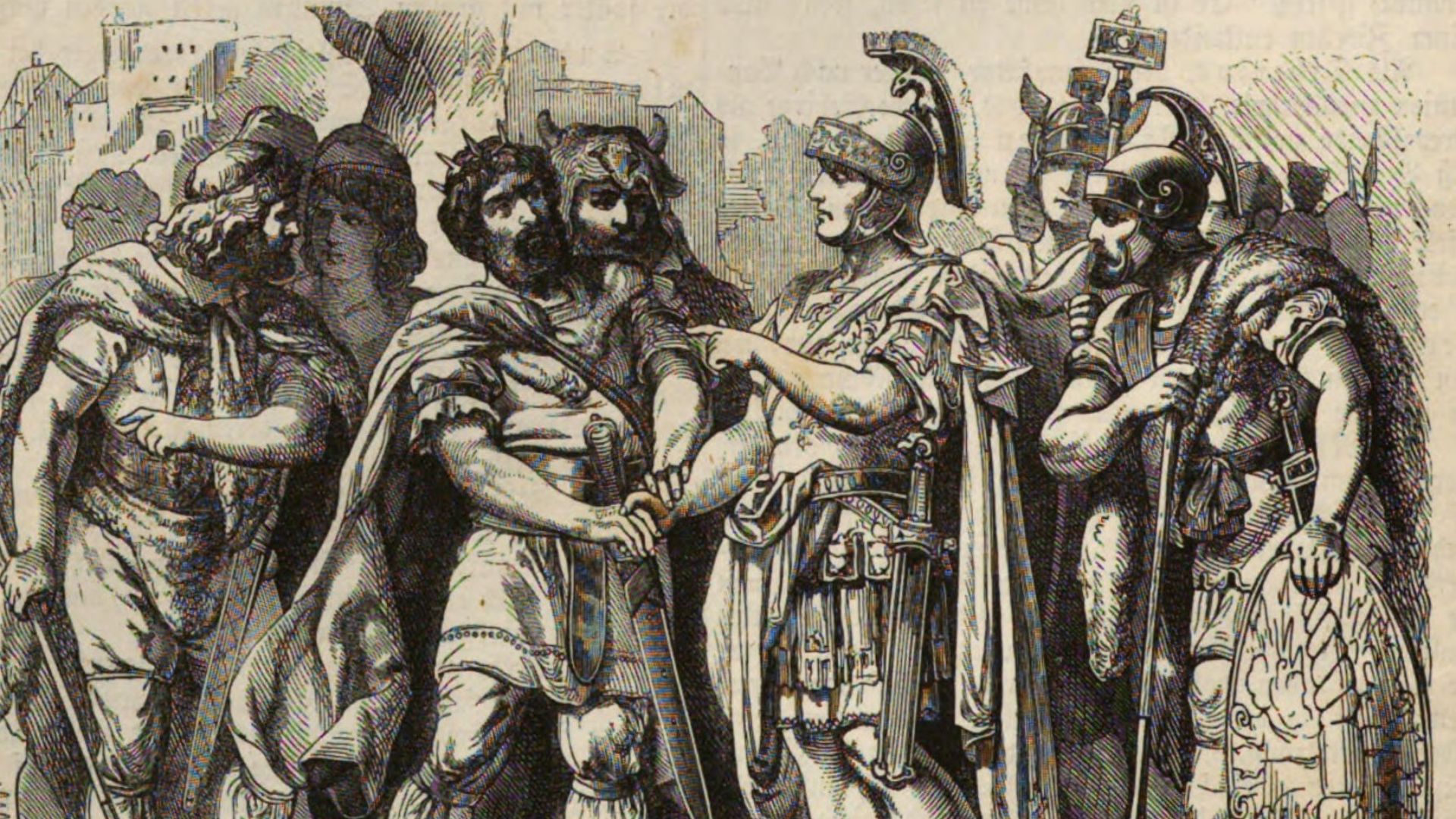
Dynasties usually begin with energy, confidence, and a thrilling sense of destiny. A founder conquers rivals, restores order, or builds something so impressive that later generations treat it almost like proof of divine favor. In the beginning, power can look secure, even glamorous, because success has a way of making authority seem natural and inevitable.
The trouble is that dynasties rarely collapse in the same mood that created them. As years pass, victories harden into expectations, family politics grow messier, and the people at the top become increasingly aware of how much they could lose. By the final stretch, what once looked like stable rule often turns into suspicion, purges, private rivalries, and an atmosphere where everybody is watching everybody else.
Power Makes Every Relationship Feel Dangerous
One reason dynasties end in paranoia is that hereditary rule turns family into a political problem. In an ordinary household, a brother, son, or uncle might simply be difficult. In a dynasty, that same relative can become a rival with a blood claim, supporters, and a very real chance of taking the throne if circumstances shift.
That changes the emotional temperature of everything. Affection gets tangled up with succession, and loyalty is never judged on feeling alone. When power passes through a family line, the people closest to the ruler are also the people most capable of replacing him.
You can see this pattern across empires and kingdoms that looked mighty from the outside. The Ottoman dynasty is one of the clearest cases. For centuries, succession was so dangerous that fratricide became a grim political tool, with new sultans sometimes killing brothers to prevent civil war. The Roman Julio-Claudian dynasty also fits the pattern. Under Tiberius, the early empire slid into an atmosphere of fear, intimidation, and treason accusations, and in his later years, he became a tyrannical recluse associated with a “reign of terror” against major Roman figures. Other well-known examples include the Mughal dynasty after Shah Jahan fell ill, and Muscovy under Ivan the Terrible.
The longer a dynasty survives, the worse this tends to get. Founders often rise through bold action and know exactly why they're in charge. Later heirs inherit a throne but not always with the same authority, charisma, or battlefield legitimacy, so they may become more defensive and more suspicious. Once a ruler feels he must constantly prove he deserves the crown, trust becomes one of the first casualties.
Success Creates Fear of Decline
A dynasty at its peak usually has more to lose than the rough, hungry regime that came before it. Early rulers are often focused on taking power, but later rulers become obsessed with keeping it, which is a very different frame of mind. Expansion invites confidence, while preservation invites anxiety, especially when the empire has grown so large that trouble can appear from any direction.
That fear is sharpened by memory. Great dynasties are full of stories about usurpers, rebellions, and sudden reversals, so their leaders aren't imagining danger out of thin air. They're ruling inside systems that have already taught them how quickly fortunes can turn, which makes caution understandable even when it drifts into outright distrust.
A successful dynasty also creates large bureaucracies, wealthy court circles, and ambitious military elites, all of whom learn how power actually works. The ruler may sit at the center, but they're never alone there. Ministers, generals, in-laws, advisers, favorites, and regional governors all become necessary to the system and therefore potentially threatening to the person wearing the crown.
Dynastic decline often looks like overreaction because a nervous court starts seeing plots everywhere. But to be fair, plots do sometimes exist. The problem is that rulers who are trying to stop betrayal can end up creating the exact climate that encourages it. When everyone fears accusation, exile, or execution, private loyalty gets weaker, and self-protection starts looking much more attractive.
Isolation Turns Anxiety Into Policy
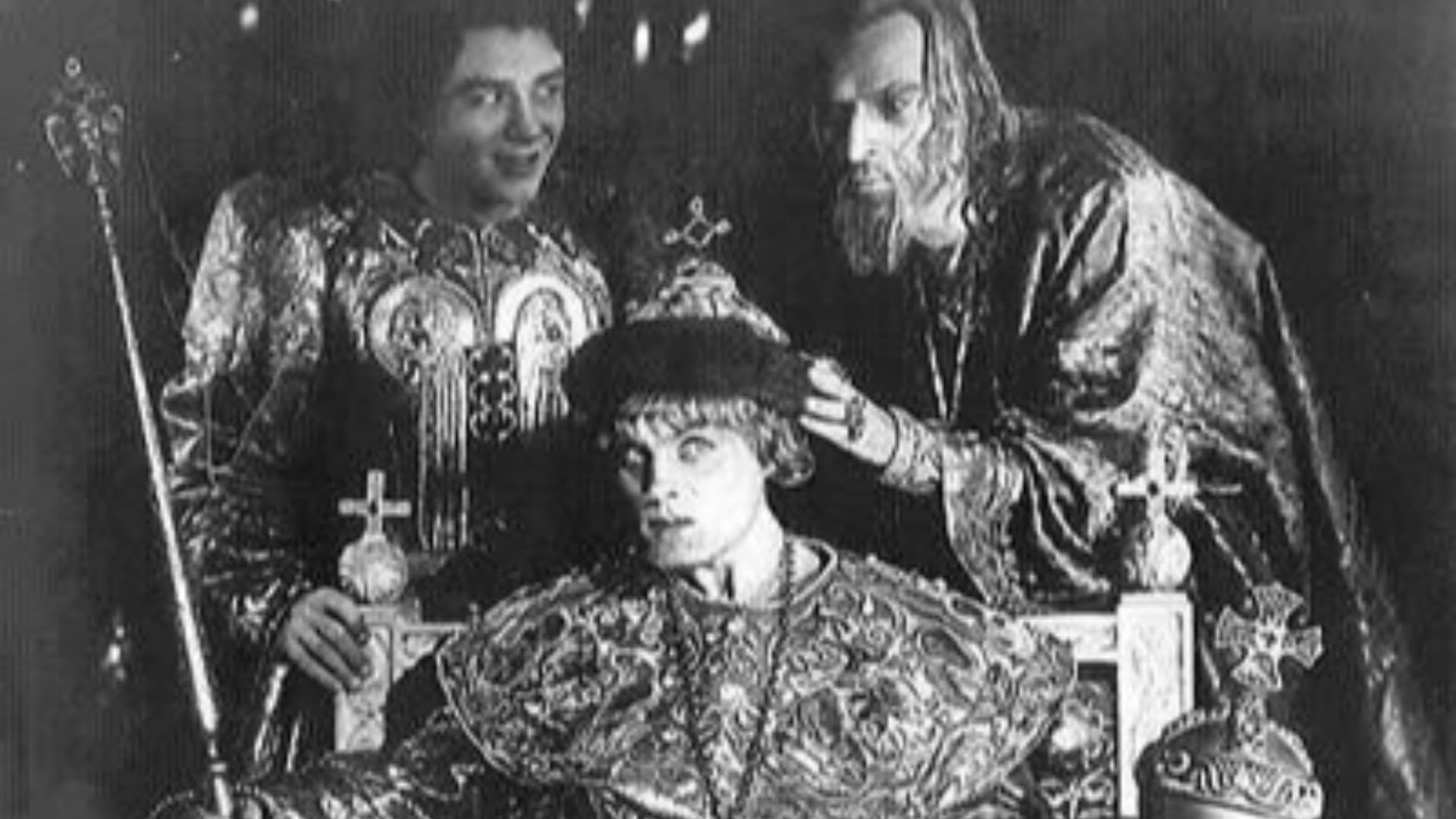
Paranoia becomes truly destructive when it stops being a feeling and starts becoming a method of government. A frightened ruler may begin by tightening security or testing loyalty. Before long, that can become surveillance, purges, forced confessions, and a court culture in which nobody dares speak honestly because honesty has become dangerous.
This is where dynasties start damaging themselves from the inside. Good information gets replaced by flattering nonsense because advisers learn that bad news is risky to deliver. Capable people are removed for seeming too popular, too independent, or too competent.
Court isolation makes everything worse. The ruler sees fewer ordinary realities and spends more time among attendants, informants, and nervous insiders who are all trying to survive the mood of the palace. In that world, suspicion feels rational because every whisper matters, every silence seems meaningful, and every ambitious face begins to look like a possible threat.
By this point, a dynasty is often trapped in a vicious cycle. The leadership becomes more fearful, so it acts more harshly. Harsh rule creates resentment and deception, which then seems to confirm that fear was justified all along. What started as anxiety about instability turns into the behavior that produces even more instability.
That is why so many great dynasties end not in calm fading but in brittle distrust. Their wealth, scale, and history make them look permanent, yet those same qualities create layers of competition, insecurity, and isolation that grow harder to manage over time. In the end, paranoia is often less a bizarre final twist than the dark logical outcome of power that has lasted too long, trusted too little, and forgotten how to feel safe.
KEEP ON READING

From Heroes To Zeroes 20 Historical Figures Whose Heroism Was…
History is full of legends, but not every hero lived…
By Noone Feb 25, 2026
The Clueless Crush: How I Accidentally Invited a Hacker Into…
Fluorescent Lights and First Impressions. My name is Tessa, I'm…
By Ali Hassan Nov 4, 2025
This Infamous Ancient Greek Burned Down An Ancient Wonder Just…
History remembers kings and conquerors, but sometimes, it also remembers…
By David Davidovic Nov 12, 2025
Einstein's Violin Just Sold At An Auction—And It Earned More…
A Visionary's Violin. Wanda von Debschitz-Kunowski on WikimediaWhen you hear…
By Ashley Bast Nov 3, 2025
The Mysterious "Sea People" Who Collapsed Civilization
3,200 years ago, Bronze Age civilization in the Mediterranean suddenly…
By Robbie Woods Mar 18, 2025
A Common Historical Myth Most People Still Believe
Trnava University on UnsplashHistory is often described as a collection…
By Sara Springsteen Apr 21, 2026