


20 Famous Figures Who Reinvented Themselves by Changing Their Names
A New Name, A New Life
A name can do far more than fill a line on a birth certificate. It can open doors, close off the past, sharpen a public image, or mark the distance between who you were and who you decided to become. Some people changed their names to survive. Others did it to stand out, disappear, or finally sound like the person they had already become. These 20 historical figures did not just take new names. They used them to remake the story around themselves.
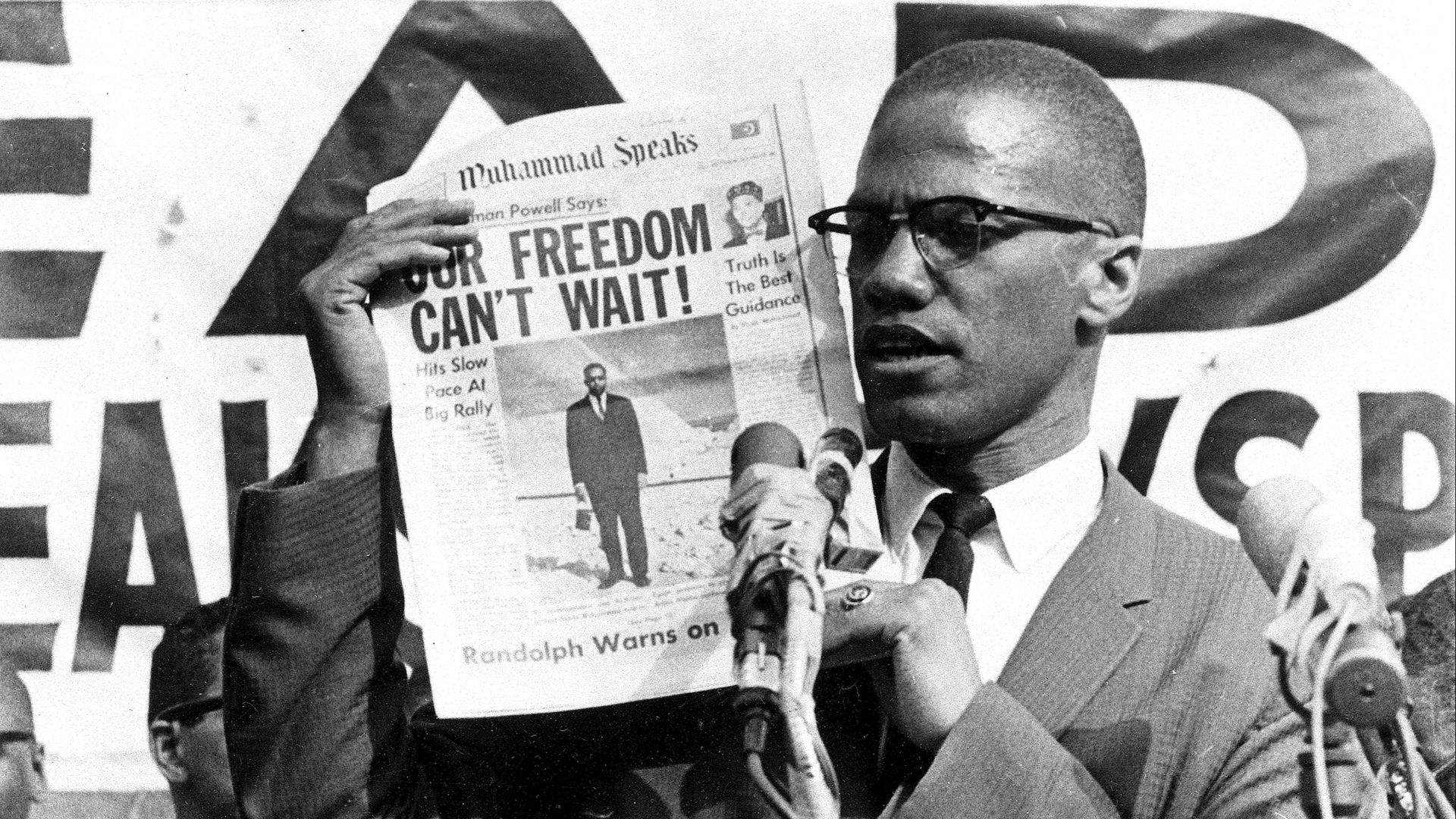
1. Malcolm X
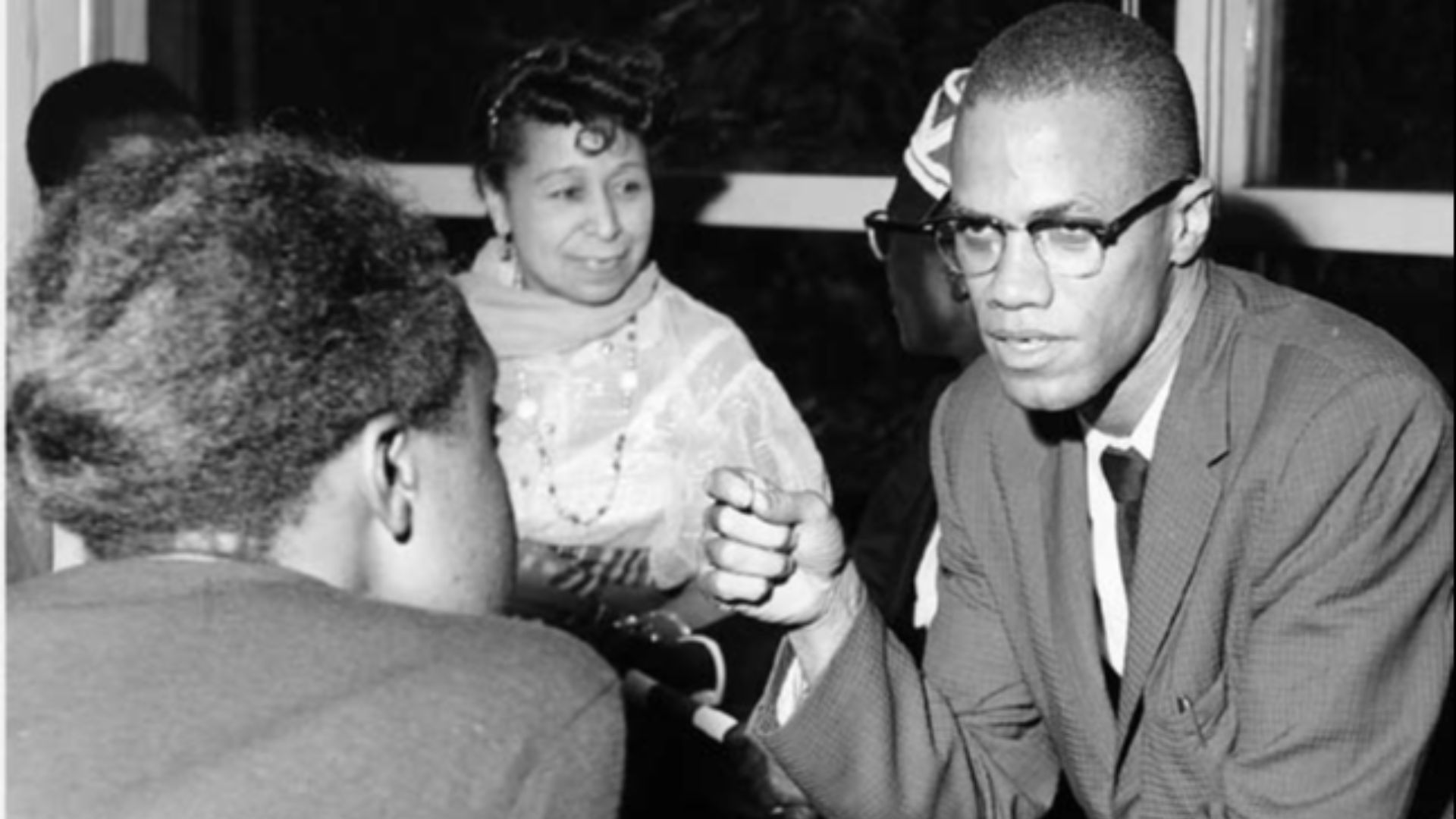
Born Malcolm Little, he dropped his surname because he saw it as a name handed down through slavery, not a true family name. Malcolm X was not a branding move. It was a public refusal, and it gave his message a force that felt impossible to ignore.
 Unknown authorUnknown author on Wikimedia
2. Muhammad Ali
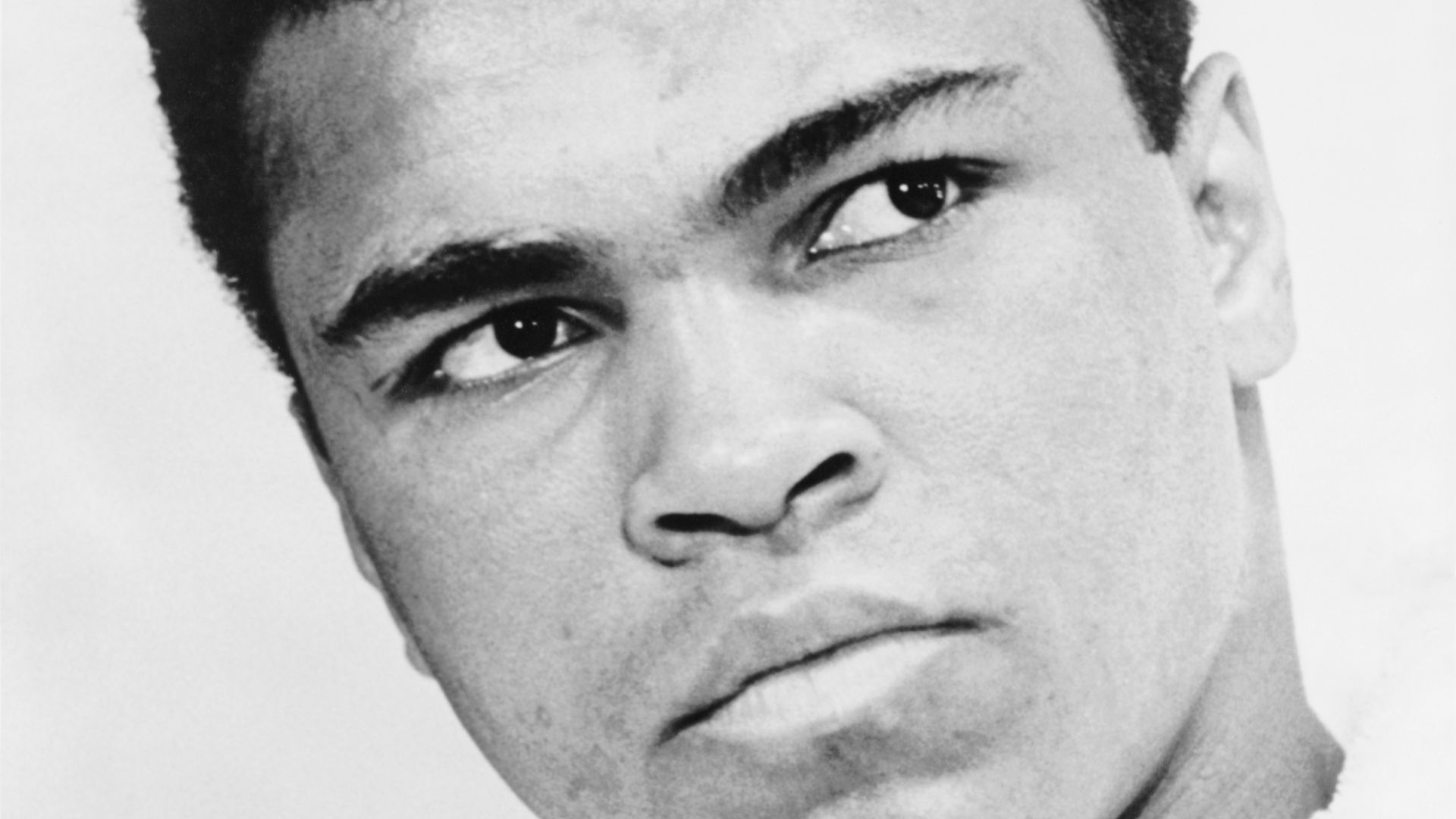
The world first knew him as Cassius Clay, but that name came to feel tied to a history he no longer wanted to carry. When he became Muhammad Ali, the change landed like a declaration, not a tweak. It told you, right away, that he was not asking to be understood on anyone else’s terms.
3. Marilyn Monroe
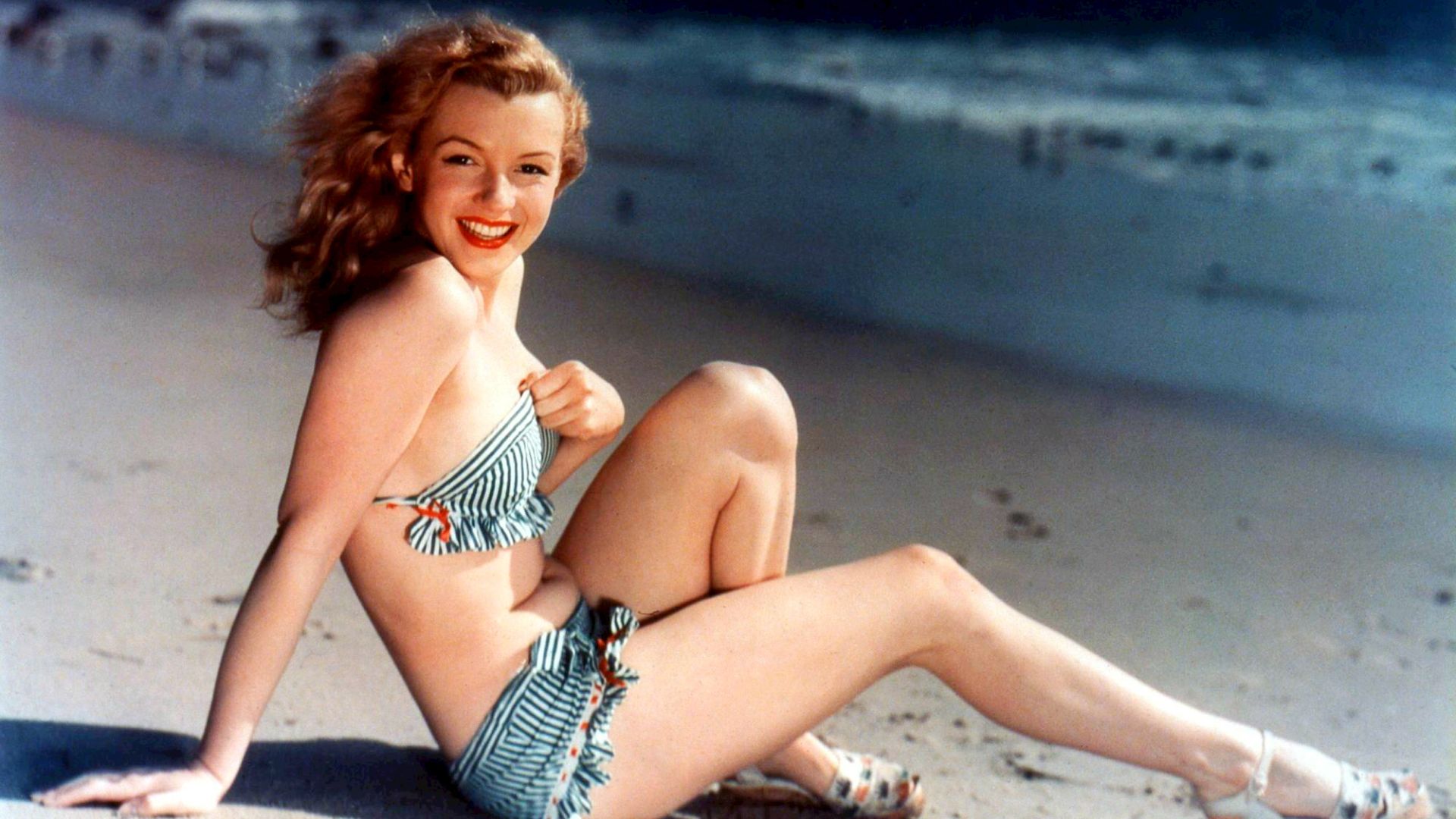
Norma Jeane became Marilyn Monroe, and the shift was bigger than Hollywood polish. The new name sounded brighter, sleeker, and ready for a marquee. It helped create one of the most famous public personas of the 20th century, even if the woman behind it never fully got to rest inside it.
 Teichnor Bros., Boston on Wikimedia
4. Bob Dylan
He was born Robert Zimmerman, which sounded perfectly ordinary and not especially built for myth. Bob Dylan gave him distance, mood, and a little mystery before he even sang a note. It is hard to imagine the same cultural shadow forming around a guy still going by Bobby Zimmerman.
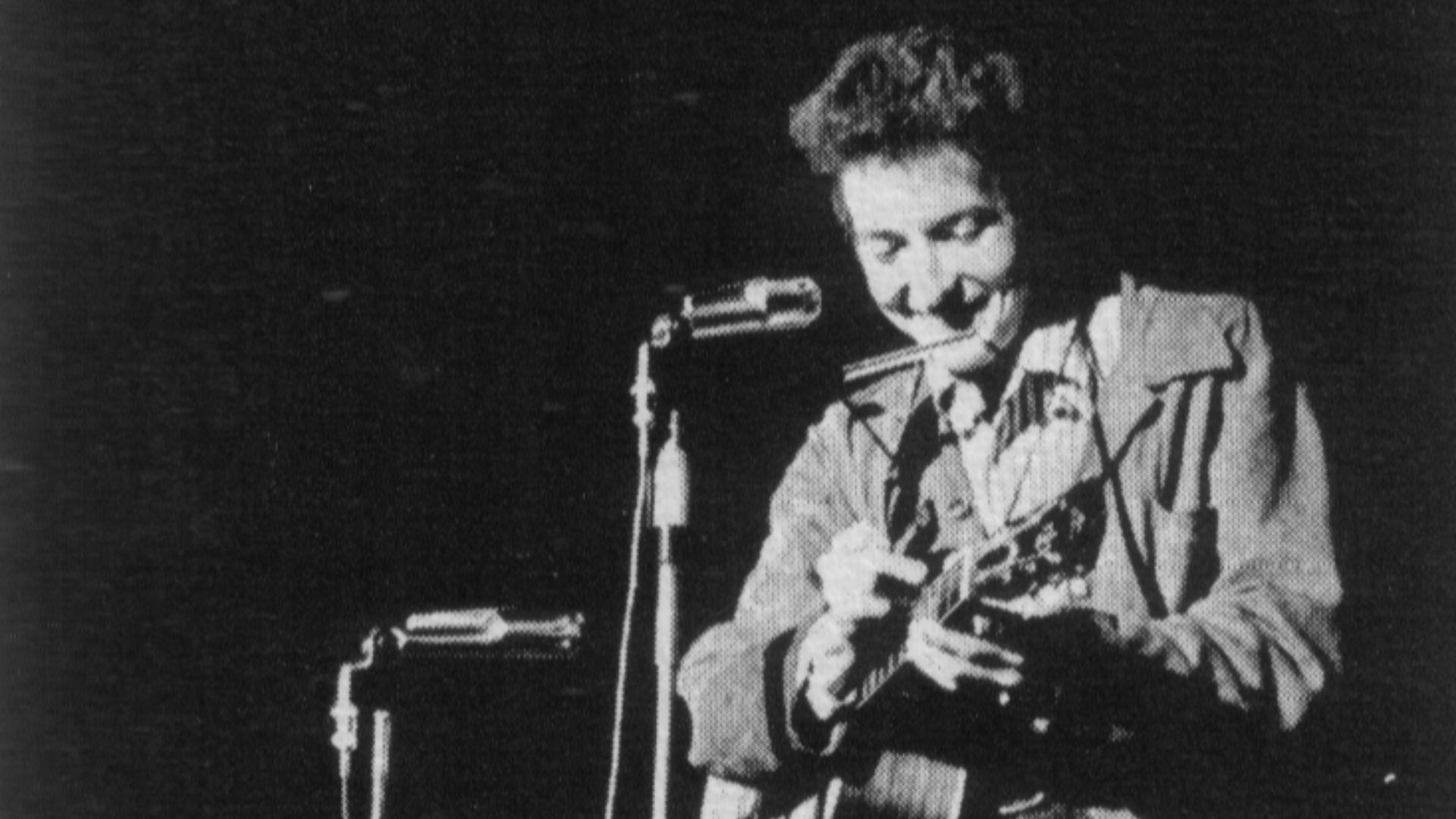 Unknown authorUnknown author on Wikimedia
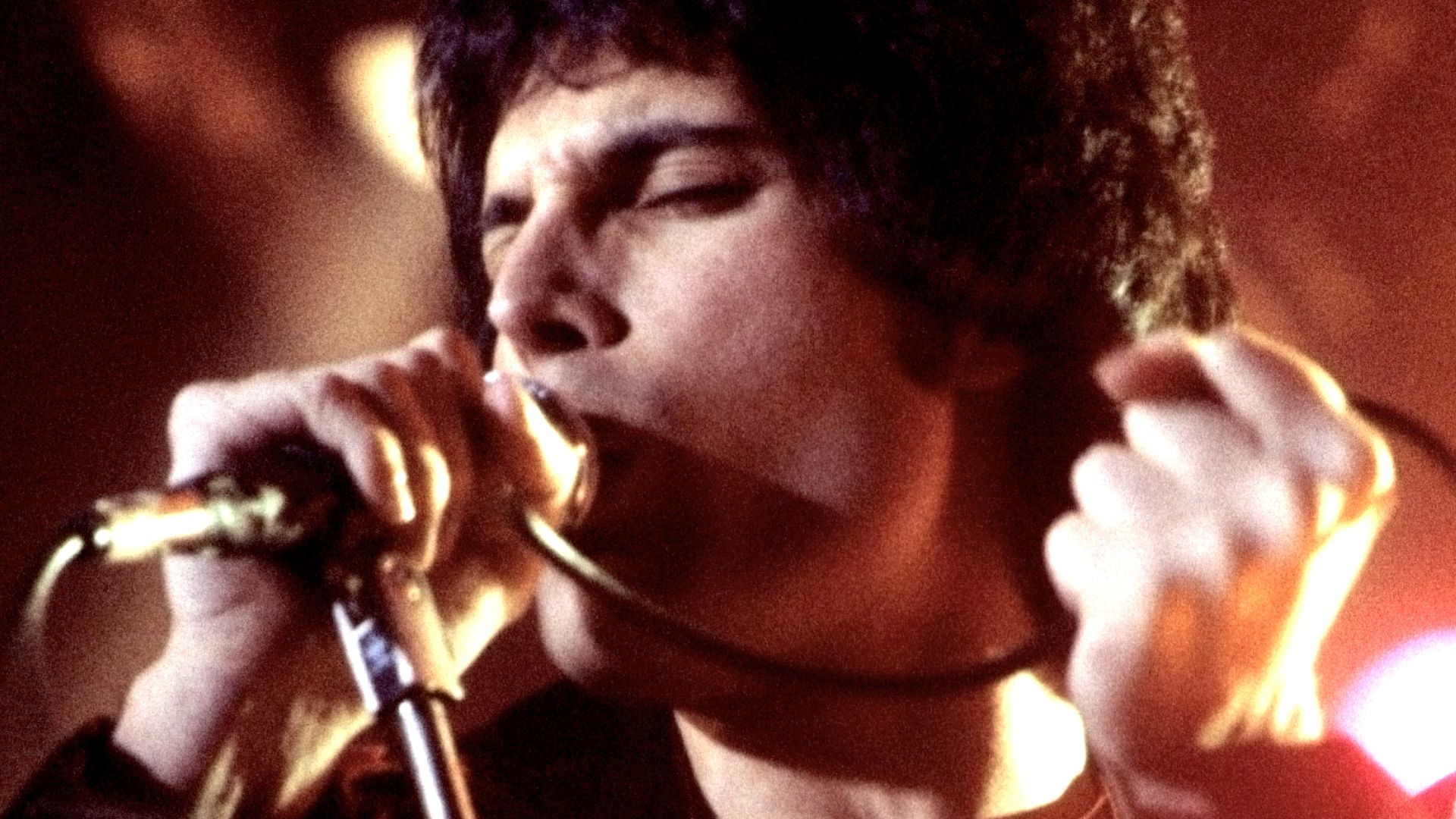
5. Freddie Mercury
Farrokh Bulsara was already memorable, but Freddie Mercury was something else entirely. It sounded theatrical, fast, and larger than life, which turned out to be exactly right. The name fit the swagger before people even understood how huge he was going to become.
6. Mark Twain
Samuel Clemens could write just fine under his own name, but Mark Twain gave him a voice people could hear before they read a sentence. It had wit, rhythm, and a little river grit in it. Once that name was on the page, the persona felt fully formed.
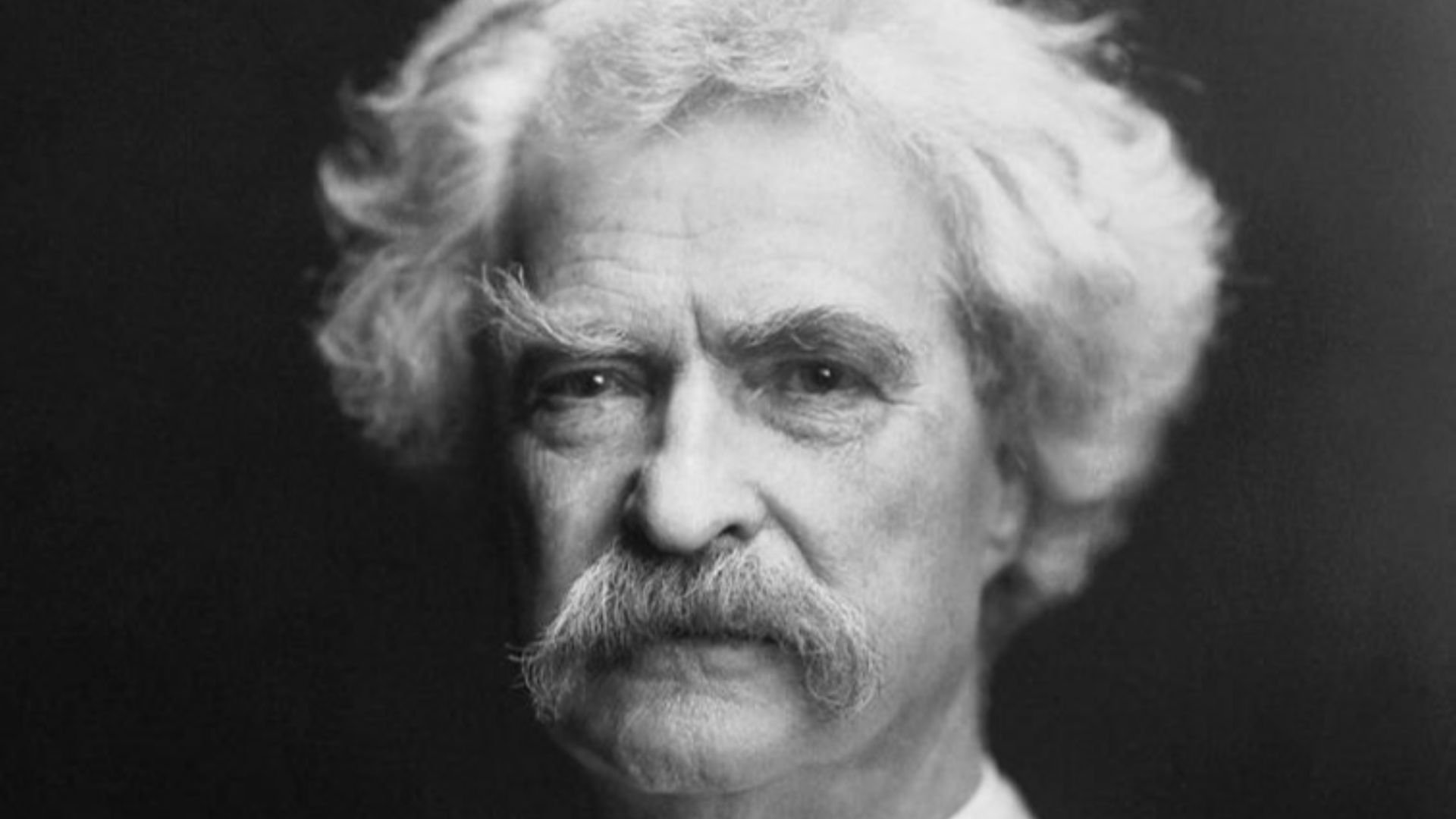 A.F. Bradley, New York on Wikimedia
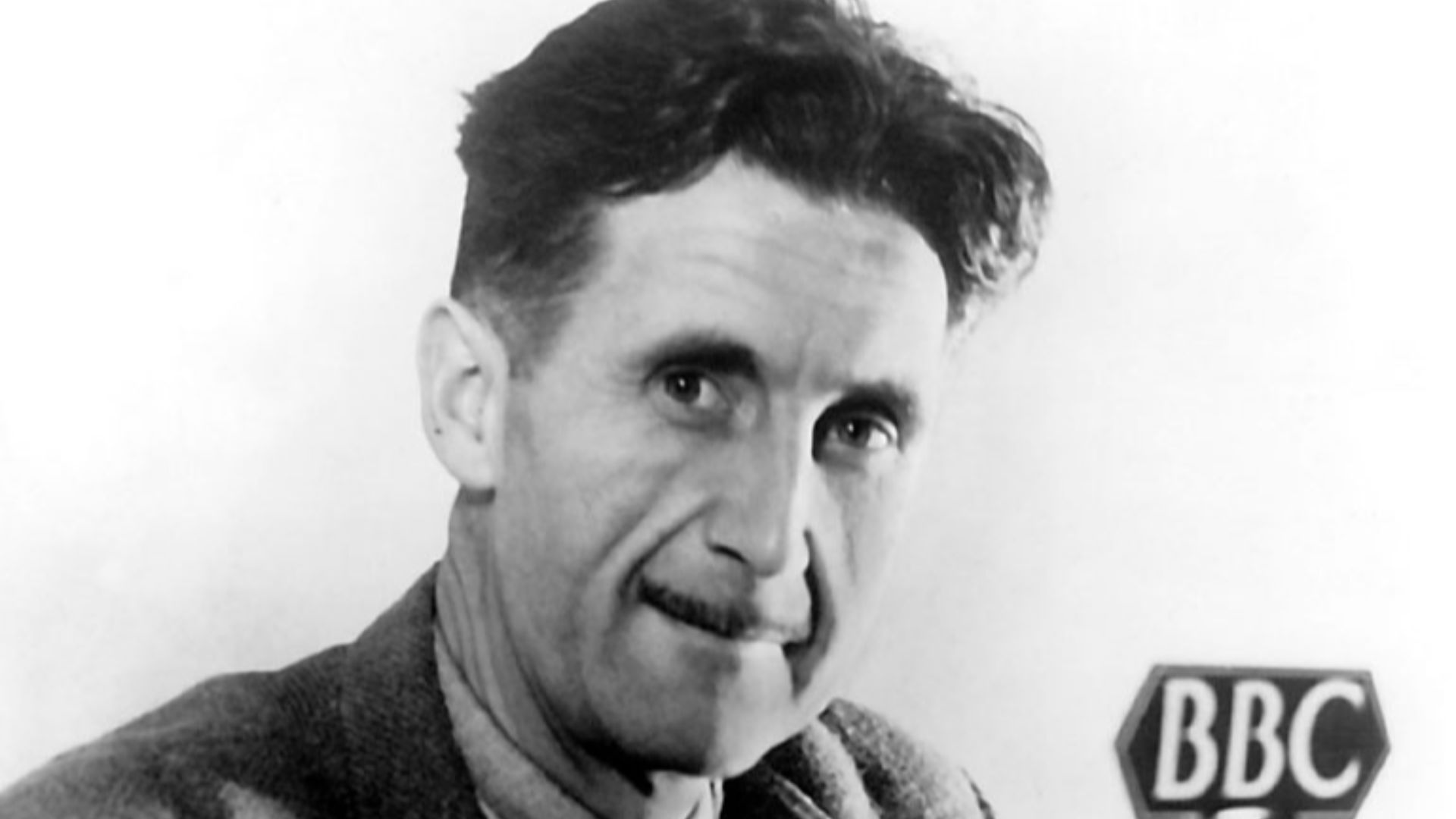
7. George Orwell
Eric Blair did not sound like the kind of name that would come attached to one of the sharpest political imaginations in English literature. George Orwell felt cleaner, sturdier, and oddly more watchful. It became the kind of name people use as an adjective, which says almost everything.
8. George Eliot
Mary Ann Evans took a male pen name in a literary world that did not exactly roll out the welcome mat for women writing serious fiction. George Eliot let her work land before people rushed to patronize it. The name opened space for the novels to be read with the weight they deserved.
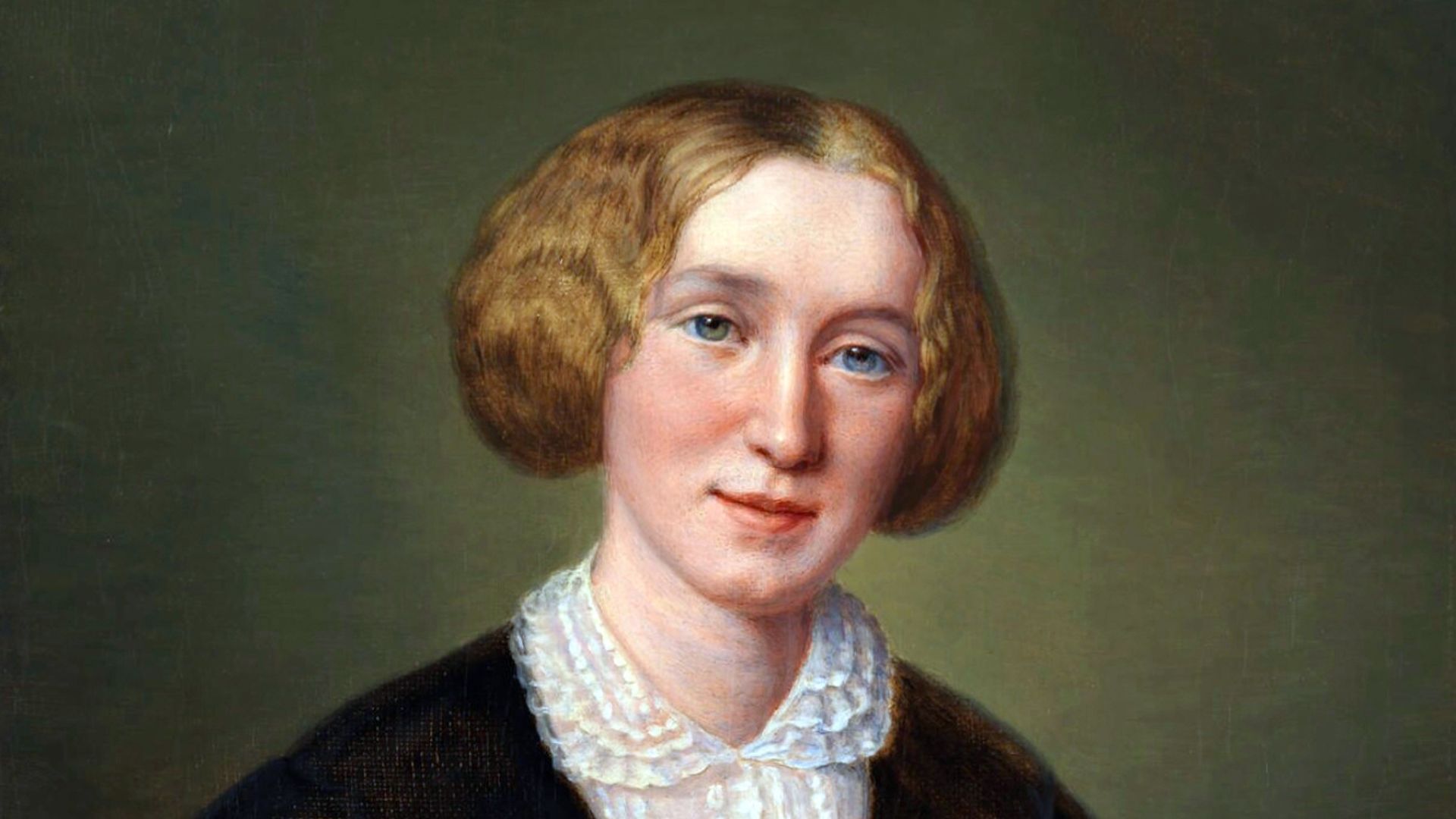 replica by François D’Albert Durade (1804–1886) on Wikimedia
9. Voltaire
François-Marie Arouet may have been his legal name, but Voltaire was the one that stuck in history. It sounded sharp and elegant, which suited a man who built a career on wit, argument, and fearless criticism. The new name gave him a cleaner silhouette, almost like a signature already turned into a weapon.
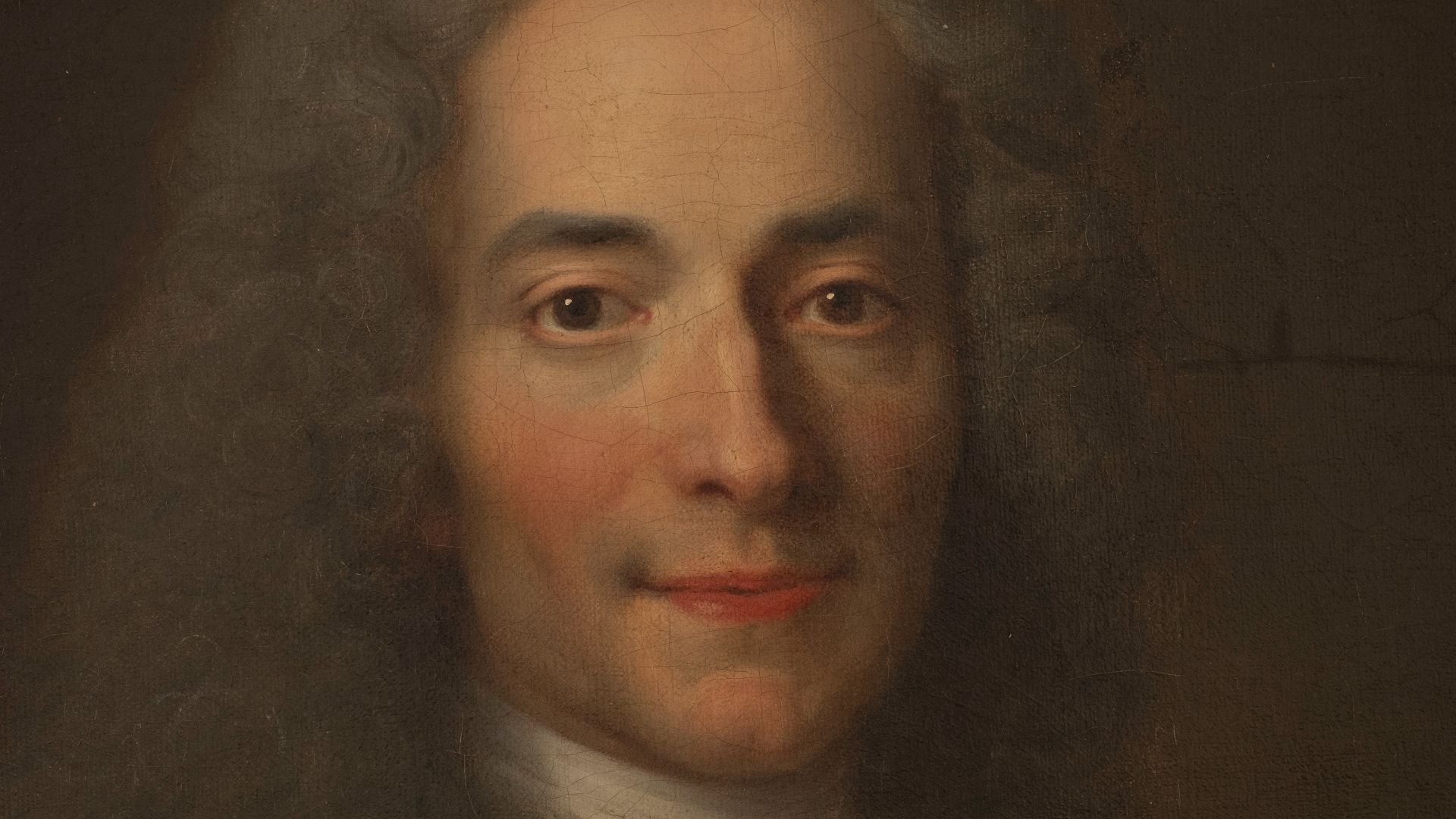 Nicolas de Largillière on Wikimedia
10. Leon Trotsky
Born Lev Bronstein, he took the name Trotsky during his revolutionary years, and it carried the hard edge the moment seemed to require. Names matter in political upheaval because they can travel faster than the person attached to them. Trotsky sounds like a figure stamped into history, which is exactly how he entered it.
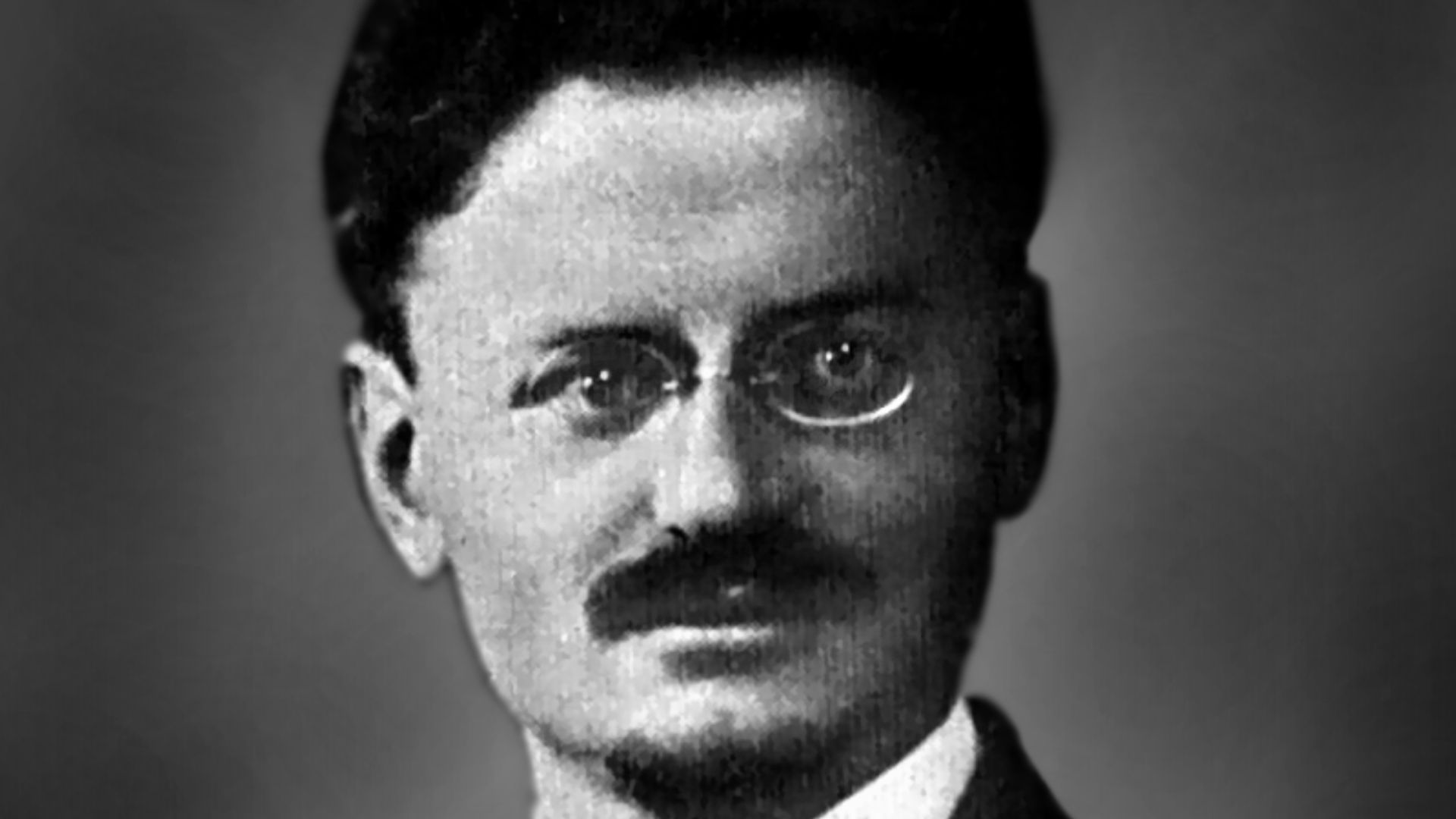 Unknown authorUnknown author on Wikimedia
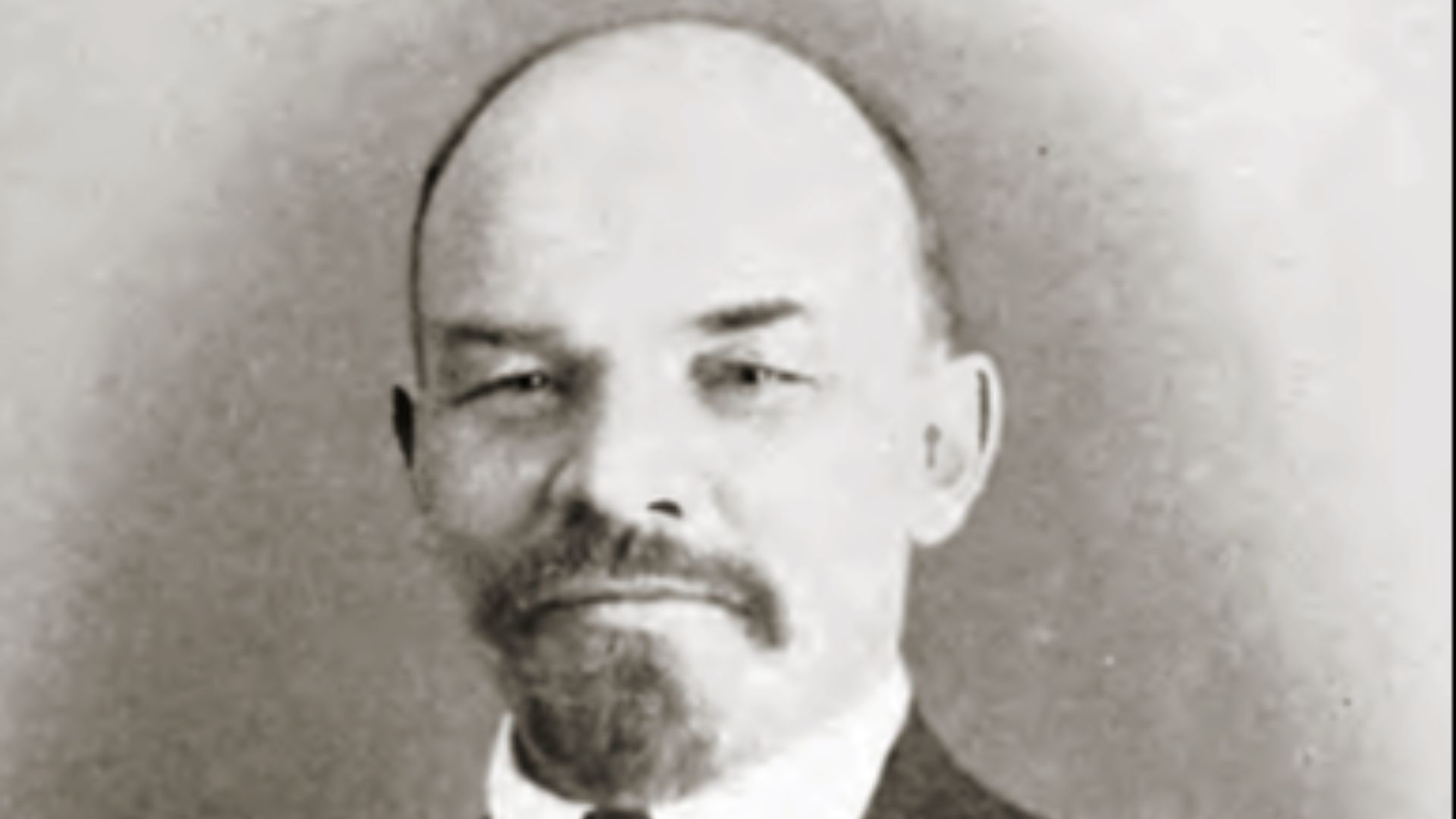
11. Vladimir Lenin
Vladimir Ulyanov became Lenin, and the new name helped separate the revolutionary from the private man. It also gave him something simpler, colder, and easier to rally around. That matters when your ideas are moving through pamphlets, speeches, and rumors at speed.
12. Joseph Stalin
He was born Iosif Dzhugashvili, but Stalin, often understood as “man of steel,” did not leave much room for softness. It sounded engineered for power, discipline, and fear. Whatever else you say about him, he understood how much a name can do before a man even walks into the room.
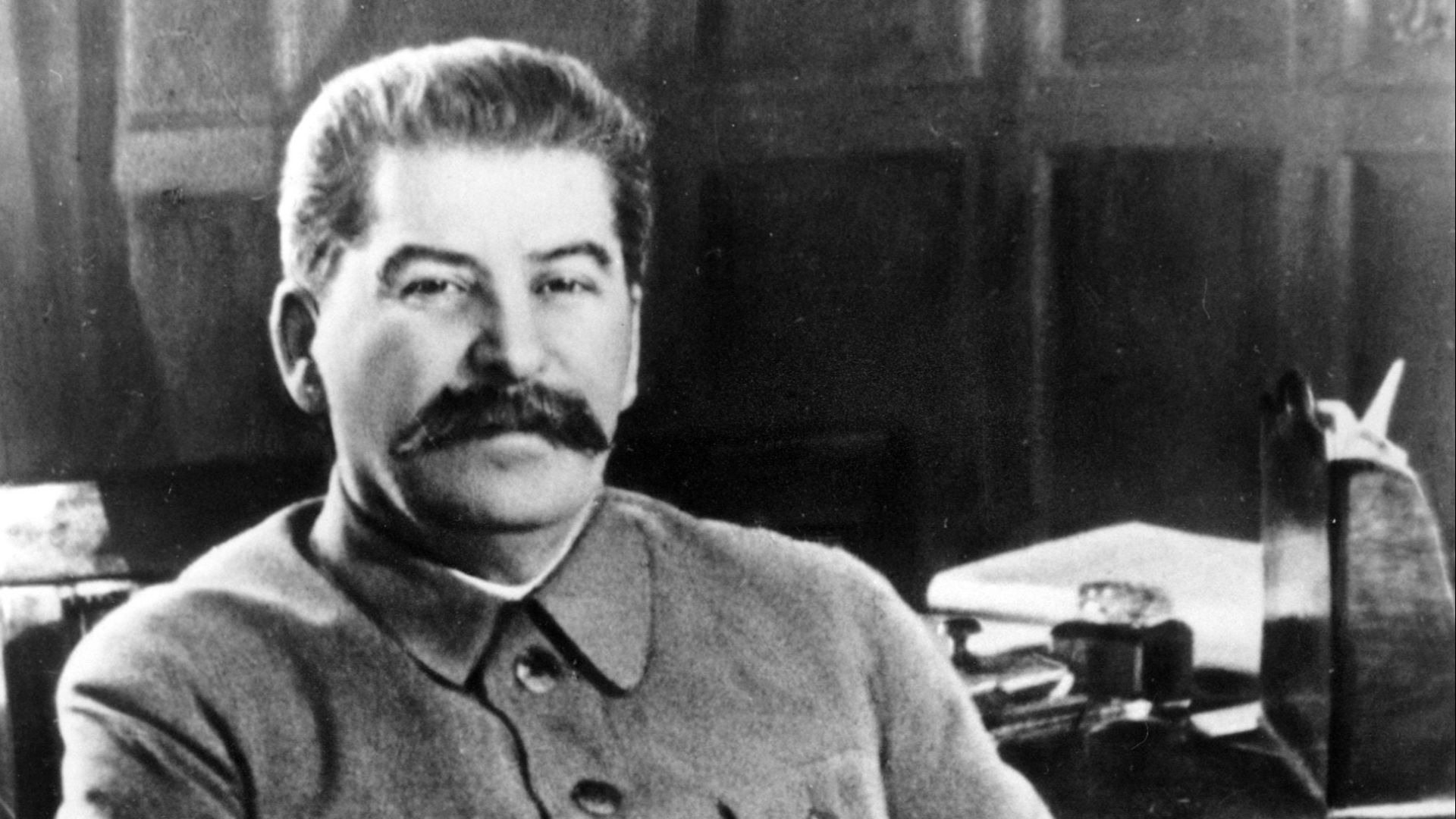 Unknown, presumably by a government employee as part of official duties on Wikimedia
13. Coco Chanel
Gabrielle Chanel might have had the talent either way, but Coco Chanel was the name that turned style into legend. It sounded intimate and expensive at the same time, which is not easy to pull off. The name helped make her feel less like a designer and more like an atmosphere.
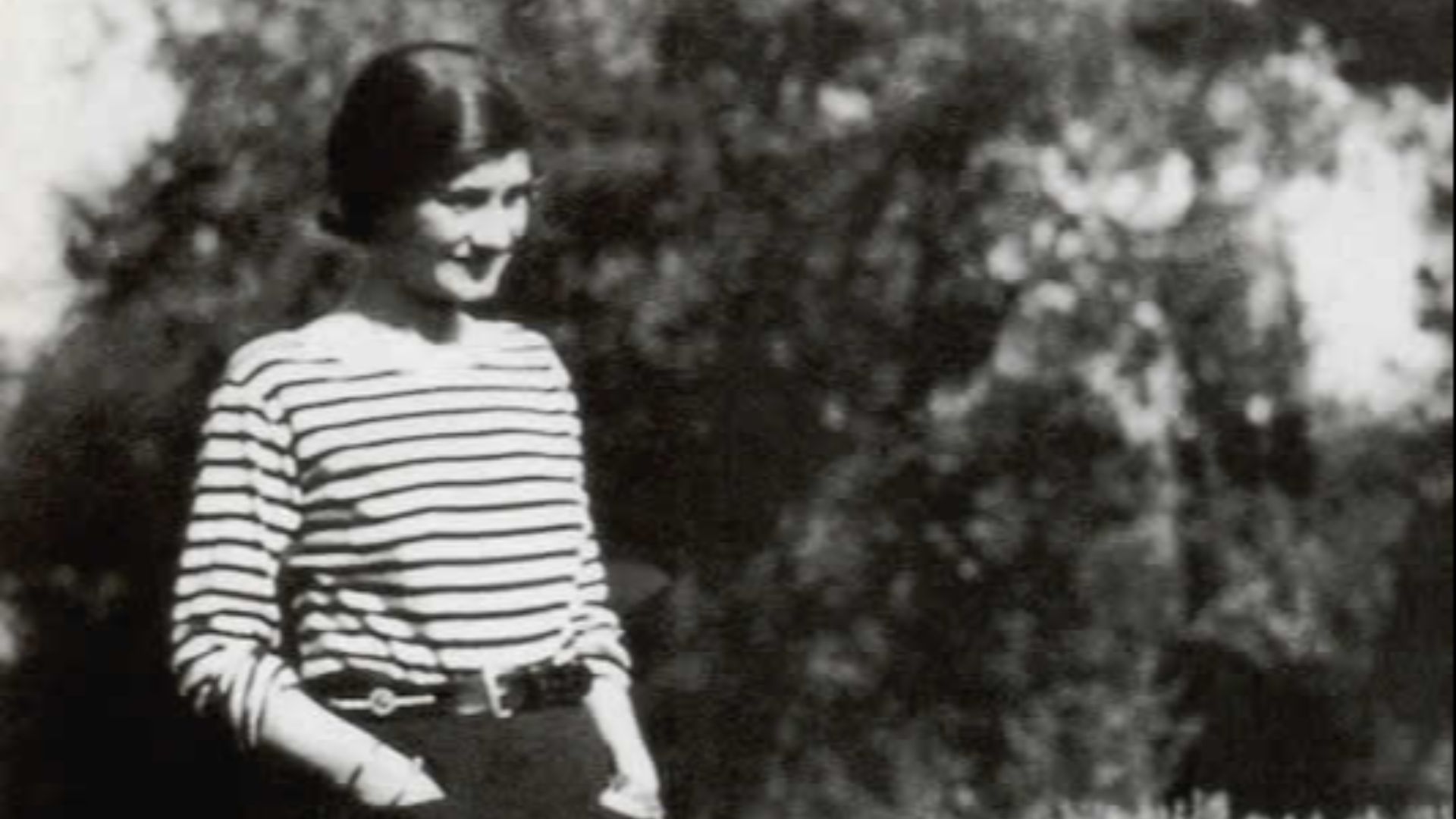 Unknown authorUnknown author on Wikimedia
14. Pablo Neruda
Ricardo Eliécer Neftalí Reyes Basoalto is a real name, but not one built for quick literary immortality. Pablo Neruda had a smoother shape to it, and he adopted it young, partly to keep peace at home while he wrote. In time, the pen name became so complete that it swallowed the original whole.
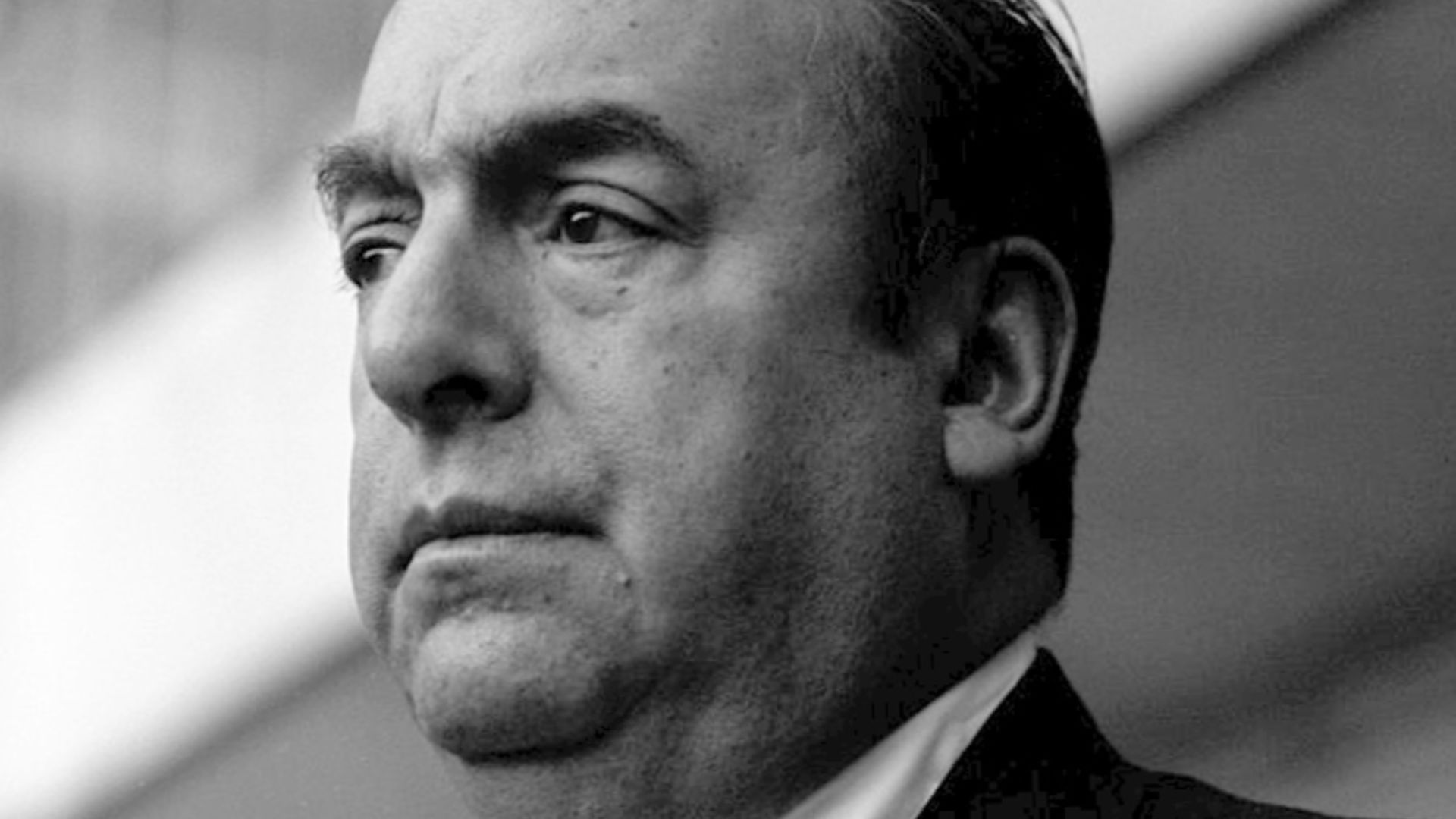 Unknown (Mondadori Publishers) on Wikimedia
15. Anna Akhmatova
Born Anna Gorenko, she took the surname Akhmatova partly because her father did not want the family name attached to poetry. The result was a name that felt stately, musical, and unforgettable. It helped frame a voice that carried grief, elegance, and steel in equal measure.
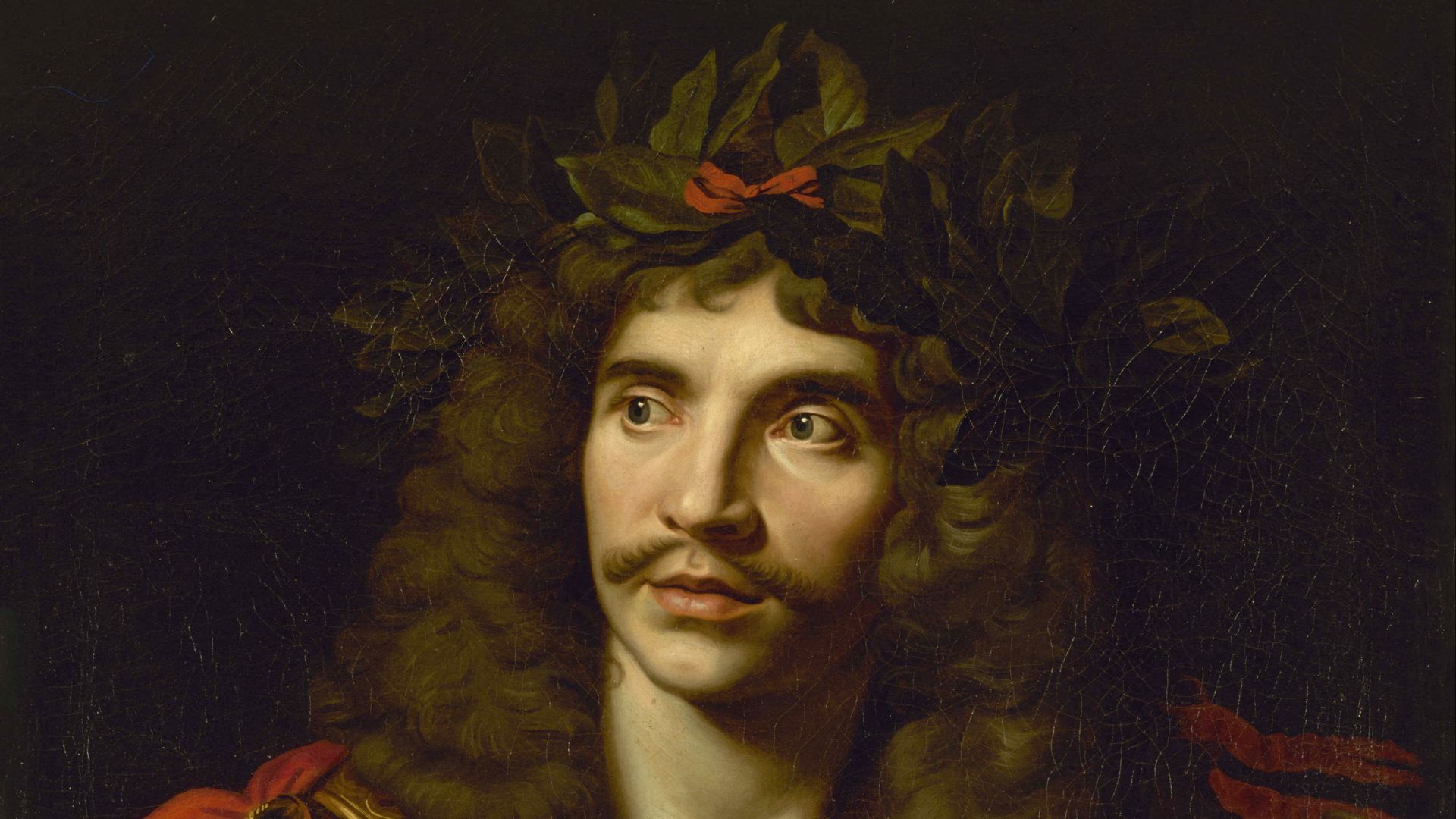
16. Molière
Jean-Baptiste Poquelin may have sounded respectable, but Molière sounded like theater. It gave him a sharper public face in a world where performance and identity were already tangled together. The name still carries a kind of stage light with it, even centuries later.
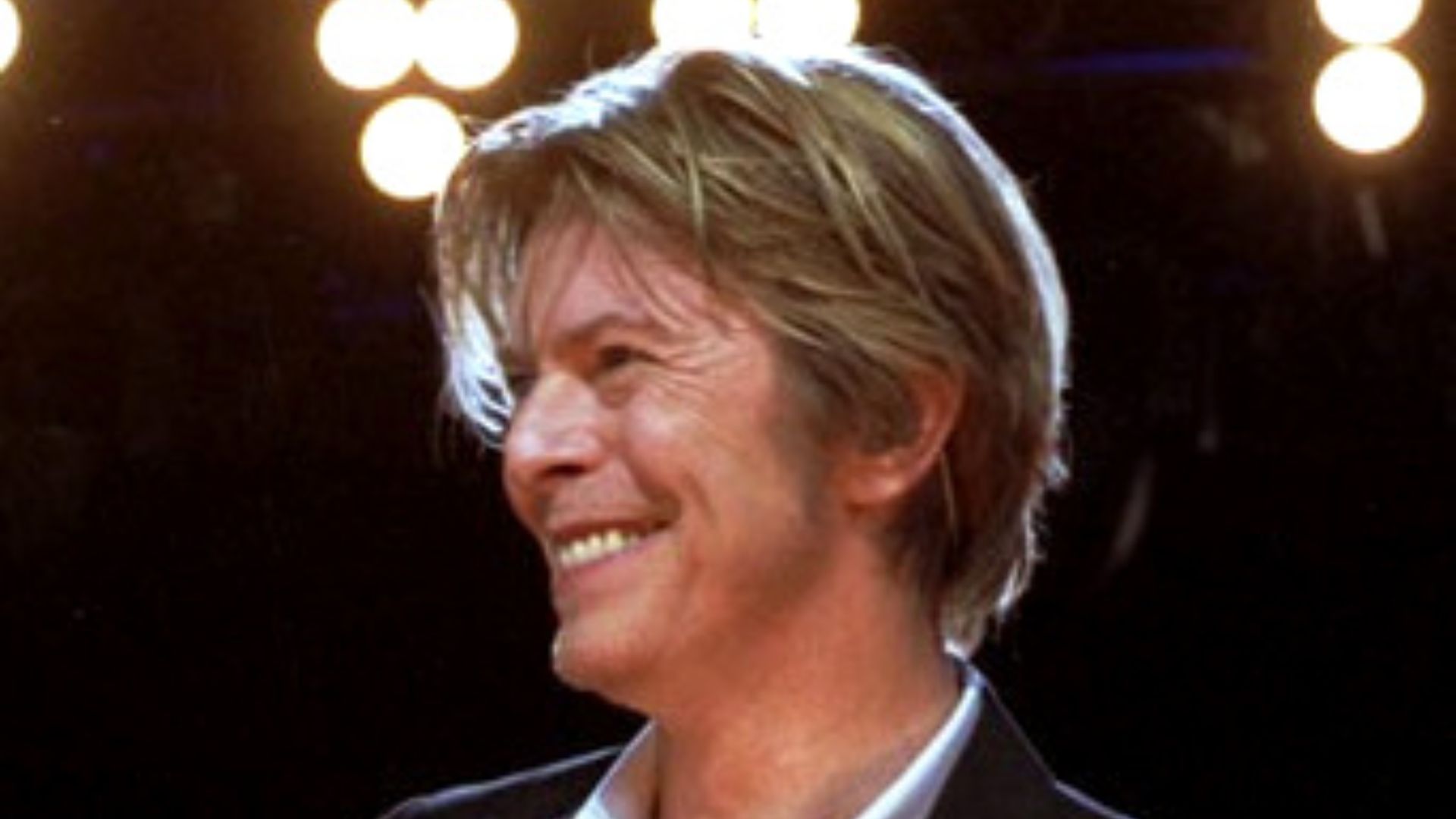
17. David Bowie
Born David Jones, he needed a name that would not blur into the crowd, especially with Davy Jones already around. David Bowie solved that problem and did a lot more than that. It sounded cut clean and modern, which turned out to be the perfect fit for someone who kept treating identity like a wardrobe trunk with no bottom.
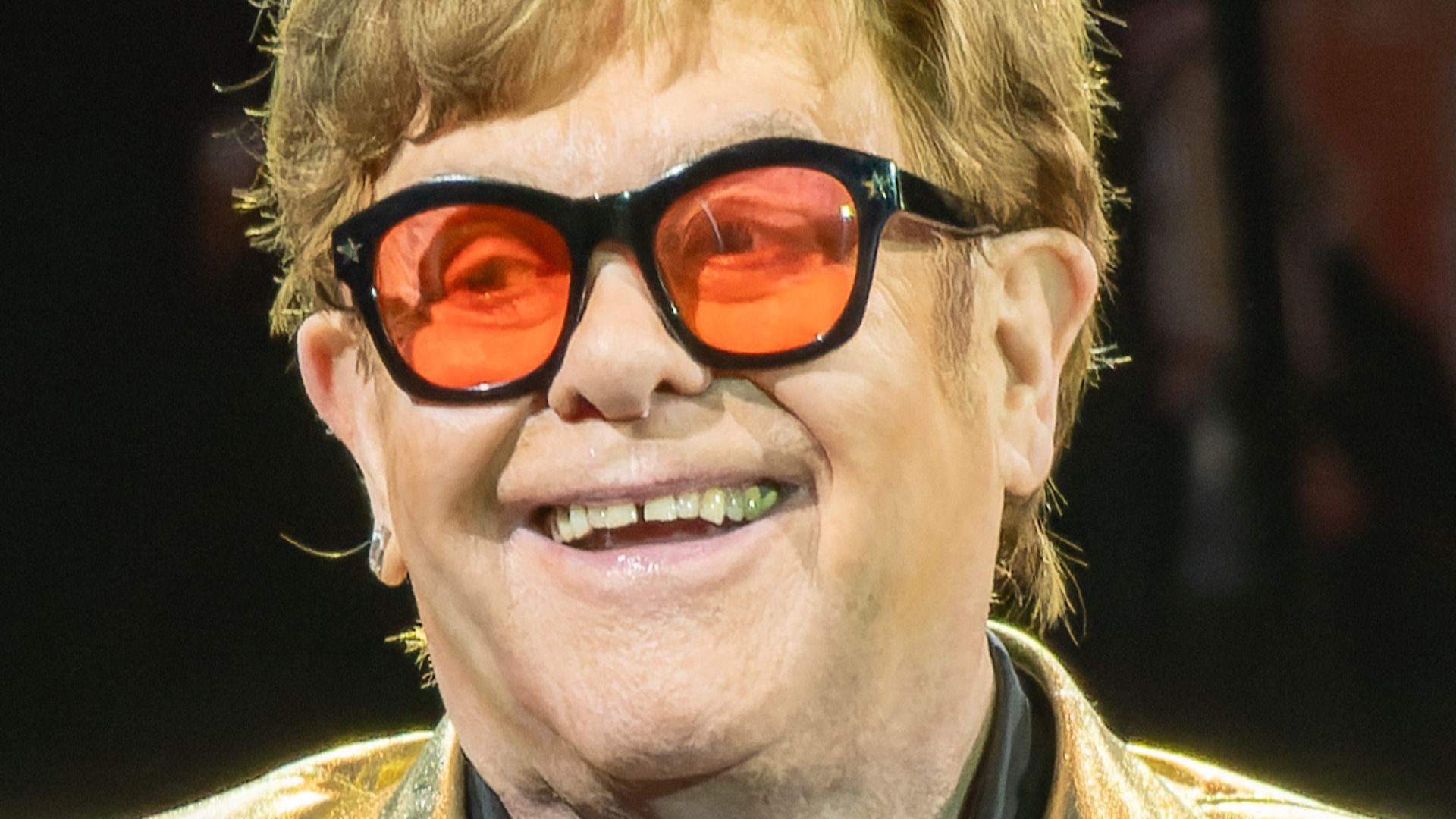
18. Elton John
Reginald Dwight was never going to feel quite right for the performer he became. Elton John sounded bolder, smoother, and much easier to picture in lights above a stage. The name helped carry the shift from shy piano prodigy to full spectacle.
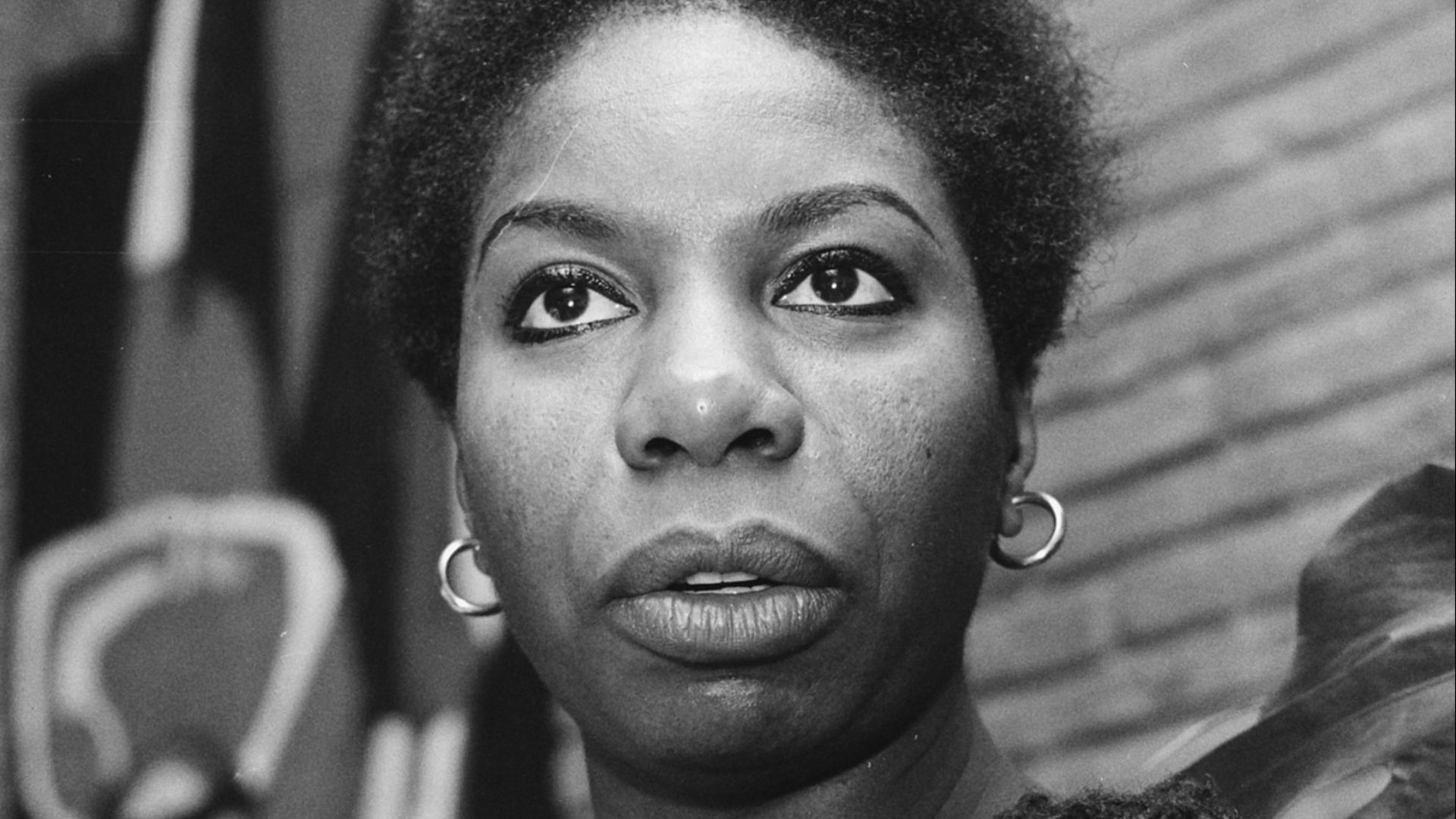
19. Nina Simone
Eunice Waymon took the name Nina Simone while building a music career she wanted to keep separate from family expectations. The new name had elegance and heat in it, and it gave her a little room to move. Once the voice arrived, Nina Simone sounded less like an alias and more like destiny.
 Kroon, Ron for Anefo on Wikimedia
20. Joseph Conrad
He was born Józef Korzeniowski, a Polish name tied to a homeland he left behind. Joseph Conrad gave him a more English literary presence without wiping away the life he had already lived. It was a practical change, but also a telling one, because it helped him cross into a new language, a new audience, and a new version of himself.
KEEP ON READING

20 Greek Gods We Don't Often Talk About
Step Aside, Zeus. Greek mythology isn’t only about Zeus and…
By Elizabeth Graham Jan 16, 2026
10 Historic Courtship Practices That Should Be Brought Back &…
Old-School Dating Was a Mix of Charming & Unhinged. Historic…
By Emilie Richardson-Dupuis Jan 20, 2026
Pooches Of The Past: Extinct Dog Breeds
Unknown authorUnknown author on WikimediaDogs have been showing up in…
By Elizabeth Graham Jan 27, 2026
The 20 Craziest Silent Films Ever Made
When Silence Let the Madness Speak. Silent cinema didn’t just…
By Chase Wexler Jan 5, 2026
Legendary Tales: 20 Most Fascinating Mythical Creatures from Folklore
Mythological Beasts. Stories about mythical creatures endure for a simple…
By Christy Chan Jan 16, 2026
The three most expensive historical artifacts ever sold at auction
Attributed to Leonardo da Vinci on WikimediaAuctions are where history…
By Emilie Richardson-Dupuis Jan 9, 2026