


10 Kings Who Ruled With Kindness & 10 Who Ruled Through Fear
Power Can Be Used To Build Or To Control
History offers countless examples of rulers who shaped their nations in dramatically different ways. Some kings earned loyalty through fairness, reform, and compassion, while others maintained control through intimidation, violence, and strict authority. These contrasting approaches didn’t just define their reigns—they influenced entire societies and how they’re remembered today. Looking at both sides highlights how leadership style can leave lasting consequences. Here are 10 kings who ruled with kindness and 10 who ruled through fear.
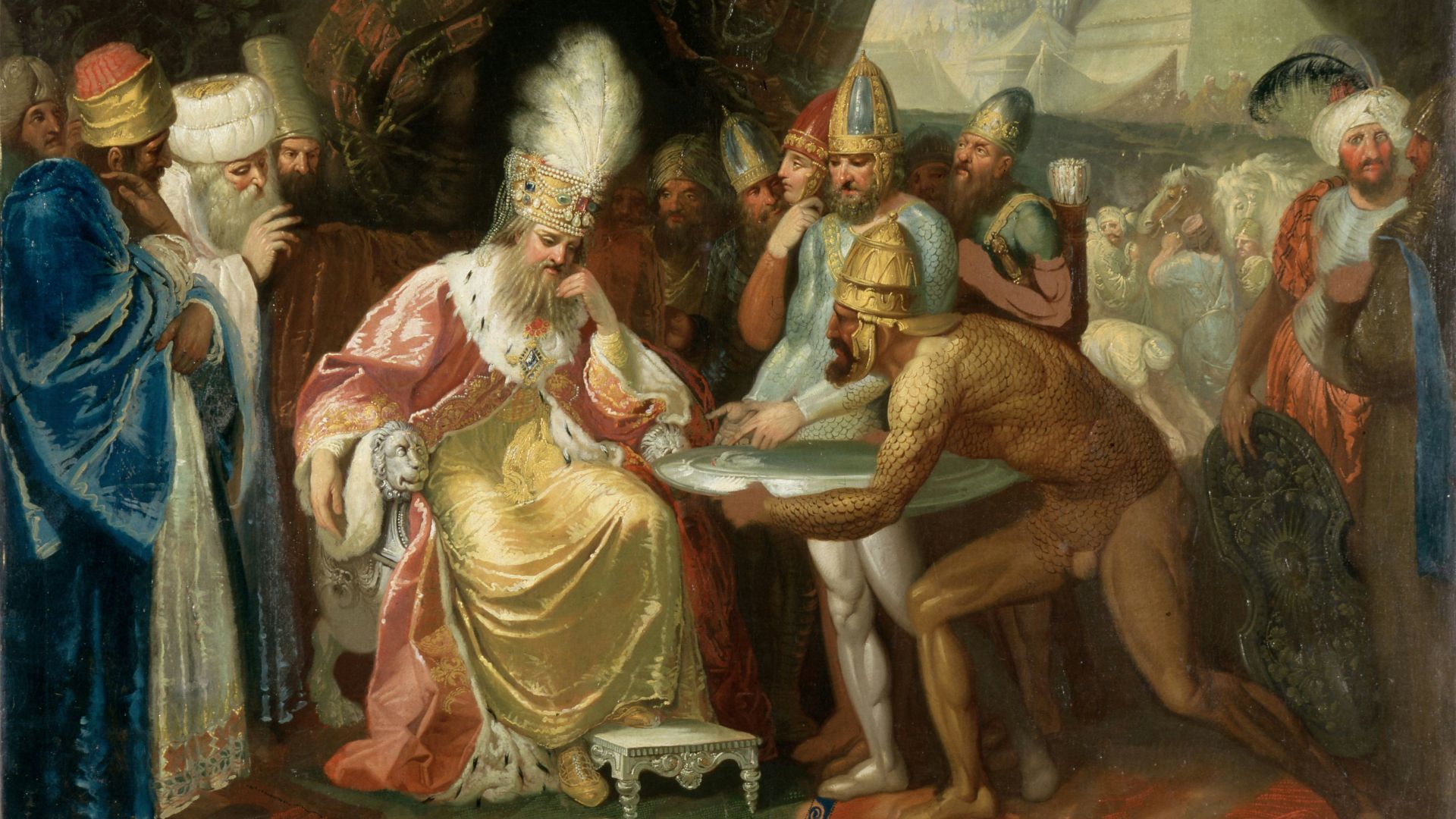
1. Ashoka The Great
Ashoka, ruler of the Maurya Empire in India, is known for transforming after witnessing the horrors of war. He embraced Buddhism and promoted nonviolence, tolerance, and public welfare. His policies included building hospitals, roads, and rest houses for travelers. His reign is often remembered as a model of ethical leadership.
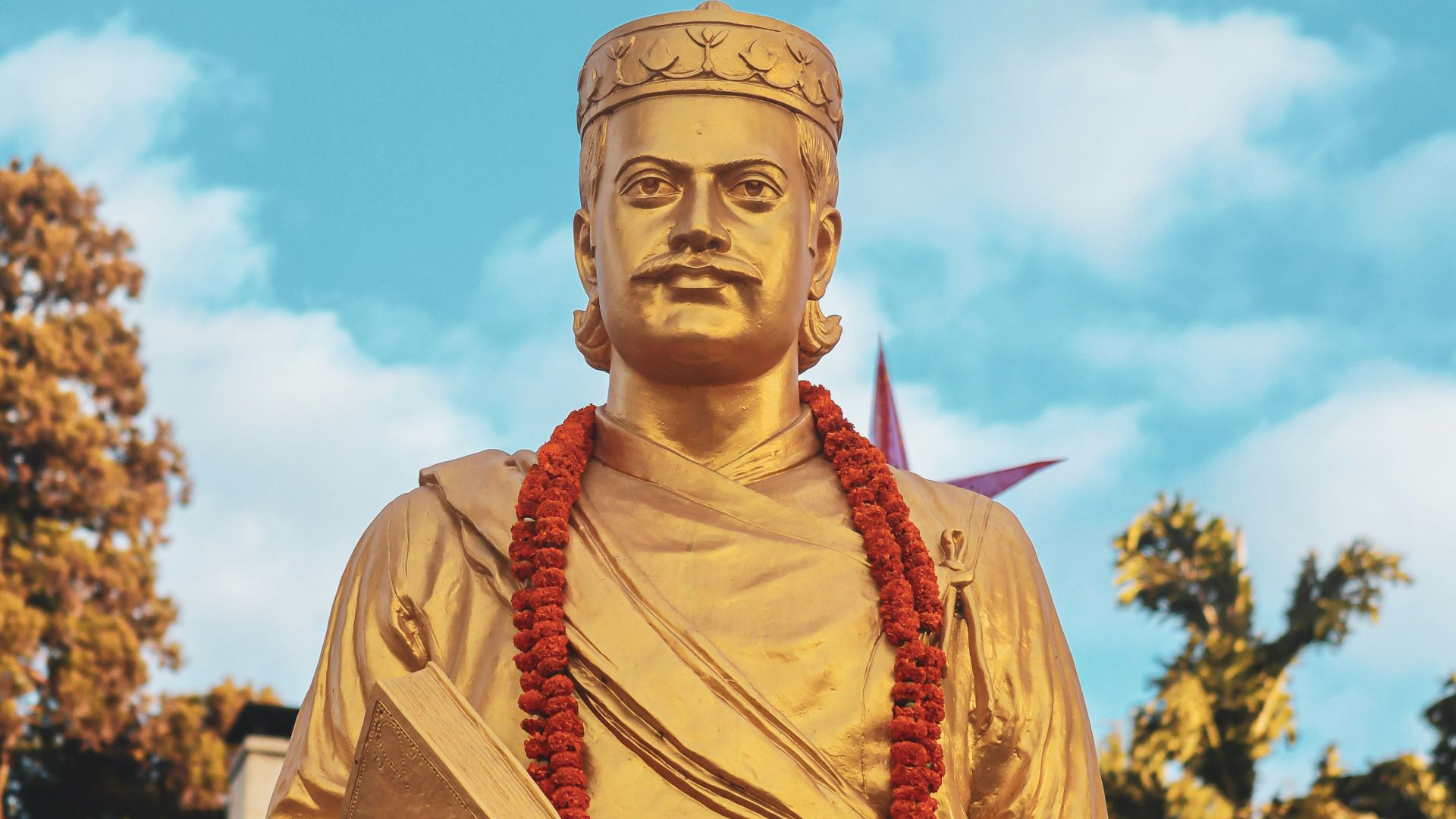
2. Alfred The Great
King Alfred of Wessex focused on education and legal reform during his rule in England. He encouraged literacy and translated important texts into Old English to make them more widely accessible. Alfred also worked to create a fair legal system rooted in justice. His leadership helped stabilize his kingdom during difficult times.
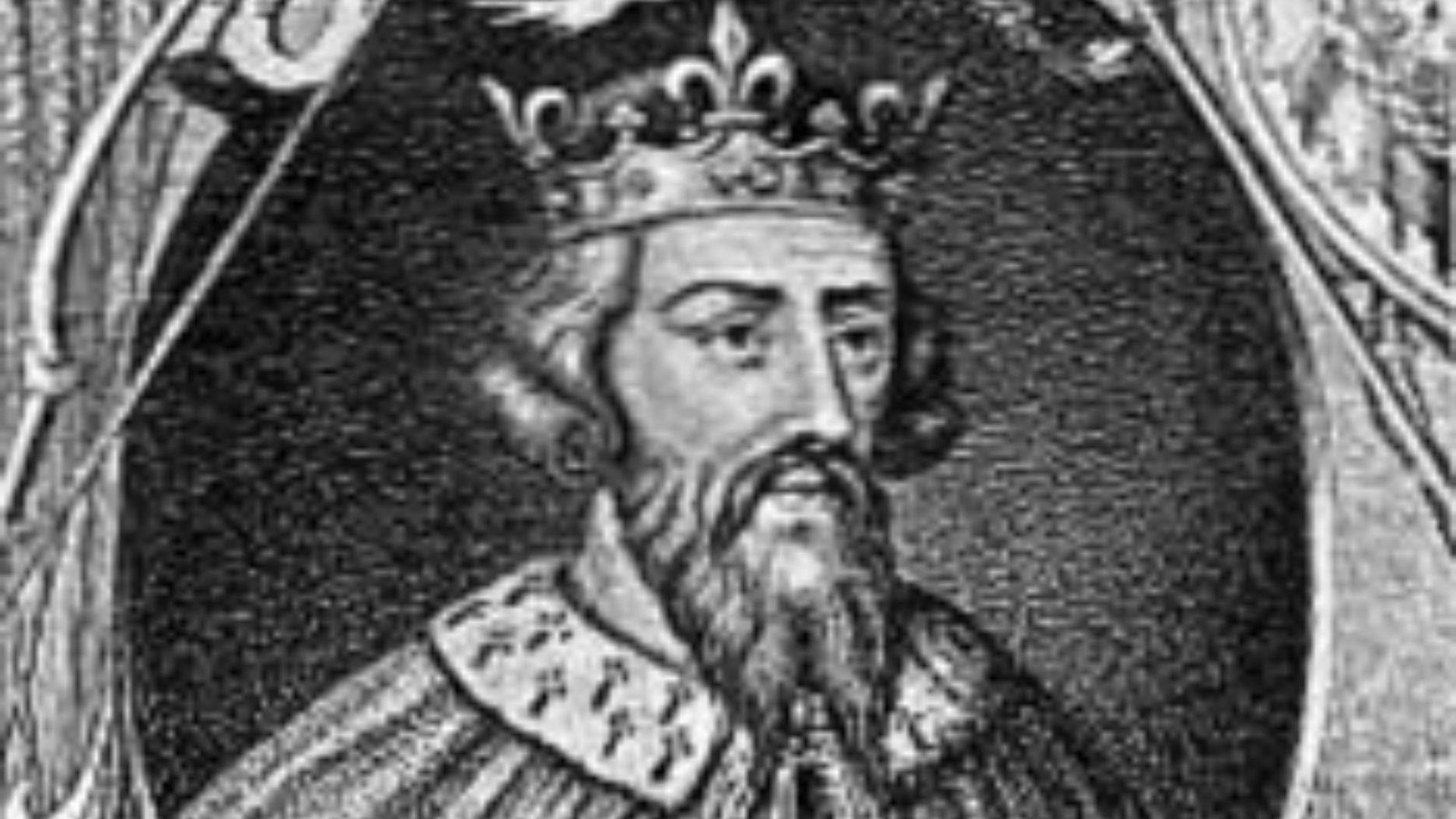
3. Cyrus The Great
Founder of the Persian Empire, Cyrus is widely respected for his humane approach to leadership. He allowed conquered peoples to maintain their customs and religions, and his policies promoted tolerance and cooperation across diverse regions. The Cyrus Cylinder is often considered one of the earliest declarations of human rights.
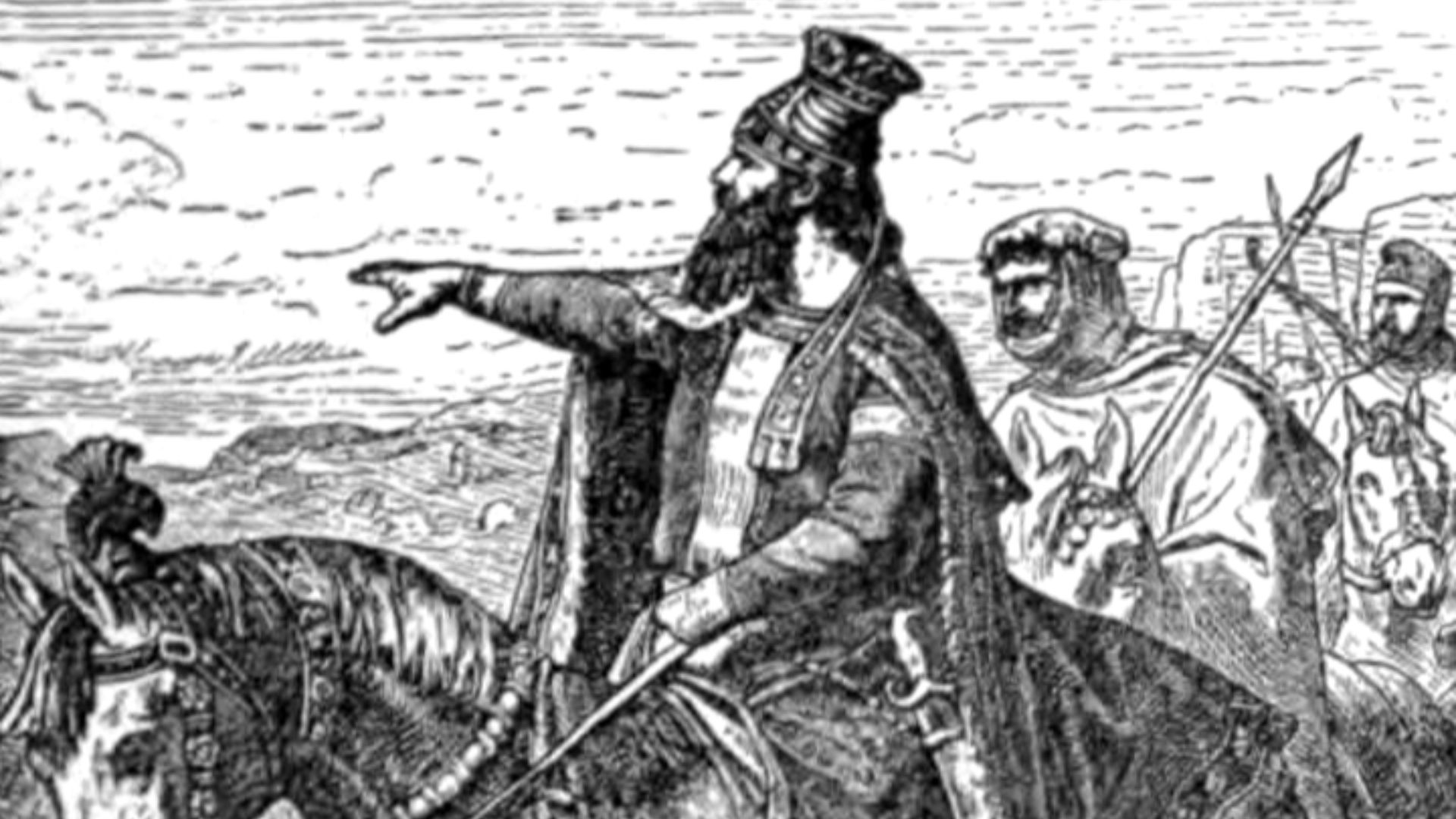 Charles Francis Horne Clarence Cook on Wikimedia
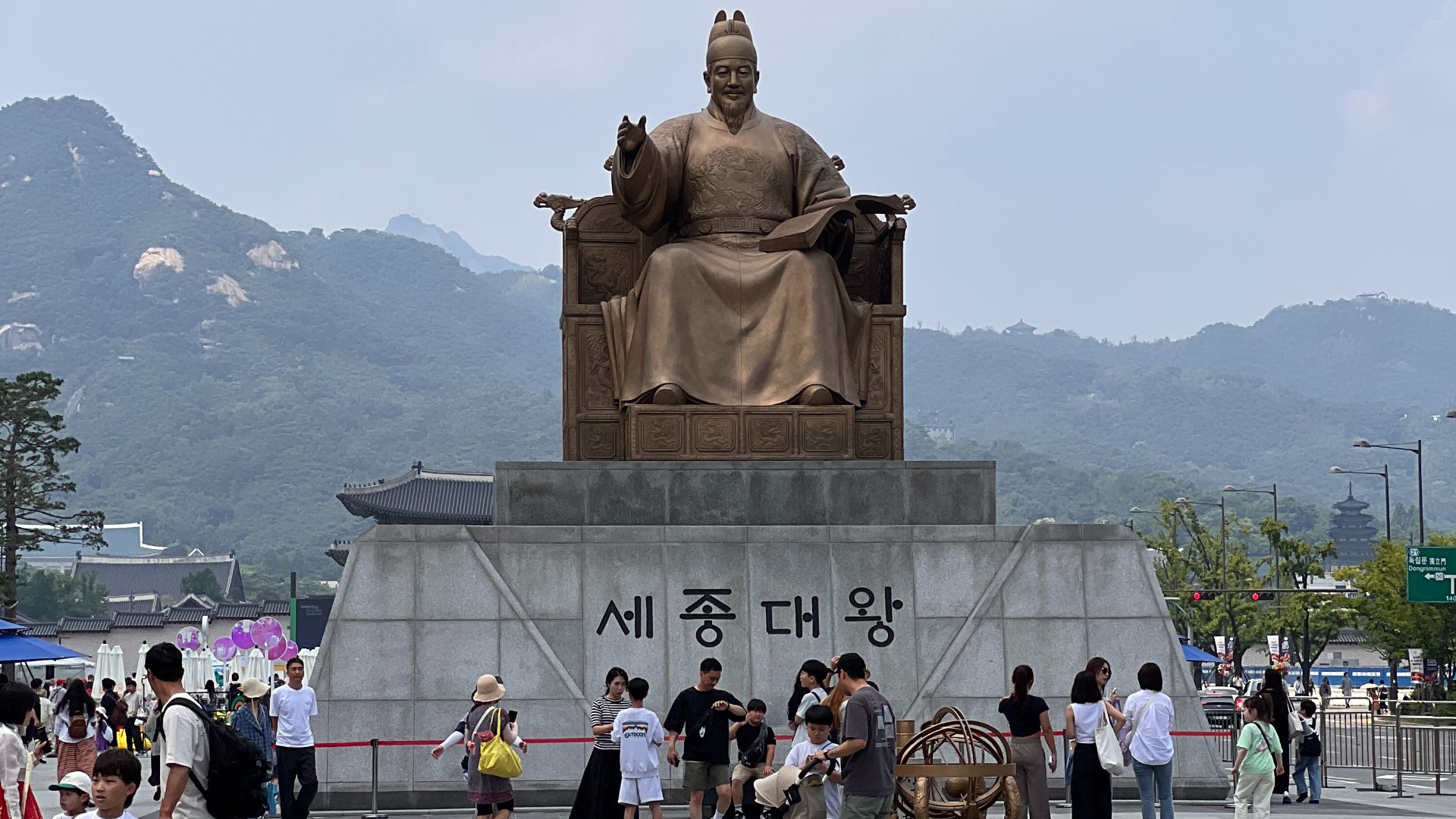
4. King Sejong The Great
Sejong of Korea is celebrated for advancing education and literacy among his people. He introduced Hangul, a writing system designed to be easy for common citizens to learn. His reign also saw advancements in science, agriculture, and technology. Sejong prioritized accessibility and public well-being.
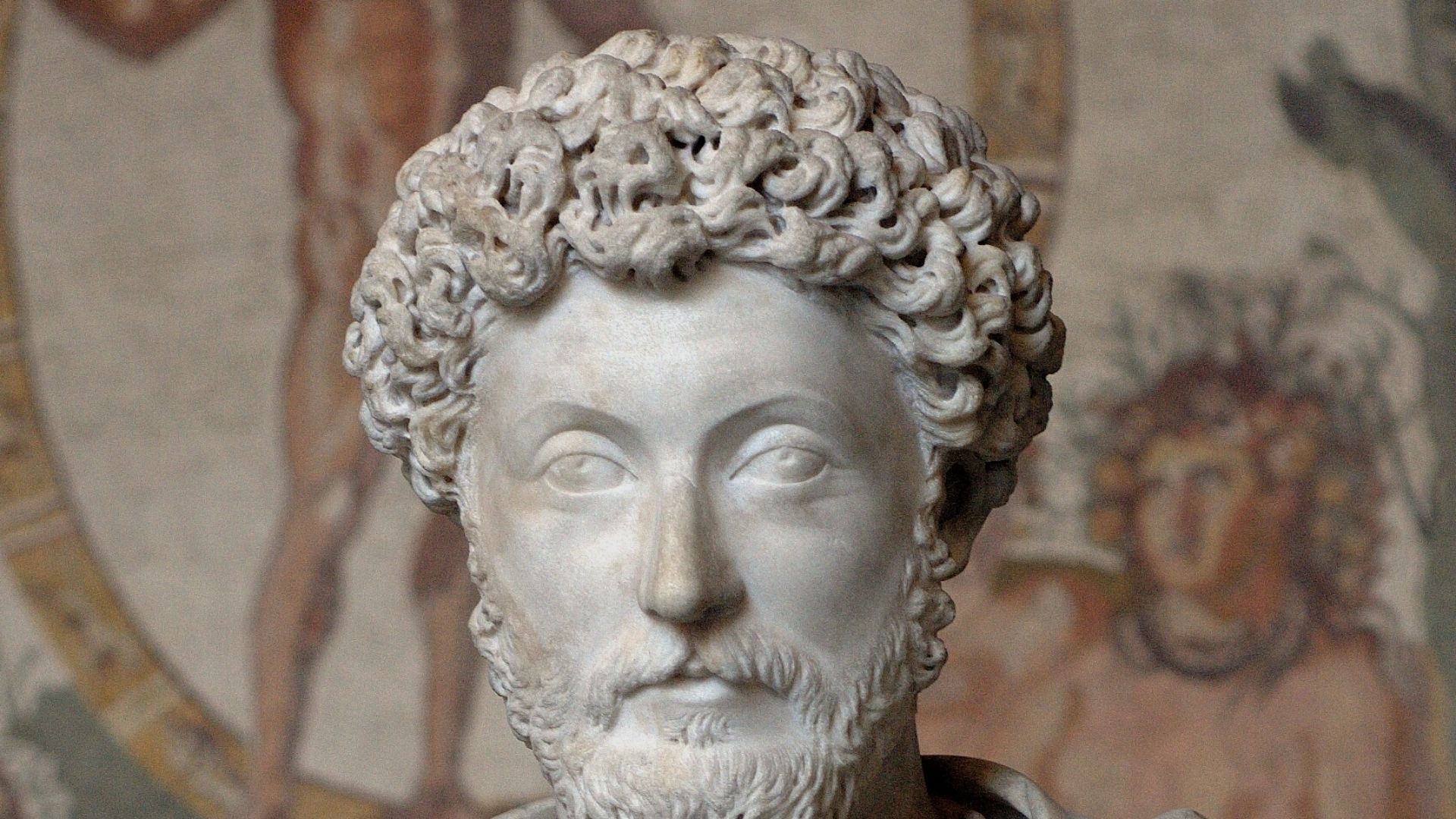
5. Marcus Aurelius
Although technically a Roman emperor, Marcus Aurelius ruled with a strong sense of duty and philosophical reflection. He emphasized reason, fairness, and self-discipline in leadership. His writings, known as Meditations, reveal a thoughtful and humane approach to power. He aimed to serve rather than dominate.
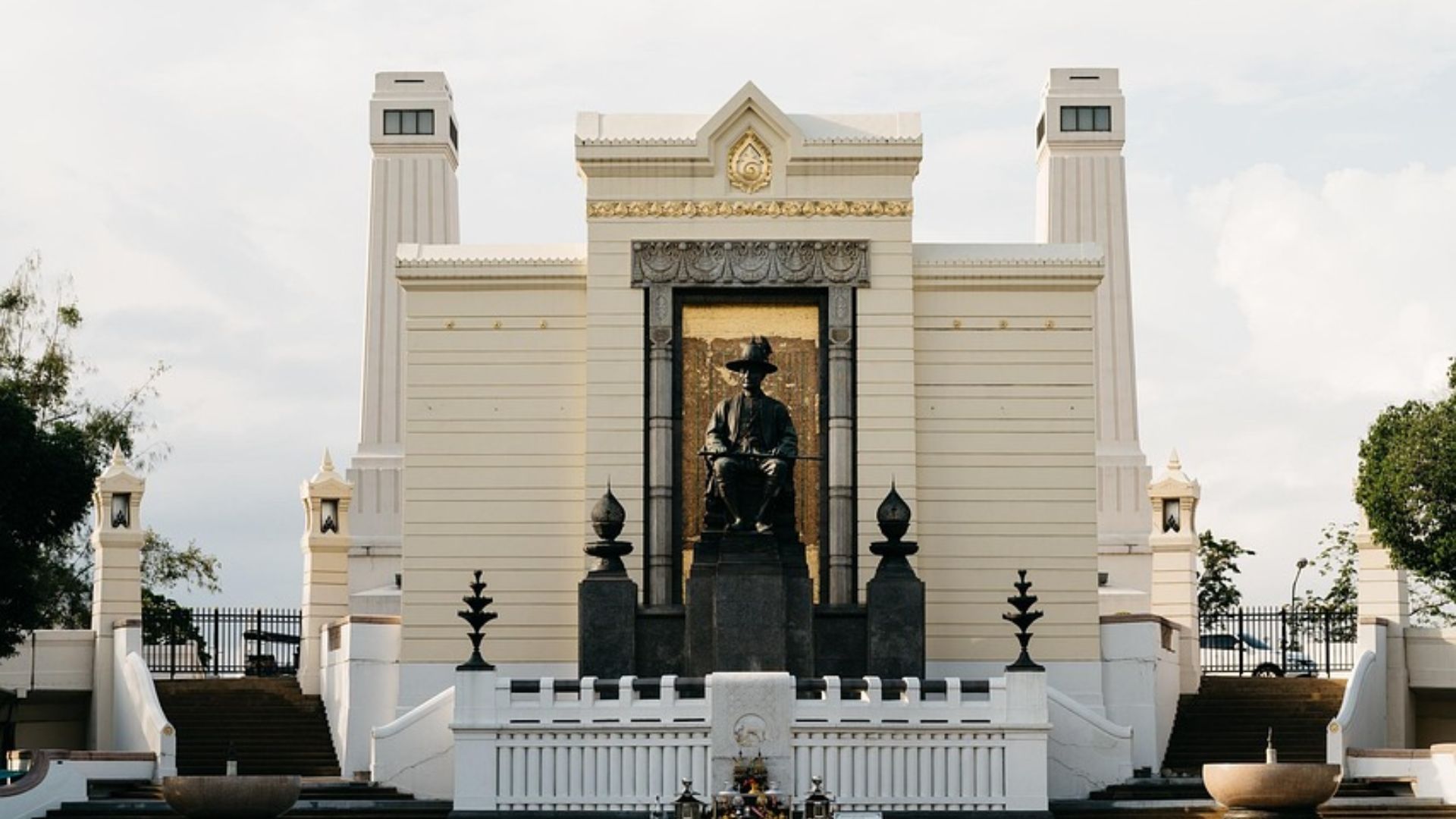
6. King Rama IX Of Thailand
King Bhumibol Adulyadej was deeply involved in improving the lives of his people. He supported rural development projects and focused on sustainable agriculture. His long reign earned widespread respect for its dedication to public service. Many viewed him as a stabilizing and compassionate figure.
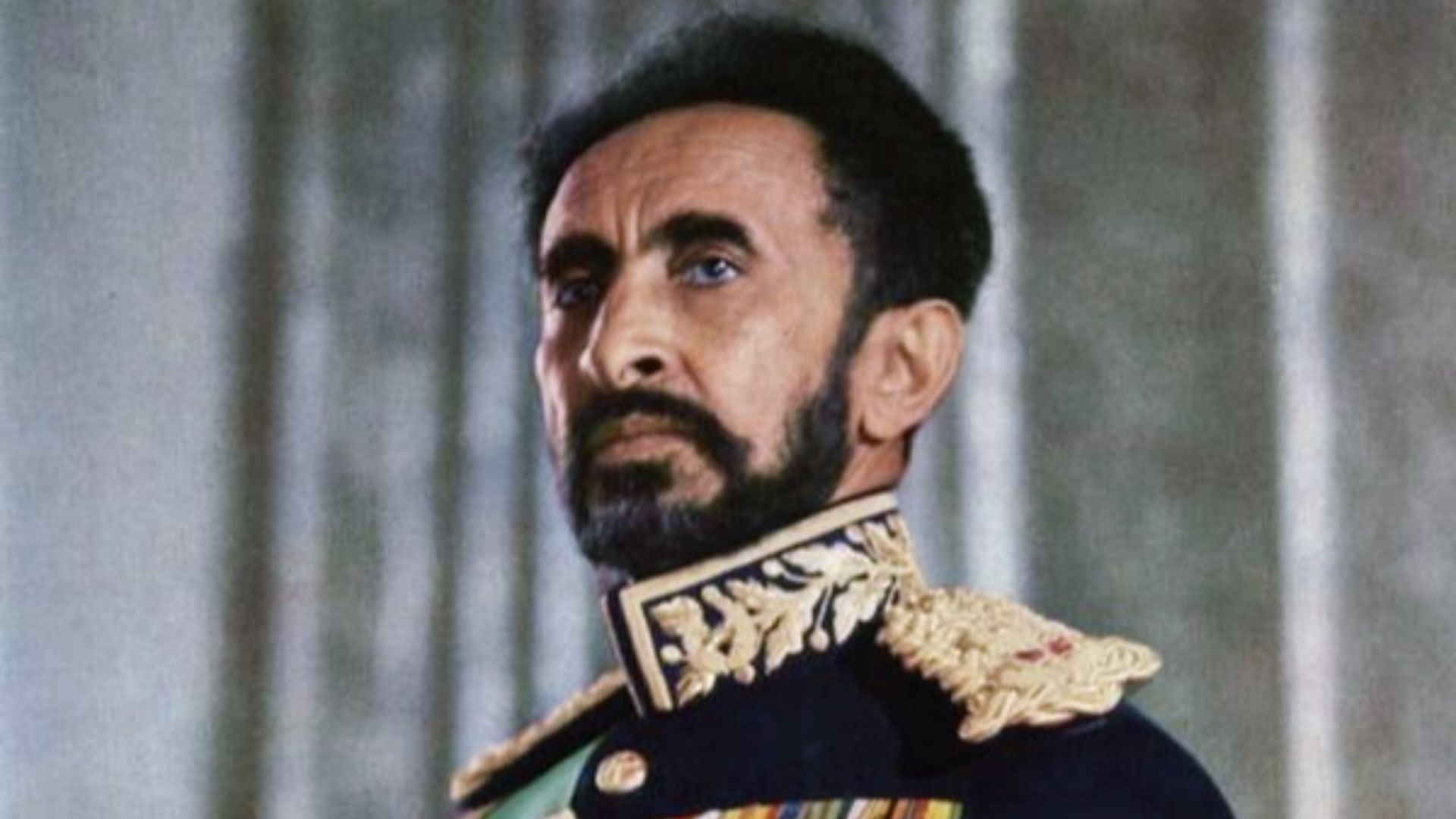
7. Haile Selassie
Emperor of Ethiopia, Haile Selassie, worked to modernize his country while promoting education and international cooperation. He opposed colonialism and advocated for unity across Africa. His leadership style emphasized diplomacy and reform. He remains an important figure in Ethiopian history.
8. King Baldwin IV
Despite suffering from leprosy, Baldwin IV of Jerusalem ruled with determination and fairness. He demonstrated strategic skill and worked to protect his kingdom during a turbulent period. His leadership earned respect even from his opponents. Baldwin’s reign is remembered for resilience and integrity.
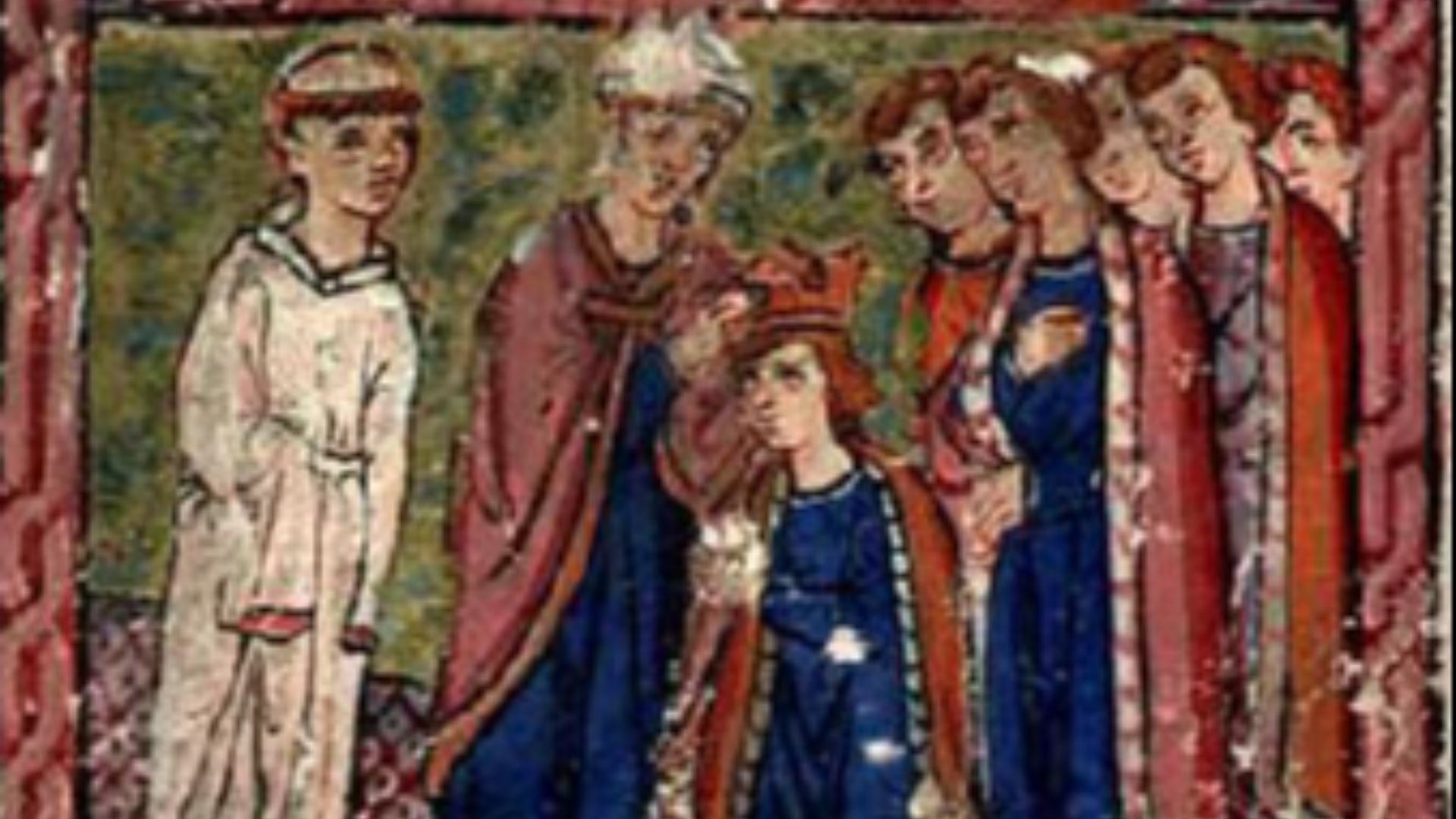 Unspecified illuminator of a manuscript by William II of Tyre on Wikimedia
9. Frederick The Great
King Frederick II of Prussia promoted religious tolerance and legal reform. He encouraged intellectual life and supported the arts and sciences. Frederick believed in enlightened absolutism, where a ruler serves the state’s best interests. His policies helped strengthen and modernize Prussia.
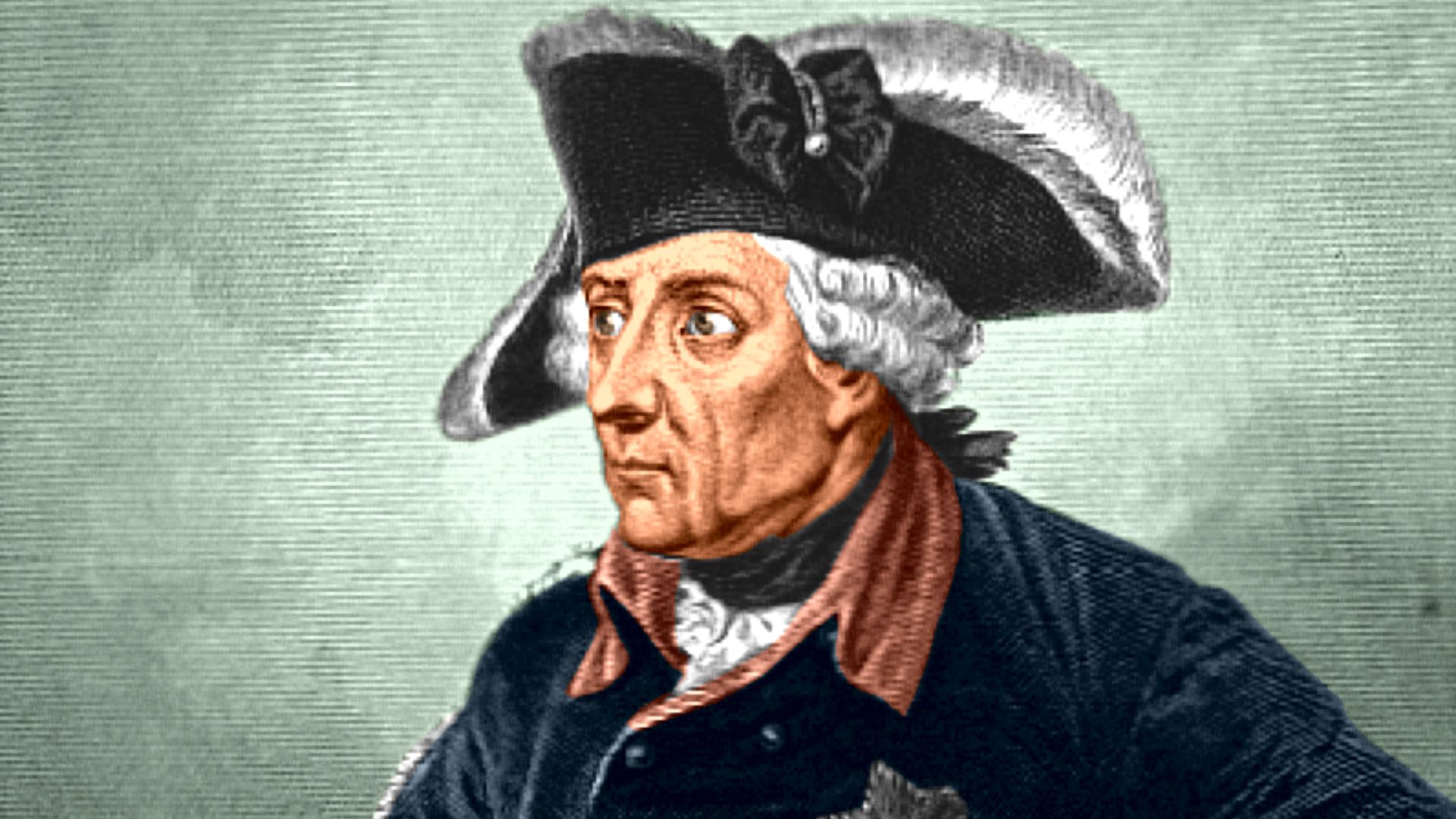 Unknown authorUnknown author on Wikimedia
10. King Jigme Singye Wangchuck
The fourth king of Bhutan introduced the concept of Gross National Happiness. He focused on well-being rather than purely economic growth. His leadership emphasized environmental protection, cultural preservation, and social stability. This approach reshaped how progress was measured in Bhutan.
 Prime Minister's Office on Wikimedia
1. Ivan The Terrible
Ivan IV of Russia is known for his brutal methods of maintaining control. He created a secret police force and carried out mass executions. His reign was marked by paranoia and violent repression. Fear became a central tool of his authority.
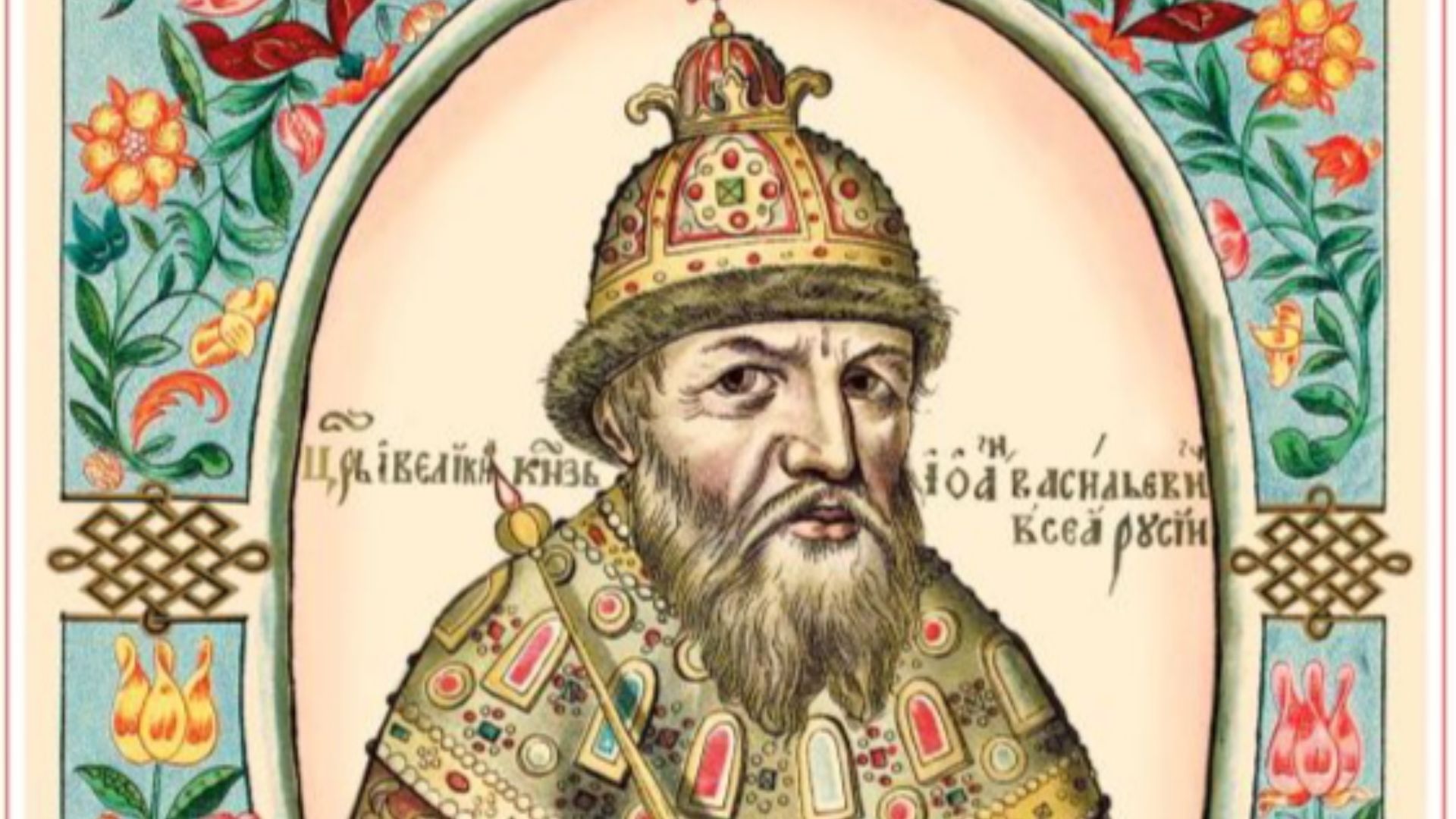 Unknown authorUnknown author on Wikimedia
2. King Leopold II
Leopold II of Belgium controlled the Congo Free State with extreme cruelty. His administration exploited resources through forced labor and harsh punishment. Millions of people suffered under his rule. His legacy is widely condemned for its human cost.
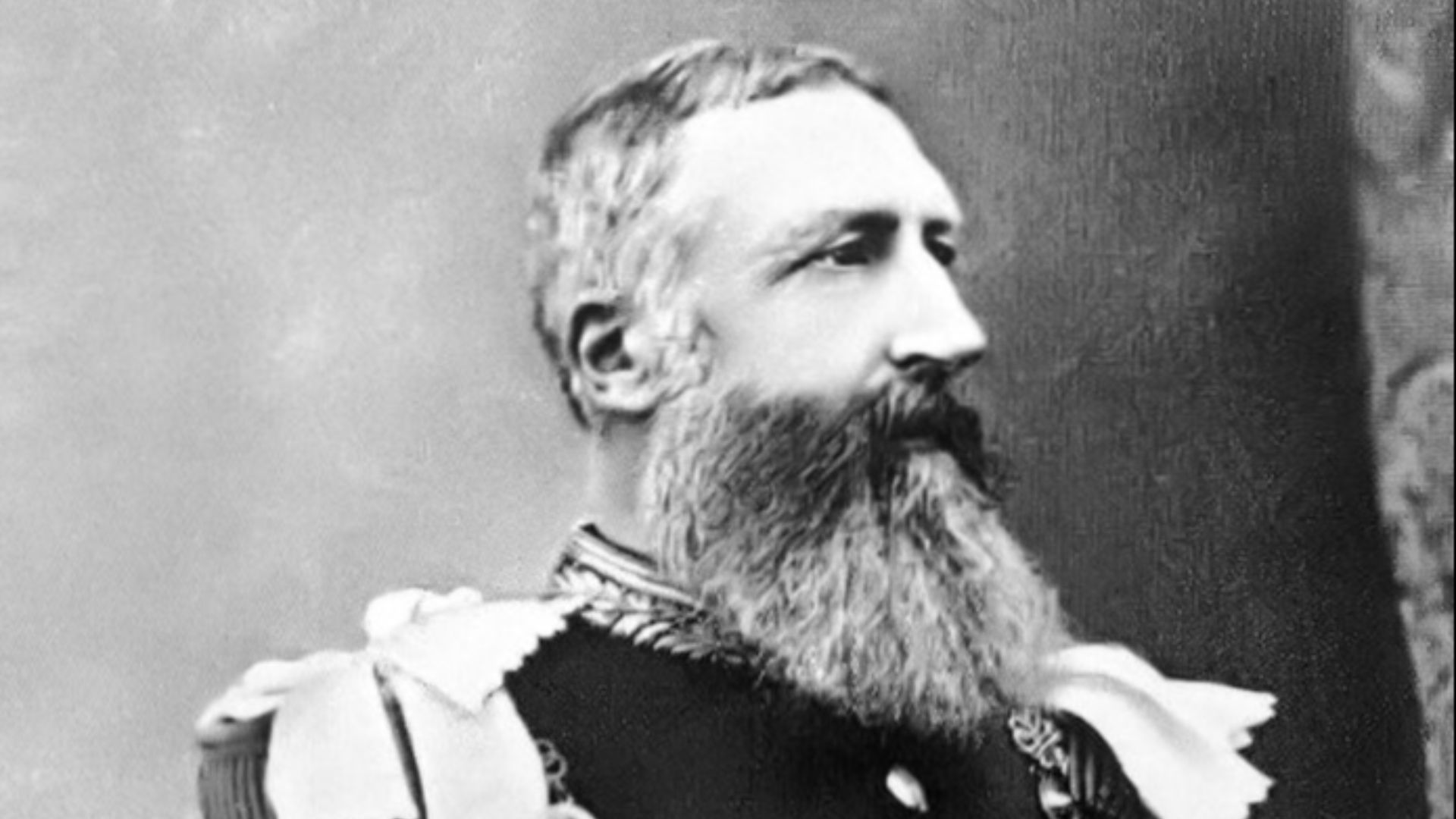 London Stereoscopic and Photographic Company on Wikimedia
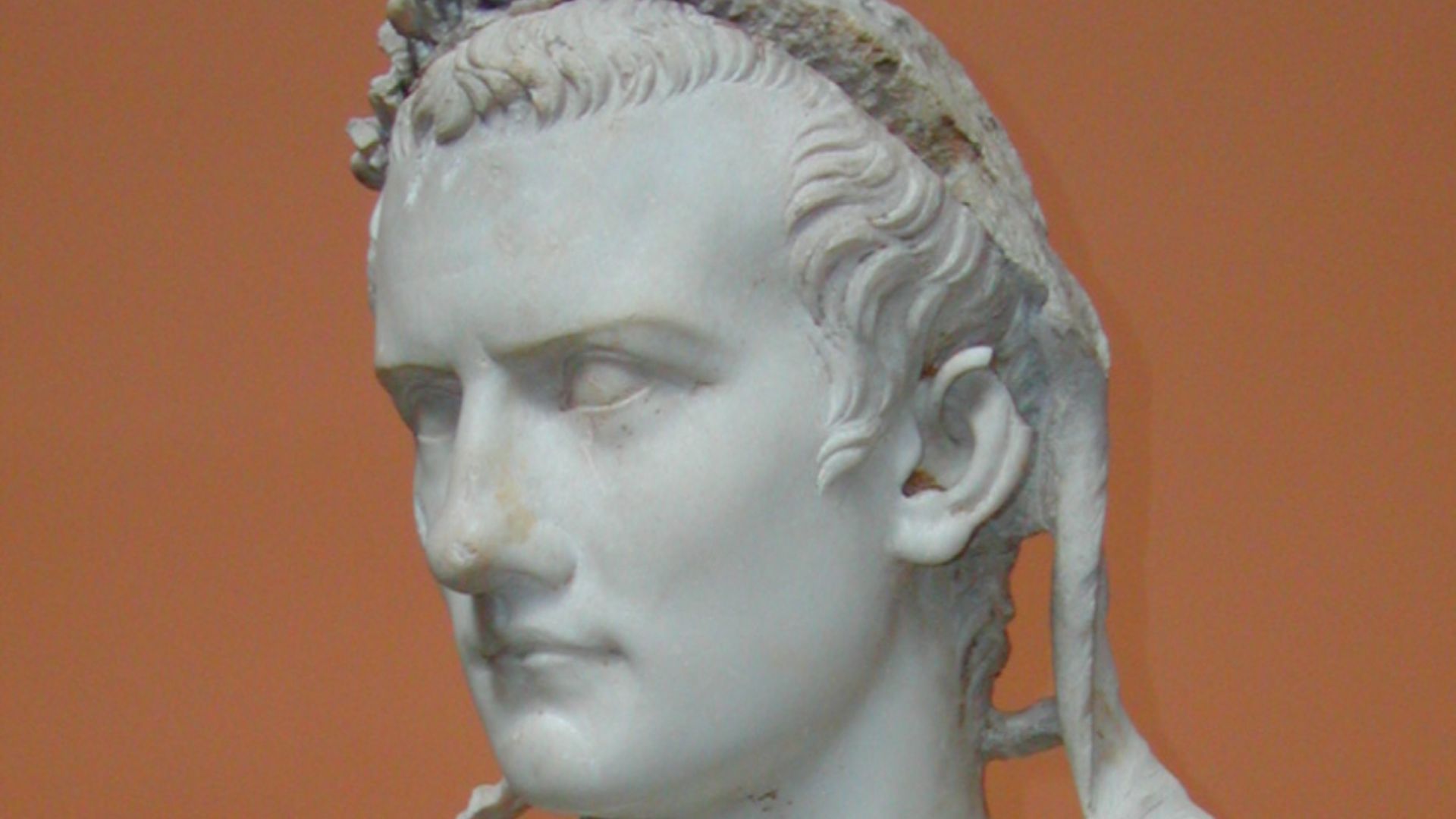
3. Caligula
Roman Emperor Caligula gained a reputation for erratic and cruel behavior. Historical accounts describe excessive punishments and unpredictable decisions. His leadership created instability and fear among both citizens and officials. His reign was short but deeply unsettling.
4. King John Of England
King John ruled with heavy taxation and arbitrary justice. His actions led to widespread dissatisfaction among nobles and citizens, and this unrest eventually resulted in the signing of the Magna Carta.
5. Qin Shi Huang
The first emperor of China unified the country but enforced strict control. He imposed harsh laws and suppressed dissent, including burning books and punishing scholars.
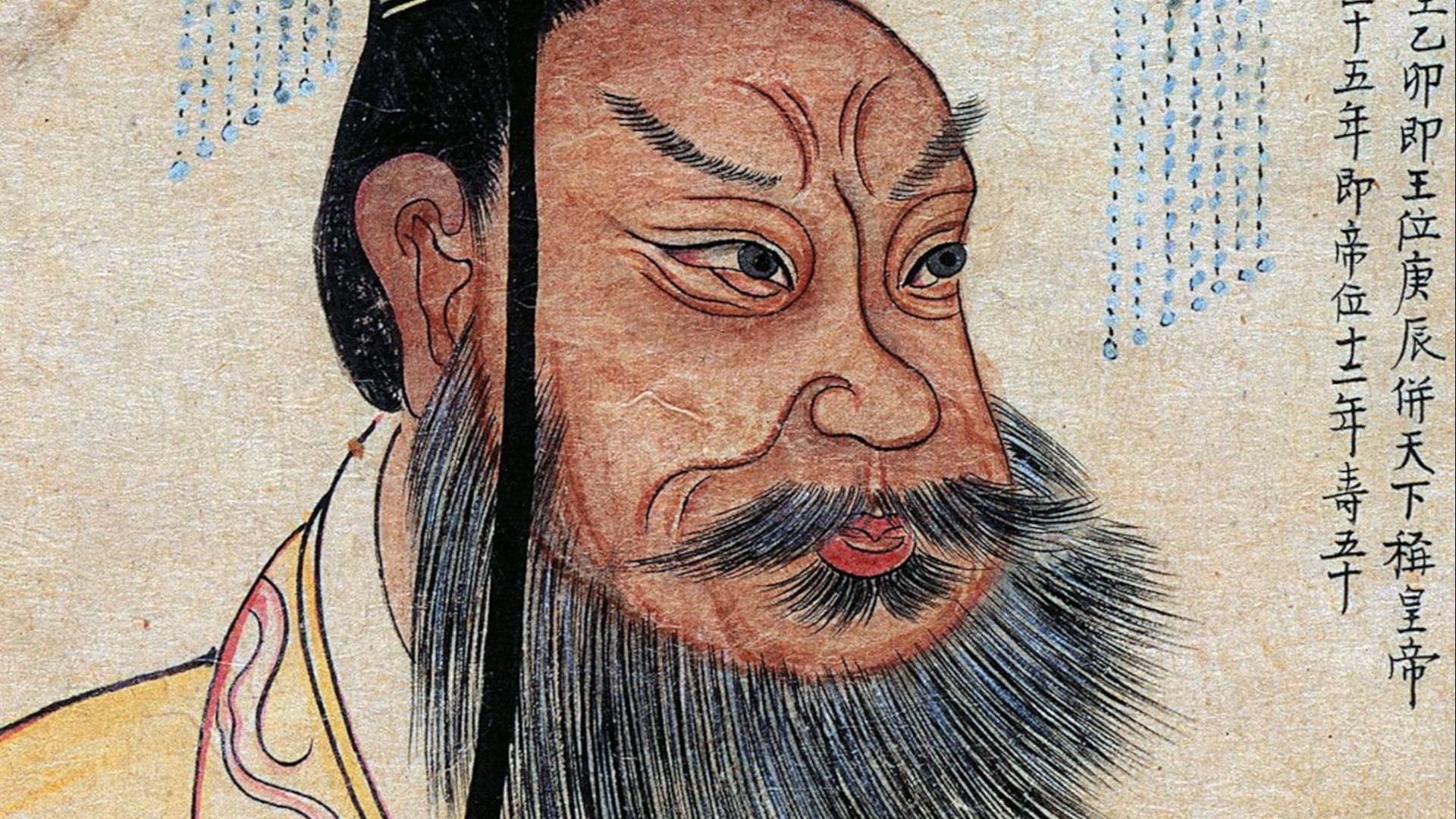 Unknown authorUnknown author on Wikimedia
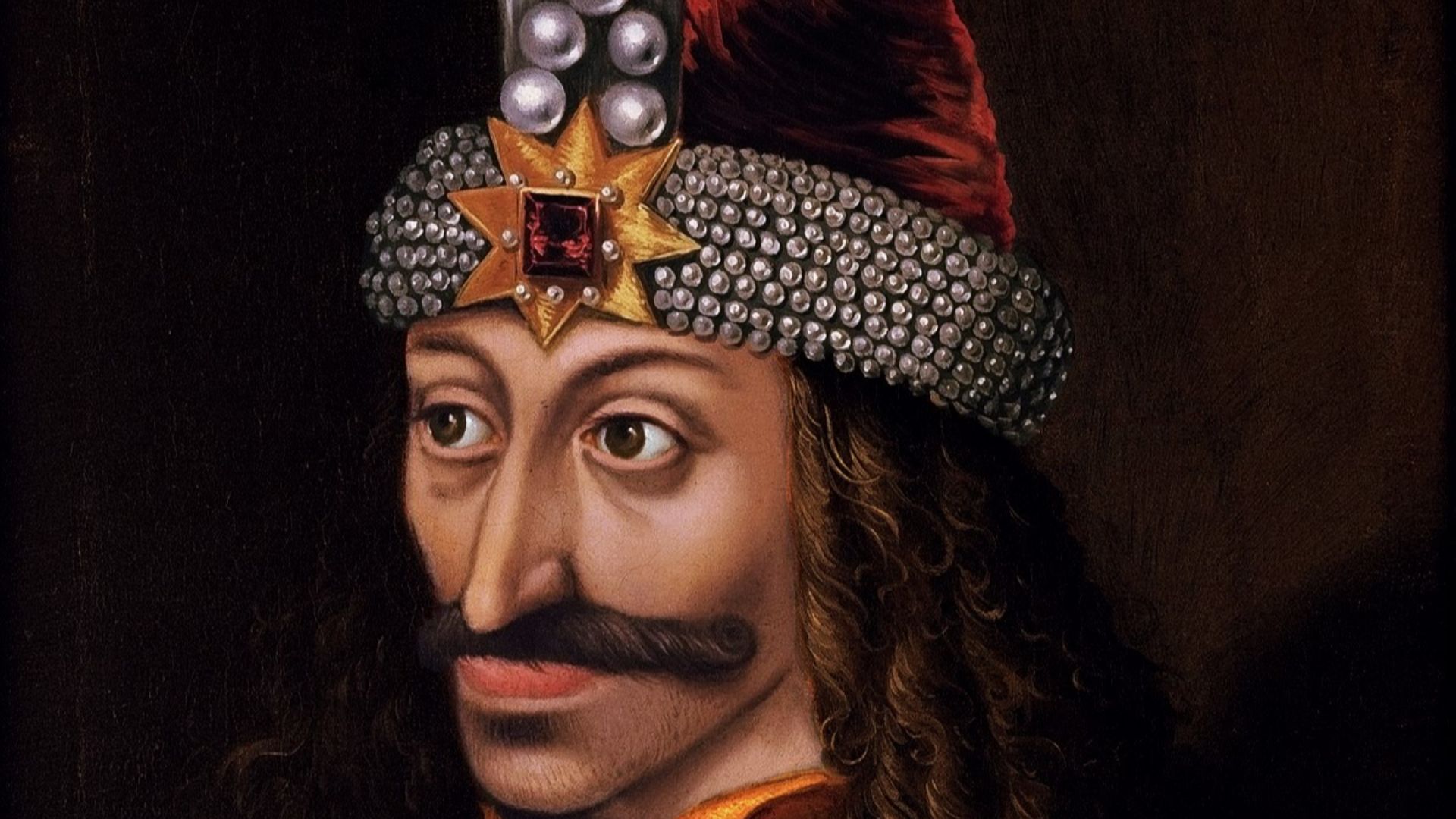
6. Vlad The Impaler
Vlad III of Wallachia became infamous for his brutal punishments, particularly impalement. He used fear to deter enemies and enforce discipline. His reputation spread widely, contributing to later legends.
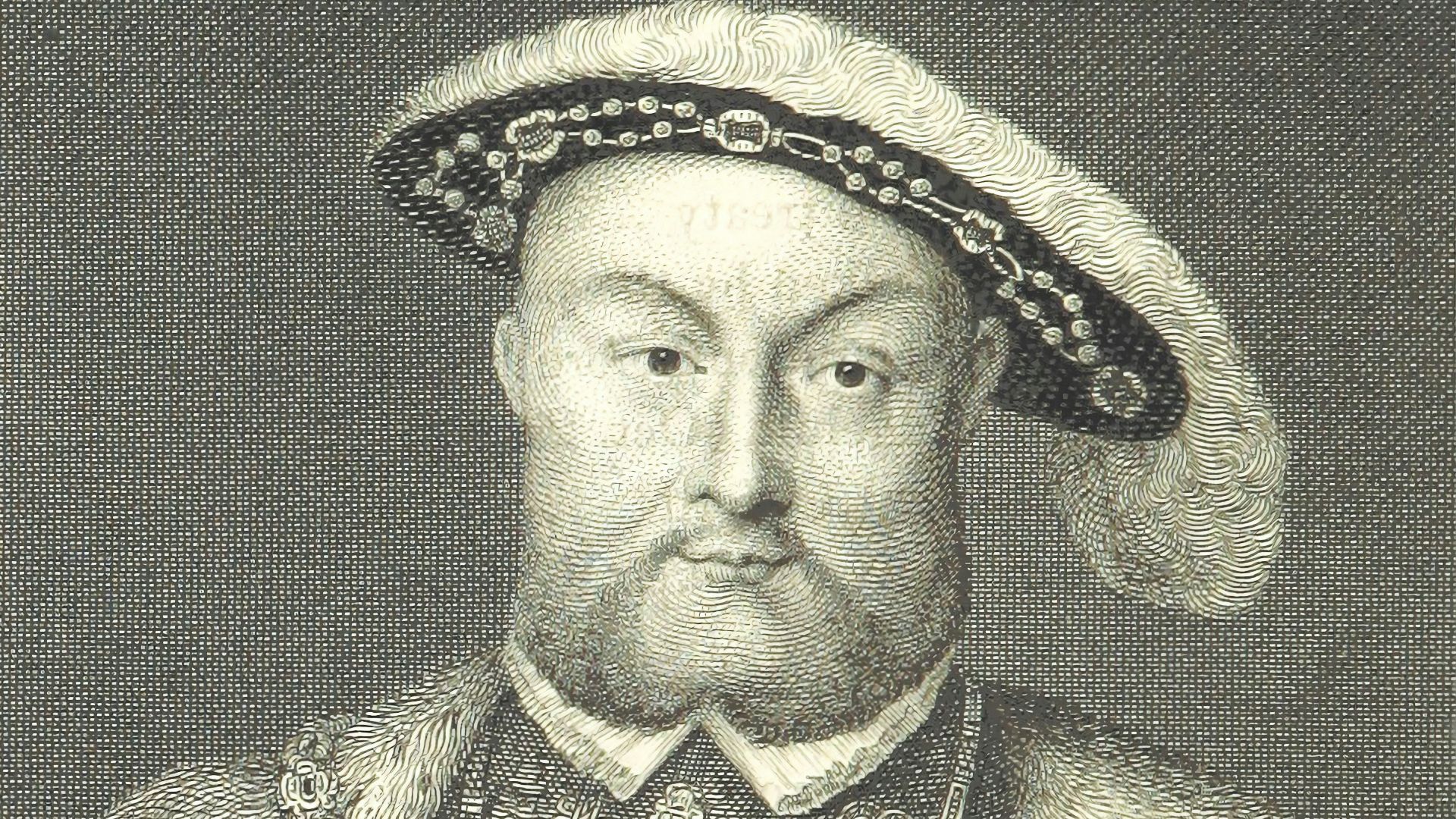
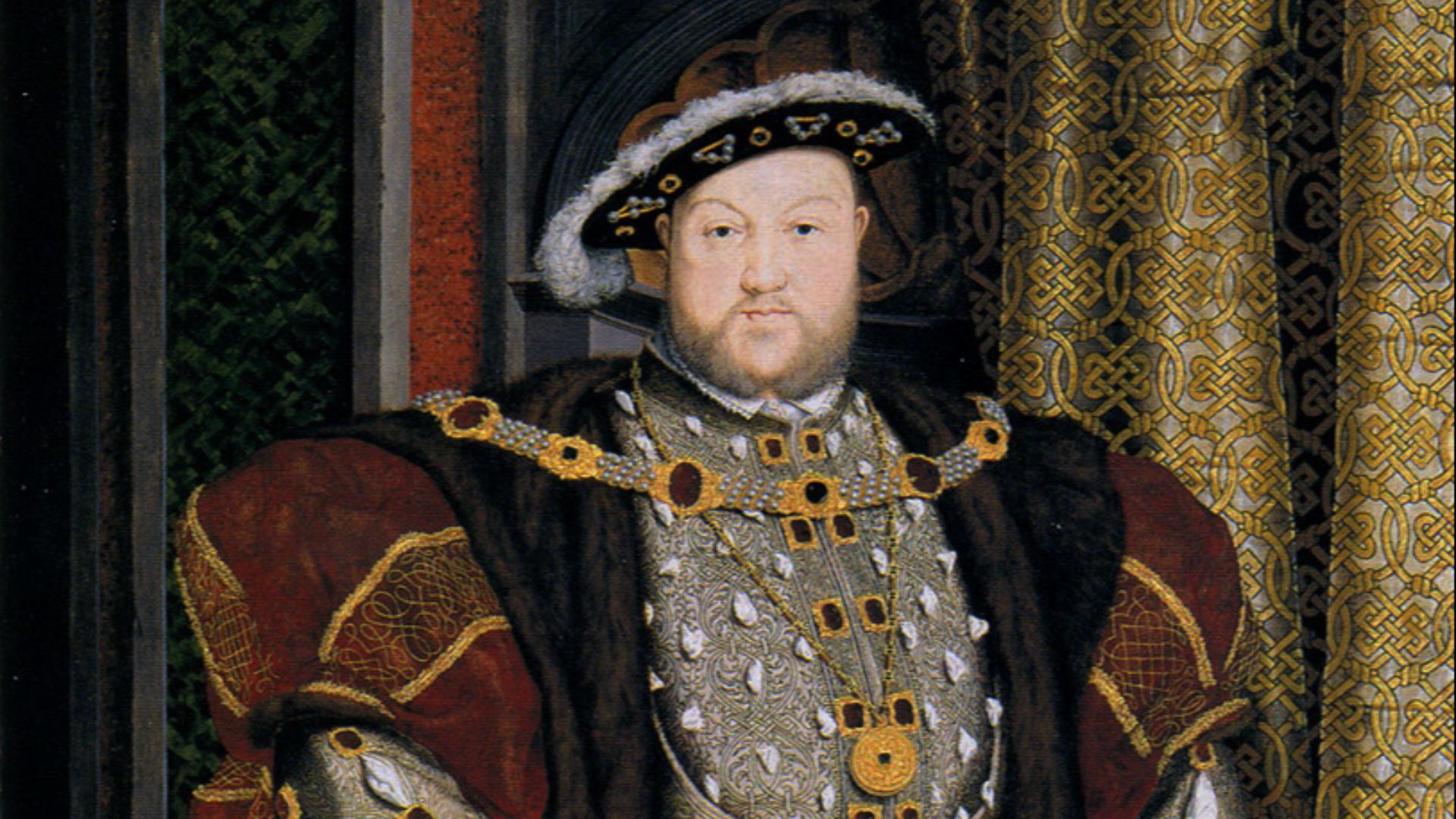
7. Henry VIII
King Henry VIII of England used his authority to eliminate opposition, including executing close advisors and wives. His reign involved major religious and political upheaval.
 Unknown authorUnknown author on Wikimedia
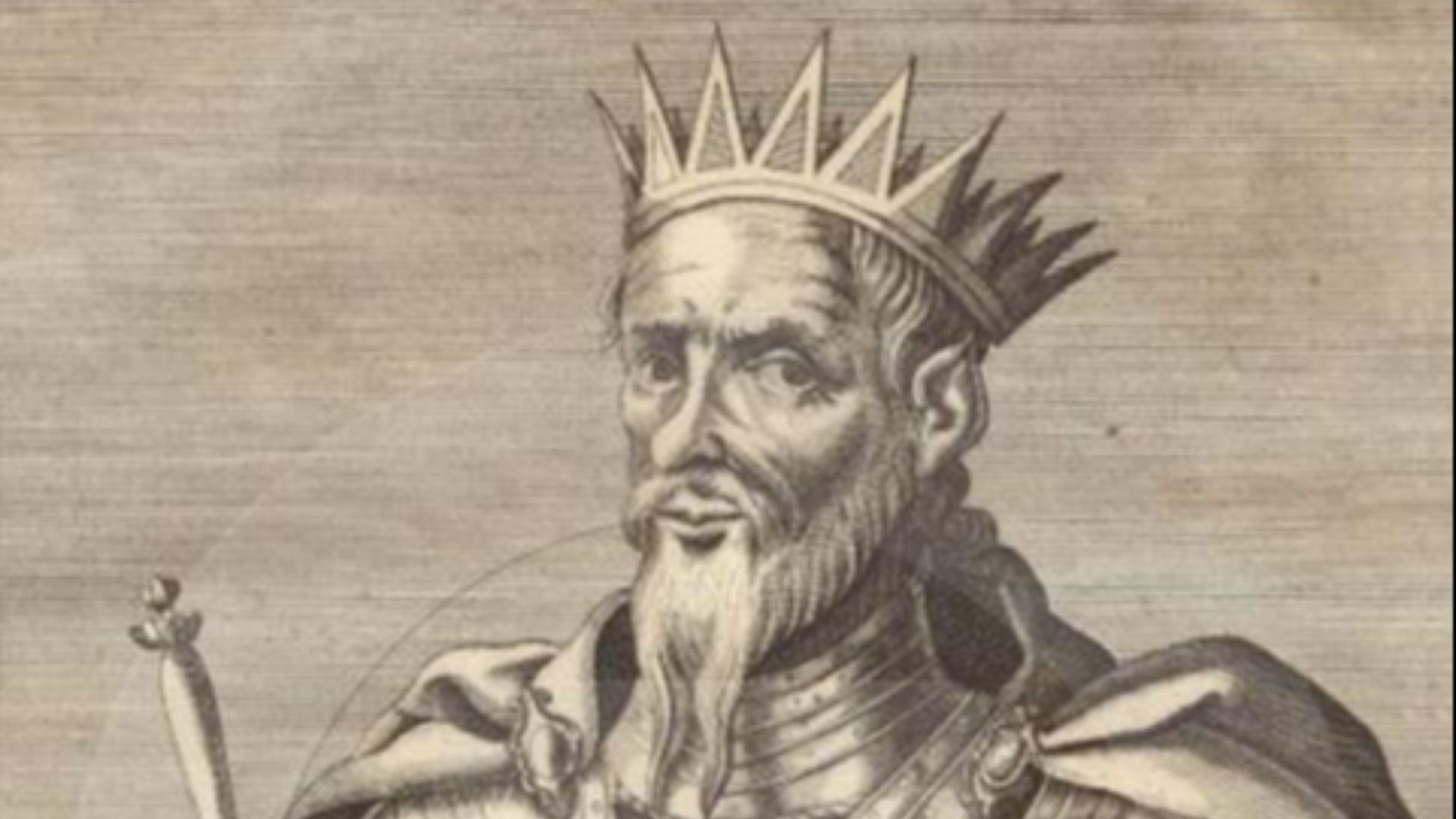
8. Attila The Hun
Although not a traditional king, Attila ruled through military dominance and fear. His campaigns across Europe were marked by destruction and intimidation, and opponents often surrendered to avoid conflict.
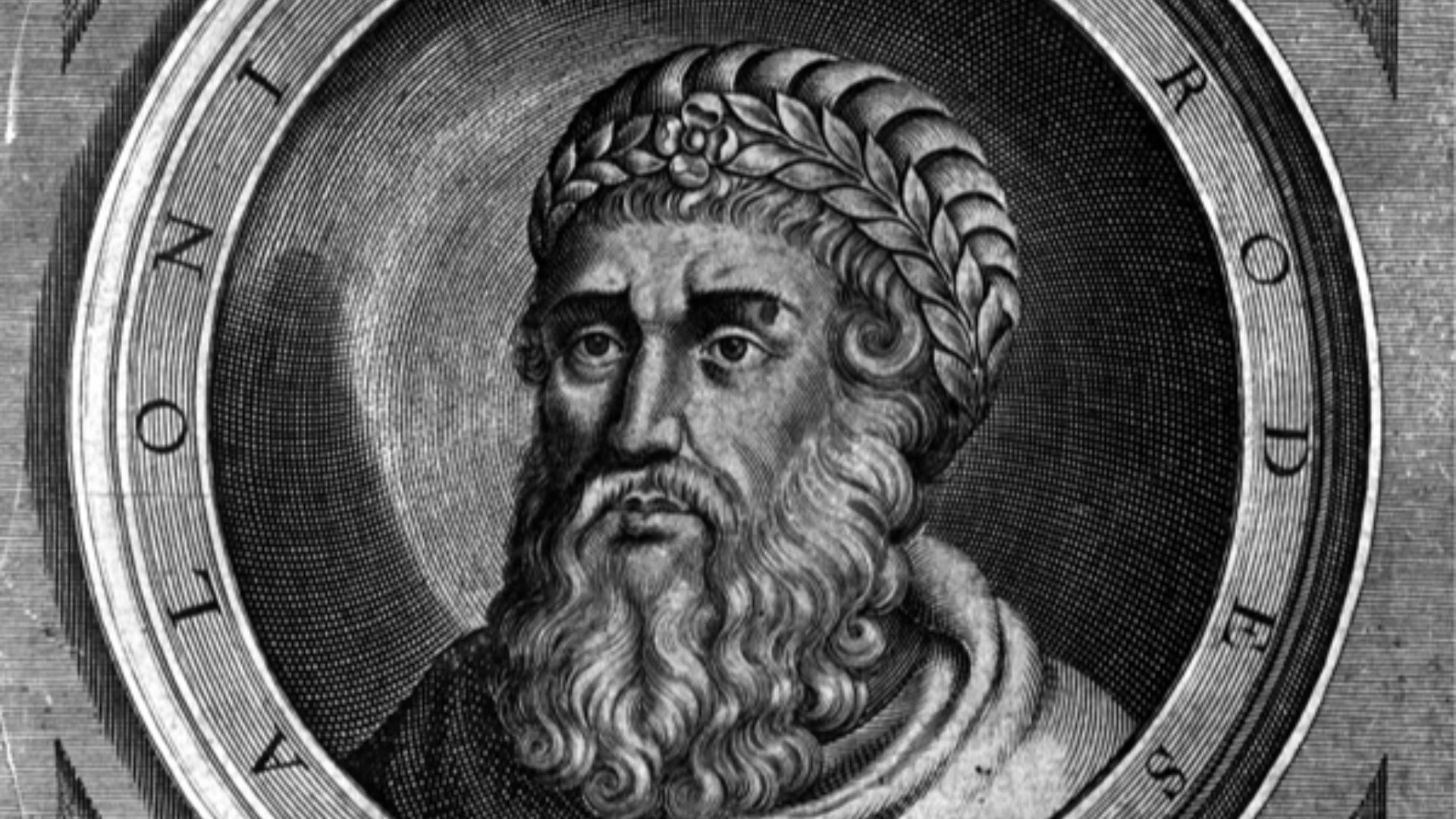
9. King Herod The Great
Herod ruled Judea under Roman authority and was known for both grand construction projects and harsh actions. Historical accounts describe violent responses to perceived threats.
 Unknown authorUnknown author on Wikimedia
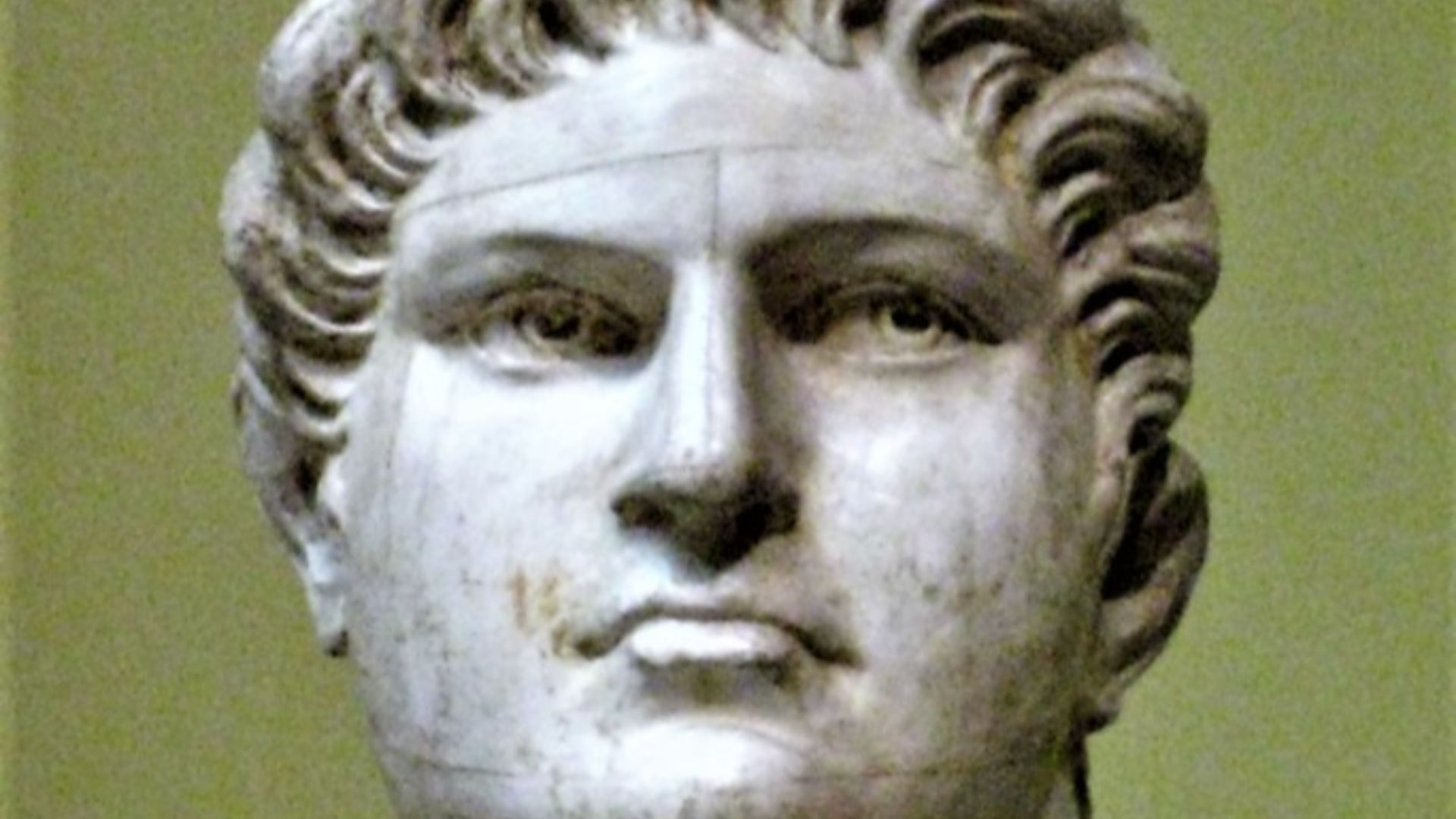
10. Nero
Roman Emperor Nero is remembered for tyranny and extravagance. He reportedly used violence against political rivals and critics. His leadership contributed to instability within the empire. Fear and excess defined much of his reign.
KEEP ON READING

The 10 Youngest Monarchs In History & The 10 Oldest
Age Is Just A Number. Imagine being crowned king or…
By Chase Wexler Mar 11, 2025
You Think You Have Problems? These Royal Families Were Cursed
Boasson and Eggler St. Petersburg Nevsky 24. on WikimediaHeavy is…
By Ashley Bast Dec 5, 2025
You Can Thank This Greek-Canadian For Creating Pineapple On Pizza…
Love it or hate it, pineapple on pizza sparks debate…
By David Davidovic Dec 1, 2025
Yes, Female Gladiators Existed, And Here's Everything You Need To…
History of Women in Combat. Most people picture gladiators as…
By David Davidovic Jan 17, 2026
Yes, Australians Once Lost A Battle Against Flightless Birds
David Clode on UnsplashIn 1932, the Australian military went to…
By David Davidovic Nov 24, 2025
The Y2K Bug: Why Did Everyone Think Year 2000 Was…
Alan W on UnsplashOn December 31, 1999, people all over…
By Christy Chan Dec 22, 2025