

The Map Was Never Empty
The trouble with the word discovered is that it makes arrival sound like creation. It gives the newcomer all the drama and strips the people already there down to scenery. A ship shows up, a flag goes up, a name gets written in a logbook, and suddenly the story gets told as if the place only became real once Europe noticed it. That version is tidy, flattering, and wrong. Here are 20 places we still talk about as if they were found fresh, even though they were already populated when outsiders first arrived.
1. The Caribbean
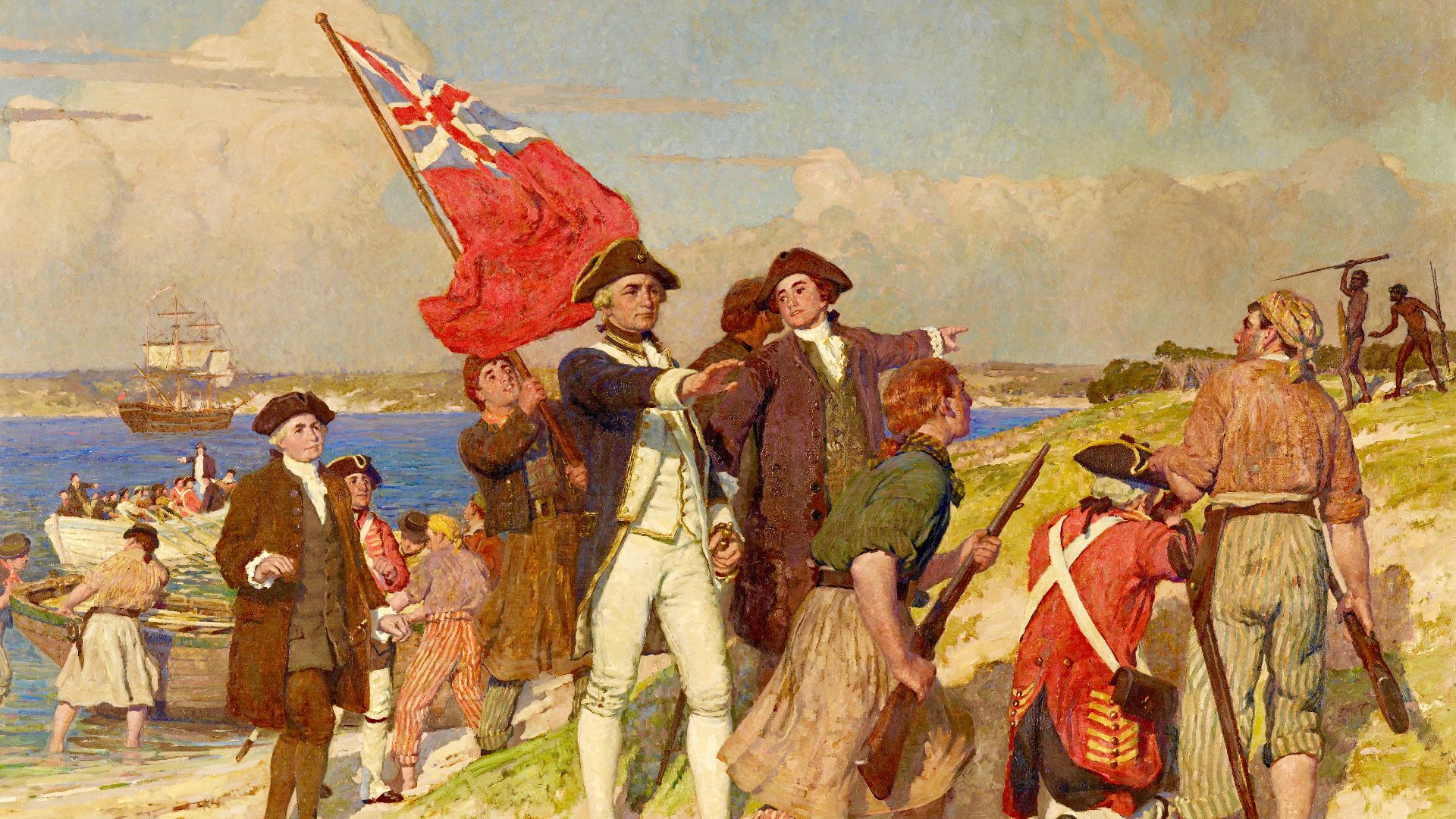
When Columbus made landfall in the Bahamas on October 12, 1492, he did not reach an empty “New World.” He encountered Taíno peoples in a region that was already full of communities spread across islands including Cuba, Hispaniola, Puerto Rico, and Jamaica.
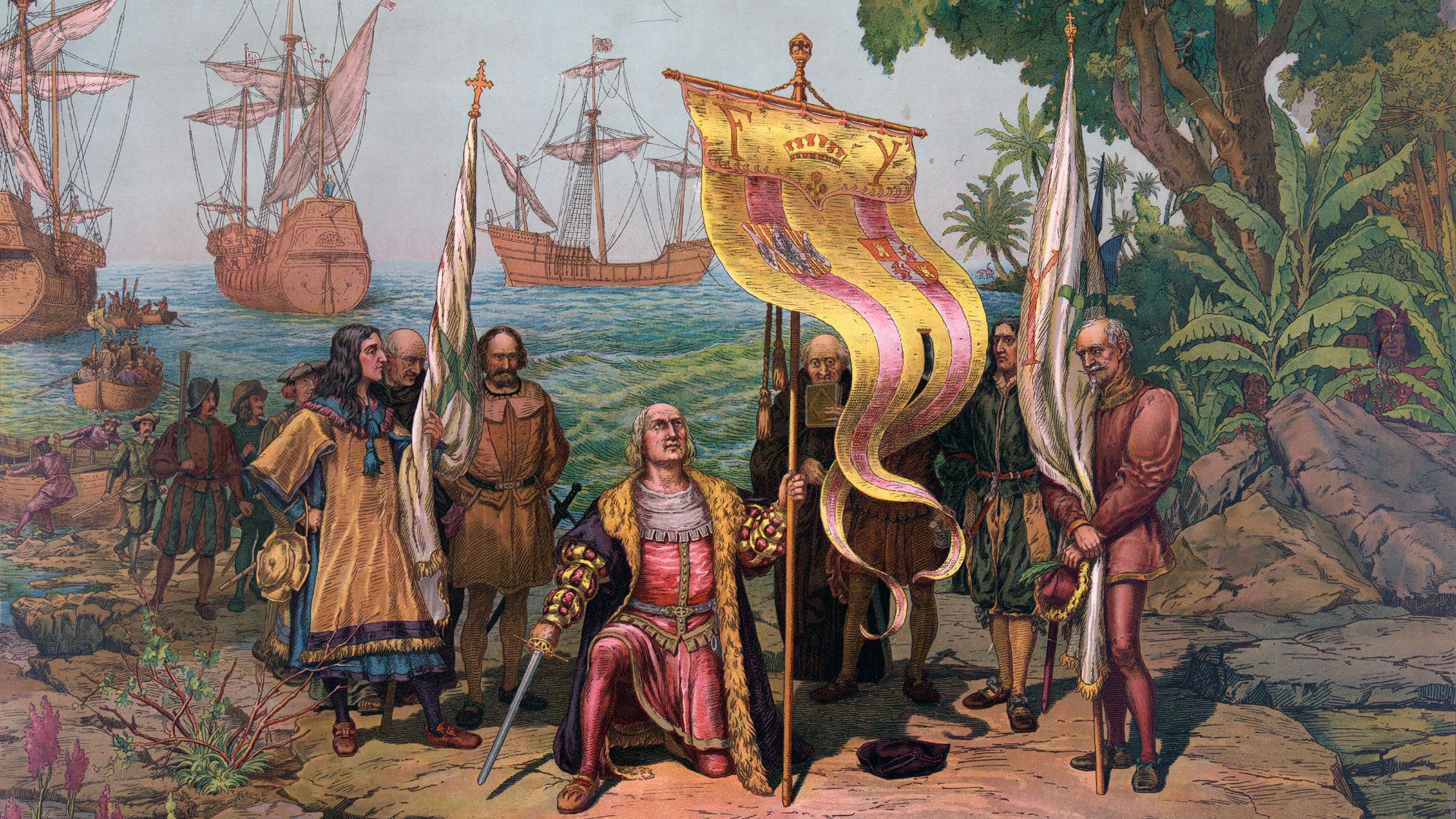 L. Prang & Co., Boston on Wikimedia
2. Hawaii
Captain James Cook first landed at Waimea on Kaua‘i on January 20, 1778, and that date gets treated like the islands had just entered history. Native Hawaiians had already built complex political and agricultural systems there long before Cook stepped ashore and started writing things down.
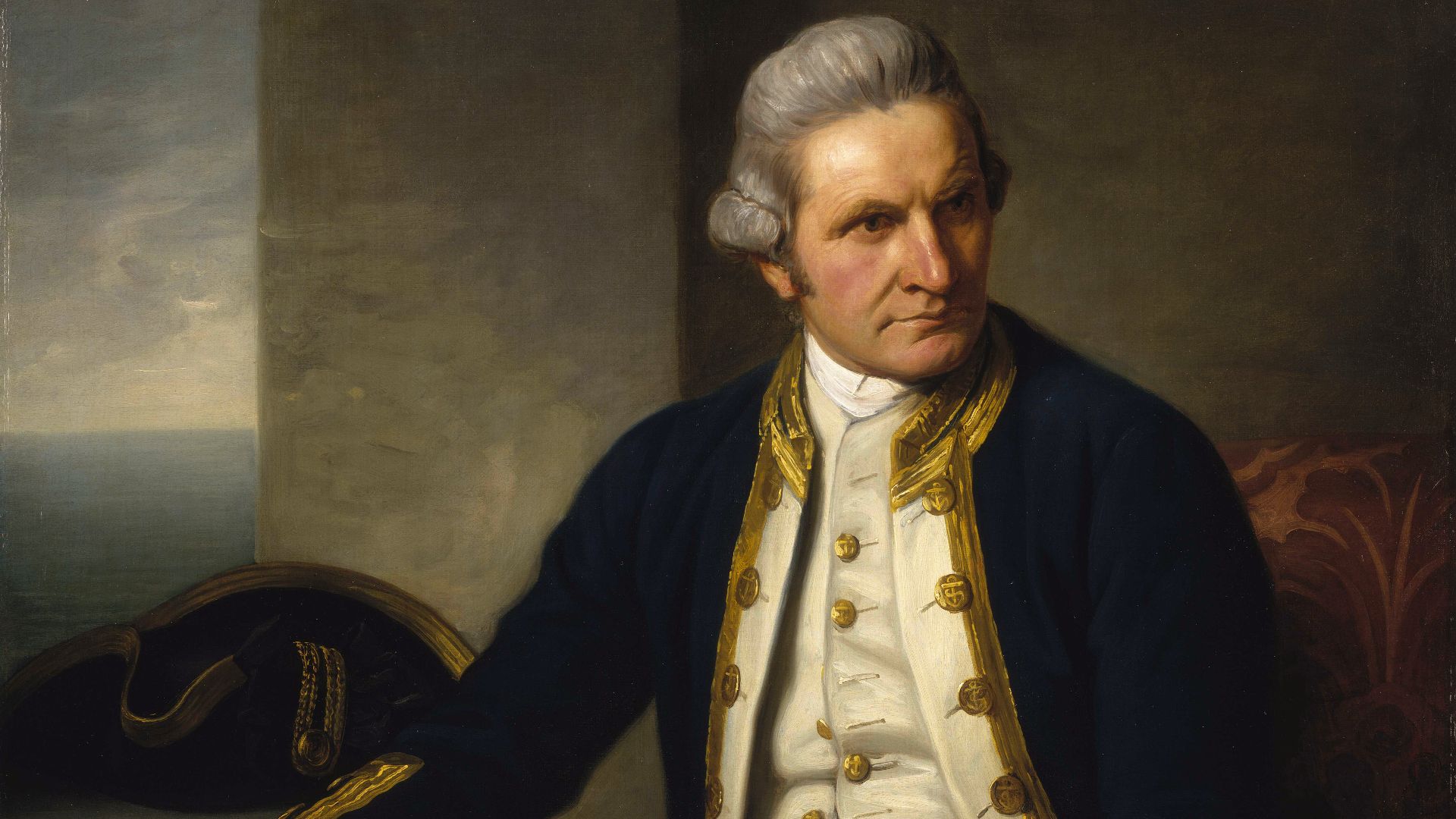 Nathaniel Dance-Holland on Wikimedia
3. Australia
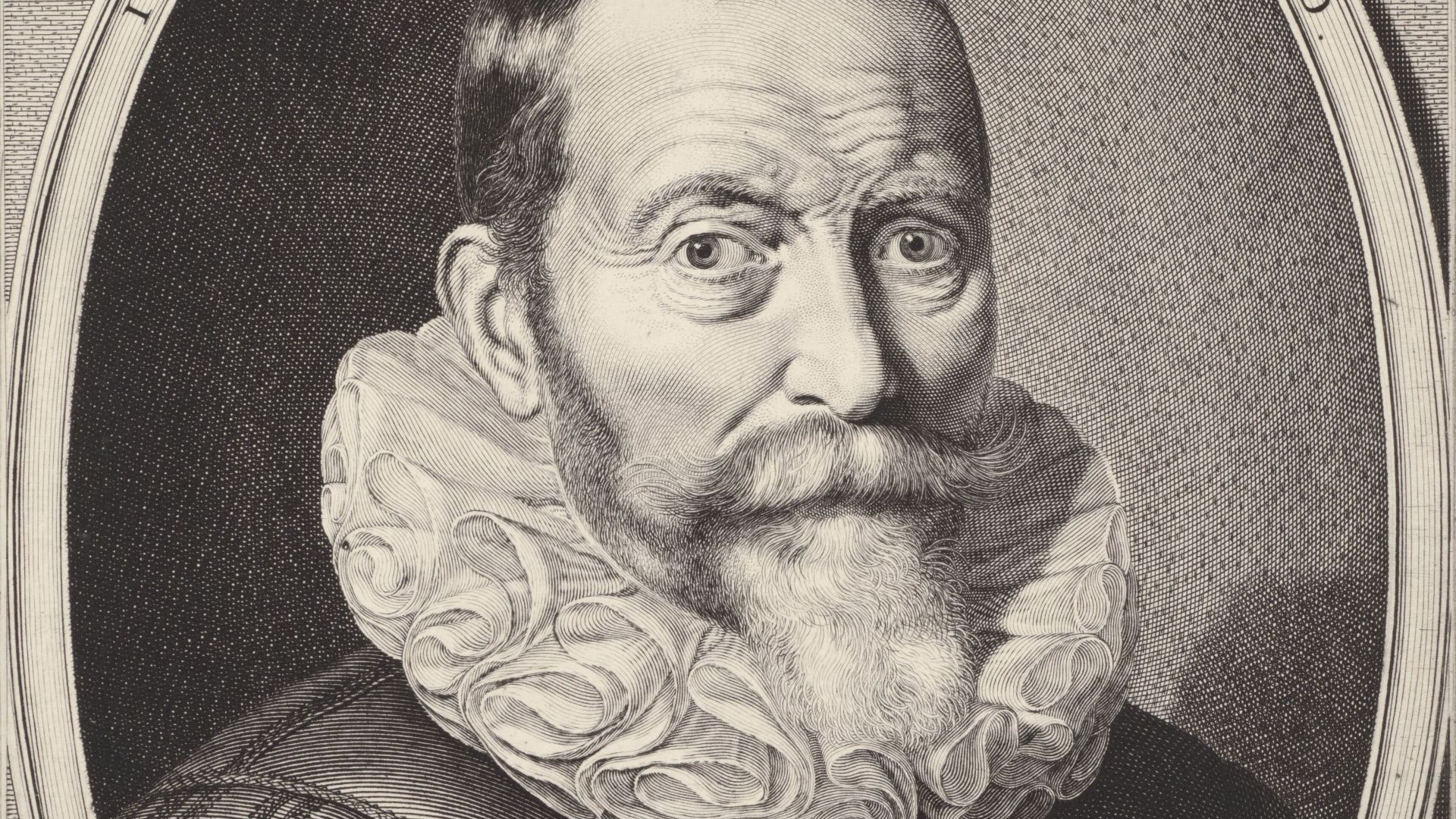
The first recorded European landfall in Australia came in 1606, when Willem Janszoon reached the Cape York Peninsula aboard the Duyfken. Aboriginal peoples, meanwhile, had already lived on the continent for at least 45,000 to 50,000 years, which makes the old discovery language sound especially thin.
4. New Zealand
Abel Tasman sighted New Zealand in December 1642 and clashed with Māori in the South Island, then left without exploring much further. James Cook circumnavigated the islands in 1769–70, but neither man found a blank edge of the map. They encountered Māori communities who were already there in force.
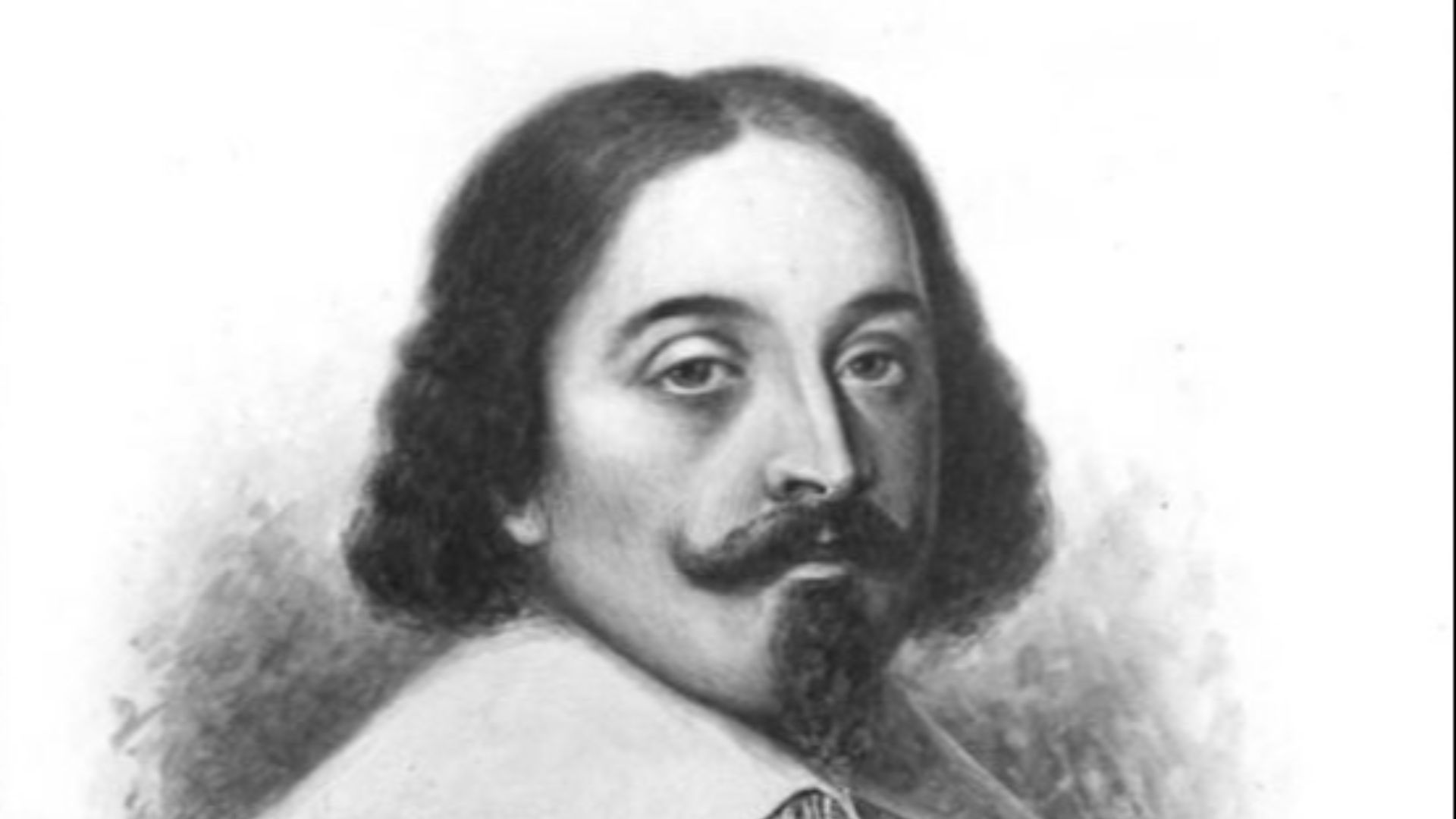 Archives New Zealand from New Zealand on Wikimedia
5. Canada
When Jacques Cartier reached the Gulf of St. Lawrence in 1534, he was not introducing himself to wilderness. He was meeting Indigenous peoples, including Wendat and St. Lawrence Iroquoians, who already lived, traded, and governed in that world long before French claims got attached to it.
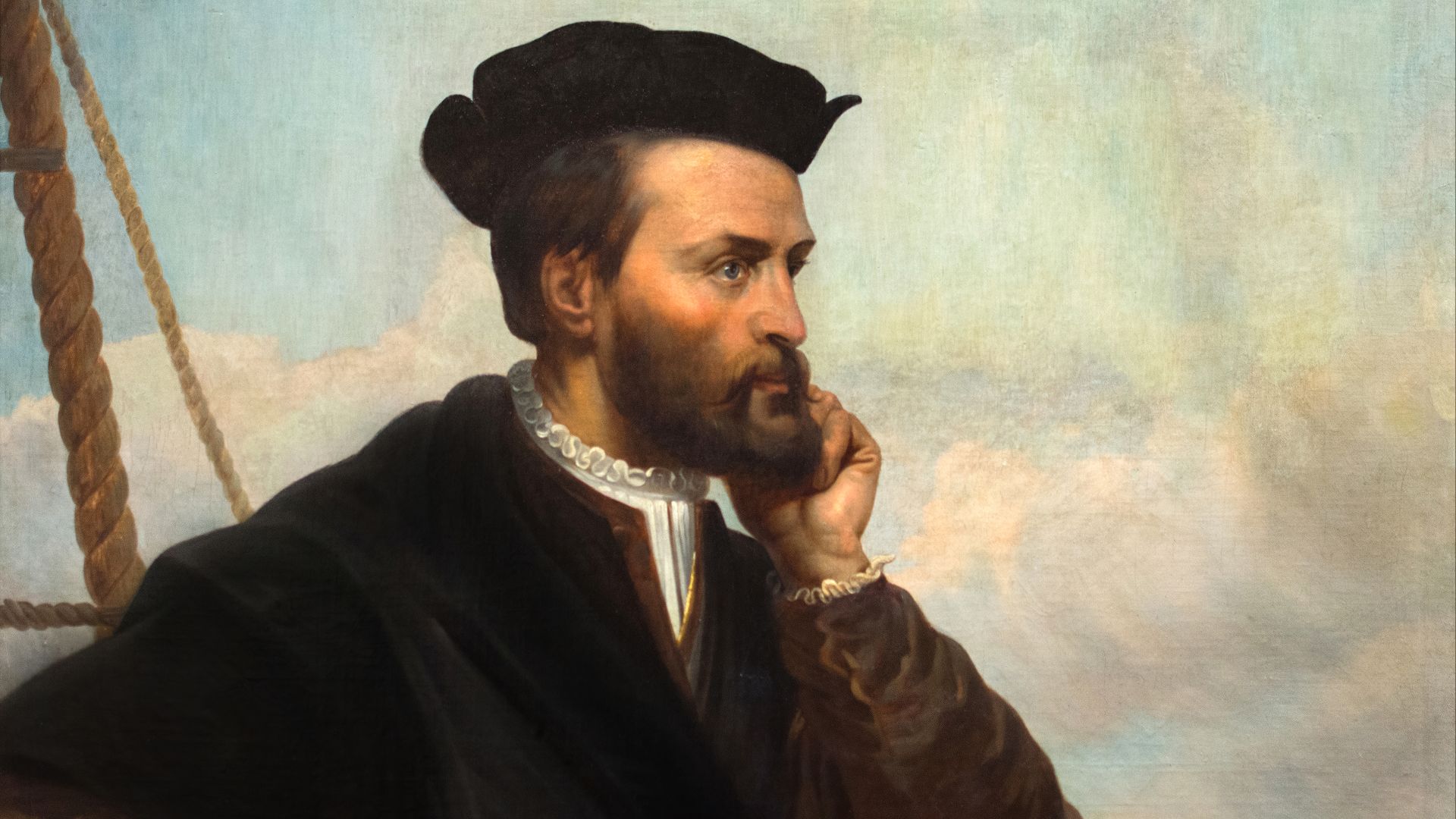 Théophile Hamel / After François Nicholas Riss on Wikimedia
6. Greenland
Erik the Red explored Greenland around 982 and organized Norse settlement there in 986, which often gets framed as a heroic northern discovery. But Greenland had already seen waves of Indigenous migration for thousands of years, and Inuit ancestry in the region long predates the Norse version of the story.
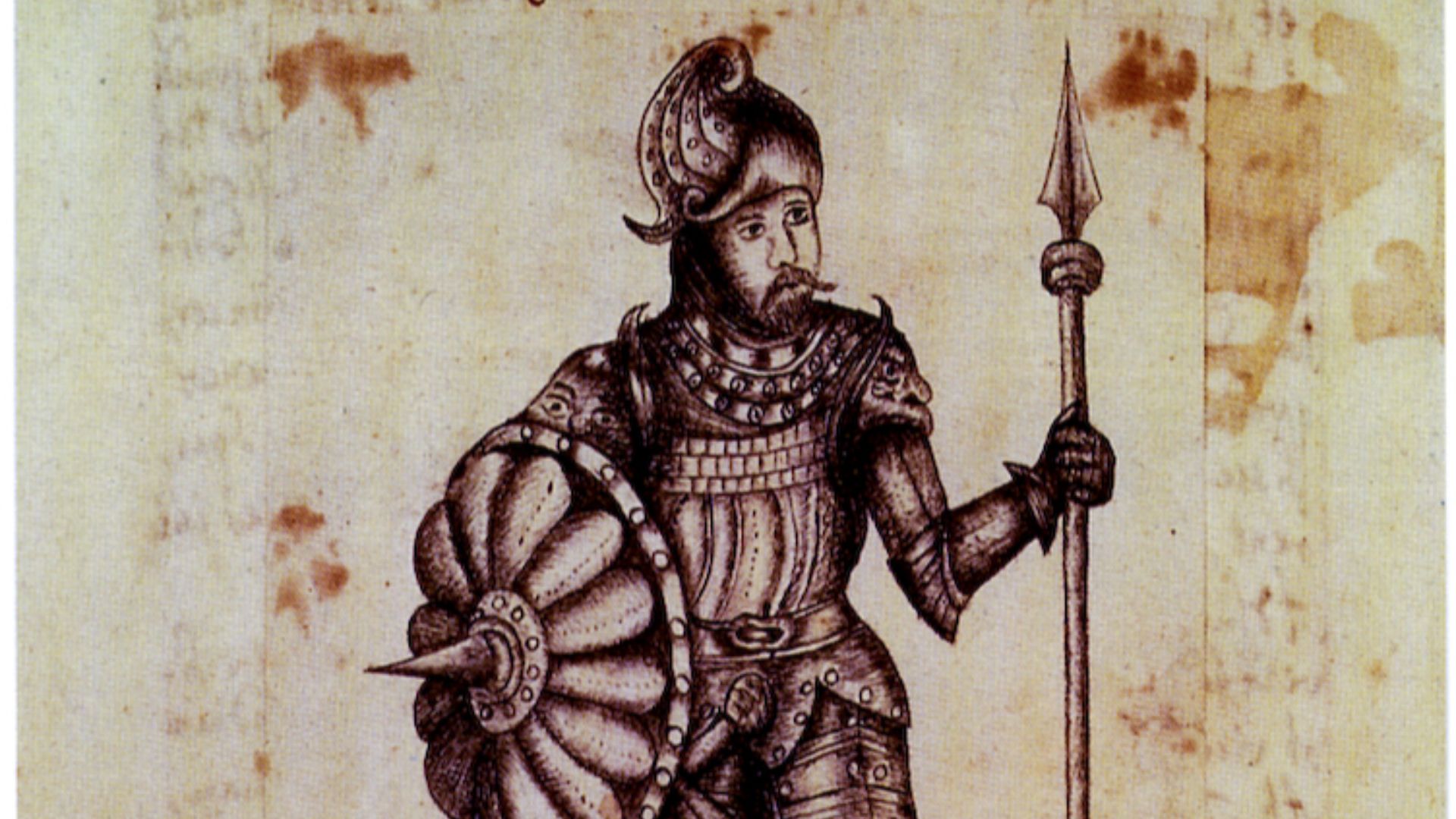 Unknown authorUnknown author on Wikimedia
7. Iceland
Iceland is one of the few places that really was uninhabited at permanent scale before Norse settlement, so it needs a more careful version of this argument. Even there, though, the familiar discovery story usually starts with Ingólfr Arnarson in 874 and skips how later chronicles turned settlement into a neat origin myth that flatters the first people who left written records.
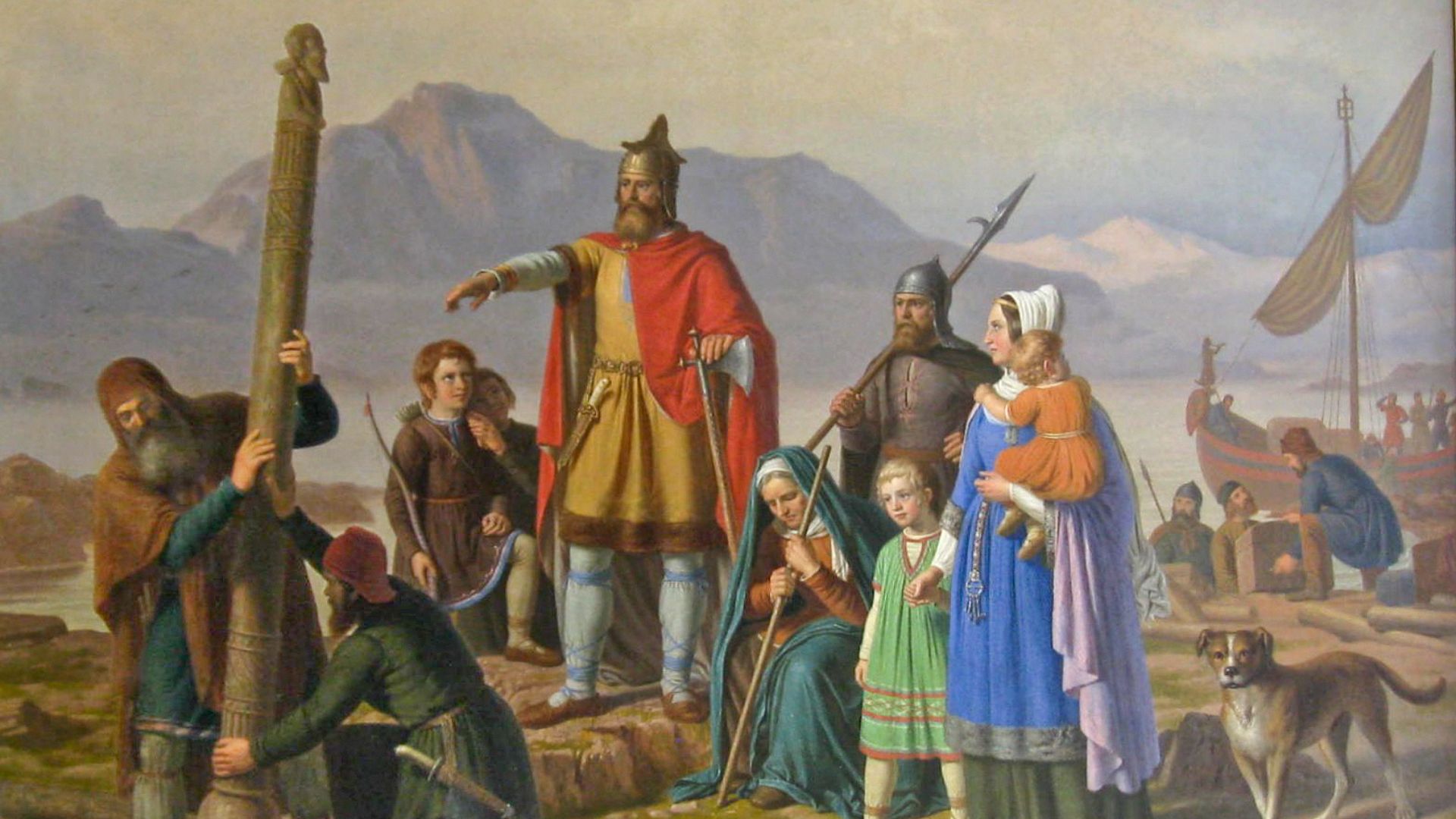 Johan Peter Raadsig (1806 - 1882) on Wikimedia
8. The Philippines
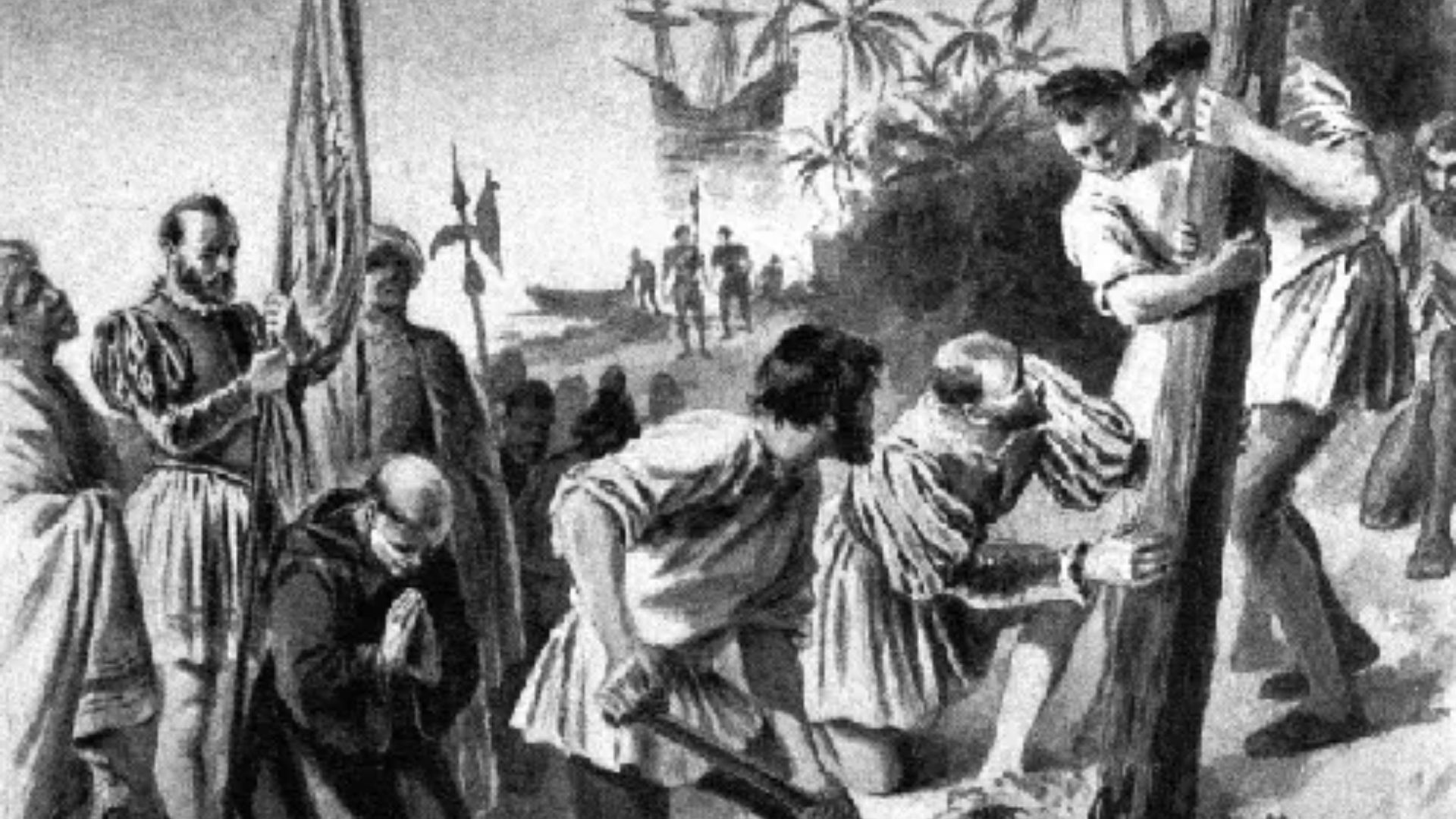
Ferdinand Magellan reached Cebu in March 1521 and was killed at Mactan on April 27, 1521, after colliding with local resistance. That was not Spain discovering an empty island chain. It was an armed European expedition entering a region that already had thriving communities, rulers, and trade links across Asia.
9. India
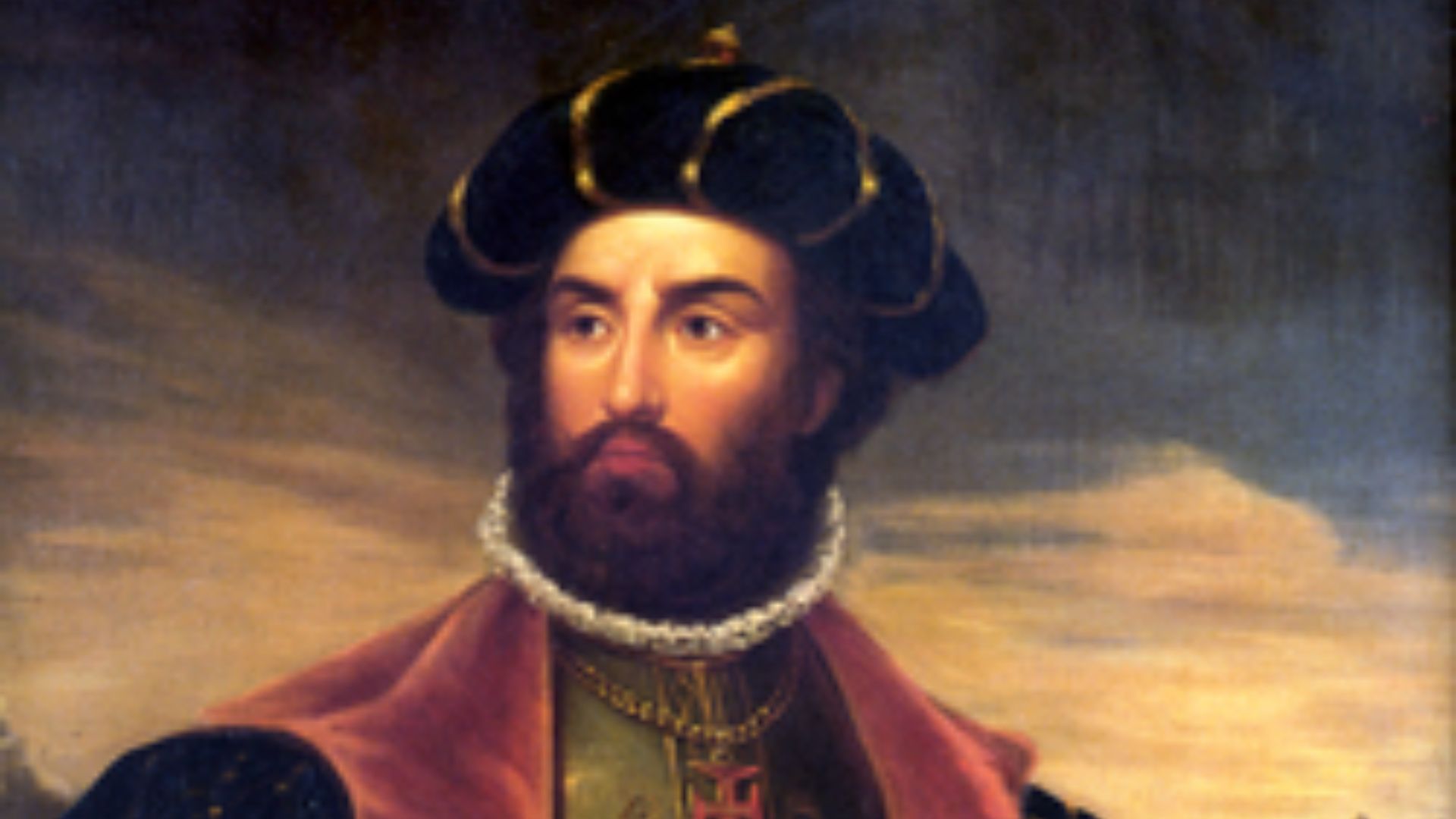
Vasco da Gama reached Calicut in 1498 and met the Zamorin, ruler of one of the most important trading centers in southern India. Even that encounter tells the truth if you let it. Da Gama did not find India. He arrived in a place already plugged into commercial networks that had been running for centuries.
 commons.wikimedia.org on Google
10. Japan
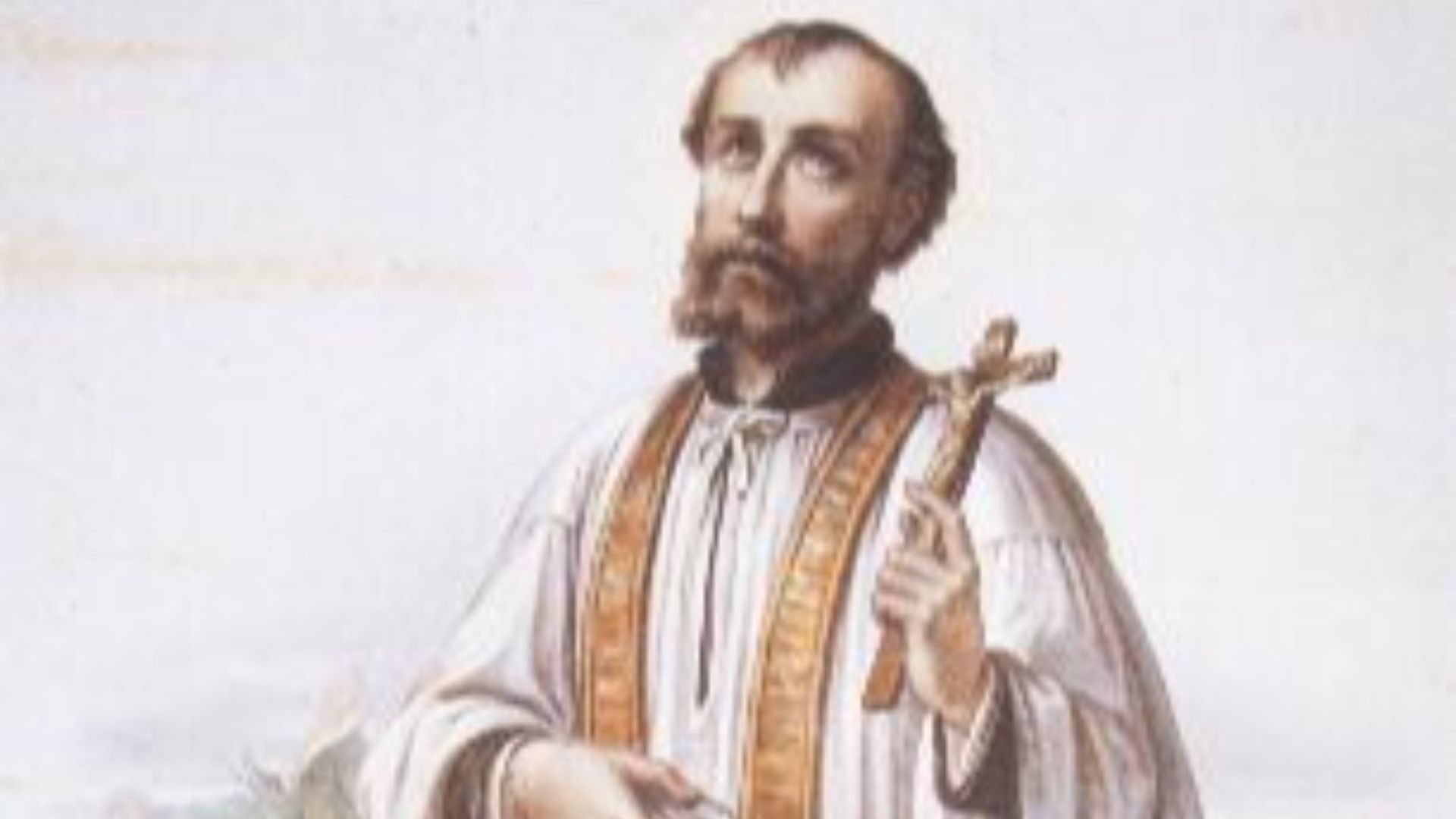
The first Portuguese traders reached Japan in 1543, and Francis Xavier arrived in Kagoshima in 1549. By then Japan already had a dense political order, active warfare among daimyo, and a developed literary and artistic culture that did not need European contact to become real.
 User Rxasgomez on en.wikipedia on Wikimedia
11. China
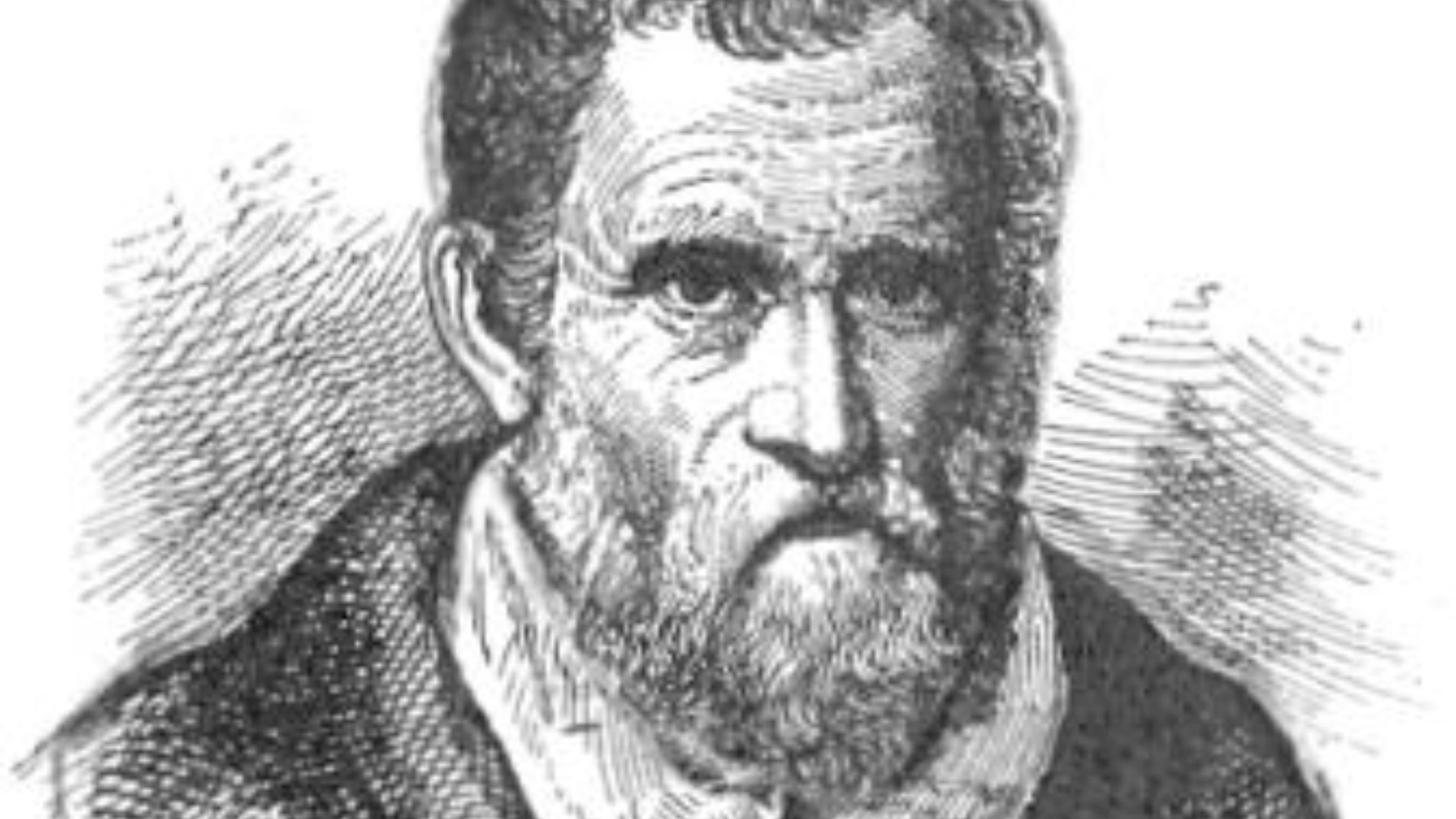
Europeans loved to write about “opening” China, but Marco Polo was already traveling there by about 1274, and even that is better understood as encounter, not discovery. China had dynasties, bureaucracy, cities, philosophy, and massive internal complexity while Europe was still treating Asia as a rumor with trade routes.
12. South Africa
The Portuguese navigator António de Saldanha anchored at Table Bay in 1503 and encountered Khoe inhabitants there. The later Dutch settlement founded by Jan van Riebeeck in 1652 gets far more attention, but both episodes were arrivals into a place already occupied, herded, hunted, and known.
 Unknown authorUnknown author on Wikimedia
13. Alaska
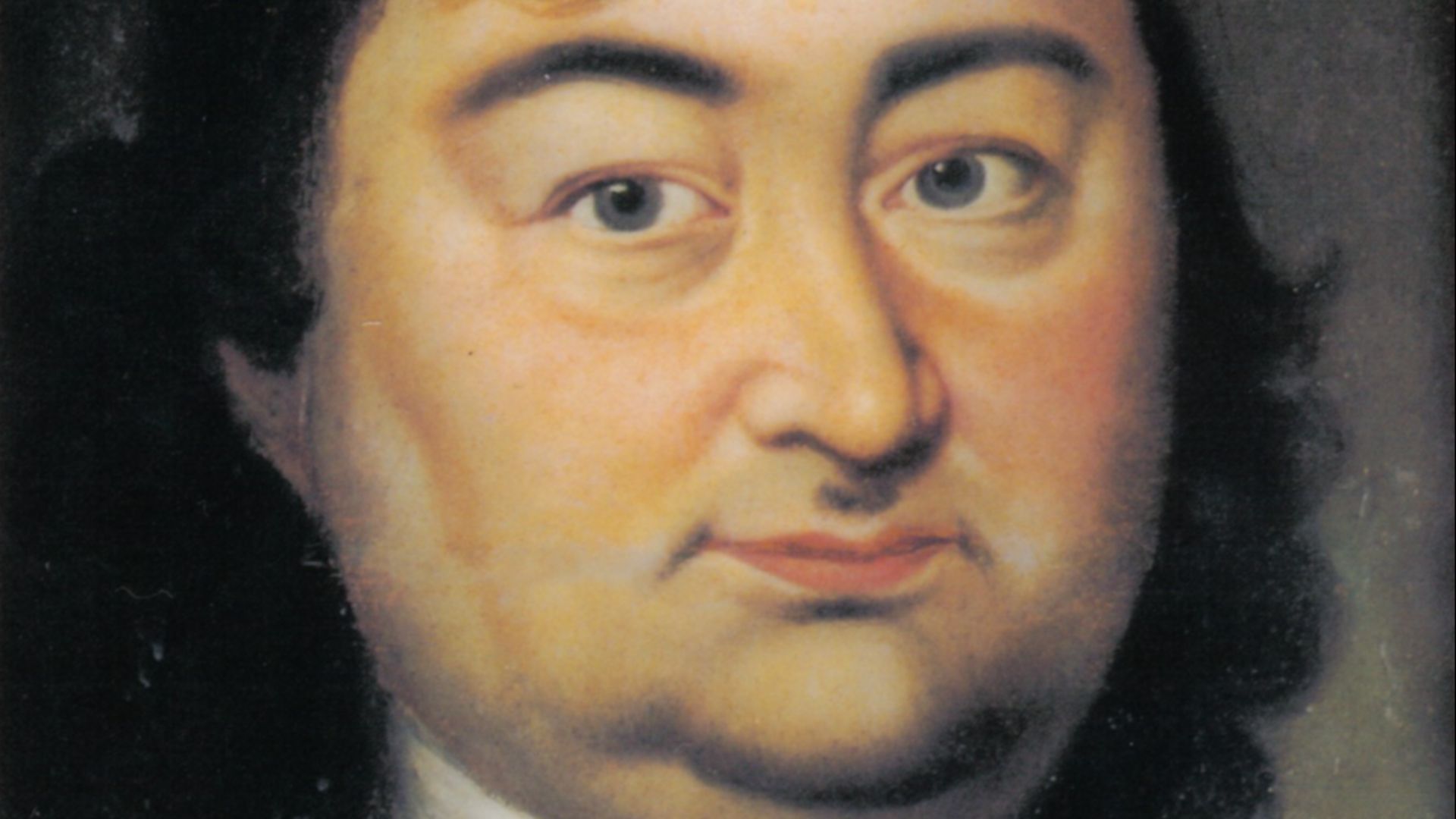
Vitus Bering reached Alaska in 1741, though Indigenous peoples in Siberia had already reported land to the east before his voyage. Long before any Russian foothold took shape, Alaska was home to Tlingit, Haida, Unangax, Inuit, Yupiit, and Athabaskan peoples, among many others.
 Unknown authorUnknown author on Wikimedia
14. California
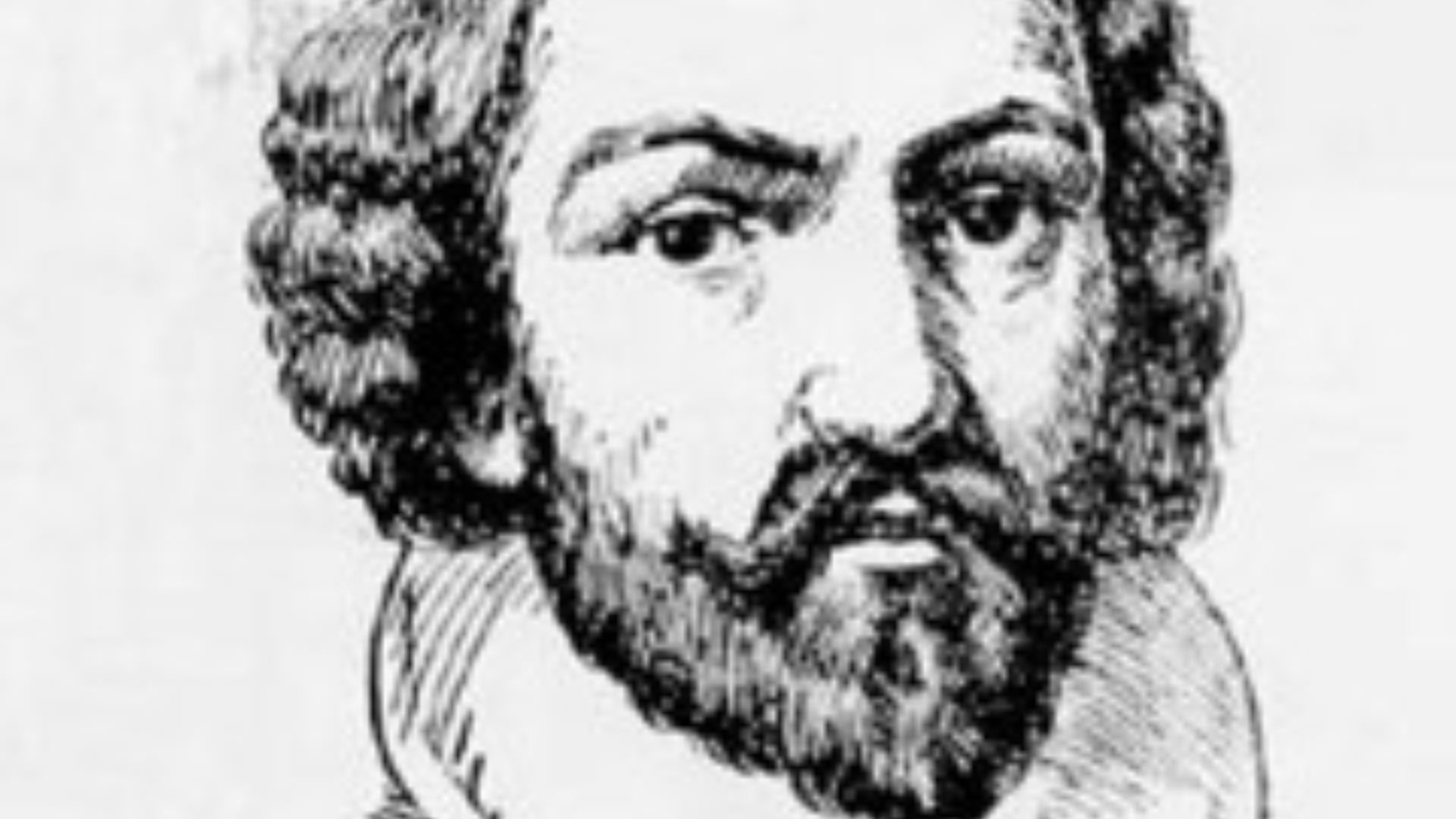
Juan Rodríguez Cabrillo became the first European to sight what is now California in 1542 and made landfall at San Diego that same year. Britannica notes there were about 130,000 Native Americans in the region then, which is a nice clean reminder that Spain did not discover a blank coast.
 Unknown authorUnknown author on Wikimedia
15. Patagonia
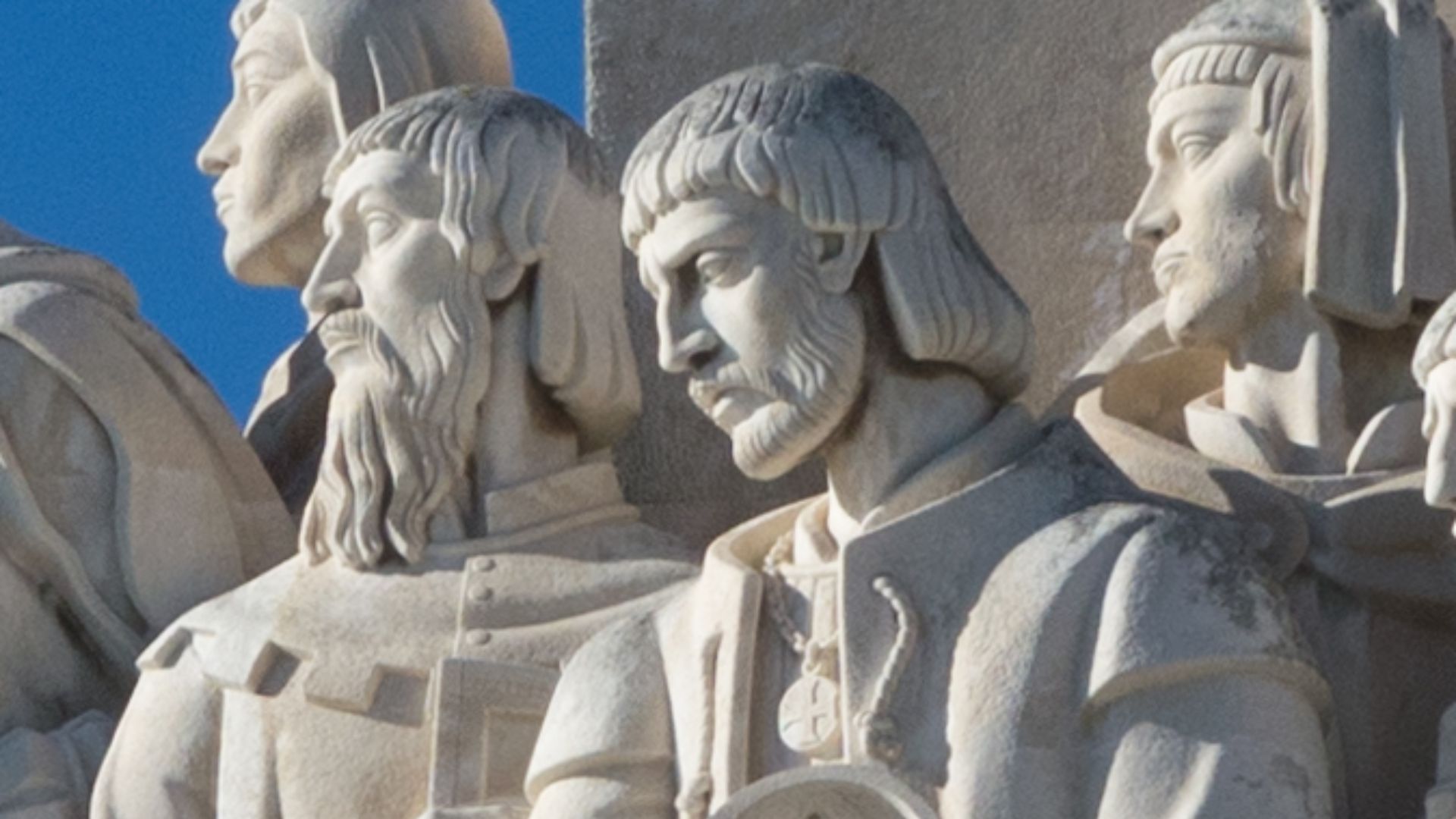
Magellan’s expedition reached the Strait of Magellan in 1520, and European writing quickly turned Patagonia into a dramatic frontier at the end of the world. But Indigenous peoples, including Tehuelche communities, were already living across the Patagonian plains from the Strait of Magellan to the Negro River.
 christopher_brown on Wikimedia
16. The Amazon
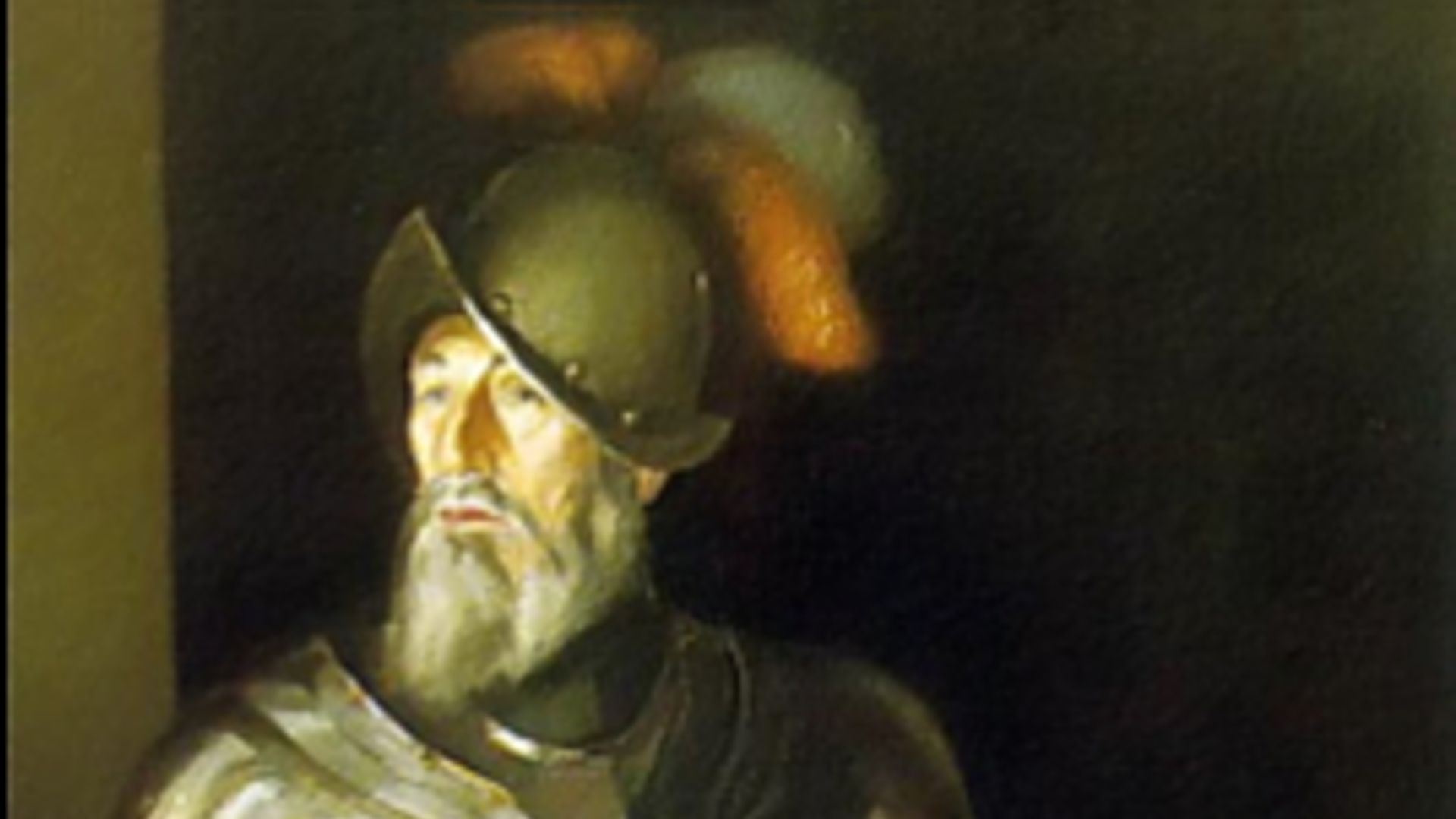
Francisco de Orellana became the first European to navigate the Amazon River in 1541, and from there the region entered European imagination as wilderness, danger, and fantasy. That framing worked only by ignoring the hundreds of Indigenous cultures already living across Amazonia and shaping the forest long before outsiders started mythologizing it.
 commons.wikimedia.org on Google
17. The Pacific Islands
Cook’s 1768–71 Pacific voyage still gets treated like a master class in discovery, but one of the most useful facts in the whole story is that the Tahitian navigator Tupaia sailed with him in 1769–70. Pacific Islanders were already extraordinary navigators moving between islands with skill and environmental knowledge that Europeans depended on even while pretending to be the ones doing the finding.
18. The Arctic
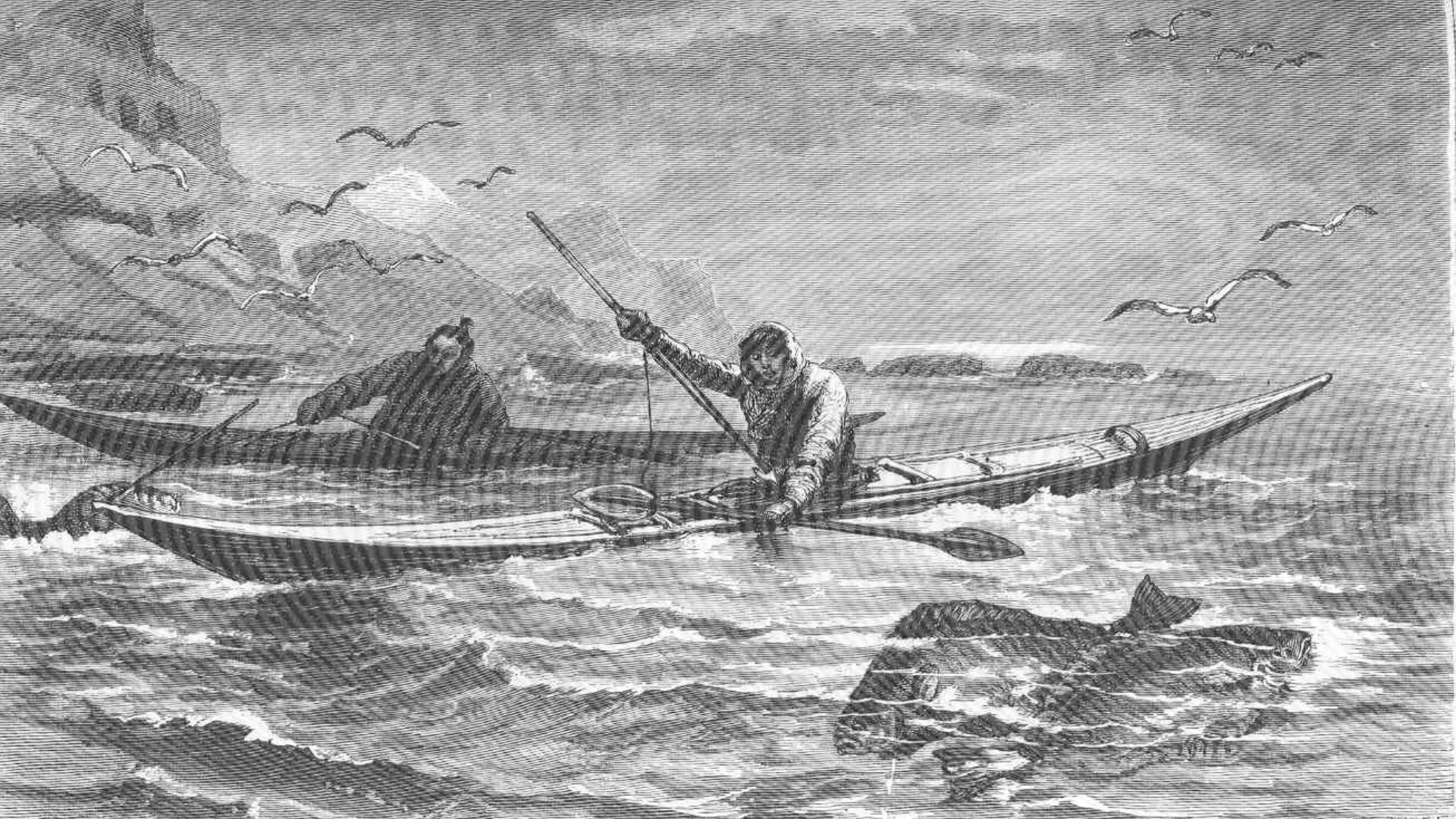
The Arctic keeps getting described as empty because outsiders confuse harsh conditions with human absence. In reality, Inuit and other circumpolar peoples had long been living, traveling, hunting, and building knowledge there, while Norse settlement in Greenland dates to 986 and contact between Norse and Thule peoples appears to have come later, around the 13th century.
19. Western Africa
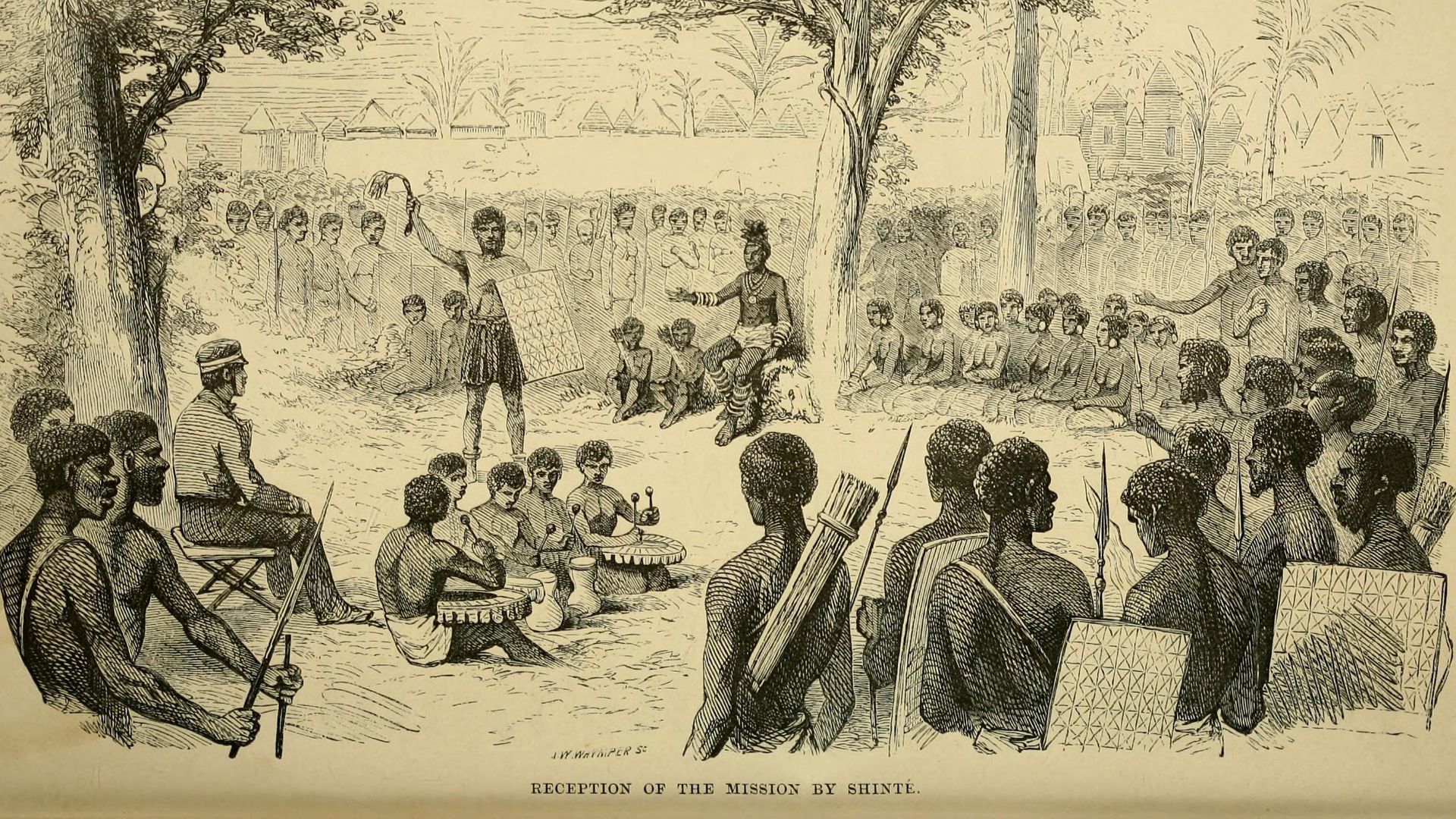
Portuguese traders reaching the Guinea coast in the 15th century marked a new phase in European involvement there, not the beginning of African history. The region already had states, trade systems, and political worlds of its own, which is why the phrase “European activity” is much more honest than “discovery.”
 Internet Archive Book Images on Wikimedia
20. Africa
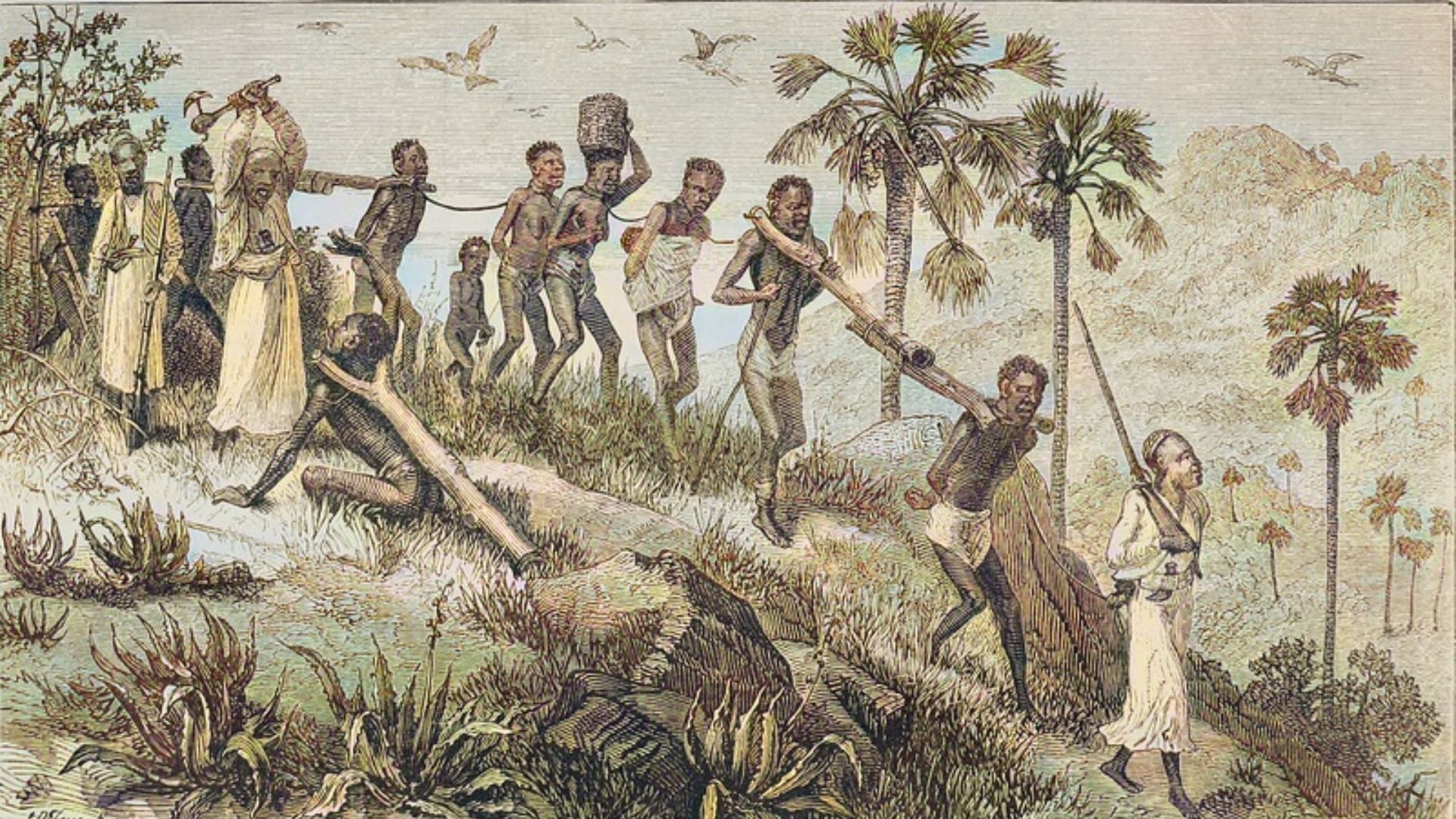
Africa as a whole may be the most absurd case of discovery language ever sticking around. European powers arrived in stages, from early Portuguese coastal ventures in the 15th century to the scramble for formal control in the late 19th century, but they were entering a continent already filled with kingdoms, cities, trade routes, and peoples who did not need Europe to make them legible.


KEEP ON READING
No Answers in Sight: 20 Historical Mysteries That May Never…
History is filled with mysteries that continue to puzzle experts…
By Noone Apr 17, 2026
20 Places We “Discovered” That People Already Lived In
The Map Was Never Empty. The trouble with the word…
By Cameron Dick Apr 17, 2026
20 Famous Negative Speeches That Altered Public Opinion Overnight
When Words Shift Perception Instantly. Speeches are often remembered for…
By Rob Shapiro Apr 17, 2026
What Gladiators Were Actually Fed Tells a Different Story Than…
Maria Dolores Vazquez on UnsplashWhen people picture "gladiator food," they…
By Emilie Richardson-Dupuis Apr 16, 2026
The Green Children of Woolpit: A Medieval Mystery That Remains…
Tagishsimon on WikimediaIf you ever find yourself wandering through the…
By Sara Springsteen Apr 16, 2026
The Spy Networks That Won The Cold War
KGB USSR on WikimediaThe Cold War wasn’t fought through direct…
By Rob Shapiro Apr 16, 2026