

History is often described as a collection of agreed-upon facts, but sometimes those facts are actually just very persistent fictions. You’ve likely heard countless times that the Great Pyramid of Giza was built by a massive, mistreated army of slaves who were forced to labor under the scorching Egyptian sun. This image has been cemented in collective consciousness by decades of Hollywood epics and old-school textbooks that painted the Pharaohs as cruel taskmasters. It’s a compelling narrative of struggle and triumph, but modern archaeology has revealed that this version of events is almost entirely a myth.
The reality of how these architectural wonders came to be is actually much more interesting and reveals a complex, highly organized society. Instead of a captive workforce held against their will, the pyramids were constructed by thousands of skilled laborers and seasonal farmers who were well-fed and respected. You might find it surprising that the builders were actually proud of their work and lived in organized communities with access to medical care and quality food. Understanding the true origins of the pyramids doesn't just debunk a myth; it changes how ancient civilizations’ capabilities and social structures are viewed.
The Archaeological Evidence of the Builders
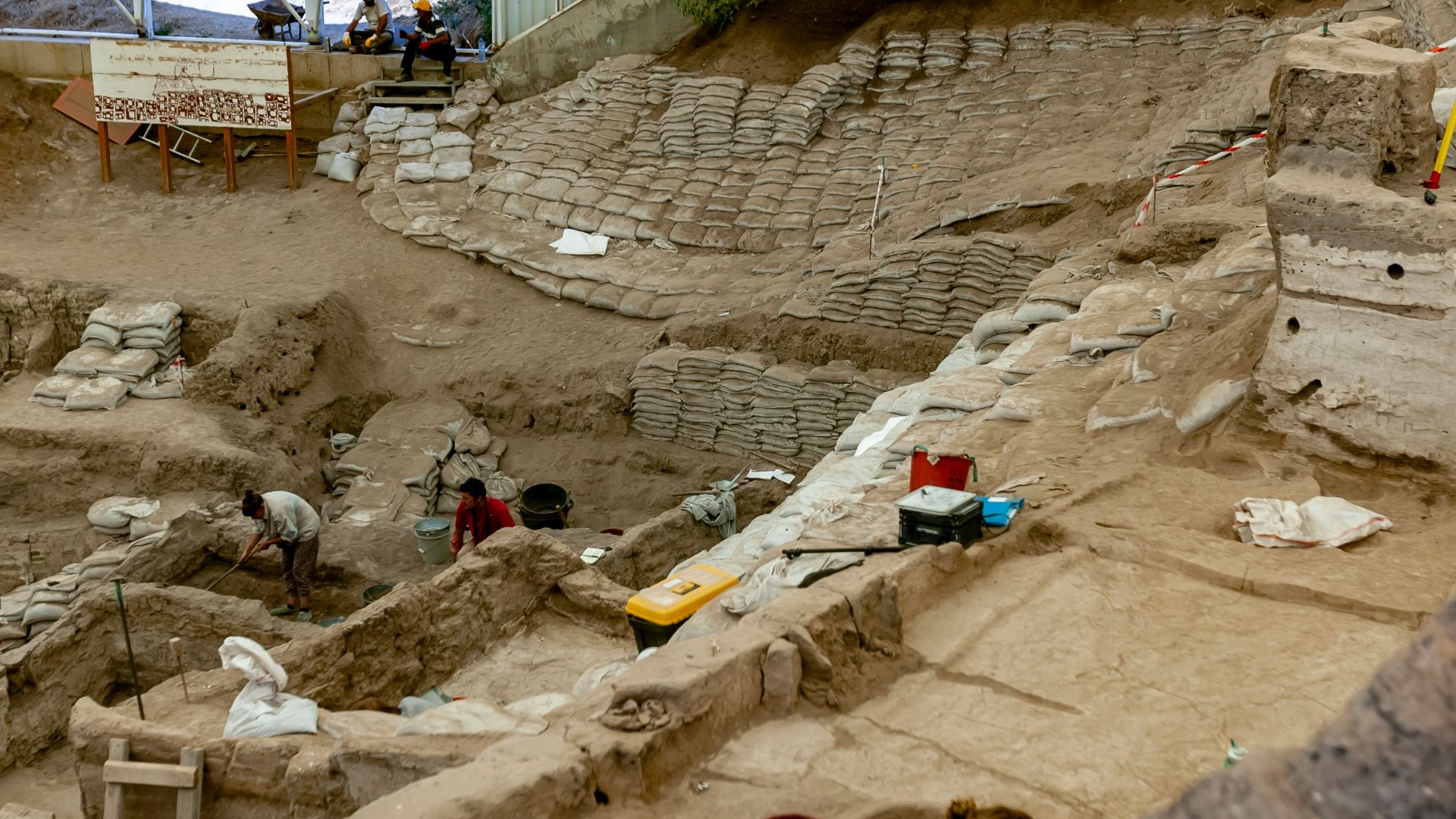
For centuries, it was believed the only way these structures could have been completed was through slave labor. Excavations throughout the late twentieth century uncovered the “Lost City of the Pyramid Builders,” providing detailed information about the daily lives of these workers. Just by looking at the ruins of bakeries and barracks, it is known that there had to be tens of thousands of people working at any given time. Structures on this scale could not have supported such a large population if they were slaves.
Another interesting fact that can be gleaned from these excavations is the diet of the workers. Animal bones have been analyzed, and they show that the citizens were being fed choice cuts of beef, sheep, and goat daily. This protein-rich diet was necessary for these laborers to have enough energy to push huge slabs of limestone. An average slave would not have been given the resources required to feed tens of thousands of people in this way, which points back to them being citizens. Forcing citizens to work in this manner implies that they were either drafted or volunteered in a national labor force or military division of sorts.
The last bit of proof that these were not slaves lies within the tombs these workers were buried in near the pyramids. These men who built the tombs of the pharaohs were given respect when they died and buried near the site. Nearby, there are graves that go all the way up to high ranks, and some even have inscriptions that tell stories of their time building the pyramids. If these were slaves, they would have been thrown into the Nile after they died and not buried near the king's sacred resting place.
The Logistics of National Service
The construction of the pyramids wasn't just a building project; it was a massive social program that helped unify the various regions of ancient Egypt. During the months when the Nile flooded the fields, farmers couldn't work their land, leaving a large population of able-bodied men with nothing to do. The Pharaohs likely utilized this seasonal labor force through a system of “corvée” labor, which was essentially a form of tax paid through service to the state. You can think of it as a national public works project that gave people a sense of purpose and a way to earn their keep during the off-season.
These workers weren't just random laborers; they were organized into sophisticated teams known as “phyles” or “gangs” with colorful names like the “Friends of Khufu.” These groups competed with one another to see who could move the most stone or complete their section of the pyramid the fastest. You’ll find graffiti inside the pyramids where these crews literally signed their work, leaving behind messages of camaraderie and competition that feel surprisingly modern. This level of organization and spirit suggests a motivated workforce that was participating in a shared national identity rather than a forced labor camp.
Furthermore, the logistical support required to maintain such a large population for decades is a testament to the administrative genius of the Old Kingdom. The state had to manage the constant flow of stone, water, tools, and supplies across vast distances while ensuring everyone remained healthy and productive. Medical examinations of the workers' remains have even shown evidence of successfully set broken bones and even brain surgeries, proving access to advanced healthcare for the era. This comprehensive care system is further proof that the builders were seen as a valuable resource worth protecting and sustaining throughout the long construction process.
If the evidence against the slave labor theory is so overwhelming, it may be asked why so many people grew up believing the exact opposite. Much of the blame lies with the ancient Greek historian Herodotus, who wrote about the pyramids hundreds of years after they were built and relied on second-hand accounts. He described the Pharaohs as tyrants who closed temples and forced their subjects into misery, a narrative that fit cultural biases about Eastern kings. Because his writings were a primary source for Western education for centuries, his colorful but inaccurate descriptions became the foundation of historical understanding.
KEEP ON READING
The story of Ching Shih, the Woman Who Became the…
Unknown author on WikimediaFew figures in history are as feared…
By Emilie Richardson-Dupuis Dec 29, 2025
Einstein's Violin Just Sold At An Auction—And It Earned More…
A Visionary's Violin. Wanda von Debschitz-Kunowski on WikimediaWhen you hear…
By Ashley Bast Nov 3, 2025
This Infamous Ancient Greek Burned Down An Ancient Wonder Just…
History remembers kings and conquerors, but sometimes, it also remembers…
By David Davidovic Nov 12, 2025
The Mysterious "Sea People" Who Collapsed Civilization
3,200 years ago, Bronze Age civilization in the Mediterranean suddenly…
By Robbie Woods Mar 18, 2025
A Common Historical Myth Most People Still Believe
Trnava University on UnsplashHistory is often described as a collection…
By Sara Springsteen Apr 21, 2026
20 Soldiers Who Defied Expectations
Changing the Rules of the Battlefield. You’ve probably heard plenty…
By Annie Byrd Feb 10, 2026