20 Historical Battles in India That Changed Everything
When One Battle Could Reshape an Empire
India’s long history has seen kingdoms rise, empires collapse, foreign powers arrive, and regional rulers fight fiercely to hold their ground. Some battles mattered far beyond the armies that met on the field, changing who controlled entire regions or redirecting the country’s political future. From ancient clashes involving Alexander the Great to battles that helped establish British rule, these encounters left consequences that lasted for decades or even centuries. Here are 20 battles that helped change the course of Indian history.
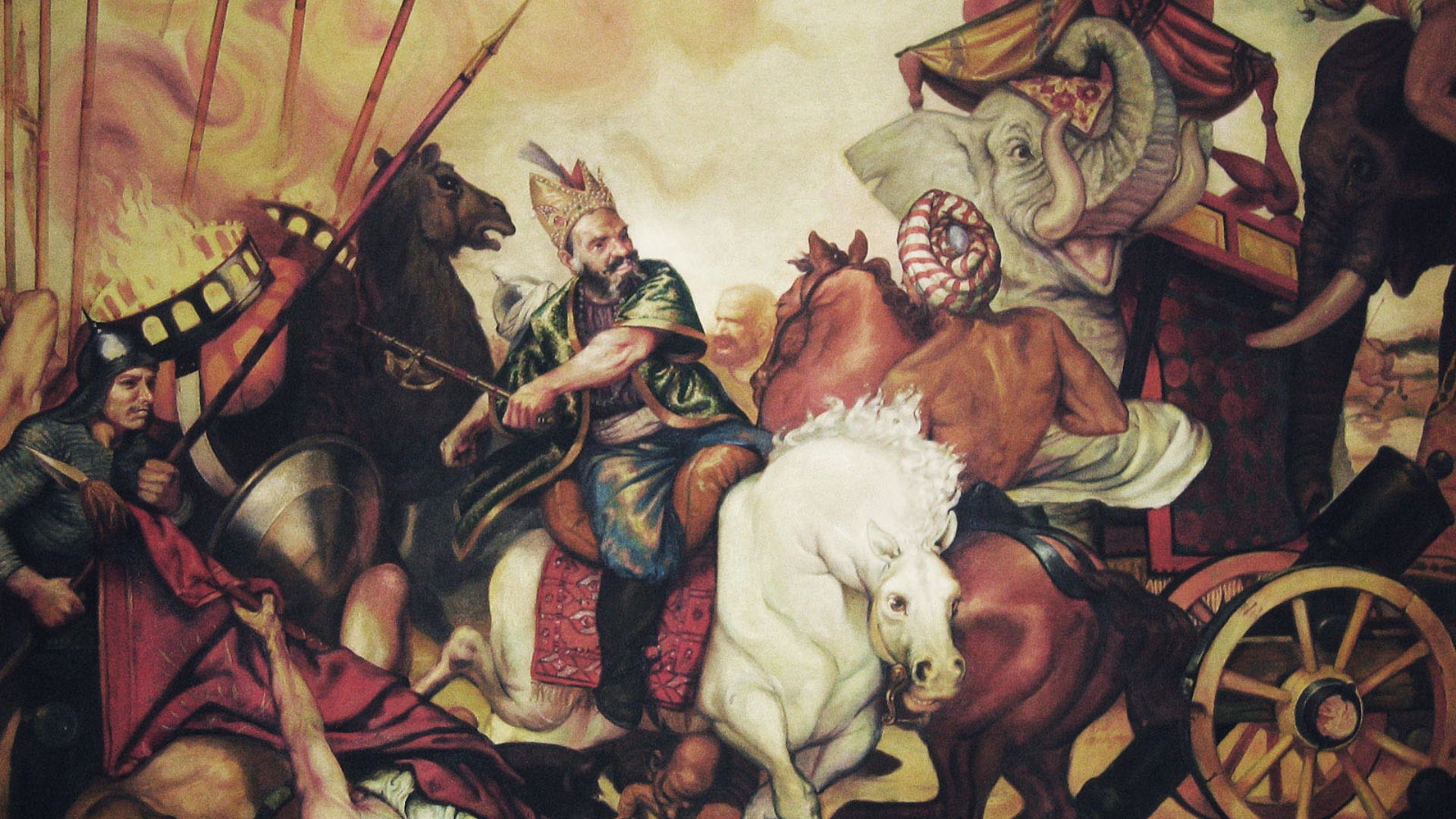
1. Battle of the Hydaspes, 326 BCE
Alexander the Great’s advance into the Indian subcontinent brought him into conflict with King Porus near what's now the Jhelum River in modern Pakistan. The fighting proved challenging and, despite winning, Alexander was impressed by Porus and allowed him to continue ruling as a subordinate ally. Alexander pushed a little farther east afterward, but his exhausted army soon refused to continue beyond the Beas River. The battle exposed how difficult further expansion would be and effectively ended his Indian campaign.
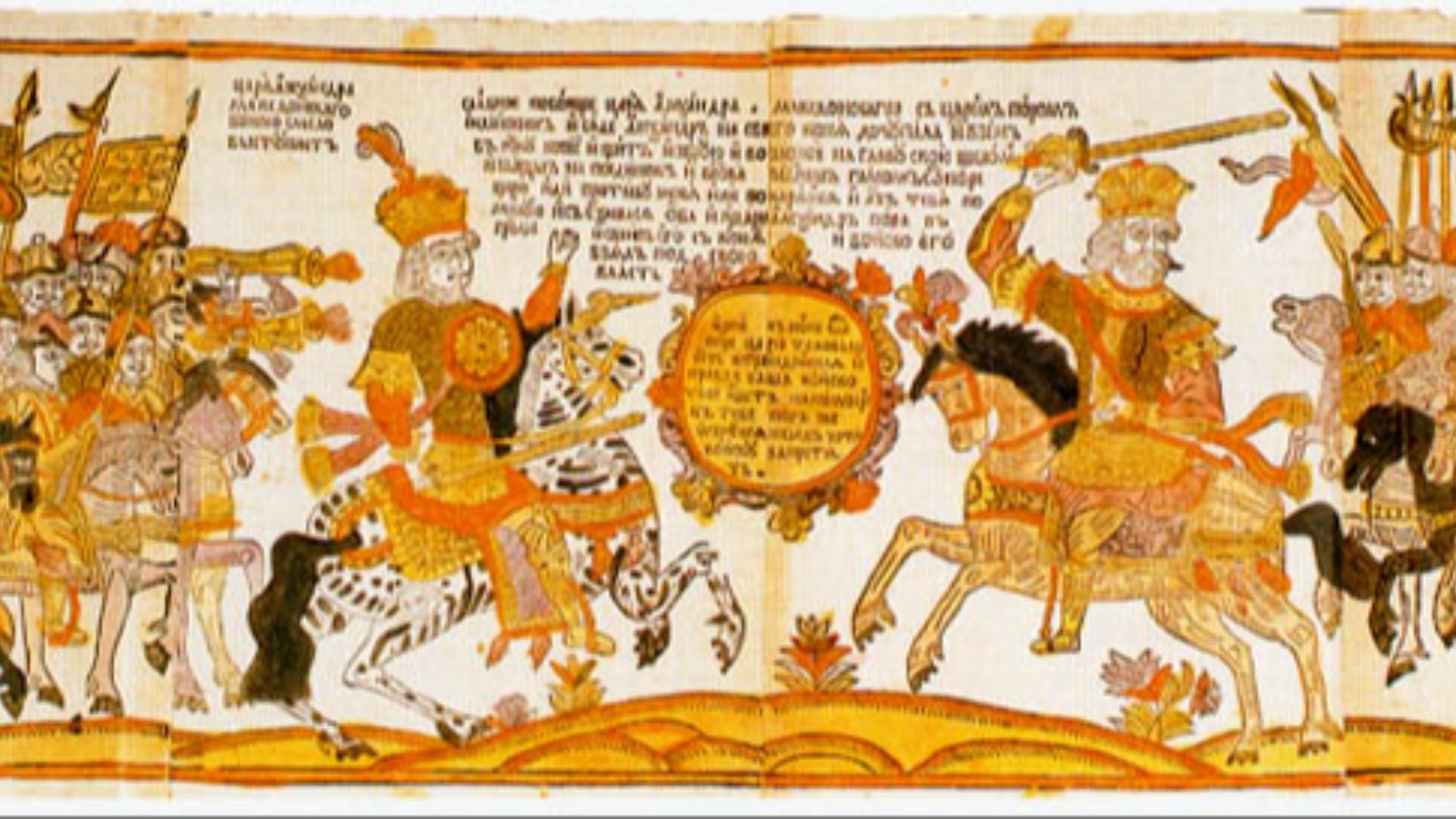 Anonymous folk artist on Wikimedia
2. Kalinga War, c. 261 BCE
Emperor Ashoka conquered Kalinga, but the war caused enormous death, displacement, and destruction. According to his own inscriptions, the suffering affected him so deeply that he turned away from further large-scale conquest and embraced a policy centered more on Buddhist principles, welfare, and moral governance. That shift changed the character of the Mauryan Empire and helped Buddhism gain far greater influence across India and beyond.
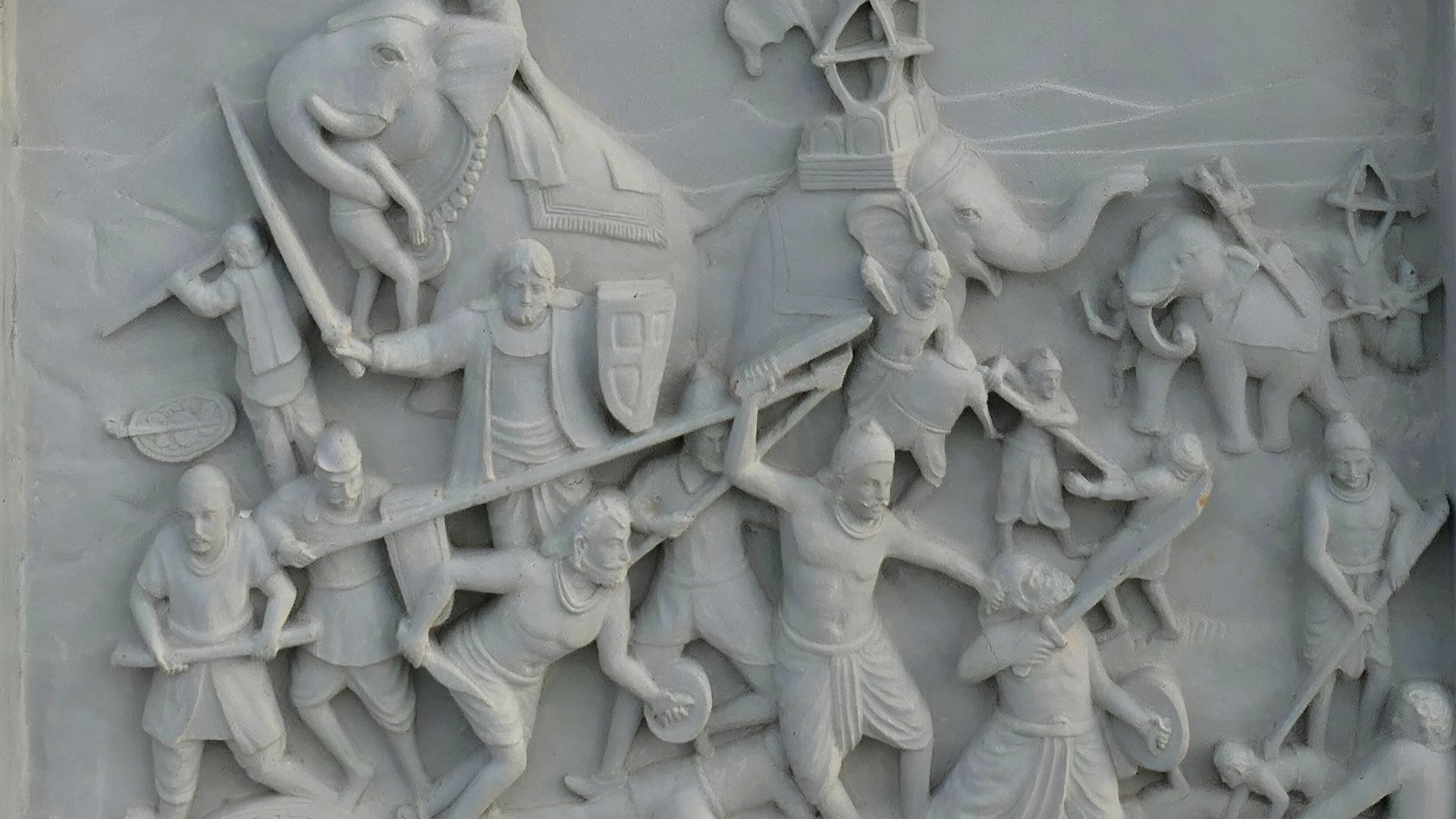
3. Second Battle of Tarain, 1192
Prithviraj Chauhan had defeated Muhammad of Ghor at Tarain the year before, but the rematch ended very differently. Muhammad returned in 1192 with a reorganized army and defeated the Rajput forces, leaving Prithviraj’s power shattered. The victory opened much of northern India to Ghurid expansion and helped create the political conditions from which the Delhi Sultanate emerged.
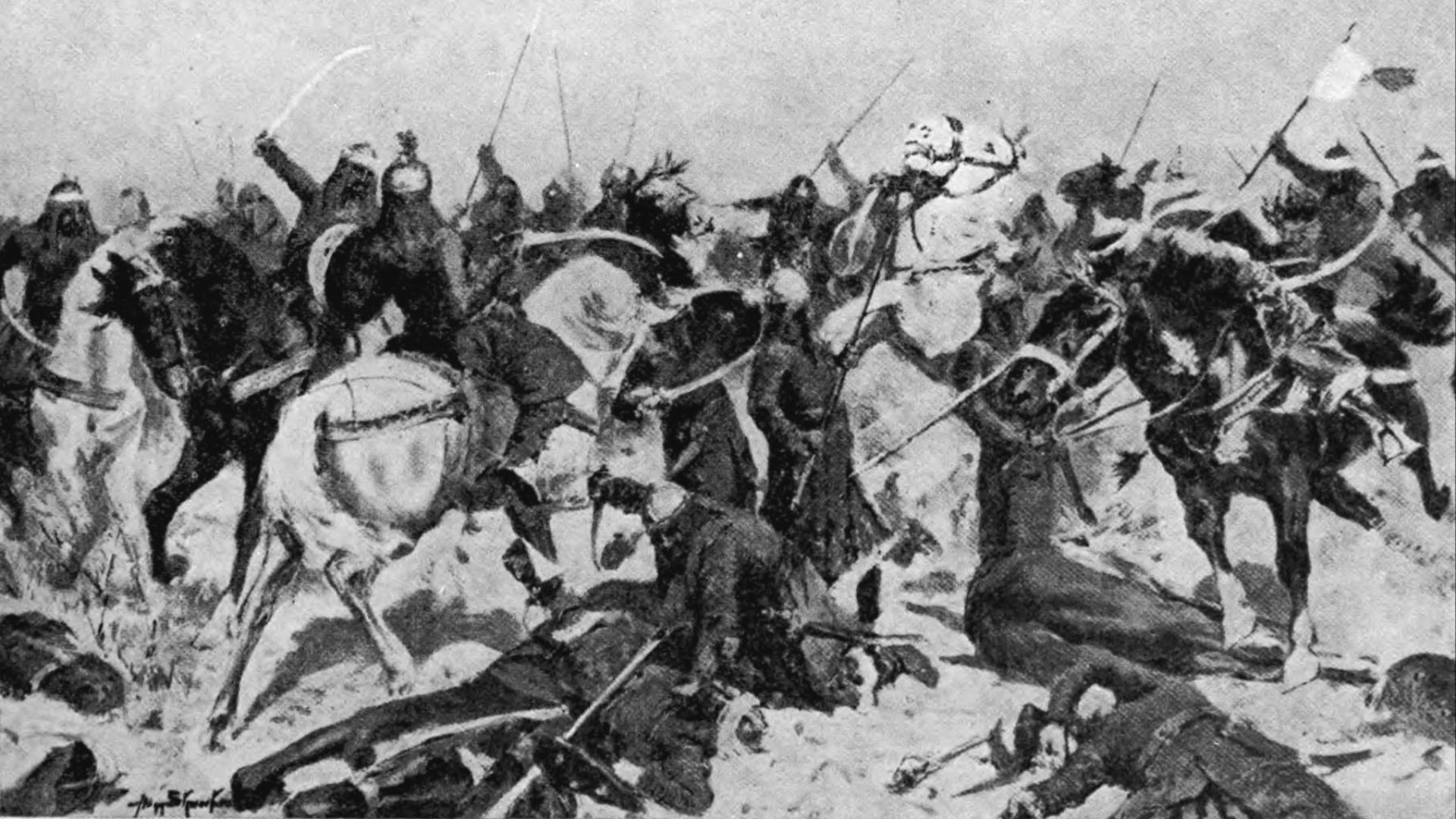
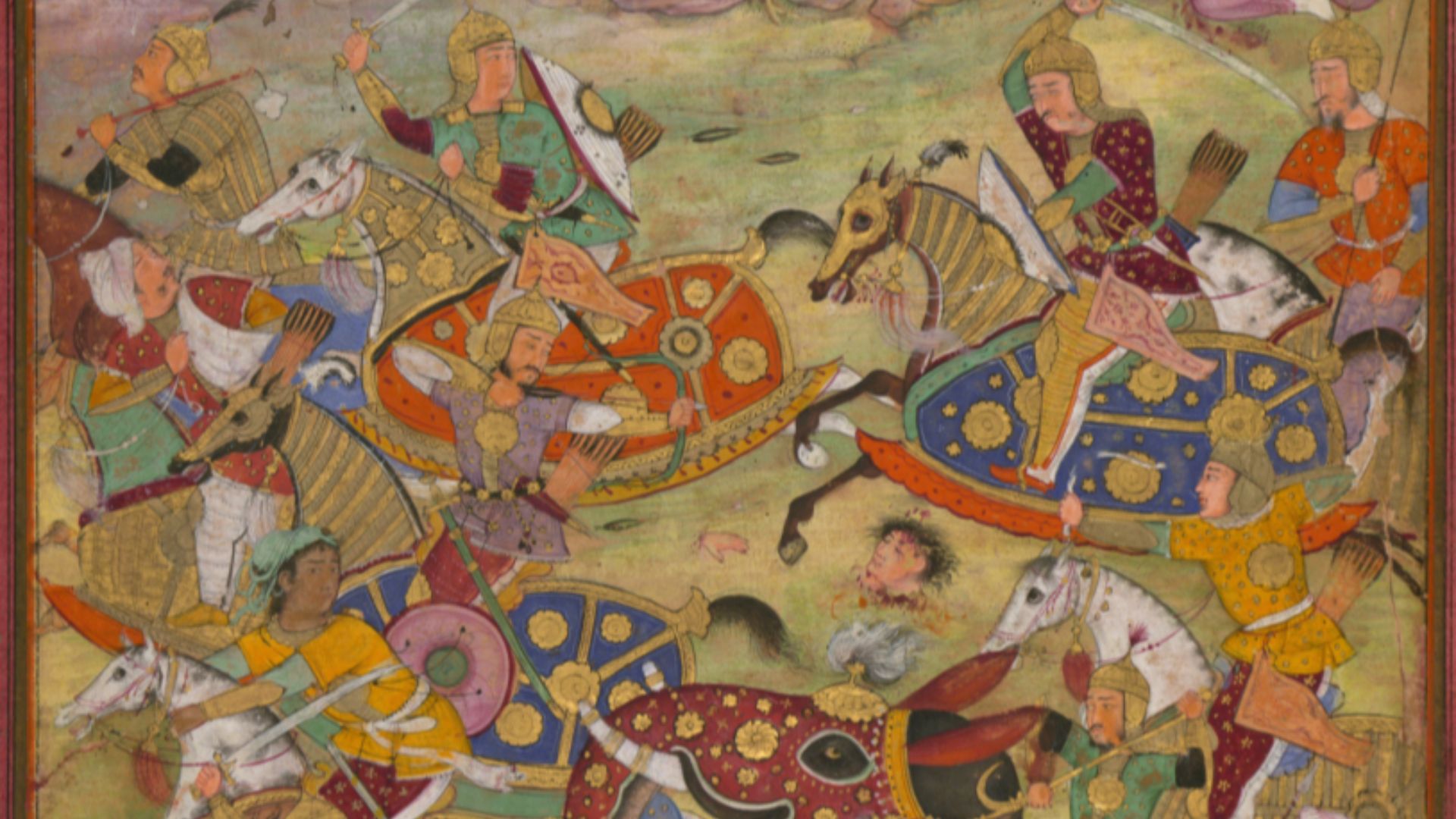
4. First Battle of Panipat, 1526
Babur confronted Delhi Sultan Ibrahim Lodi near Panipat with a smaller force but brought field artillery and gunpowder weapons into the fight. Lodi was killed, his army was defeated, and the Lodi dynasty’s control of Delhi effectively ended. Babur’s victory established the foundation of the Mughal Empire, which would rule much of the Indian subcontinent for over 300 years, making this one of the clearest political turning points in Indian history.
 Ẓahīr ud-Dīn Muḥammad Bābur (1483-1530) on Wikimedia
5. Battle of Khanwa, 1527
Winning at Panipat didn’t mean Babur’s hold over northern India was secure, because Rana Sanga of Mewar still commanded a powerful Rajput coalition. The two sides met at Khanwa, where Babur won another major victory and weakened one of the most serious threats to his new empire. The result strengthened Mughal authority in northern India and made Babur’s conquest much harder to reverse.
6. Second Battle of Panipat, 1556
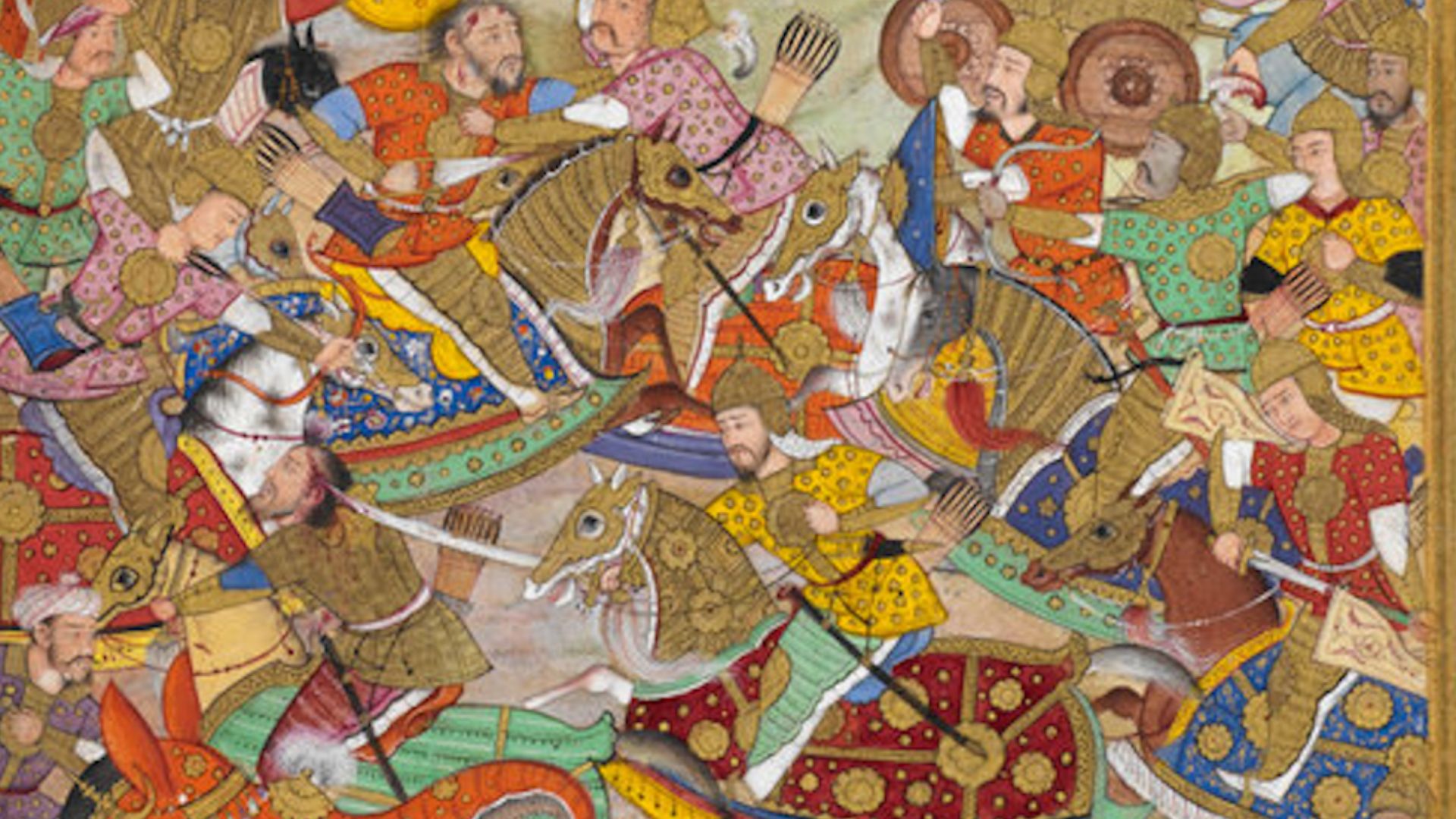
Akbar had only recently inherited the Mughal throne when Hemu captured Delhi and threatened to drive the dynasty from northern India altogether. At Panipat, Hemu’s forces initially put up a strong fight before he was wounded and the battle swung toward the Mughals. Akbar’s victory restored Mughal control over Delhi and gave his young reign the breathing room it needed to develop into a vast empire.
7. Battle of Talikota, 1565
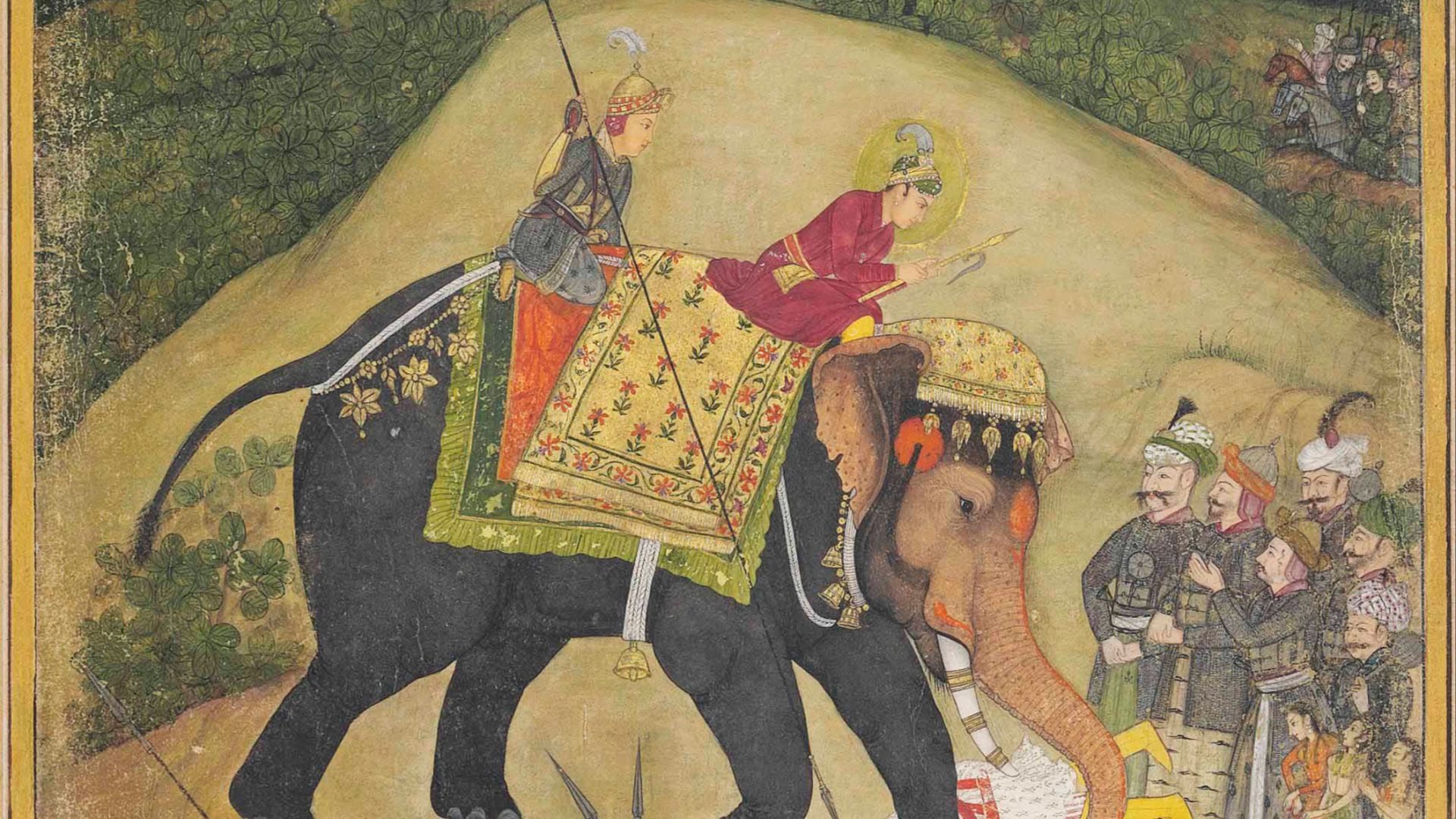
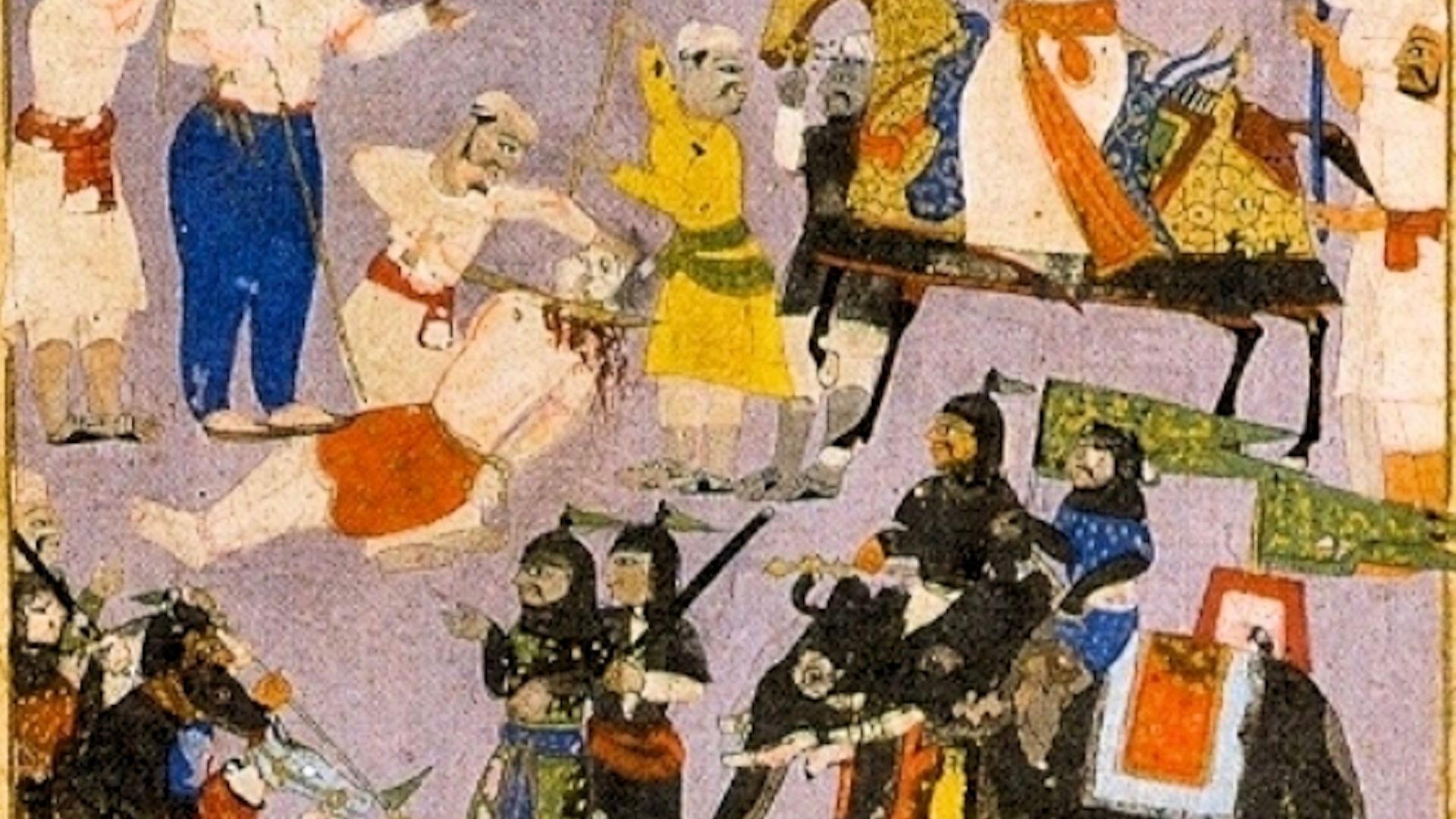
The Vijayanagara Empire had dominated much of southern India, but an alliance of Deccan sultanates challenged it at Talikota. Vijayanagara’s army was defeated, its leading statesman Rama Raya was killed, and the capital was subsequently devastated. The empire survived in a reduced form, but its position as the dominant southern power was permanently shattered.
 Template:Ta'rif-i Husain Shahi [1] [2] on Wikimedia
8. Battle of Haldighati, 1576
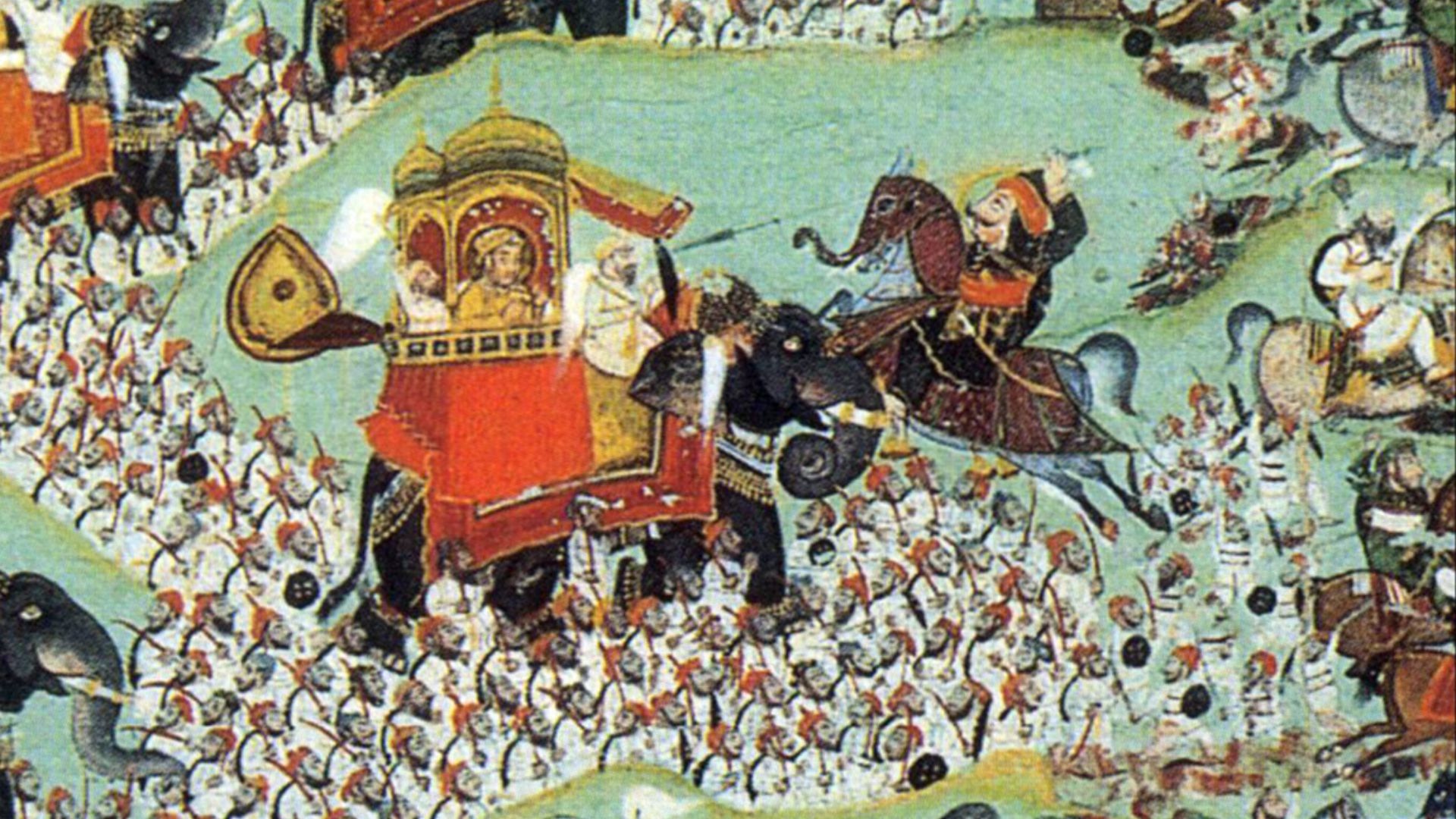
Mughal forces under Man Singh of Amber fought the army of Maharana Pratap of Mewar at Haldighati in Rajasthan. The Mughals gained the advantage on the battlefield, but they didn’t capture Pratap or completely eliminate Mewar’s resistance. Pratap later recovered substantial territory, turning the battle into one of the best-known episodes in the long struggle between Mewar and the Mughal Empire.
9. Battle of Samugarh, 1658
The Mughal war of succession brought Aurangzeb and his brother Dara Shikoh into direct conflict near Agra. Aurangzeb’s victory at Samugarh left Dara fleeing and cleared one of the greatest obstacles between Aurangzeb and the imperial throne. The outcome helped produce a reign lasting nearly half a century, during which Mughal territory reached its greatest extent but also faced increasingly costly rebellions and wars.
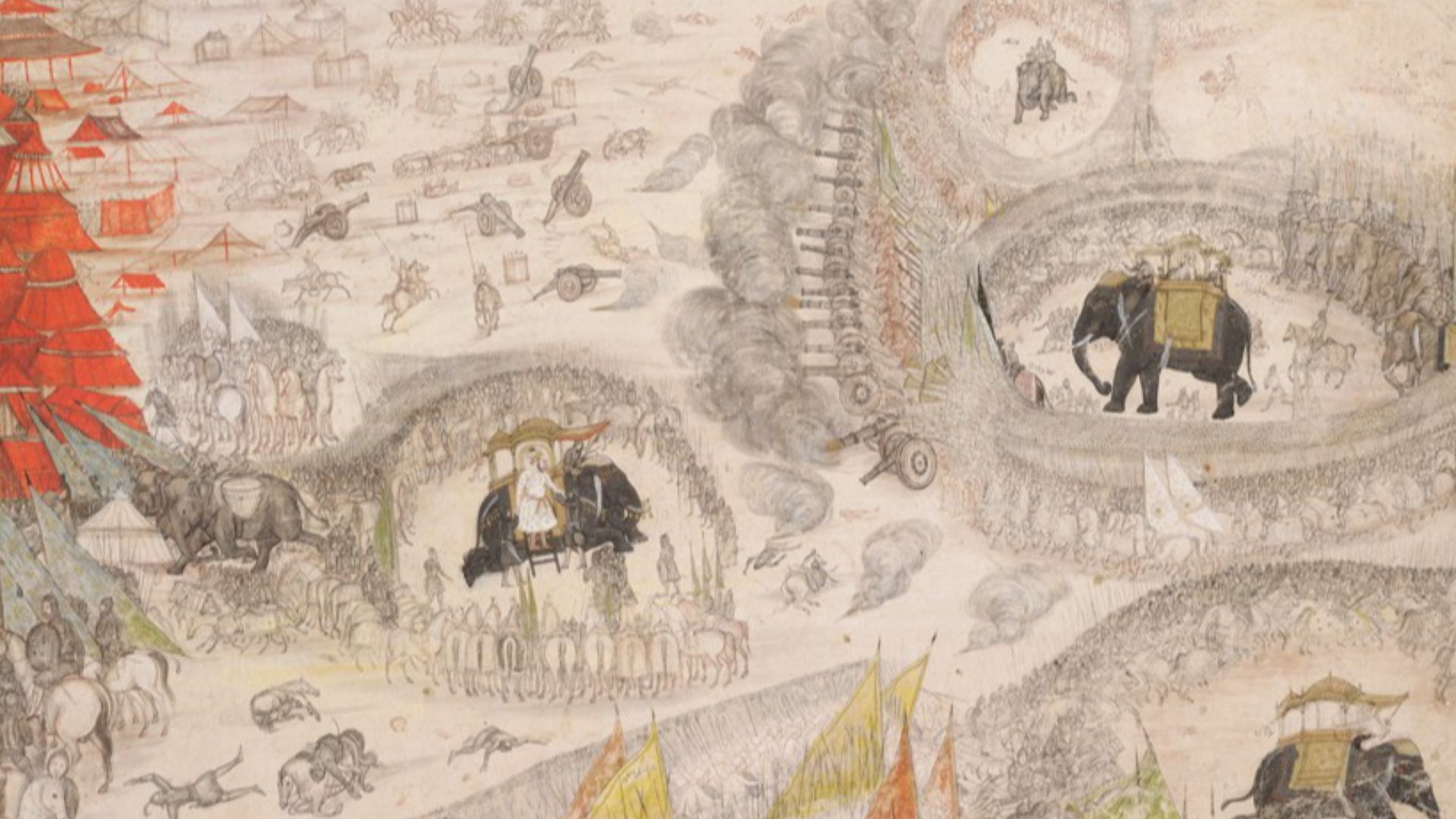 Attributed to Payag on Wikimedia
10. Battle of Saraighat, 1671
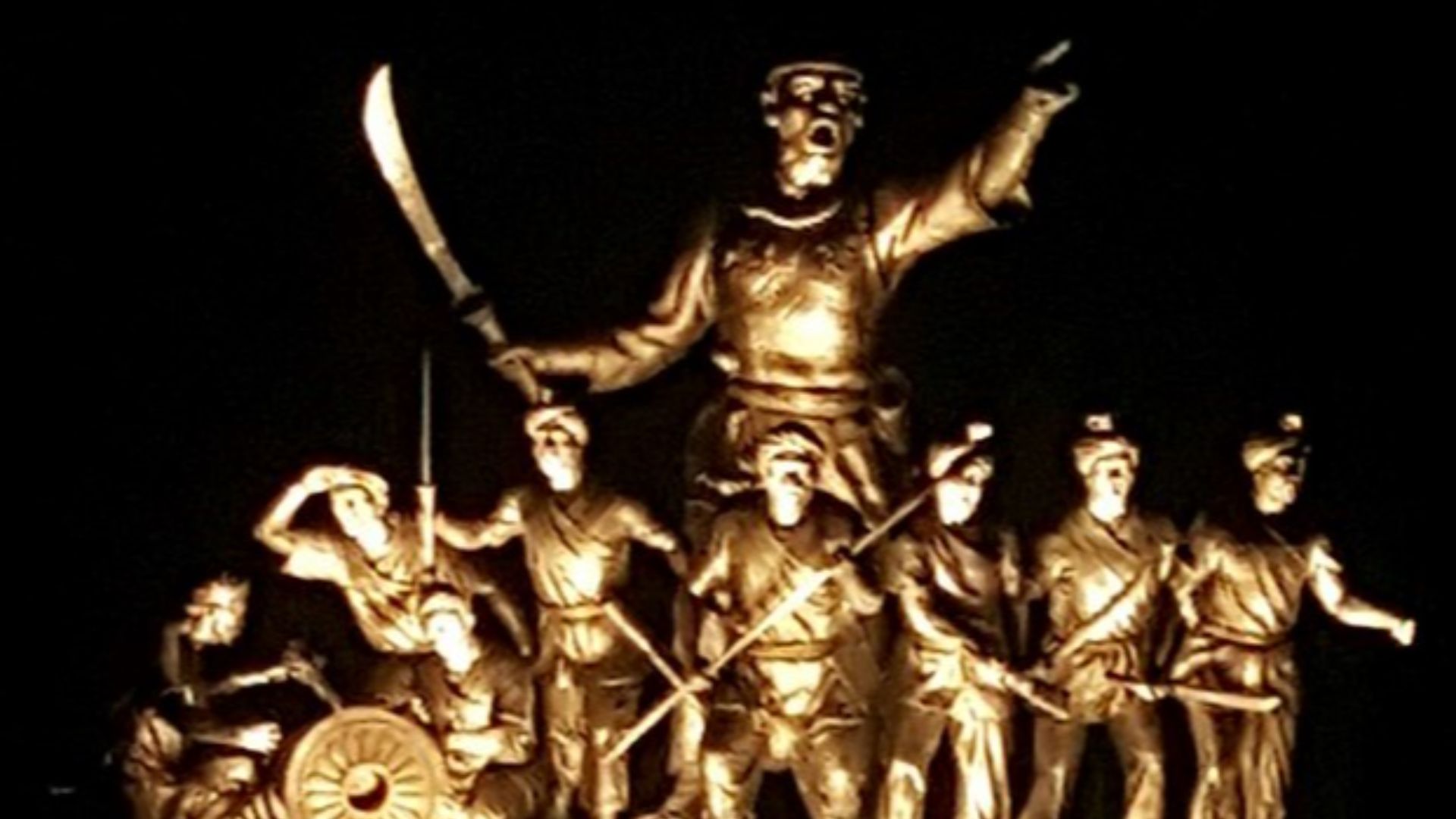
The Mughal Empire repeatedly attempted to expand farther into Assam, but the Ahom Kingdom refused to disappear quietly. At Saraighat on the Brahmaputra River, forces commanded by Lachit Borphukan defeated a Mughal army in a battle fought heavily on the water. The victory stopped one of the Mughals’ most important attempts to establish lasting control over Assam and preserved Ahom power in the region.
11. Battle of Palkhed, 1728
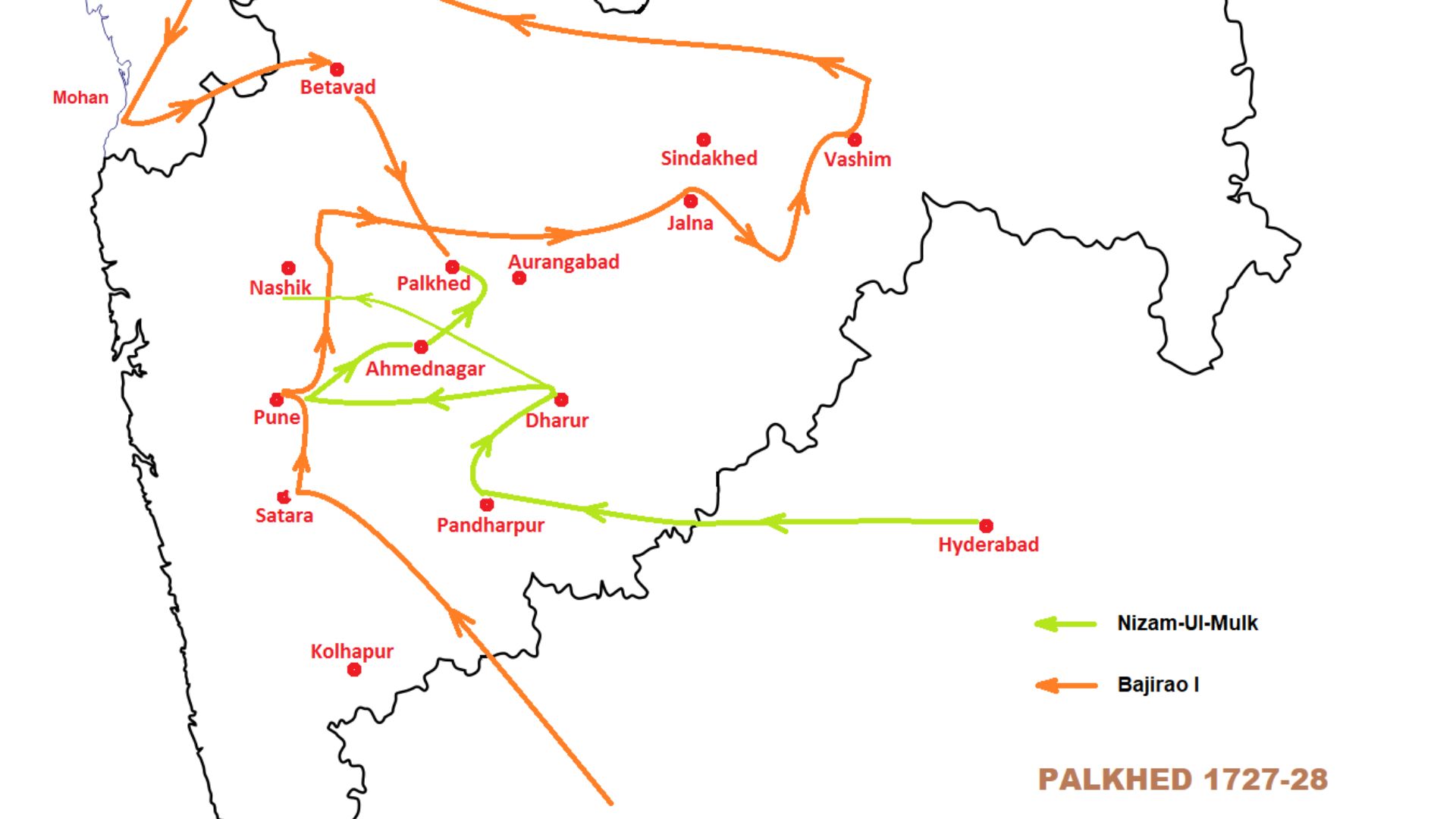
The growing Maratha state faced the Nizam of Hyderabad at a time when control of the Deccan was increasingly up for grabs. Peshwa Baji Rao I used his highly mobile cavalry to outmaneuver the Nizam and force his army into an increasingly difficult position near Palkhed. The resulting Maratha victory strengthened Baji Rao’s reputation and confirmed that the Marathas had become a major power in post-Aurangzeb India.
12. Battle of Karnal, 1739
Persian ruler Nader Shah invaded Mughal territory and confronted Emperor Muhammad Shah’s much larger imperial army near Karnal. The Mughal forces were decisively defeated, allowing Nader Shah to advance on Delhi and carry away enormous amounts of wealth after the city’s capture. Beyond the immediate destruction, the disaster exposed just how badly Mughal military and political power had deteriorated.
13. Battle of Colachel, 1741
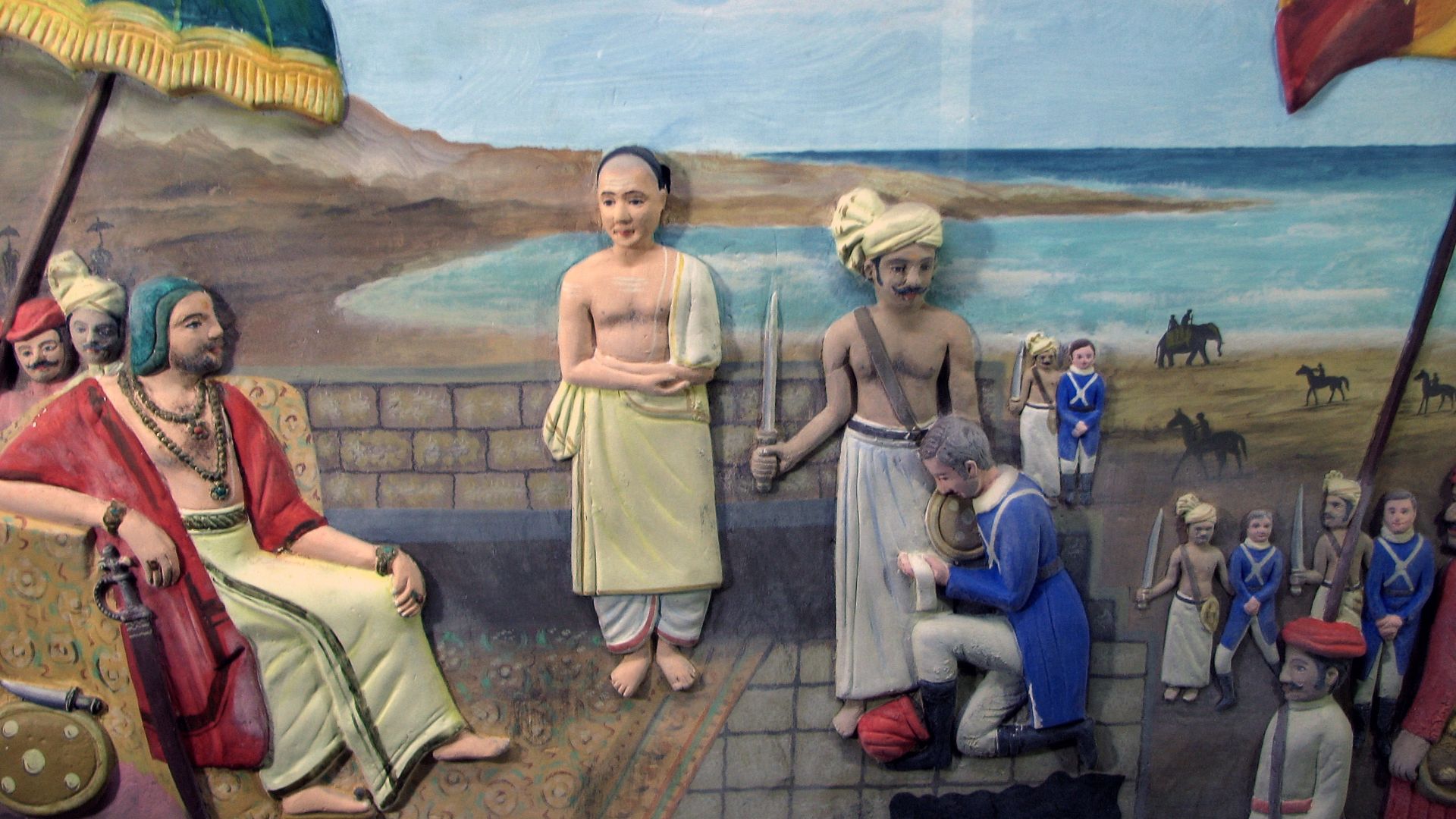
European colonial expansion wasn’t unstoppable, as the Dutch East India Company discovered when it fought the Kingdom of Travancore. Marthanda Varma’s forces defeated the Dutch at Colachel on the southwest coast, damaging Dutch ambitions in the region. Captured Dutch officer Eustachius De Lannoy later entered Travancore’s service and helped modernize its military, giving the victory an unusual second chapter.
14. Battle of Plassey, 1757
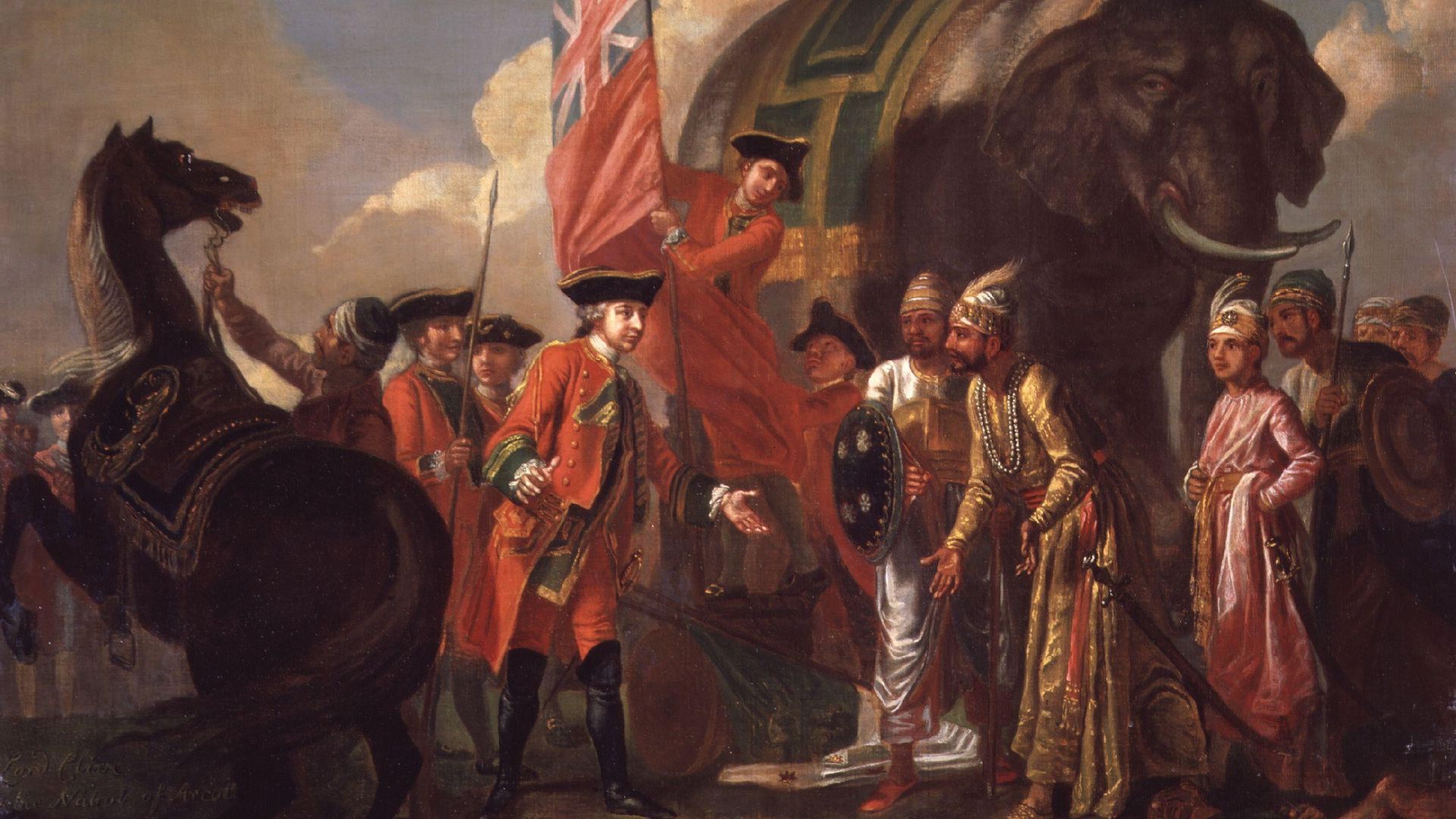
Few battles involving relatively limited fighting produced consequences as huge as Plassey. Robert Clive’s East India Company forces defeated Siraj-ud-Daulah, the Nawab of Bengal, after key members of the nawab’s camp withheld their support. The result gave the Company enormous political influence in wealthy Bengal and became an important early step toward British territorial rule in India.
15. Battle of Wandiwash, 1760
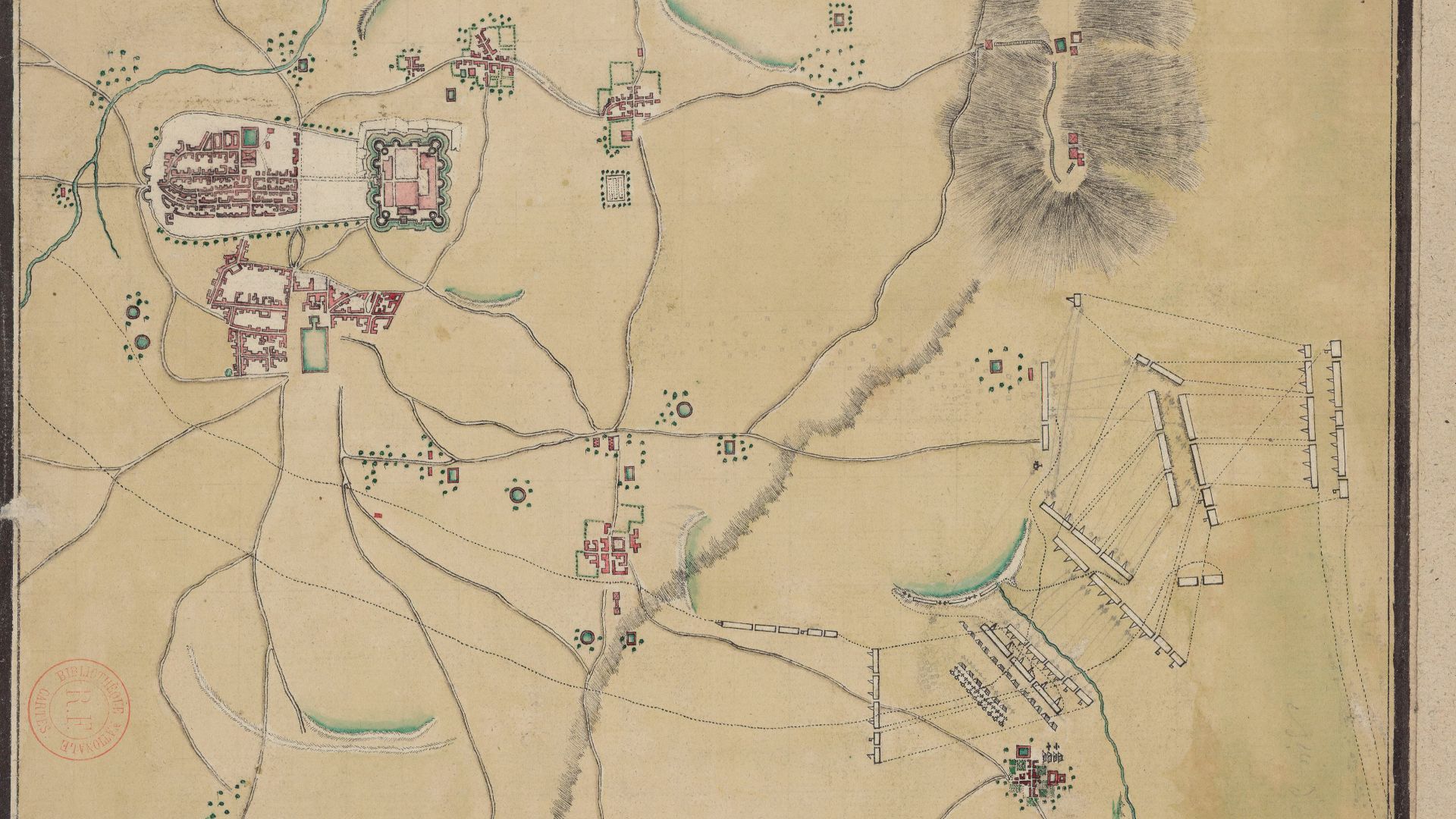
Britain and France weren’t just fighting for influence in Europe during the Seven Years’ War; their rivalry also extended into India. British forces defeated the French at Wandiwash in southern India, badly weakening France’s ability to compete militarily with the East India Company. France retained trading settlements afterward, but Britain emerged with a much clearer path toward becoming the leading European power on the subcontinent.
16. Third Battle of Panipat, 1761
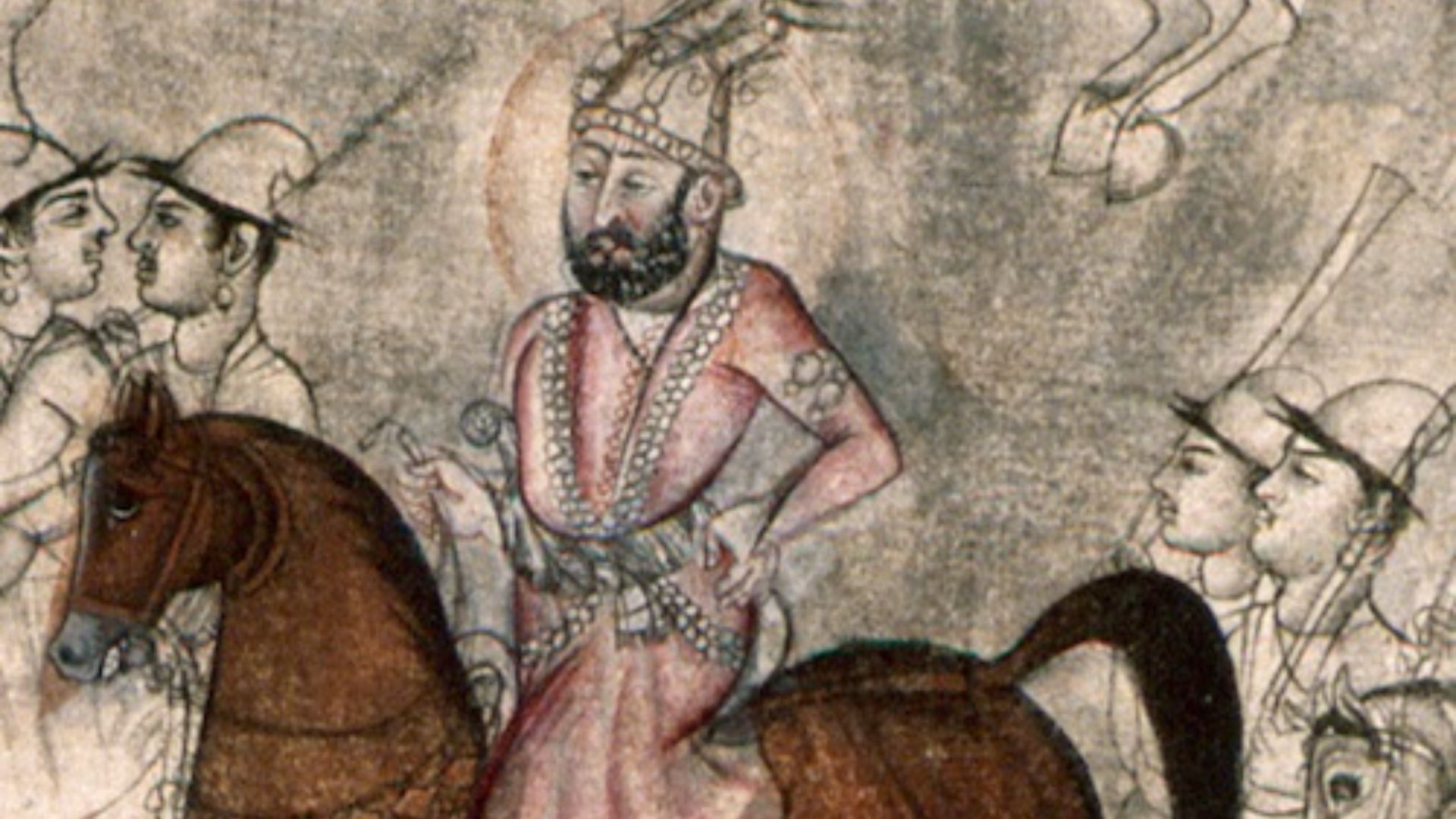
The Maratha Confederacy had expanded deep into northern India when it collided with Ahmad Shah Durrani’s coalition at Panipat. The battle ended in a devastating Maratha defeat with enormous losses, temporarily disrupting their northern expansion and weakening their leadership. Maratha power later recovered, but the battle intensified the political instability that defined northern India during the decline of Mughal rule.
17. Battle of Buxar, 1764
The Battle of Plassey gave the East India Company enormous influence, but Buxar helped turn that influence into something much closer to territorial power. Company troops defeated a coalition involving Mir Qasim, the Nawab of Awadh, and Mughal emperor Shah Alam II. The subsequent political settlement helped the Company gain revenue-collecting rights in Bengal, Bihar, and Orissa, providing the funds that could finance even more expansion.
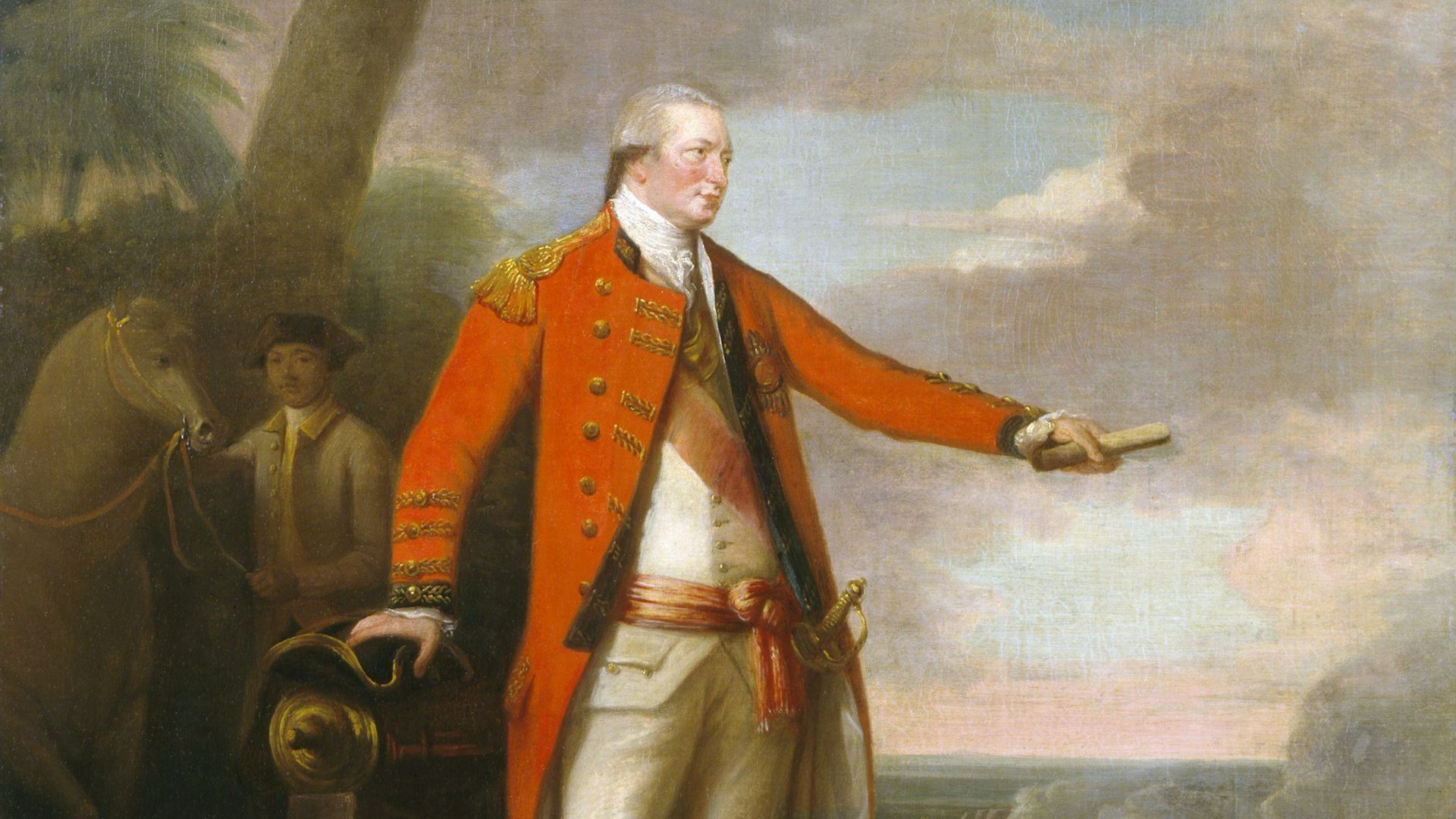
18. Siege & Battle of Seringapatam, 1799
Tipu Sultan of Mysore remained one of the East India Company’s most determined opponents during the late 18th century. British-led forces stormed his capital of Seringapatam during the Fourth Anglo-Mysore War, and Tipu was killed while defending the city. His death ended Mysore’s ability to challenge British expansion on the same scale and greatly strengthened Company dominance in southern India.
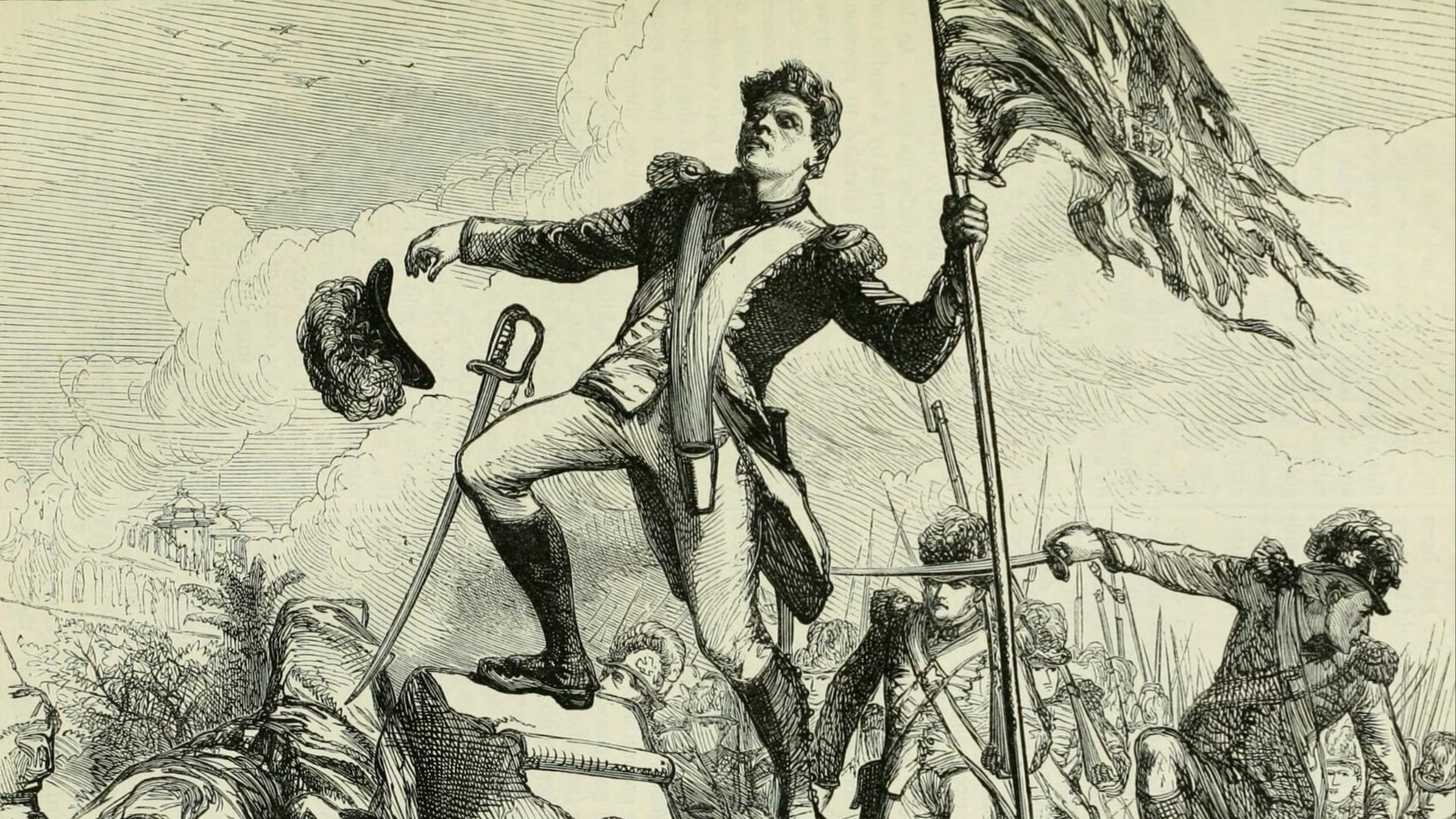
19. Battle of Assaye, 1803
During the Second Anglo-Maratha War, Arthur Wellesley led East India Company forces against an imposing Maratha army belonging to Scindia and the Bhonsle of Nagpur. The fighting at Assaye was remarkably costly, but Wellesley’s army ultimately forced the Marathas from the field. Combined with other British victories during the war, the result helped weaken major Maratha powers and strengthen Company dominance across central India.
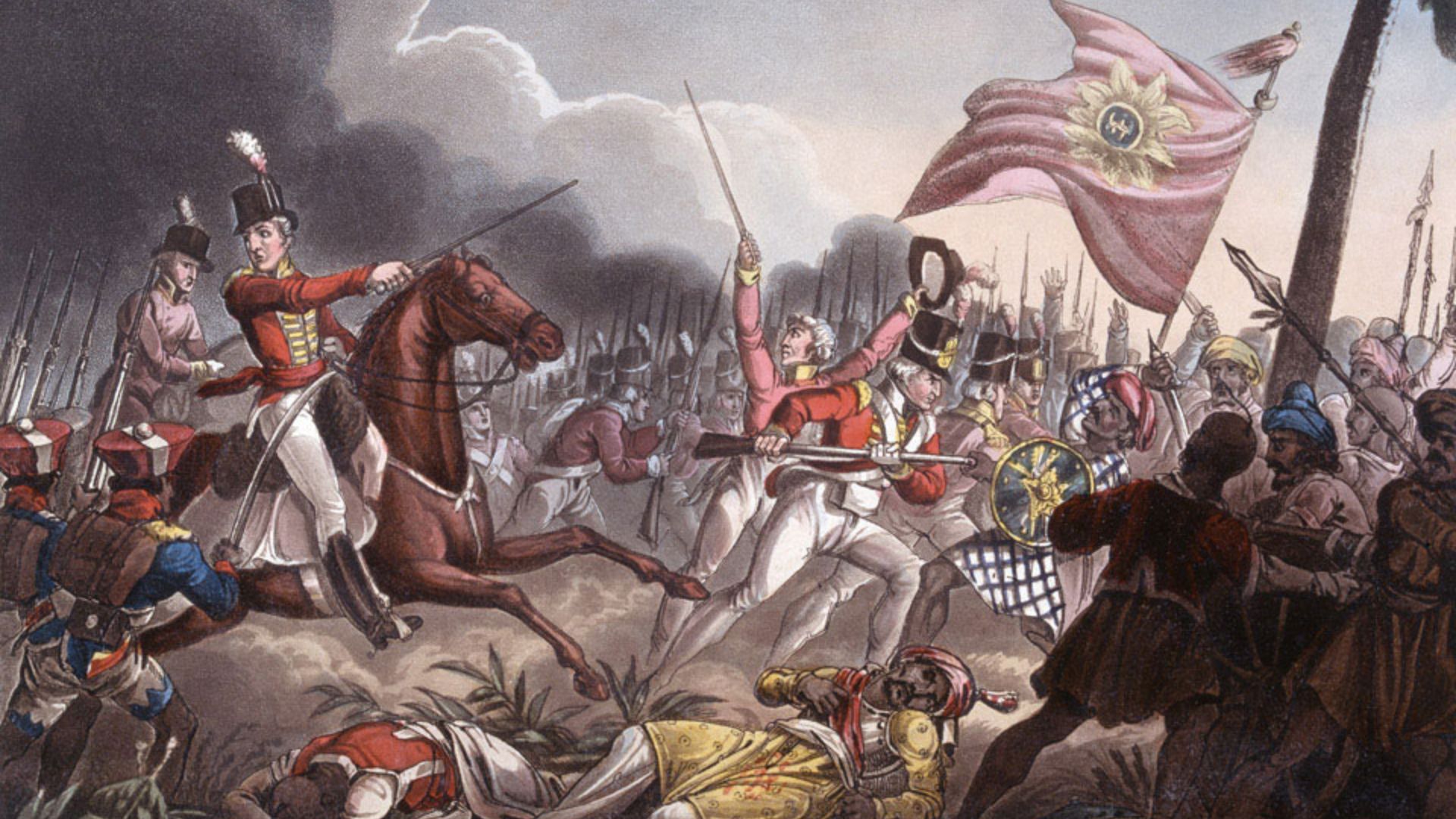 Joseph Constantine Stadler / After William Heath on Wikimedia
20. Battles of Imphal & Kohima, 1944
During World War II, Japanese forces and units of the Indian National Army advanced toward Imphal and Kohima in northeastern India. British, Indian, Gurkha, and other Allied troops stopped the offensive after months of brutal fighting, forcing the Japanese into a disastrous retreat toward Burma. The campaign marked a major turning point in the Burma theater, ending Japan’s attempt to establish a foothold in India and allowing the Allies to move back toward Burma.
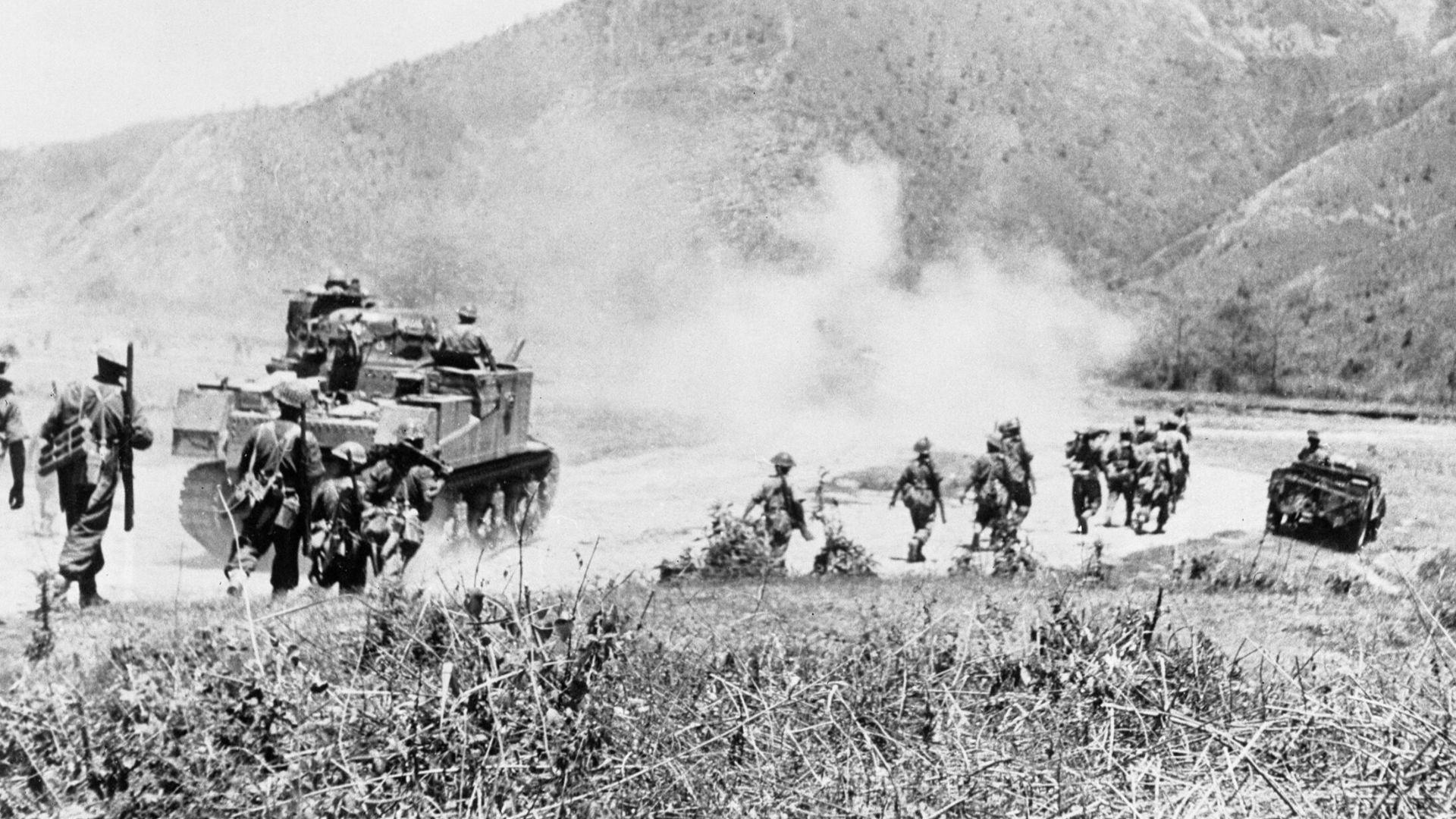 British Information Service on Wikimedia
KEEP ON READING