Ancient Emperors Ate Dumplings
The Chinese New Year is a significant two-week-long celebration rooted in traditions that date back to the dynasties thousands of years ago. With a fascinating history, the symbolic festival has evolved into what it is today. From vibrant dragon dances to the color red, here's a quick history of the renowned Lunar New Year:
1. Celebrated For Thousands Of Years
Partying is ancient! Although the exact start date isn't clear, there's evidence showing that the Chinese Lunar New Year has been celebrated for over 3000 years. Records of New Year rituals can be traced back to the Han dynasty in 202 BC-220.
2. Autumn Celebration Came First
Descriptions of a fall celebration were depicted in an ancient poem. Some believe it could've been a model for the Chinese New Year that followed. Cleaning millet sites, toasting guests with rice wine, and cooking lambs were rituals that possibly took place.
3. A Legendary Beast Started It
A mythical beast known as Nian may have been the start of this two-week-long spring festival. As the legend goes, Nian ate villagers and children in the middle of the night around this time. When it was discovered that the monster was afraid of the color red and loud noises, villagers began to light firecrackers and paint the town, and Nian never came back again.
4. The Lunisolar Calendar
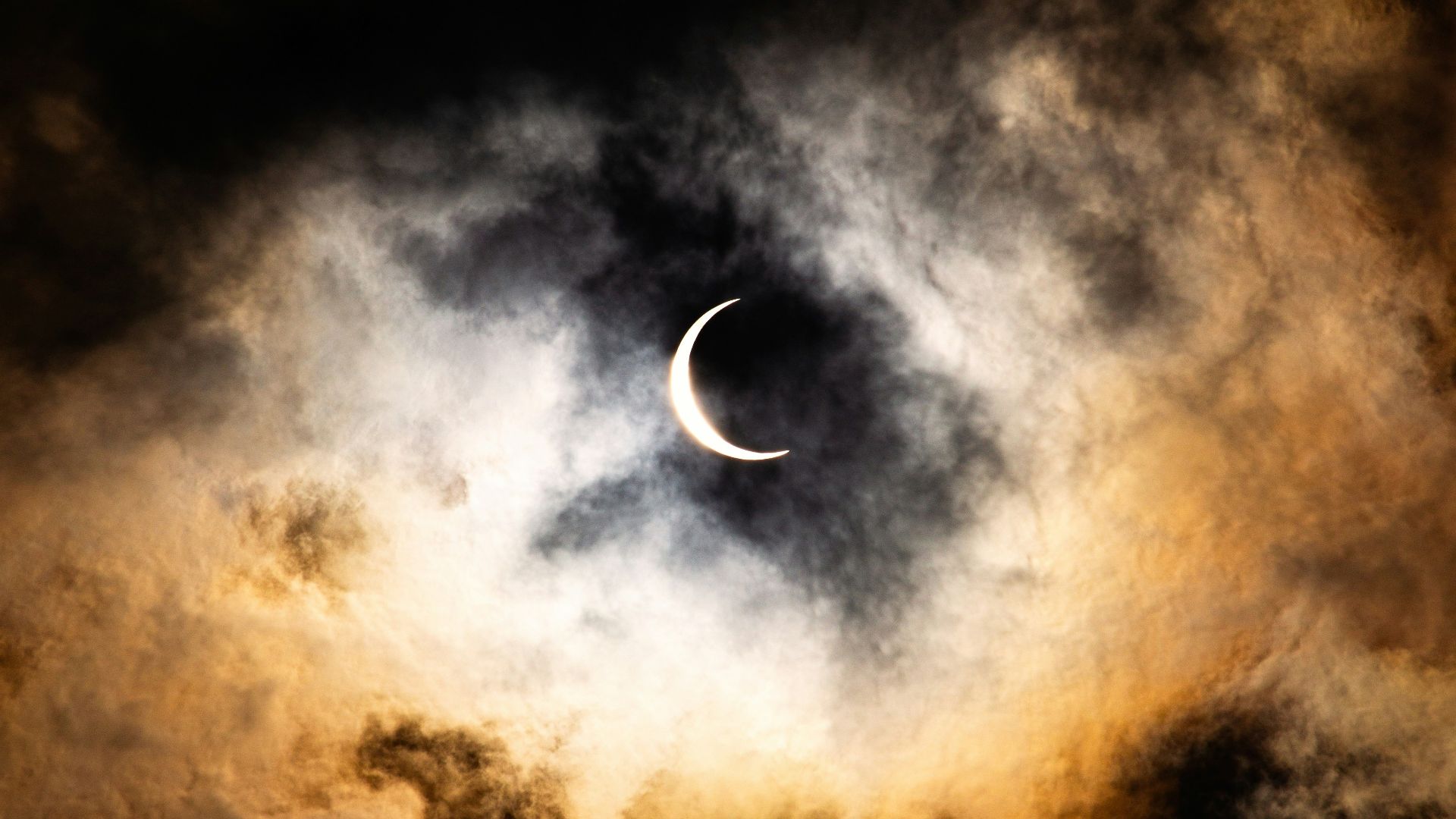
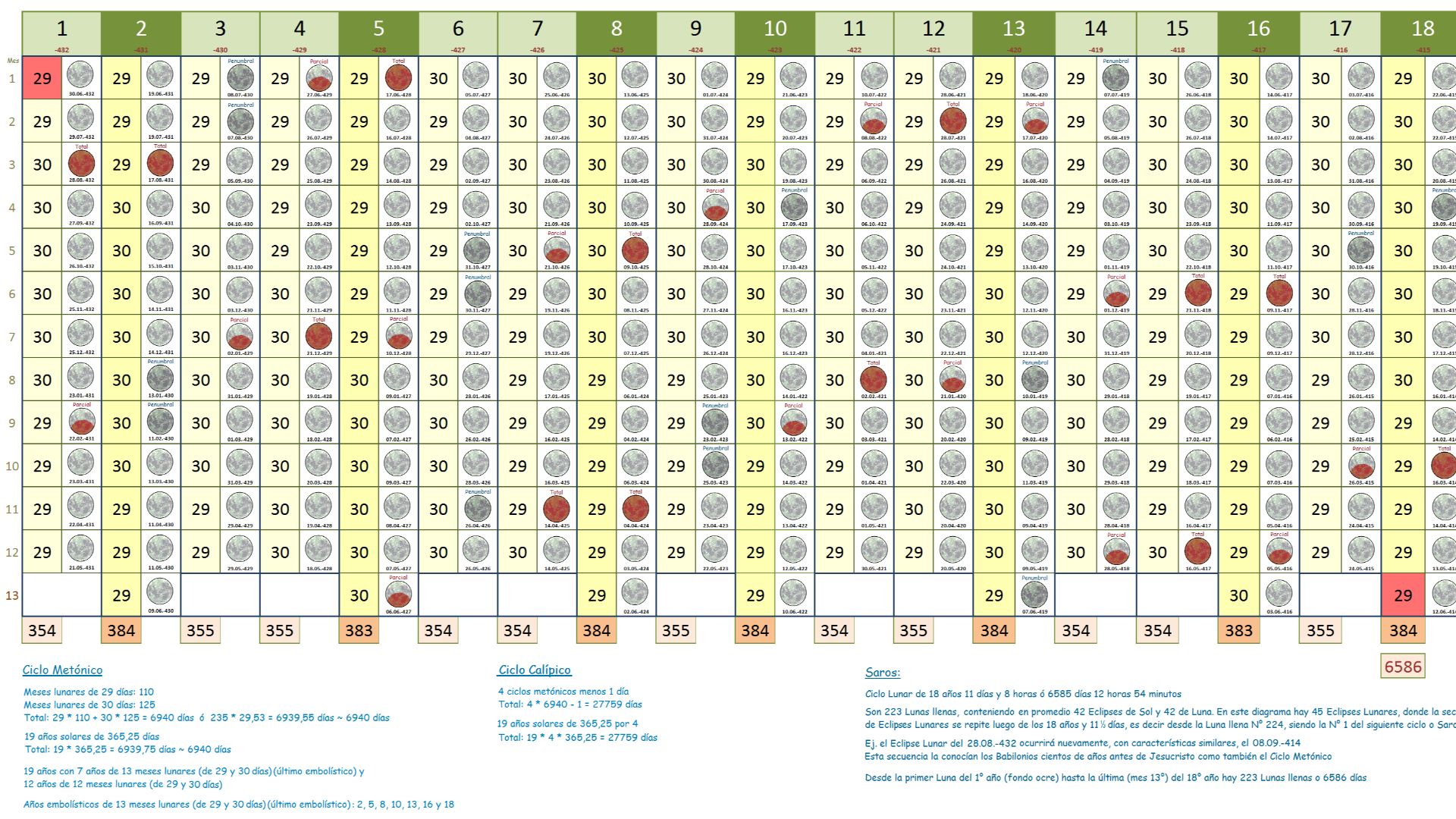
The historic lunisolar calendar was once how the Chinese determined dates, using the cycles of the moon and the sun. Months began with every new moon, a time when it wasn't visible in the sky. China eventually adopted the Georgian calendar, but the Lunar New Year still begins between the winter solstice and the spring equinox.
 Fernando de Gorocica on Wikimedia
5. Why 12 Animals?
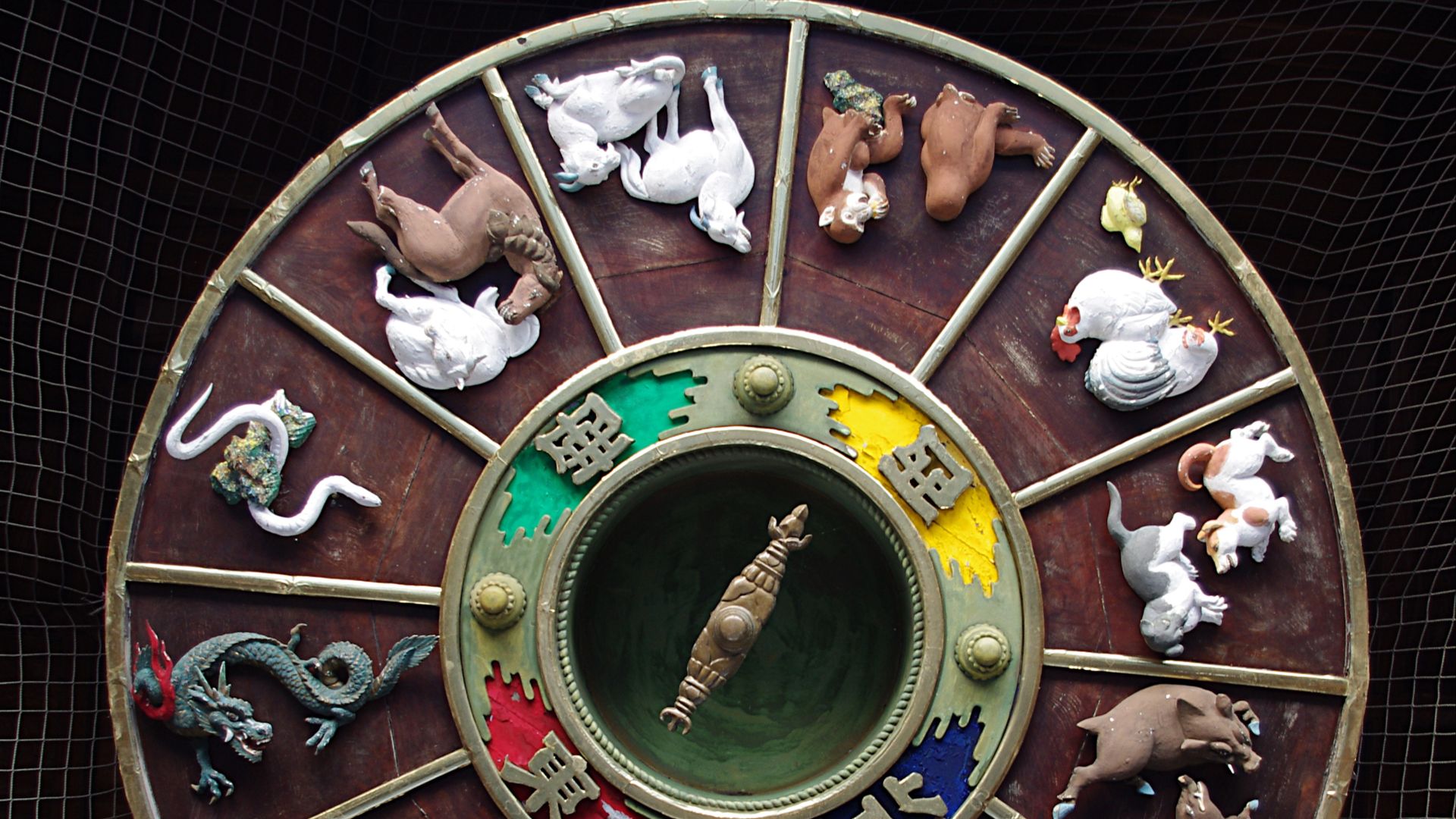
The Chinese zodiac system changes its animal sign every year, and it's been that way since the Qin dynasty or earlier. They use the 12 earthly branches system to organize hours and years in sets of a dozen. The 12 animals we selected from the legendary race that determined the order of the animals by their placement.
6. Cleaning The House
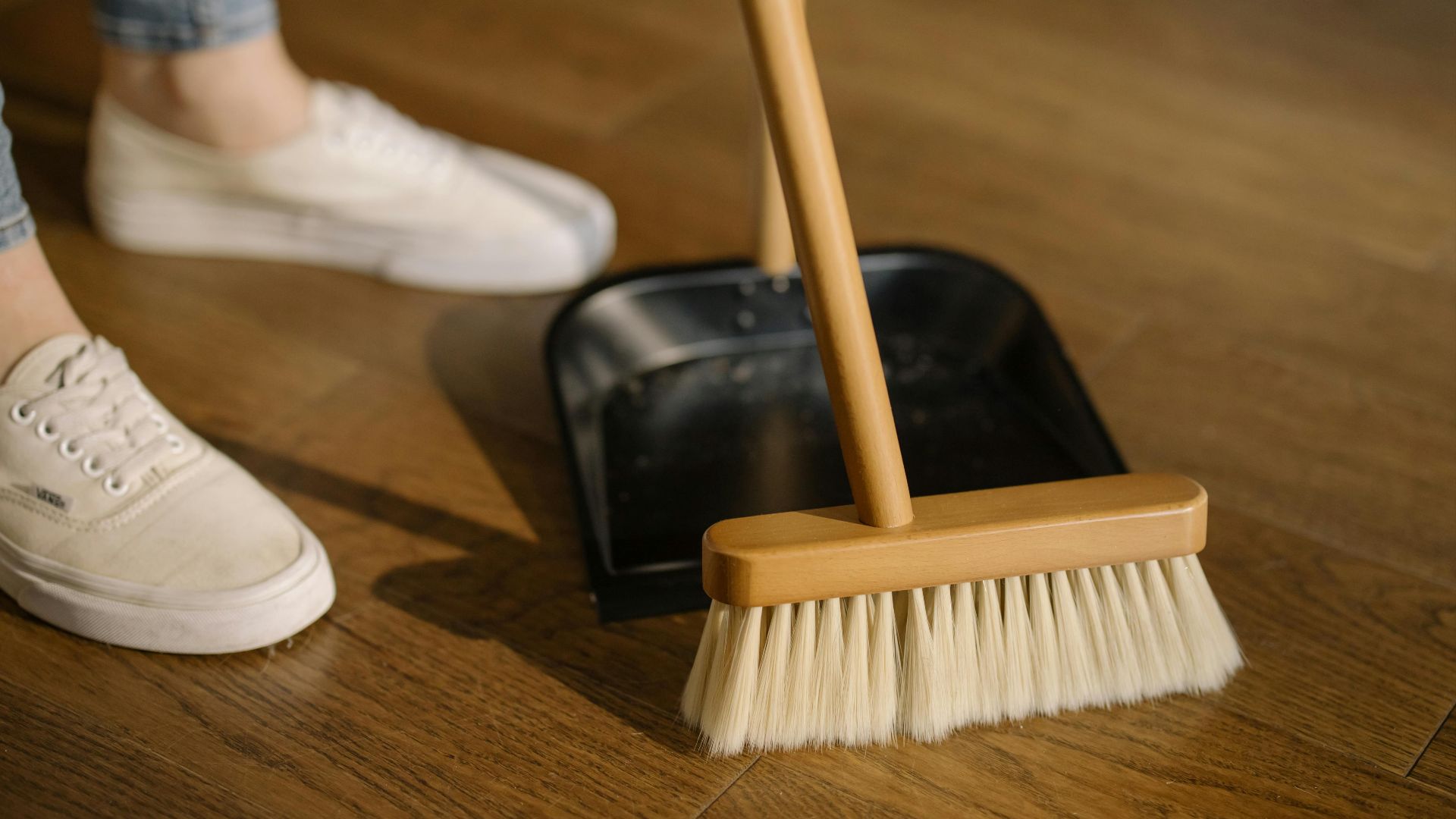
The best housekeeping is done prior to the new year when Chinese households are cleaned top to bottom. The cleaning tradition can be traced back to the earliest celebrations. It symbolizes clearing the house of bad luck and welcoming good fortune in the year ahead.
7. Party All Night Long
No sleep on New Year's means you can guard your home of last year's misfortune or evil spirits lurking about. Since its origin, many people stay awake until the sun rises on New Year's day. It's an old tradition that bids farewell to the old year welcomes in the new.

8. New Year's Greeting Cards
It's believed that the customary New Year's greeting card exchange was started by Emperor Taizong of Tang thousands of years ago. Greeting cards were written with sentiments of the incoming new year and messages of goodwill. Still practiced today, it's evolved into a booming industry.
9. Spring Festival Couplets
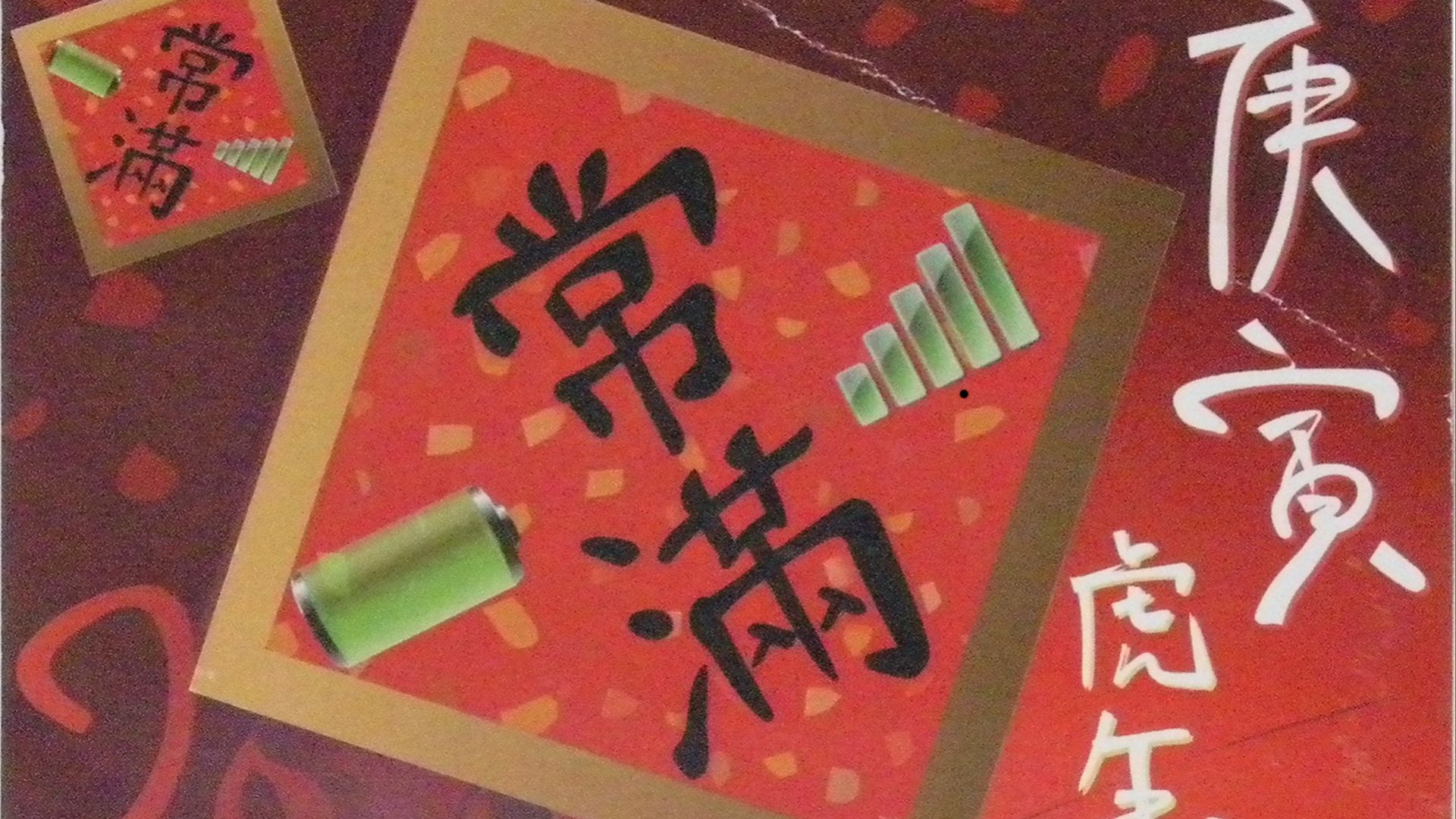
Couplets are another way to ward off evil during the yearly transition. Historians believe that placing couplets on house doors in the days preceding the new year was established during the Song dynasty. They say that on New Year's Eve thousands of years ago, the emperor ordered a scholar to write couplets on peach wood and hang them on his bedroom door.
10. Noisy Firecrackers
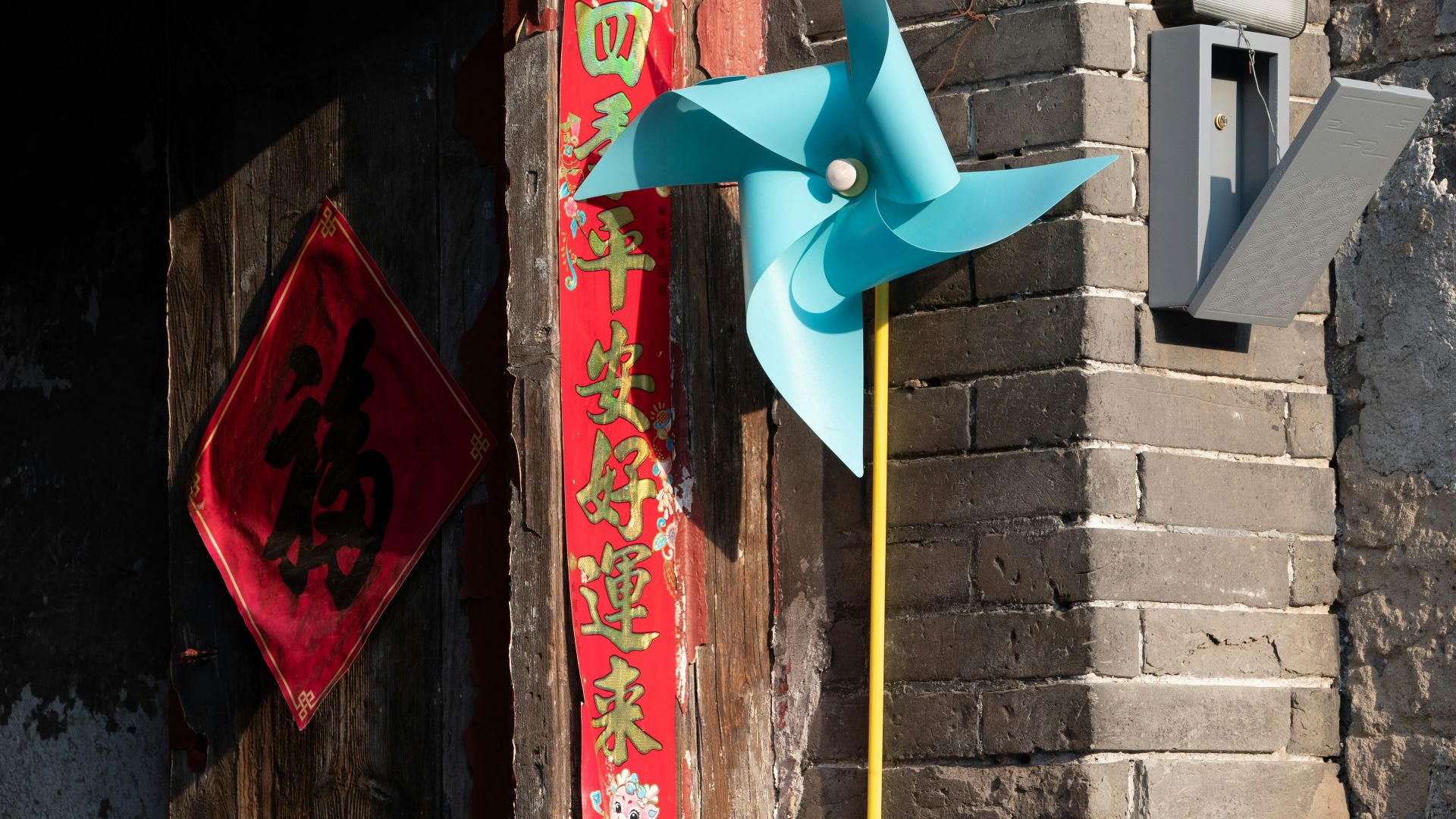
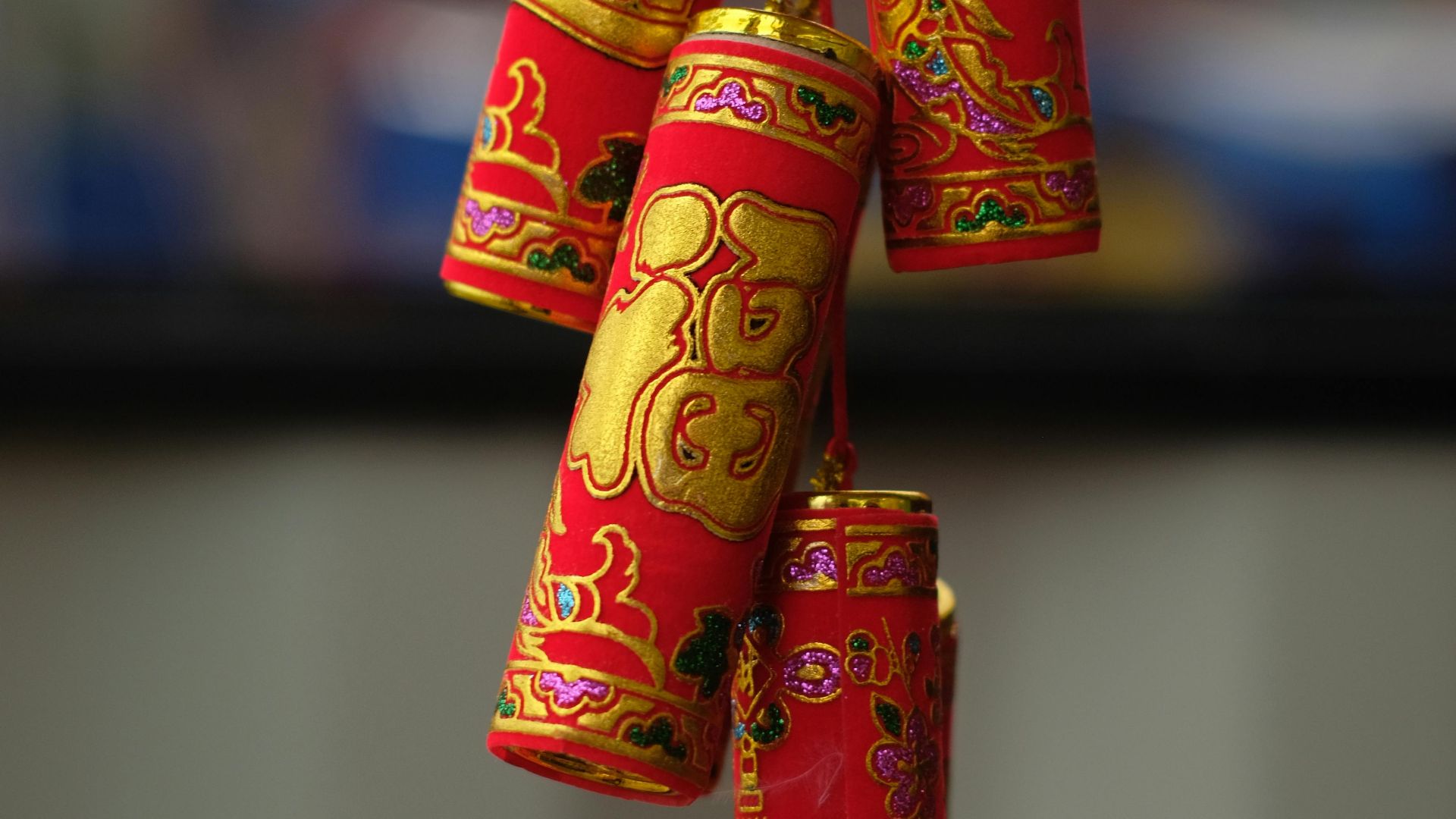
Firecrackers came along shortly after gun powder was invented. They were first made from bamboo poles that were filled with gun powder and sparked with flame. It came a part of the New Year's traditions thanks to the legendary monster who was allegedly afraid of loud noises.
11. Red Envelopes Of Money
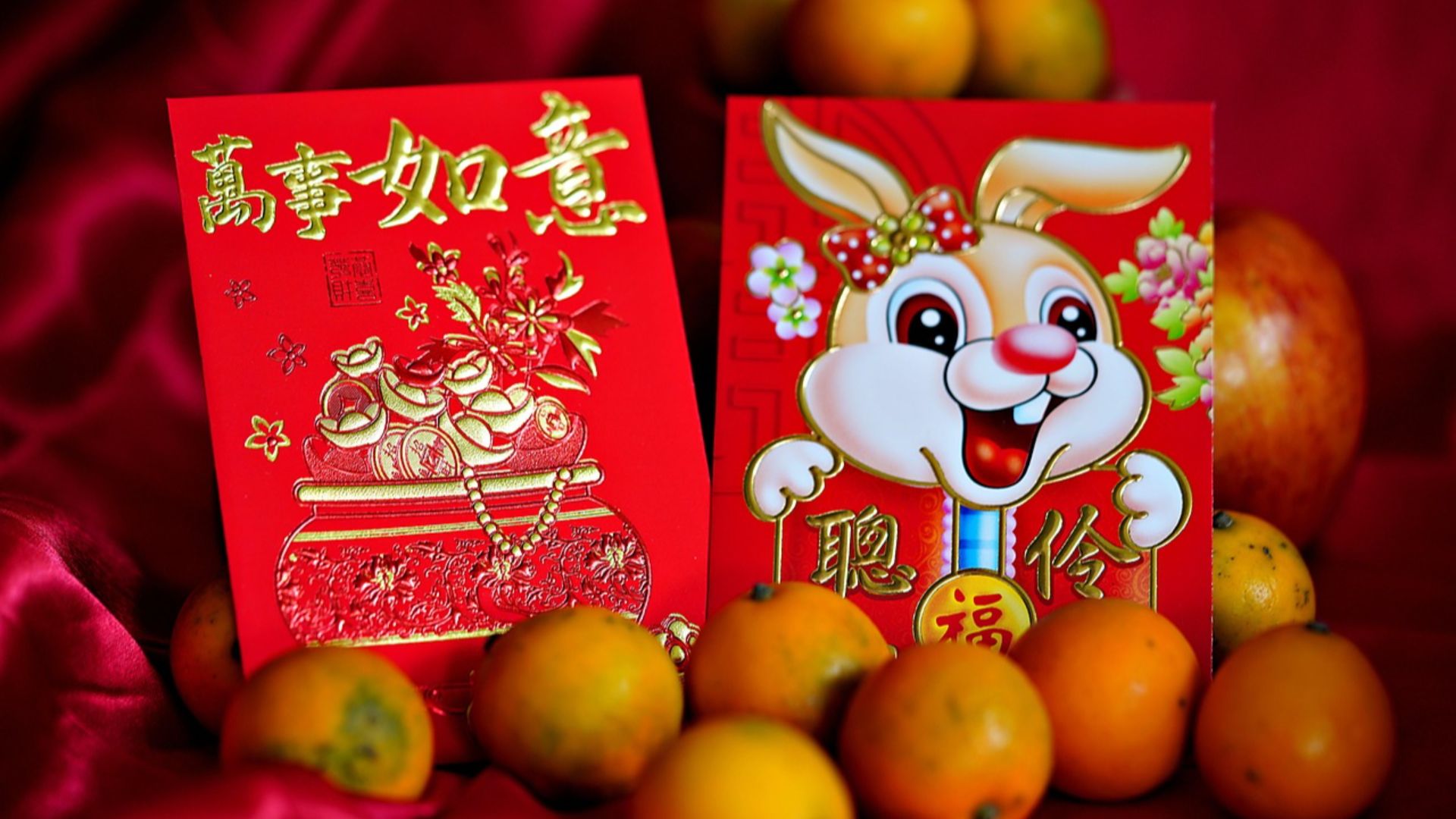
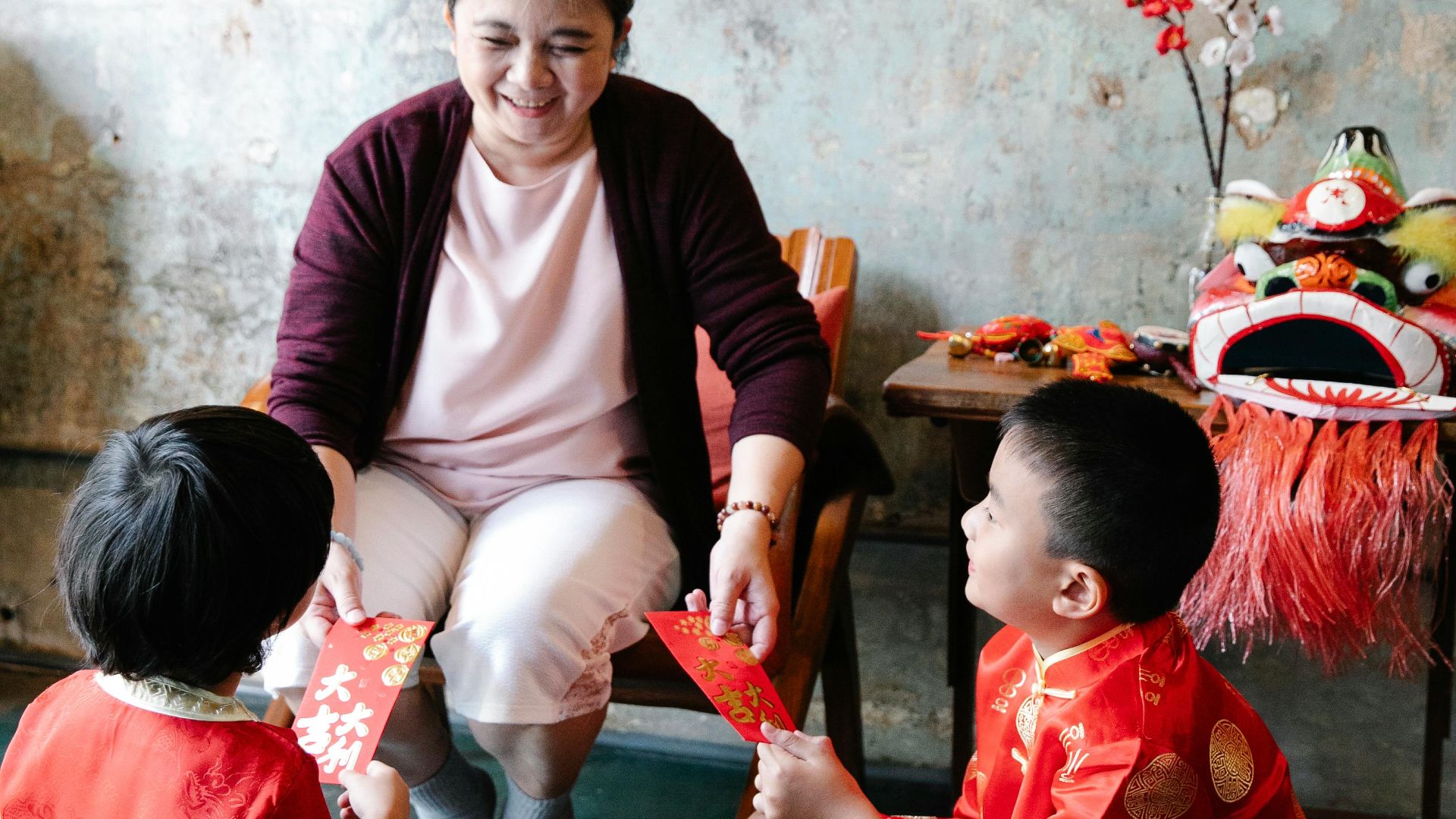
Lucky children are given red envelopes of money from their elders during the Chinese New Year. Called "hongbao", the exchange is supposed to signify a fostering sense of community and a strengthening bond. Dating back to the Song dynasty, a hongbao symbolizes good luck and prosperity.
12. Lions & Dragons & Dances, Oh My!
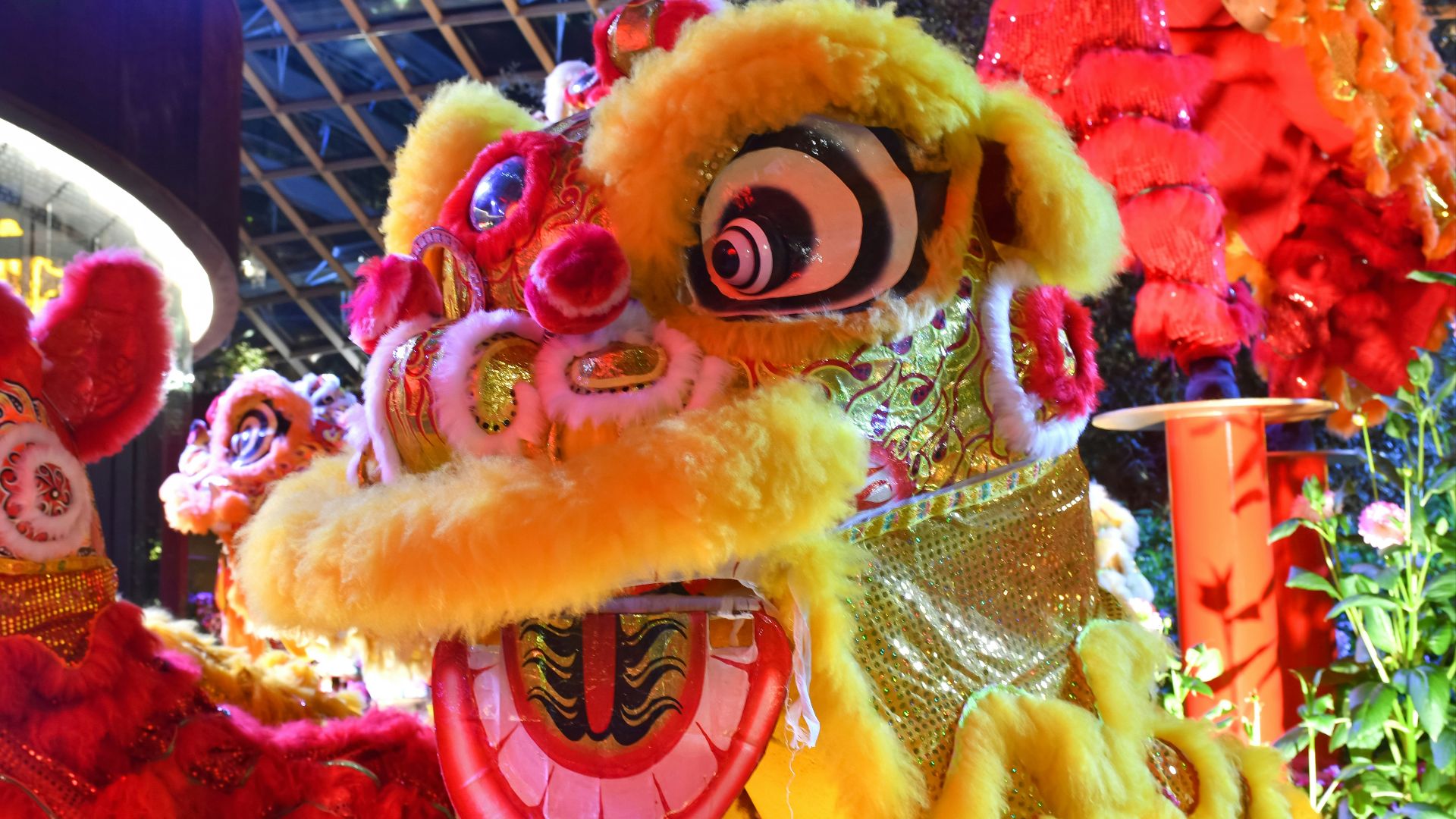
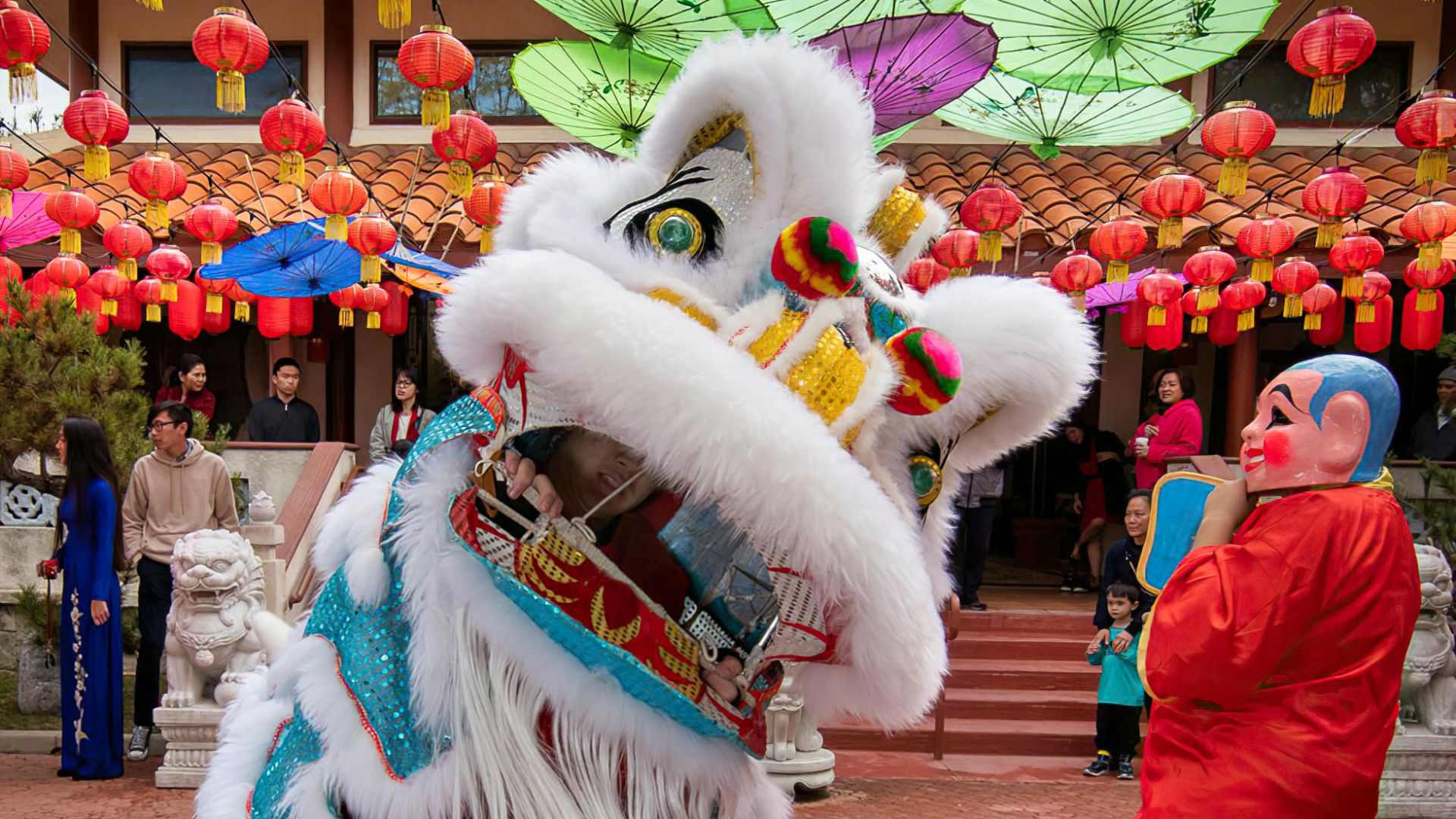
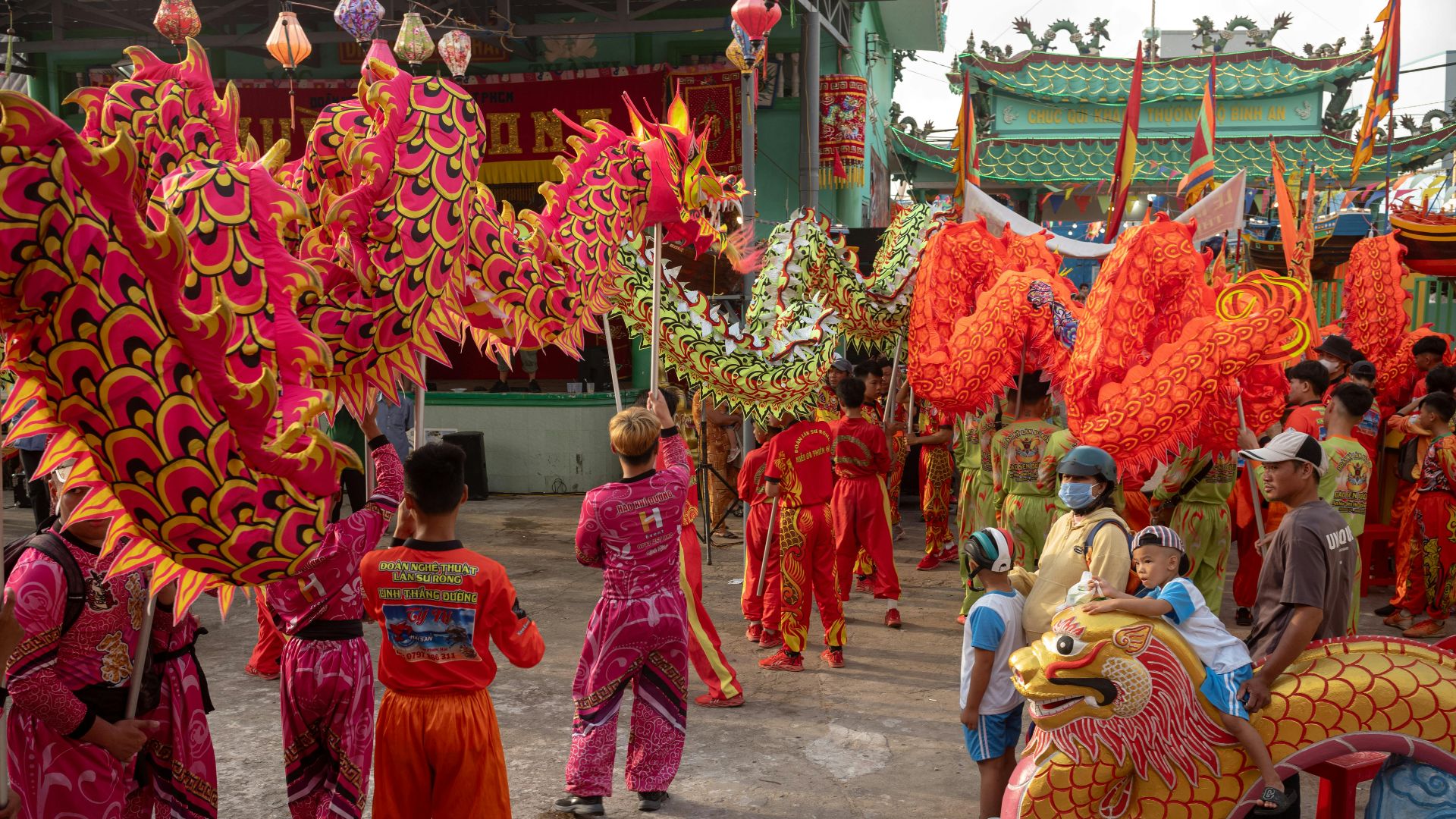
Humans become extravagant lions and dragons as they parade the streets during the spring festival. Often groups of people share one elaborate costume dressed as one long mythical dragon. The lion and dragon dances were introduced in the Tang dynasty period, 618-907 AD, and it's still a vibrant tradition thousands of years later.
13. Eating Dumplings
Dumplings are an ancient recipe of the emperors. The tradition of eating dumplings on New Year's day is another symbol for luck and prosperity. Often silver currency hides inside one and whoever gets the prize will have a lucky year ahead. It gets sweeter; a candy dumpling is a sign of sweet days to come.
14. A Slice Of Niangao
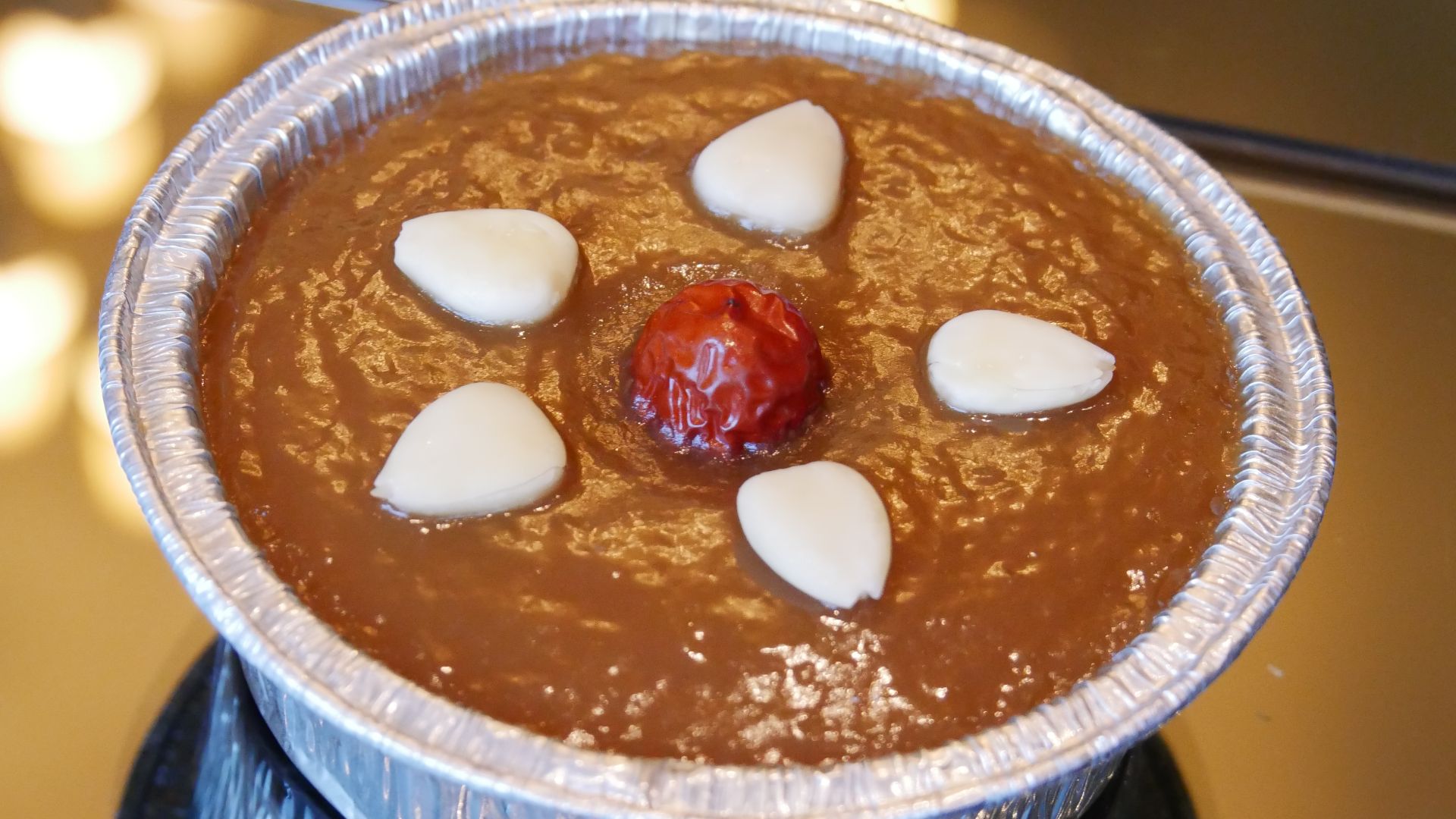
The Lunar New Year is full of food traditions and cake is a tasty one. Niangoa is a sticky rice cake that's been made every New Years for thousands of years. In certain parts of China, it's customary to make the cake and share slices as gifts for relatives and friends.
15. Offering Sacrifices To Ancestors
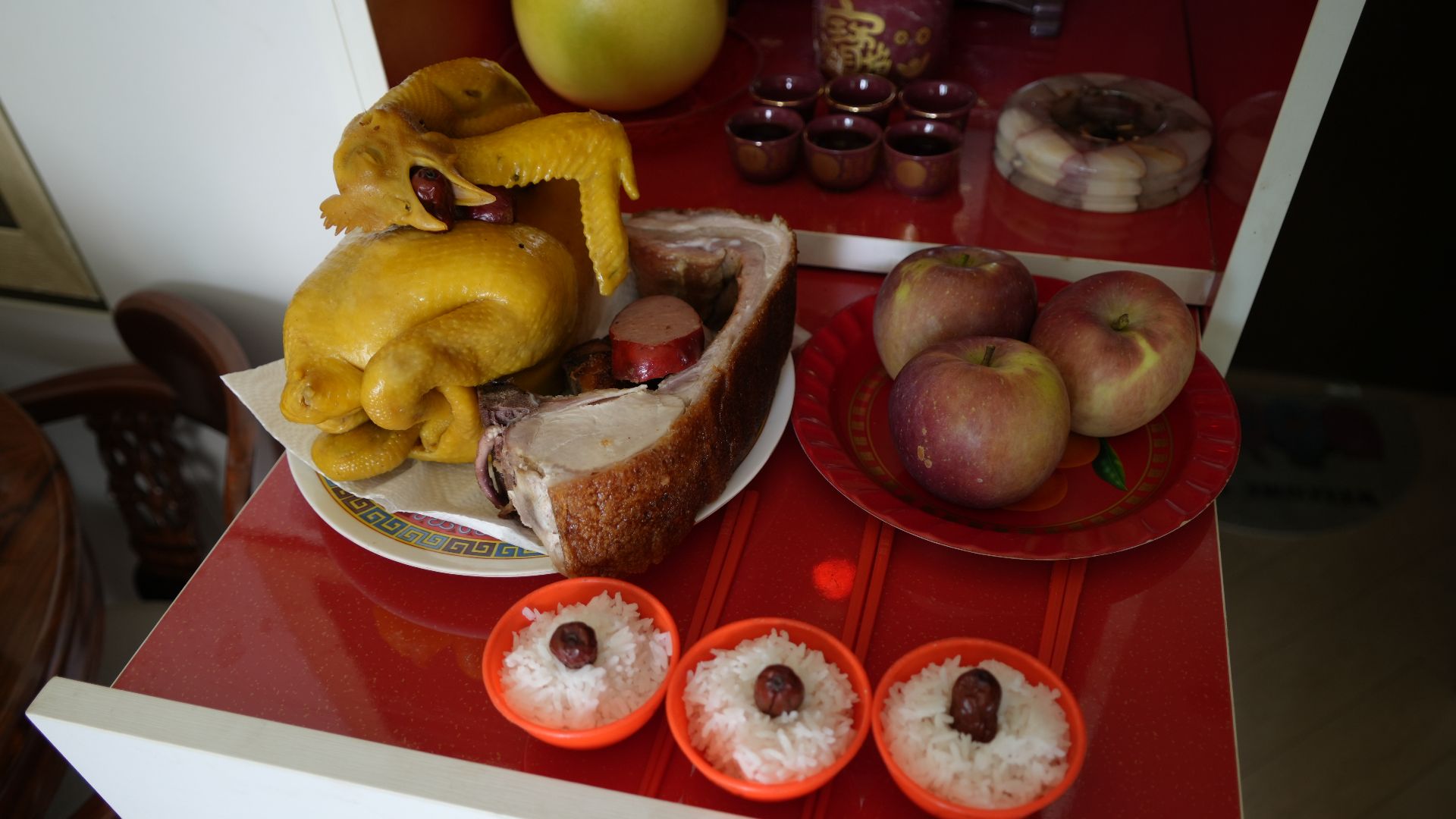
Even the dead don't want to miss out on the New Year festivities. It's believed that deceased family members visit during this time and families offer them sacrifices. The ritual to offer sacrifices to ancestors or gods was first recorded during the Zhou dynasty in 1046-256 BC. Typically offering food, fruit, and incense, it's a payment of respect to the spirits and also to worship nature during the seasonal changes.
16. Family Feast
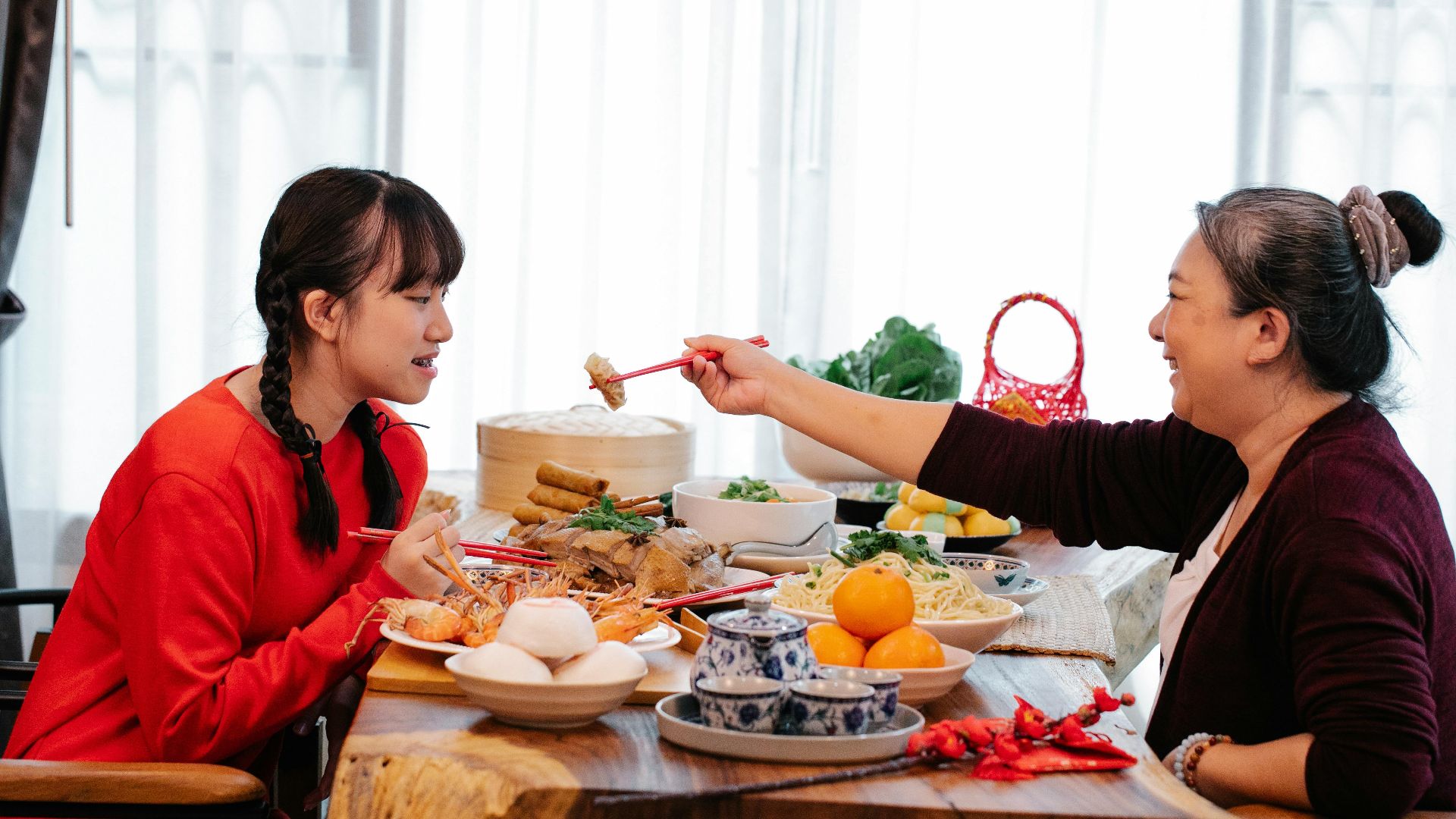
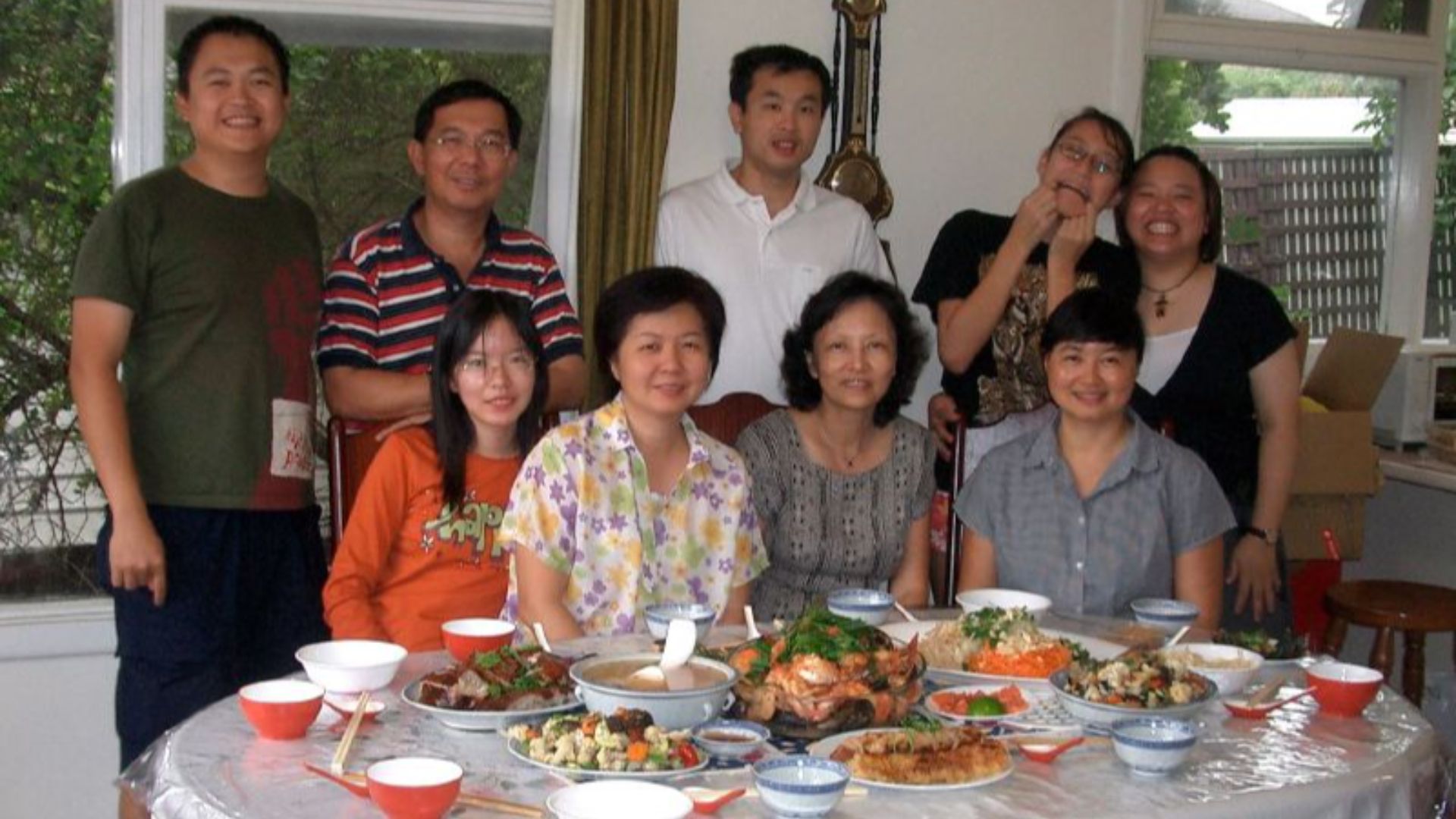
Evidently, food plays a large role in the ancient New Year's traditions. Family gatherings around a table of traditional dishes are important to those who celebrate. From the longevity noodles to the rice balls, most of the food eaten has symbolic meaning to do with good fortune and fresh starts.
17. The Seventh Day
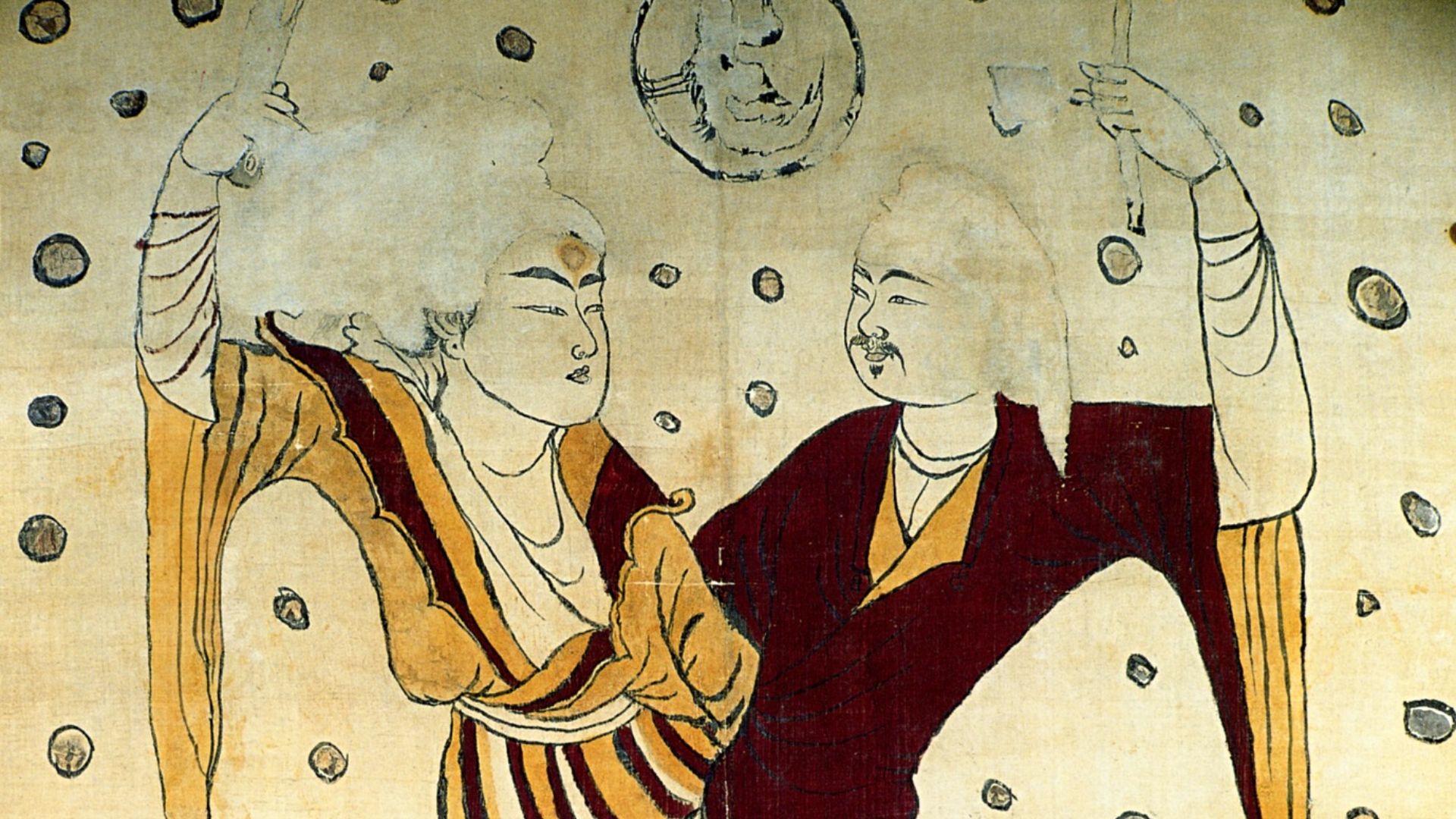
Many traditionalists will honor renri on the seventh day of the Lunar New Year festival. Renri is the creation day of human beings and it honors humanity's tie to nature and all living things. Humanity's birthday stems from ancient mythology about Nuwa, the goddess who created the world and brought humans to Earth on the seventh day.
 Unknown authorUnknown author on Wikimedia
18. The Ninth Day
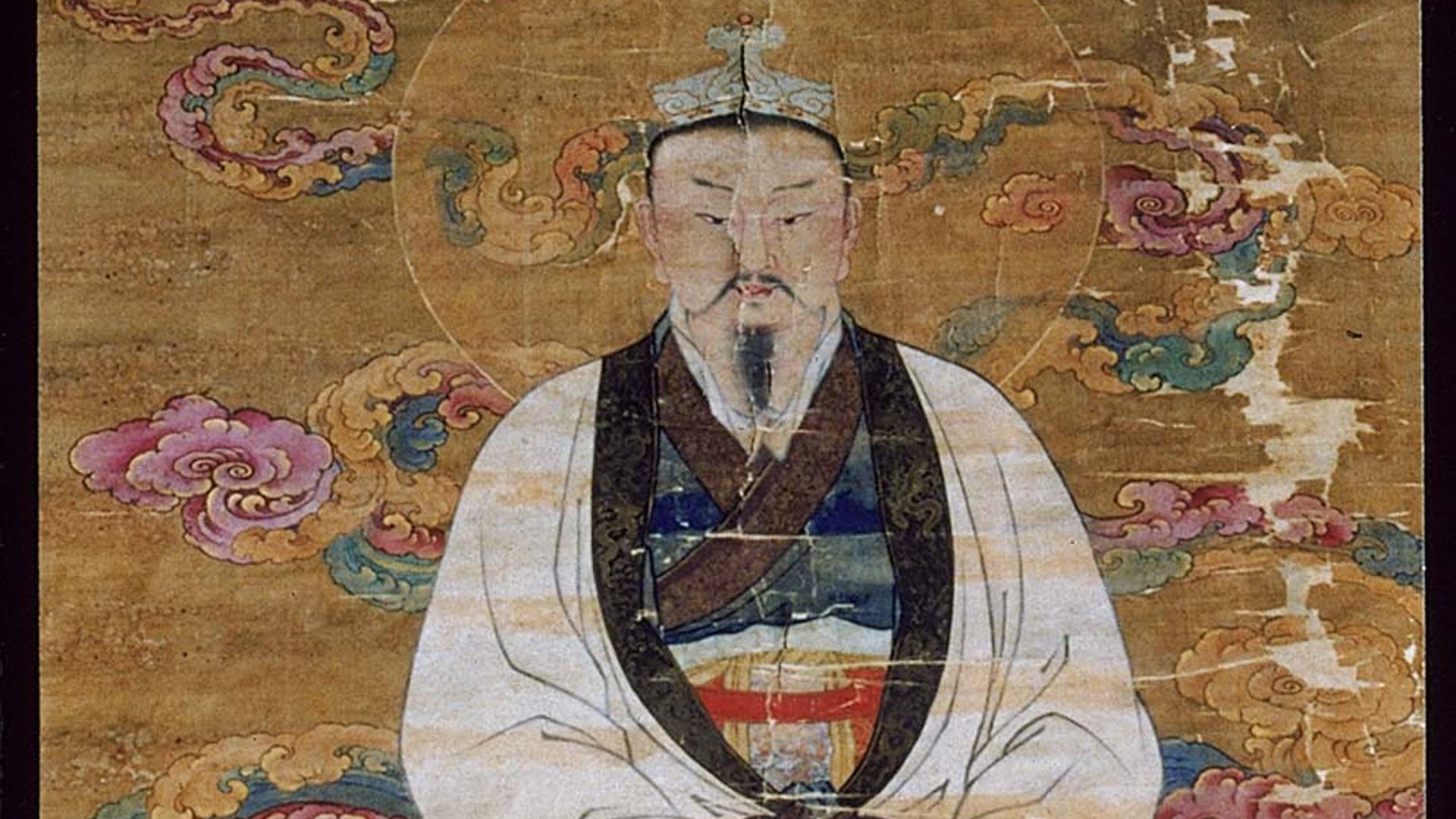
On the ninth day of the first lunar month, the Taoist religion celebrates the birthday of the Jade Emperor, the ruler of Heaven. How do they celebrate? With symbolic food of course! Various prayer items are also purchased and used on this day.
 AnonymousUnknown author on Wikimedia
19. Red Paint
The color red has always been symbolic to the Chinese and is deeply rooted to the dynasties and ancient legends. Traditionally, people will give a part of their homes a fresh lick of red paint during the Lunar New Year festival, in hopes of attracting prosperity and good luck into their lives.

20. Paper Lanterns On The Last Day
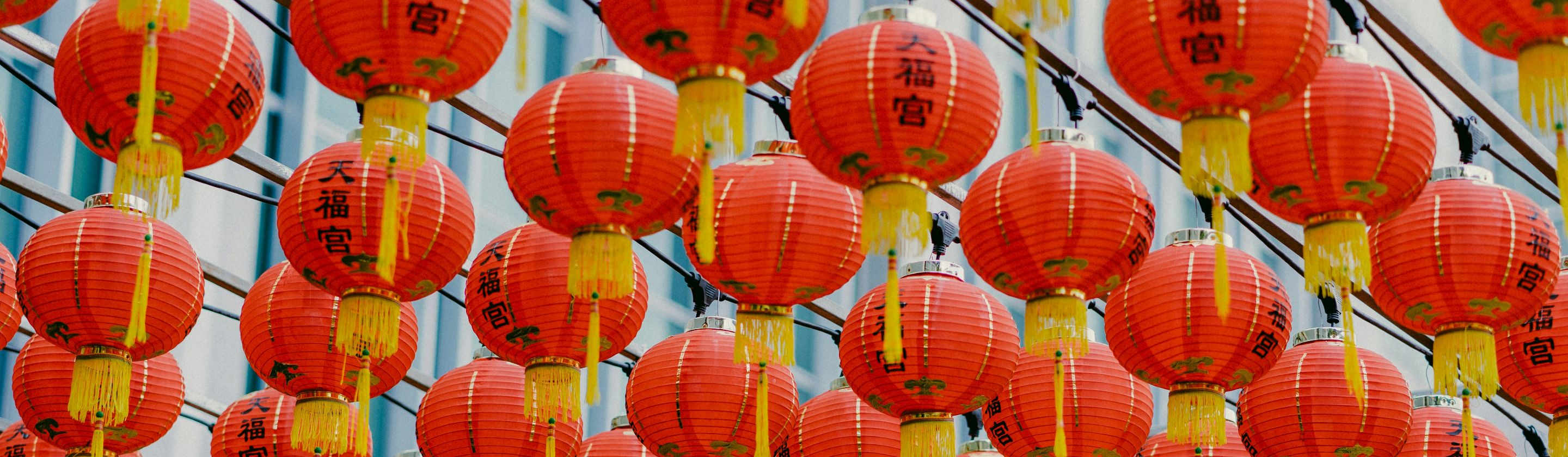
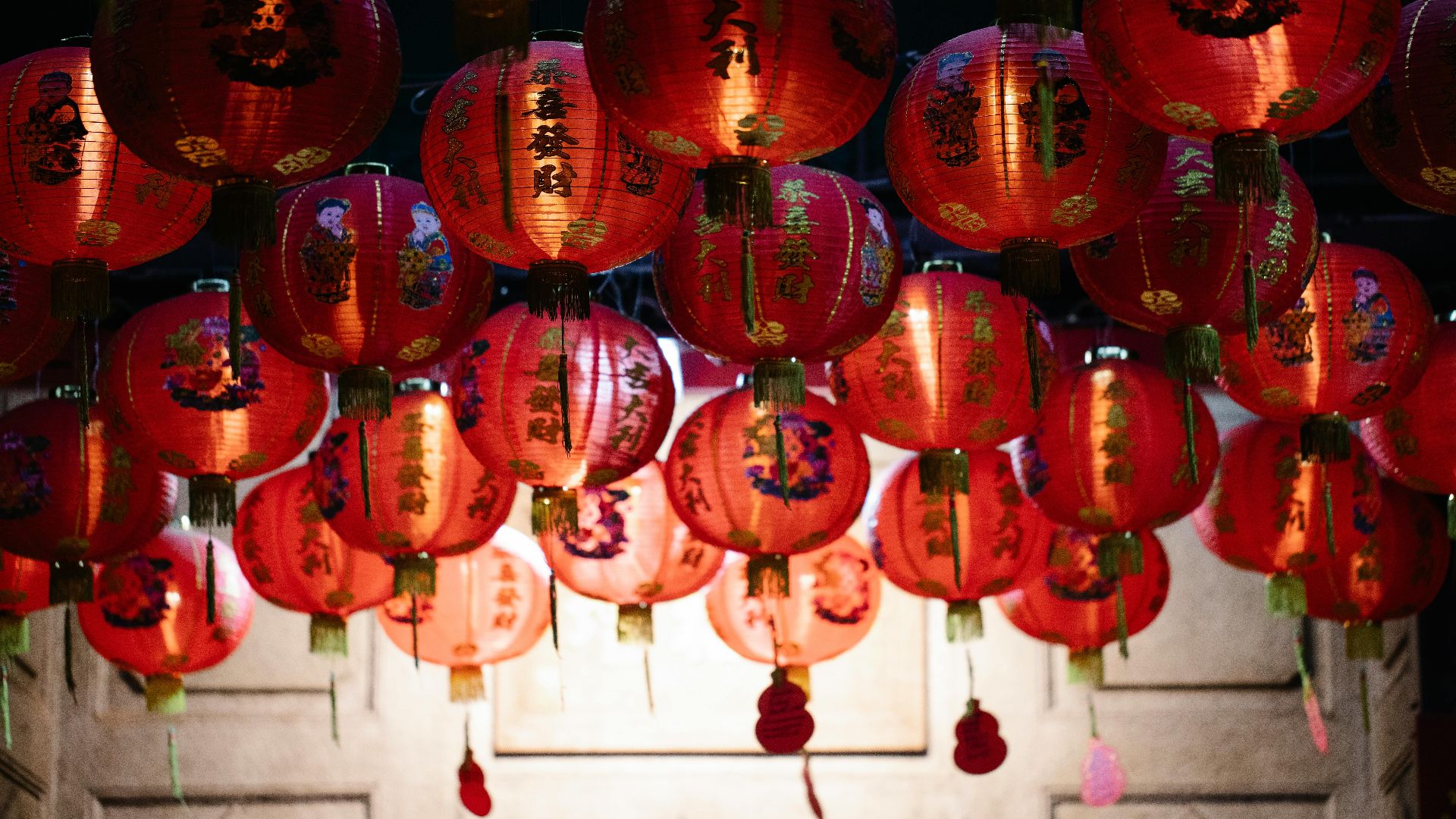
The Lunar New Year closes with a stunning lantern festival. Thousands of lanterns are ignited with light outdoors and inside temples to signify the guidance of lost souls. It's believed that the bright ceremony was originally created by ancient monks to honor the Buddha.
KEEP ON READING