

20 Places Countries Fought Over That Were Smaller Than Most Cities
Rocks Worth A Navy
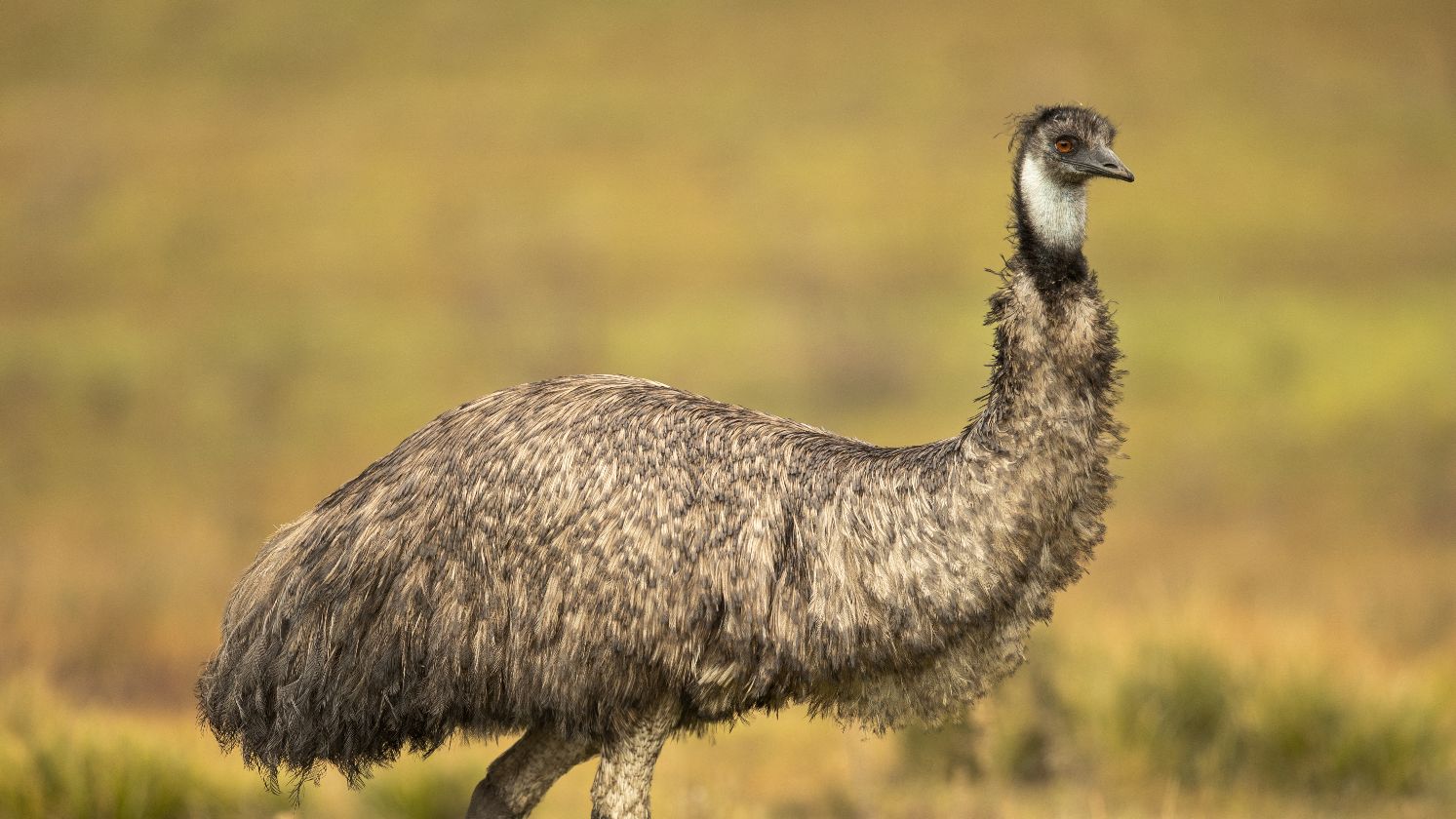
Most border disputes involve land you could drive across in an afternoon. A surprising number involve ground you could walk end to end in a few minutes, or could not stand on at all without getting wet. Countries have sent warships and buried soldiers over outcrops that would fit inside a shopping mall parking lot. What makes them worth it is almost always the water around them, along with the fishing and drilling rights that come attached. Here are 20 of them.
 National Park Service, U.S. Dept of the Interior on Wikimedia
1. Hans Island
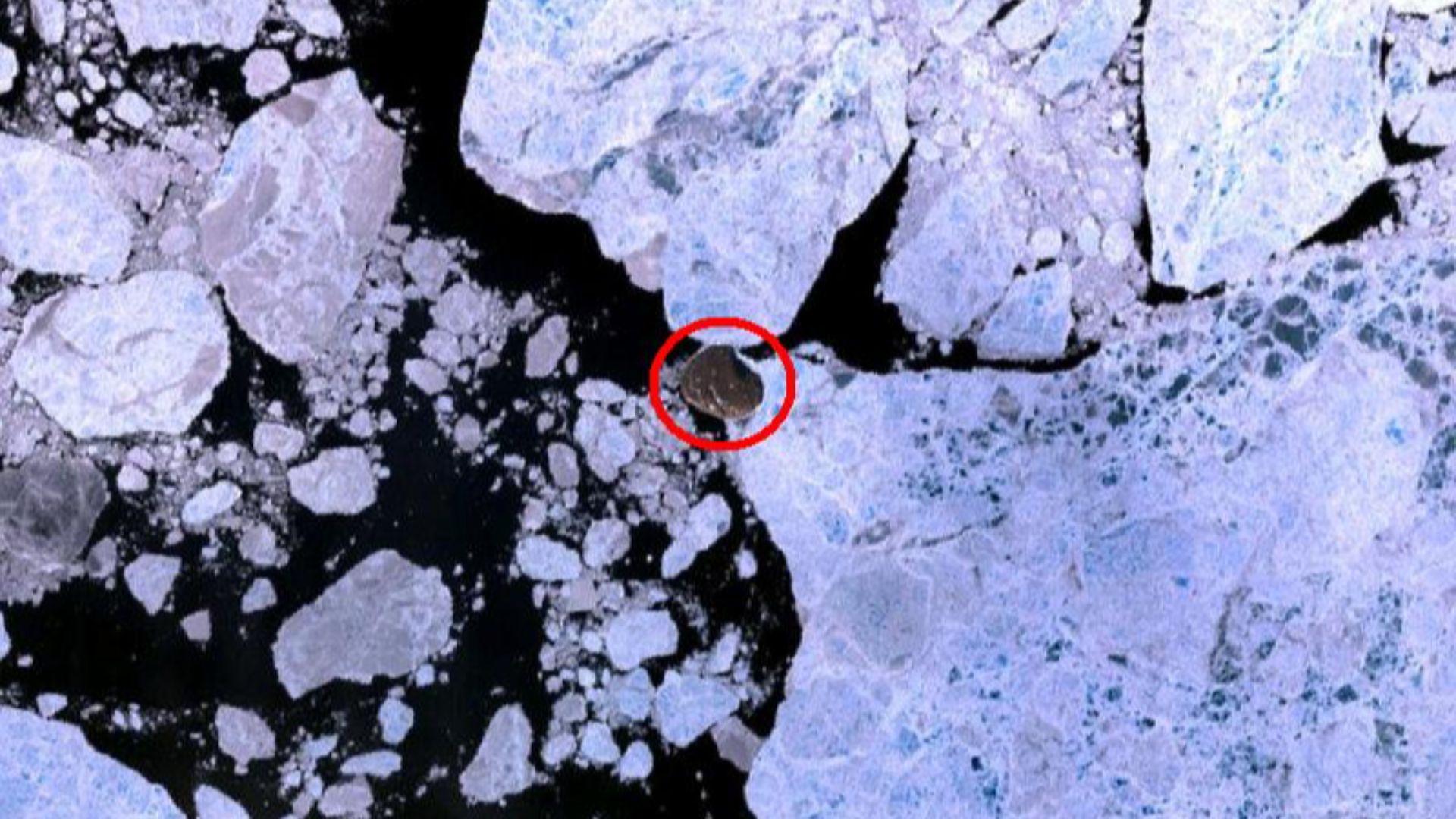
A 1973 boundary treaty between Canada and Denmark left the line through a 1.3-square-kilometer rock undefined, and both countries spent the next fifty years leaving liquor on it and swapping out each other's flags. The custom started in 1984, when a Danish minister left behind a bottle of cognac. They split the island along a natural ridge in June 2022, with roughly 60 percent going to Denmark.
2. Imia and Kardak
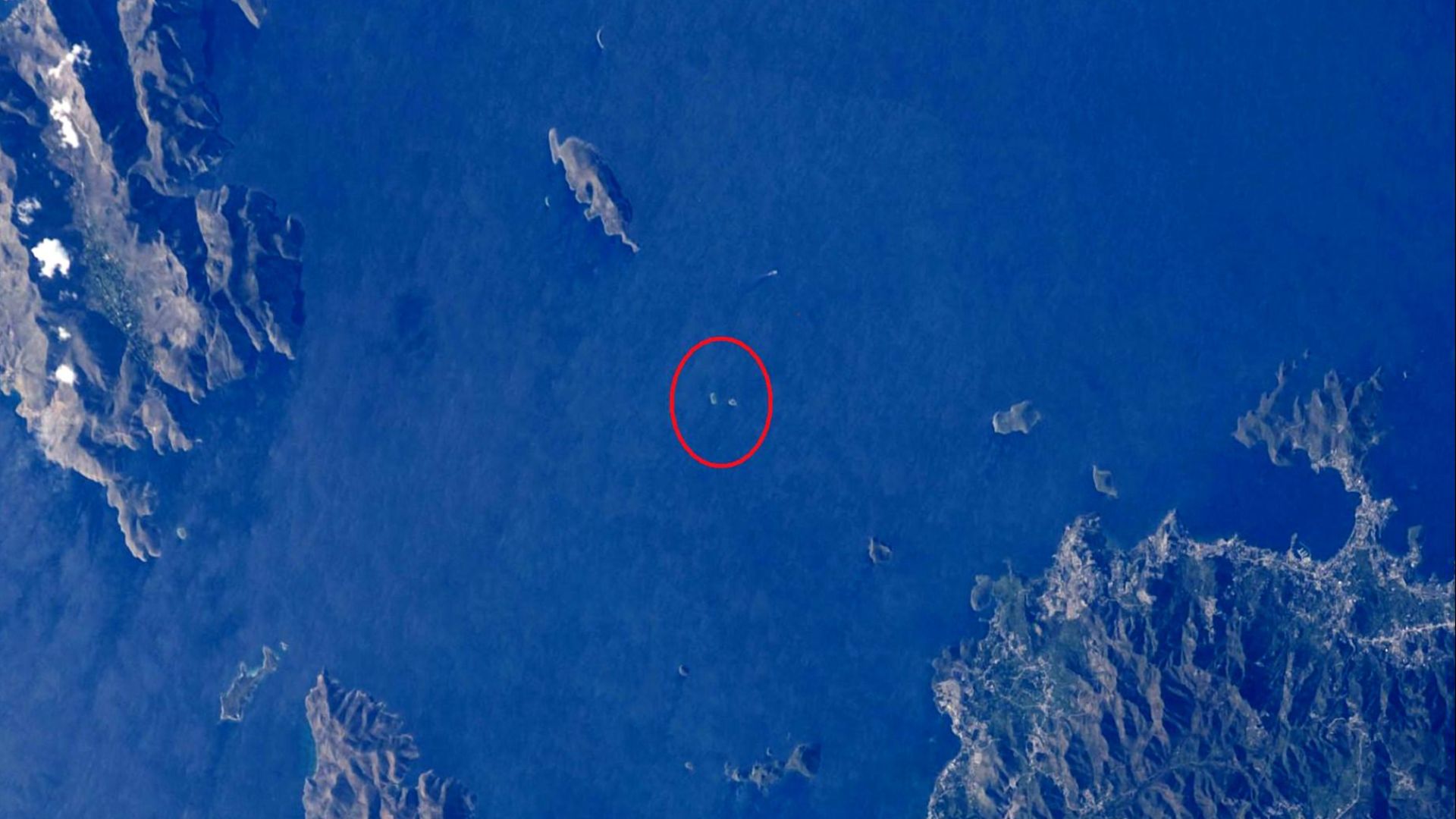
Two uninhabited outcrops between Kalymnos and the Turkish coast brought Greece and Turkey to the edge of war in January 1996. A Turkish cargo ship had run aground there, its captain refused Greek assistance, and the flag-planting escalated from that point. A Greek navy helicopter went down in heavy weather during the standoff, killing three servicemen.
3. Perejil Island
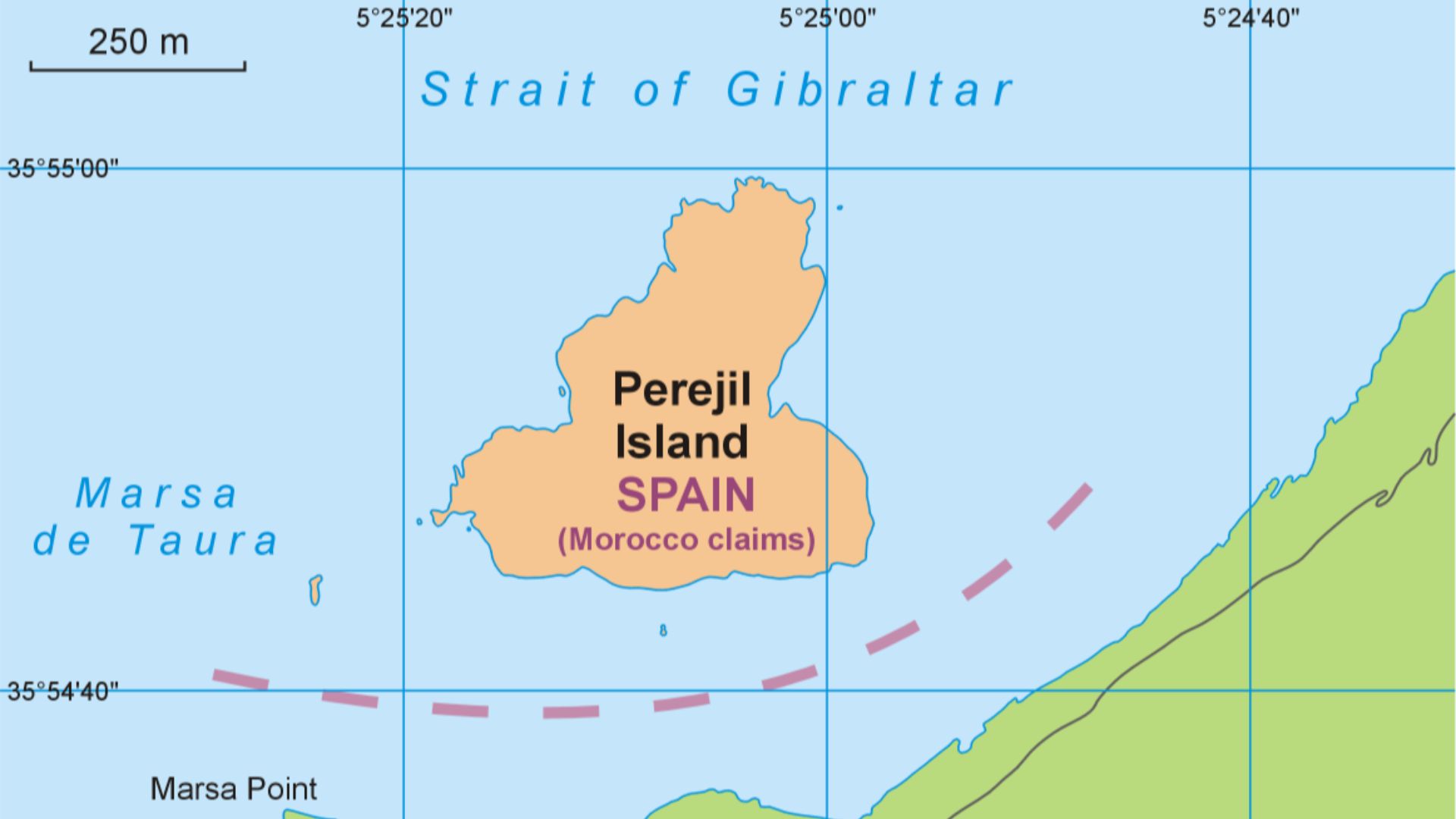
Spain landed 28 special forces on a goat-grazed rock off the Moroccan coast in July 2002, backed by five warships and two submarines. Six Moroccan marines were holding the place and surrendered without firing a shot. Colin Powell brokered a return to the previous arrangement within days, and both governments agreed to leave the rock empty.
4. Rockall
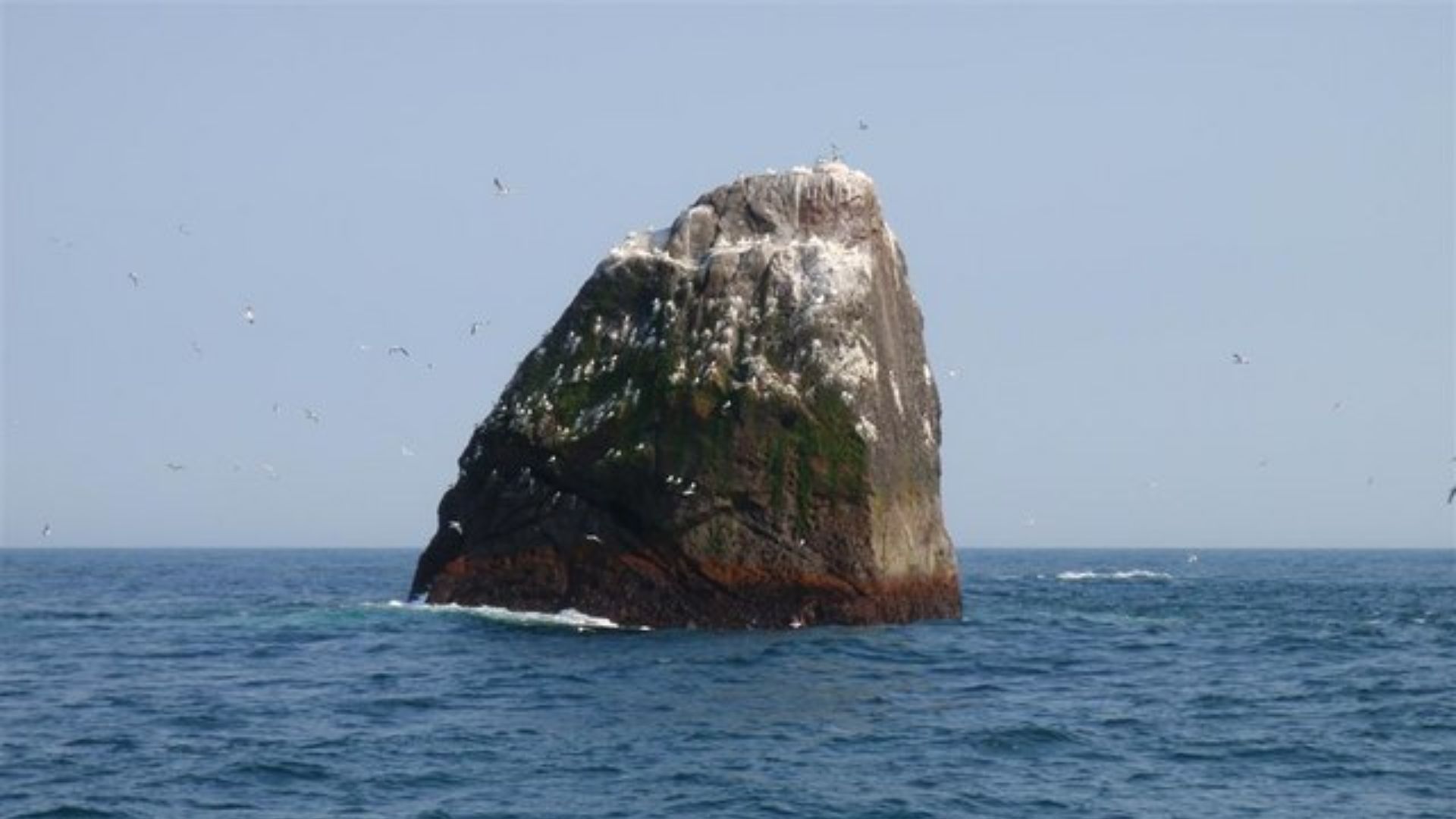
Royal Marines landed on a lone granite stack far out in the North Atlantic in 1955, planting a British claim that has held ever since. Ireland and Iceland have both contested the seabed rights that come attached to the claim. The stone is barely large enough to stand on, and the fishing grounds around it are the actual prize.
5. Snake Island
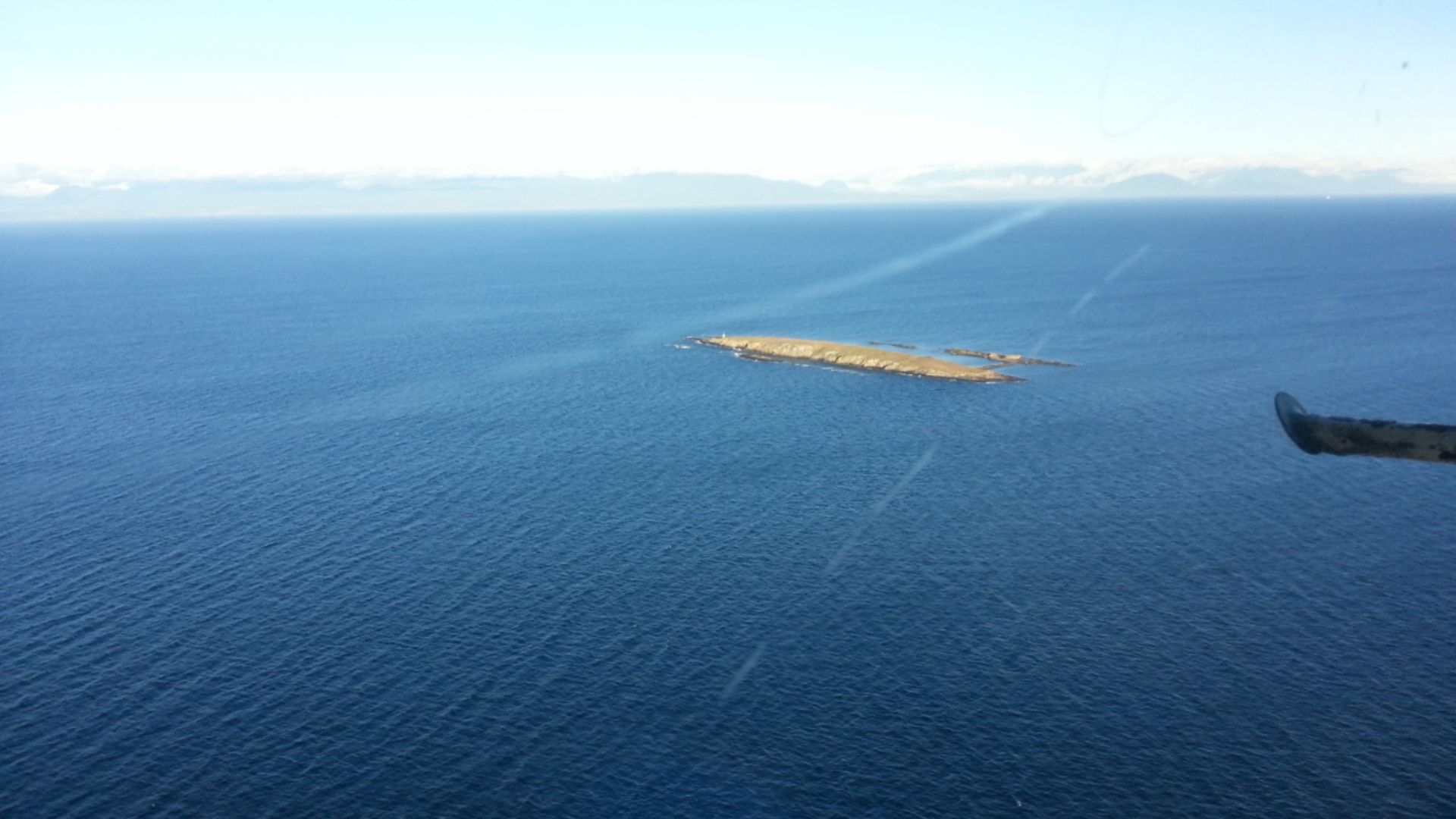
Russian warships took a rocky speck off the Odesa coast in the opening days of the 2022 invasion, and the radio exchange with its defenders spread worldwide within hours. Ukrainian artillery and drones kept hitting the island through the spring. Russian forces pulled out that June, which helped reopen the grain shipping lanes.
6. Dokdo
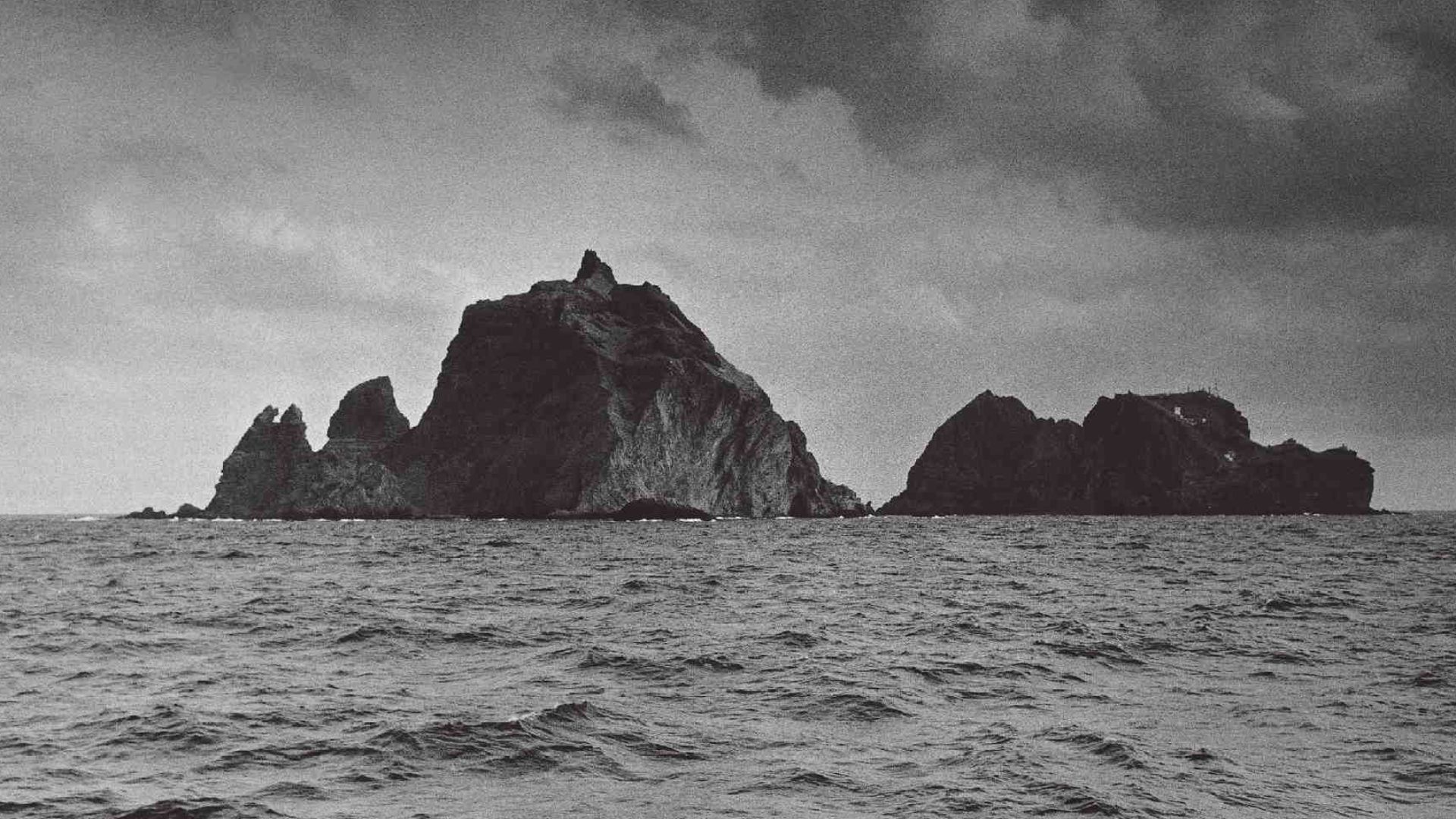
South Korea keeps a police detachment on two volcanic islets totaling under twenty hectares, in the sea separating it from Japan. Tokyo maintains a competing claim and calls them Takeshima, and a handful of South Koreans are registered as residents. The argument plays out in school textbooks and at sporting events far more often than it does on the water.
 Photos taken by 전민조 and hosted by the National Museum of Korean Contemporary History on Wikimedia
7. The Senkaku Islands
Five uninhabited islands adding up to about seven square kilometers sit in the East China Sea, claimed by Japan, China, and Taiwan. The claims hardened after a survey in the late 1960s suggested oil and gas under the surrounding seabed. Japan's purchase of three of the islands from a private owner in 2012 set off protests across Chinese cities, and coast guard vessels from both governments have circled the water ever since.
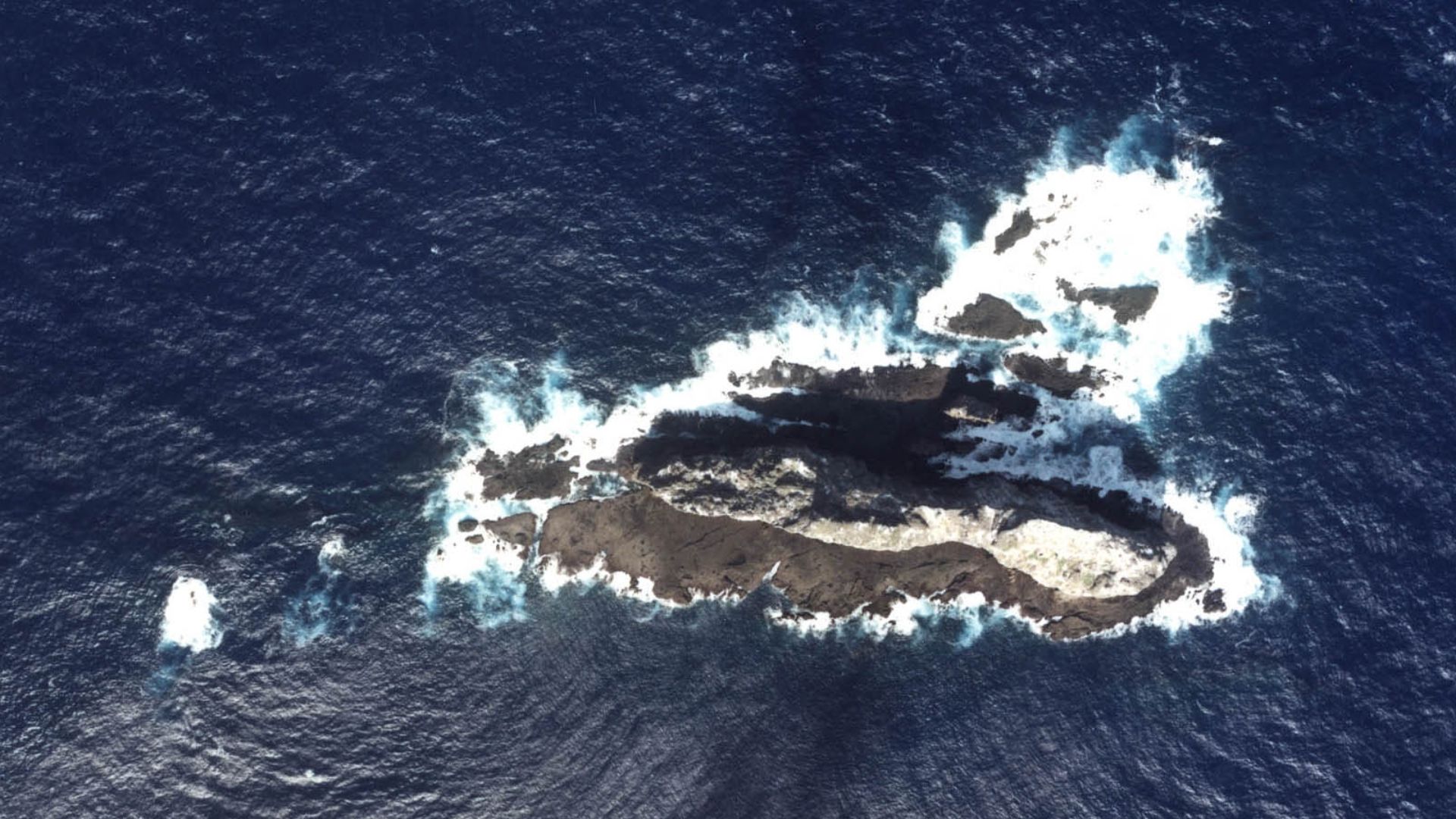 国土地理院(トリミングはMinor edit) on Wikimedia
8. Pedra Branca
Singapore and Malaysia argued for decades over an outcrop at the eastern end of the Singapore Strait, small enough that the lighthouse on top covers most of the surface. The International Court of Justice awarded it to Singapore in 2008. Malaysia received the neighboring Middle Rocks in the same judgment.
9. Abu Musa and the Tunbs
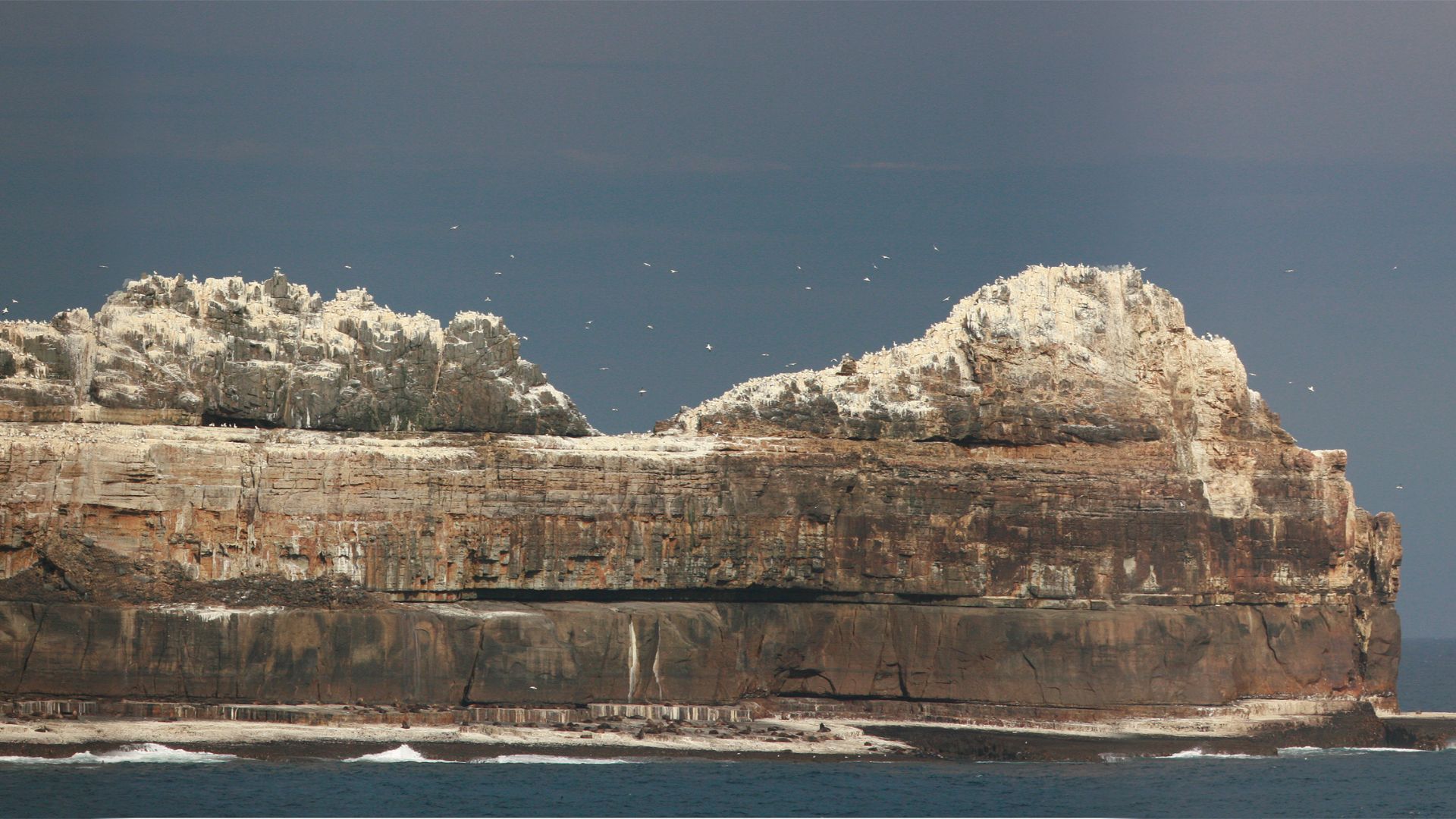
Iranian forces landed on three small islands near the mouth of the Persian Gulf in November 1971, days before Britain withdrew and the United Arab Emirates came into being. The Emirates have claimed them ever since without ever holding them. Their value is the shipping lane they overlook.
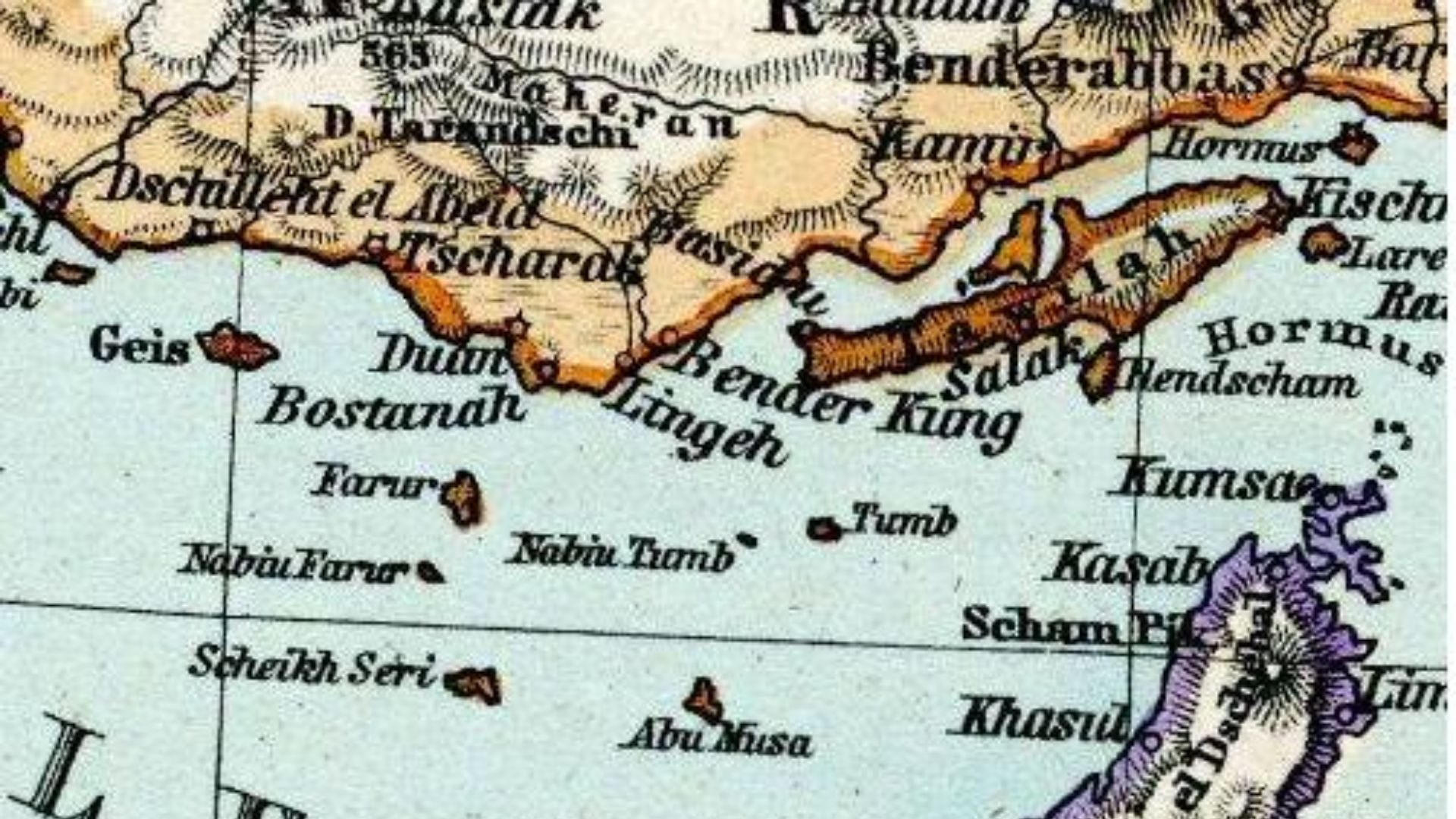 Adolf Stieler / Carl Barich on Wikimedia
10. Preah Vihear
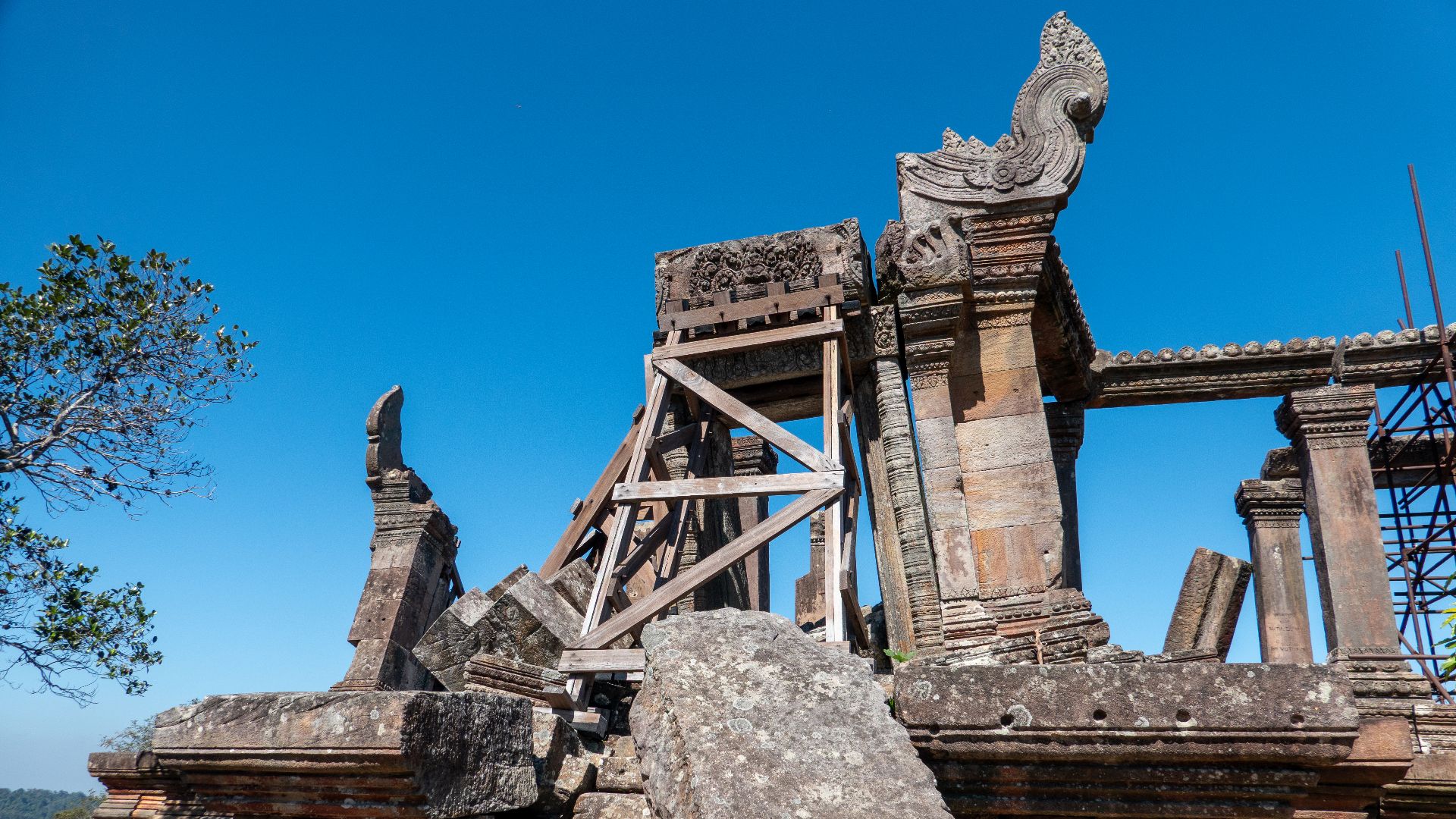
An eleventh-century temple on a clifftop promontory has gone before the judges at The Hague twice. They placed the temple inside Cambodia in 1962 and ruled in 2013 that the whole promontory belongs there as well. The years between those rulings brought deadly clashes, with both armies shelling positions near the ruins.
11. Taba
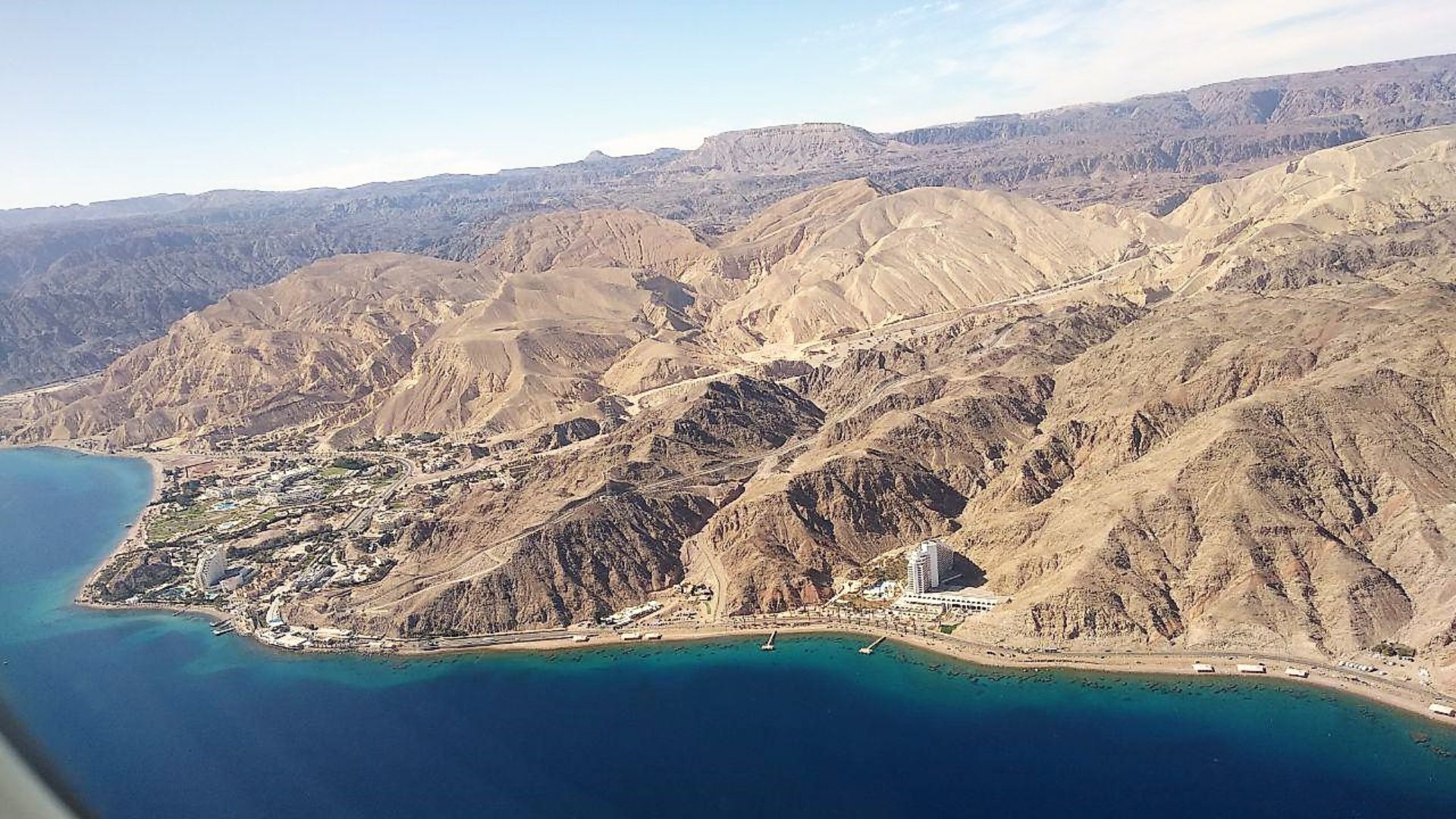
The final Israeli withdrawal from Egypt stalled for years over a thin strip of Sinai beachfront, all of it turning on one disputed border pillar and the hotel built beside it. An international arbitration panel settled the question in Egypt's favor in 1989. Israel handed the beach over the following year.
12. The Chamizal
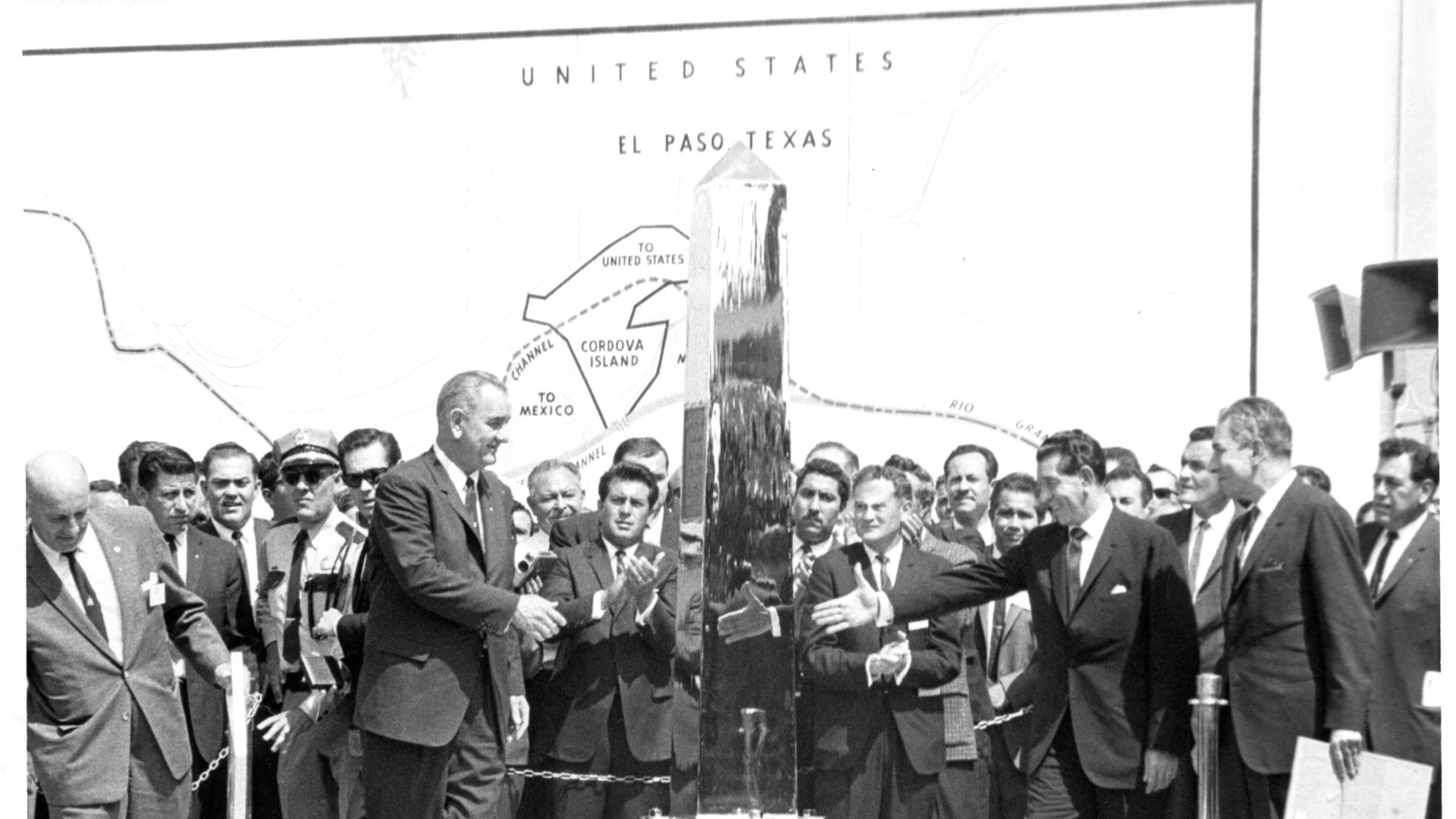
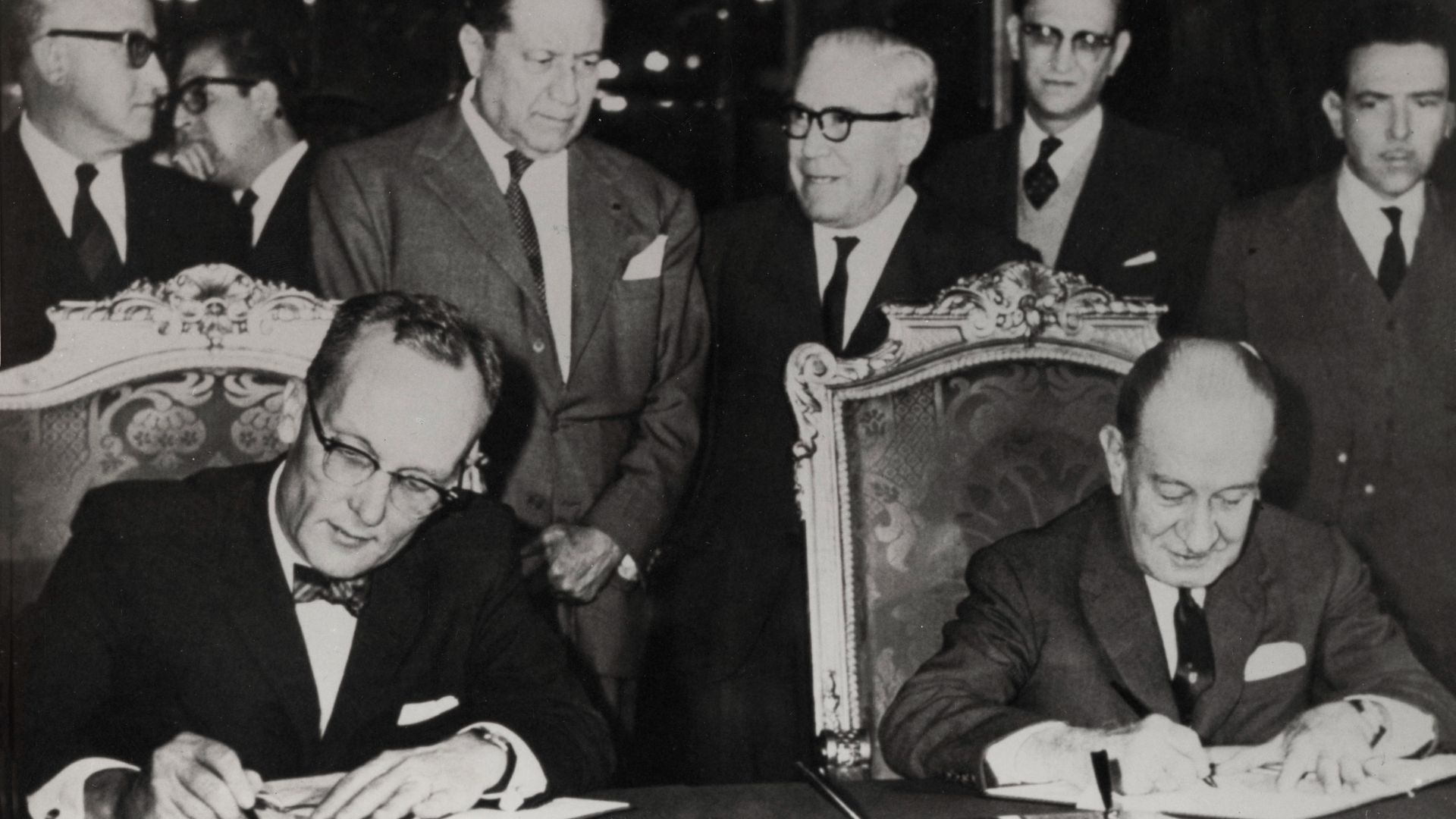
The Rio Grande shifted south through the 1860s and left roughly 600 acres of El Paso sitting on the Mexican side of the old channel, where the argument over that ground ran for a full century. A 1963 treaty divided the land and put the river inside a concrete channel so it would stop wandering. Part of El Paso became Mexican ground when the handover took effect in 1964.
 U.S. Department of the Interior on Wikimedia
13. Sipadan and Ligitan
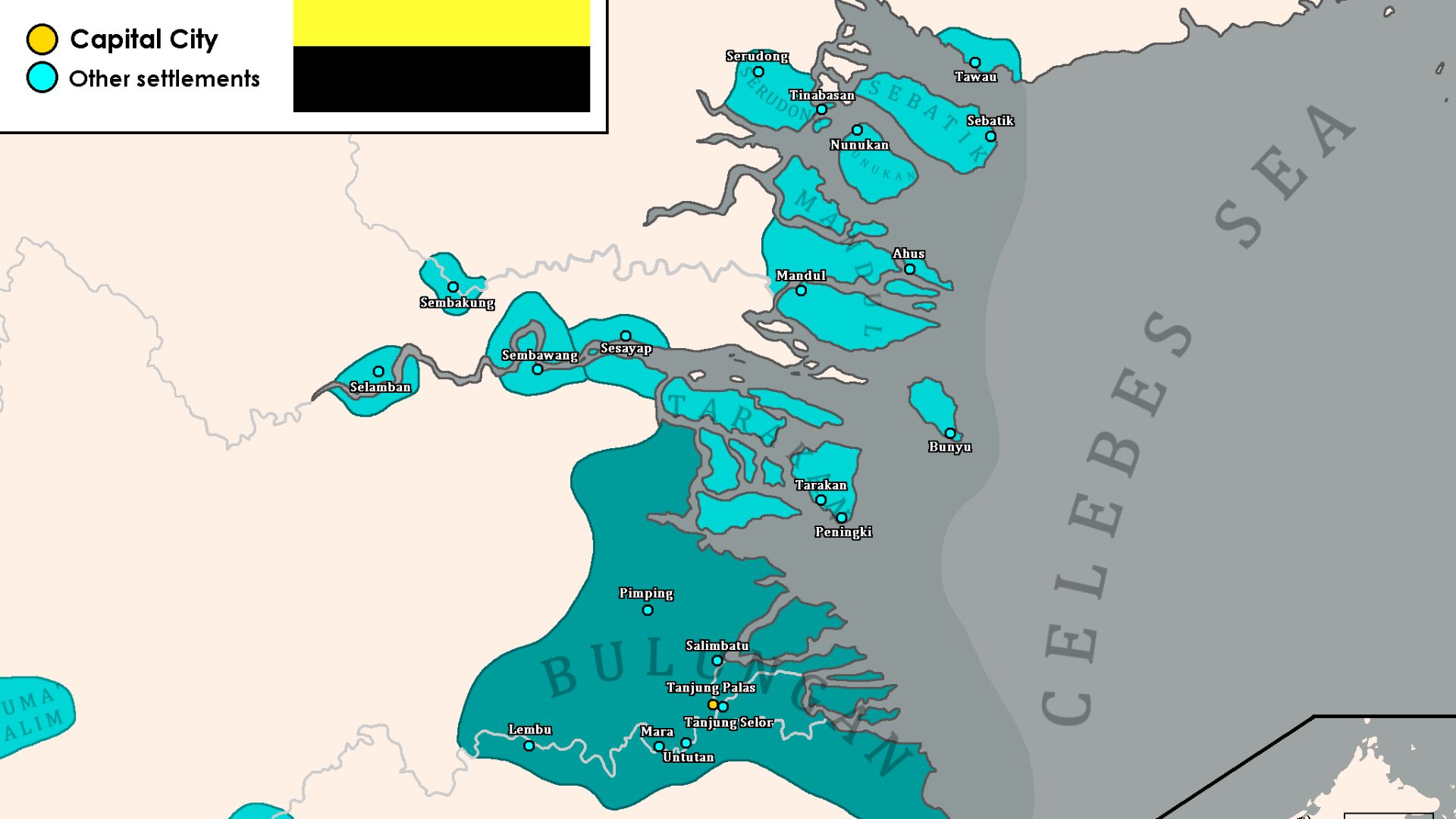
Two specks off the coast of Borneo went to the World Court after Malaysia and Indonesia spent decades unable to agree on them. The ruling in 2002 gave both to Malaysia, pointing to the lighthouses and the turtle-egg rules the British had administered there. Sipadan is better known today as a dive site than as a legal problem.
14. Machias Seal Island
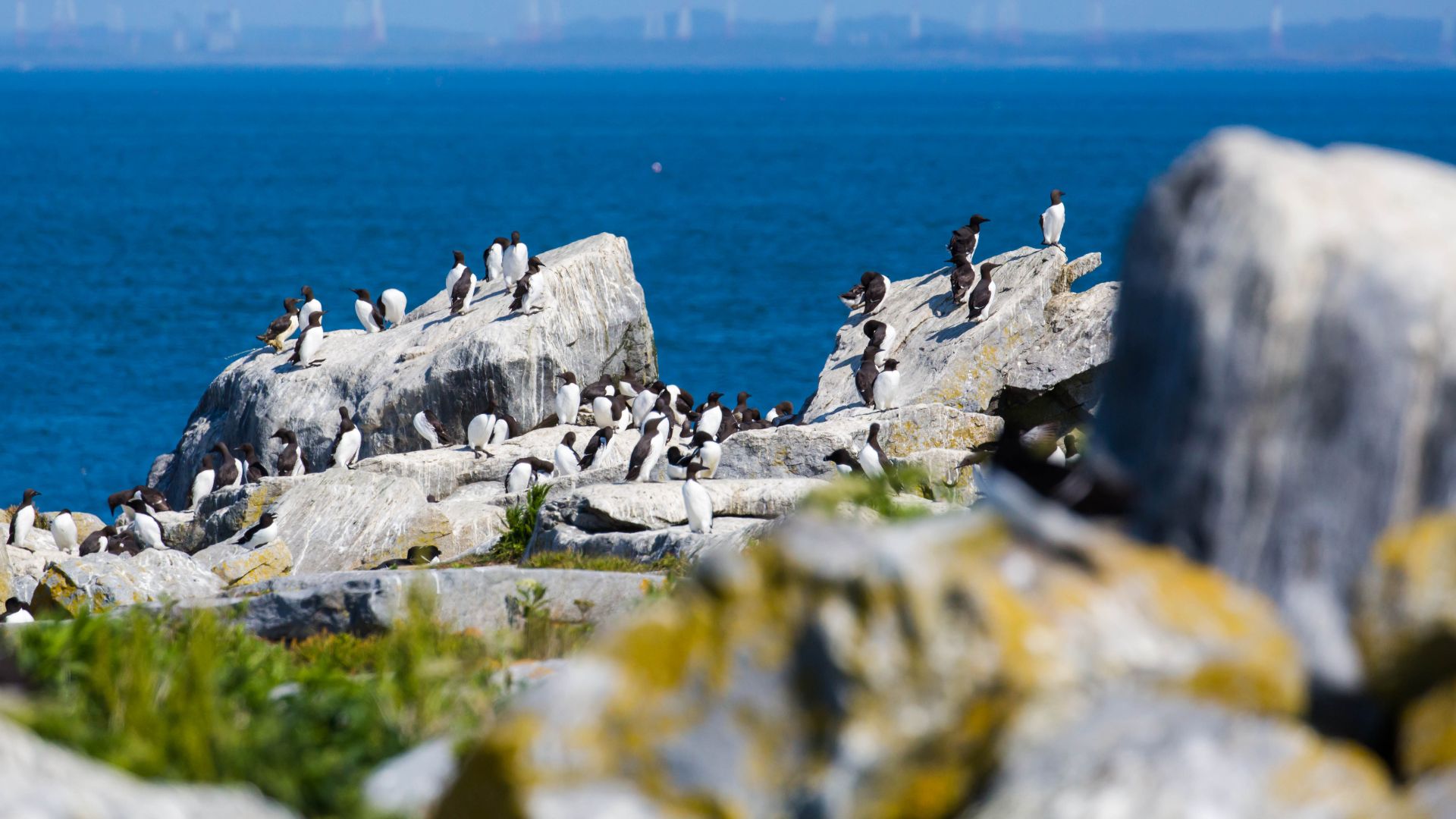
A treeless rock in the Gulf of Maine is claimed by both the United States and Canada, and lobstermen call the water around it the Gray Zone. Canada flies lighthouse keepers out by helicopter, which the Americans decline to recognize. US Border Patrol boats stopped Canadian fishing vessels in the area in 2018.
 Melissa McMasters from Memphis, Tennessee, United States on Wikimedia
15. Navassa Island
An 1856 law let American citizens seize uninhabited islands for their guano deposits, and a two-square-mile Caribbean island came into US hands that way. Haiti has never accepted the claim and names the island in its constitution. The guano ran out long ago, and the Fish and Wildlife Service runs the place as a refuge.
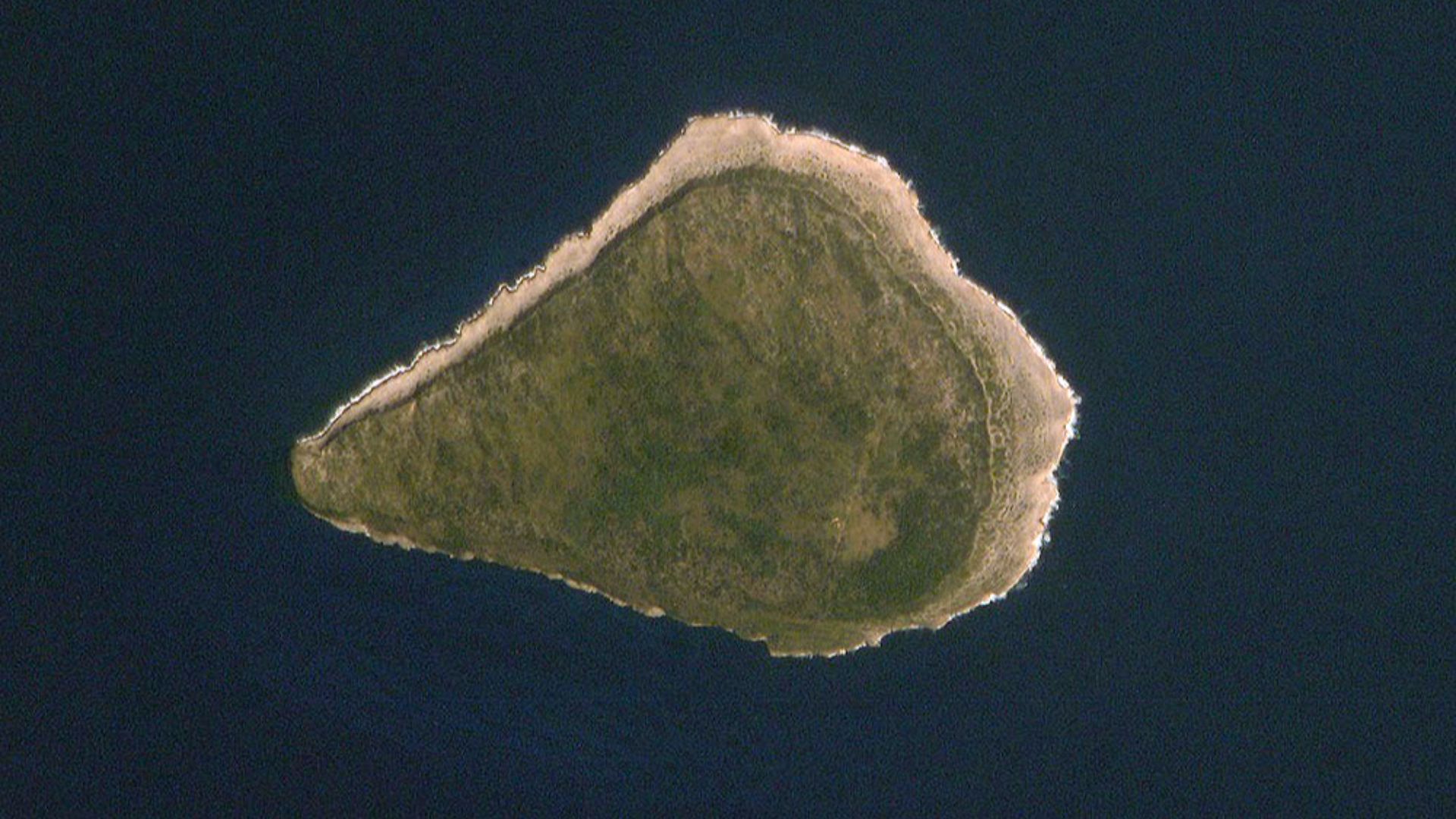
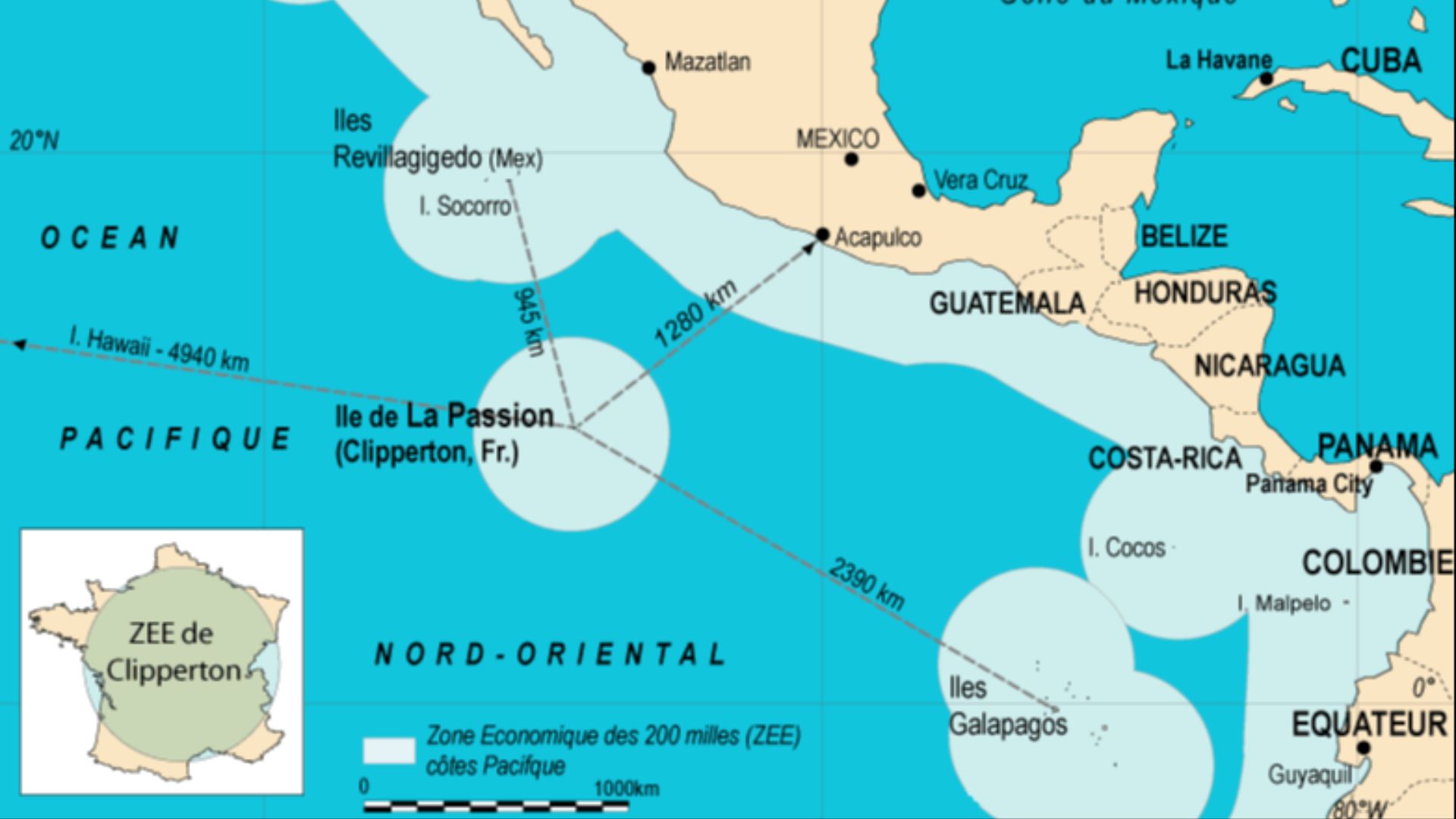
16. Clipperton Island
France and Mexico both claimed a ring of coral in the eastern Pacific, and in 1931 they handed the question to the king of Italy for arbitration. Victor Emmanuel III ruled for France. The island carries no permanent population and sits far closer to Mexico than to anything else French.
17. Isla Aves
Venezuela maintains a naval post on a low Caribbean sandbar that storms have been known to wash across. The post exists for the exclusive economic zone the sandbar generates, and that zone overlaps water several neighbors want. Dominica pressed against the Venezuelan claim for years before settling for a fisheries deal.
18. Tromelin
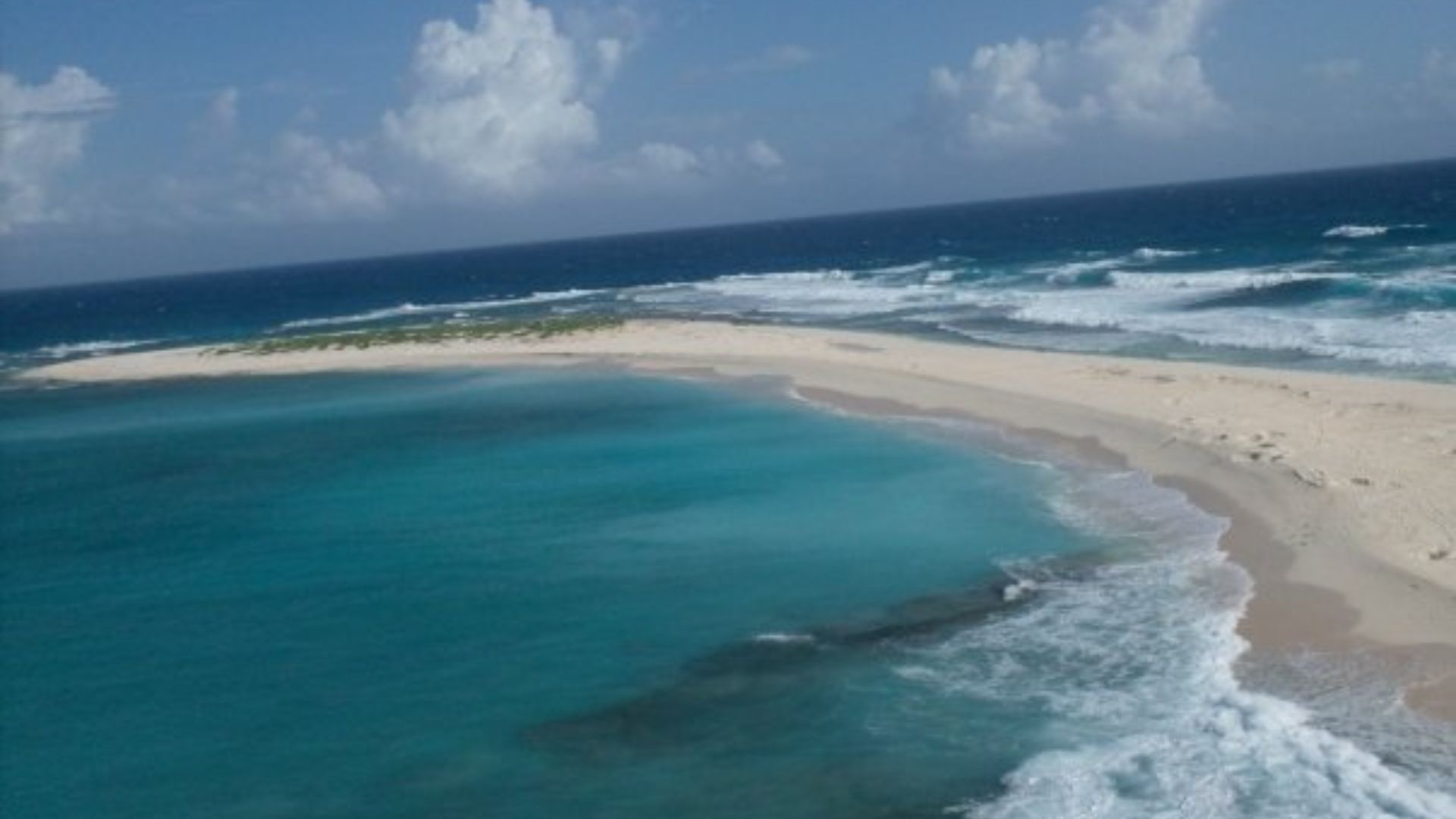
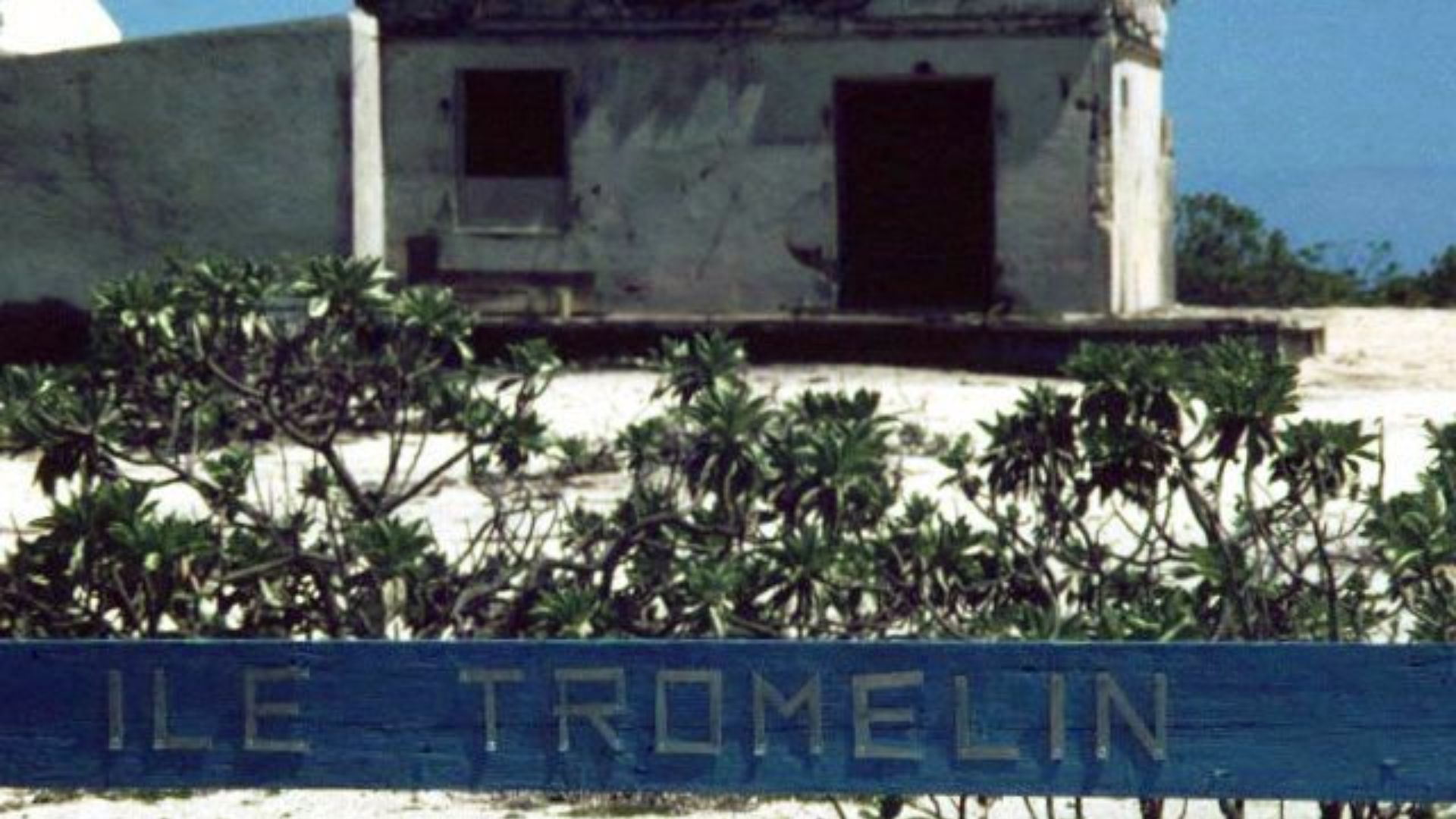
Mauritius and France both claim a flat sandy Indian Ocean island fitted with an airstrip and a weather station. The two governments agreed on joint management in 2010, and the French parliament never ratified the deal. Mauritius has kept the claim alive at the United Nations.
 Jean-Claude Hanon on Wikimedia
19. Pheasant Island
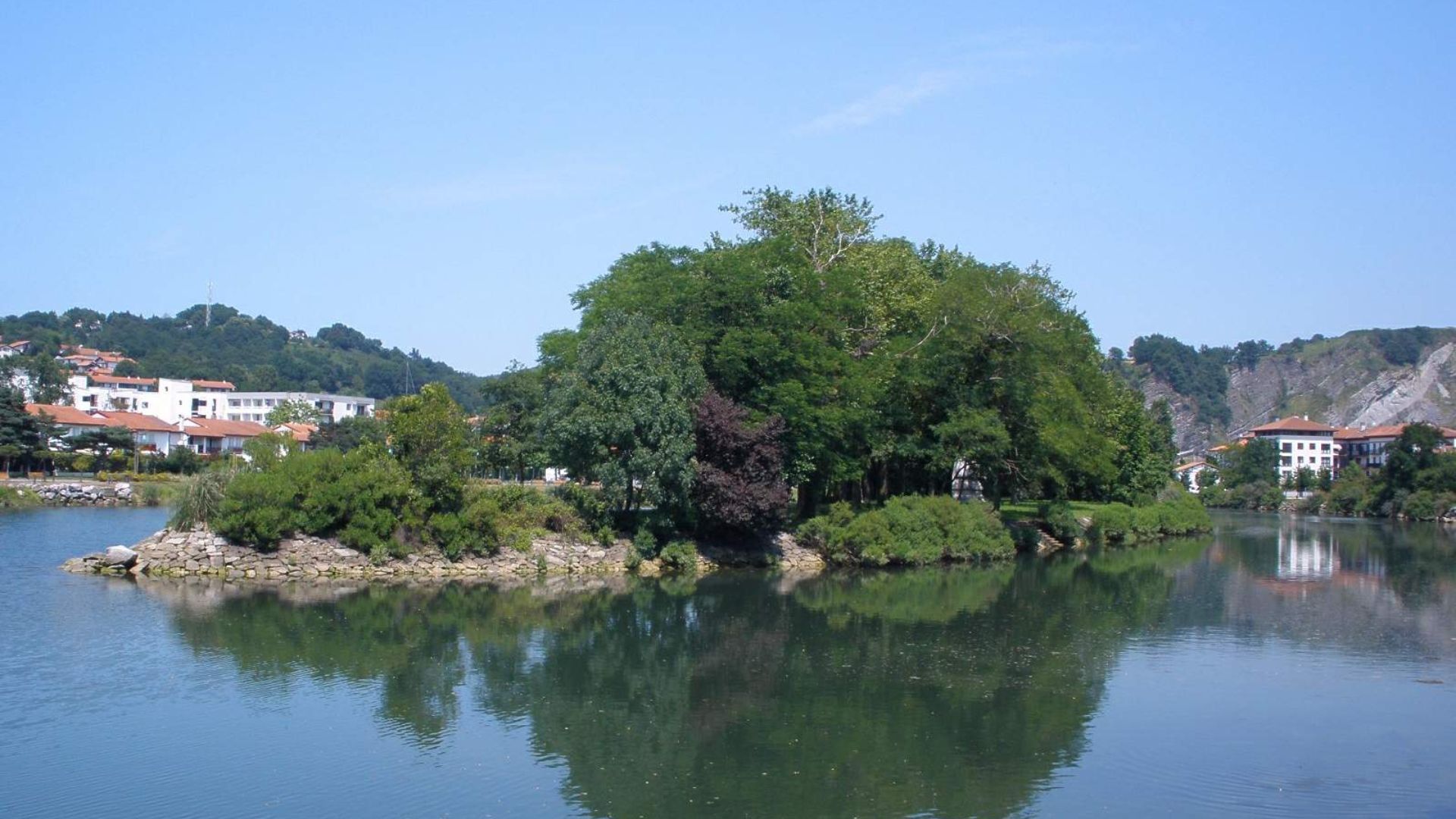
Sovereignty over 200 meters of river island in the Bidasoa alternates by calendar, with Spain holding it from February through July and France taking the rest of the year. The treaty that ended a long Franco-Spanish war was signed on that spot in 1659, chosen precisely because the ground belonged to neither crown. Irun and Hendaye handle the upkeep in shifts.
20. Märket
Finland put a lighthouse on a 300-meter skerry in the Baltic in 1885 and built it on the Swedish half by mistake. Both countries left the error alone for a century. In 1985 they redrew the boundary into a zigzag that hands Finland the lighthouse and returns an equal amount of rock to Sweden.
KEEP ON READING