

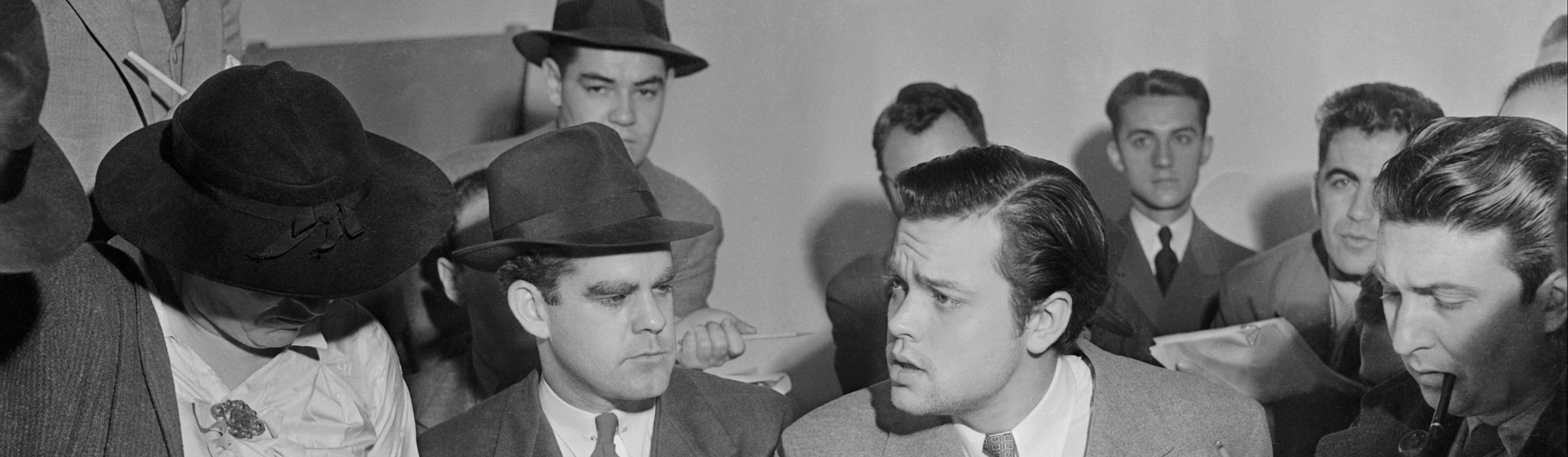
Did Orson Welles Really Convince The World That Aliens Were Invading?

There might not be a more misunderstood moment in the 20th century than Orson Welles' 1938 radio broadcast of The War of the Worlds. Pop culture has continuously repeated the story of the radio program that caused nationwide panic, sending people fleeing in terror, convinced that aliens had arrived on Earth.
While the broadcast should be remembered for being innovative and unsettling, the real story is more nuanced. Ultimately, this event in media history was far less apocalyptic than myth suggests.
Let's step back in time to when a prominent actor and director leaned toward a microphone and caused quite the stir.
The Broadcast That Birthed a Myth
On October 30, 1938, Orson Welles and Mercury Theater on the Air produced a radio adaptation of H.G. Wells's The War of the Worlds. Normally, these adaptations would be a dramatic reading, but this was one styled as a series of news bulletins that interrupted regular programming.
These "reports" spoke of strange explosions on Mars and then the arrival of mysterious cylinders in New Jersey, followed by violent encounters with beings from another planet. Remember, radio was the most trusted source of news in the 1930s, and listeners who tuned in late missed the opening disclaimer that the program was fictional. To some listeners, the radio play sounded alarmingly real.
It's also worth noting that the broadcast aired against a popular comedy program, so its audience wasn't as large as some believe.
Overstated Panic
There wasn't any widespread or nationwide hysteria. Some listeners were scared, a handful of local police stations received calls, and a few left their homes as a precaution. Reports eventually surfaced that these types of reactions were limited and there was no permeating panic.
As it turns out, later studies showed that only a small percentage of the population even heard the broadcast, and an even smaller fraction thought it was true. Some of the more astute listeners checked other radio stations and quickly realized that there was no alien invasion. Newspapers, which were radio's top competitor, amplified some of the panic narrative to further their position that radio was a dangerous influence.
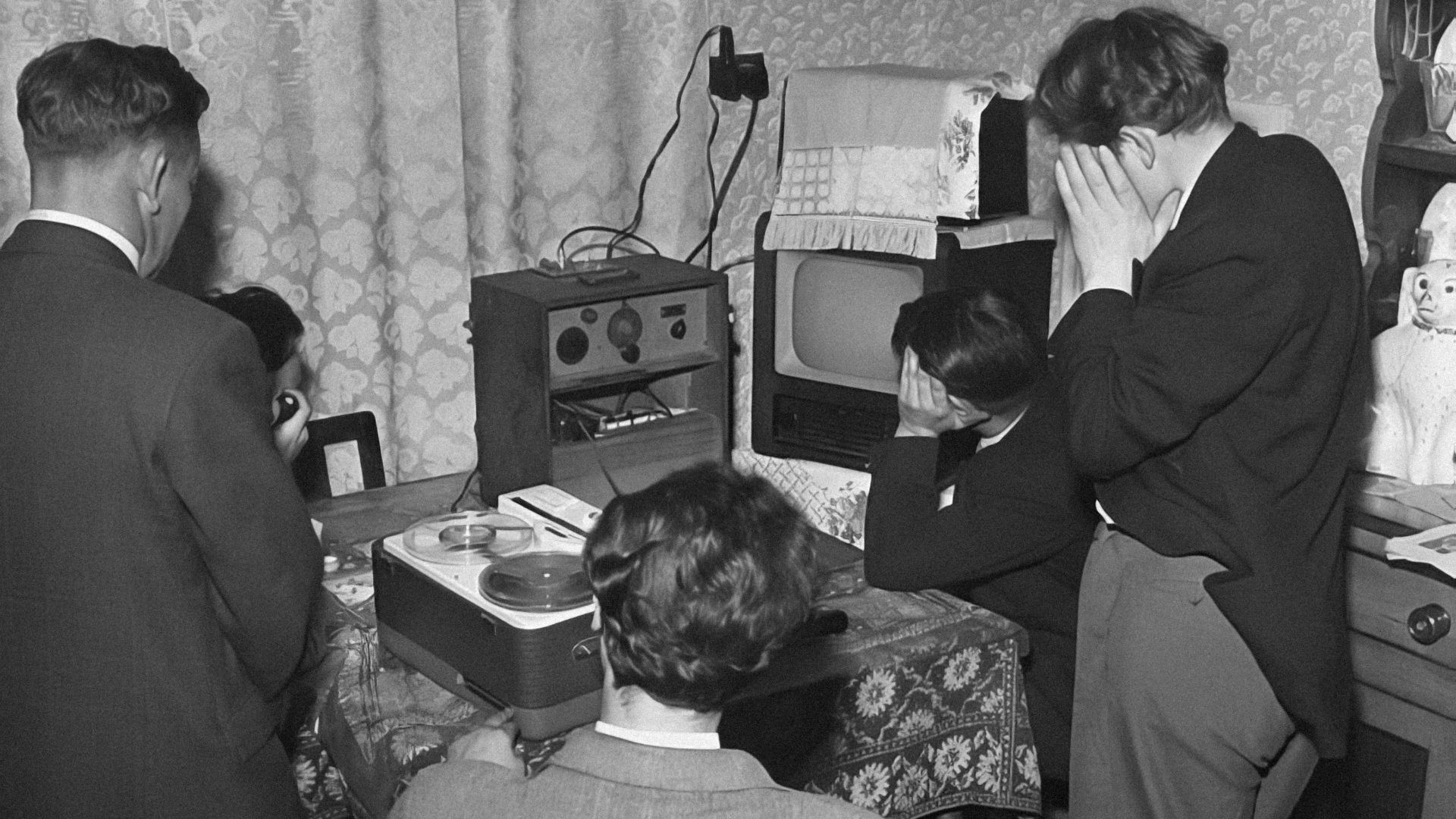 Llyfrgell Genedlaethol Cymru / The National Library of Wales on Unsplash
The Myth Spreads
Orson Welles never fooled a nation, but the idea that he had grew and spread over time. It became more powerful than the actual event. Newspapers sensationalized the story, it made the rounds in academic circles as an example of mass hysteria and persuasion, and Welles fed the lie a little too.
Ultimately, the story became shorthand for the persuasive power of the media and the gullibility of audiences. Sure, the broadcast revealed how realistic storytelling could make fiction sound like fact, but it didn't cause large-scale chaos as many believe.
It might not have been his intention, but Orson Welles created one of the more influential moments in broadcasting history. The War of the Worlds radio play in 1938 frightened a few skittish listeners, but its real influence was on the discussions it sparked. This event says more about how stories evolve than about mass panic.
KEEP ON READING
The 20 Most Recognized Historical Figures Of All Time
The Biggest Names In History. Although the Earth has been…
By Cathy Liu Oct 4, 2024
10 of the Shortest Wars in History & 10 of…
Wars: Longest and Shortest. Throughout history, wars have varied dramatically…
By Emilie Richardson-Dupuis Oct 7, 2024
10 Fascinating Facts About Ancient Greece You Can Appreciate &…
Once Upon A Time Lived Some Ancient Weirdos.... Greece is…
By Megan Wickens Oct 7, 2024
20 Lesser-Known Facts About Christopher Columbus You Don't Learn In…
In 1492, He Sailed The Ocean Blue. Christopher Columbus is…
By Emilie Richardson-Dupuis Oct 9, 2024
20 Historical Landmarks That Have The Craziest Conspiracy Theories
Unsolved Mysteries Of Ancient Places . When there's not enough evidence…
By Megan Wickens Oct 9, 2024
The 20 Craziest Inventions & Discoveries Made During Ancient Times
Crazy Ancient Inventions . While we're busy making big advancements in…
By Cathy Liu Oct 9, 2024