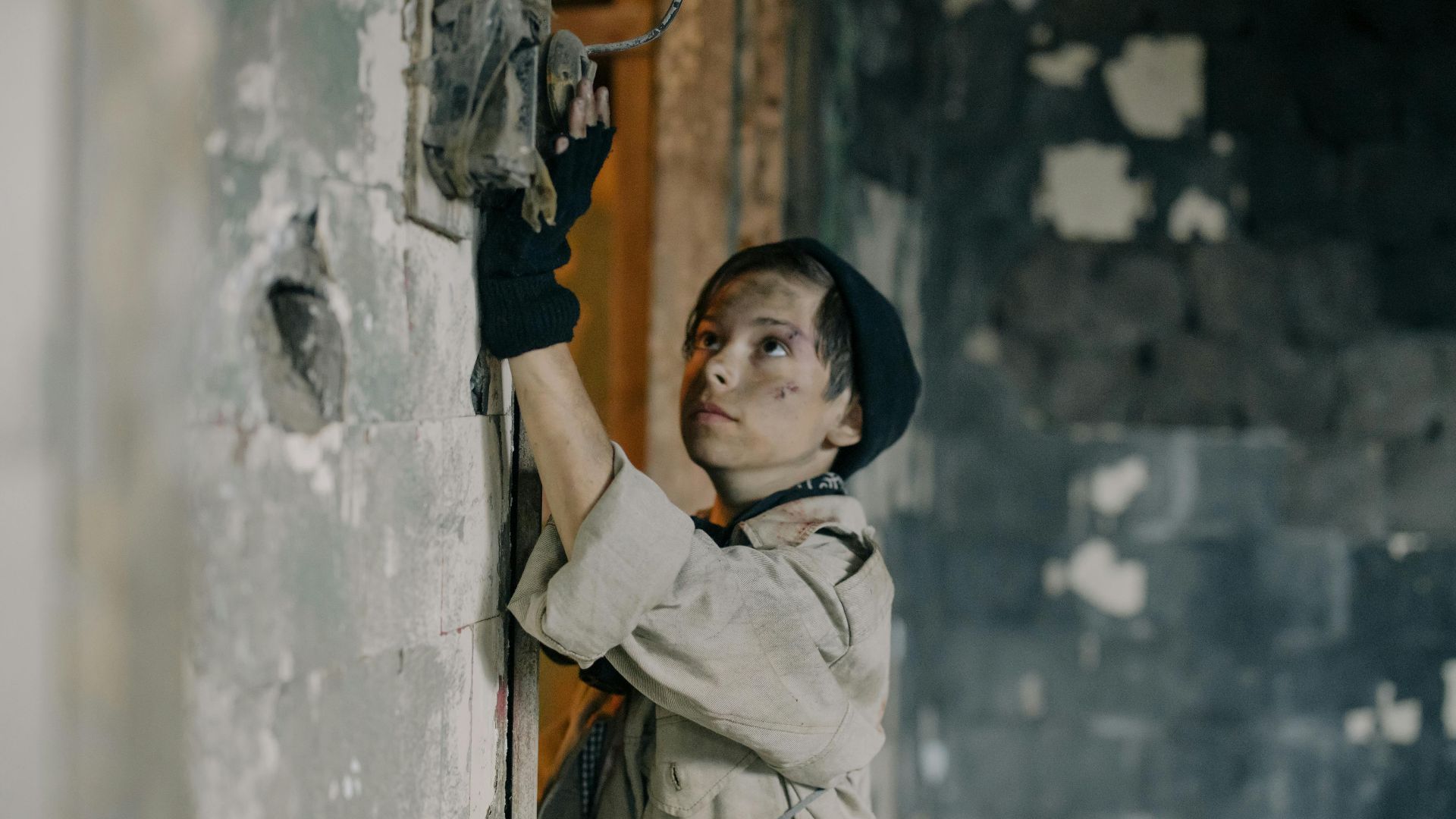
When a four-year-old boy fled home in 1996 to escape his mother and her alcoholic boyfriend, he ended up on the frozen streets of Moscow. He was but one of two million homeless Russian children navigating the economic collapse that followed the Soviet Union's fall.
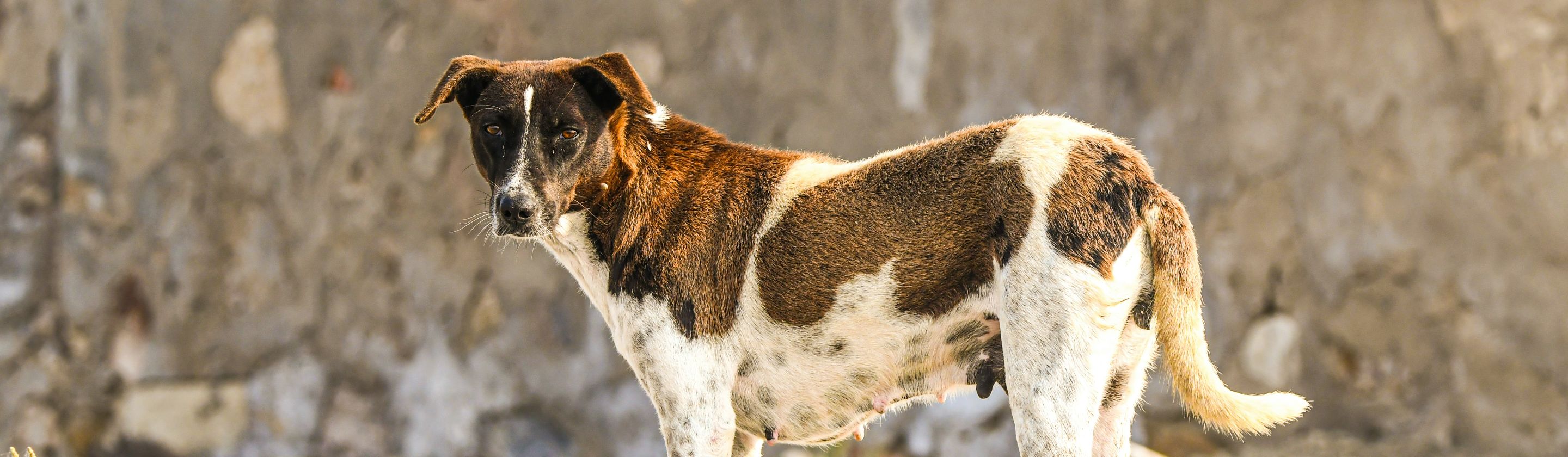
Ivan Mishukov found sanctuary among a pack of feral dogs, whose trust he gained by providing them with food. In return, he was protected by the pack. For two years, he lived on the streets with these dogs, curled against their bodies through winters that could hit minus 30 degrees Celsius. His story sounds impossible, yet it happened.
He Chose Dogs Over His Own Family
Ivan Mishukov was born in 1992 into a severely dysfunctional family in Reutov, near Moscow, amid Russia's post-Soviet economic collapse of the early 1990s. Accounts consistently describe his mother as alcoholic and abusive, with a stepfather who was violent and neglectful; the home environment involved constant beatings, starvation, and chaos that prompted Ivan to flee at age 4.
Mishukov later said in interviews: "I loved the dogs, and they loved me." He acknowledged that if it weren’t for those dogs, he wouldn’t have survived in the streets.
The Pack Made Him Their Leader
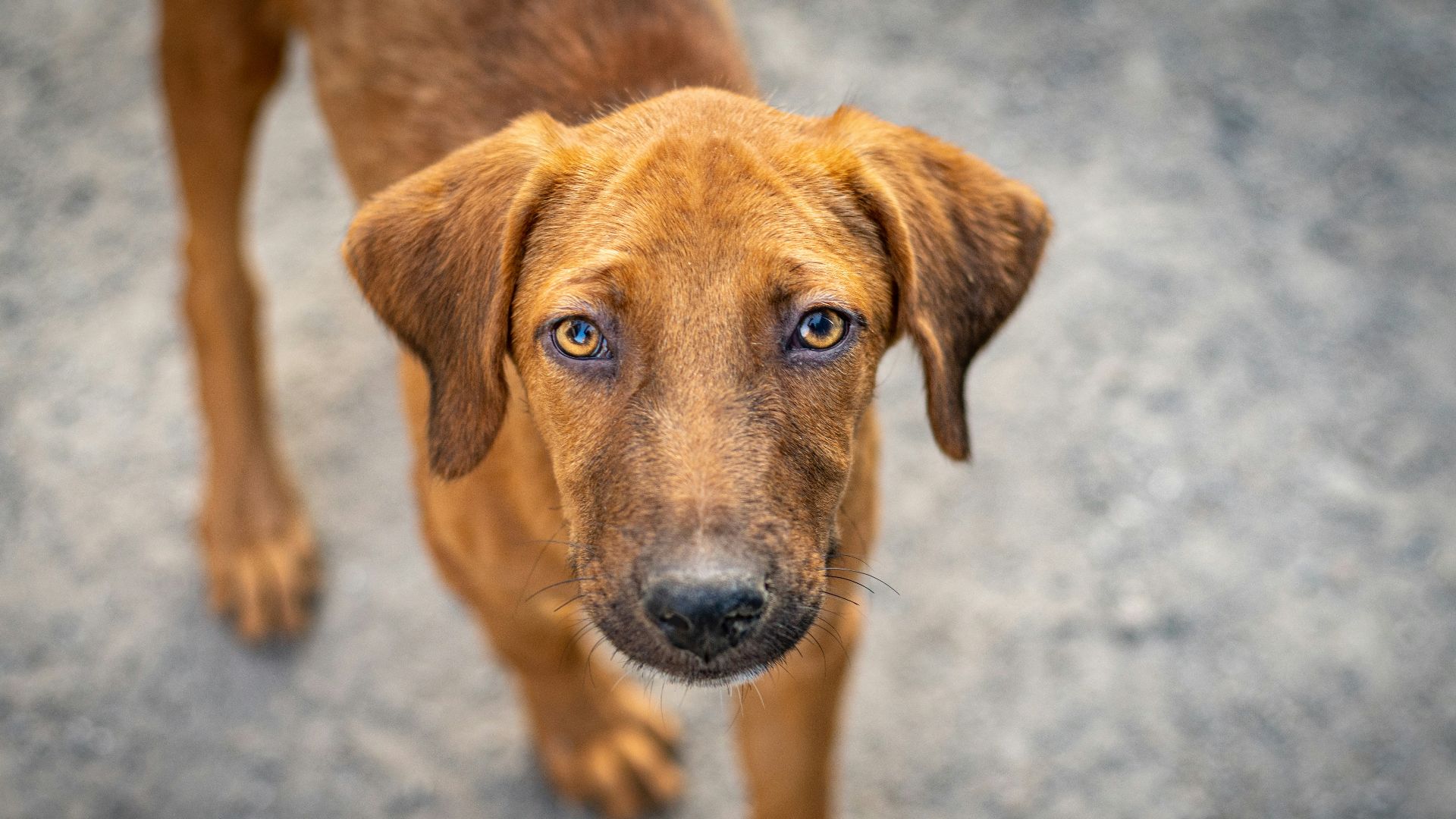
Eventually, he was made pack leader. Dogs have complex social structures, and somehow Ivan understood them well enough to earn that position. The dogs shared whatever scraps they scavenged with him, defending him fiercely.
Witnesses who saw Ivan during those two years reported that he'd started moving like the dogs, adopting their mannerisms and behaviors. He'd growl and snarl when threatened. At night, the dogs would surround Ivan and sleep with him, their body heat helping insulate him from the cold and protecting him from the layers of snow that would often blanket the city.
It Took Police a Month to Capture Him
Prior to capture, he had escaped the police three times, defended by the pack. The dogs wouldn't let anyone near their leader. Officers would approach, and the pack would circle Ivan, teeth bared, creating a wall of fur and fury between the boy and the humans trying to take him.
The police separated the boy from the dogs by leaving bait for the pack in a restaurant kitchen. Once the animals had been lured away with food, they grabbed the six-year-old who was trying to snarl and snap at them.
His Recovery Surprised Everyone
Unlike many feral children, Ivan had lived with humans for his first four years, which meant he hadn't completely lost his ability to speak. He managed to relearn Russian relatively quickly and reconnected with humanity in ways that children raised entirely by animals often cannot. This made his reintegration possible.
Mishukov was placed with a foster mother, Tatiana Babanina, who apparently possessed patience beyond measure. He was accepted into the Kronshtadt naval cadet school, studied in military school, and served in the Russian Army. The transformation from street child living with dogs to military cadet to functioning adult seems almost too dramatic to believe.
As of 2019, Mishukov had moved back to Reutov and was working as a factory operator. He's given interviews, recounting his story with an apparent matter-of-factness that must belie the complexity of his feelings about those years.
His Story Became Art and Warning Both
The story caught the attention of Australian writer Eva Hornung, whose novel Dog Boy (2009) shares many of the same elements of Ivan's story. Playwright Hattie Naylor wrote "Ivan and the Dogs," and author Bobbie Pyron published The Dogs of Winter based on his experiences. Welsh band 9Bach even tracked Ivan down through Russian social media to get his blessing for a song about his life.
These artistic responses grapple with questions his story raises about what it means to be human and to belong. They also serve as documentation of a specific moment in Russian history when the social safety net had collapsed so completely that two million children were living on the streets.
The dogs offered him something humans had failed to provide: protection, warmth, loyalty, and love. That says as much about the dogs as it does about the humans who'd created a world where a four-year-old had to choose animals over people to survive.
KEEP ON READING