Will Mass Hysteria Ever End?
From fears of witches to concerns over violent video games and stranger danger, moral panics have long been the fuel to the fire, igniting violence, marginalization, and fear. They may reveal more about society’s anxieties than the actual risks involved, but that doesn't mean they don't have very real consequences that shape culture, politics, and everyday life. Here are 20 of the craziest examples of moral panic throughout history.
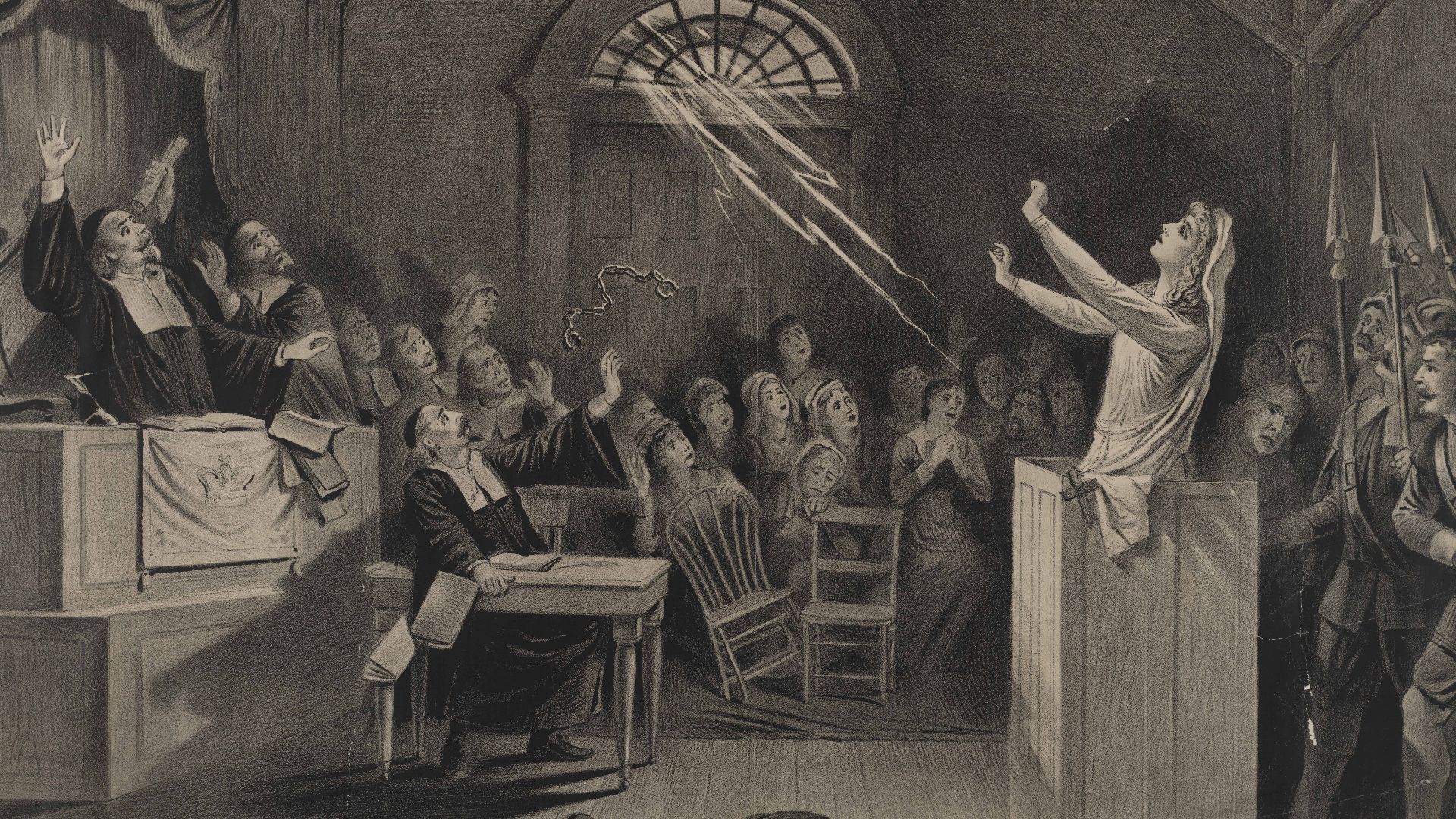 Baker, Joseph E., ca. 1837-1914, artist. on Wikimedia
1. Salem Witch Trials
Perhaps the most famous example of moral panic is the Salem witch trials. It was a series of hearings and prosecutions in colonial Massachusetts when more than 200 people were accused of witchcraft based on collective fear, superstition, and mass hysteria.
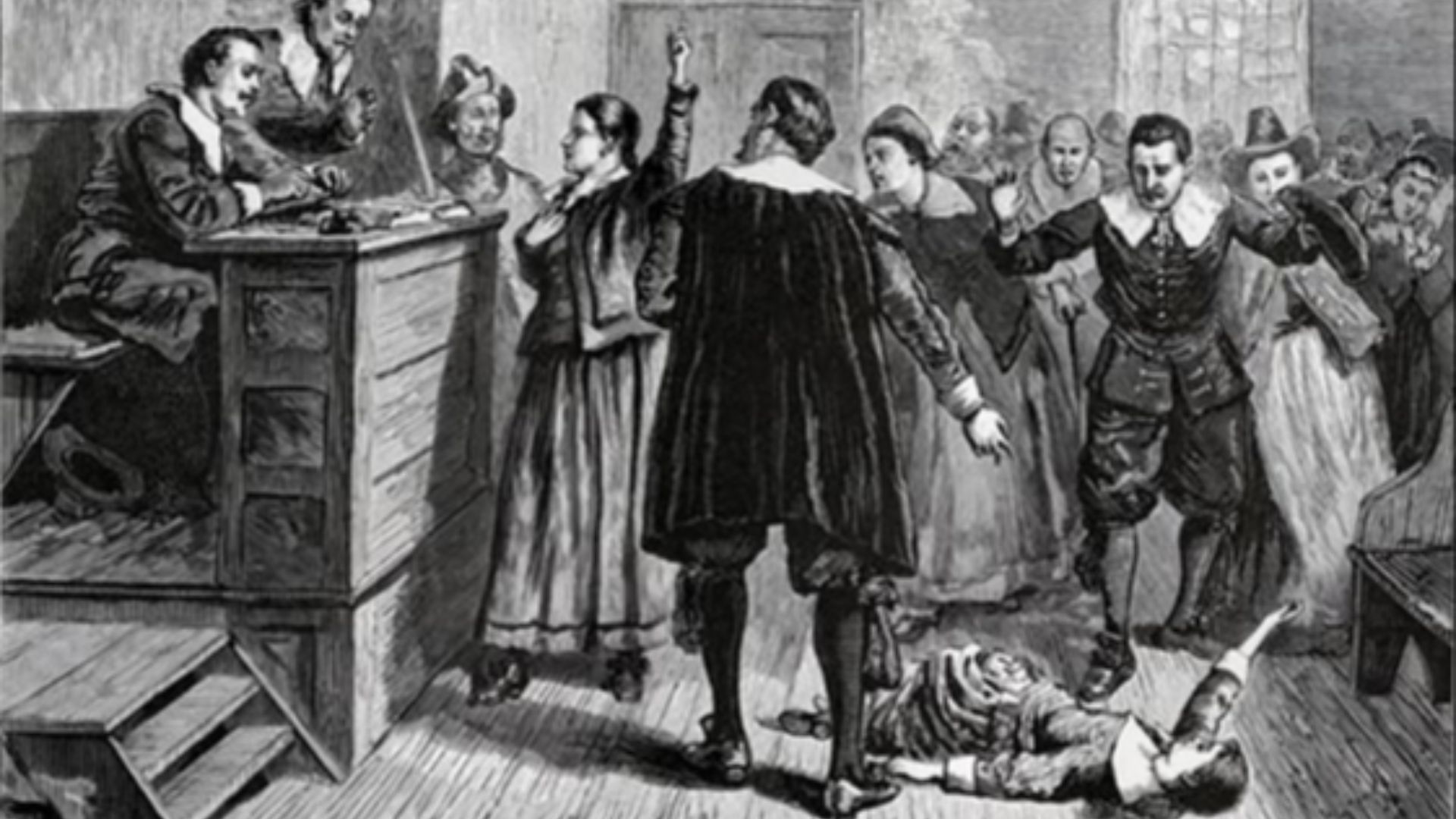 William A. Crafts on Wikimedia
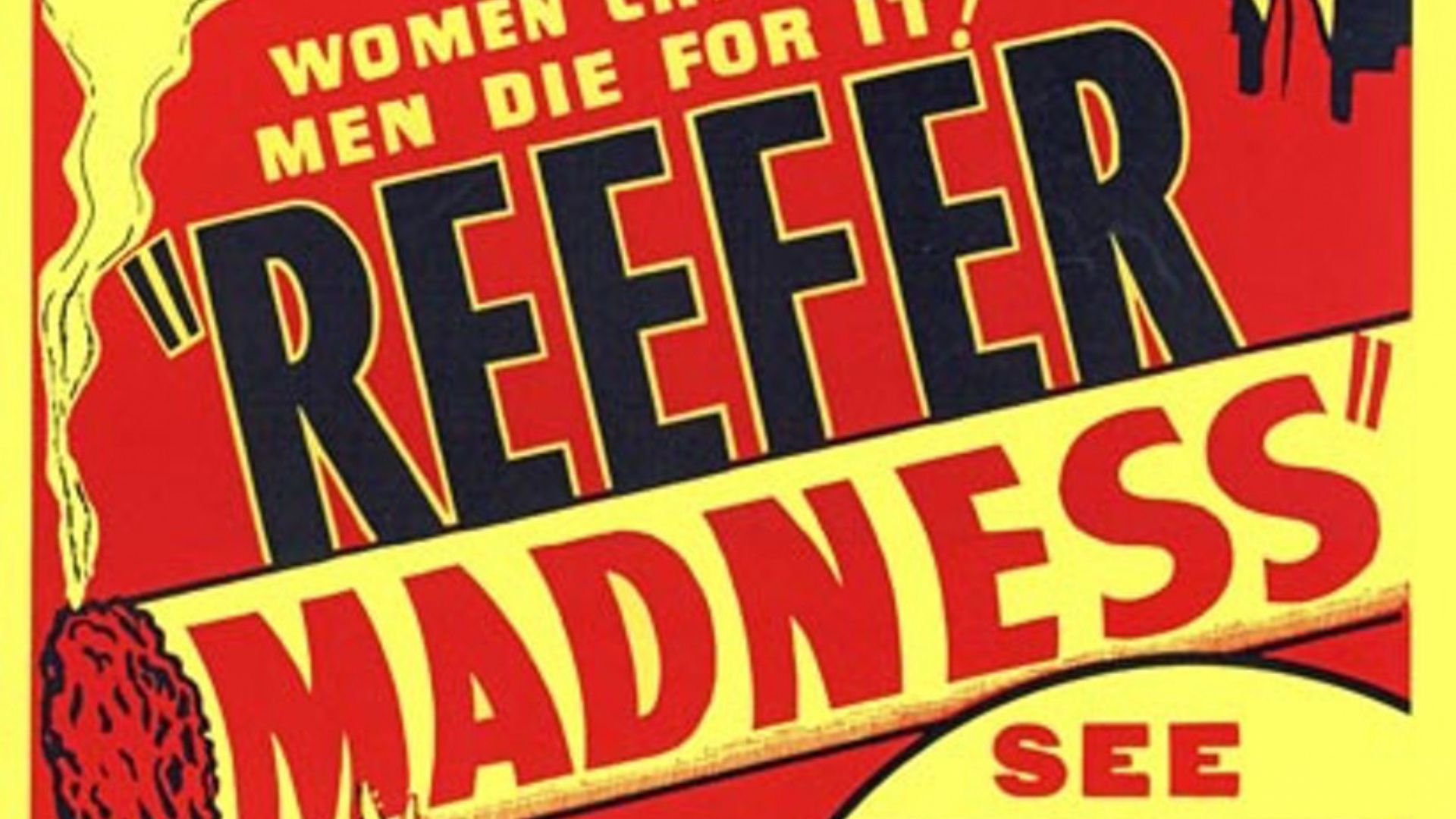
2. The War on Drugs
The War on Drugs is a government-led anti-drug campaign instilling fear in the public about drugs ruining society and corrupting the youth. It started in the 1970s and continues to this day, contributing to mass incarceration, disproportionately impacting marginalized communities, and greatly exaggerating the issue without solving it.
 Motion Picture Ventures on Wikimedia
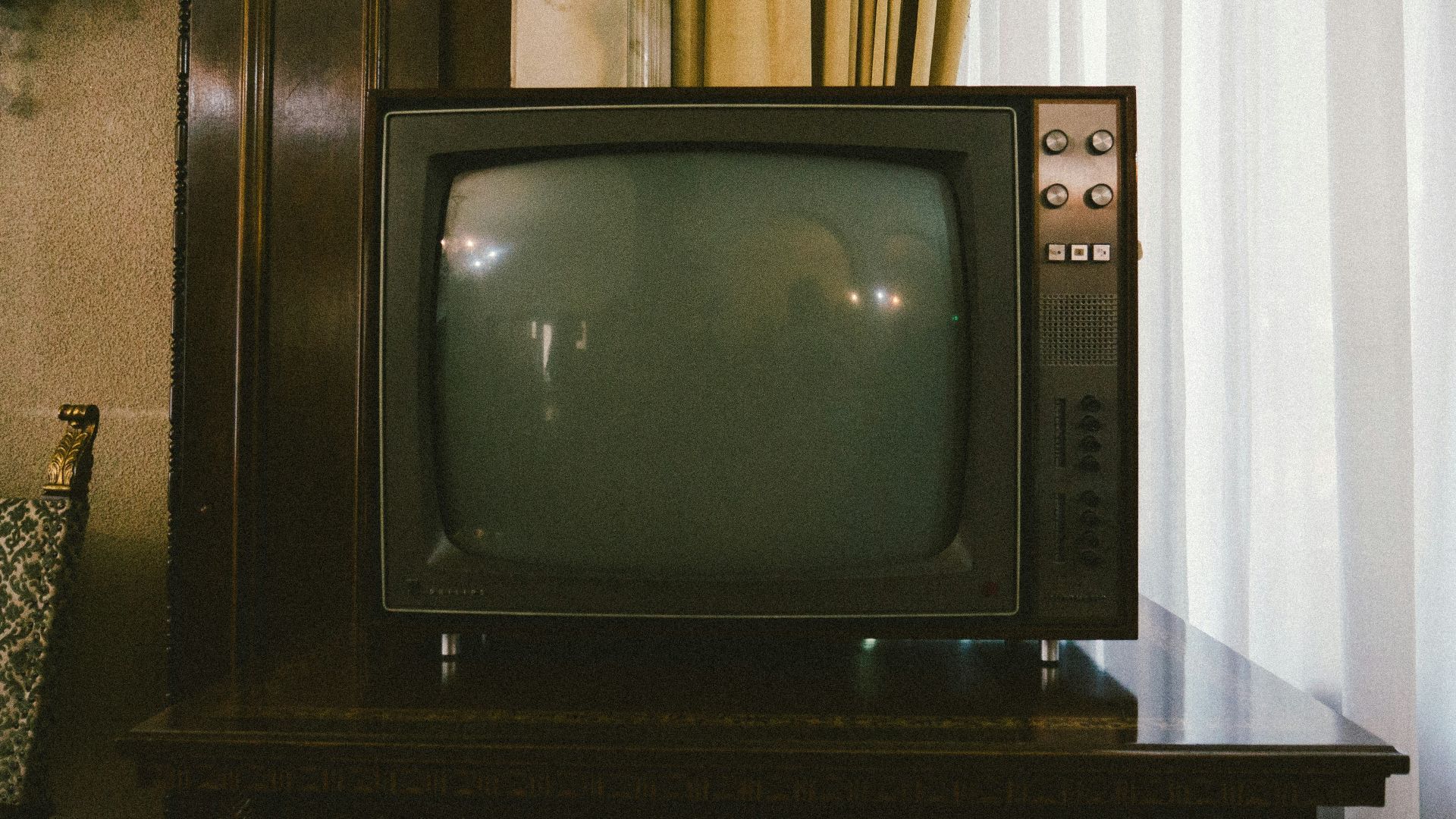
3. TV Panic
When TV was first introduced into households across America in the 1950s and 60s, there was a widespread fear that it would turn children into couch potatoes. Critics warned that TV would rot the brain, destroy family values, and create passive, less intelligent viewers.
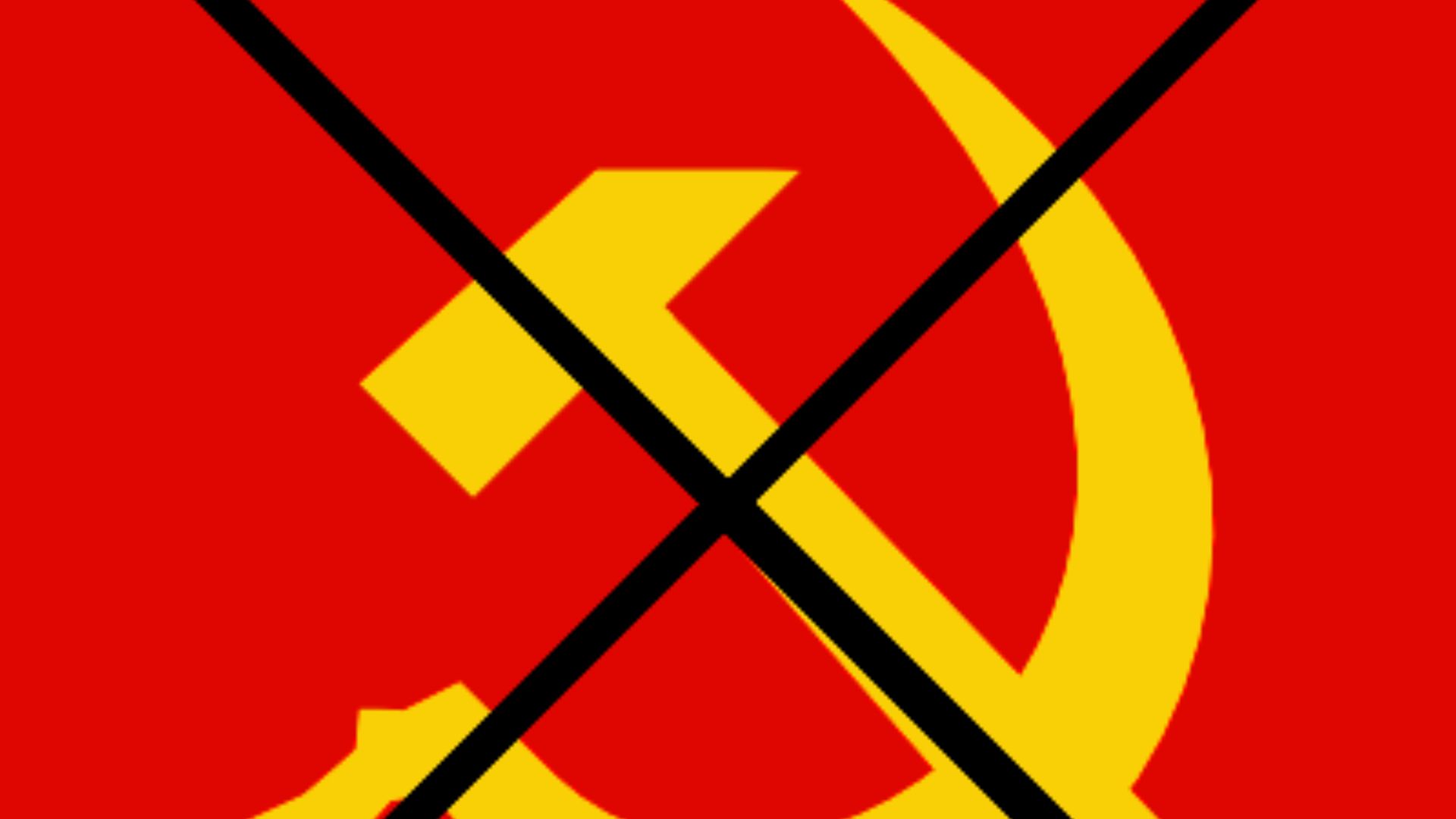
4. The Red Scare
The Red Scare refers to two major periods in 20th-century American history when the fear of communism spread rapidly. The first was after WWI, and the second was after WWII, when Senator Joseph McCarthy and others fueled fears that communists had infiltrated the US.
 You may select the license of your choice. on Wikimedia
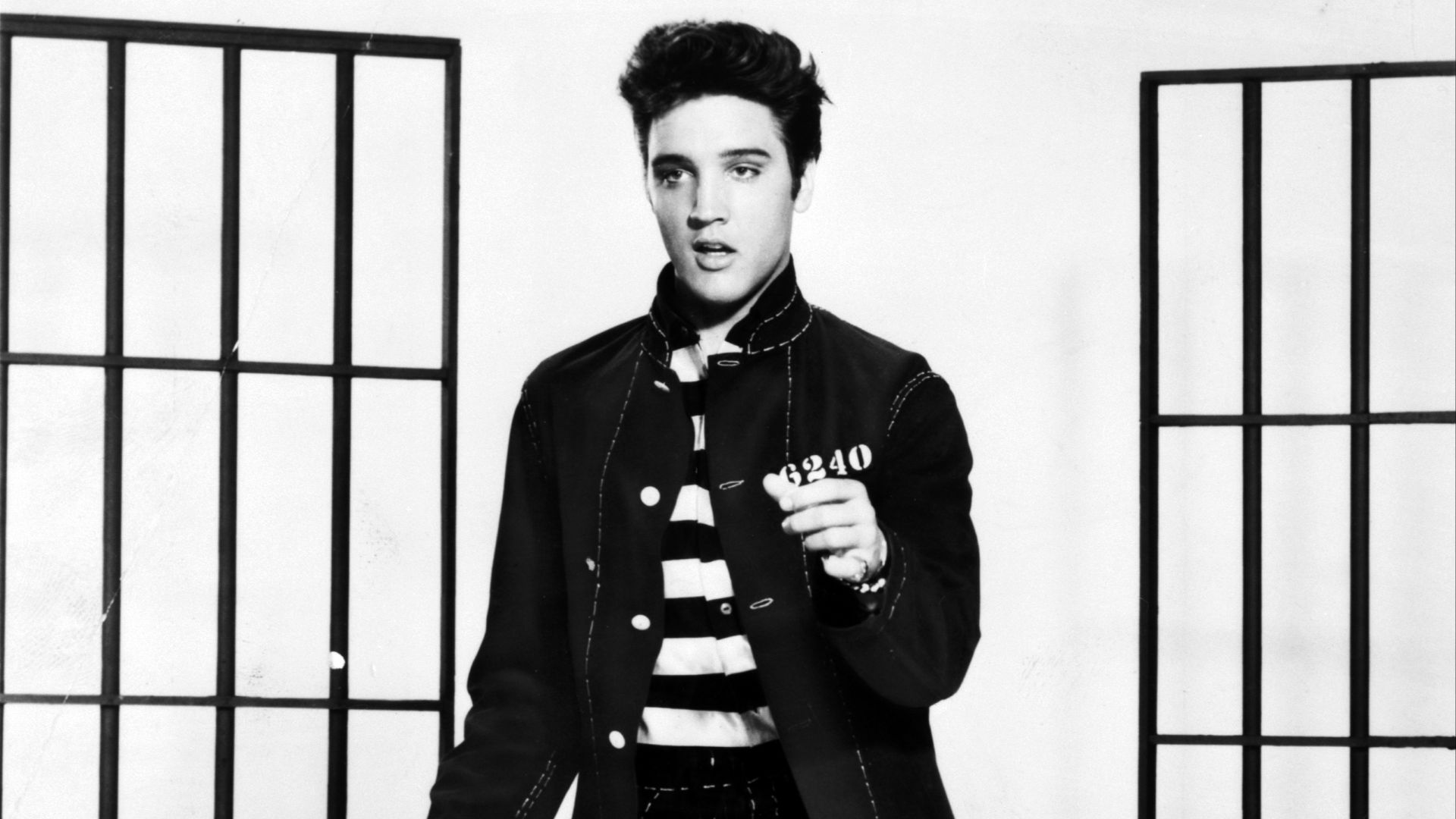
5. Rock & Roll Music
When rock & roll first came on the scene in the 1950s, it was referred to as "the devil's music" by conservative groups. They believed it was corrupting young people and undermining traditional values, especially because it took its roots from Black music traditions that had long been stigmatized.
 Metro-Goldwyn-Mayer, Inc. on Wikimedia
6. HIV/AIDS
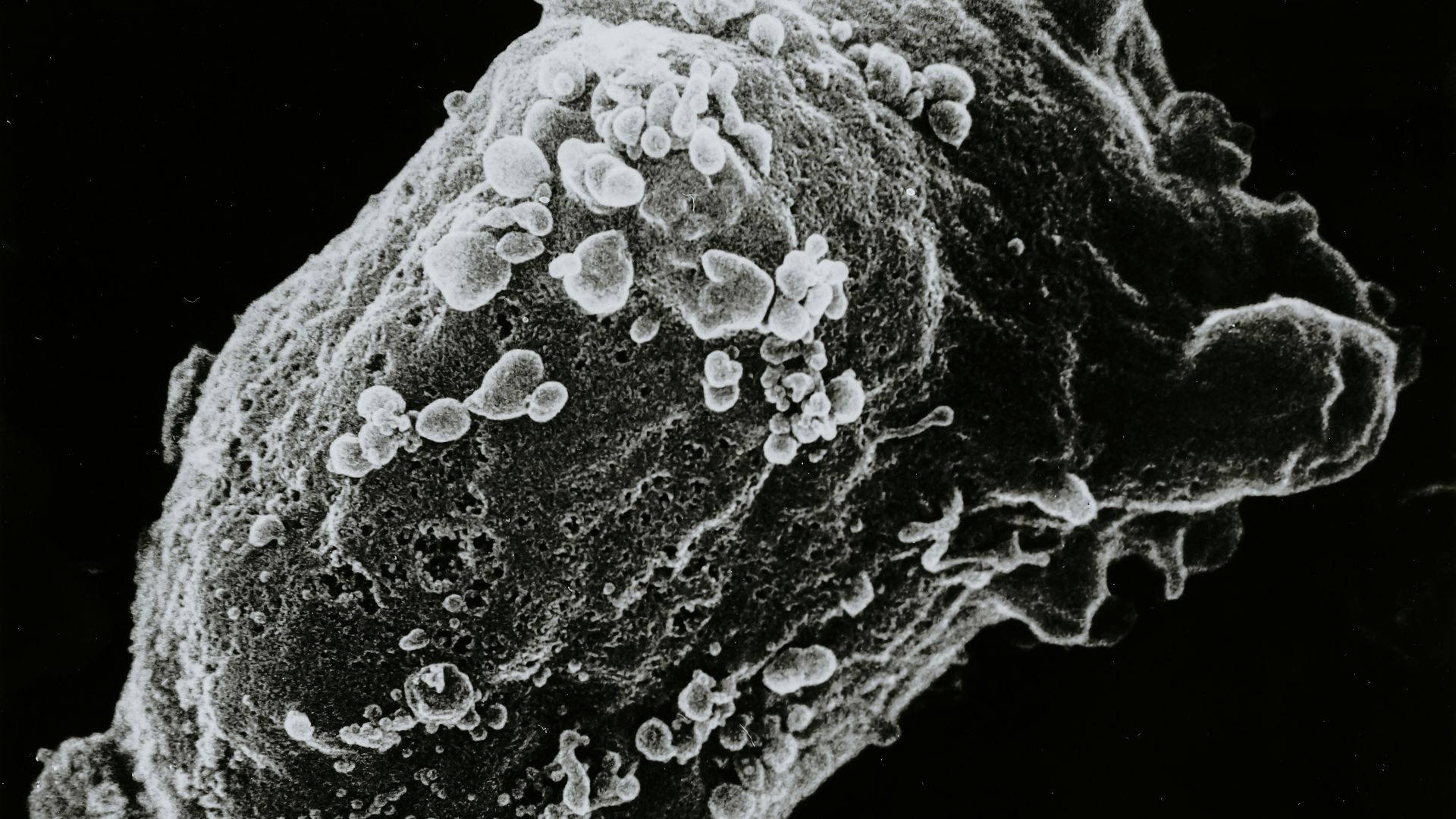
There's no denying that HIV/AIDS was catastrophic in the 1980s, especially towards marginalized communities, disproportionately affecting gay men, drug users, and sex workers. It was met with stigma, and panic shrouded in uncertainty and misinformation.
 National Cancer Institute on Unsplash
7. The War on Terror
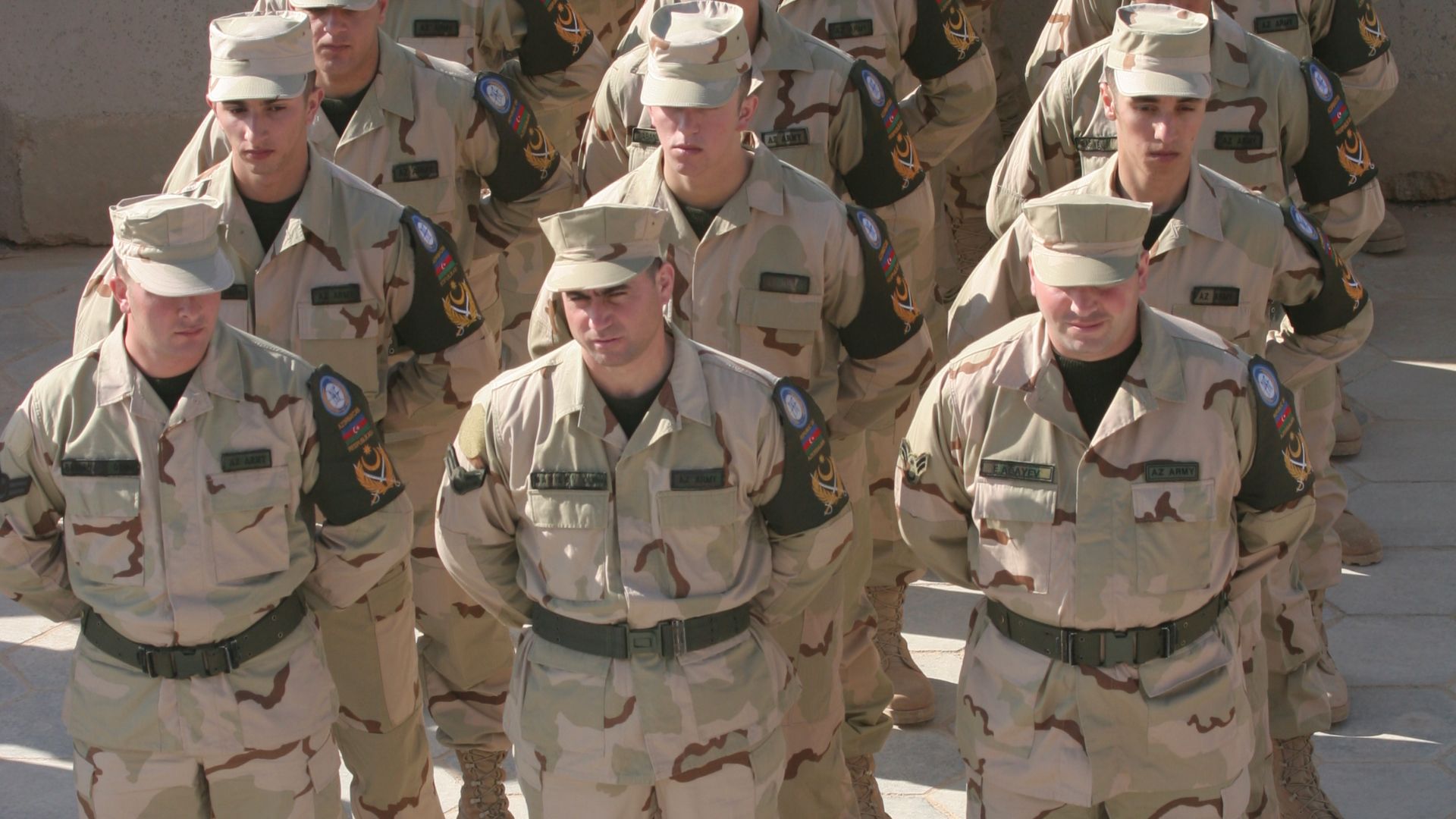
The War on Terror was launched by the US after the September 11 terrorist attacks. It seeks to eliminate terrorist groups, but it's also been criticized for creating widespread fear and anti-Muslim sentiments.
 Staff Sgt. Chad L. Simon on Wikimedia
8. Paganism in The Roman Empire
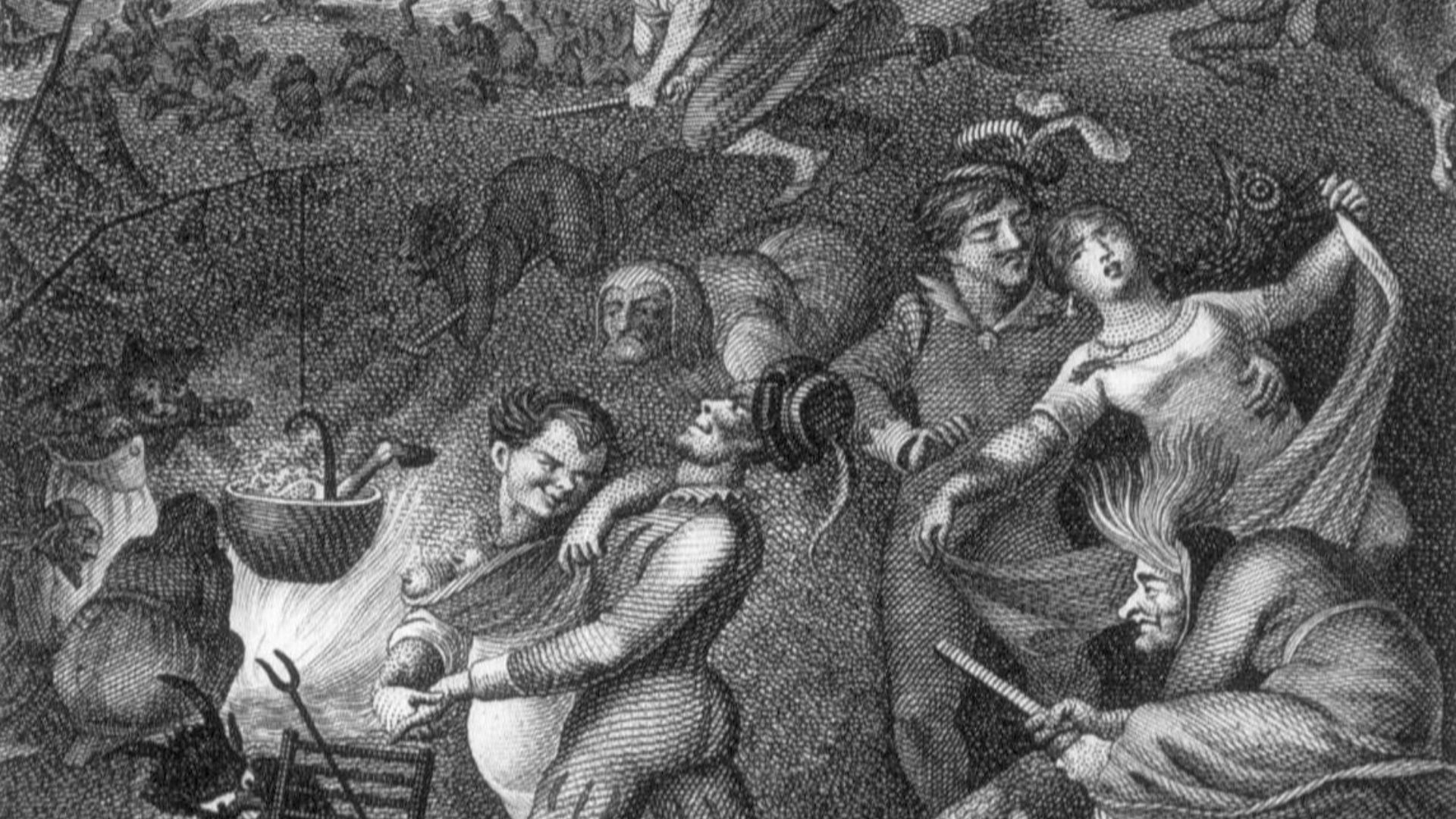
To convert Celtic tribes to Christianity, the Roman Empire spread anti-Pagan propaganda. Sacrifices and rituals that were once a part of daily life were depicted as threats to the social order, causing the decline of paganism as it became socially unacceptable.
9. Stranger Danger
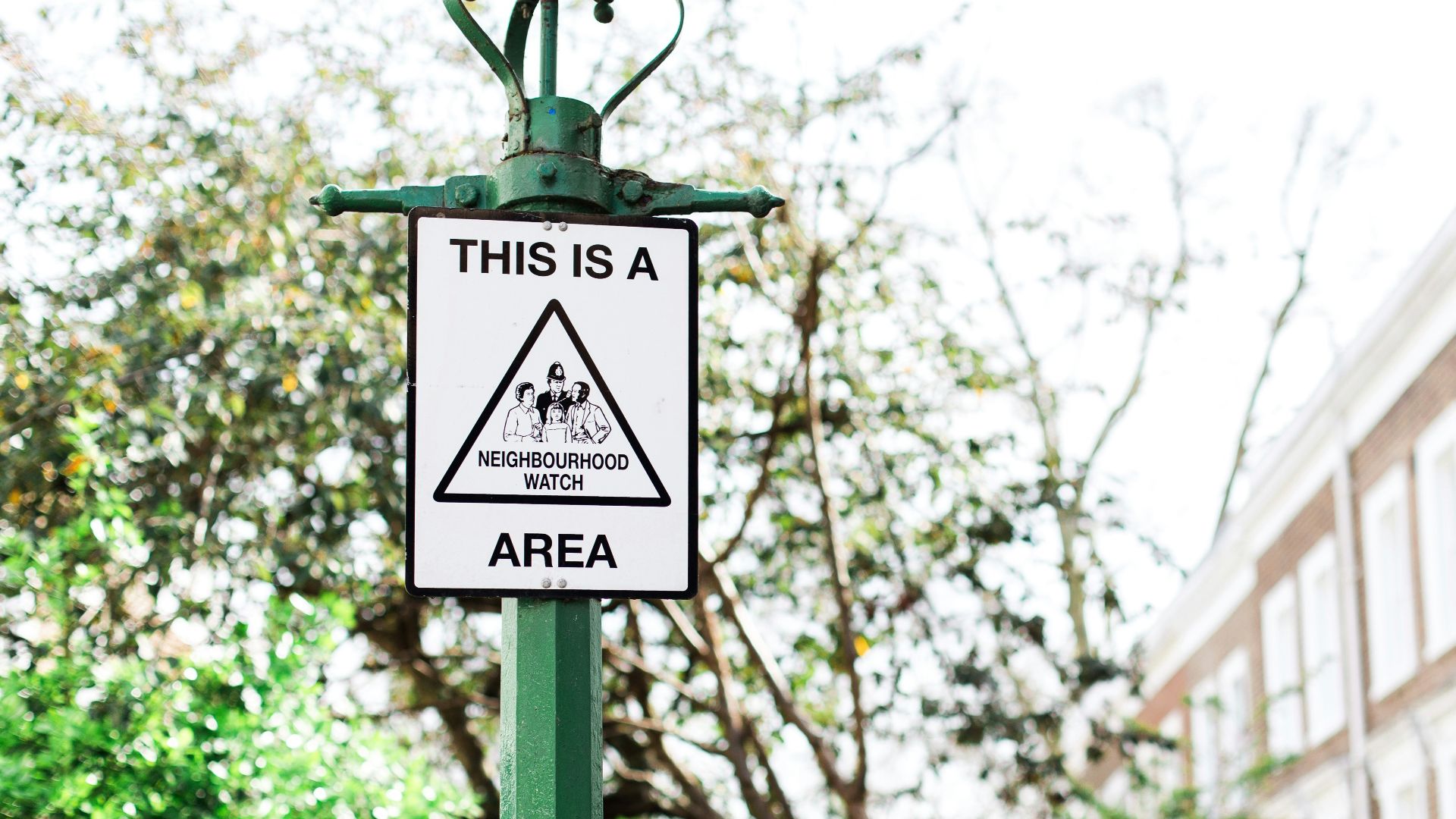
The stranger danger moral panic came about in the 1980s and 90s. It was a collective fear of child abduction, which, although extremely rare, the media exaggerated the risk to the point where it shaped policy and behavior.
10. Violent Video Games
Violent video games have been the subject of recurring moral panic since the 90s. The fear is based on the idea that games can desensitize kids to blood and graphic violence, turning them into aggressive or psychopathic adults.

11. Dangerous Dogs
In the late 20th and early 21st century, certain dog breeds have been the subject of moral panic in several countries. With media coverage sensationalizing attacks, dogs like pit bulls started to be seen as inherently violent, dangerous, and a threat to public safety, leading to mandates and restrictions on certain breeds.

12. Lavender Scare
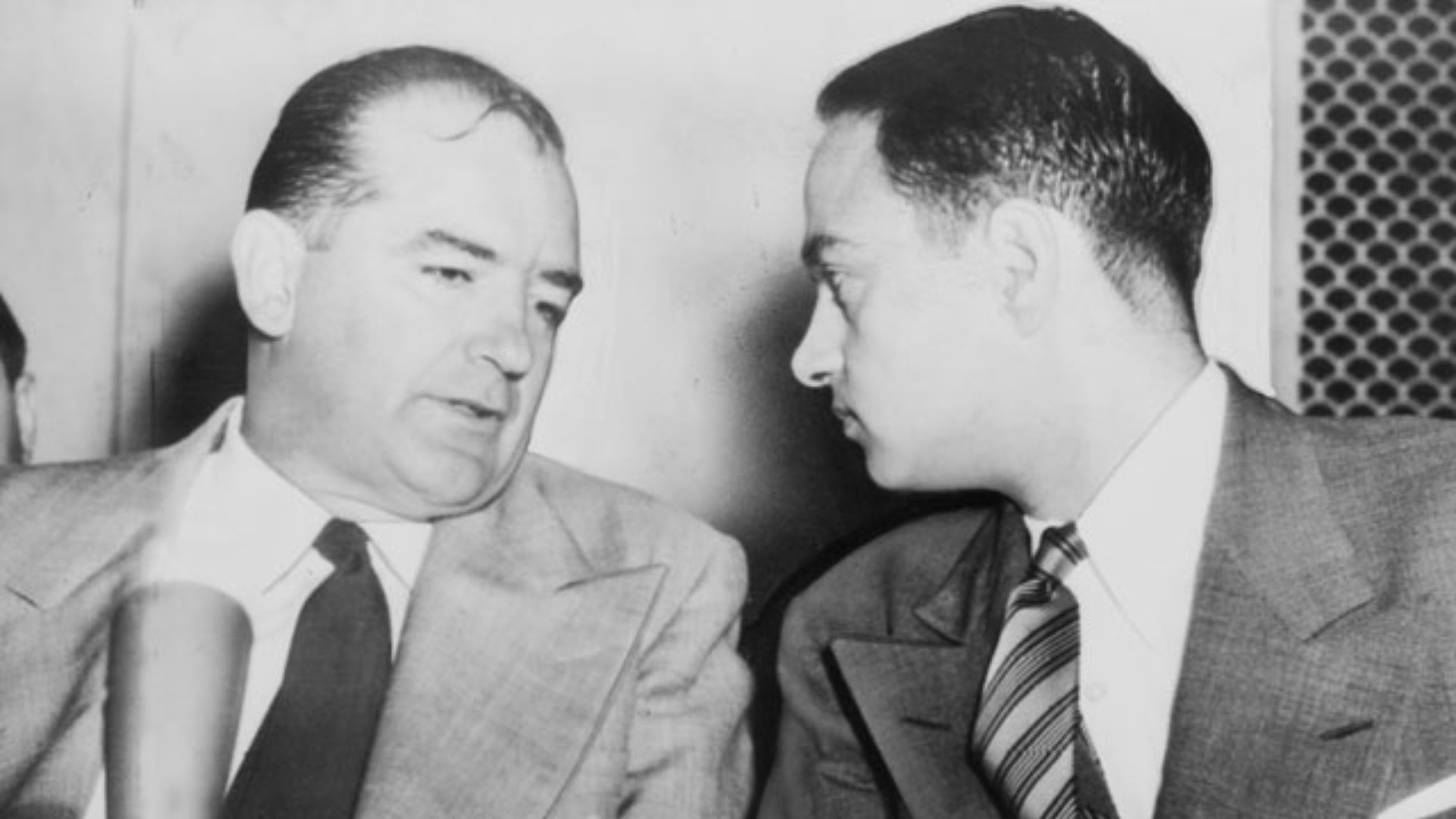
Lavender scare refers to a moral panic in the US during the 1950s, parallel to the Red Scare. Fears of communist infiltration were linked to anxieties about homosexuality. Government officials who were gay or lesbian were accused of being security risks because of the belief that their sexual orientation made them susceptible to blackmail by foreign agents.
 United Press International telephoto on Wikimedia
13. Tide Pods
In the 2010s, Tide detergent pods became the focus of moral panic after reports of teens deliberately eating them as part of a social media "Tide Pod Challenge" went viral. Media coverage amplified the problem, though the actual number of incidents was extremely small. There was even a bill in New York introduced to ban Tide Pods, though it never passed.

14. QAnon
QAnon is a more modern example of moral panic in which conspiracy theories about a secret "deep state" allegedly controlling the government spread widely. This moral panic has fueled real-world consequences, like threats, harassment, and even violent acts.

15. Anti-Trans Movements
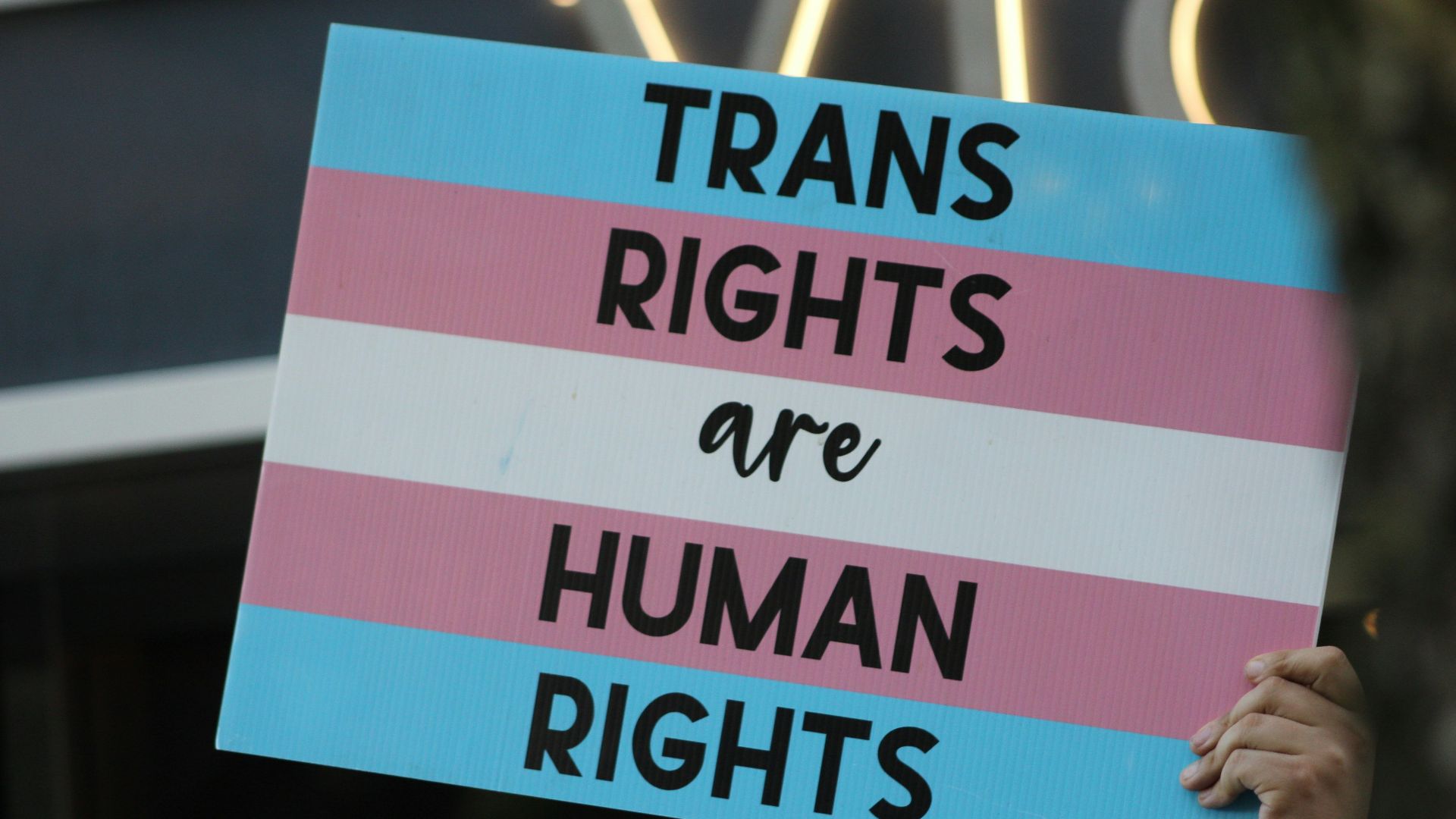
Trans people have also been the subject of moral panic, depicted as threats to children, public safety, or traditional social values. This panic has led to legislation restricting trans rights, increased harassment, and violence.
16. Harry Potter Panic
Even Harry Potter has been the subject of moral panic. In the late 1990s and early 2000s, some parents, religious groups, and media outlets claimed the books promoted witchcraft and satanism among children.

17. Anti-Catholic Panic
In the 19th-century US, Catholics were portrayed by anti-immigrant Americans as being a threat to moral and social order. They were accused by Nativists of being loyal to the pope, not to the nation, but really, it was just an act to preserve power and justify the exclusion of marginalized communities.
18. Mods and Rockers Panic
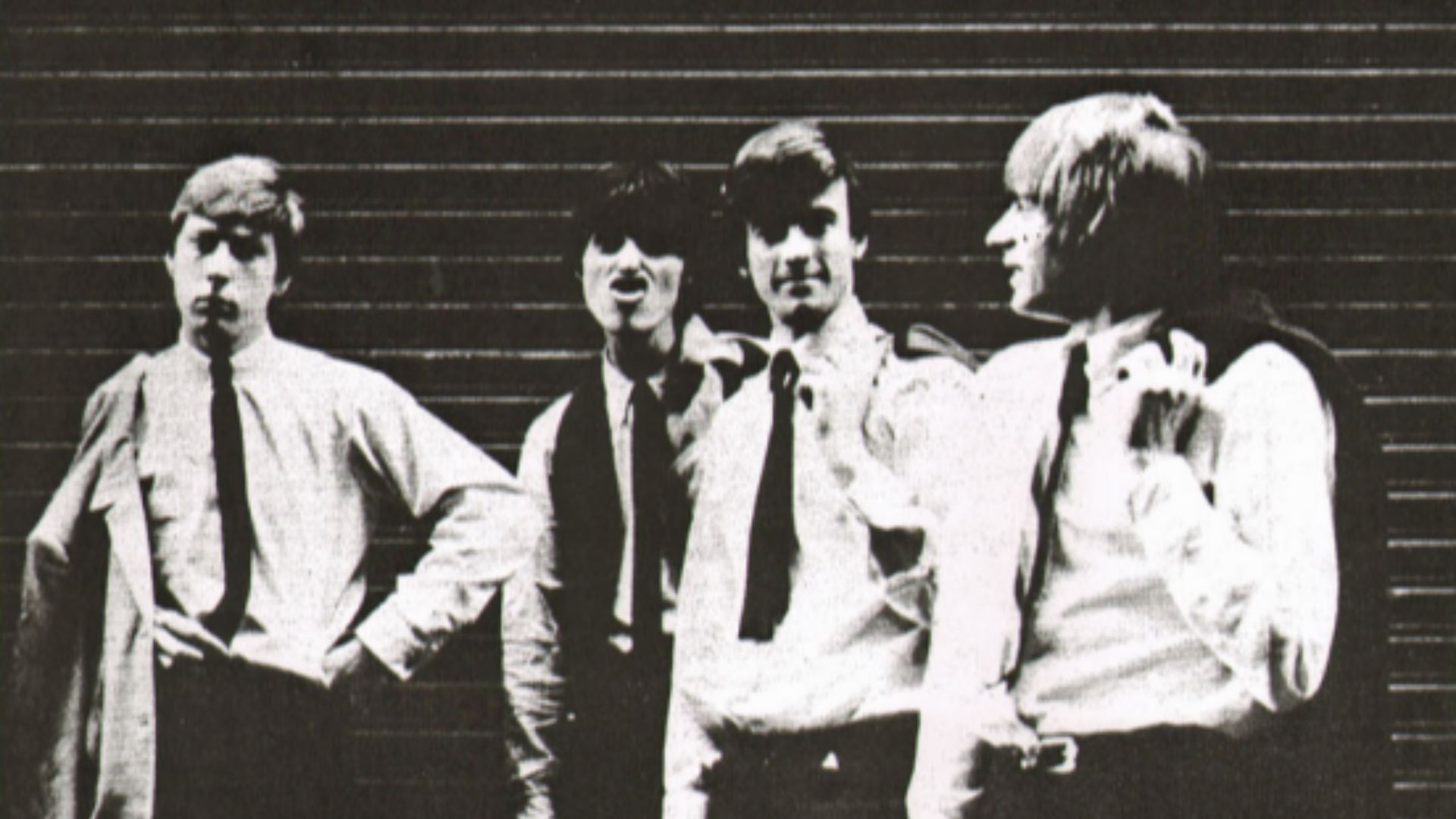
The mods and rockers panic refers to a mass hysteria in 1960s England in which two youth subcultures—Mods and Rockers—were accused of threatening social order. Clashes between the two groups were greatly exaggerated by the media, which portrayed them as hooligans and led to an increased surveillance of young people.
 KRLA Beat/Beat Publications, Inc. on Wikimedia
19. Satanic Panic
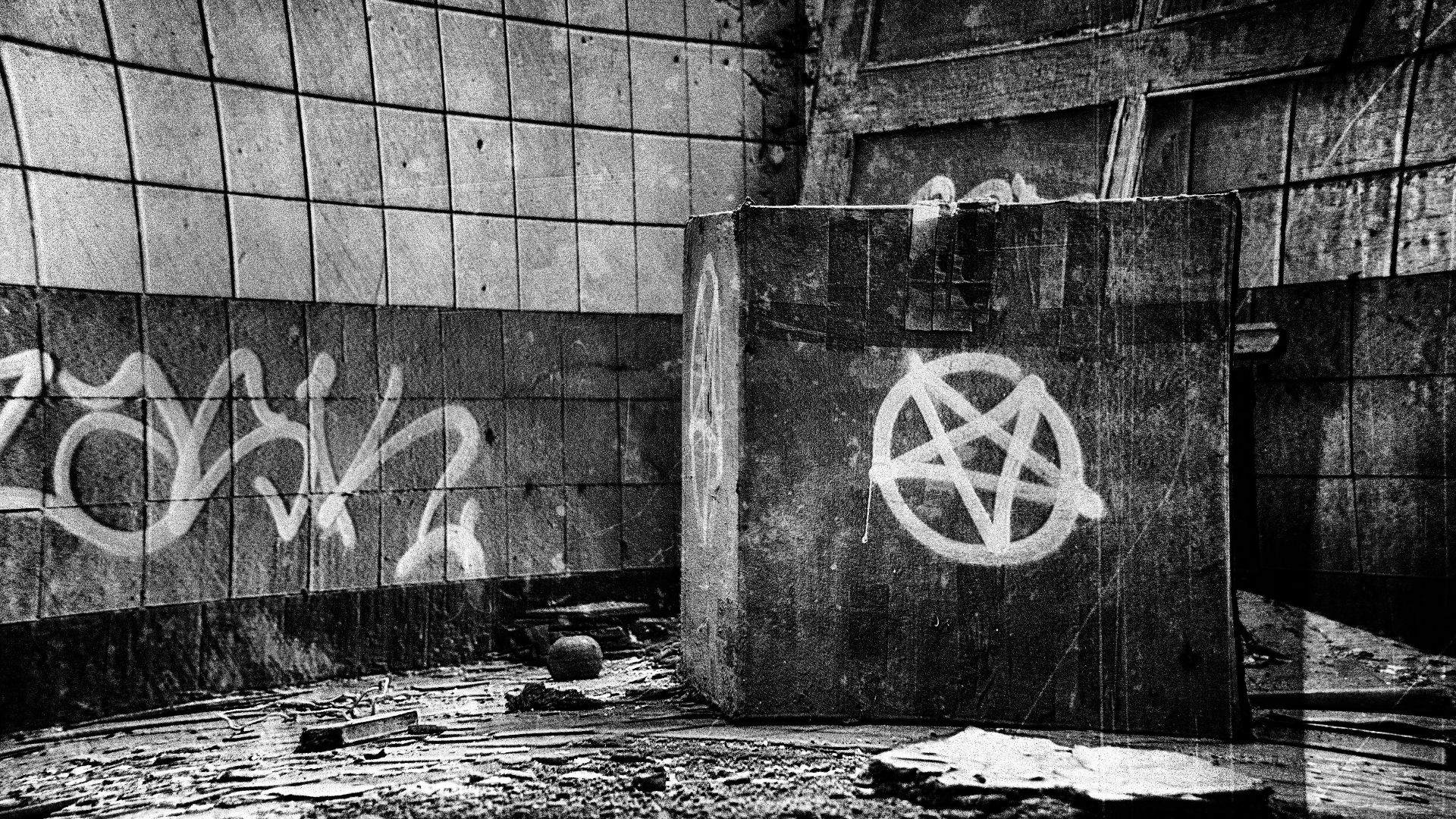
The satanic panic of the 1980s and 90s was rooted in fears that there was widespread brainwashing and occult rituals happening in schools and daycares. This panic led to false accusations, ruined reputations, and wrongful convictions.
20. Blood Libel
Perhaps one of the most enduring moral panics, blood libel is a moral panic in which Jewish communities were falsely accused of kidnapping and murdering Christian children for ritual purposes. It emerged in the Middle Ages and has long fuelled anti-semitic attitudes, justifying violence towards Jewish people.