

When Power Vanishes Faster Than You’d Think
History loves a slow rise, but the fall is often shockingly quick. One day, a leader’s issuing orders, surrounded by guards and ceremony, and the next, they’re signing an abdication, fleeing in the dark, or realizing the army won’t answer their calls. These stories aren’t here to celebrate anyone’s downfall; they’re reminders that authority can be more fragile than it looks from the outside. Here are 20 powerful leaders who went from the top to effectively nowhere in a very short stretch of time.
 Unknown authorUnknown author or not provided on Wikimedia
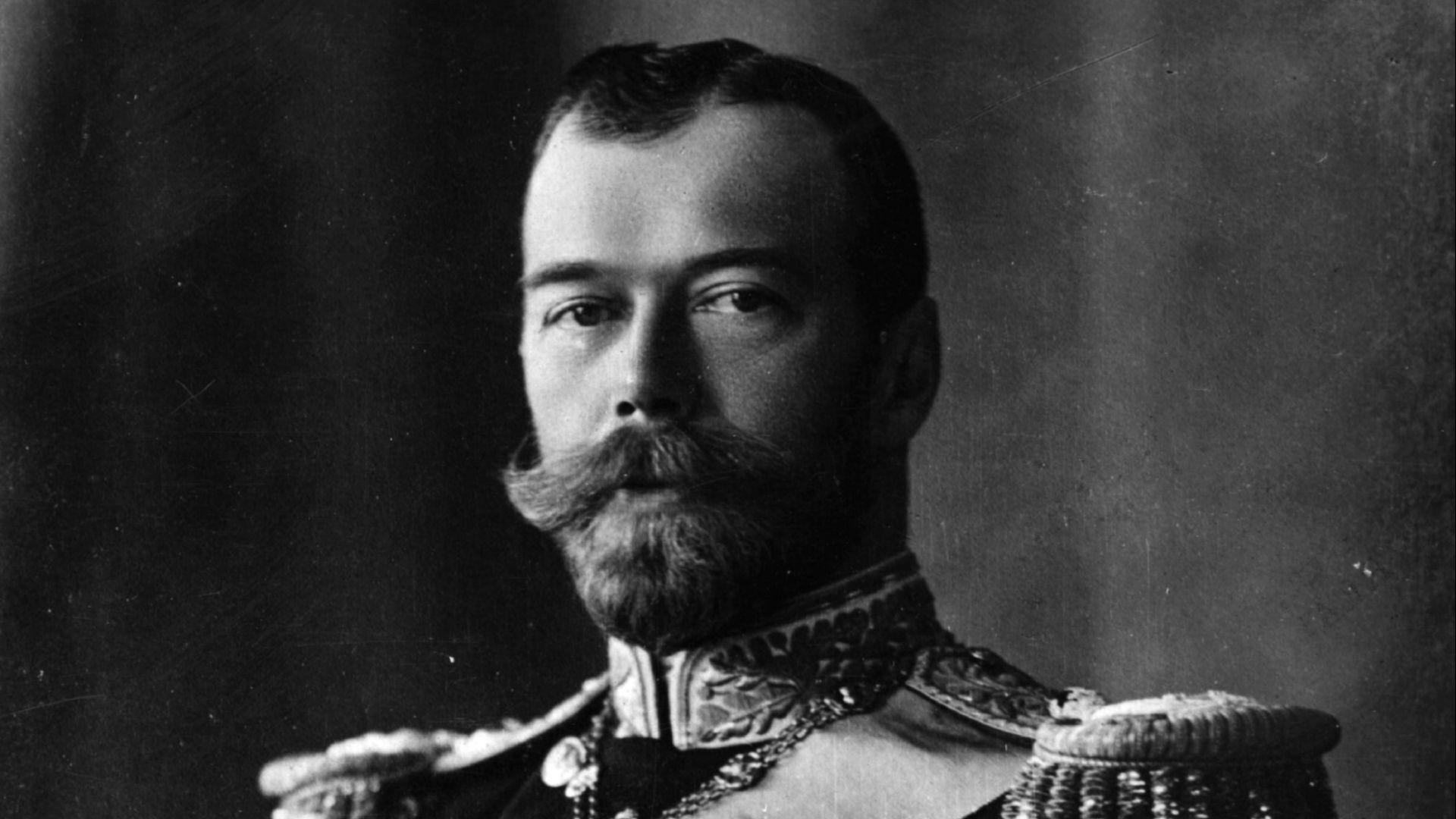
1. Tsar Nicholas II of Russia
For years, Nicholas II sat at the center of a massive empire, backed by tradition and a sprawling state. In March 1917, amid unrest and military pressure, he abdicated, and his rule ended with stunning speed. Almost overnight, the man treated as an absolute ruler became a prisoner.
 Boissonnas & Eggler on Wikimedia
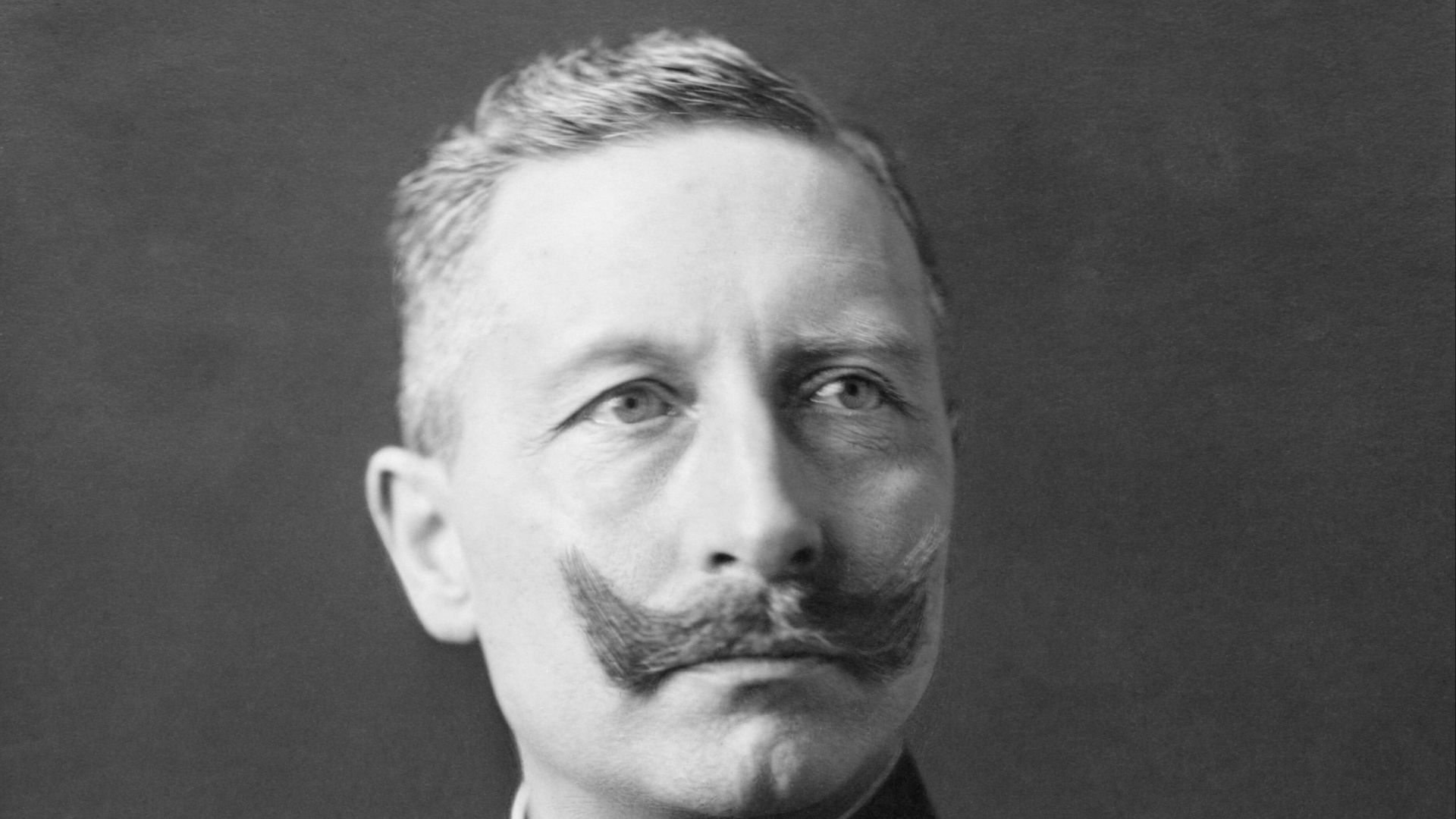
2. Kaiser Wilhelm II of Germany
Wilhelm II was the public face of imperial Germany. In November 1918, the monarchy unraveled as Germany lost the war and revolution spread. He abdicated and fled to the Netherlands, trading palaces for exile in a matter of days.
 Studio of Thomas Heinrich Voigt on Wikimedia
3. King Edward VIII of the United Kingdom
Edward VIII became king and then ran into a personal crisis that turned into a constitutional one. In December 1936, he abdicated to marry Wallis Simpson, and his reign ended almost as soon as it began. He unexpectedly shifted the crown and the country's future in a single decision.
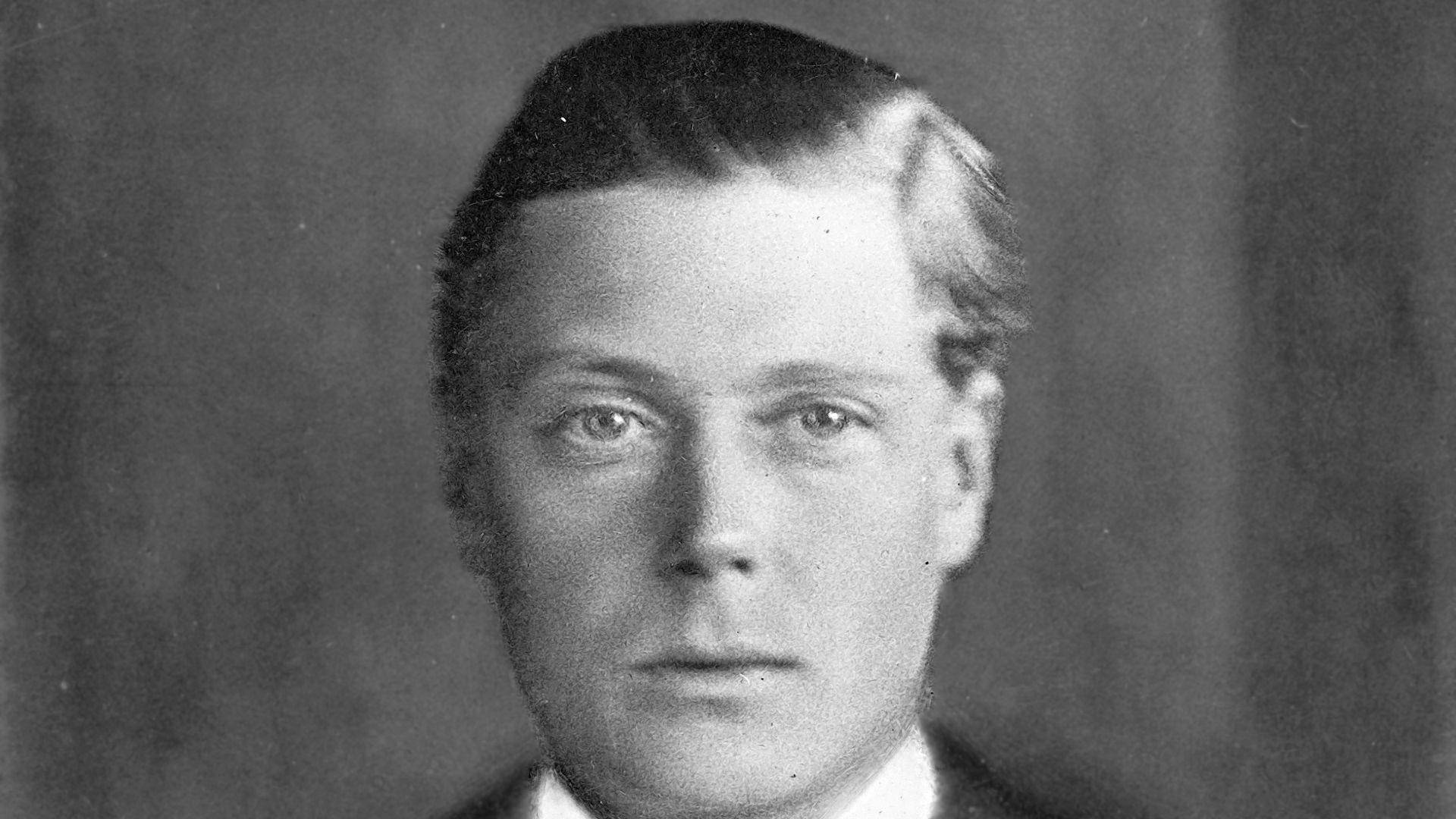
4. King Farouk of Egypt
Farouk lived like royalty in the most literal sense, with lavish taste and enormous influence in Egypt. In July 1952, a coup by the Free Officers forced him to abdicate. He left the country quickly, and his power didn’t fade so much as vanish without a trace.
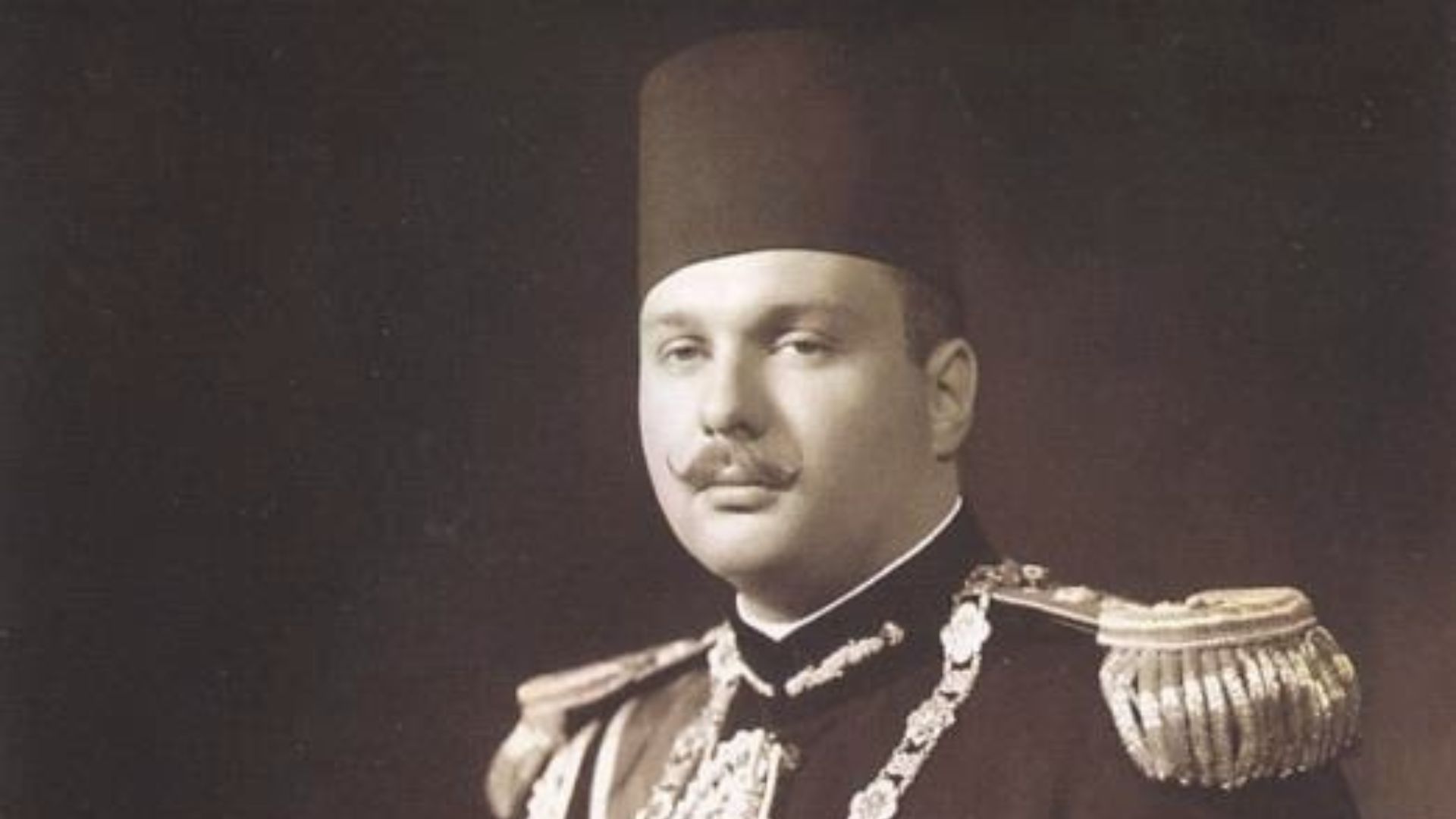
5. Emperor Haile Selassie of Ethiopia
Haile Selassie ruled as an iconic figure, internationally known and deeply tied to Ethiopia’s modern identity. In 1974, a military group deposed him during intense political and economic turmoil. His authority evaporated in a rush, and he was placed under guard.
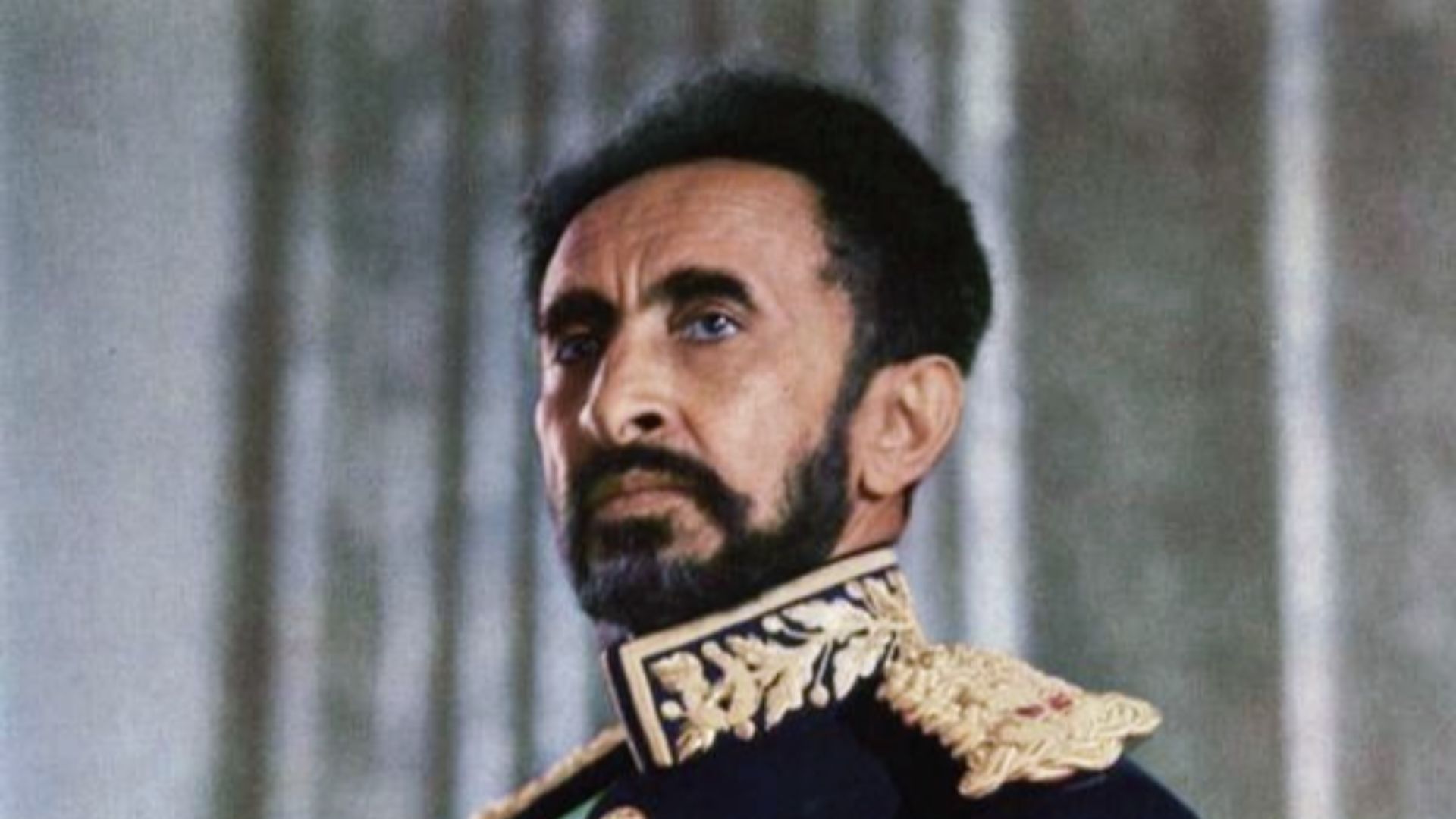
6. King Alfonso XIII of Spain
Alfonso XIII held the Spanish crown for decades, accustomed to being the country’s top symbol of power. After the municipal elections in April 1931 signaled overwhelming support for a republic, he left Spain, and the monarchy was replaced.
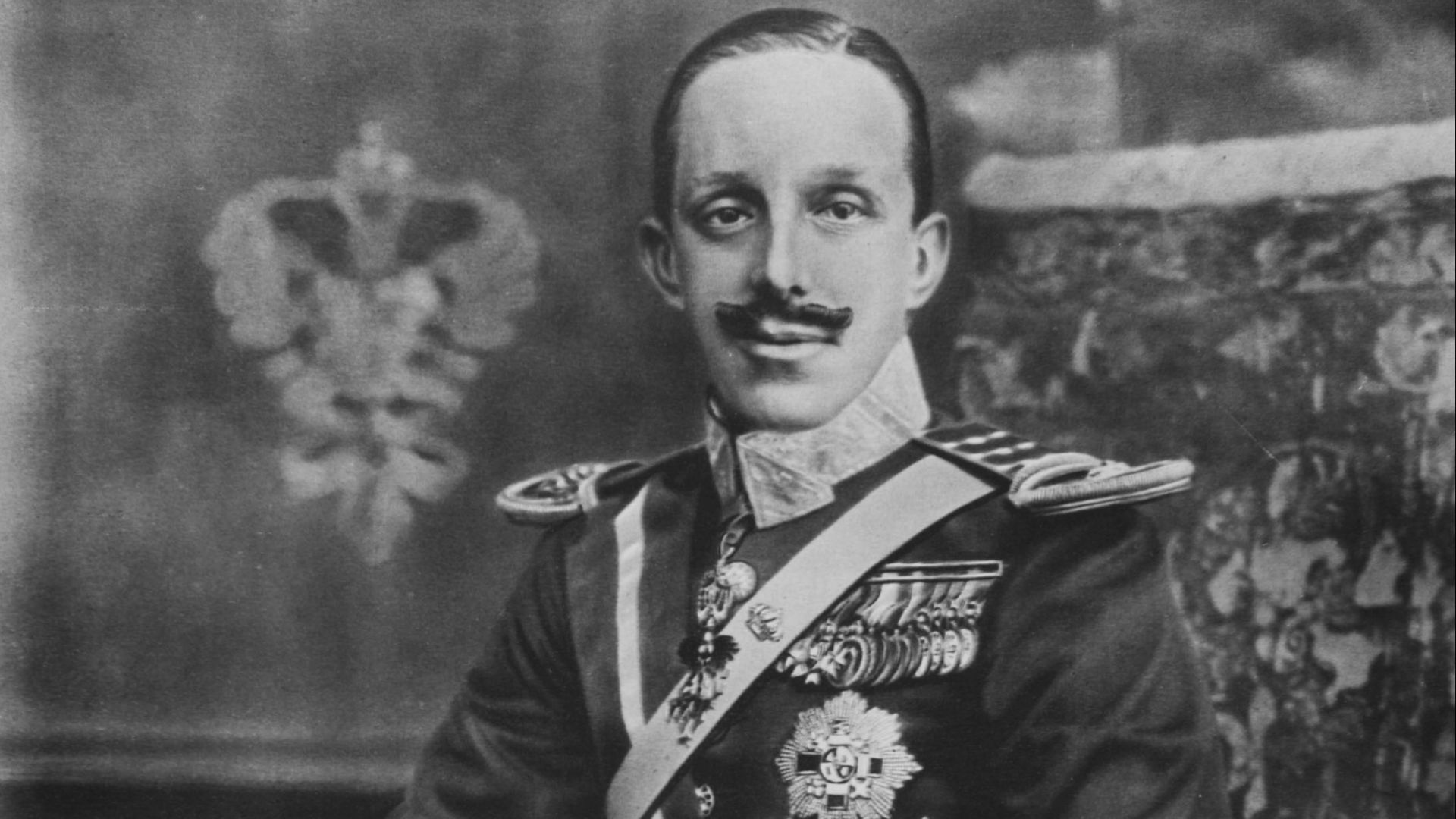
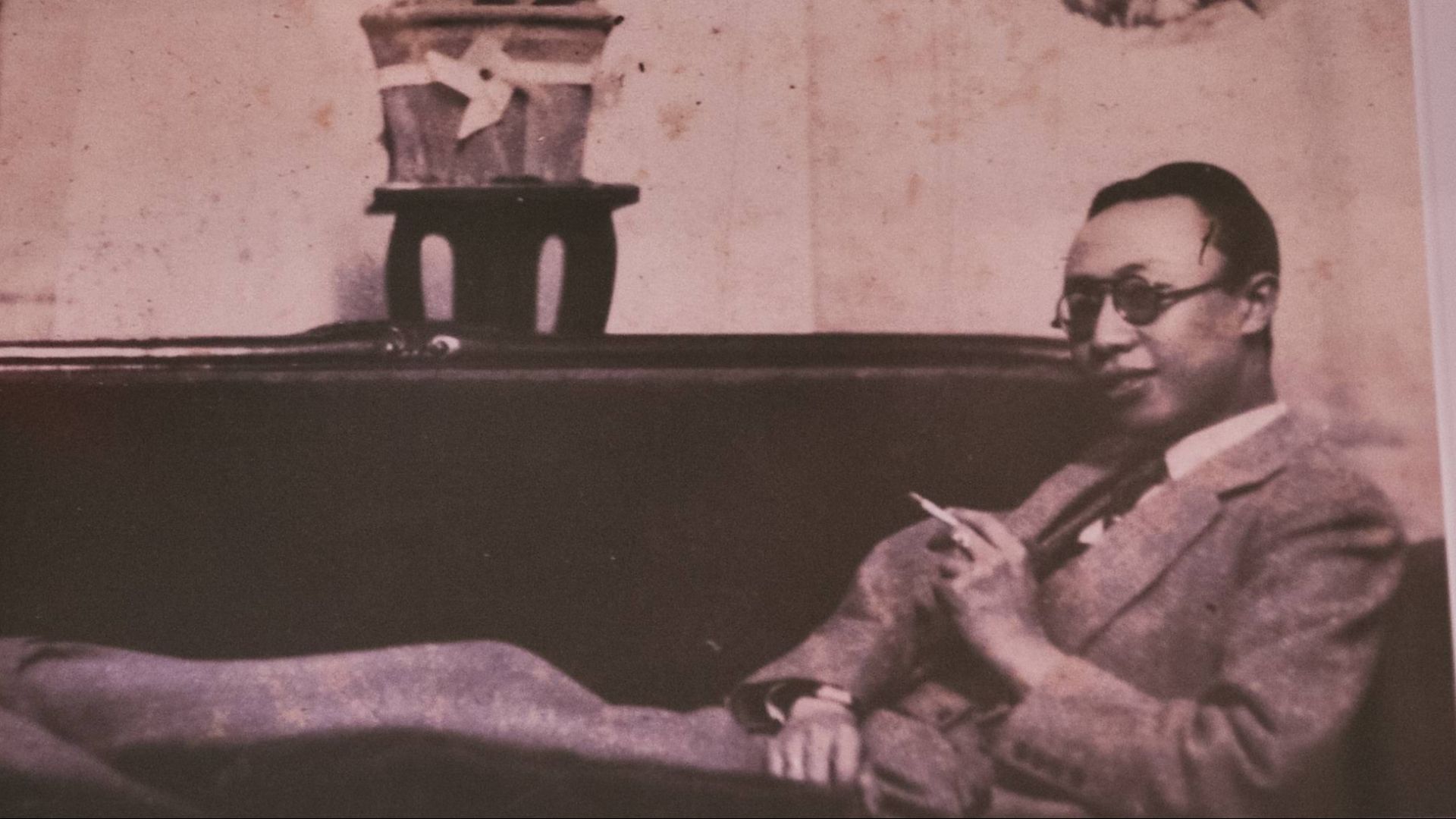
7. Emperor Puyi of China
Puyi became emperor as a child, surrounded by palace ritual and the illusion of permanence. In 1912, he abdicated, and the Qing dynasty ended with remarkable speed. An entire system was brought to a halt, and he was suddenly just a person with a title that didn’t carry power.
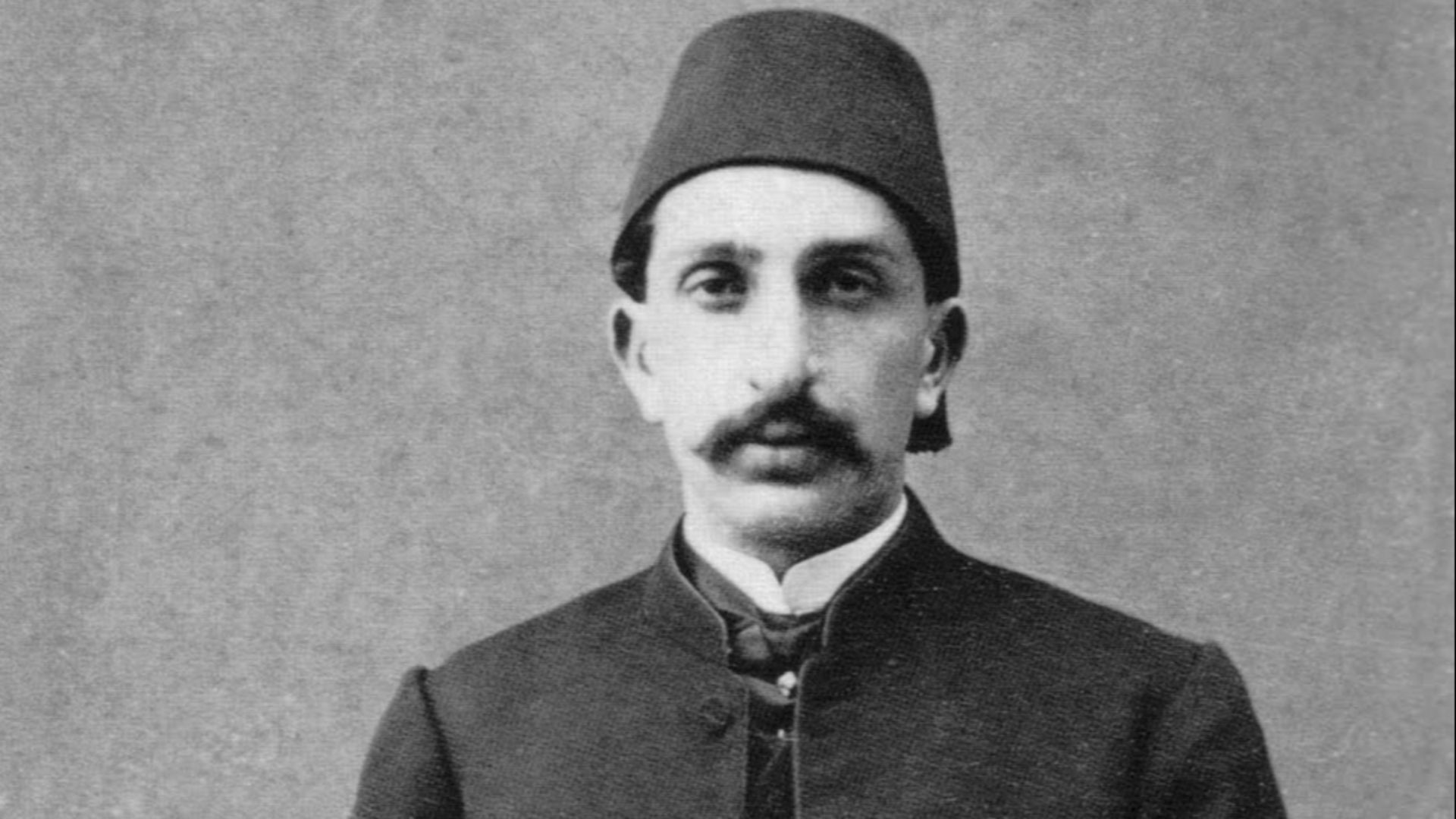
8. Sultan Abdul Hamid II of the Ottoman Empire
Abdul Hamid II wielded sweeping authority in a vast, complicated empire. After the Young Turk movement gained momentum, he was deposed in 1909 and sent into confinement.
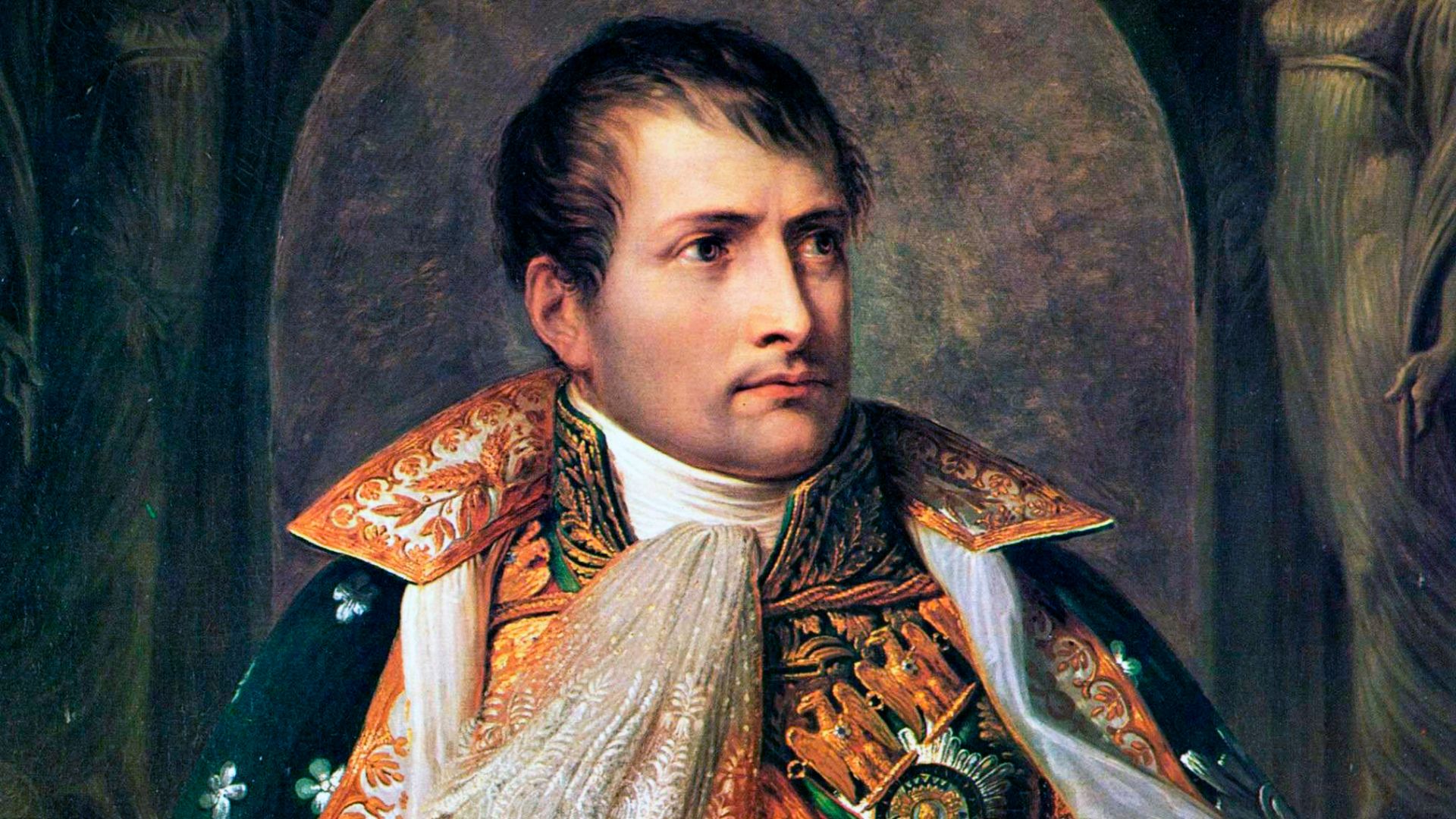
9. Napoleon Bonaparte
Napoleon built an empire that looked unstoppable, with victories that reshaped Europe’s map. Then 1814 arrived, alliances closed in, and he abdicated, exiled to Elba with startling speed. He did return briefly, but that only highlighted how fast the world had swung against him again after Waterloo in 1815.
10. Napoleon III of France
Napoleon III ruled as emperor and projected confidence, modernity, and control. In September 1870, he was captured during the Franco-Prussian War, and his regime collapsed almost immediately afterward.
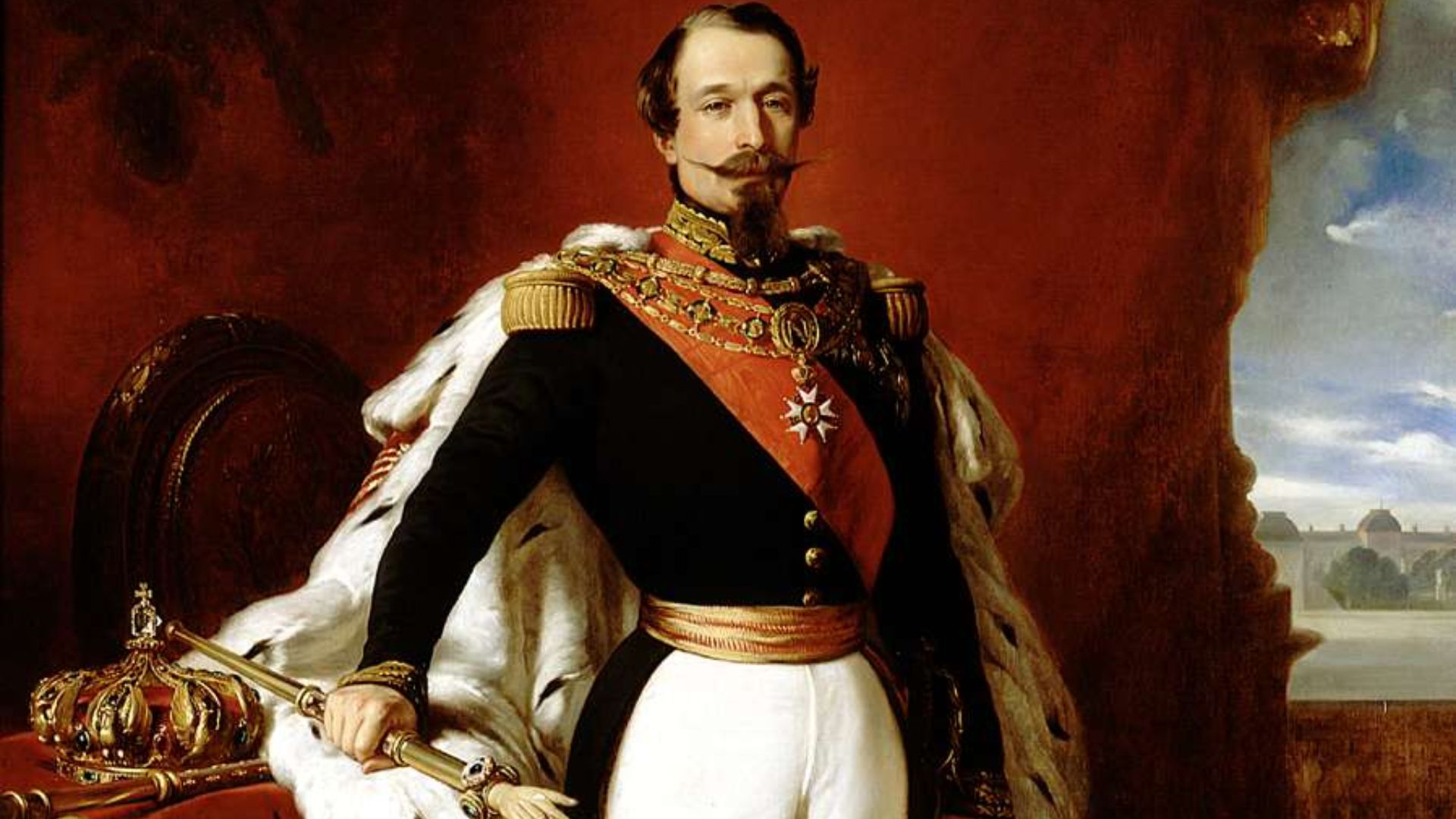 Franz Xaver Winterhalter on Wikimedia
11. Louis XVI of France
Louis XVI inherited a throne that came with enormous prestige and institutional muscle. During the French Revolution, his authority drained away, and in 1792 the monarchy was suspended. Not long after, he was tried and executed, a brutal endpoint to a rapid loss of status.
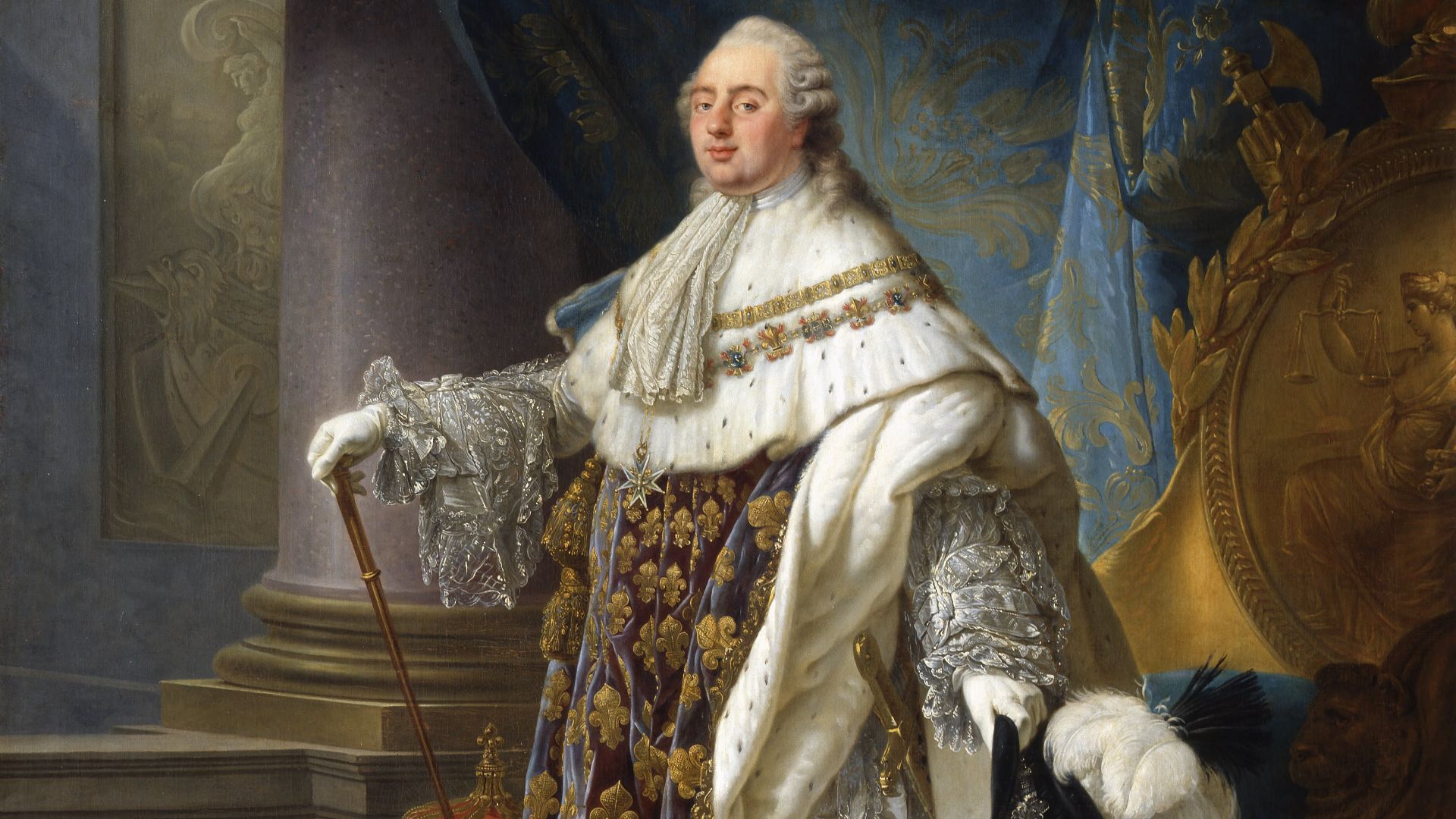 Antoine-François Callet on Wikimedia
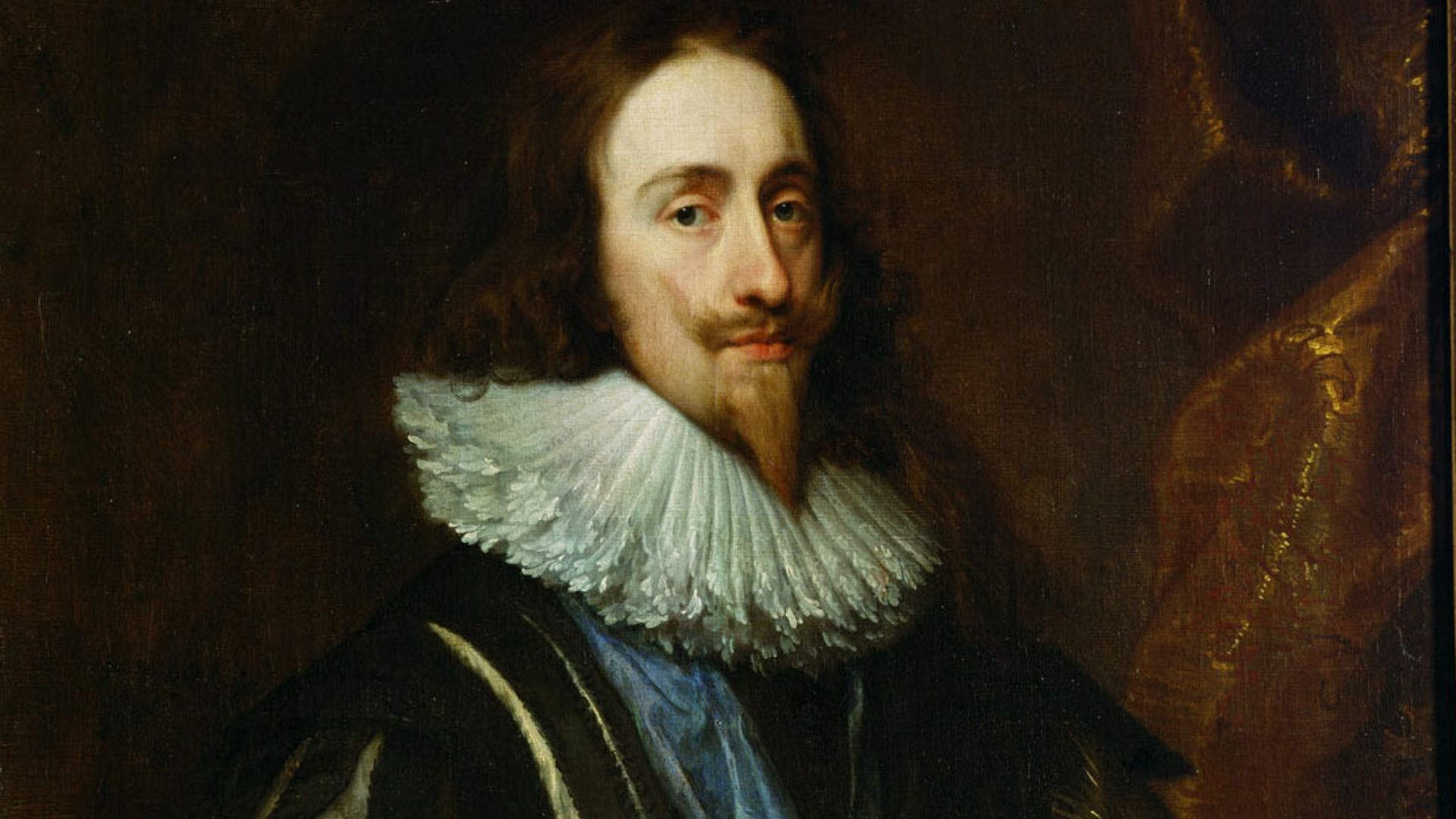
12. Charles I of England
Charles I believed deeply in royal authority and fought hard to keep it. During the English Civil War, he was captured, and the idea that a king could be held accountable accelerated quickly. He was tried and executed in 1649, a jaw-dropping development for its time.
13. James II of England
James II took the throne expecting continuity, but political support evaporated when opponents rallied behind William of Orange. In 1688, the Glorious Revolution pushed James out, and he fled rather than fight a losing battle.
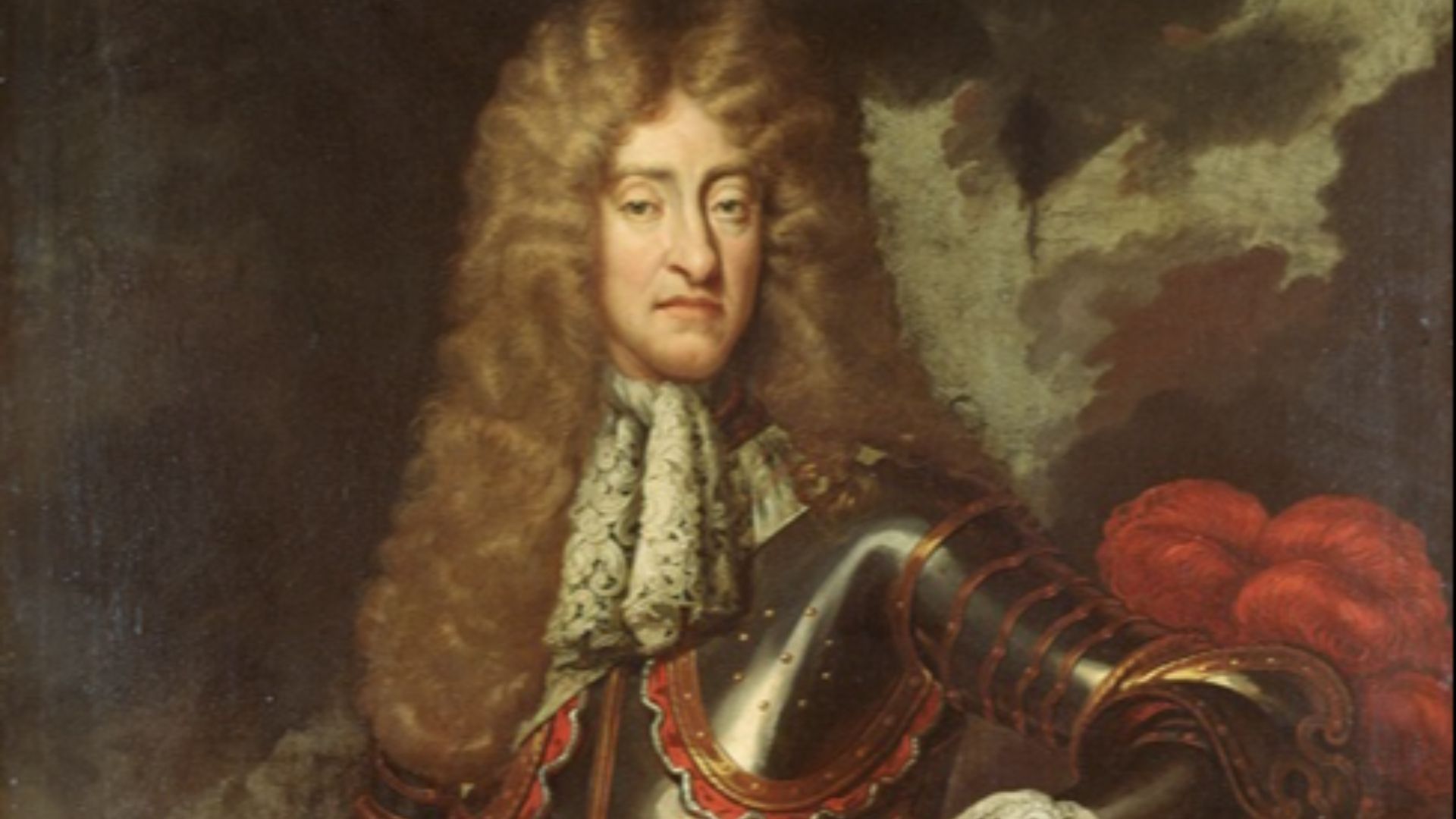 Unknown artistUnknown artist on Wikimedia
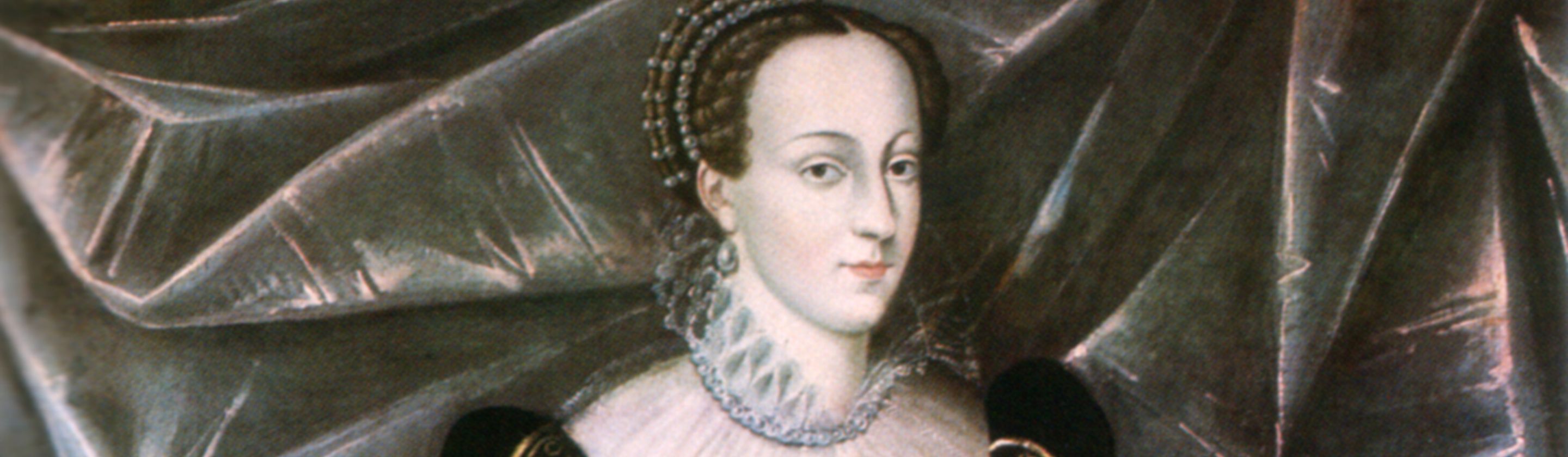
14. Mary, Queen of Scots
Mary was a queen with a complicated reign and a court full of sharp edges. In 1567, she was forced to abdicate in favor of her infant son, and her position collapsed quickly. She went from ruling to being boxed in by political enemies.
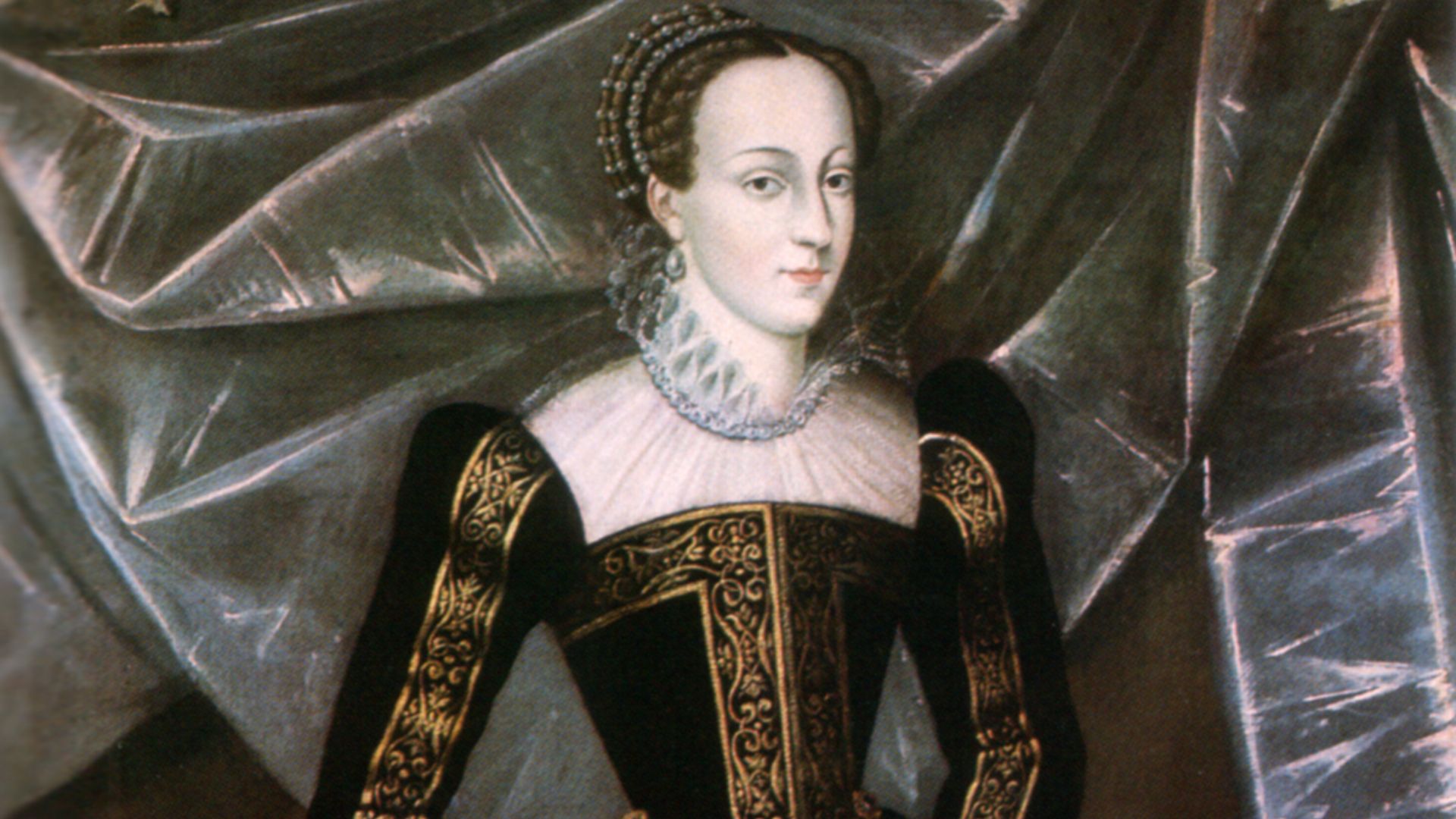 Unidentified painter on Wikimedia
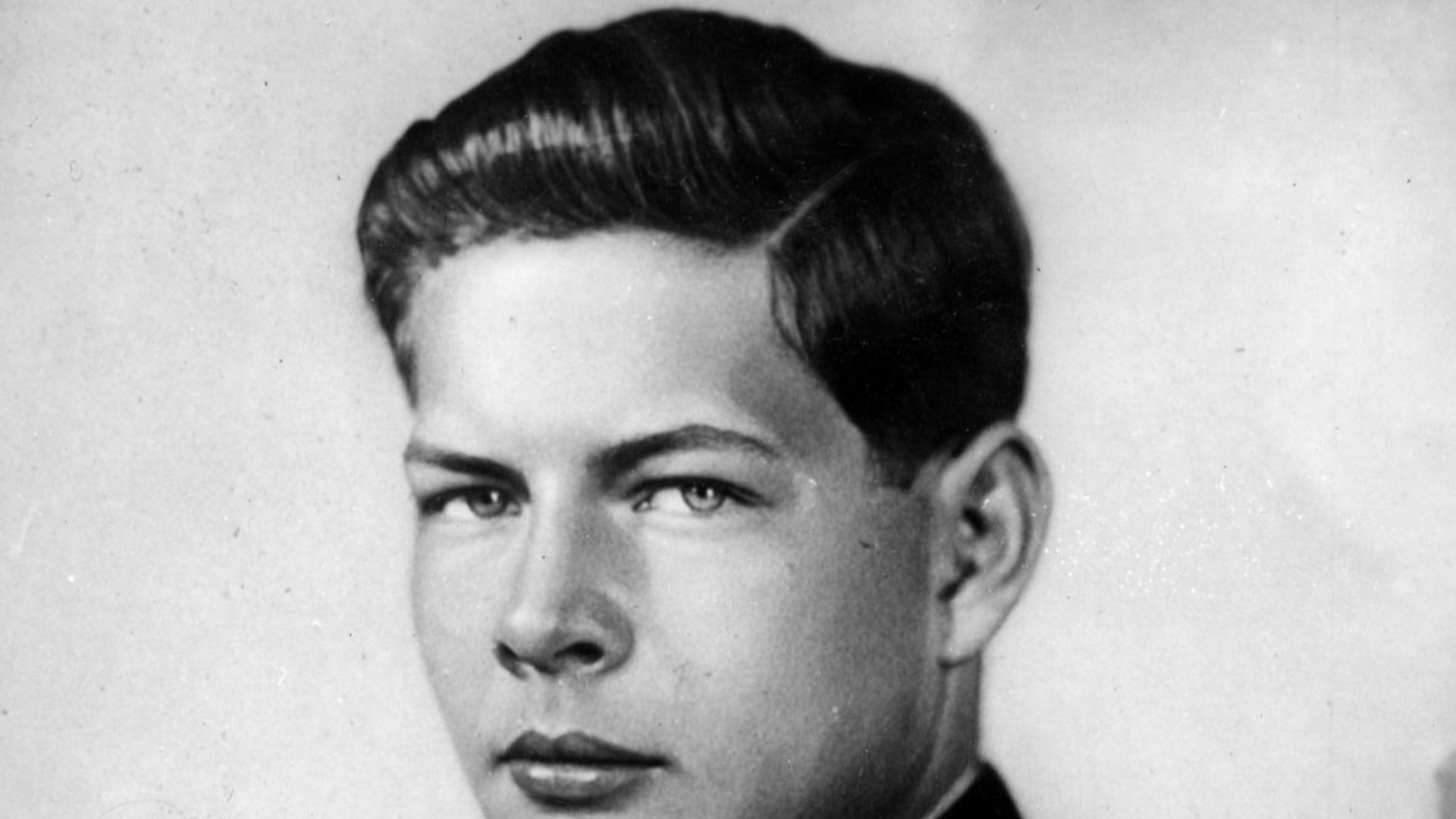
15. King Michael I of Romania
Michael I was a young king in a country squeezed by postwar pressure and shifting regimes. In December 1947, he was forced to abdicate, as Romania became a republic.
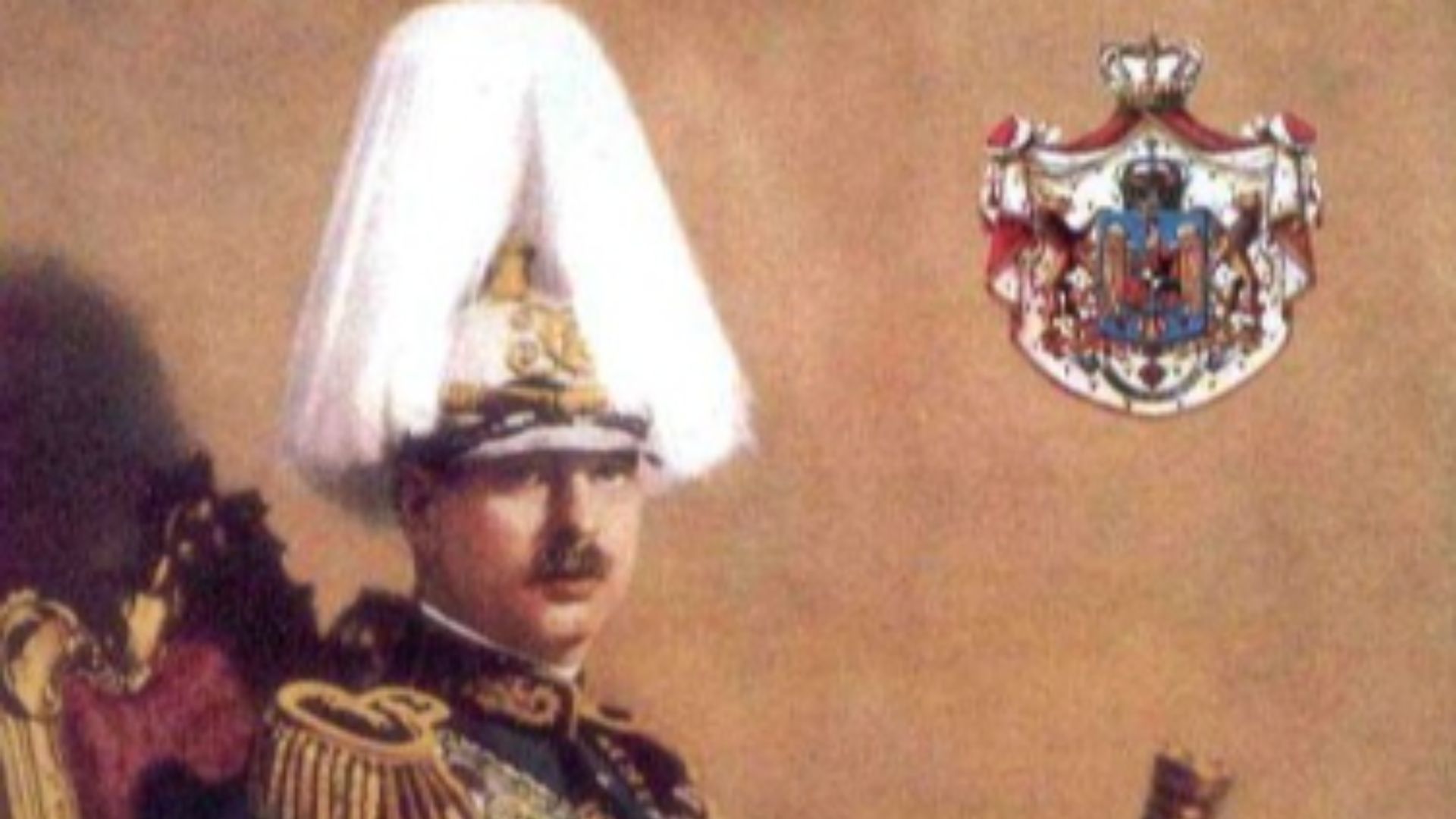
16. King Carol II of Romania
Carol II reclaimed and held the Romanian throne, building a strong personal role in government. In 1940, amid territorial losses and mounting crisis, he abdicated and fled. His authority didn’t gradually weaken; it collapsed under the weight of events and opposition.
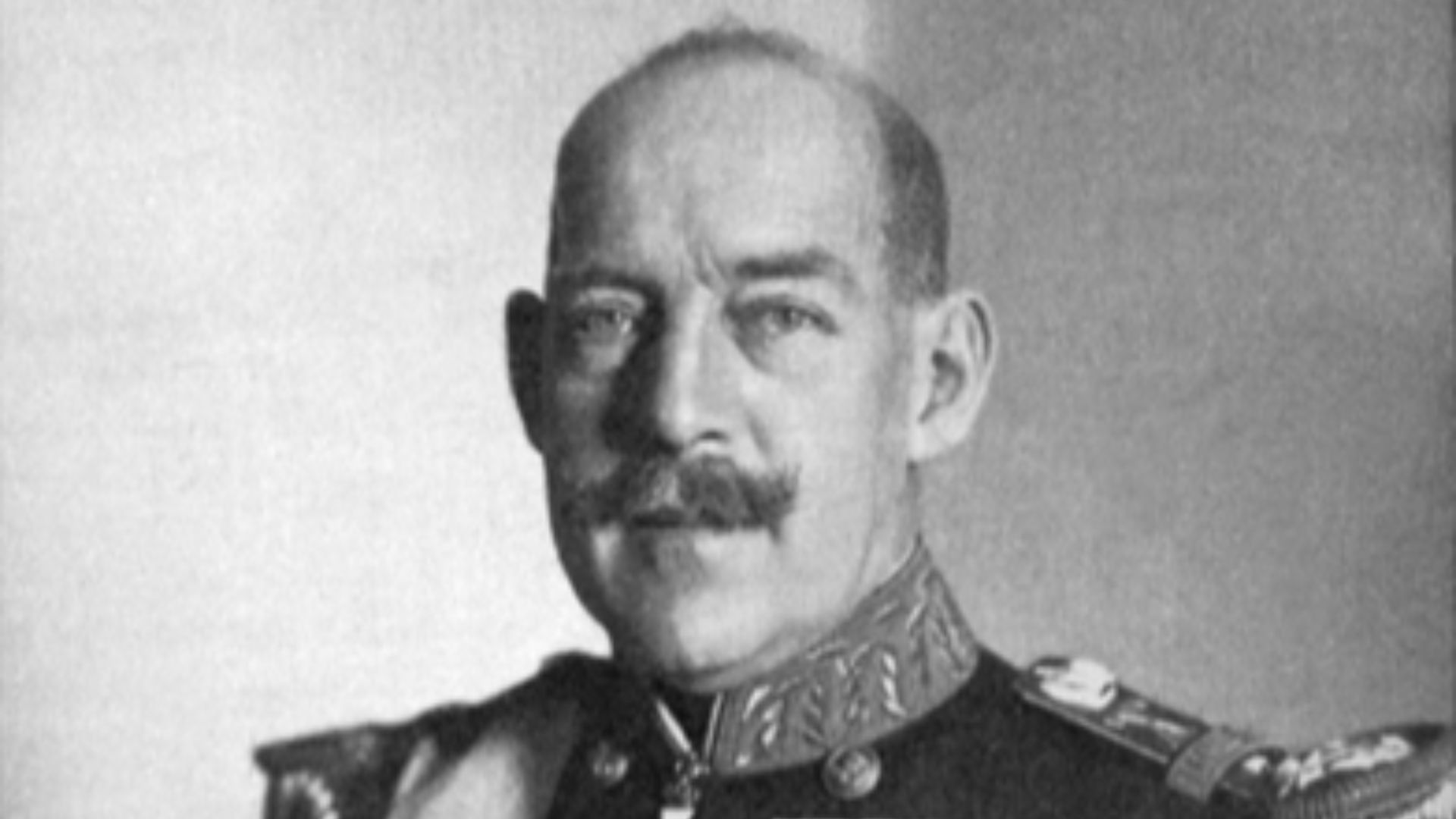
17. King Constantine I of Greece
Constantine I led Greece through turbulent years, with power tied tightly to international alliances and domestic factions. In 1917, pressure from the Allies and political conflict at home forced him to abdicate.
 Unknown authorUnknown author on Wikimedia
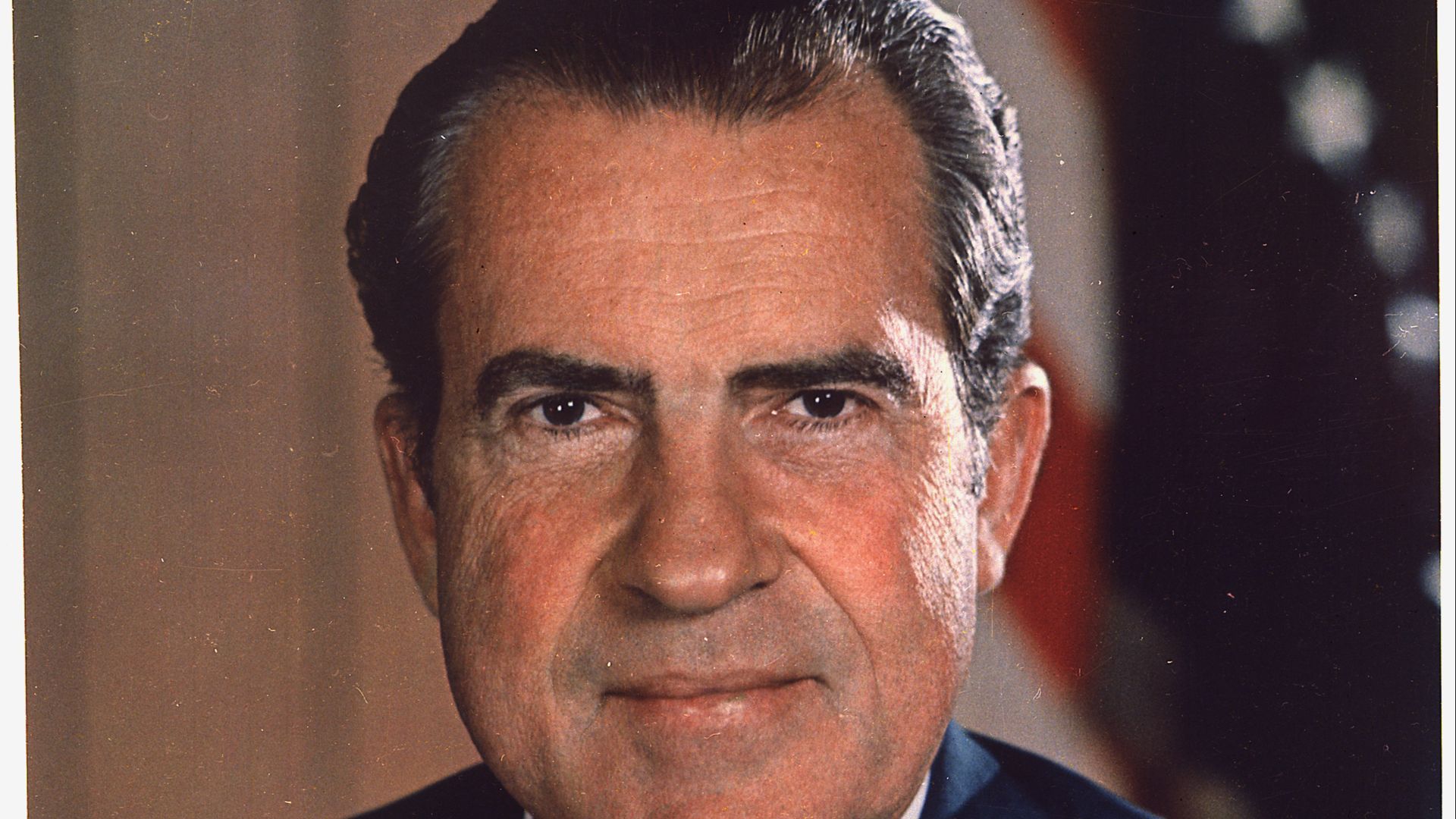
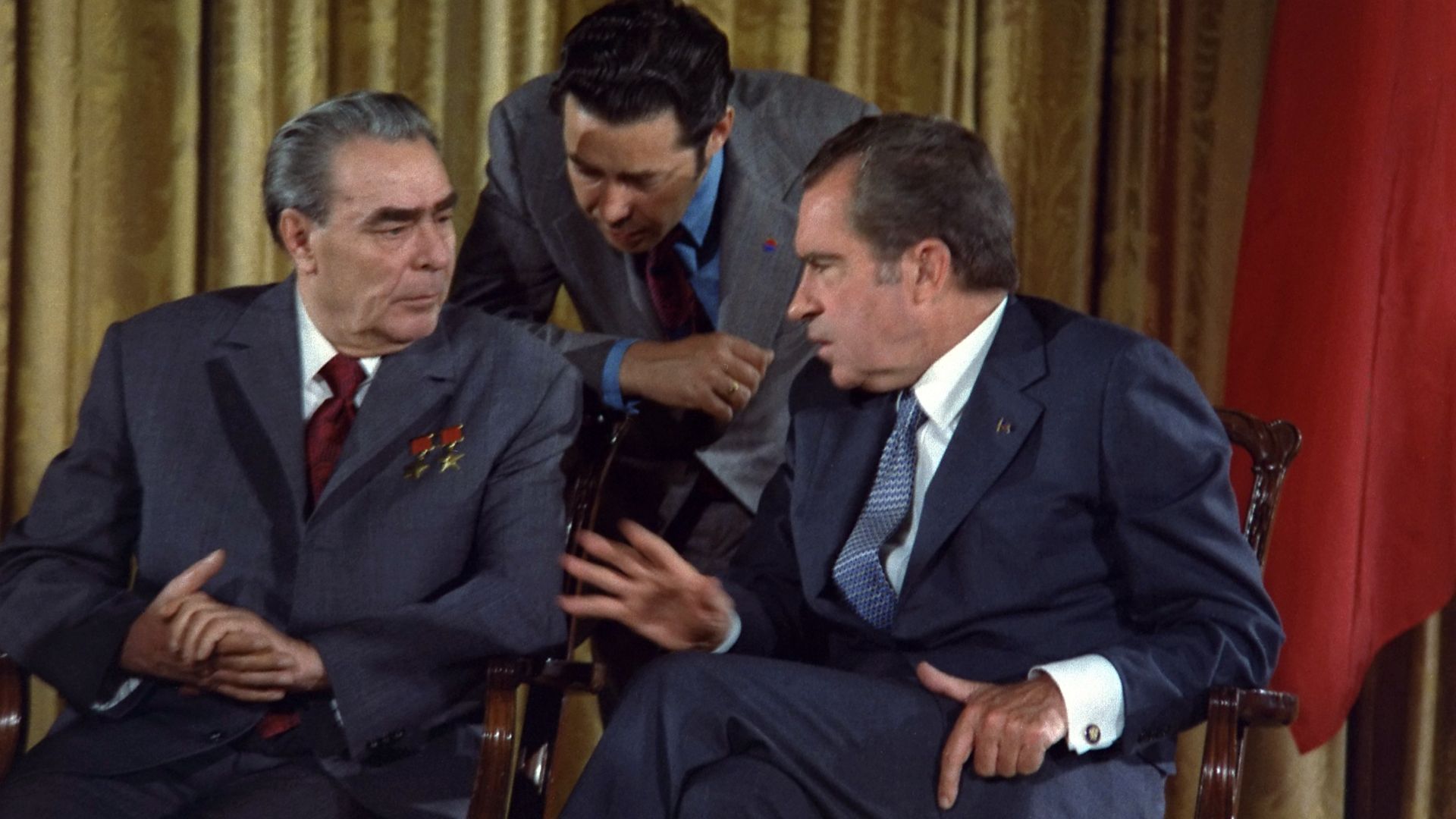
18. Richard Nixon of the United States
Nixon won a landslide reelection and had enormous political leverage—until Watergate closed in. In August 1974, facing almost certain impeachment, he resigned. His presidency went from secure to untenable in a compressed cascade of revelations.
 Robert LeRoy Knudsen on Wikimedia
19. Margaret Thatcher of the United Kingdom
Thatcher dominated British politics for more than a decade and looked politically unmovable from the outside. In 1990, an internal party revolt and a leadership challenge pushed her out in a matter of days.
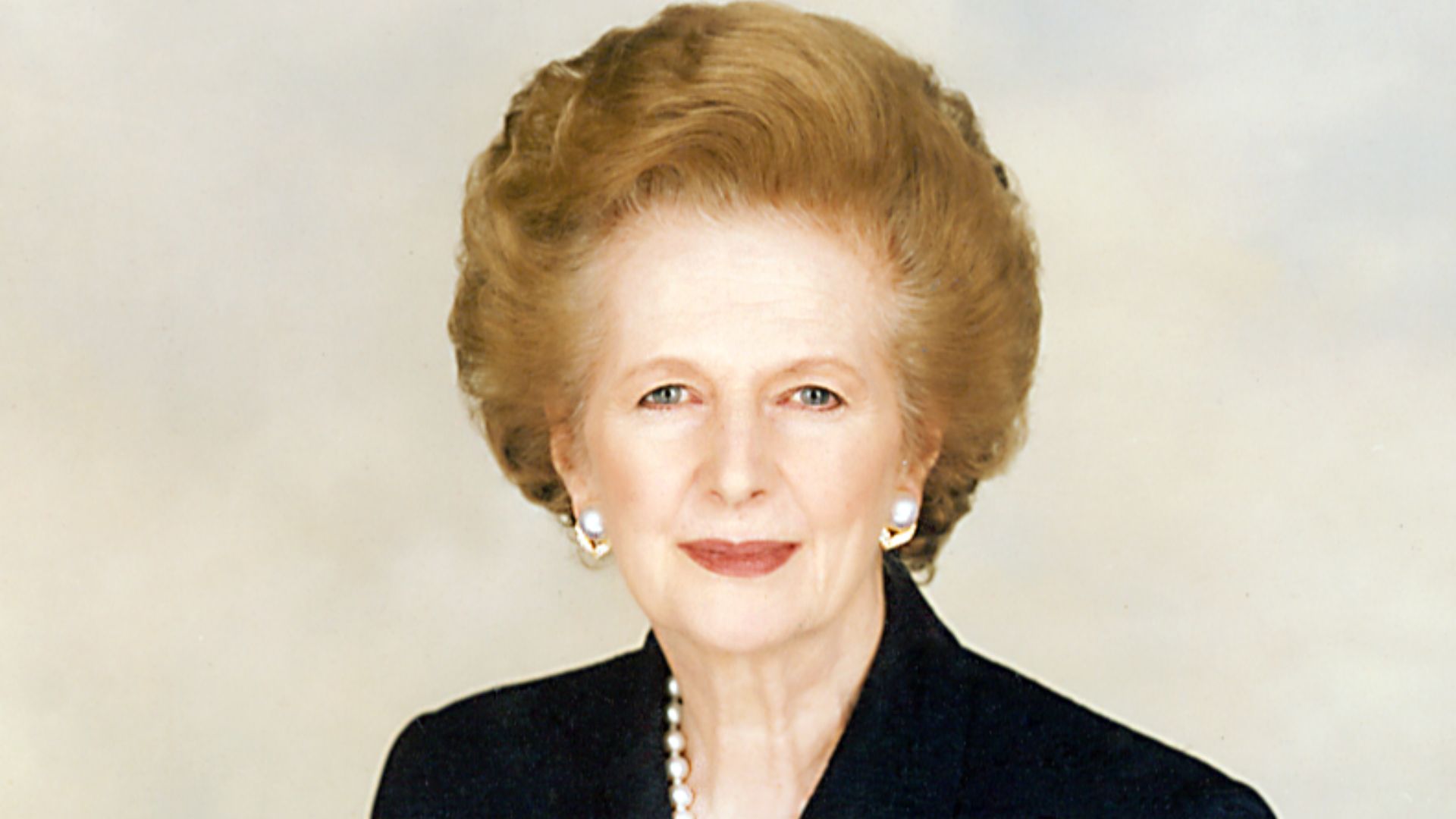 Unknown photographer on Wikimedia
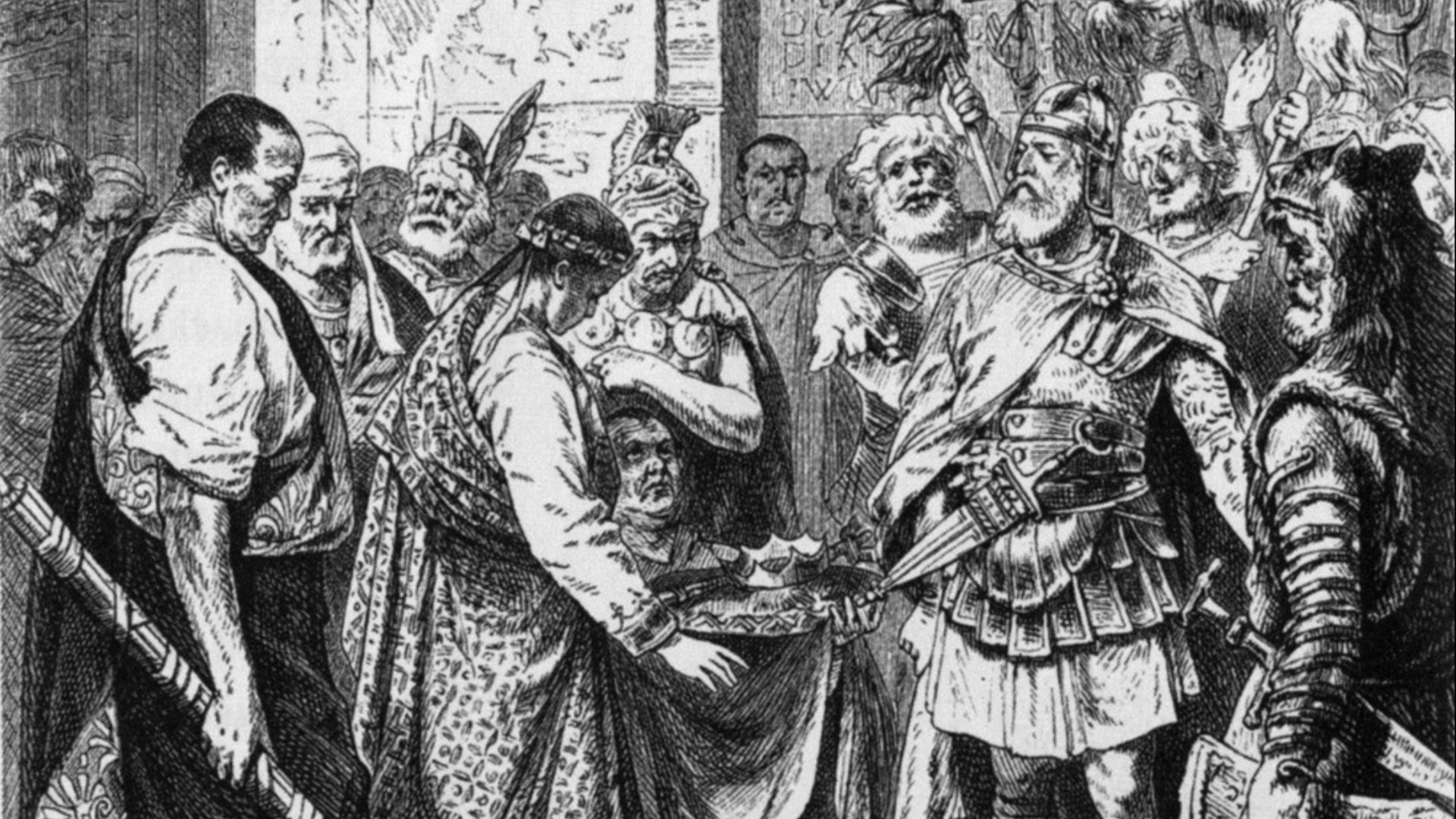
20. Romulus Augustulus of the Western Roman Empire
Romulus Augustulus held the title of Western Roman emperor at a time when the office was already wobbling. In 476, he was deposed, and the Western imperial line effectively ended. The fall wasn’t just personal; it symbolized a larger political collapse.
KEEP ON READING
The story of Ching Shih, the Woman Who Became the…
Unknown author on WikimediaFew figures in history are as feared…
By Emilie Richardson-Dupuis Dec 29, 2025
Einstein's Violin Just Sold At An Auction—And It Earned More…
A Visionary's Violin. Wanda von Debschitz-Kunowski on WikimediaWhen you hear…
By Ashley Bast Nov 3, 2025
This Infamous Ancient Greek Burned Down An Ancient Wonder Just…
History remembers kings and conquerors, but sometimes, it also remembers…
By David Davidovic Nov 12, 2025
The Mysterious "Sea People" Who Collapsed Civilization
3,200 years ago, Bronze Age civilization in the Mediterranean suddenly…
By Robbie Woods Mar 18, 2025
20 Greatest Ancient Athletes In History
Ancient Olympics. Long before modern stadiums and multimillion-dollar endorsements, athletes…
By Sara Springsteen May 1, 2026
20 Soldiers Who Defied Expectations
Changing the Rules of the Battlefield. You’ve probably heard plenty…
By Annie Byrd Feb 10, 2026