

The Microbes That Make Labs Go Quiet
Bacteria can live where nobody wants them, survive on surfaces people swear they cleaned, and evolve around the medicines that once seemed like a final answer. Scientists don’t scare easily, yet certain bacteria have earned a special kind of respect, the kind that changes how labs are built, how hospitals run, and how public health agencies talk to the public. Some of these microbes became infamous through historical pandemics; others rose to power in modern wards, hiding in plain sight among ventilators and IV lines. Here are twenty bacterial heavyweights that have made researchers, clinicians, and epidemiologists pay attention in the most uncomfortable way.

1. Bacillus Anthracis
Anthrax has a grim résumé that includes livestock outbreaks, deadly human infections, and a long history in biodefense planning, including CDC “Category A” discussions. Its spores can persist in the environment, which makes the problem feel less like a single sick patient and more like a landscape that needs respect.
 K X I T H V I S U A L S on Unsplash
2. Yersinia Pestis
This is the plague bacterium, tied to historic pandemics like the Black Death in medieval Europe, and it still shows up in pockets of the world today. Scientists take it seriously because it can move fast, hit hard, and remind everyone that history is not always finished.
 Pierart dou Tielt (fl. 1340-1360) on Wikimedia
3. Vibrio Cholerae
Cholera is a waterborne disaster when sanitation collapses, and outbreaks have been documented in settings ranging from 19th-century cities to modern humanitarian crises. It terrifies for its speed and scale, especially when clean water becomes scarce and the basic rules of daily life break down.
 George John Pinwell on Wikimedia
4. Mycobacterium Tuberculosis
Tuberculosis has been with humanity for centuries, and the worry deepened as drug-resistant strains emerged and spread. It’s the slow-burn kind of threat, the one that can sit quietly in a community and then surge when healthcare access frays.
 Internet Archive Book Images on Wikimedia
5. Mycobacterium Leprae
Leprosy carries an outsized cultural shadow, yet the scientific unease comes from its nerve damage and long, stealthy incubation. Modern medicine can treat it, but the bacterium’s history shows how deeply an infection can shape societies, not just bodies.
 Hans von Gersdorff (c.1455-1529) on Wikimedia
6. Clostridium Botulinum
Botulism reads like a horror story written by a food safety inspector. The toxin can cause paralysis, and cases tied to improperly preserved foods or contaminated products have kept public health labs on alert for generations.
7. Clostridium Tetani
Tetanus is a reminder that a small wound can become something far bigger if the conditions are right. Scientists respect how potent its toxin is and how unforgiving the disease can be without prevention.

8. Clostridioides Difficile
C. diff thrives in the messy reality of healthcare, where antibiotics disrupt normal gut flora and hardy spores linger on surfaces. It’s the kind of infection that can turn a routine hospital stay into a grueling second battle, which is why infection-control teams treat it like a house fire.
9. Staphylococcus Aureus
Staph has always been a problem, and the rise of MRSA made it feel like the ground shifted under medicine’s feet. Researchers watch it closely because it can move from a minor skin issue to a life-threatening infection, especially when resistance limits the usual playbook.

10. Streptococcus Pyogenes
Group A strep is the familiar villain behind strep throat, yet it also has a darker side, including invasive infections that can escalate rapidly. The fear factor comes from how quickly it can turn ordinary symptoms into a medical emergency that doesn’t wait for convenience.
11. Neisseria Meningitidis
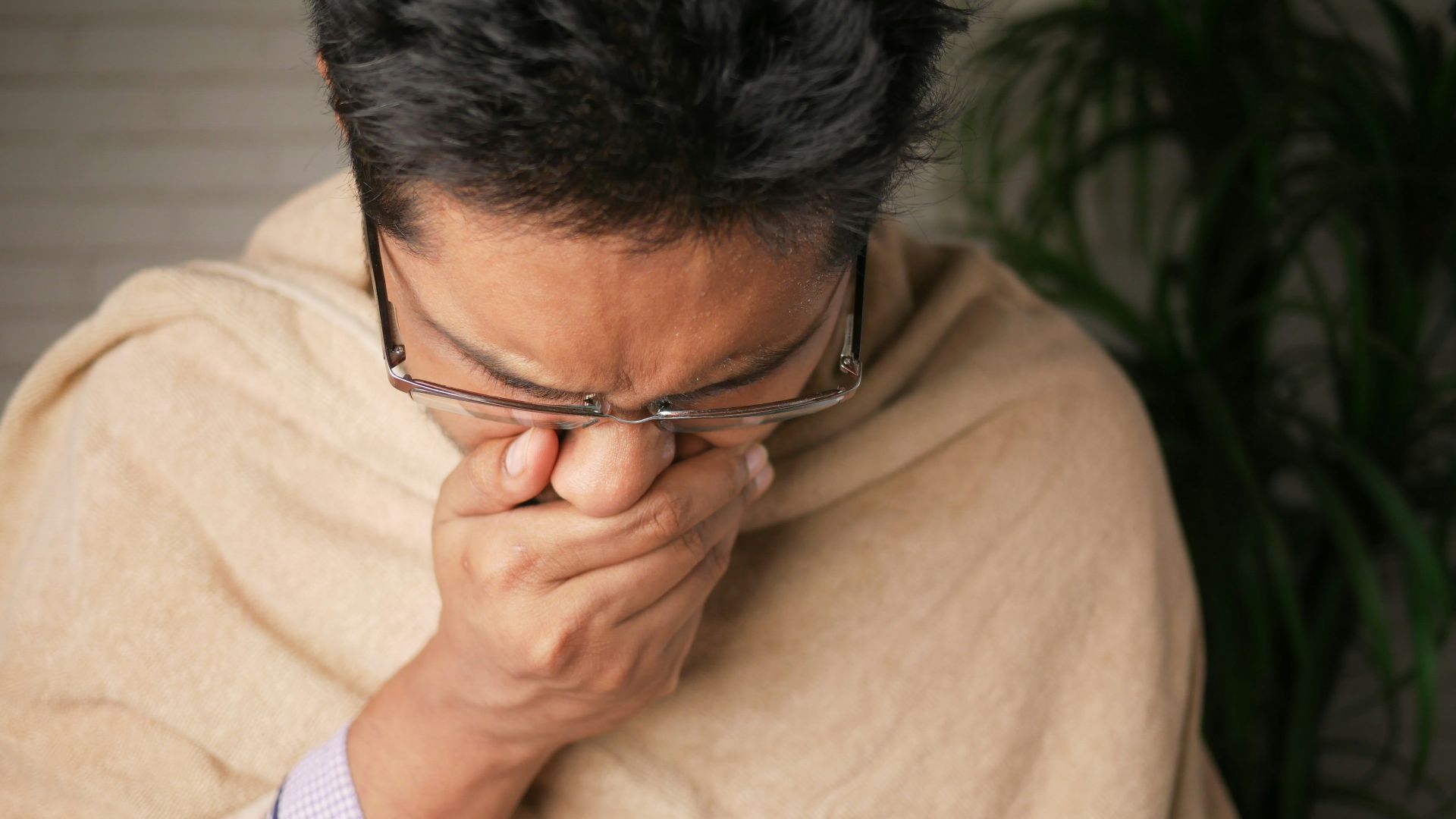
Meningococcal disease is the kind of illness that makes clinicians talk faster and families go quiet. It can cause meningitis and bloodstream infections, and outbreaks in close settings like dorms have shown how a bacterium can exploit human proximity.
12. Salmonella Enterica Serovar Typhi
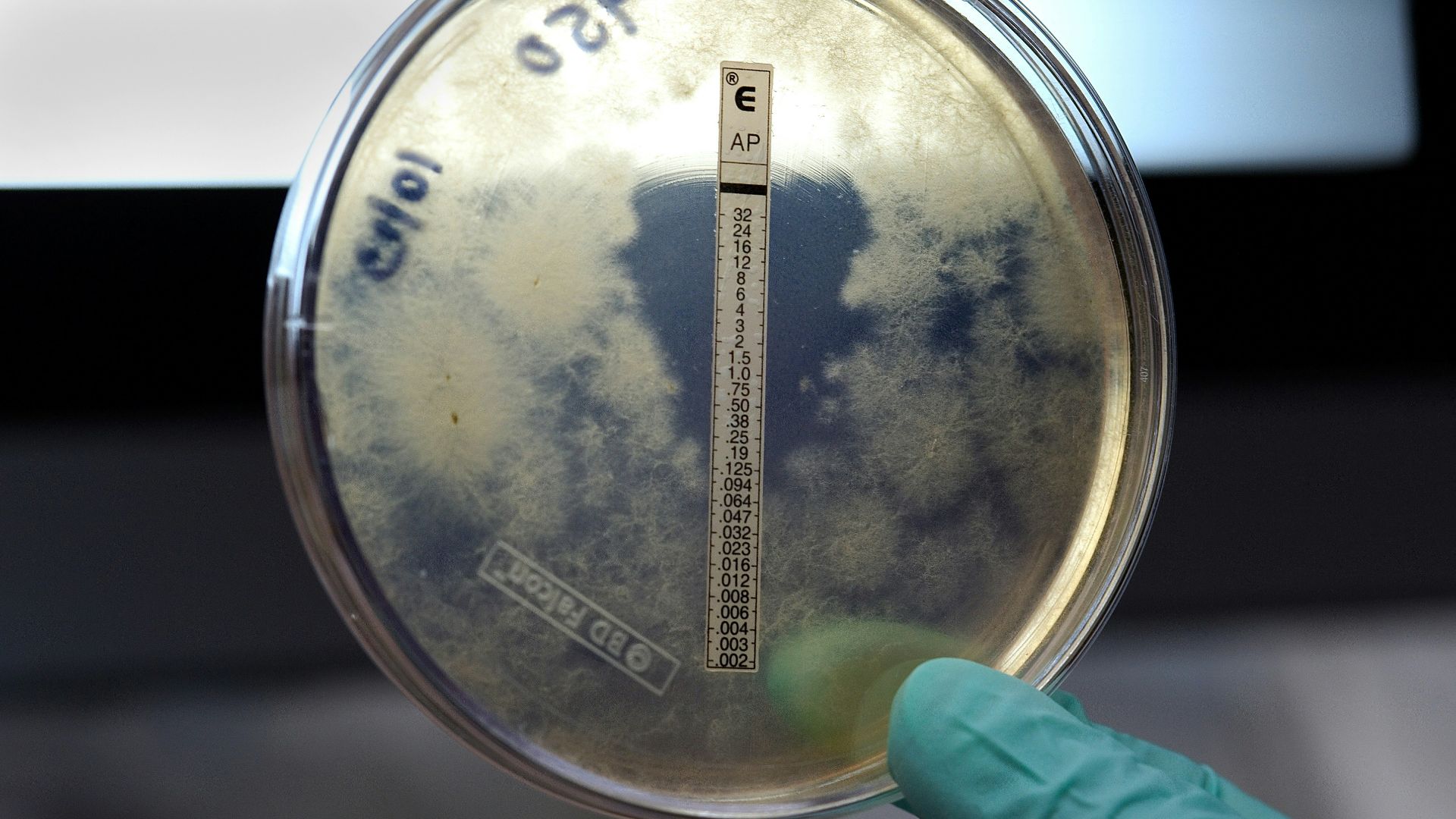
Typhoid fever has shaped military campaigns and public health reforms, and it remains a major concern where clean water and sanitation are unreliable. Scientists still reference the era of “Typhoid Mary” because it illustrated something unsettling: healthy people can quietly spread serious disease.
 John Vachon(w) for the United States Farm Security Administration(w) on Wikimedia
13. Shigella Dysenteriae
Shigella spreads with brutal efficiency, especially where hygiene is hard to maintain, and it has a long history of causing dysentery outbreaks. It alarms researchers because it can hit vulnerable populations fast, and antibiotic resistance has complicated control efforts in some regions.

14. Escherichia Coli O157:H7
Most E. coli are harmless neighbors in the gut, yet O157:H7 is the infamous outlier tied to severe foodborne outbreaks, including the widely remembered 1993 Jack in the Box incident. It terrifies because the route of exposure can be ordinary, like undercooked beef or contaminated produce, and the consequences can be anything but.

15. Listeria Monocytogenes
Listeria is feared for its ability to invade the bloodstream and central nervous system, and for the way it targets pregnant people, newborns, and older adults. Outbreaks linked to ready-to-eat foods, including the well-documented 2011 U.S. cantaloupe outbreak investigated by public health authorities, made it feel like danger could hide in the fridge.

16. Francisella Tularensis
Tularemia has earned a reputation for being highly infectious under certain conditions, and it appears in CDC biodefense discussions for that reason. Researchers pay attention because a single exposure route can be enough to cause serious illness, and the bacterium has a knack for showing up through wildlife and outdoor contact.

17. Brucella Species
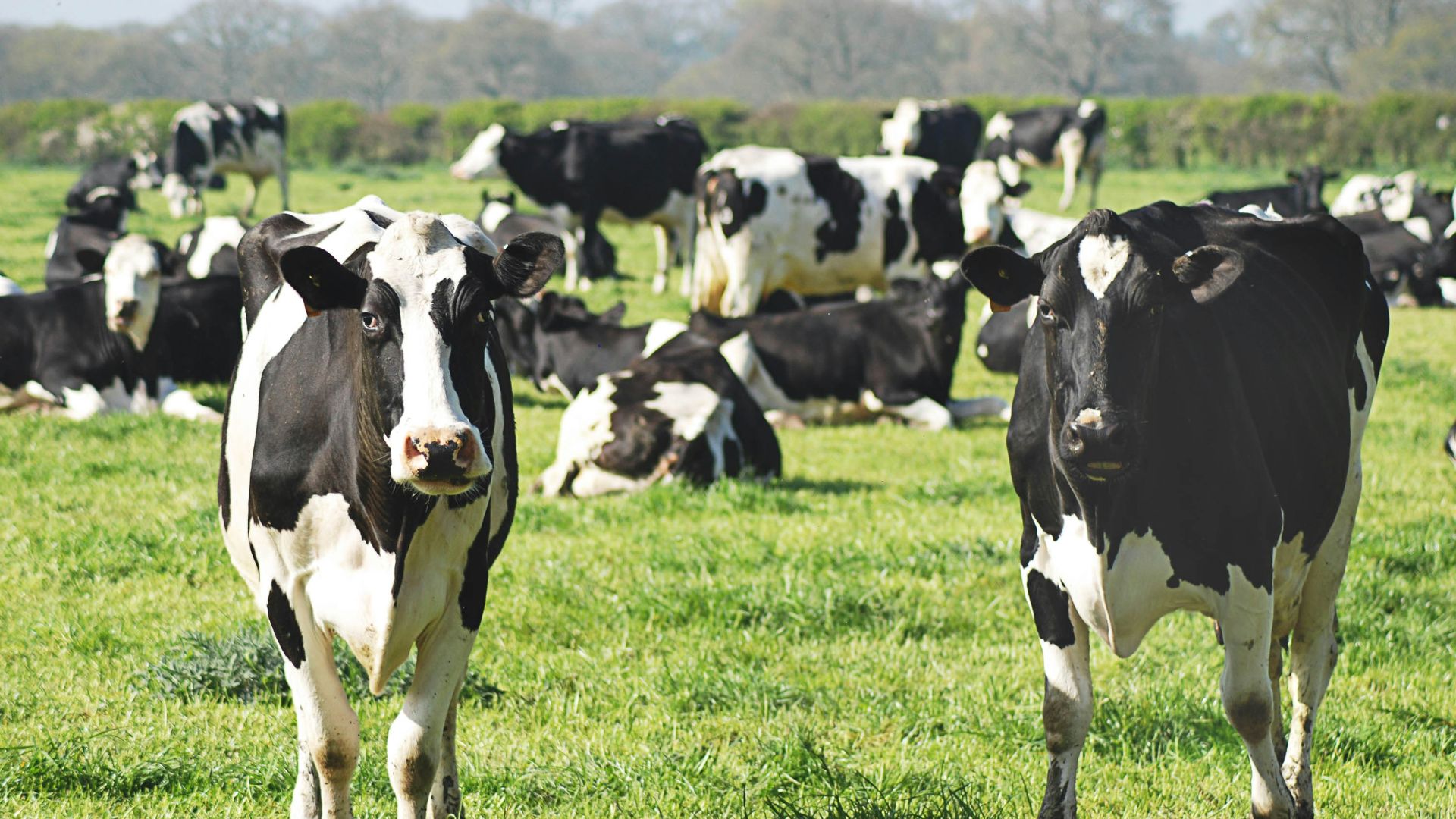
Brucellosis is a lesson in how closely human health is tied to animals and food systems, often linked to unpasteurized dairy or livestock exposure. It can cause long, draining illness that lingers, which makes it a stubborn adversary rather than a quick headline.
18. Burkholderia Pseudomallei
This is the cause of melioidosis, a disease long associated with tropical soils and heavy rains, especially in parts of Southeast Asia and northern Australia. Scientists worry because it can mimic other illnesses, relapse after seeming to improve, and demand careful diagnostics that not every clinic can easily access.
19. Pseudomonas Aeruginosa
Pseudomonas thrives in wet environments and loves the modern hospital ecosystem, from sinks to respiratory equipment. It’s notorious for resistance and for exploiting weakened immune systems, which is why it often appears in serious conversations about healthcare-associated infections.

20. Acinetobacter Baumannii
Acinetobacter has become a symbol of hard-to-treat hospital infections, especially in intensive care settings where vulnerable patients have little margin for error. Researchers track it because it can survive on surfaces, shrug off multiple antibiotics, and turn routine infection control into a constant, meticulous grind.
KEEP ON READING

The story of Ching Shih, the Woman Who Became the…
Unknown author on WikimediaFew figures in history are as feared…
By Emilie Richardson-Dupuis Dec 29, 2025
Einstein's Violin Just Sold At An Auction—And It Earned More…
A Visionary's Violin. Wanda von Debschitz-Kunowski on WikimediaWhen you hear…
By Ashley Bast Nov 3, 2025
This Infamous Ancient Greek Burned Down An Ancient Wonder Just…
History remembers kings and conquerors, but sometimes, it also remembers…
By David Davidovic Nov 12, 2025
The Mysterious "Sea People" Who Collapsed Civilization
3,200 years ago, Bronze Age civilization in the Mediterranean suddenly…
By Robbie Woods Mar 18, 2025
The Love Story Behind the Taj Mahal Was Also a…
Koushik Chowdavarapu on UnsplashThe Taj Mahal is often introduced as…
By Emilie Richardson-Dupuis Apr 2, 2026
20 Soldiers Who Defied Expectations
Changing the Rules of the Battlefield. You’ve probably heard plenty…
By Annie Byrd Feb 10, 2026