The Games That Rewrote the Sport
The World Cup is the world's largest sporting event. It has created national myths, shattered assumptions, introduced new stars, exposed flaws in the sport, and turned single moments into stories that people argue about for decades. From impossible upsets to controversial calls and breakthrough performances, here are 20 scenes that did more than decide matches; they changed how soccer was watched, played, remembered, and understood.
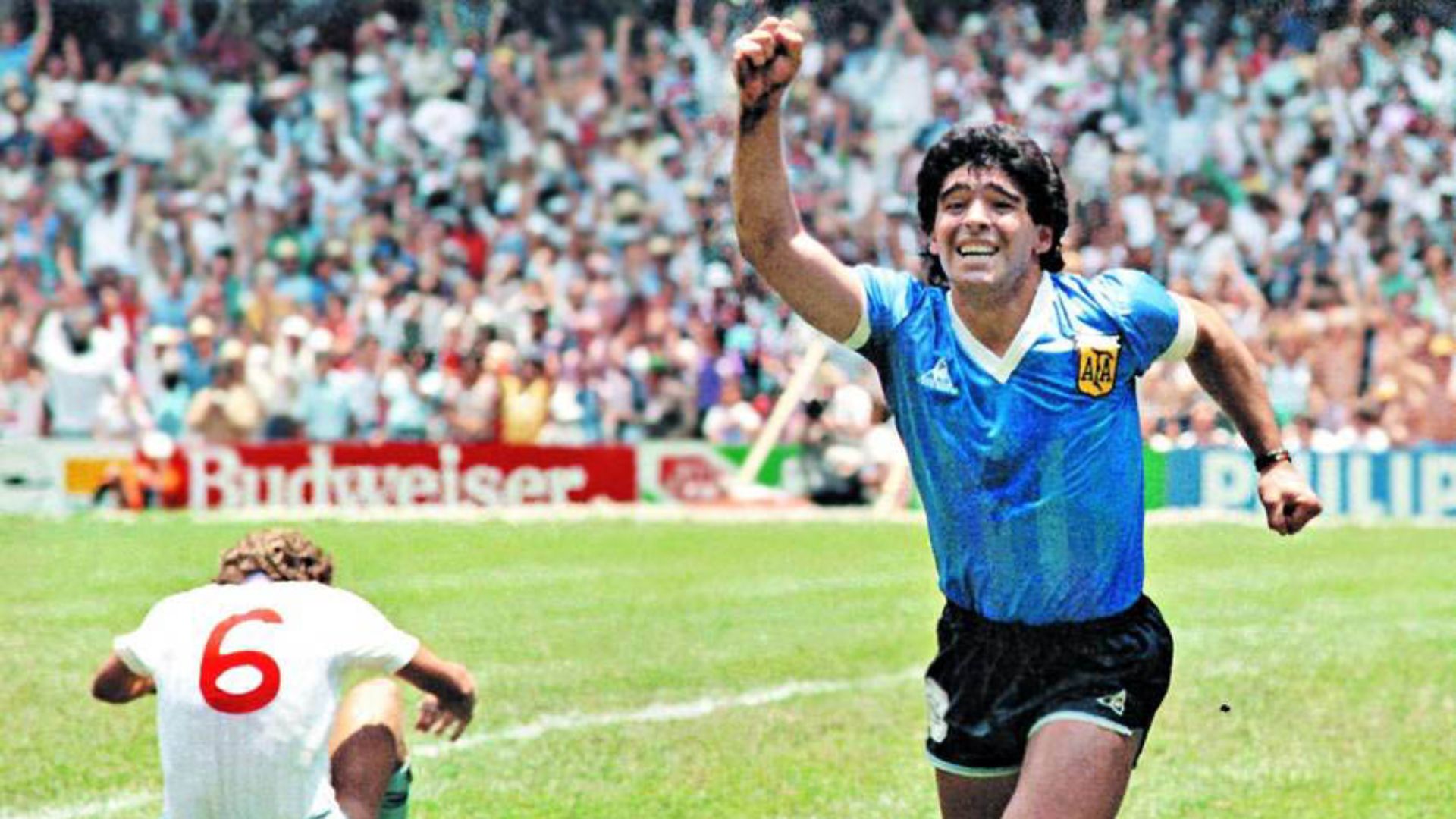
1. Uruguay Silenced Brazil in 1950
The 1950 World Cup ended with one of the most famous shocks in soccer history. Brazil needed only a draw against Uruguay at the Maracanã, and the home crowd was ready for a celebration before the final whistle even arrived. Uruguay’s 2-1 win stunned the country and changed how host-nation pressure was understood forever.
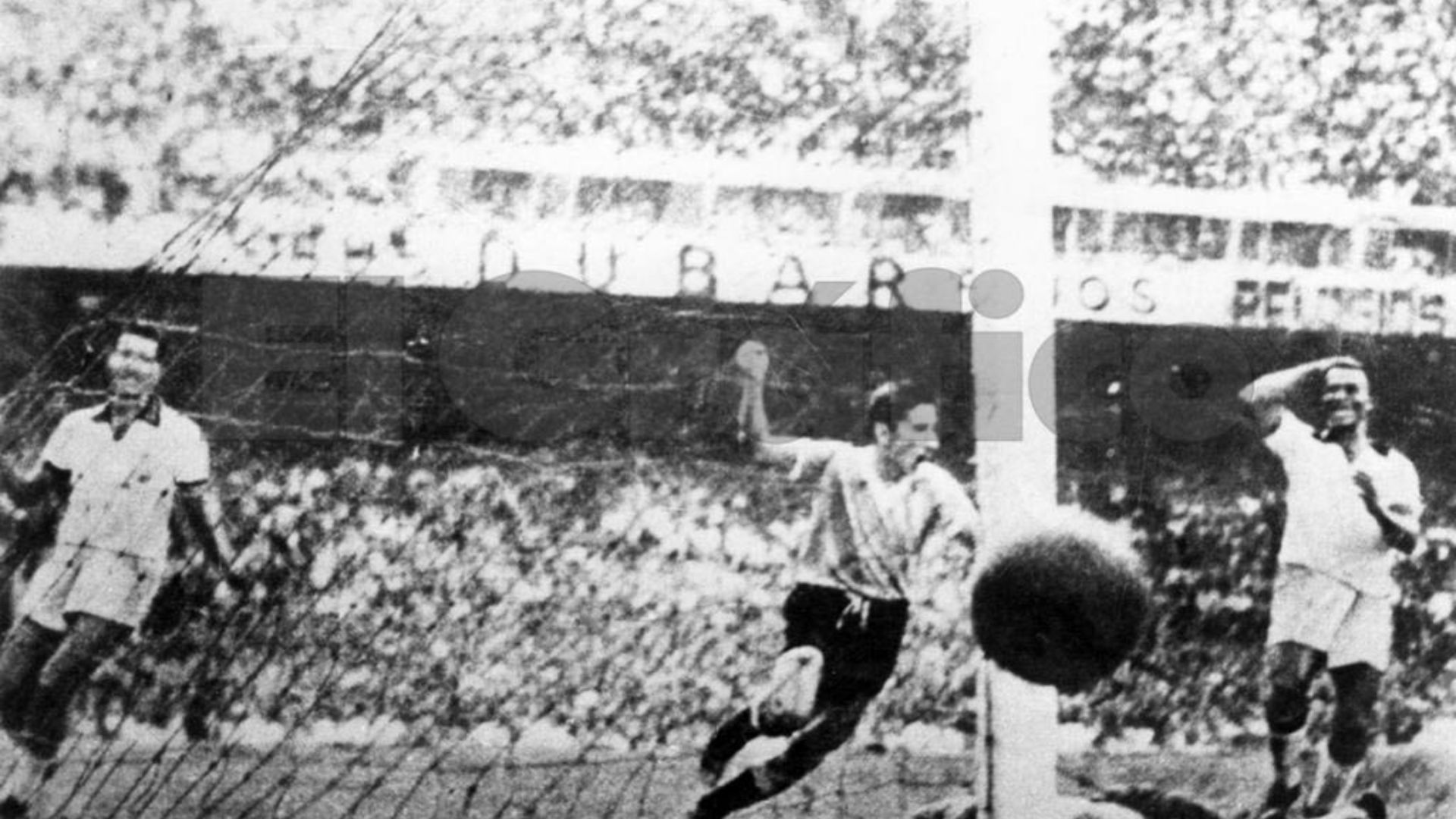
2. West Germany Stunned Hungary in 1954
Hungary entered the 1954 final as the brilliant favorite, led by Ferenc Puskás and a team that looked unstoppable. West Germany’s 3-2 comeback in Bern became known as the Miracle of Bern and reshaped postwar German soccer identity. It also proved that tournament finals don’t always reward the team with the best reputation.
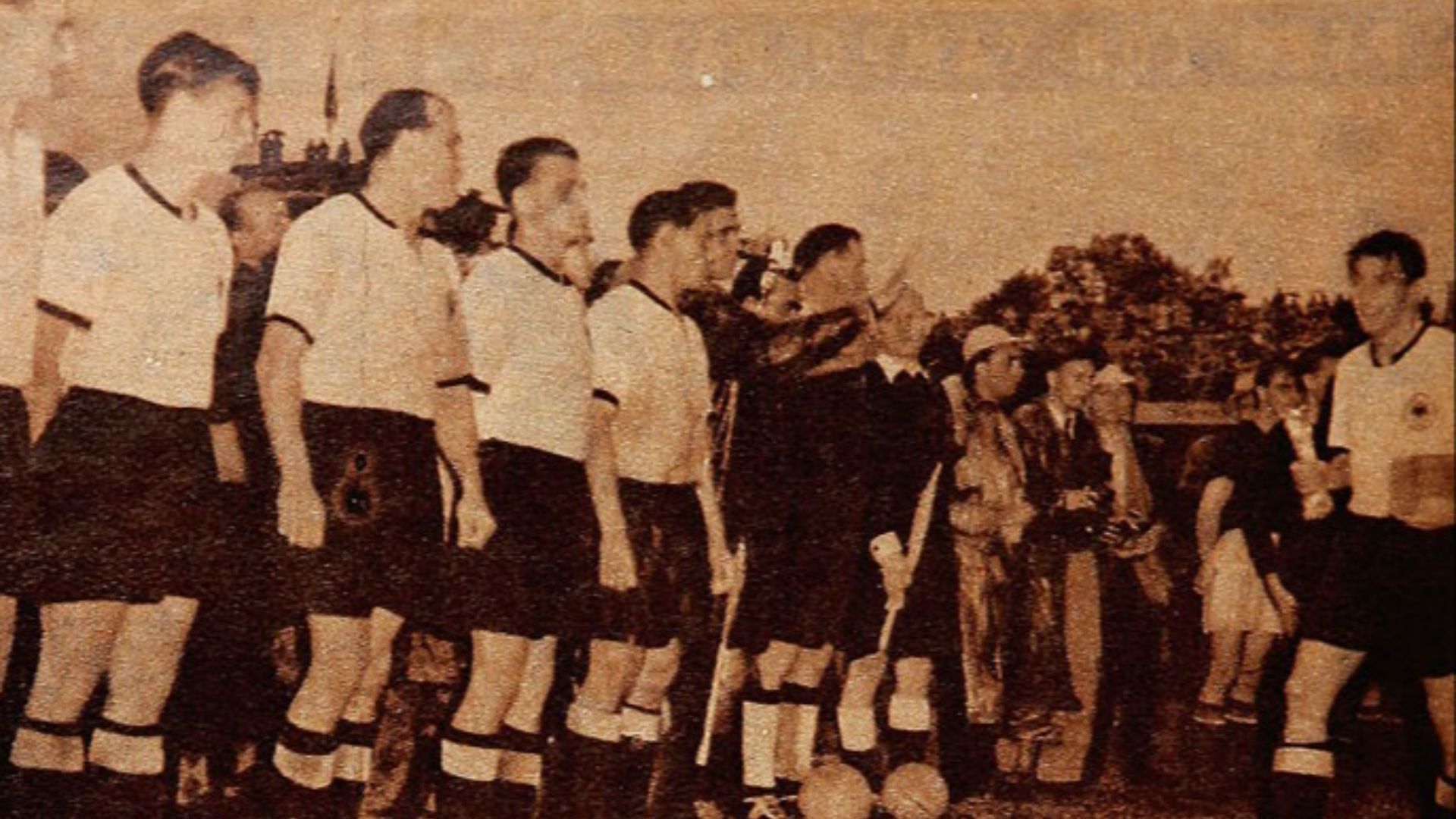
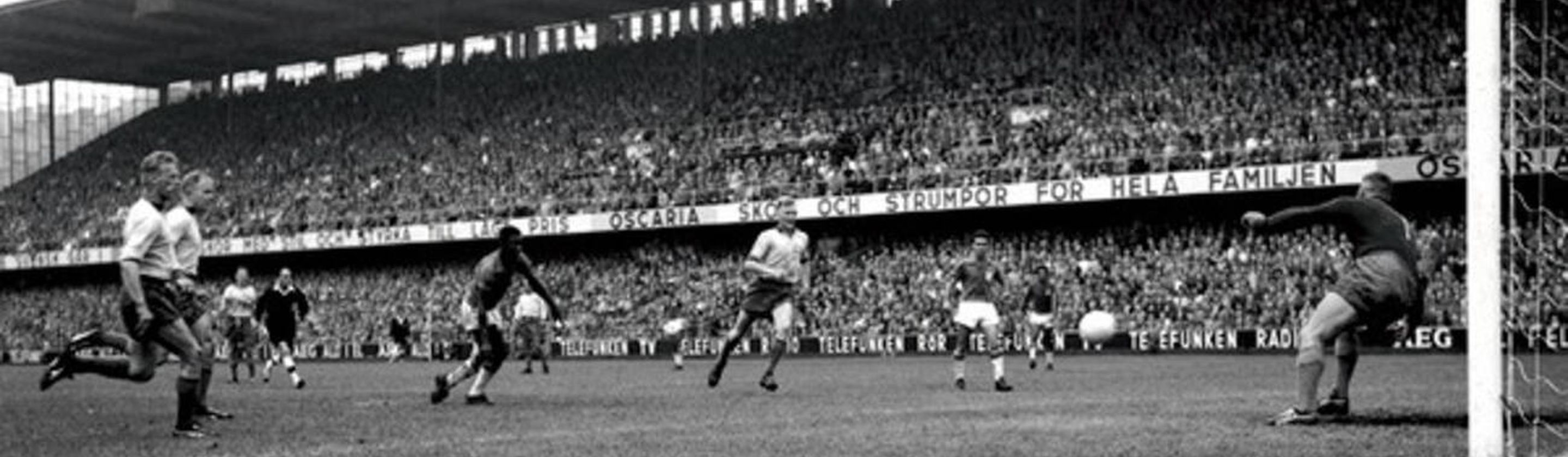
3. Pelé Arrived in 1958
Pelé was only 17 when he turned the 1958 World Cup into his personal introduction to the world. His goals, skill, and confidence helped Brazil win its first World Cup title and launched one of the most famous careers in sports history. Before Pelé, many Europeans didn't even know about Brazil's existence; after Pelé, the world expected brilliance whenever Brazil stepped onto the field. Brazil still holds the record for the most World Cup wins, largely thanks to this man.
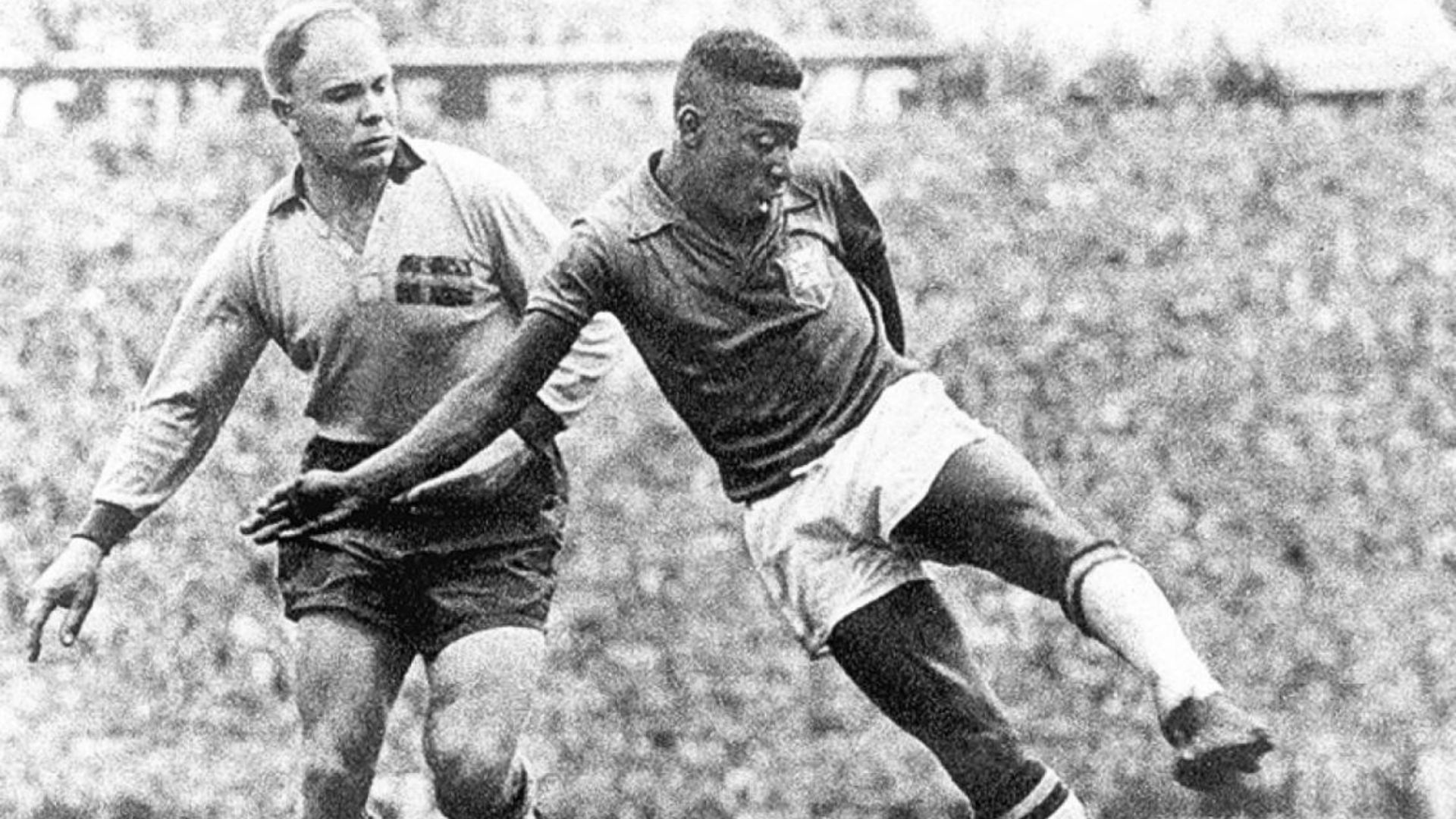
4. England’s Controversial Goal in 1966
The 1966 final between England and West Germany gave soccer one of its most debated goals. Geoff Hurst’s shot hit the underside of the crossbar and bounced down, and officials ruled that it had crossed the line. England went on to win, but arguments about that decision never really left the sport.
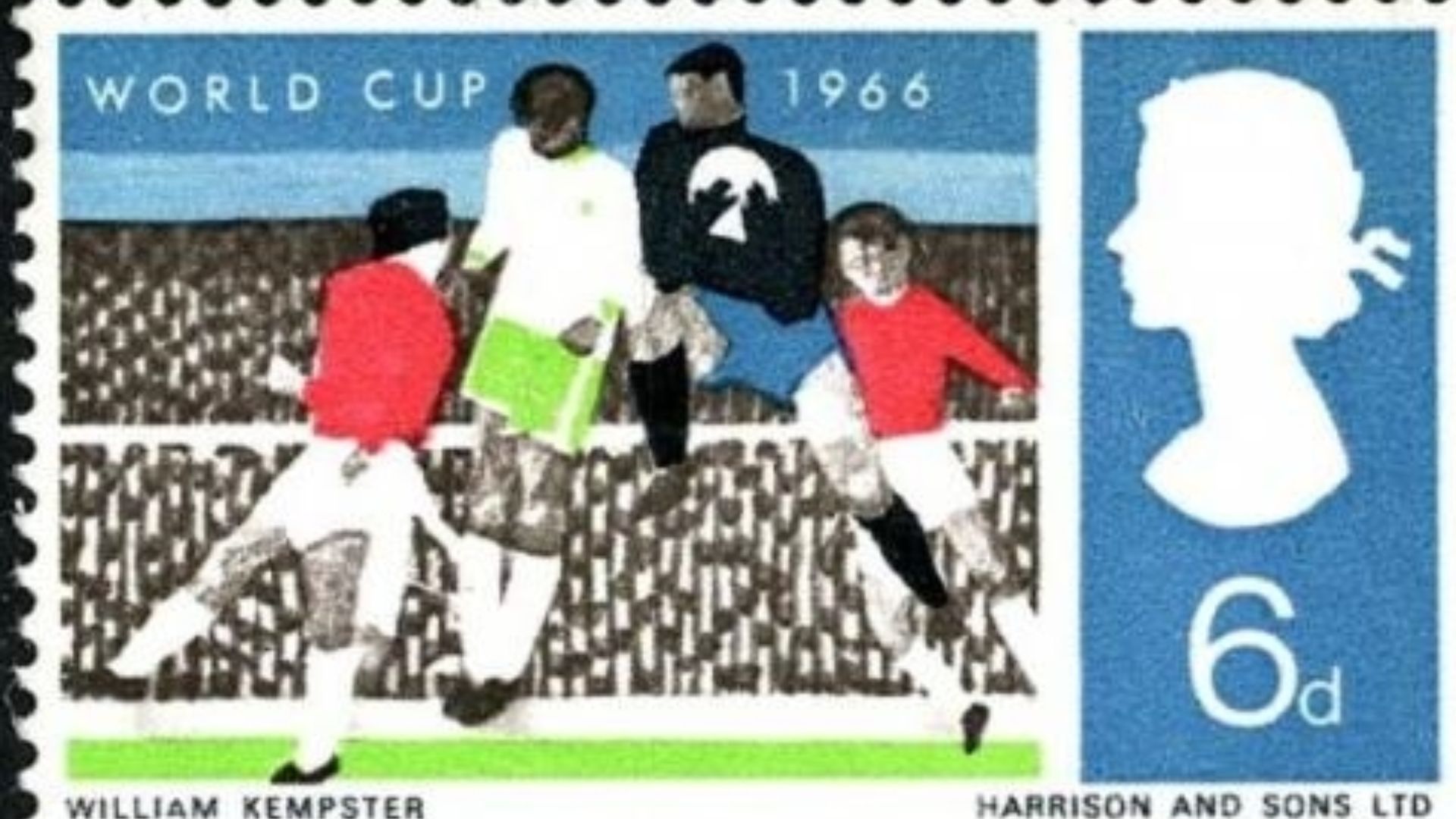 William Kempster, stamp British Crown Copyright on Wikimedia
5. North Korea Beat Italy in 1966
North Korea’s 1-0 win over Italy at the 1966 World Cup remains one of the tournament’s great surprises. Italy was expected to advance comfortably, while North Korea was treated as a long shot. Instead, Pak Doo-ik scored, Italy crashed out, and the soccer world was reminded that reputations don’t win matches. It helped make the World Cup feel truly global and wonderfully unpredictable.
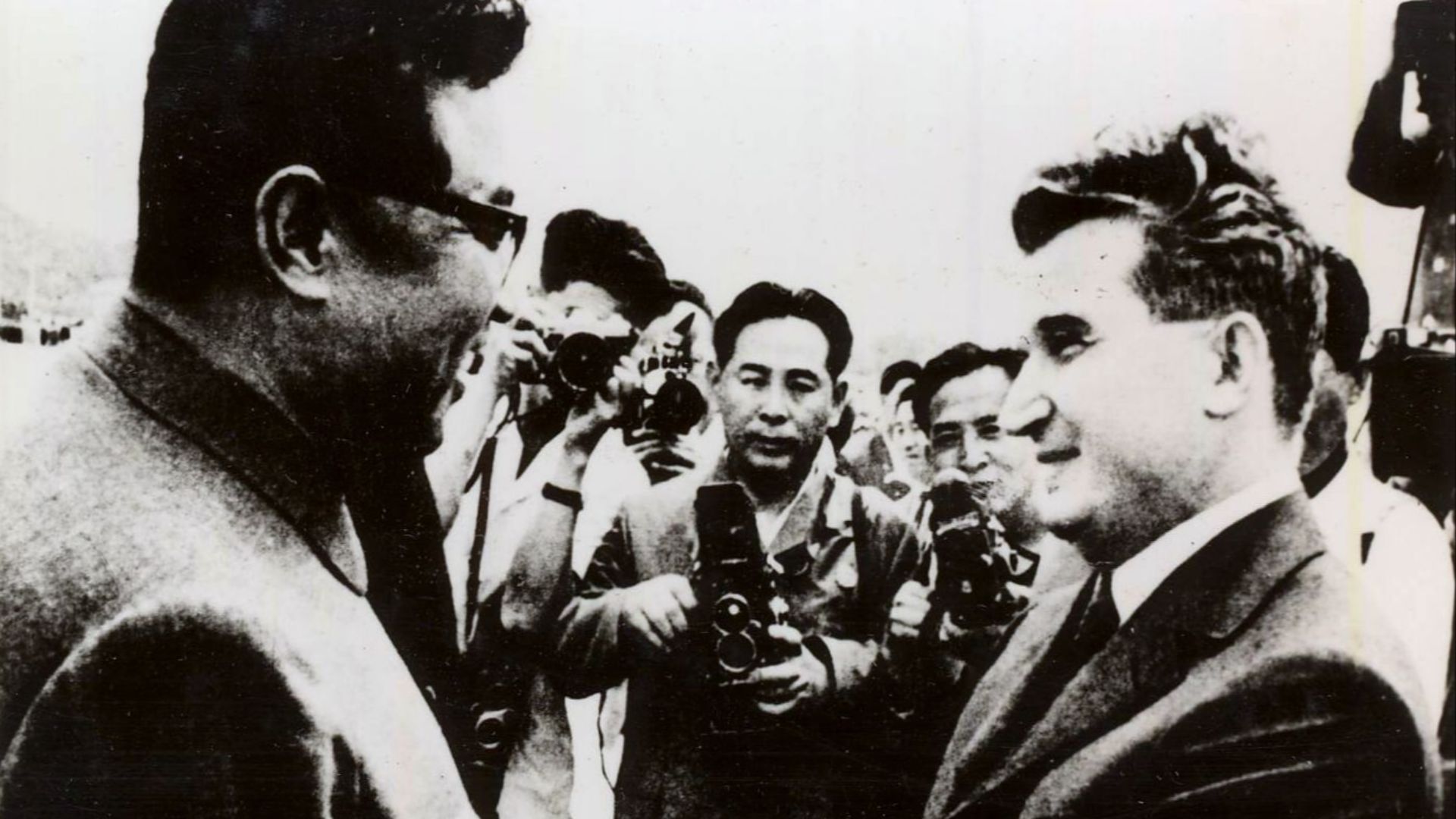 Romanian National Archives on Wikimedia
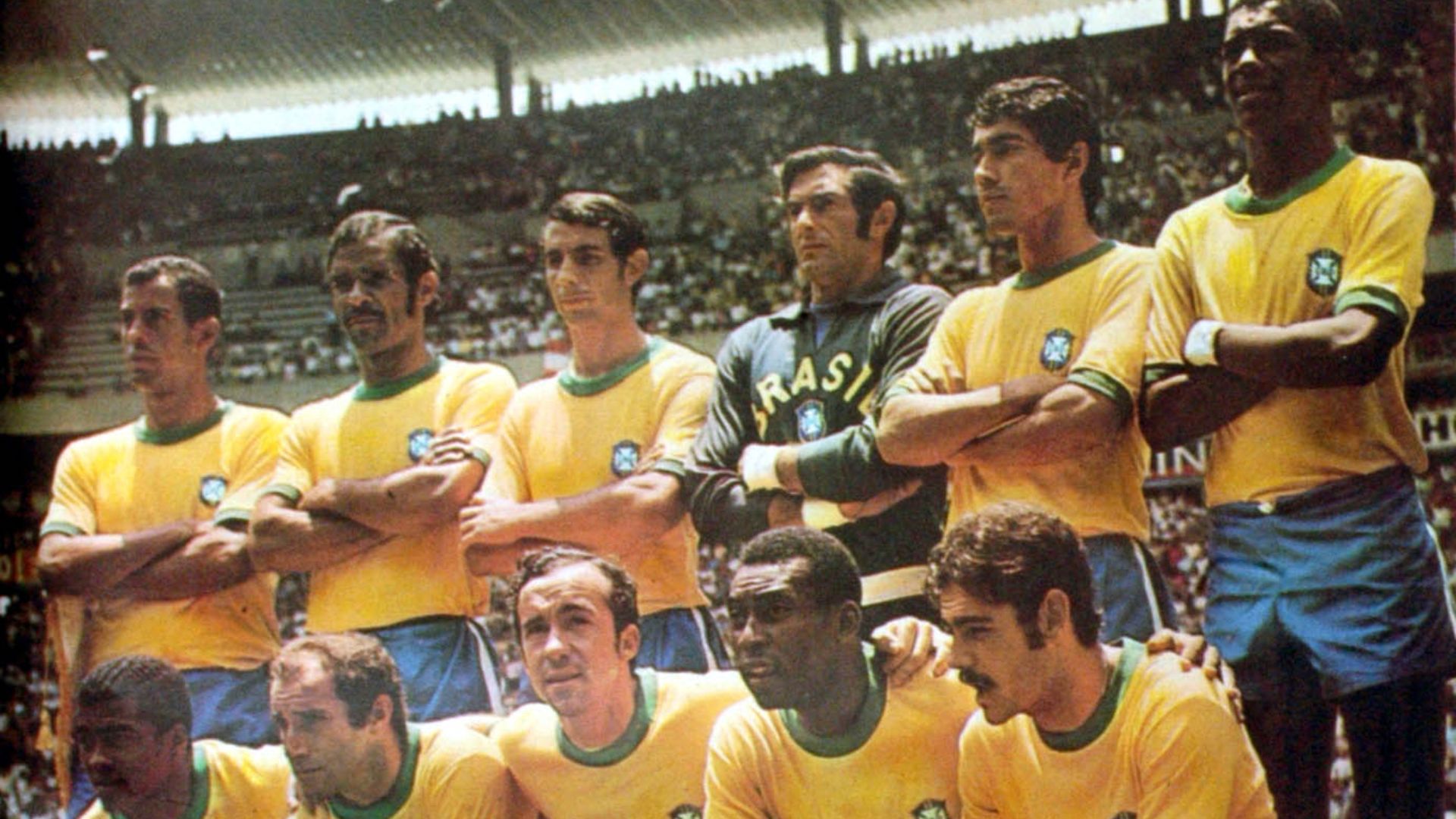
6. The 1970 Brazil Team Redefined Beauty
Brazil’s 1970 team didn’t just win the World Cup; it shaped how generations imagined beautiful soccer. With Pelé, Jairzinho, Tostão, Rivelino, and Carlos Alberto, Brazil played with a rhythm that felt elegant without losing its edge. Carlos Alberto’s goal in the final became a highlight-reel standard for team play. The tournament turned Brazil’s "Joga Bonito" style into something close to soccer mythology.
7. Cruyff & Total Football Took Over 1974
The Netherlands didn’t win the 1974 World Cup, but Johan Cruyff and Total Football changed the sport anyway. Their movement, pressing, flexibility, and positional intelligence made soccer feel more fluid and modern. Players seemed to swap roles without losing structure, which was a new kind of organized chaos. Even in defeat, the Dutch left a tactical legacy that coaches still study.
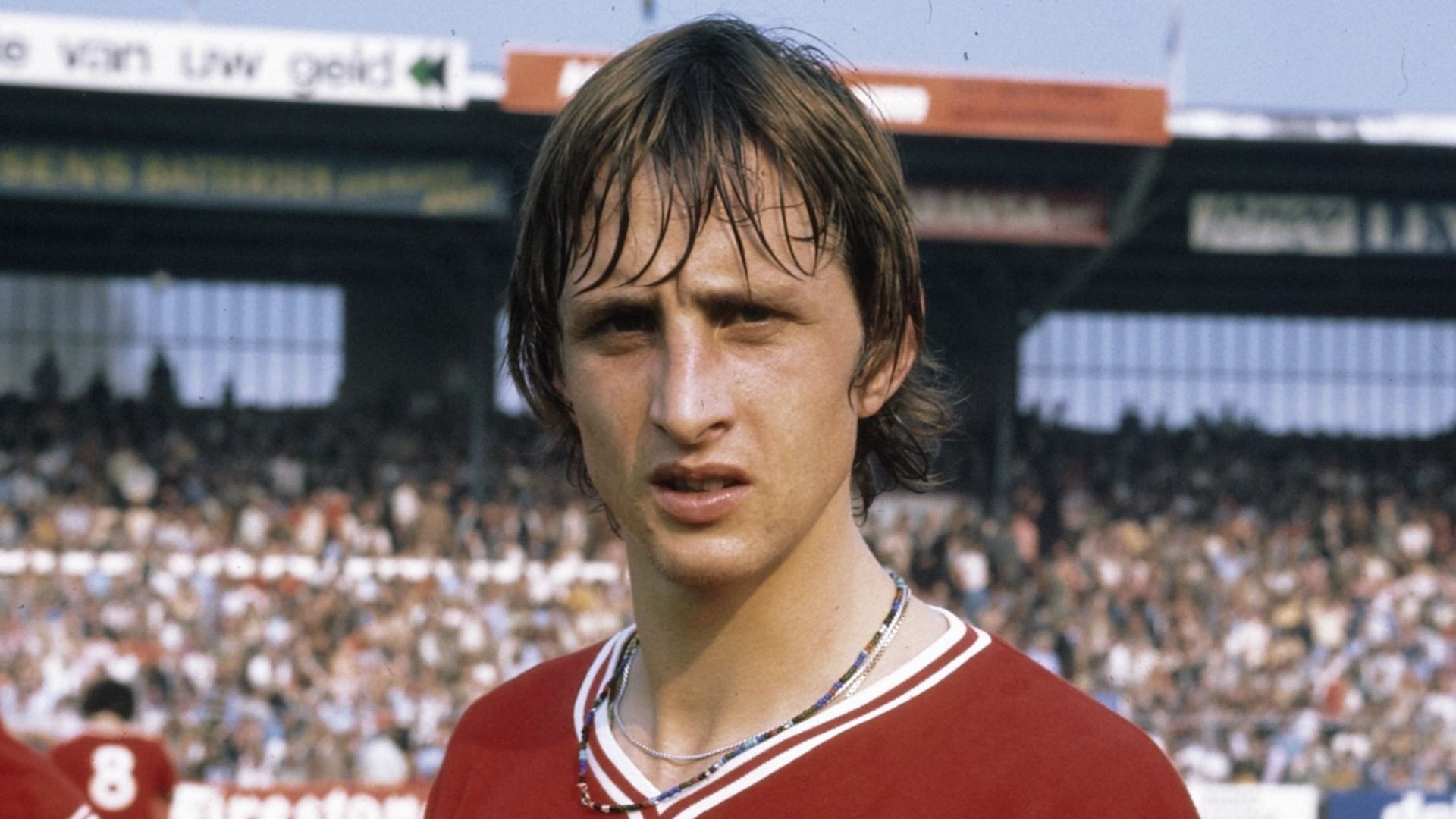 Bert Verhoeff for Anefo on Wikimedia
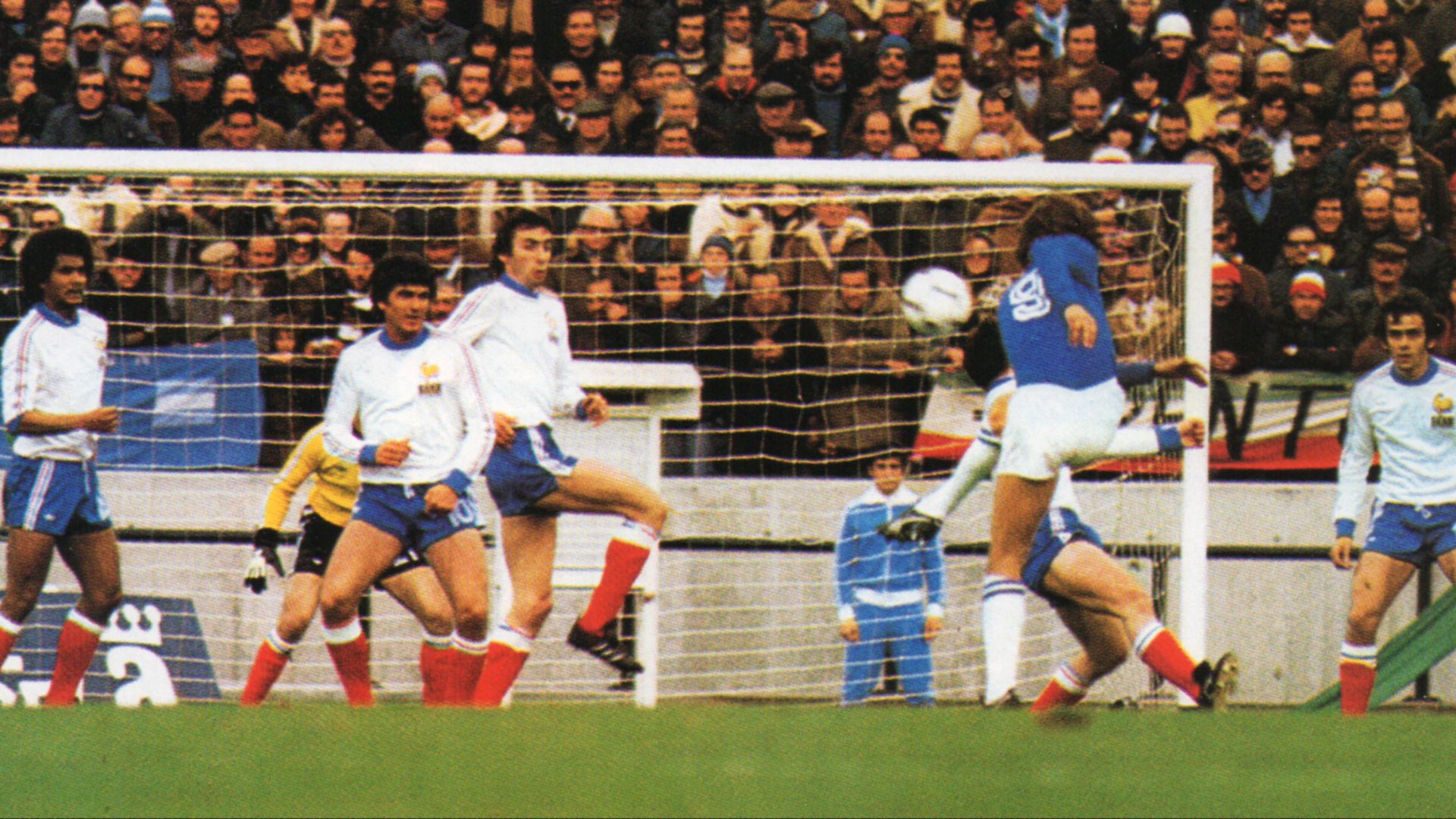
8. Argentina’s 1978 Win Sparked Political Debate
Argentina won the 1978 World Cup at home, but the victory came during a brutal military dictatorship. The tournament became tangled with politics, propaganda, and questions about how sport can be used by those in power. On the field, Argentina lifted the trophy, but off it, the event raised uncomfortable questions that never fully disappeared.
 Argentine Football Association and FIFA on Wikimedia
9. Maradona’s "Hand of God"
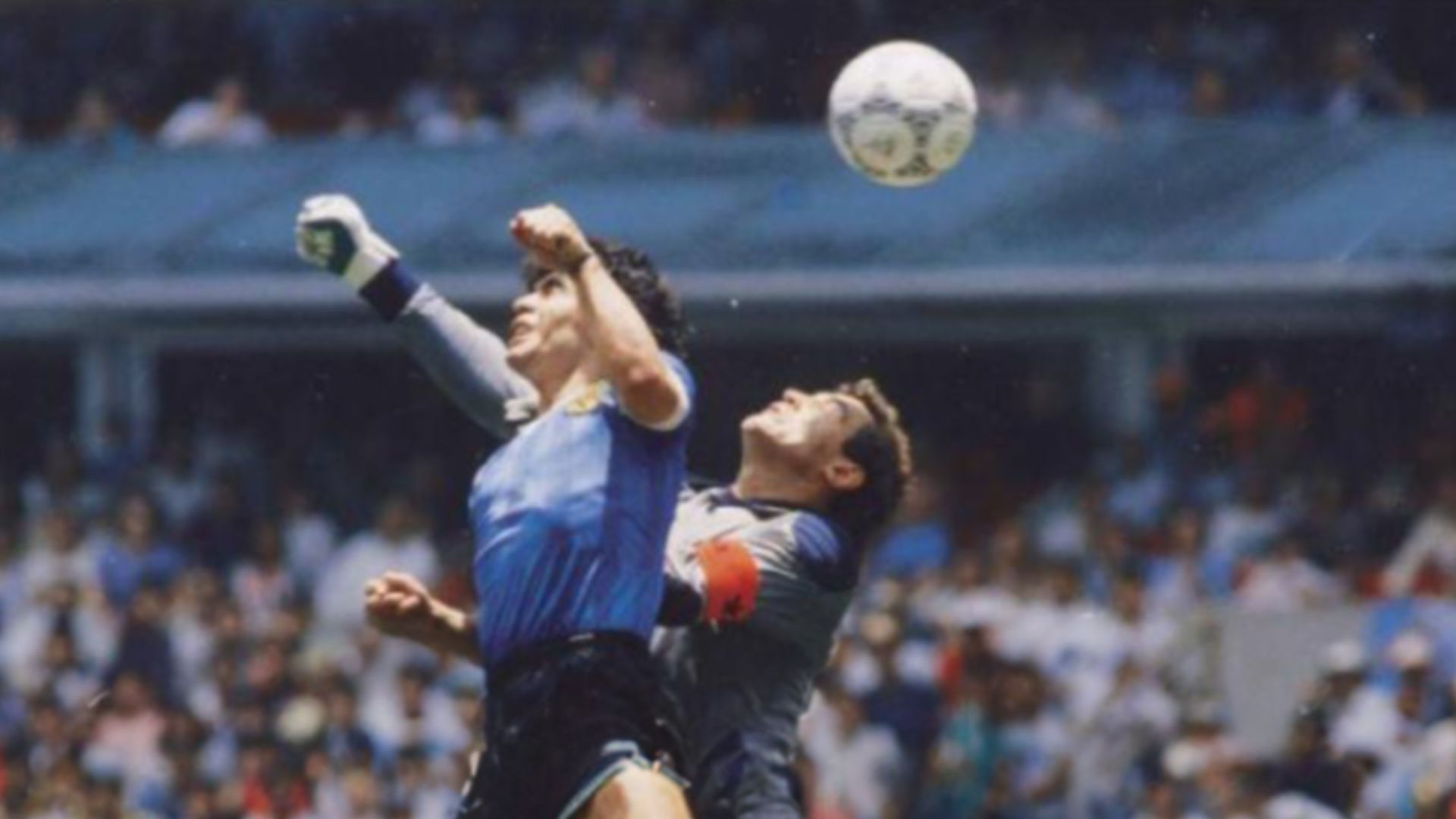
Diego Maradona’s first goal against England in 1986 became one of the most infamous moments in soccer. He used his hand to score, the referee missed it, and Argentina took the lead in a match loaded with political and sporting tension. The goal became a permanent part of World Cup folklore because it was brilliant, outrageous, and completely illegal.
10. Maradona’s Goal of the Century Followed Minutes Later
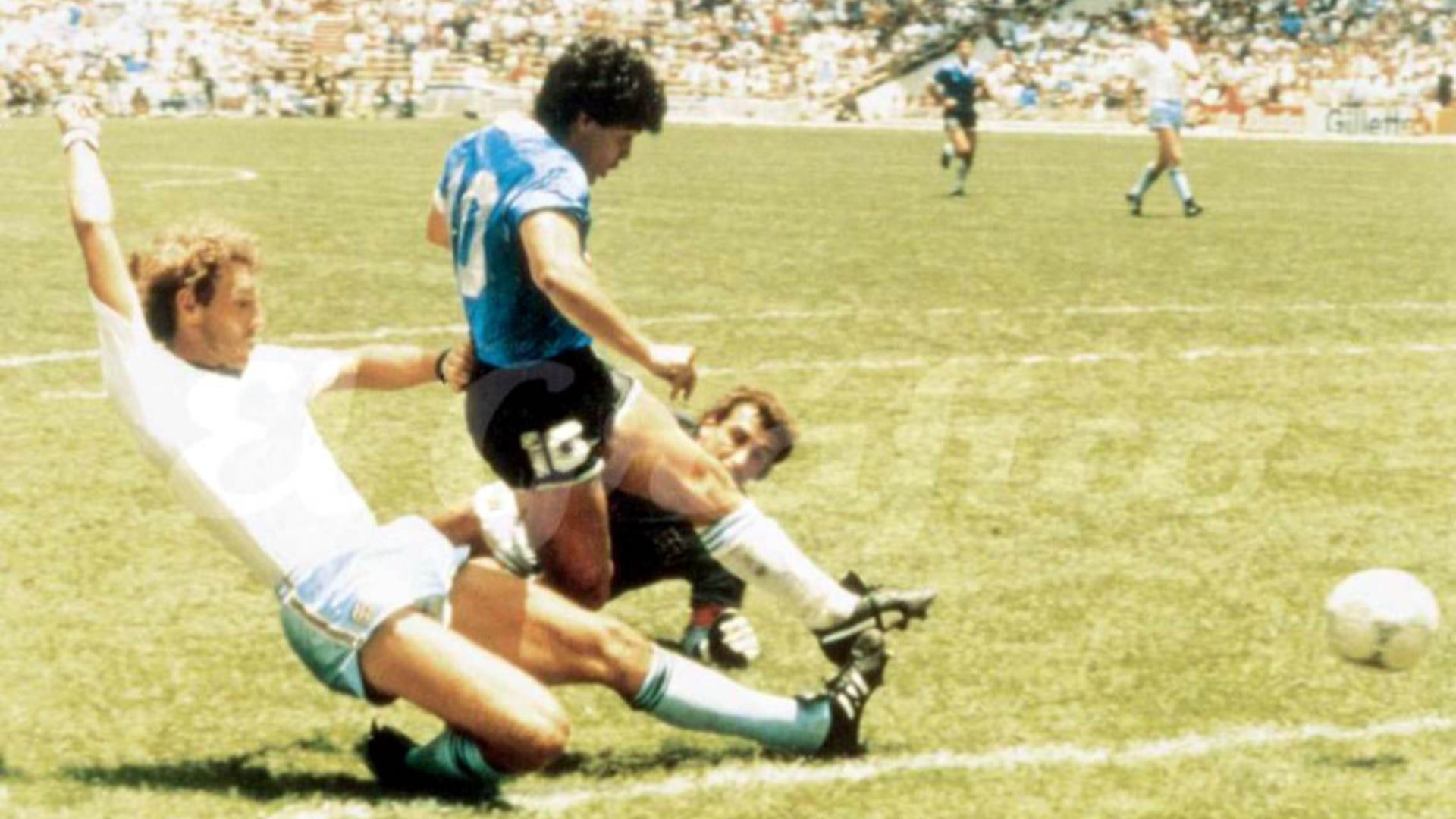
Just minutes after the Hand of God, Maradona scored one of the greatest goals ever seen. He dribbled through England’s defense with control, balance, and nerve before finishing past the goalkeeper, making the match unforgettable. On the same afternoon, Maradona became both soccer’s great trickster and one of its purest geniuses.
11. Cameroon Shocked Argentina in 1990
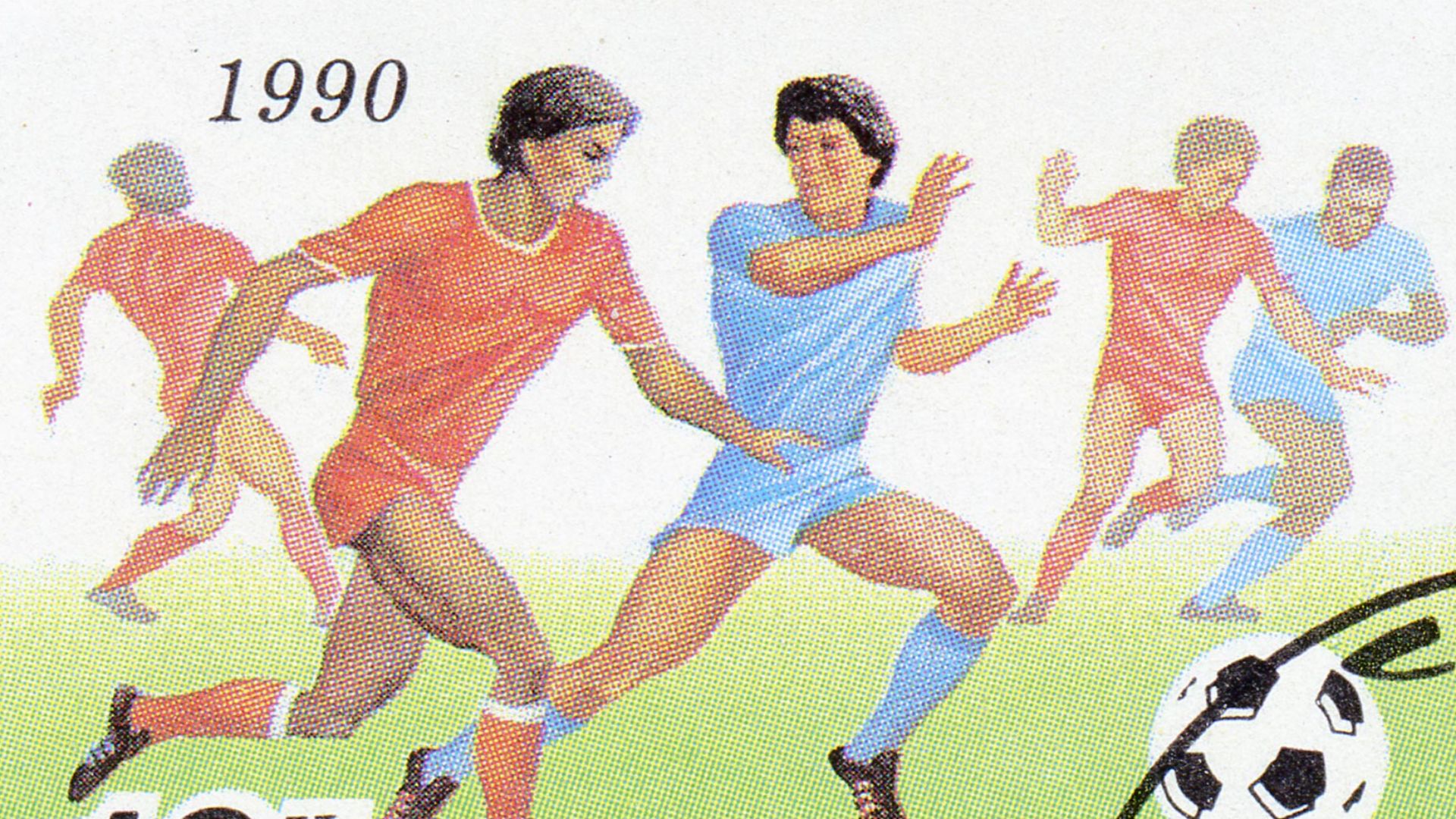
Cameroon opened the 1990 World Cup by beating defending champion Argentina. It was a stunning result that helped change how African teams were viewed on the global stage. Cameroon’s run to the quarterfinals brought joy, athleticism, and confidence to a tournament often remembered for defensive caution. After that, no one could dismiss African soccer quite so easily.
 Post of Soviet Union on Wikimedia
12. The 1991 Women’s World Cup Began a New Era
The first official FIFA Women’s World Cup took place in China in 1991. The United States won the tournament, with Michelle Akers playing a major role in the final. It gave women’s soccer a global stage, even if the event still didn’t receive the same attention as men's. Looking back, it was the beginning of something much bigger than officials may have realized.

13. Roberto Baggio’s Miss Defined 1994
The 1994 final between Brazil and Italy came down to penalties after a tense scoreless match. Roberto Baggio, Italy’s biggest star, sent his penalty over the bar, handing Brazil the title. The miss became one of the most painful images in World Cup history. It also reminded everyone that even the best players can be swallowed by one brutal moment.
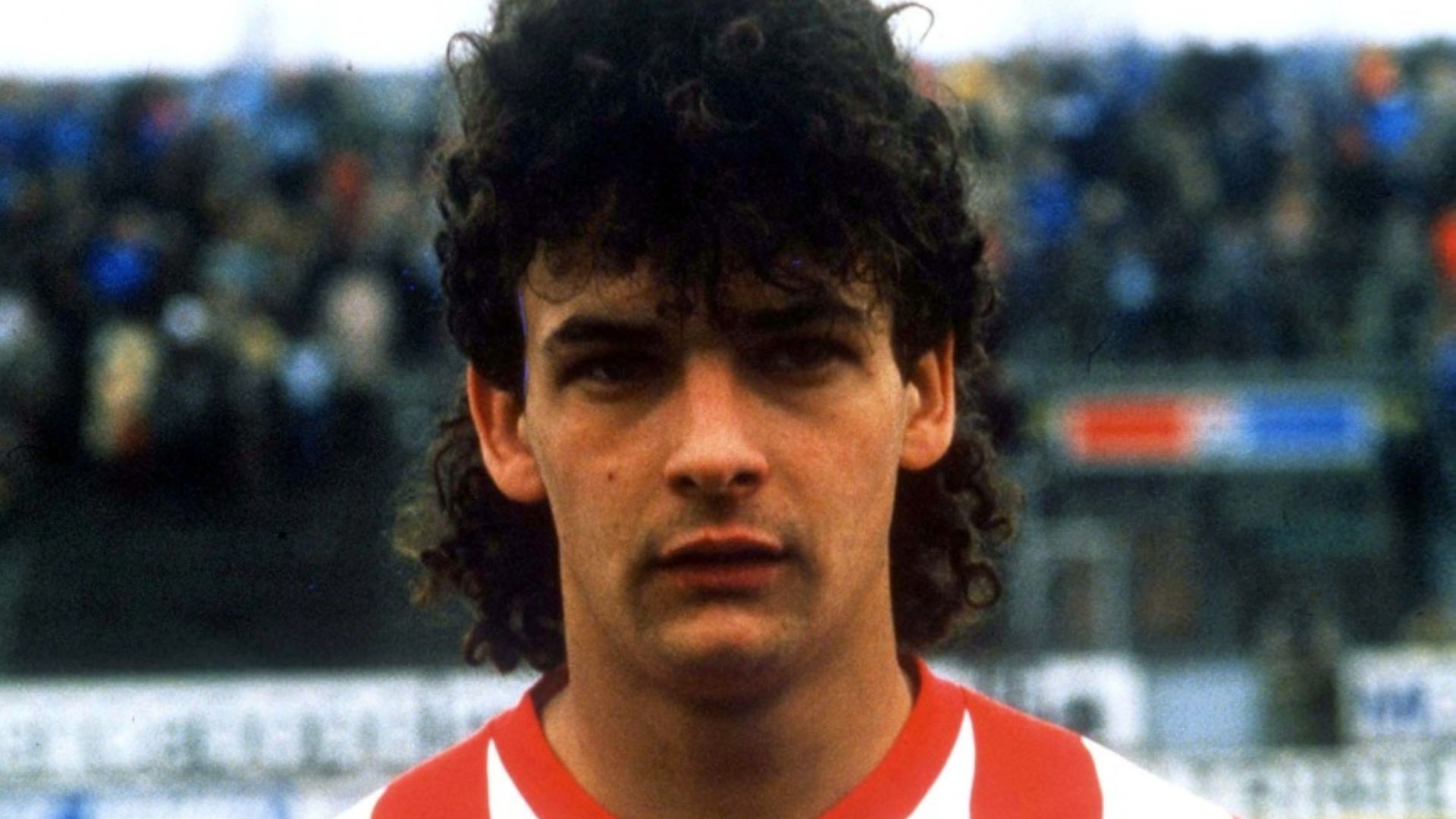
14. Brandi Chastain’s Penalty Changed Visibility in 1999
The 1999 Women’s World Cup final helped push women’s soccer into mainstream American culture. Brandi Chastain scored the winning penalty against China and celebrated by falling to her knees and ripping off her jersey, revealing her Nike sports bra beneath: a moment that became one of the defining images of women's sports history. The World Cup final, which was attended by almost 100,000 fans and 40 million watching at home, showed that women’s soccer could fill stadiums, draw attention, and create unforgettable stars.
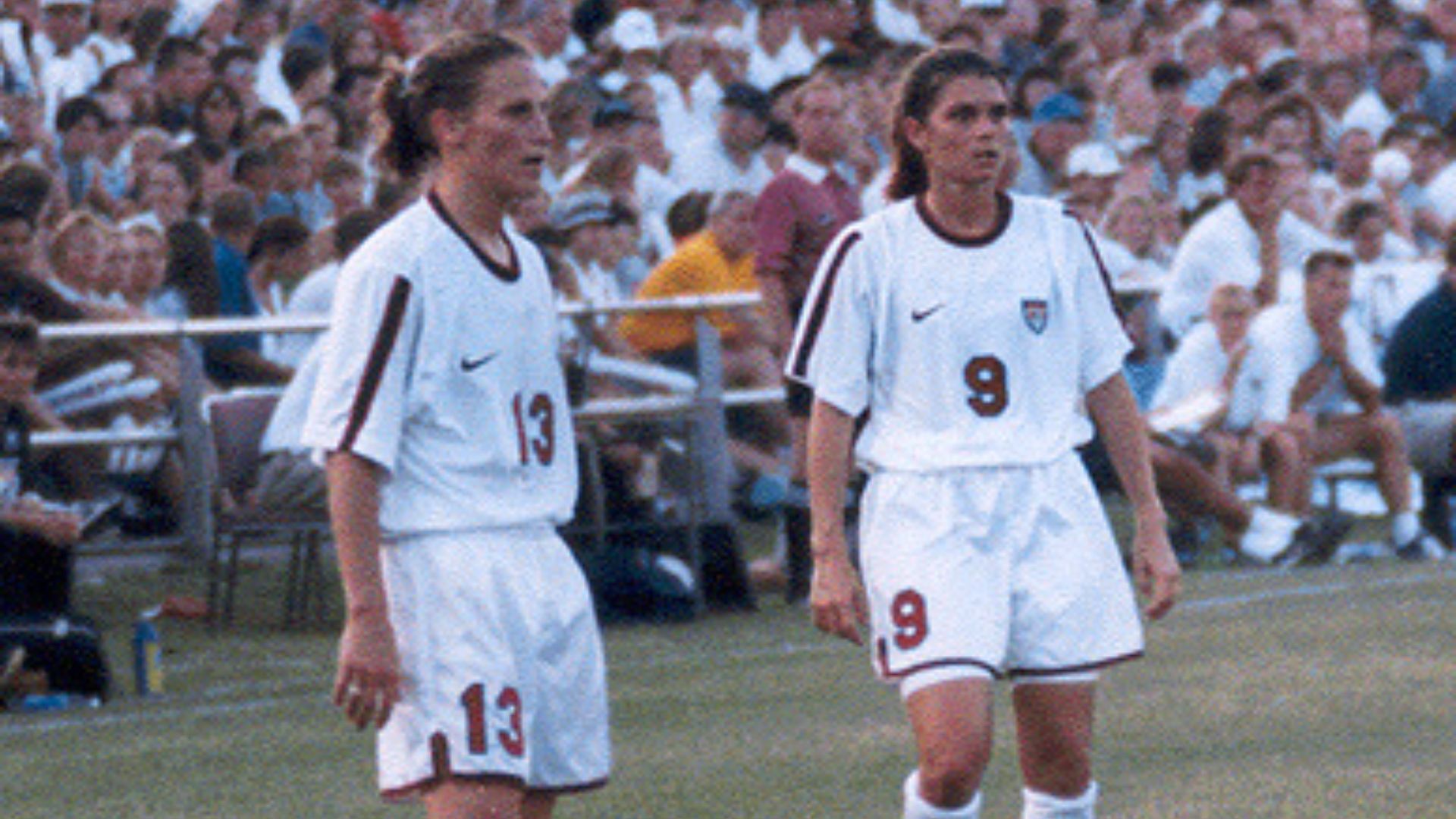 Johnmaxmena (talk)John Mena on Wikimedia
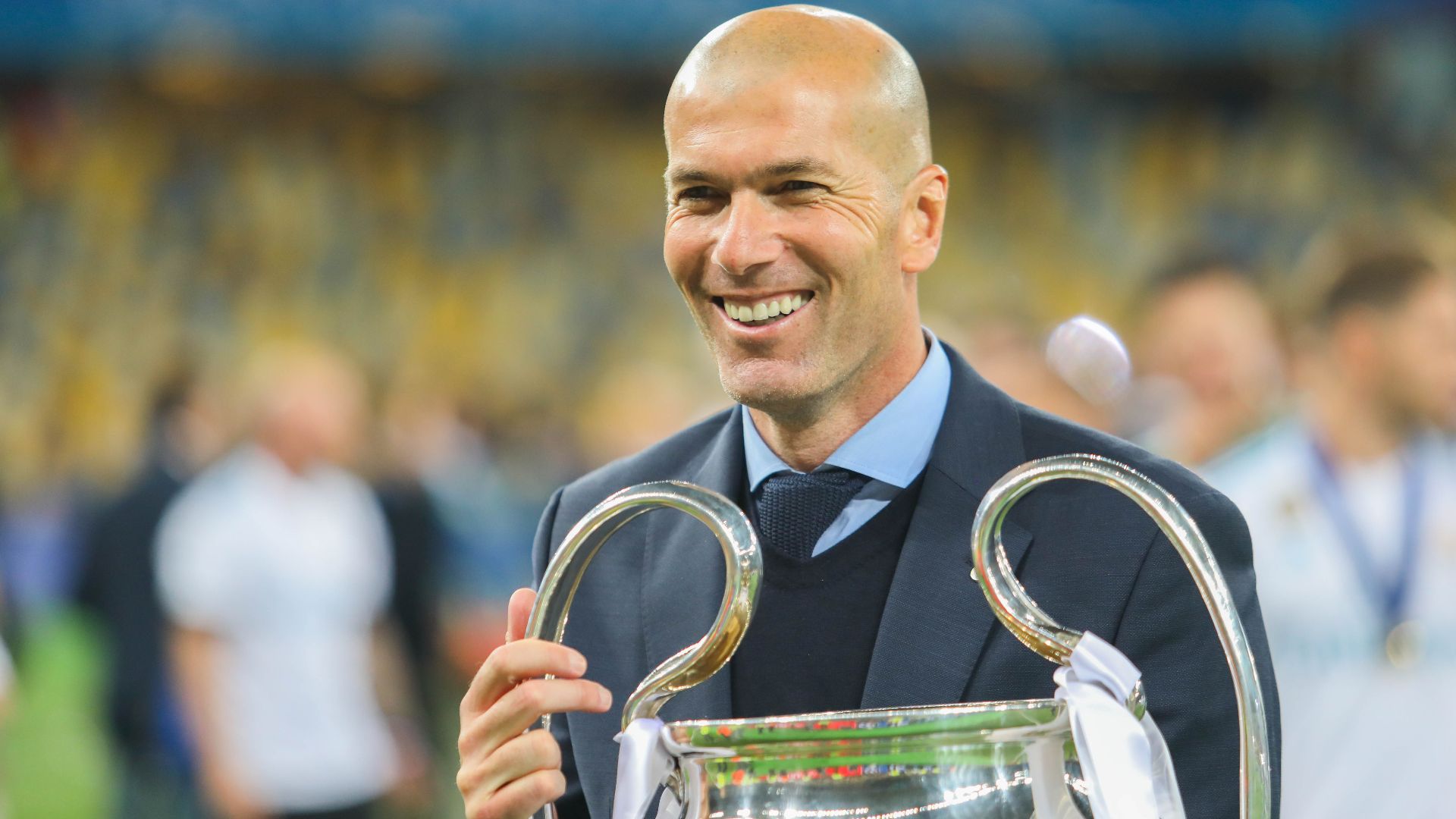
15. Zidane’s 1998 Final Made France a Symbol
France’s 1998 World Cup win on home soil became more than a sports triumph. Zinedine Zidane scored twice in the final against Brazil, becoming the face of a diverse French team celebrated across the country. The victory was treated as a symbol of national unity.
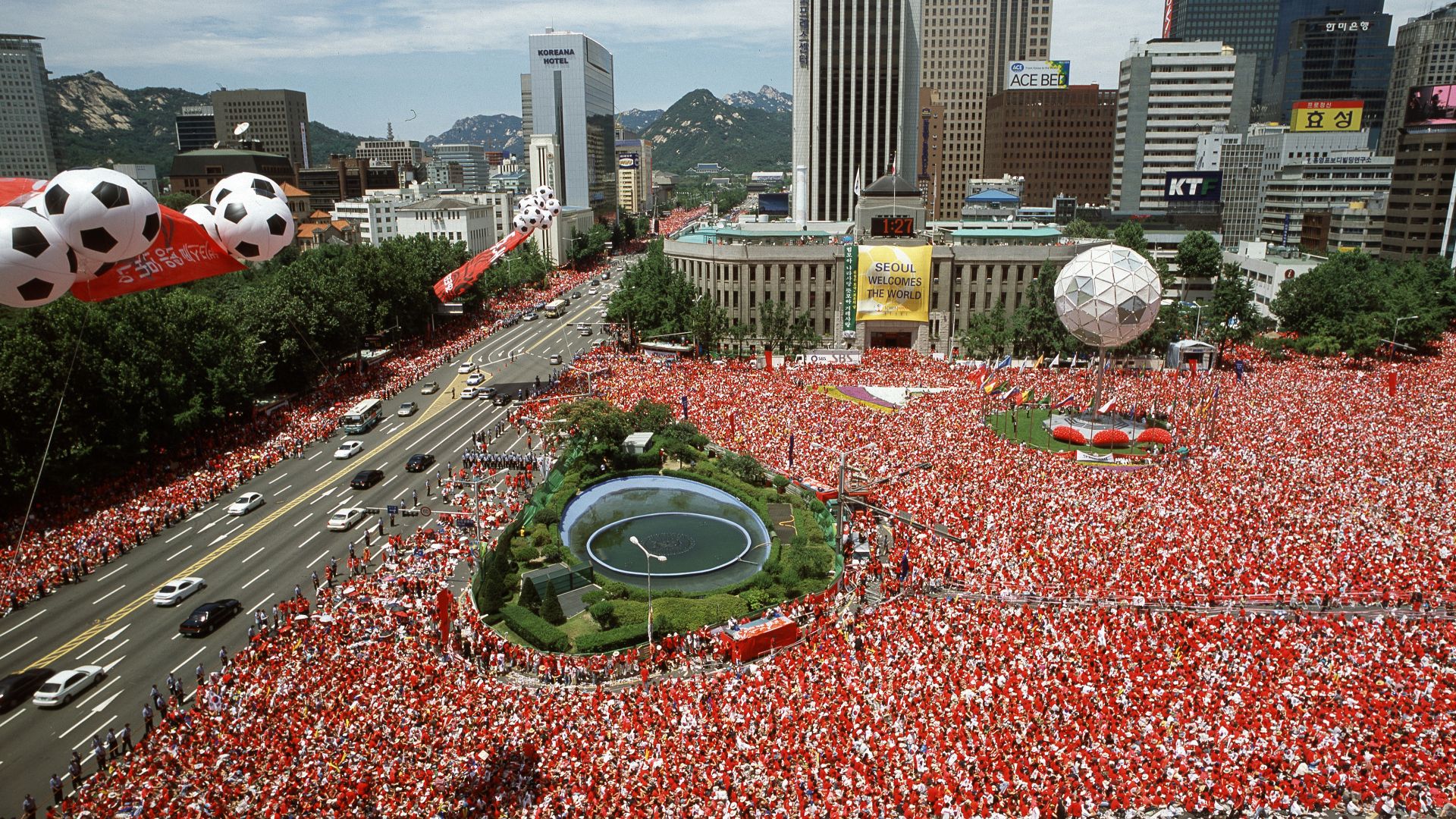
16. South Korea’s 2002 Run Sparked Refereeing Fury
South Korea’s 2002 semifinal run was historic, but it remains one of the most controversial chapters in World Cup history. Their knockout wins over Italy and Spain included some of the most disputed calls in FIFA history. The numerous suspicious refereeing decisions changed how many people remembered the tournament. It helped make officiating standards, transparency, and later technology much harder to ignore.
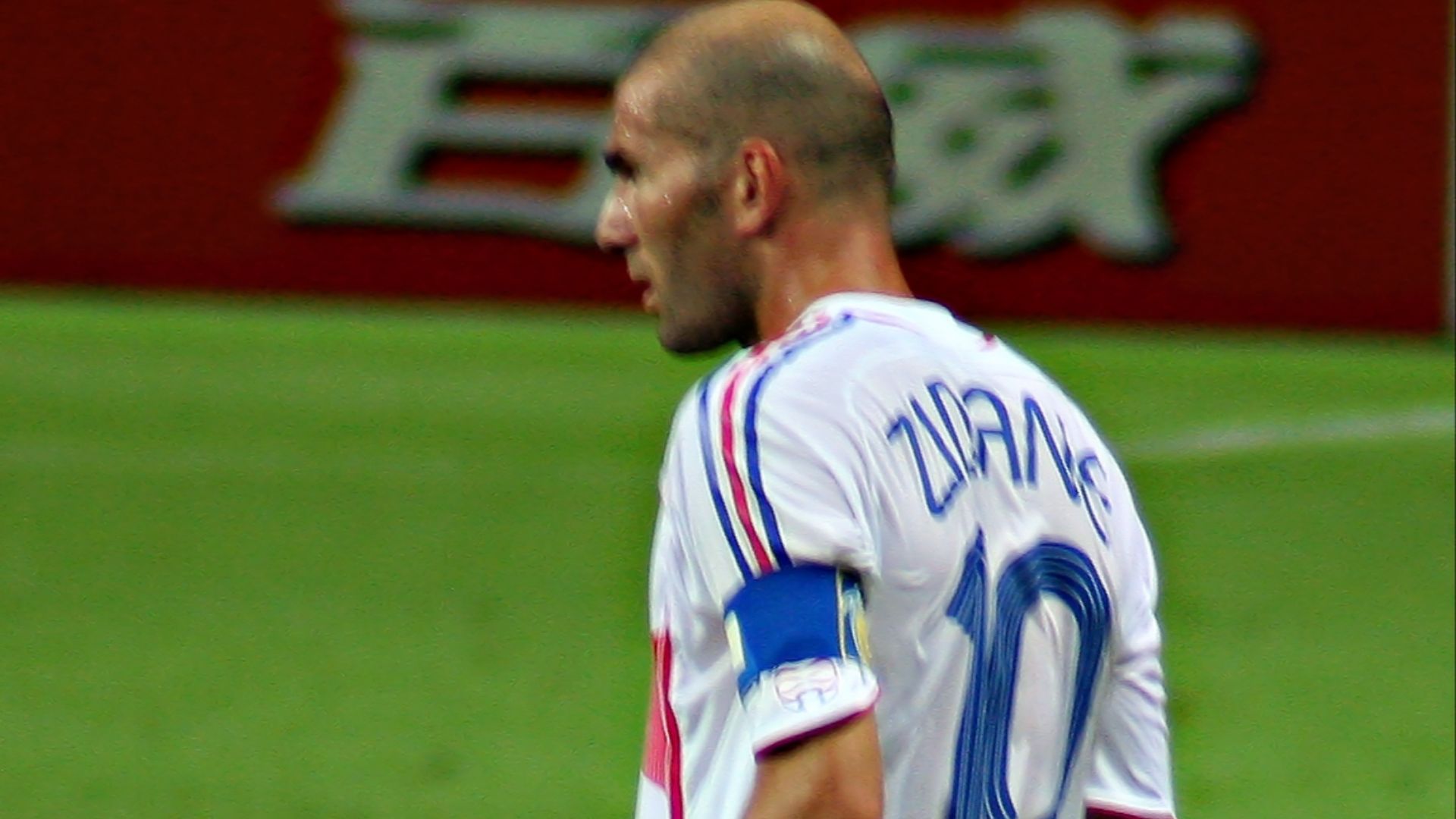
17. Zidane’s Headbutt Stunned the World in 2006
Zinedine Zidane’s final professional match ended with one of the most shocking exits in World Cup history. During extra time in the 2006 final, he headbutted Marco Materazzi and was sent off. Italy won on penalties, while the image of Zidane walking past the trophy became impossible to forget. It changed how people remembered one of the sport’s greatest players, adding a strange final chapter to a brilliant career.
 David Ruddell modified by SuperManu on Wikimedia
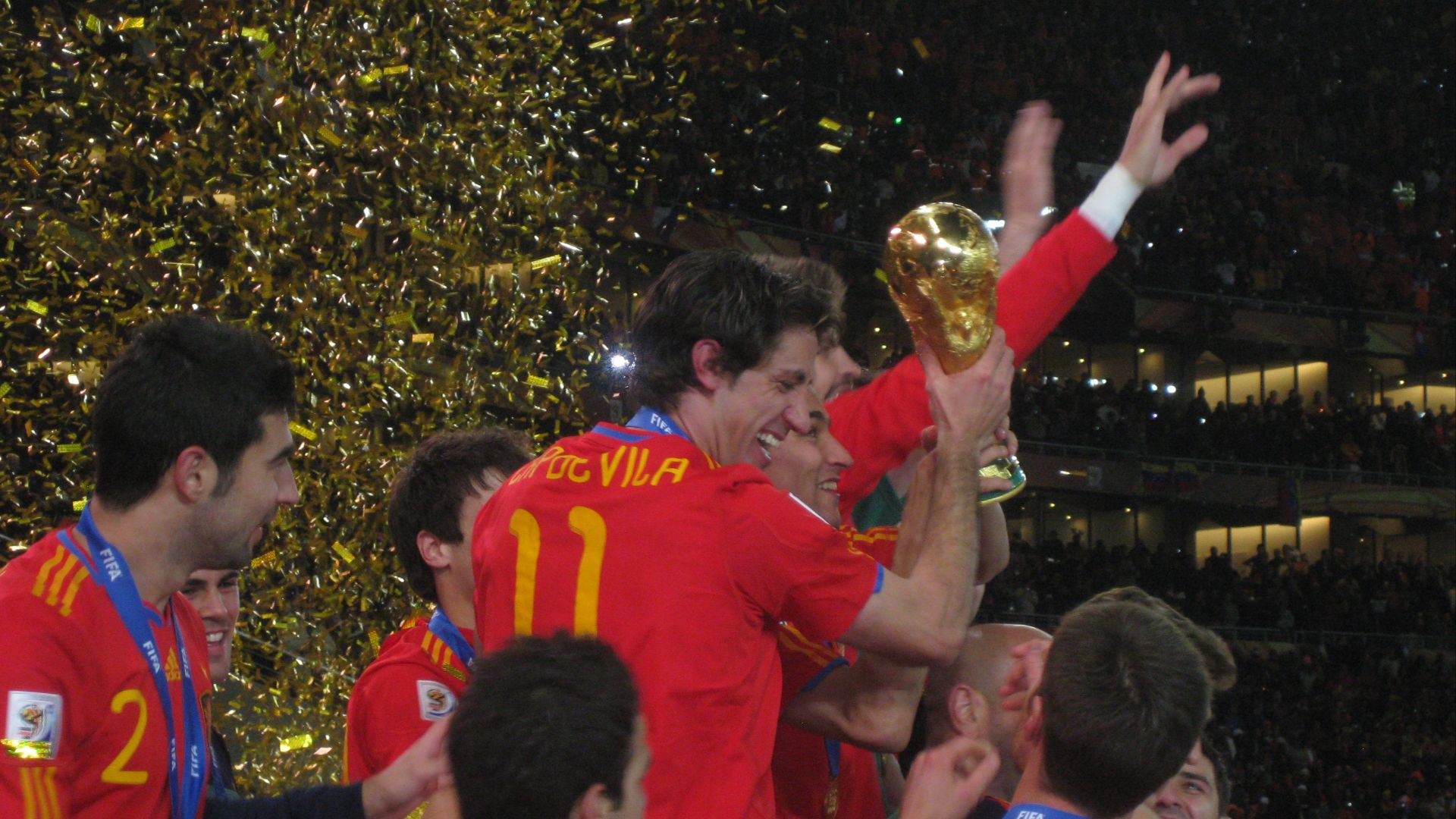
18. Spain’s 2010 Win Confirmed a Tactical Shift
Spain’s 2010 World Cup victory confirmed the dominance of possession-based soccer at the highest level. Their patient passing, midfield control, and technical precision shaped how teams and coaches thought about the game. Andrés Iniesta’s extra-time goal in the final gave Spain its first World Cup title.
 Christophe Badoux on Wikimedia
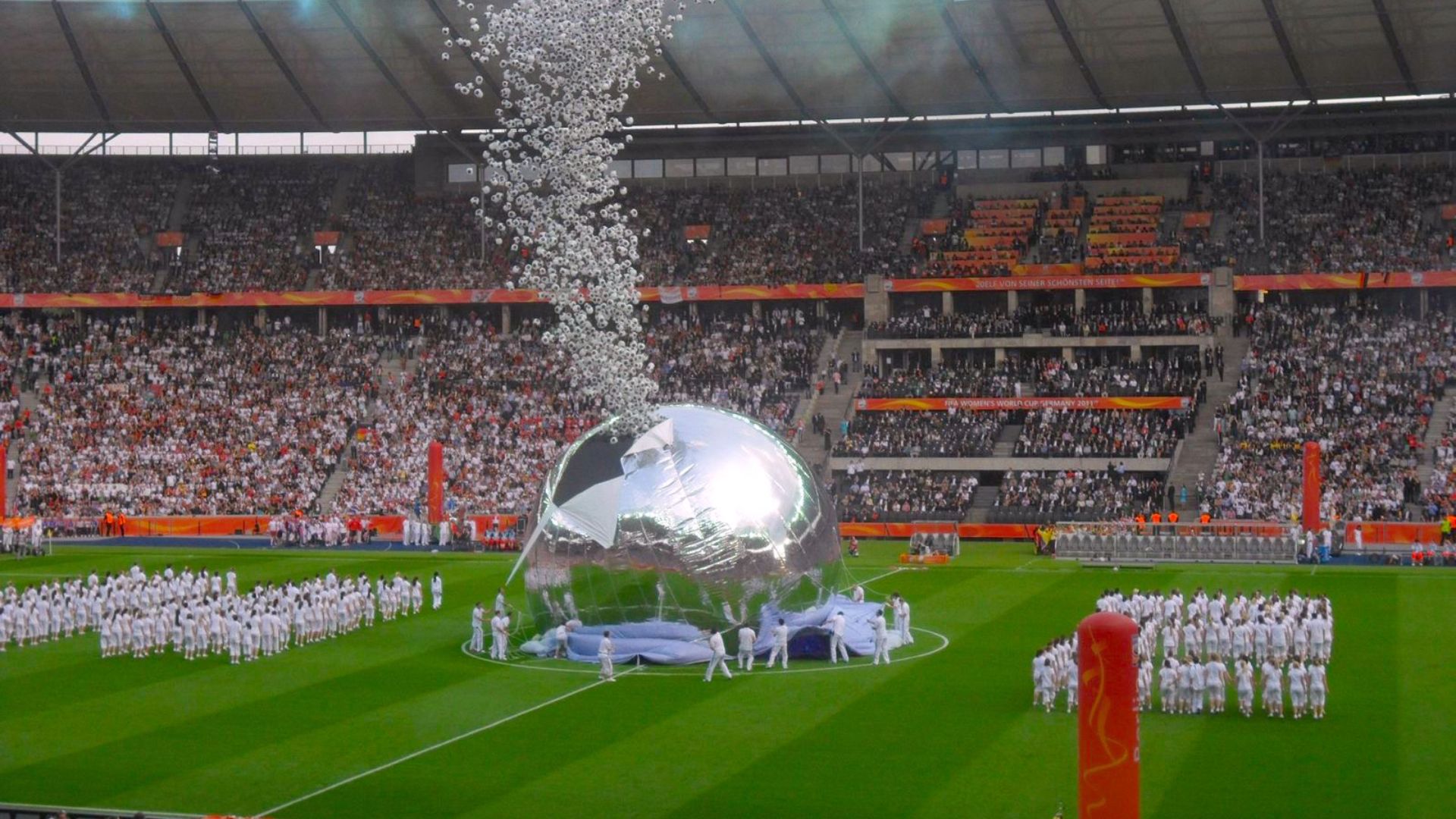
19. Japan’s 2011 Women’s World Cup Win Inspired Millions
Japan’s women’s team won the 2011 World Cup only months after the devastating earthquake and tsunami that struck the country. Their final against the U.S. was dramatic, emotional, and decided on penalties. The victory became a source of national comfort and pride during an incredibly difficult year.
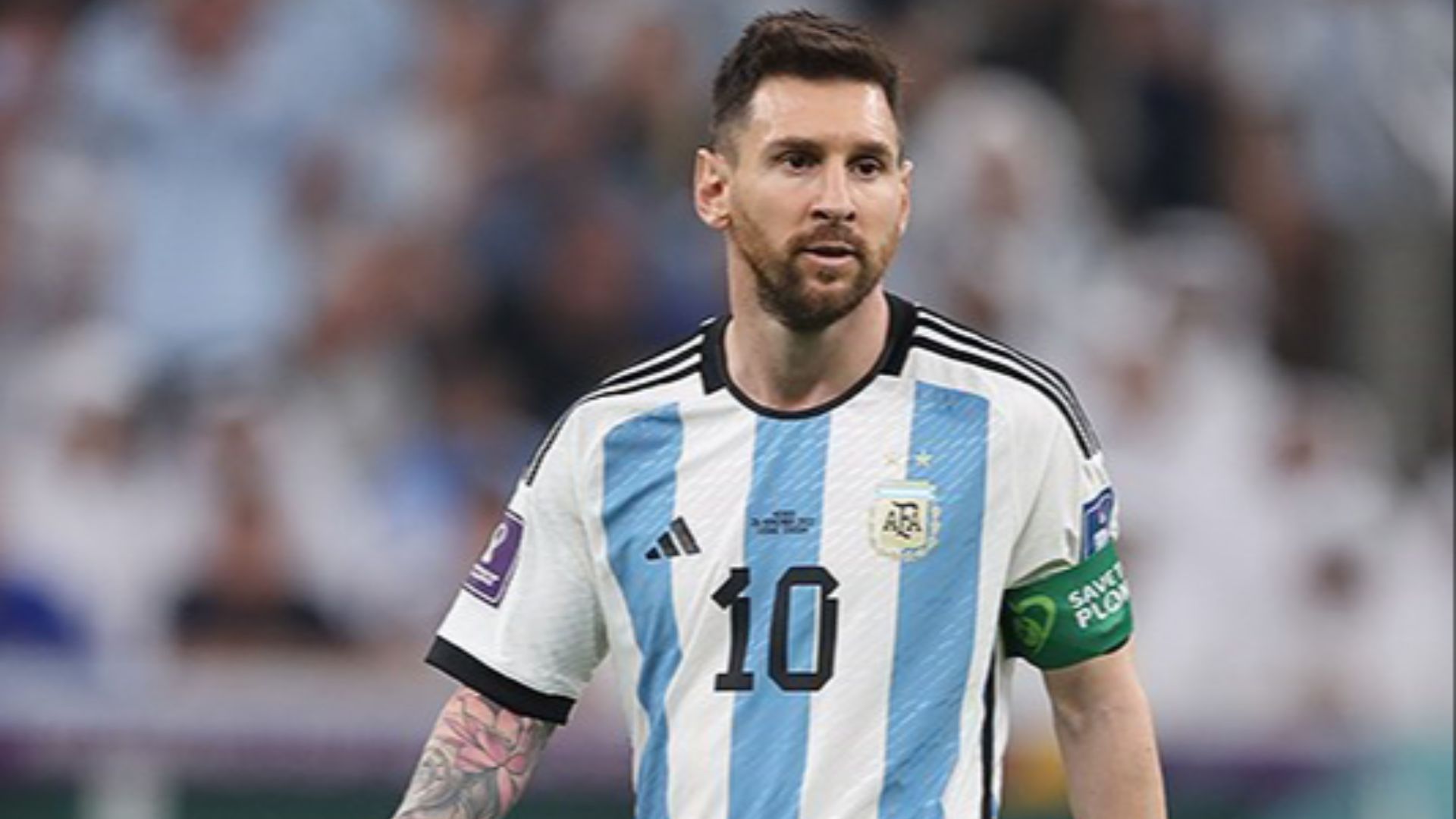
20. Argentina & Messi Completed the Story in 2022
Argentina’s 2022 World Cup win gave Lionel Messi the one trophy that had long been used against him in greatness debates. The final against France was chaotic, thrilling, and perhaps the greatest final in World Cup history. Messi’s victory changed how many people spoke about his legacy, while Kylian Mbappé’s hat trick showed the future was already pushing in.
KEEP ON READING