

How Innovation Has Shaped Military Outcomes
Throughout history, scientific breakthroughs have played a decisive role in warfare, often determining the outcome of conflicts or shifting global power. Advances in chemistry, physics, engineering, and medicine have not only improved weapons but also enhanced communication, mobility, and survival. While many factors shape war, innovation repeatedly proves to be a powerful force behind major turning points. Understanding these 20 developments offers a clearer picture of how science has influenced the course of history.
1. The Development Of Bronze Weapons
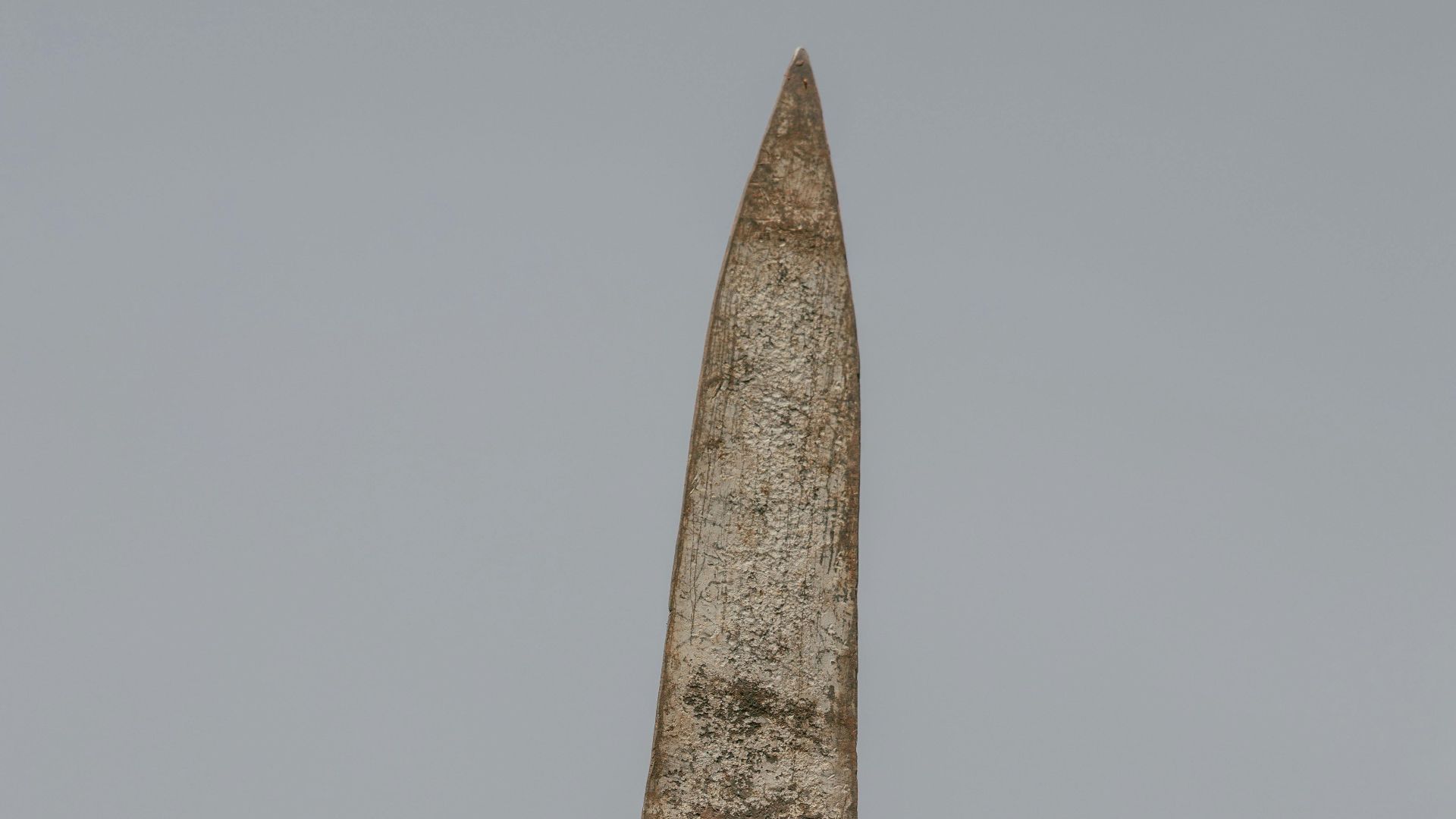
The transition from stone to bronze tools around 3000 BCE marked a major advancement in early warfare. Bronze weapons were stronger and more durable, giving armies a clear advantage over opponents still using stone. This technological edge helped early civilizations expand their influence. It also set a precedent for how material science could shape military power.
2. Iron Metallurgy In Ancient Warfare
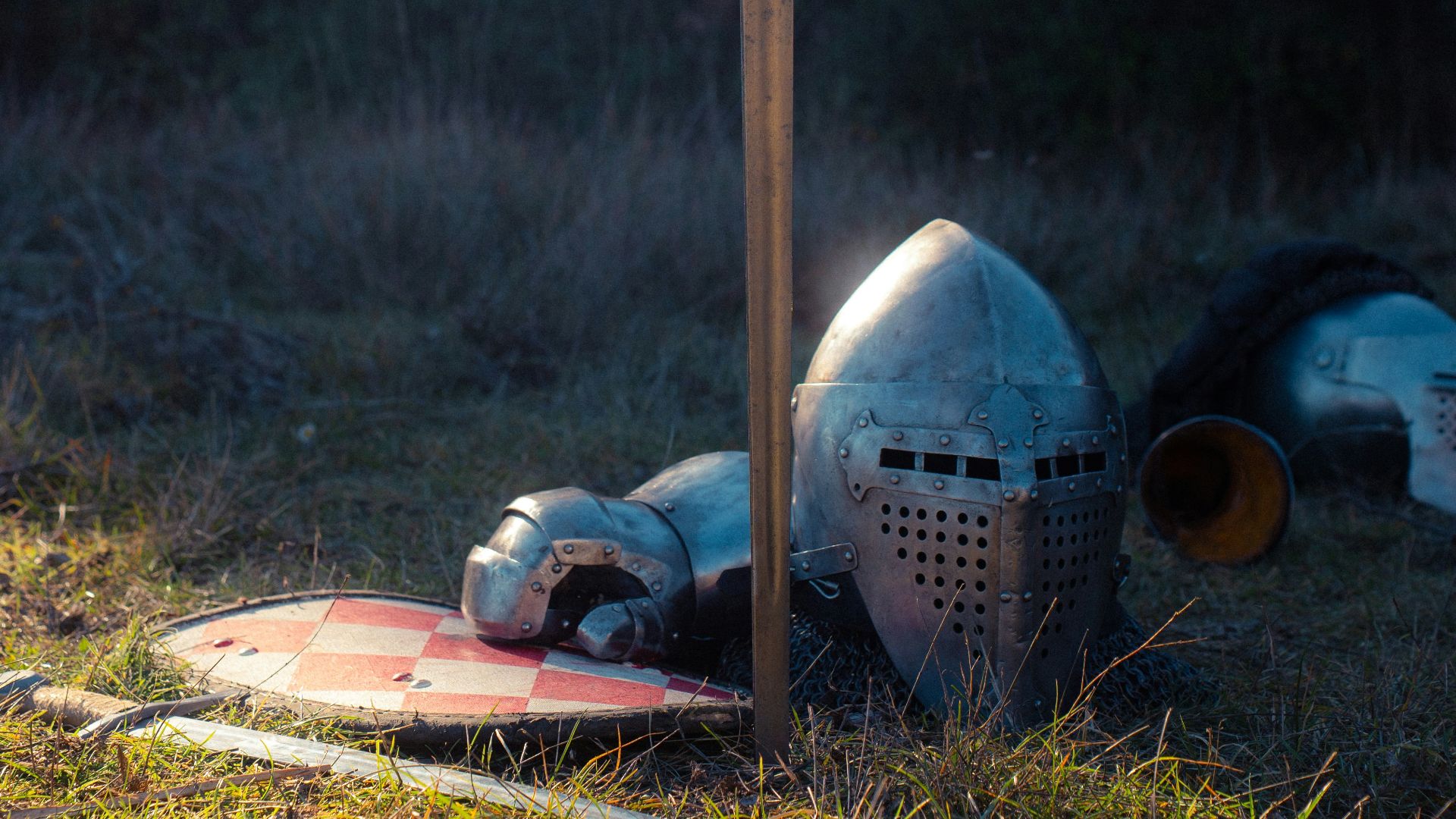
The widespread use of iron around 1200 BCE allowed for even stronger and more accessible weaponry. Iron was more abundant than bronze, enabling larger armies to be equipped effectively. Civilizations that adopted iron technology gained a strategic advantage over those that did not. This shift contributed to the rise and fall of several ancient empires.
3. Greek Fire In Byzantine Defense
Greek fire, developed by the Byzantine Empire in the 7th century, was an early form of incendiary weapon. It could burn on water, making it especially effective in naval battles.
Its use helped repel multiple sieges, including attacks on Constantinople. The exact formula remains unknown, adding to its historical significance.
4. The Invention Of Gunpowder
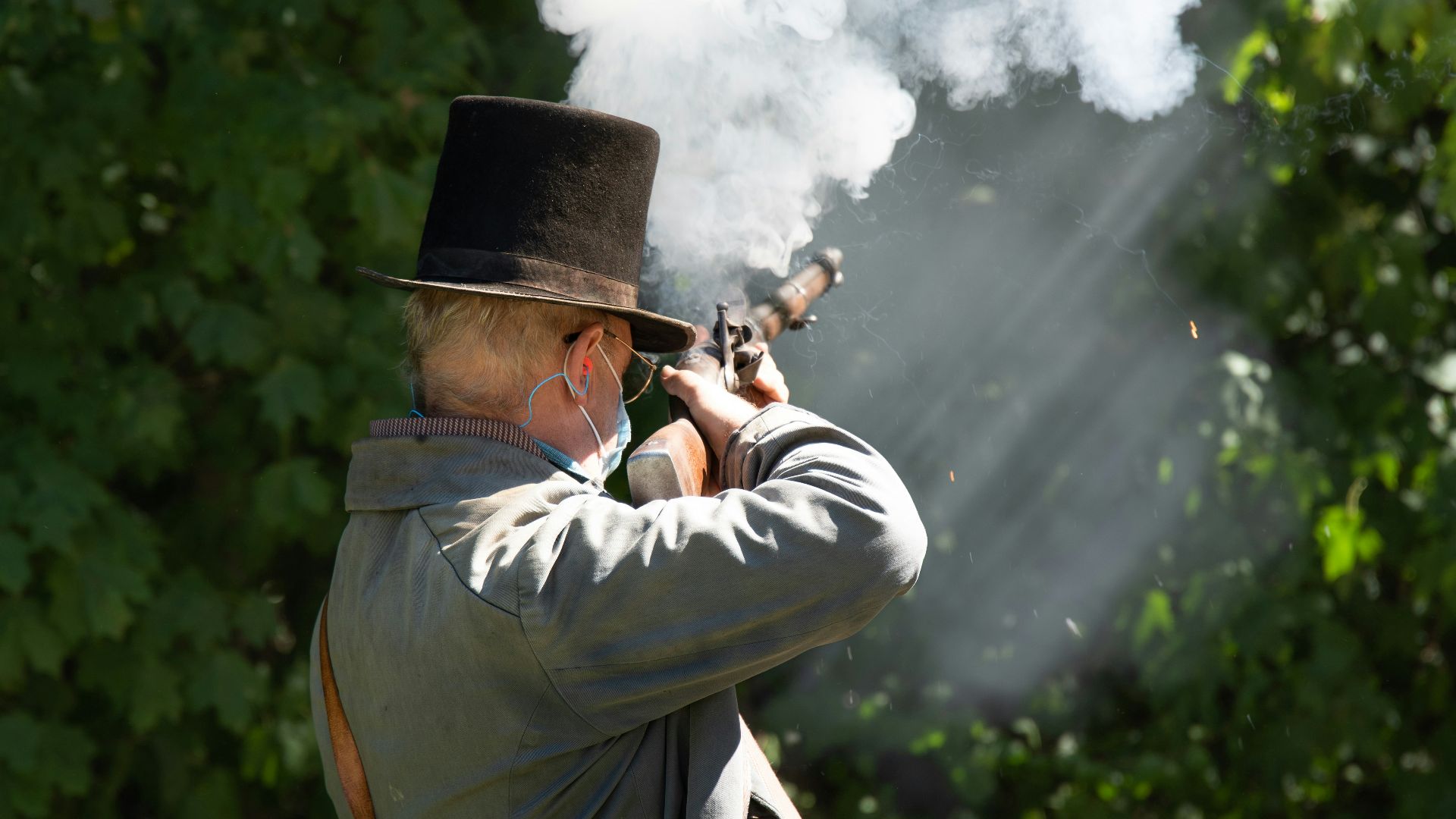
Gunpowder, first developed in China during the 9th century, transformed warfare globally. It led to the creation of explosives, firearms, and cannons. Over time, it reduced the effectiveness of traditional fortifications like castles. This innovation marked the beginning of modern warfare.
5. The Longbow At The Battle Of Agincourt
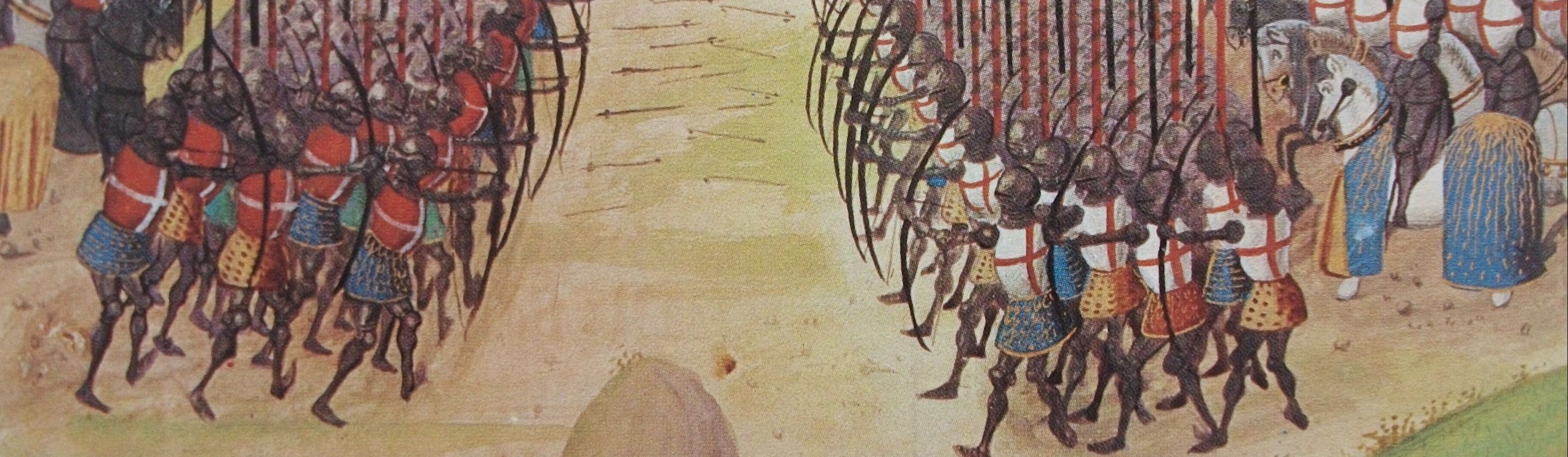
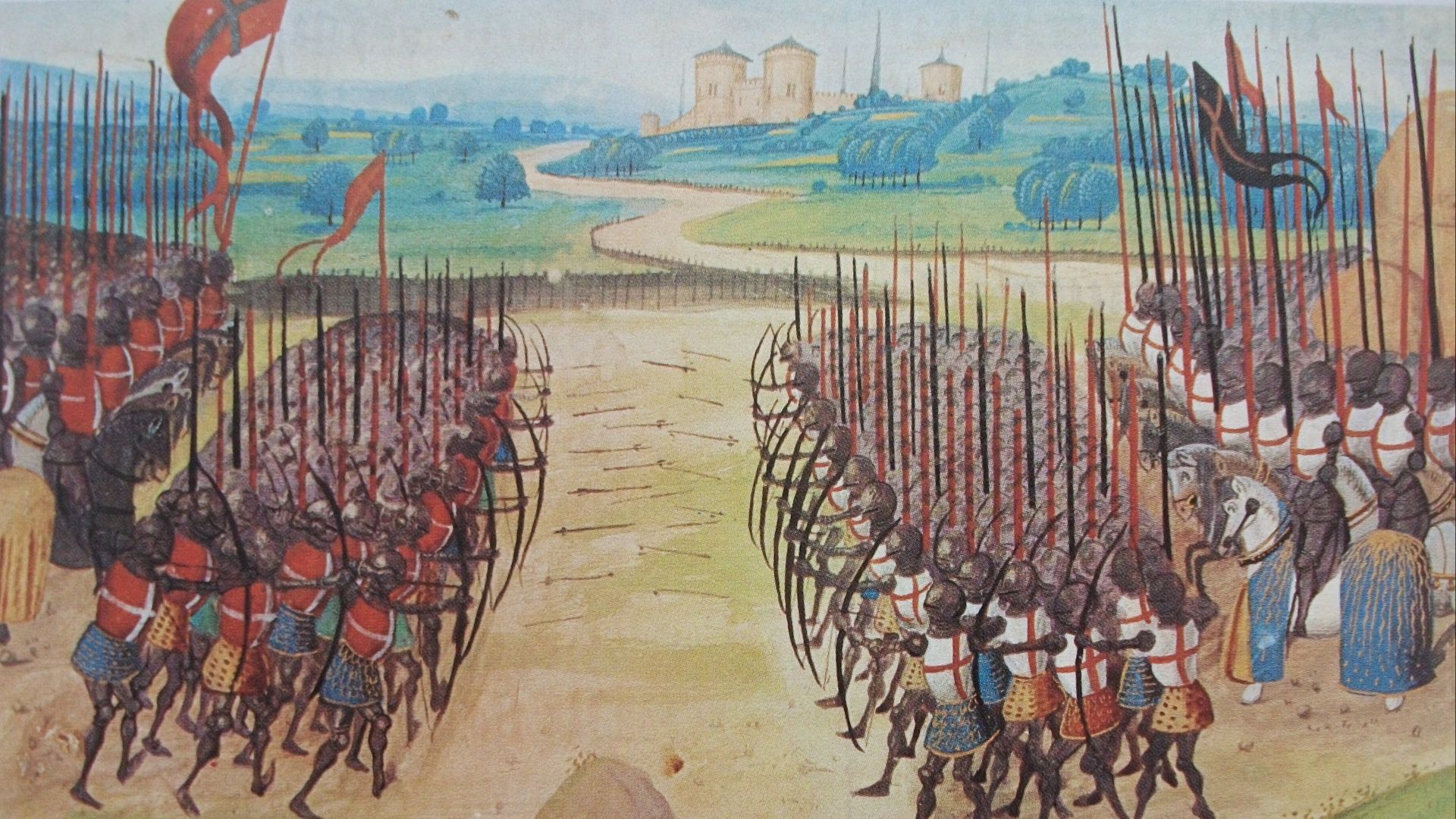
The English longbow proved decisive during the Battle of Agincourt in 1415. Its range and firing speed allowed English forces to overcome a larger French army.
6. The Printing Press And Military Communication
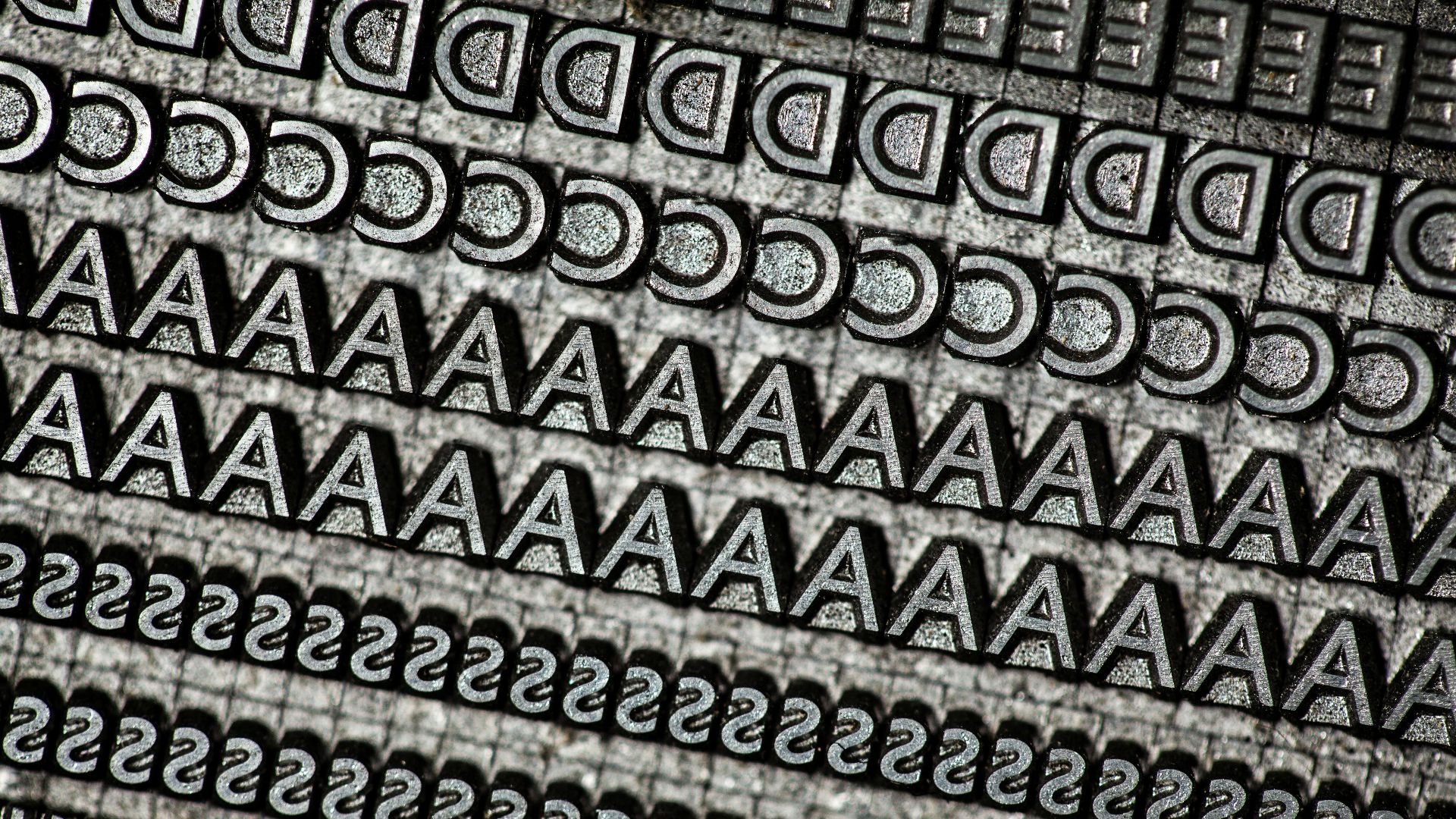
The invention of the printing press in the 15th century improved the spread of military knowledge. Manuals, maps, and strategies could be reproduced and distributed more efficiently. This contributed to better coordination and planning among armies. It also supported the professionalization of military forces.
7. The Scientific Revolution And Ballistics
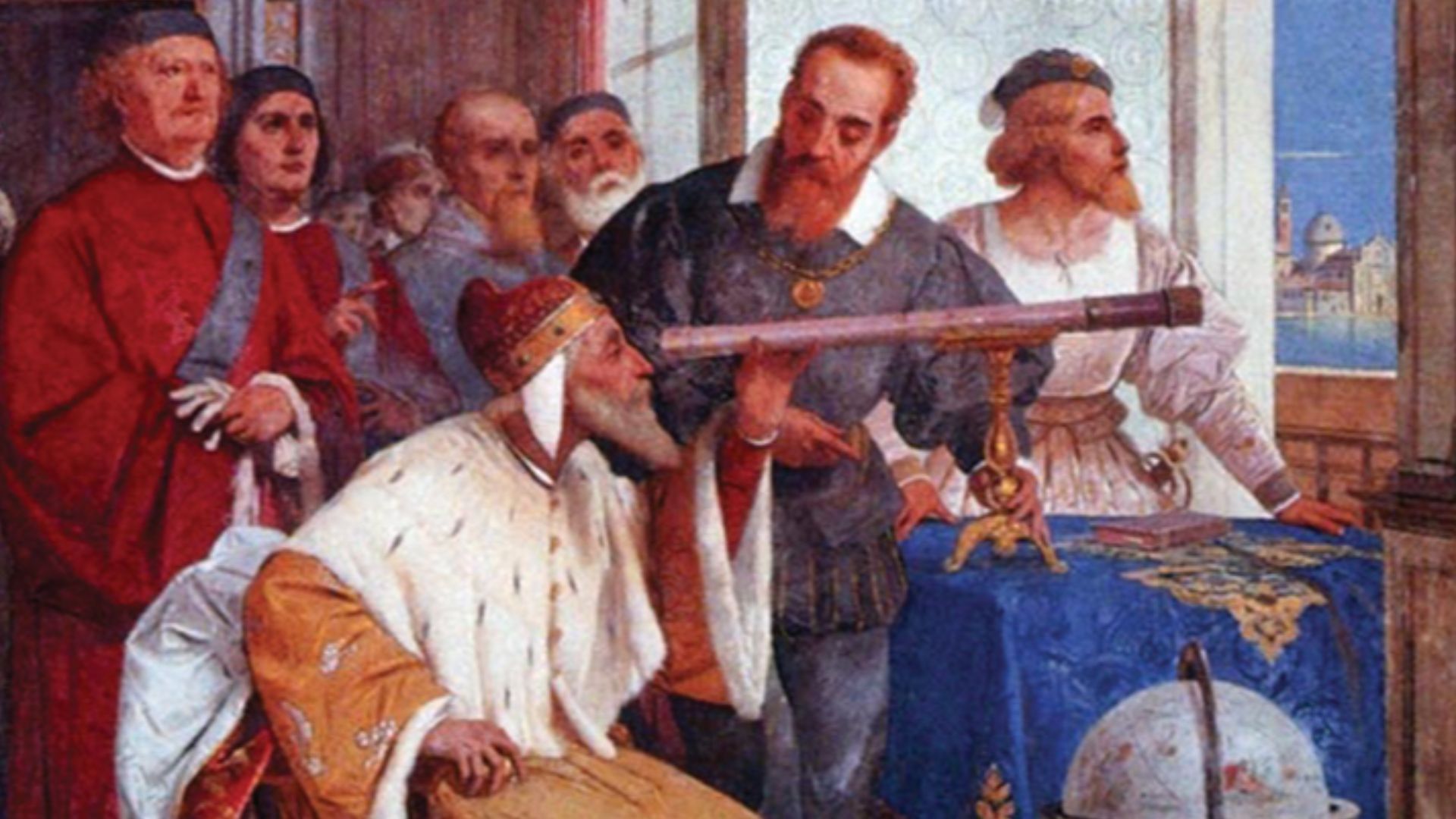
Advances in physics during the 17th century improved the understanding of projectile motion. Scientists like Galileo contributed to more accurate artillery use. This allowed armies to target enemies and fortifications more effectively. It marked an early example of theoretical science directly impacting warfare.
8. The Development Of Rifled Barrels
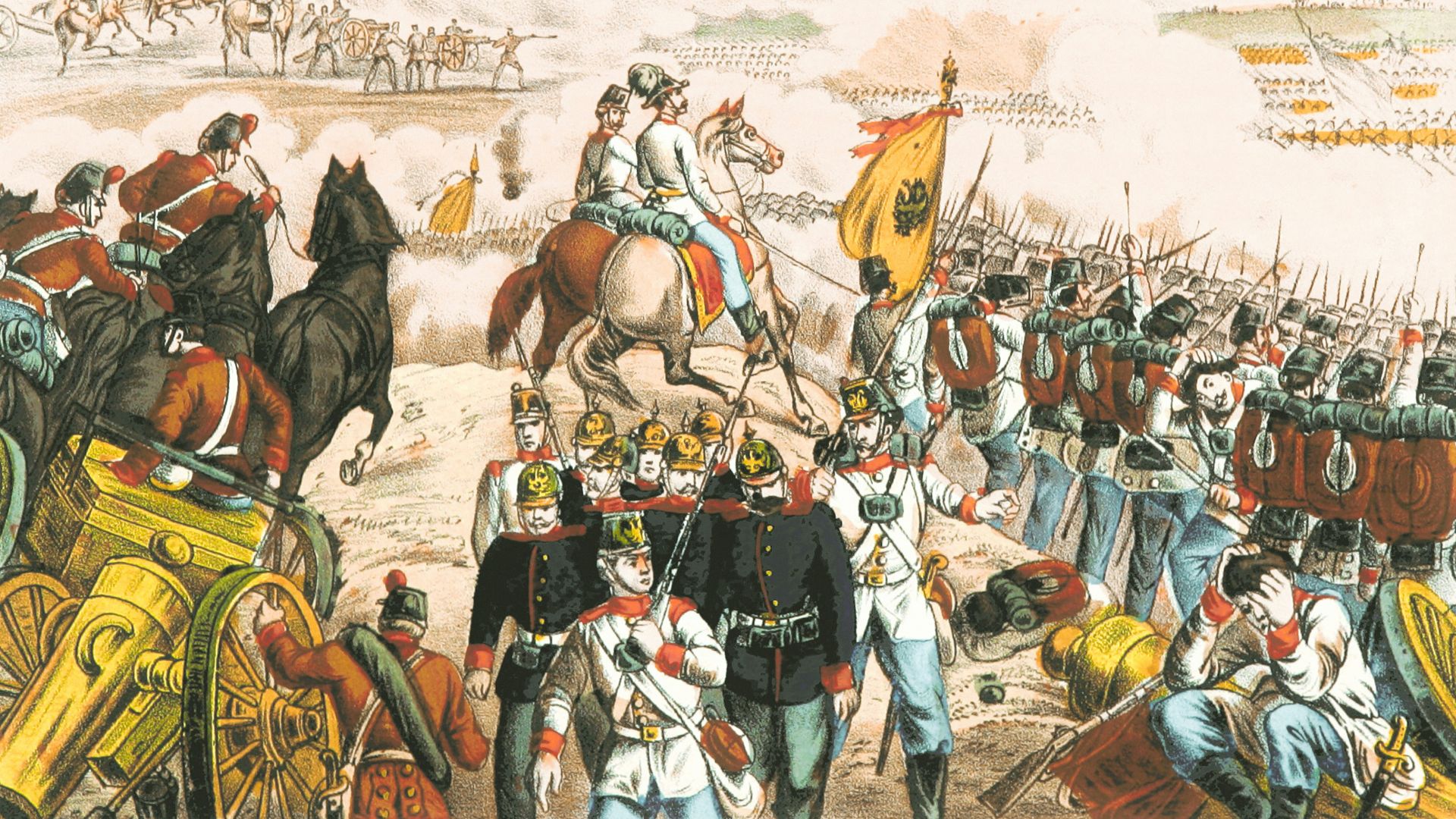
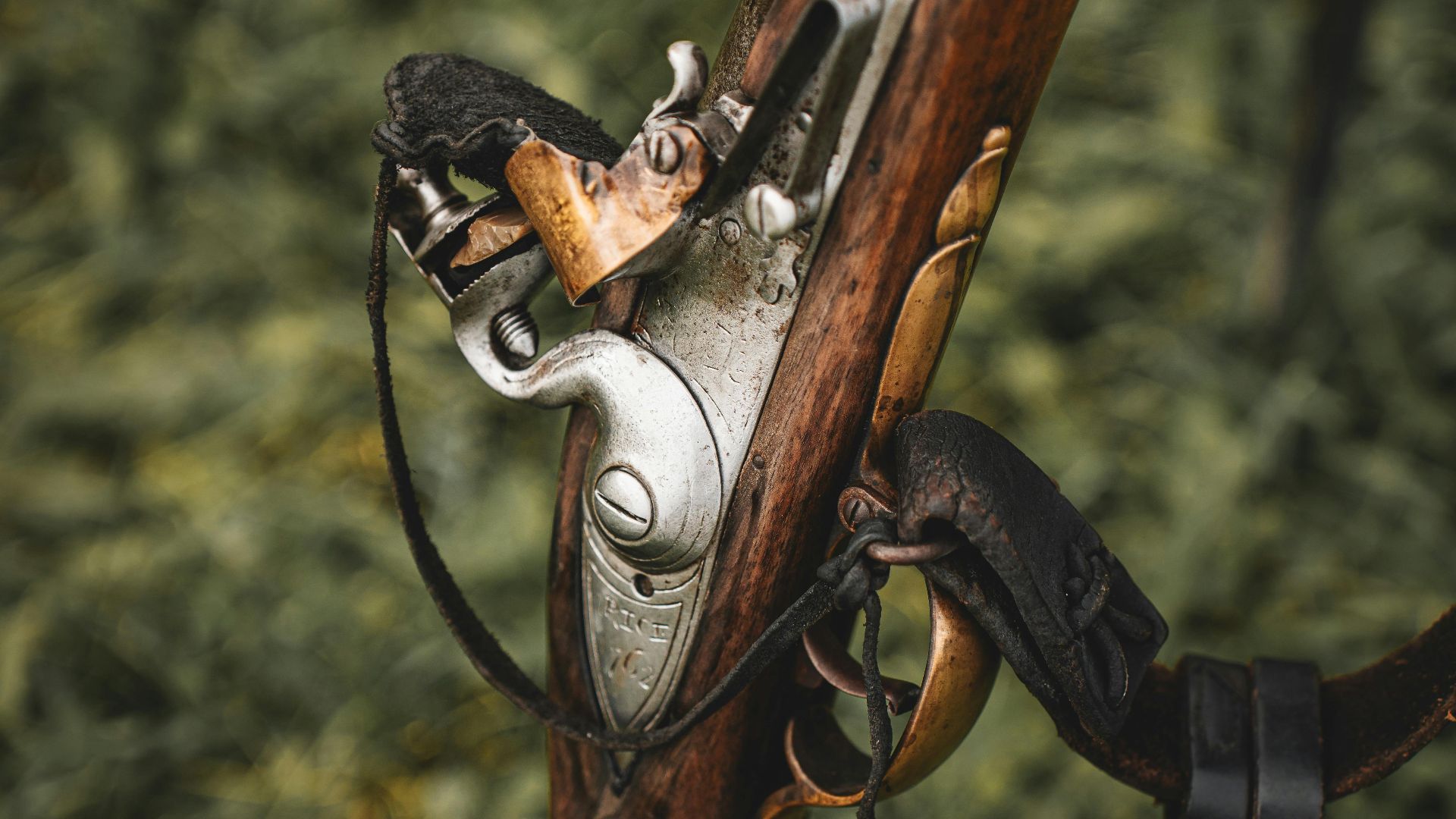
Rifling, which involves grooves inside gun barrels, significantly improved accuracy. Introduced more widely in the 18th and 19th centuries, it allowed bullets to travel farther with greater precision. This change made traditional battlefield formations more vulnerable.
It played a key role in conflicts such as the American Civil War.
9. Steam Power In Naval Warfare
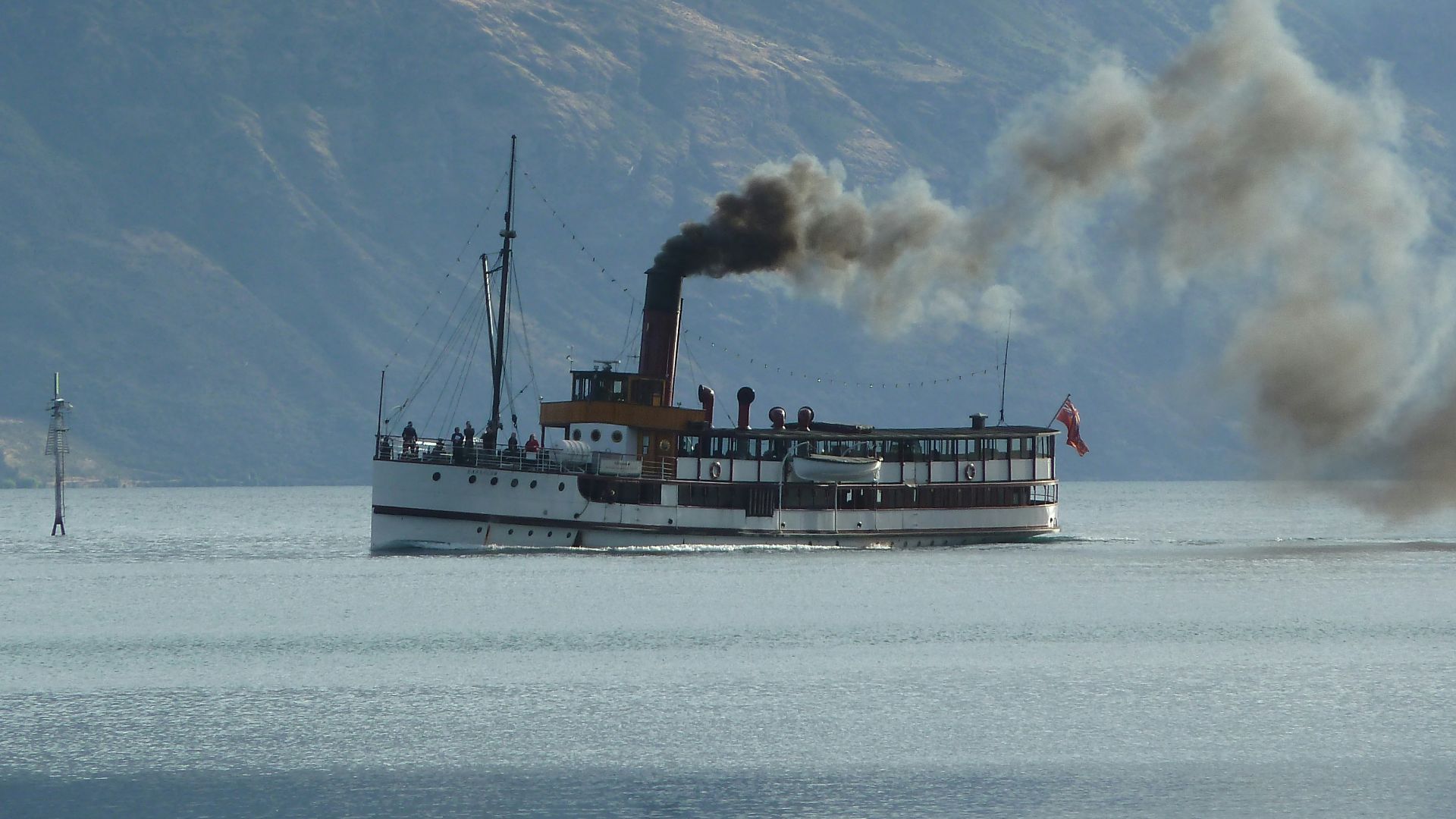
The introduction of steam-powered ships in the 19th century reduced reliance on wind. This allowed navies to maneuver more predictably and maintain consistent speed.
10. The Telegraph In Coordinated Warfare
The telegraph revolutionized communication during the 19th century. Commanders could send messages over long distances almost instantly. This improved coordination across large battlefronts. It was notably used during conflicts like the American Civil War.
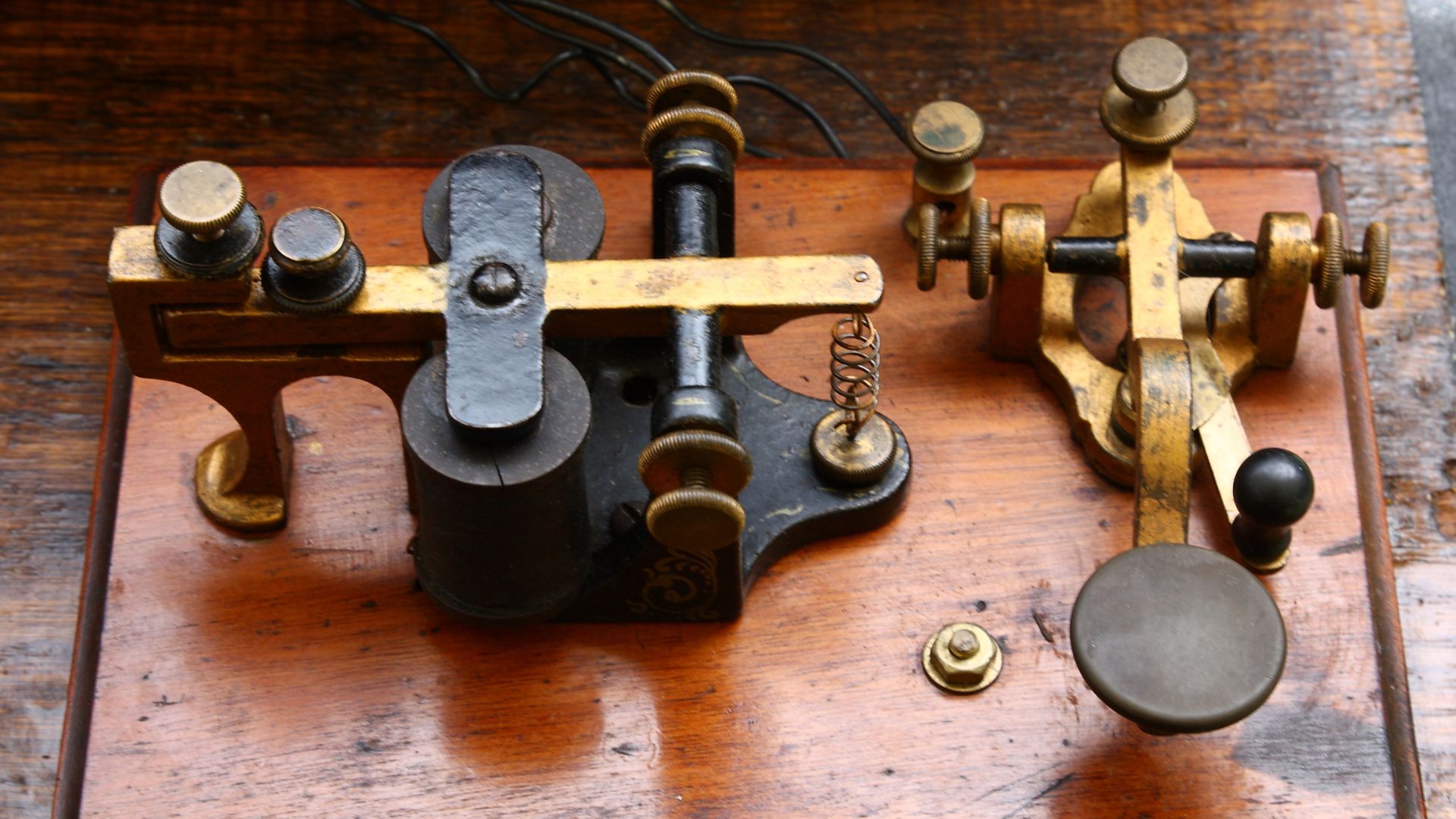 John Schanlaub from Lafayette,IN, USA on Wikimedia
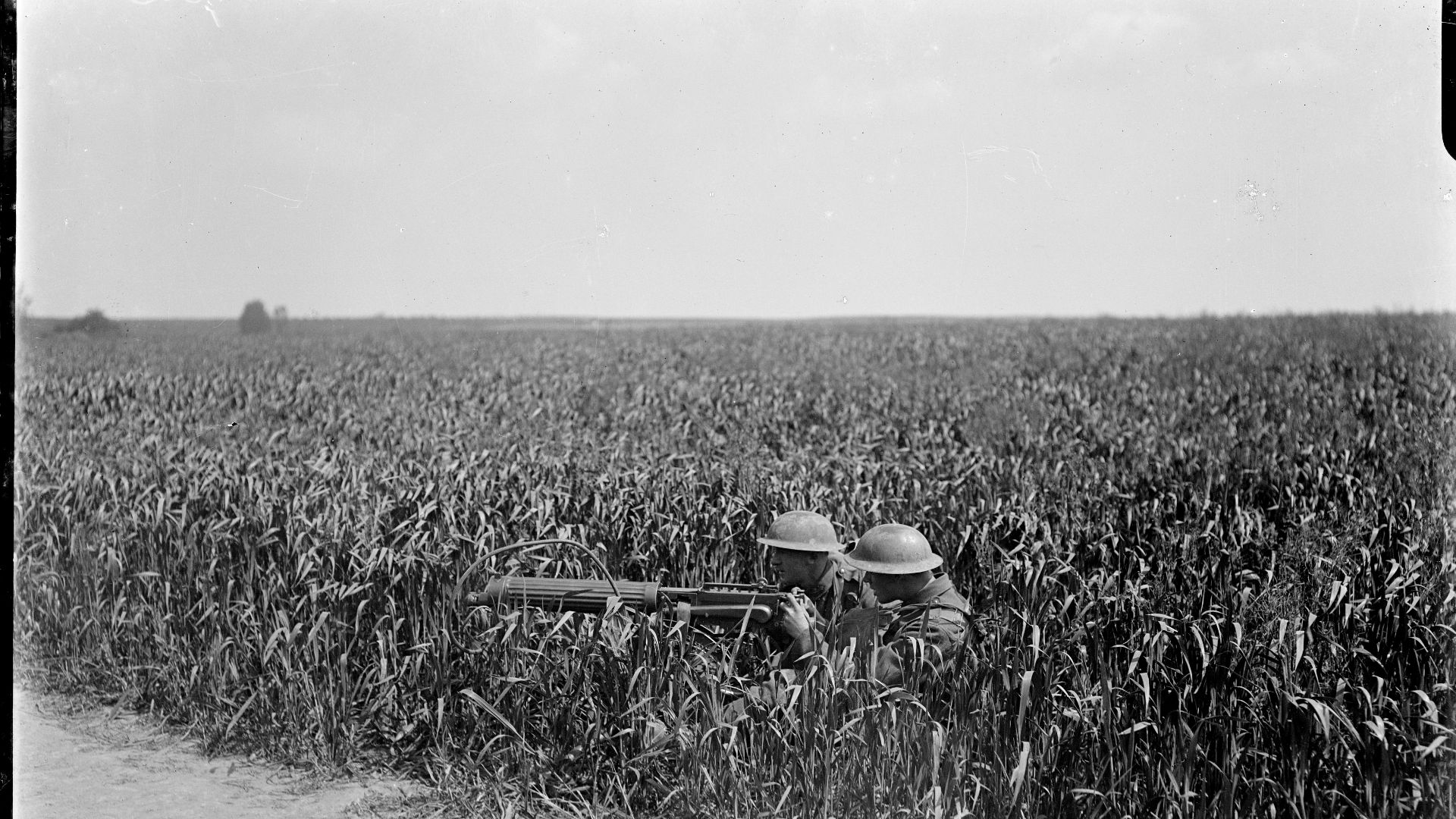
11. Machine Guns In World War I
The introduction of machine guns drastically changed battlefield dynamics. These weapons could fire hundreds of rounds per minute, making frontal assaults extremely costly.
 National Library NZ on The Commons on Wikimedia
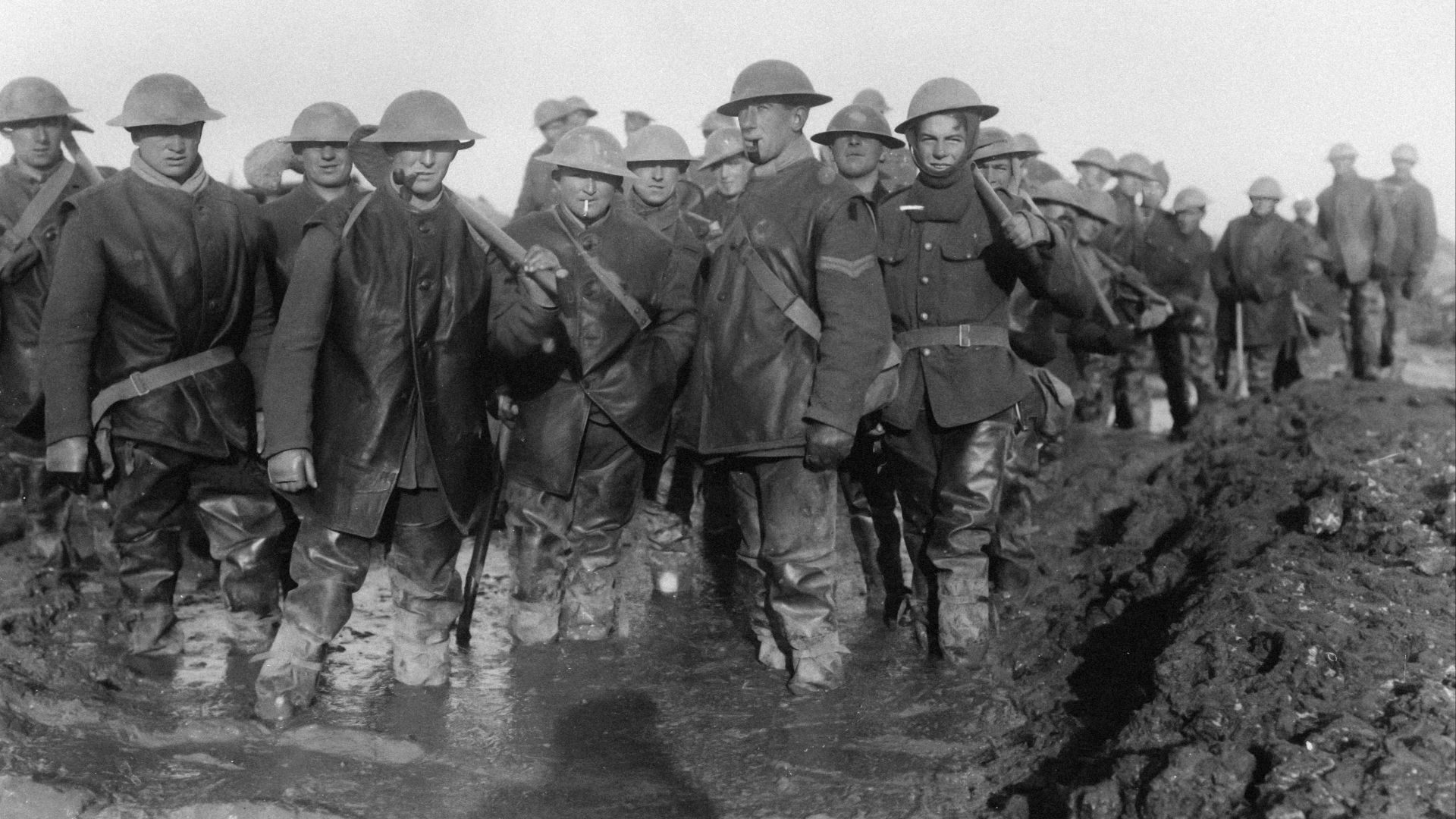
12. Chemical Warfare In World War I
Poison gases such as chlorine and mustard gas were first used on a large scale during World War I. These weapons caused severe injuries and introduced new forms of psychological warfare.
 National Library of Scotland on Unsplash
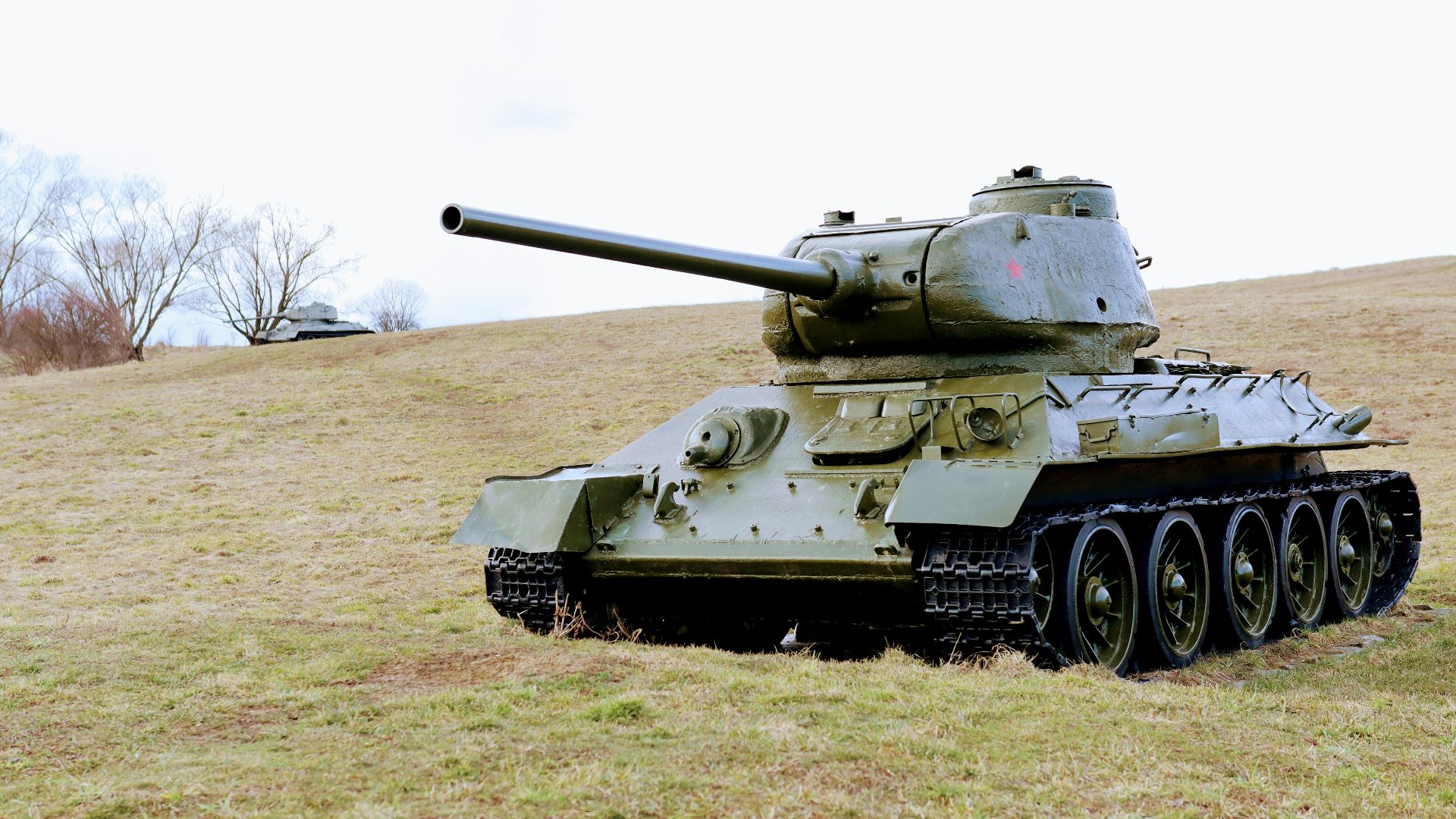
13. Tanks Breaking Trench Warfare
Tanks were introduced to overcome the challenges of trench warfare. First deployed by the British in 1916, they could cross rough terrain and withstand small arms fire. Their presence helped break through enemy lines. Tanks became a central component of modern armies.
14. Radar Technology In World War II
Radar allowed for the detection of aircraft and ships from a distance. It played a crucial role in air defense, particularly during the Battle of Britain. Early warning systems gave defenders valuable time to respond. This technology significantly improved strategic planning.

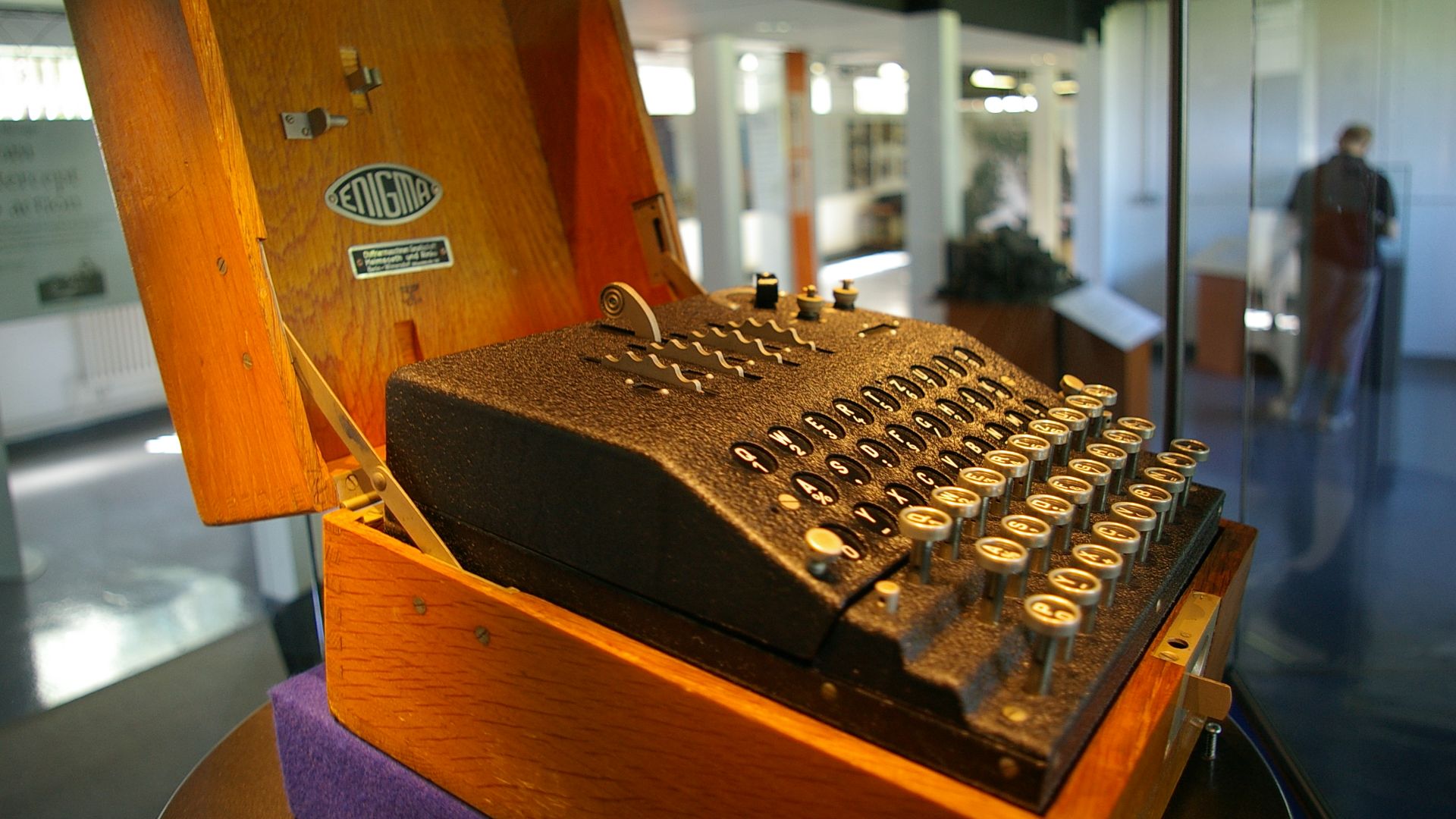
15. Codebreaking And Cryptography
Advances in cryptography and codebreaking had a major impact during World War II. Efforts like the British cracking of the German Enigma code provided critical intelligence. This allowed Allied forces to anticipate enemy movements. It shortened the war and saved countless lives.
16. The Atomic Bomb
The development of nuclear weapons during World War II marked a turning point in history. The atomic bombings of Hiroshima and Nagasaki in 1945 led to Japan’s surrender.
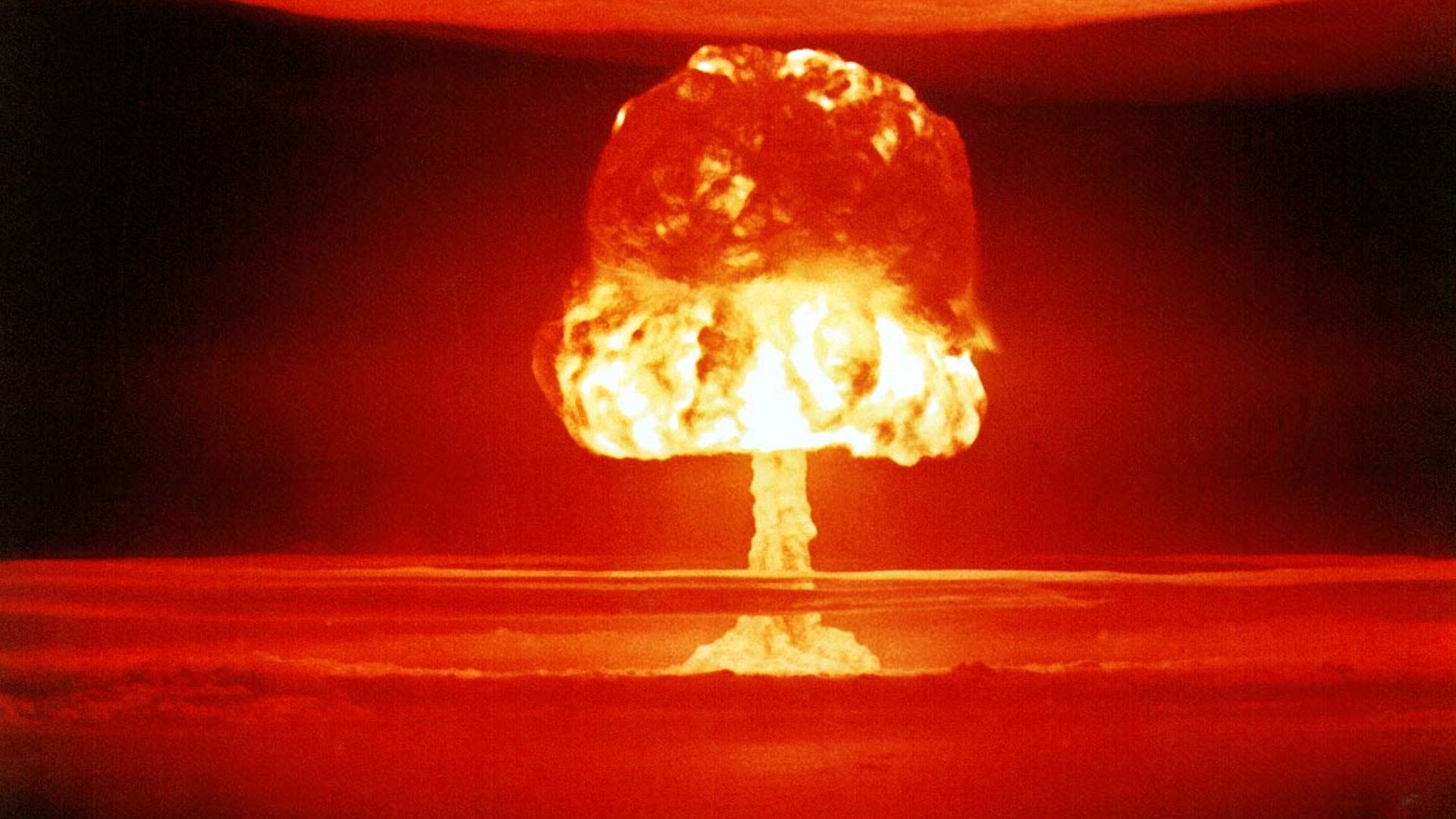 United States Department of Energy on Wikimedia
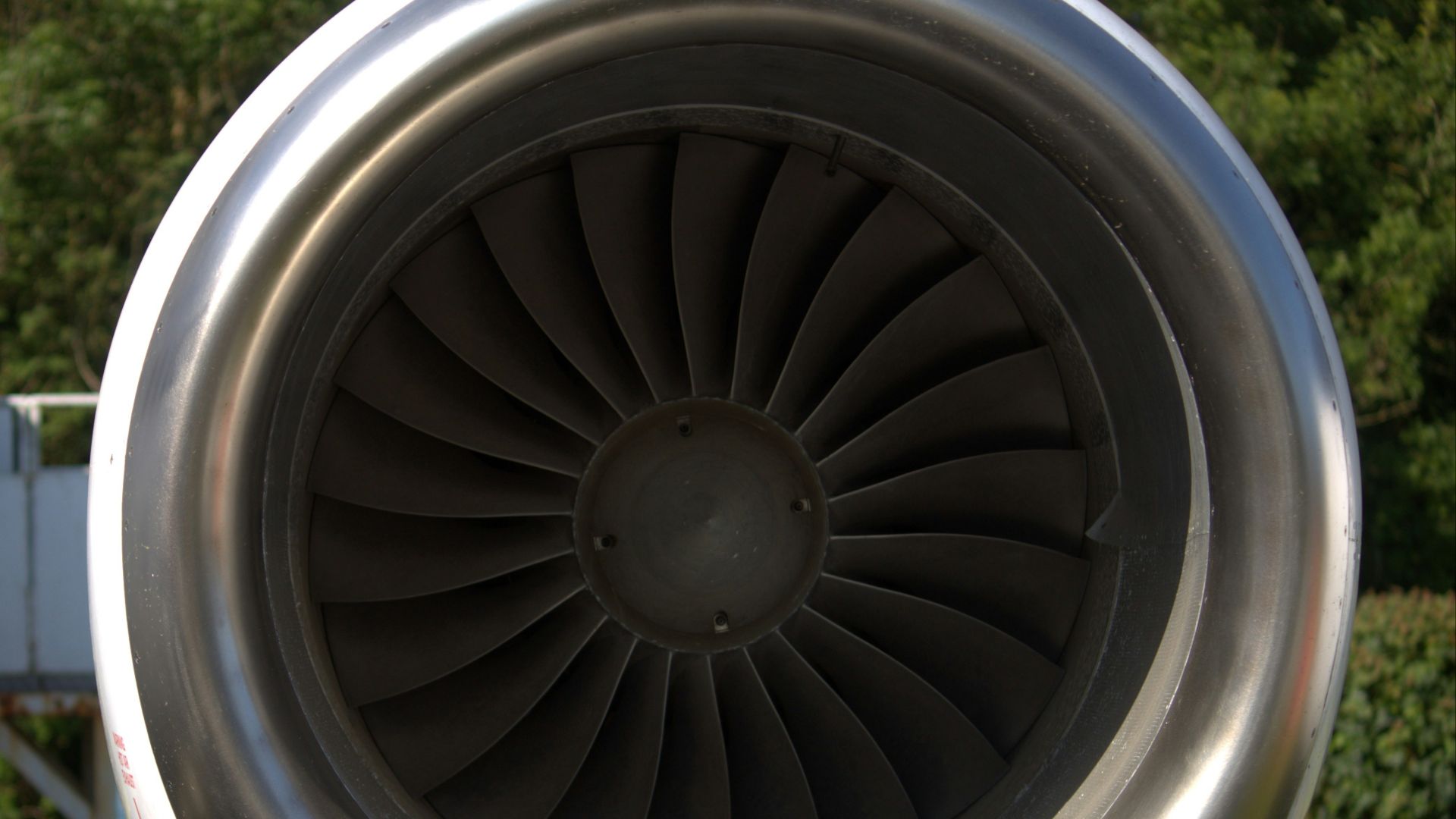
17. Jet Engines In Modern Air Combat
Jet propulsion revolutionized military aviation in the mid-20th century. Jet aircraft could fly faster and higher than propeller-driven planes.
18. Satellites And GPS Technology
The use of satellites has transformed navigation and intelligence gathering. GPS allows for precise positioning and coordination on the battlefield. It improves accuracy for both movement and targeting.
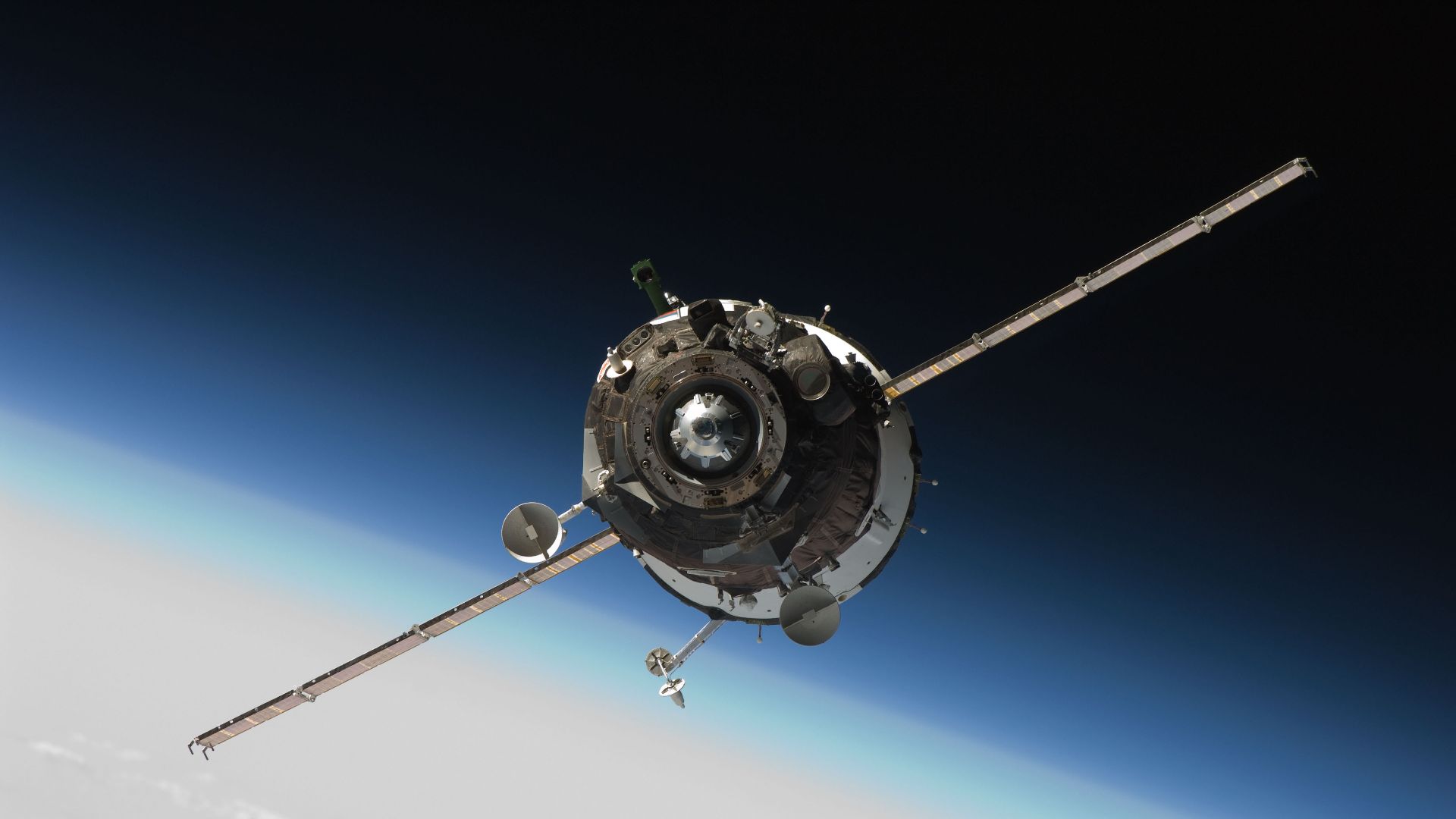 Expedition 20 Crew, NASA on Wikimedia
19. The Internet And Digital Warfare
The development of the internet introduced new dimensions to warfare. Cyber operations can disrupt communication, infrastructure, and information systems.
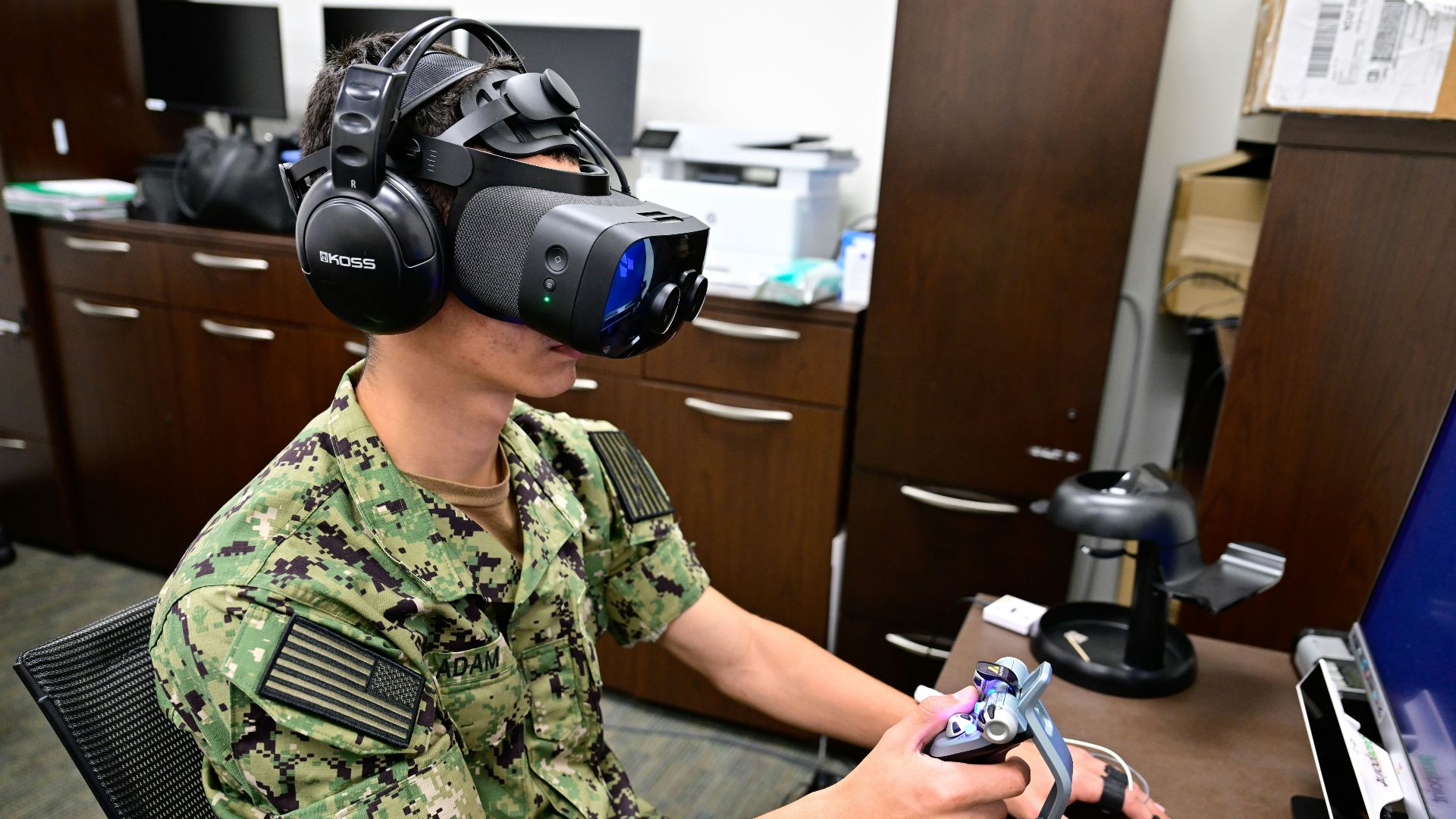
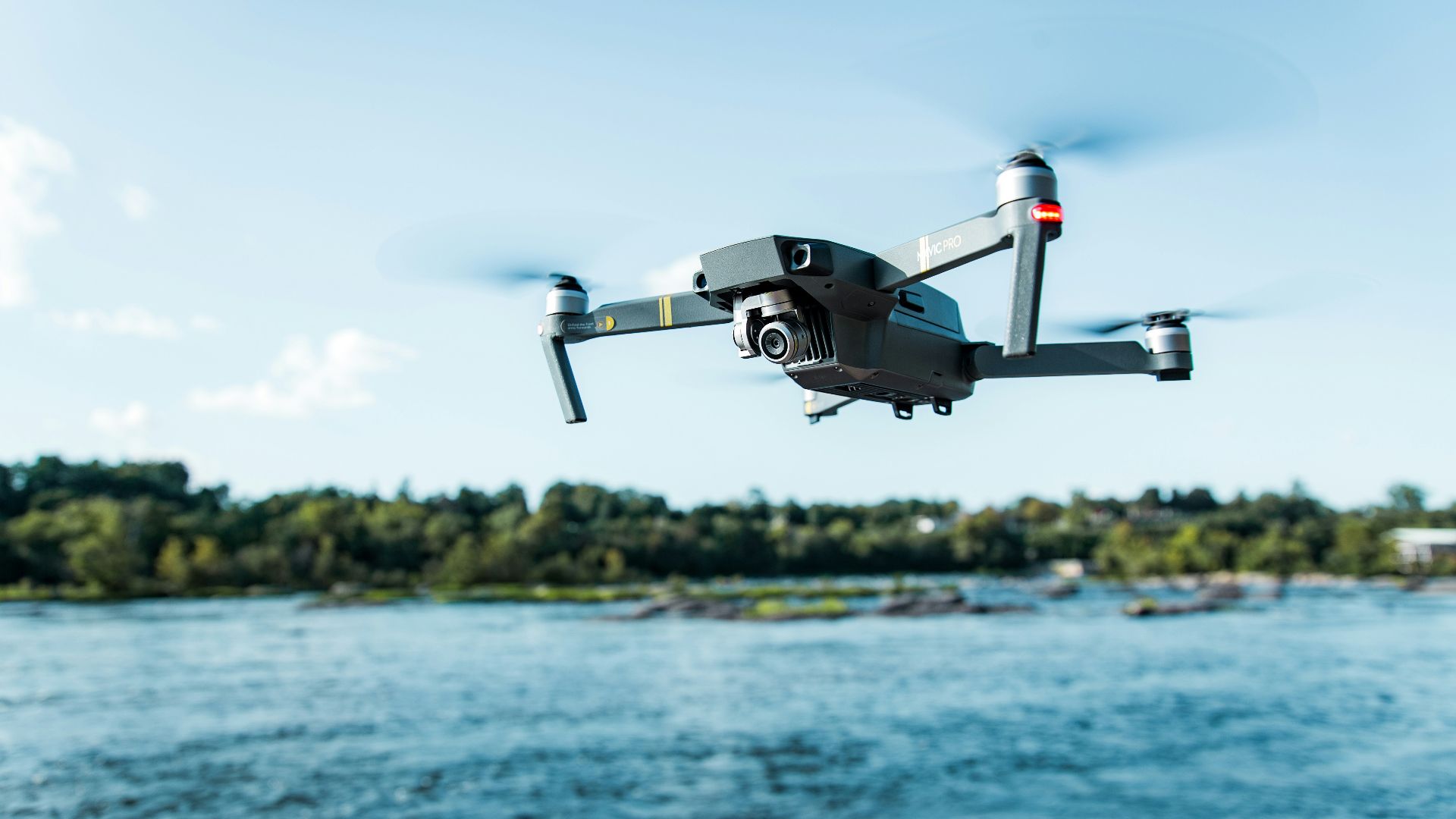
20. Drones And Unmanned Systems
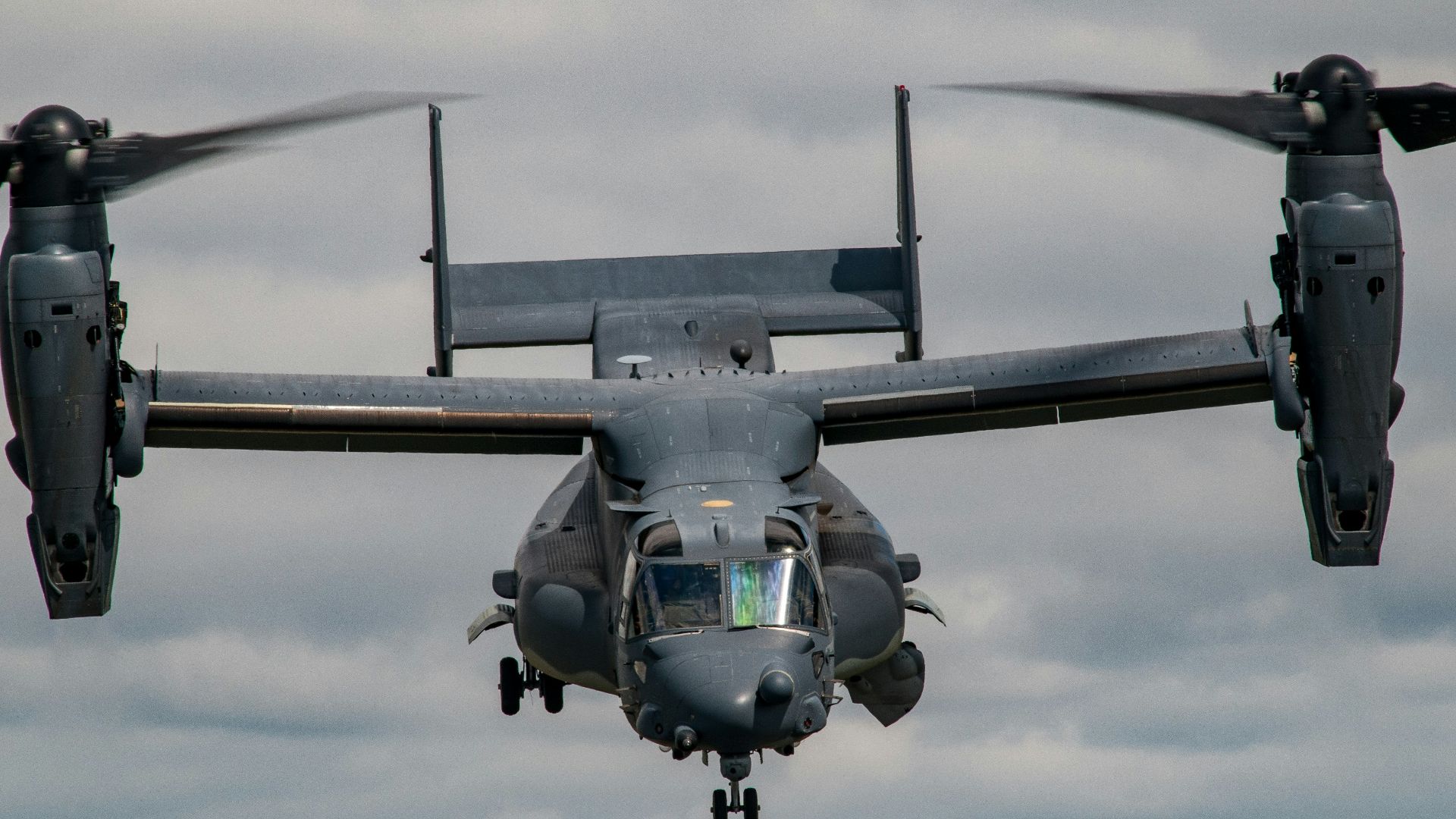
Unmanned aerial vehicles, or drones, have become increasingly important in modern conflicts. They allow for surveillance and targeted operations without risking personnel.
KEEP ON READING
The 20 Oldest Garments Ever Found
From Desert Caves To Alpine Ice, Ancient Clothing Survived Against…
By Elizabeth Graham May 29, 2026
20 Coolest Nicknames In History
The Best Nicknames EverLet's face it, your given name can…
By Sara Springsteen May 29, 2026
20 Richest Women In History
Breaking That Glass Ceiling. When we talk about the wealthier…
By Sara Springsteen May 29, 2026
20 Things That Used To Mean You Were Rich But…
Luxury Used To Be Practical. A lot of old status…
By Cameron Dick May 29, 2026
Terror In The West: The 20 Scariest Outlaws History Never…
The Frontier Got Too Comfortable With Bad Men. The Old…
By Annie Byrd May 29, 2026
10 Great Historians Who Got It Right & 10 Who…
Some Historians Stand the Test of Time. History is constantly…
By Rob Shapiro May 29, 2026