
20 Things That Made Bronze Age Warfare Especially Brutal
Ancient Warfare Had Some Disturbing Traditions
Long before gunpowder and modern artillery, ancient civilizations had already come up with some pretty horrifying ways to wage war. In much of the ancient Near East, the Bronze Age lasted from roughly 3300 to 1200 BC, although its dates varied considerably across other regions. During this period, powerful kingdoms developed organized armies, sophisticated weapons, and military traditions that could be incredibly cruel. From collecting severed body parts as battlefield trophies to crushing enemies beneath war carts, these 20 examples show just how disturbing Bronze Age warfare could be.
1. Egyptian Soldiers Collected Severed Hands
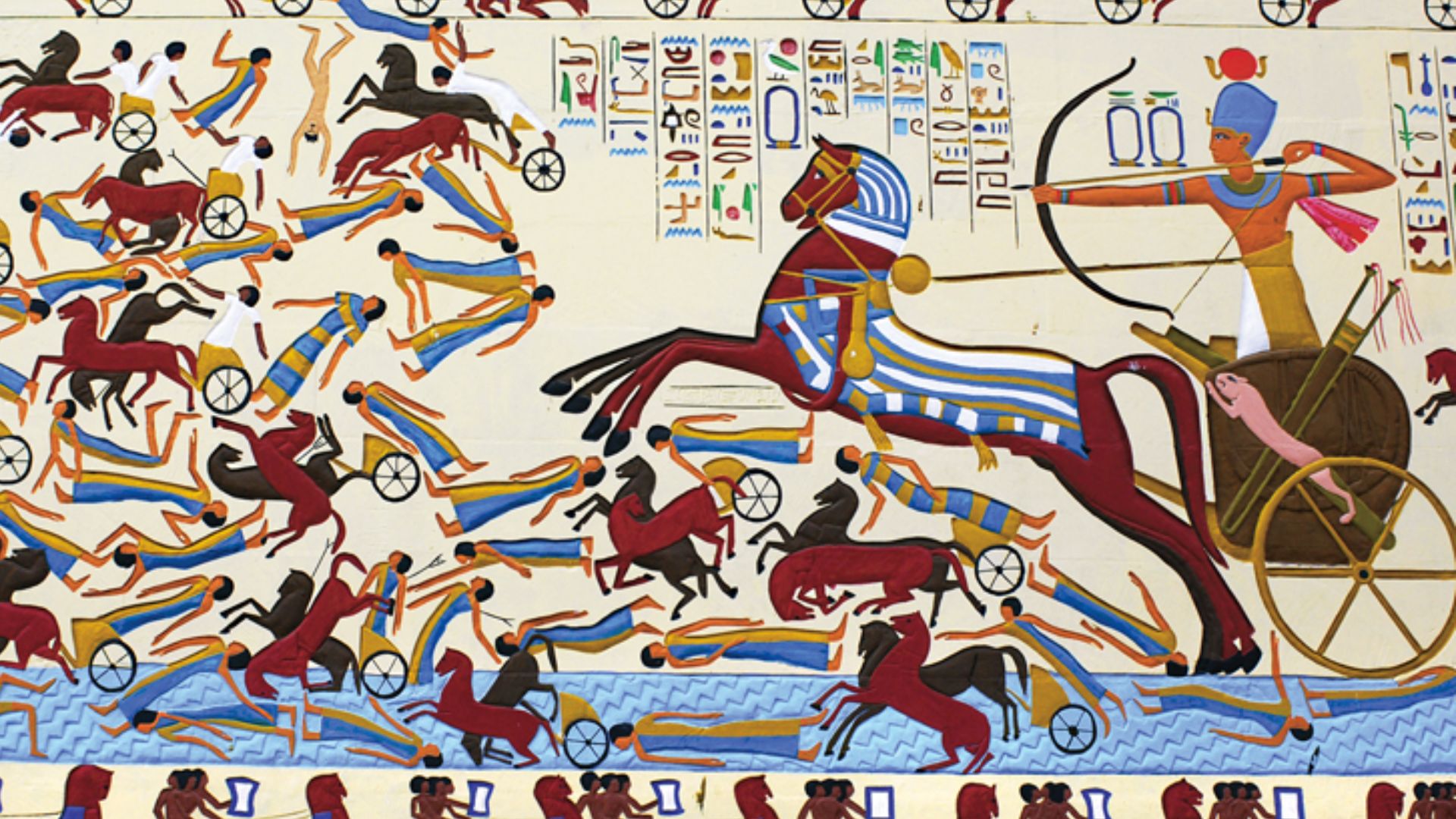
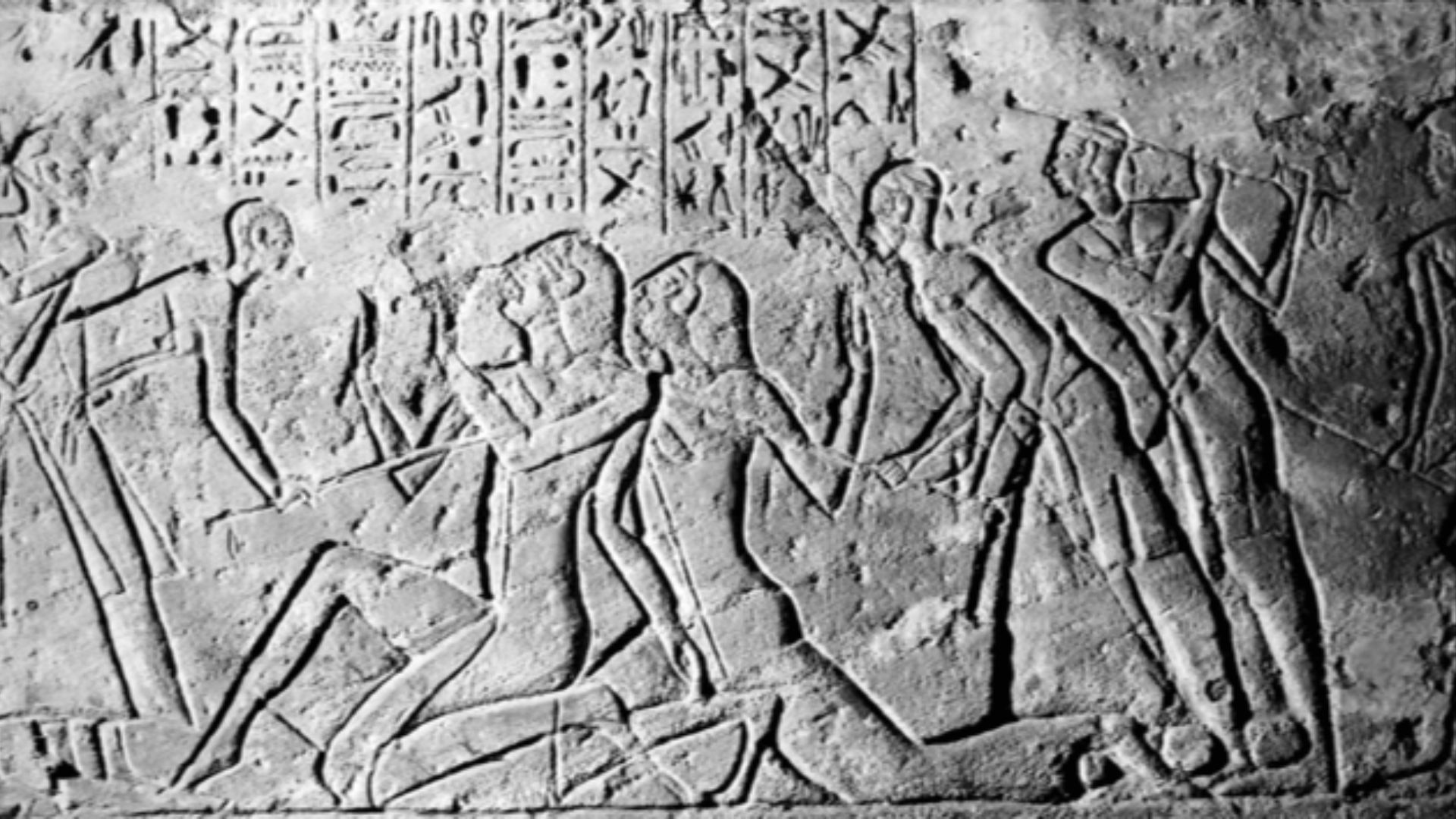
One particularly gruesome Egyptian military tradition involved cutting off the hands of defeated enemies to document victories on the battlefield. During the New Kingdom, soldiers could present these trophies to their rulers and receive rewards, including something known as the "gold of valor." Archaeologists have even uncovered severed human hands buried in pits at the ancient city of Avaris. It's difficult to imagine a more disturbing way to prove you'd defeated an opponent.

2. War Carts Trampled Fallen Enemies
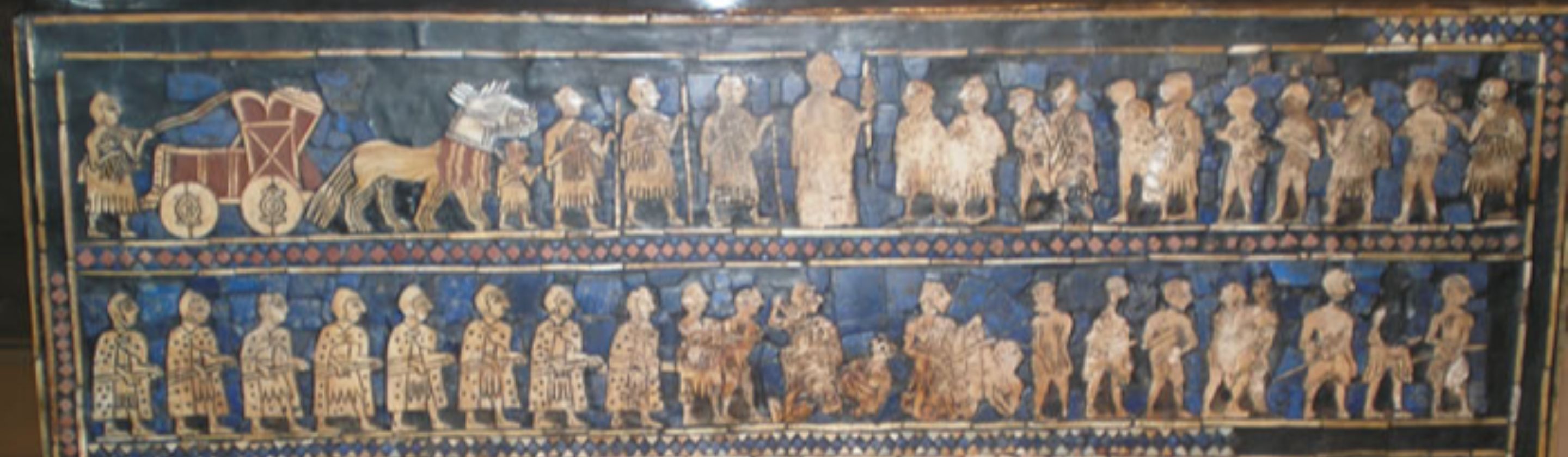
Long before the famous chariots of ancient Egypt, Sumerian armies used heavy, wheeled war carts pulled by equids. The Standard of Ur, an artifact dating to around 2600–2400 BC, depicts these vehicles trampling fallen enemies beneath their hooves. Although the artwork shouldn't be taken as a perfectly accurate battlefield account, it offers a glimpse into how the Sumerians celebrated their military victories. Apparently, defeating an opponent wasn't enough without showing their humiliation afterward.
3. Prisoners Were Paraded Naked
Humiliating captured enemies was one way Bronze Age rulers demonstrated their power and authority. The Standard of Ur depicts naked prisoners being marched before a victorious ruler, with some apparently being killed. Stripping captives of their clothing emphasized their vulnerability and complete loss of status. Unfortunately for these prisoners, surviving the initial fighting didn't necessarily mean they'd escaped a violent death.
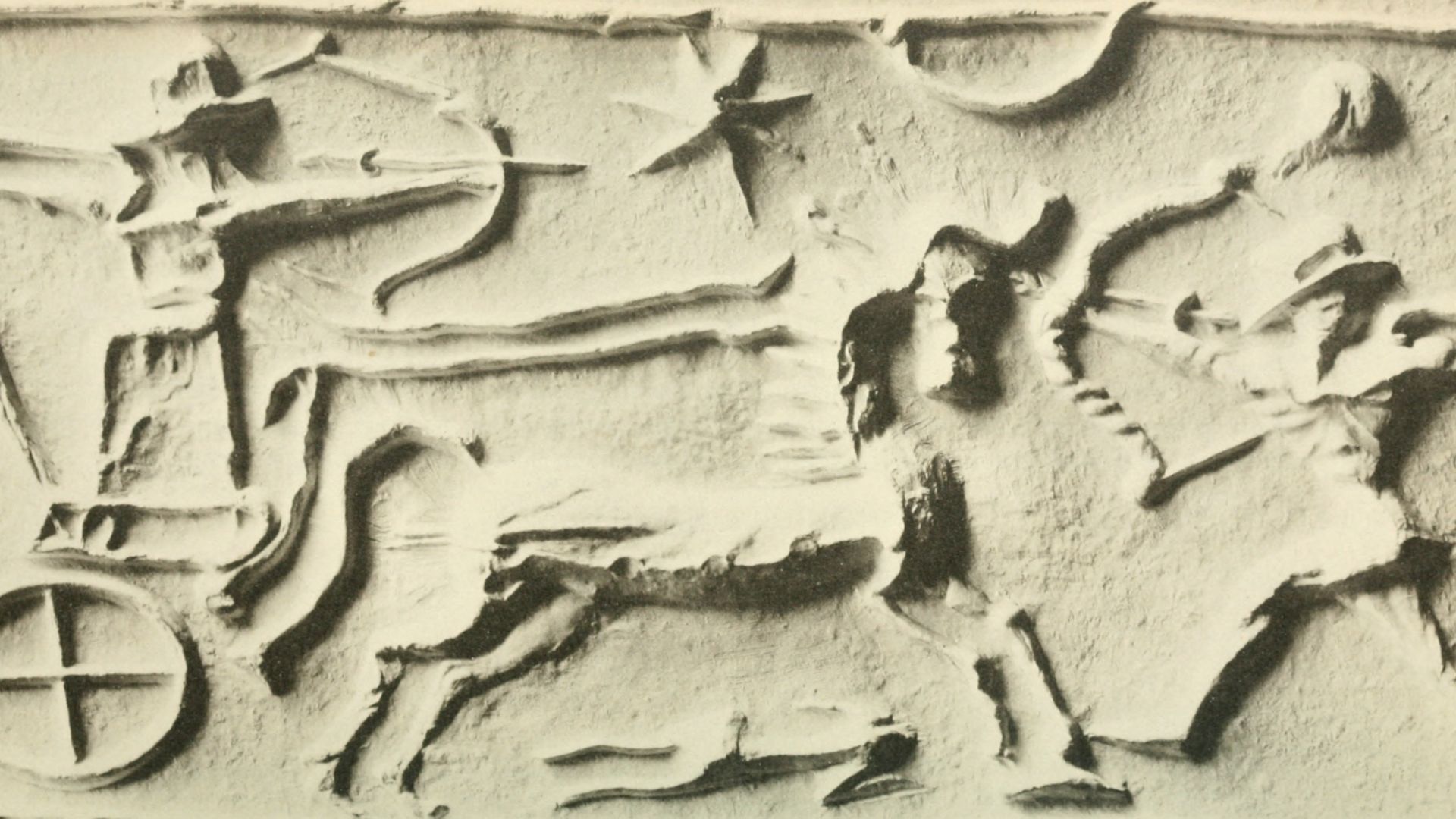
4. Chariot Archers Could Attack From Moving Vehicles
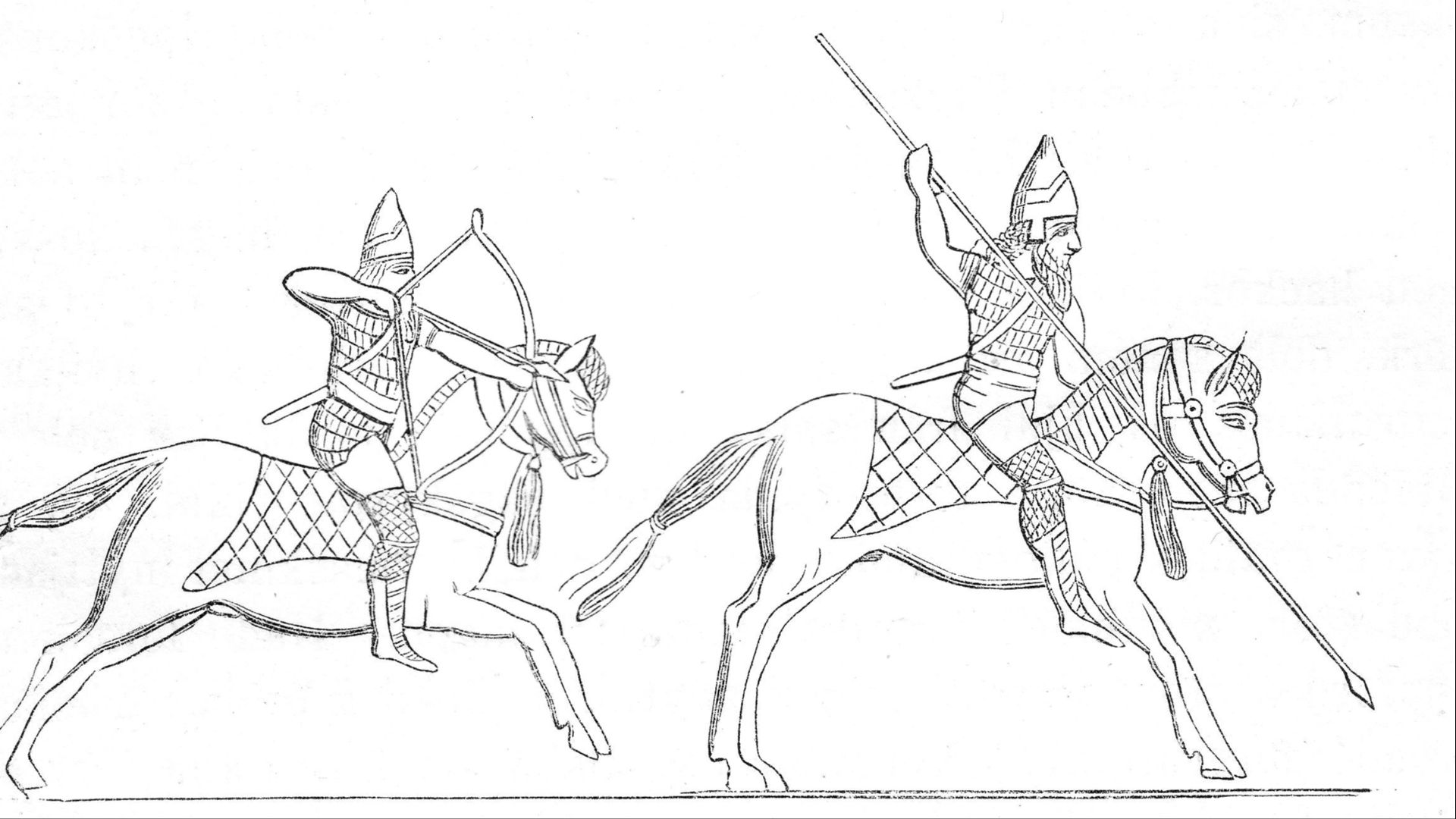
By the Late Bronze Age, civilizations such as Egypt and the Hittite Empire had developed impressive chariot forces. Egyptian crews could fire powerful composite bows while moving across suitable terrain, making them especially dangerous opponents. This allowed them to attack enemy troops and quickly reposition before their opponents could respond effectively. Facing experienced chariot archers without adequate protection would've been a terrifying experience for anyone on the battlefield.
 Internet Archive Book Images on Wikimedia
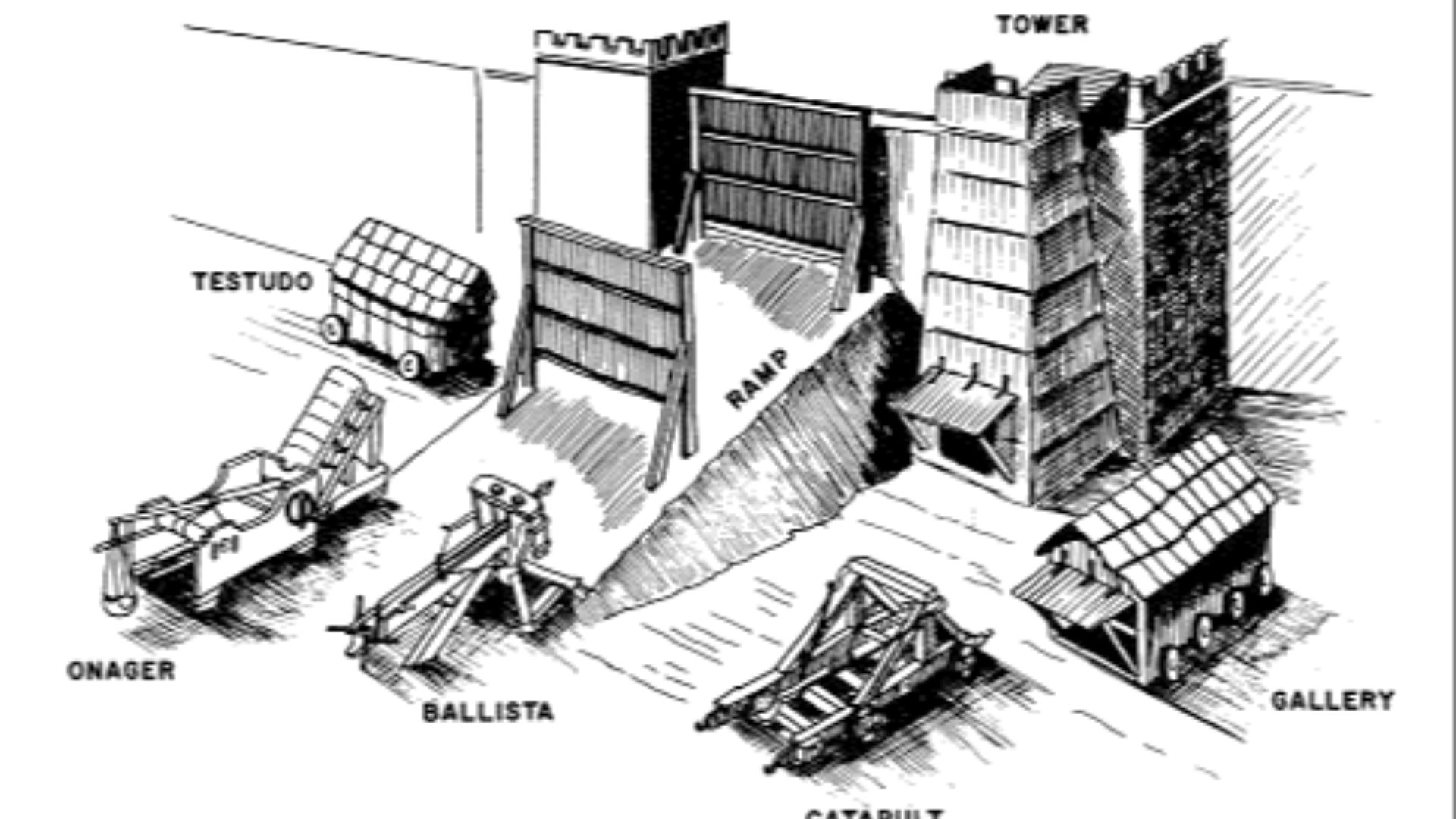
5. Siege Weapons Could Break Through City Defenses
Some Bronze Age armies developed increasingly sophisticated ways to attack fortified cities. Texts from ancient Mesopotamia describe siege equipment, including battering rams and towers, that could help attackers overcome defensive walls. These machines required considerable preparation, but they also made once-secure fortifications much more vulnerable. Once attackers broke through a city's defenses, its inhabitants faced the terrifying possibility of slaughter, capture, or enslavement.
 The Air War college on Wikimedia
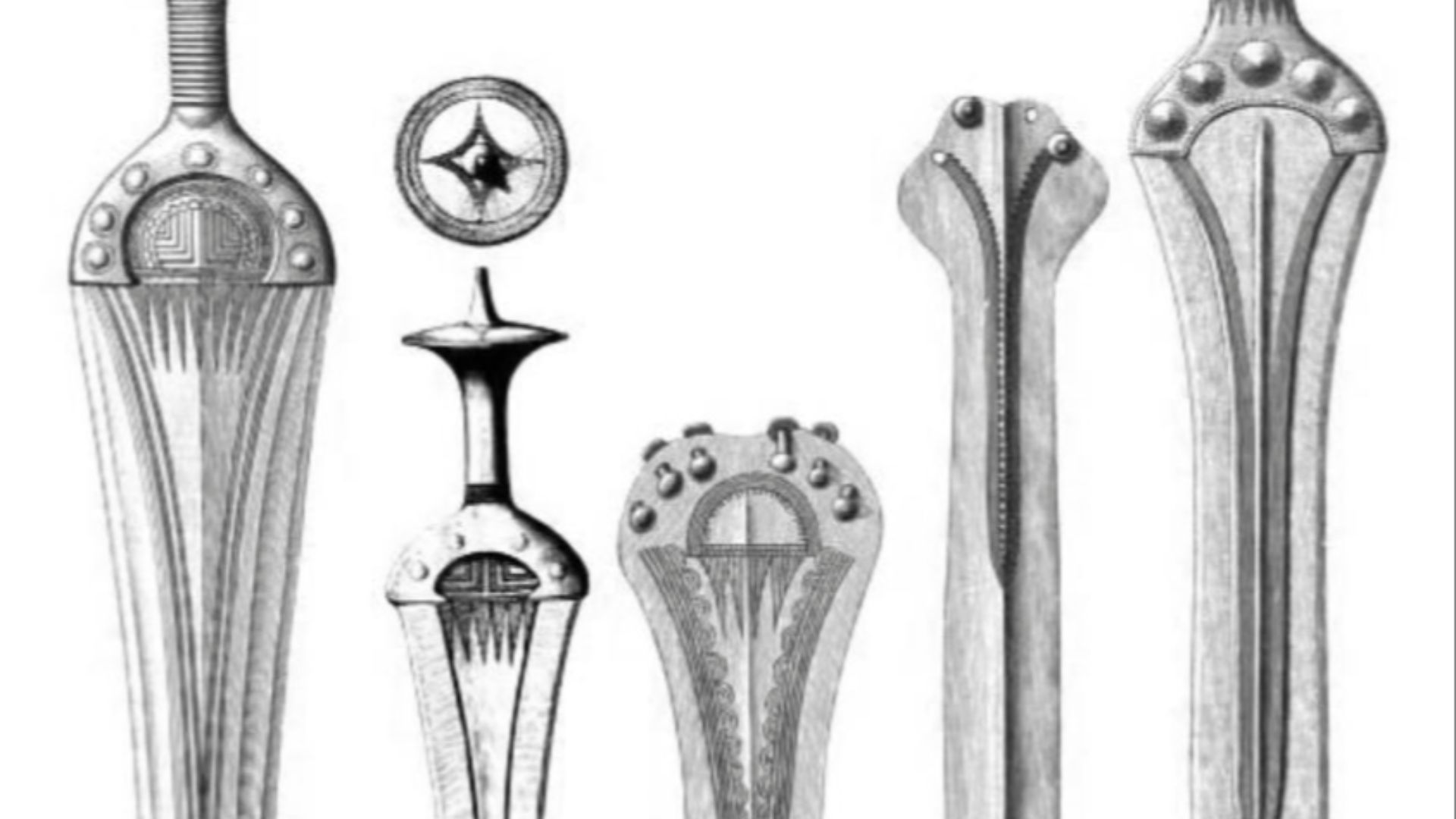
6. Bronze Weapons Could Leave Terrible Injuries
Although bronze was softer than the iron and steel used in later weapons, it was still incredibly dangerous in the hands of a skilled fighter. Swords, daggers, and spearheads could cause deep puncture wounds or severe cuts, particularly against opponents with little protection. Archaeologists studying Bronze Age skeletal remains have identified injuries consistent with sharp weapons striking bones. Without modern surgery or antibiotics, even wounds that weren't immediately fatal could have devastating consequences.
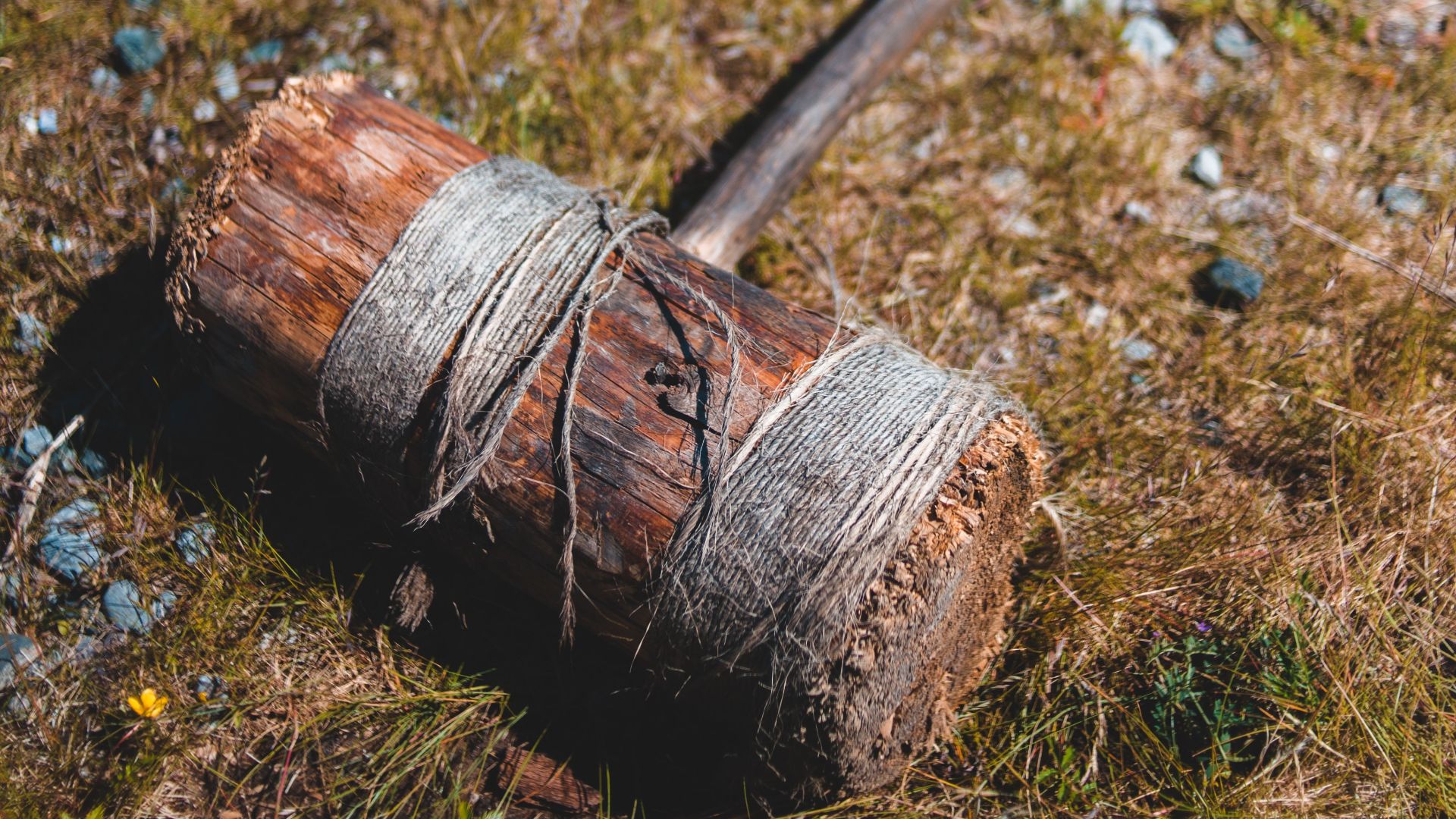
7. Enemies Could Be Killed With Wooden Clubs
One of Europe's most disturbing Bronze Age discoveries comes from Germany's Tollense Valley, where archaeologists found evidence of a violent battle around 1250 BC. Among the weapons recovered were wooden clubs capable of delivering powerful, potentially fatal blows. Skeletal remains from the area reveal blunt-force injuries alongside wounds caused by sharper weapons. Despite the increasing importance of bronze weaponry, some fighters were still killing their opponents with surprisingly simple equipment.
8. Defeated Populations Could Be Enslaved
For civilians caught in Bronze Age military campaigns, surviving an invasion could mean losing their freedom for the rest of their lives. Egyptian rulers recorded bringing prisoners back from foreign territories and assigning them to agricultural labor, construction, and other forms of service. Captives could also be handed out as rewards to soldiers who had distinguished themselves in battle. Being taken prisoner didn't necessarily mean the suffering was over, since forced labor could determine the rest of someone's life.
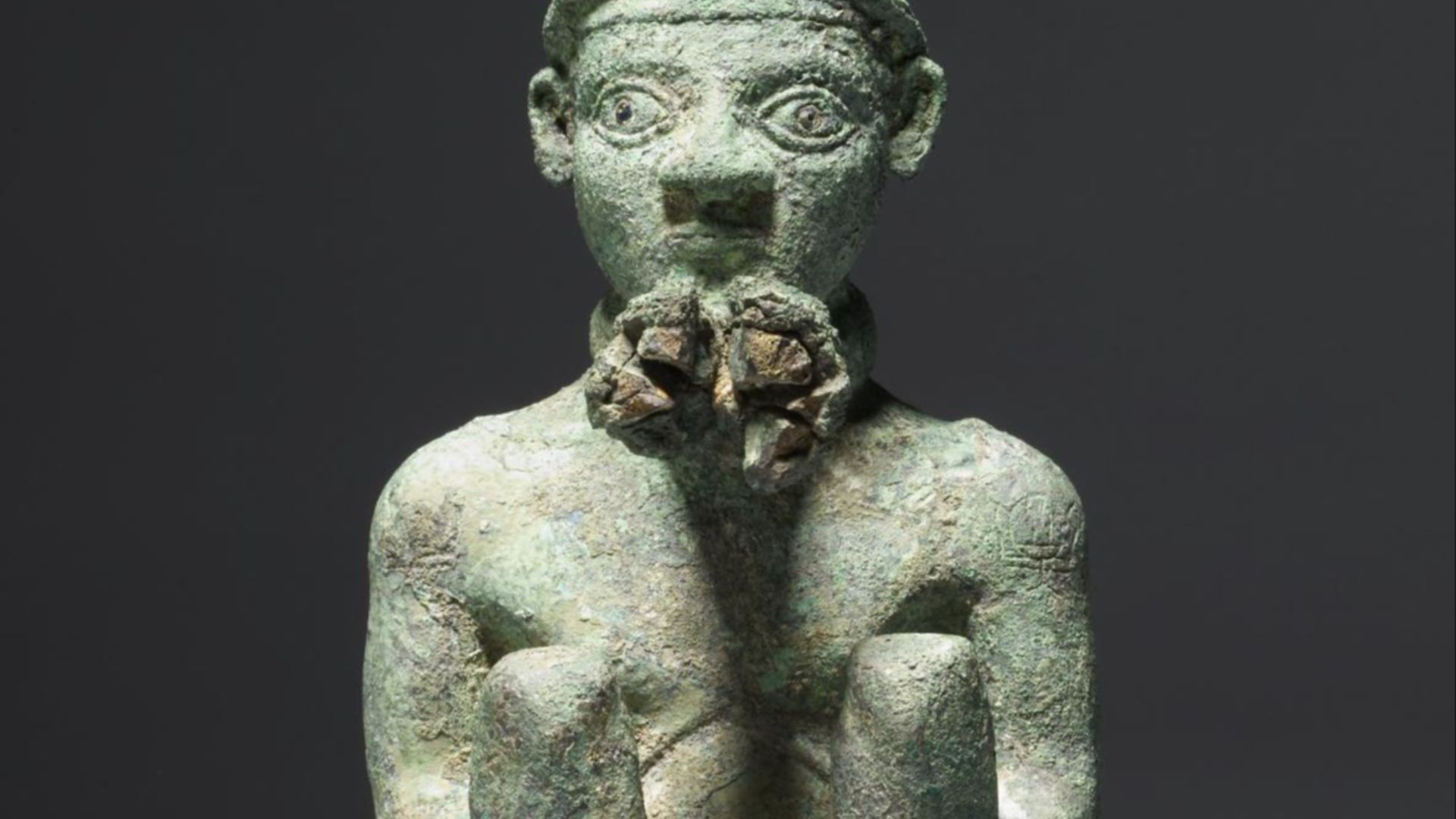
9. Elite Warriors Wore Full Bronze Armor
Not everyone entered a Bronze Age battlefield with the same level of protection, and the difference could be enormous. The famous Dendra panoply, discovered in Greece and dating to around the 15th century BC, consisted of substantial bronze plates that protected much of a warrior's body. Experimental research suggests this elaborate armor was genuinely functional rather than simply ceremonial. Facing someone wearing such expensive equipment would've been especially intimidating for an opponent with far less protection.
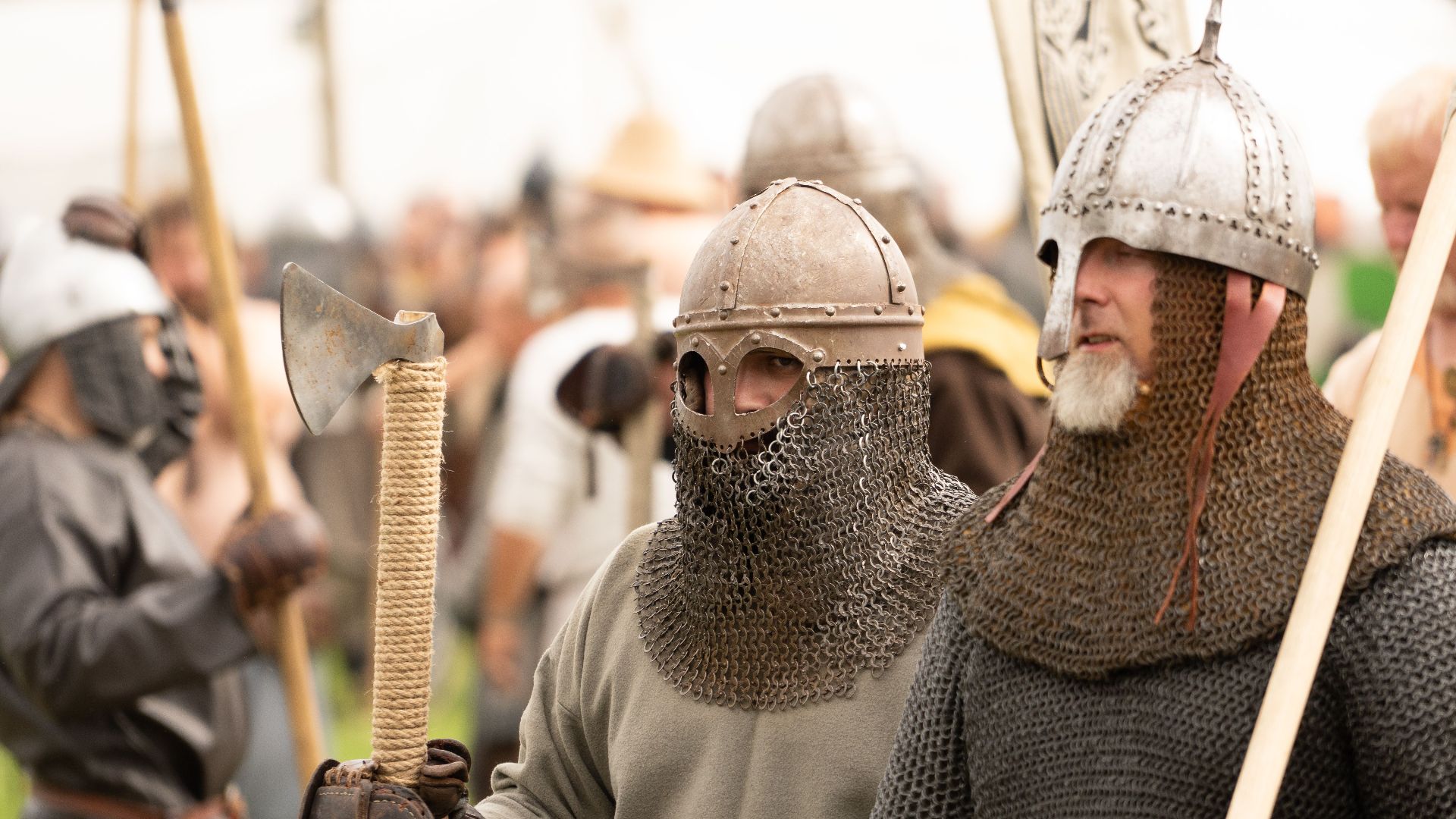
10. Ancient Battles Could Involve Thousands of Warriors
The Battle of Kadesh, fought between the Egyptians and Hittites around 1274 BC, shows just how enormous Bronze Age military confrontations could become. Both powers assembled substantial armies, with large numbers of chariots playing important roles in the fighting. Egyptian accounts describe fierce combat and moments when the pharaoh's forces were caught dangerously unprepared. Although the exact casualty figures remain unknown, the sheer scale of the confrontation would've made it an especially dangerous battle.
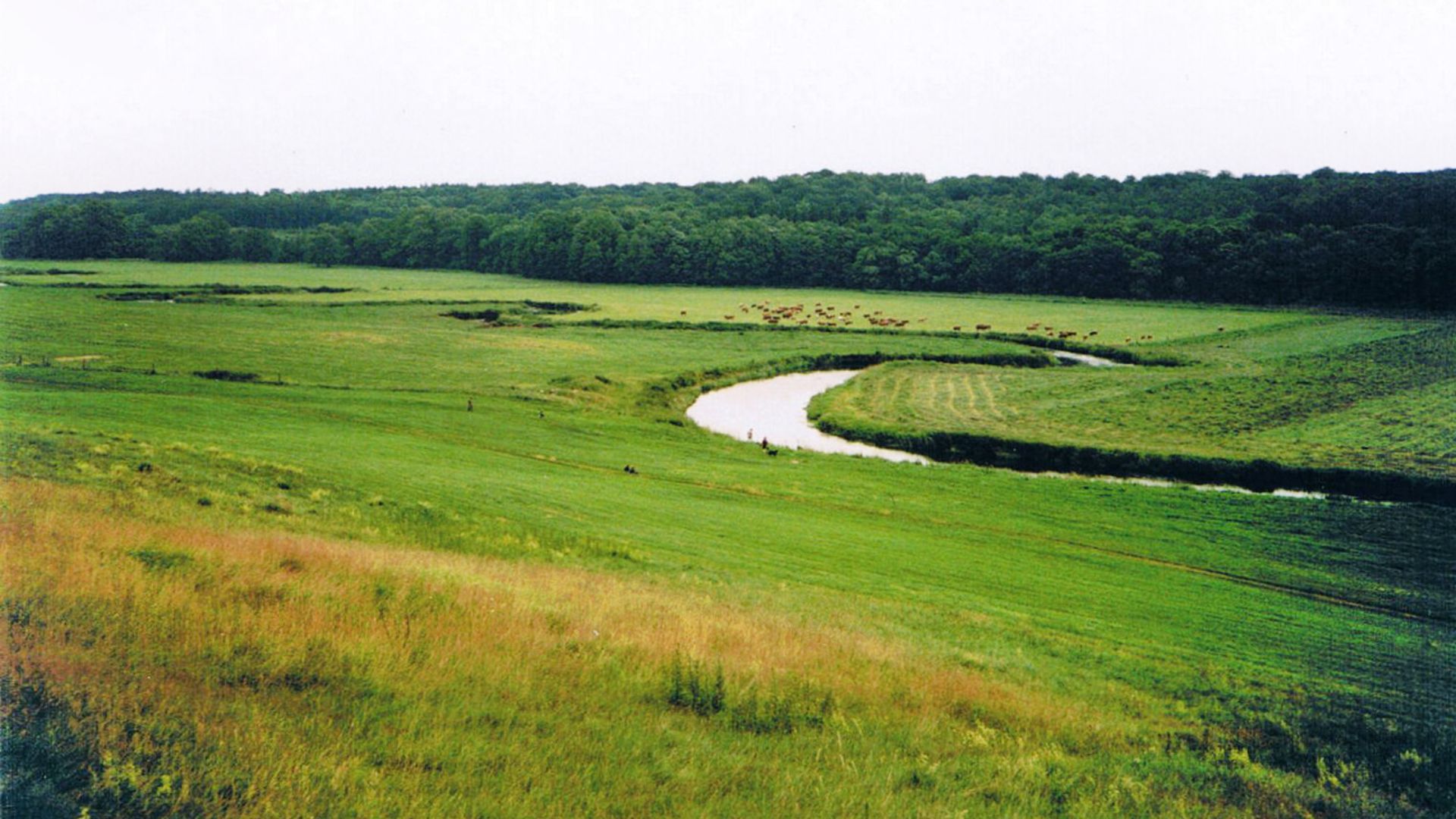
11. Dead Warriors Were Left Scattered Across Battlefields
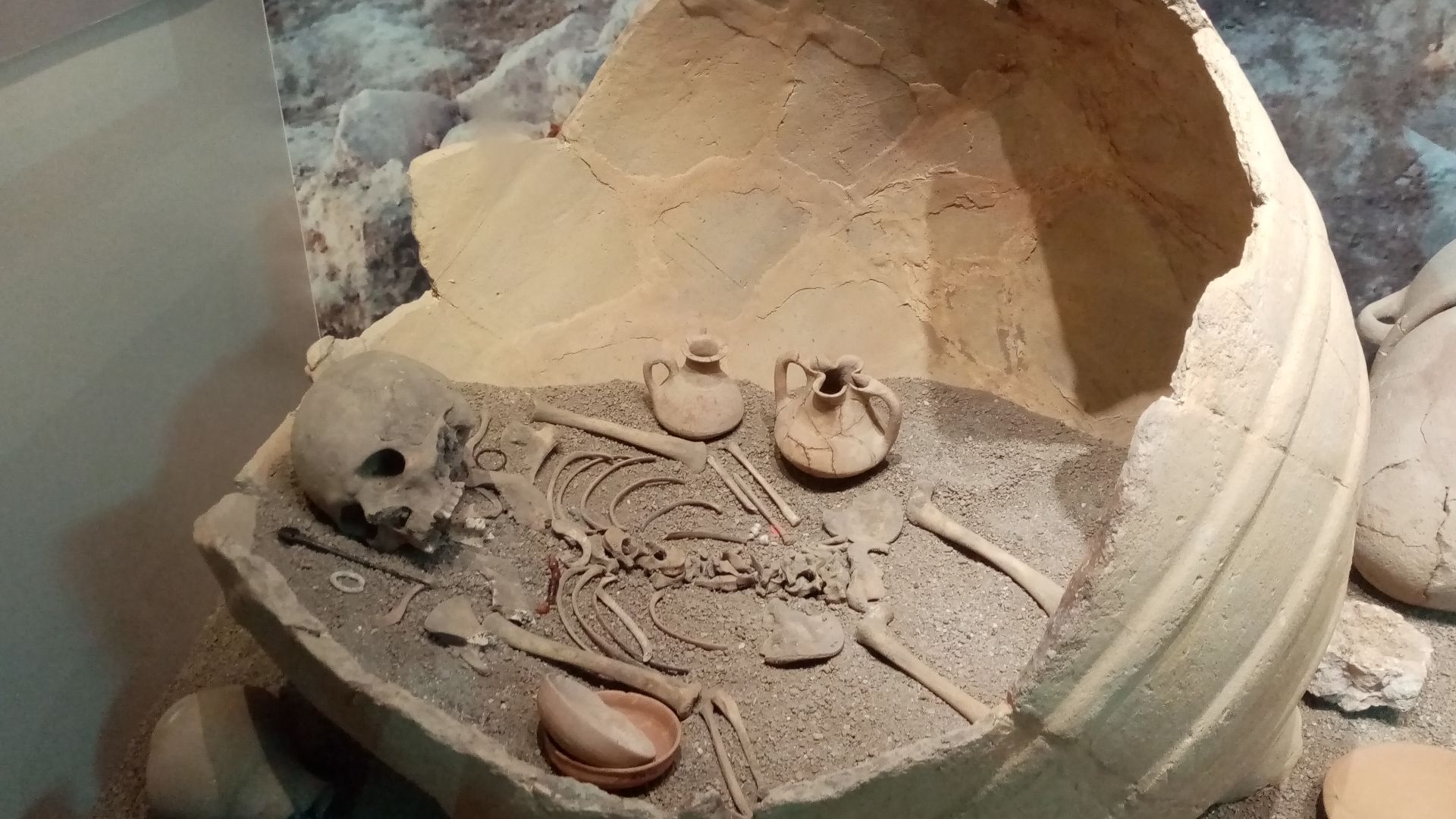
Archaeological discoveries at Tollense Valley paint a particularly disturbing picture of what happened after some Bronze Age battles. Researchers have recovered thousands of human bone fragments belonging to numerous individuals, many of whom suffered violent injuries. The remains were scattered across the river valley rather than carefully arranged in formal burials. Their condition suggests that many of the dead never received the burial treatment their communities might otherwise have provided.
 Botaurus stellaris on Wikimedia
12. Victorious Armies Could Carry Off Entire Families
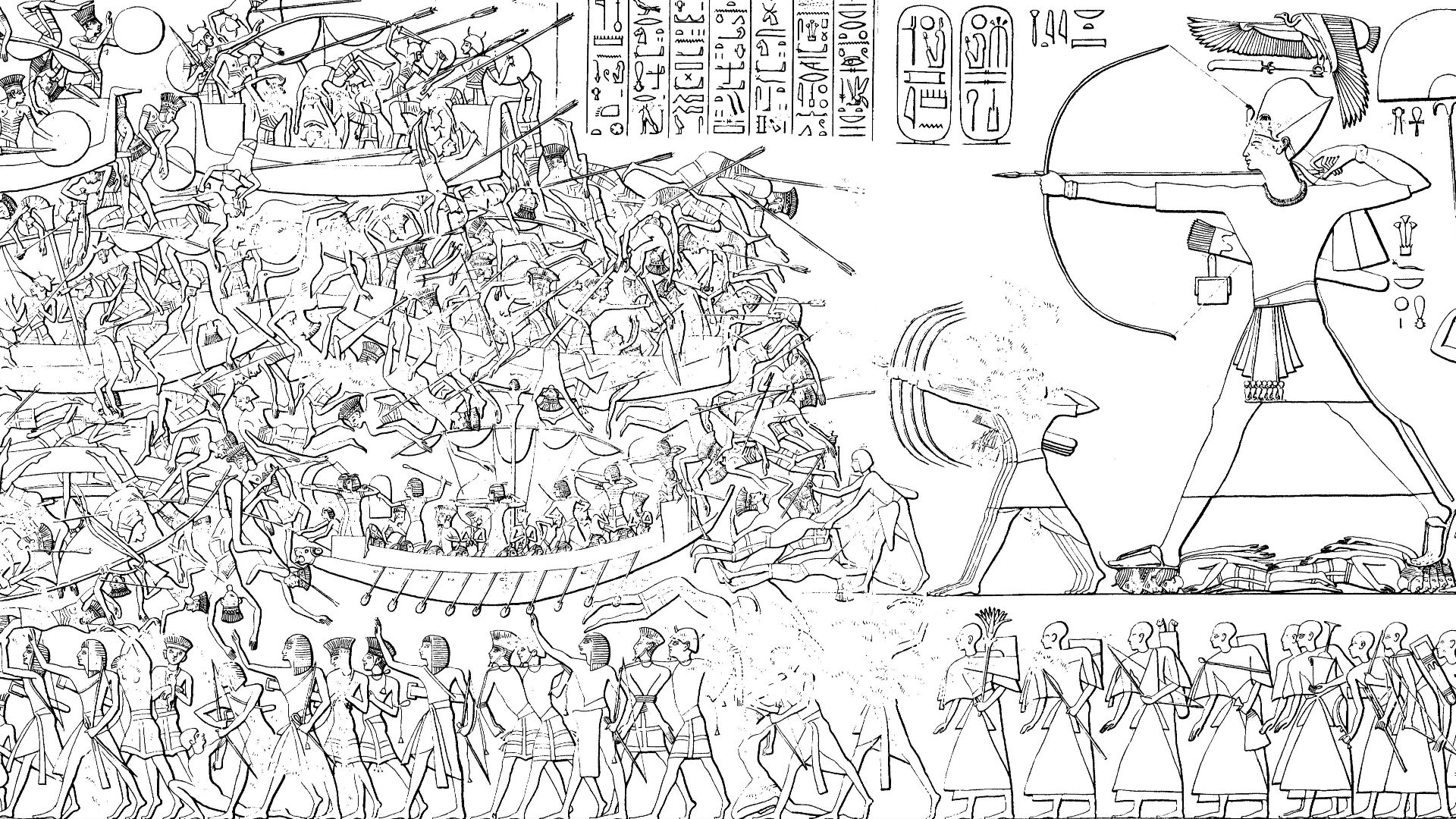
Bronze Age military campaigns sometimes involved capturing women and children alongside enemy soldiers. Egyptian inscriptions recorded prisoners among the spoils of victory, with captives becoming property or being assigned to various forms of labor. As a result, entire families could be taken from their homes and placed under the control of foreign rulers. For ordinary civilians, the consequences of military defeat could last a lifetime, even if they'd never participated in the fighting.
 Unknown artist in pay of Ramesses III on Wikimedia
13. Bronze Age Archers Used Deadly Composite Bows
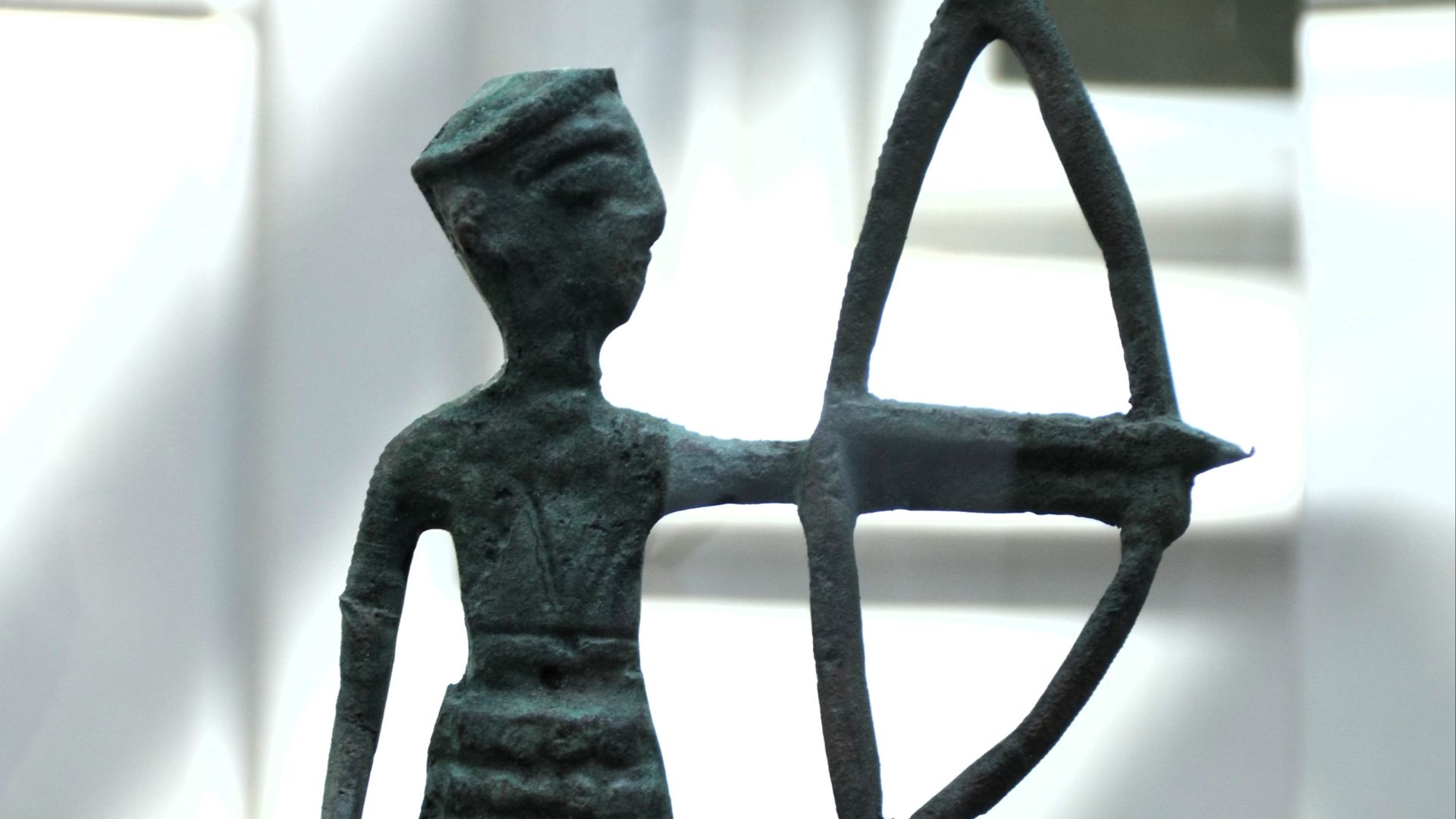
The composite bow was an important advancement in ancient military technology, particularly throughout the Near East. Made using materials such as wood, horn, and sinew, these weapons could deliver impressive power despite their relatively compact design. Their effectiveness made them especially valuable to Egyptian chariot crews, who needed weapons they could use from moving vehicles. Soldiers caught out in the open could find themselves facing a barrage of arrows long before they were close enough to fight back.
14. Siege Victims Could Be Starved Into Submission
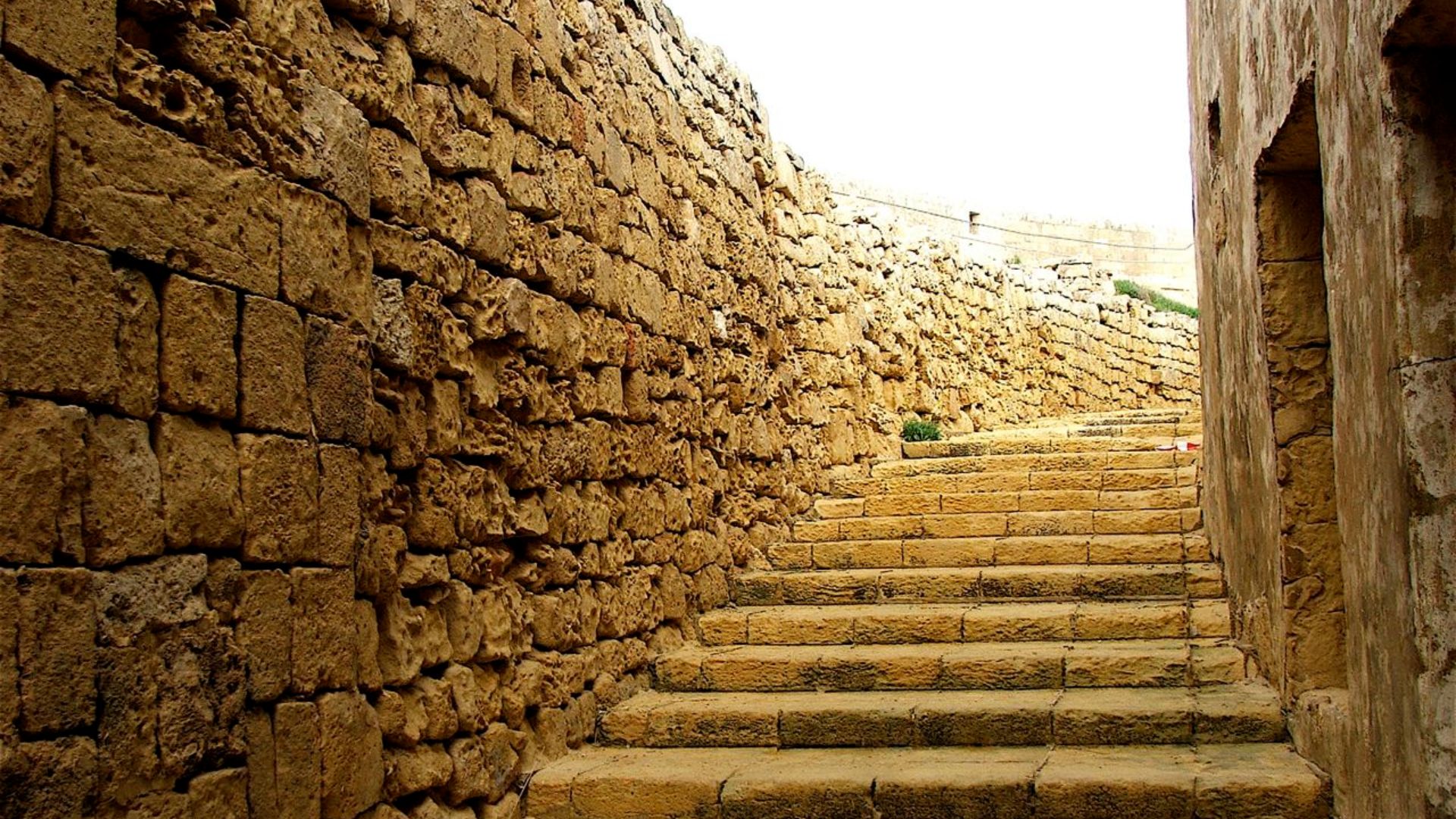
Attacking a fortified Bronze Age city didn't always involve immediately trying to break through its walls. Armies could surround a settlement, cut off essential supplies, and force defenders to endure increasingly desperate conditions. As stored grain ran low and access to water became threatened, civilians could suffer just as much as the soldiers protecting them. Even a heavily fortified city might eventually surrender if its inhabitants could no longer feed themselves.
 KNOW MALTA by Peter Grima on Wikimedia
15. Some Bronze Age Spears Were Designed for Close Combat
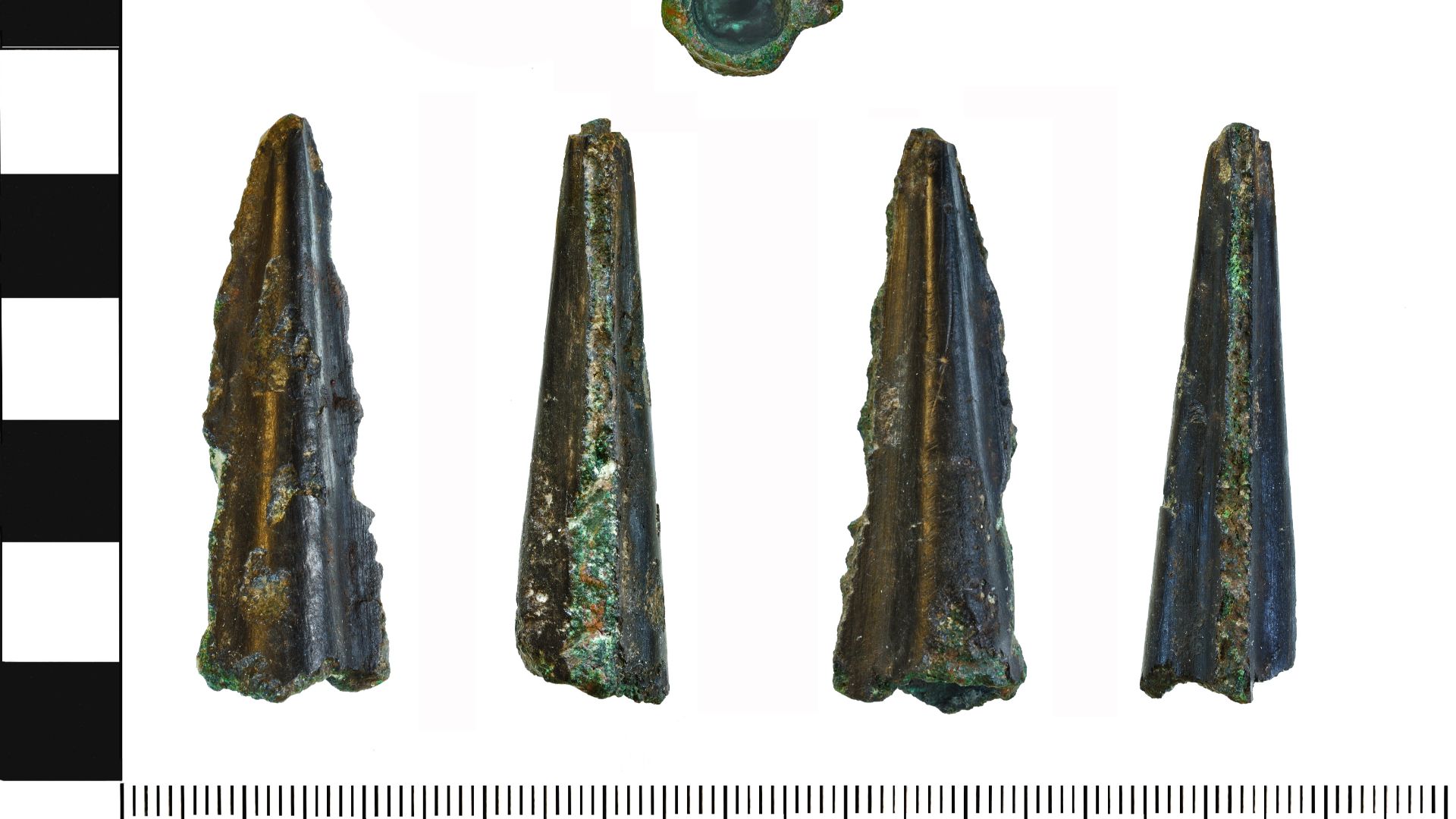
Spears were essential weapons throughout the Bronze Age, although their designs varied depending on how warriors planned to use them. Bronze spearheads could be mounted on long wooden shafts, allowing fighters to thrust at opponents while keeping some distance between them. At Tollense Valley, archaeologists have identified skeletal injuries consistent with stabbing weapons, suggesting that close-range fighting could be particularly vicious. A well-placed spear thrust to the torso could easily prove fatal.
 Clywd-Powys Archaeological Trust, Rod Trevaskus on Wikimedia
16. Cities Could Be Burned During Military Campaigns
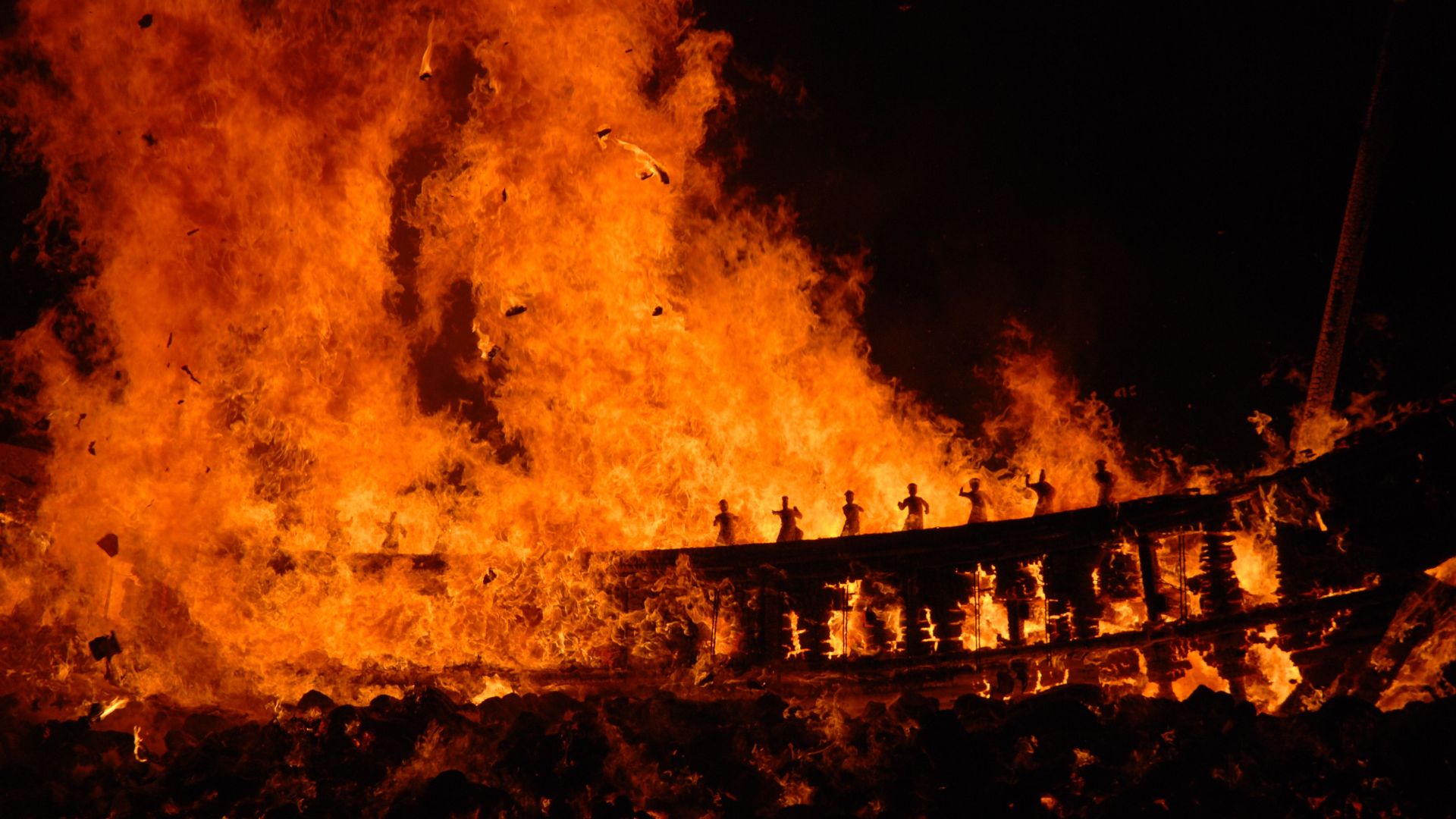
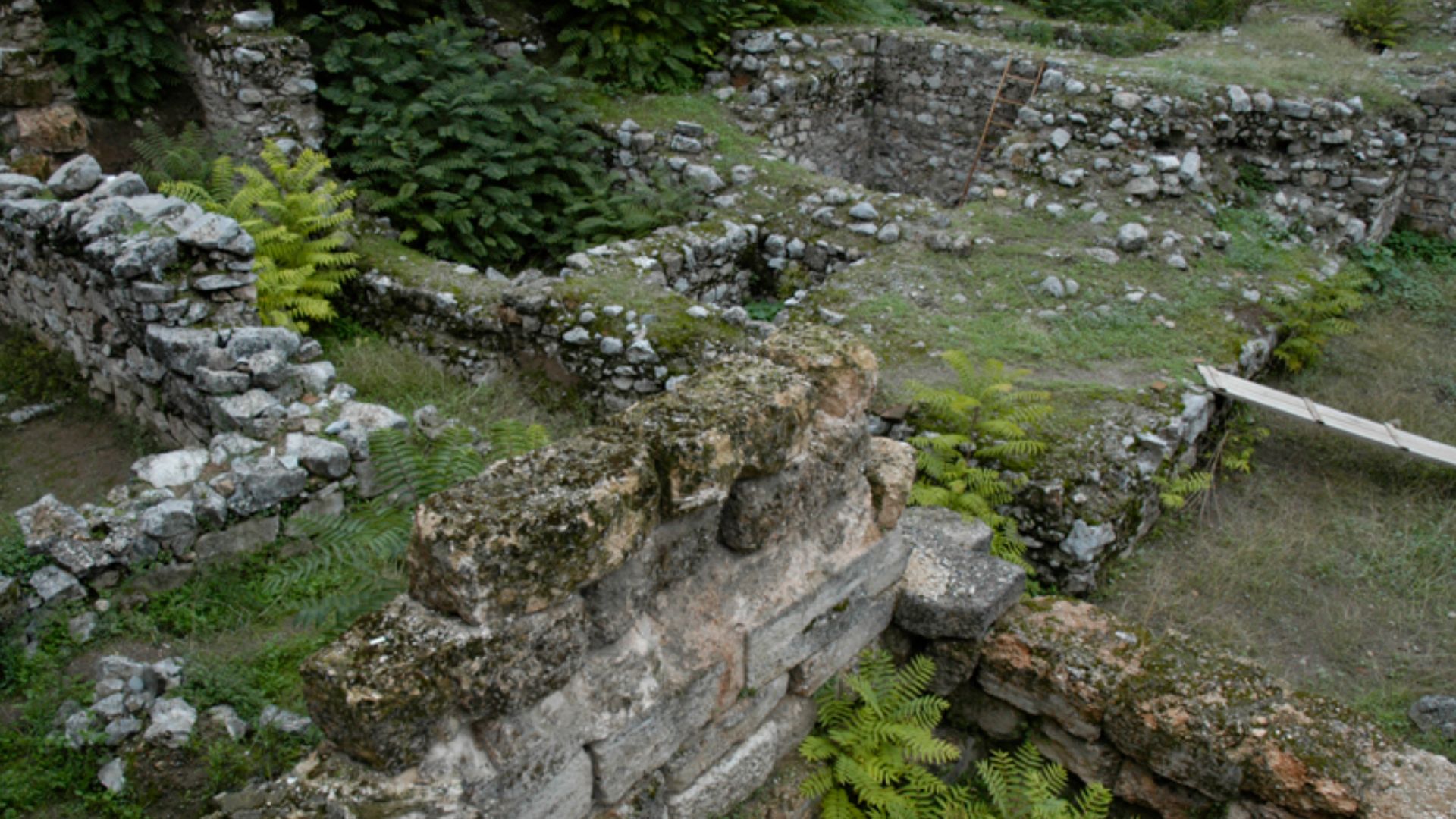
Archaeologists have discovered evidence of devastating fires at numerous Bronze Age settlements, although not every destruction event was necessarily caused by warfare. Some cities suffered violent attacks that left buildings destroyed and inhabitants displaced or killed. The destruction of urban centers could also wipe out valuable food supplies, workshops, and administrative buildings. For those who survived, losing an entire city meant much more than simply losing a battle.
17. Rulers Celebrated Images of Enemy Slaughter
Bronze Age rulers certainly weren't shy about presenting violence as something worth celebrating. Egyptian royal artwork frequently depicted pharaohs striking foreign enemies, sometimes showing groups of captives awaiting punishment. These images reinforced the ruler's military authority and his supposed ability to maintain order through force. Although they were often symbolic rather than literal historical records, their message about the treatment of enemies was deliberately intimidating.
 Ernst Wallis et al on Wikimedia
18. Weapons Were Sometimes Found Embedded in Human Bones
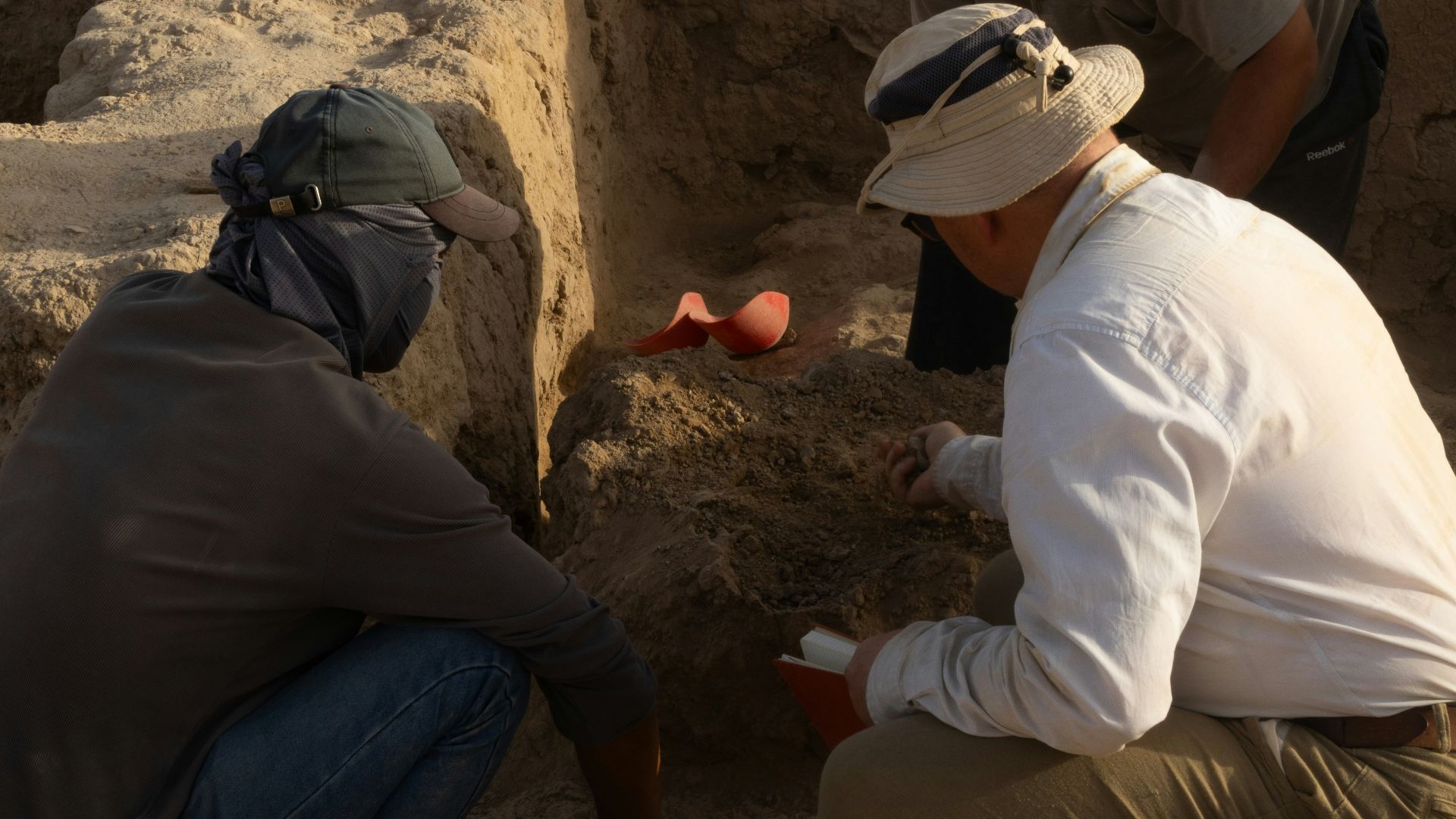
Few archaeological discoveries illustrate the brutality of Bronze Age combat more clearly than weapons still lodged in the remains of their victims. Researchers working at Tollense Valley have recovered human bones containing bronze and flint arrowheads, offering direct evidence of violent attacks. These discoveries show just how deeply projectiles could penetrate the body, sometimes damaging the bones themselves. Unlike artistic depictions of warfare, these injuries provide physical evidence of what happened to individual fighters.
 Aleksander Stypczynski on Unsplash
19. Some Warriors Had Survived Previous Battles
Analysis of skeletal remains from Tollense Valley suggests that some fighters had experienced serious violence long before their final confrontation. Researchers identified healed injuries on certain individuals, indicating that they'd survived earlier traumatic incidents. Although not every wound can be confidently linked to a previous battle, some are consistent with injuries caused by weapons. This raises the unsettling possibility that certain Bronze Age fighters endured multiple violent encounters throughout their lives.
20. Warfare Contributed to the Destruction of Bronze Age Kingdoms
Toward the end of the Late Bronze Age, several powerful civilizations experienced major political upheaval, with important settlements destroyed or abandoned. Around 1200 BC, warfare and attacks by hostile forces contributed to growing instability across parts of the eastern Mediterranean, alongside other serious pressures. The collapse of palace administrations and disruption of trade networks left countless communities facing an uncertain future. For some inhabitants, the consequences of these conflicts extended far beyond the destruction of a single city.
 J. Matthew Harrington on Wikimedia
KEEP ON READING