

Famed Pseudonyms
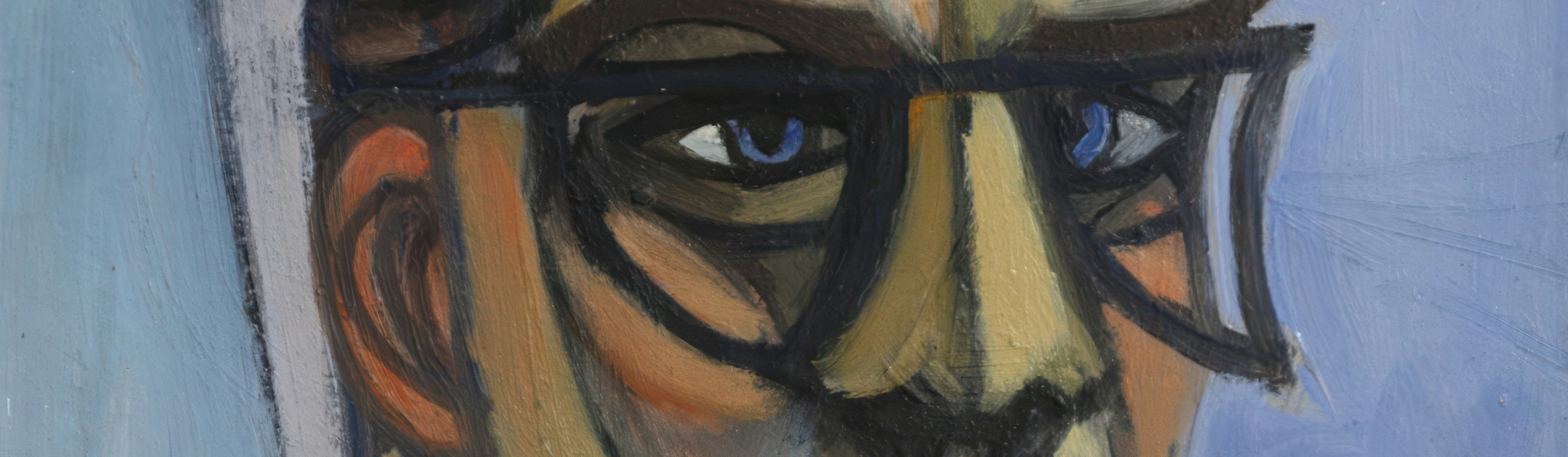
Here's a fun fact for you: Pablo Picasso's real name was actually really, really, really long. So long, in fact, that most people probably would've never remembered him (or given him the time of day) had he gone by his birth name. And he's far from being the only one: some of the most recognizable names in history weren’t the original names these figures were given. In many cases, the chosen name became so famous that the real name looked odd. From George Orwell to George Eliot, these 20 monikers might remind you that things aren't always as they seem...
1. George Orwell
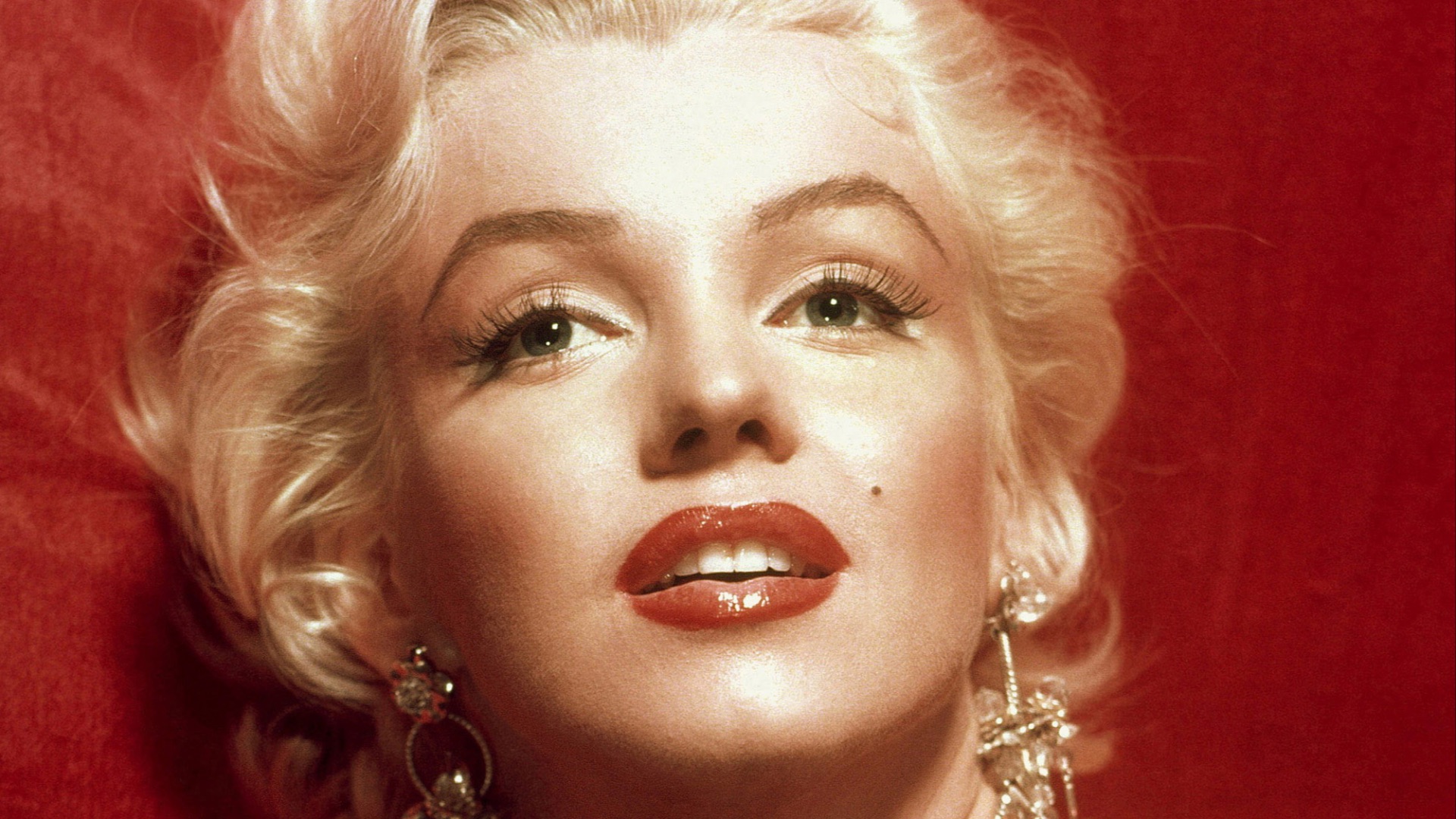
George Orwell was born Eric Arthur Blair, but he chose a pen name before publishing Down and Out in Paris and London. He didn’t want the book’s rough subject matter tied too closely to his family name, especially because it drew from experiences of poverty and low-wage work. The name George Orwell gave him a separate public identity, and it later became attached to Animal Farm and Nineteen Eighty-Four.
2. Pablo Picasso
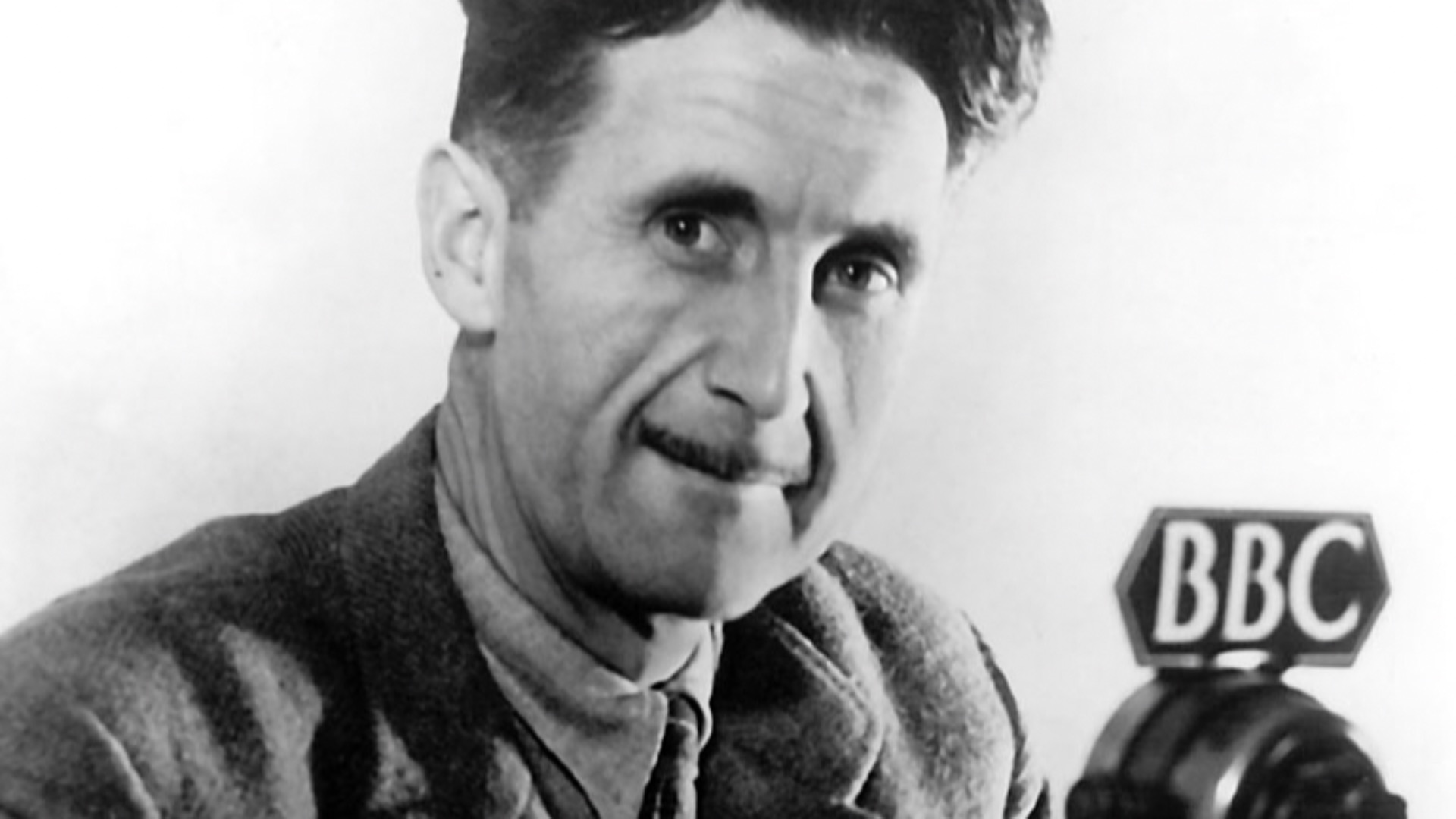
Pablo Picasso’s name is pretty memorable, but it was actually a shortened version of his much, much longer birth name. He was born Pablo Diego José Francisco de Paula Juan Nepomuceno María de los Remedios Cipriano de la Santísima Trinidad Ruiz y Picasso, though different sources vary slightly on the full sequence. By dropping “Ruiz” and using Picasso, his mother’s surname, he created a cleaner artistic identity that was easier for the world to remember. Phew.
 Anonymous Unknown author on Wikimedia
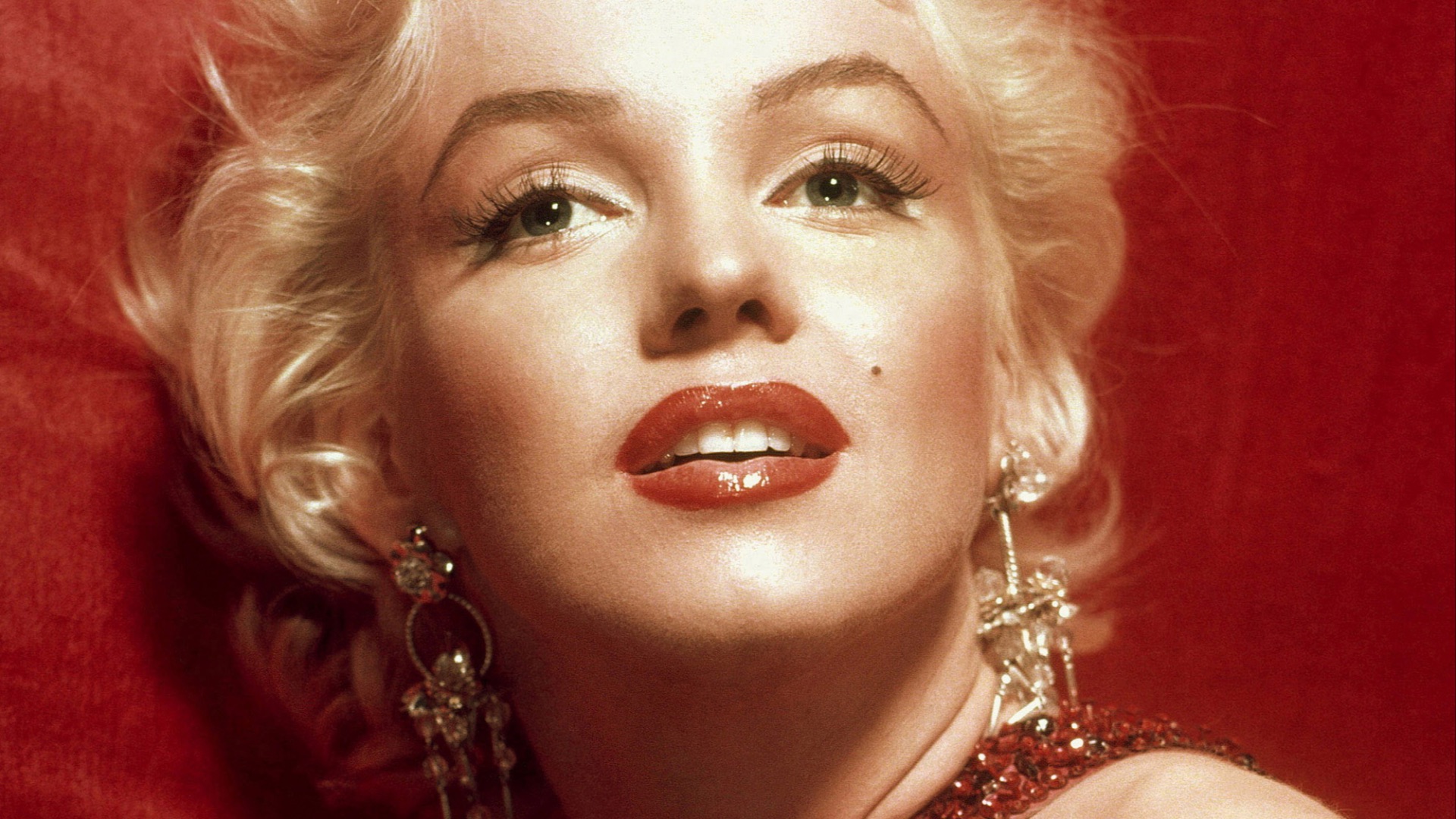
3. Marilyn Monroe
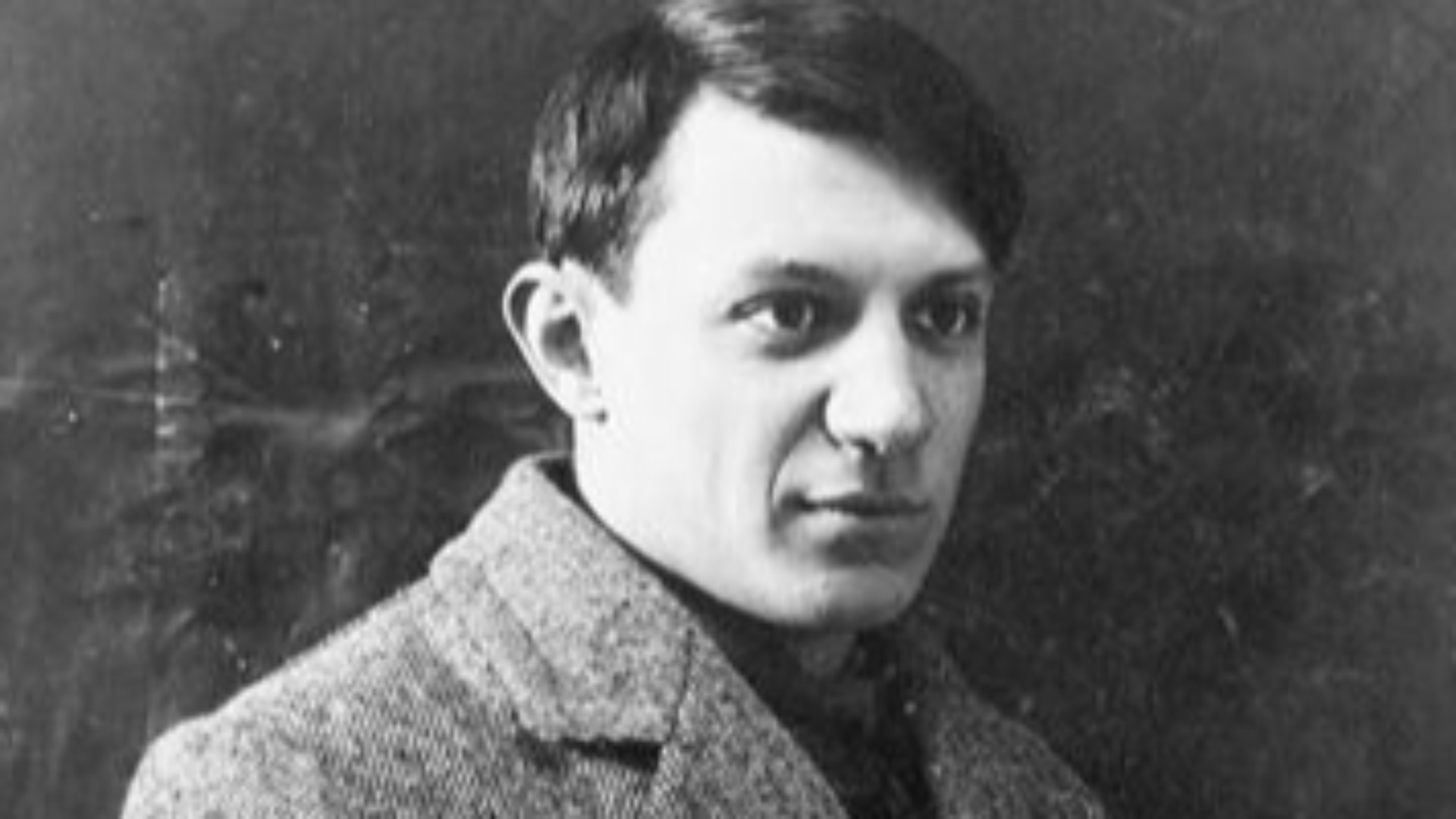
Marilyn Monroe was born Norma Jeane Mortenson and was also known as Norma Jeane Baker in childhood. Her famous stage name came as she entered Hollywood, where studio figures wanted something more glamorous and memorable. “Marilyn” was reportedly inspired by Broadway performer Marilyn Miller, while “Monroe” came from her mother’s family name.
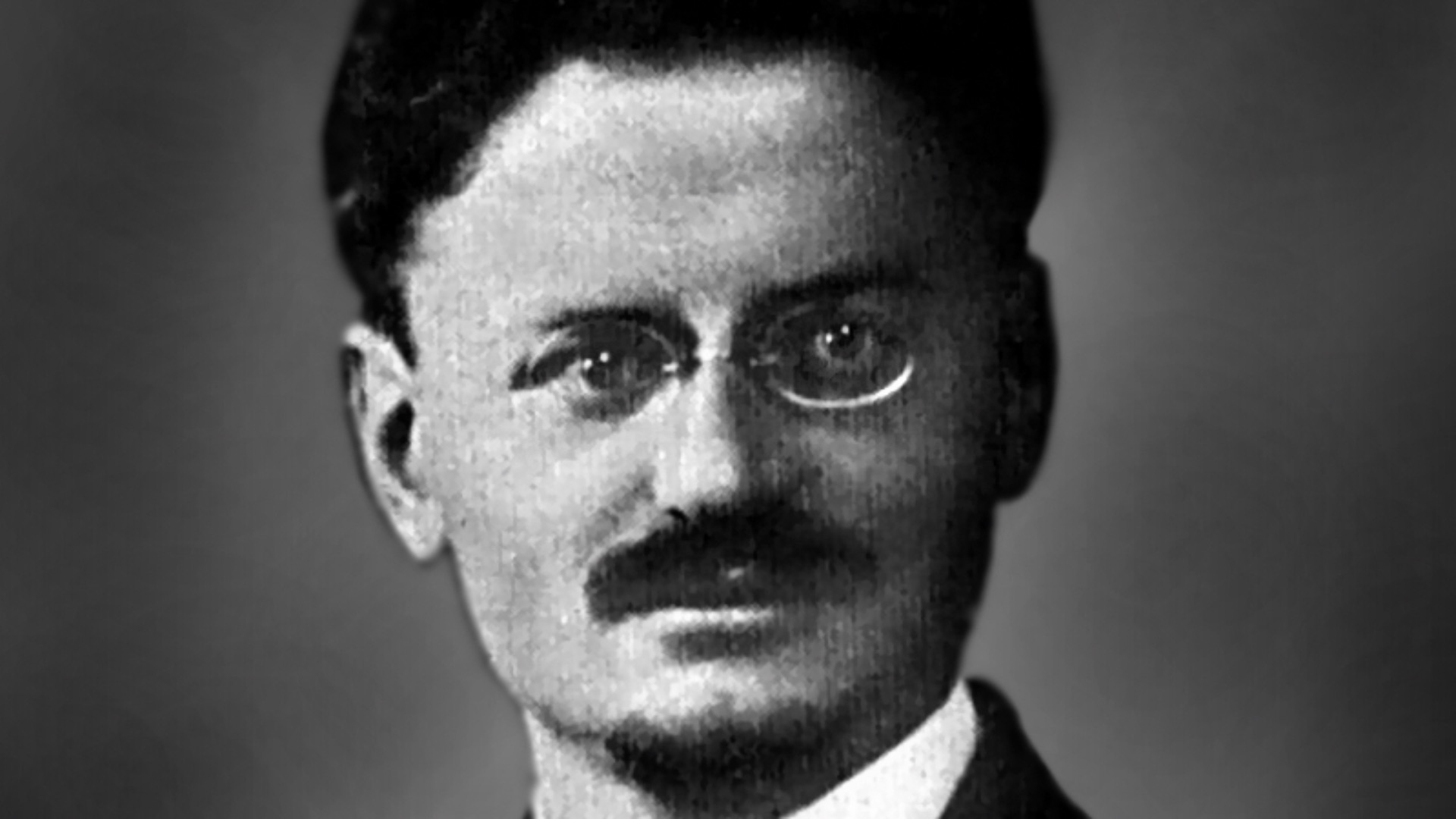
4. Leon Trotsky
Leon Trotsky was born Lev Davidovich Bronstein, not under the name that would later become central to revolutionary history. He adopted “Trotsky” after escaping exile in Siberia, using the name on forged papers as he made his way out of Russia. What began as a practical alias became the identity under which he helped shape the Russian Revolution and later opposed Stalin.
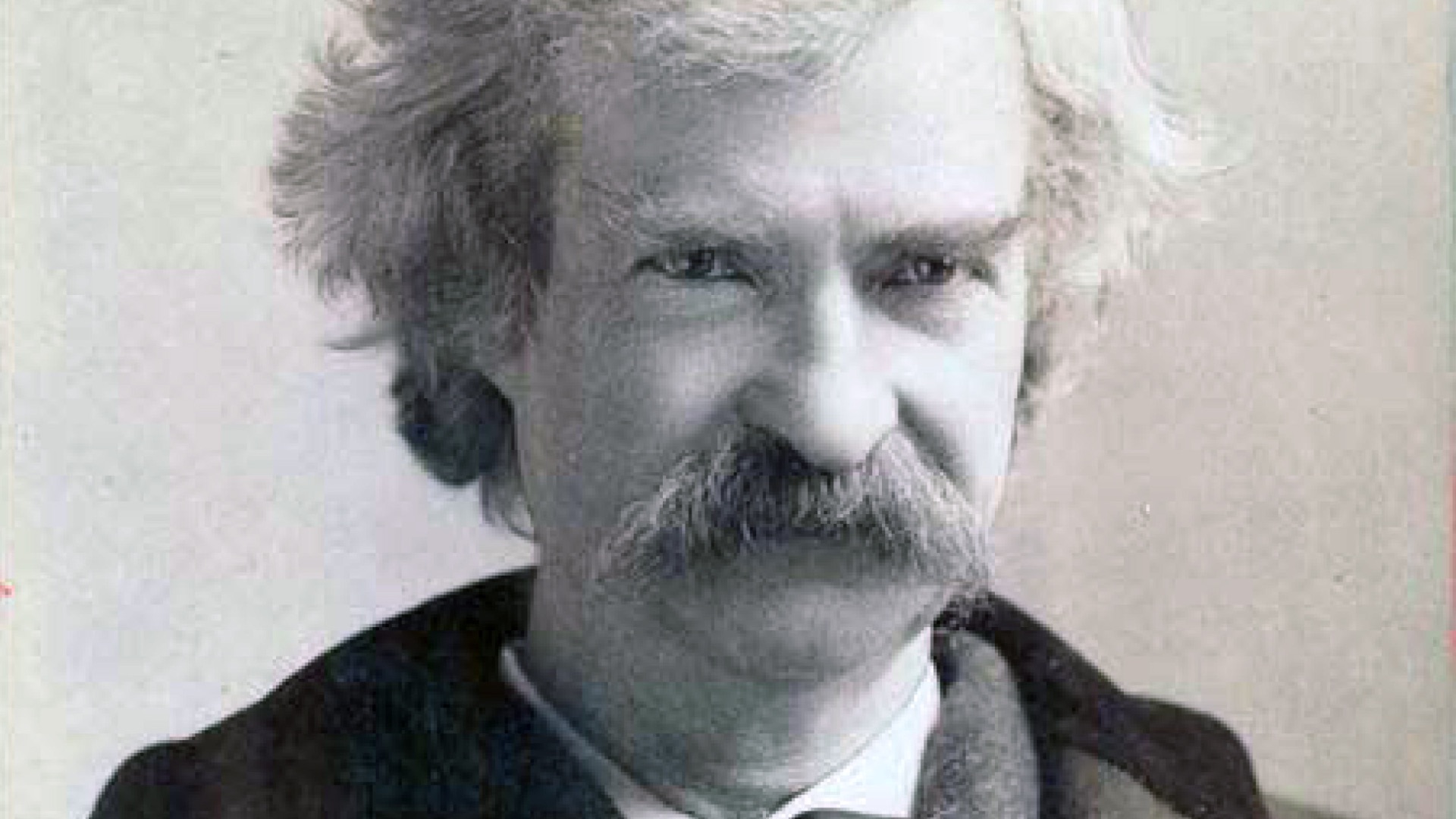
5. Mark Twain
Mark Twain was the pen name of Samuel Langhorne Clemens. The phrase came from riverboat terminology, which suited a writer whose early life and imagination were tied closely to the Mississippi River. Under that borrowed name, he became one of America’s most famous authors and gave readers The Adventures of Tom Sawyer and Adventures of Huckleberry Finn.
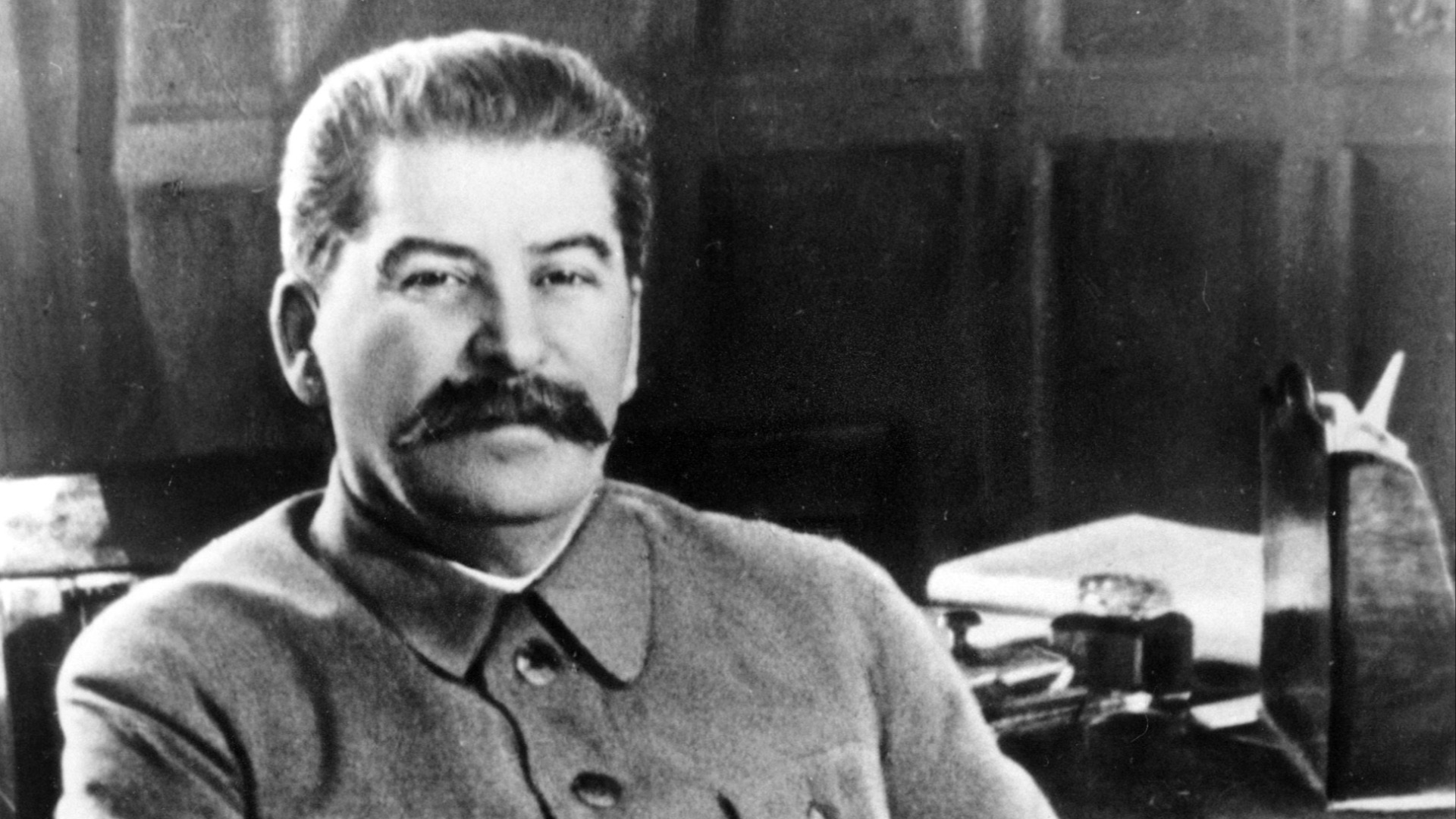
6. Joseph Stalin
Joseph Stalin was born Ioseb Besarionis dze Jughashvili in Georgia. As a revolutionary, he used several aliases before settling on Stalin, a name associated with the Russian word for steel. That chosen identity helped project the severe political image he wanted as he rose to dominate the Soviet Union.
 Unknown, presumably by a government employee as part of official duties on Wikimedia
7. Vladimir Lenin
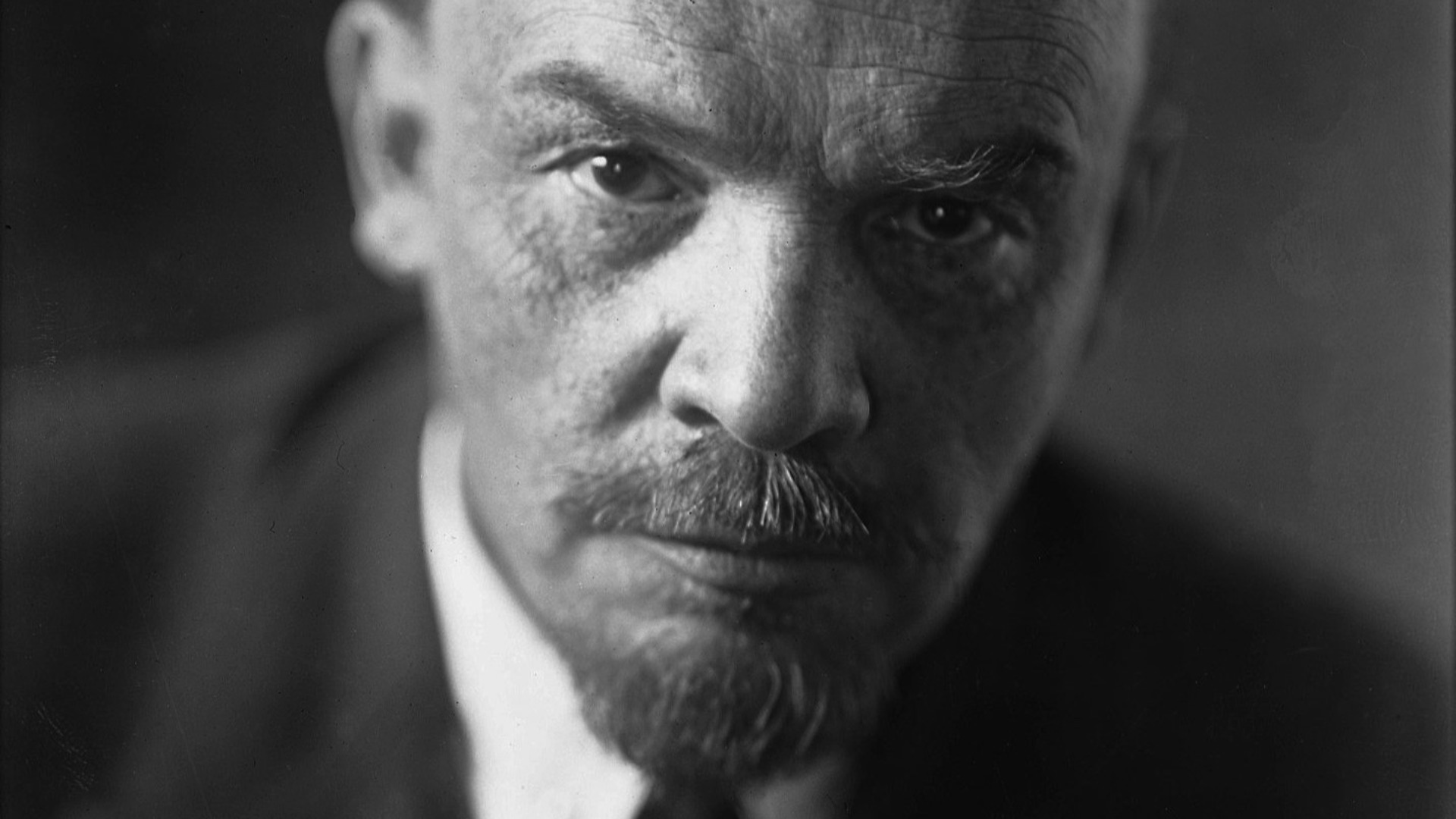
Vladimir Lenin was born Vladimir Ilyich Ulyanov. Like many revolutionaries working under police pressure, he used pseudonyms to protect himself and his political network. “Lenin” became the name tied to his leadership of the Bolshevik movement and the creation of the Soviet state.
8. Muhammad Ali
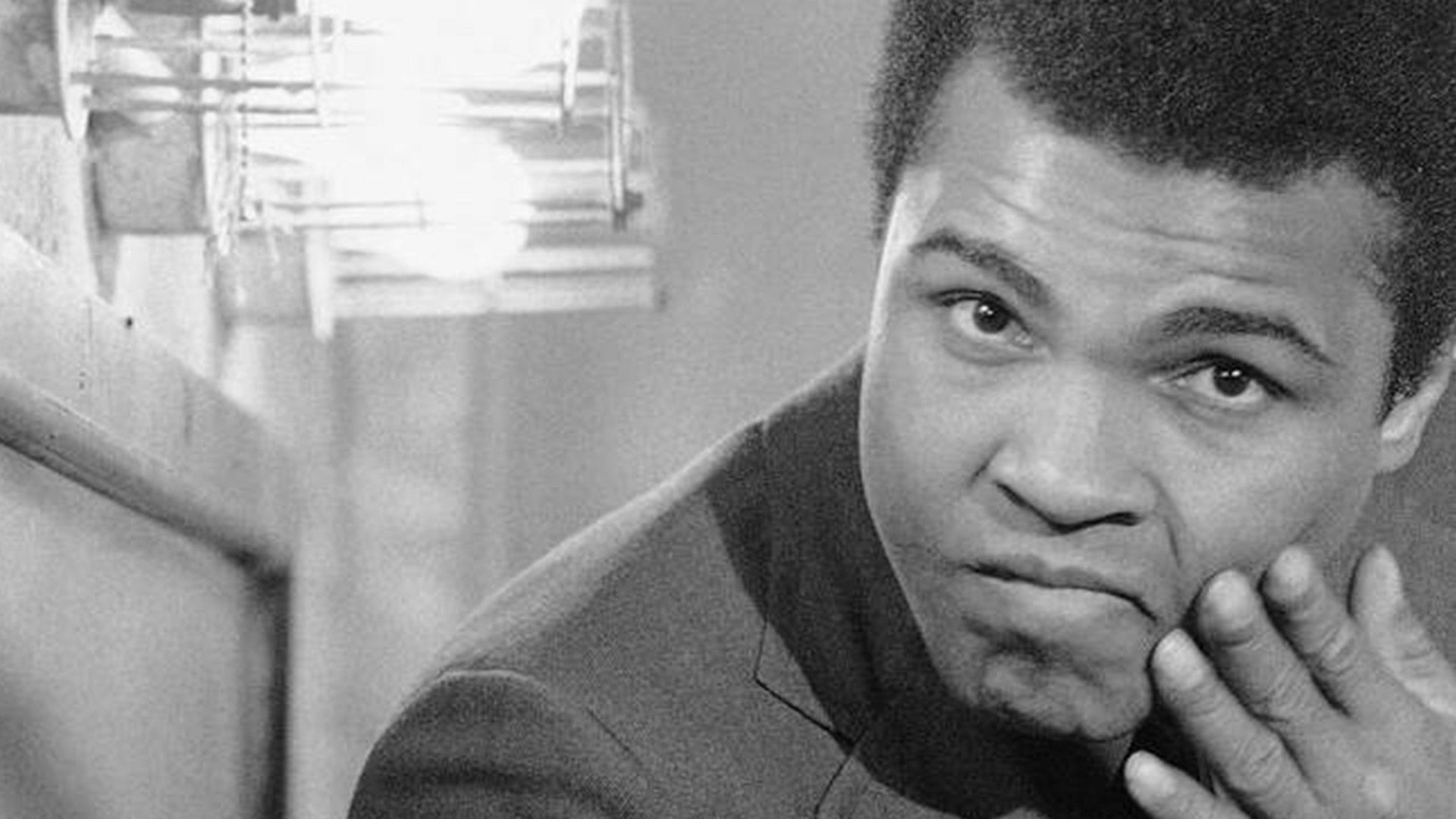
Muhammad Ali was born Cassius Marcellus Clay Jr., a name he later rejected after joining the Nation of Islam. He first took the name Cassius X before receiving the name Muhammad Ali. To him, the change was deeply tied to faith, identity, and the rejection of a name he associated with slavery.
9. Malcolm X
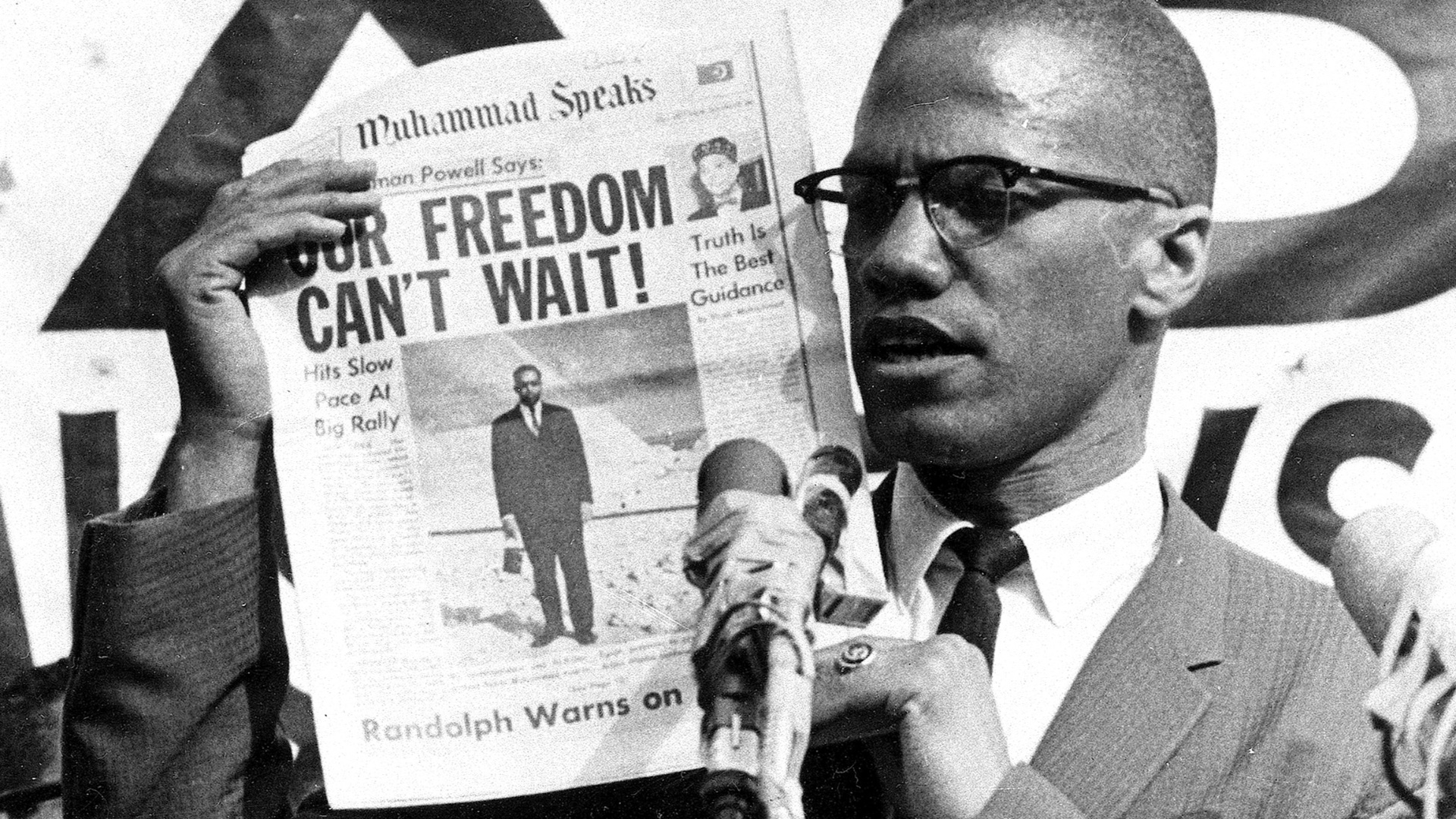
Malcolm X was born Malcolm Little, but he replaced his surname with “X” after joining the Nation of Islam. The letter stood for the African family name he believed had been stripped away through slavery. Later, after his pilgrimage to Mecca, he also became known as el-Hajj Malik el-Shabazz.
10. Voltaire
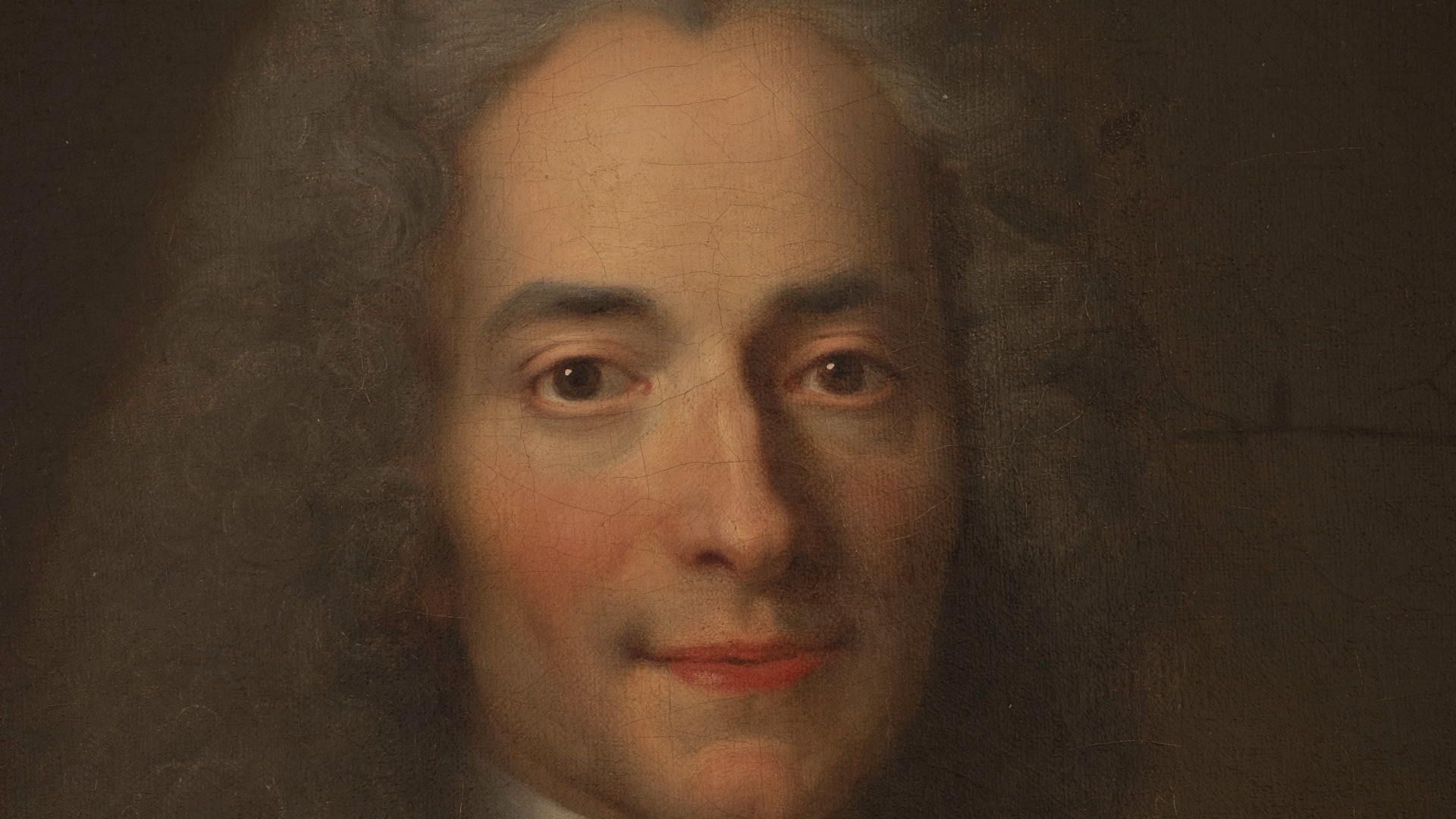
Voltaire was born François-Marie Arouet, but his chosen name became far more famous than the one on his birth record. The exact origin of “Voltaire” has been debated, though it appeared after his early imprisonment in the Bastille. Under that name, he became one of the defining writers of the Enlightenment, known for his wit, criticism, and sharp attacks on intolerance.
 Nicolas de Largillière on Wikimedia
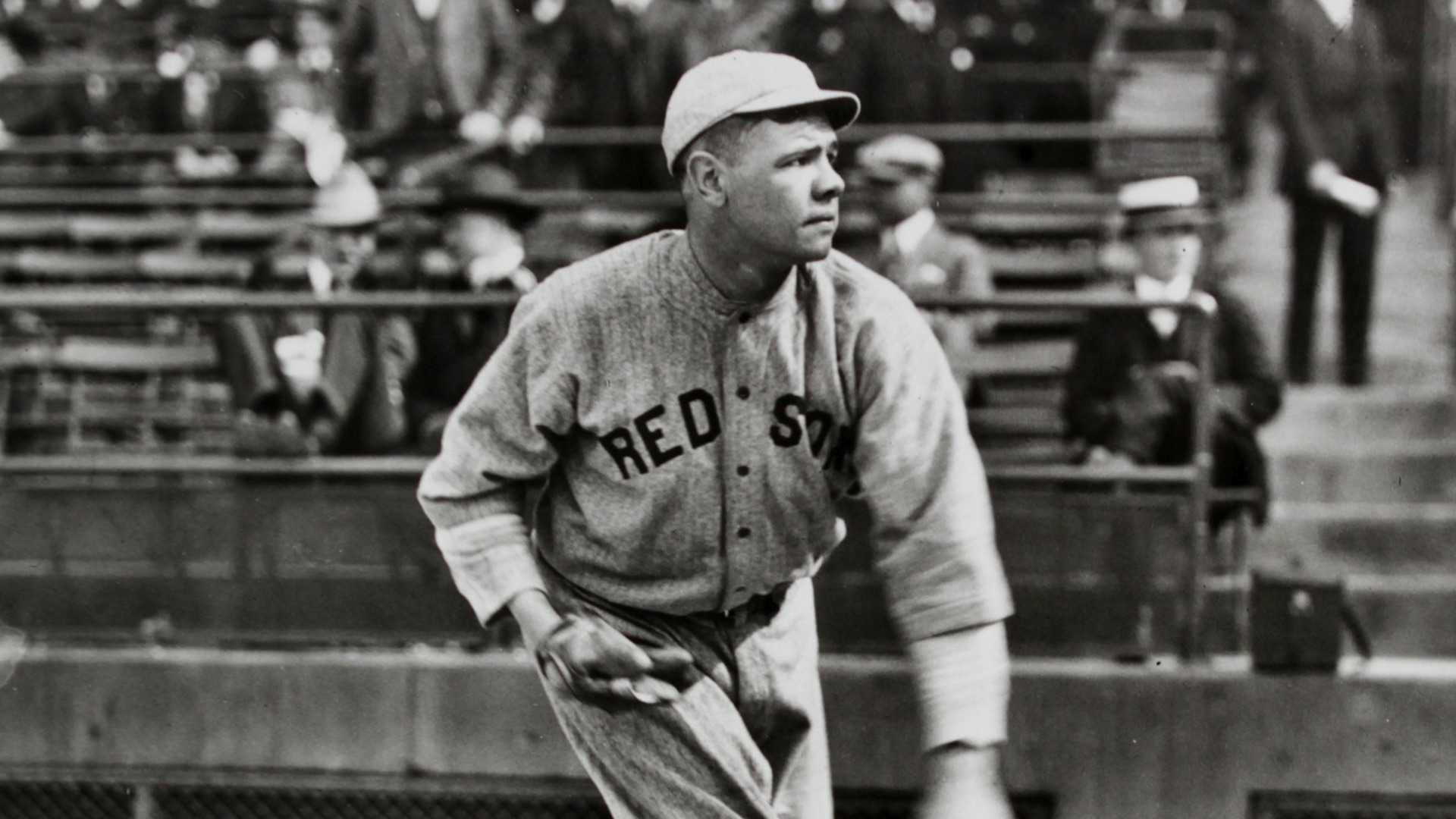
11. Babe Ruth
Babe Ruth was born George Herman Ruth Jr., which sounds almost formal compared with the name baseball fans still use. The “Babe” nickname reportedly came from his early professional days, when teammates linked him to Jack Dunn, the Baltimore Orioles owner who helped sign him. By the time Ruth became a Yankees legend, the nickname had become part of baseball history.
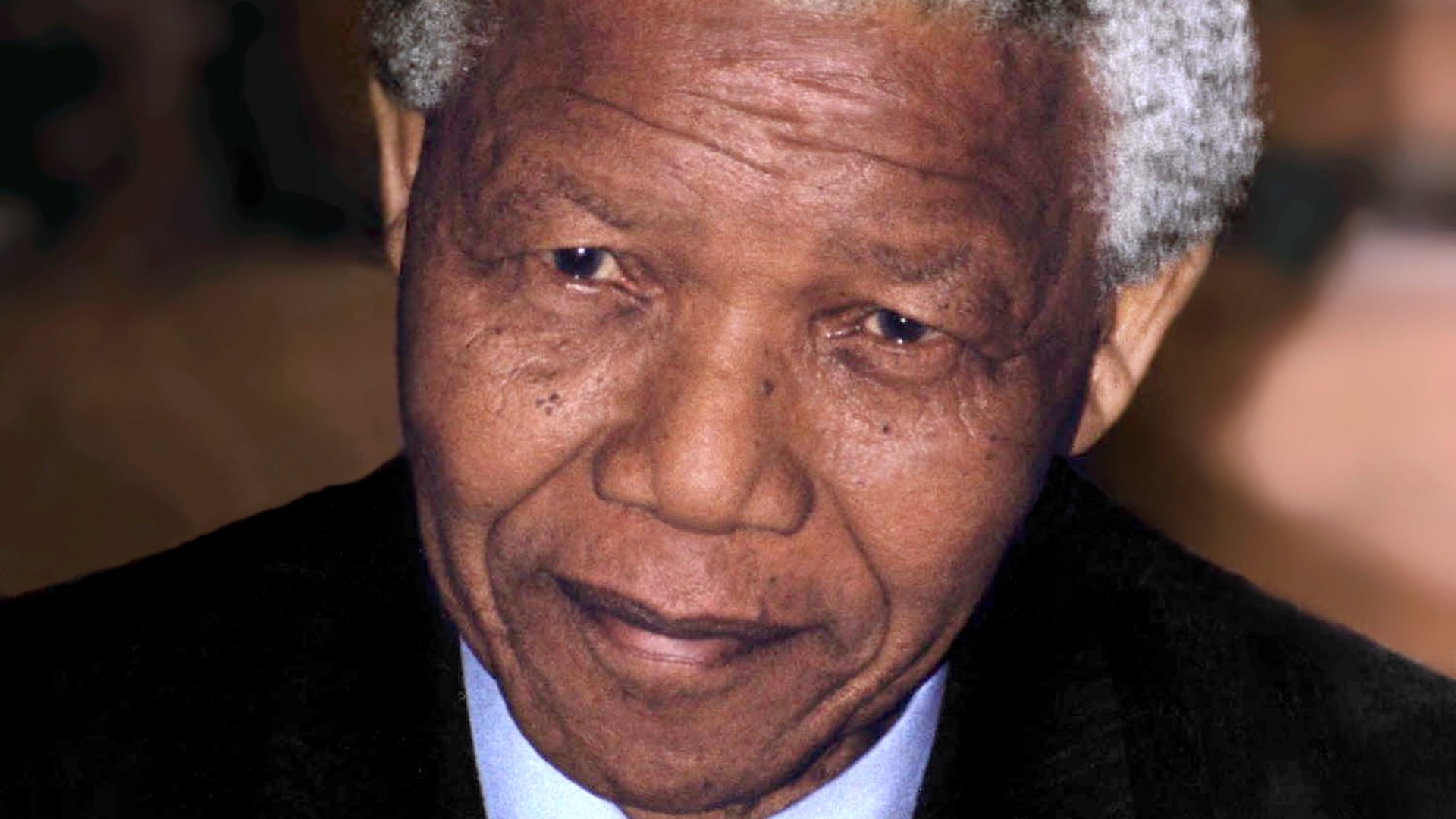
12. Nelson Mandela
Nelson Mandela was born Rolihlahla Mandela, and “Nelson” was a name given to him by a teacher at school. This was part of a colonial-era classroom practice in which African children were assigned English names. Mandela’s birth name remained meaningful, but the world came to know him by the name attached to his anti-apartheid leadership and presidency.
 Kingkongphoto & www.celebrity-photos.com from Laurel on Wikimedia
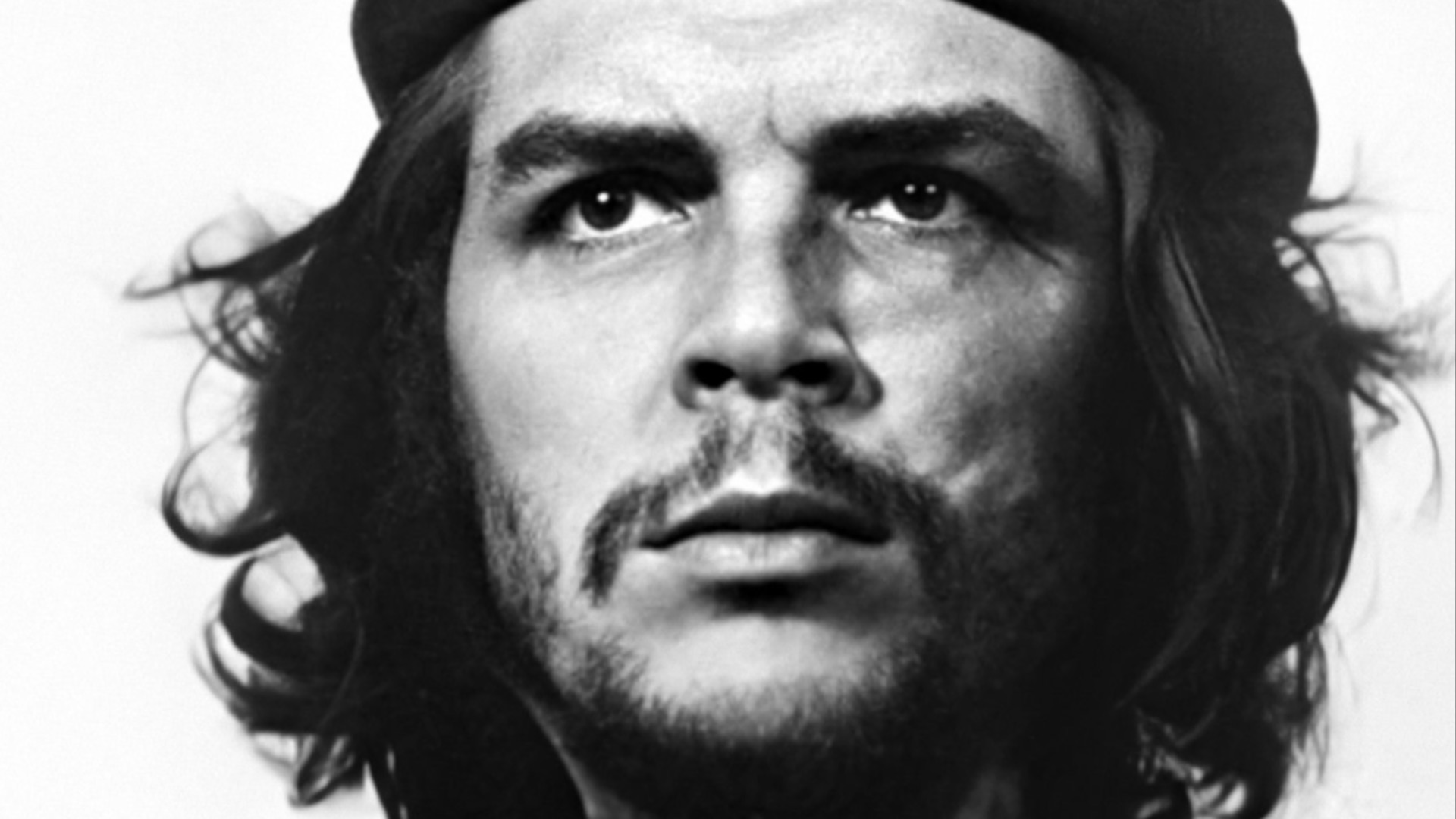
13. Che Guevara
Che Guevara was born Ernesto Guevara de la Serna. His famous nickname came from his Argentine habit of using “che,” a common conversational expression. The nickname followed him through Latin American revolutionary politics and eventually became inseparable from his public image.
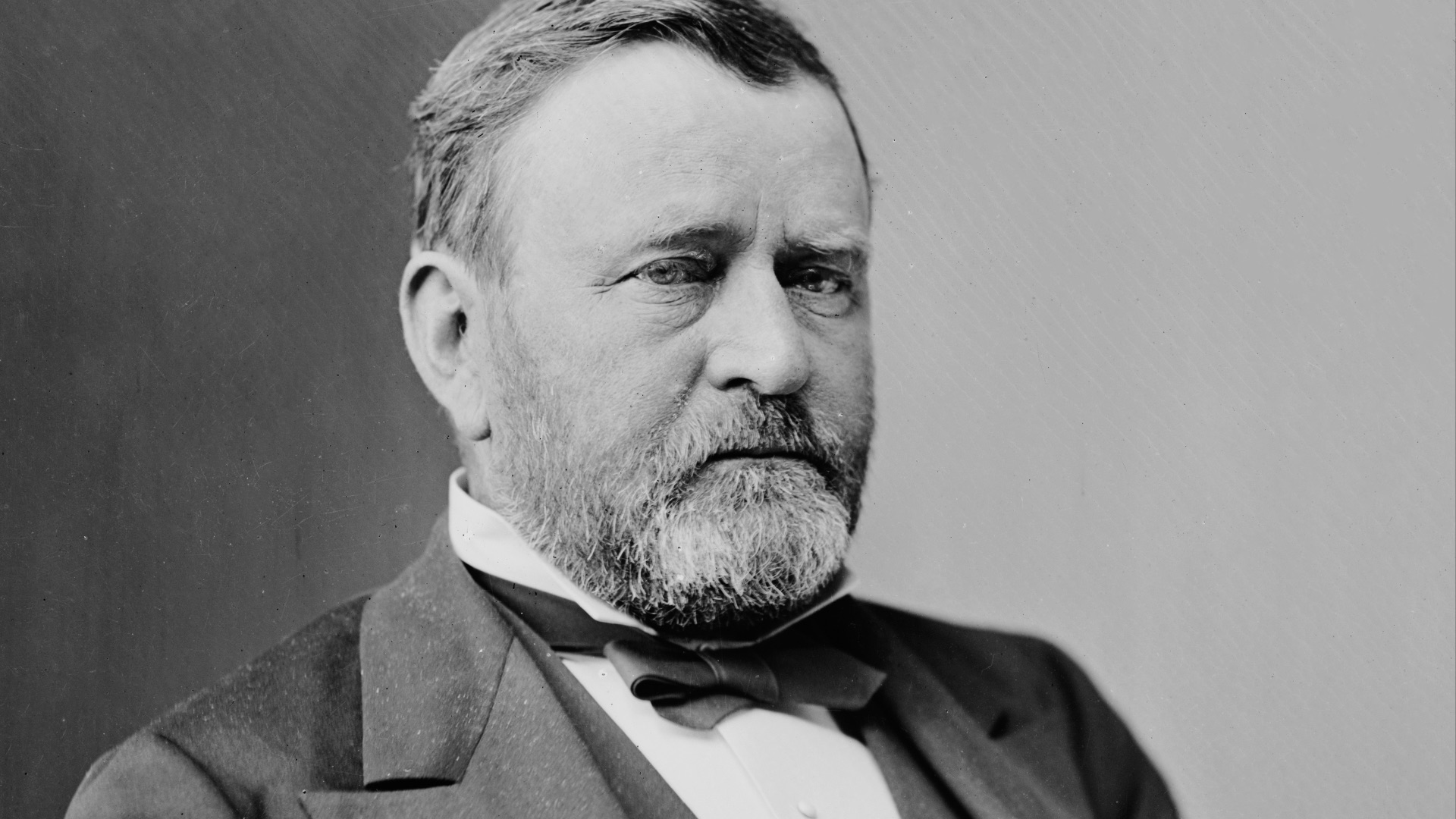
14. Ulysses S. Grant
Ulysses S. Grant was born Hiram Ulysses Grant, but a nomination error at West Point changed how his name appeared. The “S” came from Simpson, his mother’s maiden name, even though it wasn’t originally part of his formal birth name. Grant accepted the new version, and it became the name remembered from the Civil War and the presidency.
 Brady-Handy Photograph Collection, Library of Congress on Wikimedia
15. John Wayne
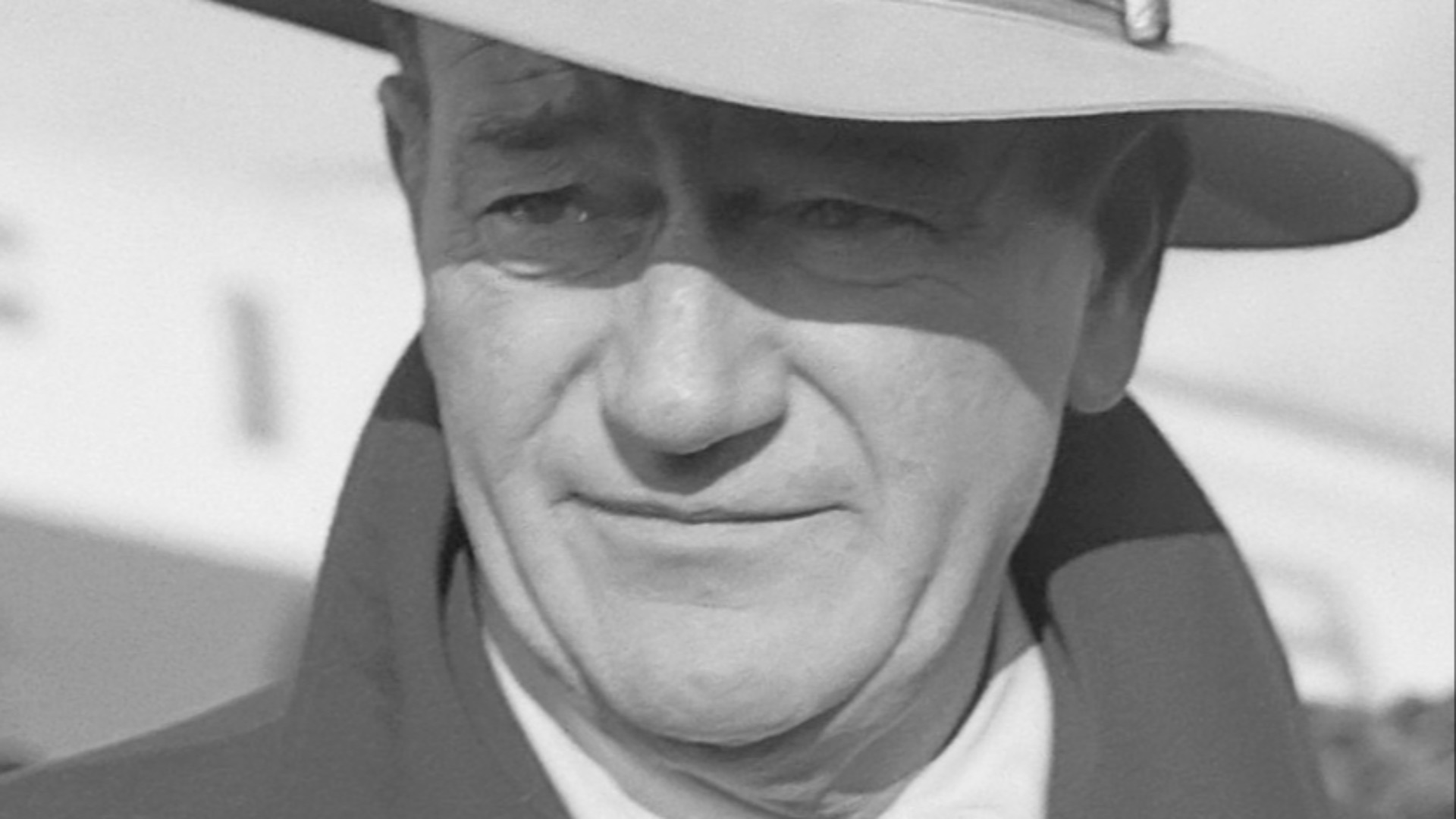
Most probably know that John Wayne wasn't actually his real name, but in case you didn't, this renowned actor was born Marion Robert Morrison, though his middle name was later changed to Mitchell. Hollywood turned him into John Wayne, a name that sounded stronger and more marketable for the Western roles that made him famous. The screen name helped build the public image that followed him through decades of American film.
 Hugo van Gelderen / Anefo on Wikimedia
16. Freddie Mercury
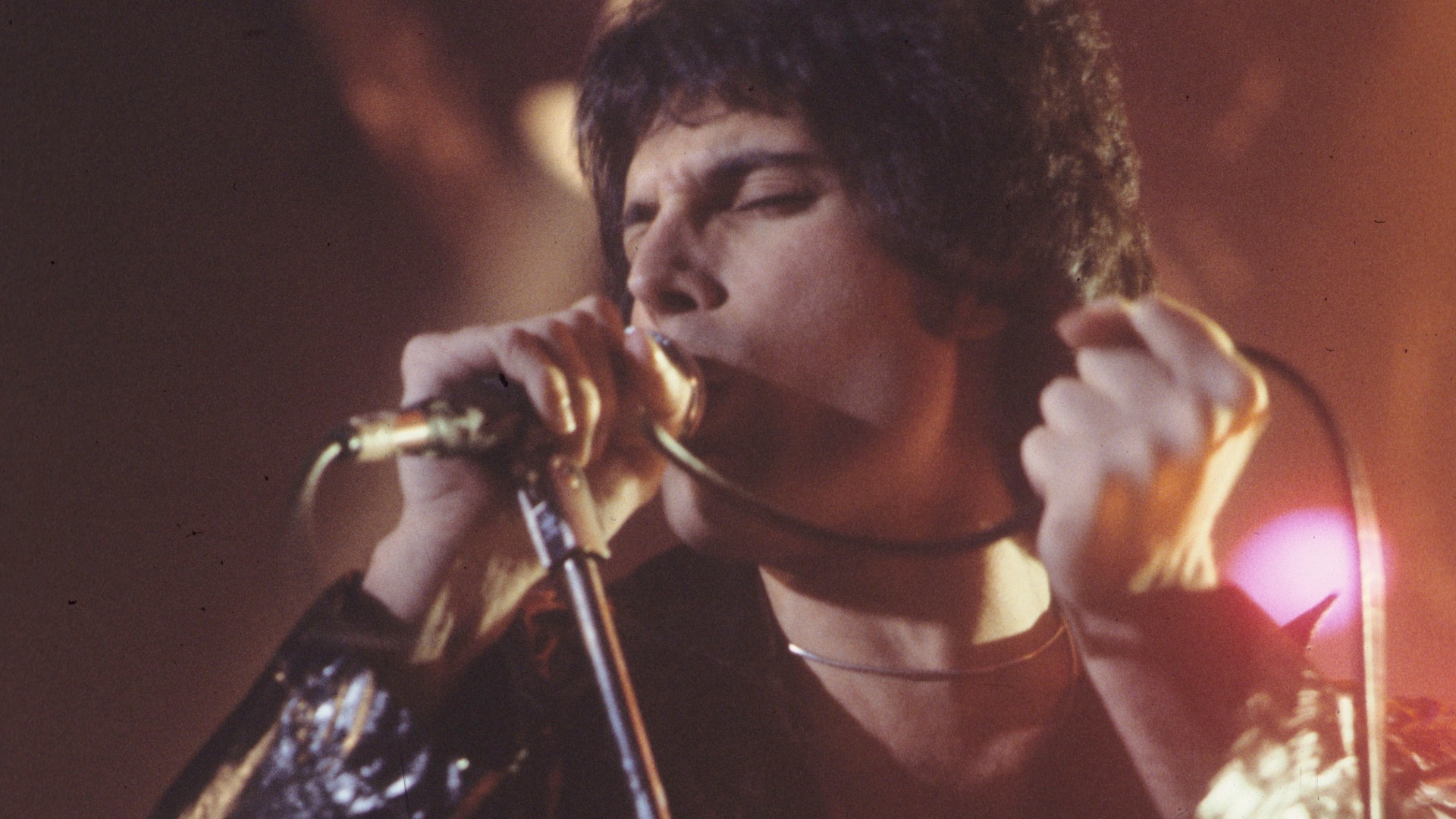
Freddie Mercury was born Farrokh Bulsara in Zanzibar. He began using Freddie while at school, and later adopted Mercury as Queen was taking shape. The new name matched the bold stage presence that helped make him one of rock music’s most recognizable performers.
17. Molière
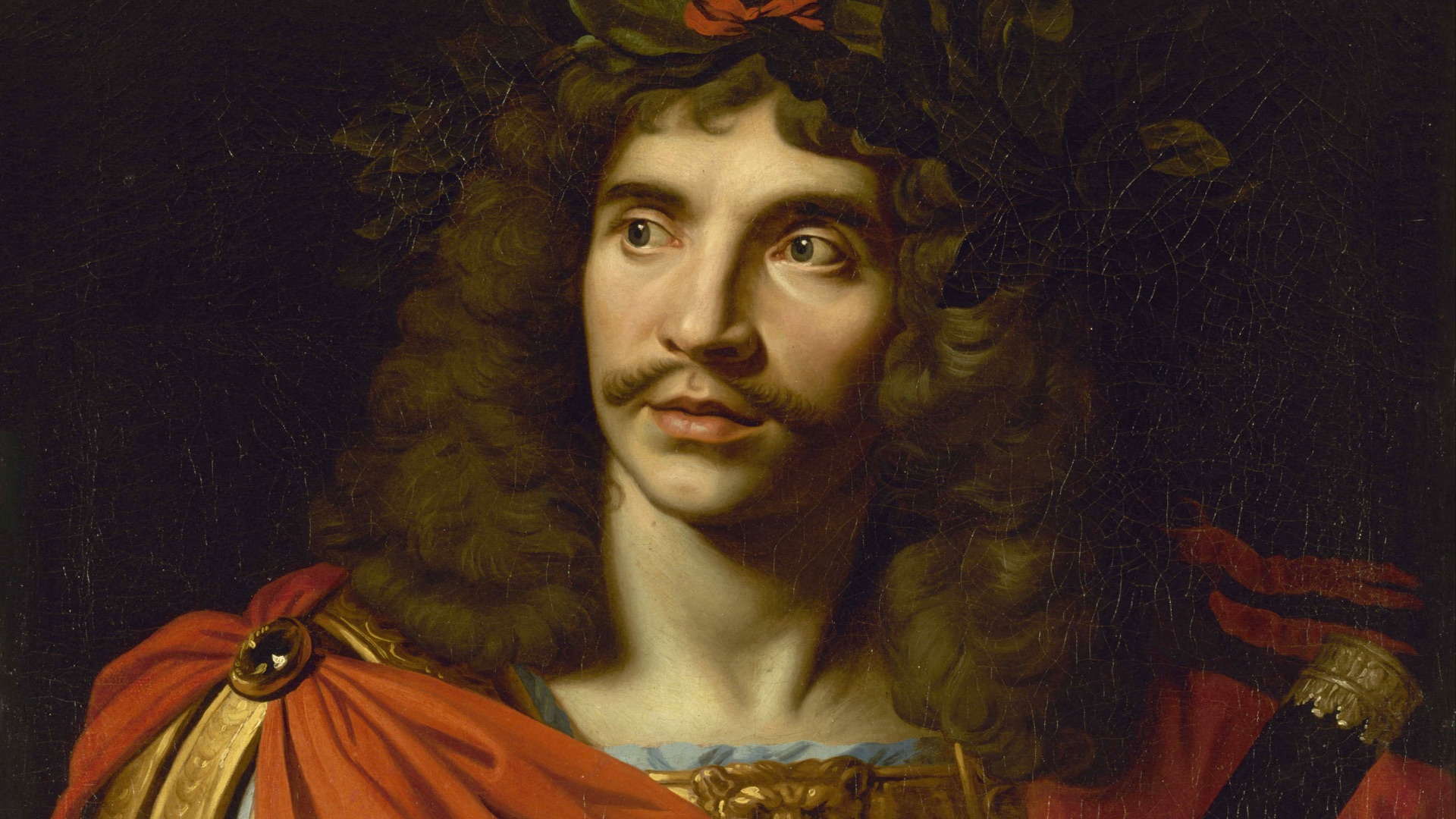
Molière was the stage name of Jean-Baptiste Poquelin, the 17th-century French actor and playwright. He adopted the name as he built a theater career, long before works like Tartuffe, The Misanthrope, and The Imaginary Invalid made him a landmark figure in French literature. The stage name became so dominant that most readers today know “Molière” first and his birth name only as a biographical detail.
18. George Eliot
George Eliot was the pen name of Mary Ann Evans, one of the major novelists of the Victorian era. She used a male name at a time when women writers were often judged through narrow expectations, especially if they wrote serious fiction. Her chosen identity helped her work reach readers before they had a chance to dismiss it based on her gender.
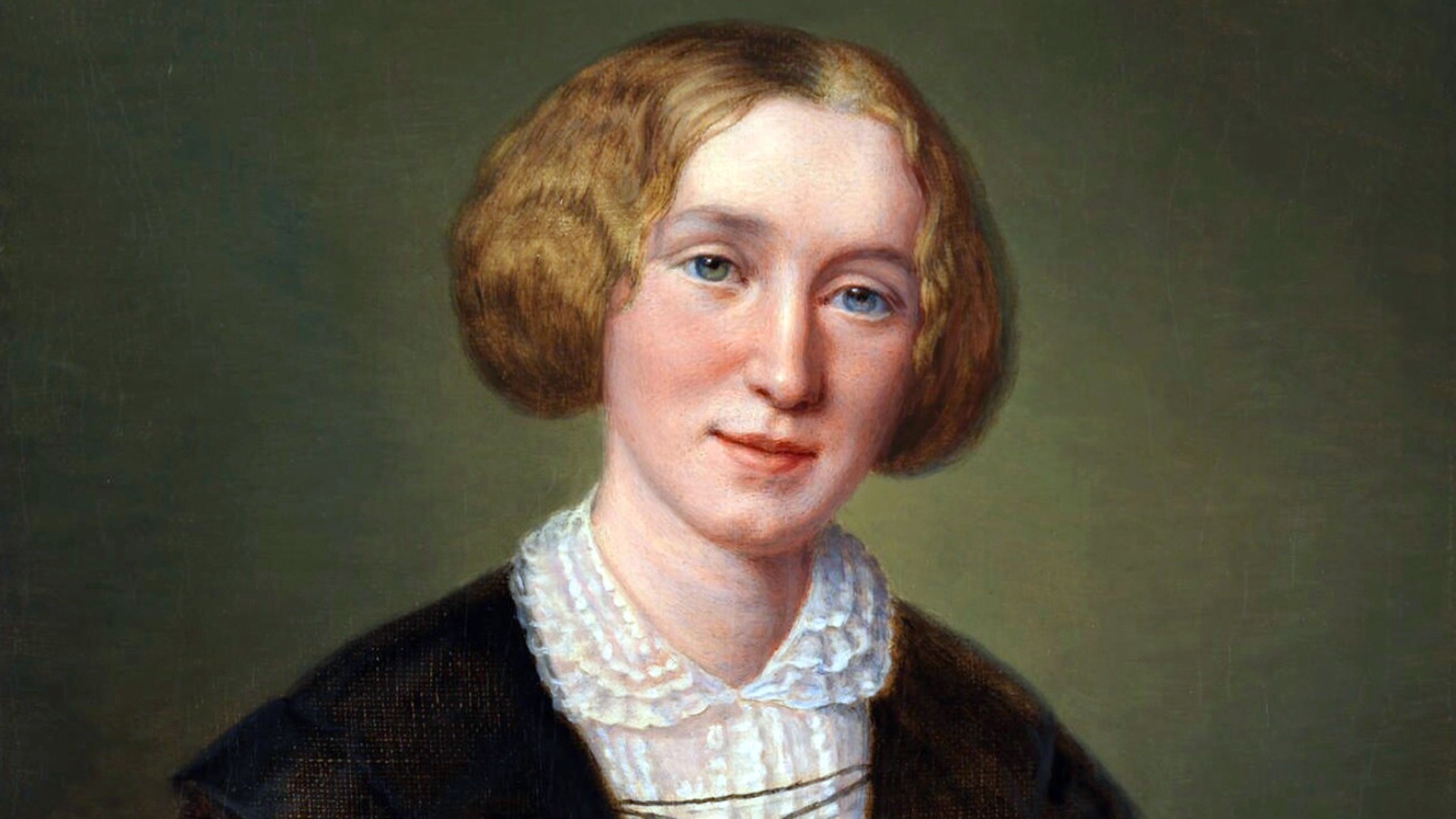 replica by François D’Albert Durade (1804–1886) on Wikimedia
19. Pablo Neruda
The Chilean poet Pablo Neruda was born Ricardo Eliécer Neftalí Reyes Basoalto. He began using his pen name as a young writer, partly because his father disapproved of his literary ambitions. The name eventually became official, and under it he won the Nobel Prize in Literature and became one of the most important poets of the 20th century.
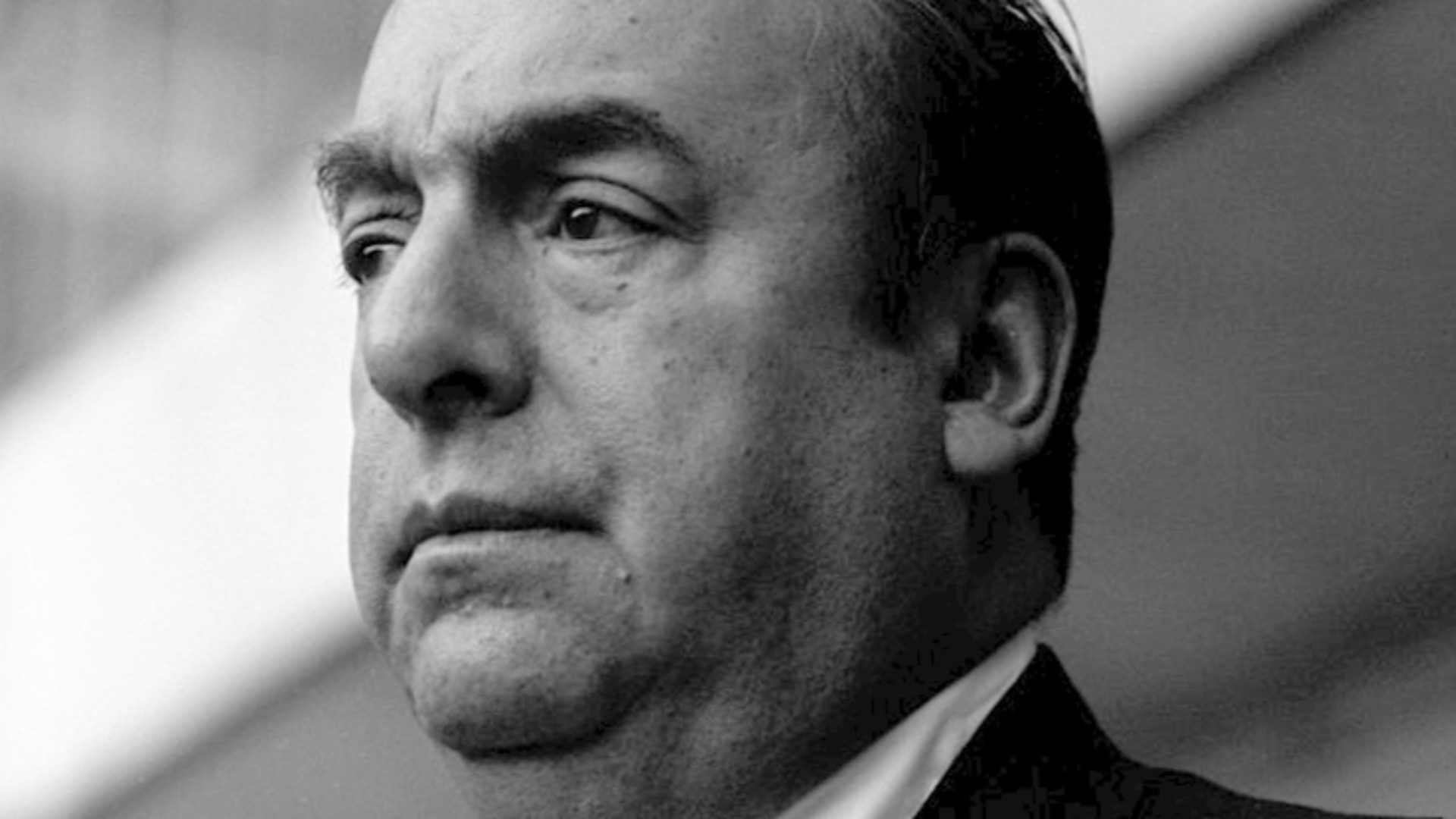 Unknown (Mondadori Publishers) on Wikimedia
20. Mother Teresa
Mother Teresa was born Anjezë Gonxhe Bojaxhiu in what is now North Macedonia. She took the religious name Teresa after joining the Sisters of Loreto, choosing it in honor of Saint Thérèse of Lisieux. The world later knew her by that name as she became one of the most famous Catholic humanitarian figures of the 20th century.
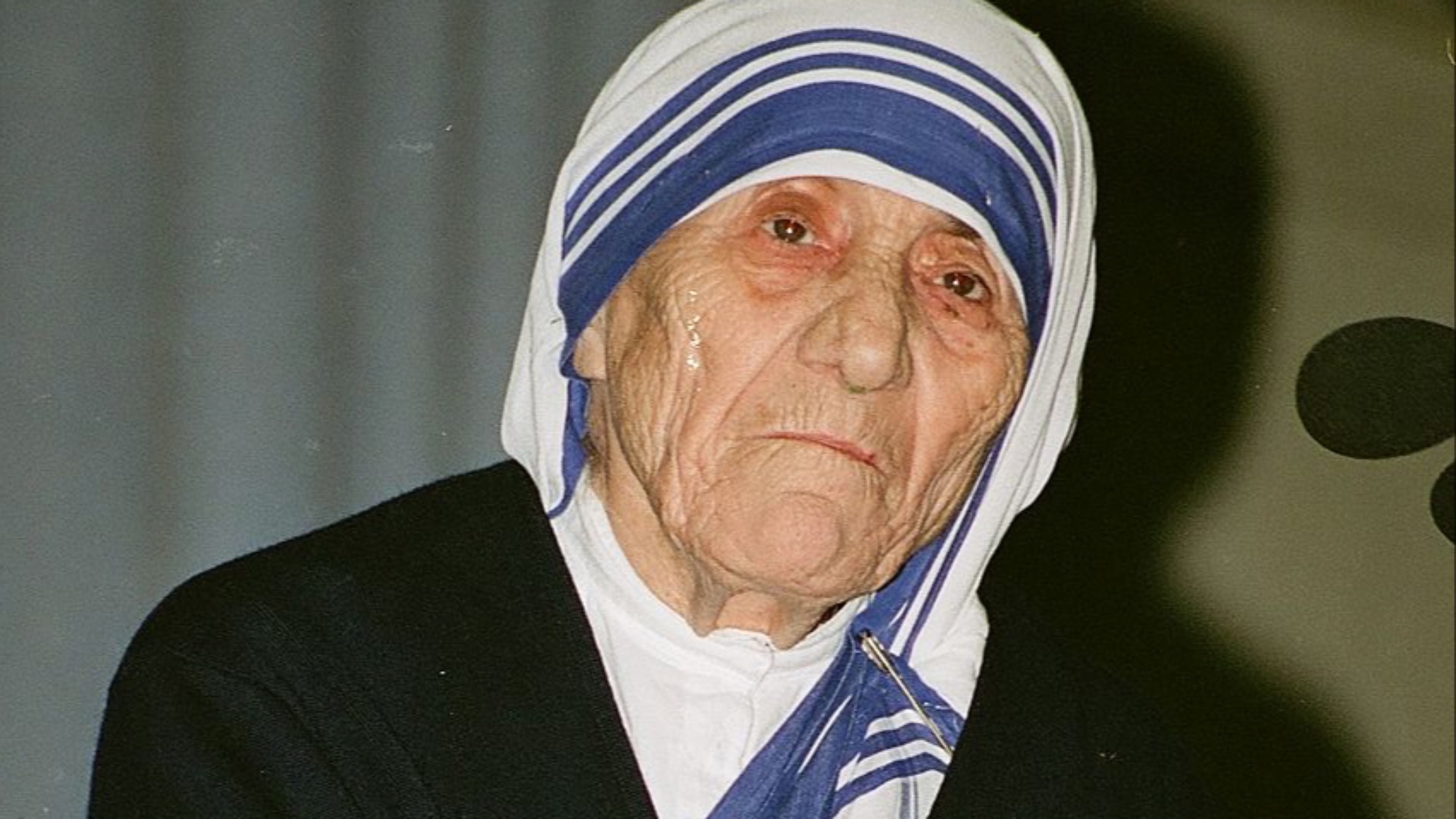 John Mathew Smith & www.celebrity-photos.com from Laurel Maryland, USA on Wikimedia
KEEP ON READING
The 20 Most Recognized Historical Figures Of All Time
The Biggest Names In History. Although the Earth has been…
By Cathy Liu Oct 4, 2024
10 of the Shortest Wars in History & 10 of…
Wars: Longest and Shortest. Throughout history, wars have varied dramatically…
By Emilie Richardson-Dupuis Oct 7, 2024
10 Fascinating Facts About Ancient Greece You Can Appreciate &…
Once Upon A Time Lived Some Ancient Weirdos.... Greece is…
By Megan Wickens Oct 7, 2024
20 Lesser-Known Facts About Christopher Columbus You Don't Learn In…
In 1492, He Sailed The Ocean Blue. Christopher Columbus is…
By Emilie Richardson-Dupuis Oct 9, 2024
20 Historical Landmarks That Have The Craziest Conspiracy Theories
Unsolved Mysteries Of Ancient Places . When there's not enough evidence…
By Megan Wickens Oct 9, 2024
The 20 Craziest Inventions & Discoveries Made During Ancient Times
Crazy Ancient Inventions . While we're busy making big advancements in…
By Cathy Liu Oct 9, 2024