20 Lesser-Known Events That Changed the World More Than You Realize
History's Turning Points Don't Always Make the Headlines
When people think about events that changed the world, major wars, revolutions, and famous political decisions usually come to mind. However, some of history's most consequential developments happened through relatively overlooked discoveries, administrative decisions, technological changes, and unexpected accidents. Their effects weren't always immediately obvious, but they helped shape the modern world in ways we still experience today.
 Unknown photographer on Wikimedia
1. The Invention of the Printing Press in Europe
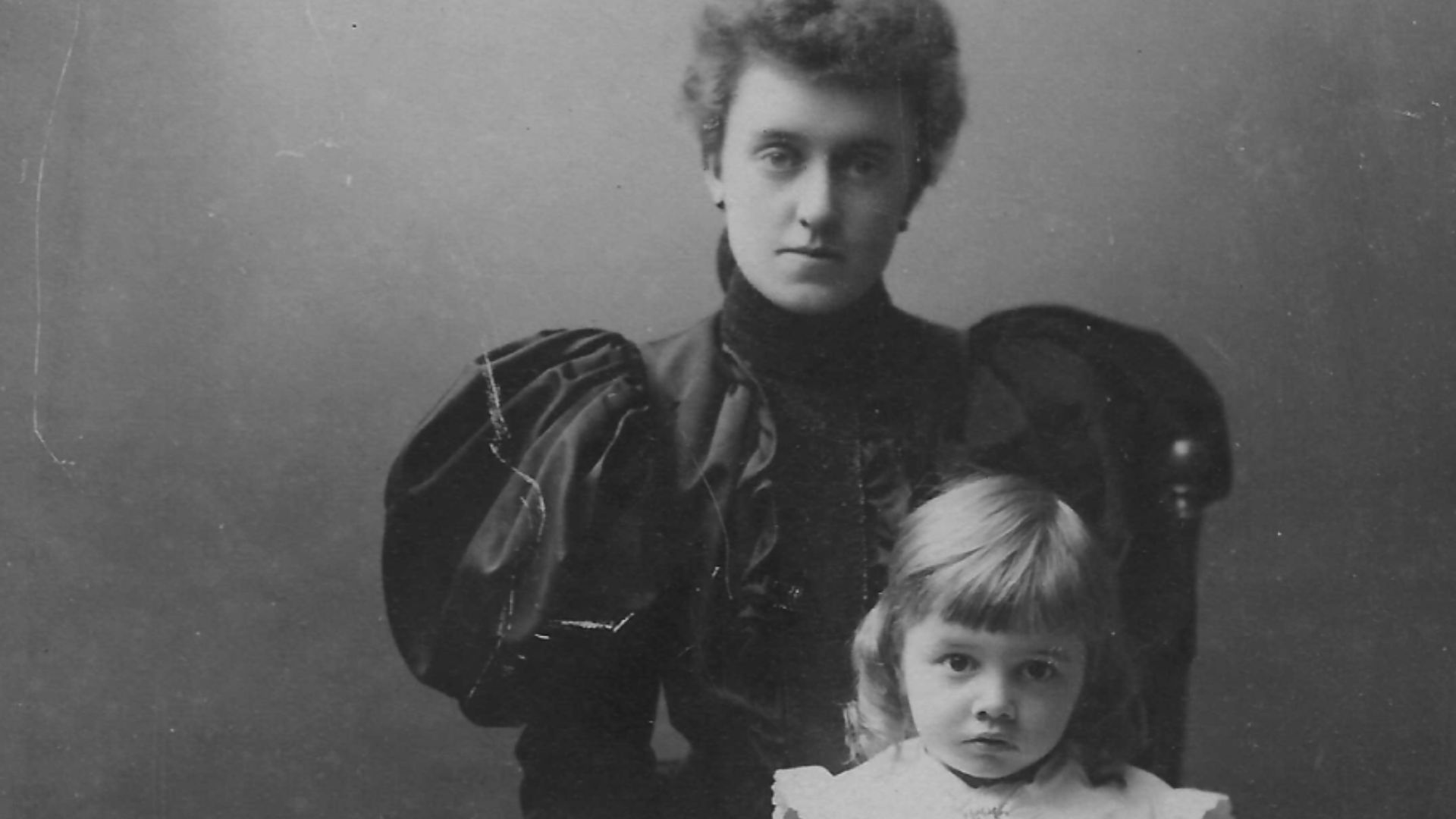
By introducing print to Europe, Johannes Gutenberg allowed people to spread information more efficiently. He was able to mass-produce books, which enabled ideas to spread faster and allowed many fields, such as religion, science, and politics, to grow.
2. The Fall of Constantinople in 1453
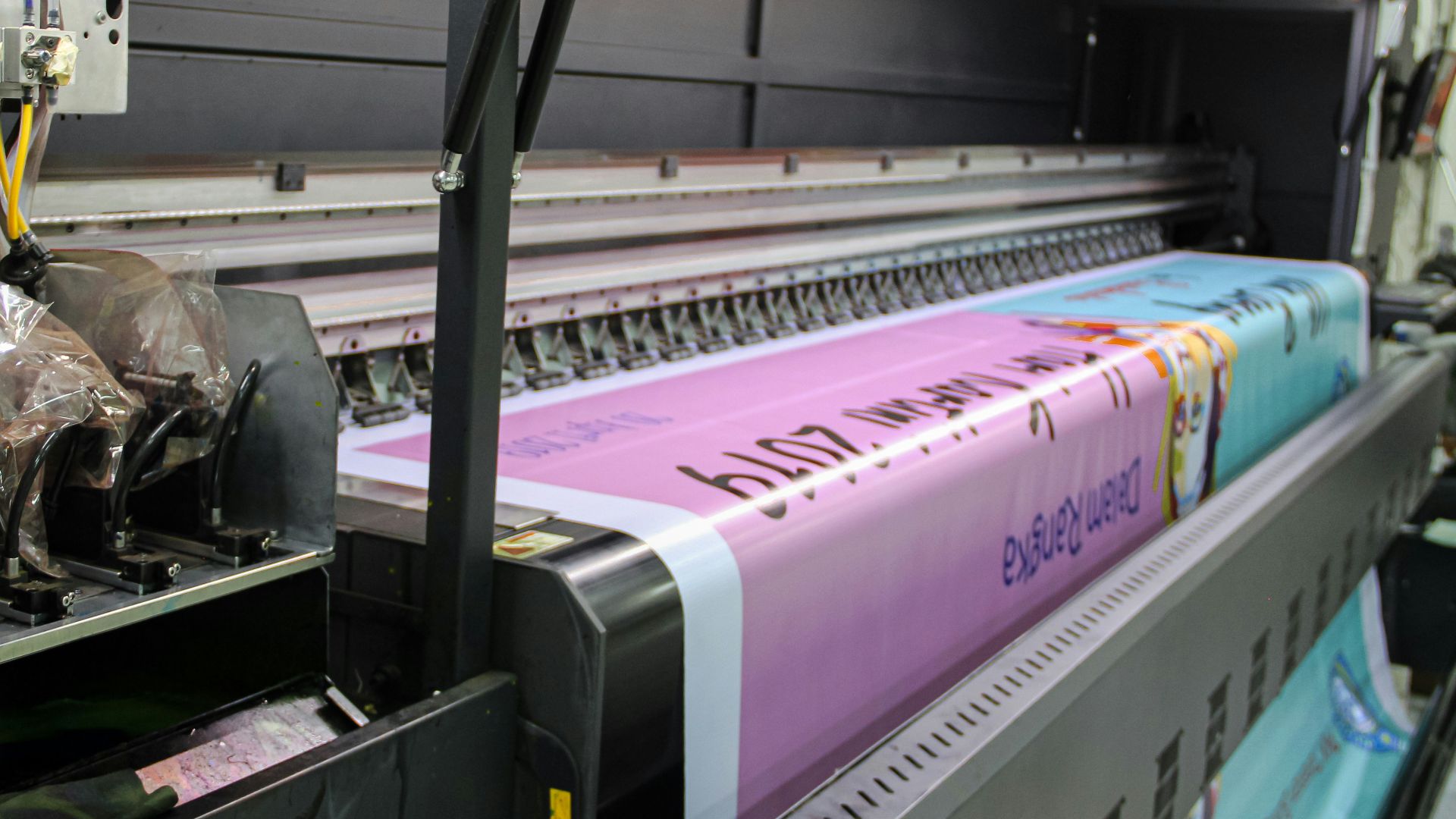
In 1453, the city of Constantinople was taken over by the Ottoman Empire. This ended the Byzantine Empire and changed the way the East and West interacted with each other. Constantinople became the Ottoman Empire's main capital.
3. The Columbian Exchange
Many crops and diseases moved between Europe and the New World when Columbus landed in the Americas in 1492. The exchange allowed many fruits, vegetables, and animals to spread between Europe, Africa, and the Americas. Unfortunately, the exchange also brought devastating diseases to Indigenous American populations and accompanied centuries of conquest, forced labor, and colonization.
 Cláudio Luiz Castro on Unsplash
4. The Introduction of Double-Entry Bookkeeping
This system allowed merchants and businesses to better keep track of their money. Double-entry accounting was used by Italians for many years but was further explained by mathematician Luca Pacioli in his book Summa de arithmetica in 1494. More reliable financial records eventually supported increasingly complex commercial enterprises, banking operations, and international trade.

5. The British Agricultural Revolution
Over the years from the 17th to the 19th century, Britain's production of crops and food increased greatly. By introducing new techniques for crop rotation and using selective breeding, farmers were able to feed larger portions of their population. These changes supported population growth and contributed to the economic conditions that made industrialization possible.

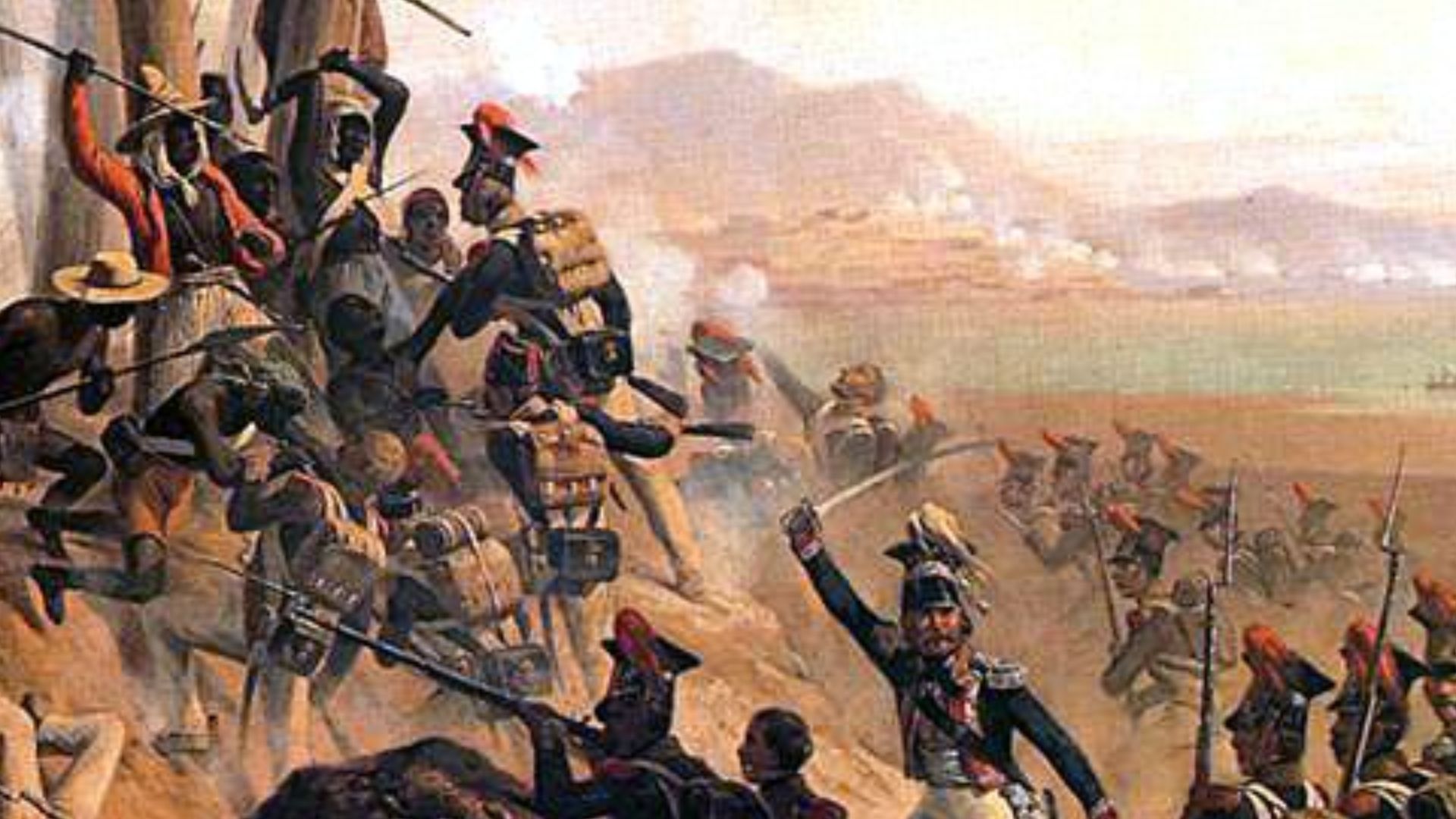
6. The Haitian Revolution
Enslaved people rebelled in the French colony of Saint-Domingue and gained independence. This revolution began in 1791, and in 1804, Haiti became an independent country. It was the first country in the world to be established through a successful revolution led by formerly enslaved people.
 January Suchodolski on Wikimedia
7. The Development of Vaccination
In 1796, Edward Jenner developed a vaccine against smallpox. Jenner allowed patients to be vaccinated with a disease similar to smallpox to help them gain immunity. Smallpox is one of the few diseases that can be said to have been eradicated from the world.

8. The Opening of Japan to American Trade
In 1853, U.S. Commodore Matthew Perry came to Japan in hopes of establishing diplomatic relations. A treaty known as the Convention of Kanagawa was established and opened Japanese ports to the United States in 1854. Japan opened its borders to the rest of the world, which allowed it to prosper during the Meiji period.
9. The First Transatlantic Telegraph Cable
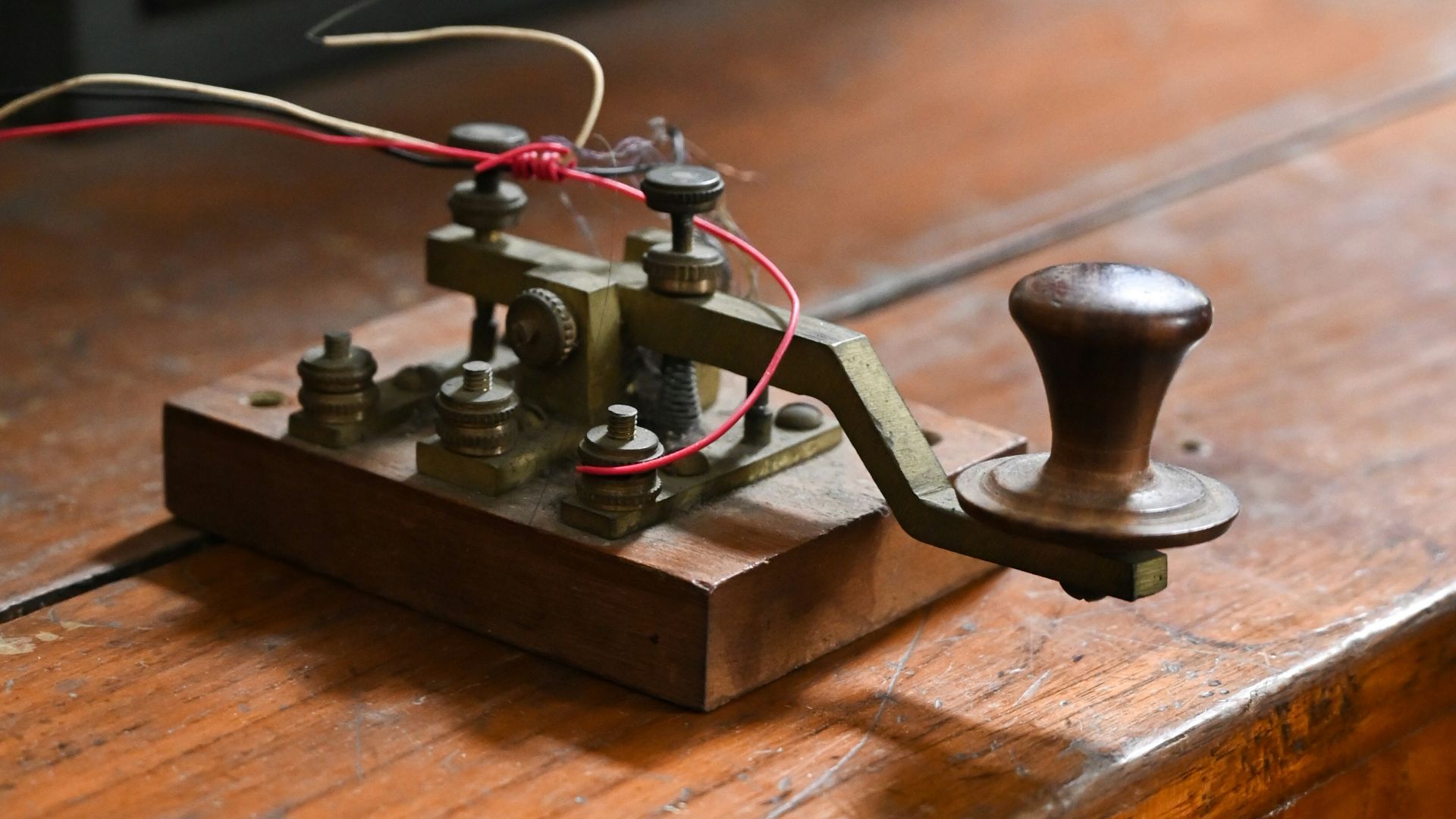
For many years, sending messages to another continent took weeks by boat. When a telegraph line was installed under the ocean to connect North America and Europe, this changed. Though the first line installed failed after only a month, it led to better connections in 1866.
10. The Discovery of Germ Theory's Practical Importance
Once scientists learned that germs caused illness, there were great advances in medical technology. Louis Pasteur and Robert Koch both played big roles in finding out how germs could affect the human body. They helped improve hospital practices, food safety, and sanitation.
11. The Completion of the Suez Canal
A shipping route through Egypt was constructed, allowing trade between Asia and Europe to increase significantly. Ships could bypass traveling around the tip of Africa. The Suez Canal allowed ships to travel more quickly between Europe and Asia, which boosted trade and allowed countries to flourish.
12. The Introduction of Standard Time
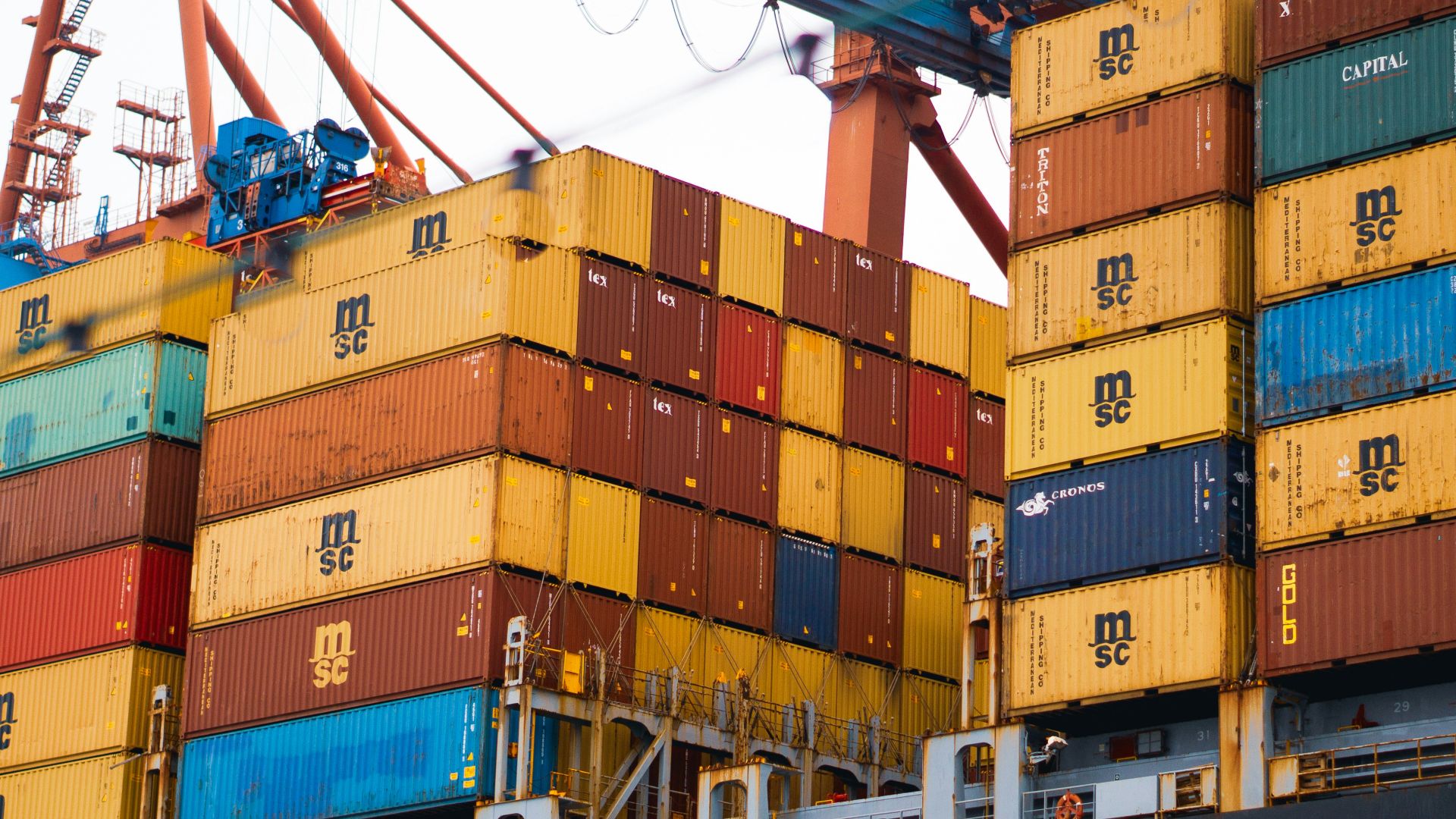
Prior to time being standardized, each town had different times. People would go by the time the sun hit certain spots on their property. This worked fine until trains came into play.

13. The Discovery of X-Rays
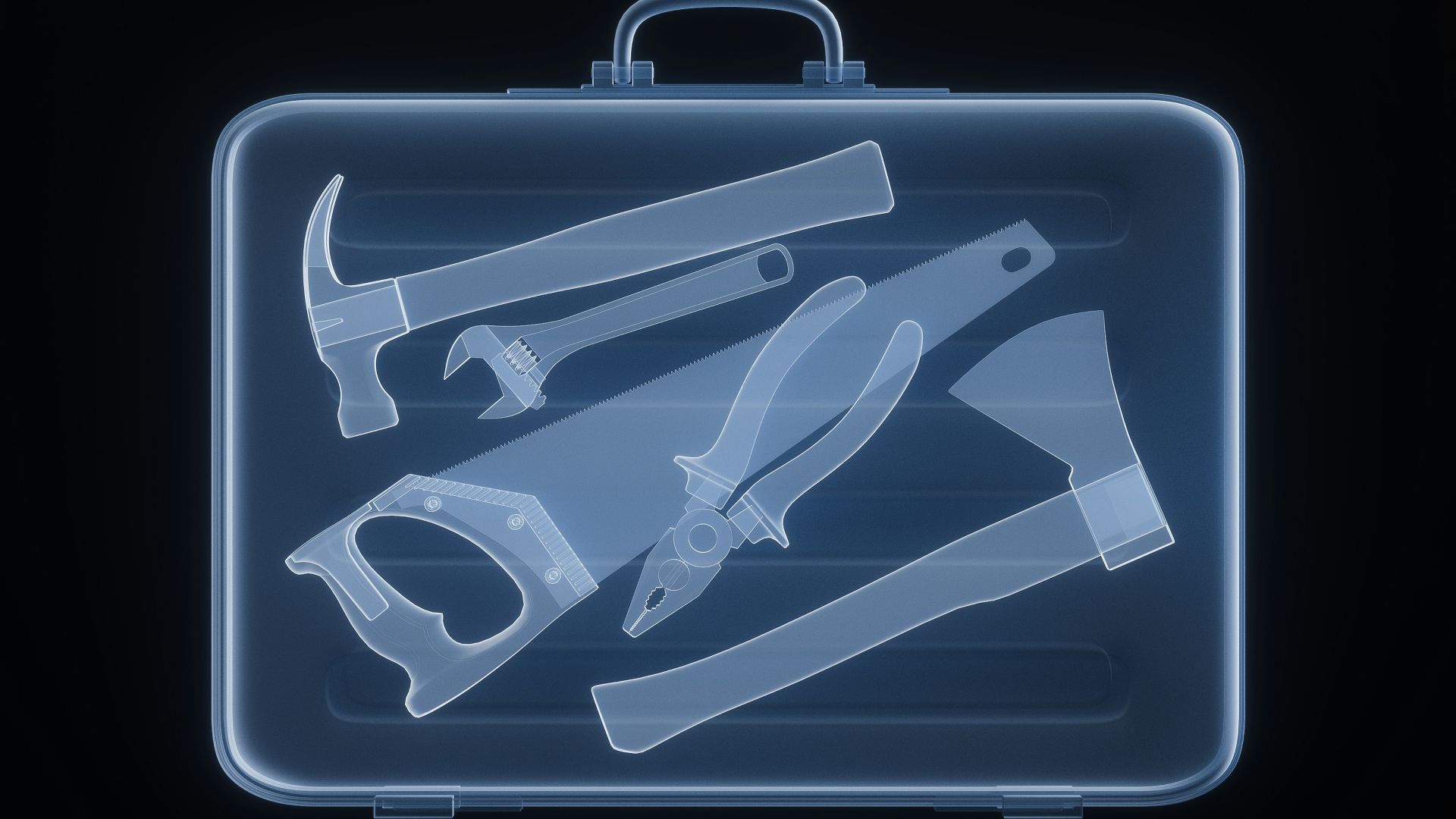
When Wilhelm Conrad Röntgen was testing cathode rays, he noticed that objects showed up on a piece of film. This discovery would allow doctors to see inside a patient's body without cutting them open. Doctors were able to better diagnose many illnesses.
14. The Invention of the Assembly Line at Ford
Ford created a moving conveyor belt at his factory. Workers were able to split the building of cars into separate tasks. Though he wasn't the only company to do this, Ford introduced the moving assembly line to automobile manufacturing.

15. The Spanish Flu Pandemic
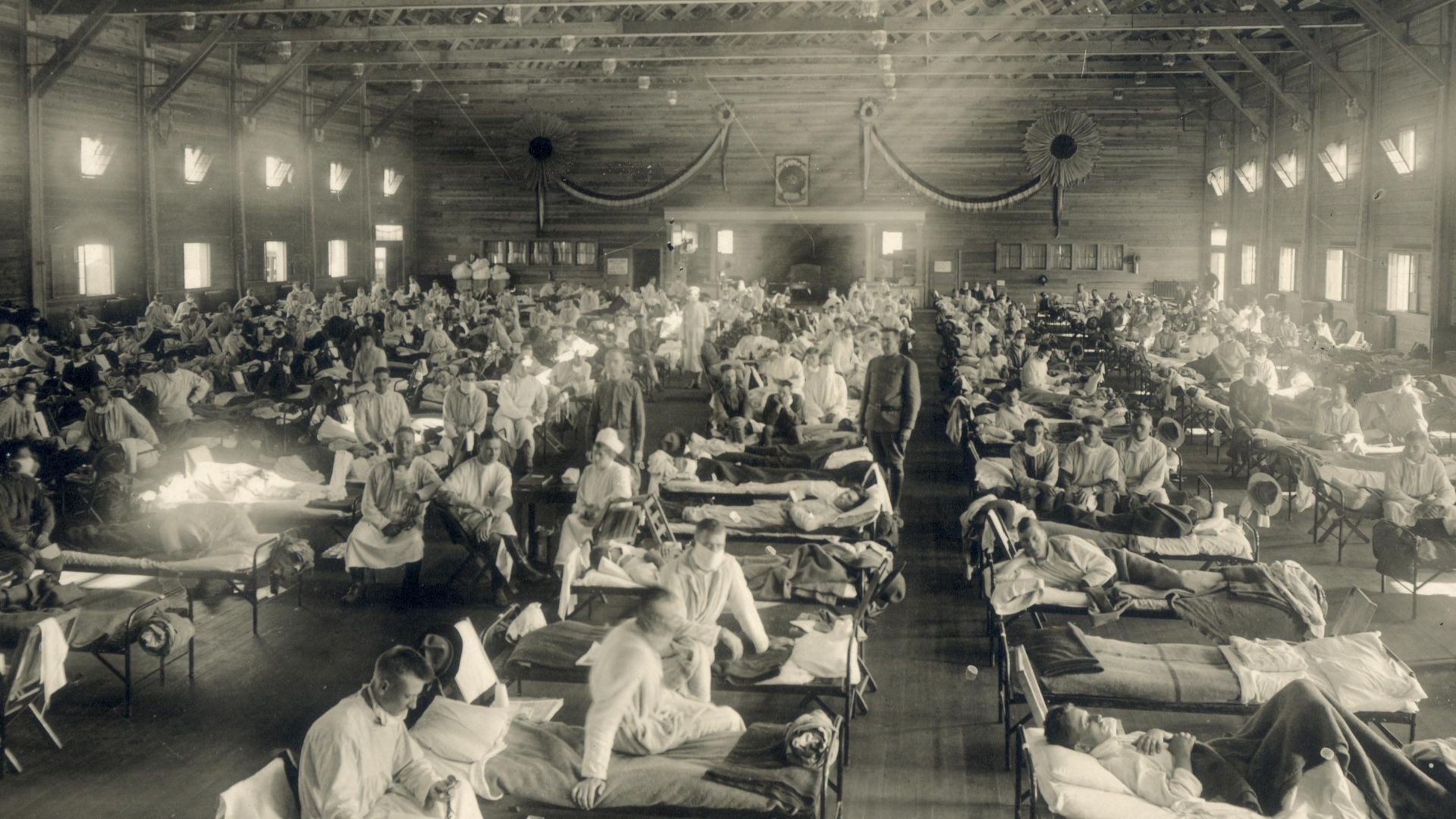
This disease struck near the end of World War I and infected people across the globe. Millions died from the Spanish flu. Because of how easily it spread, there were many deaths, and hospitals couldn't keep up with the patient load.
 Otis Historical Archives, National Museum of Health and Medicine on Wikimedia
16. The Discovery of Penicillin
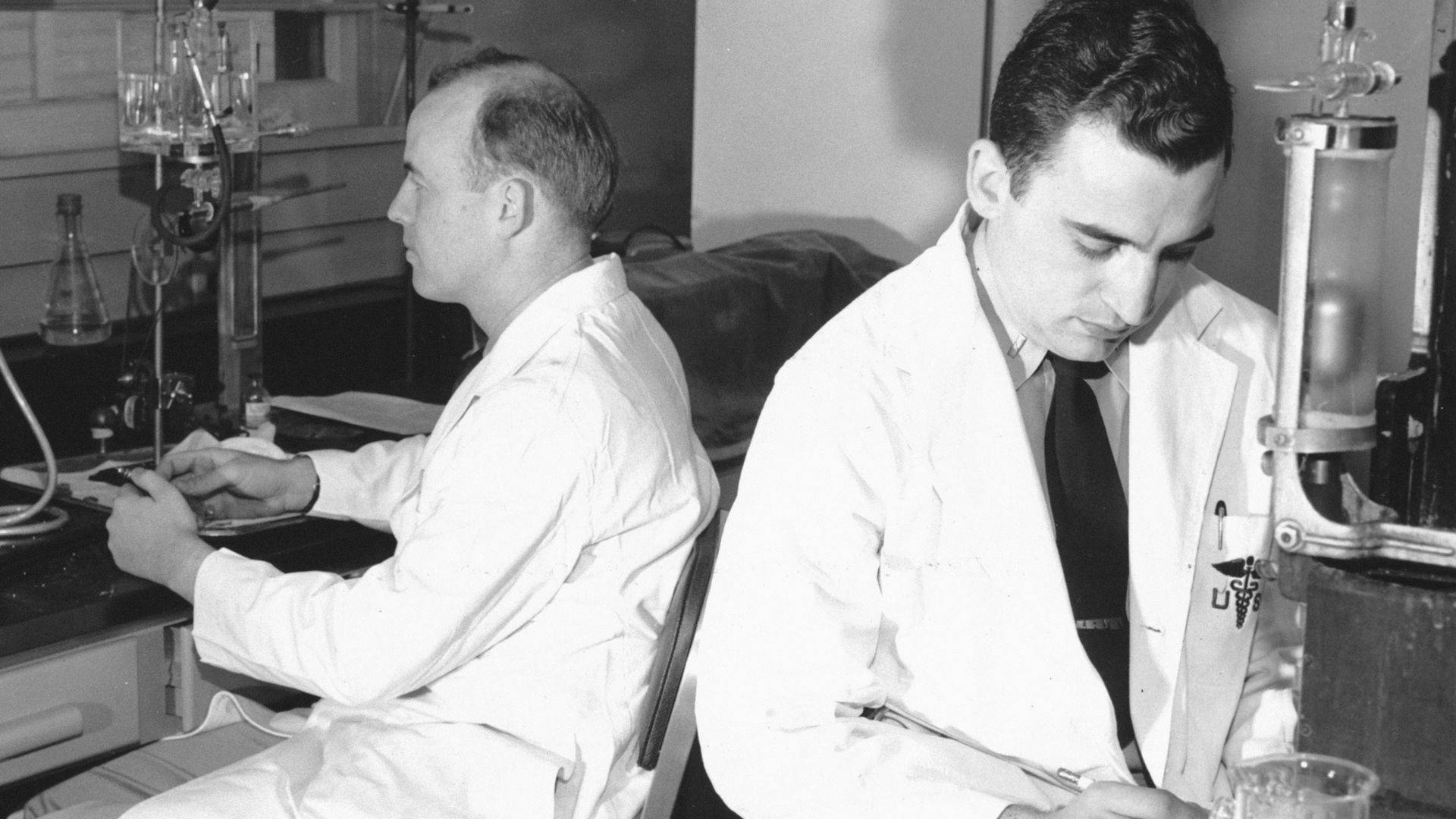
Alexander Fleming found mold growing on a petri dish that he had forgotten to clean. The mold happened to kill bacteria on his dish. This discovery later saved many lives during World War II by allowing soldiers who got sick to recover more quickly.
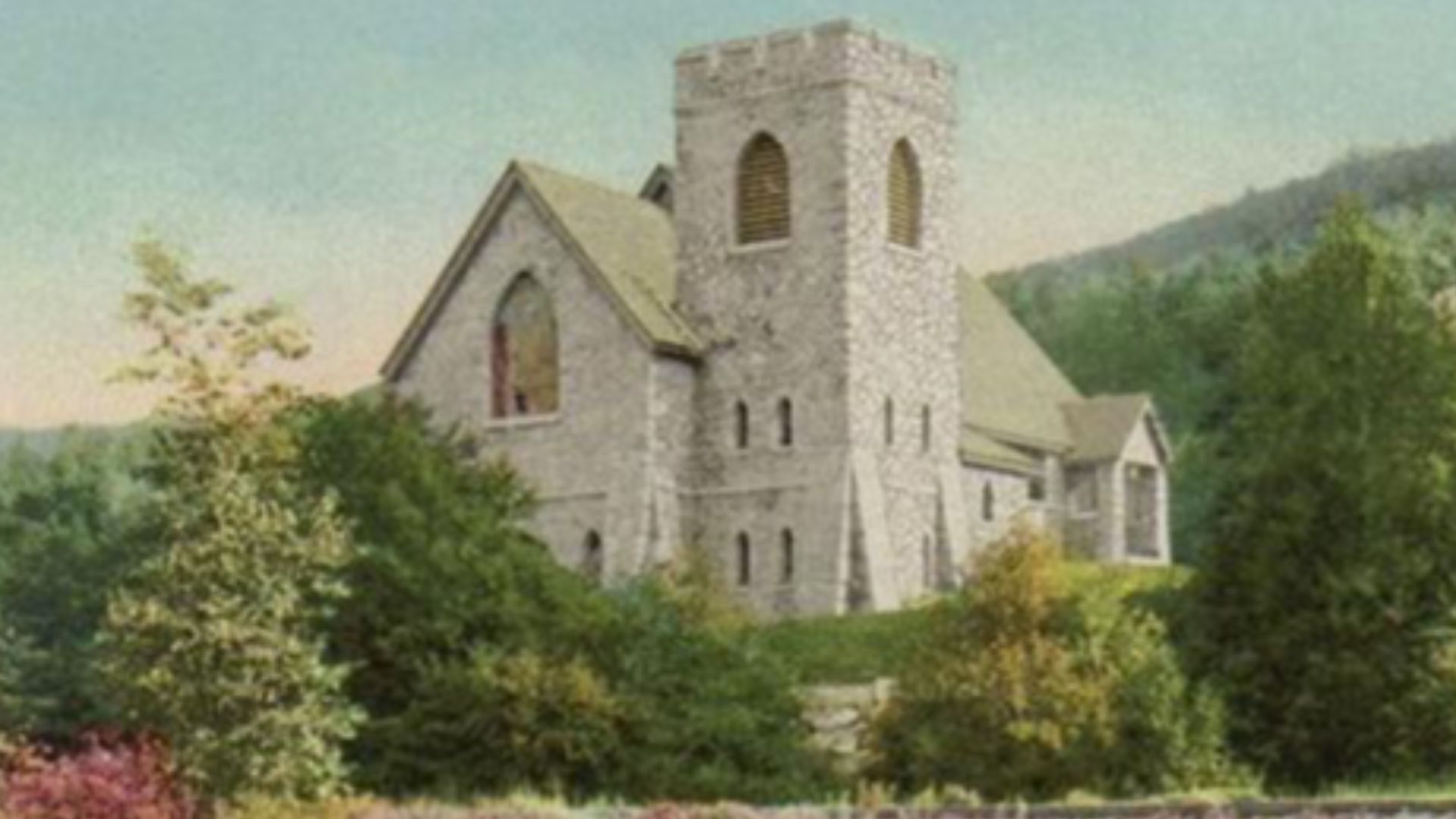
17. The Bretton Woods Conference
Representatives from 44 Allied countries came together to decide what should be done with international finances after World War II. They agreed on creating the IMF and IBRD (World Bank). Both of these organizations have played significant roles in lending to other countries.
 Unknown photographer on Wikimedia
18. The Development of the Integrated Circuit
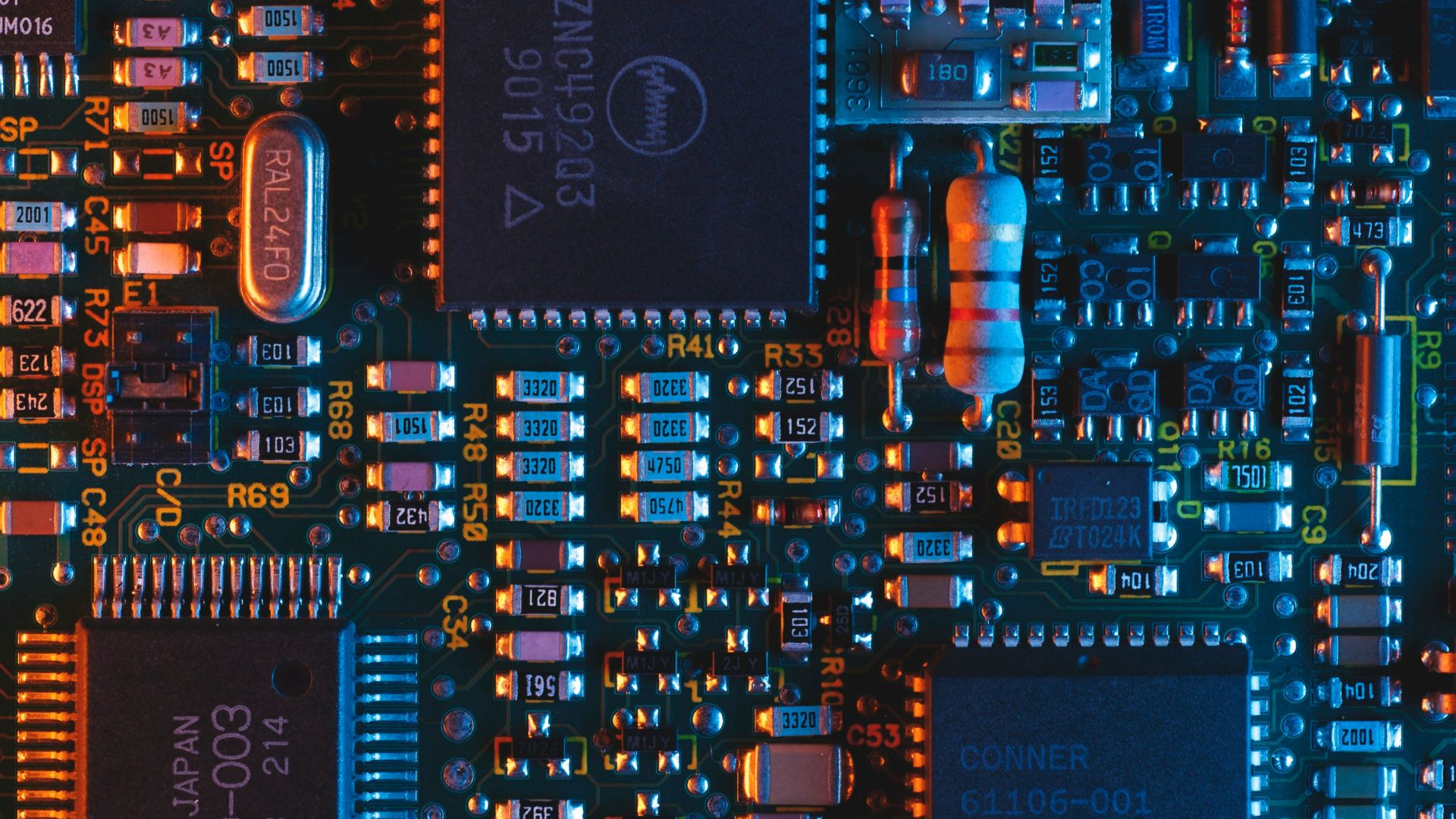
The integrated circuit was developed in 1958 and allowed electronics to shrink in size. There are transistors in almost every piece of technology we use today. From our phones to computers, there are chips that help them operate.
19. The First Successful ARPANET Connection
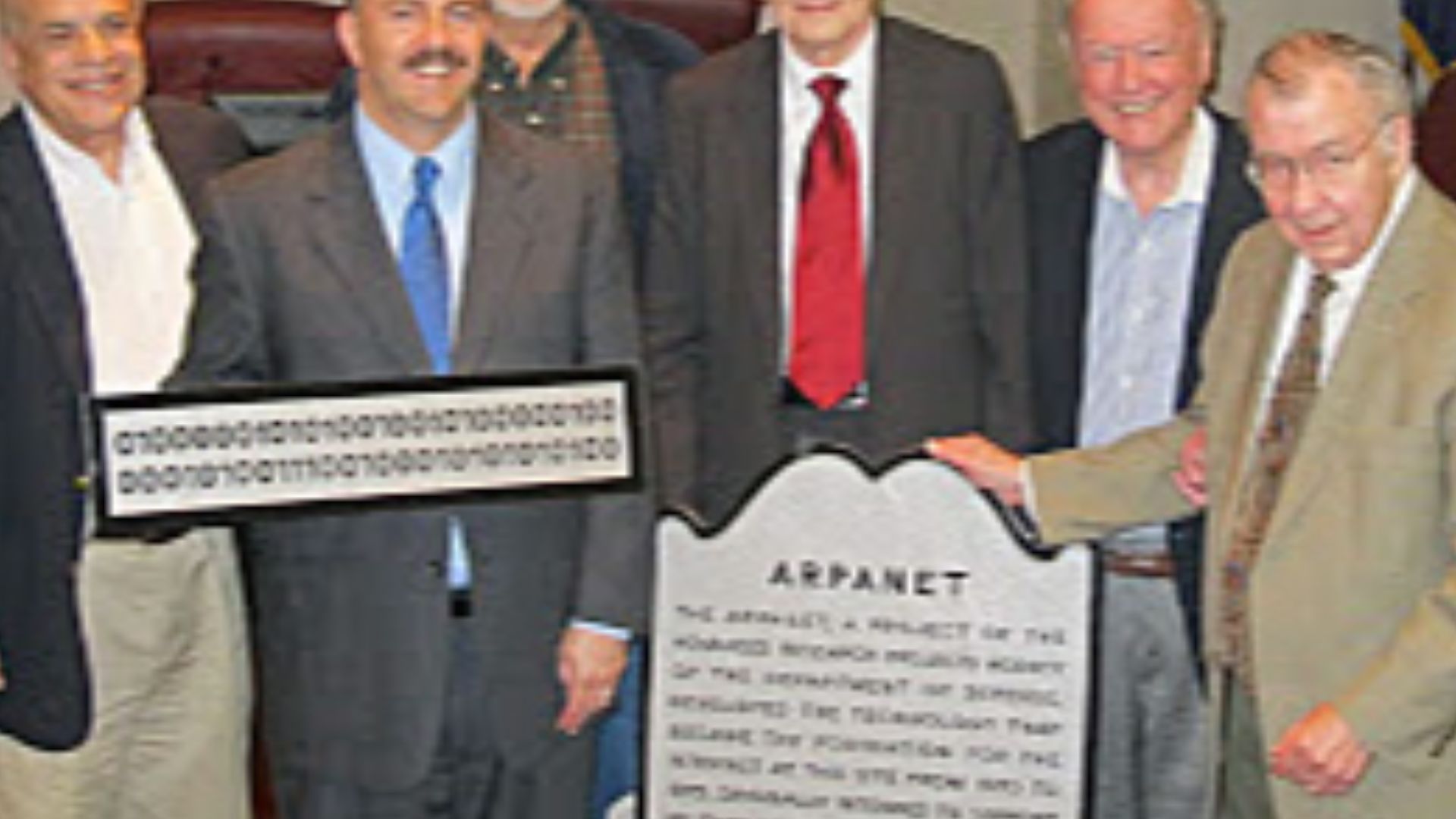
In 1969, there was an attempt to send a message from UCLA to another computer at Stanford University. The computer shut down after typing the letters L and O. This marked the beginning of the internet. Computers were able to be linked together across long distances.
 Amrutkowski at English Wikipedia on Wikimedia
20. The Fall of the Soviet Union's Communist Bloc in Eastern Europe
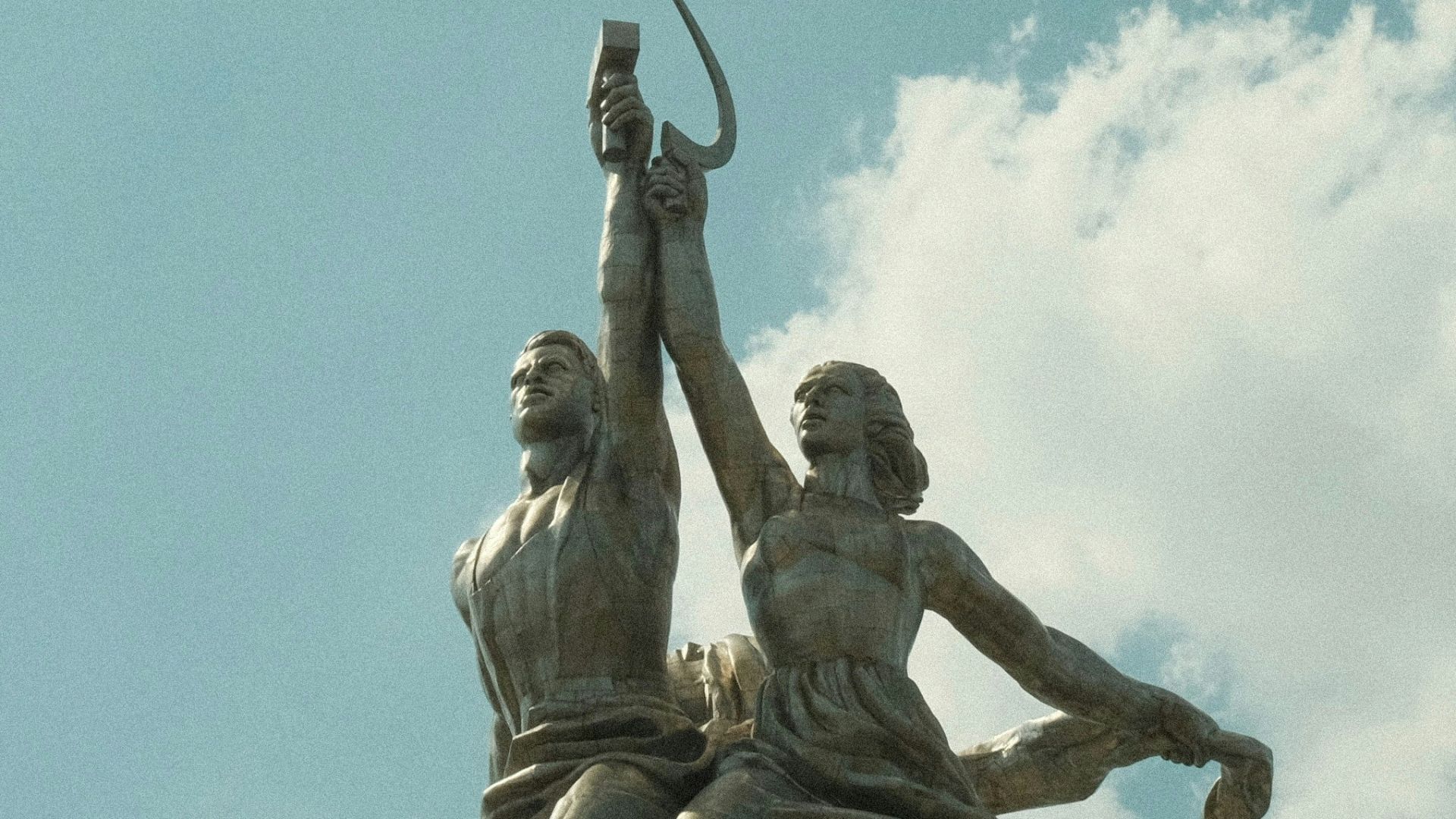
During 1989, communist governments across Eastern Europe fell or underwent major political transformations, with the opening of the Berlin Wall becoming the most recognizable symbol of the changes. These developments reflected years of economic difficulties, public protests, reform movements, and weakening Soviet control. They helped bring the Cold War's European division to an end and reshaped international politics for the decades that followed.
KEEP ON READING