

20 Facts About Cyclone Bhola, the Deadliest Cyclone In History
A Storm So Deadly It Changed More Than Weather History
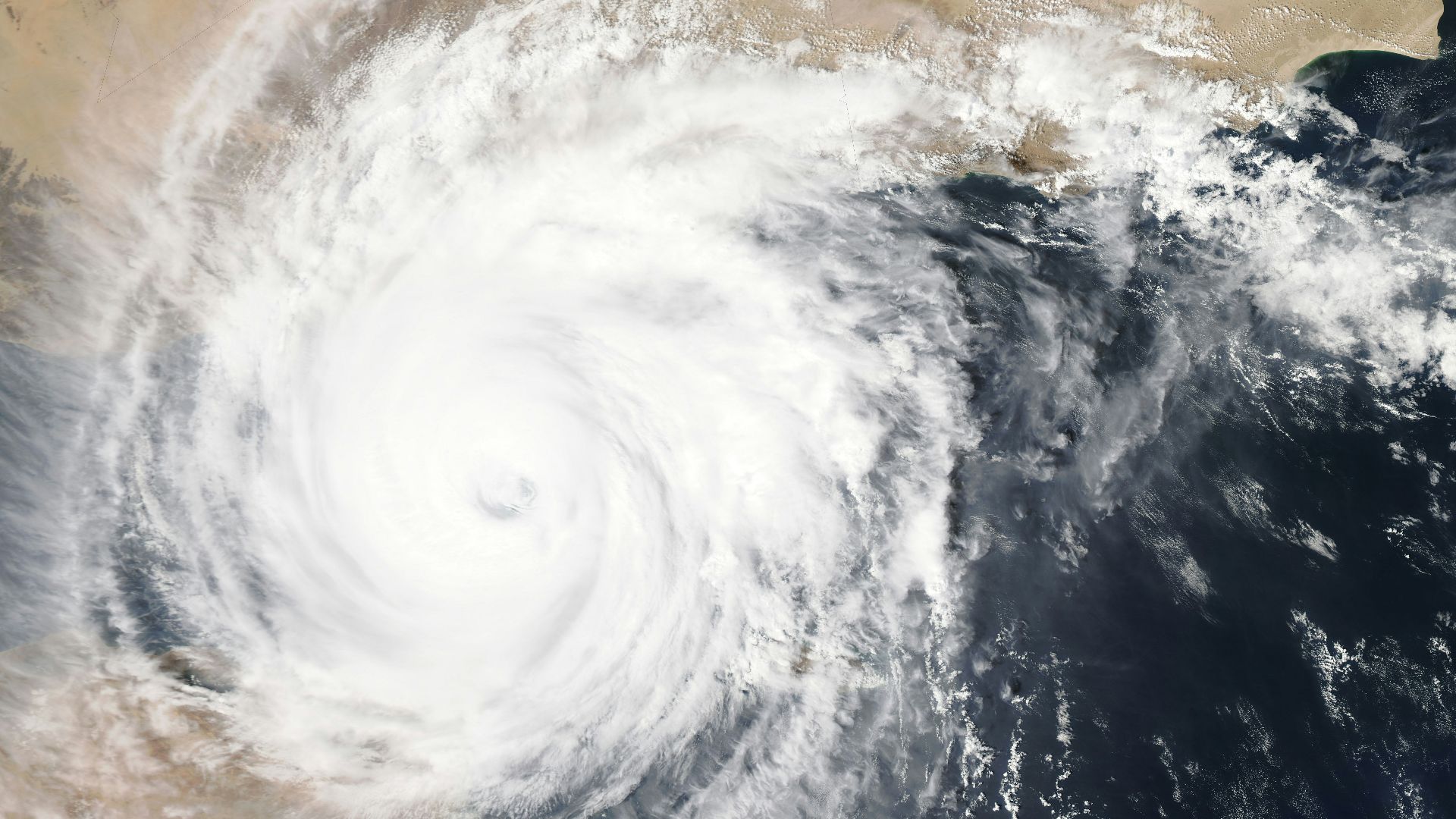
Cyclone Bhola wasn't just a bad storm in a dangerous region. It became the deadliest tropical cyclone ever recorded and is still widely described as one of the deadliest natural disasters in modern history, with estimates commonly ranging from 300,000 to 500,000 deaths. What makes it especially haunting is that the storm itself was only part of the story, because geography, poverty, weak warnings, and a disastrous government response all helped turn a severe cyclone into an almost unimaginable catastrophe. Here are 20 facts about the deadliest natural disaster in history.
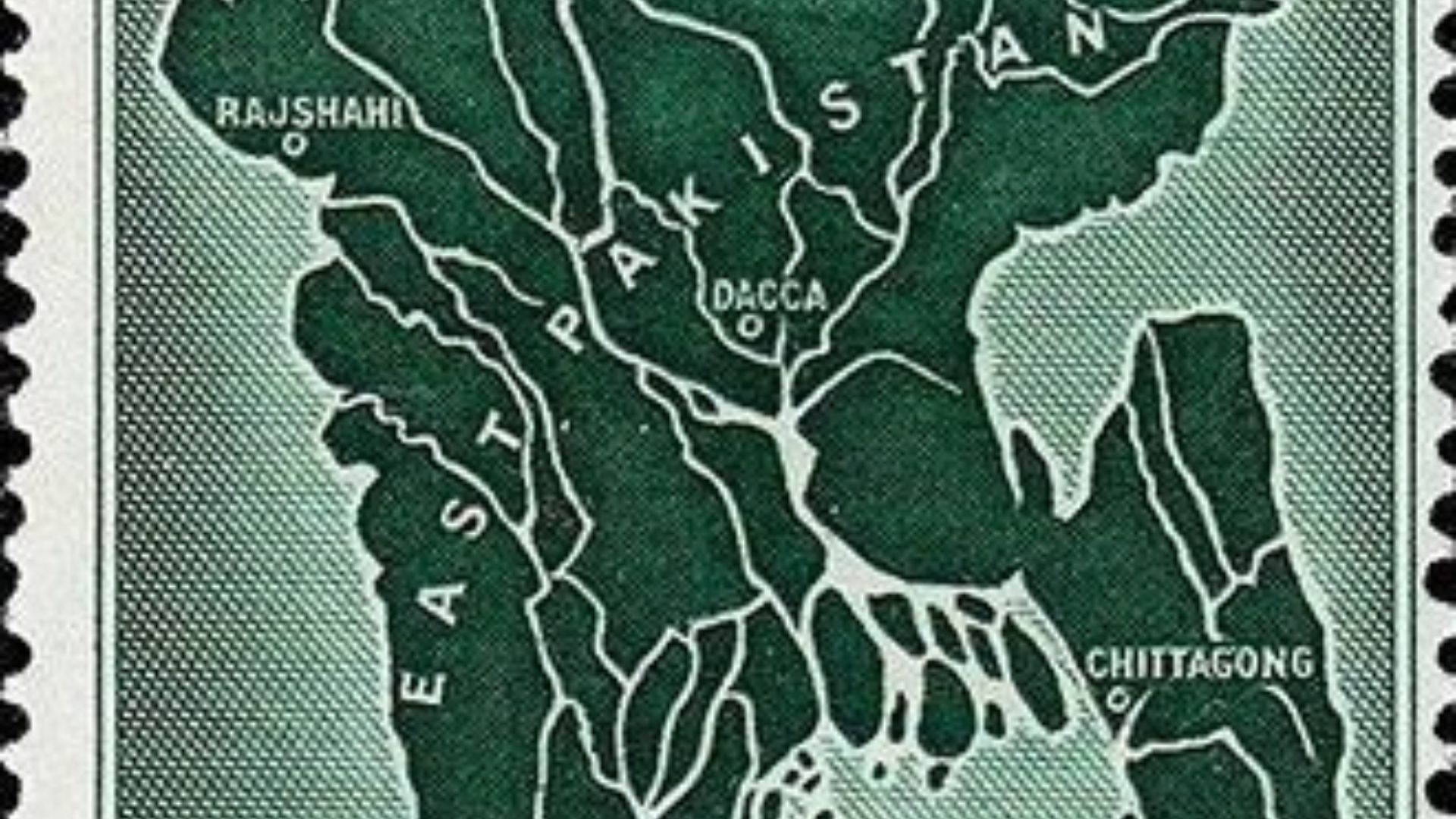
1. It Struck What Was Then East Pakistan
When Cyclone Bhola hit in November 1970, Bangladesh didn't yet exist as an independent country. The storm slammed into what was then East Pakistan, a region already politically tense and physically vulnerable because of its low-lying delta landscape. That historical setting matters because the disaster quickly became part of a much bigger political crisis.
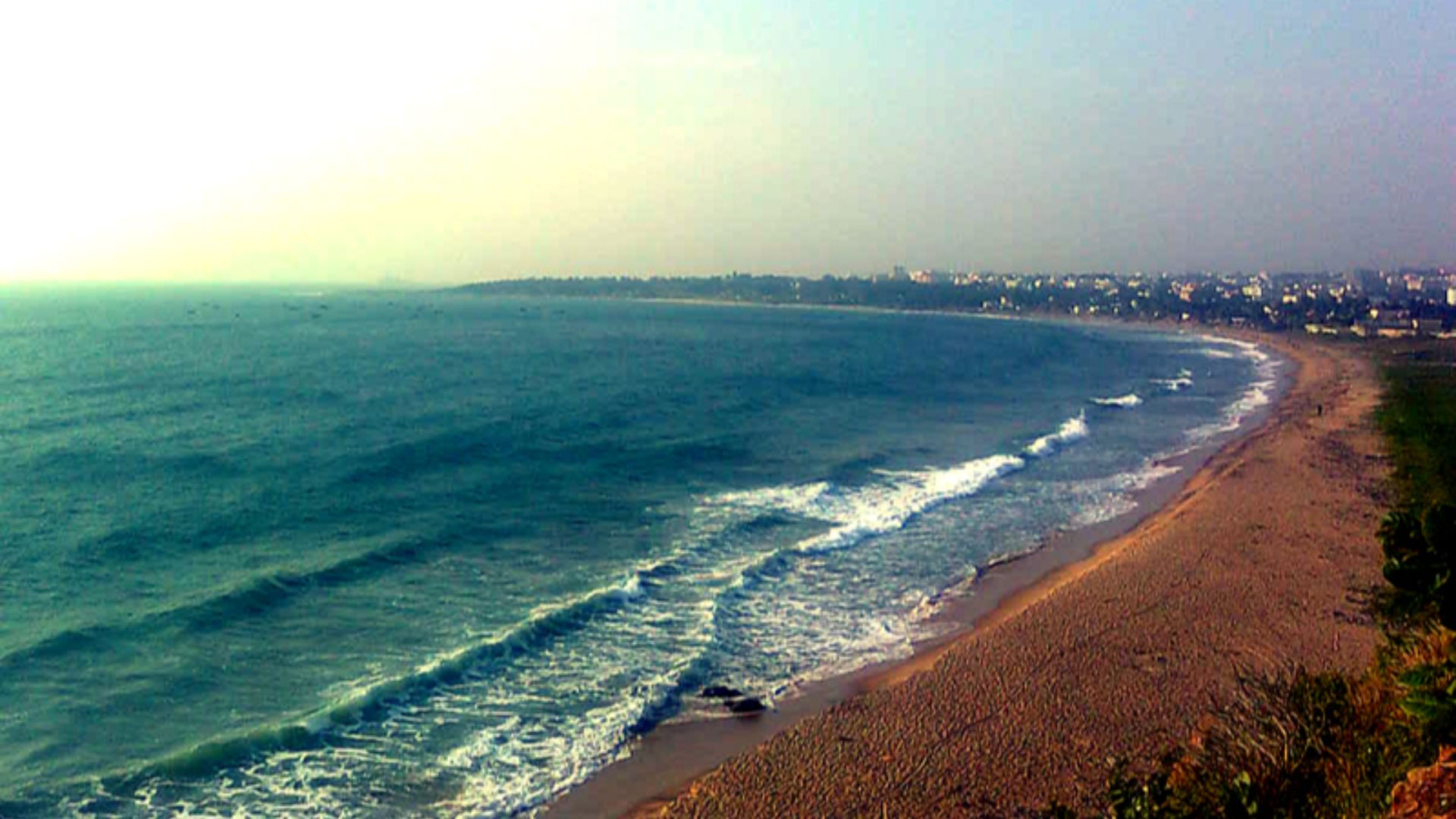
2. It Formed Over the Bay of Bengal
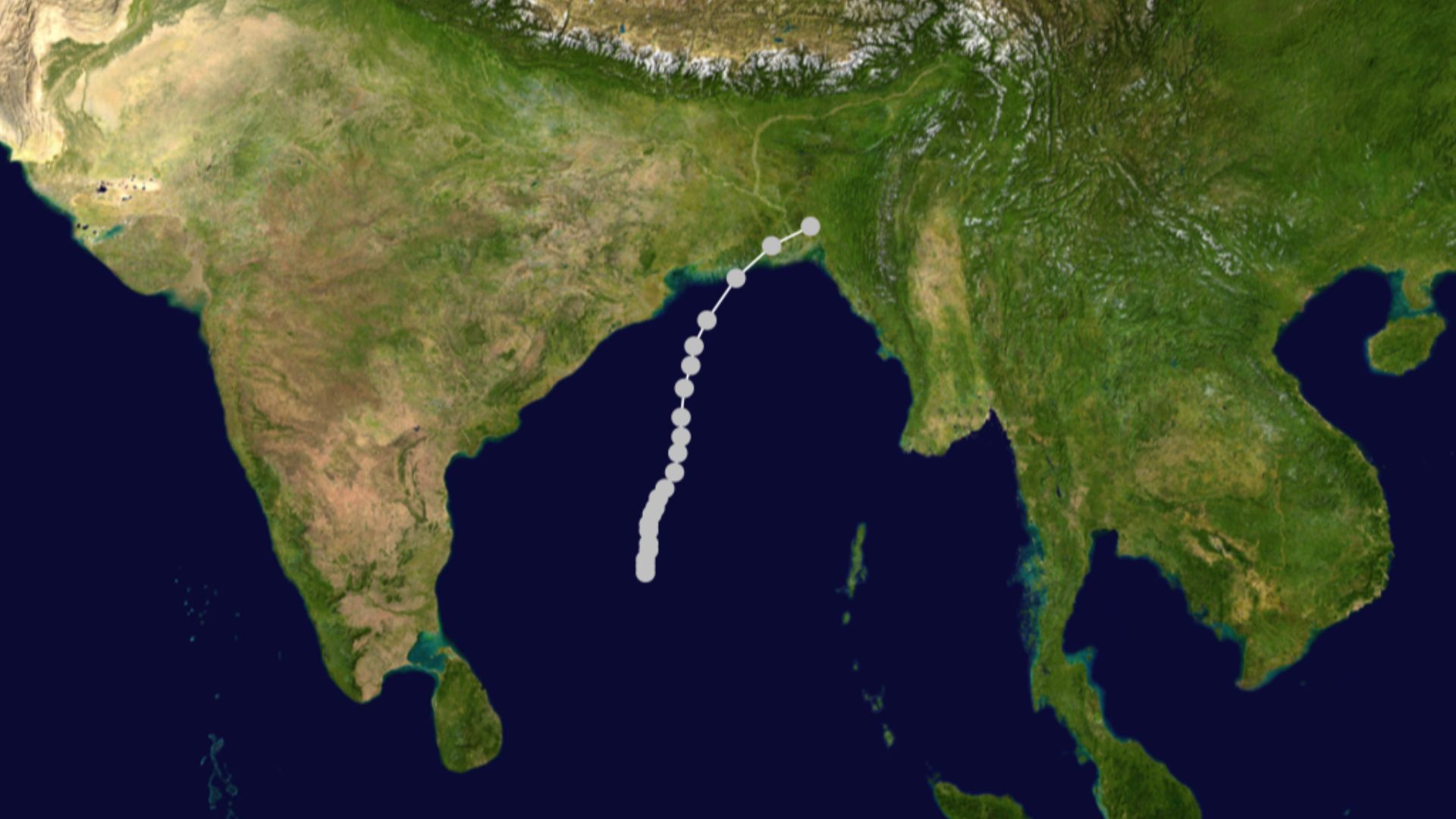
The cyclone developed over the Bay of Bengal on November 8, 1970. From there, it intensified as it moved northward toward one of the most exposed coastlines in the world.
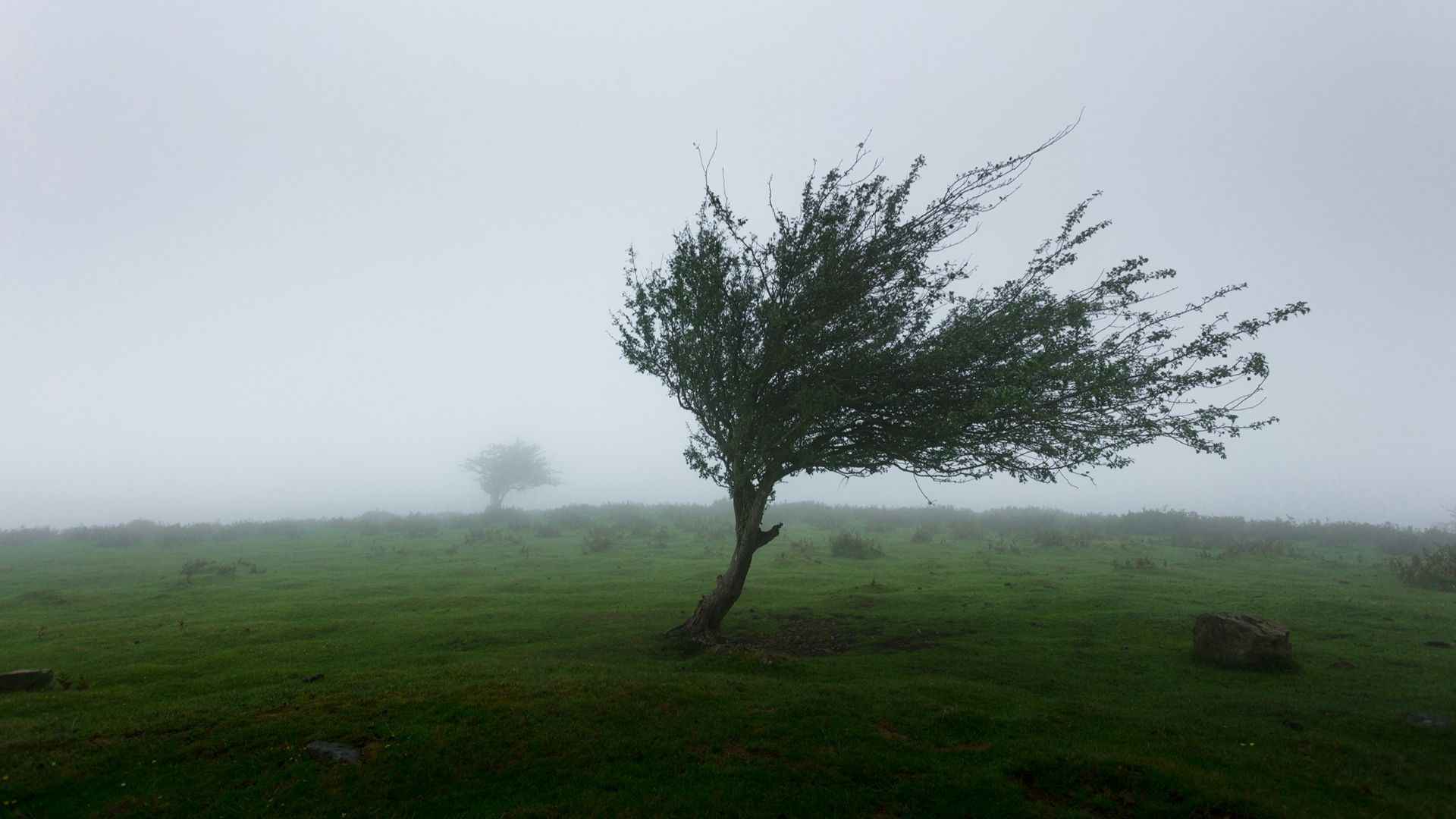
3. Its Winds Reached About 115 Miles Per Hour
Bhola was not the strongest cyclone ever measured by wind speed alone, which is part of why its death toll feels so shocking. Britannica and WMO both describe peak winds around 115 mph, or 185 km/h, near landfall. However, that was more than enough to be devastating, especially in a region where storm surge was the real killer.
4. The Storm Surge Was the Real Nightmare
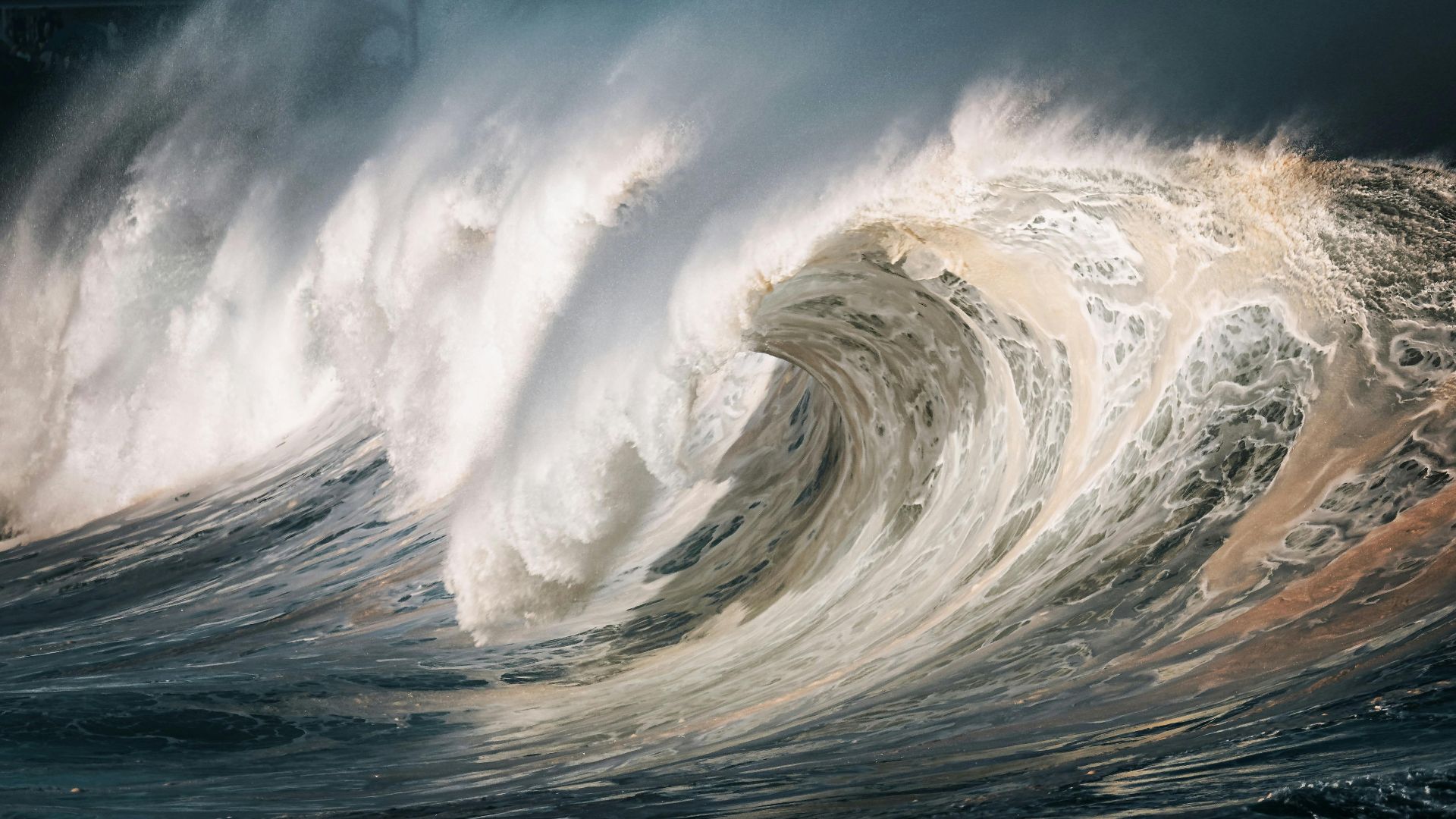
The deadliest part of the disaster wasn't just the wind but the wall of water that came with it. Reports commonly place the storm surge at roughly 20 feet, or about 6 meters, in some areas. In a flat, densely populated coastal delta, that kind of surge is catastrophic in a way you almost have to see on a map to fully appreciate.
5. It Hit One of the Most Vulnerable Landscapes on Earth
The Ganges-Brahmaputra delta is famously low-lying and flood-prone even in ordinary years. That meant Bhola was moving toward a place where high water had an easy path inland and where many communities were living only slightly above sea level. A cyclone doesn't need to be the most intense on record when the terrain is already this exposed.
6. The Death Toll Is Usually Given as 300,000 to 500,000
The exact number of deaths will probably never be known with certainty. Most reputable summaries place the toll somewhere between 300,000 and 500,000, while WMO still describes it as the world’s deadliest known tropical cyclone. Even the lower end of that range is almost impossible to process.
7. Many Victims Drowned
Most of the deaths were caused by drowning as the surge overwhelmed islands and coastal settlements. Entire villages were swept away, and many people were caught in their homes at night with little chance to escape. The scale of sudden flooding is a huge part of why the losses were so extreme.
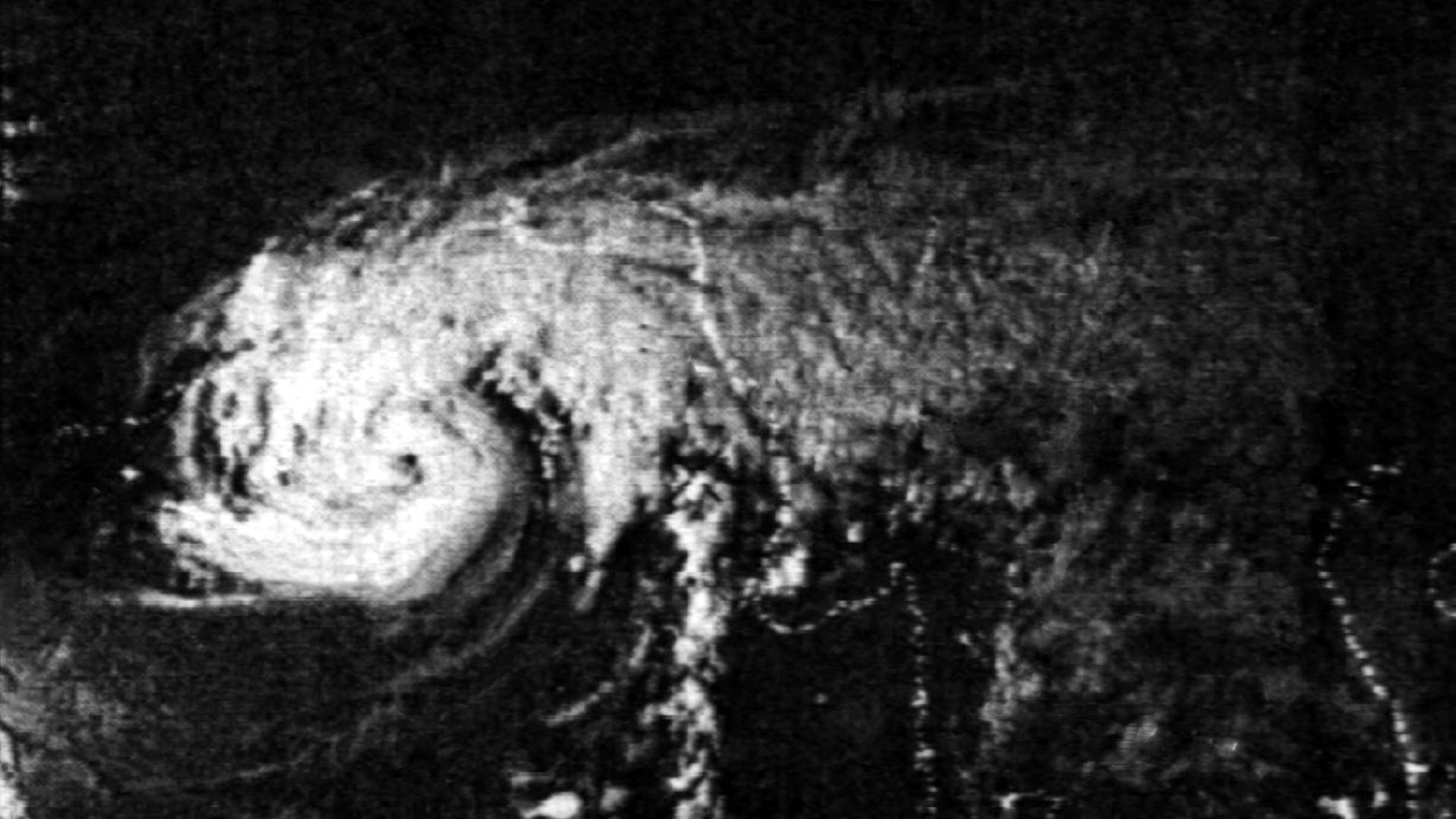
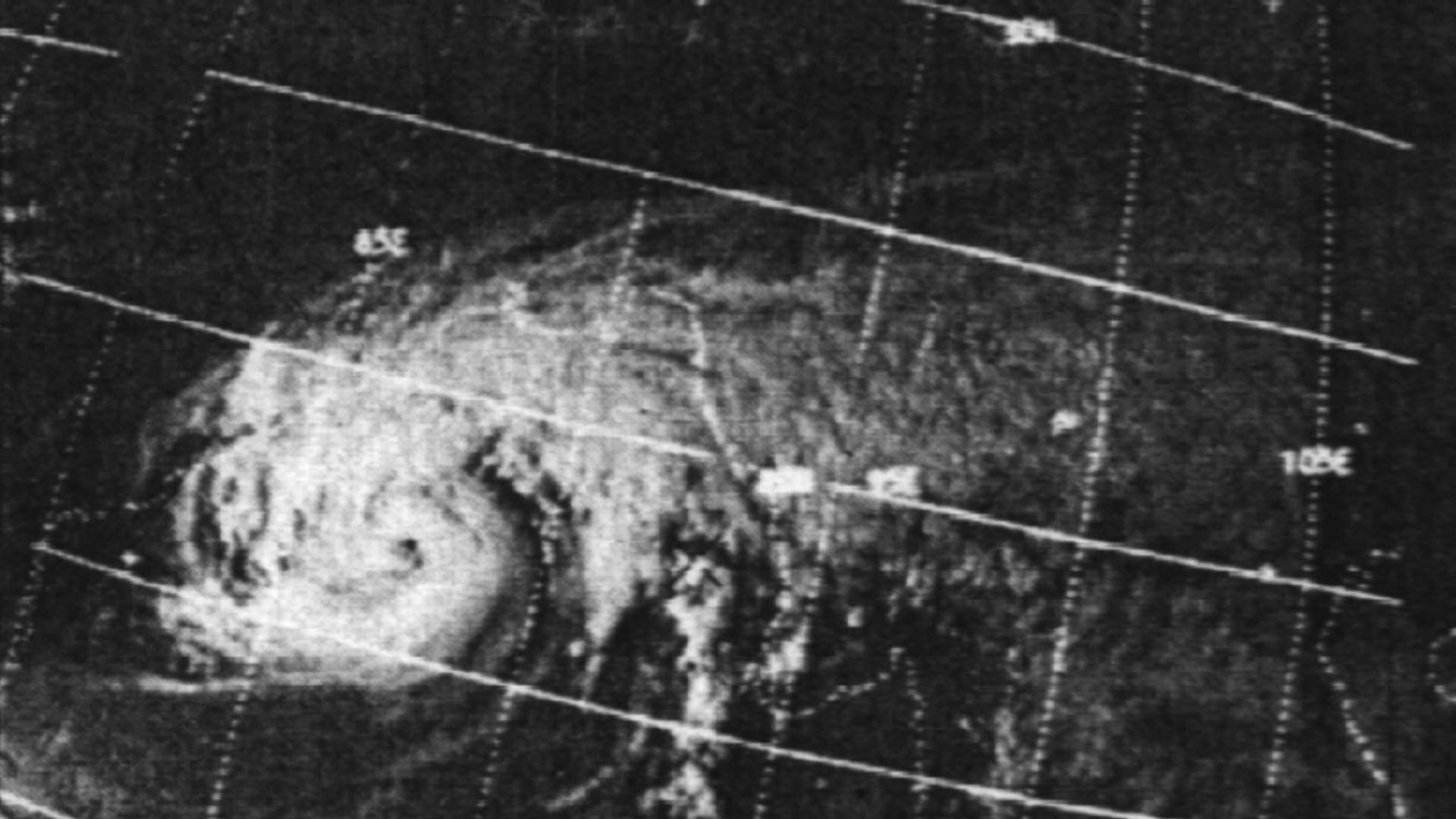
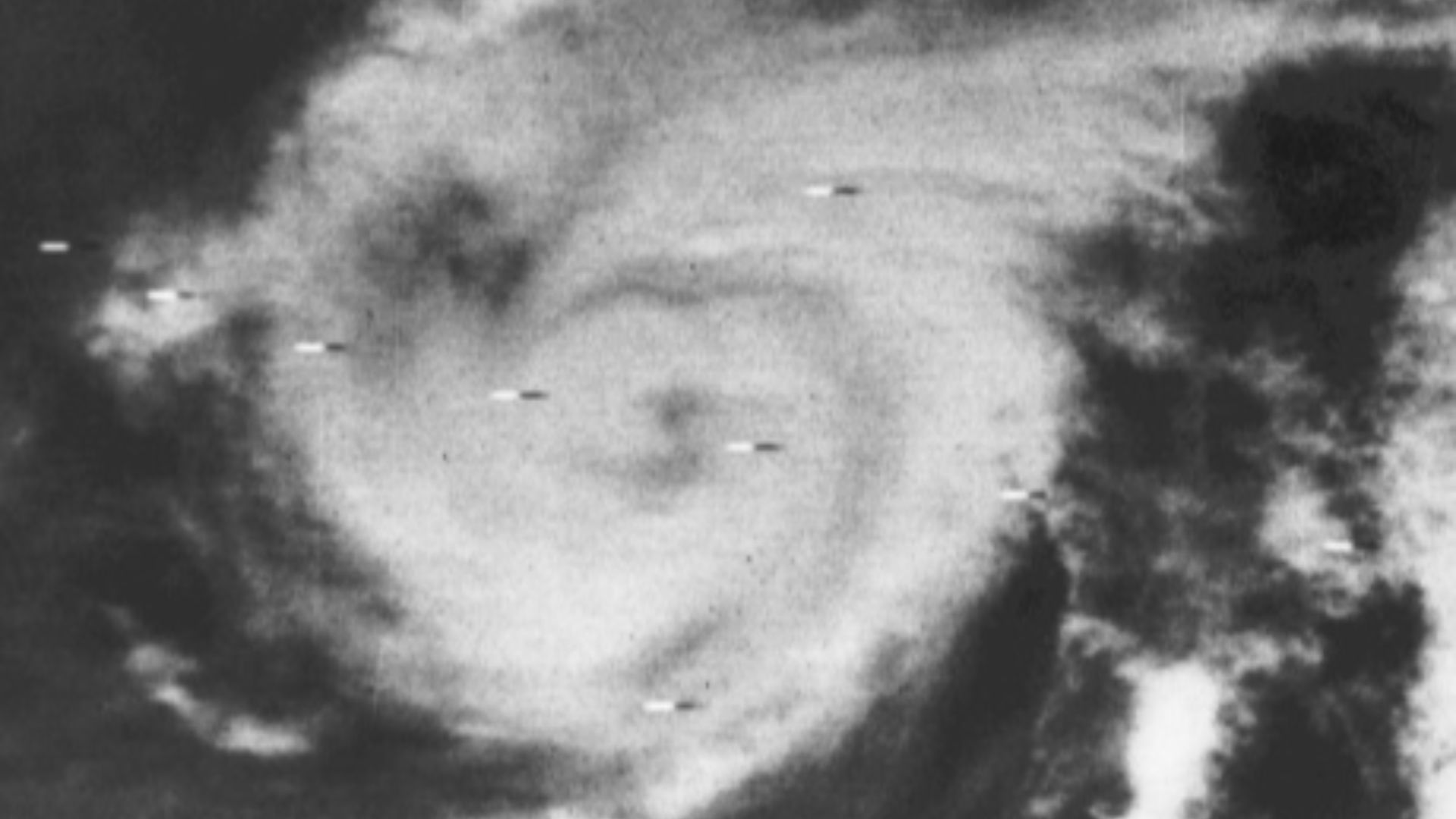 IDCS imagery from NASA's Nimbus 4 Satellite on Wikimedia
8. Entire Communities Were Wiped Out
This was not a storm that damaged one town and spared the next. Entire villages were wiped out, and contemporary accounts emphasize how many island communities were simply overwhelmed. In the worst-hit places, the destruction was so complete that ordinary words like “damage” barely seem big enough.
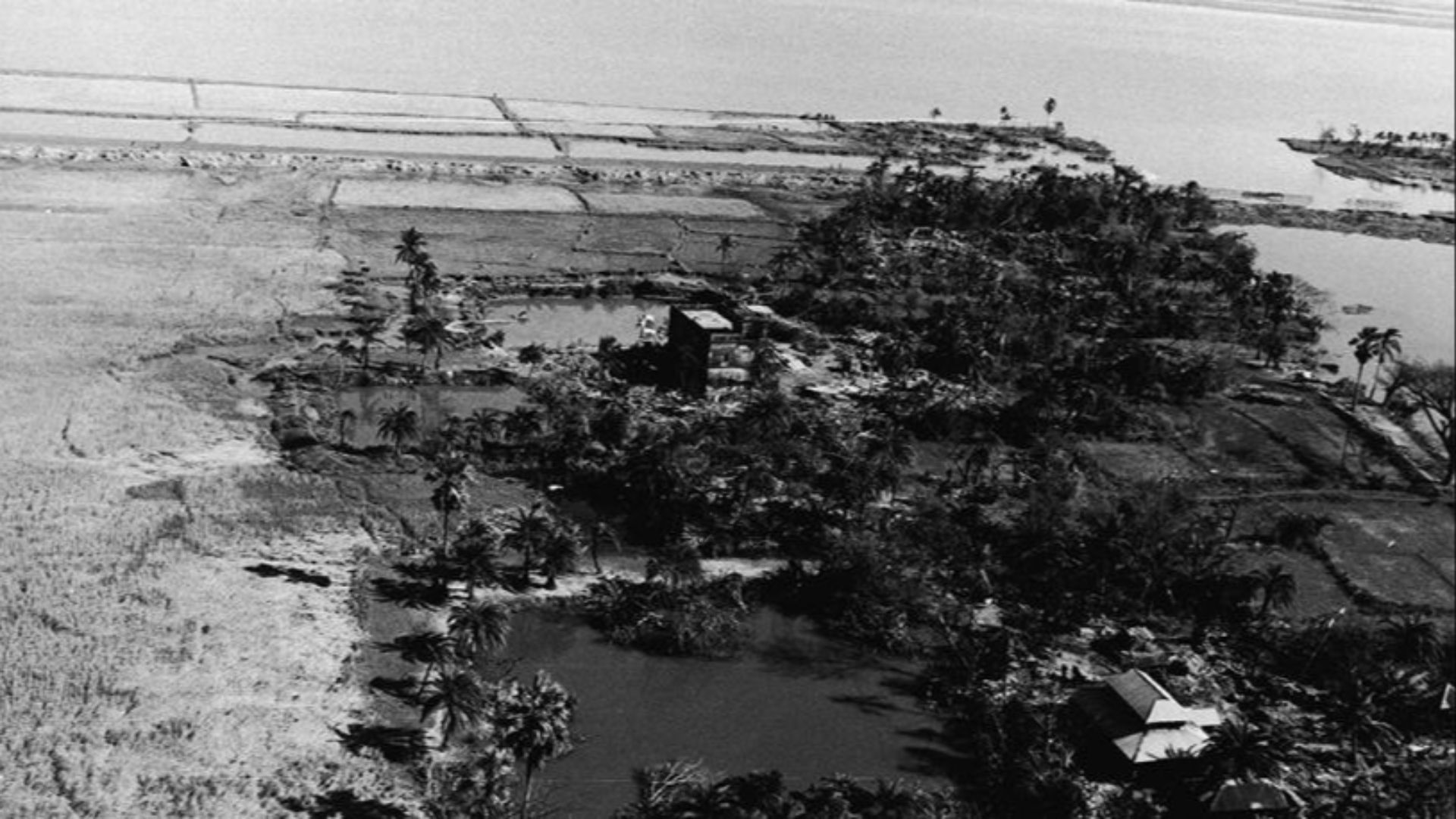 Express Newspapers/Getty Images on Wikimedia
9. It Struck at a Horrible Time of Day
One of the reasons the death toll climbed so high is that many people were asleep when the surge arrived. That meant less time to react and far less chance of making it to higher ground in darkness and chaos. A nighttime storm surge on a low delta is about as cruel a setup as nature can produce.
 Connor Scott McManus on Pexels
10. Warnings Existed, but They Didn’t Save Enough Lives
Meteorologists tracked the cyclone, including by satellite, and warnings were issued. The problem was that warning systems, communication, and local preparedness were nowhere near strong enough to protect the people most at risk.
11. Relief Was Slow & Inadequate
The response from Pakistan’s central government was heavily criticized both inside East Pakistan and internationally. Survivors and political leaders in the east saw the relief effort as delayed, insufficient, and deeply unequal. That sense of abandonment became one of the disaster’s most lasting consequences.
12. The Storm Deepened East Pakistani Anger
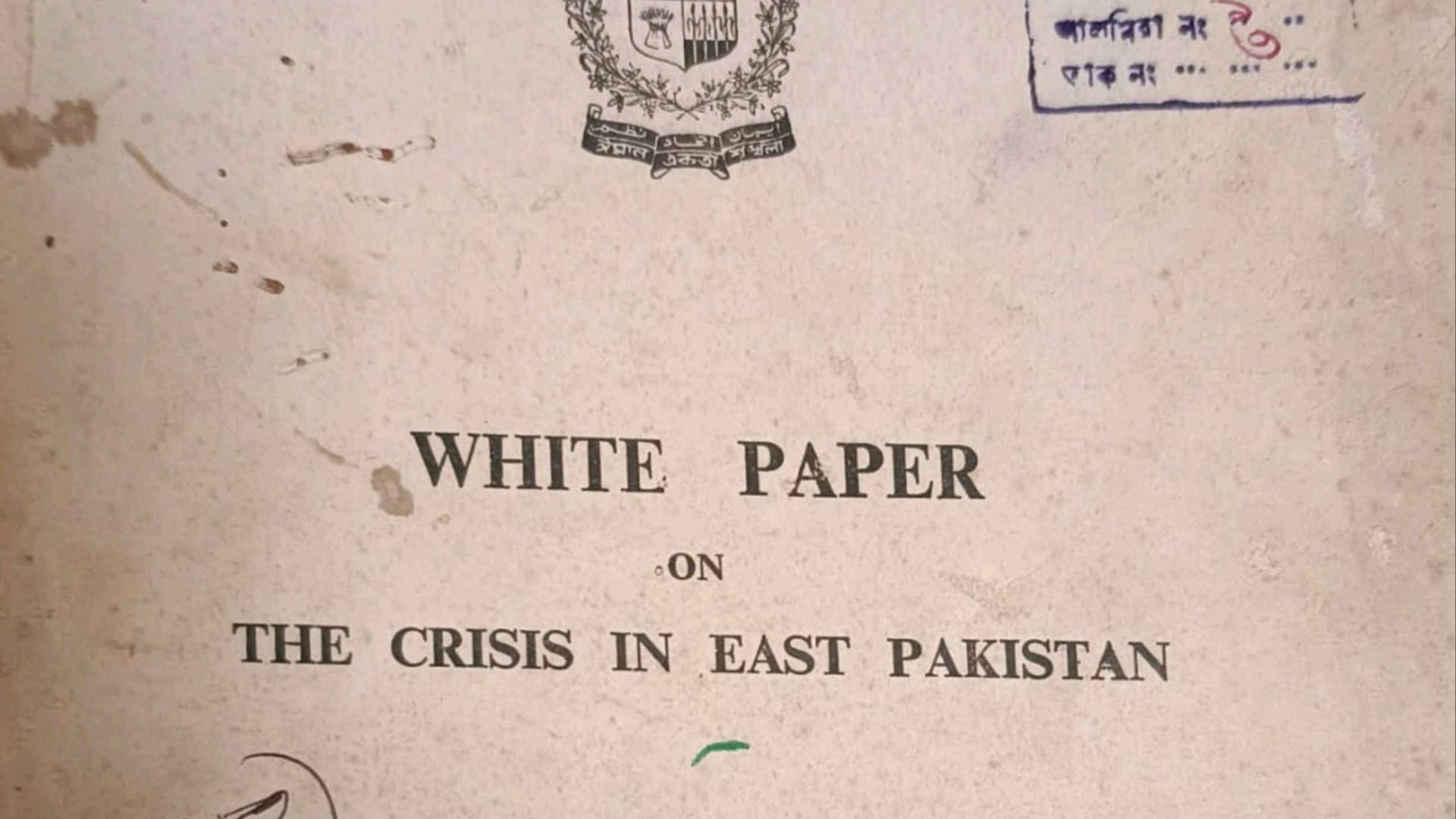
Bhola didn't create East Pakistan’s grievances from scratch, but it sharpened them dramatically. Yale and Harvard discussions of the cyclone’s aftermath both emphasize how state neglect during the disaster undermined legitimacy and intensified support for autonomy. In other words, the storm hit water and land first, but it also hit politics with tremendous force.
 Government of Pakistan on Wikimedia
13. It Helped Shape the 1970 Election
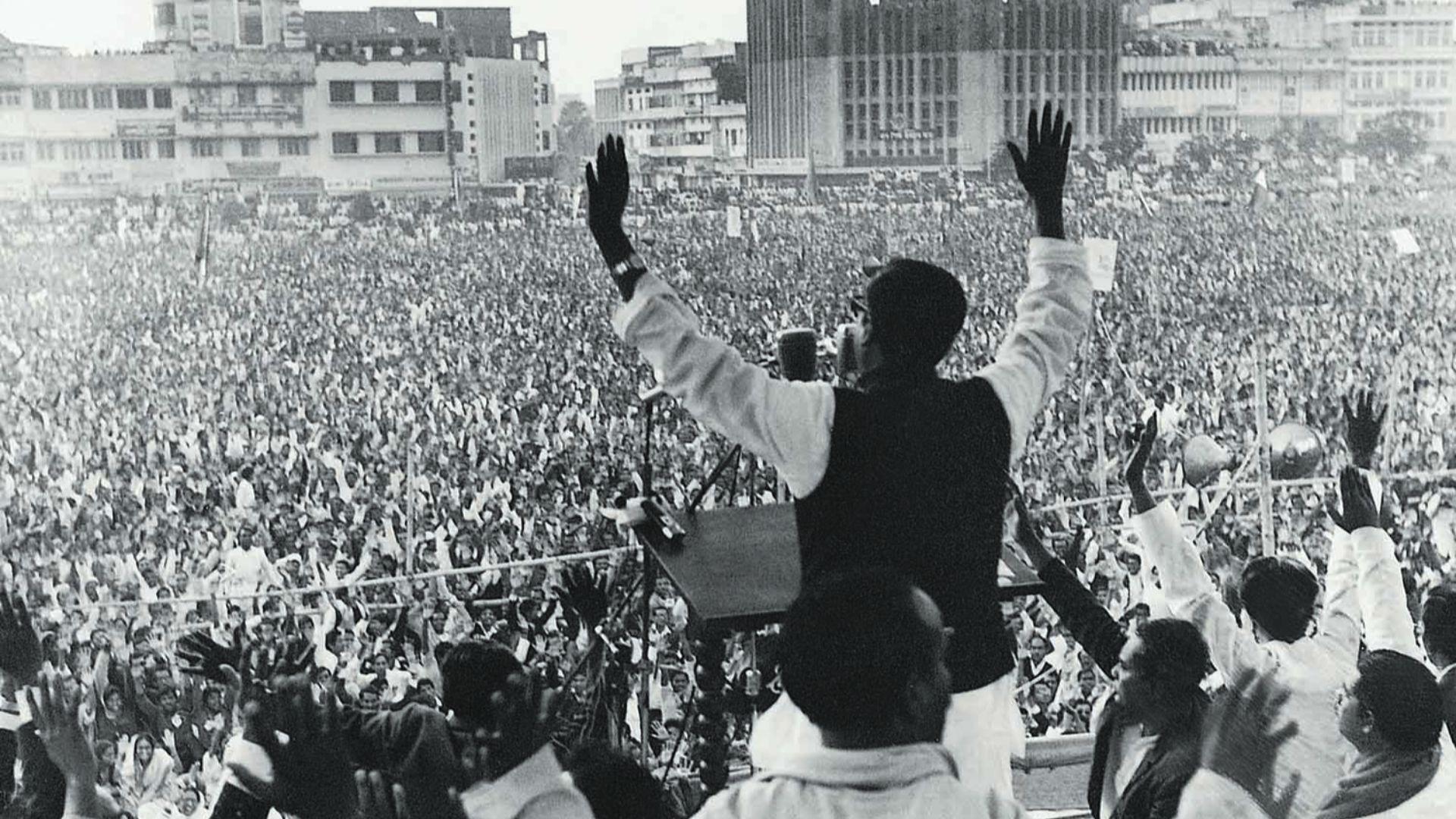
Pakistan held a general election not long after the cyclone, and the disaster remained fresh in public memory. Research and historical summaries argue that the poor response helped fuel support for the Awami League in East Pakistan. That means Bhola wasn't just a humanitarian disaster, but also an electoral turning point.
 Dawn/White Star Archives on Wikimedia
14. It Became Part of the Road to Bangladesh’s Independence
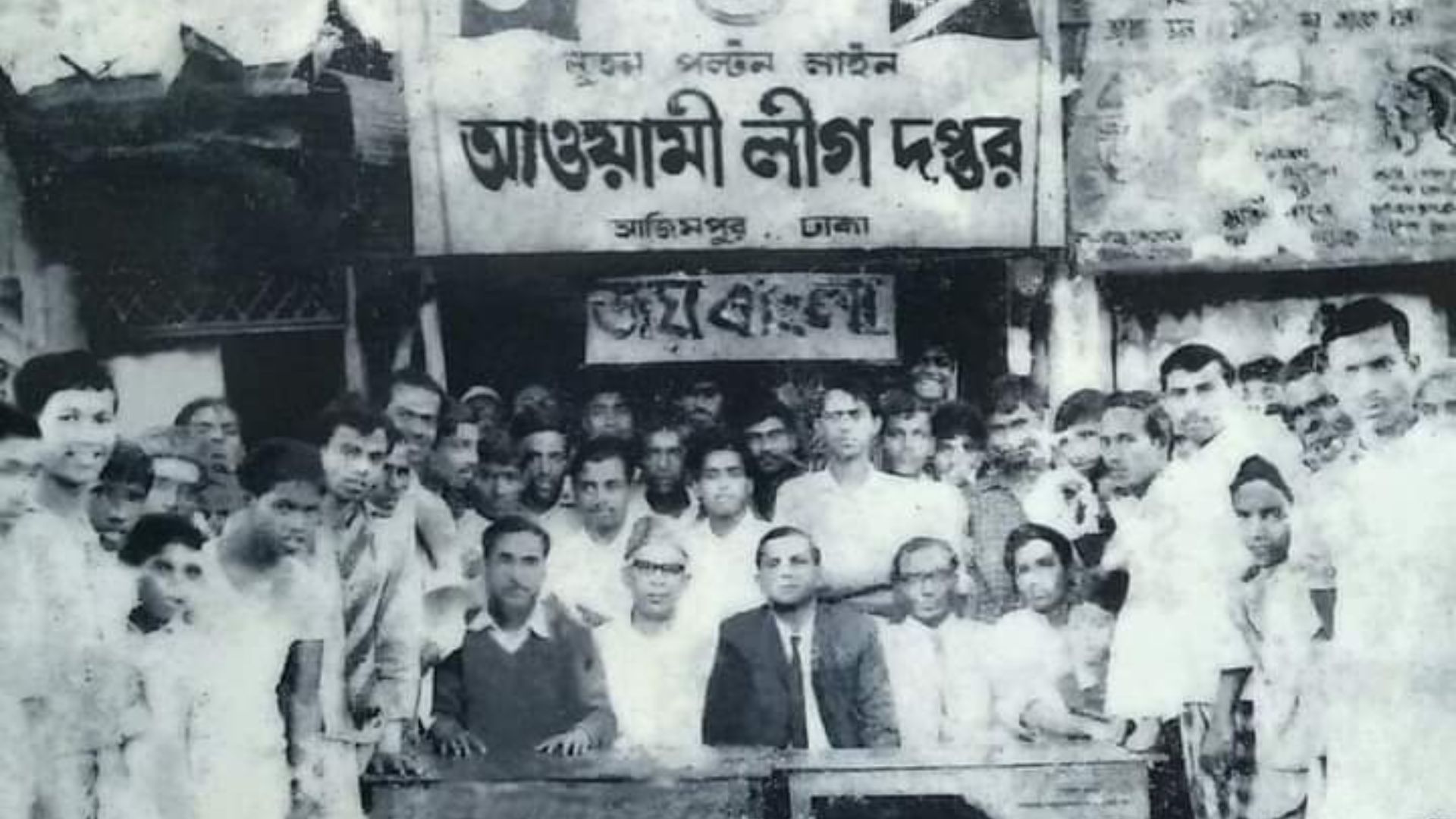
The cyclone alone didn't cause the Bangladesh Liberation War, but it clearly helped shift the political atmosphere. The inadequate response from West Pakistan fed a growing belief in East Pakistan that the existing state couldn't or wouldn't protect Bengali lives. Historians regularly place Bhola among the key events that helped push the region toward rupture in 1971.
15. Fishing Communities Were Hit Especially Hard
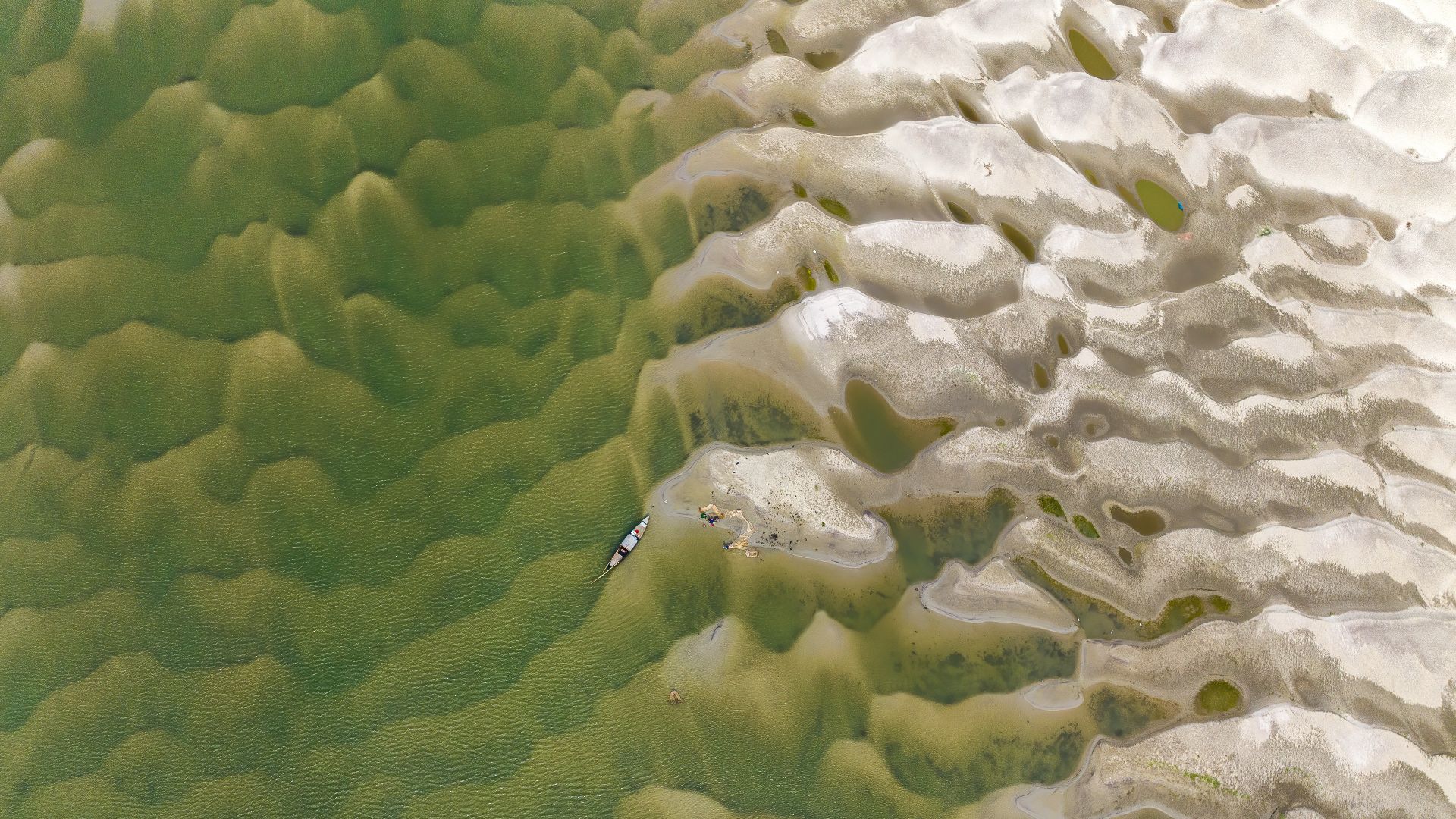
Coastal communities that relied on fishing were devastated by both the surge and the destruction of boats and livelihoods. In areas where fish were central to both diet and income, the storm didn't just kill people—it also shattered the economic base survivors depended on, which made recovery even harder.
16. Agriculture Took a Huge Blow
Bhola didn't stop with the loss of life. Crops, livestock, and stored food were destroyed across wide areas, compounding the human disaster with a food and livelihood crisis. In a region where many households were already living close to the edge, that kind of agricultural damage had enormous consequences.
17. It Was Deadly Even Though It Wasn’t the Strongest Cyclone on Record
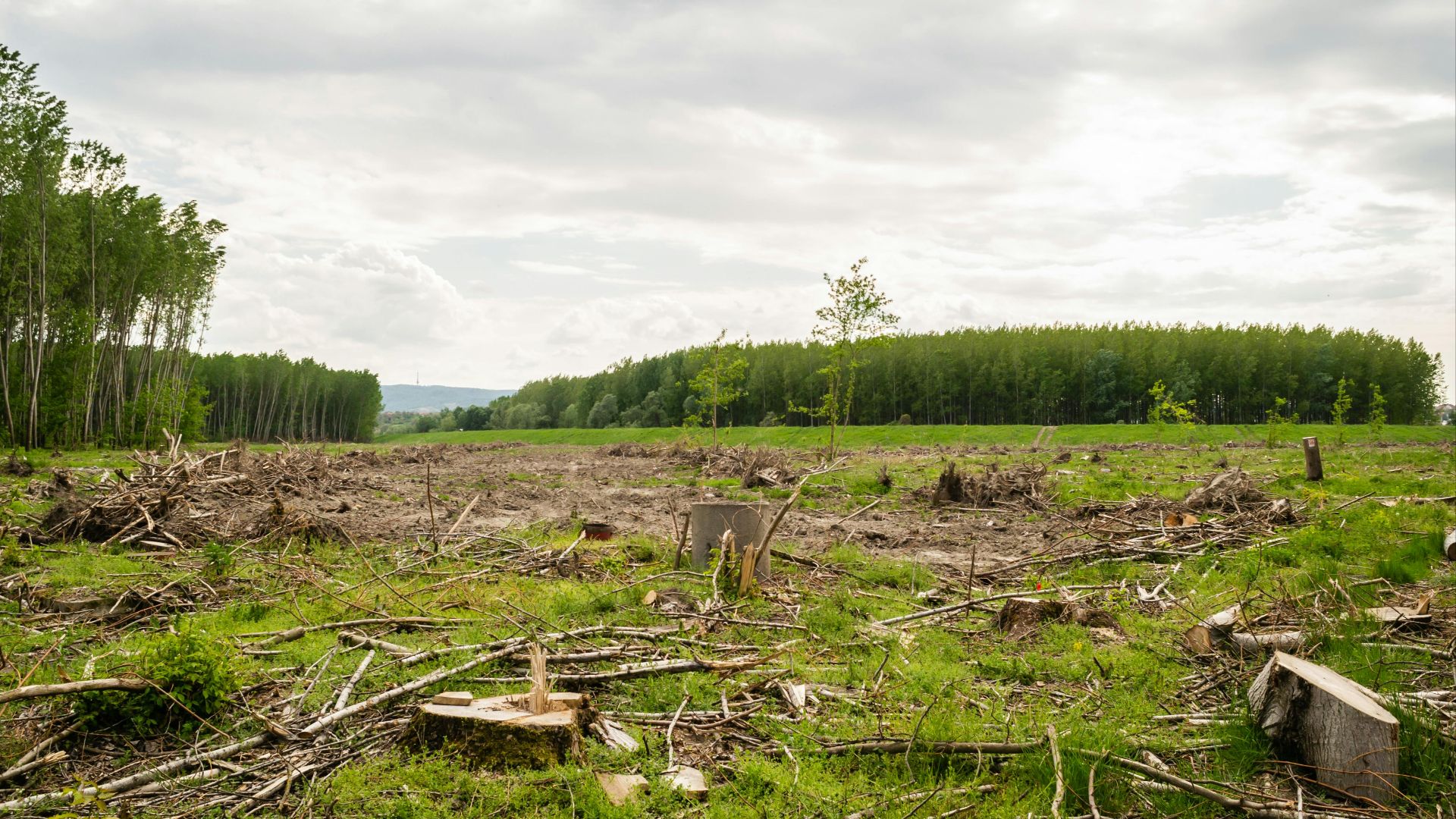
A storm doesn't need record-setting winds to become a record-setting disaster when exposure, poverty, geography, and weak preparedness all line up in the worst possible way. Up to 500,000 people lost their lives in Bhola, making it the deadliest cyclone in history despite not being the strongest. Bhola’s history is a brutal reminder that vulnerability often matters as much as raw storm intensity.
18. It Changed Global Thinking About Cyclone Warnings
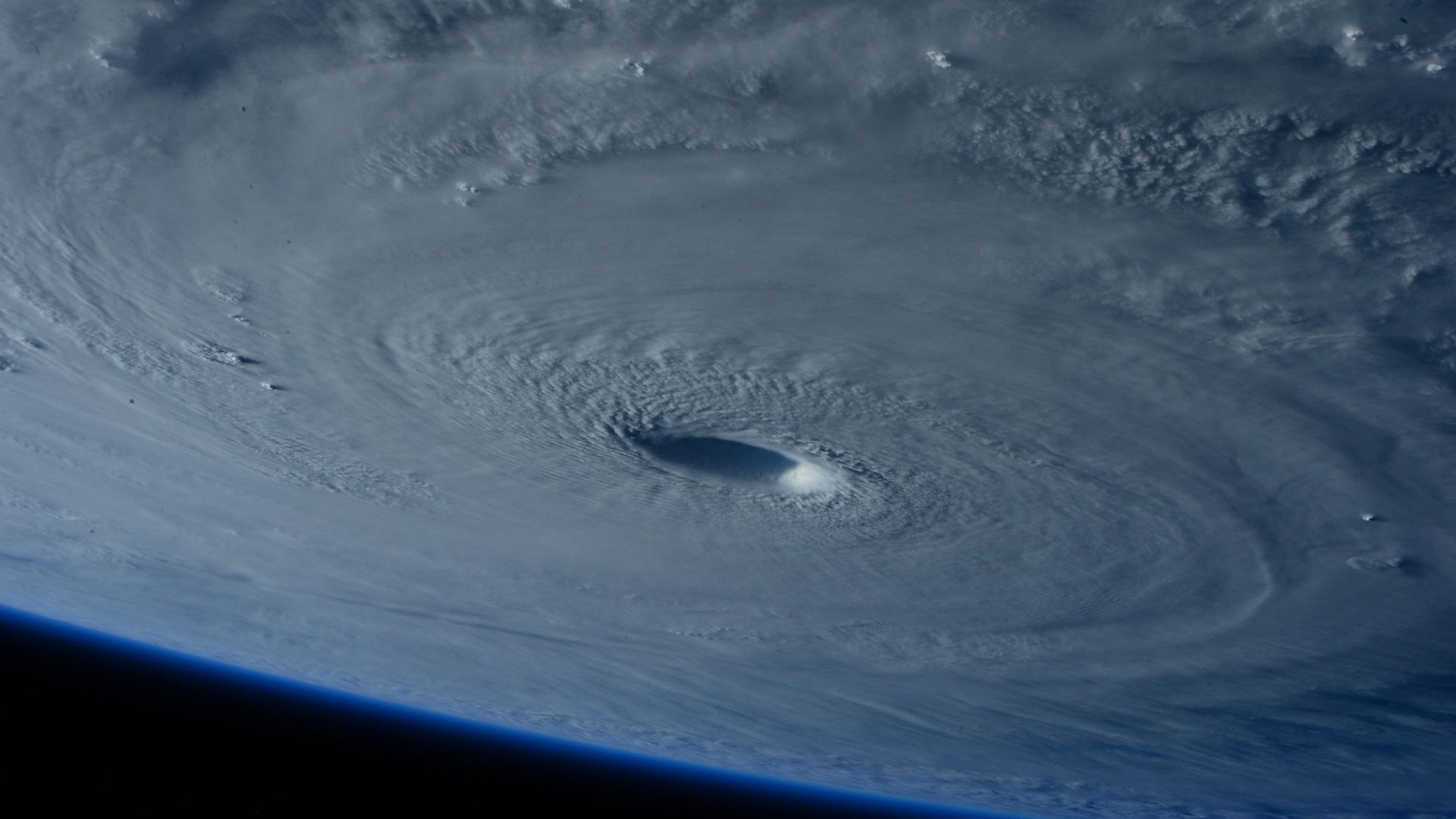
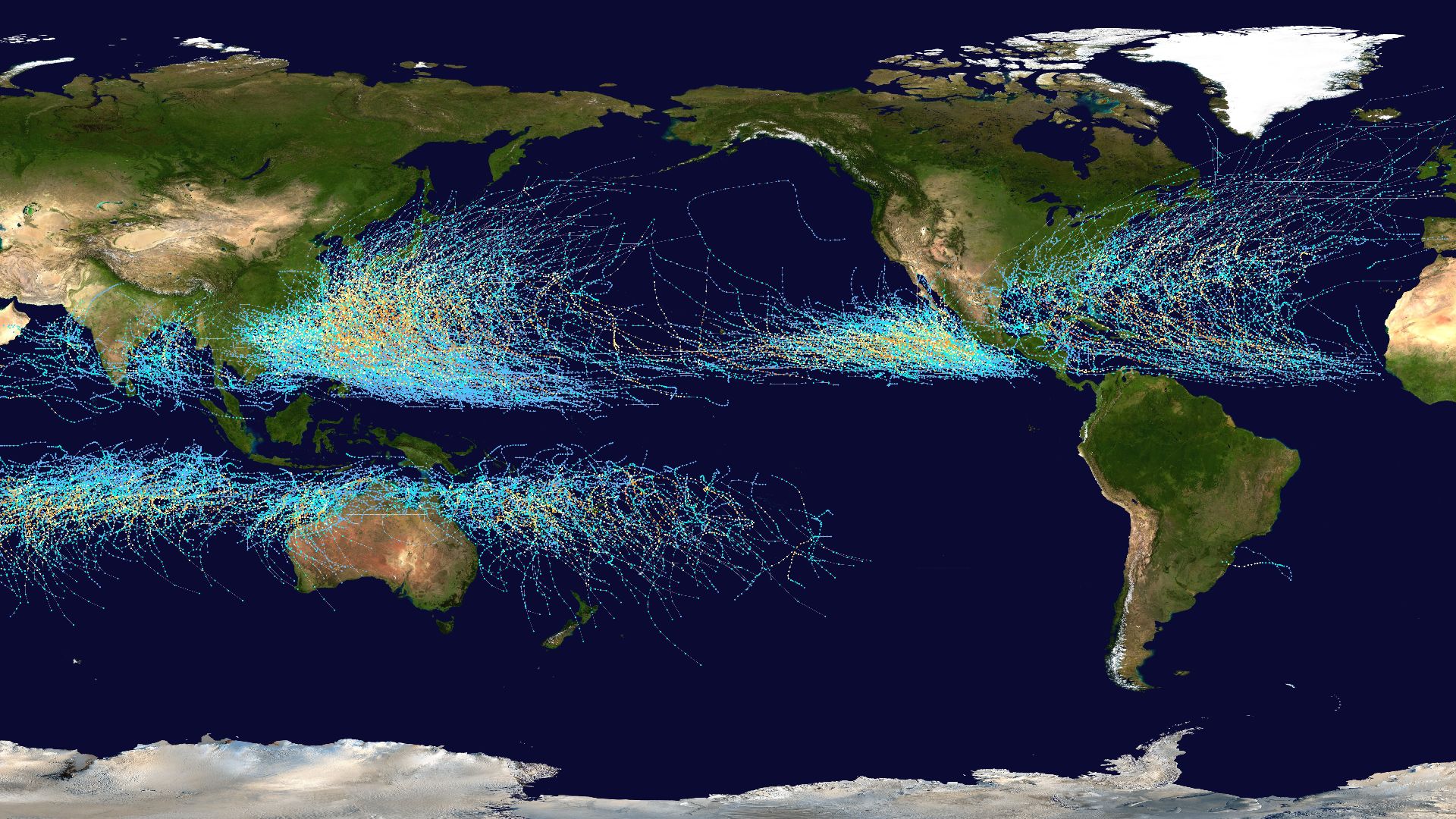
The horror of Bhola led to major reflection on warning systems and disaster preparedness. WMO says the disaster ultimately helped lay the foundations for its Tropical Cyclone Programme, created to improve forecasting, alerts, and international coordination. That doesn't erase what happened in 1970, but it does show that the storm changed how the world thought about cyclone risk.
 Background image: NASA
this version: Nilfanion on Wikimedia
Background image: NASA
this version: Nilfanion on Wikimedia
19. It Remains the Deadliest Tropical Cyclone Ever Recorded
Even after decades of storms, better satellites, and more modern forecasting, Bhola still holds this grim distinction. WMO continues to describe it as the world’s deadliest known tropical cyclone, which says a lot about the scale of what happened in those two November days.
20. Its Legacy Is Bigger Than the Storm Itself
Cyclone Bhola is remembered not only because of the death toll, but because it exposed how a natural hazard becomes much worse through neglect, inequality, and political failure. It was a weather event, a humanitarian catastrophe, and a historical turning point all at once.

KEEP ON READING
The 20 Most Recognized Historical Figures Of All Time
The Biggest Names In History. Although the Earth has been…
By Cathy Liu Oct 4, 2024
10 of the Shortest Wars in History & 10 of…
Wars: Longest and Shortest. Throughout history, wars have varied dramatically…
By Emilie Richardson-Dupuis Oct 7, 2024
10 Fascinating Facts About Ancient Greece You Can Appreciate &…
Once Upon A Time Lived Some Ancient Weirdos.... Greece is…
By Megan Wickens Oct 7, 2024
20 Lesser-Known Facts About Christopher Columbus You Don't Learn In…
In 1492, He Sailed The Ocean Blue. Christopher Columbus is…
By Emilie Richardson-Dupuis Oct 9, 2024
20 Historical Landmarks That Have The Craziest Conspiracy Theories
Unsolved Mysteries Of Ancient Places . When there's not enough evidence…
By Megan Wickens Oct 9, 2024
The 20 Craziest Inventions & Discoveries Made During Ancient Times
Crazy Ancient Inventions . While we're busy making big advancements in…
By Cathy Liu Oct 9, 2024