

10 Coup d'États That Failed Miserably & 10 That Were Too Successful
When Grabbing Power Turns Into a Plot Twist
Coups get written about like they’re clean, decisive events, but history usually tells a messier story. Some attempts fall apart because the planners can’t get enough support, can’t keep the country running, or can’t convince anyone they’re actually in charge. Others succeed so thoroughly that they reshape institutions, political culture, and everyday life for years. Here are ten that fizzled out fast, followed by ten that “worked” a little too well.
 Manik Sethisuwan at English Wikipedia on Wikimedia
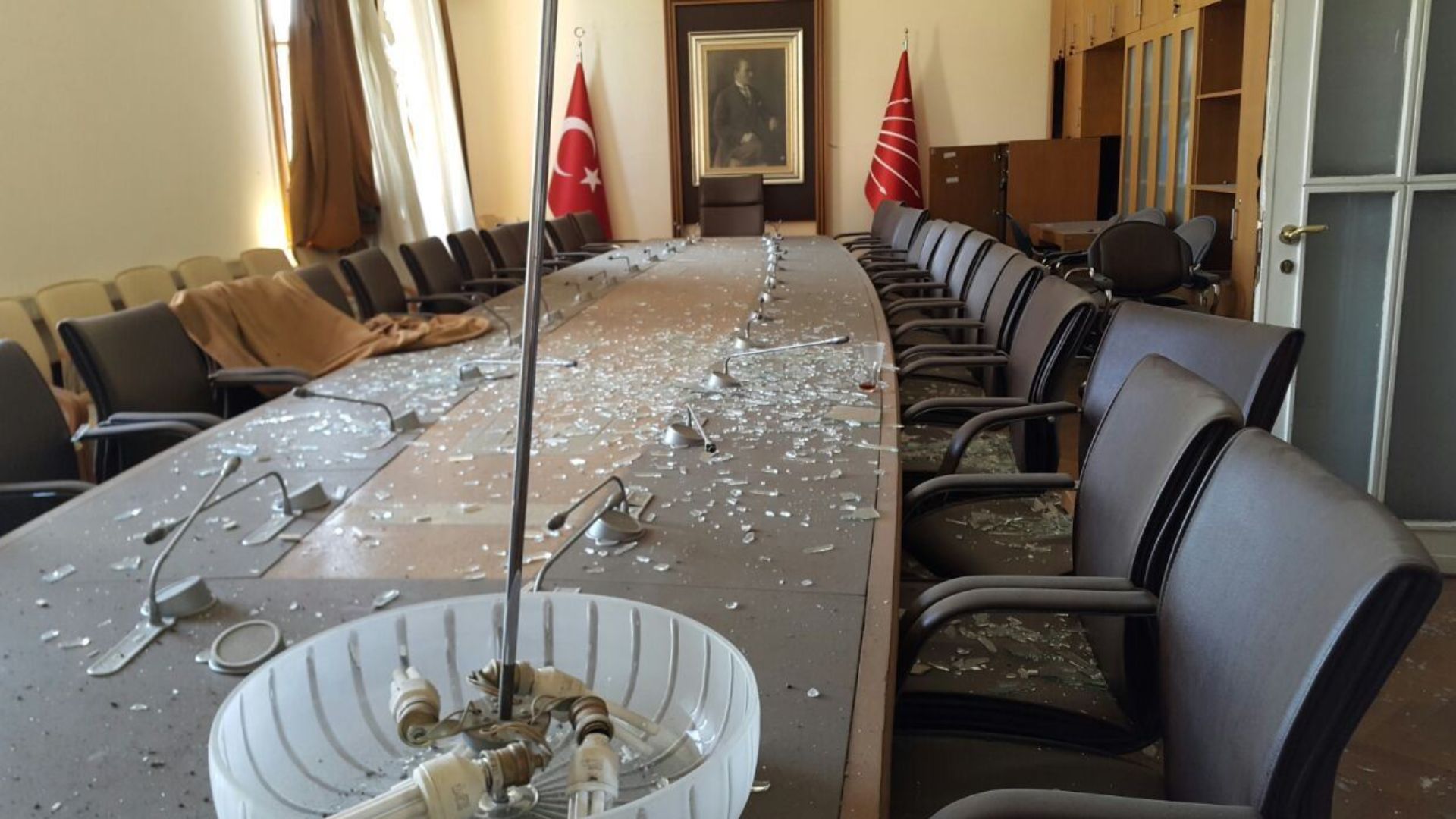
1. Turkey, 2016
Turkey’s attempted coup on July 15, 2016, unfolded fast, with a faction of the military trying to make the government look finished. Instead, the plot never gained the unified backing it needed, and resistance from loyal forces and civilians helped it collapse within hours. The aftermath included sweeping arrests and purges, and Turkey’s politics shifted even further toward a strong executive model.
 Yildiz Yazicioglu on Wikimedia
2. The Soviet Union, 1991
August 1991 is a reminder that grabbing the levers of power isn’t the same as being able to operate them. Communist hard-liners tried to sideline Mikhail Gorbachev by holding him captive and declaring a new emergency order, but the broader political and military establishment didn’t rally behind them. The coup collapsed in a matter of days, and the failure badly weakened Gorbachev’s standing and accelerated the Soviet Union's collapse.
 Defense Threat Reduction Agency on Wikimedia
3. Spain, 1981
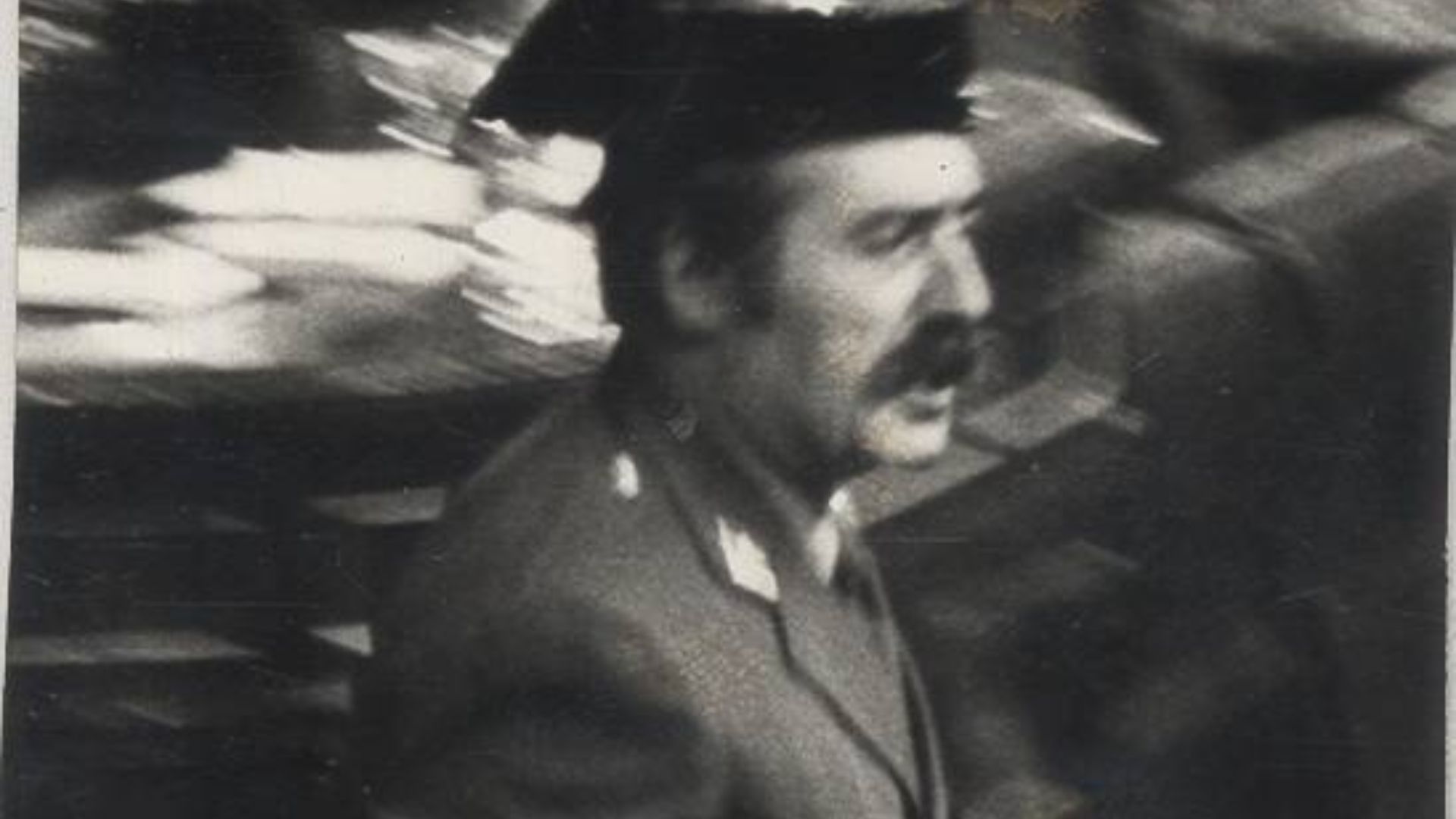
Spain’s 23-F episode had all the tension of a long night, but it ended with democracy intact. On February 23, 1981, armed Civil Guard officers stormed parliament during a vote and tried to force a political reversal. King Juan Carlos I publicly condemned the move, and the coup lost steam as the hours dragged on. Instead of pulling Spain backward, the failure reinforced the democratic transition and boosted the monarchy’s legitimacy.
 Diario Región (Oviedo) Agencia EFE on Wikimedia
4. Venezuela, 2002
Venezuela’s 2002 coup attempt briefly looked like a done deal, and then it wasn’t. Hugo Chávez was removed from office, and an interim leader, Pedro Carmona, was declared president for a short stretch. Carmona’s sweeping moves, including dissolving key institutions, sparked immediate backlash and made the new setup wobble right away. Within about two days, loyalists and mass mobilization helped bring Chávez back, leaving the country more politically divided than before.
 Prensa Presidencial - Government of Venezuela on Wikimedia
5. Burkina Faso, 2015
Burkina Faso’s 2015 overthrow played out with regional eyes watching and domestic anger rising by the hour. Members of the presidential guard detained transitional leaders, hoping to rewrite the country’s near-term future. Instead, pressure mounted quickly from inside Burkina Faso and from outside partners, and the coup collapsed within the week.

6. French Algeria, 1961
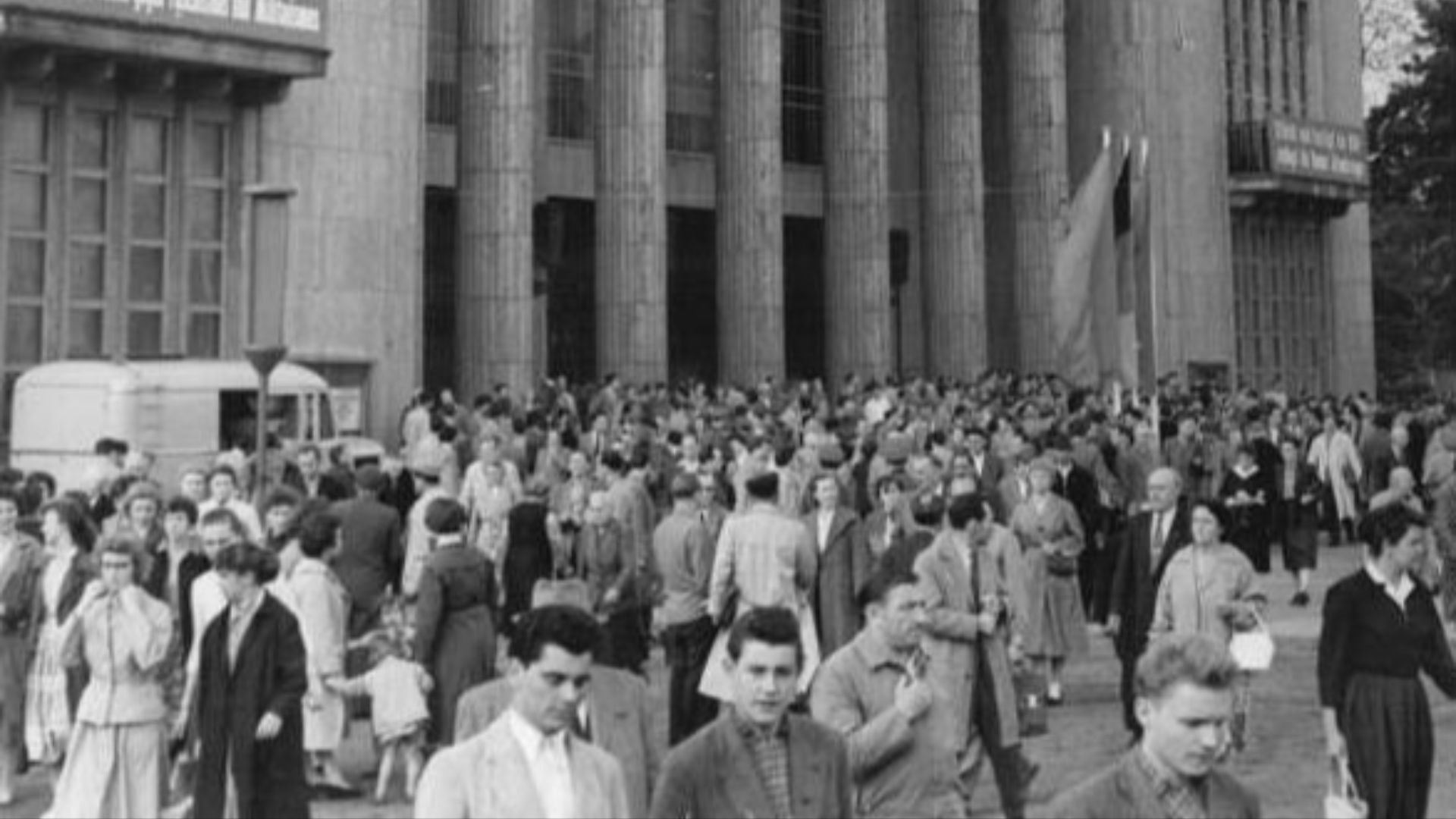
Algiers in 1961 was a pressure cooker, and some French generals tried to force President Charles de Gaulle to keep French Algeria. Four senior officers moved to seize control, betting that the rest of the army would fall in line. That broad backing never truly materialized, and the effort stalled instead of spreading. De Gaulle held his ground, and the episode signaled that French Algeria’s political future was slipping away.
7. Trinidad and Tobago, 1990
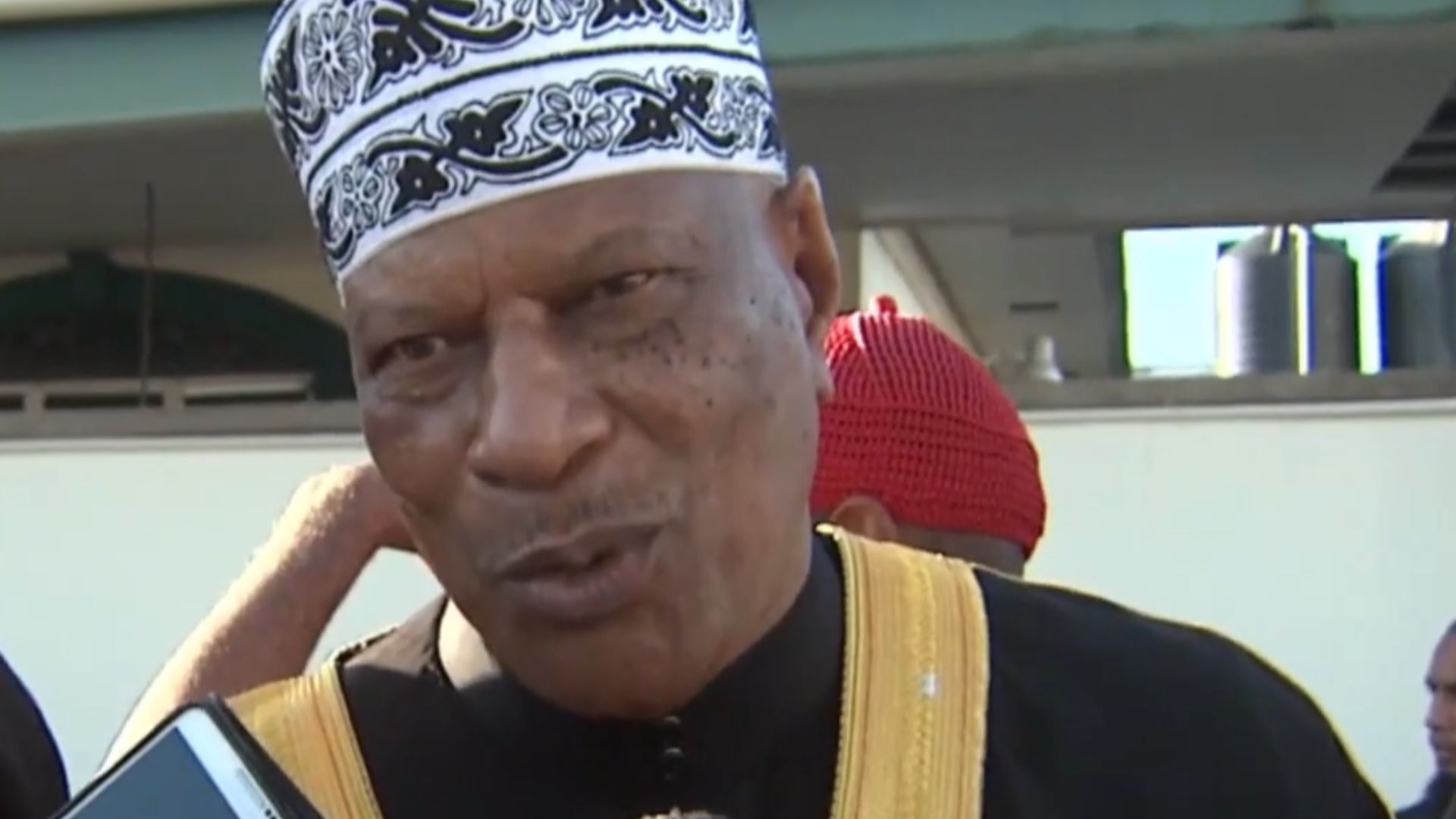
Trinidad and Tobago’s 1990 attempted coup showed that taking buildings isn’t the same as taking a country. Jamaat al Muslimeen insurgents stormed key sites and held government officials hostage for days. Even with dramatic announcements on television, the takeover never translated into stable national control. The group eventually surrendered, but the political and legal fallout lingered long after the headlines faded.
 Visual Art and Production on Wikimedia
8. Germany, 1944
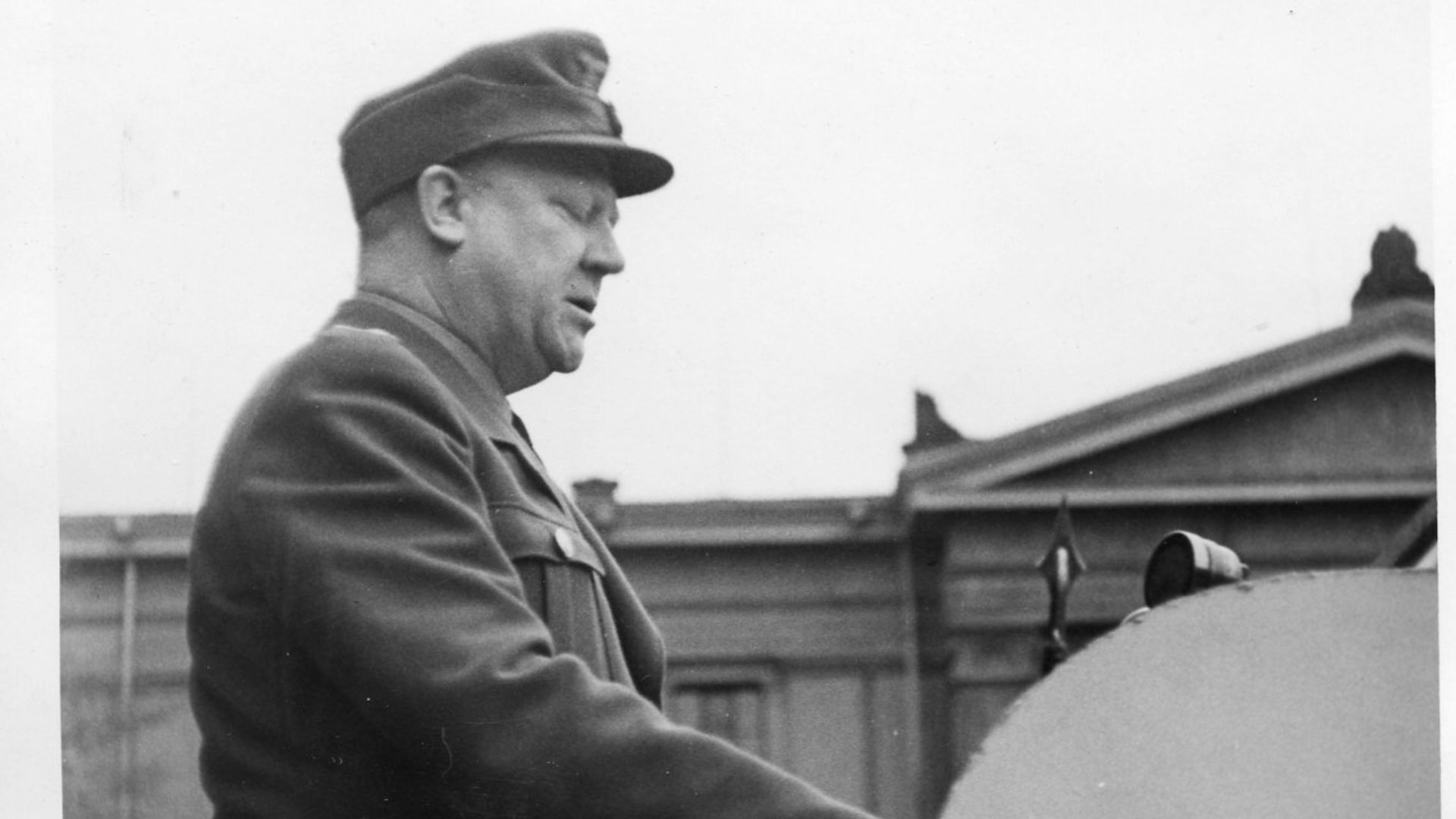
July 20, 1944, brought an audacious plan from German officers who believed removing Hitler could open the door to a new government. The plot combined an assassination attempt with a push to seize control and negotiate peace on different terms. When Hitler survived, the wider coup effort unraveled because the plan’s credibility vanished instantly.
 Riksarkivet (National Archives of Norway) on Wikimedia
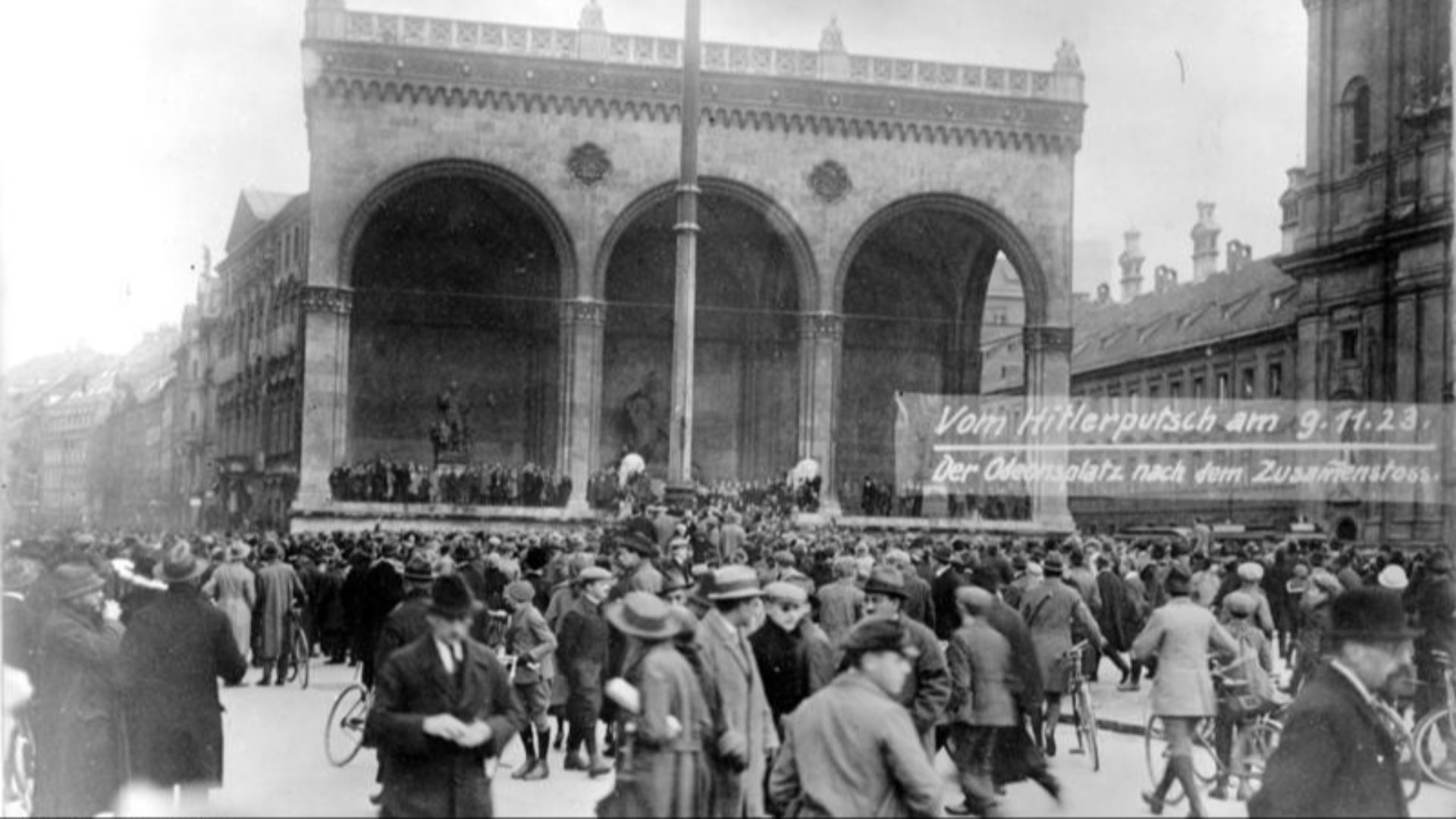
9. Germany, 1923
Hitler’s Beer Hall Putsch in Munich is infamous partly because it was a fiasco that didn’t stay neatly contained. On November 8–9, 1923, Hitler and his allies tried to ignite an insurrection against the Weimar Republic and expected the moment to snowball. Instead, authorities confronted the march, the effort collapsed, and key leaders were arrested. Ironically, the failure gave Hitler national attention and a prison stint that he later converted into political momentum.
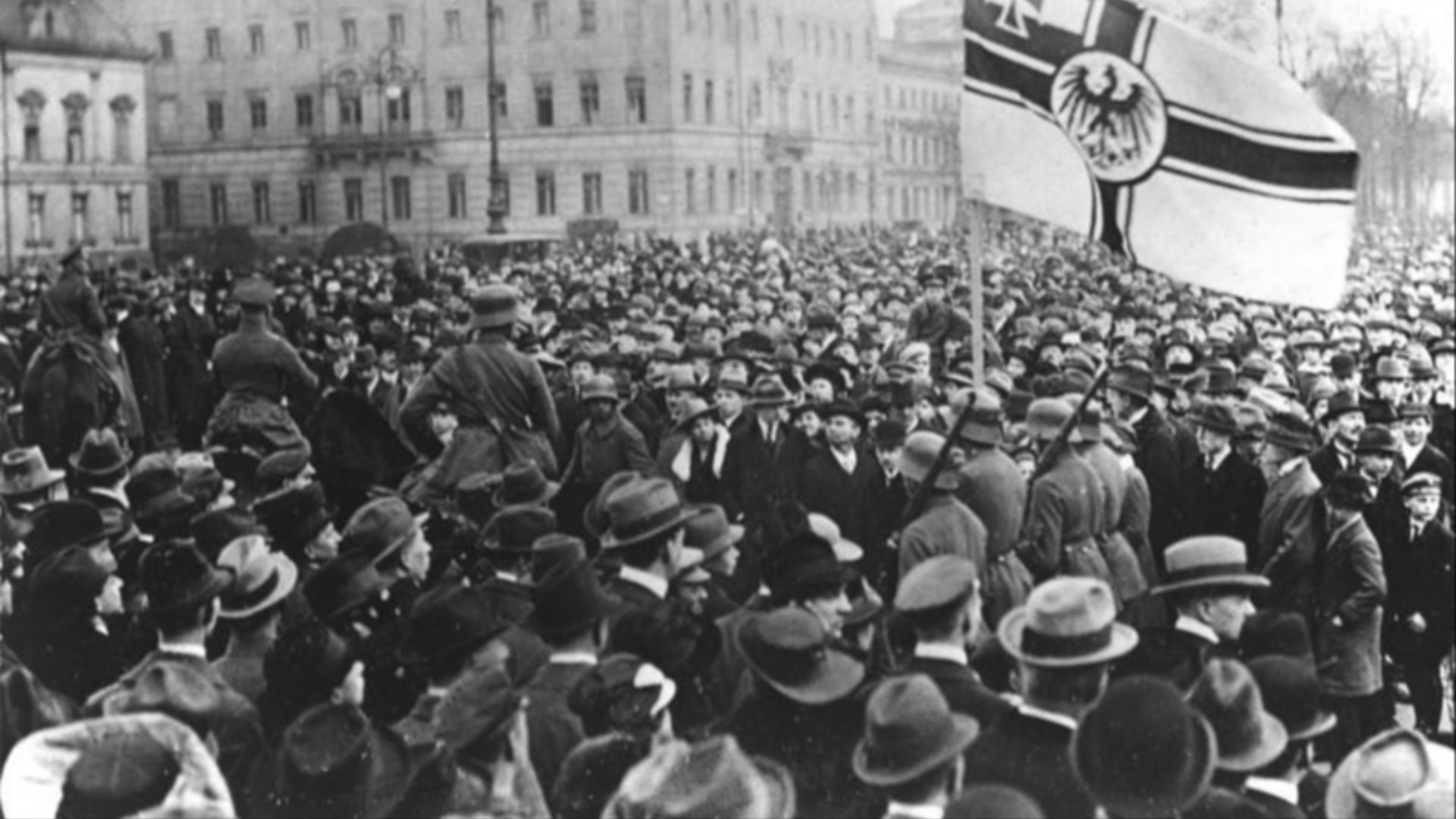
10. Germany, 1920
Germany’s Kapp Putsch proved that a government still needs workers, clerks, and everyday compliance to function. Wolfgang Kapp and his allies seized Berlin and claimed they were the new authority, while the legitimate leadership fled. A massive general strike and civil servants’ refusal to cooperate meant the conspirators couldn’t actually run the country. Within days, it collapsed, leaving embarrassment and instability instead of a new regime.
 Unknown authorUnknown author on Wikimedia
Now that we've talked about the coup attempts that failed horribly, let's talk about the ones that succeeded, maybe even too well for their own good.
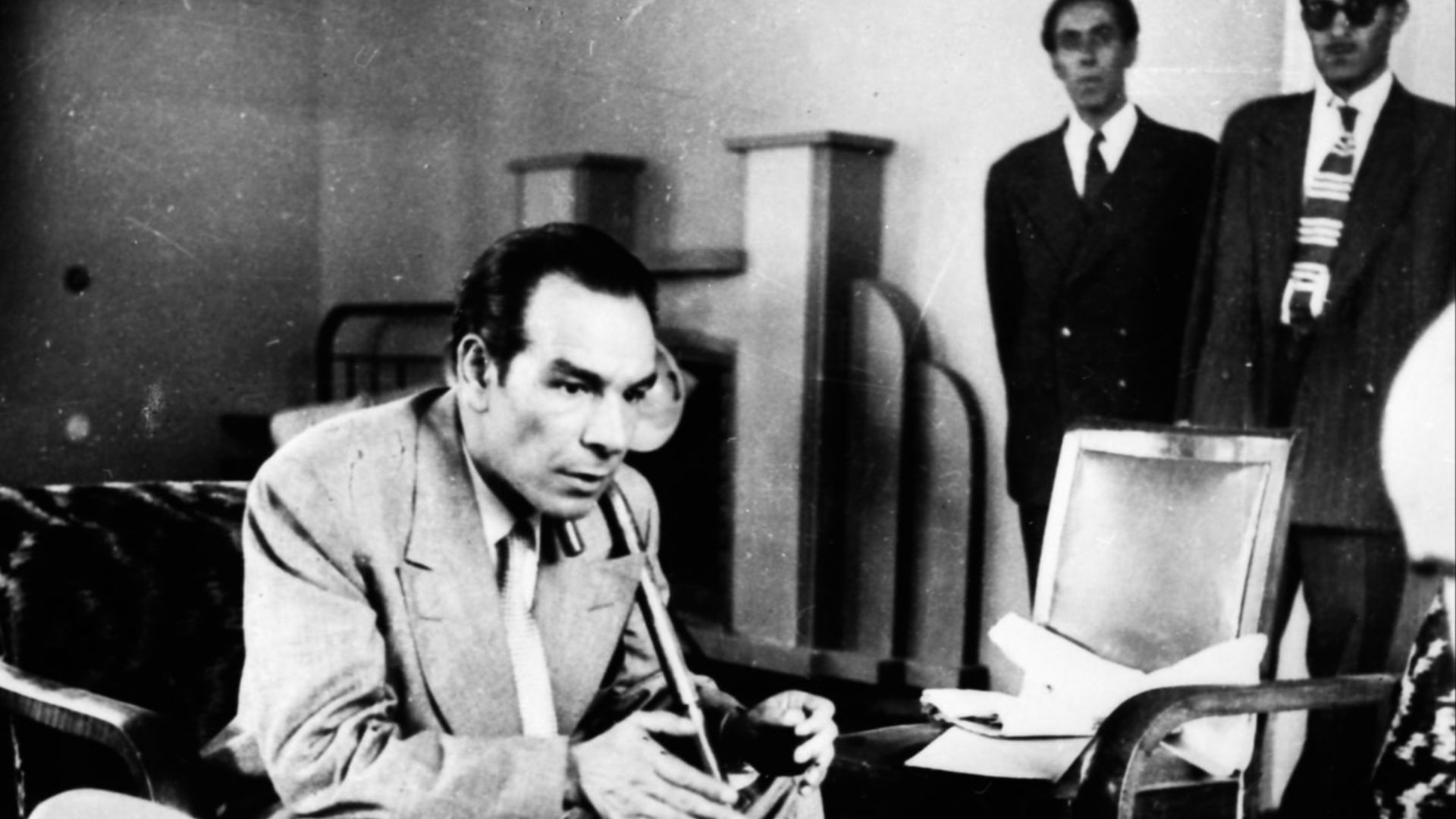
1. Iran, 1953
August 1953 in Iran is often remembered as a coup that worked quickly and echoed for decades. Prime Minister Mohammad Mosaddegh was removed, and Mohammad Reza Shah Pahlavi returned to power with a stronger grip. The operation succeeded at its immediate goal, but it also shaped how many Iranians viewed foreign influence and domestic legitimacy afterward. When a takeover “works” yet plants that kind of resentment, it’s hard not to call it too successful.
 William Arthur Cram on Wikimedia
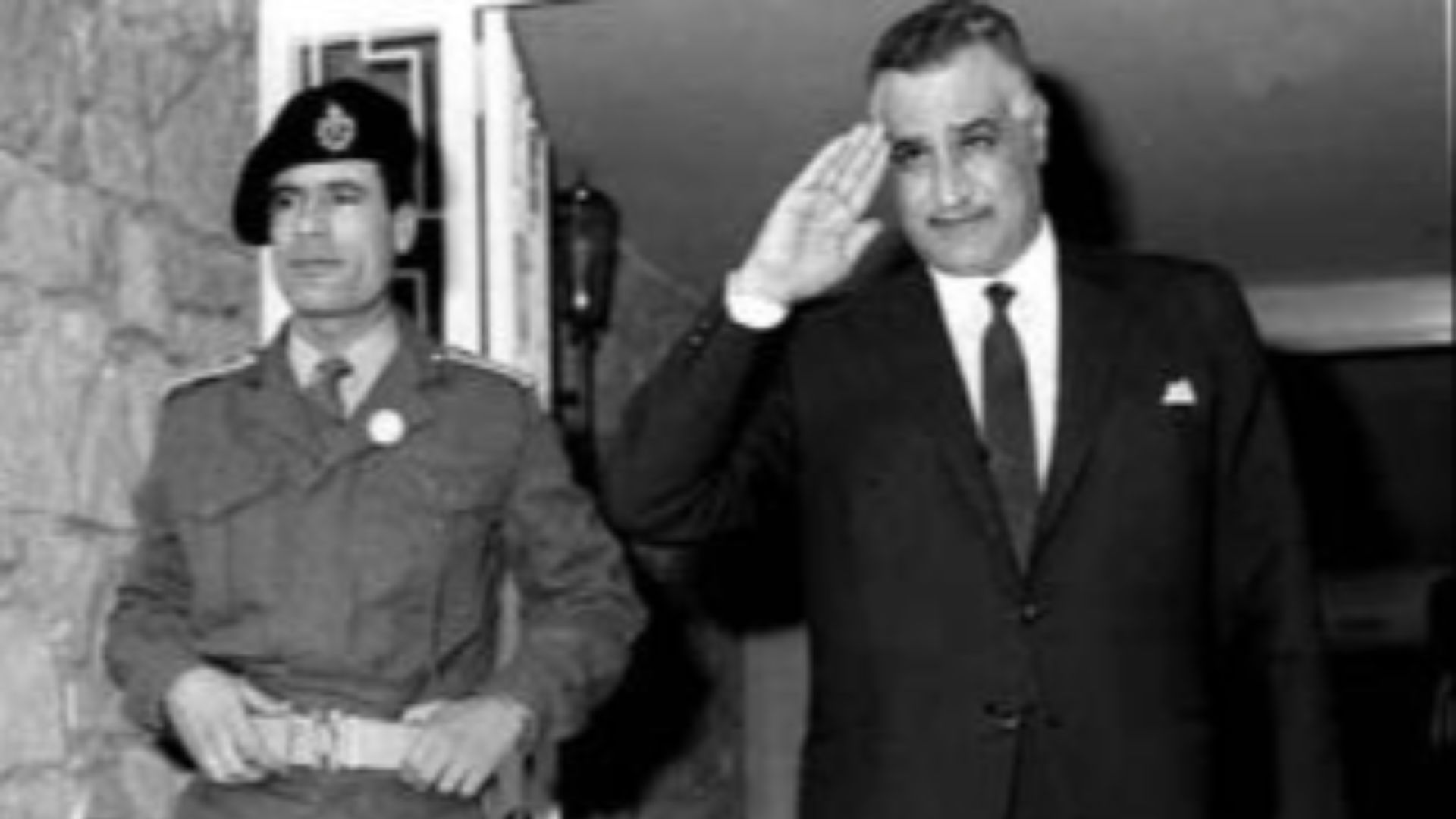
2. Libya, 1969
Libya’s 1969 coup was carried out by young officers, and it flipped the country’s identity almost overnight. King Idris was deposed, the monarchy ended, and a republic was proclaimed. Muammar al-Qaddafi emerged as the leading figure, and his rule became a defining feature of Libya for decades.
 Photographer working for on Wikimedia
3. Brazil, 1964
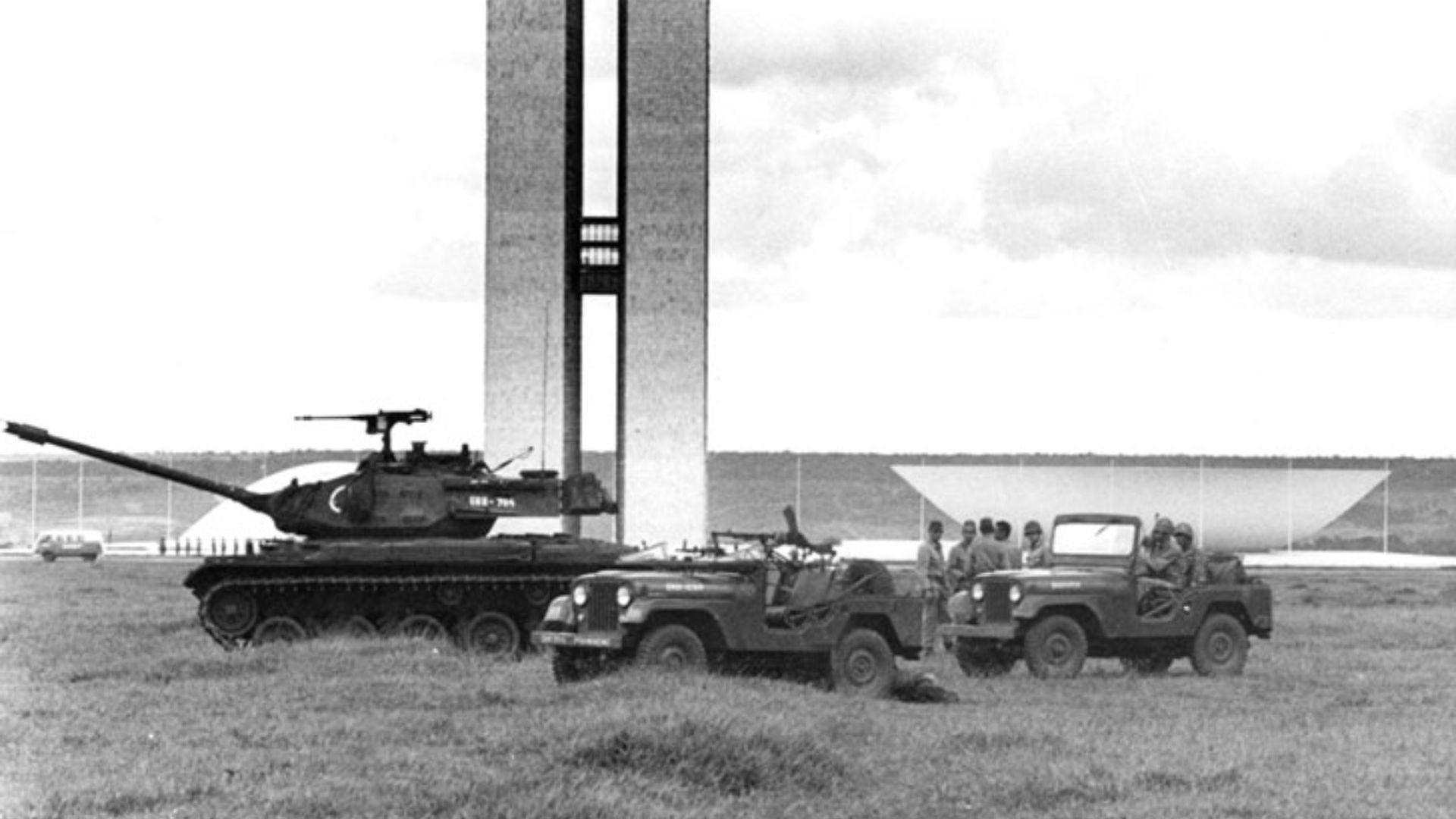
Brazil’s 1964 military coup didn’t just remove a president; it set up a whole political era. President João Goulart was ousted, and the country entered a military dictatorship that lasted until 1985. The sheer duration mattered because it shaped institutions, expectations, and what politics in Brazil looked like for a generation.
 Arquivo Público do Distrito Federal on Wikimedia
4. Chile, 1973
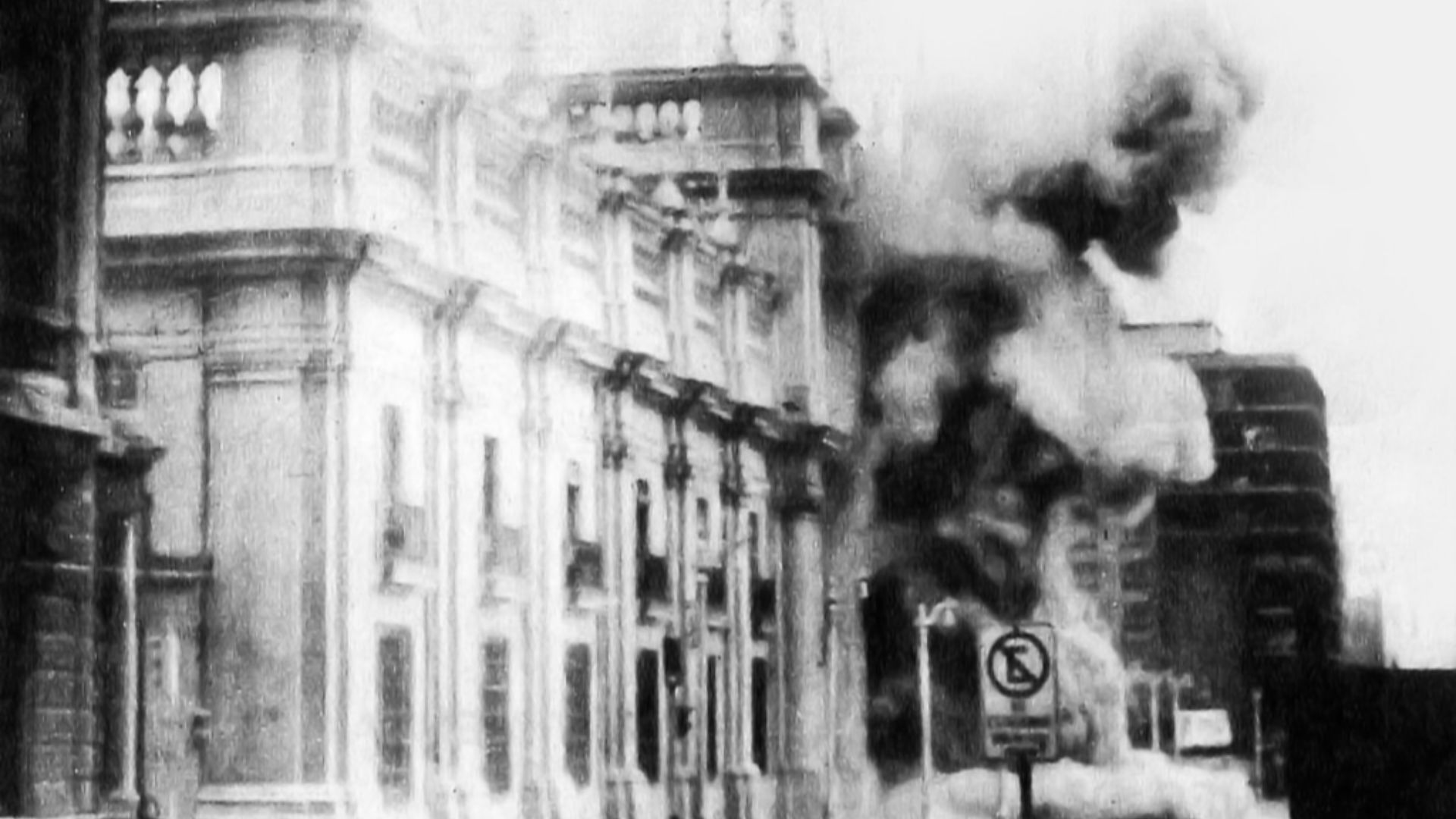
It's not an exaggeration to call Chile’s September 11, 1973, coup a turning point. The armed forces overthrew President Salvador Allende’s elected government and installed a junta led by Gen. Augusto Pinochet. The dictatorship that followed lasted 17 years and left a deep imprint on Chilean politics and society.
 Biblioteca del Congreso Nacional de Chile on Wikimedia
5. Argentina, 1976
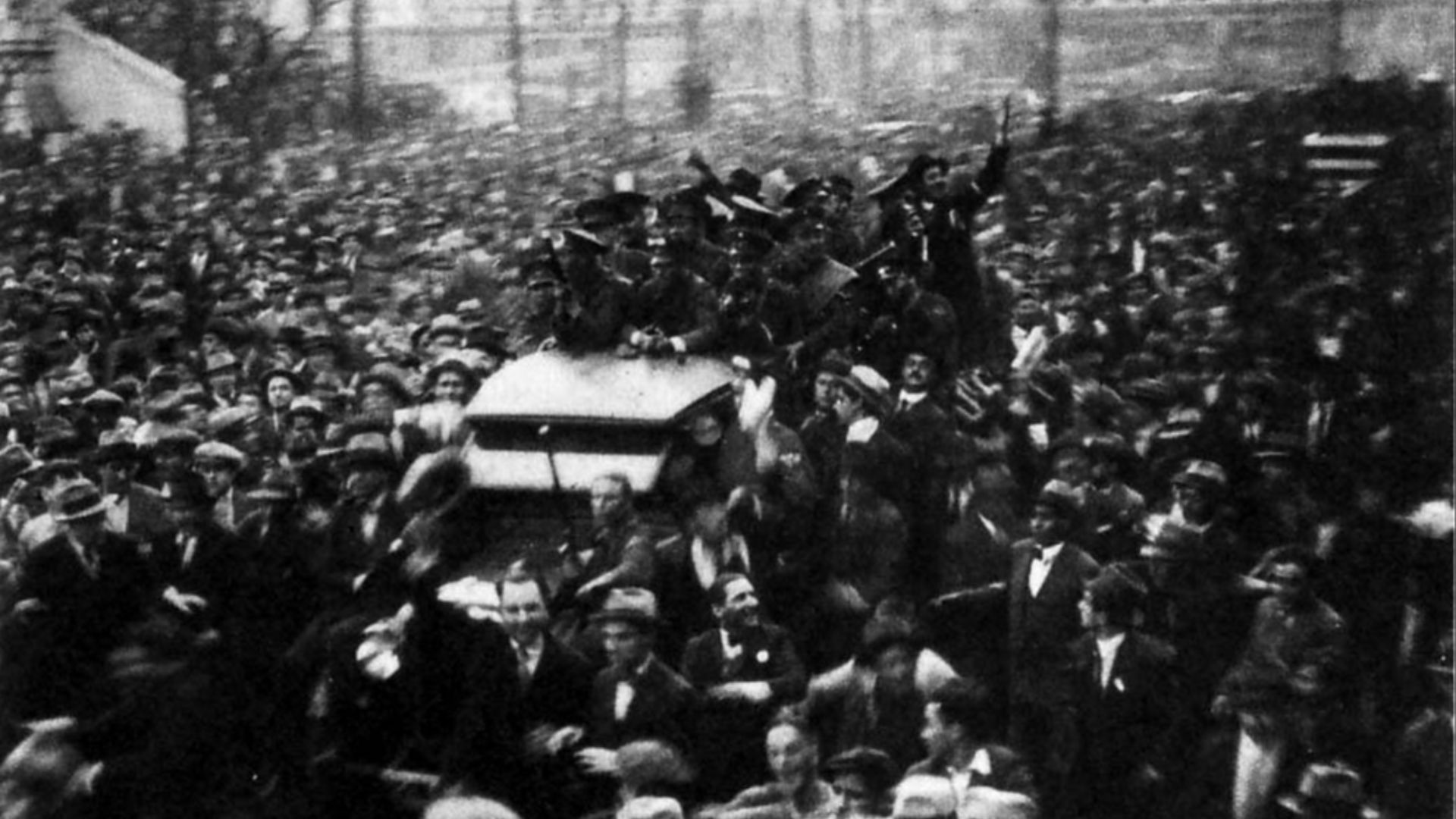
Argentina’s 1976 coup didn’t present itself as a quick fix, and the name the junta chose reflected that ambition. The military removed President Isabel Perón and launched what it called the “National Reorganization Process.” The period that followed is widely associated with severe state repression and a lasting human rights legacy, even after democracy returned. When a coup seizes power and holds it for years, the success becomes the country’s defining problem.
 Unknown authorUnknown author on Wikimedia
6. Pakistan, 1999
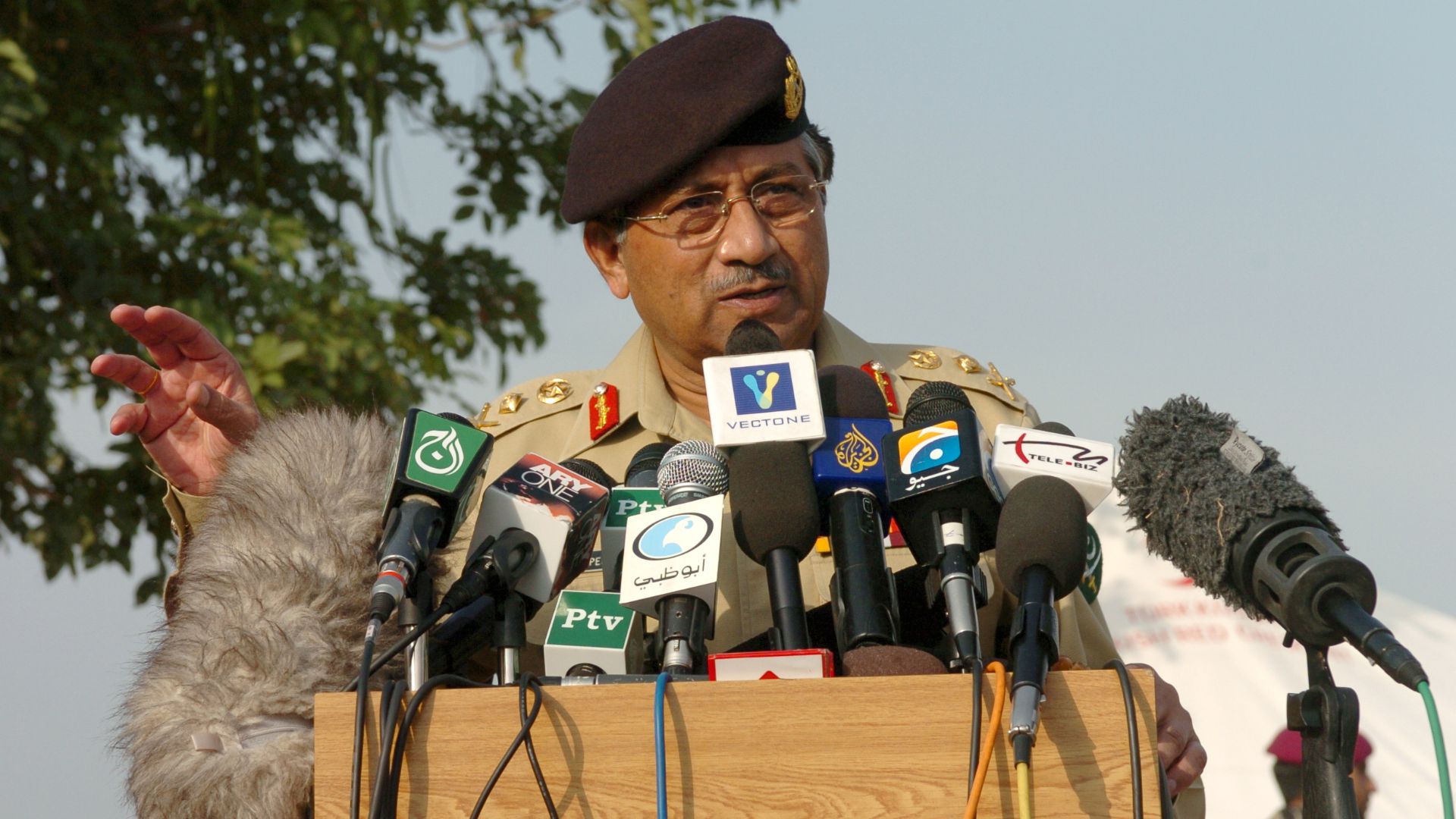
Pakistan’s 1999 coup stands out for how swiftly it replaced civilian leadership with military control. Gen. Pervez Musharraf took power in 1999 and later became president, reshaping the country’s political direction in the 2000s. The constitutional order was suspended and reworked in practice, and military influence became even more explicit. Even years later, Pakistan’s politics kept circling back to the precedents set during that era.
 U.S. Navy Photo by Timothy Smith on Wikimedia
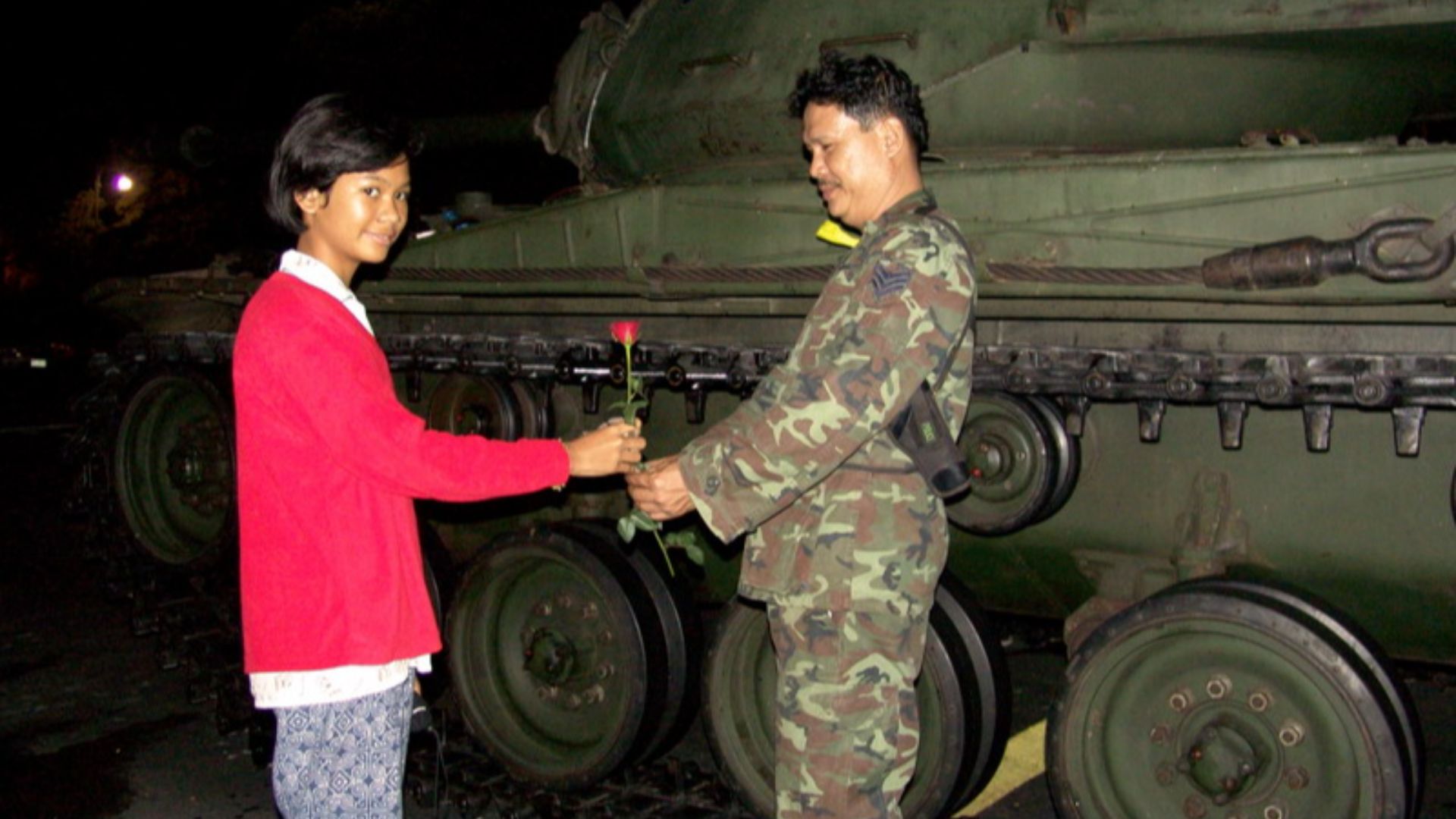
7. Thailand, 2014
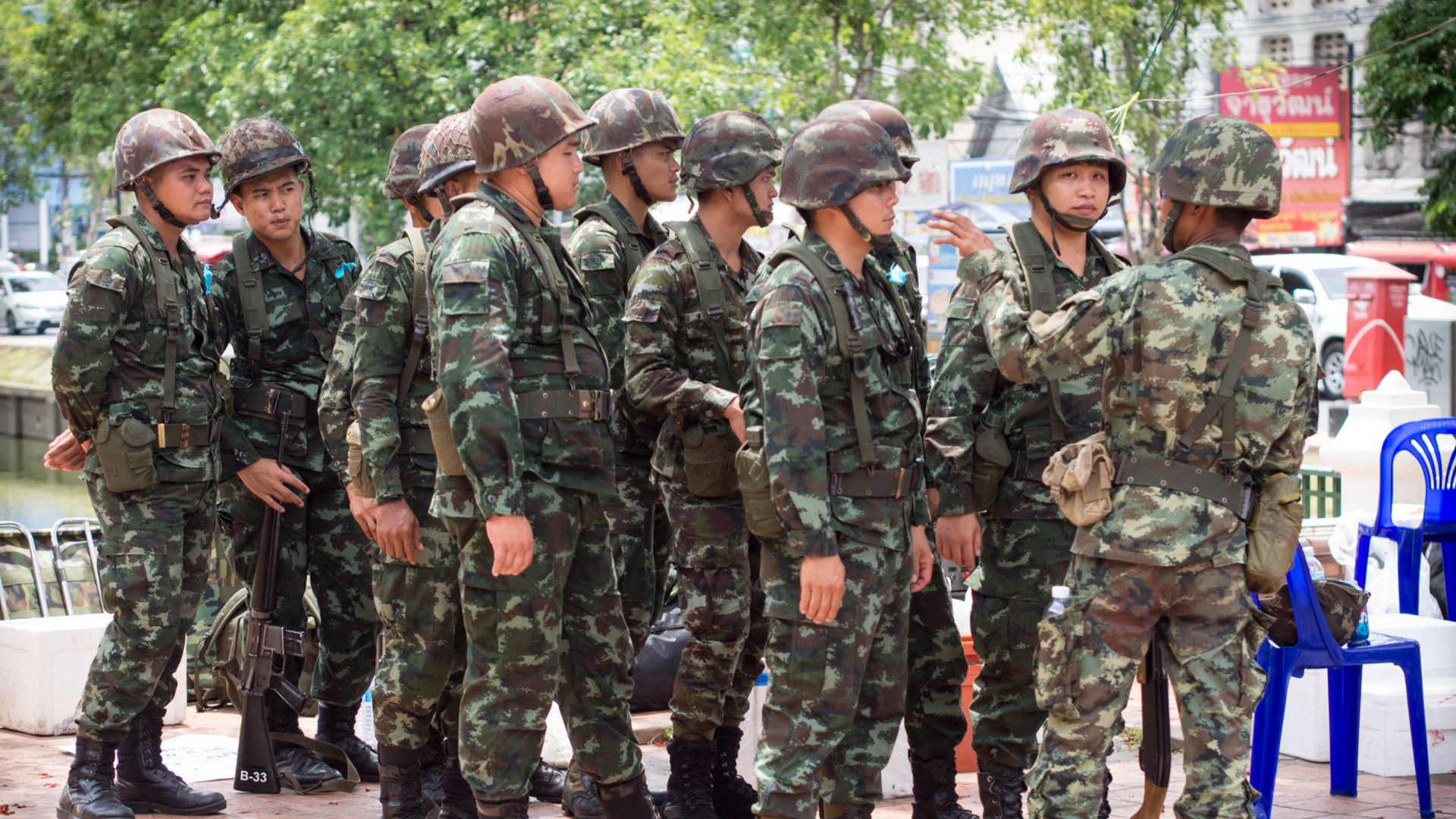
Thailand has seen multiple coups, but the 2014 takeover was especially effective at turning crisis into long-term rule. Gen. Prayuth Chan-ocha led the coup, established a junta, and then became prime minister. Promises of a return to normal politics arrived slowly, and the post-coup constitutional setup preserved strong military influence. When one coup reshapes the rules for nearly a decade, the success becomes structural, not just political.
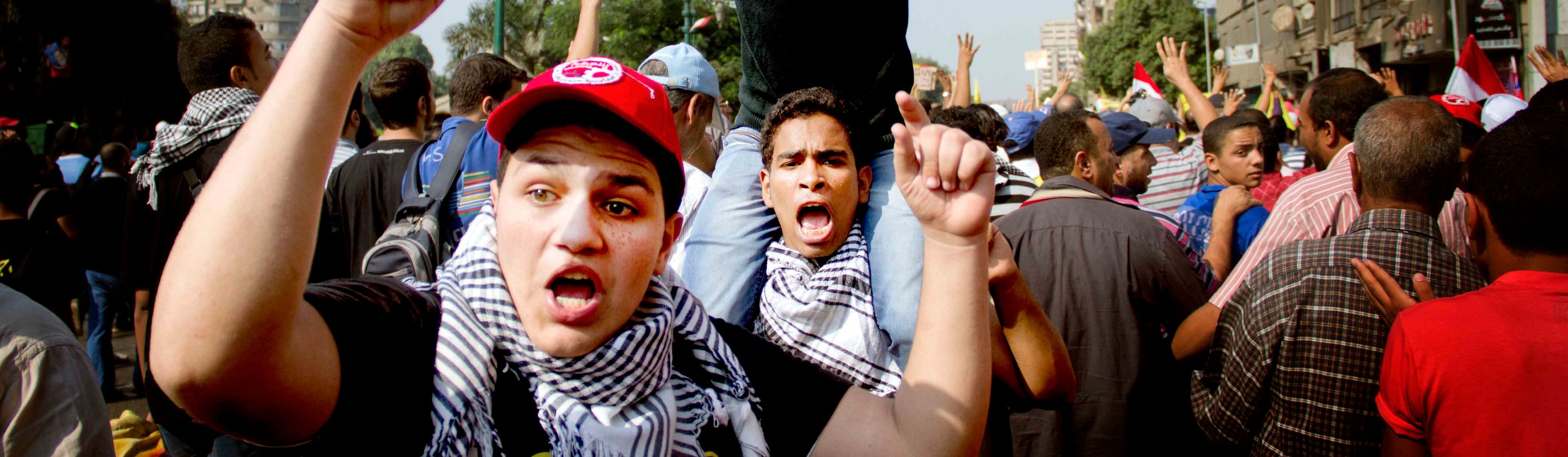
8. Egypt, 2013
Egypt’s 2013 coup followed massive protests, but the decisive shift came when the military removed President Mohamed Morsi. Gen. Abdel Fattah el-Sisi became Egypt’s de facto leader in July 2013 and then won the presidency in 2014. The change didn’t only swap leaders; it reordered which political forces had room to operate. For anyone expecting a smooth democratic consolidation after 2011, this takeover’s success was a major jolt.
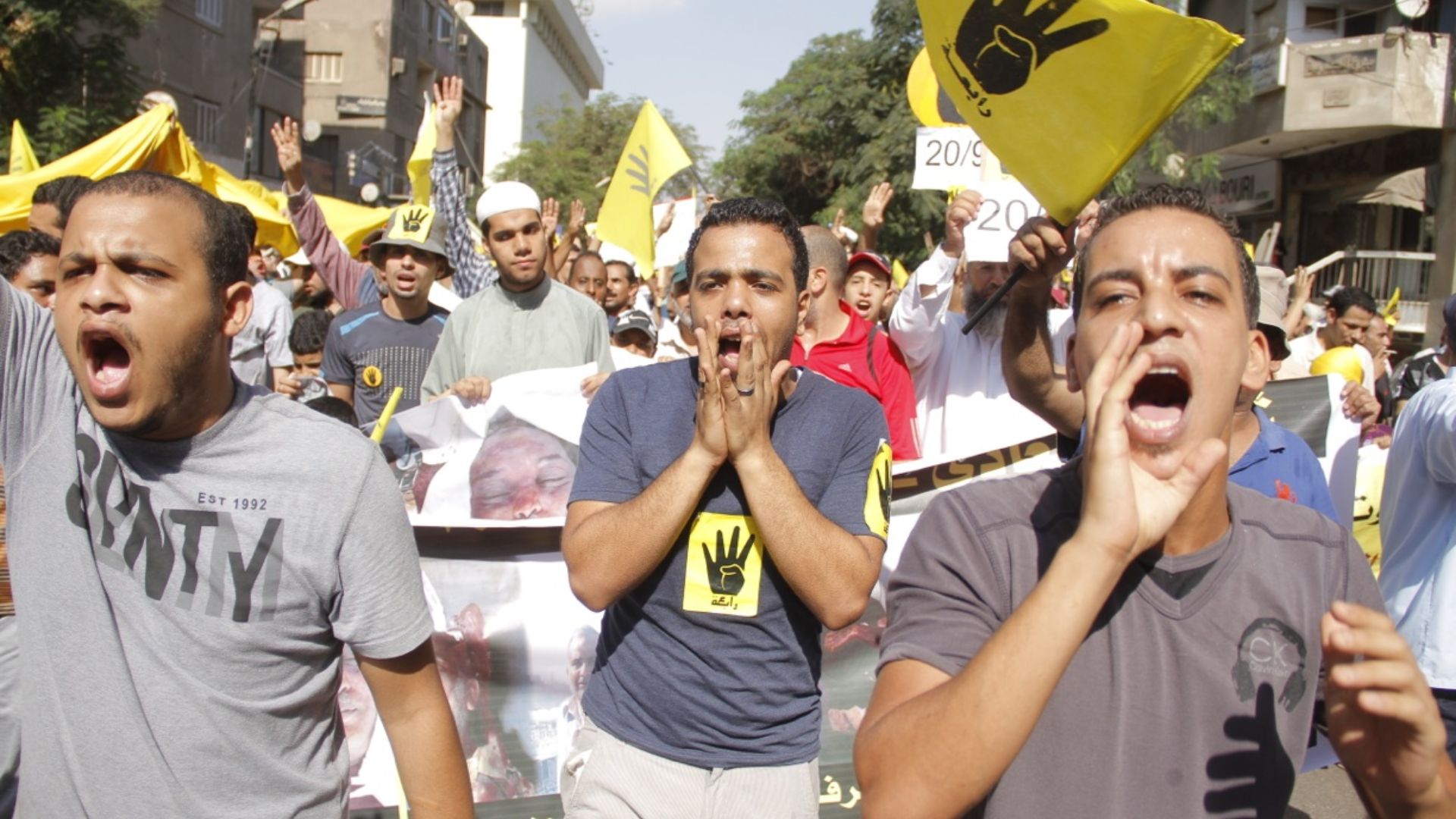 Hamada Elrasam for VOA on Wikimedia
9. Honduras, 2009
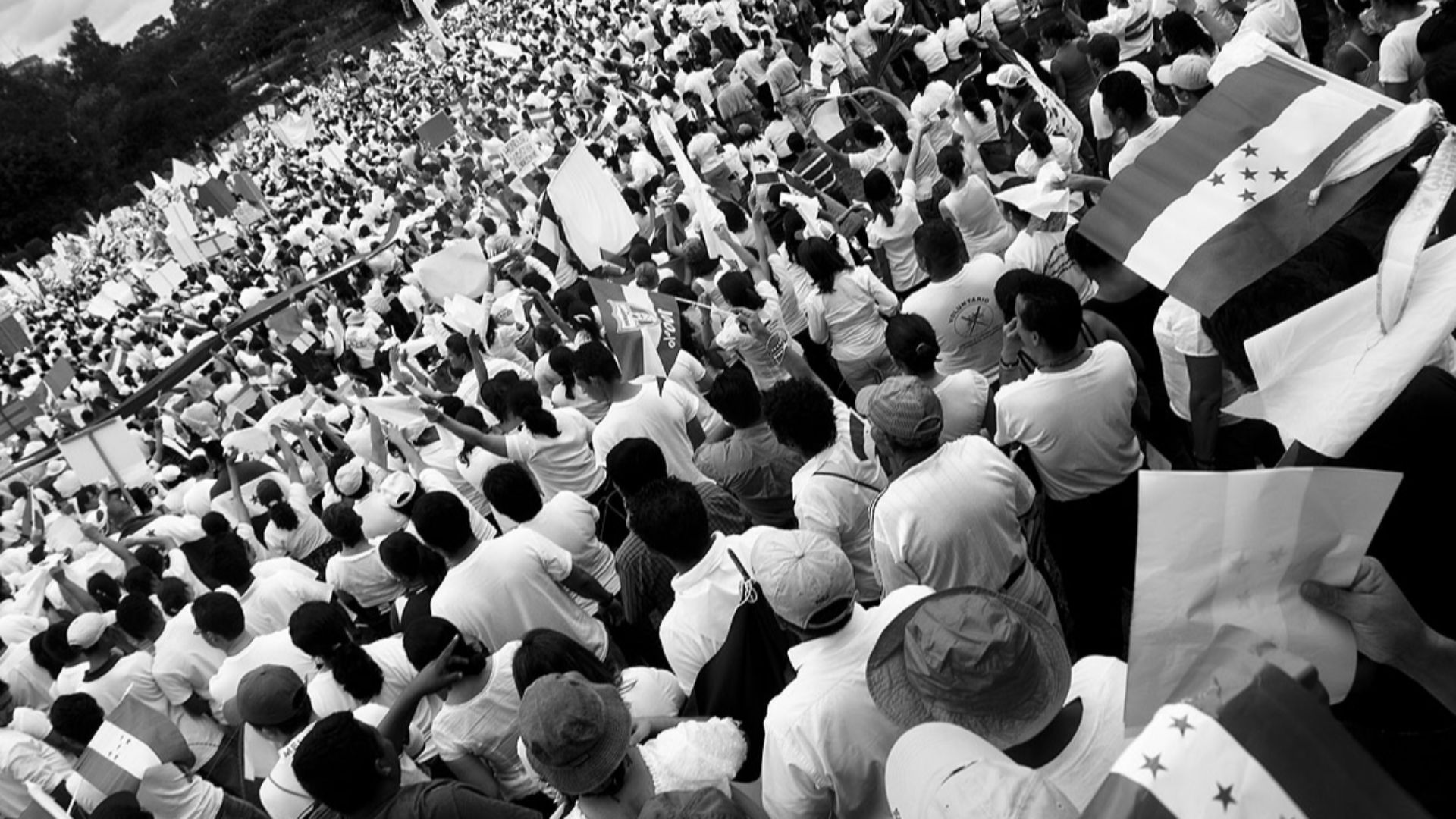
Honduras in 2009 delivered a stark lesson in how quickly legitimacy can fracture. President Manuel Zelaya was deposed and sent out of the country by the military, prompting widespread international condemnation. The result was a long-running political trust problem that kept resurfacing in elections and street politics.
10. Zimbabwe, 2017
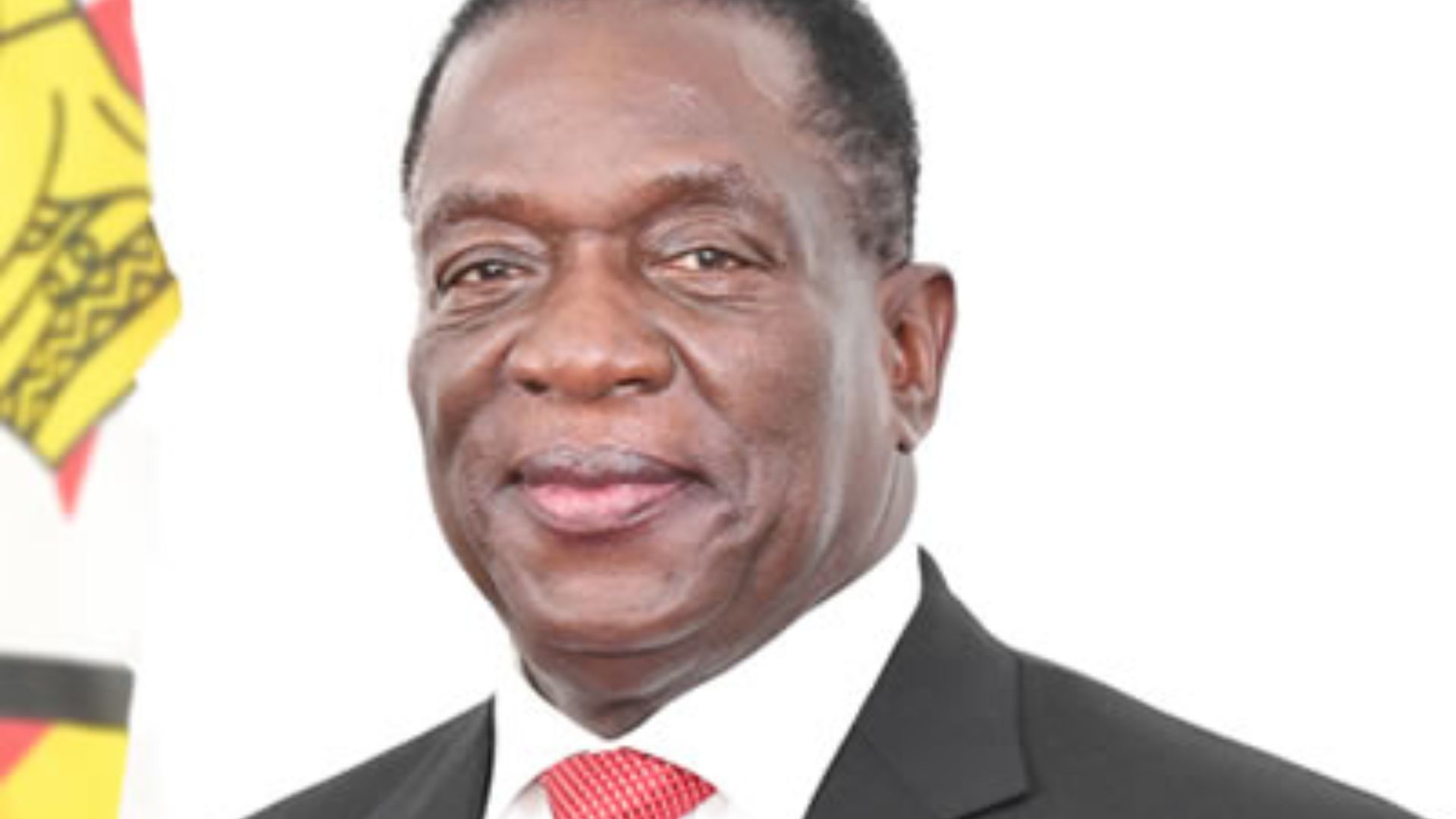
Zimbabwe’s 2017 power shift was described in careful language, but the outcome didn’t leave much ambiguity. Robert Mugabe resigned under intense pressure, ending his rule, and Emmerson Mnangagwa took over soon after. The ruling party moved on with striking speed, showing just how thoroughly the transition had been locked in.
KEEP ON READING

10 Greatest Quarterbacks Of All Time & 10 That Are…
Do You Disagree?. Few topics in sports generate as much…
By Farva Ivkovic Dec 2, 2025
The story of Ching Shih, the Woman Who Became the…
Unknown author on WikimediaFew figures in history are as feared…
By Emilie Richardson-Dupuis Dec 29, 2025
20 Shakespearean Words, Translated For A Modern Audience
What’s In A Word?. Shakespeare was a wordsmith of the…
By Breanna Schnurr Dec 17, 2025
20 Inspiring Stories From Native American History
Incredible Stories Of Resilience And Endurance. Many of us didn't…
By Ashley Bast Dec 17, 2025
You Think You Have Problems? These Royal Families Were Cursed
Boasson and Eggler St. Petersburg Nevsky 24. on WikimediaHeavy is…
By Ashley Bast Dec 5, 2025
MH370: The Plane That Can't Be Found
Anna Zvereva from Tallinn, Estonia on WikimediaEleven years after Malaysia…
By Christy Chan Dec 10, 2025