

10 Conspiracy Theories That Turned Out True And 10 That Still Might Be
Some Were Proven, Some Still Linger
Conspiracy talk starts with a mismatch: the official story sounds tidy, yet power rarely behaves that neatly. Sometimes the “secret plot” is really just incompetence, panic, and a bunch of people protecting their careers in real time. Other times, the suspicious version turns out to be closer to reality than anyone wants to admit. The uncomfortable truth is that the world has room for both genuine conspiracies and fantasies that borrow the tone of truth without the spine of it. Here are ten conspiracies that were confirmed, followed by ten that still have enough unresolved evidence or institutional opacity to keep arguments alive.
 NeferJanah Meistrup on Wikimedia
1. MKUltra And Secret Mind-Control Experiments
For years, “CIA mind control” sounded like pulp fiction, until investigations and surviving records showed the agency really did run covert programs involving drugs and behavior research. The unnerving part is how normal the machinery looks on paper: budgets, subprojects, contractors, and a lot of moral shrugging dressed up as national security.
 Unknown authorUnknown author on Wikimedia
2. COINTELPRO Targeted Domestic Political Groups
People long suspected the FBI wasn’t just watching activist groups, it was actively trying to disrupt them. Later disclosures and official investigations confirmed programs that included infiltration, smears, and efforts to sow internal conflict, which makes the whole “paranoid” label feel like a convenient insult.
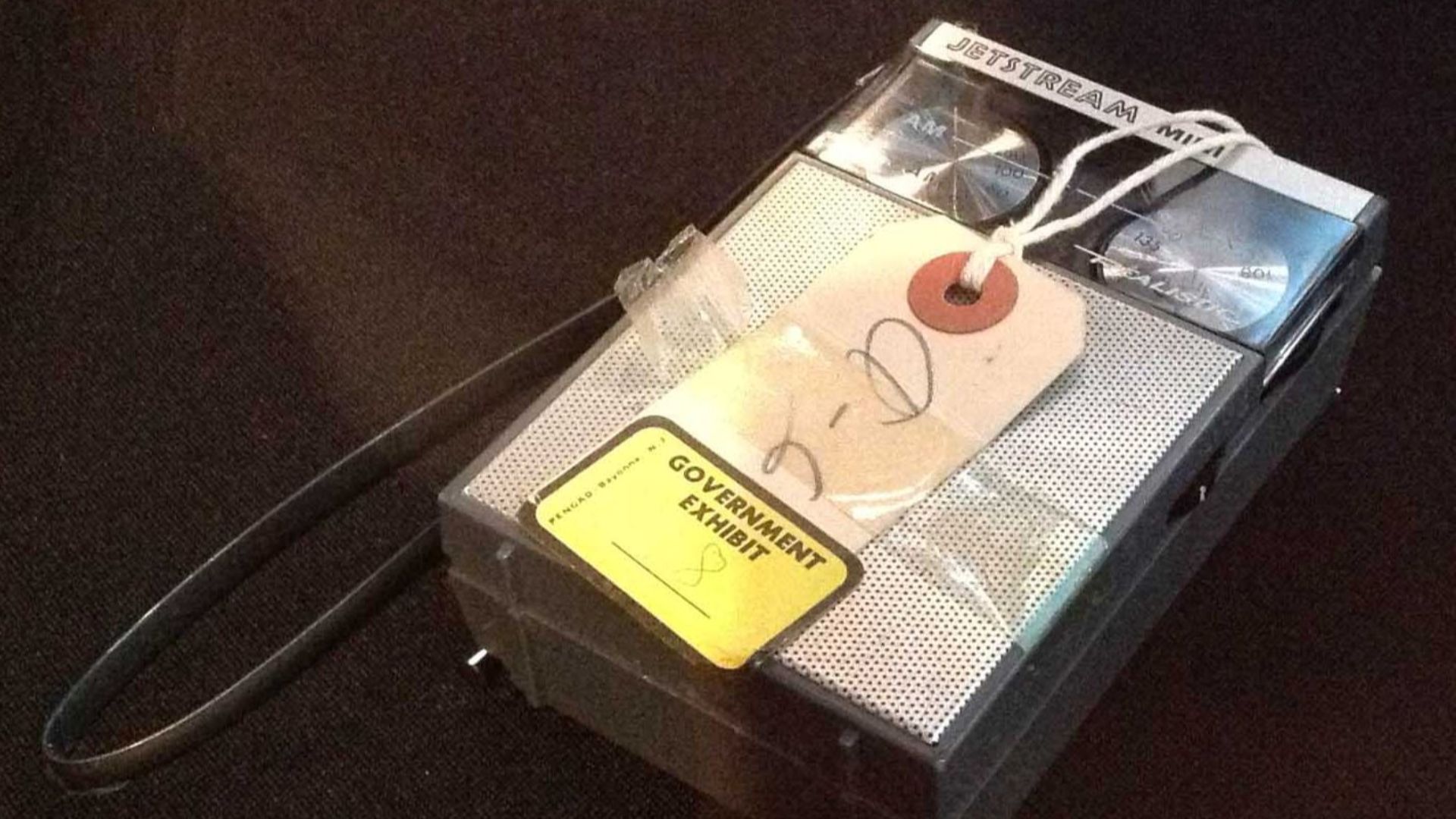
3. Watergate Was A Coordinated Operation
The Watergate break-in wasn’t a random crime that accidentally landed near politics. It grew into documented evidence of a broader political operation and a systematic cover-up, ending in a presidential resignation and a national lesson about how much dirt can hide behind confident denials.
 Unknown authorUnknown author on Wikimedia
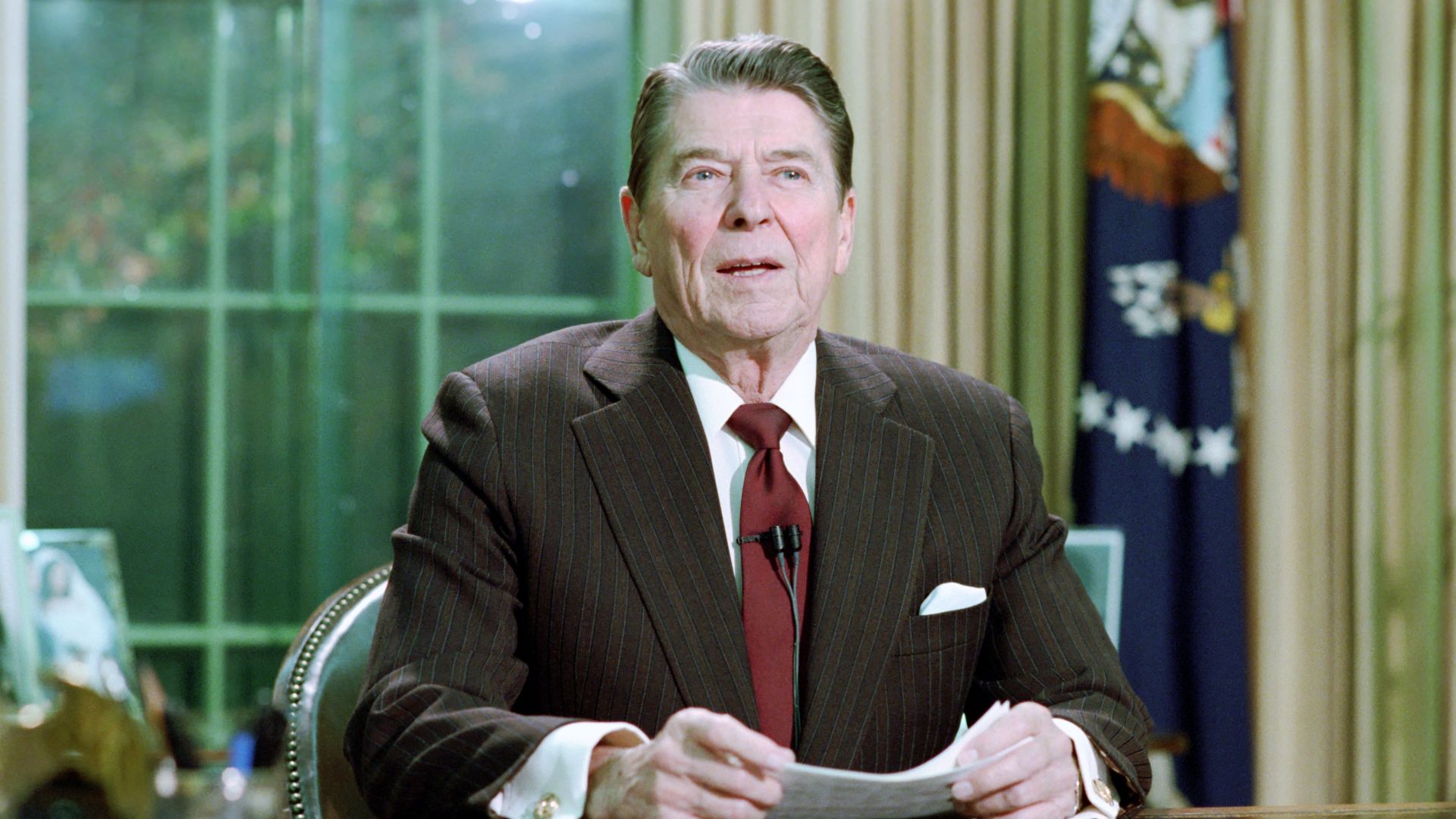
4. The Iran-Contra Network Ran In The Shadows
The public story was one thing, and the operational reality was another: arms deals, diverted funds, and a clandestine pipeline that didn’t match what officials told the public at the time. It’s the classic shape of a real conspiracy, not mystical, just secretive, bureaucratic, and ruthless about plausible deniability.
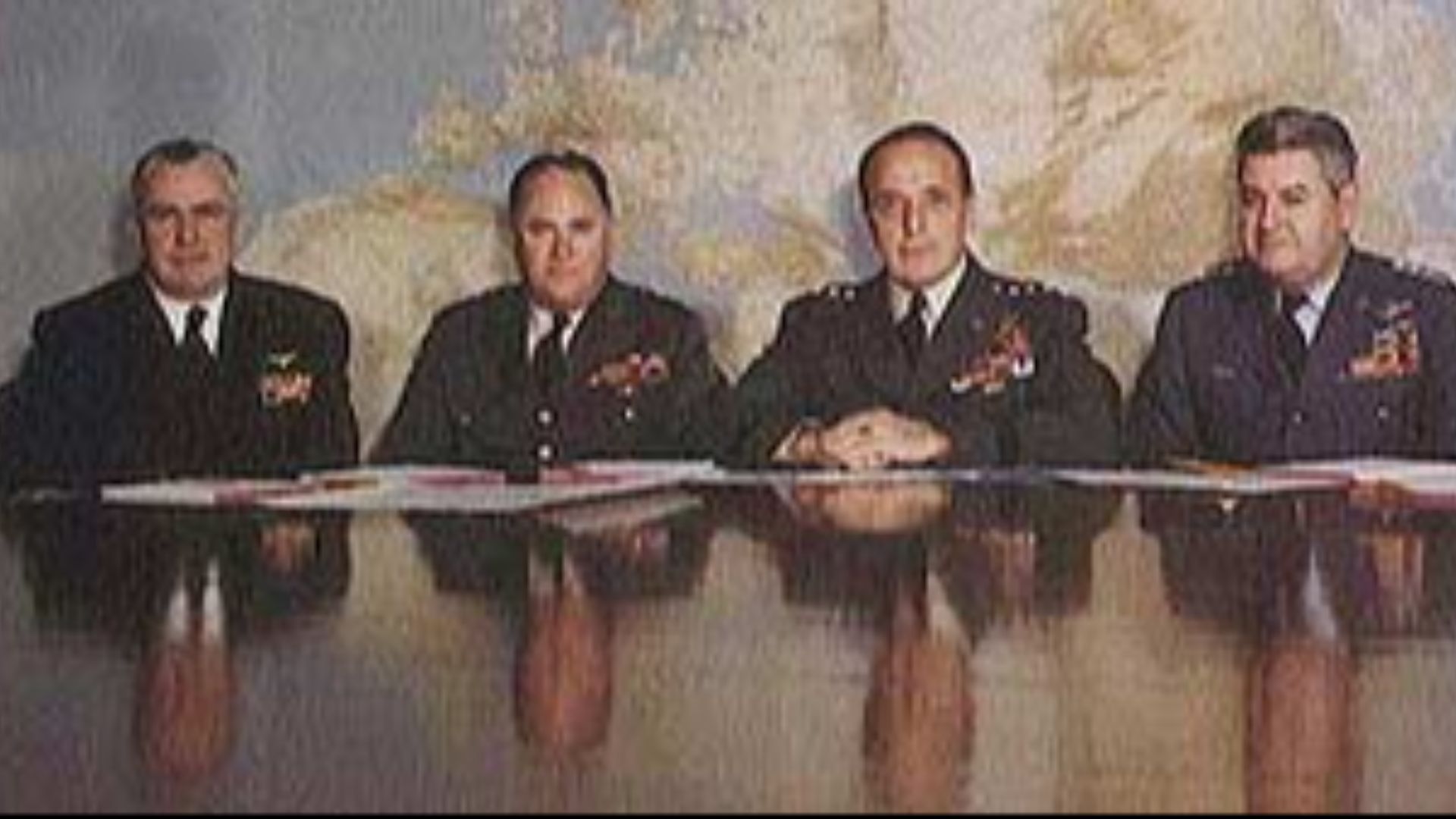
5. Operation Northwoods Was Actually Proposed
This one matters because it shows what can be imagined inside government rooms even if it never gets executed. The plan involved proposing staged incidents as pretexts for action against Cuba, and the fact it existed at all is enough to rattle anyone who thinks “they would never.”
 Joint Chiefs of Staff, JCS on Wikimedia
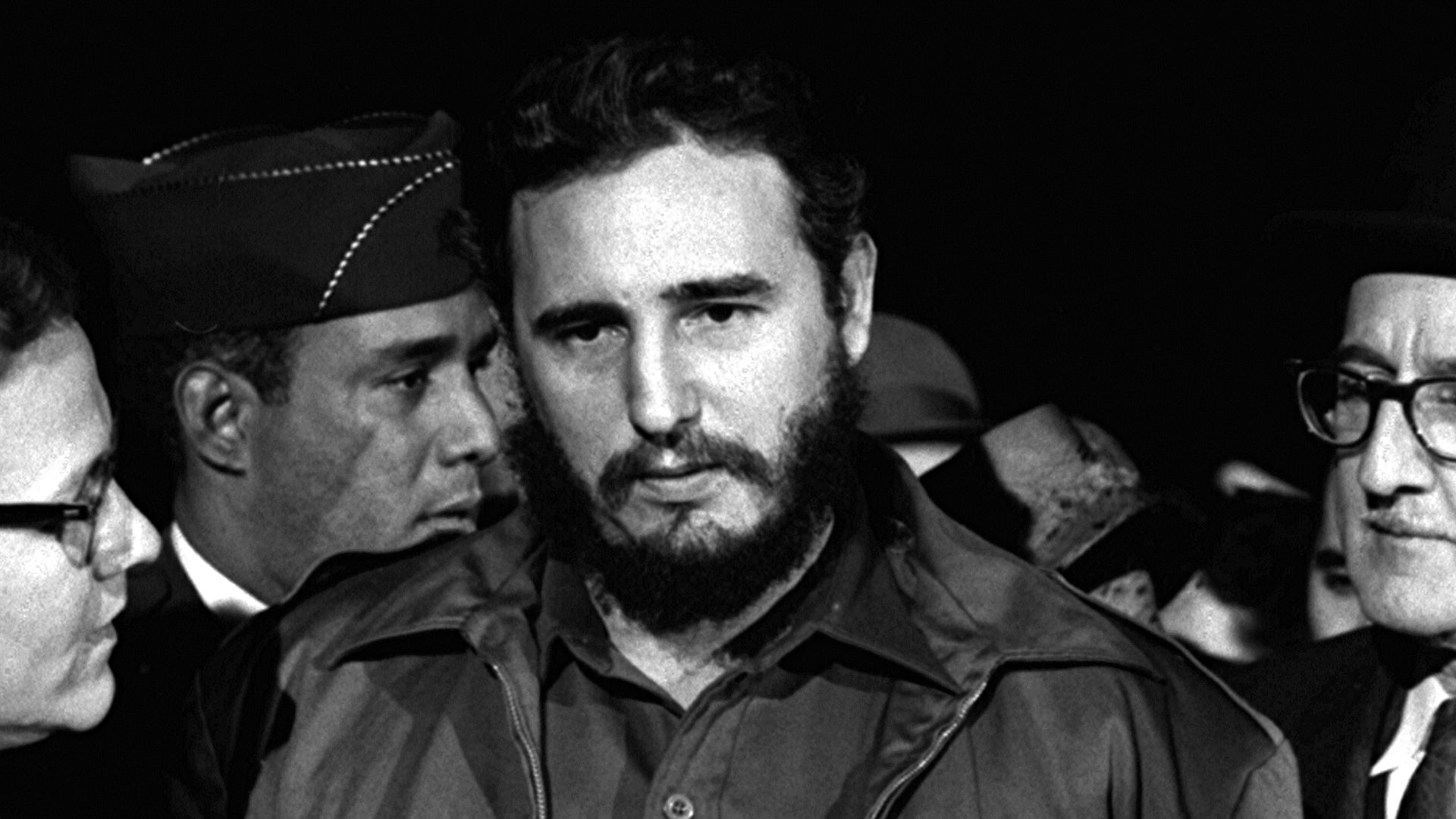
6. The CIA Seriously Plotted Against Castro
Castro assassination plots became a running joke, then became a matter of historical record through investigations and testimony. The details can sound cartoonish, yet the intent was real, and the willingness to play with fire was not a metaphor.
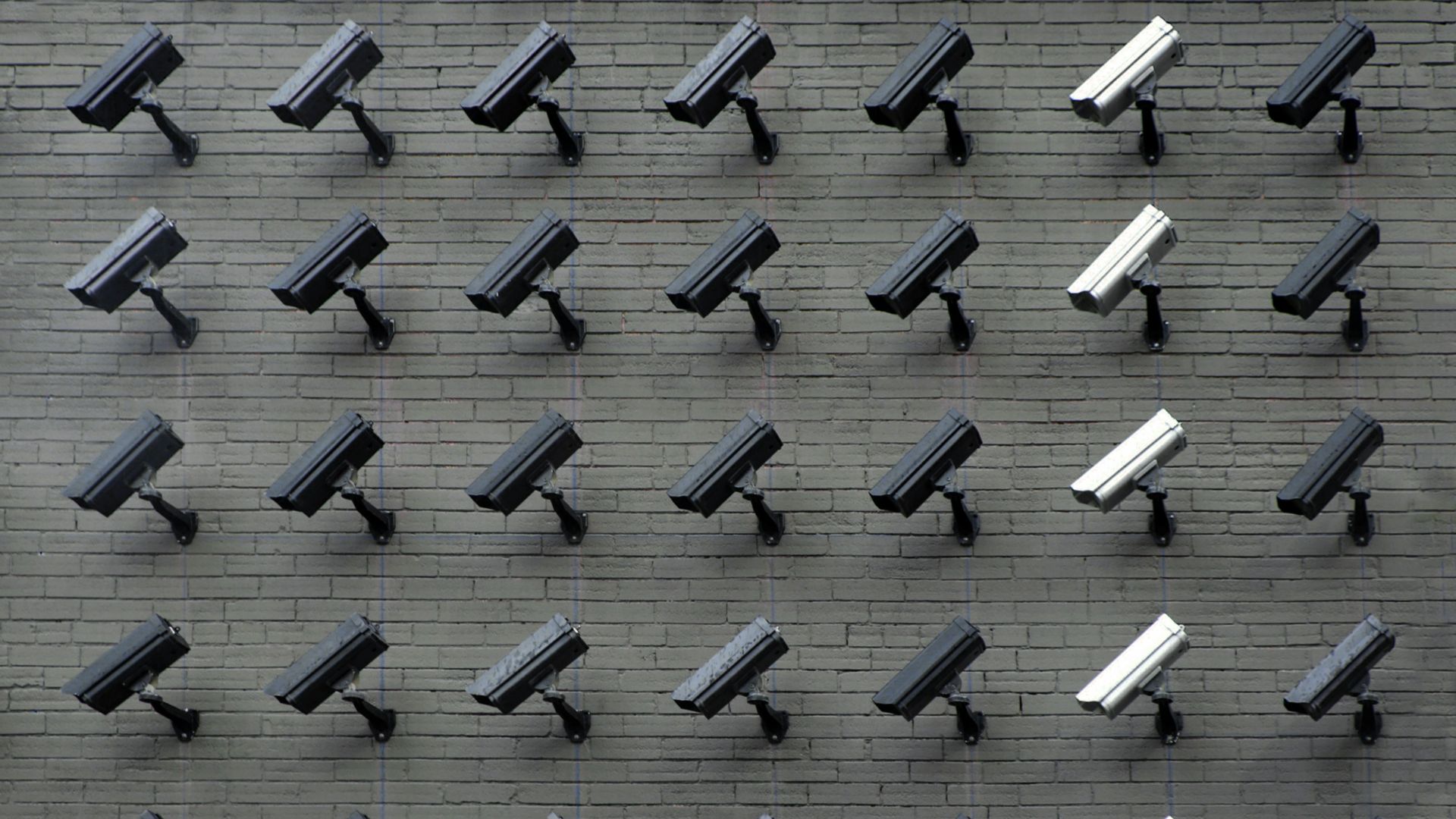
7. Mass Surveillance Was Larger Than Most People Were Told
Long before it was publicly debated in detail, the U.S. surveillance apparatus had grown into something far broader than many citizens assumed. When more information became public, the argument shifted from “this isn’t happening” to “this is happening, and the rules are complicated,” which is not exactly a comforting upgrade.
8. The U.S. Helped Overthrow Iran’s Elected Government In 1953
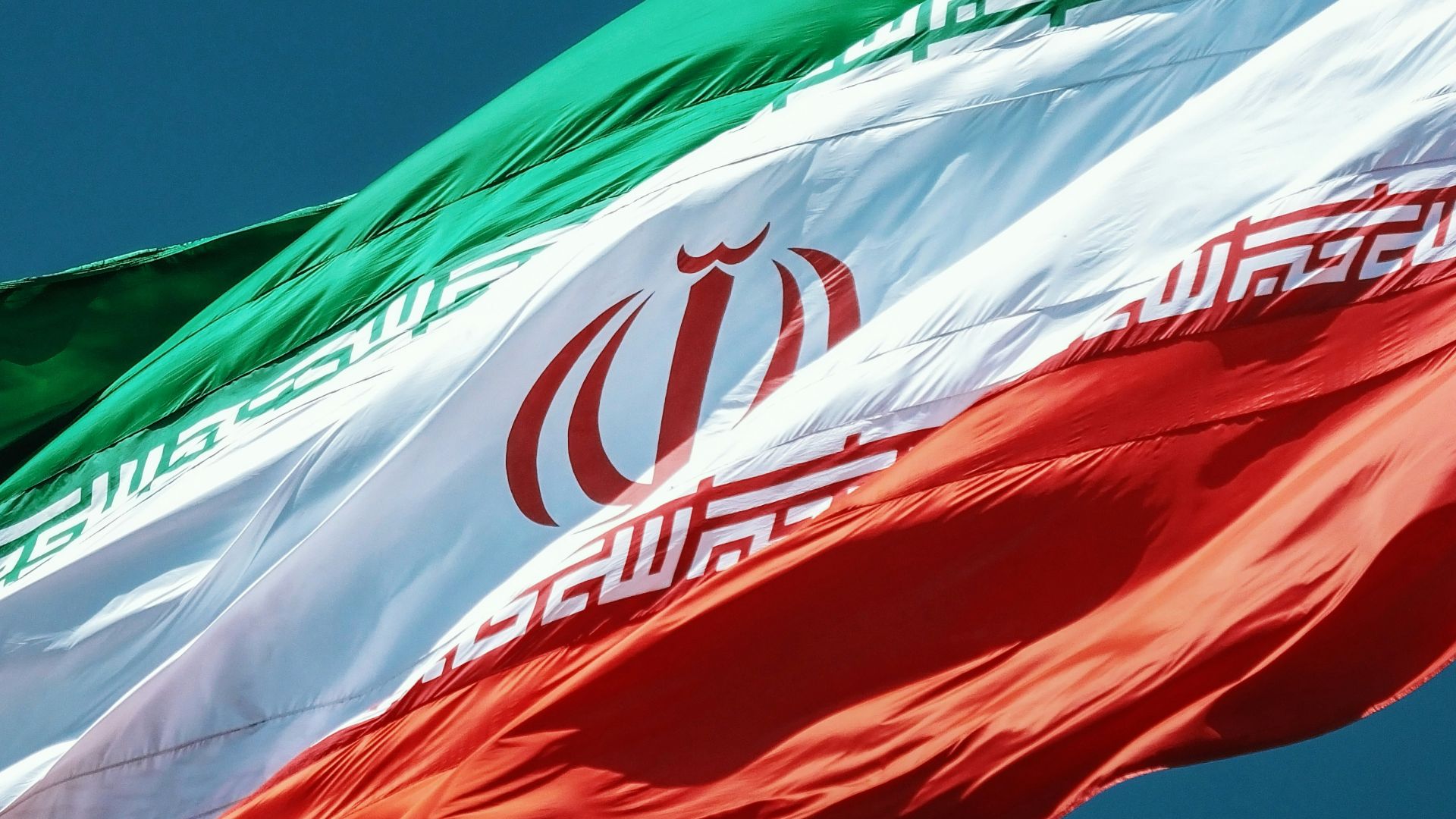
For years, claims of U.S. involvement in the 1953 coup in Iran were waved away as ideological grievance. Declassified material and mainstream historical accounts have since tied U.S. intelligence to the effort to remove Prime Minister Mohammad Mosaddegh, and the aftershocks still shape politics today.
9. The Tobacco Industry Played A Long Game
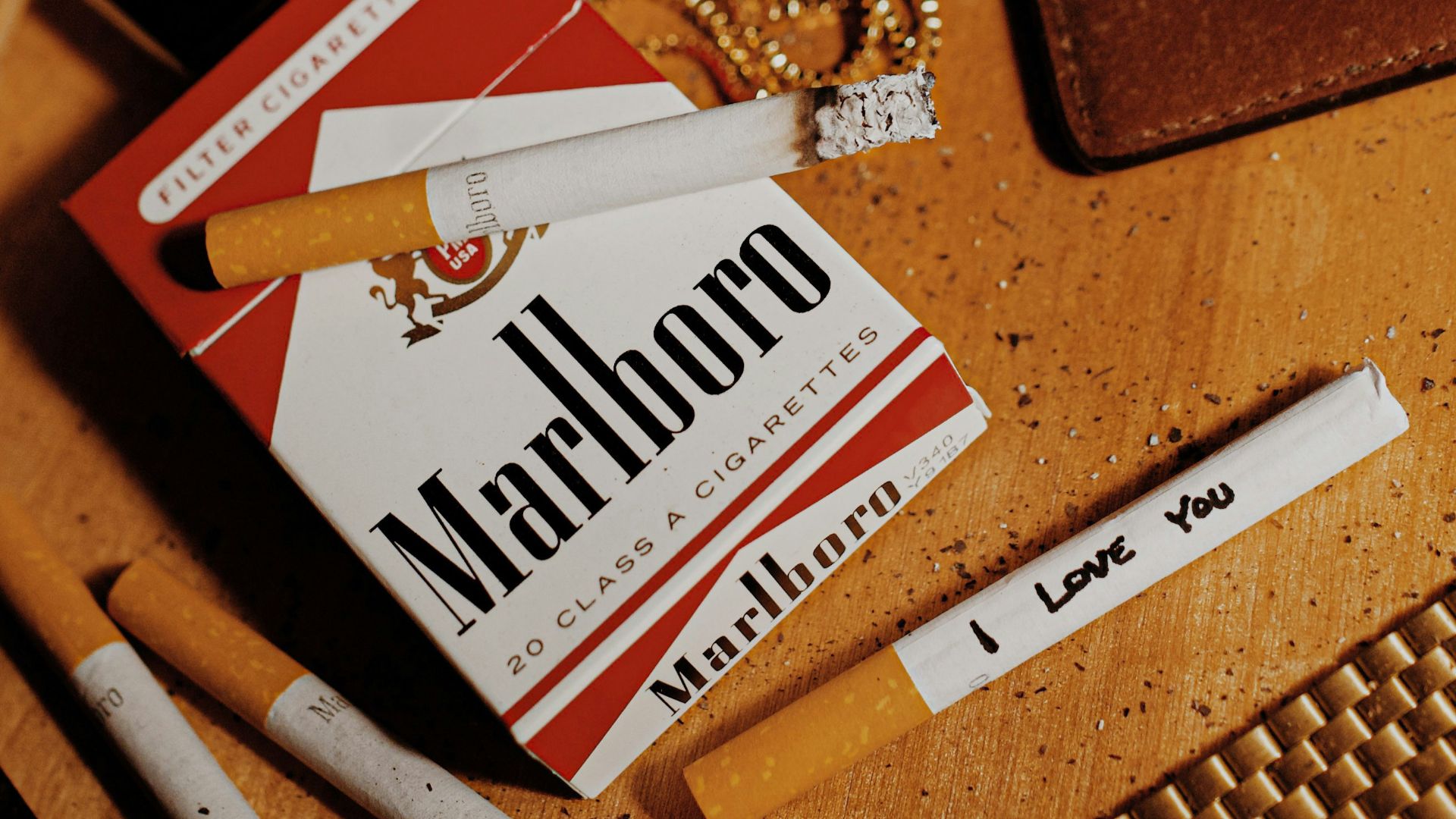
This wasn’t a single secret meeting, it was a strategy: emphasize uncertainty, muddy the science, and keep selling. Lawsuits and document disclosures exposed how deliberately doubt was nurtured while the harms of smoking were increasingly clear.
 LOGAN WEAVER | @LGNWVR on Unsplash
10. Industries Quietly Influenced Nutrition Narratives
People love a villainous “one ingredient did it” storyline, yet the more realistic scandal is influence. Historical research has shown that industry funding shaped parts of nutrition debate and messaging, which is less cinematic than a cloak-and-dagger plot and arguably more effective.
“Still might be” doesn’t mean “definitely true,” it means the record has gaps big enough that reasonable people keep staring at them. Here are ten such theories.

1. JFK And The Possibility Of A Deeper Plot
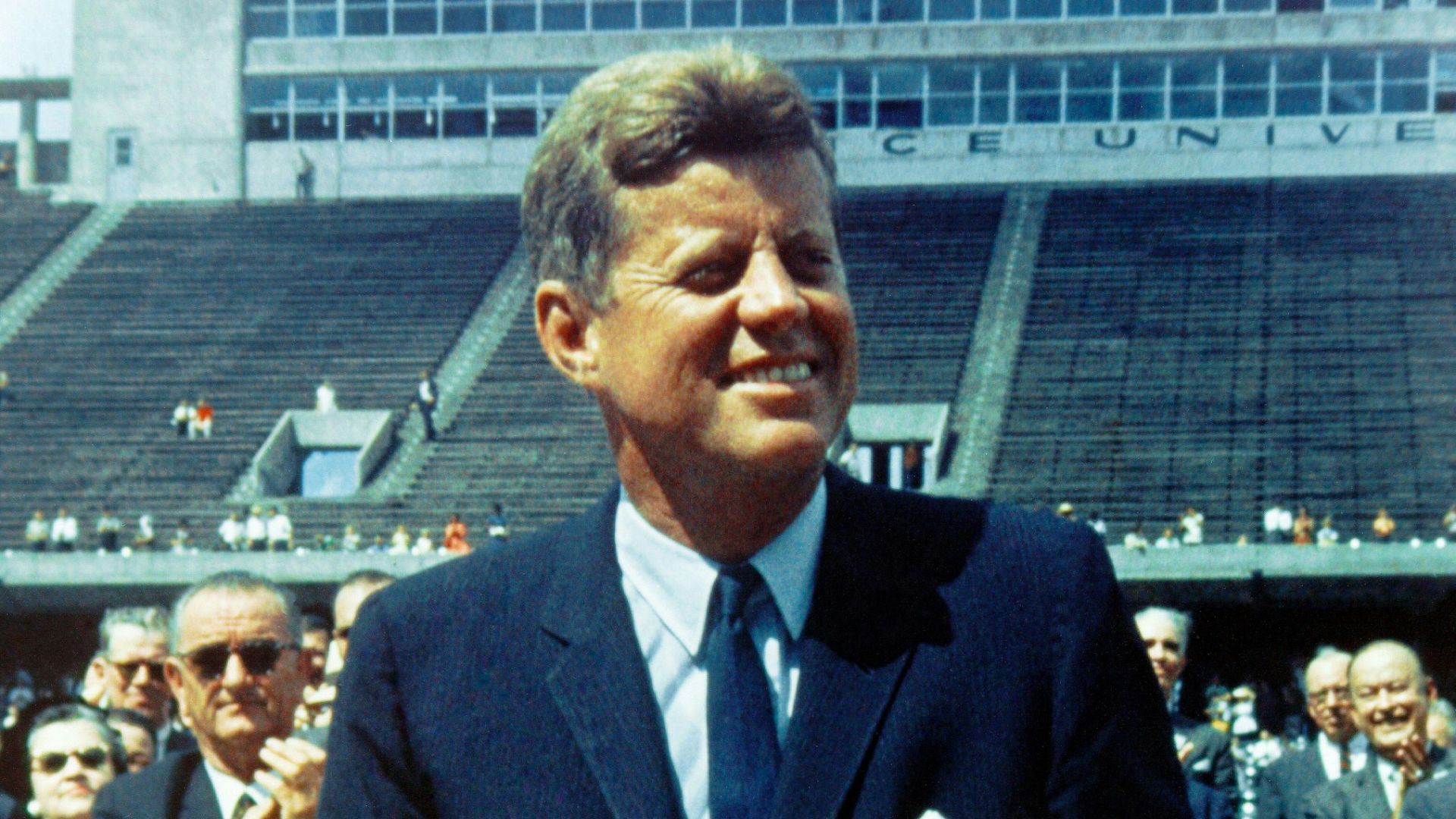
The official conclusion has long held that Lee Harvey Oswald acted alone, yet suspicion keeps thriving because the case has always felt crowded with odd coincidences, destroyed records, and institutional defensiveness. Every new batch of documents can answer small questions while leaving the big emotional ones untouched, which keeps the vacuum open for darker explanations, including theories involving intelligence agencies.
2. COVID-19 And The Lab-Leak Scenario
A lab-related origin is no longer a punchline, and it’s also not proven. The reality is that origin questions can stay unresolved for a long time without a clean chain of evidence, especially when cooperation is partial and data access is limited, which leaves space for continued debate about Wuhan and beyond.

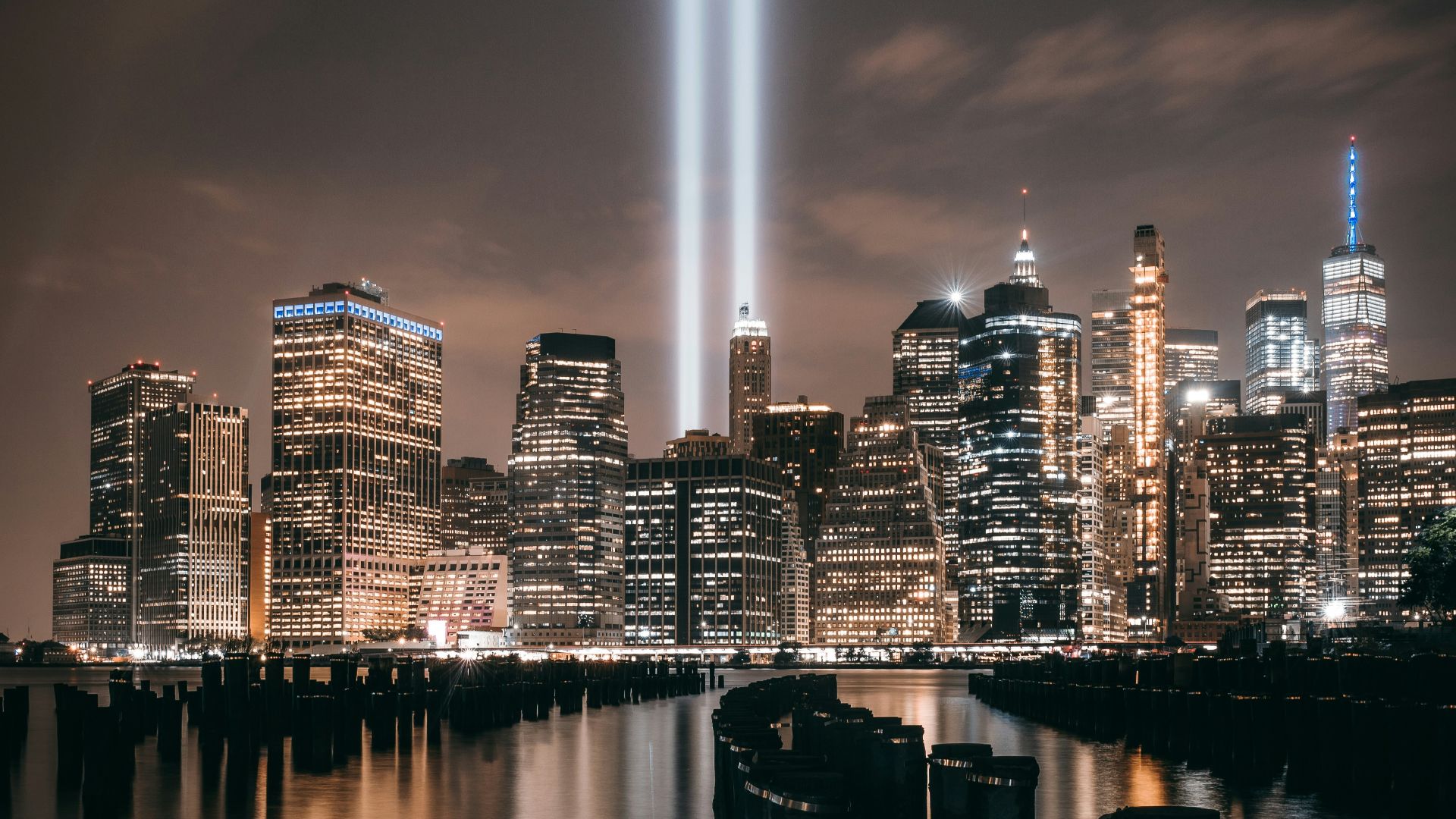
3. 9/11 Was An Inside Job
Mainstream investigations attribute the attacks to al-Qaeda, and technical analyses reject controlled-demolition explanations for the tower collapses. The reason the inside-job idea persists is less about physics and more about trust: intelligence failures, ignored warnings, and later government actions created a cultural mood where some people assume intent whenever they see incompetence.
4. Saudi-Linked Support Networks Around Some Hijackers
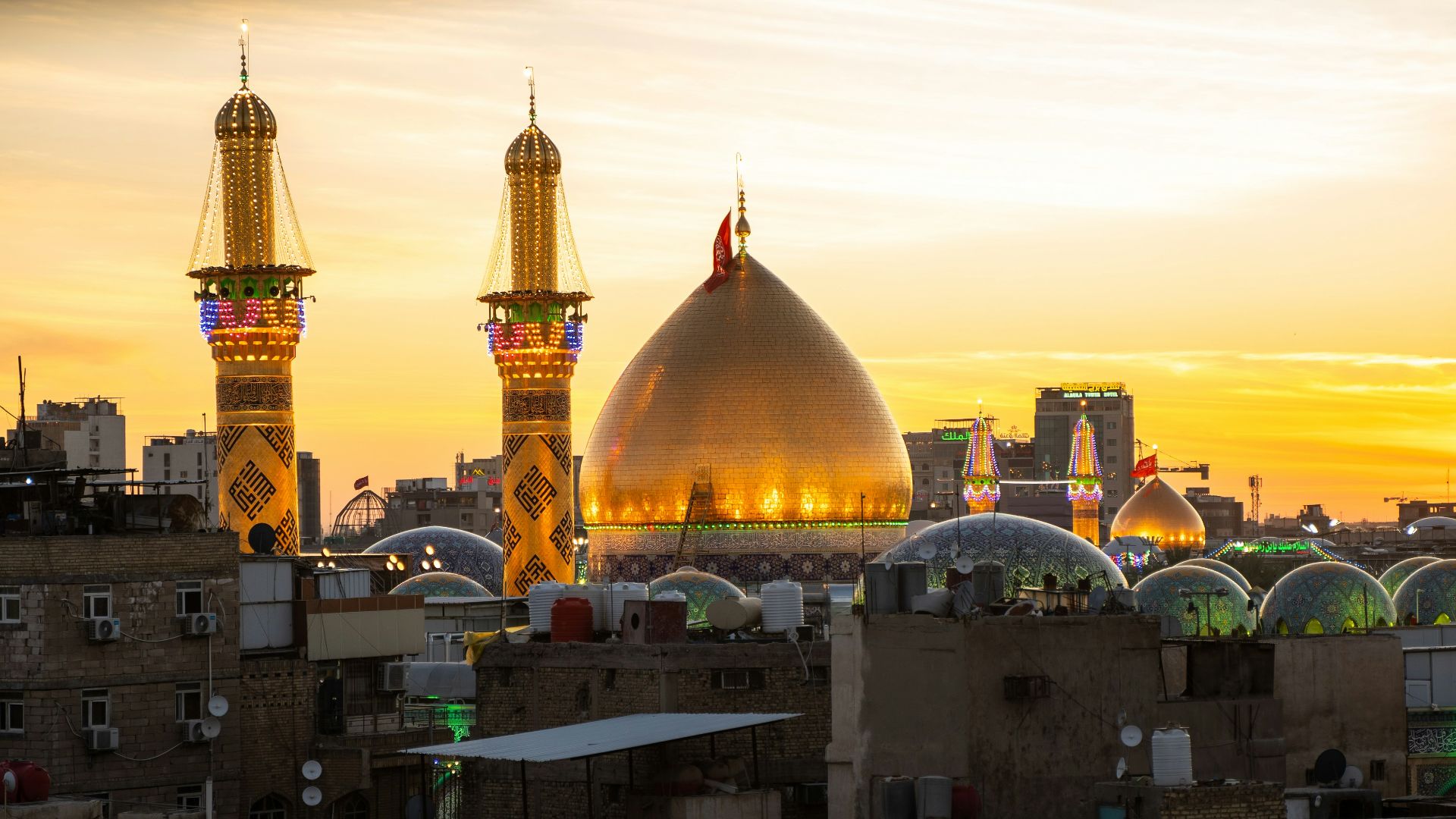
This topic sits in an uncomfortable middle ground where official narratives emphasize the role of al-Qaeda, while lawsuits and reporting keep probing whether individuals connected to Saudi institutions provided support. Even without a universally accepted smoking gun, the ongoing legal and political friction keeps the suspicion from fully dying.
 Abdulrhman Alkhnaifer on Unsplash
5. Iraq And The “No WMD” Lie
Postwar findings did not match the prewar certainty, and that gap is one of the biggest trust craters of modern politics. Whether it was deliberate deceit, selective use of shaky intelligence, or pressure that warped judgment, the effect is the same: millions of people learned that confident official claims can be disastrously wrong.
6. Epstein And The Question Of Protected People
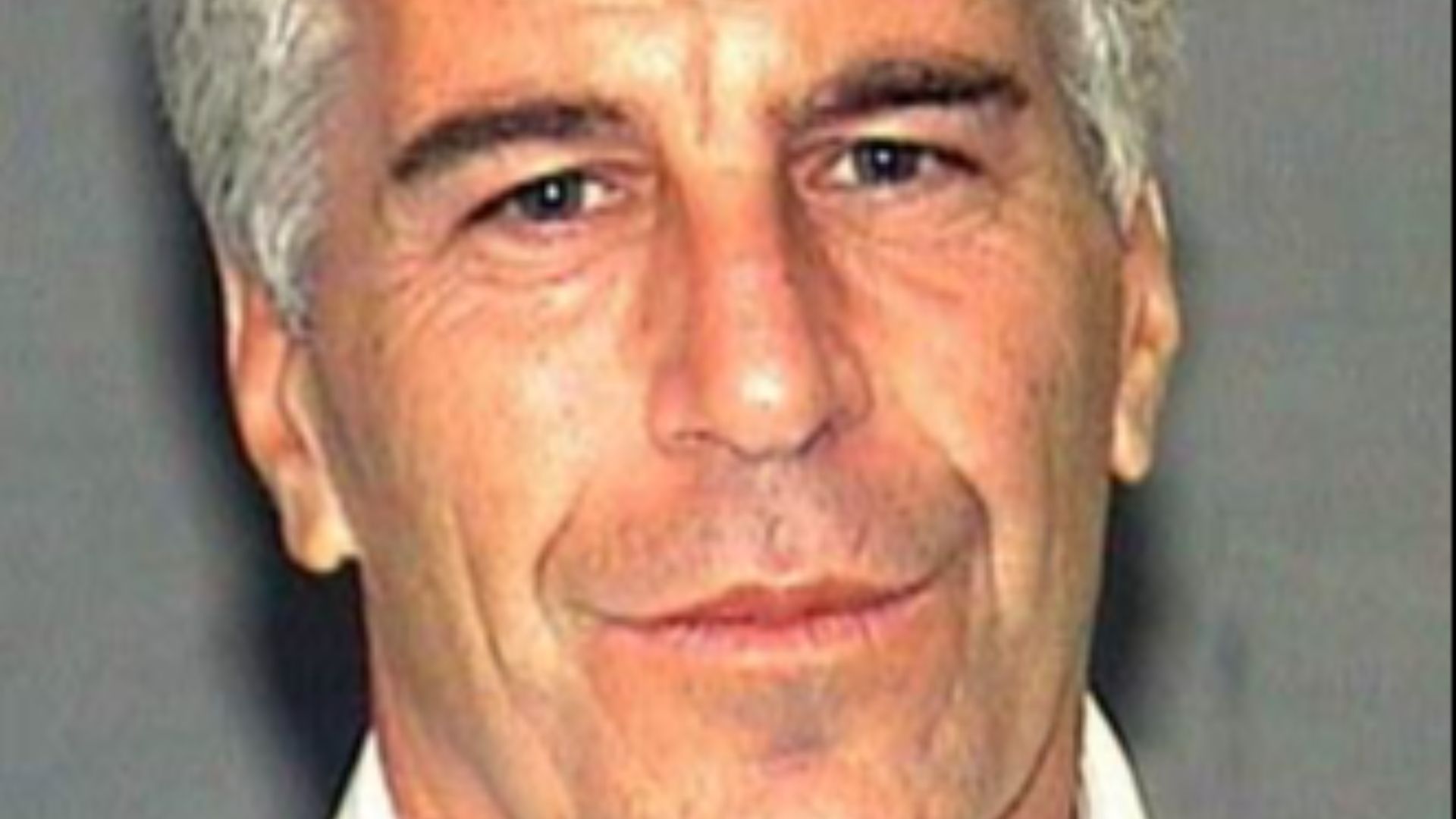
Jeffrey Epstein’s crimes are established, and so is the fact that he had access to powerful circles. What still feels unresolved is whether enforcement decisions, plea negotiations, and slow-drip disclosures reflect ordinary institutional failure or something more deliberate, especially when people notice how often the story seems to stop just short of the most connected names.
 Palm Beach County Sheriff's Department on Wikimedia
7. Havana Syndrome As Attack Versus Alternative Explanations
Some official assessments lean away from a foreign adversary attack as the main explanation, while others point to patterns and accounts that keep the issue unsettled in public. The ambiguity fuels suspicion because it involves intelligence personnel, classified contexts, and symptoms that don’t fit neatly into a single narrative.

8. Nord Stream Sabotage And Who Authorized It
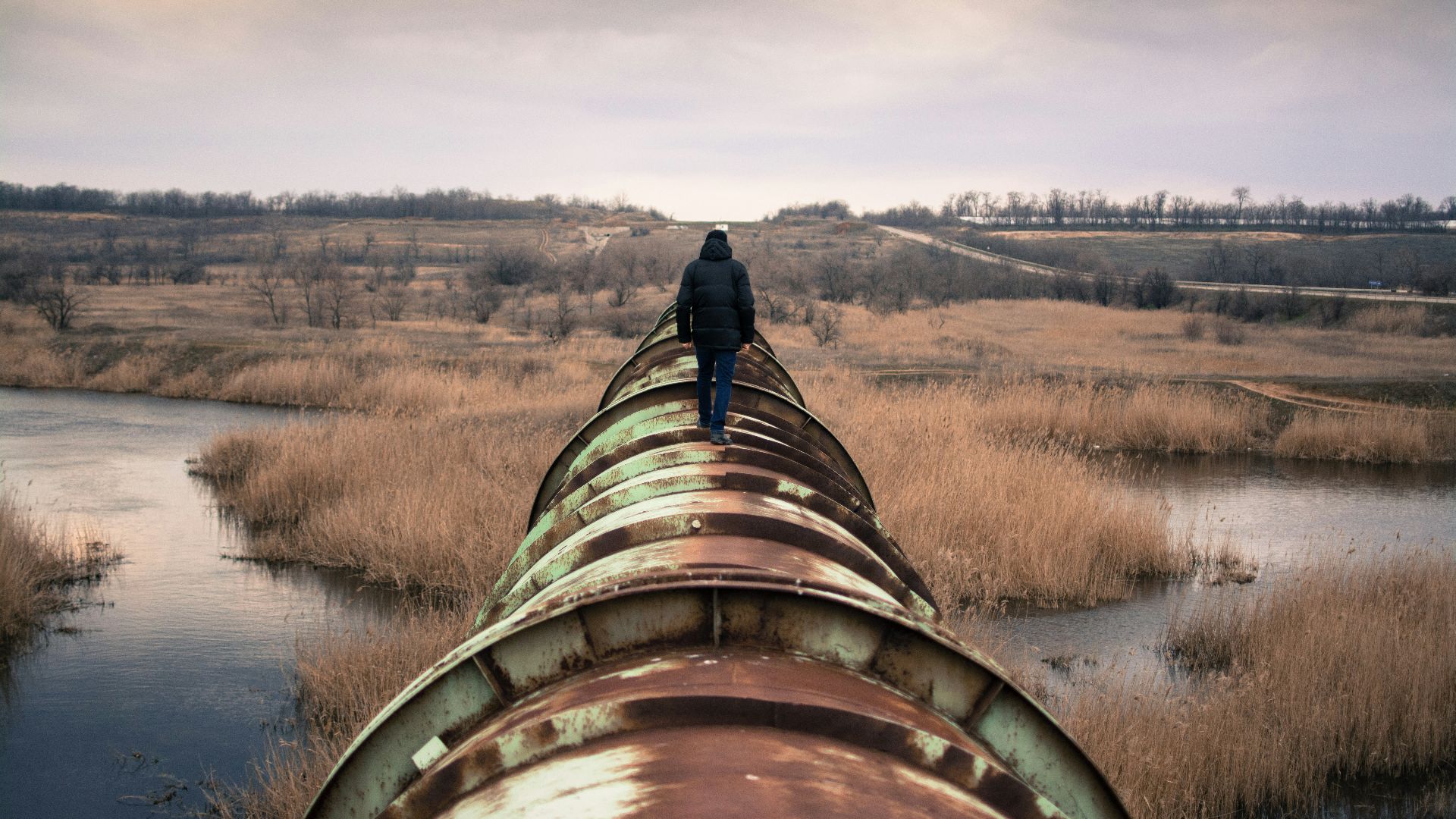
The pipelines were sabotaged, and investigators have chased various leads, yet public certainty about who ordered it remains elusive. In a case where motive, capability, and geopolitical consequences overlap, even partial answers can feel like a tease rather than a resolution.
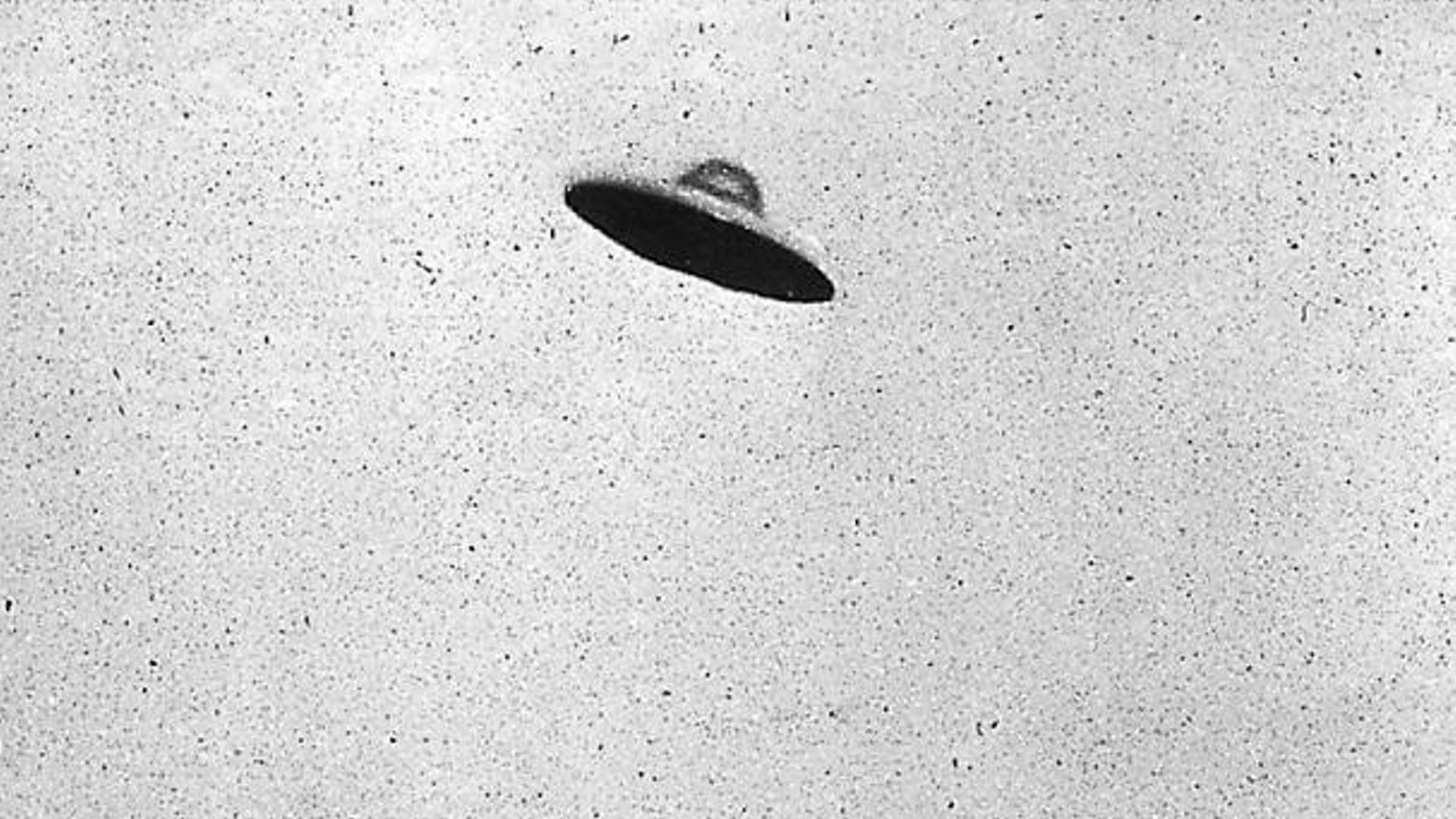
9. UAP And What The Government Actually Knows
Government reports have explained many sightings as ordinary objects or sensor limitations, while acknowledging a chunk remain unresolved due to insufficient data. That unresolved pile is a perfect breeding ground for bigger claims, especially in a world where classification makes “we can’t say” sound a lot like “we won’t say.”
10. Hitler Escaped To Argentina
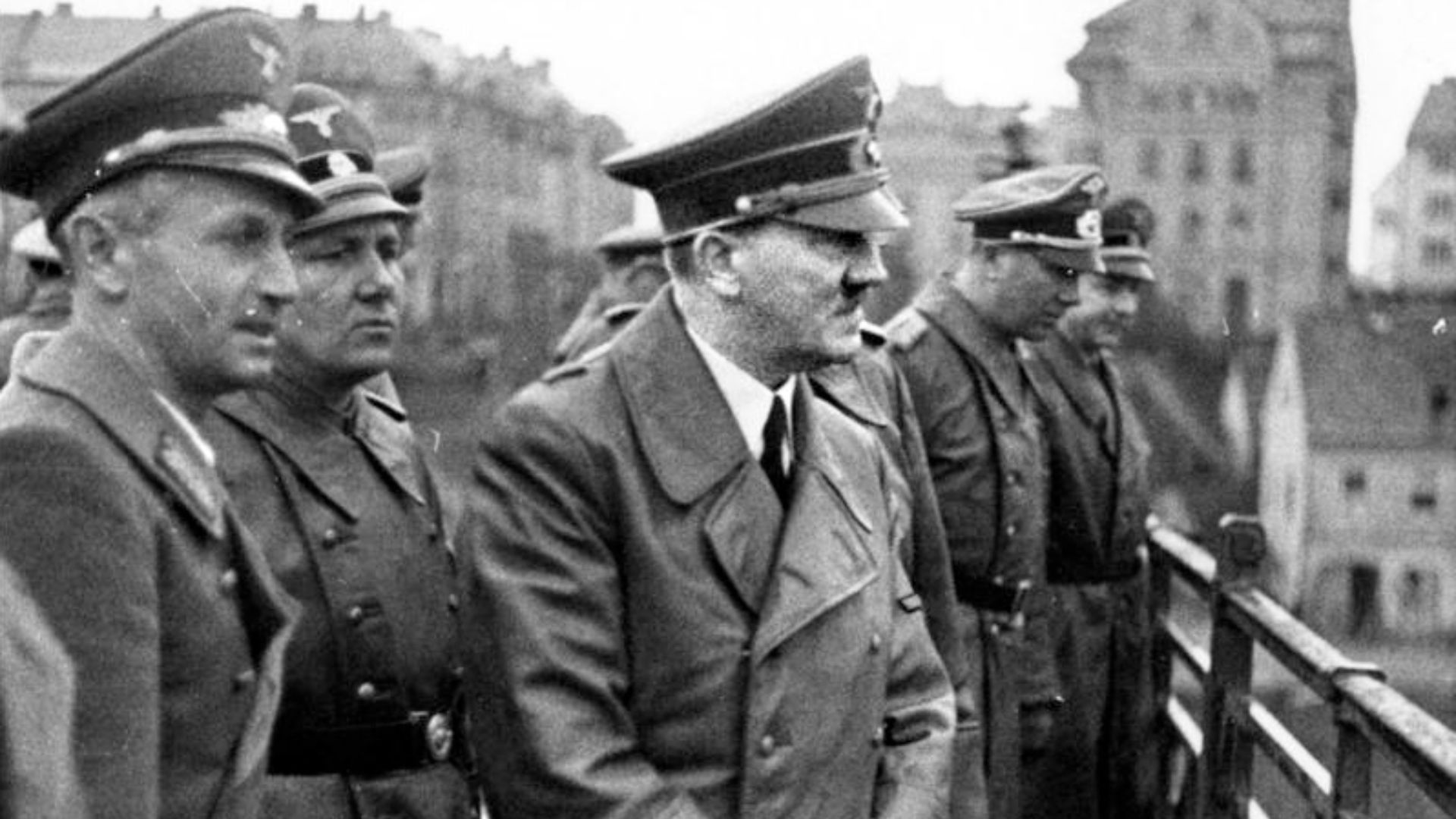
This one is a magnet for rumors because it offers a pulp-novel twist to a dark chapter of history. The mainstream historical consensus holds that Hitler died by suicide in Berlin in April 1945, supported by wartime accounts and later forensic work, yet the myth keeps getting reheated through misread documents and recycled claims that thrive on the drama of “what if.”
KEEP ON READING
Was Caligula The Most Ruthless Roman Emperor?
Artur Matosyan on UnsplashRoman Emperor Caligula is one of ancient…
By Rob Shapiro Dec 18, 2025
1 Weird Fact About Every President
Washington, Lincoln, FDR. Most people know something about the lives…
By Robbie Woods Dec 3, 2024
10 Actors Who Perfectly Played a Historical Figure & 10…
Which Performance is Your Favorite?. Playing the role of a…
By Rob Shapiro Sep 15, 2025
10 Actors Who Perfectly Played a Historical Figure & 10…
Portraying a real person from history is one of the…
By Noone Dec 17, 2025
10 Actors Who Weren't Up To Playing A U.S. President…
Who Wouldn't Vote Woody Harrelson for President?. Actors who sign…
By Rob Shapiro Oct 22, 2025
10 Amazing Facts About Claude Monet & 10 Of His…
The Man Behind The Masterpieces. Claude Monet's name sits comfortably…
By David Davidovic Jan 30, 2026