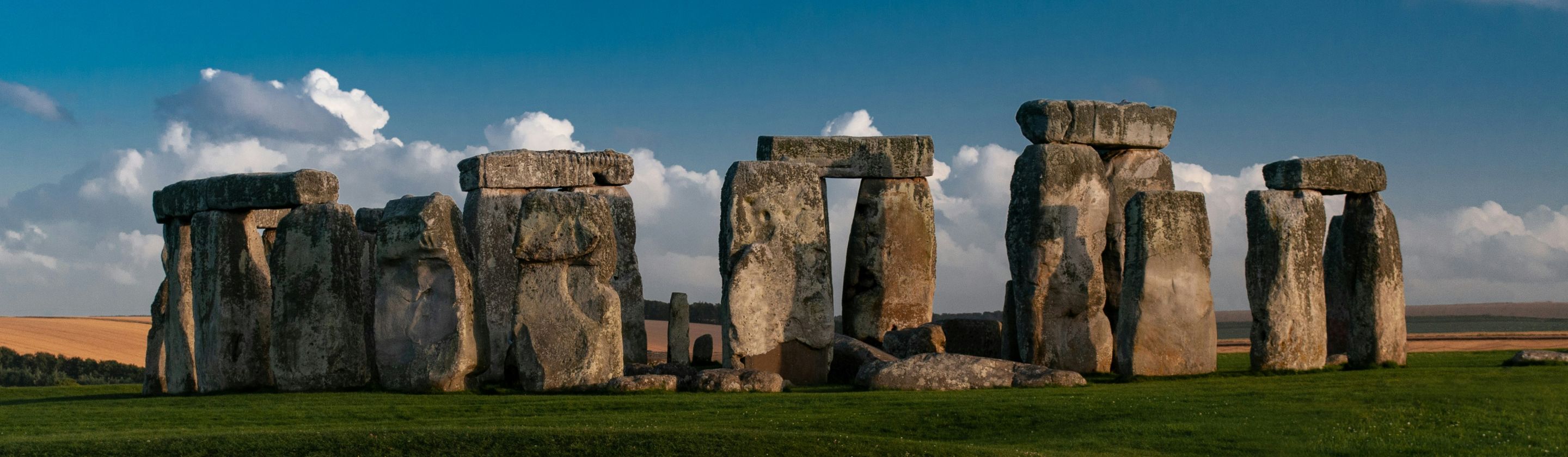
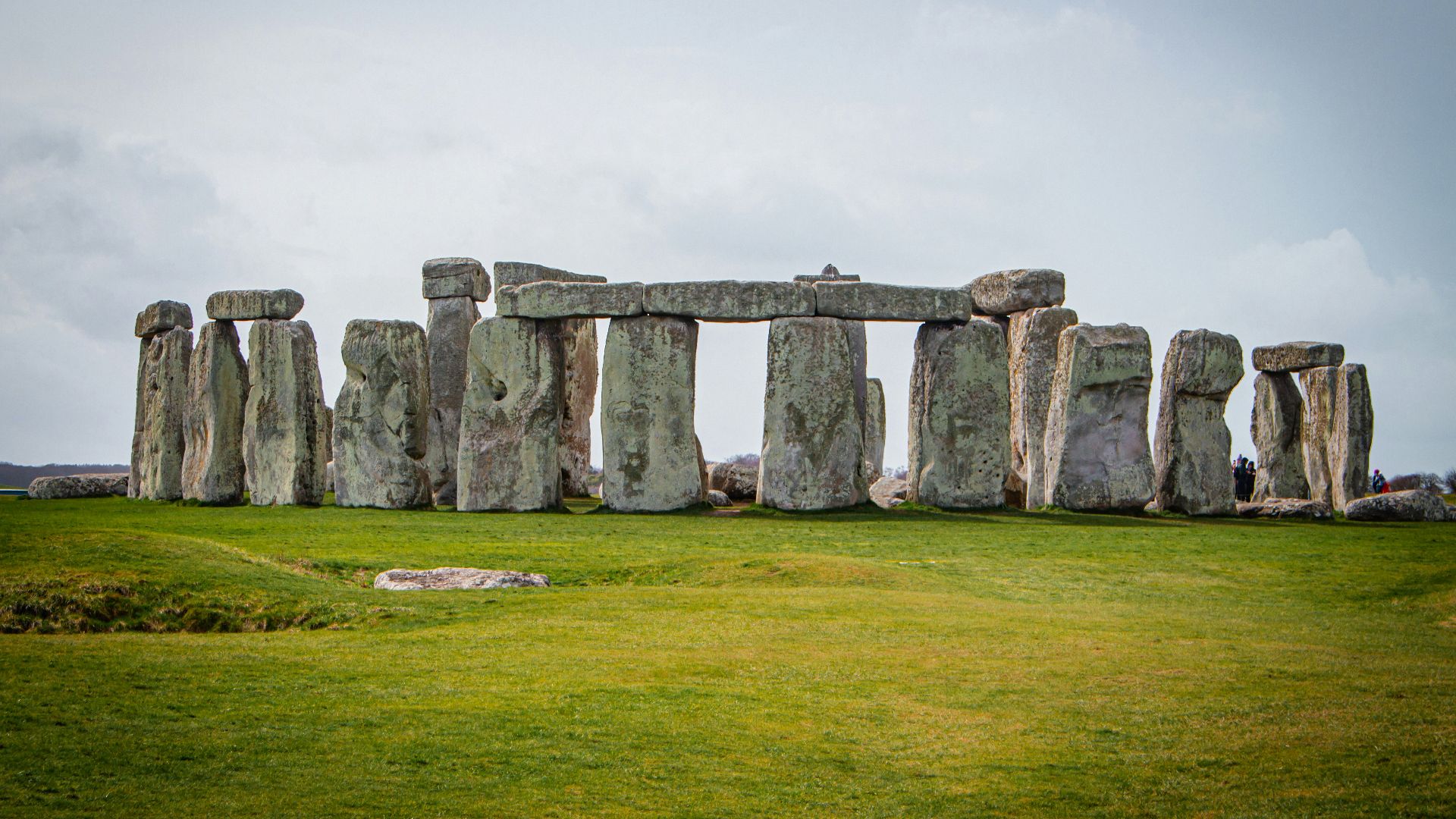
Perhaps no landmark has left scientists as perplexed as Stonehenge, the ancient ring of massive stones in Salisbury Plain, England. The first detailed archaeological survey of Stonehenge happened in the 17th century, but despite being well-known to humans for hundreds of years, it's still shrouded in mystery.
We know more than ever about how it was built, but many of the biggest questions remain, including why, by whom, and what exactly it meant. The deeper researchers dig, the clearer one thing becomes: Stonehenge is far more complex than just a ring of rocks.
How was it built?
Putting aside the mystery of why it was built, Stonehenge is an awe-inspiring structure, especially considering it would've been built without the aid of machinery. How the builders transported the famous bluestones, some of which originated over 150 miles away, has always been a major point of speculation.
Stonehenge is believed to have been built over several phases, starting with an enclosure of earth around 3000 BC. The enormous stones would've been added about 500 years later. Some experts have theorized that they were transported using sledges and rollers by large teams of people. Others believe they were floated along waterways on rafts, or even glaciers that may have moved the stones naturally long before humans arrived.
Experiments have shown that moving stones this large was physically possible for Neolithic people, but why they would go to the trouble of choosing stones from so far away remains a mystery. Were the bluestones spiritually significant? Did they symbolize alliances between regions? Or were they simply valued for their acoustic or visual properties?
Purpose
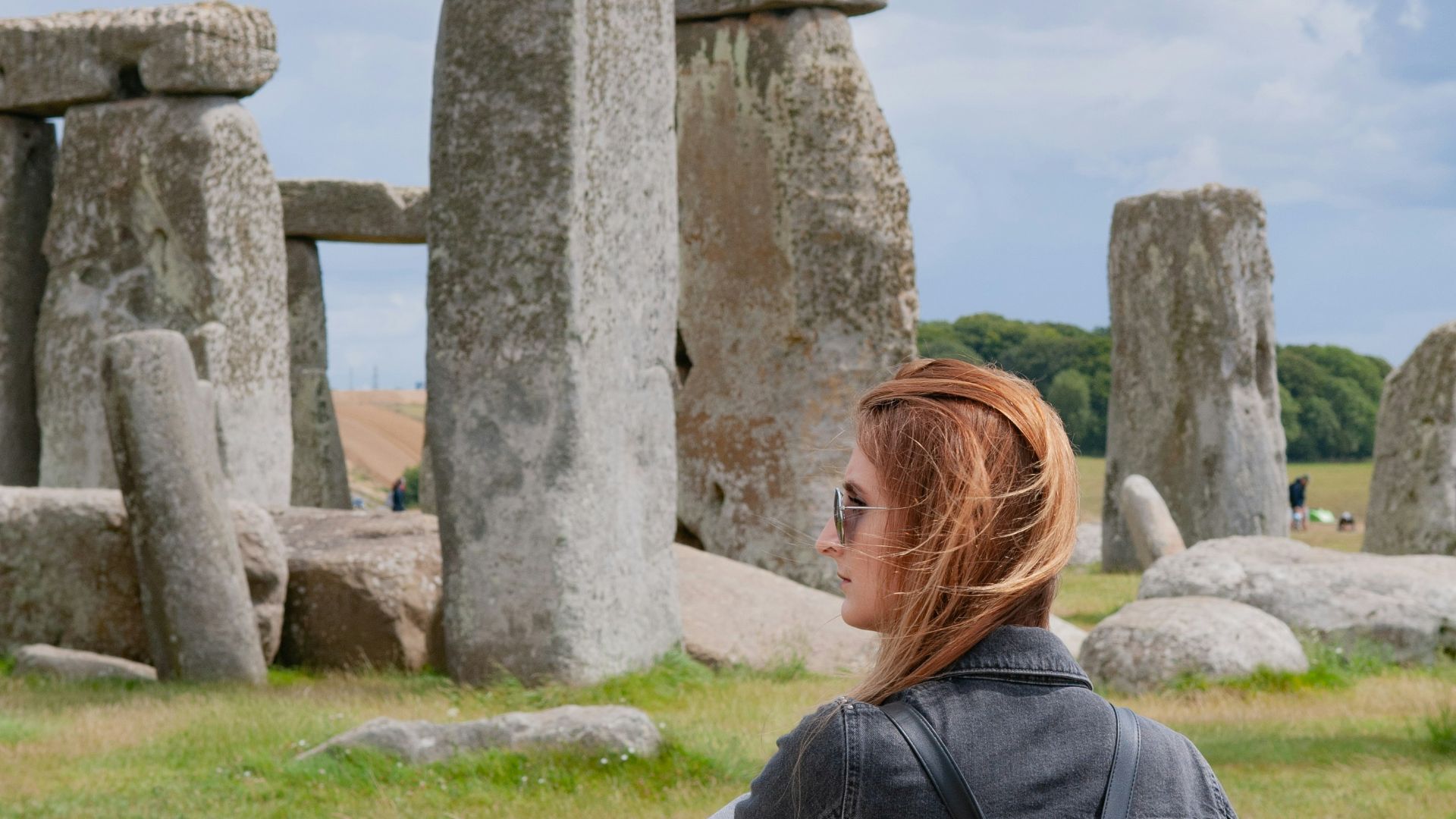
One of the most puzzling aspects of Stonehenge is its purpose. Was it a temple, a ceremonial site, a burial ground, or none of the above?
Archaeologists have uncovered human remains that point to elite burials, while the alignment of the stones with the solstices indicates an astronomical or ritual function. Some researchers argue it was a site for ancestor worship, while others say it was a gathering point for far-flung communities during midsummer and midwinter. However, no single theory fully explains the monument's many layers. This leaves scholars to think that it may have served not one but hundreds of roles over the span of its existence.
Who built it?
On top of everything, scientists don't even know who built Stonehenge. DNA and isotope analysis reveal that some of the individuals buried nearby were not locals; they originated from across the British Isles and even as far away as continental Europe.
This hints at a highly interconnected and advanced society, able to coordinate labor projects over massive distances. However, no written record exists, so we can only speculate about their beliefs and social structures. Stonehenge would've required an immense amount of cooperation over several centuries, suggesting complex planning and shared cultural meaning, but the details of that culture remain lost to time.
Stonehenge is both a marvel of engineering and a monument to the limits of our understanding. Each discovery answers one question only to raise ten more, but perhaps it's that enduring mystery that makes Stonehenge so compelling.
KEEP ON READING