

Low-Tech Moves That Kept People Alive
When things fall apart, people get practical fast. Long before anyone had antibiotics, refrigeration, or a supply chain that could restock the shelves overnight, survival came down to small, repeatable choices: separating the sick, stretching food, keeping heat in, keeping light out, keeping germs off your hands as best you could without knowing what germs were. Some of these ideas were surprisingly effective, some were half-right for the wrong reasons, and some were more about buying time and keeping order than “fixing” anything. Either way, they show a pattern that repeats across centuries: when official systems strain, everyday tactics become the difference between scraping by and not. Here are 20 historical hacks people used to survive plagues, famine, and war.
 Unknown authorUnknown author on Wikimedia
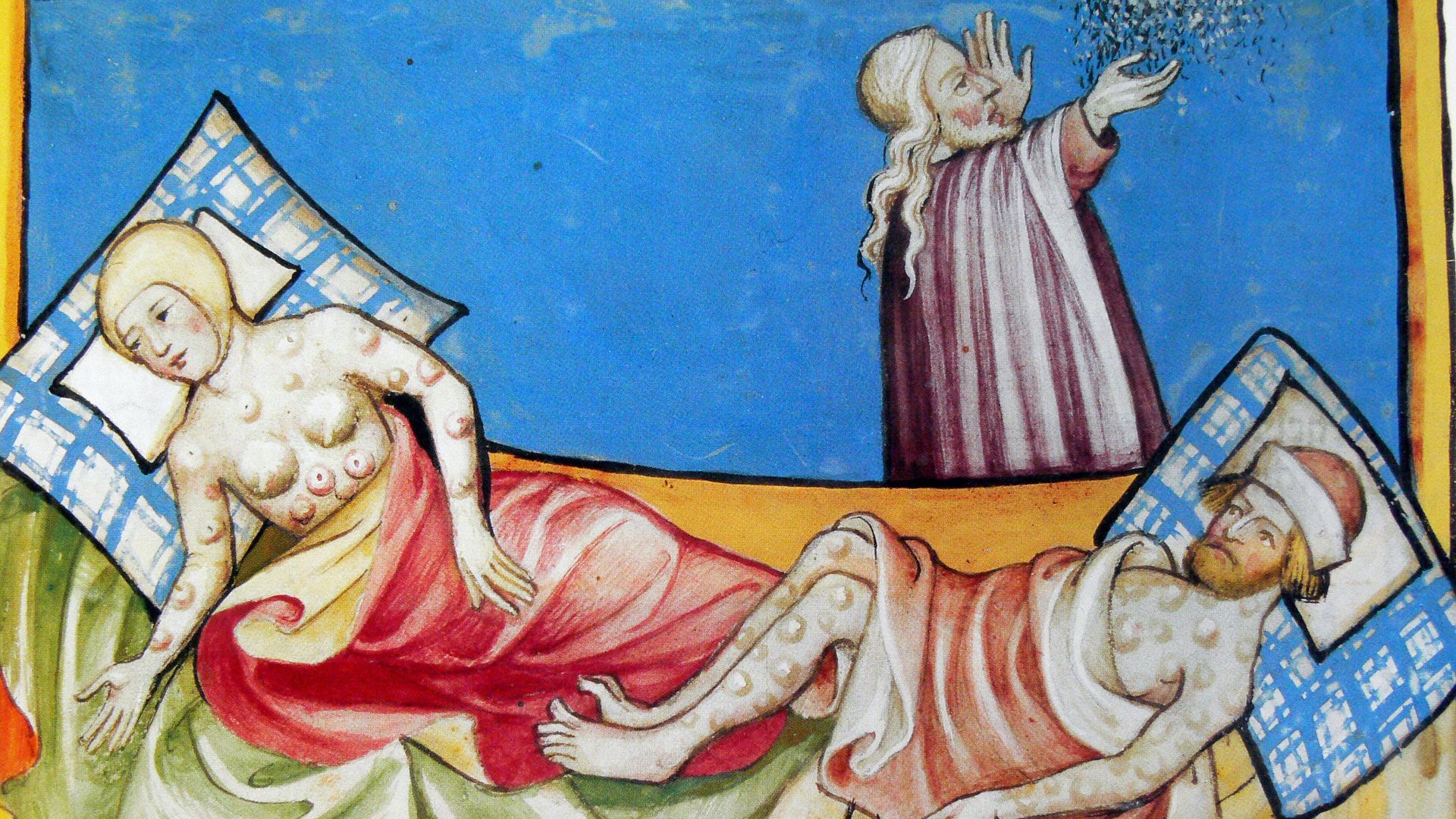
1. Isolating Before It Had A Name
Port cities learned the hard way that letting every ship unload immediately was basically inviting disease to dinner. So they started isolating crews and cargo for set periods, including the famous forty-day practice that helped give quarantine its name.
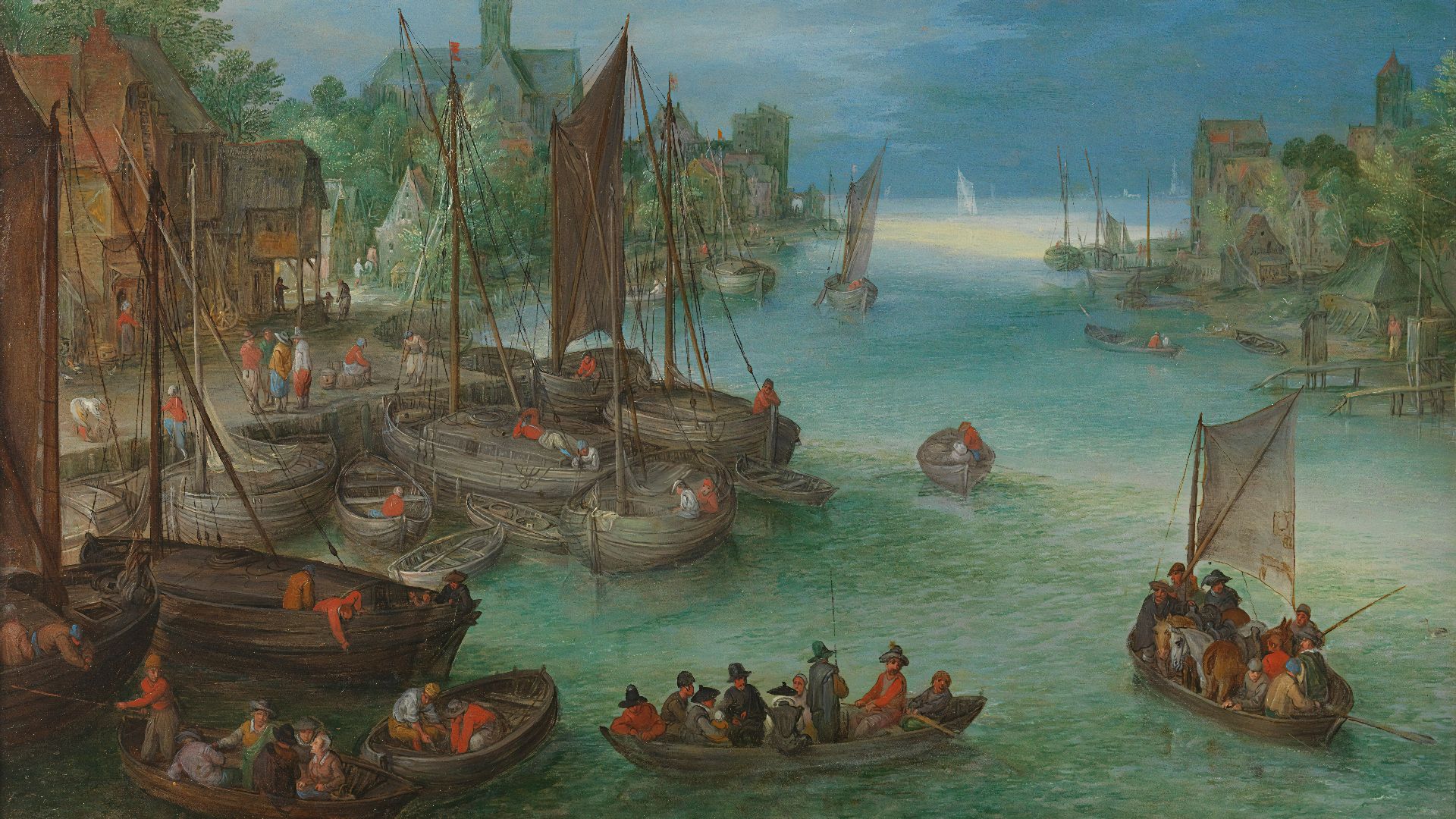
2. Quarantine Islands And Lazarettos
Some places went further and created dedicated quarantine zones, including islands used to separate the sick from everyone else and to hold goods until they were considered safe. It was harsh, but it reduced contact, which mattered even before people understood why.
 Pseudopanax at English Wikipedia on Wikimedia
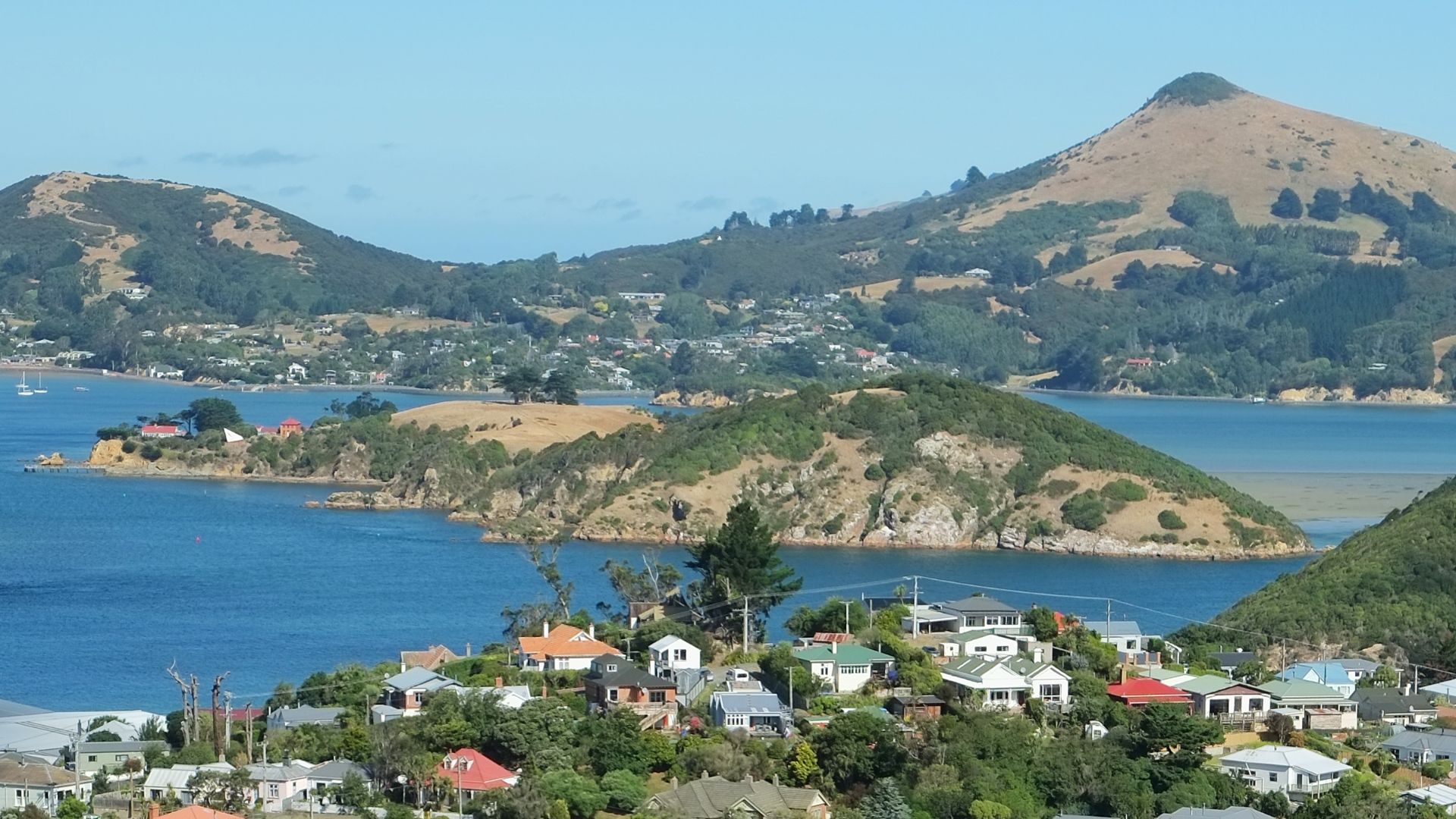
3. Cordon Sanitaire
When an outbreak hit, communities sometimes drew a literal line and enforced it with guards, checkpoints, and strict limits on travel. In practice, it meant fewer outsiders, fewer gatherings, and less movement of potentially infected people and goods.
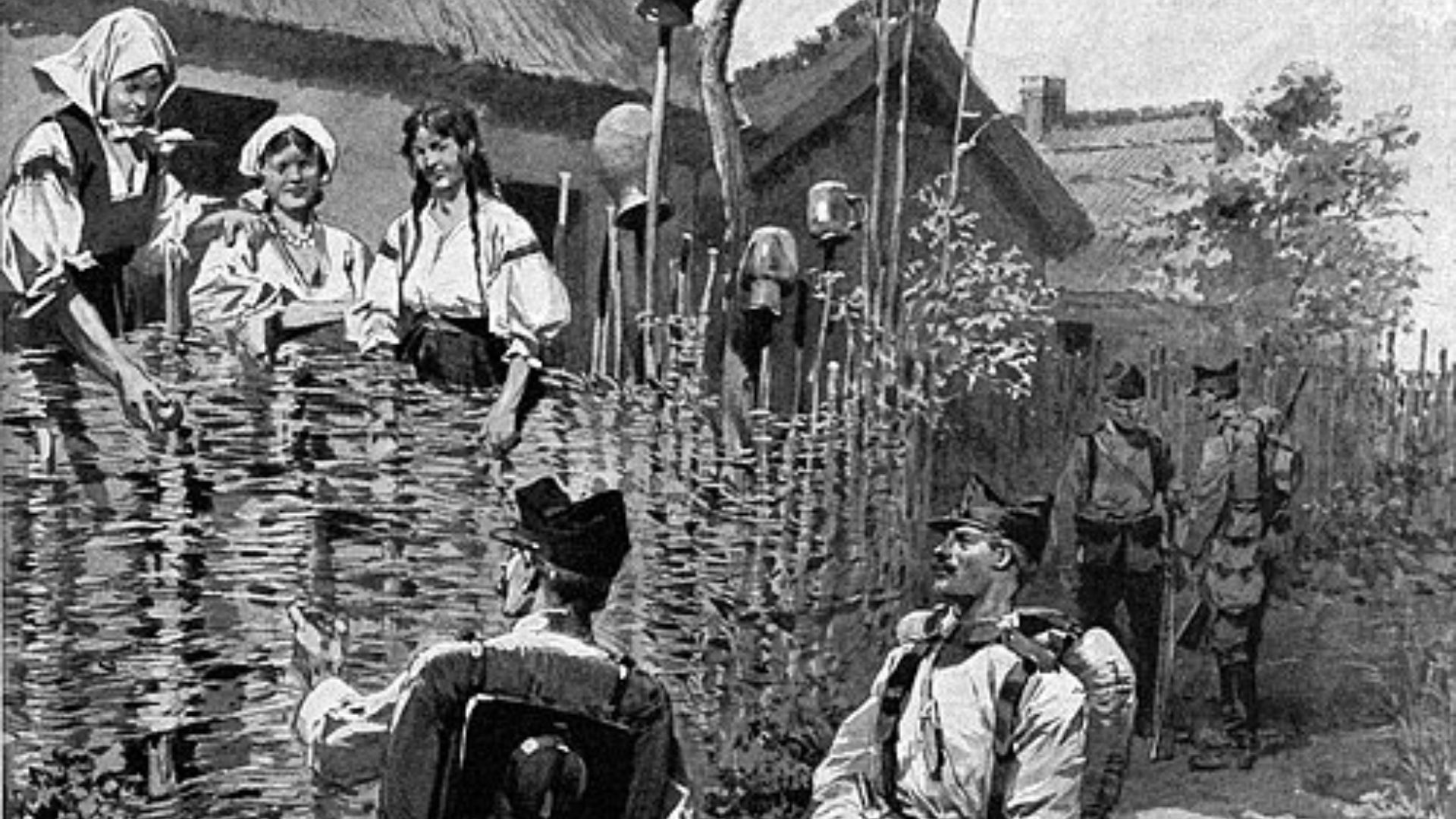
4. Contactless Drop-Offs
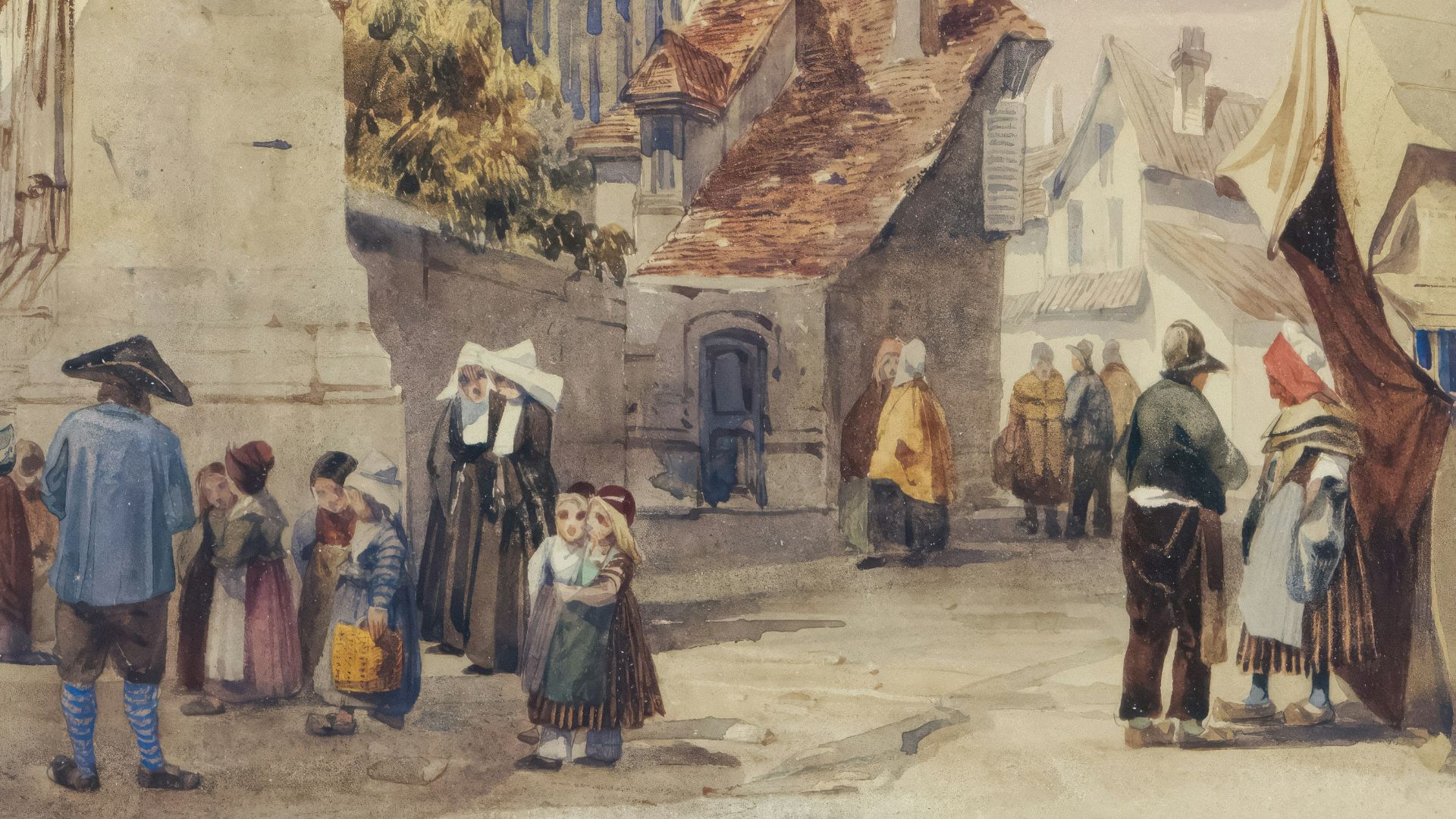
Even without modern language for it, people figured out ways to exchange supplies with less direct contact. During plague outbreaks, some communities used designated drop spots and even treated money with vinegar or water before handling it.
 Birmingham Museums Trust on Unsplash
5. Marking Infected Homes
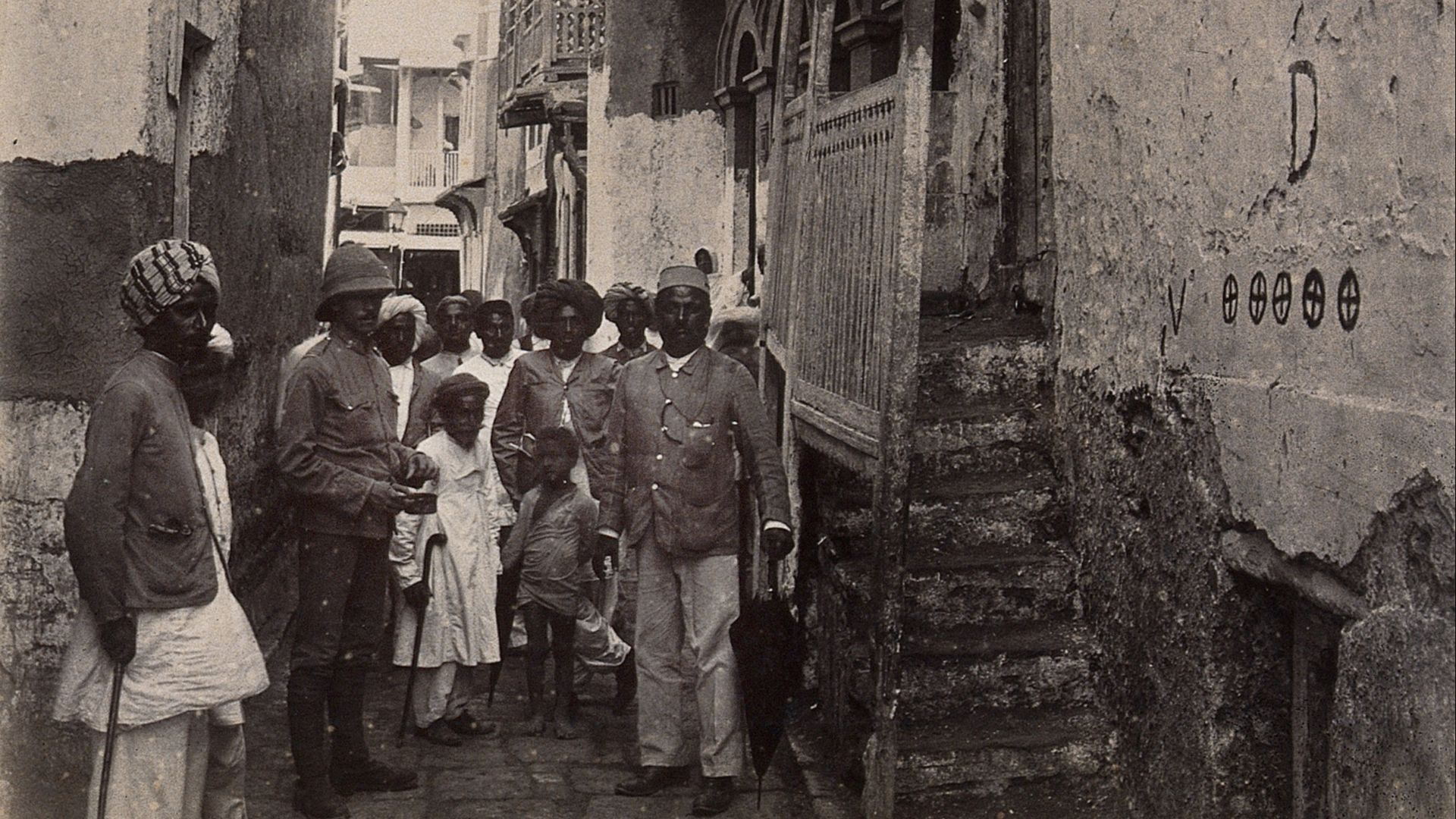
Posting warnings on doors and separating households was a blunt tool, but it helped people avoid walking straight into danger. It also created a crude, fast-moving information system in crowded neighborhoods where rumors traveled faster than any official notice.
 commons.wikimedia.org on Google
6. Ventilation As A Habit
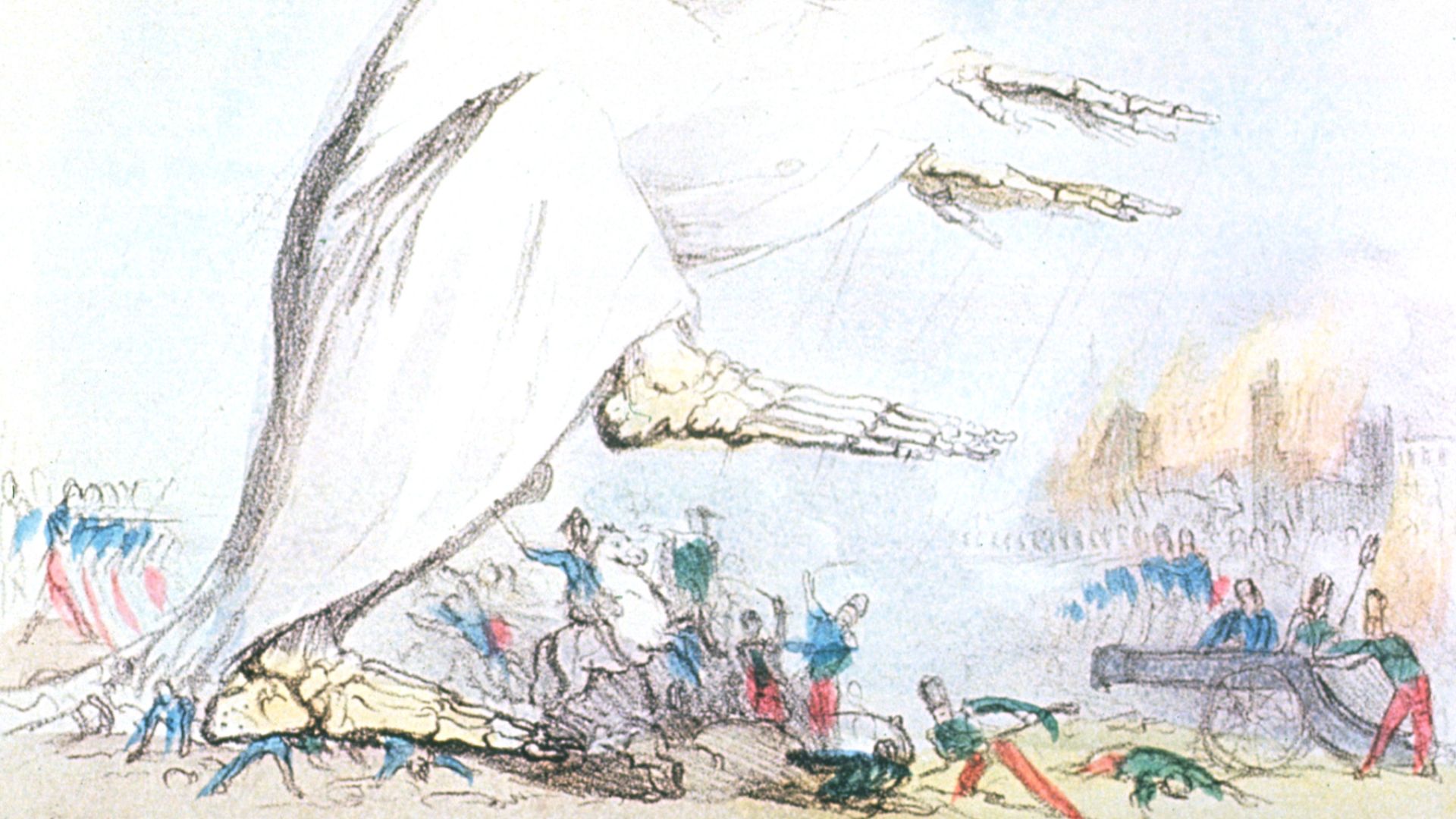
Bad air was blamed for illness for a long time, but some of the behaviors that came with that belief were still useful. Opening windows, burning smoky fires, and keeping rooms less cramped could reduce the intensity of shared indoor exposure, even if people explained it with the wrong science.
7. Vinegar And Alcohol For Cleaning
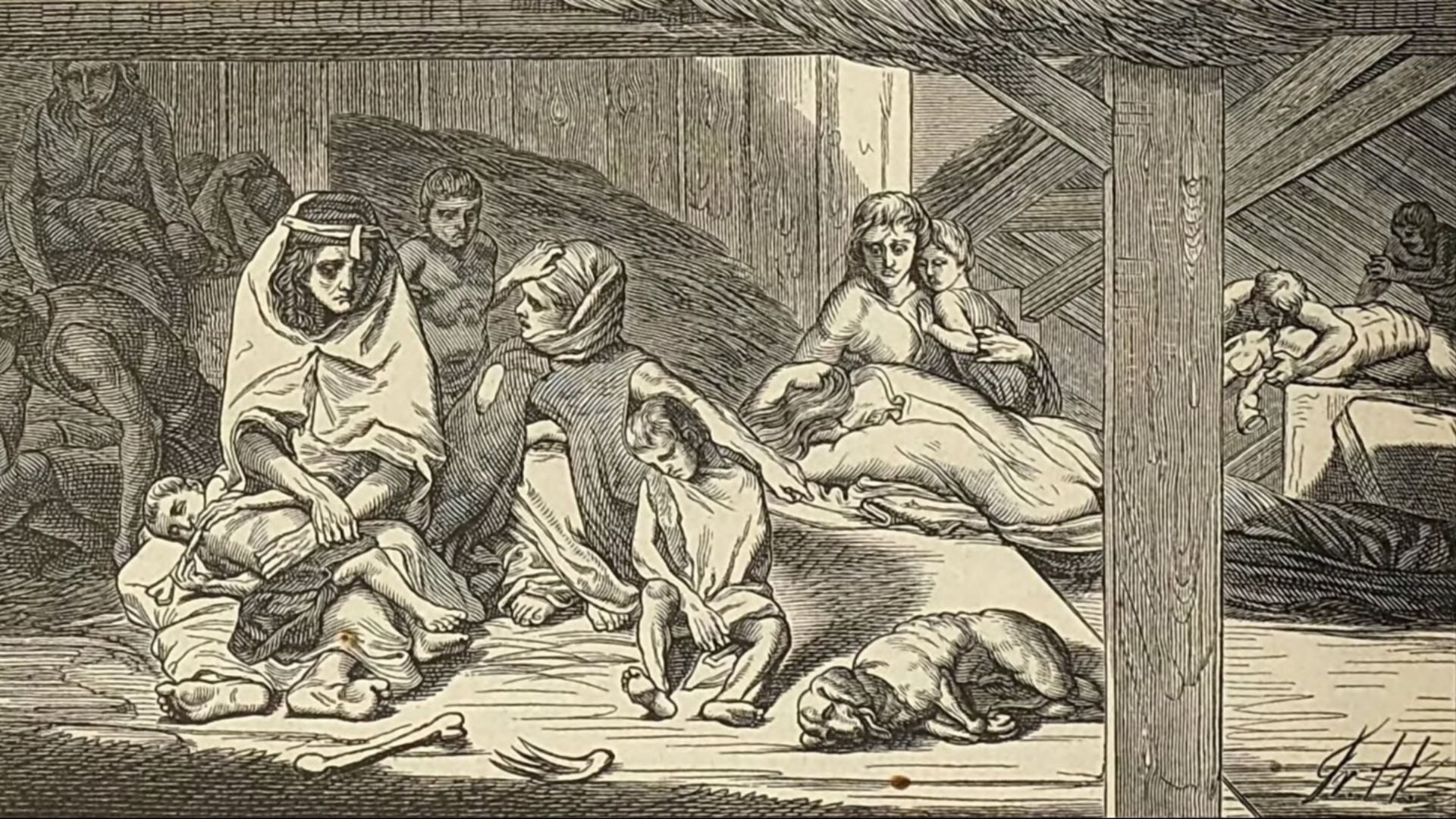
People leaned on what they had: vinegar, spirits, boiling water, and abrasive scrubbing. These weren’t magic shields, but they did help with basic sanitation, especially when the alternative was doing nothing at all. The real win was the habit of cleaning surfaces, cloth, and hands more often than usual.
 Friedrich Hottenroth on Wikimedia
8. Boiling What You Could Not Trust
During sieges, camp life, and urban outbreaks, boiling water and hot foods was a quiet survival upgrade. It reduced some waterborne risks and made questionable ingredients easier to digest. When fuel was scarce, the act of boiling became a kind of triage: what’s worth the fire.
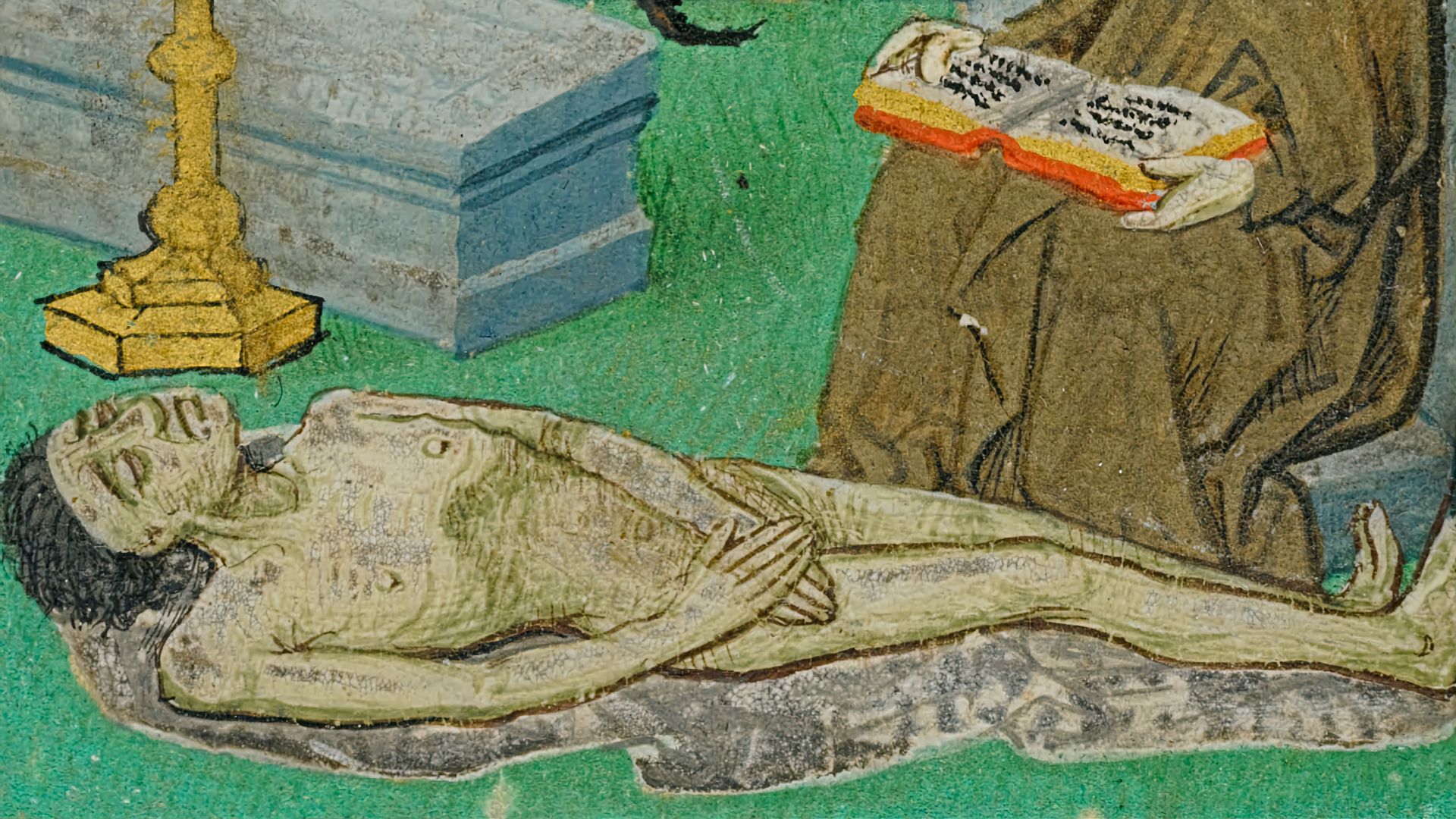
9. Fermentation To Stretch Food
When fresh food was unreliable, fermentation was a low-tech preservation system that also made staples more interesting. Sauerkraut, pickles, yogurt, and sourdough weren’t trendy, they were insurance policies. They helped households store calories longer and avoid total dependence on daily markets.
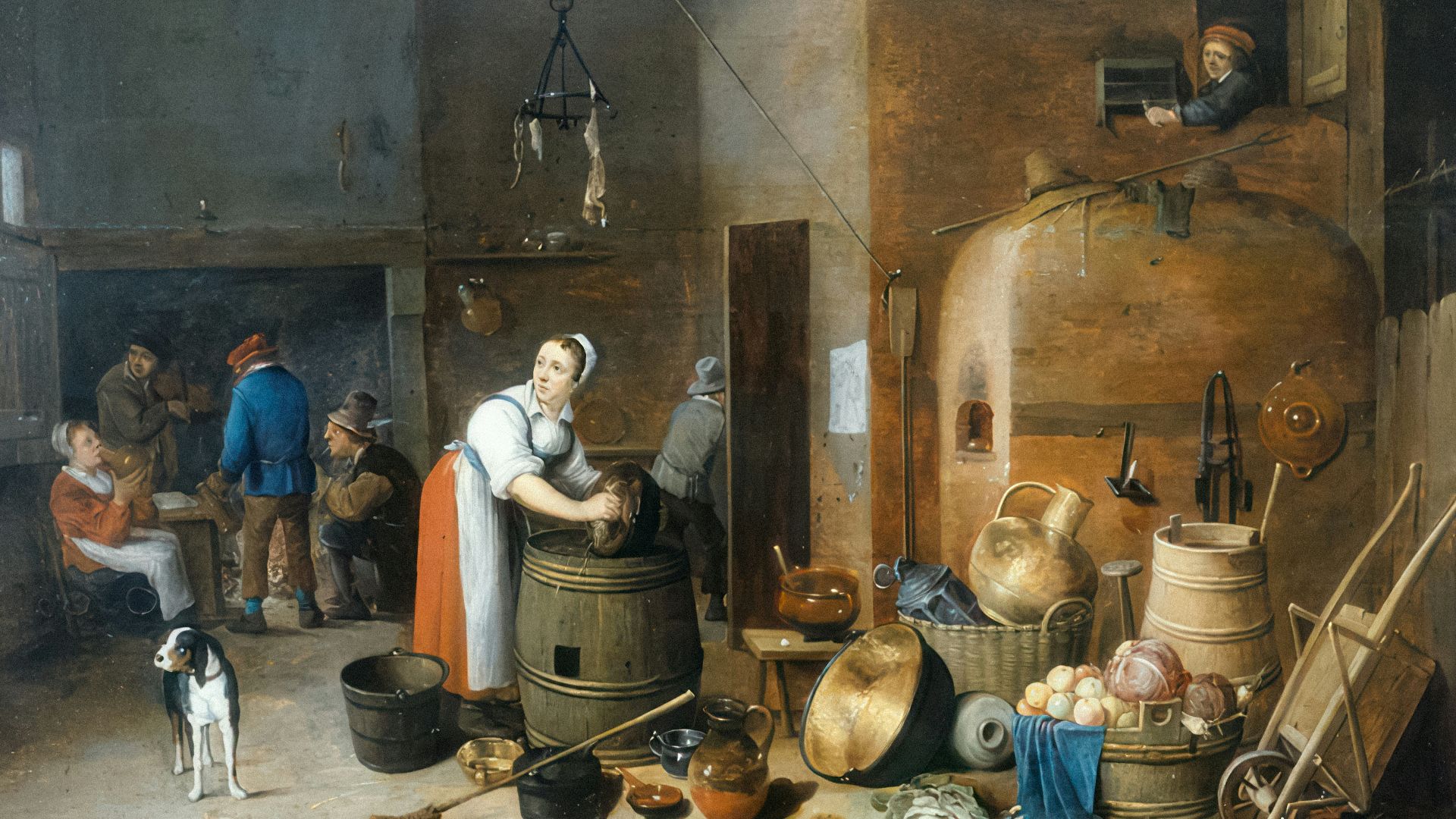 National Historical Museum of Sweden (NHM) on Unsplash
10. Salt, Smoke, And Dry Air
Curing and drying meat and fish turned a good day of food into a week or a month of food. Smokehouses, salting barrels, and sun-drying racks were basically pre-industrial survival tech. The flavor was a bonus; the point was not starving later.
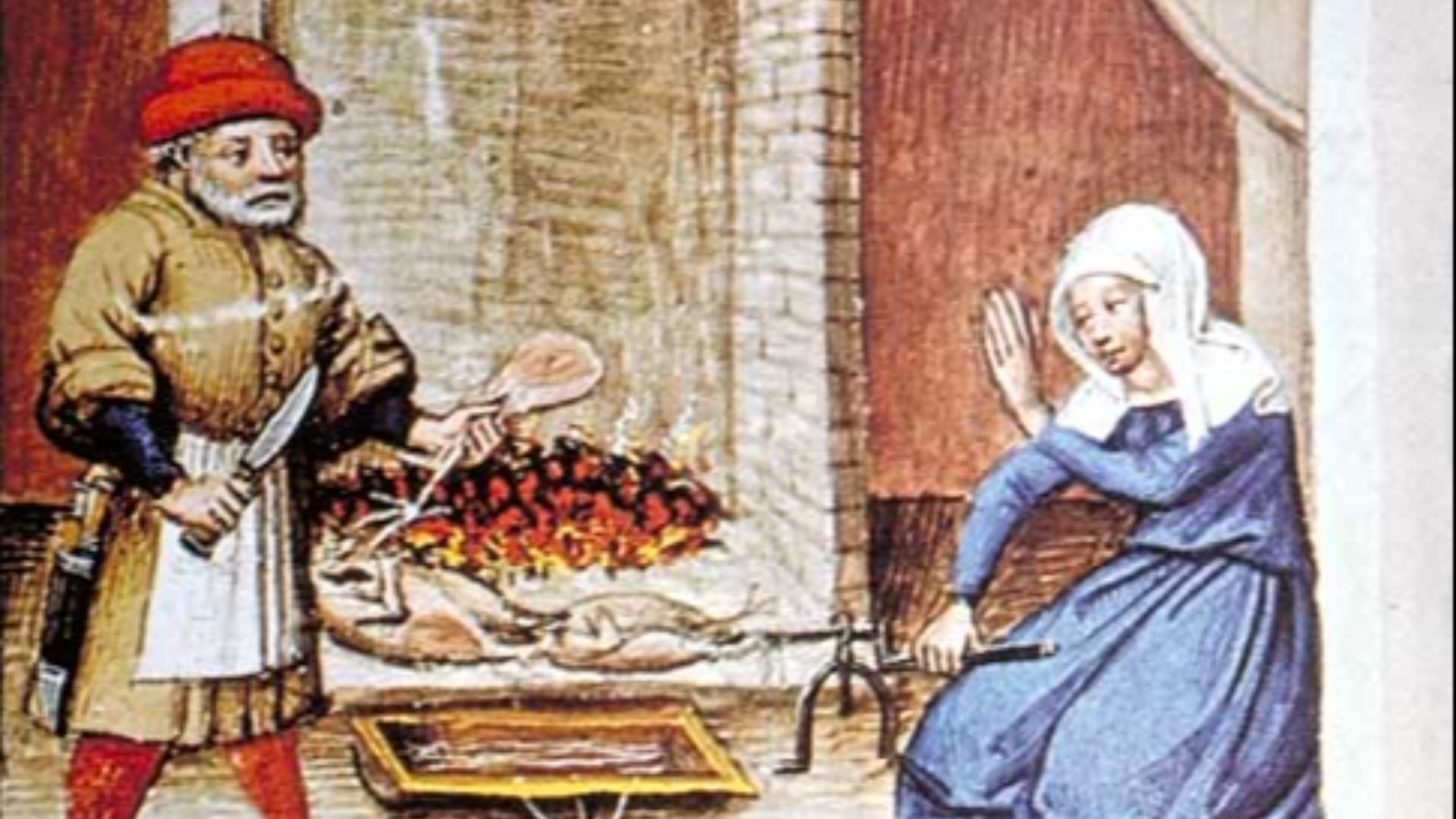
11. Root Cellars And Cold Storage
Before refrigerators, people used the ground as a temperature control system. Root cellars kept potatoes, turnips, apples, and preserved foods edible far longer, which mattered when roads closed or harvests failed. It was boring infrastructure that saved families.
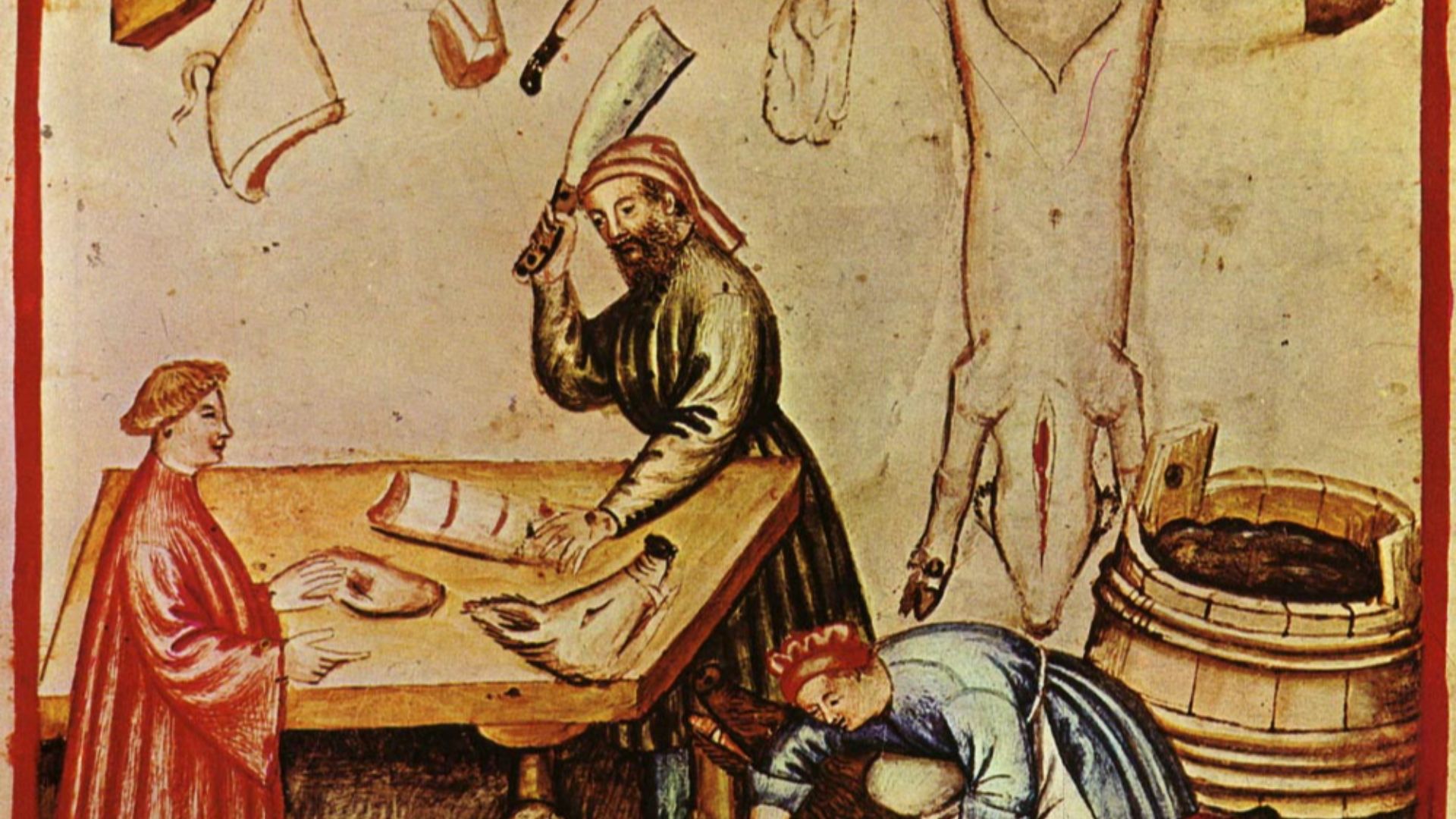
12. Hard Bread And Portable Calories
Armies and travelers relied on tough, dry staples because they survived long journeys without molding immediately. Hardtack and similar rations weren’t pleasant, but they were predictable, and predictability is a form of comfort when everything else is uncertain. The trick was soaking it, crumbling it into soup, or frying it when fat was available.
 commons.wikimedia.org on Google
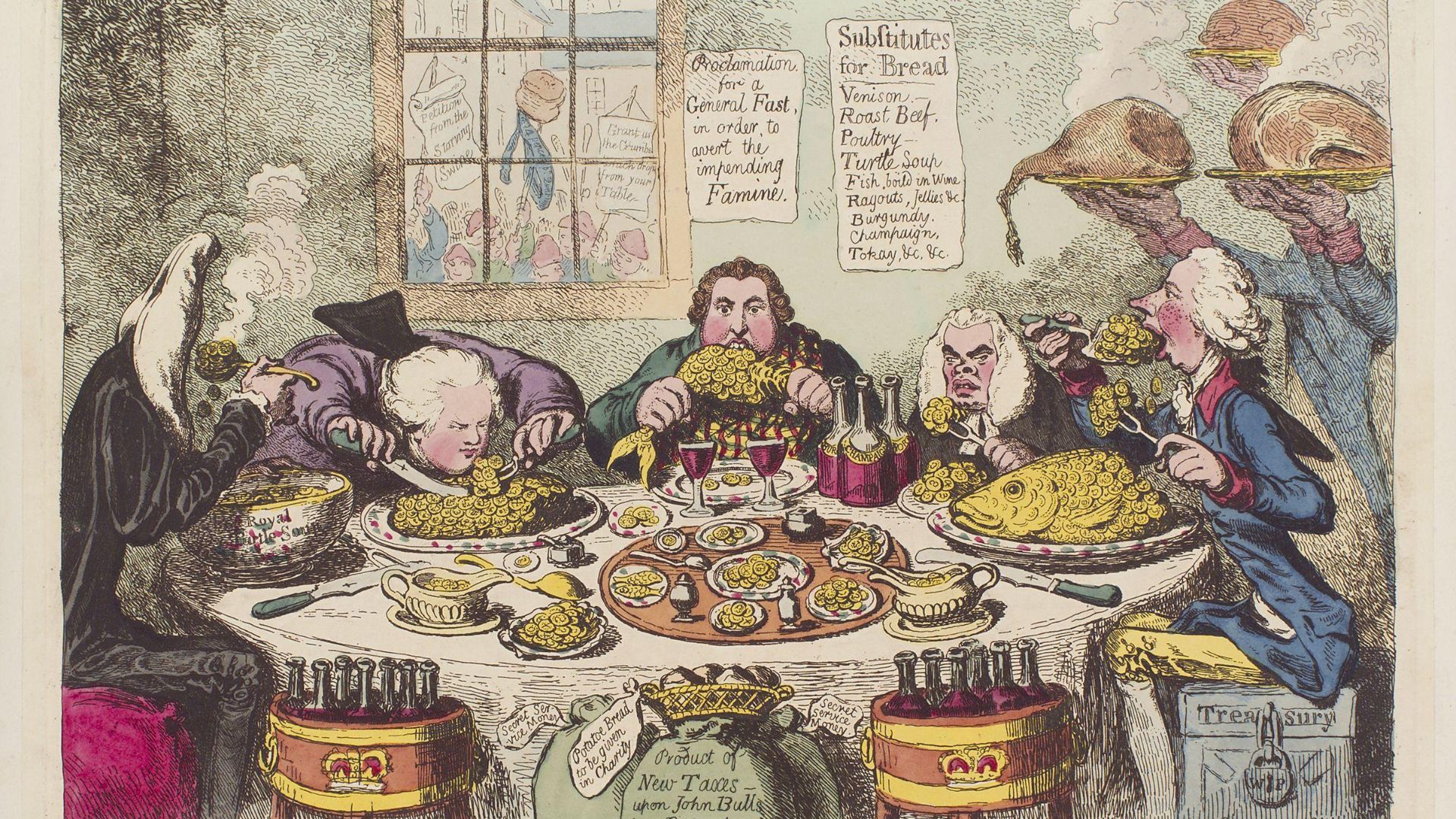
13. Ersatz Ingredients
When trade collapsed or rations tightened, people substituted whatever was available: acorn flour, barley, chicory, turnips, and whatever else was similar to known staples. Some substitutions were grim, but they kept calories moving through households. The psychological benefit mattered too: meals that felt normal made hard periods feel less endless.
 Pieter Brueghel the Elder on Wikimedia
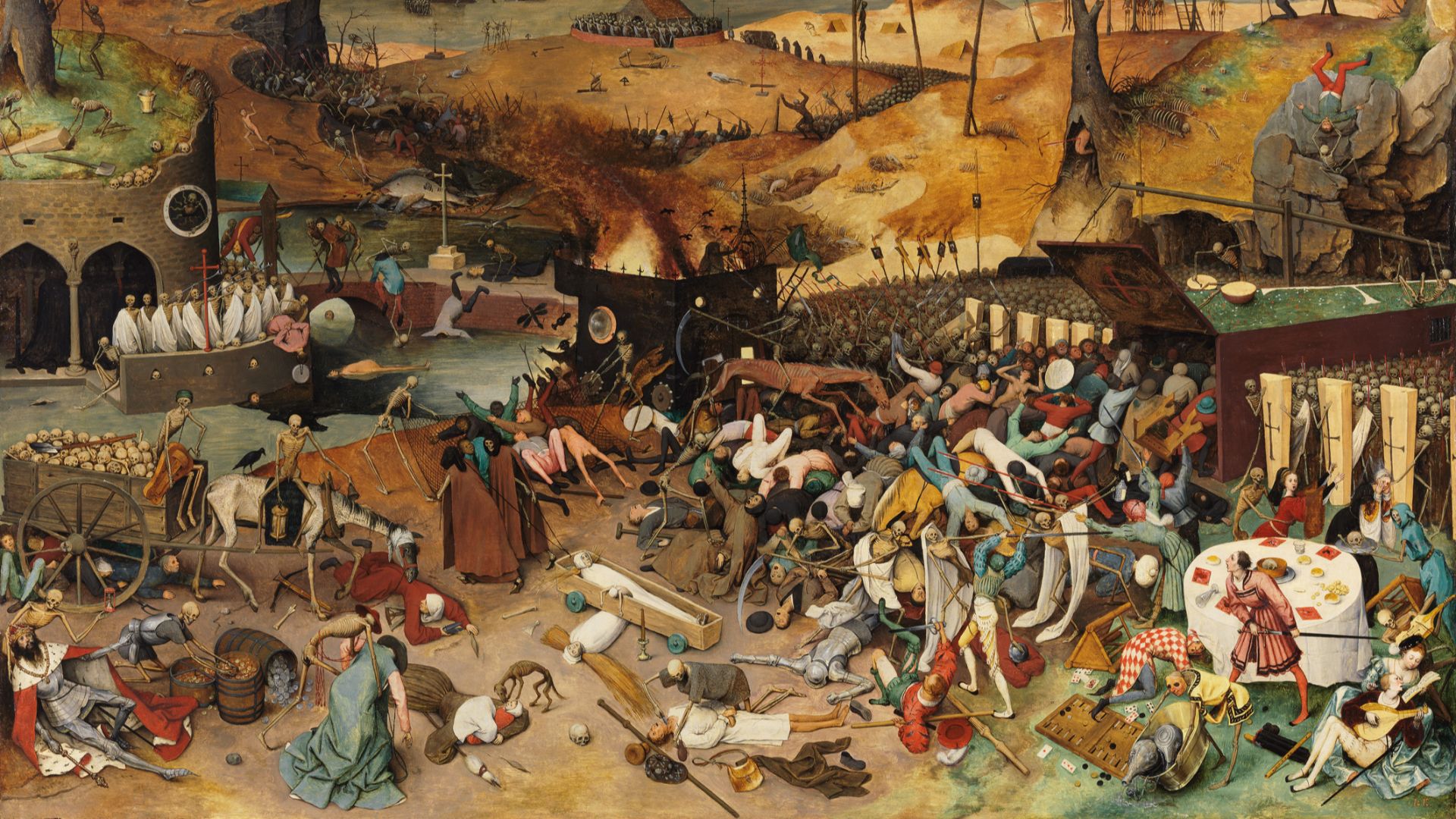
14. Community Kitchens
When individuals could not keep up, communities pooled heat, labor, and ingredients. Soup kitchens and communal cooking reduced fuel use, stretched scarce supplies, and gave people a reliable meal rhythm. It was survival logistics disguised as charity.
 commons.wikimedia.org on Google
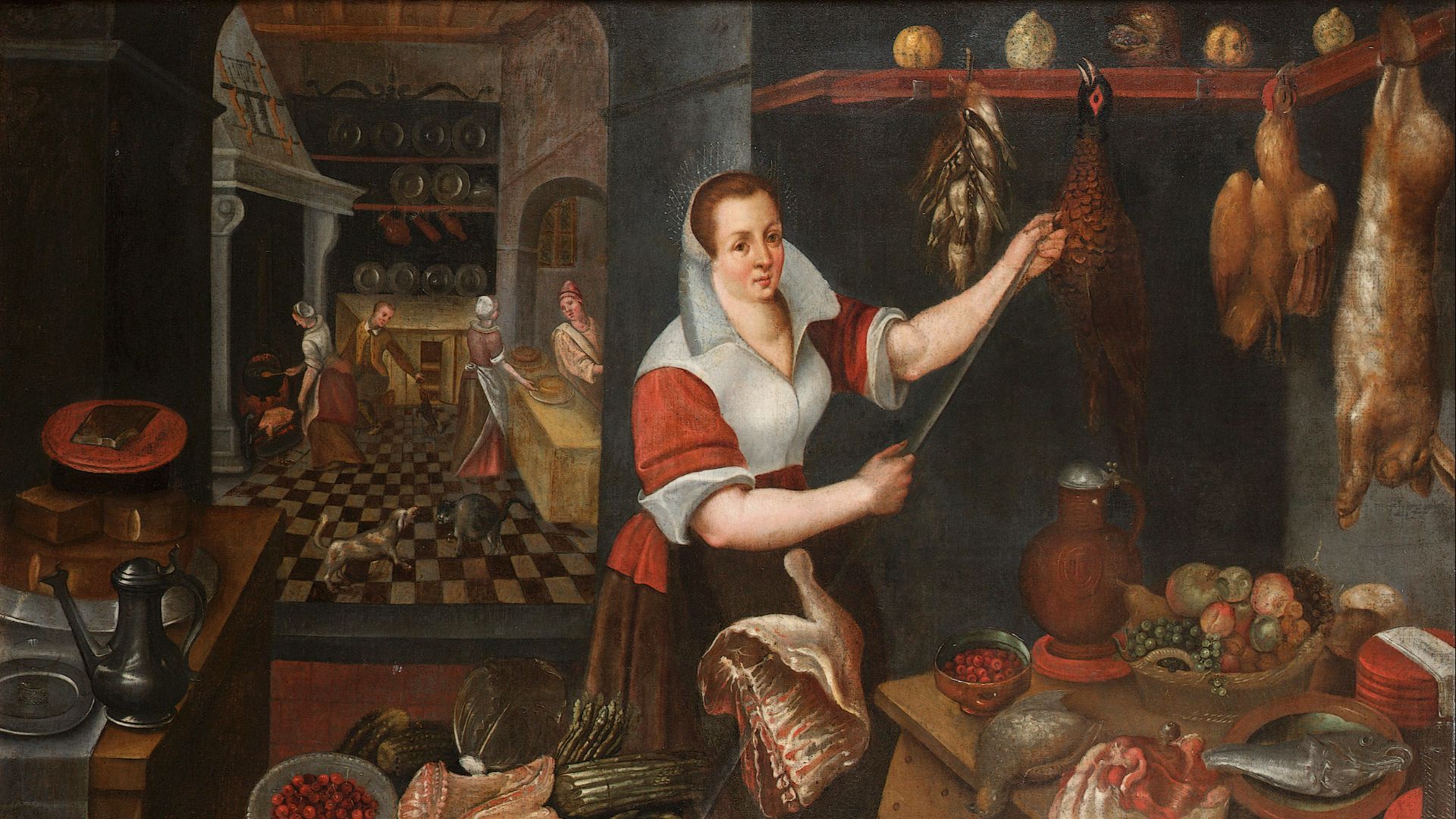
15. Rationing And The Paperwork Of Food
Ration books and strict allotments weren’t fun, but they were a way to prevent total market chaos and hoarding. They also forced people to plan meals around reality instead of hope. In many cases, the hack wasn’t the ration itself, it was learning how to cook well inside it.
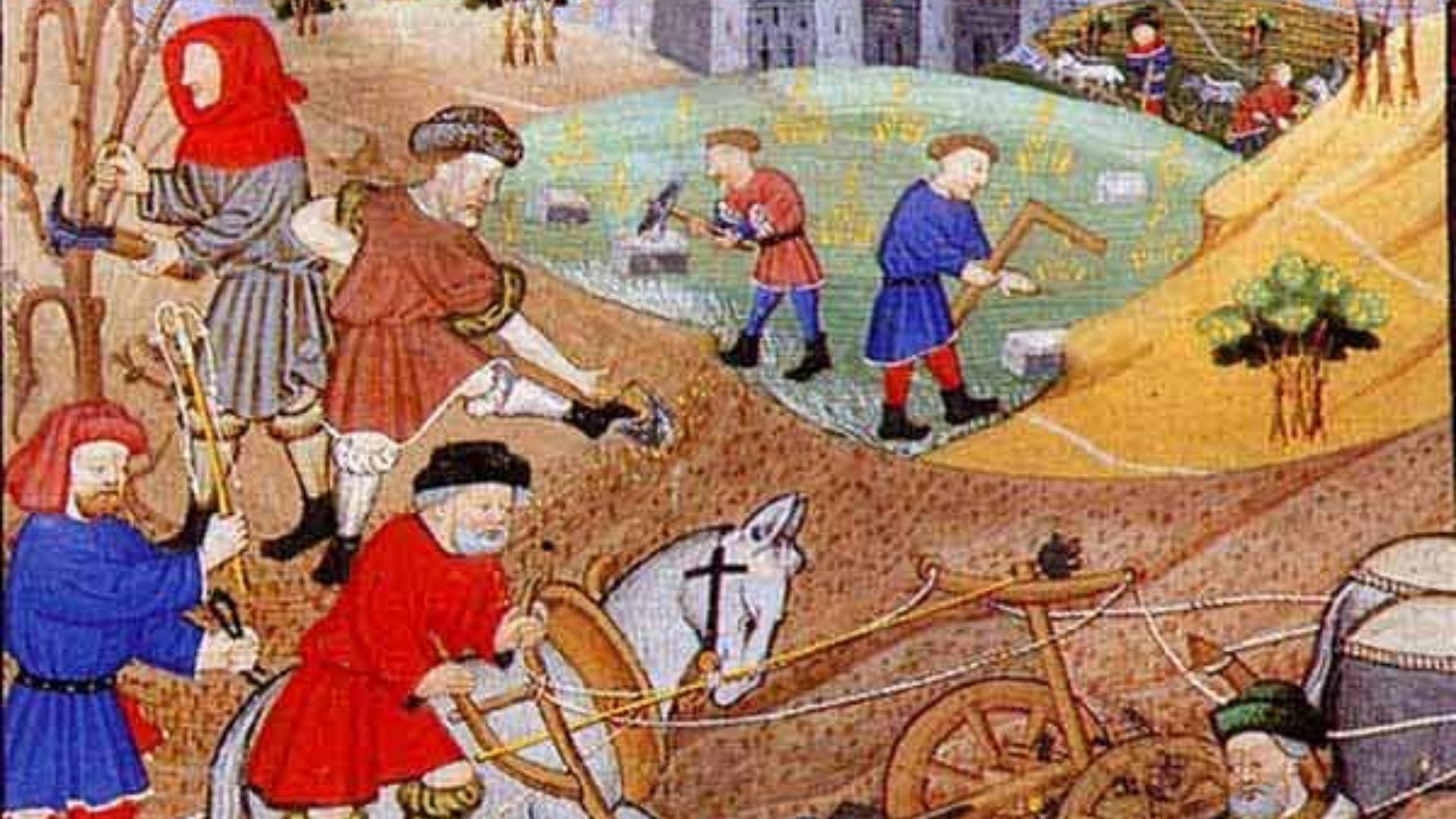
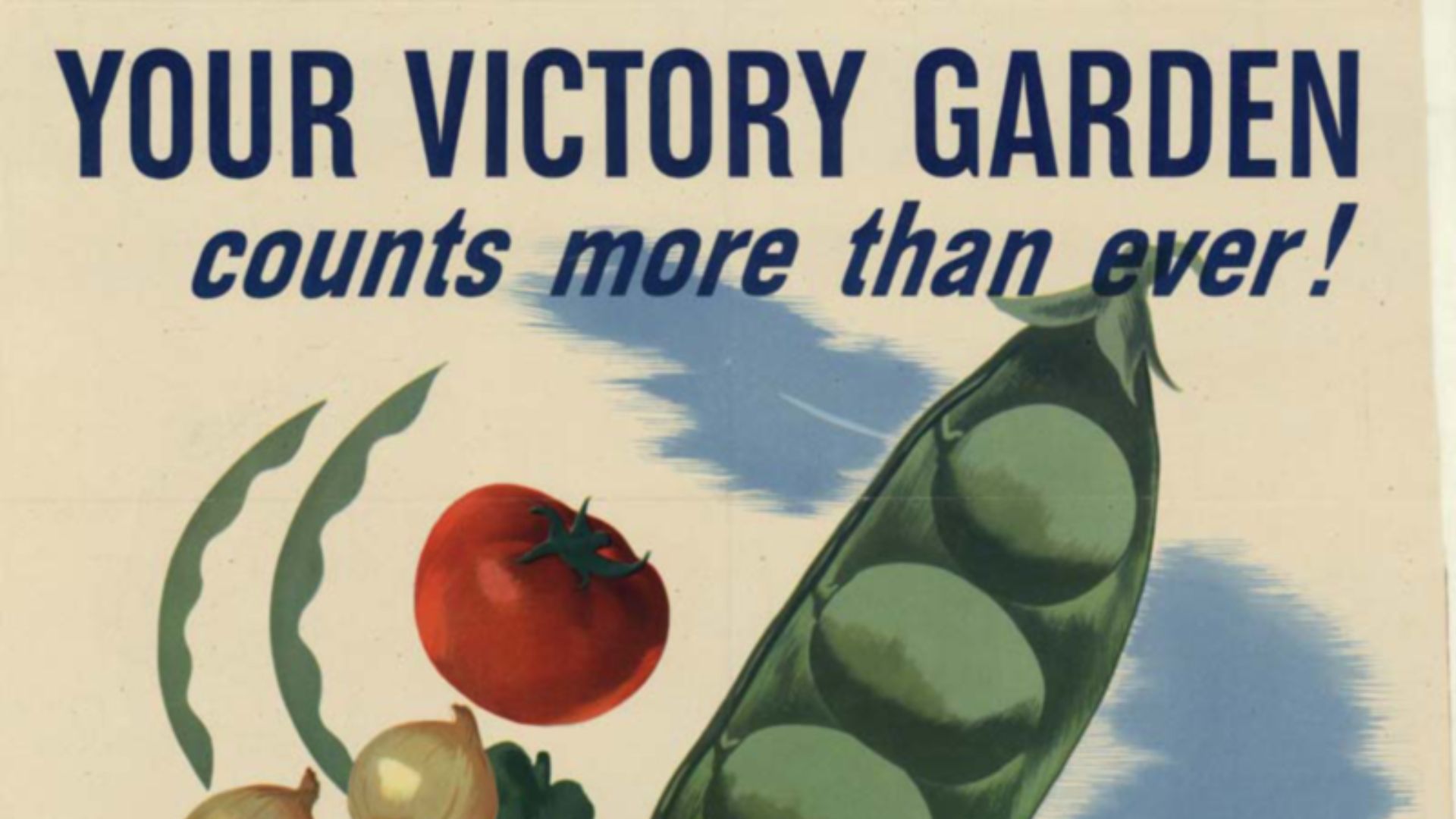
16. Victory Gardens
When war strained food systems, people planted wherever they could: backyards, schoolyards, vacant lots, even small city plots. The point was not hobby gardening; it was adding real calories and taking pressure off limited supplies, and it became a major home-front strategy in World War II.
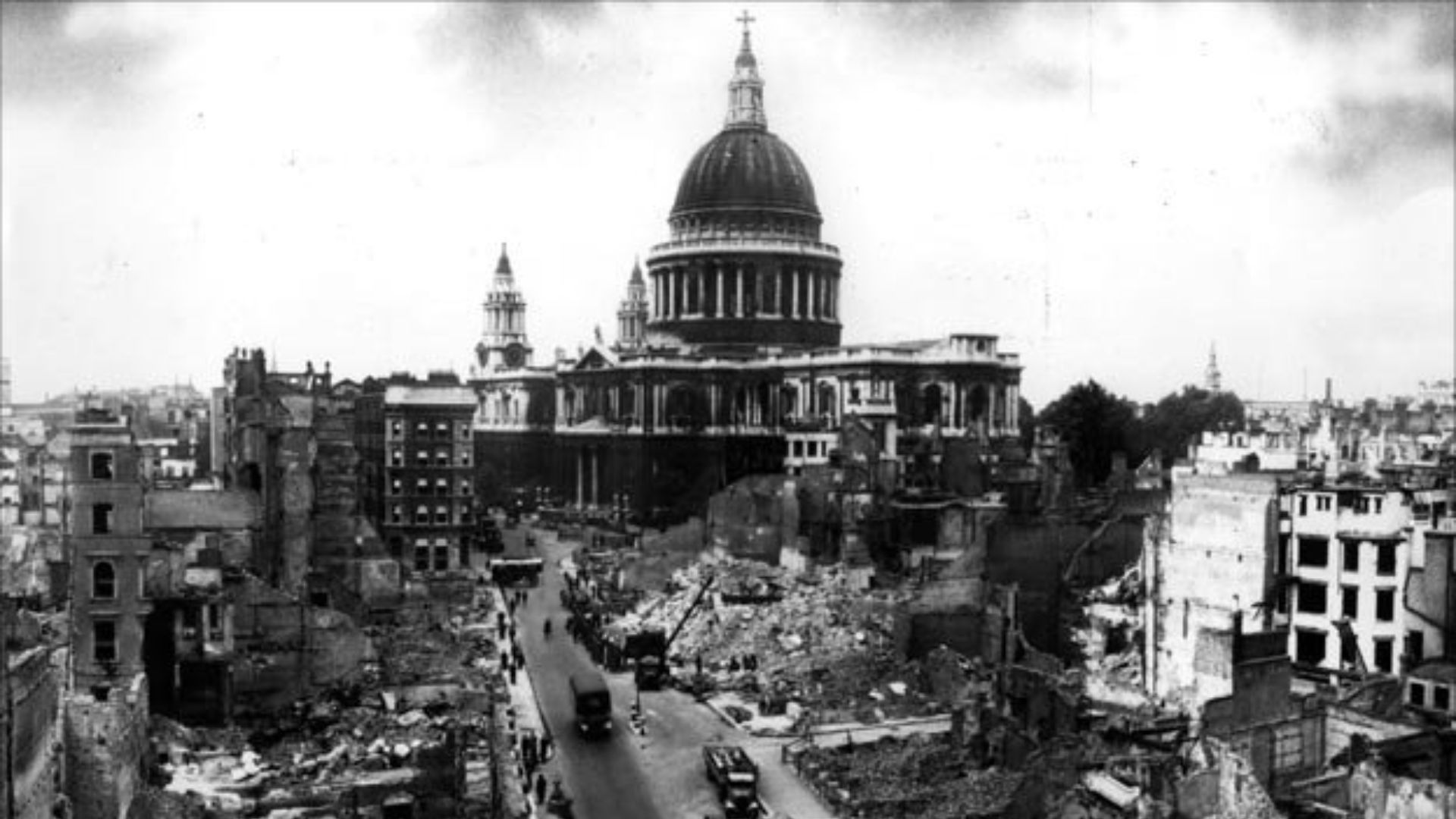
17. Camouflage And Quiet Light
In wartime, survival sometimes meant looking boring and staying unseen. Blackout curtains, covered windows, and careful nighttime routines reduced visibility from the air and kept neighborhoods safer. It was a citywide habit of darkness that people learned to treat as normal.
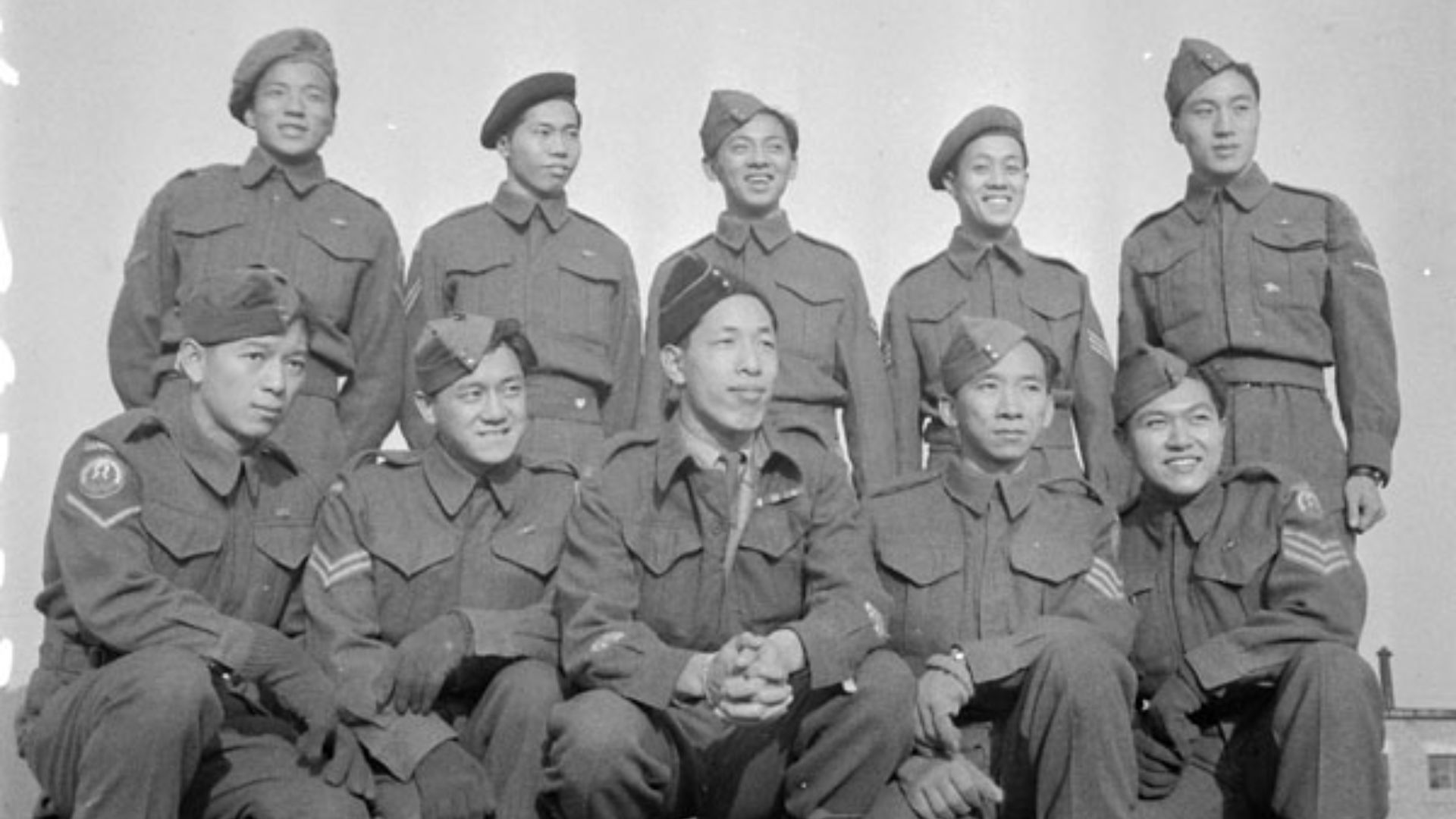
18. Layering And Foot Care
Cold kills slowly and then suddenly, especially when people are wet, exhausted, and stuck outside. Soldiers and civilians learned to treat dry socks, layered clothing, and improvised insulation as life-saving tools, not comfort items. In miserable conditions, preventing small problems like blisters could keep someone mobile, and mobility was survival.
 Sgt. Karen M. Hermiston on Wikimedia
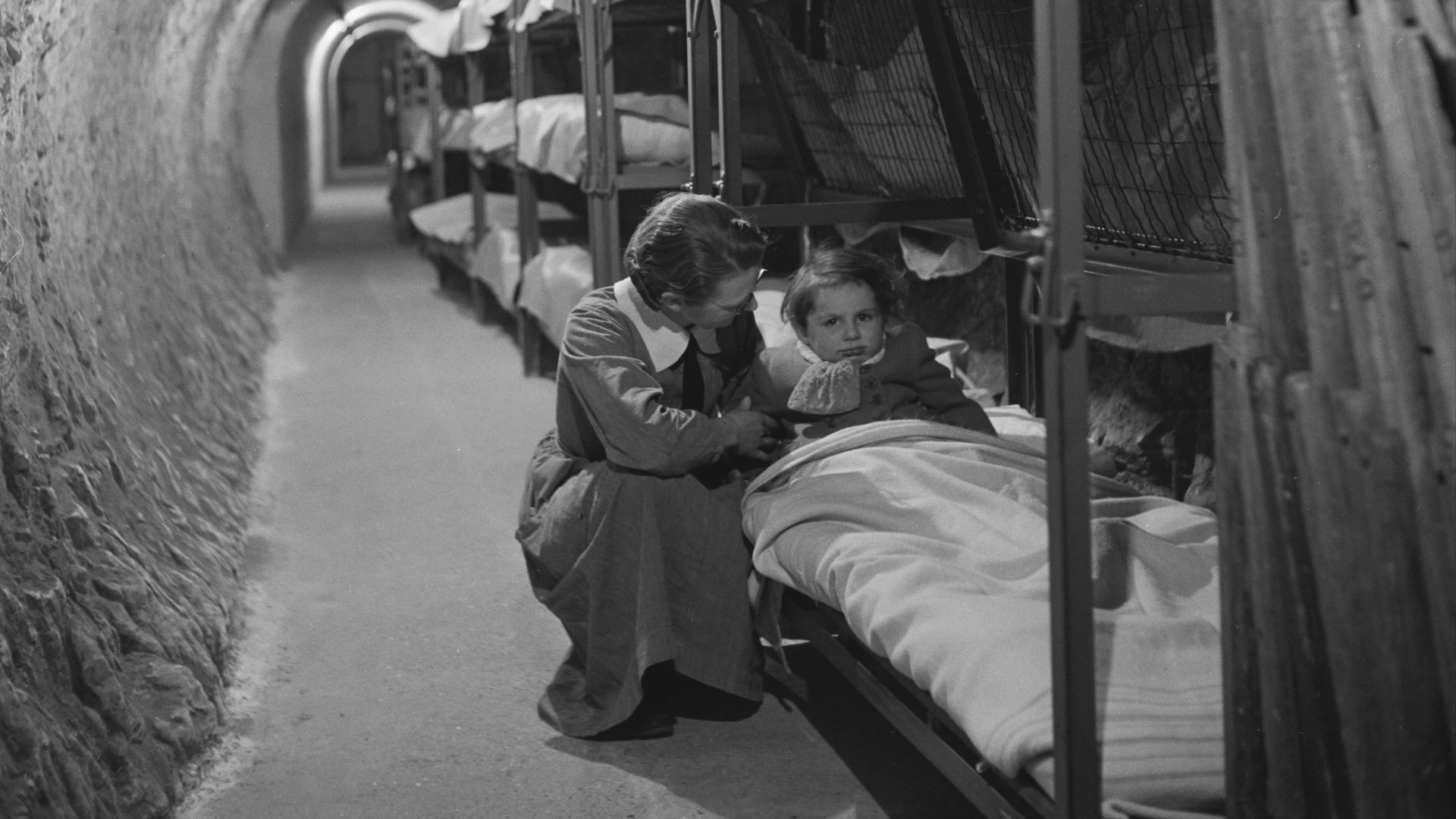
19. Makeshift Shelters And Safe Rooms
When bombs fell or violence moved through towns, people used basements, cellars, trenches, and reinforced interior rooms. The hack was not the structure itself, it was knowing where to go without debate and getting there fast. A practiced plan beat a perfect plan you never used.
 Library of Congress on Unsplash
20. Early Inoculation Experiments
Long before modern vaccines, some societies used variolation, a risky but sometimes effective method of exposing people to smallpox material to reduce the chance of severe disease later. It spread through different regions and entered Western Europe in the early 1700s, showing how desperate times can push medical innovation forward.


_Kitchen_interior_with_maid_1563.jpg)
KEEP ON READING

The Last Samurai: The True Story Of Saigō Takamori And…
Susann Schuster on UnsplashYou probably imagine a samurai as a…
By Sara Springsteen Mar 3, 2026
20 Historical Hacks People Used to Survive Plagues, Famine, and…
Low-Tech Moves That Kept People Alive. When things fall apart,…
By Cameron Dick Mar 3, 2026
Why Old-School Names Keep Coming Back
Unknown photographer on WikimediaYou know how it goes. A name…
By Breanna Schnurr Mar 3, 2026
20 Famous People Who Almost Boarded The Titanic
A Close Call With History. It's wild to think how…
By Sara Springsteen Mar 3, 2026
The New Archaeology Boom Is Underwater
commons.wikimedia.org on GoogleThe most significant archaeological discoveries of the next…
By Cameron Dick Mar 3, 2026
The Untold Influence Of Ancient Trade Routes On Modern Borders
Ivan Karpov on UnsplashWhen you look at a modern map,…
By Rob Shapiro Mar 3, 2026