10 Weirdly Incompetent Dictators & 10 Who Were Terrifyingly Efficient
Power, With Two Very Different Results
Dictatorships don’t fail because the leader lacks confidence. They fail because confidence isn’t the same thing as competence, and absolute power is a great way to hide bad decisions until they’re too big to ignore. Some dictators were bizarrely self-sabotaging, tripping over vanity projects, impulsive policies, and avoidable crises that made their own regimes shakier. Others were frighteningly effective at building systems that lasted, not because they were “good,” but because they were organized, disciplined, and ruthless about control. Both types can be brutal, but they leave different fingerprints on history. Here are 10 weirdly incompetent dictators, followed by 10 who were terrifyingly efficient.
 Original author unknown. Public Domain, Italy. See Template:PD-Italy/US. on Wikimedia
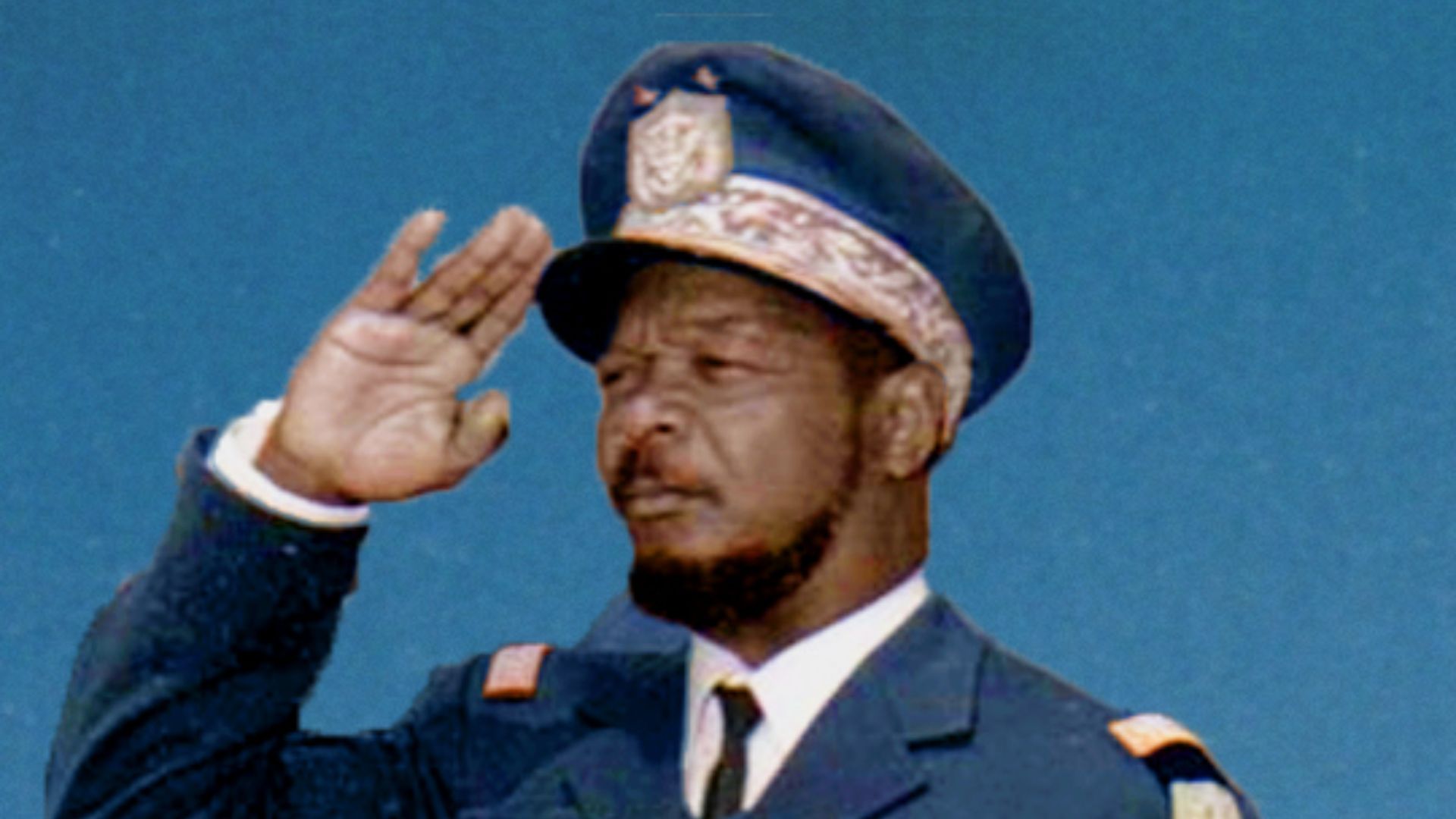
1. Jean-Bédel Bokassa
Bokassa’s rule in the Central African Republic became a symbol of vanity eating the state from the inside. His 1977 self-coronation as “Emperor” was extravagantly staged and widely criticized for the cost and spectacle, at a time when the country could least afford it.
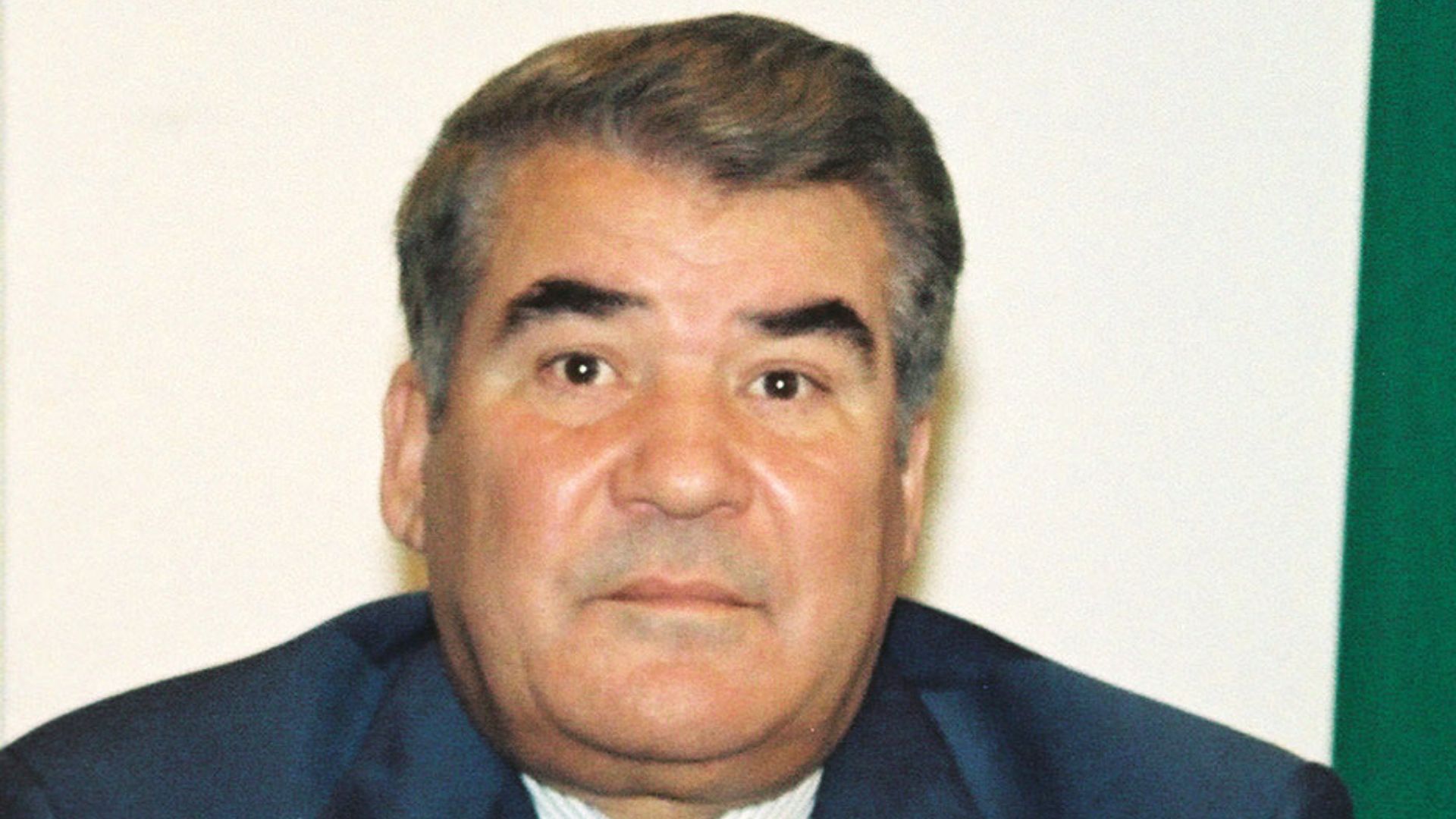
2. Saparmurat Niyazov
Niyazov built an intense personality cult in Turkmenistan and tied daily life to it in ways that were more theatrical than functional. Policies like renaming months and pushing his book, the Ruhnama, into schools and even exams became a national preoccupation that didn’t solve basic governance problems.
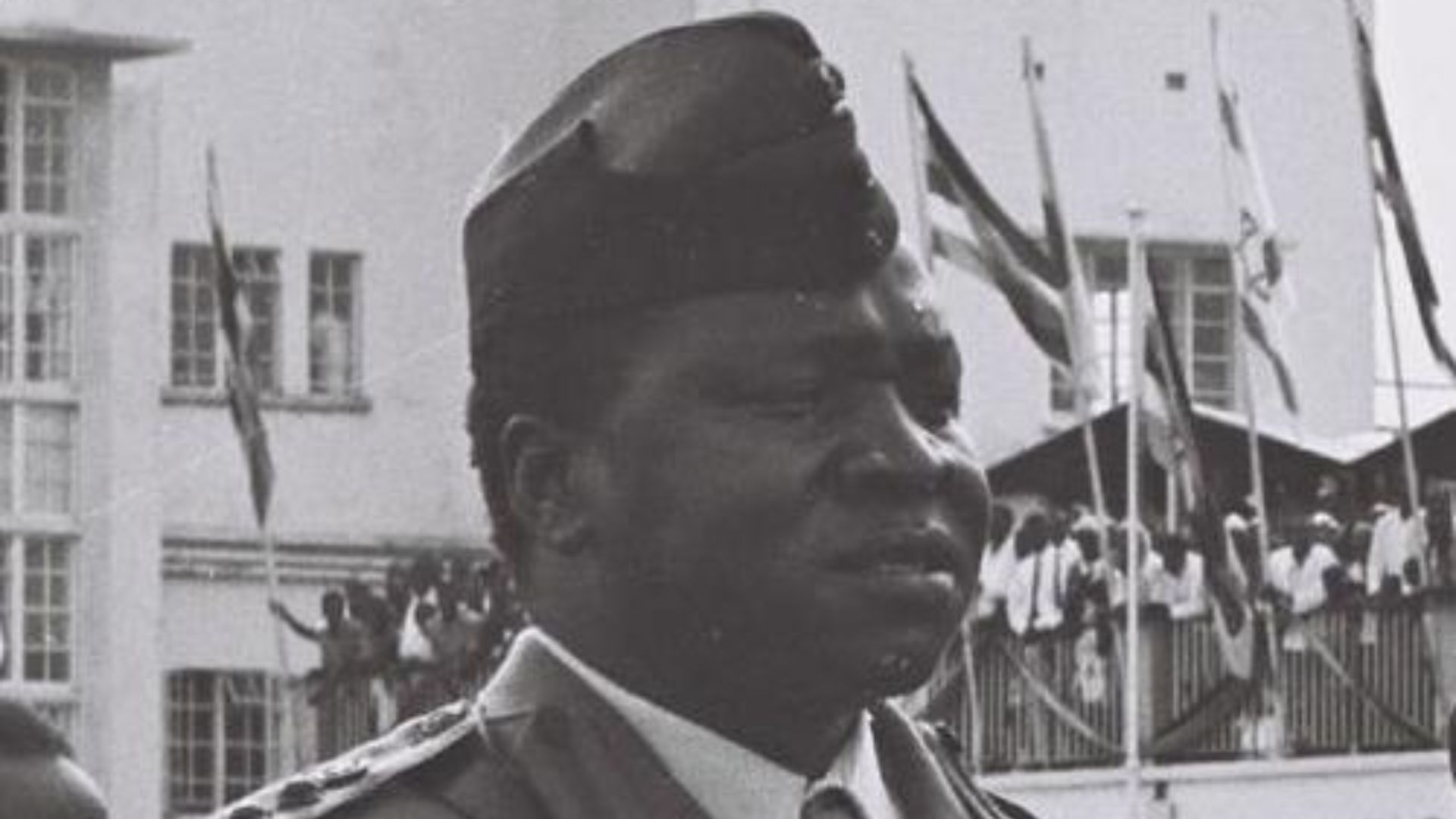
3. Idi Amin
Amin is remembered for extreme brutality, but he also made decisions that wrecked Uganda’s economic and social stability. His 1972 expulsion order targeting the country’s Asian community is a classic example of a dramatic political move that created chaos and long-term damage.
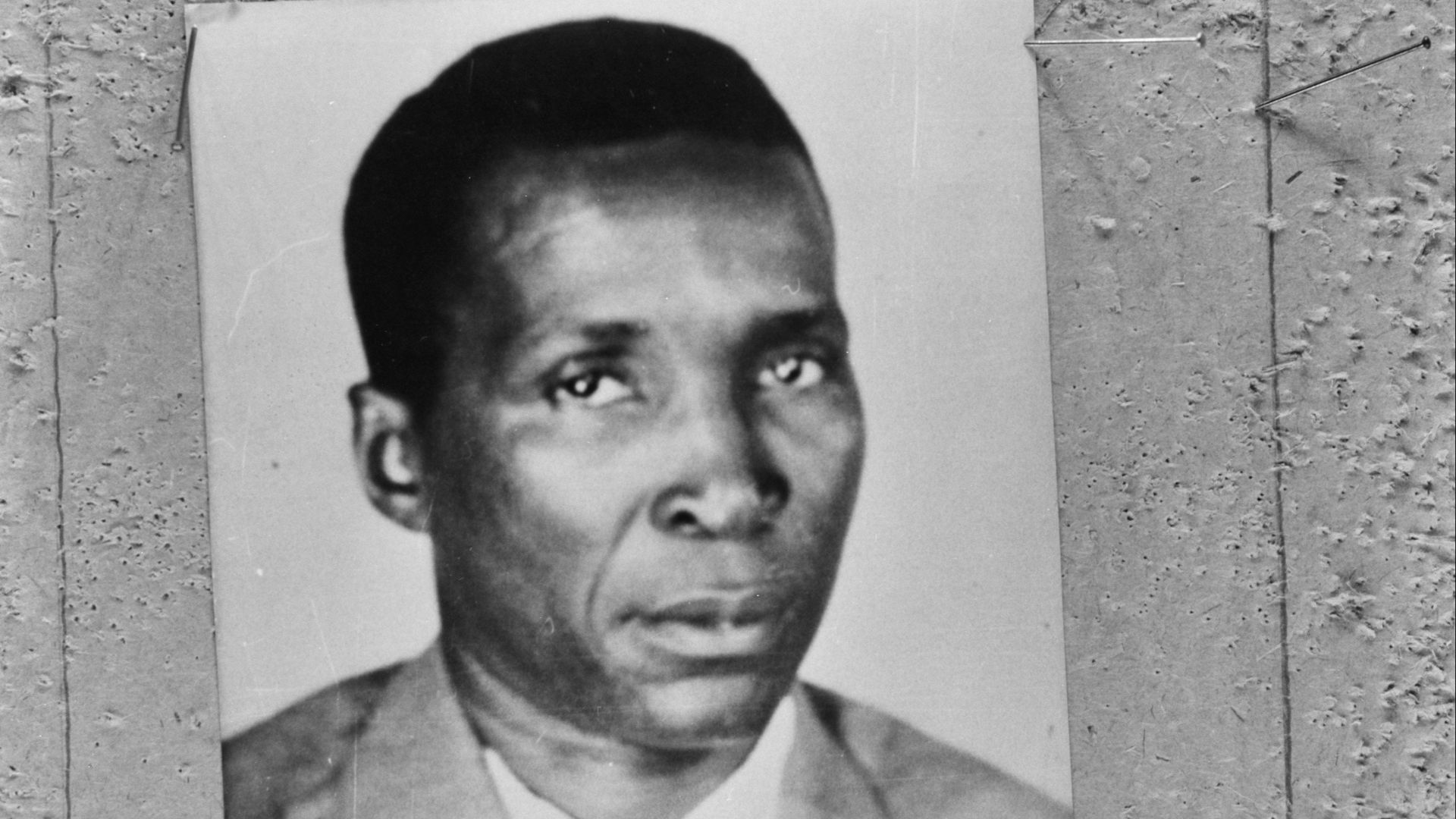
4. Francisco Macías Nguema
Macías Nguema consolidated personal power in Equatorial Guinea quickly, then governed through paranoia and erratic repression that hollowed out institutions. His regime targeted educated people and created conditions where the state barely functioned, which is a special kind of failure for a leader who supposedly wanted control.
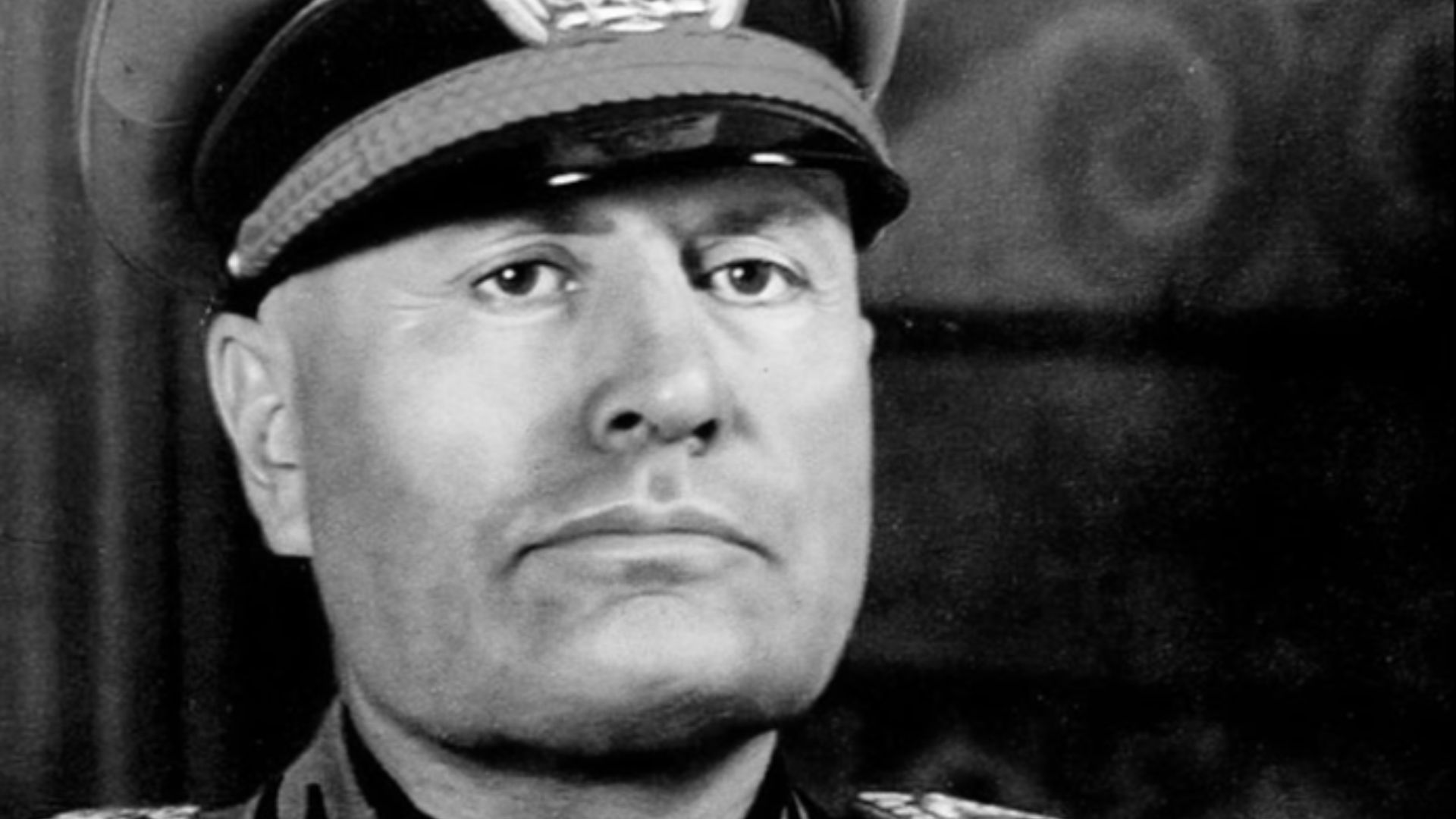
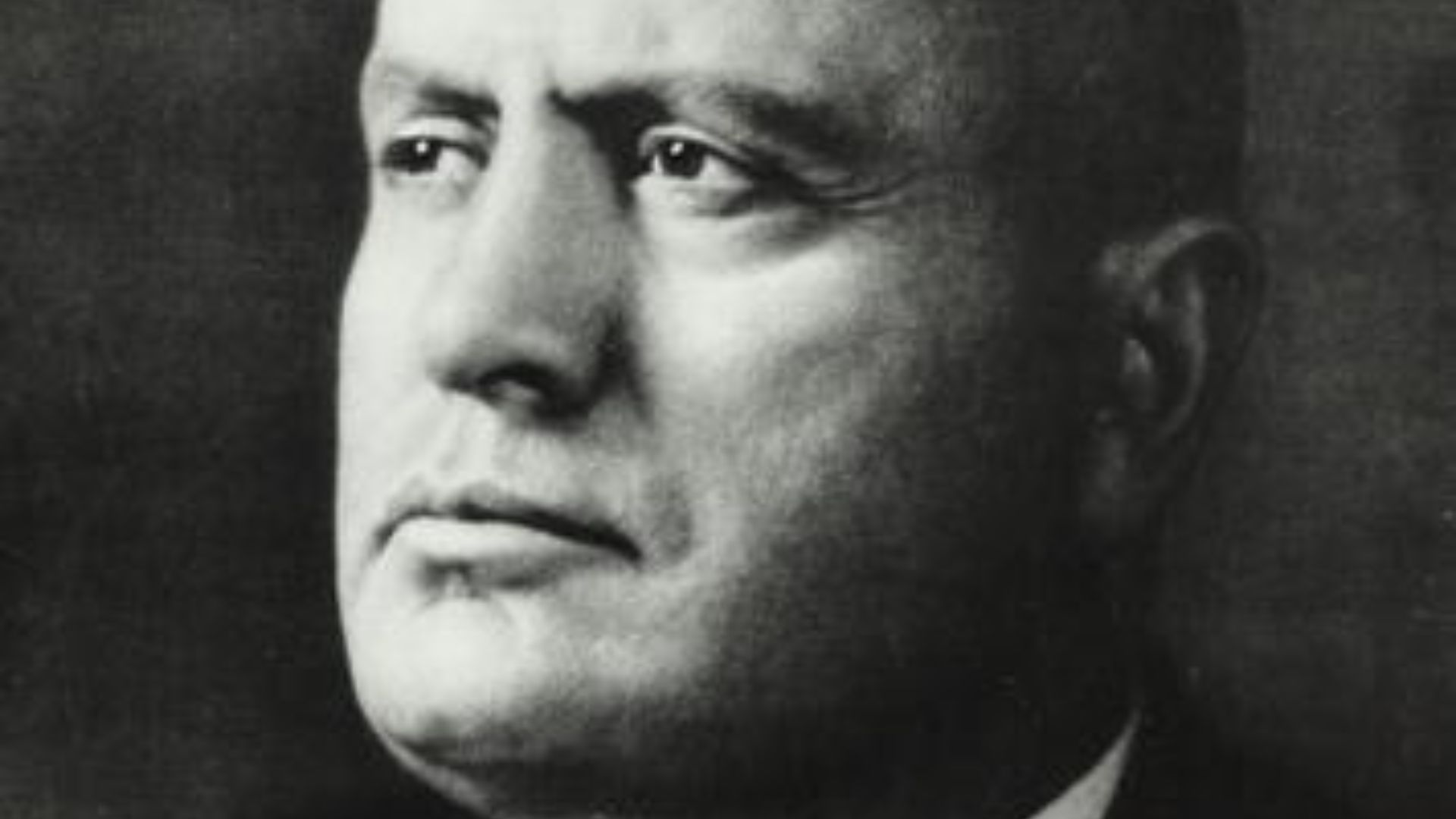
5. Benito Mussolini
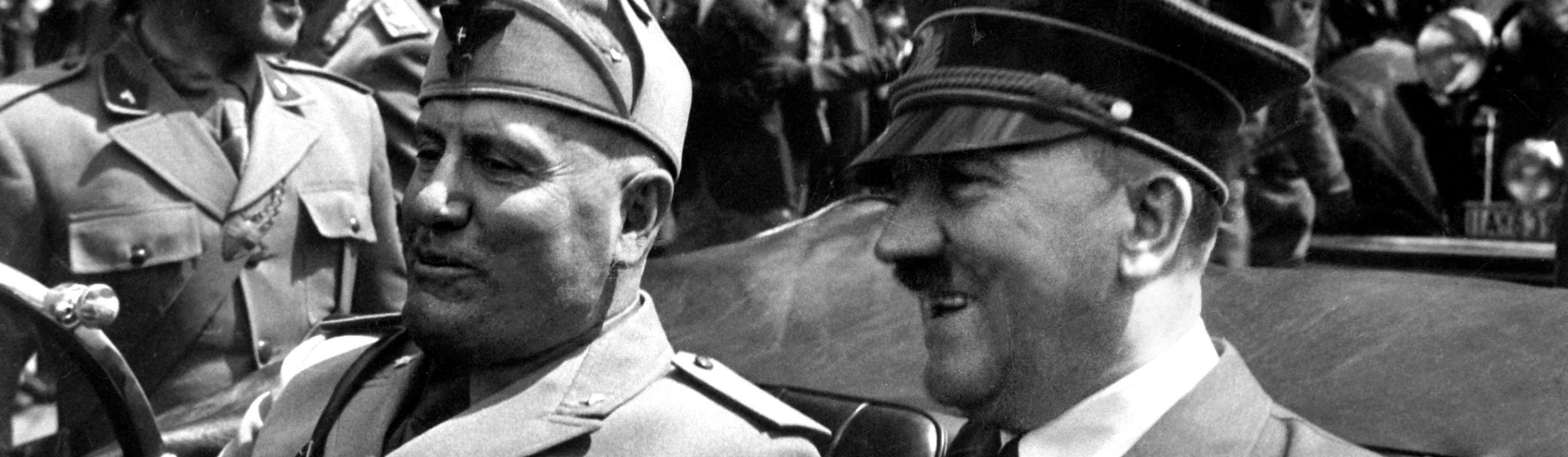
Mussolini wanted Italy to look like a modern empire, but his strategic decision-making during World War II often looked impulsive and reactive. Britannica notes he attacked Greece in 1940 without informing the Germans, partly out of rivalry, which tells you a lot about priorities.
 Unknown authorUnknown author on Wikimedia
6. Leopoldo Galtieri
Galtieri took power in Argentina during a period of economic trouble and growing opposition, and then reached for a gamble that backfired hard. The decision to seize the Falkland Islands in 1982 didn’t stabilize the regime; it triggered a war and accelerated its collapse after defeat.
7. Pol Pot
The Khmer Rouge leadership tried to remake Cambodia into an extreme agrarian state, and the results were catastrophic. Policies aimed at eliminating markets and money weren’t just cruel, they were economically destructive on purpose, and the system they created couldn’t sustain life at scale.
 Unknown authorUnknown author on Wikimedia
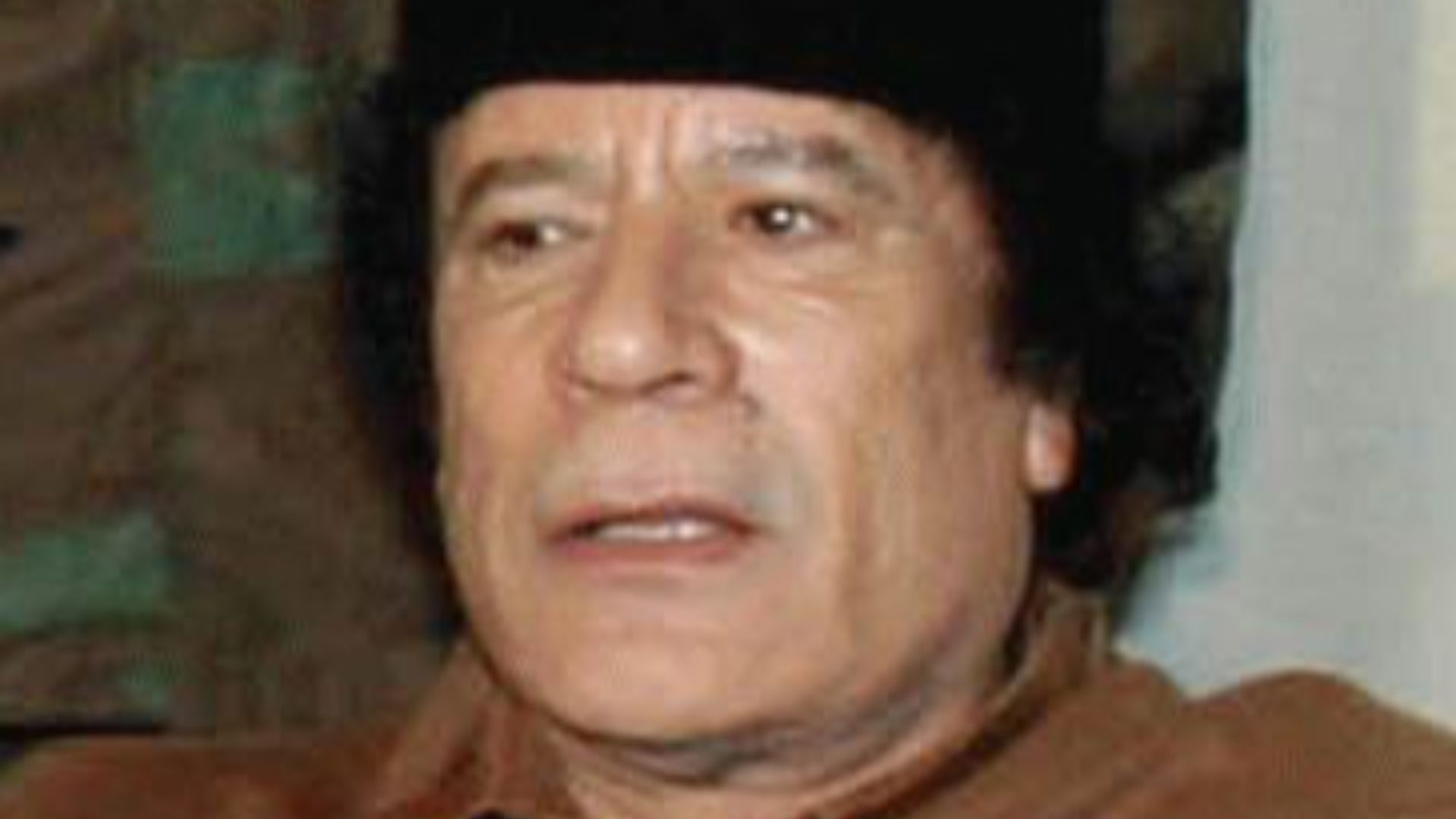
8. Muammar Qaddafi
Qaddafi’s rule in Libya mixed longevity with a style of governance that often felt improvisational and personality-driven. His political ideology was packaged into The Green Book and a system he promoted as “rule by the people,” but in practice it centralized power around him and produced chronic instability.
 Antônio Milena/ABr on Wikimedia
9. Ferdinand Marcos
Marcos was skilled at staying in power, but the way he ran the state also shows how dictatorship can rot basic administration. Under martial law, the system leaned into patronage and coercion, and the country paid for it in weakened institutions and long-term economic damage to the Philippines that outlasted the regime.
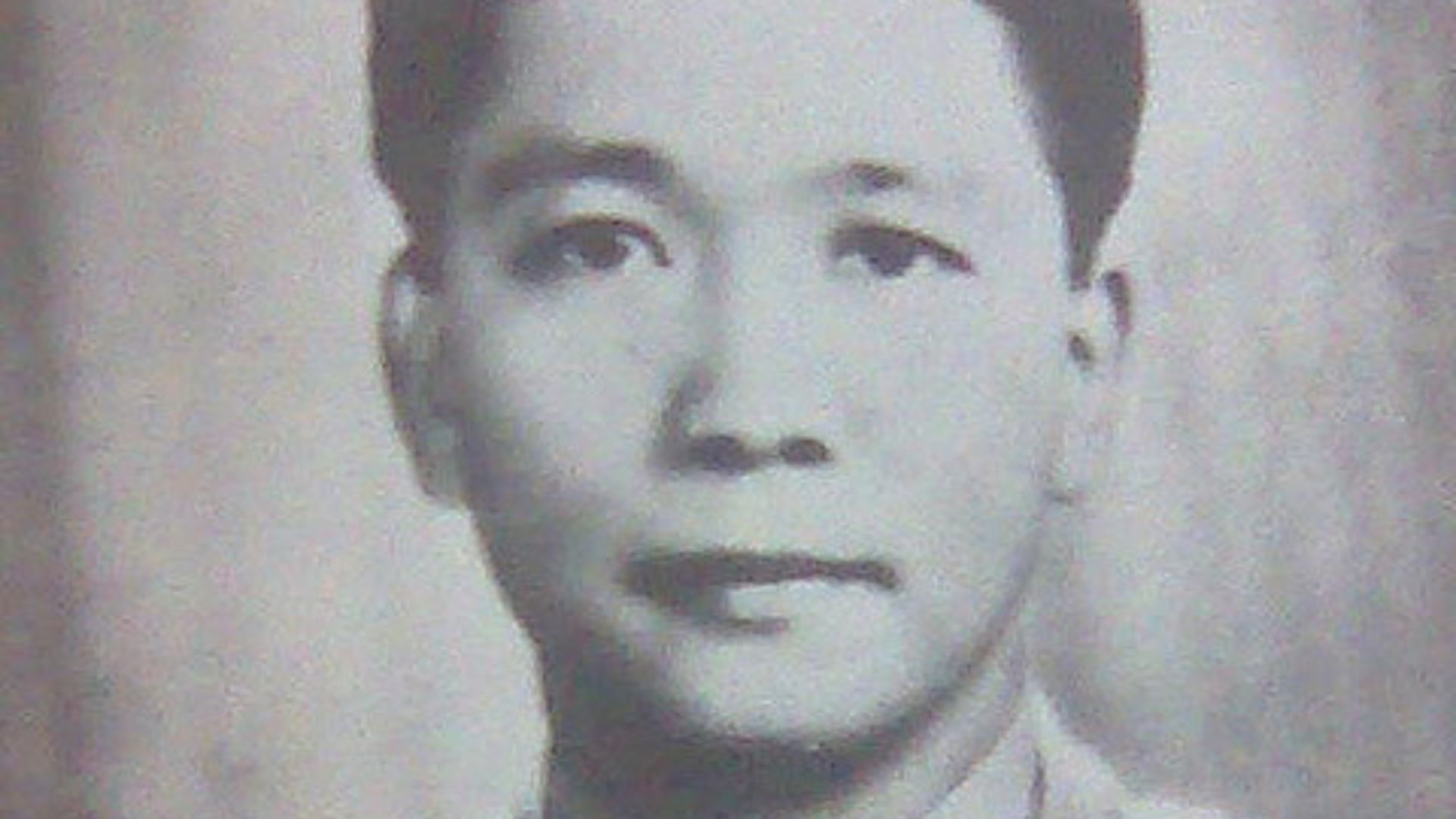 Unknown authorUnknown author on Wikimedia
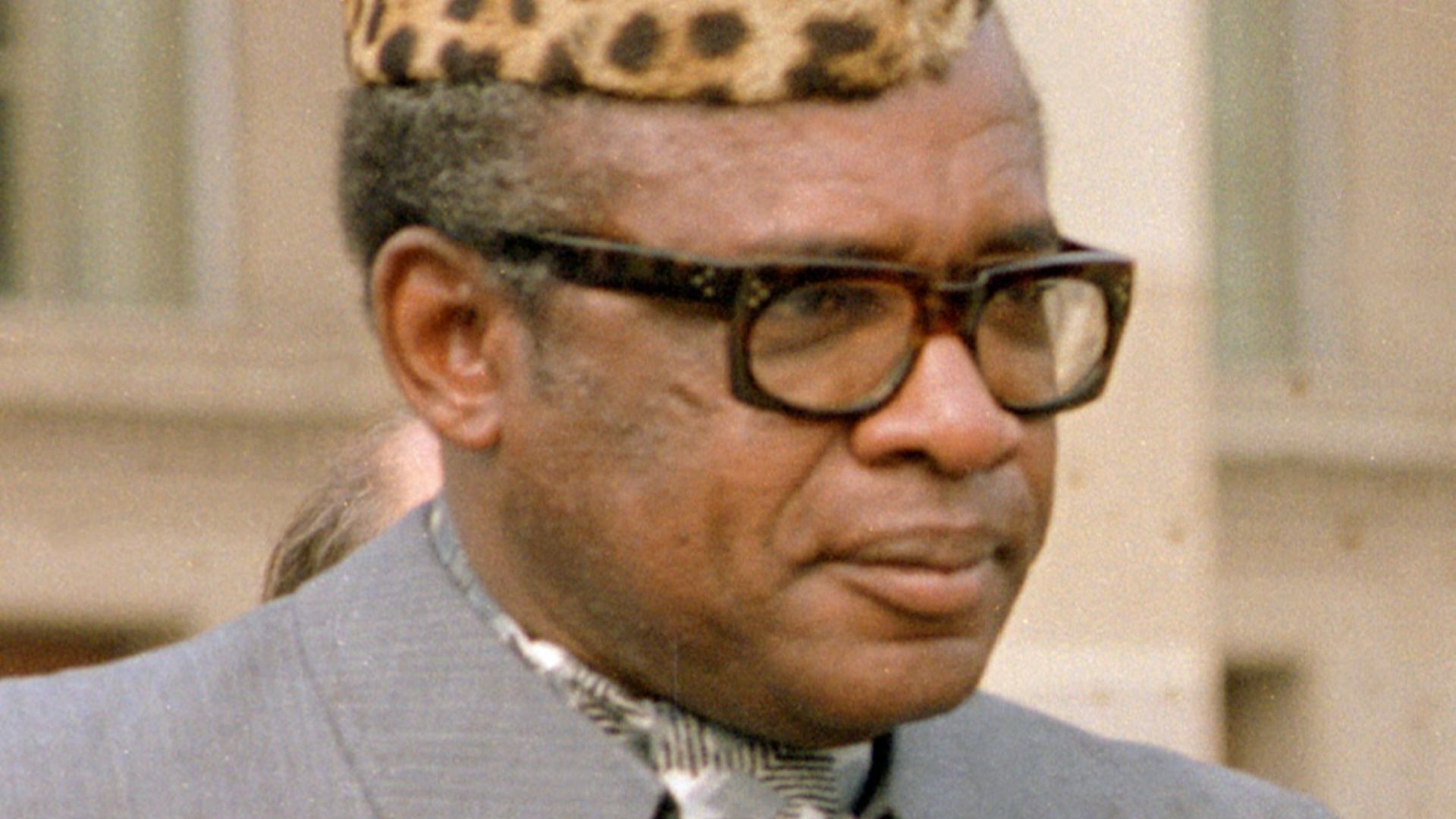
10. Mobutu Sese Seko
Mobutu built his rule in Zaire around spectacle and personal branding, including an authenticity campaign that renamed the country and pushed state-directed cultural changes. Behind the symbolism, his government became widely described as a kleptocracy, with corruption and personal enrichment hollowing out institutions and weakening basic governance.
Now, here are ten dictators who were terrifyingly efficient at building systems that controlled people through organized repression and tight state machinery.
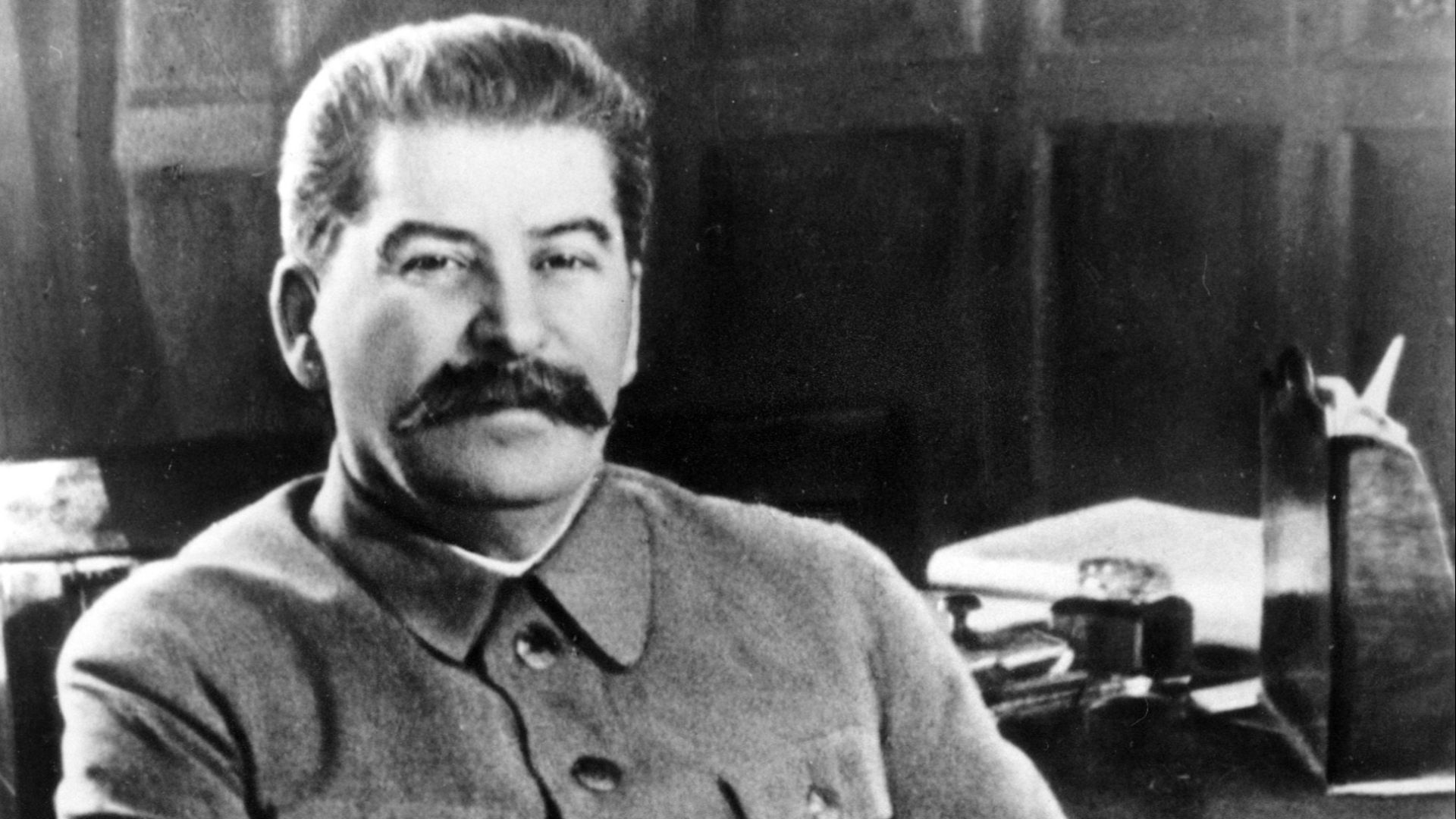
1. Joseph Stalin
Stalin’s power wasn’t just personal; it was institutional, enforced through a vast security apparatus and a climate of fear that reached into every layer of society. The Great Purge era shows how methodical the system could be, using show trials, imprisonment, and executions to eliminate rivals and intimidate everyone else.
 Unknown, presumably by a government employee as part of official duties on Wikimedia
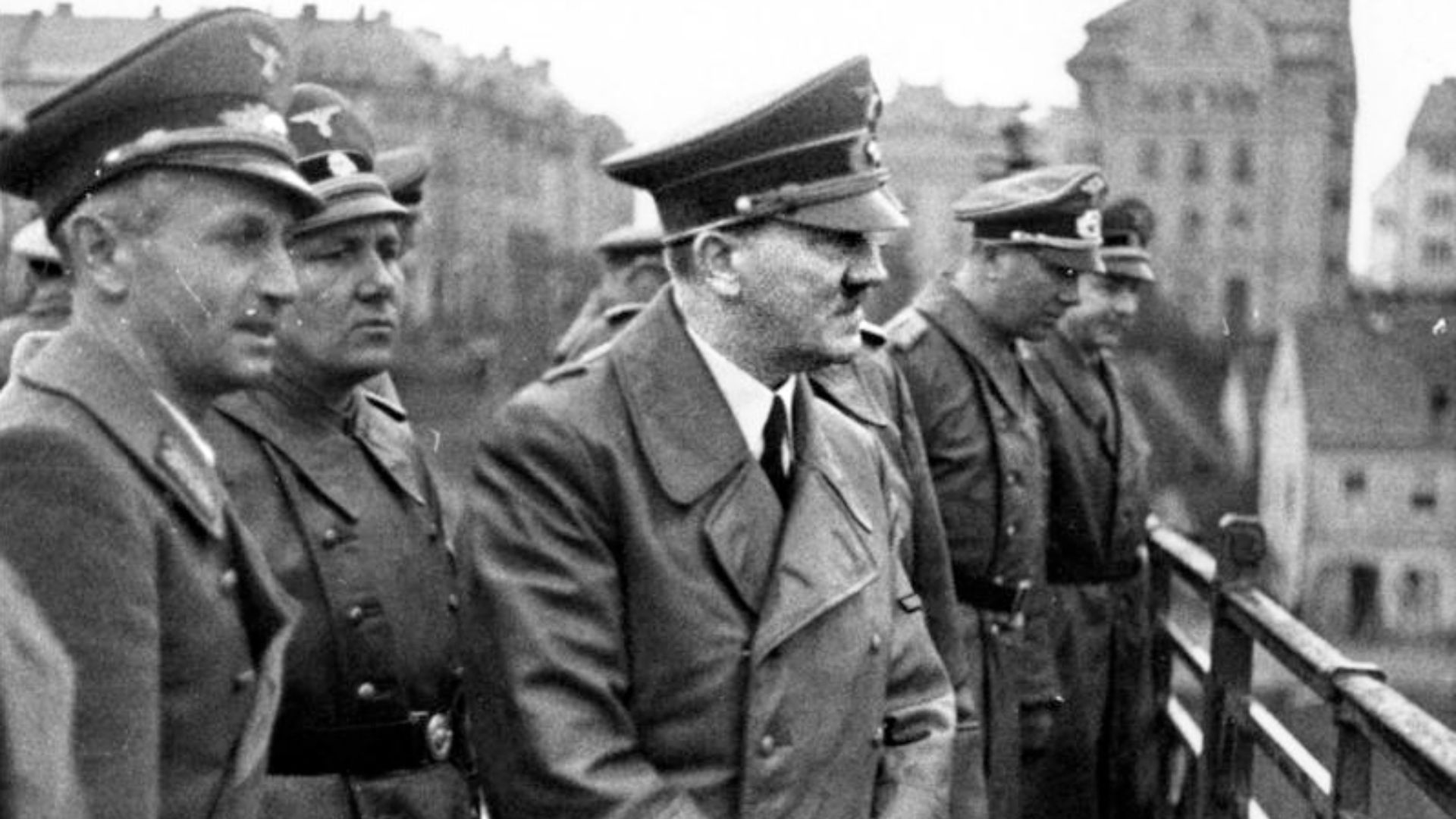
2. Adolf Hitler
Hitler’s regime was horrifyingly effective at coordinating propaganda, mobilizing state institutions, and turning ideology into policy at speed. The efficiency wasn’t good management, it was the ability to align bureaucracy, police power, and mass persuasion toward destructive goals, which is part of what made it so dangerous.
3. Francisco Franco
Franco built a long-lasting authoritarian system in Spain that relied on repression, legal controls, and tight management of political life. Britannica describes a regime grounded in wartime emergency powers and sustained through purges and tribunals, especially in the early years.
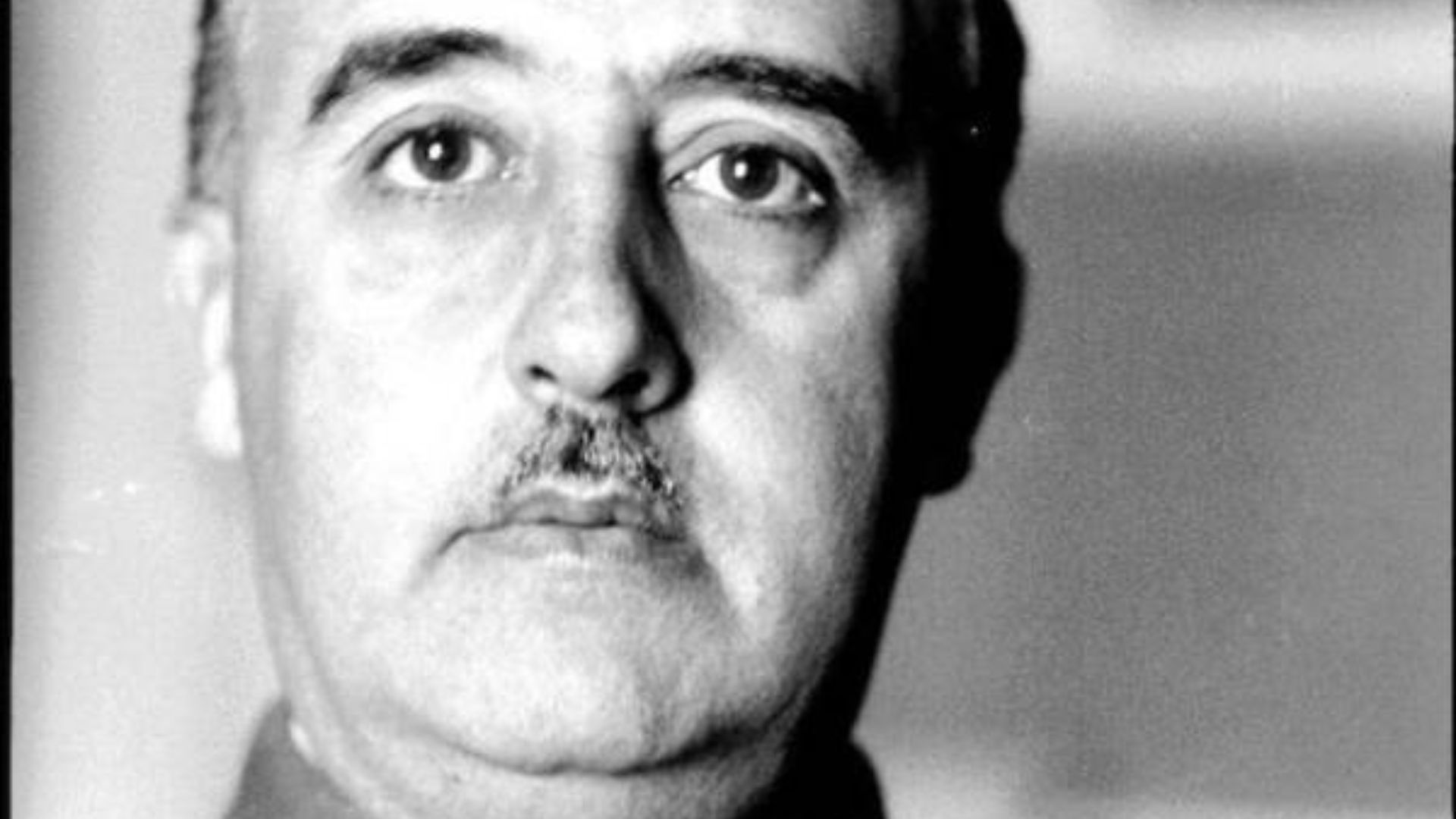 Unknown authorUnknown author on Wikimedia
4. Augusto Pinochet
Pinochet’s government in Chile shows what efficient repression looks like when it’s formalized. Declassified documentation highlights the creation of DINA, a secret police force central to surveillance, detention, torture, and disappearance, giving the regime a structured tool for control.
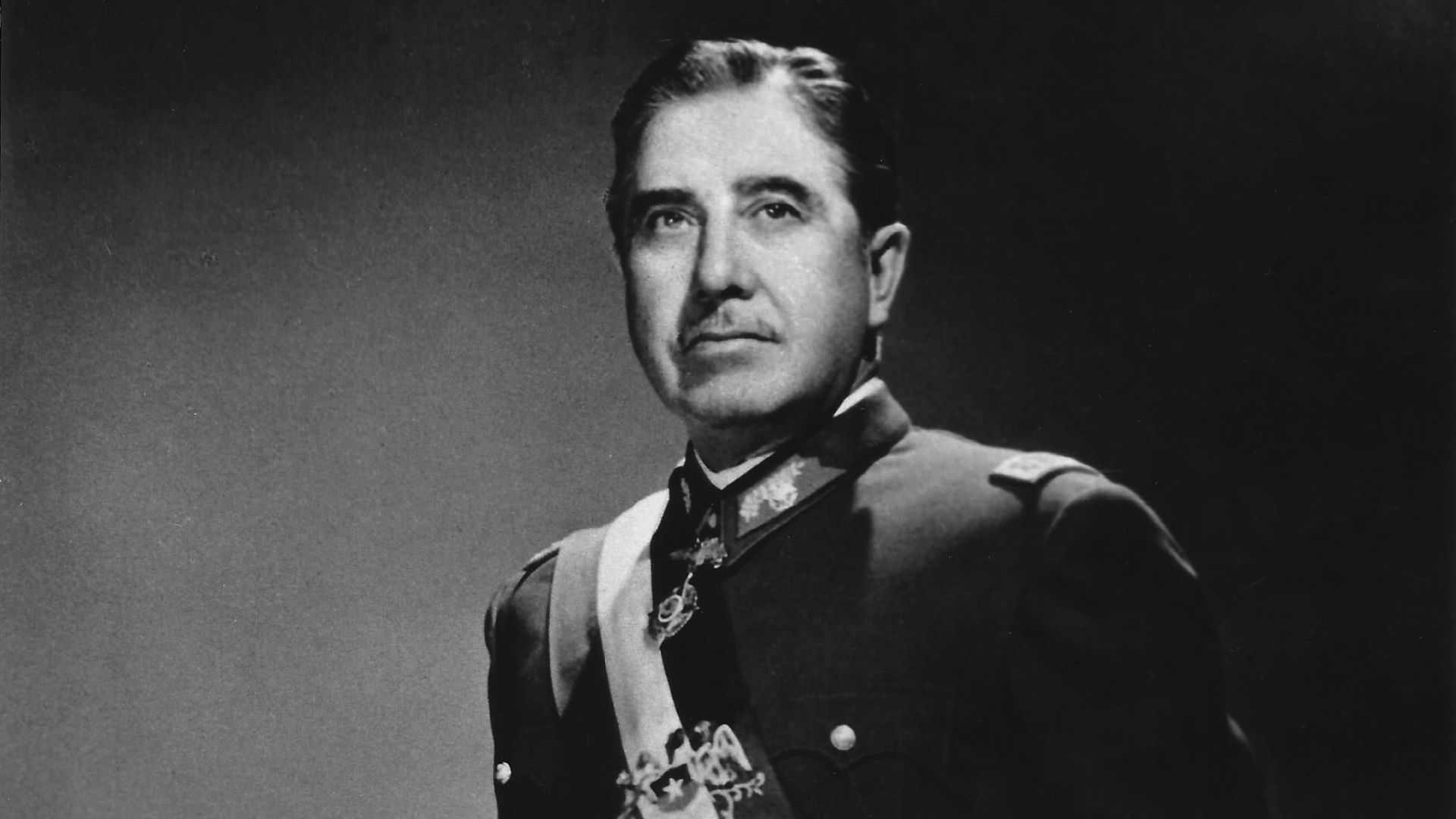 Ministerio de Relaciones Exteriores de Chile. on Wikimedia
5. Saddam Hussein
Saddam’s rule depended heavily on overlapping security and intelligence organizations designed to protect the regime. Analyses of Iraq’s security apparatus describe it as fundamental to preserving his power, built to monitor, intimidate, and crush opposition while keeping elites in line.
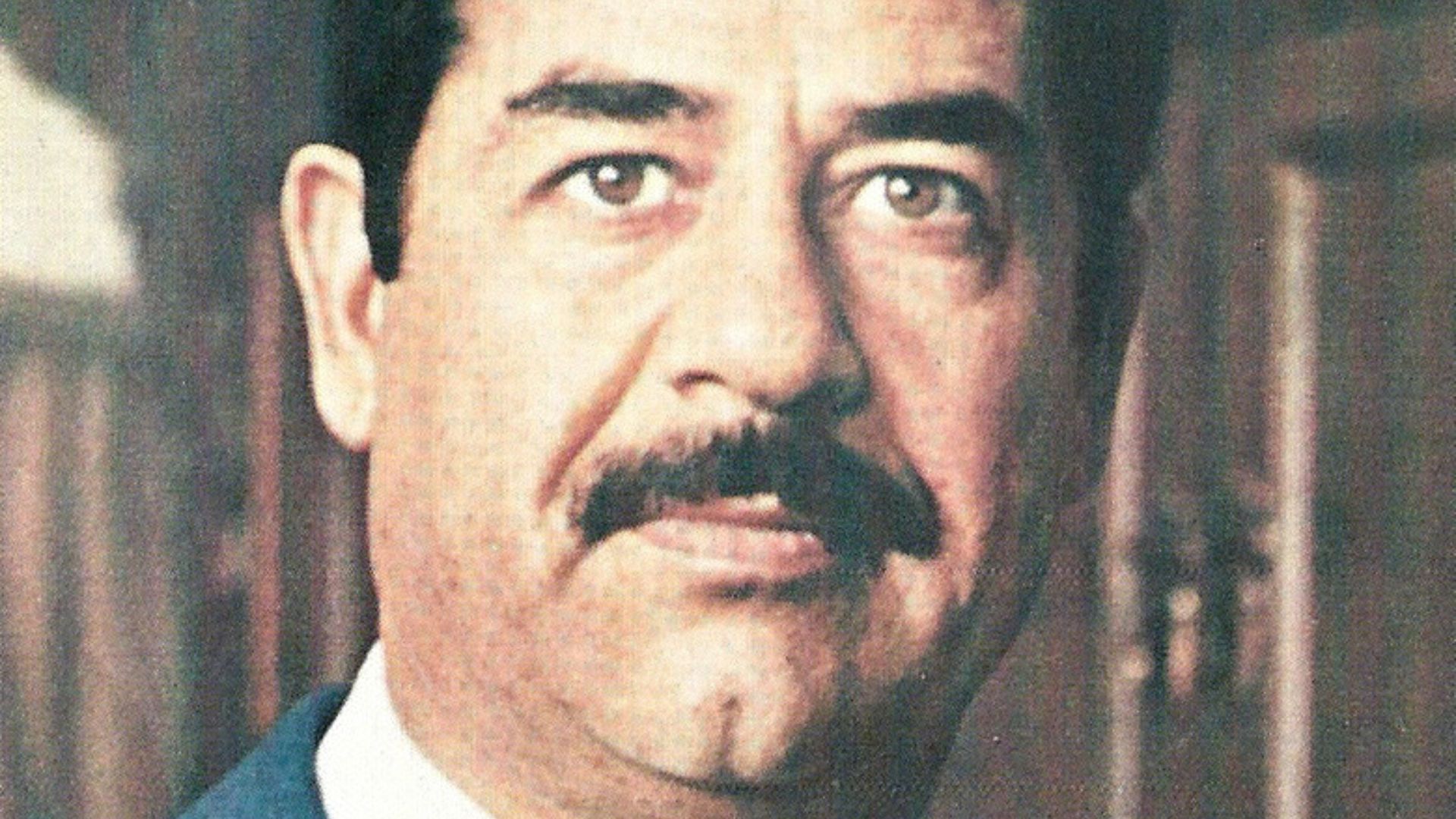 INA (Iraqi News Agency) on Wikimedia
6. East Germany’s Stasi State
East Germany under the SED leadership became a model of surveillance-heavy control, with the Stasi at its center. Official and reference sources describe the Stasi as a cornerstone of the system, built to monitor society and protect the ruling party, which made everyday life feel managed from the shadows.
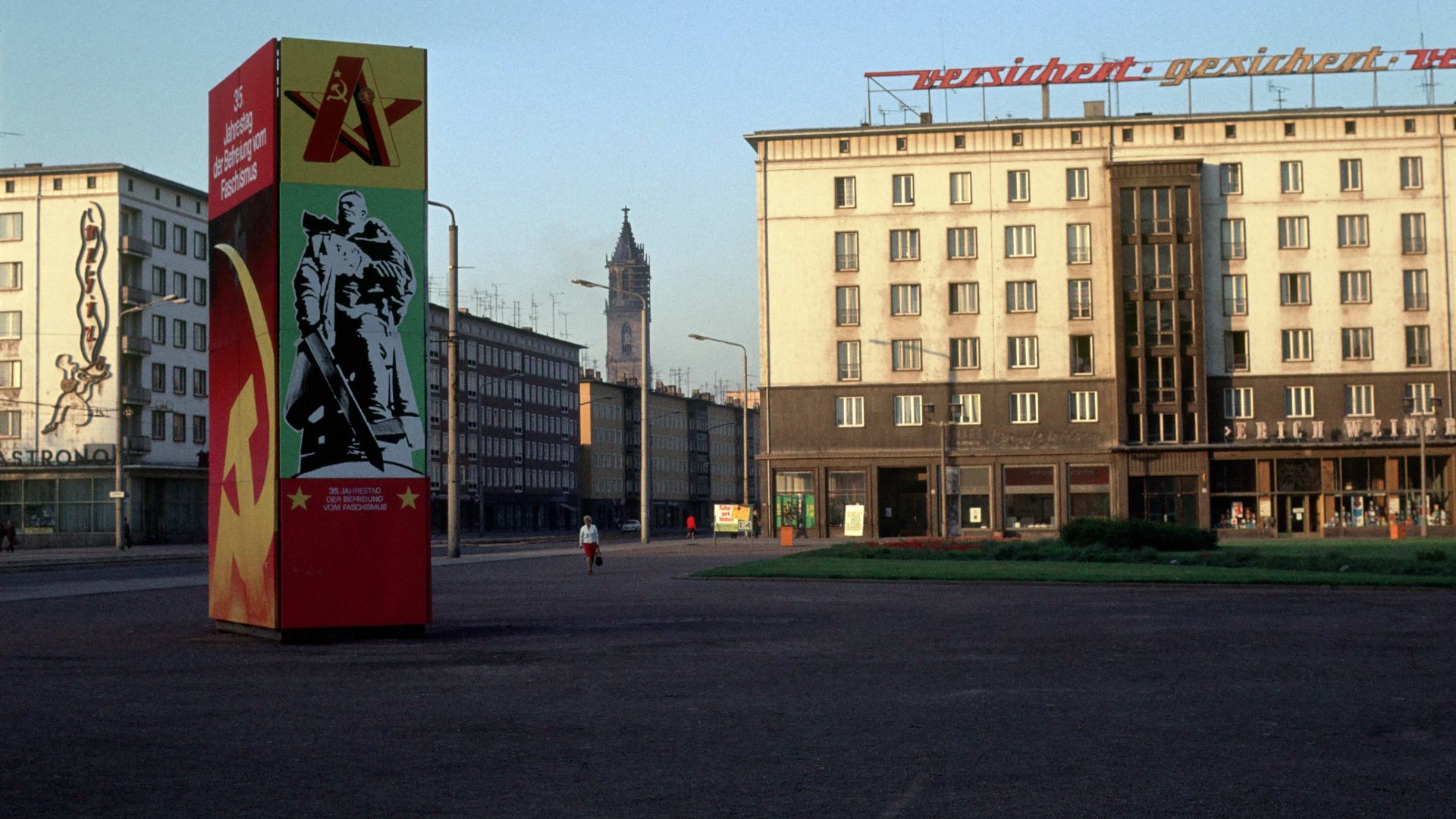 Michel Huhardeaux from Brussels, Belgium on Wikimedia
7. Rafael Trujillo
Trujillo ran the Dominican Republic for decades through a mix of patronage and fear, backed by an intelligence network that hunted opponents. Britannica notes the regime’s sustained violence against enemies alongside tight political control, which is how it lasted as long as it did.
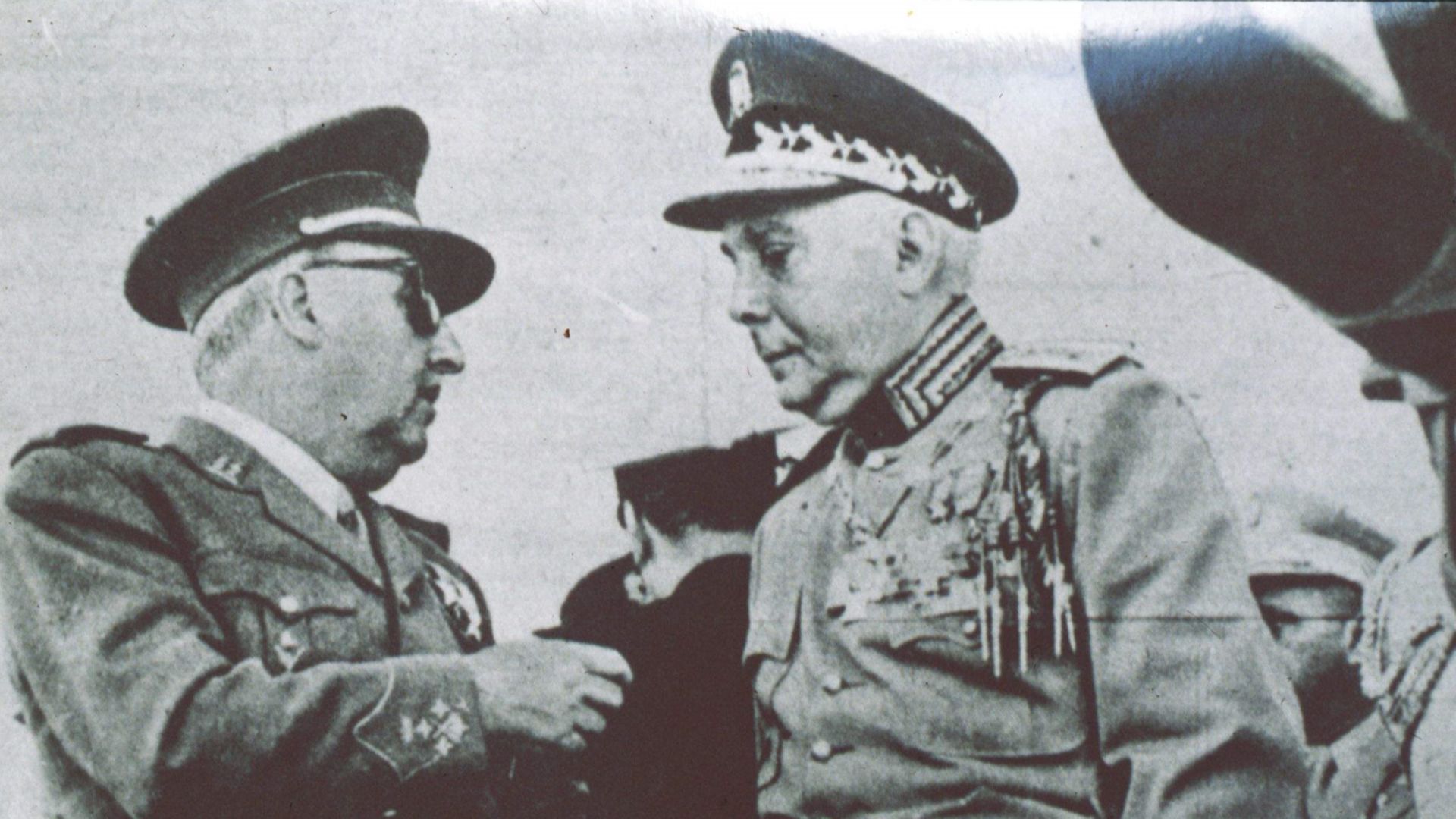 Unknown authorUnknown author on Wikimedia
8. Nicolae Ceaușescu
Ceaușescu’s Romania is a reminder that a regime can be economically disastrous and still maintain tight control for years. A major reason was the reach of the security police, the Securitate, which became deeply embedded in public life and dissent suppression.
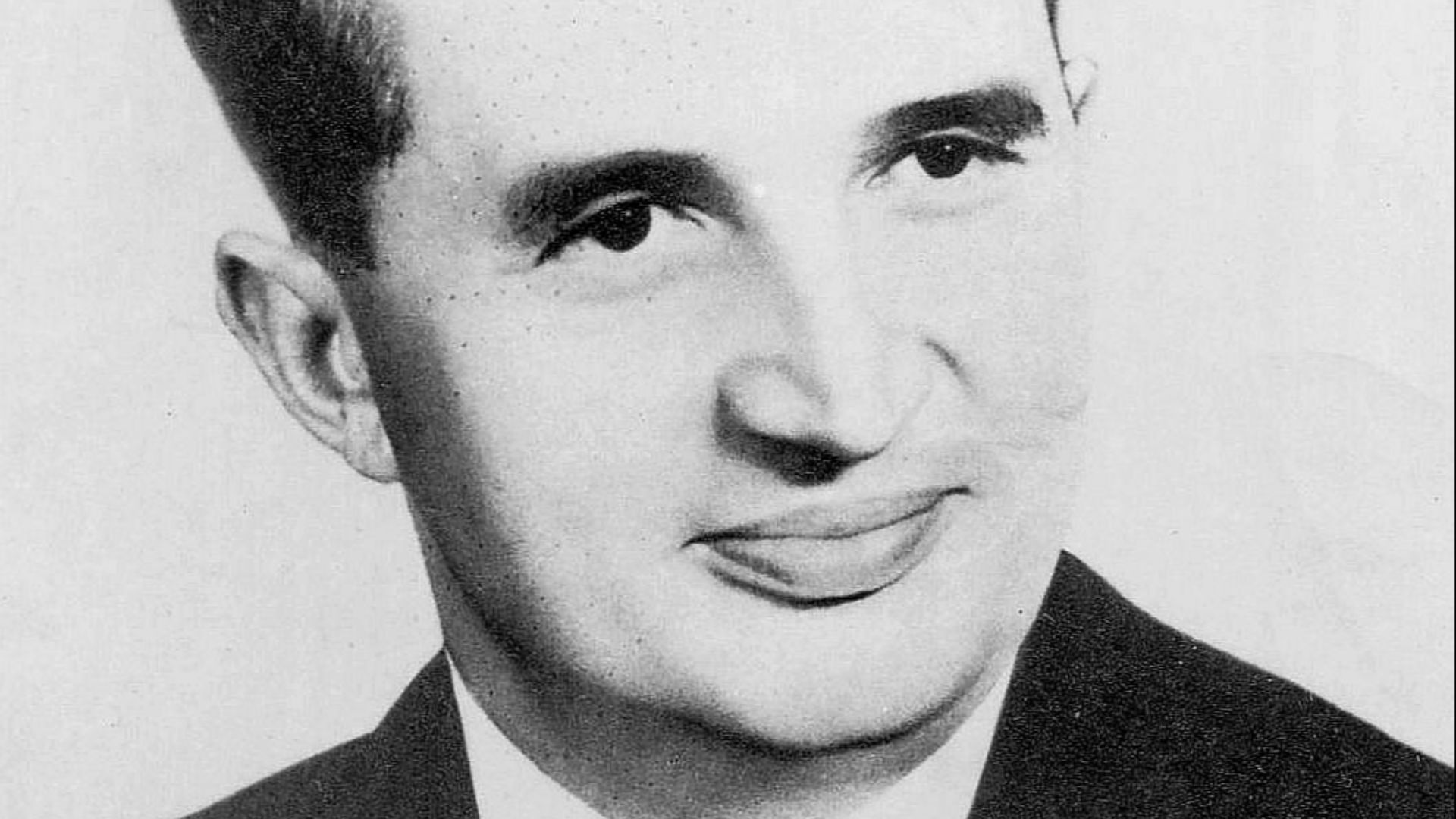
9. Mao Zedong
Mao’s China showed how efficient a dictatorship can be at mobilizing people, reshaping institutions, and enforcing ideological campaigns at national scale. That same capacity also enabled catastrophic policy choices, because when the system moves fast and dissent is unsafe, bad ideas can become reality quickly.
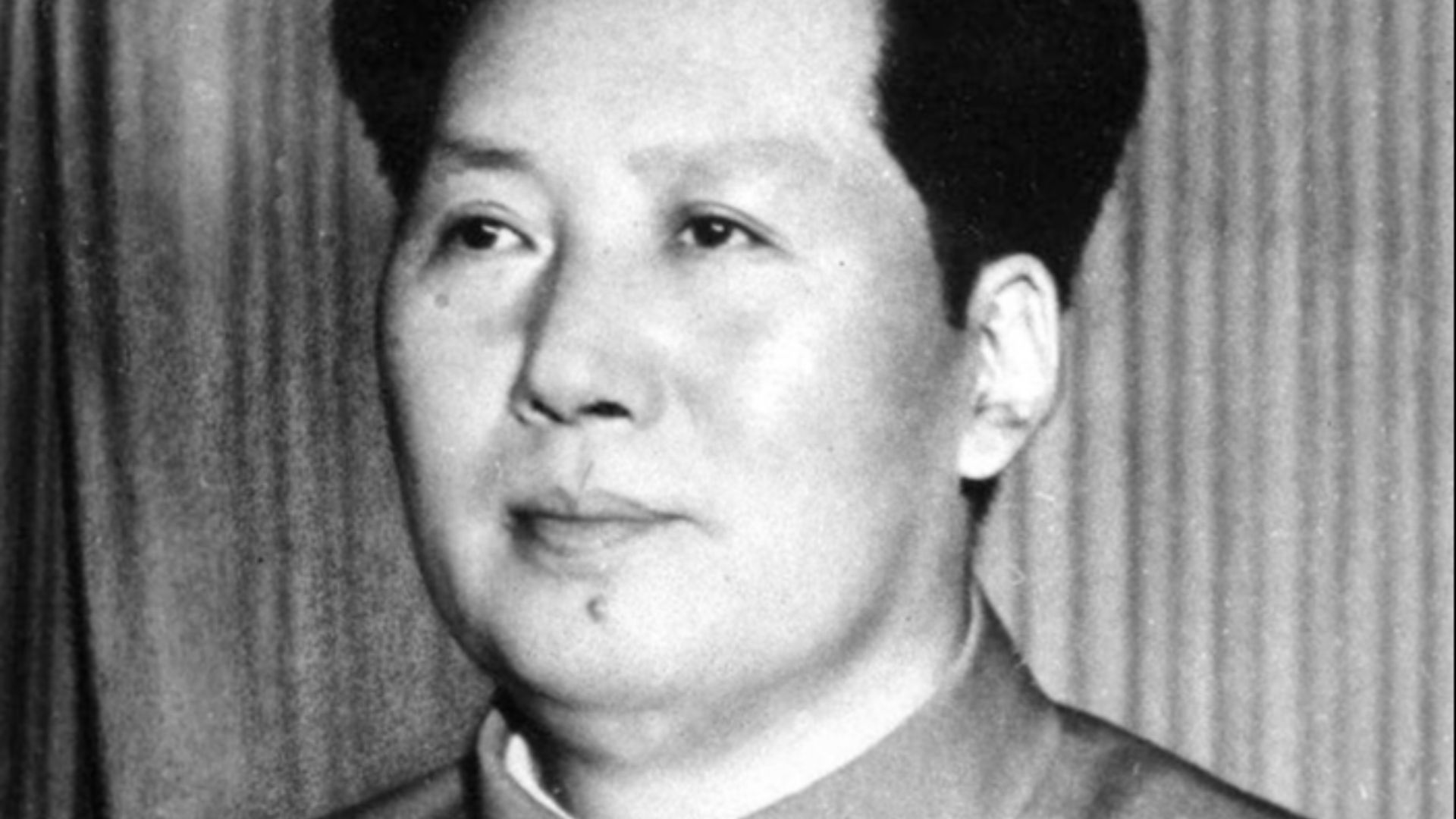 Chen Zhengqing (1917–1966) on Wikimedia
10. Kim Il-sung
Kim Il-sung built a highly centralized state in North Korea with a durable system of control that outlived him. The effectiveness came from structure: tight political organization, intense information control, and a leadership model designed to reproduce itself across generations, not just one ruler’s lifetime.