


Beauty Across the Ages
Throughout history, certain figures have stood out not only for their reign or accomplishments but also for their striking physical appearances, which were widely documented, admired, and sometimes even wielded as tools of power. From ancient rulers to Renaissance poets, the world has never been short of people who turned heads wherever they went. Whether their looks helped shape their legacies or simply added an extra layer of fascination to already remarkable lives, these 20 historical figures were, by all accounts, a sight for sore eyes.
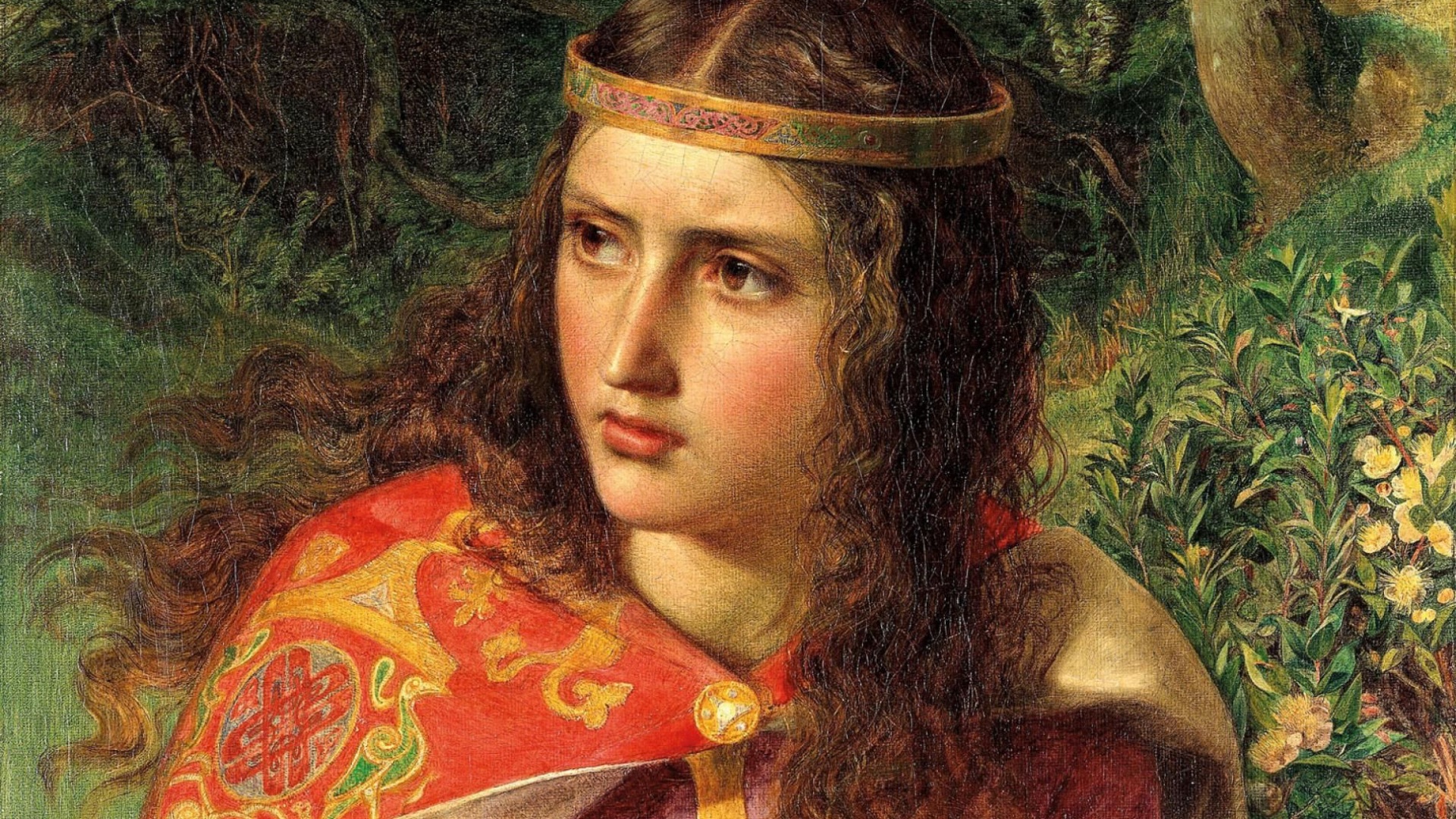
1. Cleopatra VII (69–30 BC)
Cleopatra VII of Egypt is one of the most discussed beauties of the ancient world, though her appeal went well beyond her physical appearance. Ancient sources describe her as captivating in a way that combined sharp intelligence and an undeniable charisma that made her nearly impossible to ignore. Both Julius Caesar and Mark Antony were famously drawn to her, suggesting that whatever she had going on visually, it was more than enough to leave an impression on two of Rome's most powerful men.
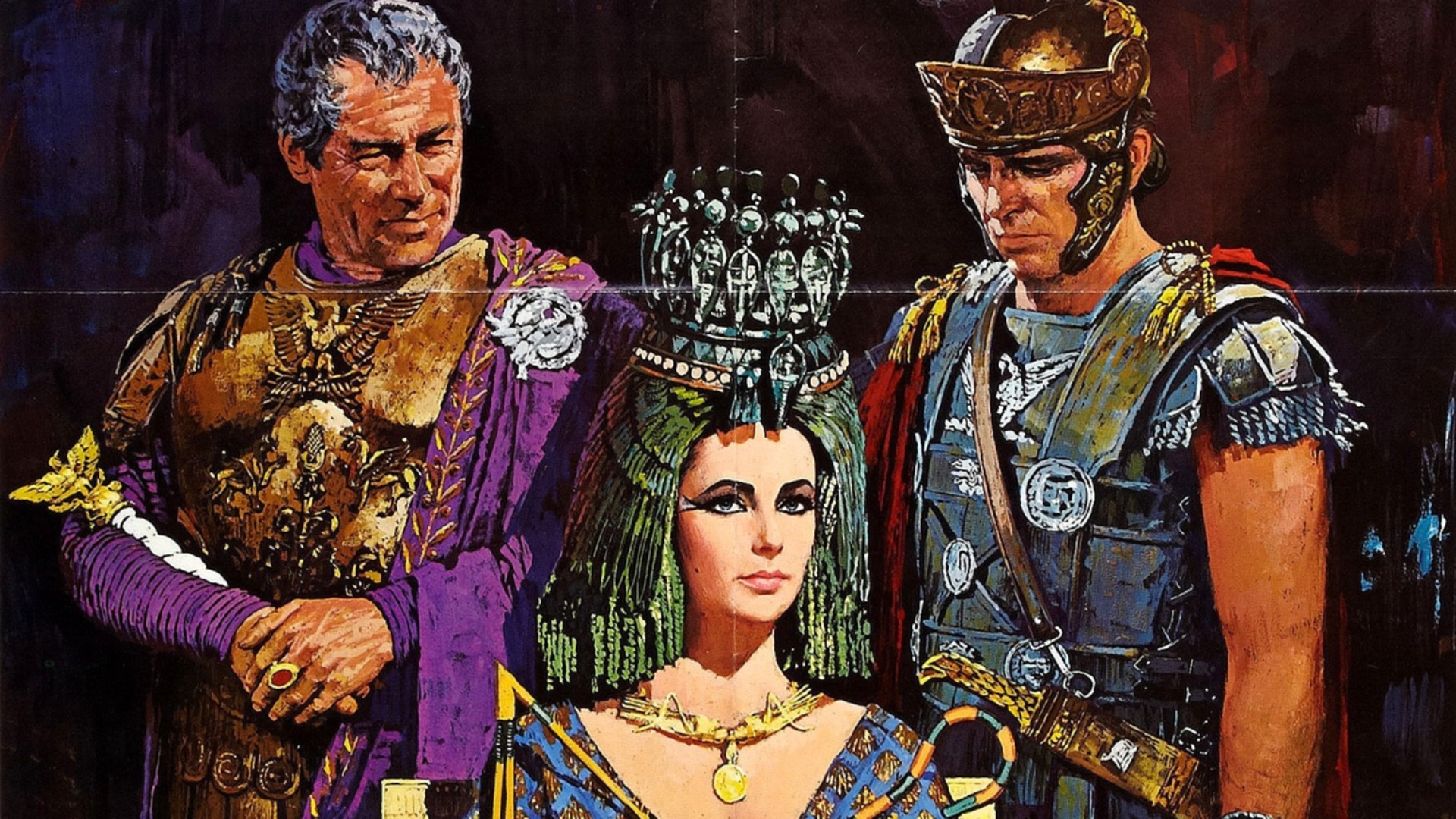
2. Alcibiades (450–404 BC)
The Athenian statesman and general Alcibiades was considered one of the most attractive men of his time, a fact that ancient writers seemed almost unable to stop mentioning. Plutarch described him as physically beautiful throughout his life, from childhood into adulthood, and noted that his looks opened doors that his controversial personality might have otherwise slammed shut. You'd be hard-pressed to find many figures in Greek history who generated as much fascination, scandal, and admiration all at once.
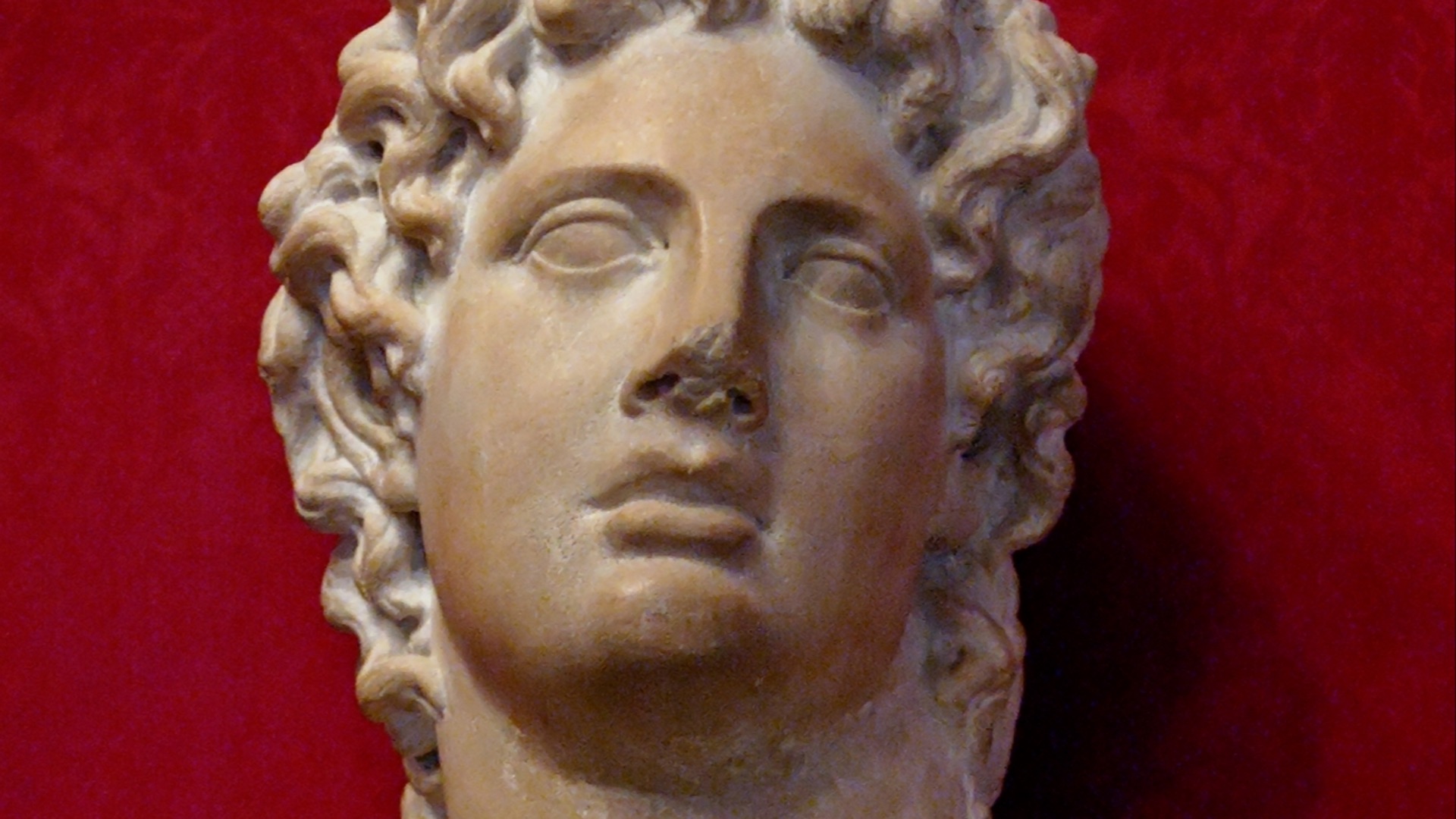
3. Mary, Queen of Scots (1542–1587)
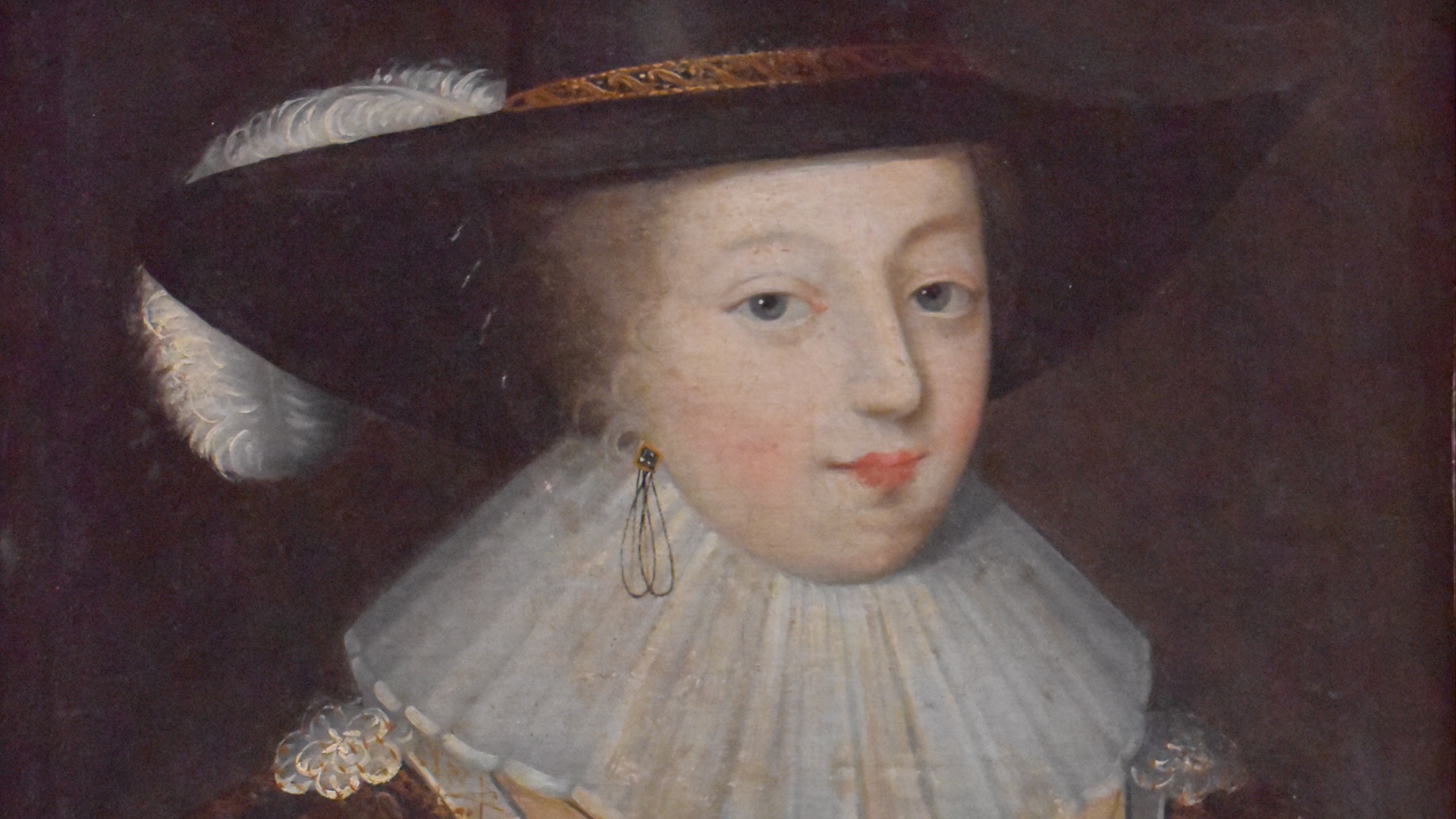
Mary, Queen of Scots, was described by contemporaries as tall, graceful, and possessed of a dignified beauty that made an impression on virtually everyone who met her. At around six feet tall, she cut an unusually commanding figure for a woman of her era, and her auburn hair and pale complexion were frequently noted with admiration by those at court.
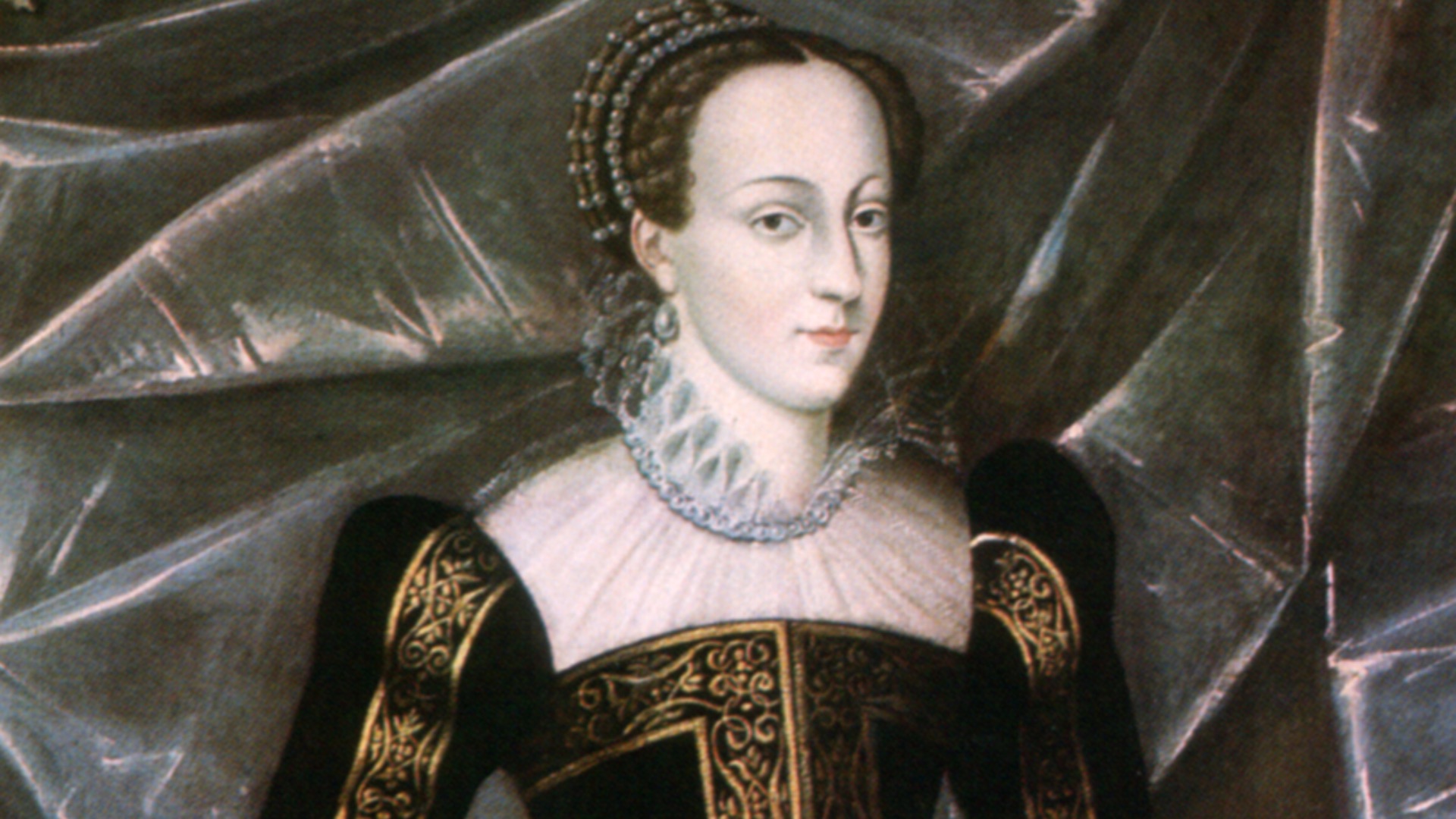 Unidentified painter on Wikimedia
4. Cesare Borgia (1475–1507)
Cesare Borgia, the notorious Italian nobleman and son of Pope Alexander VI, was noted by contemporaries for being remarkably handsome in his youth, with a commanding presence that reportedly made people uneasy and entranced in equal measure. He was also often described as physically impressive, with an athletic build he maintained through regular exercise and outdoor pursuits. His looks, paired with his fearsome reputation, made him one of the most talked-about figures in Renaissance Italy.
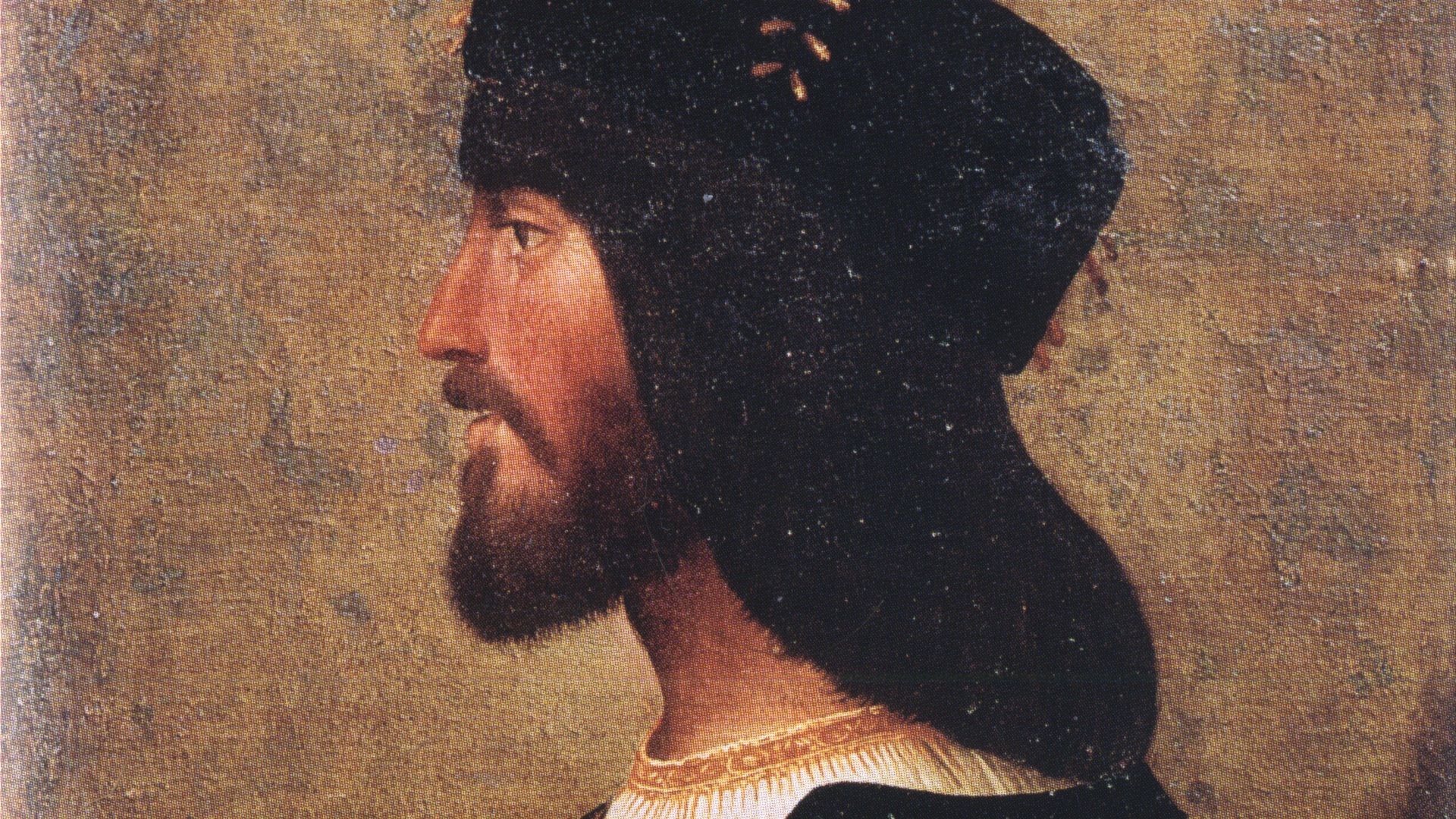 After Bartolomeo Veneto on Wikimedia
5. Empress Wu Zetian (624–705 AD)
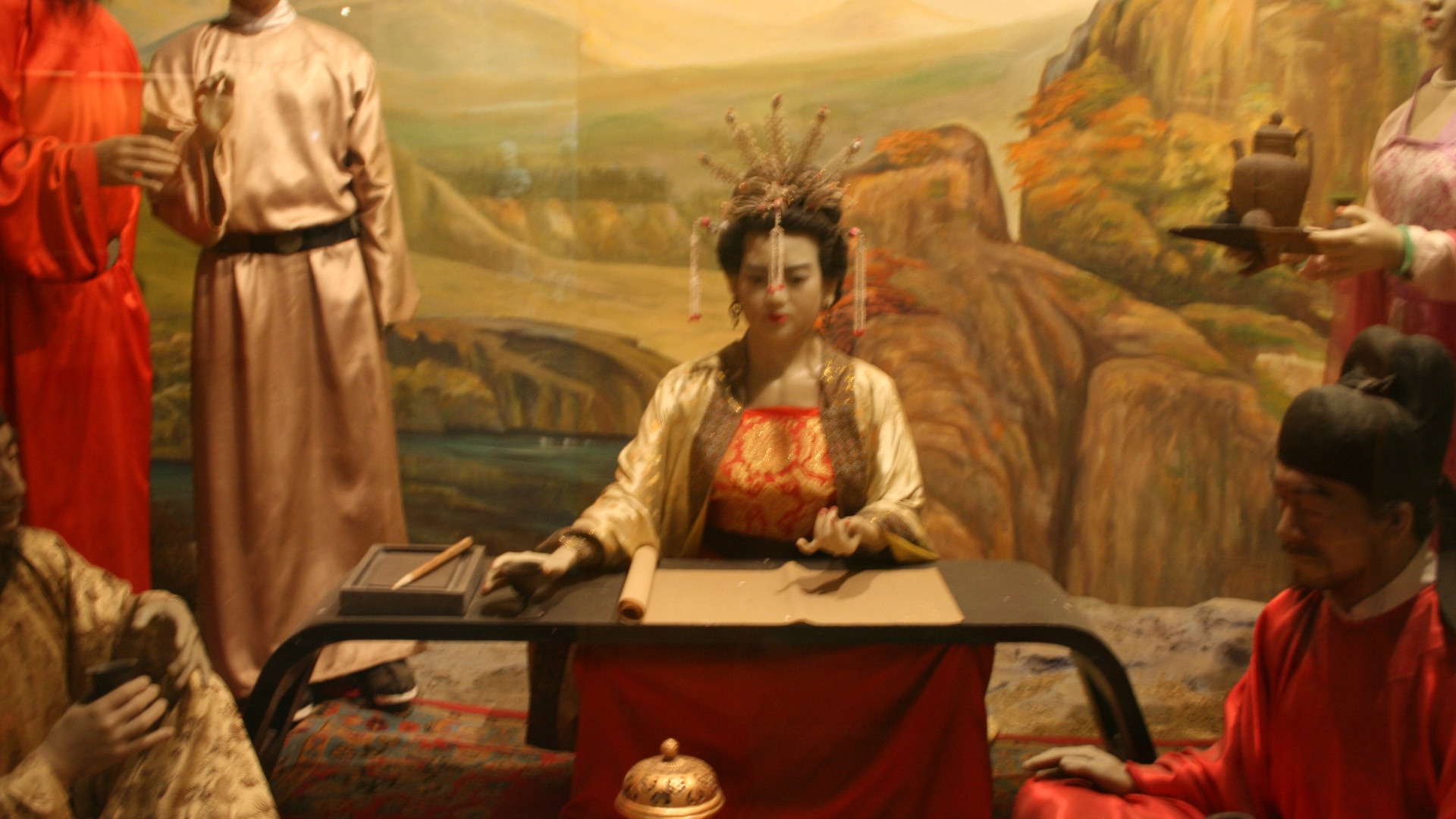
Wu Zetian, the only woman in Chinese history to rule in her own name as emperor, was recorded in the Old Tang Book (Jiu Tangshu) as having been summoned to the court of Emperor Taizong specifically because of her beauty, which gives you a reasonable sense of the impression she made. Ancient records describe her as having large eyes, a long neck, and a broad forehead, though no portraits confirmed to be from her lifetime survive, making it difficult to know exactly what she looked like. What is clear is that she understood the power of her appearance and used it deliberately, employing elaborate makeup and careful self-presentation as tools of political authority throughout her reign.
6. Lord Byron (1788–1824)
The Romantic poet Lord Byron was one of the first figures to experience something resembling modern celebrity, and his physical appearance played no small part in that phenomenon. He was described by those who met him as having a pale, almost ethereal beauty, with dark curling hair and an intense gaze that his many admirers found impossible to resist. His fame was such that women reportedly mobbed him in the streets of London, which is a level of poet-related enthusiasm that the world hasn't really seen since.
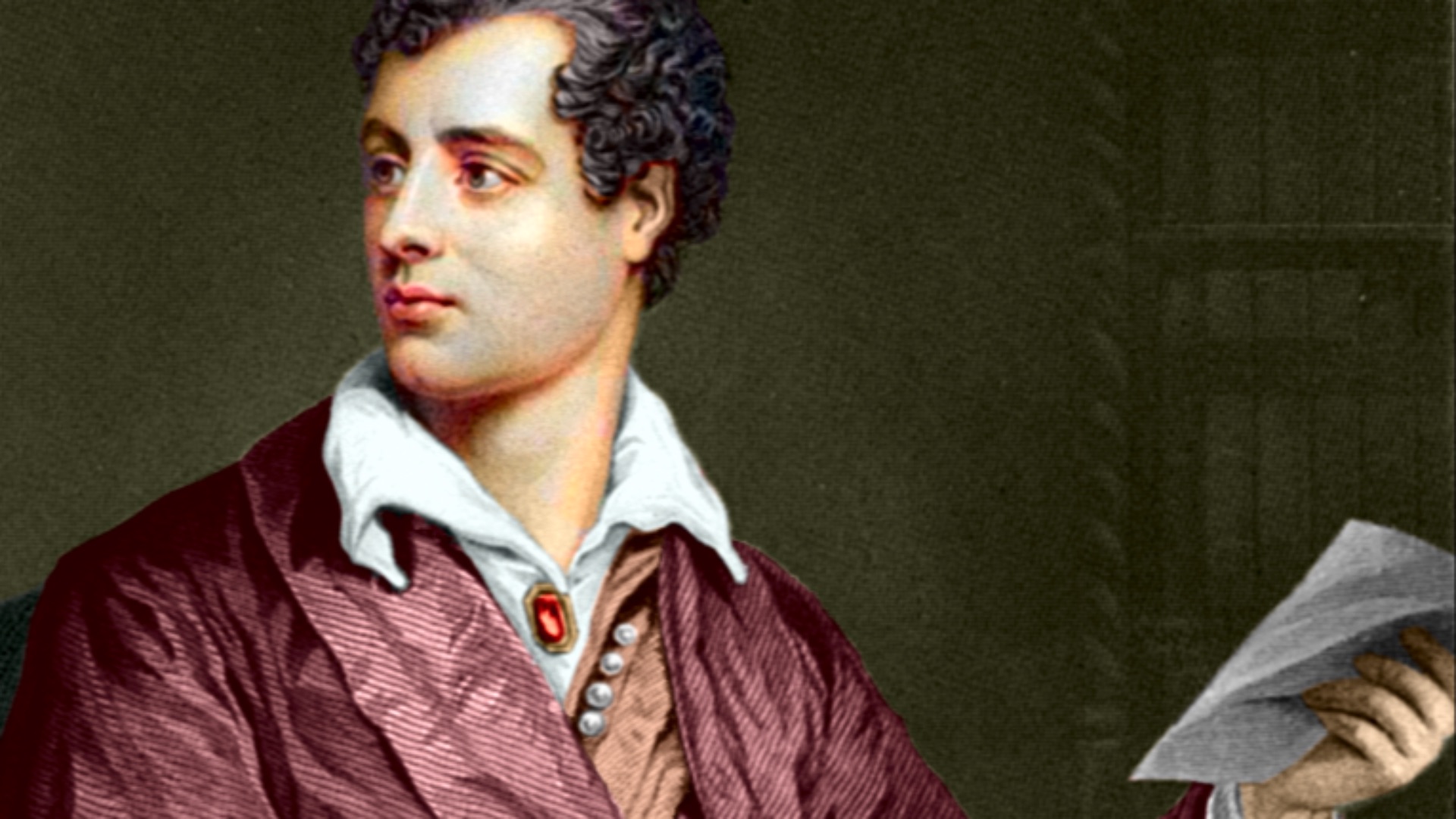 Unknown author, coloured by uploader on Wikimedia
7. Nefertiti (circa 1370–1330 BC)
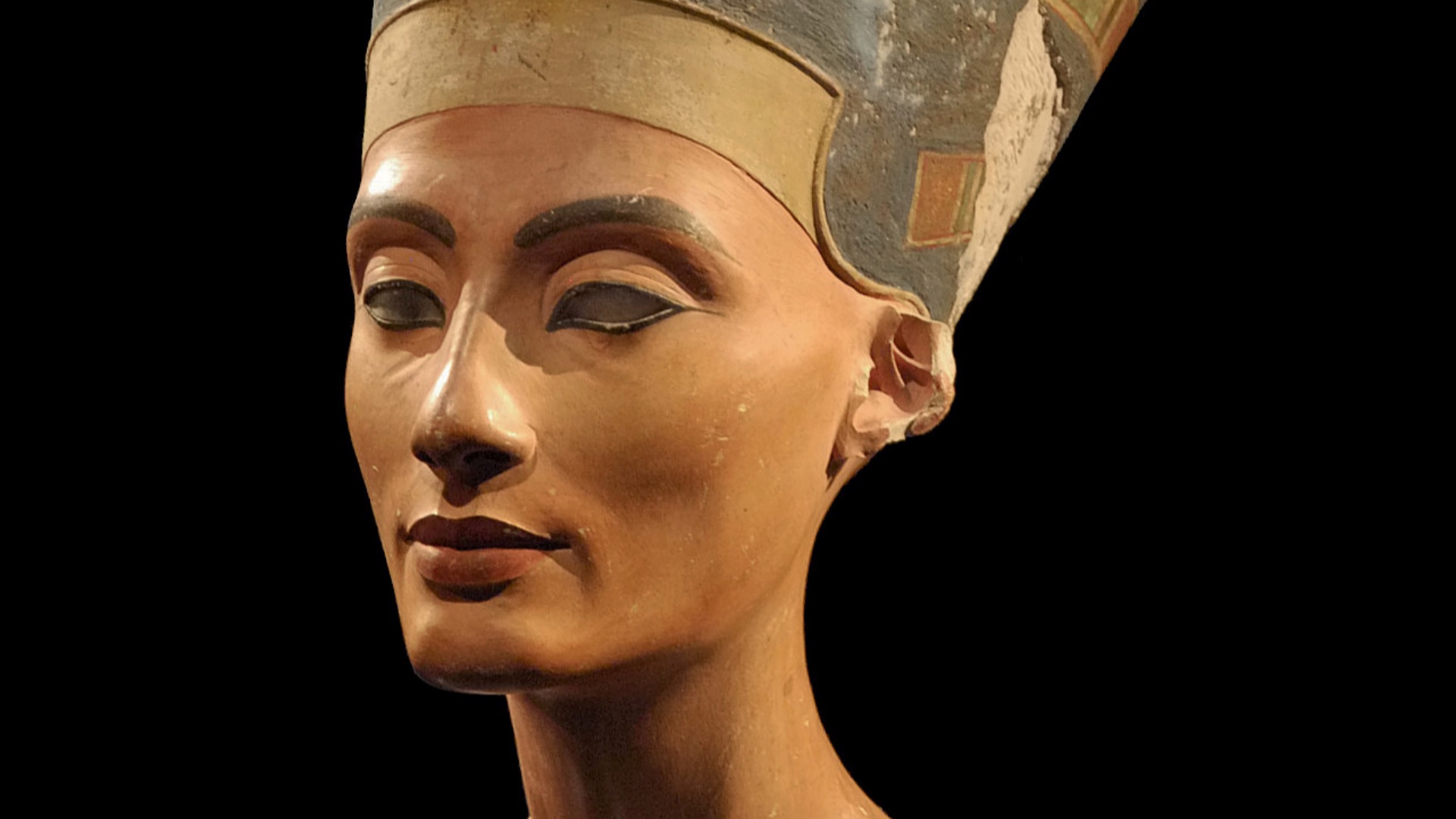
Queen Nefertiti of ancient Egypt has captivated the world since the discovery of her famous painted limestone bust, which shows a woman of extraordinary symmetrical beauty and regal bearing. The bust, created around 1345 BC by the sculptor Thutmose, is now one of the most reproduced artworks of the ancient world and sits in the Neues Museum in Berlin. Scholars who have studied the piece note that it represents an almost idealized beauty, though Egyptian artistic conventions of the time suggest the likeness was likely a fairly accurate representation.
8. Gabrielle d'Estrées (1571–1599)
Gabrielle d'Estrées was a French noblewoman who became the favorite mistress of King Henry IV of France, and contemporary accounts are remarkably consistent in describing her as one of the most beautiful women at court. She was painted multiple times, most famously in the enigmatic double portrait now housed in the Louvre, which shows her alongside her sister and remains one of the most discussed works of French Renaissance art.
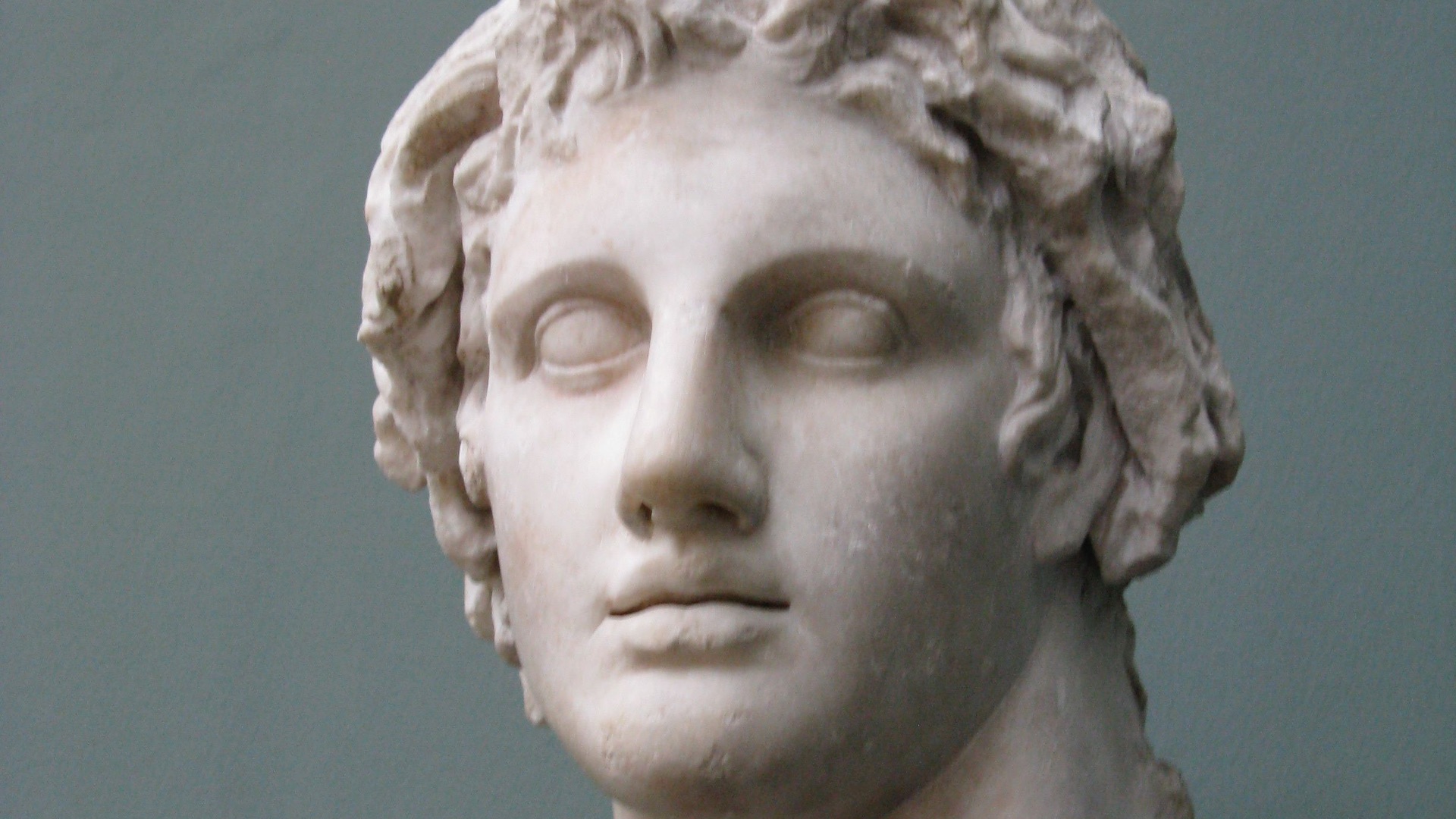
9. Alexander the Great (356–323 BC)
Alexander the Great was described by ancient sources as a physically attractive young man with a melting gaze and a complexion that reportedly flushed with a becoming ruddiness when he exerted himself. Plutarch noted that portraits of Alexander by his court sculptor Lysippos were considered the most accurate likenesses, capturing what contemporaries found most compelling about his appearance: a certain intensity and vitality. It's worth noting that many of the surviving ancient depictions of him are idealized, but the consistency of descriptions across multiple sources suggests that the real man was genuinely striking.
10. Lola Montez (1821–1861)
Lola Montez was an Irish-born dancer and courtesan who became one of the most talked-about women in 19th-century Europe largely on the strength of her extraordinary dark-haired beauty and her fierce, magnetic personality. She caught the eye of King Ludwig I of Bavaria so thoroughly that he made her his mistress and granted her a title, an arrangement that contributed to his eventual abdication during the revolutions of 1848. Wherever she traveled, from Paris to Munich to the California gold fields, she left behind a trail of admirers and, occasionally, men who'd been struck by her riding crop for getting too forward.
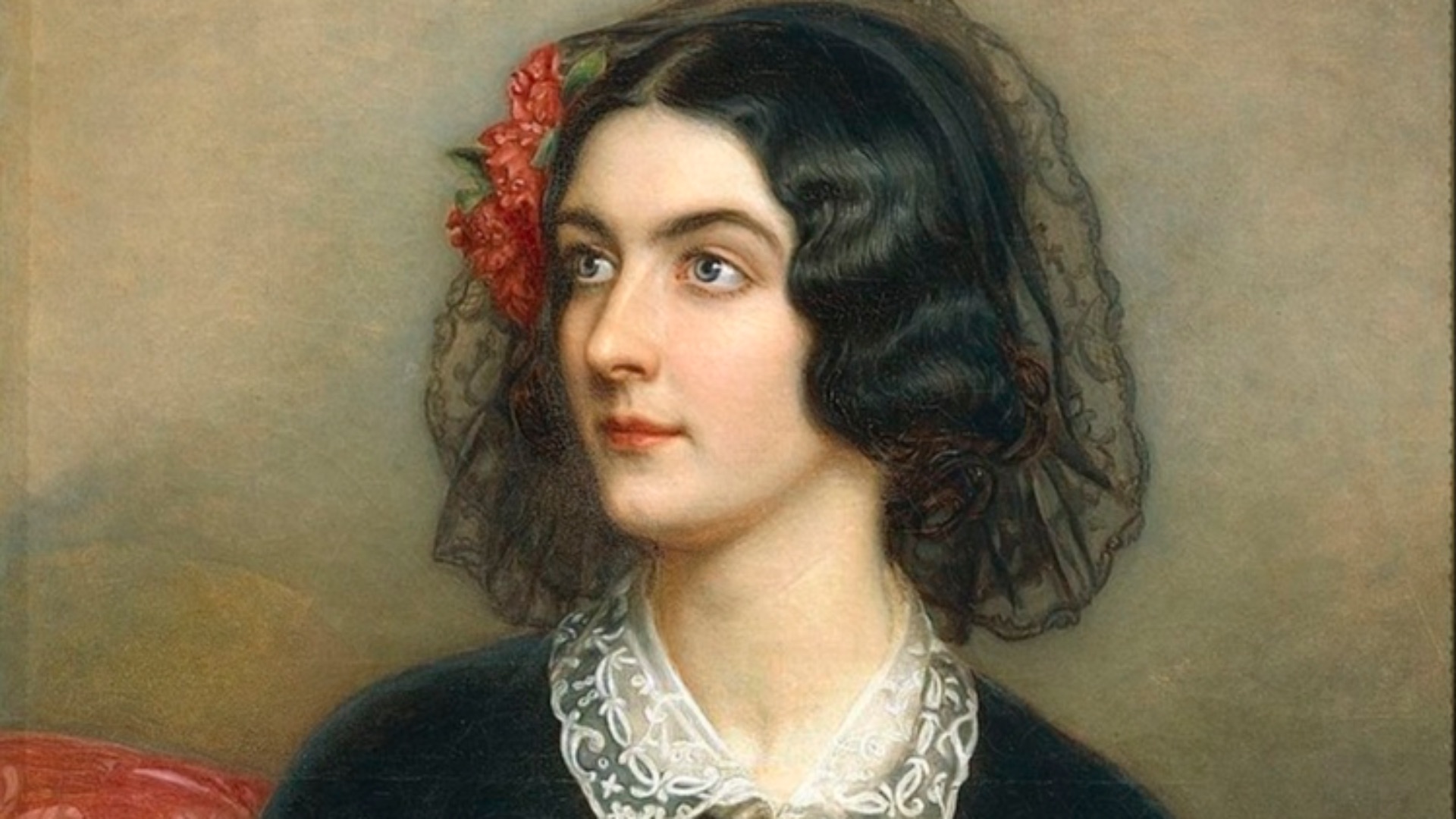 Joseph Karl Stieler on Wikimedia
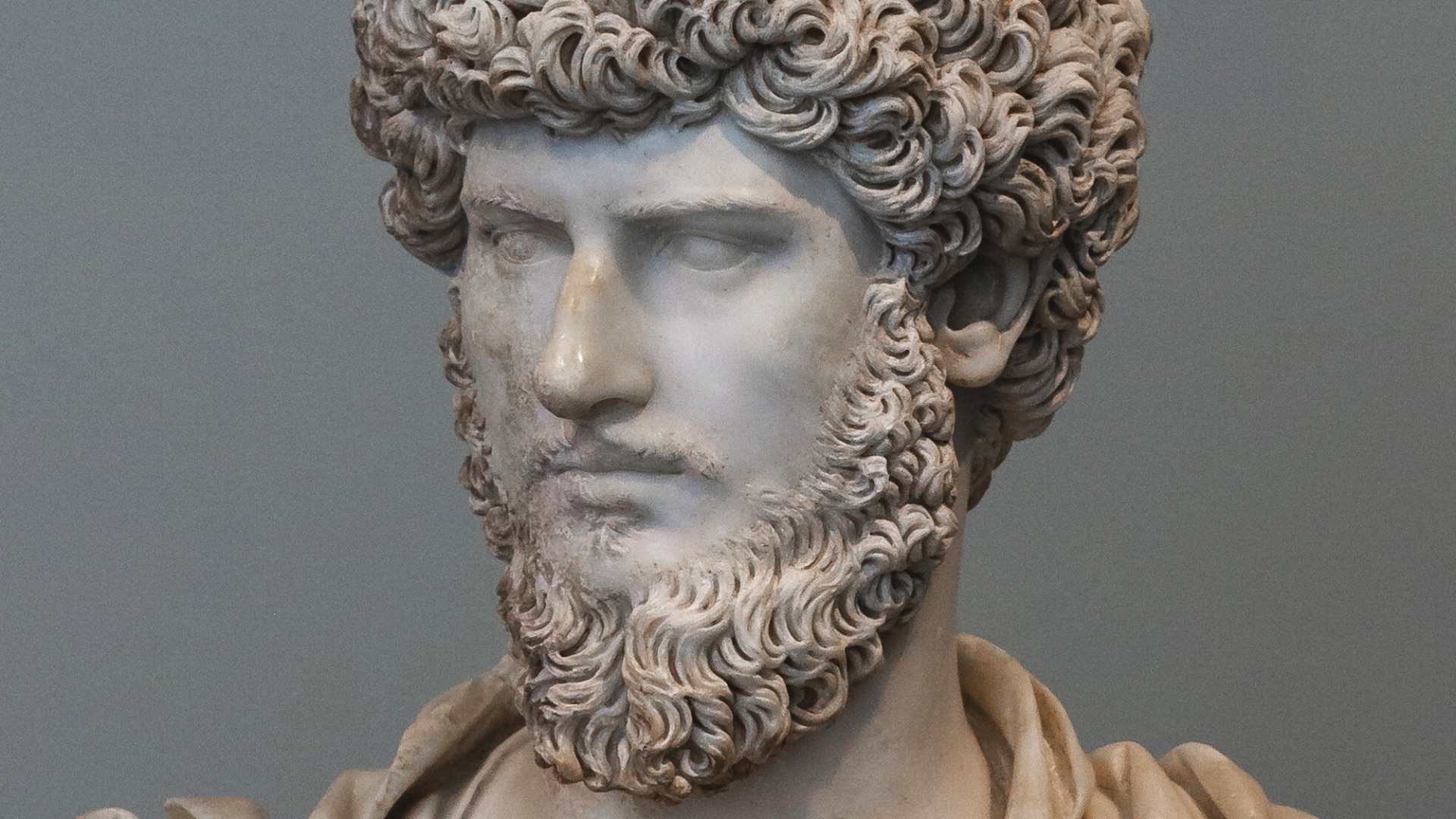
11. Lucius Verus (130–169 AD)
Lucius Verus, who ruled as co-emperor alongside Marcus Aurelius, is one of the more vividly described figures in Roman imperial history when it comes to physical appearance. The Historia Augusta describes him as well-proportioned in person and genial of expression, tall and stately, with a forehead that projected somewhat over his brows, and his flowing beard was grown to a length that Romans considered almost barbarian in its extravagance. He reportedly took such pride in his naturally blonde hair that he sifted gold dust through it to make it appear even more luminous, which tells you just about everything you need to know about how seriously he took his own looks.
12. Simonetta Vespucci (1453–1476)
Simonetta Vespucci was a Florentine noblewoman widely considered the greatest beauty of 15th-century Italy, celebrated in the poetry of Poliziano and in the paintings of Sandro Botticelli, who is believed to have used her as the model for his iconic work The Birth of Venus. She was adored by Giuliano de' Medici, brother of Lorenzo the Magnificent, and her early death at just 22 years old from tuberculosis sent Florence into genuine mourning. Botticelli was reportedly so taken with her likeness that he requested to be buried at her feet, a wish that was granted when he died more than three decades later.
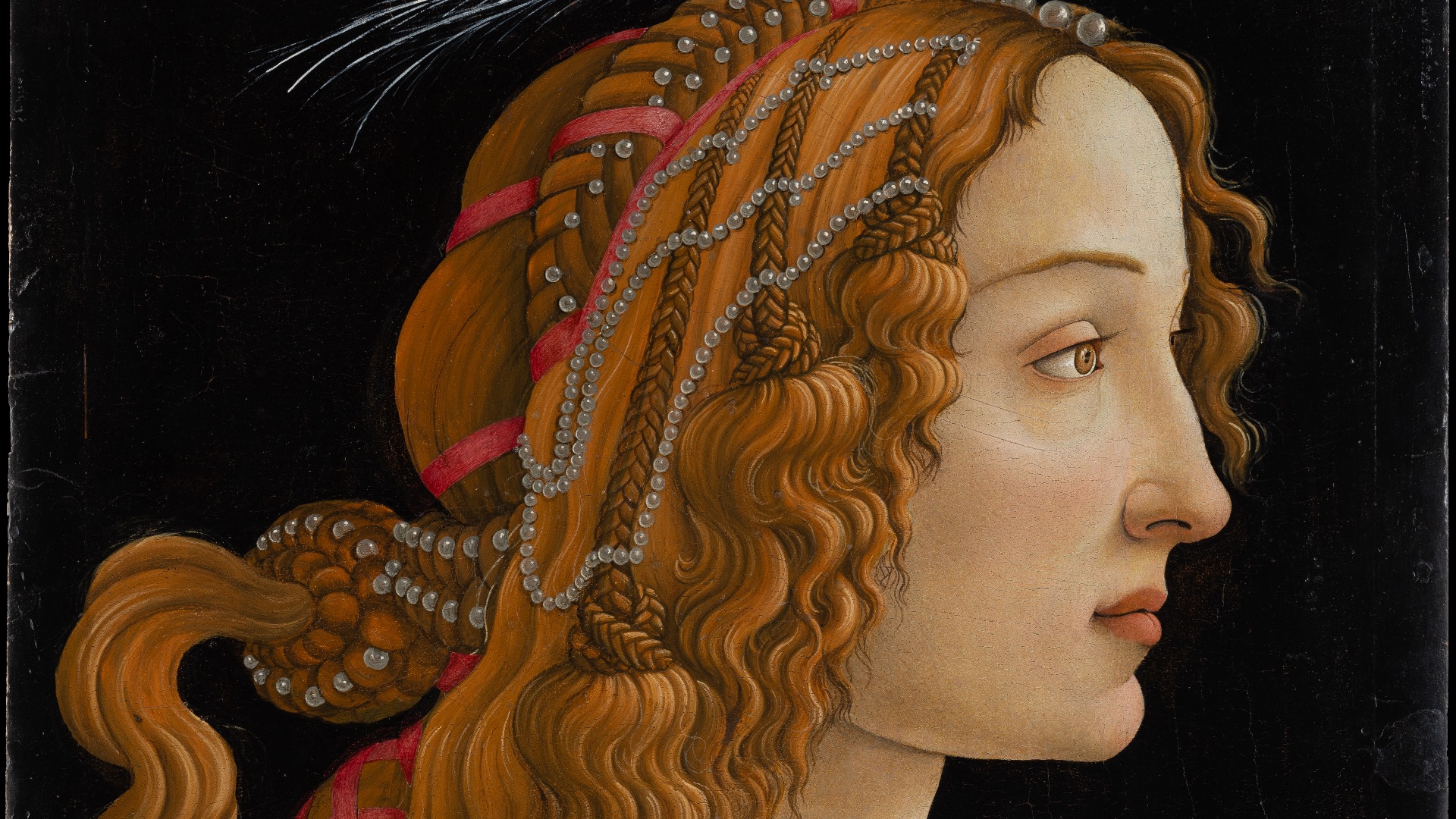 Sandro Botticelli on Wikimedia
13. Rupert of the Rhine (1619–1682)
Prince Rupert of the Rhine, a nephew of King Charles I of England and one of the most dashing military commanders of the 17th century, was celebrated for his tall, dark, and imposing good looks as much as for his skill on the battlefield. Contemporary portraits show a man who clearly knew how to wear a plumed hat, and written accounts consistently describe him as physically commanding in a way that inspired both loyalty in his troops and admiration in the English court. He was a genuine Renaissance man on top of all that, contributing to science and the arts, which made him rather annoyingly accomplished across the board.
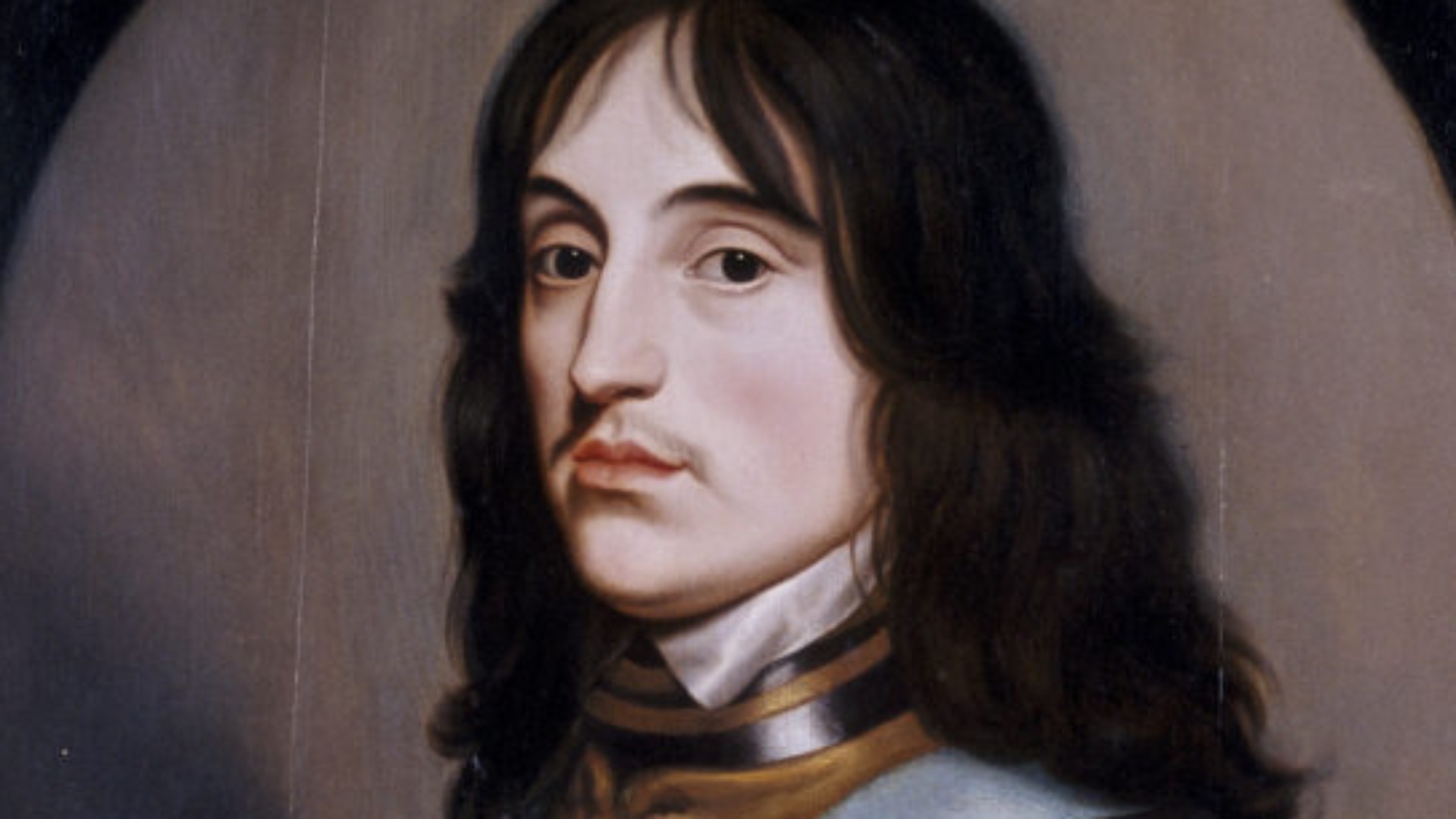 Gerard van Honthorst on Wikimedia
14. Diane de Poitiers (1499–1566)
Diane de Poitiers, the celebrated mistress of King Henry II of France, was considered a great beauty well into her 50s and 60s, which was remarkable enough in the 16th century that people wrote about it with something close to disbelief. She was famously the favorite of Henry II, who was nearly 20 years her junior, and she maintained her looks through a regimen that reportedly included "drinkable gold," regular horseback riding, and careful attention to her diet. The portrait painter François Clouet depicted her multiple times, and the consistency of her elegant bearing across those images gives you a pretty good sense of why the king preferred her company.
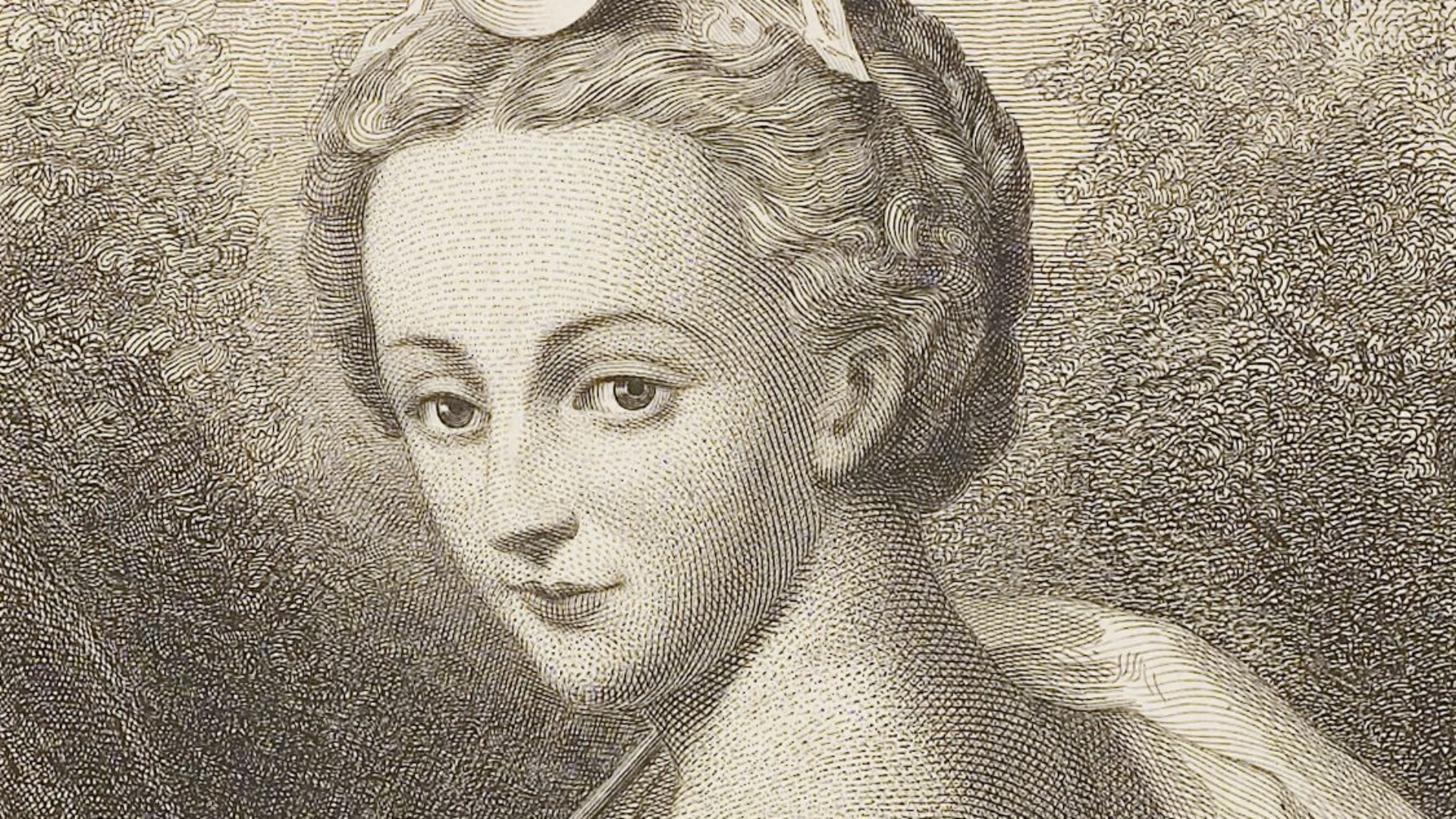 Pedretti, Vittore (Italian printmaker, 1799-1868) (artist) (graphic artist) on Wikimedia
15. Giacomo Casanova (1725–1798)
Venetian adventurer Giacomo Casanova is best remembered for his legendary romantic escapades, but the historical record makes clear that his success in that department owed something to a genuinely appealing physical presence. His memoirs, written in his own hand and running to over 3,700 pages, describe a man who was tall, tan, and energetic, with an expressive face that he deployed to considerable effect in social situations. Whether you believe everything he wrote about himself is entirely up to you, but the sheer number of contemporary accounts that corroborate at least his charm and appearance suggests that he wasn't entirely making things up.
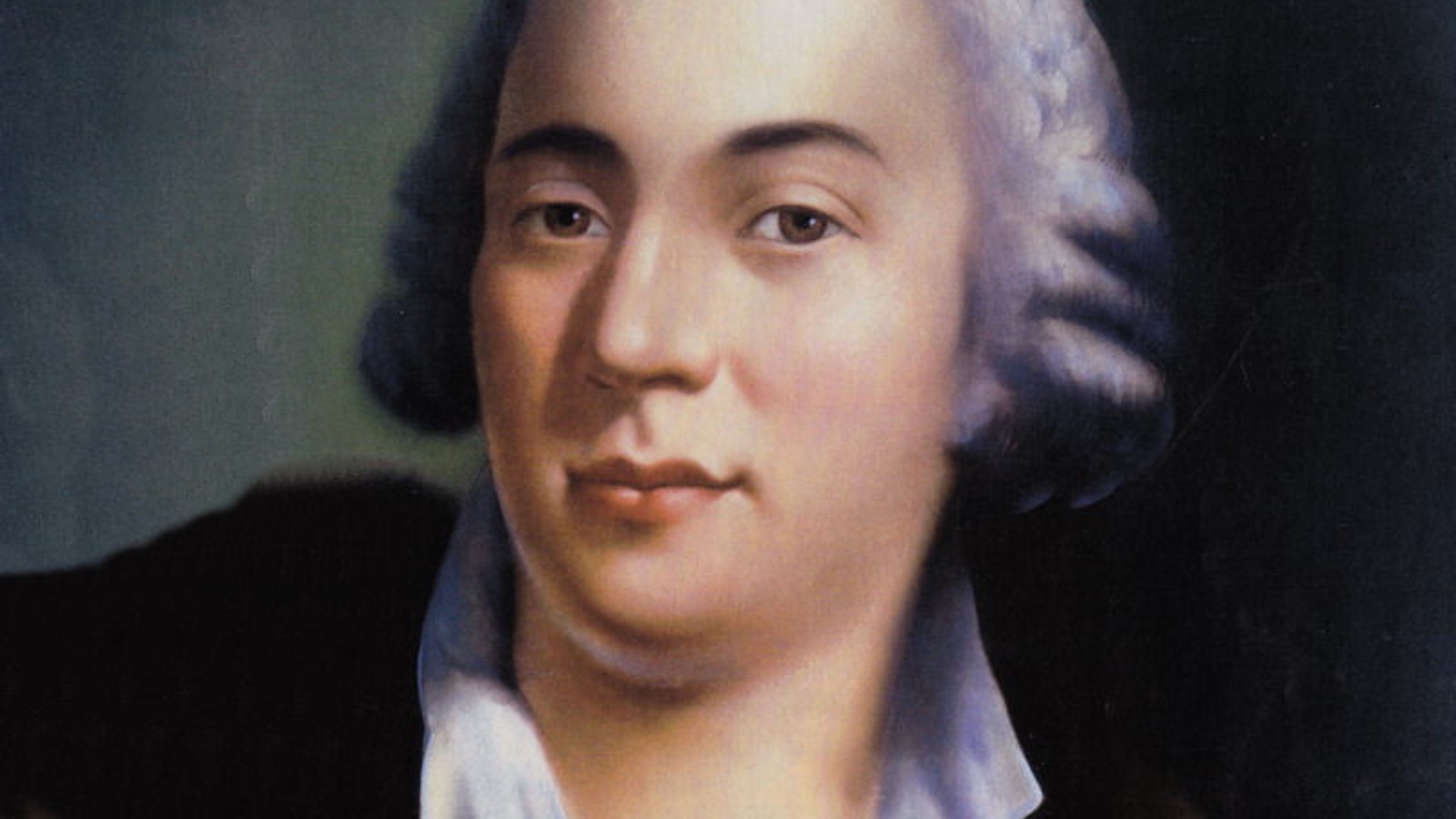
16. Agnes Sorel (1422–1450)
Agnes Sorel holds the distinction of being the first officially acknowledged royal mistress in French history, a position she secured as the favorite of King Charles VII, who was apparently captivated by her from the moment they met at court in the early 1440s. She was described by contemporaries as outstandingly beautiful, with golden hair, slender figure, and a pale complexion that French writers of the period seemed to struggle to describe without running out of superlatives. The portrait of her attributed to Jean Fouquet, painted around 1450, shows a woman of striking and unconventional beauty who clearly made an impression on everyone around her.
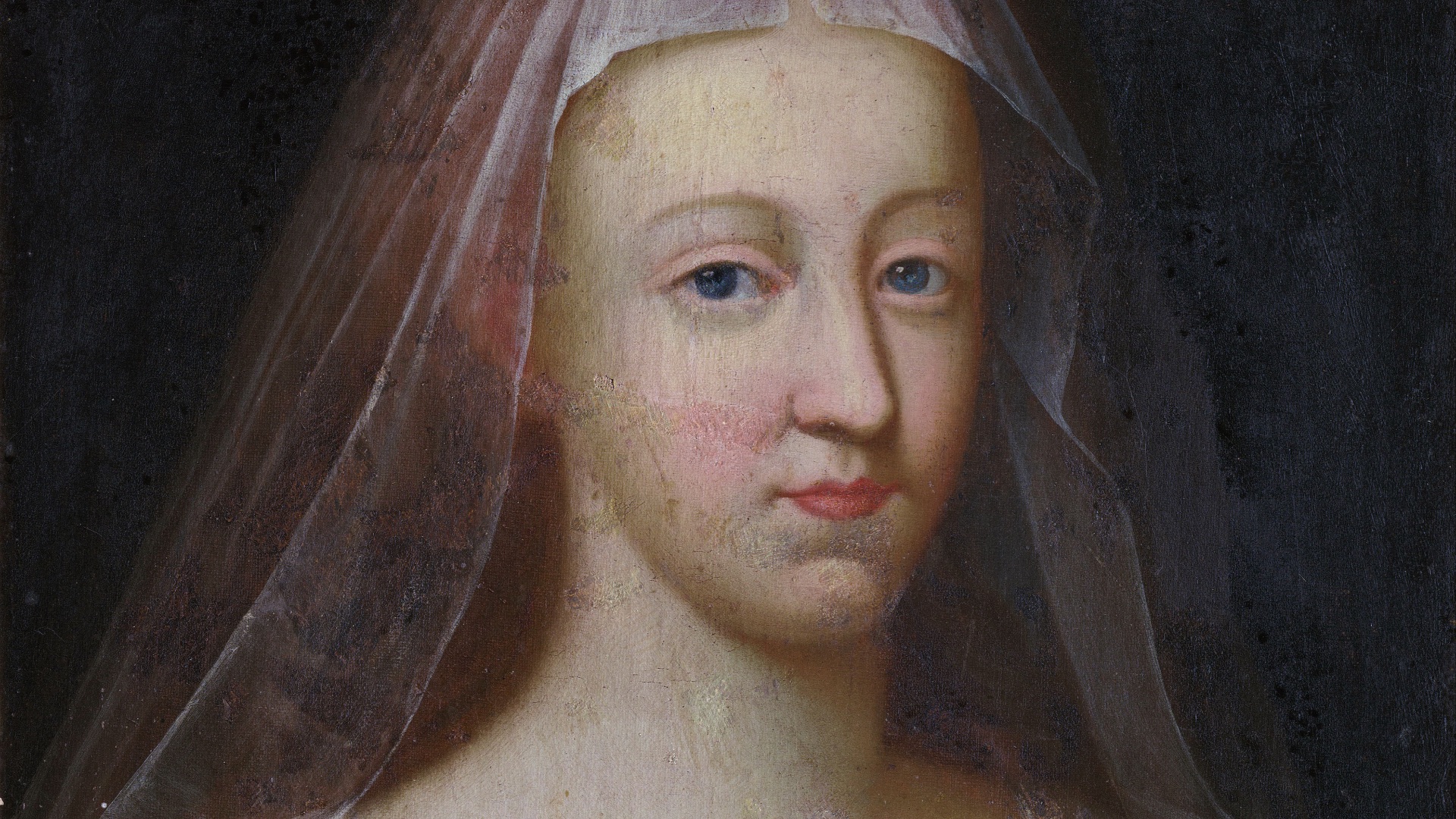
17. Julius Caesar (100–44 BC)
Suetonius describes Caesar as tall of stature with a fair complexion, shapely limbs, a somewhat full face, and keen black eyes—which is about as detailed a physical description as you're going to get from an ancient source. He was very successful with women, conducting countless love affairs, which suggests that whatever Suetonius was describing translated pretty well in person. Caesar was so troubled by his baldness, however, that he used to comb his thinning hair forward from the back and took great delight in wearing a laurel wreath to cover his bald spots, which is a relatable vanity that makes him feel surprisingly human for one of history's most towering figures.
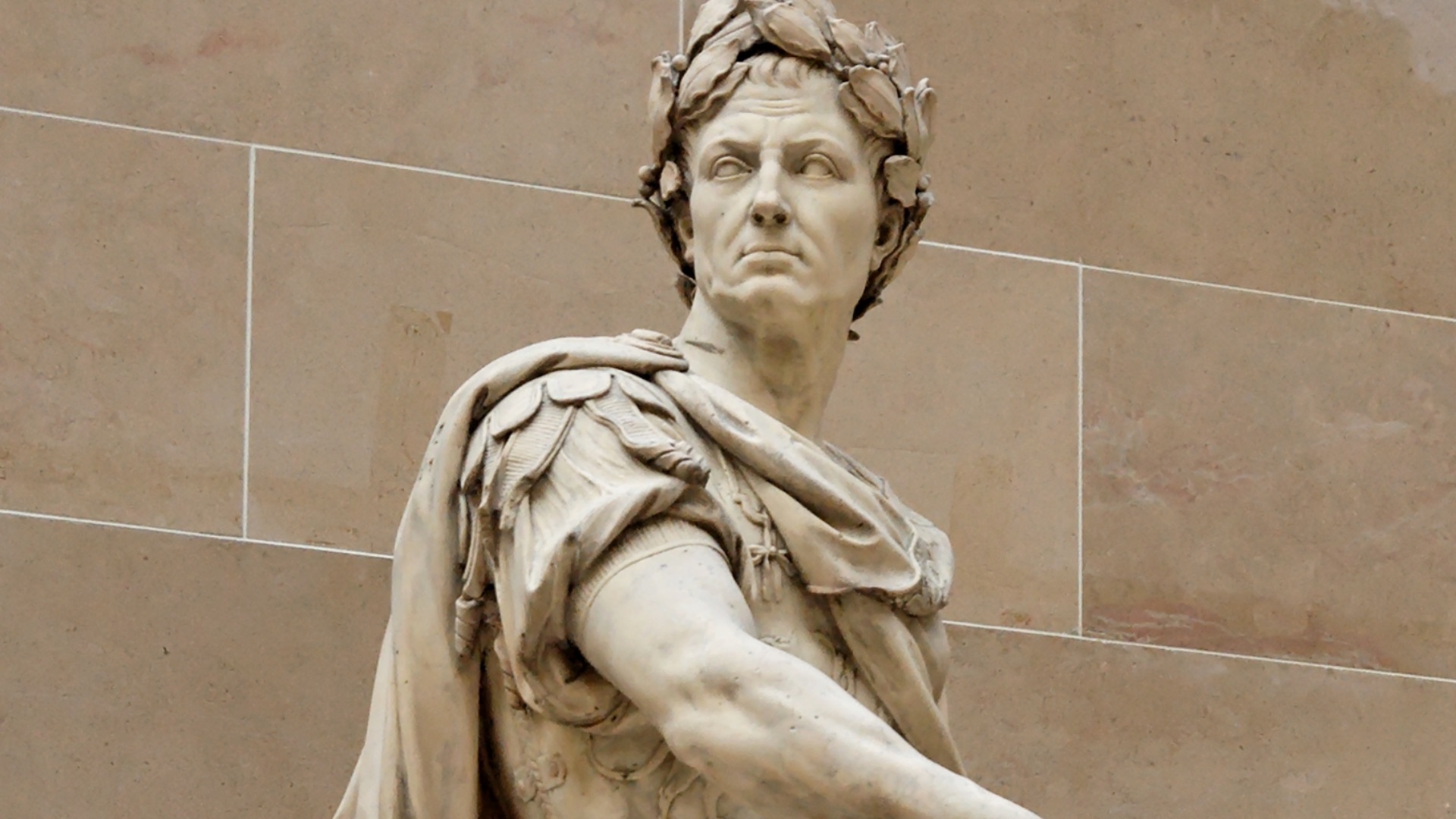
18. Eleanor of Aquitaine (1122–1204)
Eleanor of Aquitaine was one of the most powerful women in medieval Europe, serving as Queen consort of both France and England at different points in her remarkable life, and contemporary accounts describe her as a great beauty, although no verifiable accounts of her appearance are purported to exist. She was praised by troubadours and chroniclers alike, and it's telling that two kings of different nations found her compelling enough to marry, even accounting for the political advantages her lands in southern France represented. She continued to be an active and formidable presence in European politics into her 70s, making her longevity almost as impressive as her looks.
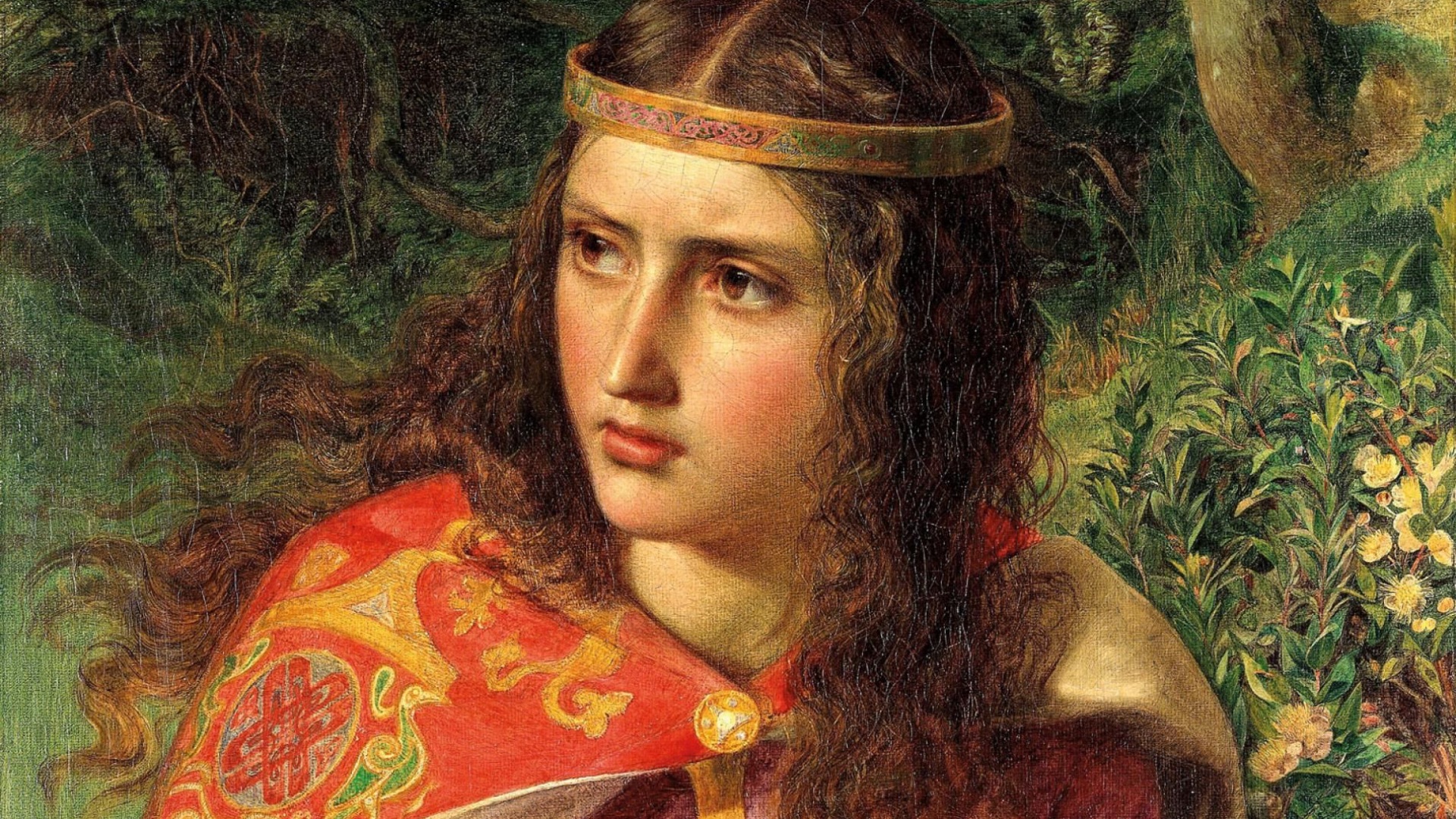
19. Wallis Simpson (1896–1986)
Wallis Simpson, the American divorcée for whom King Edward VIII of England abdicated his throne in 1936, was never described as classically beautiful by the standards of her time, but she possessed a style and presence that contemporaries found entirely magnetic and impossible to overlook. Her sharp wit, impeccable fashion sense, and confident bearing created an impression that outlasted first glances, and those who knew her consistently described being struck by her the moment she entered a room. The fact that a king gave up his crown rather than give her up is about as definitive a testament to her appeal as history has on offer.
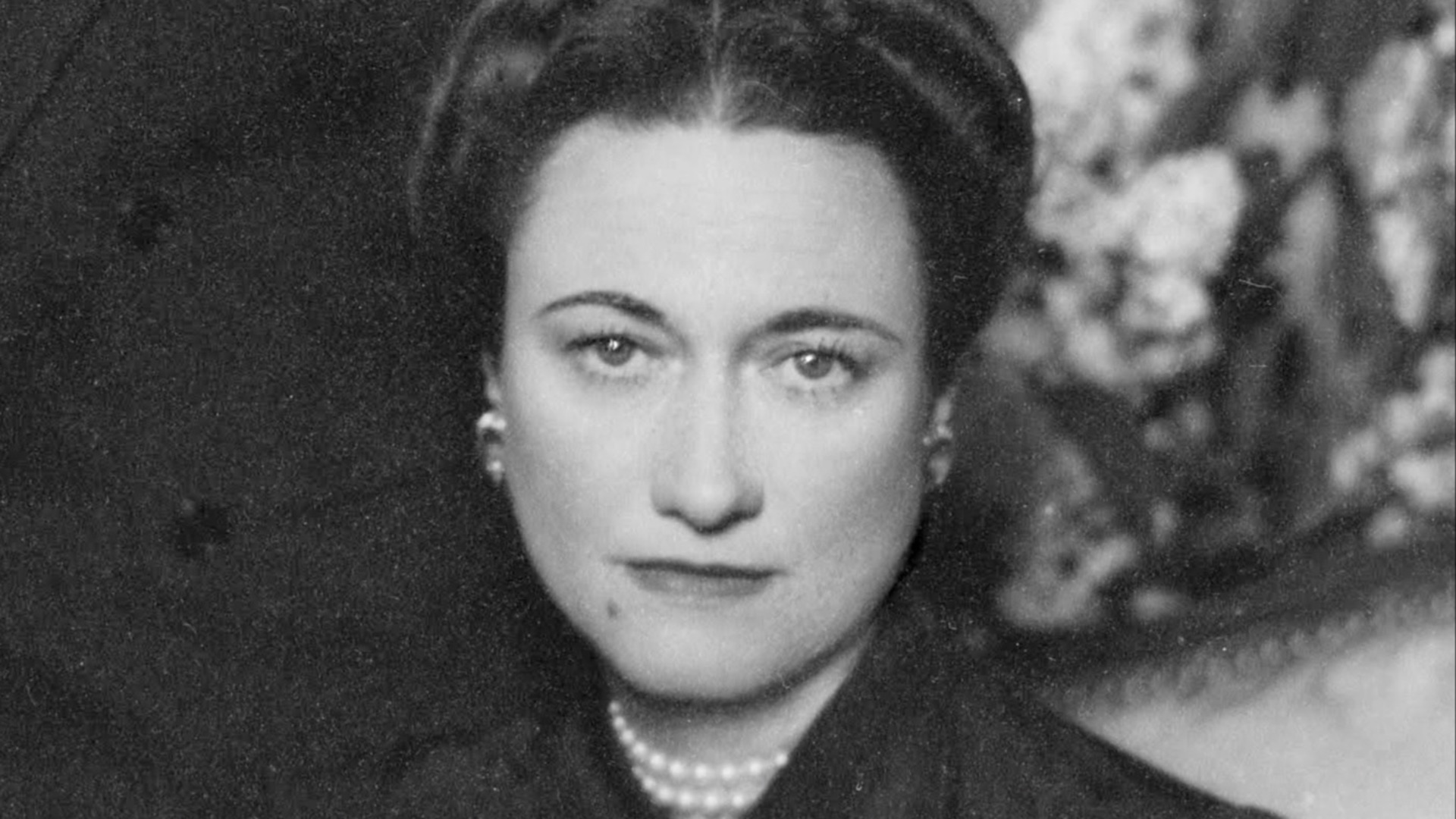 Attributed to Angelo Laviosa / Formerly attributed to Vincenzo Laviosa on Wikimedia
20. Antinous (111–130 AD)
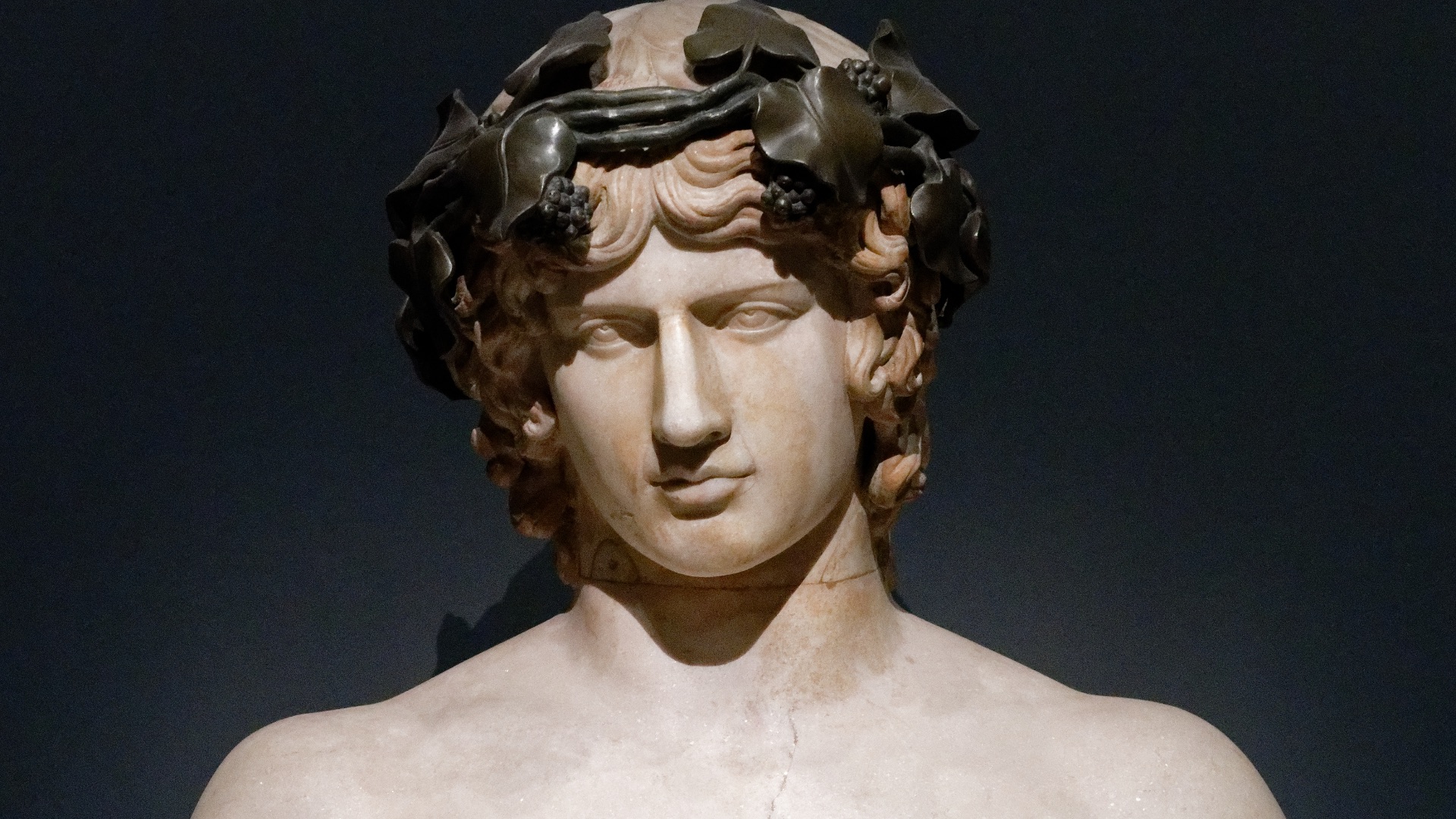
Antinous, the young Bithynian companion of the Roman Emperor Hadrian, was considered by contemporaries to be among the most beautiful people in the ancient world, and his face became one of the most reproduced images in all of Roman art following his untimely death by drowning in the Nile at the age of 18 or 19. Hadrian, devastated by the loss, deified him and commissioned an extraordinary number of statues, portraits, and reliefs in his memory; he even founded a city, Antinoöpolis, near where he had perished. More than 100 surviving portrait sculptures of him exist across museums worldwide, each one confirming that the ancient world's enthusiasm for his looks was not entirely unfounded.
KEEP ON READING
The 20 Most Recognized Historical Figures Of All Time
The Biggest Names In History. Although the Earth has been…
By Cathy Liu Oct 4, 2024
10 of the Shortest Wars in History & 10 of…
Wars: Longest and Shortest. Throughout history, wars have varied dramatically…
By Emilie Richardson-Dupuis Oct 7, 2024
10 Fascinating Facts About Ancient Greece You Can Appreciate &…
Once Upon A Time Lived Some Ancient Weirdos.... Greece is…
By Megan Wickens Oct 7, 2024
20 Lesser-Known Facts About Christopher Columbus You Don't Learn In…
In 1492, He Sailed The Ocean Blue. Christopher Columbus is…
By Emilie Richardson-Dupuis Oct 9, 2024
20 Historical Landmarks That Have The Craziest Conspiracy Theories
Unsolved Mysteries Of Ancient Places . When there's not enough evidence…
By Megan Wickens Oct 9, 2024
The 20 Craziest Inventions & Discoveries Made During Ancient Times
Crazy Ancient Inventions . While we're busy making big advancements in…
By Cathy Liu Oct 9, 2024