


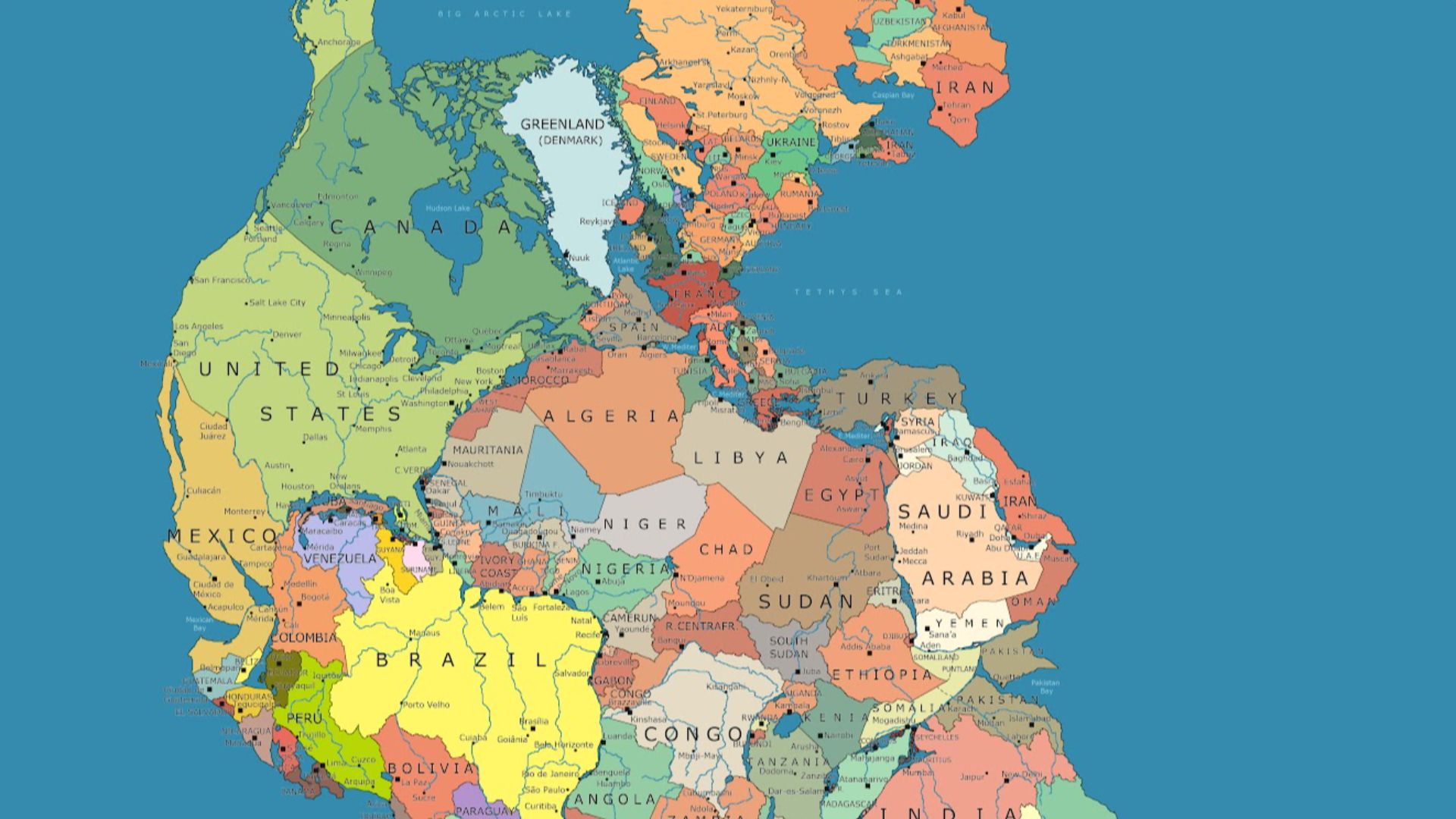
 Massimo Pietrobon on Wikimedia
Long before the continents spread across the globe, Earth held one connected landmass known as Pangaea.
This supercontinent formed hundreds of millions of years ago and helps explain why distant places share similar fossils, why mountain ranges line up across oceans, and why continents fit together like pieces of a puzzle. Although humans never saw this world, its influence remains visible in everything from global climate patterns to the shape of modern lands.
How Pangaea Formed And Why Continents Move
Pangaea formed because Earth’s outer shell is divided into tectonic plates that shift over long stretches of time. These plates float on slowly moving material in the mantle. As plates drifted toward one another, the separate landmasses of an earlier era collided and connected. This process reached its peak roughly 300 to 250 million years ago, when the joined land created Pangaea.
Plate movement continued, and the same forces that built the supercontinent eventually pulled it apart. Cracks opened between landmasses, and new ocean basins formed. One major rift grew into the Atlantic Ocean, which still widens by a few centimeters each year. Matching rock types and mountain chains appear on continents now separated by the Atlantic, showing that these regions once formed a continuous landmass.
Life And Climate When Earth Held One Continent
Life during the time of Pangaea included early reptiles, insects, and many plant groups. The first dinosaurs appeared near the end of the supercontinent’s existence. Because the land remained connected, animals could move across large areas without ocean barriers. This explains why fossils of identical species appear on continents now far apart. A key example is Mesosaurus, a freshwater reptile found in both South America and southern Africa.
Pangaea’s climate varied across its vast interior and along its coasts. Inland regions sat far from the ocean and developed dry conditions with strong seasonal swings. Coastal zones received far more moisture and supported a wider mix of plants and animals. These differences created clear ecological boundaries, and they shaped how species adapted, survived, and moved across the connected landmass over long periods of time.
How The Breakup Of Pangaea Shaped The Modern World
 Gerhard Boeggemann on Wikimedia
Around 200 million years ago, Pangaea began to separate during the early Mesozoic Era. Tectonic forces pulled the land apart, creating new continents that slowly moved into the positions they hold today. As the supercontinent broke into sections, ocean currents changed and new climate patterns formed. These shifts encouraged the development of a wider range of environments across the planet.
The separation of continents also increased the rate of species diversification. Groups that once lived side by side became isolated as oceans grew between them. Over millions of years, this isolation led to the formation of distinct species on different continents. Modern geological features still show the effects of Pangaea’s breakup. The Appalachian Mountains, for example, formed from ancient collisions that took place while the supercontinent assembled. As continents keep drifting, the history of Pangaea reminds us that Earth’s surface never stays still.
KEEP ON READING

20 People Whose Lives Inspired Religious Movements
One Life, Millions of Followers. History is full of people…
By Cameron Dick Jun 15, 2026
20 Strangest Beauty Trends Throughout History
Beauty Has Always Had Strange Rules. History is full of…
By Christy Chan Jun 12, 2026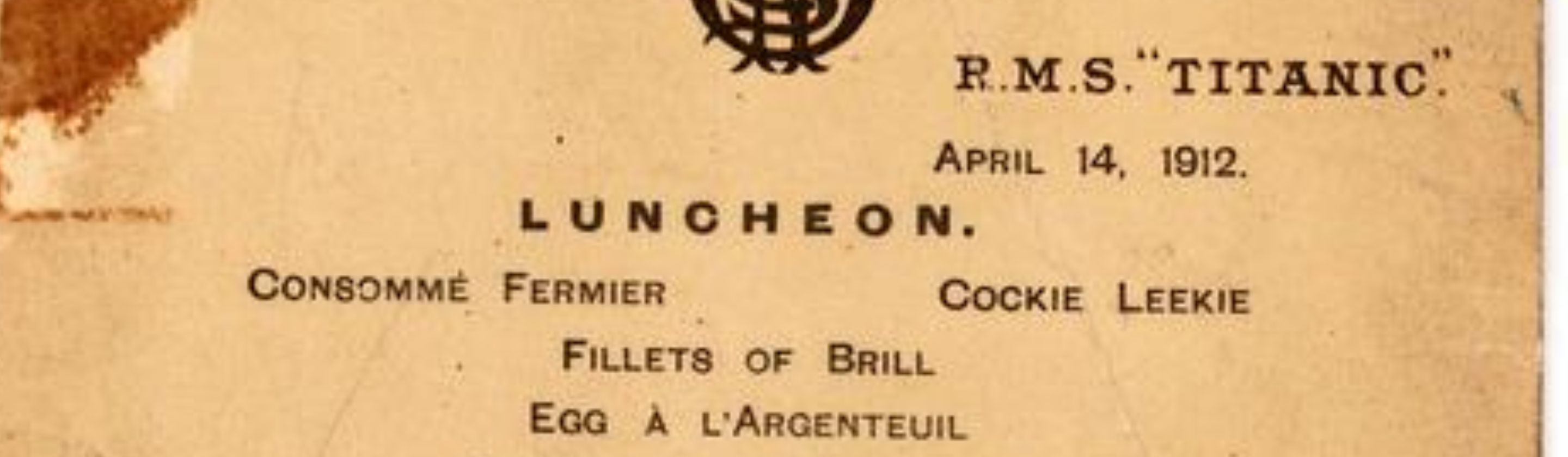
20 First Class Meals Served On The Titanic's Final Night
The Ultimate Final Feast. When the wealthiest passengers gathered in…
By Sara Springsteen Jun 12, 2026
20 Facts About The Library of Alexandria
More Than Just A Room. The Library of Alexandria has…
By Elizabeth Graham Jun 12, 2026
20 Baby Names That Became Unusable After One Historical Figure
Some Names Never Fully Escape Their Reputation. Most baby names…
By Emilie Richardson-Dupuis Jun 12, 2026
The 20 Creepiest People In History
Truly Uncomfortable. History isn’t only made by kings, reformers, and…
By Annie Byrd Jun 12, 2026