

Ordinary People Can Change the Course of History
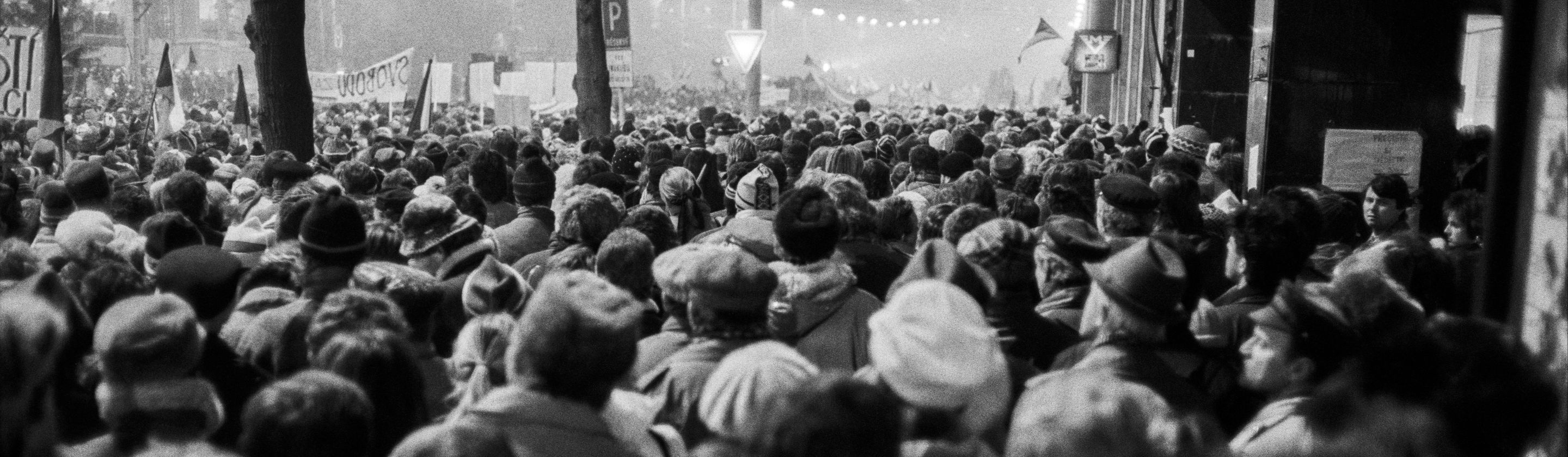
History often highlights famous leaders, but many major revolutions began with everyday citizens who were frustrated with unfair systems or harsh living conditions. Workers, farmers, students, and merchants have repeatedly organized protests, uprisings, and political movements that reshaped governments and societies. These events usually started with ordinary people demanding fair treatment, representation, or economic stability. While leaders sometimes emerged later, the early momentum often came from communities that felt ignored by those in power. Looking back at these 20 revolutions shows how collective action by regular citizens can alter the direction of entire nations.
 Unknown authorUnknown author on Wikimedia
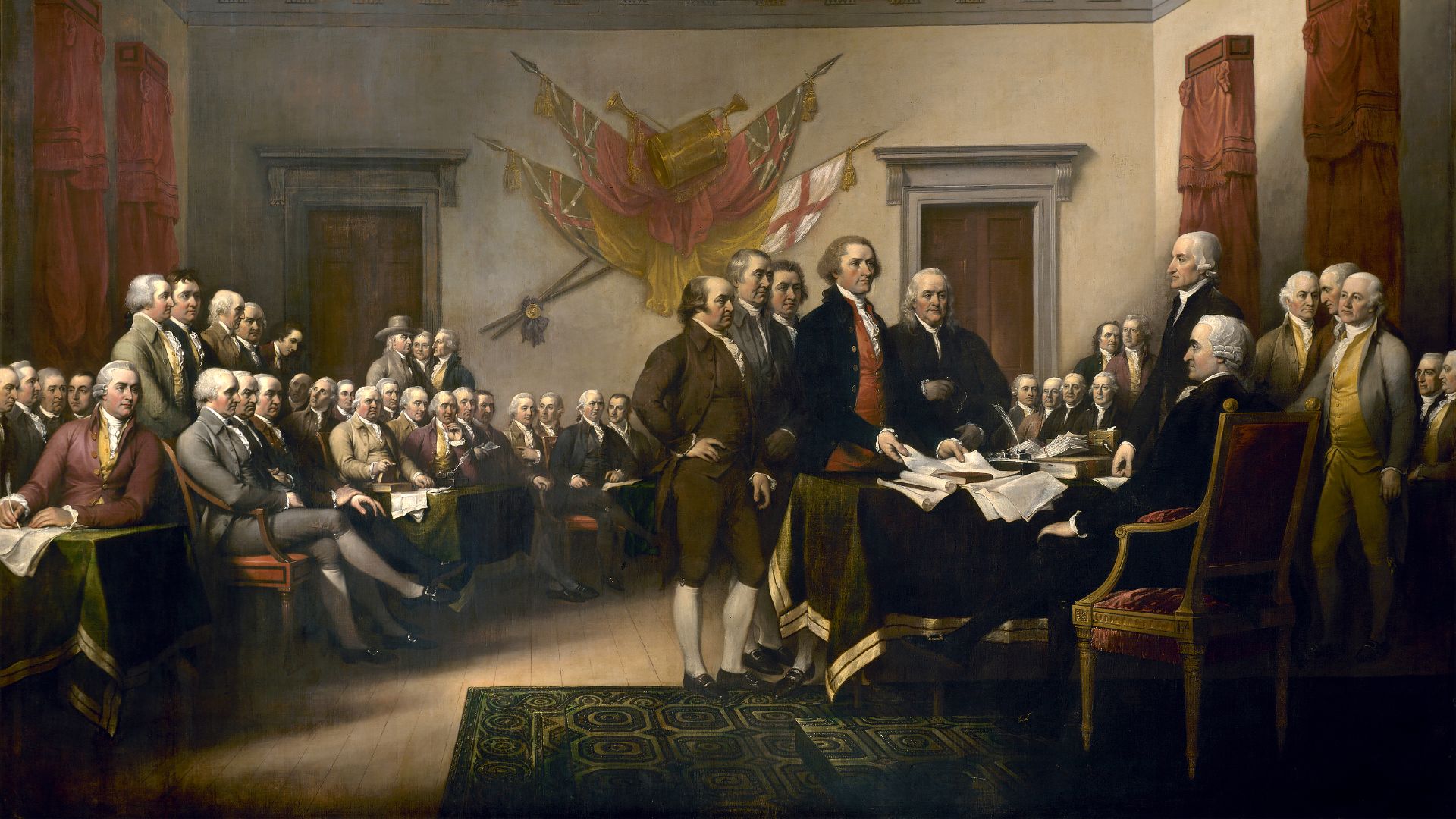
1. The American Revolution (1775–1783)
The American Revolution began when British colonies in North America resisted taxation and laws imposed without representation in Parliament. Many early protests were organized by merchants, farmers, and tradespeople who felt British policies were unfair.
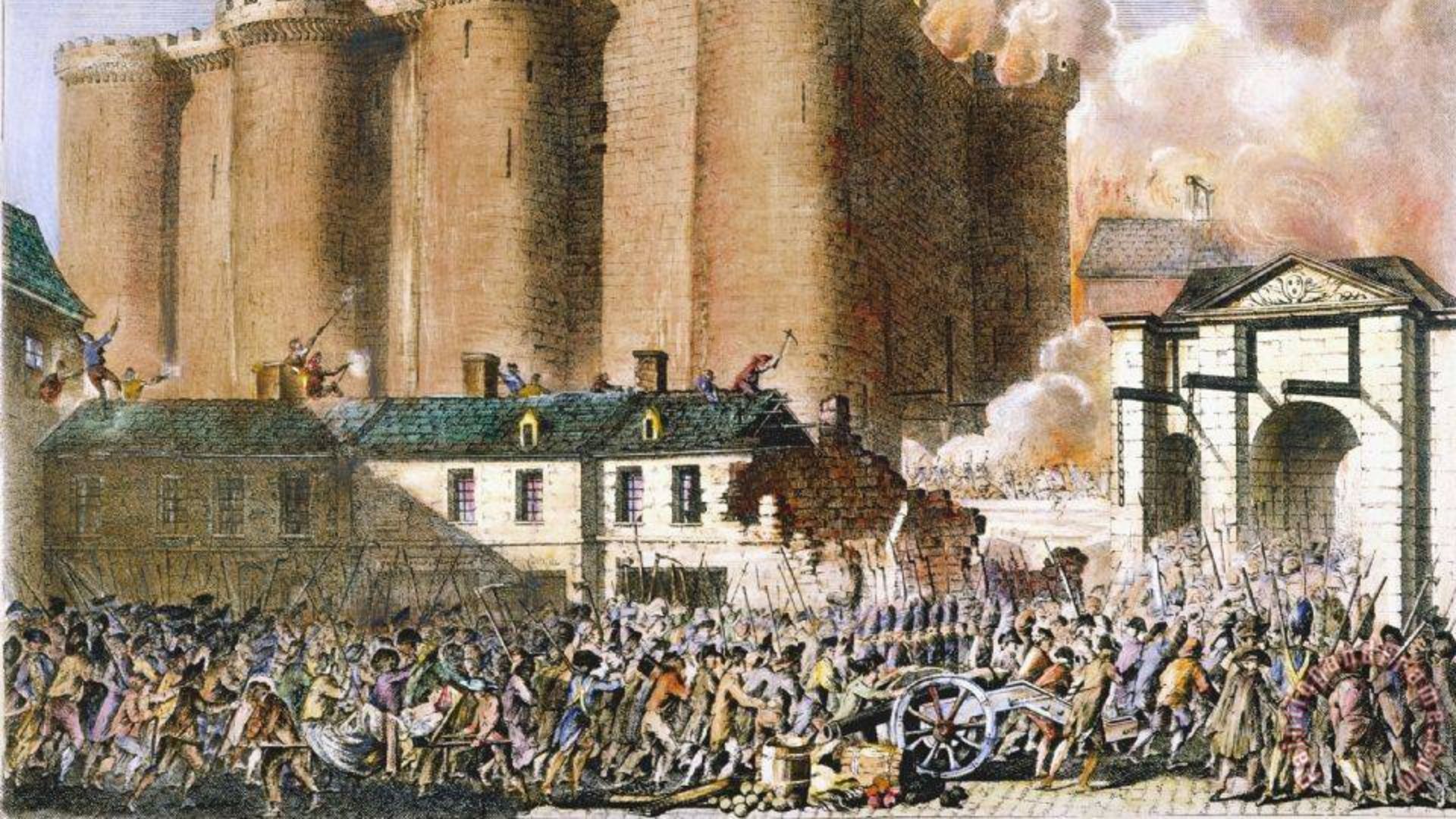
2. The French Revolution (1789–1799)
France’s revolution began during a severe financial crisis that placed heavy tax burdens on the lower classes. Ordinary citizens, particularly urban workers and peasants, protested rising food prices and political inequality.
 Unknown authorUnknown author on Wikimedia
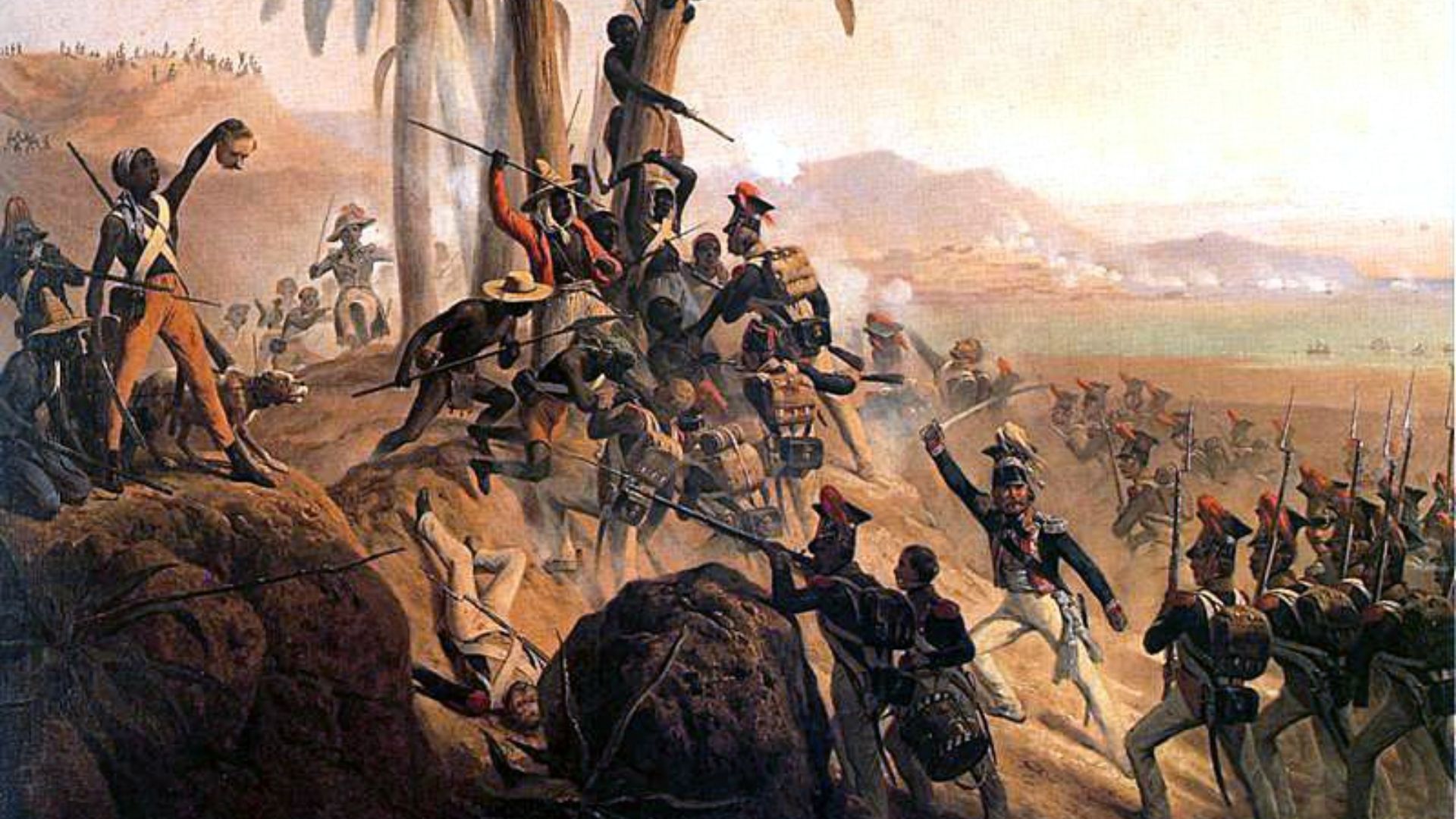
3. The Haitian Revolution (1791–1804)
The Haitian Revolution began with enslaved people in the French colony of Saint-Domingue demanding freedom and rights. Large numbers of enslaved workers organized revolts against plantation owners and colonial authorities. Over time, these uprisings evolved into a long struggle that defeated French, Spanish, and British forces. Haiti eventually became the first independent nation founded by formerly enslaved people.
 January Suchodolski on Wikimedia
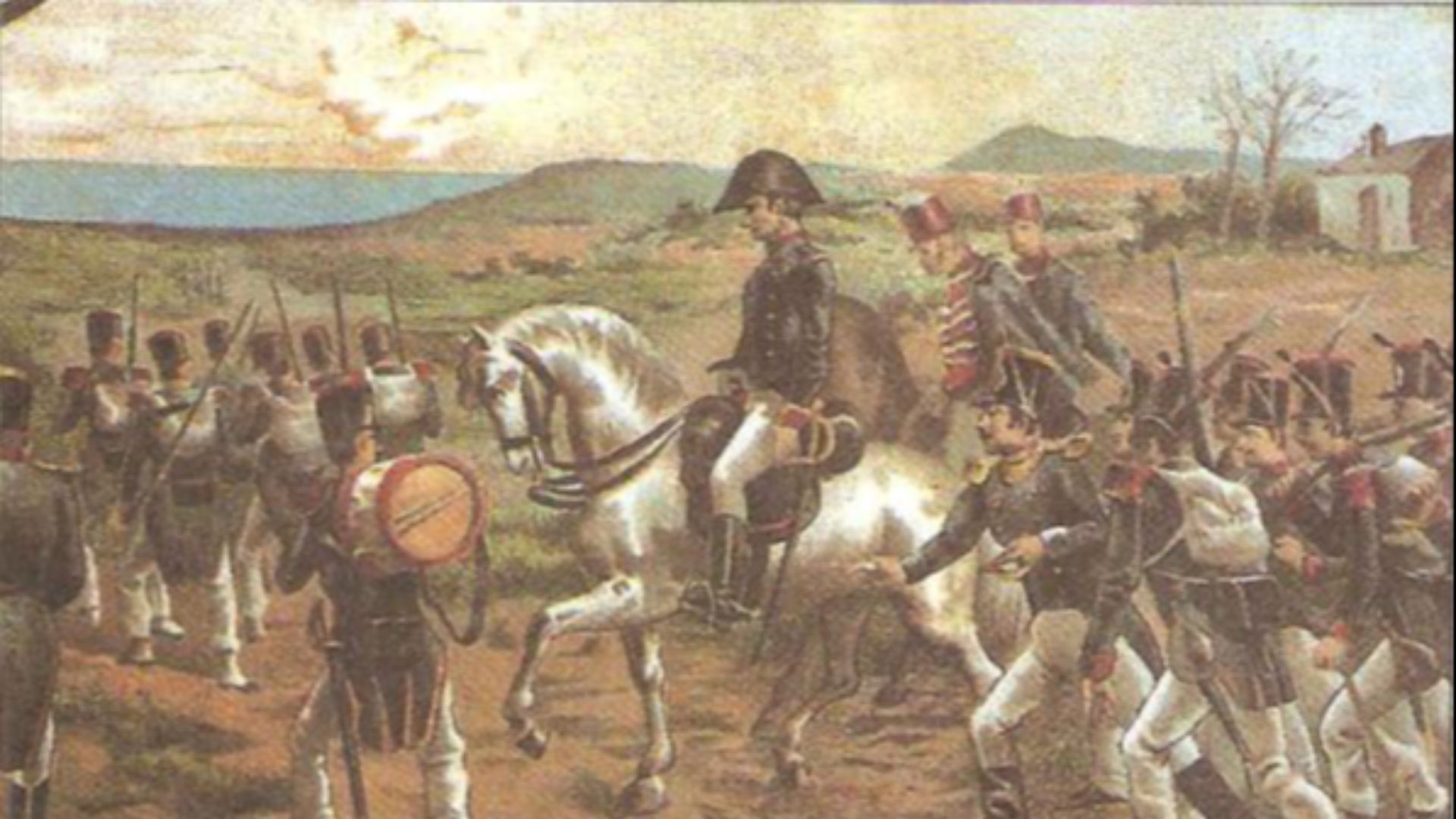
4. The Latin American Independence Movements (Early 1800s)
Across Spanish and Portuguese colonies in the Americas, ordinary residents began resisting colonial rule during the early nineteenth century. Local farmers, laborers, and militia members joined movements demanding self-government.
 AnonymousUnknown author on Wikimedia
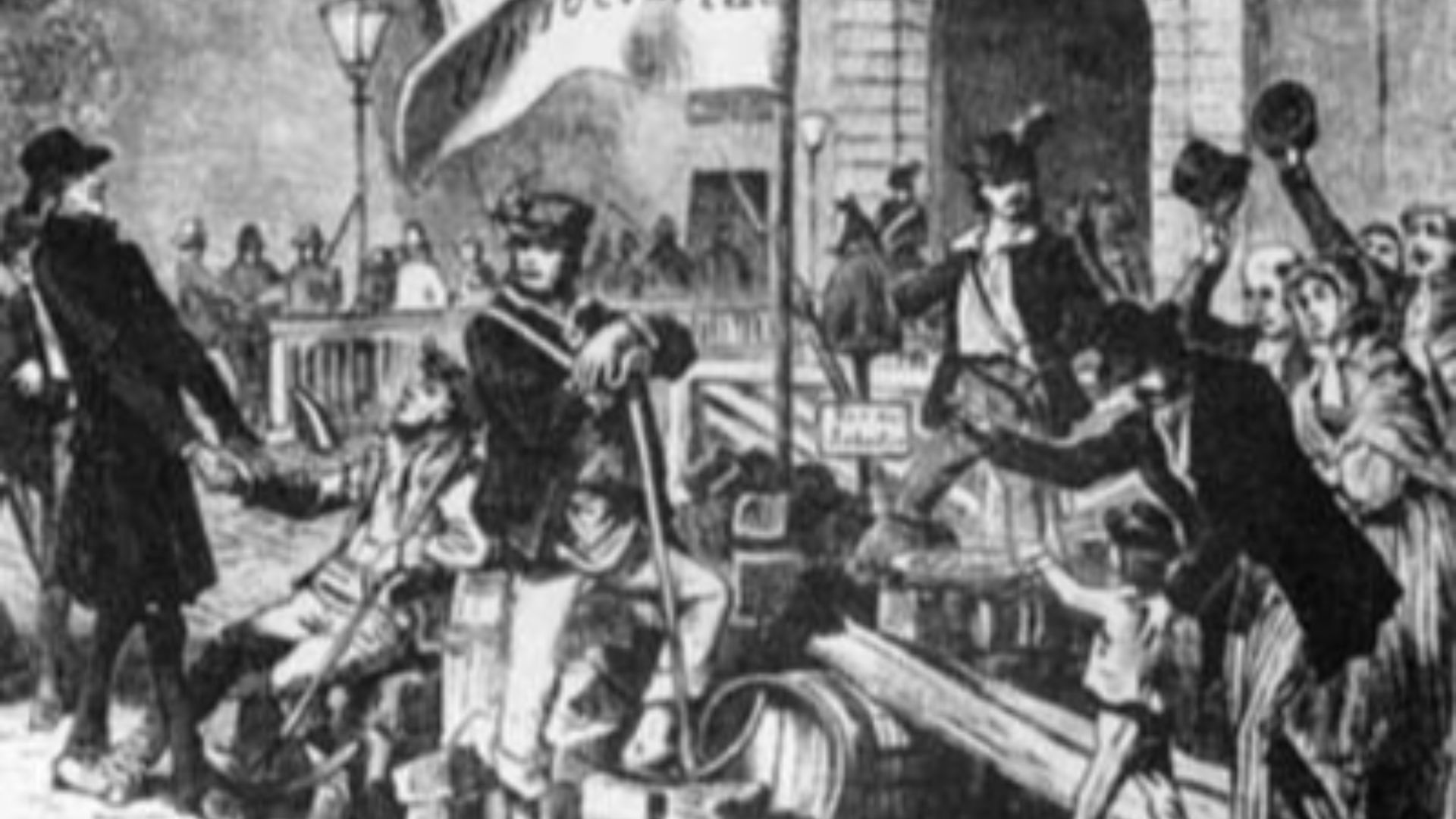
5. The European Revolutions of 1848
In 1848, widespread uprisings erupted across several European countries, including France, Austria, and parts of Germany and Italy. Many demonstrations were organized by workers and students who demanded democratic reforms and better economic conditions.
 Unknown authorUnknown author on Wikimedia
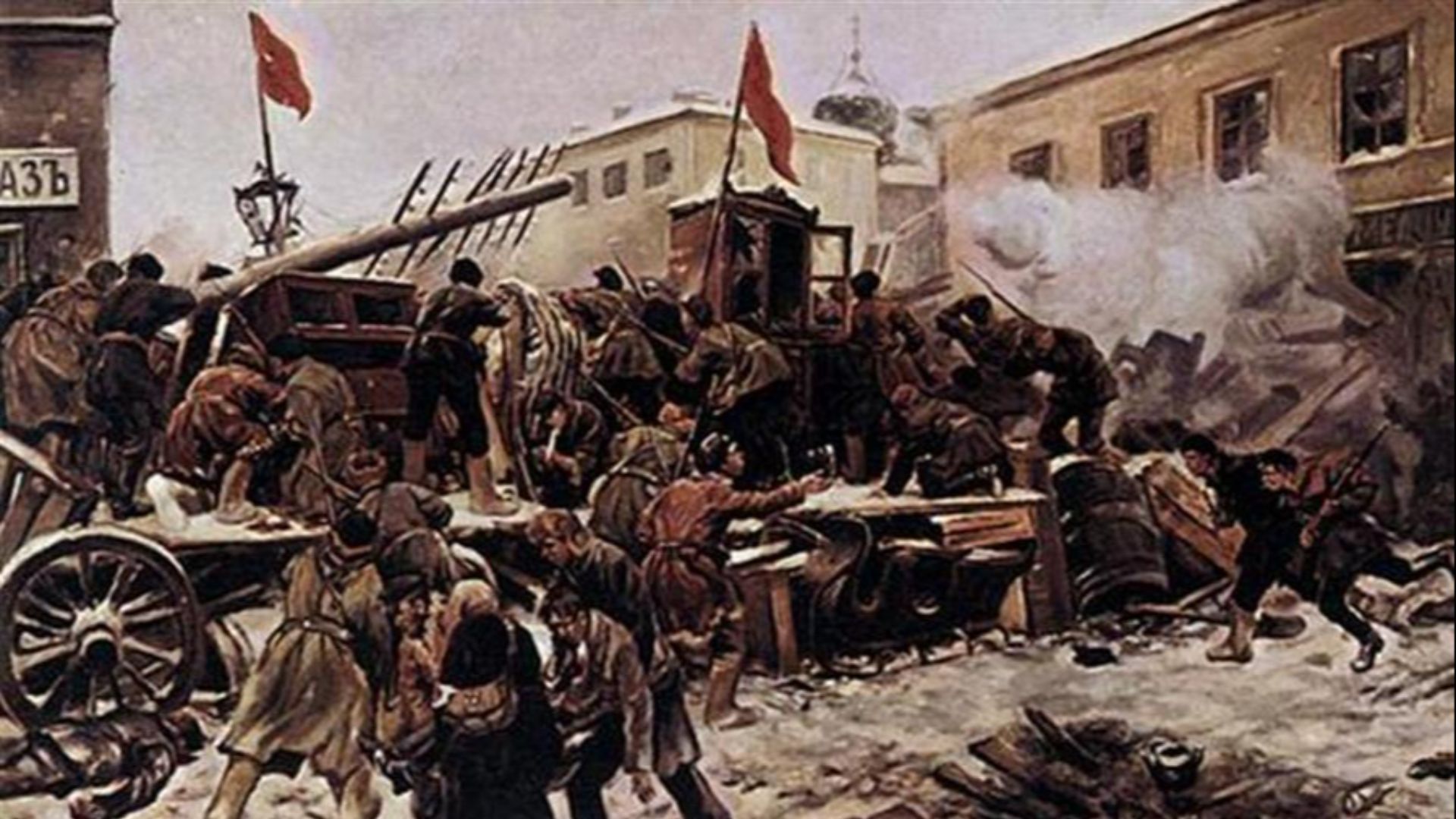
6. The Russian Revolution of 1905
The Russian Revolution of 1905 began after widespread dissatisfaction with harsh working conditions and political repression under the tsarist government. Workers organized strikes, while ordinary citizens marched to present petitions for reform.
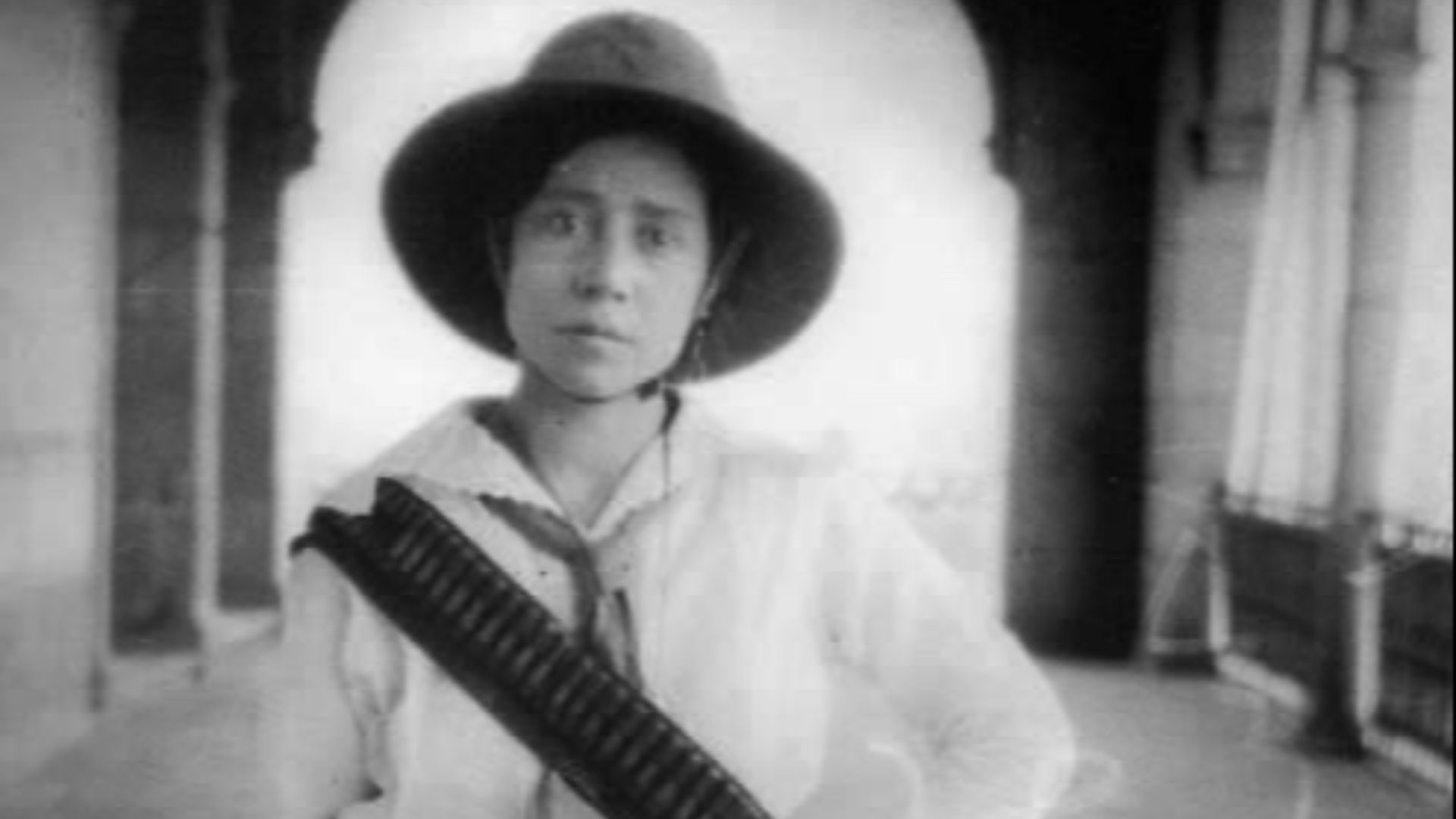
7. The Mexican Revolution (1910–1920)
Mexico’s revolution started when citizens opposed the rule of President Porfirio Díaz, whose government favored wealthy landowners and foreign investors. Farmers and rural communities demanded land reform and fair treatment.
 Unknown authorUnknown author on Wikimedia
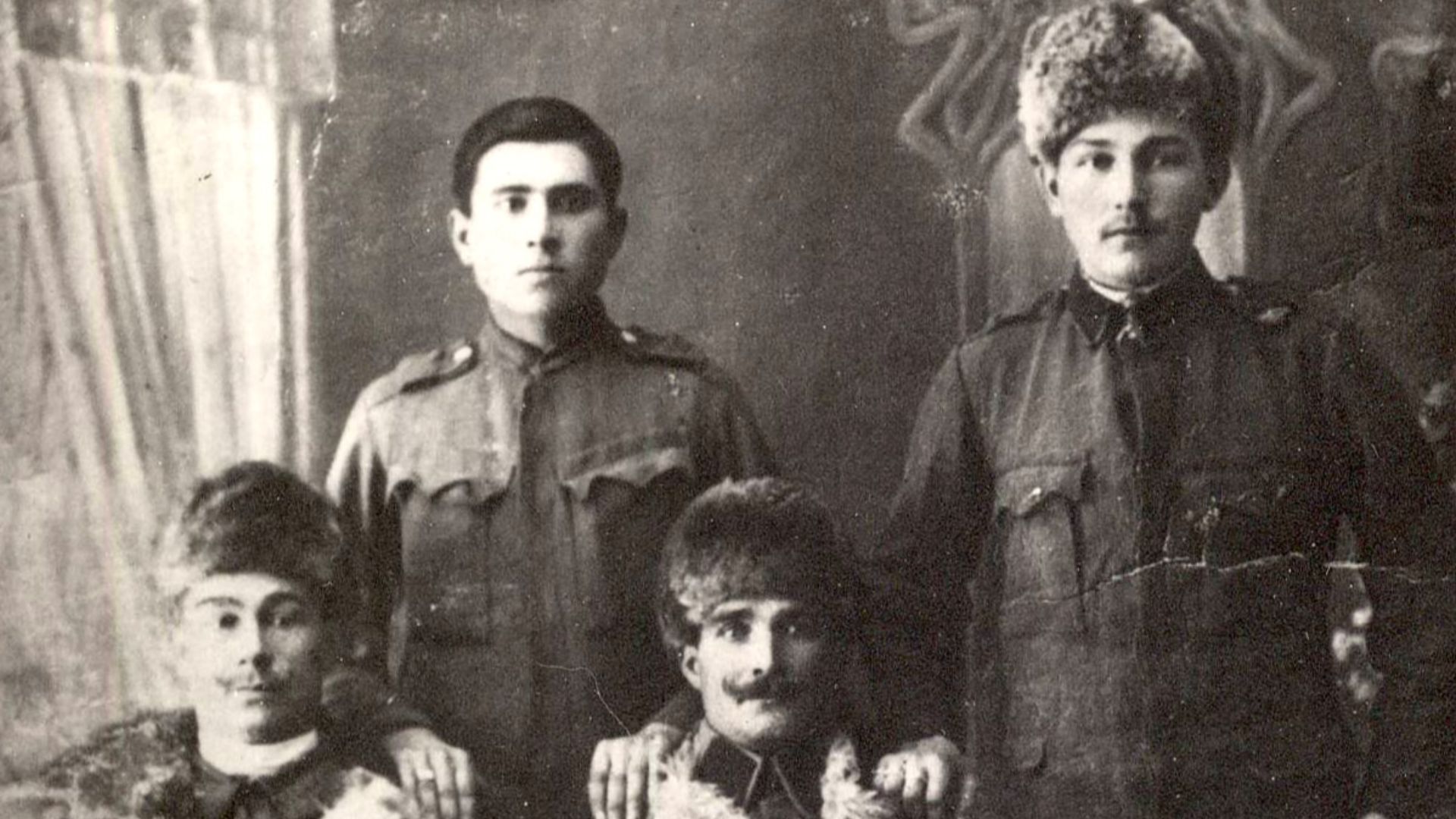
8. The Russian Revolution of 1917
The 1917 Russian Revolution unfolded after years of economic hardship and military losses during World War I. Workers, soldiers, and civilians participated in strikes and demonstrations in cities such as Petrograd.
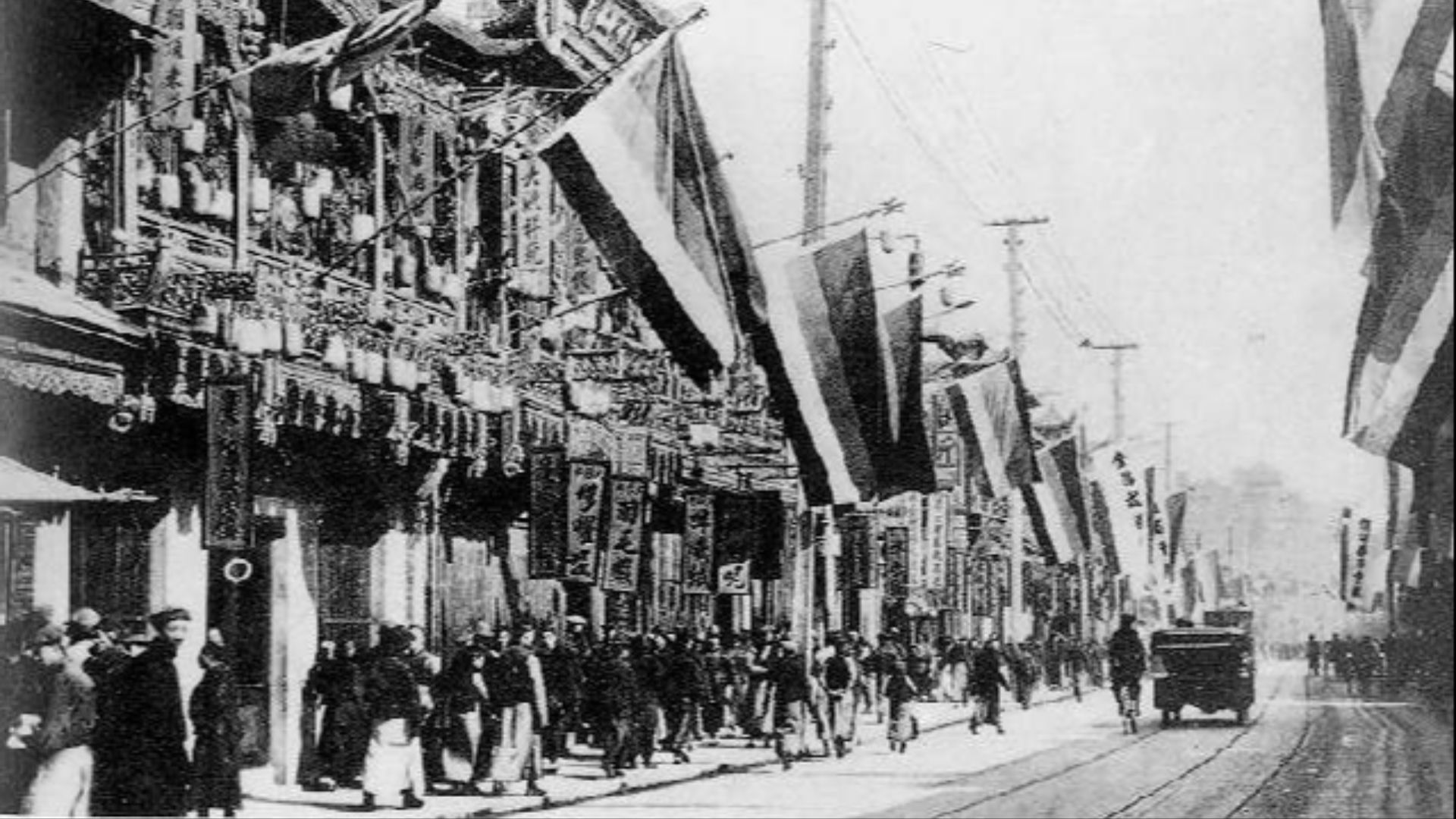
9. The Chinese Revolution (1911)
China’s 1911 revolution, sometimes called the Xinhai Revolution, began with uprisings against the Qing dynasty. Many participants were soldiers, merchants, and reform-minded citizens who opposed imperial rule. Regional revolts spread rapidly after the Wuchang Uprising in October 1911. Within months, the dynasty collapsed, and China established a republic.
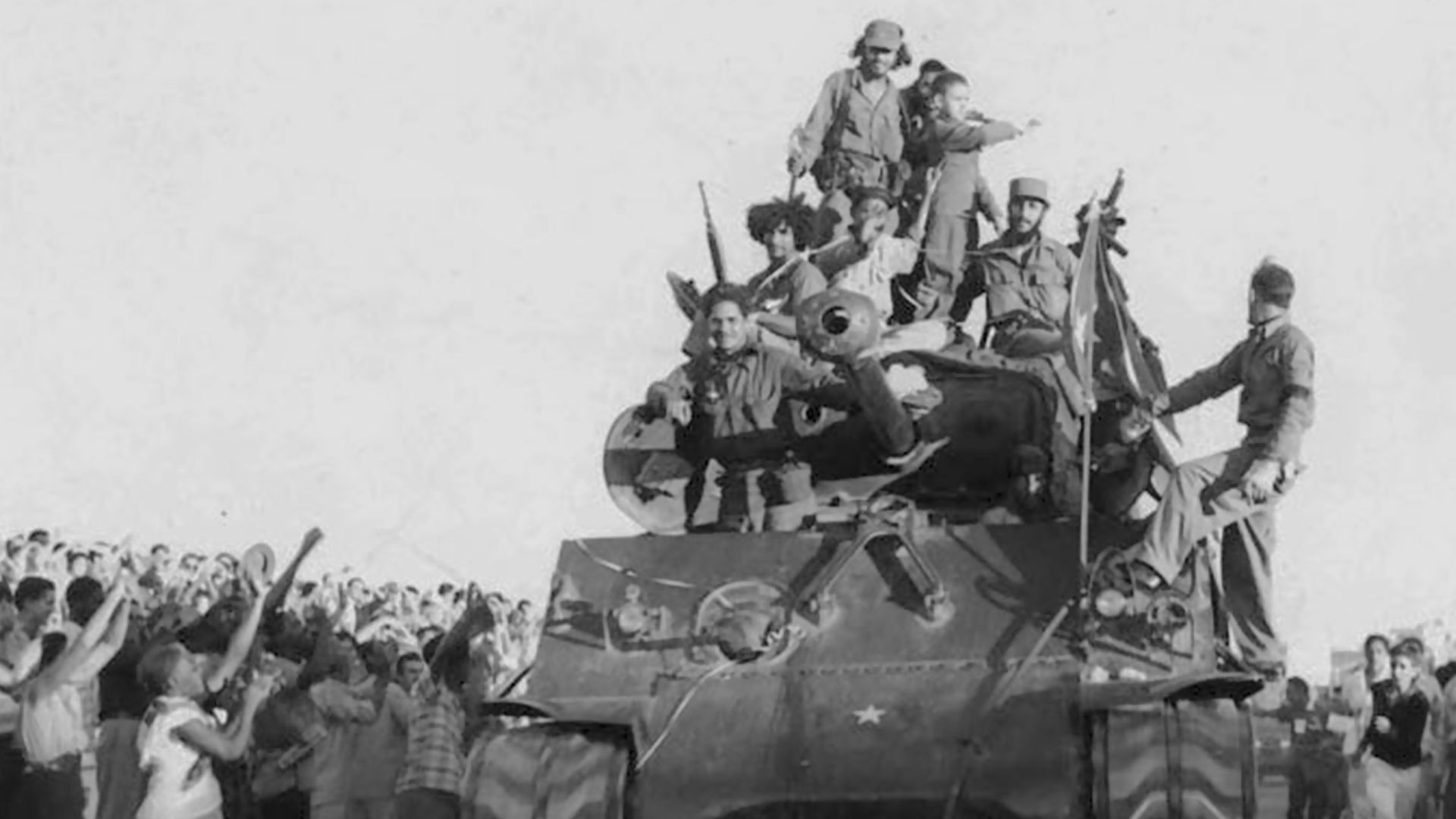
10. The Cuban Revolution (1953–1959)
Cuba’s revolution grew from widespread dissatisfaction with the government of Fulgencio Batista. Many ordinary citizens were frustrated by corruption, economic inequality, and political repression.
 Unknown authorUnknown author on Wikimedia
11. The Hungarian Revolution (1956)
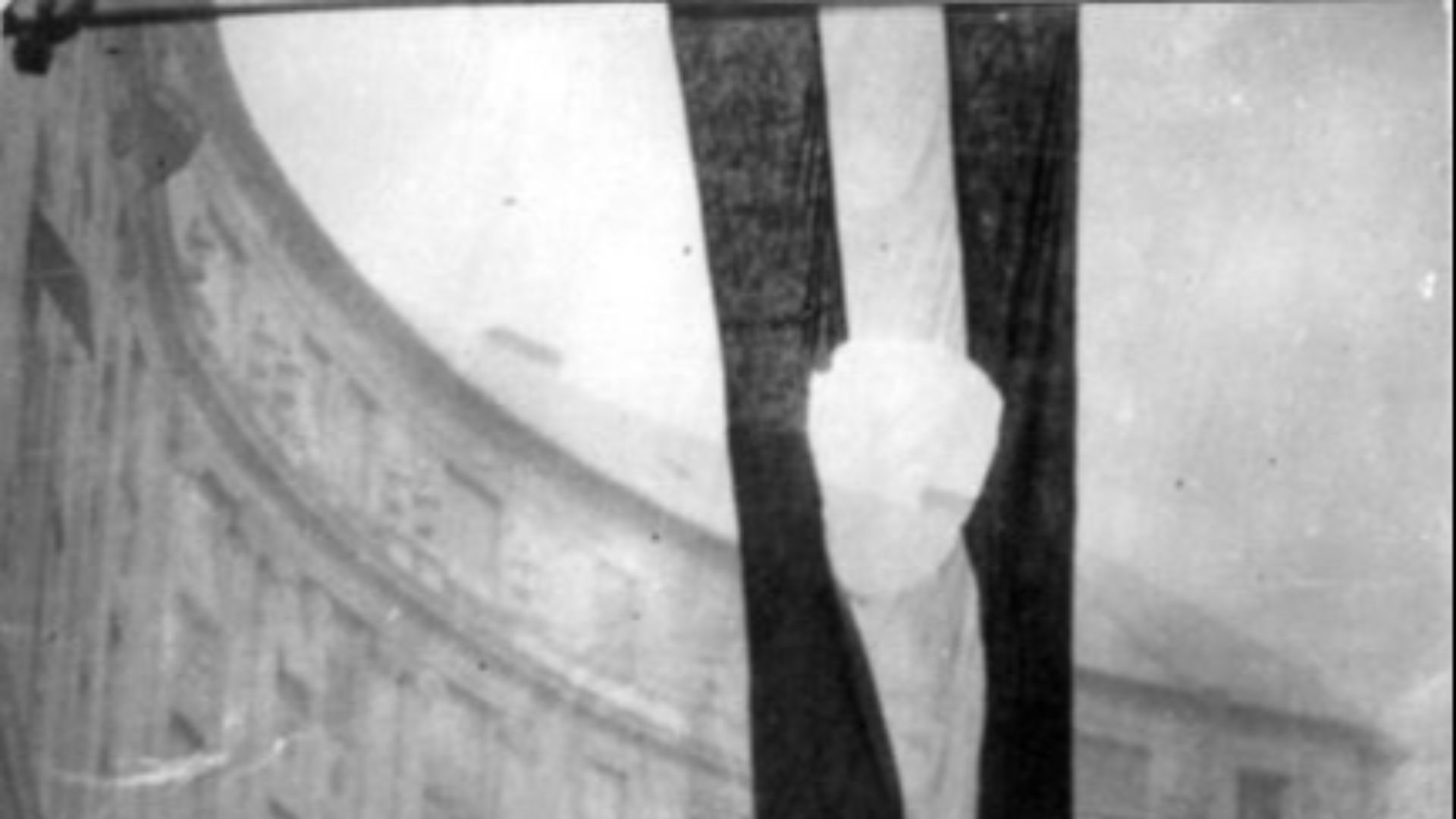
In 1956, Hungarian citizens protested Soviet influence and political restrictions imposed by the communist government. Students initiated demonstrations in Budapest that quickly grew into nationwide protests. Workers joined the movement, organizing strikes and demanding political reforms. Although Soviet forces eventually suppressed the uprising, it revealed deep public opposition to foreign control.
 The American Hungarian Federation on Wikimedia
12. The Algerian Revolution (1954–1962)
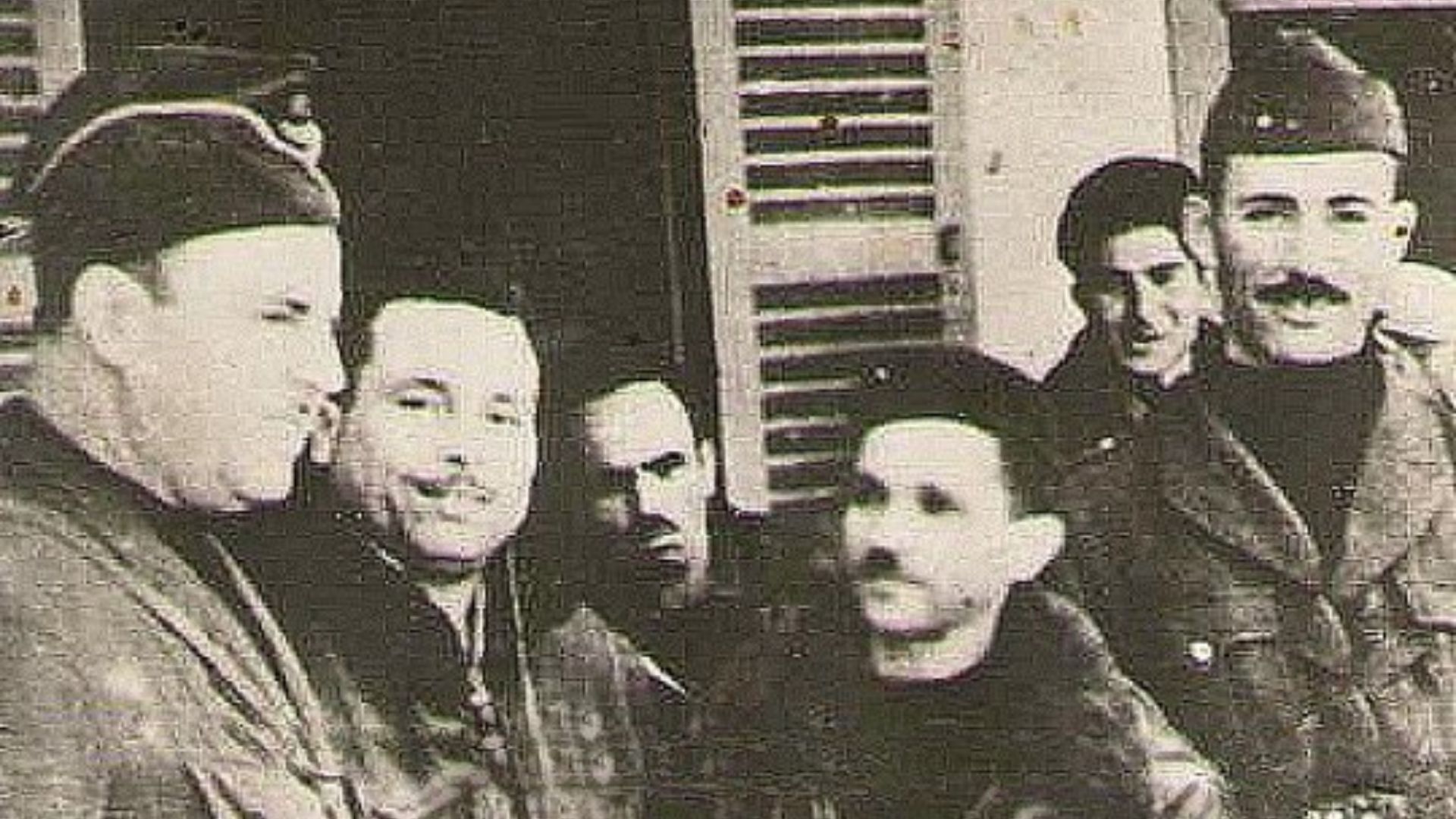
Algeria’s struggle for independence began with resistance against French colonial rule. Many ordinary Algerians supported the National Liberation Front by participating in protests or assisting resistance efforts. Rural communities and urban residents both played important roles in the conflict. After years of fighting, Algeria gained independence in 1962.
 Unknown authorUnknown author on Wikimedia
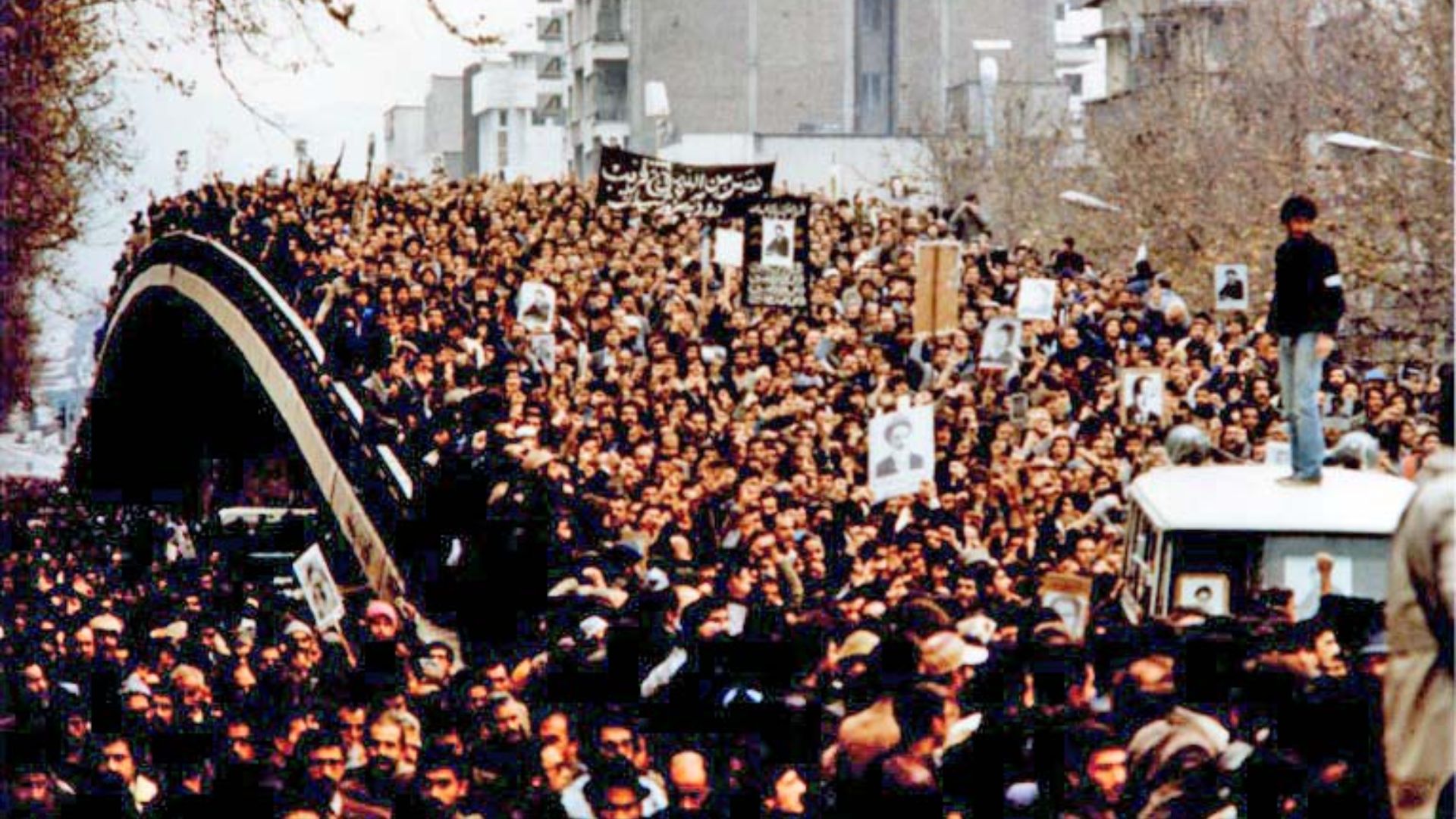
13. The Iranian Revolution (1979)
The Iranian Revolution developed through mass protests against the rule of Shah Mohammad Reza Pahlavi. Demonstrations involved students, workers, religious groups, and other ordinary citizens. Large public gatherings challenged government authority throughout 1978 and 1979. The movement eventually forced the shah to leave the country and led to the creation of a new political system.
14. The People Power Revolution in the Philippines (1986)
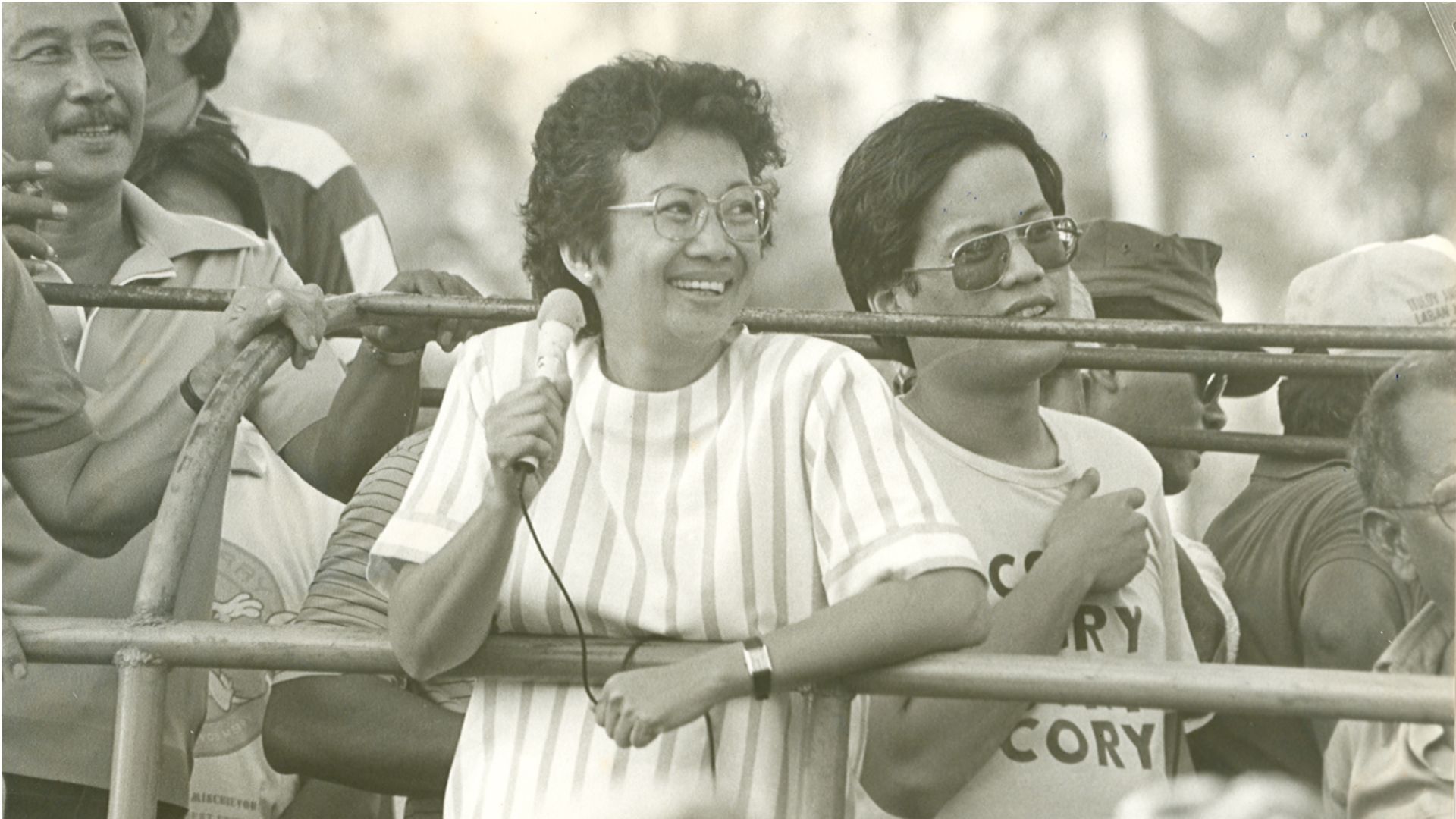
The People Power Revolution occurred after years of political unrest under President Ferdinand Marcos. Millions of ordinary Filipinos participated in peaceful protests demanding democratic reforms.
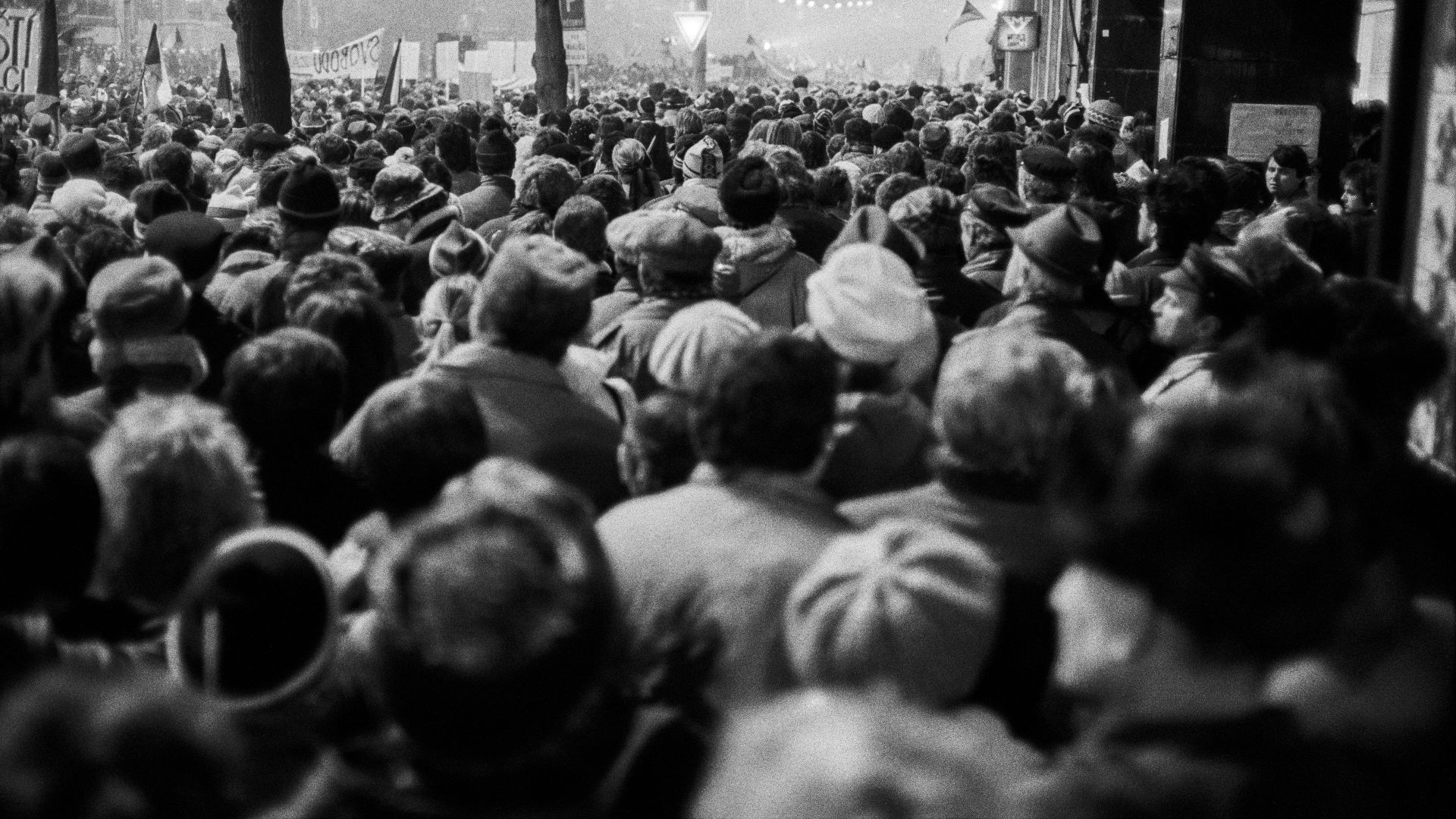
15. The Velvet Revolution (1989)
Czechoslovakia’s Velvet Revolution began with peaceful protests organized by students and civic groups. Citizens demanded political freedoms and an end to communist rule. Large demonstrations took place across the country in late 1989. Within weeks, the government collapsed, and democratic reforms were introduced.
 RobbieIanMorrison on Wikimedia
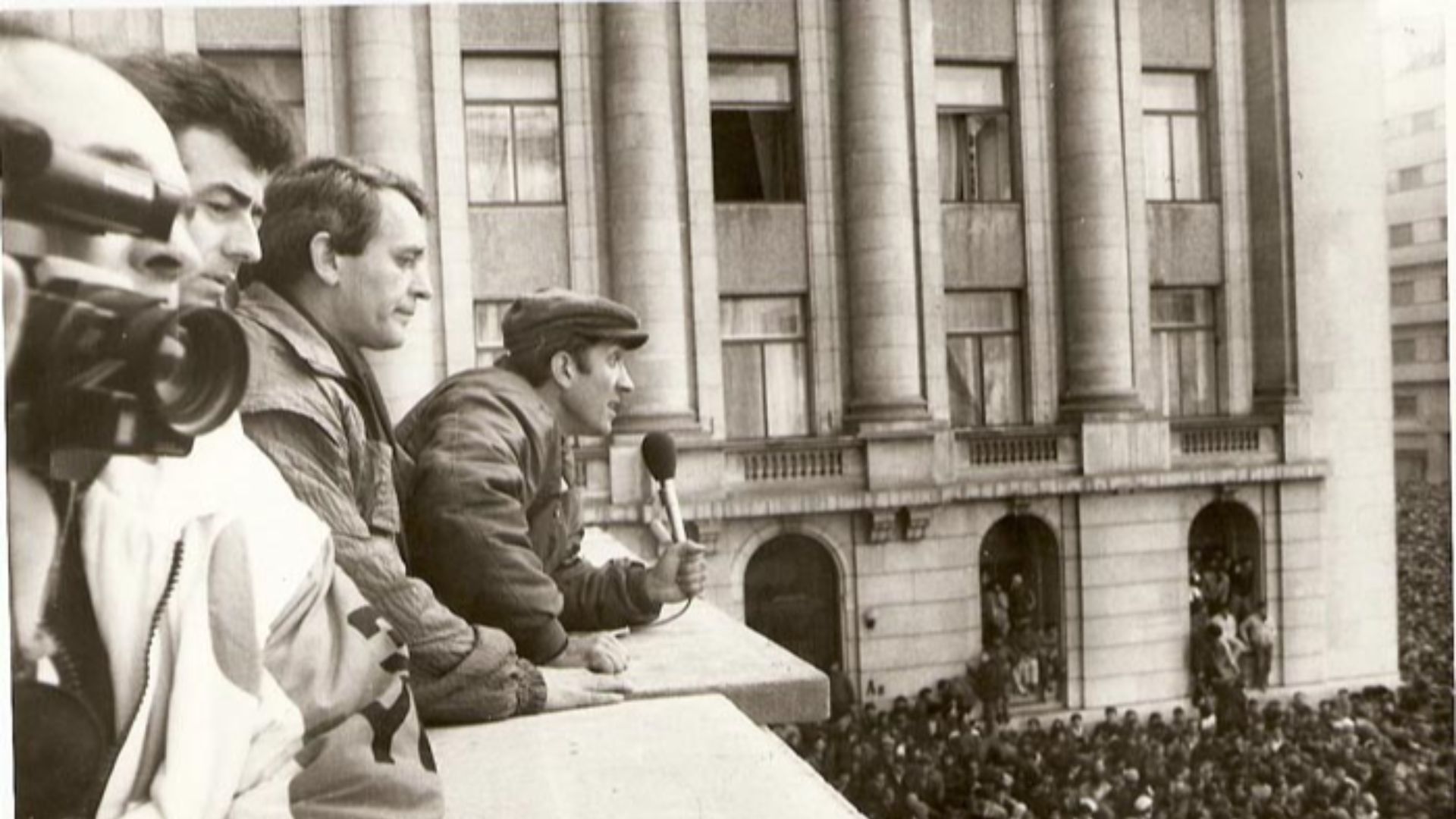
16. The Romanian Revolution (1989)
Romania’s revolution began with protests in the city of Timișoara against the authoritarian government of Nicolae Ceaușescu. Demonstrations spread rapidly as citizens voiced frustration with economic hardship and strict political control.
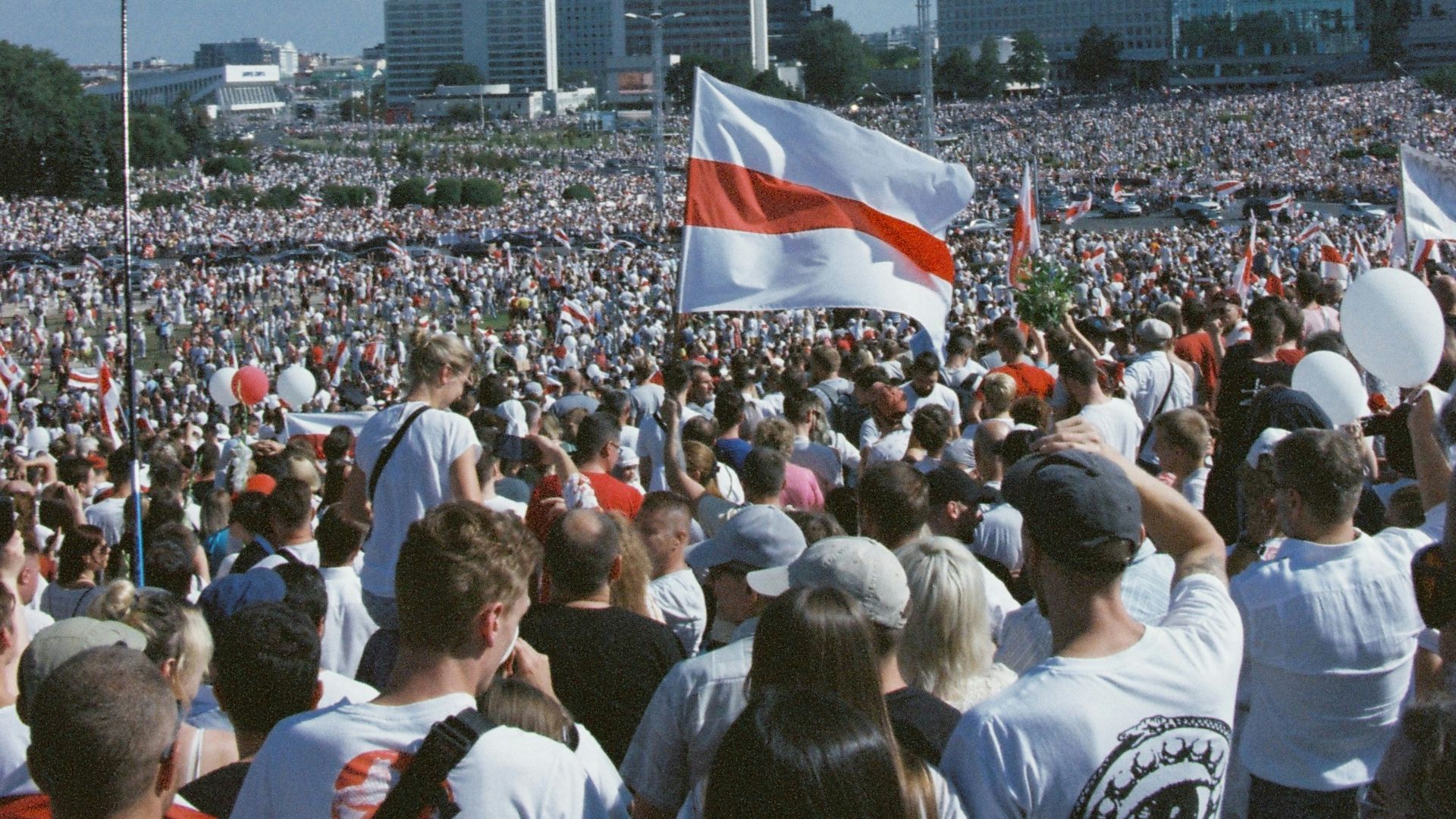
17. The Baltic Singing Revolution (Late 1980s–1991)
In Estonia, Latvia, and Lithuania, citizens organized peaceful demonstrations advocating independence from the Soviet Union. Large gatherings featured traditional songs and cultural expression, which became symbols of national identity.
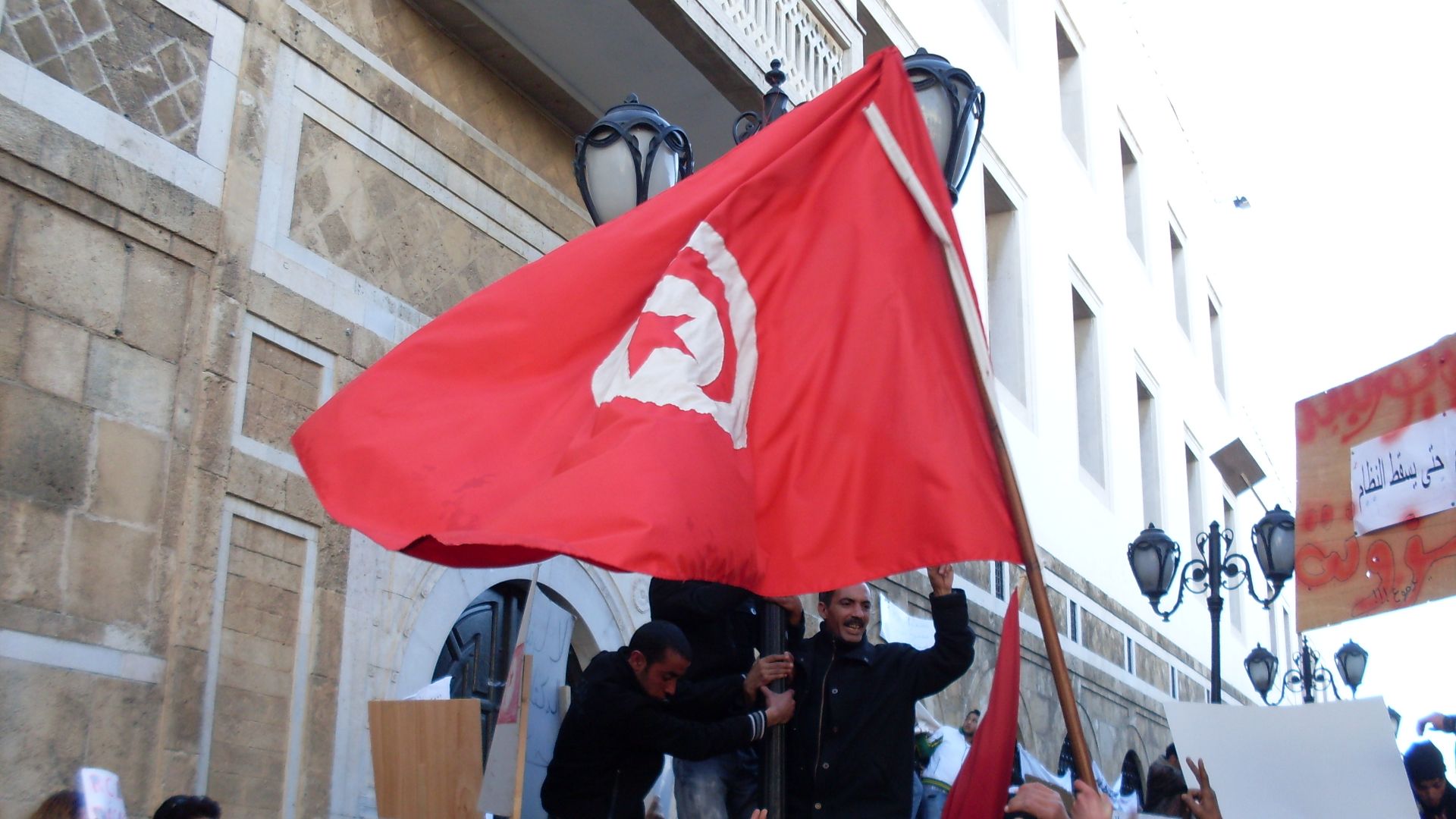
18. The Tunisian Revolution (2010–2011)
Tunisia’s revolution began after a street vendor named Mohamed Bouazizi protested government harassment and economic hardship. His actions sparked widespread demonstrations against unemployment, corruption, and political repression.
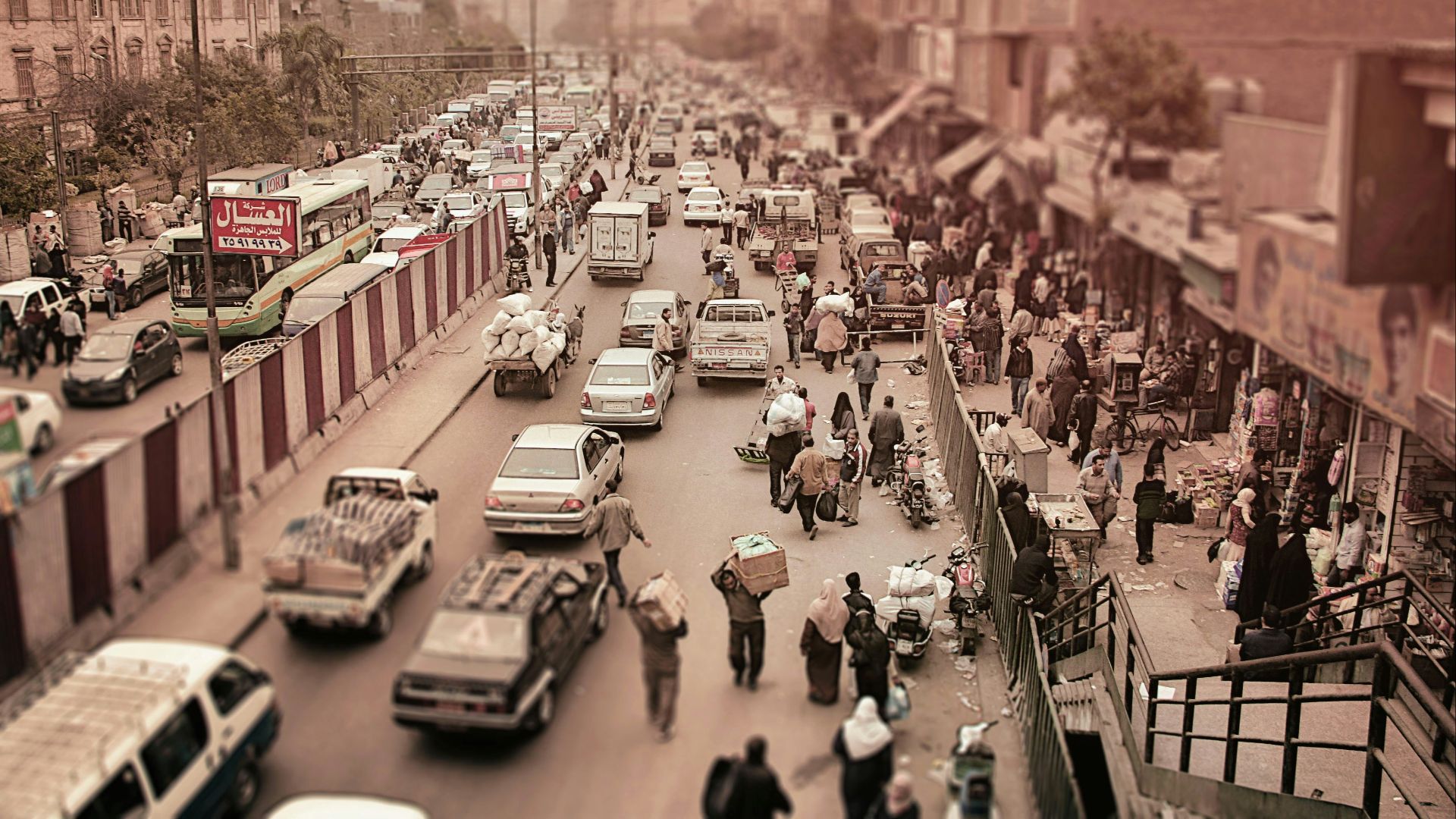
19. Egypt’s January 25 Revolution (2011)
Mass protests erupted across Egypt in 2011 as citizens demanded political reform and economic opportunities. Demonstrations centered in Cairo’s Tahrir Square, where thousands gathered daily.
20. Sudan’s Revolution (2018–2019)
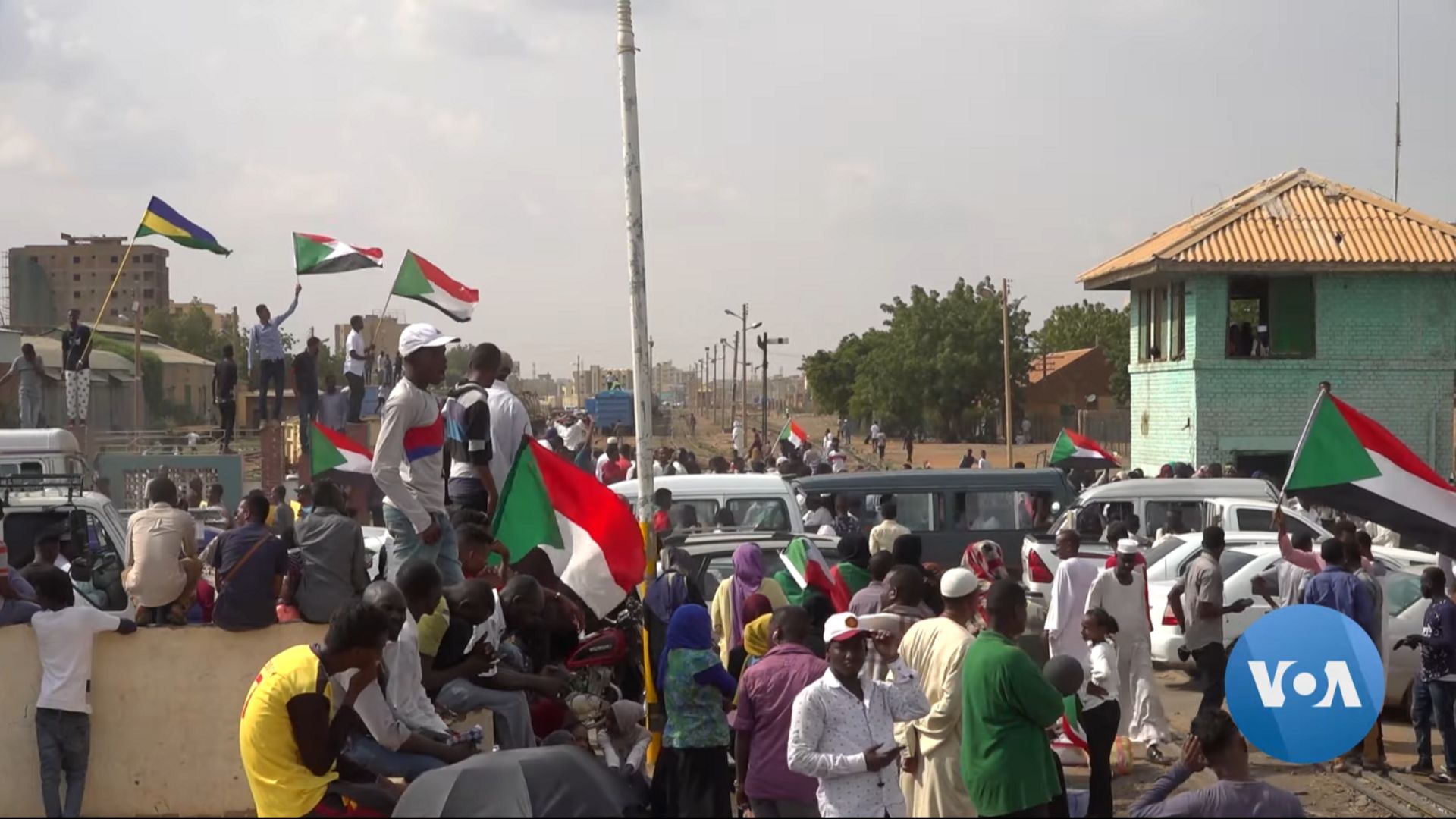
Sudan’s revolution began when citizens protested rising food prices and economic instability. Demonstrations quickly expanded into nationwide calls for political change.
KEEP ON READING
10 Greatest Quarterbacks Of All Time & 10 That Are…
Do You Disagree?. Few topics in sports generate as much…
By Farva Ivkovic Dec 2, 2025
The story of Ching Shih, the Woman Who Became the…
Unknown author on WikimediaFew figures in history are as feared…
By Emilie Richardson-Dupuis Dec 29, 2025
20 Shakespearean Words, Translated For A Modern Audience
What’s In A Word?. Shakespeare was a wordsmith of the…
By Breanna Schnurr Dec 17, 2025
20 Inspiring Stories From Native American History
Incredible Stories Of Resilience And Endurance. Many of us didn't…
By Ashley Bast Dec 17, 2025
You Think You Have Problems? These Royal Families Were Cursed
Boasson and Eggler St. Petersburg Nevsky 24. on WikimediaHeavy is…
By Ashley Bast Dec 5, 2025
MH370: The Plane That Can't Be Found
Anna Zvereva from Tallinn, Estonia on WikimediaEleven years after Malaysia…
By Christy Chan Dec 10, 2025