From Flex to Forgotten
We picture status symbols as sports cars, gated mansions, and private clubs with a very specific dress code, but it wasn’t always like this. Some of the most boring, everyday stuff in your home spent decades or centuries as the epitome of wealth before it became totally normal. A spoonful of sugar, a second bathroom, a watch in someone's pocket, all of it once said something about who you were and how much you had. Here are 20 everyday objects that used to belong to the wealthy and showy before the rest of us got our hands on them.
 State Library of Queensland, Australia on Wikimedia
1. Sugar
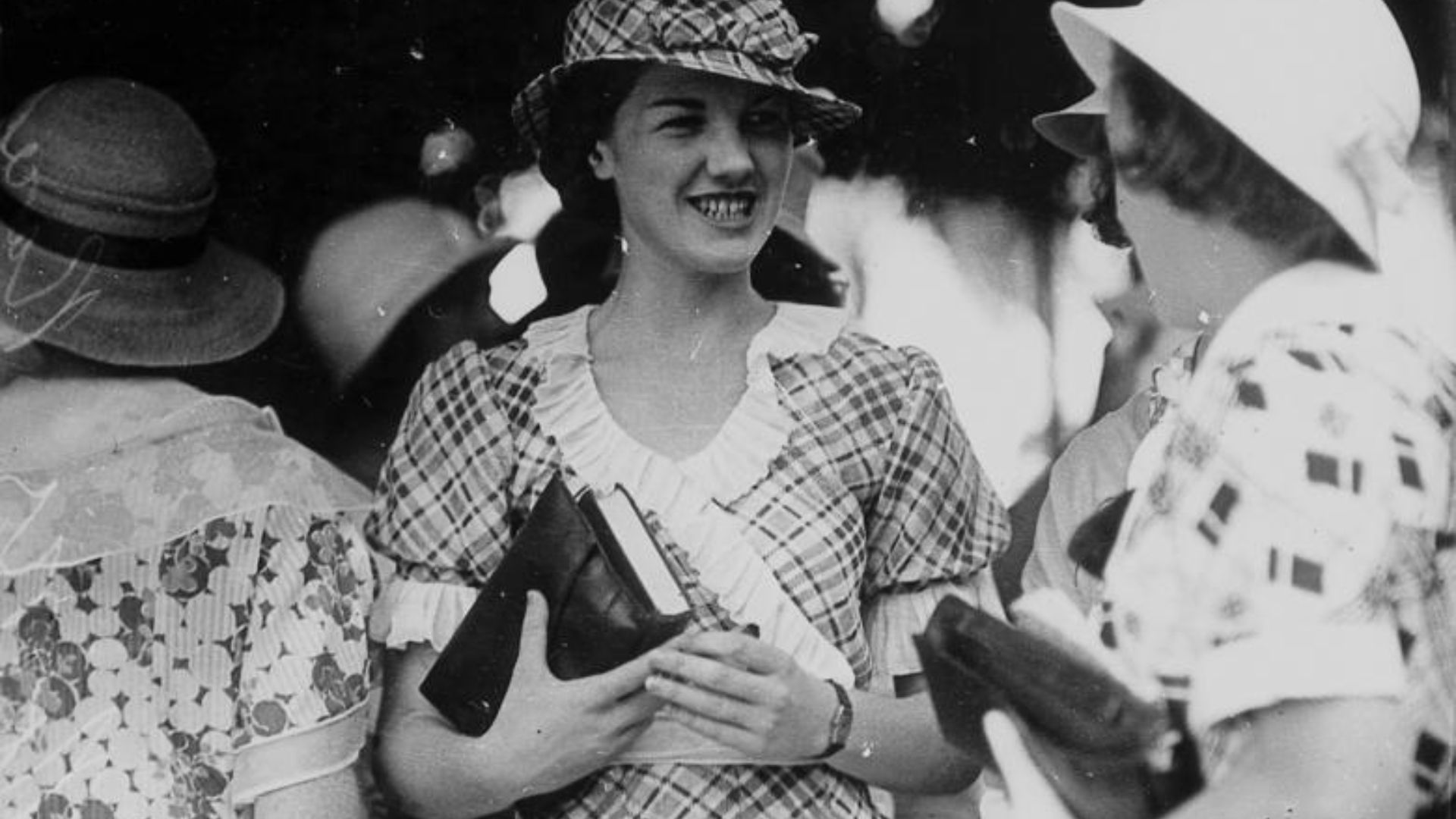
It might be hard to believe now, but sugar was once a big deal in Europe. Not a pantry staple, not something you'd dump in your coffee without thinking. It was a costly import, and wealthy households shaped it into fancy sculptural desserts just to show guests they could afford it.
2. Indoor Plumbing
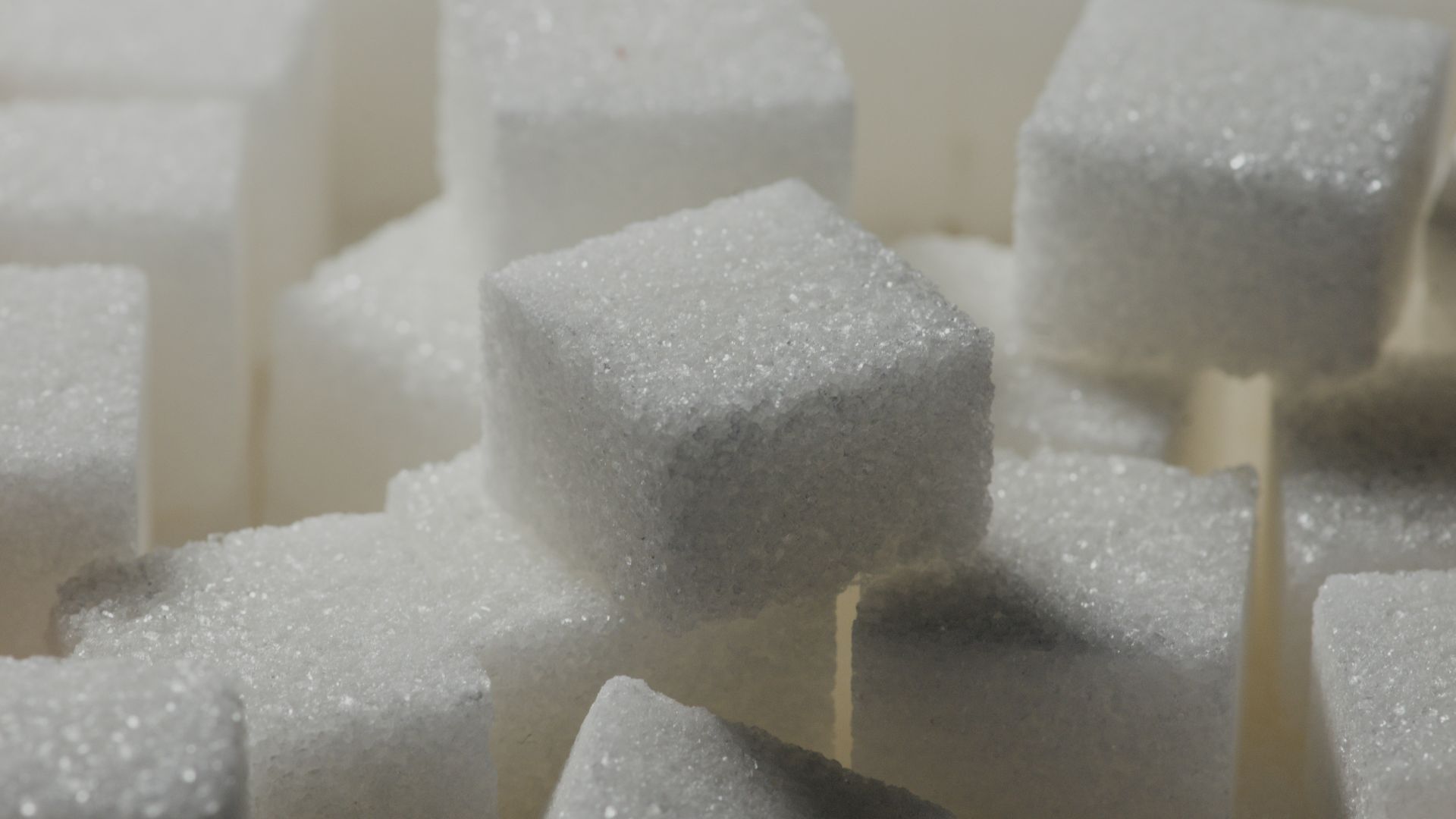
Yes, the Romans had plumbing. No, not everyone had equal access to it. Rich homes were far more likely to have water piped directly inside, which made running water a real privilege. The rest of the population was walking to public fountains. Could you imagine having to walk more than 30 steps just to get a glass of water?
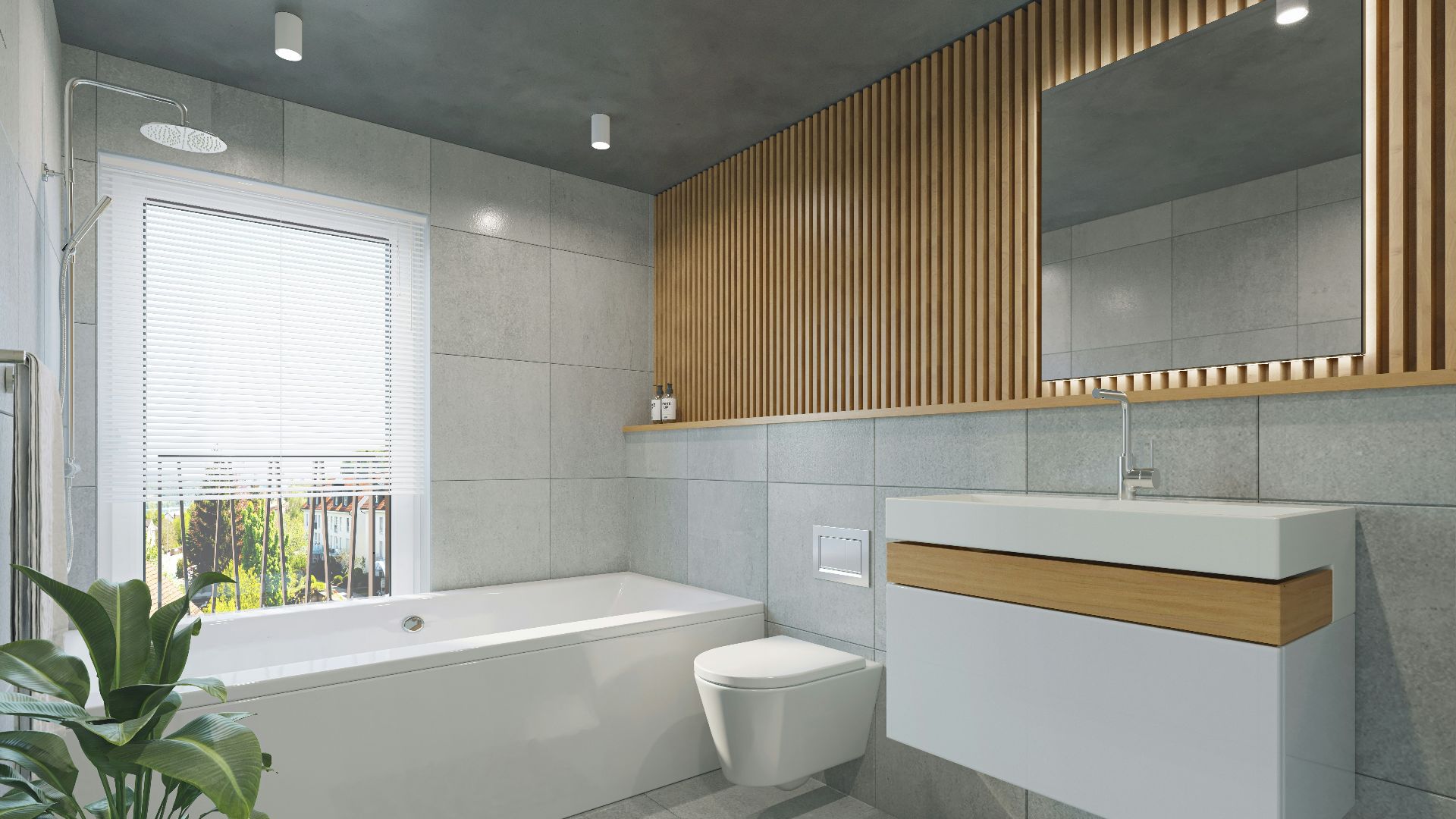
3. The Bathroom Itself
Even well into the early 1900s, having a dedicated bathroom inside your home was a signal that you had some pretty decent finances. These weren't just functional rooms either, as they were often polished and decorated in only the finest FF&E the world could offer.
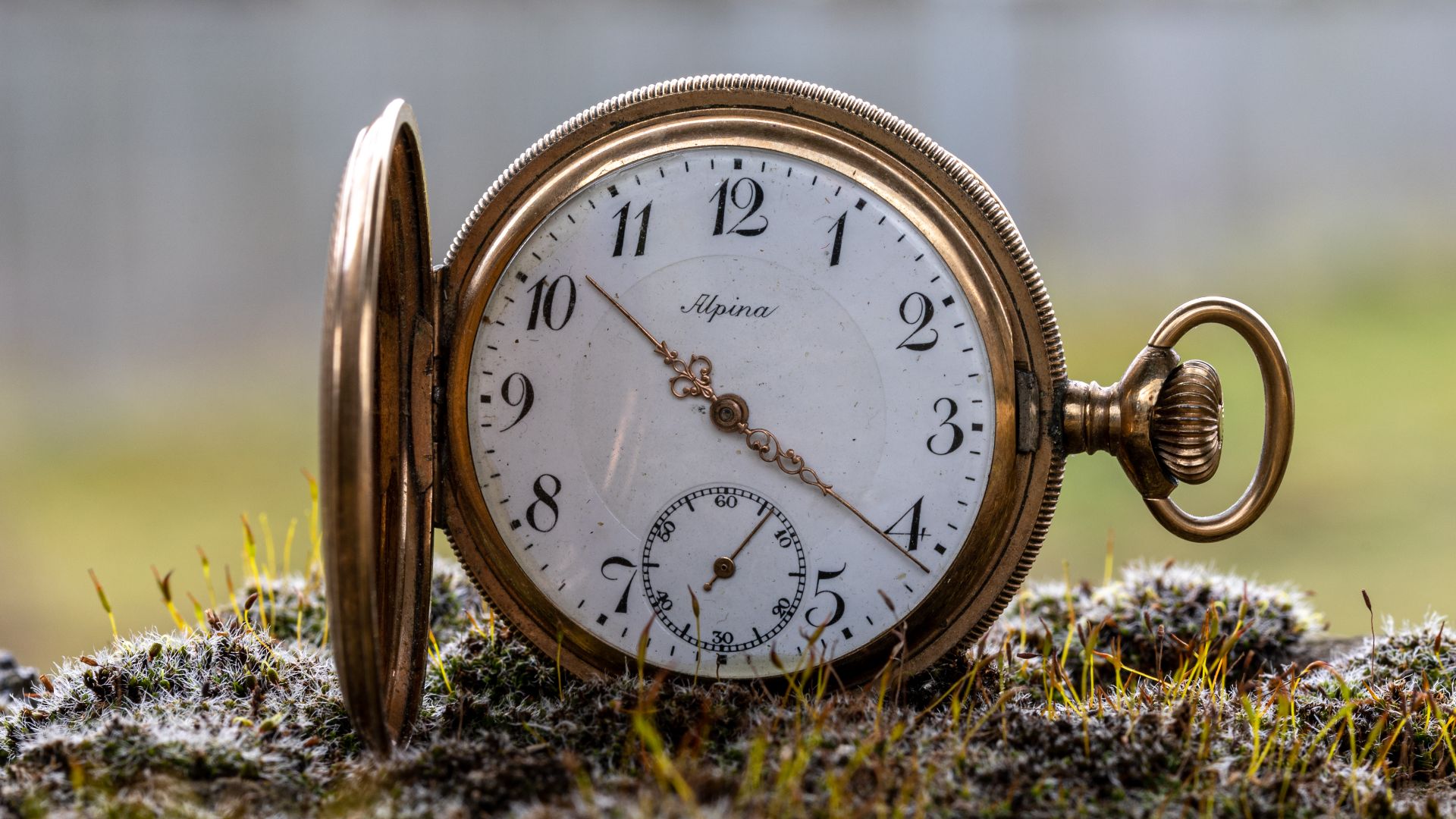
4. Pocket Watches
A pocket watch wasn't just for telling the time back in the day. For over 300 years, having a carefully curated timepiece adorned with silver or gold was a massive symbol of wealth. It also meant that you had access to new technological advancements, which was especially titillating in the 16th century.
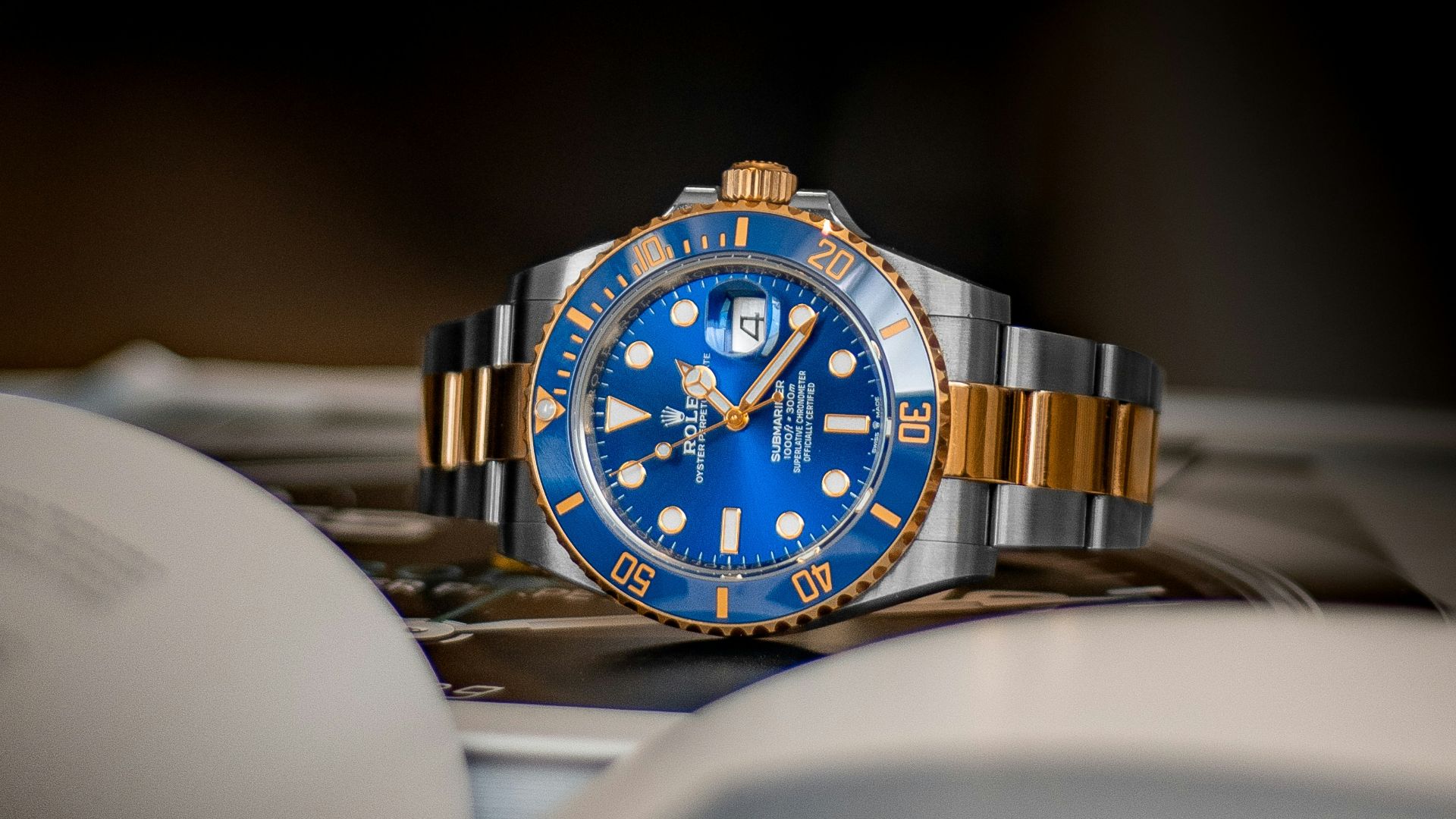
5. Luxury Wristwatches
Wristwatches got common enough, sure. But the expensive, beautifully made ones never really lost their social edge. A fine mechanical watch today says you care about craftsmanship and heritage and, yeah, maybe flashing it to your colleagues every so often.
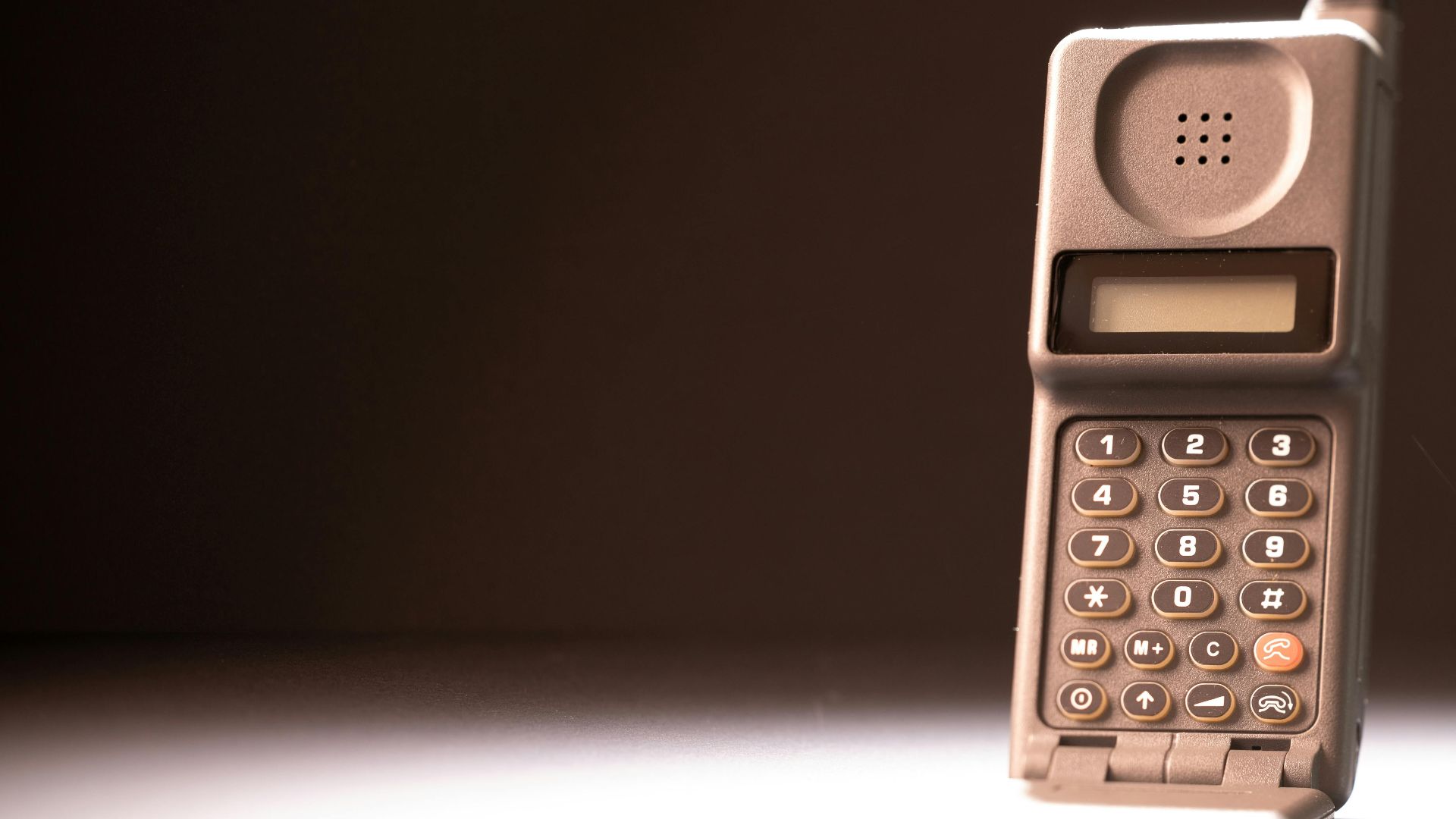
6. Early Mobile Phones
We’re not talking about the little black square that’s in our pocket; we’re talking about those big brick phones from the 1980s. They were enormous, eye-wateringly expensive, and absolutely not subtle. Carrying one meant you were connected, busy, and important in a way that practically dared people to stare.
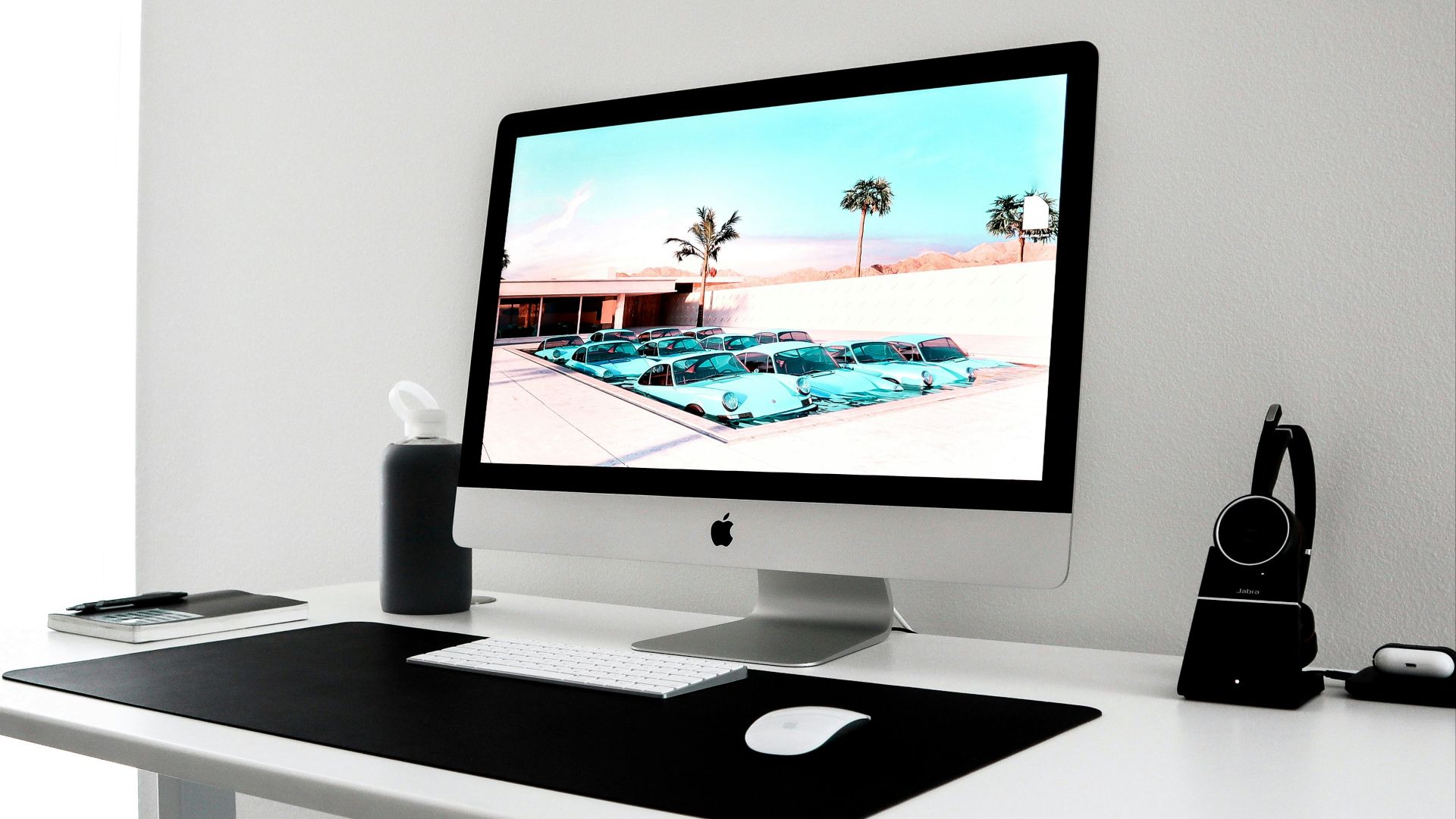
7. Personal Computers
Having a computer in your home, especially in the early days, wasn't normal for most families. It meant your household had money for emerging technology and the confidence to buy something before most people even understood what it would become.
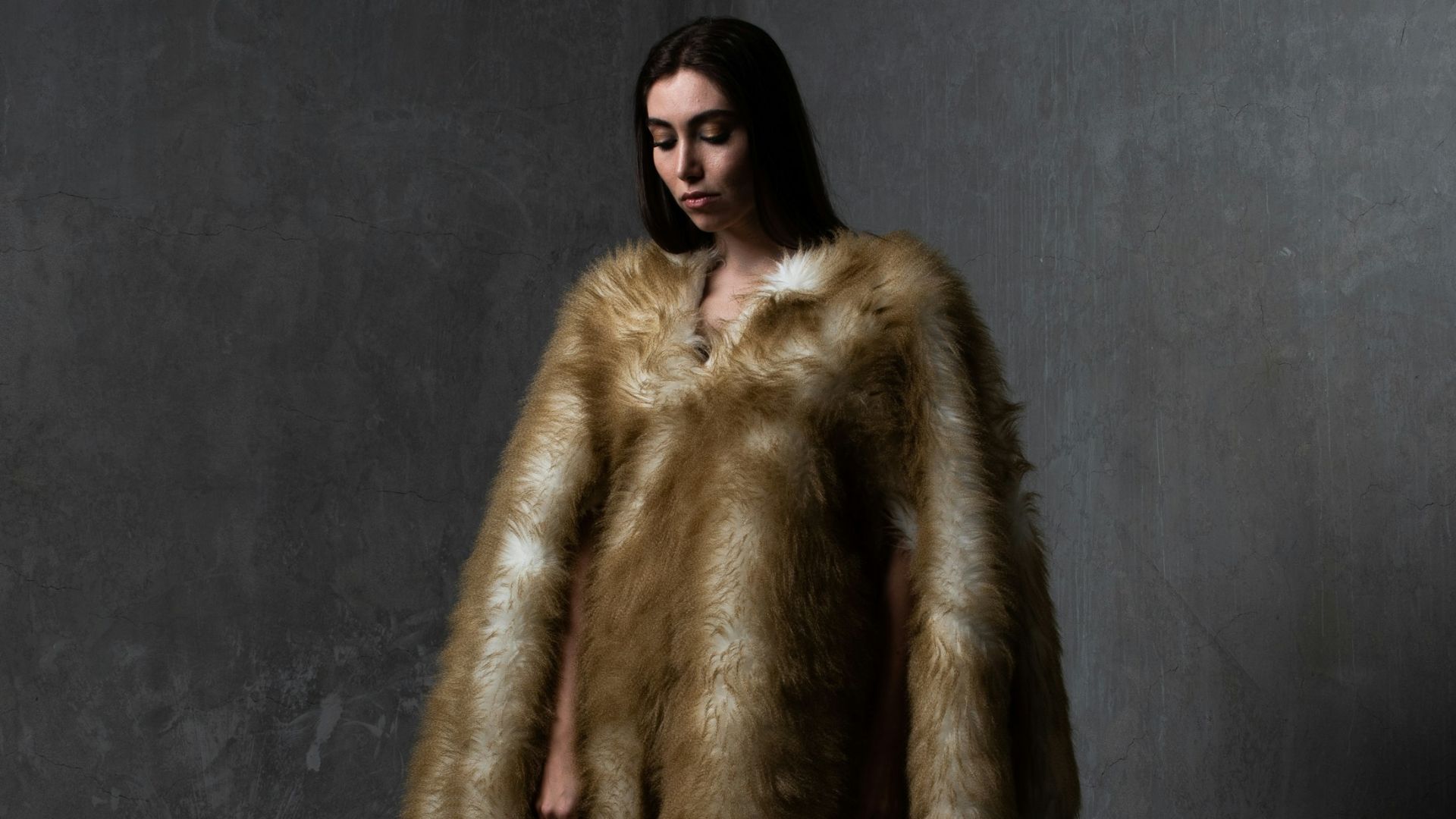
8. Fur Coats
Fur and wealth have been tangled together for centuries. By the 20th century, mink coats had become shorthand for glamour, money, and fame. While it should still be said that buying a fur coat new today is still a pricy endeavor, it’s much easier to find real fur at a more respectable price if you know where to look.
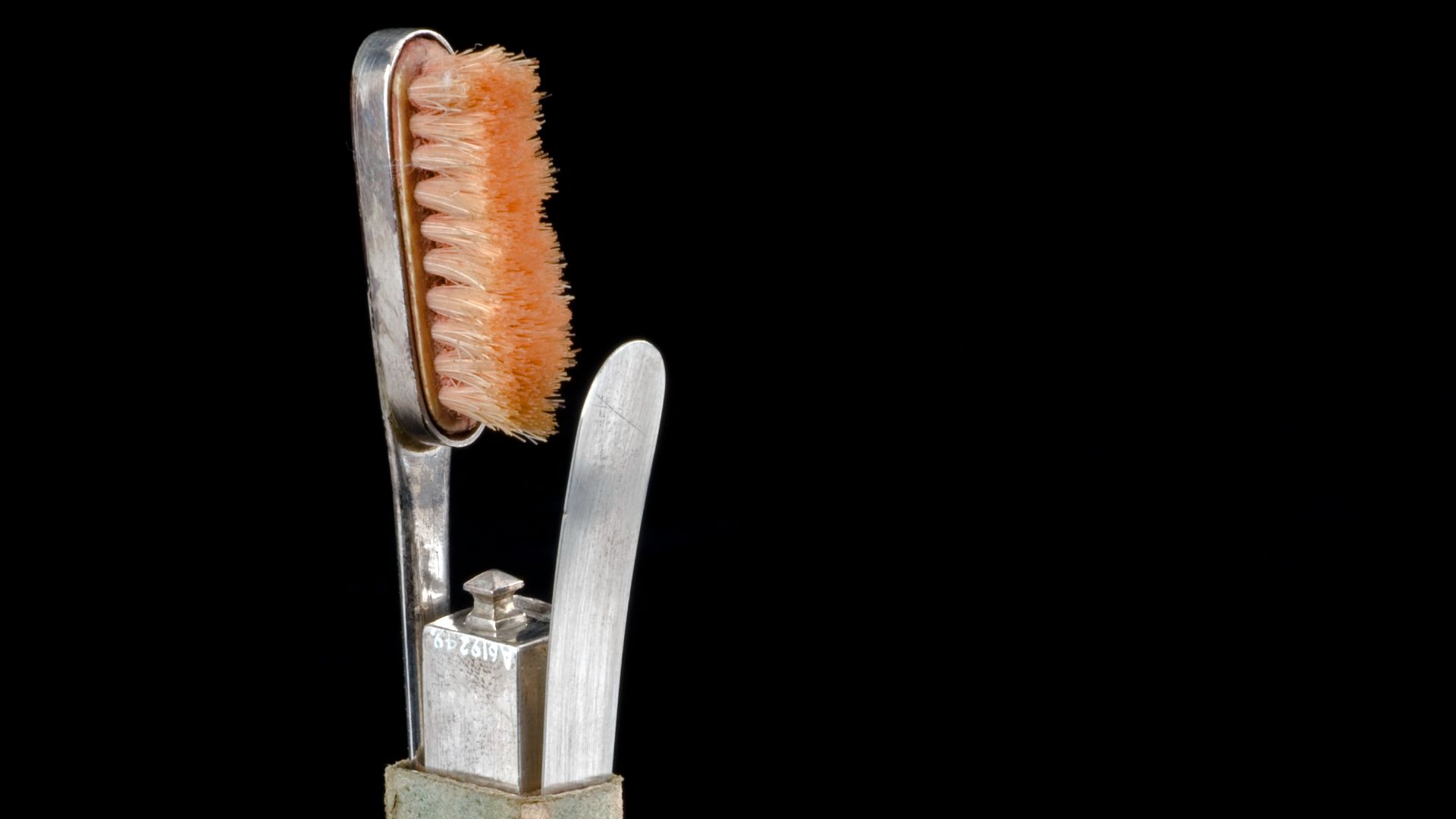
9. Toothbrush Sets
Even toothbrushes had a luxury tier once. Silver-handled brushes in fitted cases were marketed to upper-class buyers, and a handsome grooming set displayed on a dressing table wasn't really about hygiene; it was all about class.
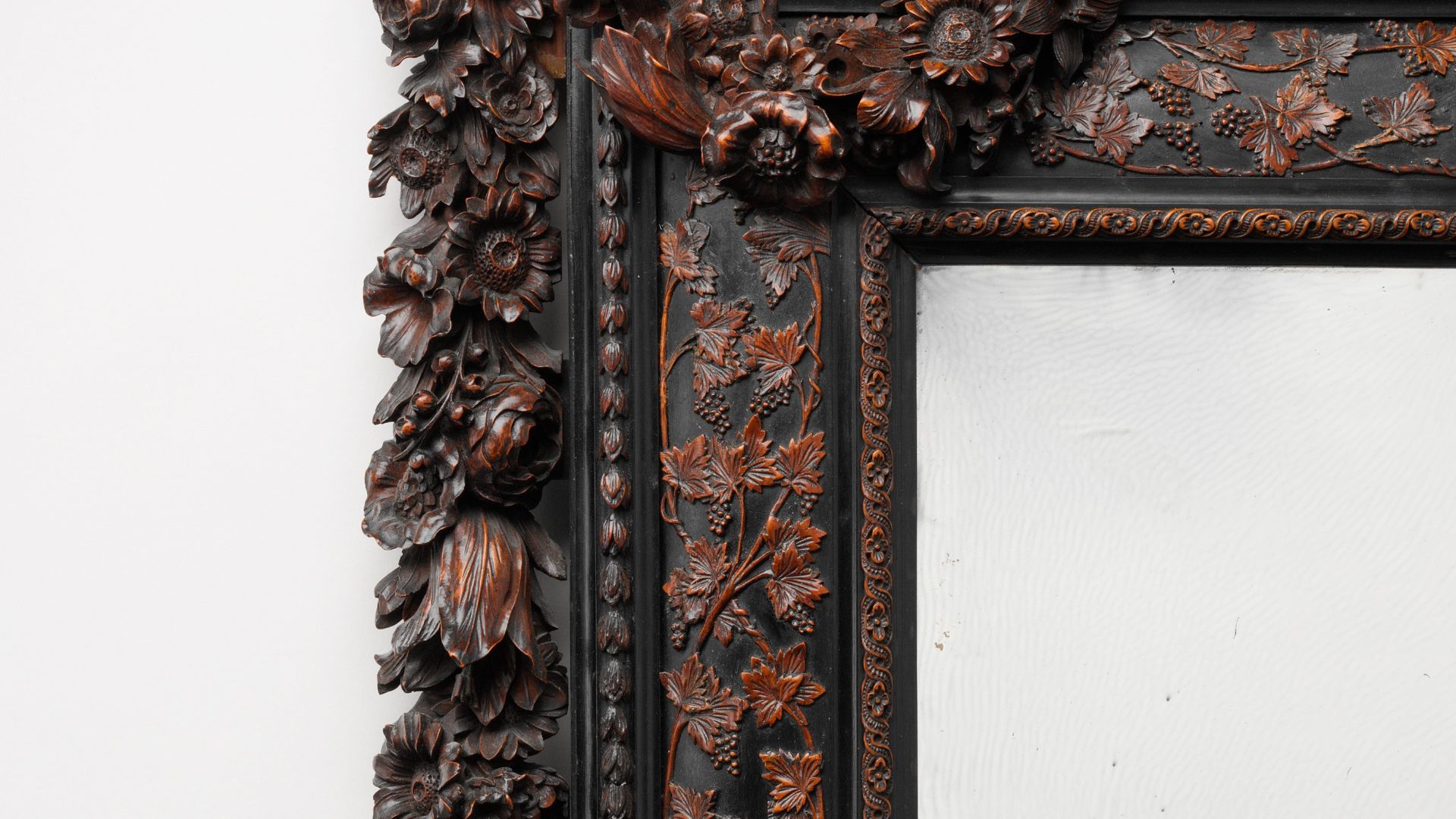
10. Mirrors
A clear, large mirror seems almost too basic to mention now, but fine Venetian glass mirrors used to be among the grandest showpieces in elite homes. Owning one meant you had access to money and incredibly specialized craftsmanship. The idea that just looking at yourself was once a luxury feels strange.
 Johannes Hannart (or Jan Hanat) on Wikimedia
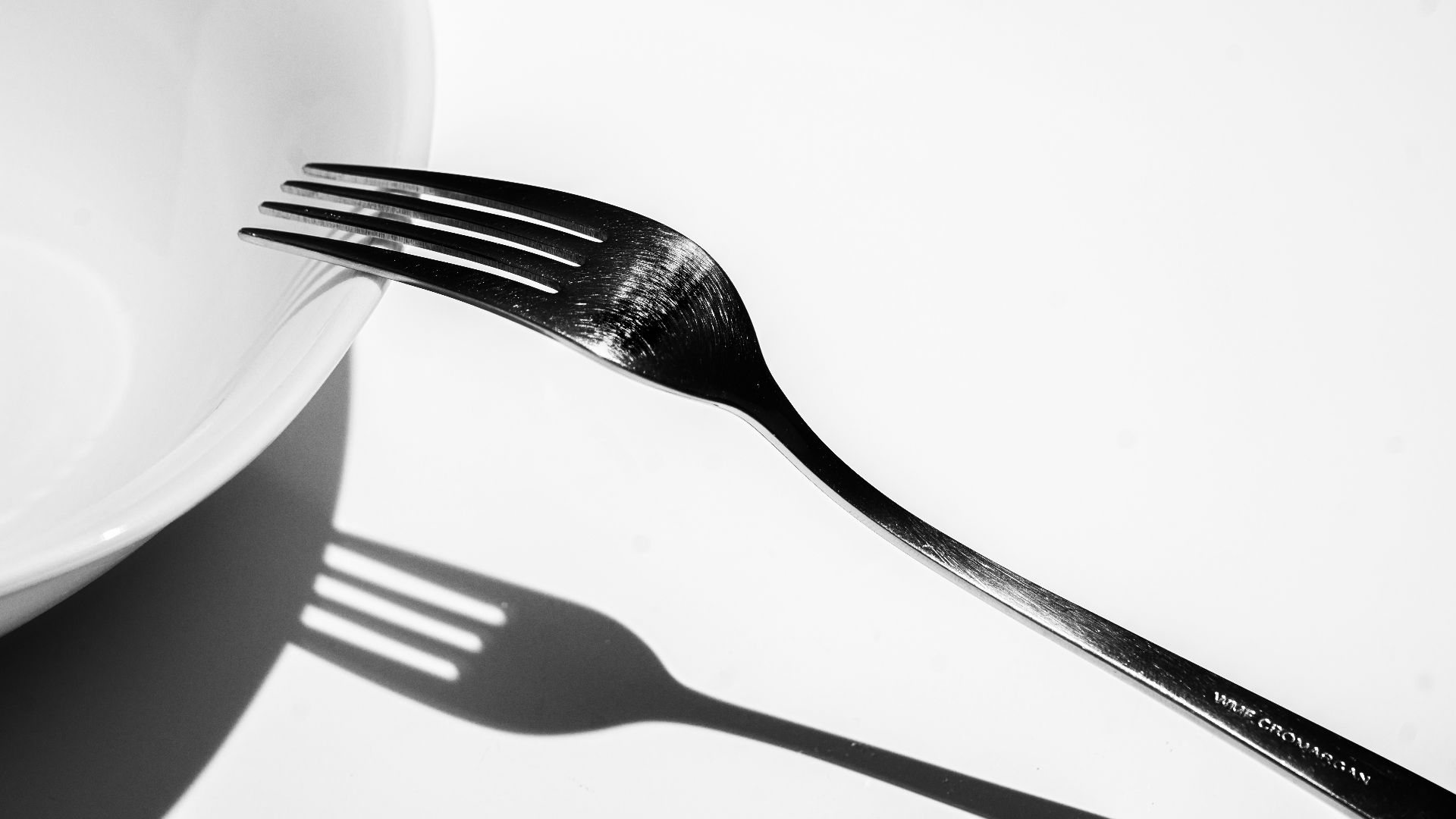
11. Forks
Forks had a surprisingly complicated journey onto the dinner table. For a good while, using one was associated with courtly manners and foreign influence, and it made people feel a little class-conscious. It may be surprising to know that one of the most ordinary utensils in your drawer once carried a faint whiff of controversy.
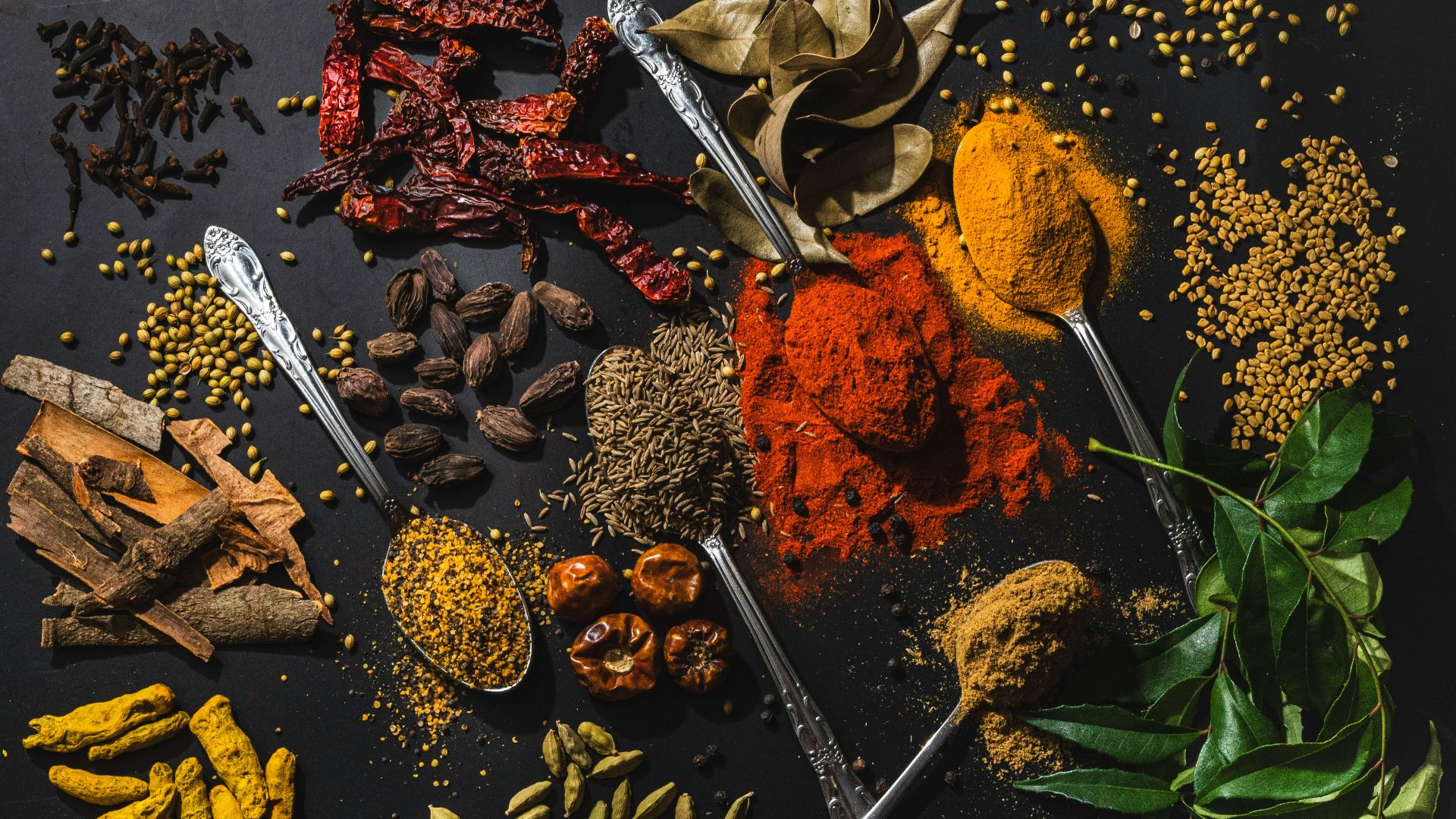
12. Pepper And Cinnamon
The Spices sitting in your cabinet right now were once taxed, gifted, and guarded carefully. Up until the 17th century, spices were considered such luxury items that wars were fought over them. In fact, pepper was called “black gold” throughout the ancient Mediterranean due to its rarity.
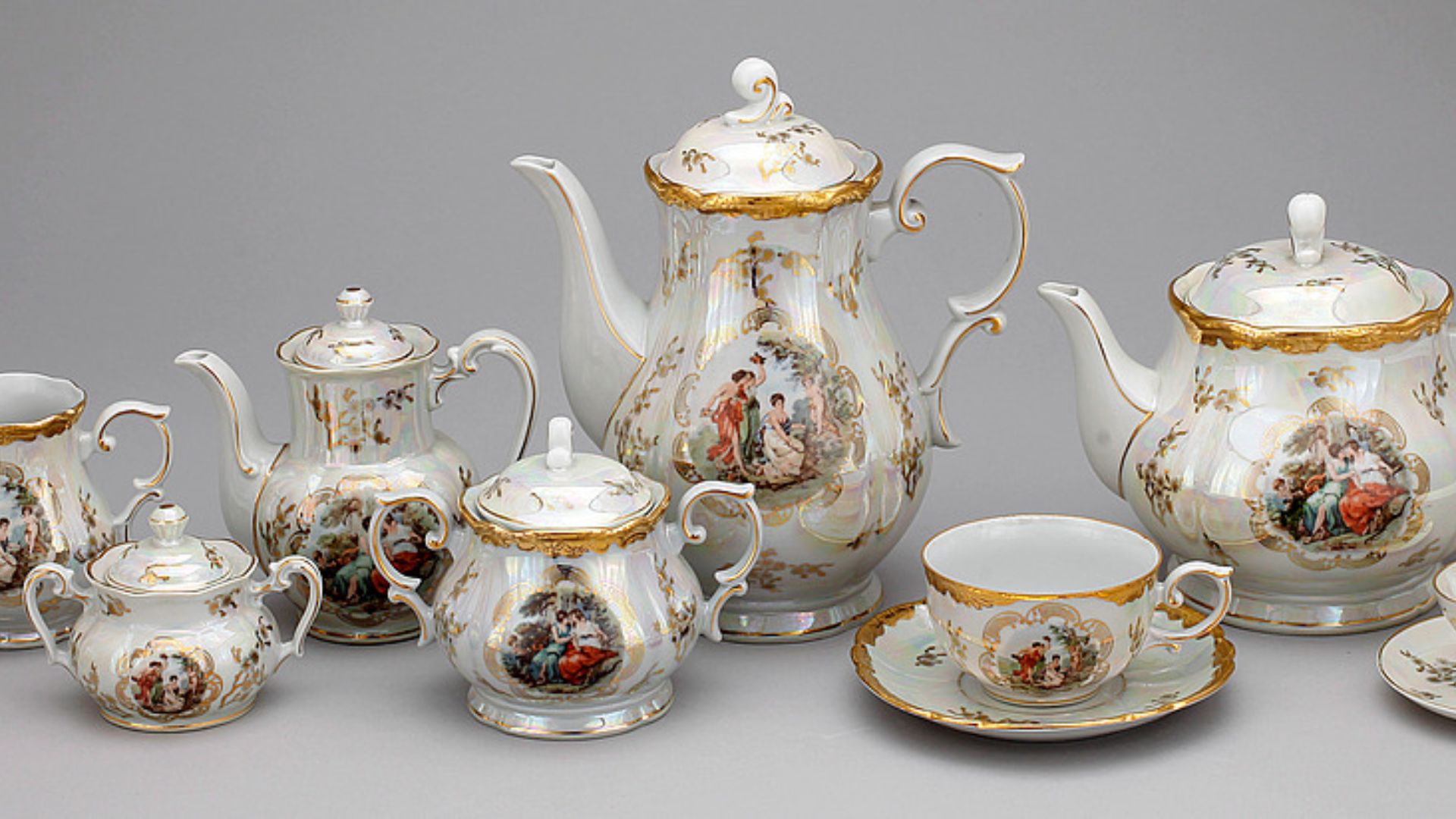
13. Porcelain Dishes
Chinese porcelain arrived in Europe as a luxury object long before it was implemented into everyday serving dishes. Aristocratic homes displayed fine pieces in dedicated cabinets because owning something that beautiful and that breakable told people exactly what kind of household they were in.
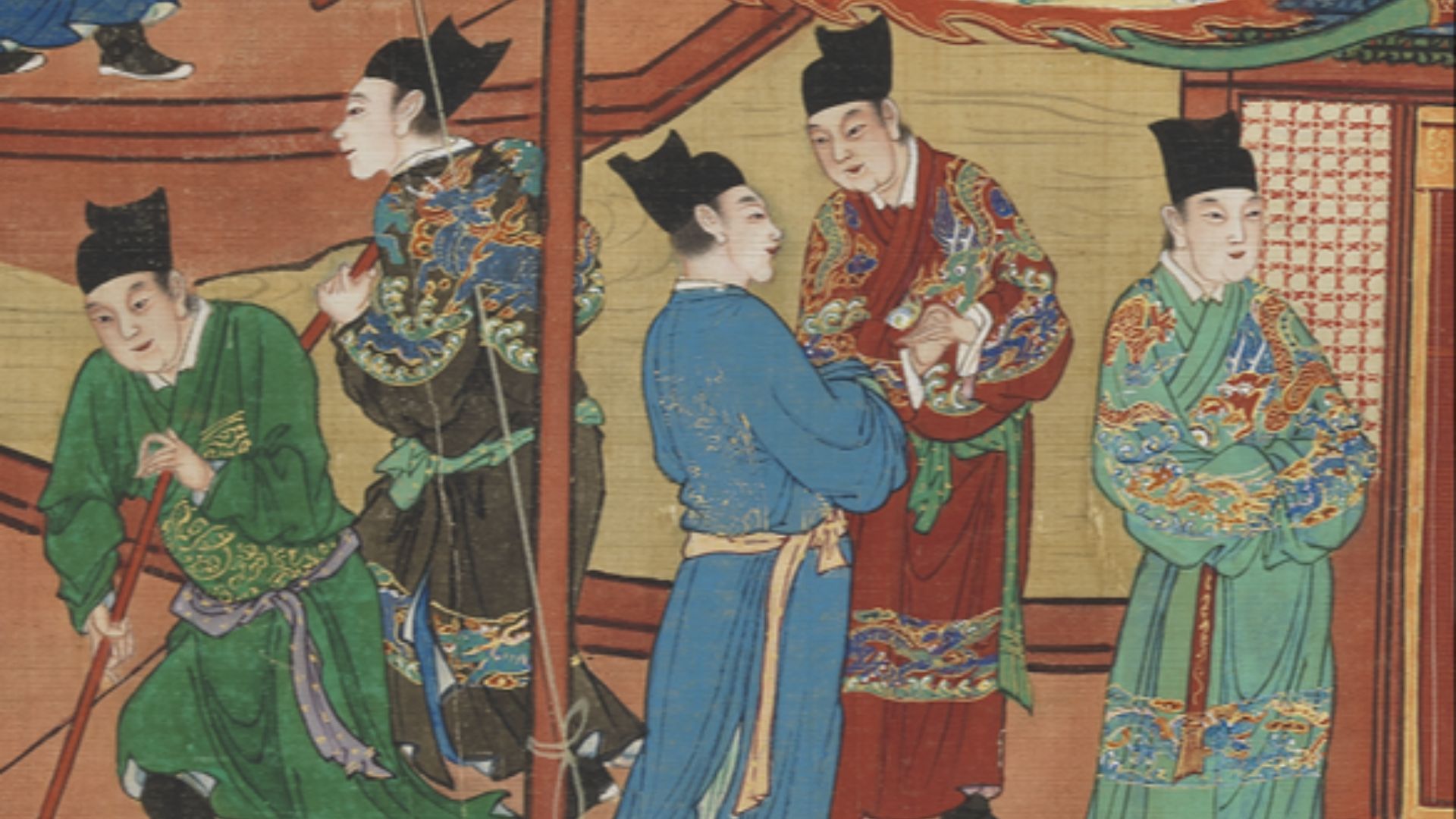
14. Silk Clothing
Silk has always carried social weight. Its texture, its sheen, the sheer difficulty of making it... all expensive, all elite. In parts of ancient East Asia, silk garments were restricted by rank, so your clothing signaled your social standing before you ever opened your mouth.
 Unknown authorUnknown author on Wikimedia
15. Consumer Cameras
Early consumer cameras leaned heavily toward buyers with money to spare. Owning a camera in the late 1800s signaled curiosity, modernity, and enough disposable income to turn memory-making into a hobby.
 J. Malcolm Greany on Wikimedia
16. BUDs (Big Ugly Dishes)
Those enormous home satellite dishes from the 70s and 80s were backyard declarations of some pretty serious wealth. They cost thousands of dollars, took up a whole lot of space, but also let you access just about any television channel.
 ChristophMeinersmann on Pixabay
17. Sunglasses
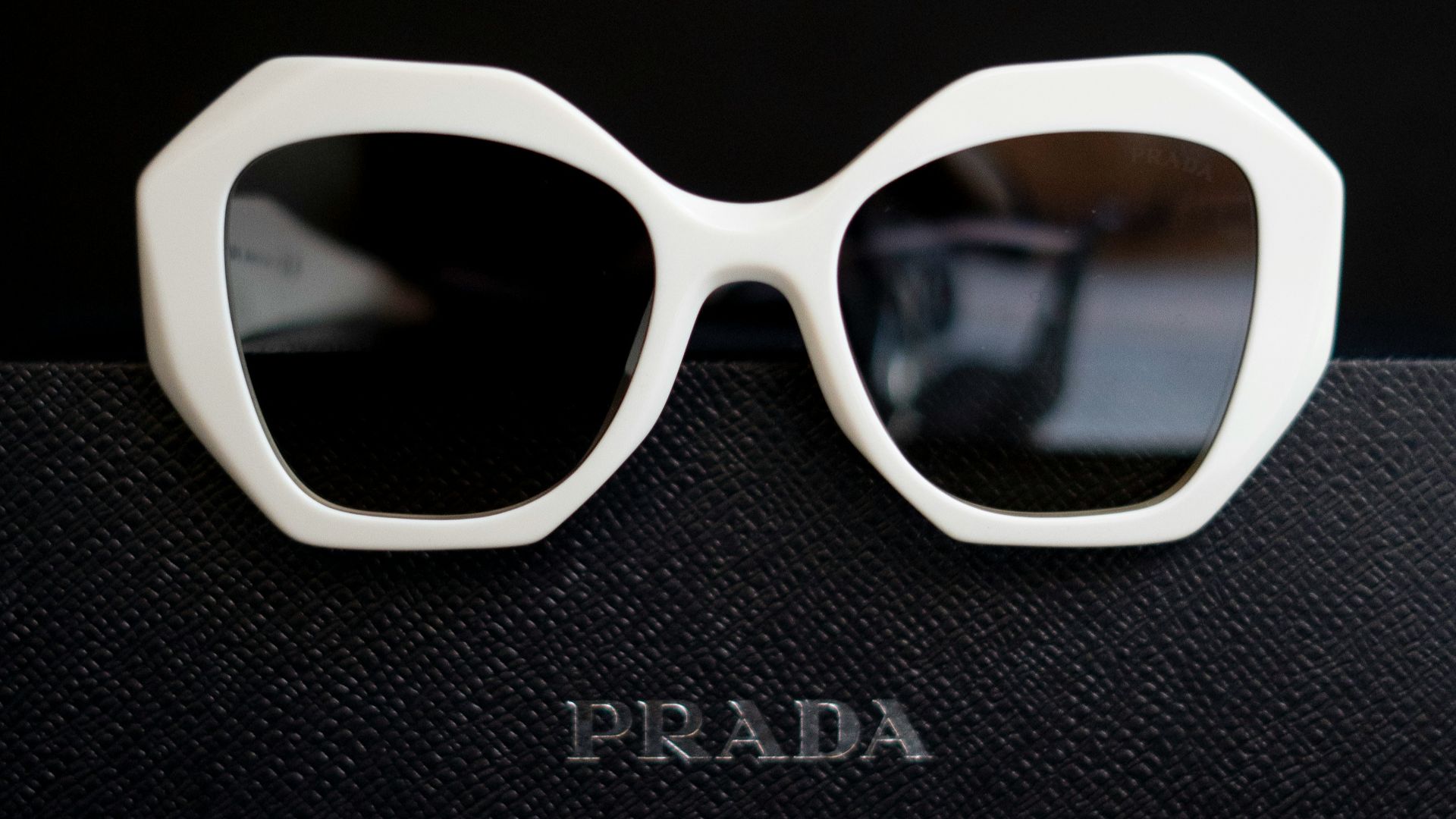
Once cinema and celebrity culture gave sunglasses their glamorous charge, high-end eyewear started becoming an element of poise and refinement in a way that went way beyond sun protection. Even today, having a pair of Ray-Bans, Prada, or Oakley sunglasses still tells people that you like to live a little lavishly.
 Alireza heidarpour on Unsplash
18. High-End Camera Gear
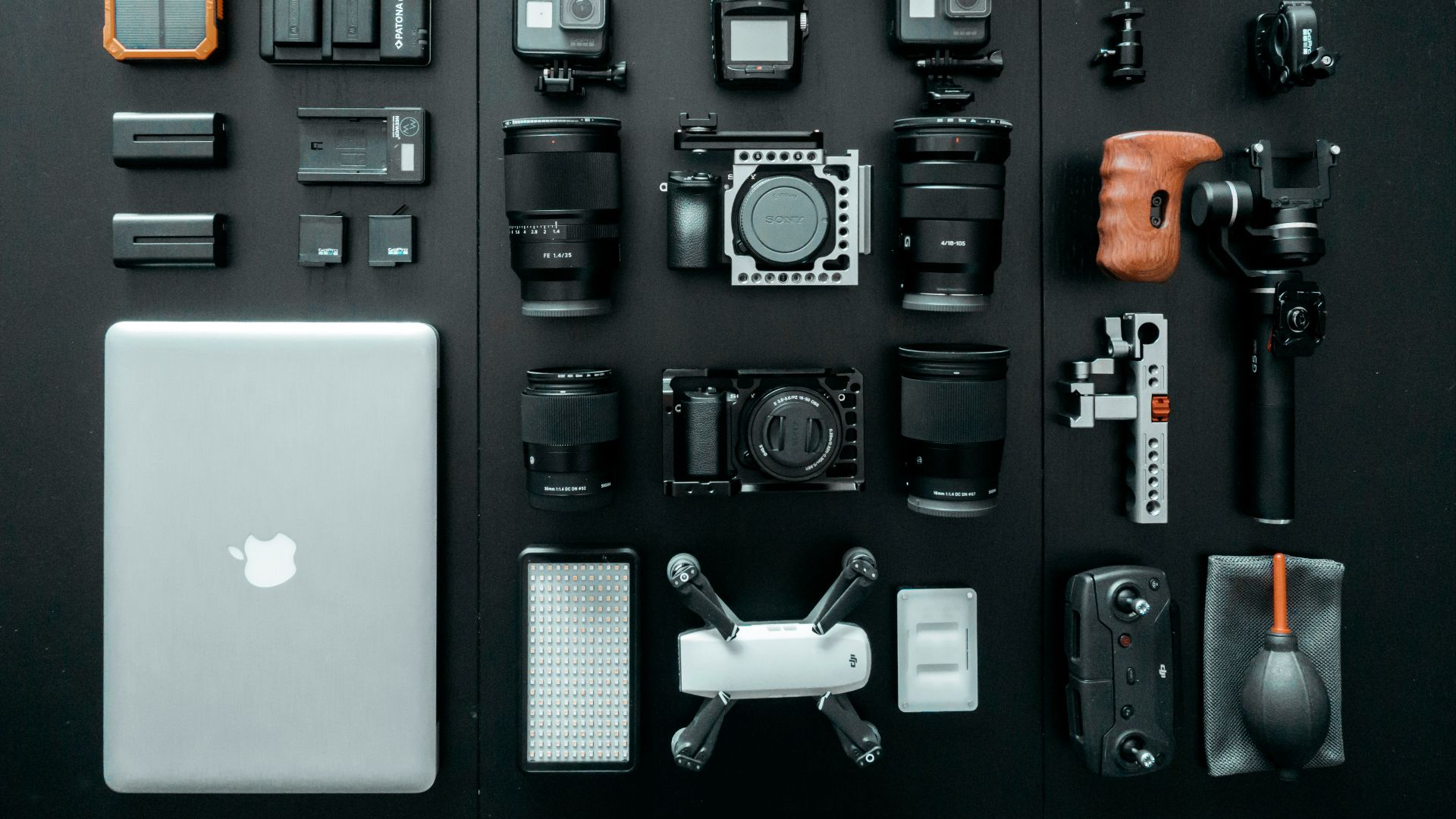
There's a real practical difference between a basic camera and a prestigious one, and status has never been absent from that gap. Branded cameras and expensive lenses became objects people admired for what they said about taste and seriousness and the kind of life that includes photographing things beautifully on purpose.
19. Multiple Bathrooms
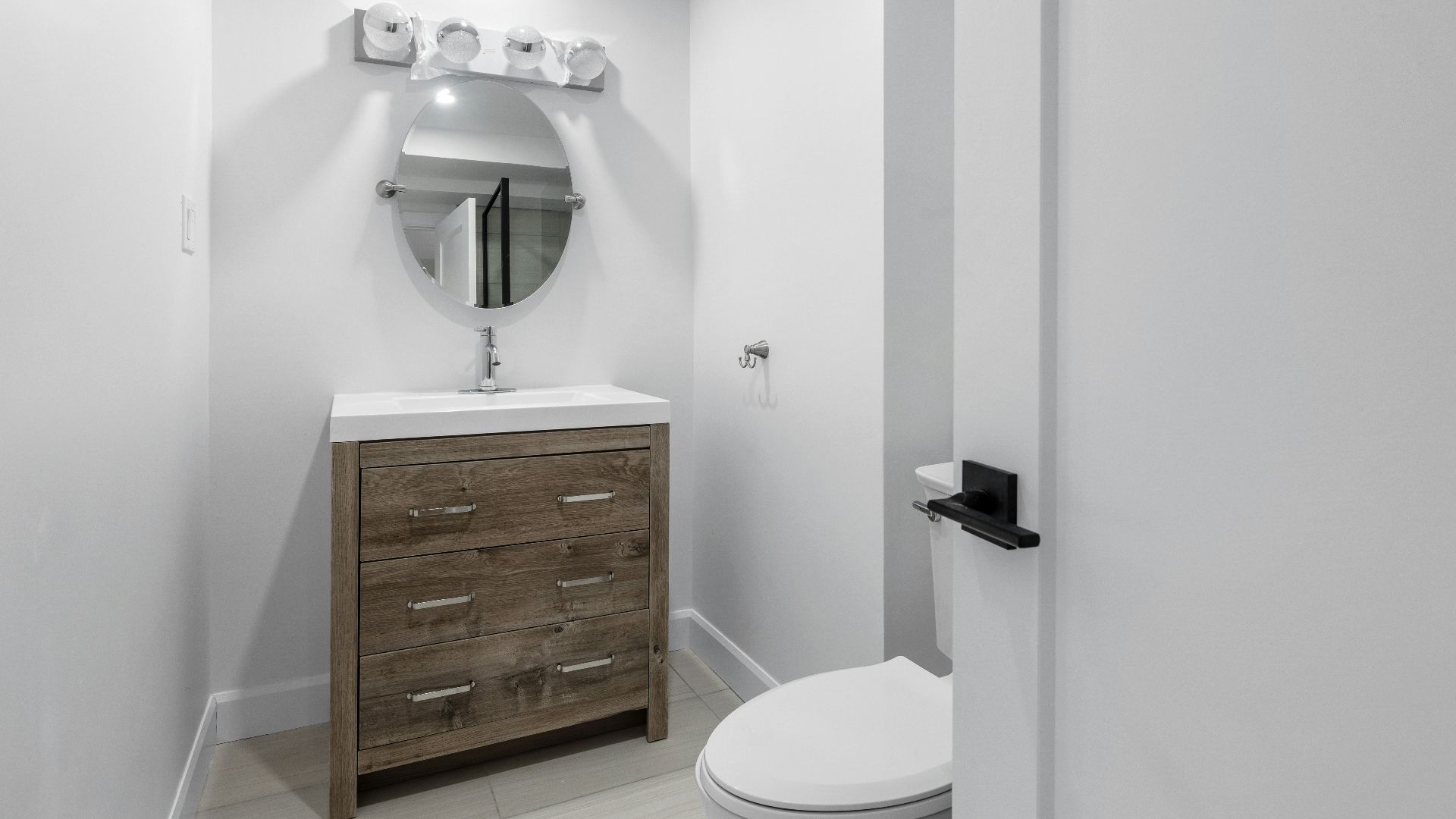
A second bathroom feels standard now in many homes, but it still carries a trace of old luxury logic. Extra bathrooms mean privacy, convenience, and the wonderful absence of waiting outside a locked door while someone else does their entire skincare routine.
 Point3D Commercial Imaging Ltd. on Unsplash
20. Spa-Style Bathroom Fixtures
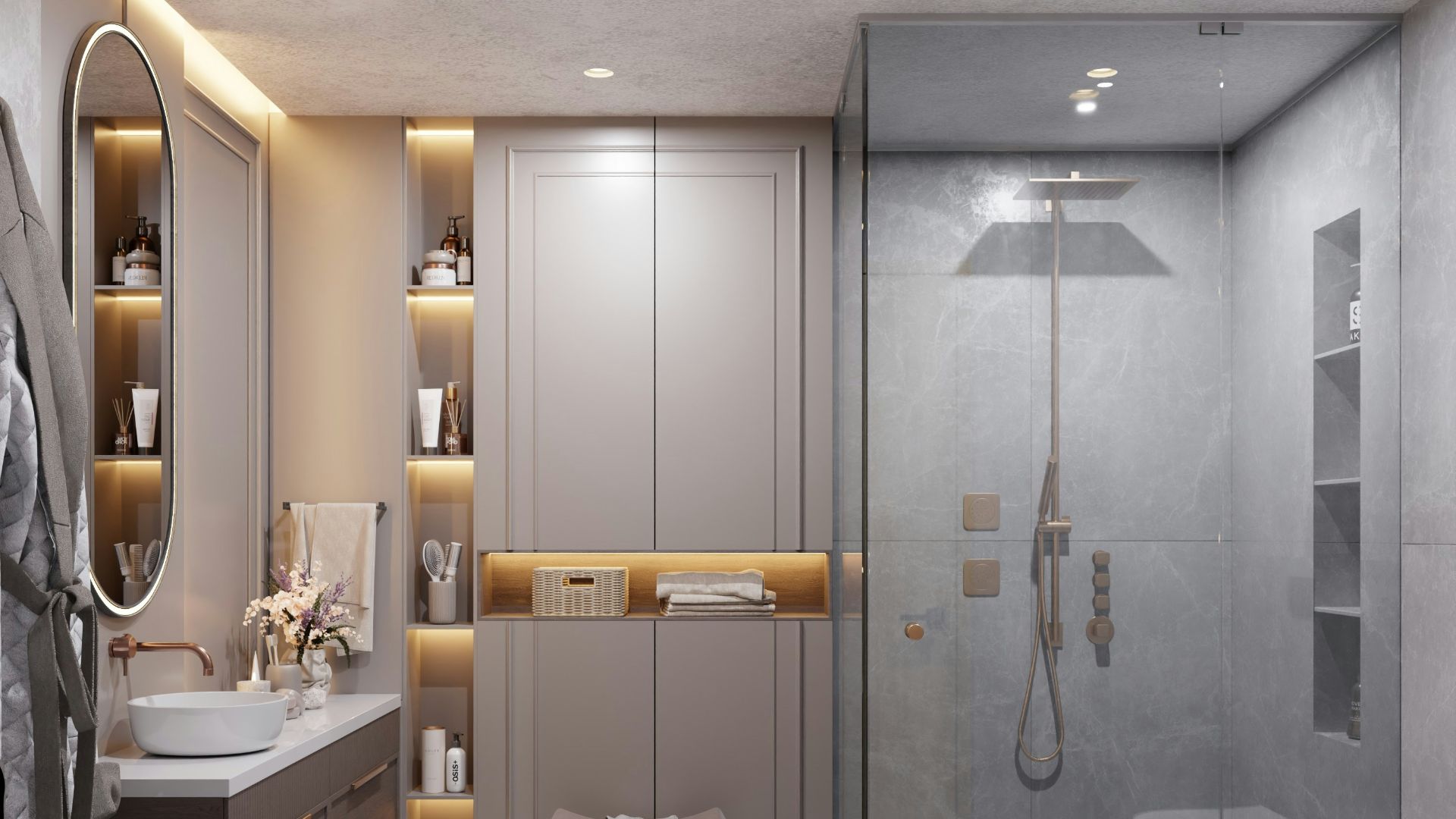
Whirlpool tubs, statement sinks, heated floors, gleaming fixtures... somewhere along the way, the bathroom became a place for display all over again. If you have a towel warmer in your house, consider yourself pretty well off.
KEEP ON READING