

 State Archives of North Carolina on Wikimedia
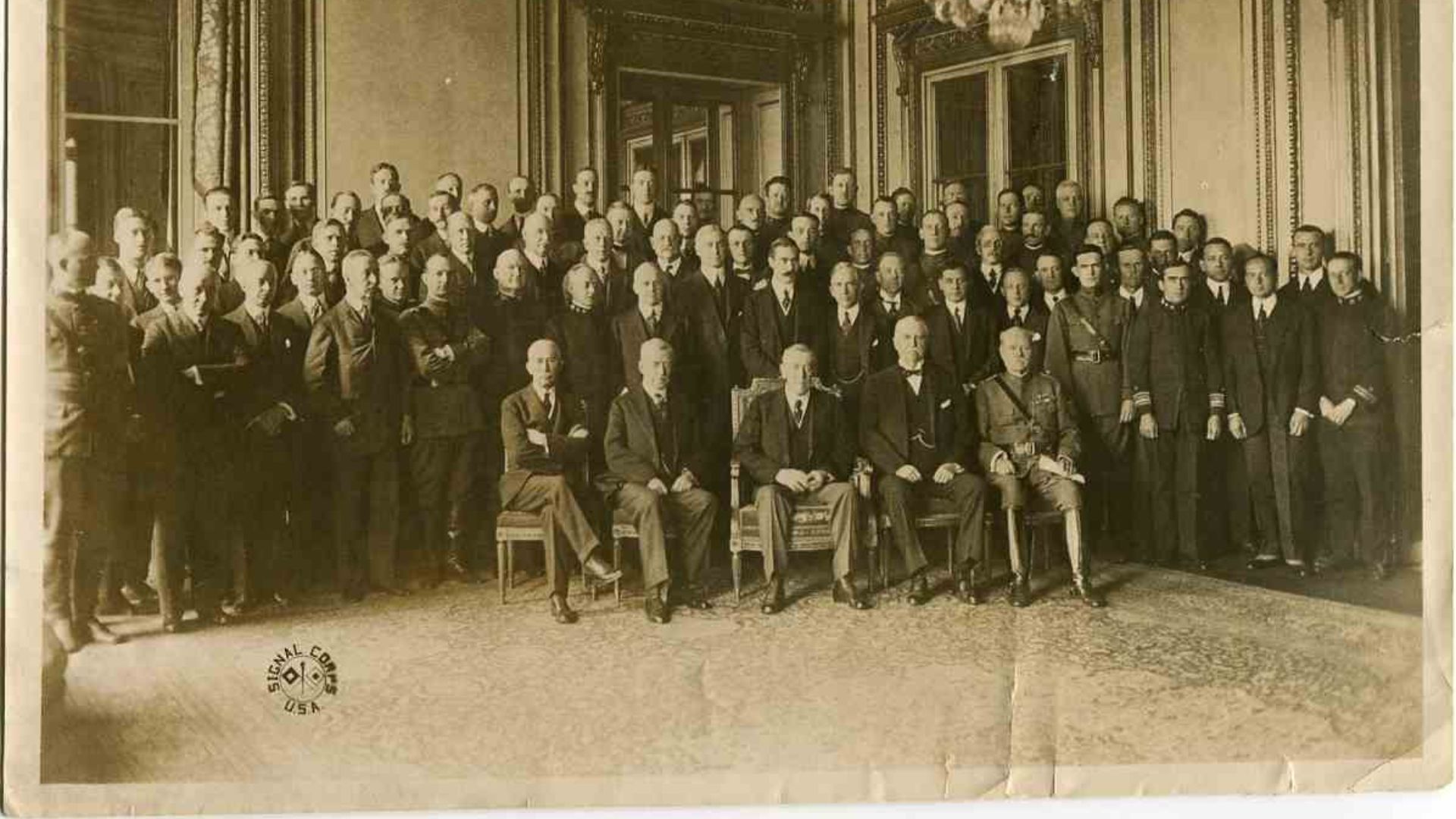
When people think about the end of World War I, names like Woodrow Wilson, Georges Clemenceau, and David Lloyd George usually dominate the conversation. These leaders played major roles in the peace negotiations that followed the conflict. However, many lesser-known diplomats and negotiators worked behind the scenes to shape the agreements that formally ended the war.
These individuals often operated quietly, drafting proposals, negotiating compromises, and managing delicate relationships between the Allied powers. Their influence helped determine the final terms of the peace settlements that reshaped Europe and much of the world. While their names may not appear in most history books, their contributions were essential to the diplomatic process that concluded the war.
Colonel Edward M. House
Colonel Edward M. House served as one of President Woodrow Wilson’s most trusted advisers during World War I and the peace negotiations that followed. Although he held no formal government office, House acted as a key diplomatic intermediary for the United States. Wilson frequently relied on him to conduct sensitive discussions with European leaders and diplomats. His ability to communicate directly with foreign governments made him an important figure in shaping American diplomacy.
House played a major role in preparing the groundwork for the Paris Peace Conference of 1919. Before the conference began, he traveled extensively through Europe to consult with Allied leaders about possible peace terms. These conversations helped establish early agreements on issues such as territorial changes and the creation of new states in Eastern Europe. By addressing these matters ahead of time, House helped reduce tensions among the Allied powers.
He was also deeply involved in promoting Wilson’s idea for the League of Nations. House worked closely with diplomats from Britain and France to draft proposals for the organization that would later become part of the Treaty of Versailles. Although the United States ultimately did not join the League, House’s diplomatic efforts helped shape the international structure that many hoped would prevent future wars.
Jan Smuts
Jan Smuts, a South African statesman and military leader, played a surprisingly influential role in the peace negotiations after World War I. As a member of the British Imperial War Cabinet, Smuts participated directly in discussions about the future political order after the war. His views carried weight because he combined military experience with a strong understanding of international law and politics.
One of Smuts’s most significant contributions involved the development of the League of Nations. In 1918, he wrote a pamphlet titled The League of Nations: A Practical Suggestion, which outlined how an international organization could help maintain peace. His ideas strongly influenced the structure and goals of the League that later appeared in the Treaty of Versailles. Several aspects of his proposal were incorporated into the final covenant of the League.
Smuts also advocated for a more balanced approach to the treatment of Germany after the war. While he supported holding Germany accountable, he warned that overly harsh penalties could create instability in Europe. His perspective added an important voice to the debates surrounding the final peace settlement. Though not always followed, his arguments demonstrated an awareness of the long-term consequences of punitive peace terms.
Paul Hymans
 Unknown authorUnknown author on Wikimedia
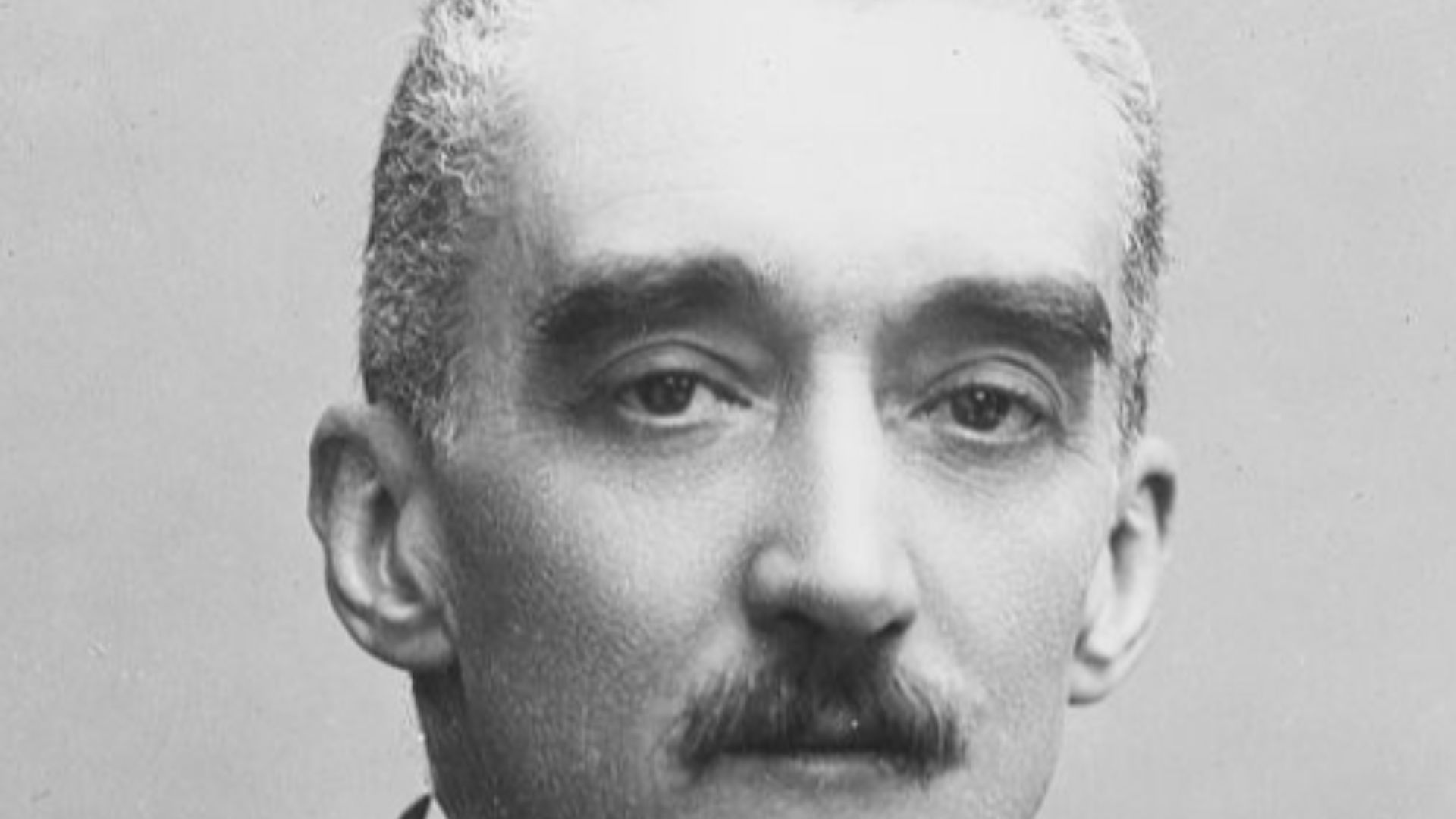
Paul Hymans, a Belgian diplomat and statesman, played a key role in representing Belgium’s interests at the Paris Peace Conference. Belgium had suffered significant devastation during the war after Germany invaded the country in 1914. As Belgium’s foreign minister, Hymans worked to ensure that the peace settlement recognized the country’s sacrifices and protected its future security.
During the negotiations, Hymans advocated for territorial adjustments that would strengthen Belgium’s borders. One of his diplomatic goals was the transfer of the German territories of Eupen and Malmedy to Belgium. Through careful negotiation with Allied leaders, he successfully secured this change in the Treaty of Versailles. The territories remain part of Belgium today.
Hymans also contributed to discussions about the broader European political landscape after the war. He supported the establishment of the League of Nations and later became one of its leading figures, eventually serving as president of the League’s first Assembly in 1920. His diplomatic work helped ensure that smaller nations like Belgium maintained a voice in the new international order.
Although the end of World War I is often associated with a handful of prominent political leaders, the peace process depended on the work of many skilled diplomats operating behind the scenes. Figures like Edward M. House, Jan Smuts, and Paul Hymans played important roles in shaping negotiations, proposing new international institutions, and advocating for their nations’ interests. Their contributions helped shape the treaties and organizations that defined the postwar world. Remembering these lesser-known diplomats offers a deeper understanding of how complex the process of ending a global conflict truly was.
KEEP ON READING
20 Kings Who Were Literally Stabbed In The Back
Crowns, Daggers, And Bad Luck. Royal life has always come…
By Cameron Dick Apr 30, 2026
10 Military Tactics That Seemed Brilliant & 10 That Were…
How War Strategy Reveals The Line Between Innovation And Last…
By Rob Shapiro Apr 30, 2026
20 Facts About the Vietnam War That Most People Don't…
More to the Story. The Vietnam War is one of…
By Christy Chan Apr 29, 2026
20 Lessons From Historical Stoics That Will Fix Your Modern…
Ancient Thinkers Had the Same Modern Struggles. If you’re feeling…
By Sara Springsteen Apr 29, 2026
20 Greatest Chess Players In History
Masters of the Sixty-Four Squares. Chess is a game that…
By Sara Springsteen Apr 29, 2026
20 Historical Figures Who Were Known For Having A Weird…
History’s Big Names Weren't Always Eating Like Normal People. History…
By Emilie Richardson-Dupuis Apr 29, 2026