

The Love Story Behind the Taj Mahal Was Also a Power Story
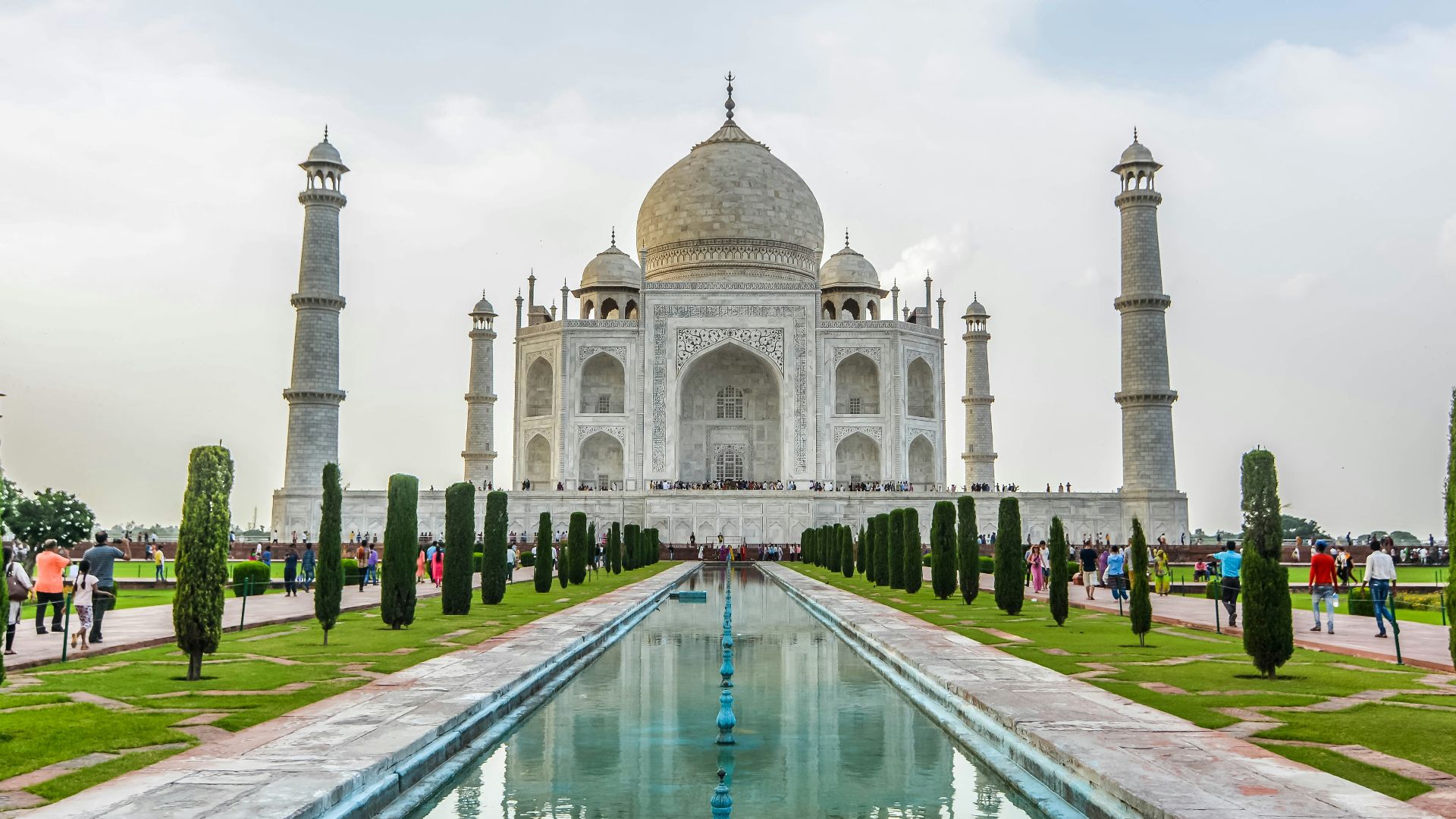 Koushik Chowdavarapu on Unsplash
The Taj Mahal is often introduced as the world’s grandest monument to love, and that version of the story is not exactly wrong. Shah Jahan commissioned it after the death of Mumtaz Mahal, his favored wife, who died in 1631 during childbirth, and the mausoleum was built in Agra in the decades that followed. That romantic framing has endured for good reason, because the building really is tied to grief, devotion, love, and imperial mourning.
Still, if you stop at the love story, you miss a great deal of what the Taj Mahal was doing. It was also a statement about dynastic authority, imperial wealth, artistic control, and the Mughal court’s ability to shape memory on an extraordinary scale. You can admire the romance and still recognize that this was one of the most carefully staged power messages any ruler ever built in stone.
The Monument Began in Grief, But It Was Never Strictly Personal
Mumtaz Mahal wasn't just a beloved wife in a private domestic sense. She was Shah Jahan’s chief consort, deeply tied to the political and ceremonial life of the Mughal court, and her death came at a moment when he was still a relatively new leader. When she died in 1631 after the birth of their fourteenth child, the emperor’s mourning was real, but the loss also affected the symbolic center of his court.
That helps explain why the response was so vast. Shah Jahan didn't build a modest tomb or a family shrine tucked quietly away from public view. He commissioned an enormous mausoleum complex on the Yamuna River.
A monument of such a size and refinement transformed mourning into a visible imperial act—something the empire could witness and future generations couldn't ignore. In that sense, Shah Jahan wasn't only expressing sorrow, but also demonstrating the reach of a ruler whose grief could command architects, artisans, stone, land, and time.
The Taj Mahal Projected Mughal Control As Much As Devotion
Part of the Taj Mahal’s power lies in how controlled it feels. The symmetry, the gardens, the riverfront setting, the white marble, and the finely coordinated decorative program all create an impression of perfect order. That visual discipline wasn't merely beautiful; it also reflected an imperial world that wanted to present itself as stable, cultivated, and magnificently governed.
The site itself also reminds you that this was a royal project embedded in systems of rule. The land used for the complex was part of a larger imperial environment in Agra, and the monument stood within a capital region where architecture and sovereignty were closely linked. A ruler who could reshape such prime space for a dynastic tomb was making a claim not just about love, but about authority over landscape, labor, and memory.
Its materials sent a message too. UNESCO highlights the use of white marble and intricate inlay with semi-precious stones. Those choices weren't simply decorative indulgences. They advertised access to resources, craftsmen, and trade networks that only a powerful court could command at that level.
Even the way the building has been remembered owes something to that original imperial ambition. Shah Jahan did not just want a resting place for Mumtaz Mahal. He created a structure that would attach his reign to beauty, refinement, and permanence.
Love & Power Weren't Competing Stories
 Unknown authorUnknown author on Wikimedia
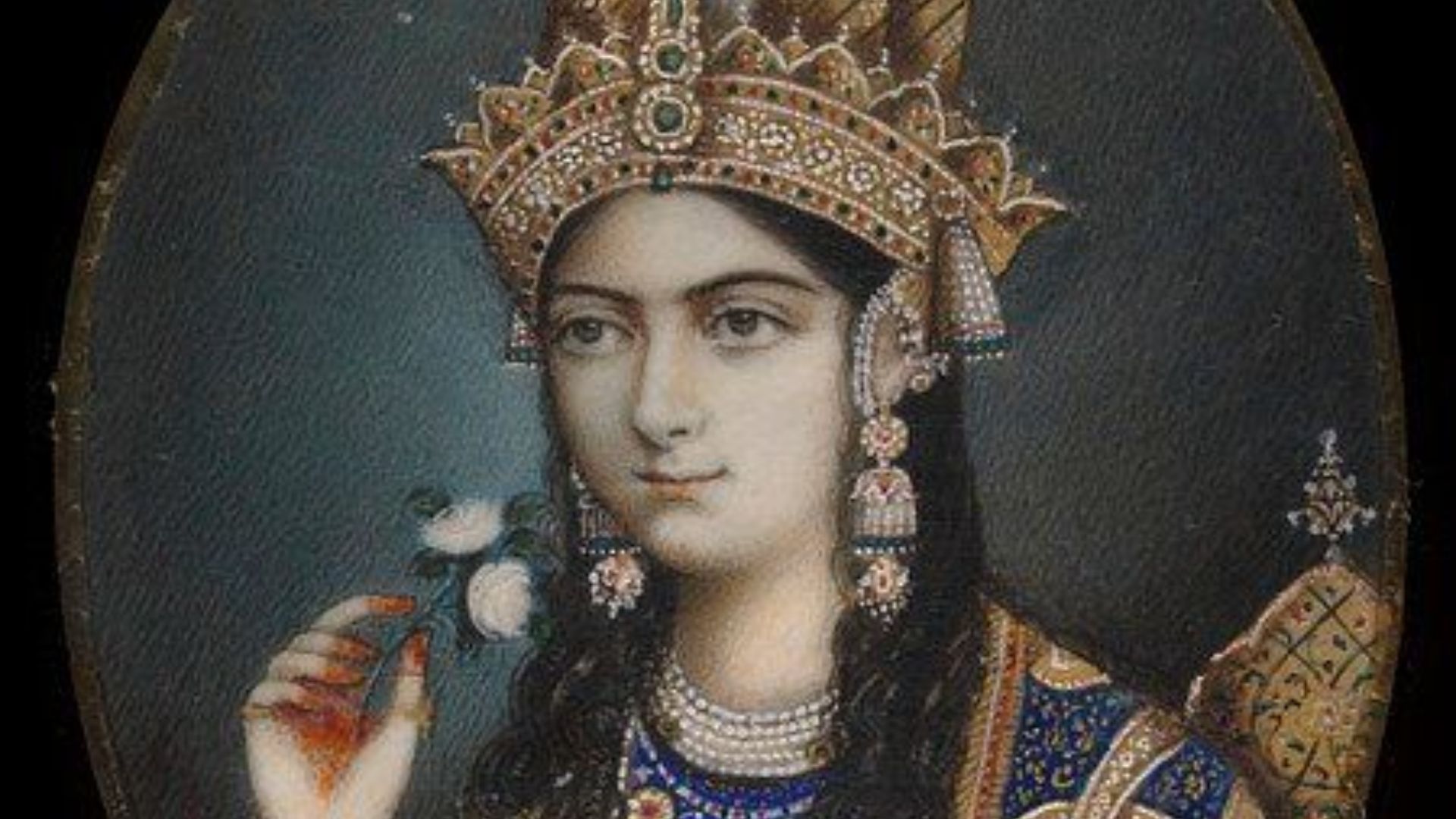
It is tempting to separate romance from politics, as though one makes the monument human and the other makes it cold. The Taj Mahal doesn't really work that way. In a Mughal imperial context, personal feeling and dynastic display could reinforce each other, so a ruler’s love could become part of how he performed kingship itself.
That's one reason the story has lasted so well.
People like to imagine the Taj as pure feeling shaped into marble, and there's something genuinely moving in that image. However, the building is arguably more impressive, not less, when you see that it also functioned as a calculated statement about what Mughal power looked like at its height.
You can see that blend in the figure of Mumtaz Mahal herself. She has often been flattened into the role of “beloved wife,” but she was also a high-ranking empress whose position mattered within court life and succession politics. Building such a tomb for her honored a personal relationship, but it also elevated the prestige of the imperial household and the dynasty attached to it.
The Taj Mahal endures not just as a pretty building, but because it holds both stories at once. It's a monument to grief, attachment, and memory, and it's also a monument to rule, image-making, and imperial confidence. Once you see that clearly, the building becomes richer rather than less romantic, because real history is usually more layered than the postcard version, and far more interesting too.
KEEP ON READING
The Love Story Behind the Taj Mahal Was Also a…
Koushik Chowdavarapu on UnsplashThe Taj Mahal is often introduced as…
By Emilie Richardson-Dupuis Apr 2, 2026
Public Executions Were Once the Most Attended Events in Town…
Georg Heinrich Sieveking on WikimediaFor centuries, a public execution could…
By Breanna Schnurr Apr 2, 2026
20 Old Hollywood Feuds That Went Beyond The Studio Lot
When The Smiles Stopped. Old Hollywood sold a polished fantasy,…
By Breanna Schnurr Apr 2, 2026
JFK's Last Meal Is A Testament To His Character
Walt Cisco, Dallas Morning News on WikimediaHistory often focuses on…
By Sara Springsteen Apr 2, 2026
The Coup Triggered by a Pop Song
Matheus Ferrero on UnsplashMost political upheavals have a trigger that…
By Cameron Dick Apr 2, 2026
How The Black Death Spurred the Renaissance
Art Institute of Chicago on UnsplashThe Black Death, which swept…
By Rob Shapiro Apr 2, 2026