

When Crowds Changed Everything
History likes to clean these moments up after the fact. A revolution becomes a date, a ruler becomes a footnote, and years of fear, hunger, anger, and nerve get compressed into one tidy sentence about a government falling. But when people really do force a regime out, it usually looks messier than what the history books present. Some of these uprisings were huge, some were improvised, some were helped along by splits in the army or elite panic, and almost none were as simple as people versus palace. Here are twenty instances where mass public pressure mattered enough to crack a government that had started to look permanent.
 RobbieIanMorrison on Wikimedia
1. The Glorious Revolution In England
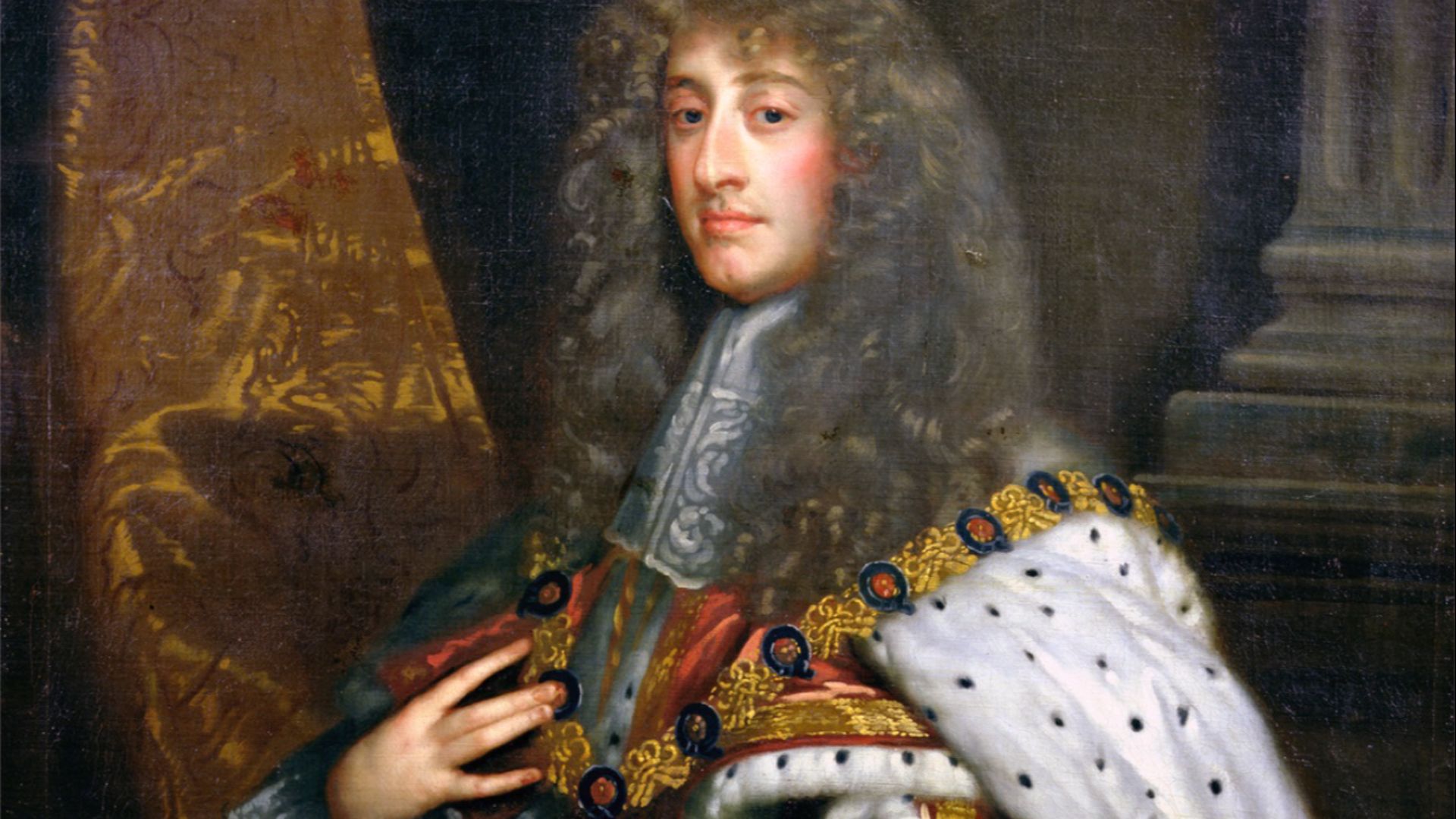
In 1688, James II lost support so fast that the whole structure around him seemed to go soft at once. Parliament invited William of Orange in, but the story only works because James had already alienated so many people that resistance collapsed and the monarchy was remade under public and political pressure.
 commons.wikimedia.org on Google
2. The French Revolution
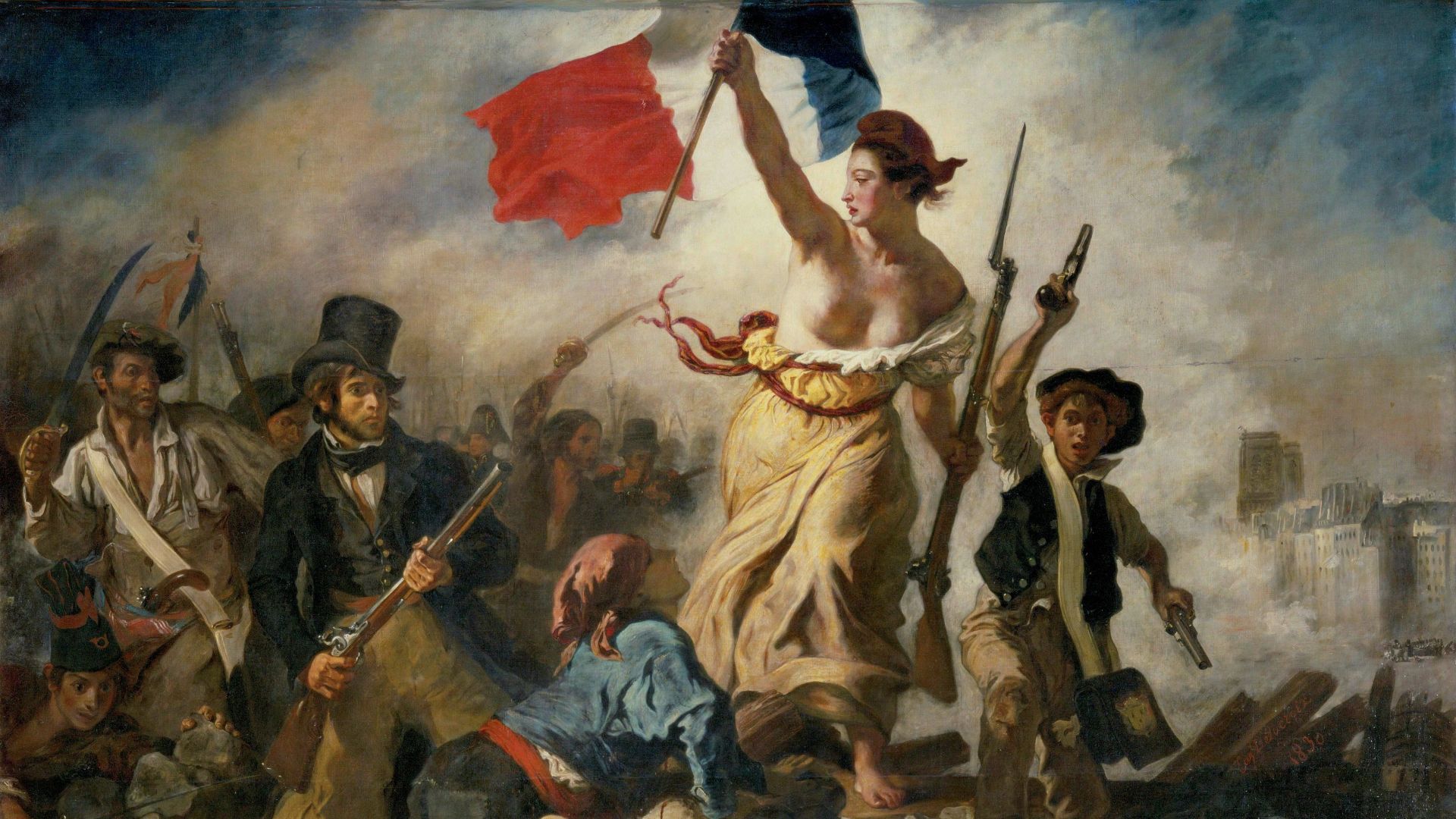
France in 1789 was the classic case of a government that looked absolute right up until it did not. Bread shortages, debt, class rage, and a monarchy that had lost its mystique all came together, and once ordinary Parisians stormed the Bastille, the old regime stopped feeling untouchable.
 commons.wikimedia.org on Google
3. The Haitian Revolution
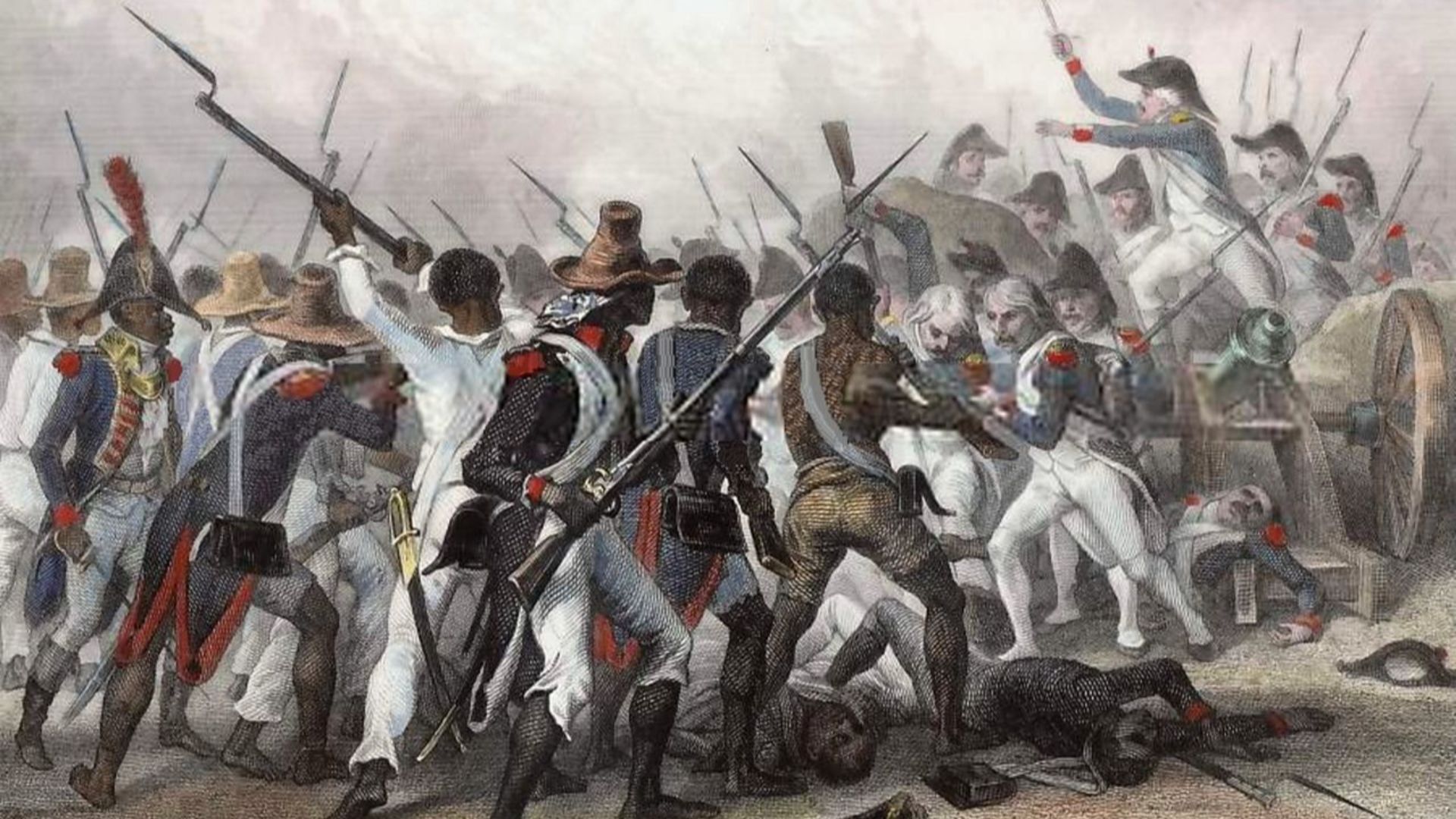
This one was not just a revolt. It was enslaved people and free people of color destroying the French colonial regime and building a new state in its place, which is why it still feels so explosive on the page. The whole thing forced the world to confront a fact empires hated: people they treated as property could overthrow a government and govern themselves.
 commons.wikimedia.org on Google
4. The July Revolution In France
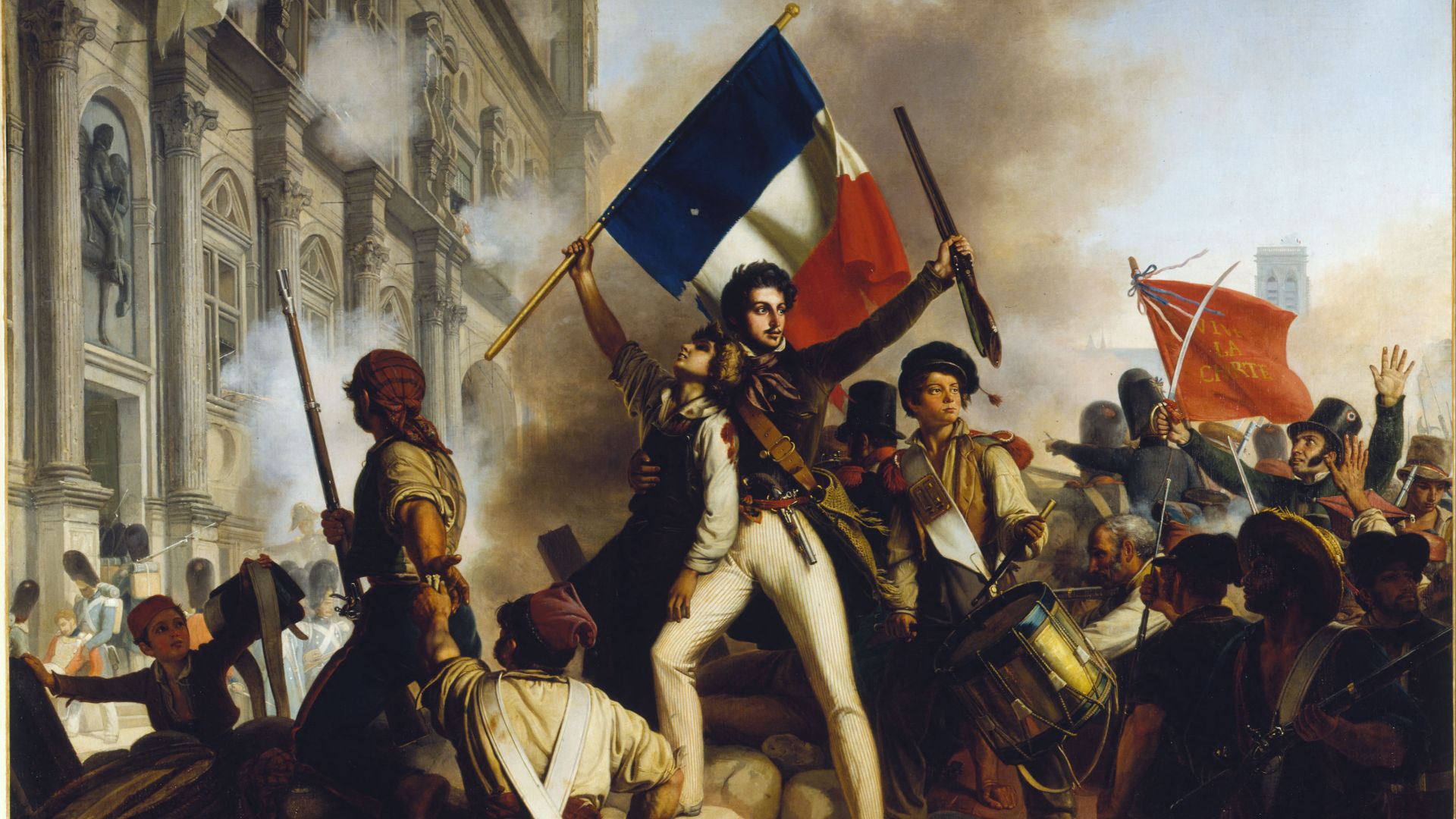
France managed to do it again in 1830, which is one of history’s more pointed reminders that restoring a dynasty does not restore legitimacy. Charles X tried to squeeze the country back into a more reactionary mold, Paris rose up, and after three days of street fighting, he was out.
 commons.wikimedia.org on Google
5. The February Revolution In France
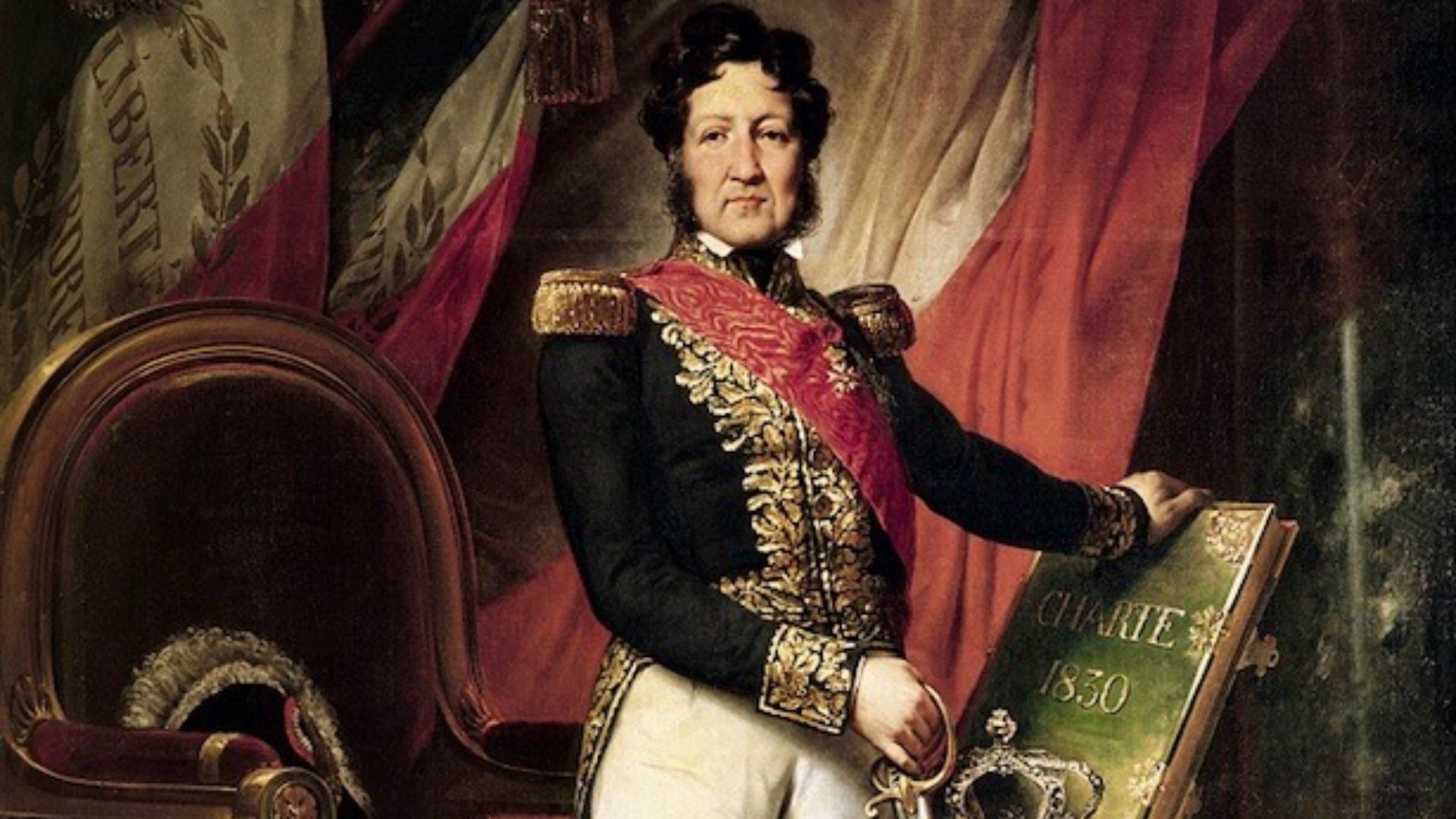
Then came 1848, when another French king discovered that public patience has an ending. Economic stress, political exclusion, and swelling protest pushed Louis-Philippe out, and the monarchy folded with surprising speed once the streets filled and the National Guard wavered.
 commons.wikimedia.org on Google
6. The Xinhai Revolution In China
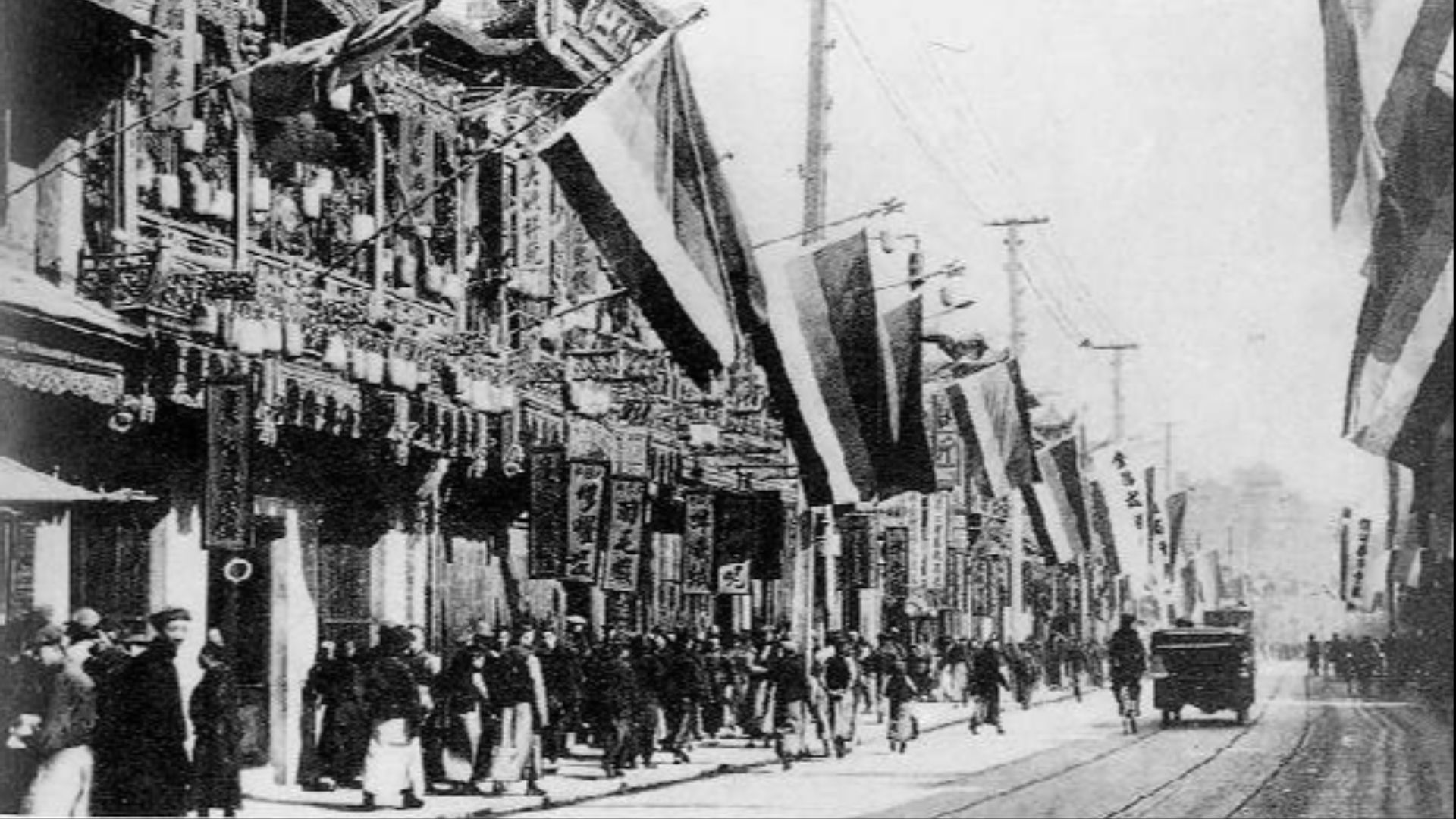
The Qing dynasty had been weakening for years, and by 1911, that weakness was visible enough for revolution to spread. Provincial uprisings and public anger helped bring down a dynasty that had ruled for centuries, which is the kind of sentence that sounds inevitable only after it has already happened.
 commons.wikimedia.org on Google
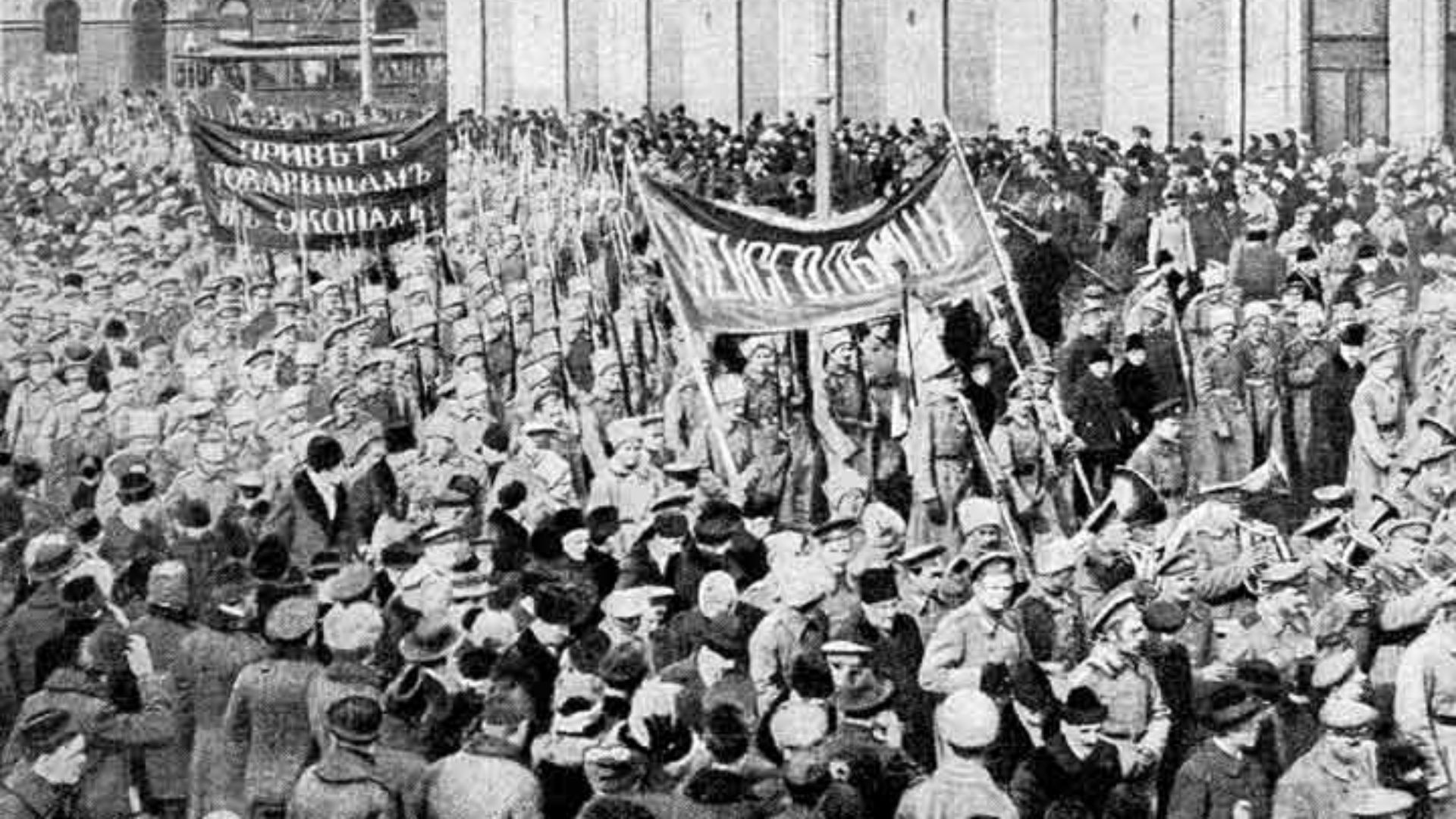
7. The February Revolution In Russia
The Russian Empire did not fall because one speech landed perfectly. It fell because war, hunger, strikes, and mutiny piled on top of one another until the tsarist system lost the ability to command obedience, and Nicholas II was forced to abdicate. The striking part is how quickly a government that had relied on force discovered that force was no longer listening.
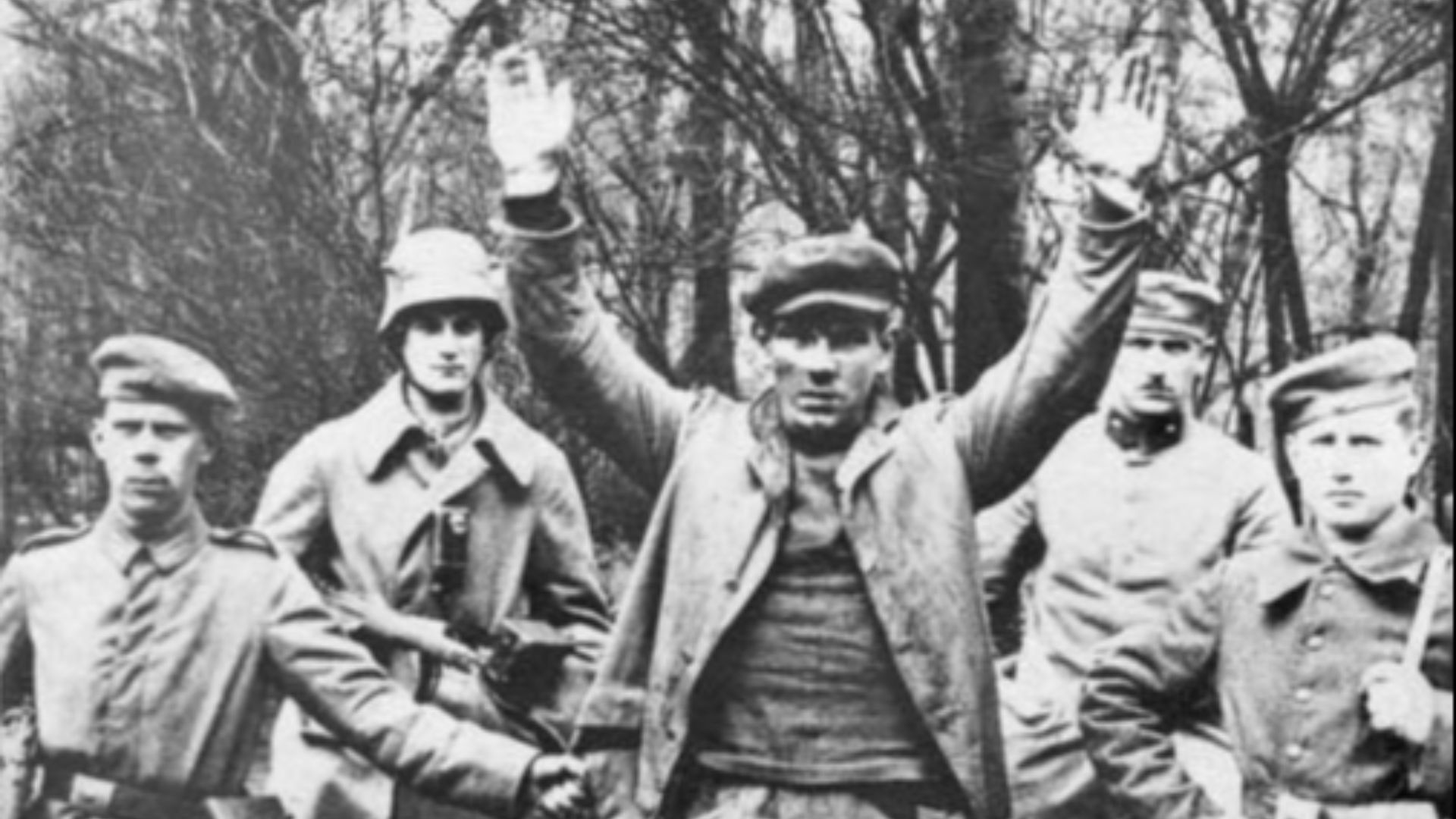
8. The German Revolution
In 1918, sailors mutinied, workers’ and soldiers’ councils spread, and the German monarchy gave way under the pressure of defeat and unrest. By the time the republic was declared, the imperial system was less overthrown in one dramatic blow than pushed over by a population that had stopped believing it could carry on.
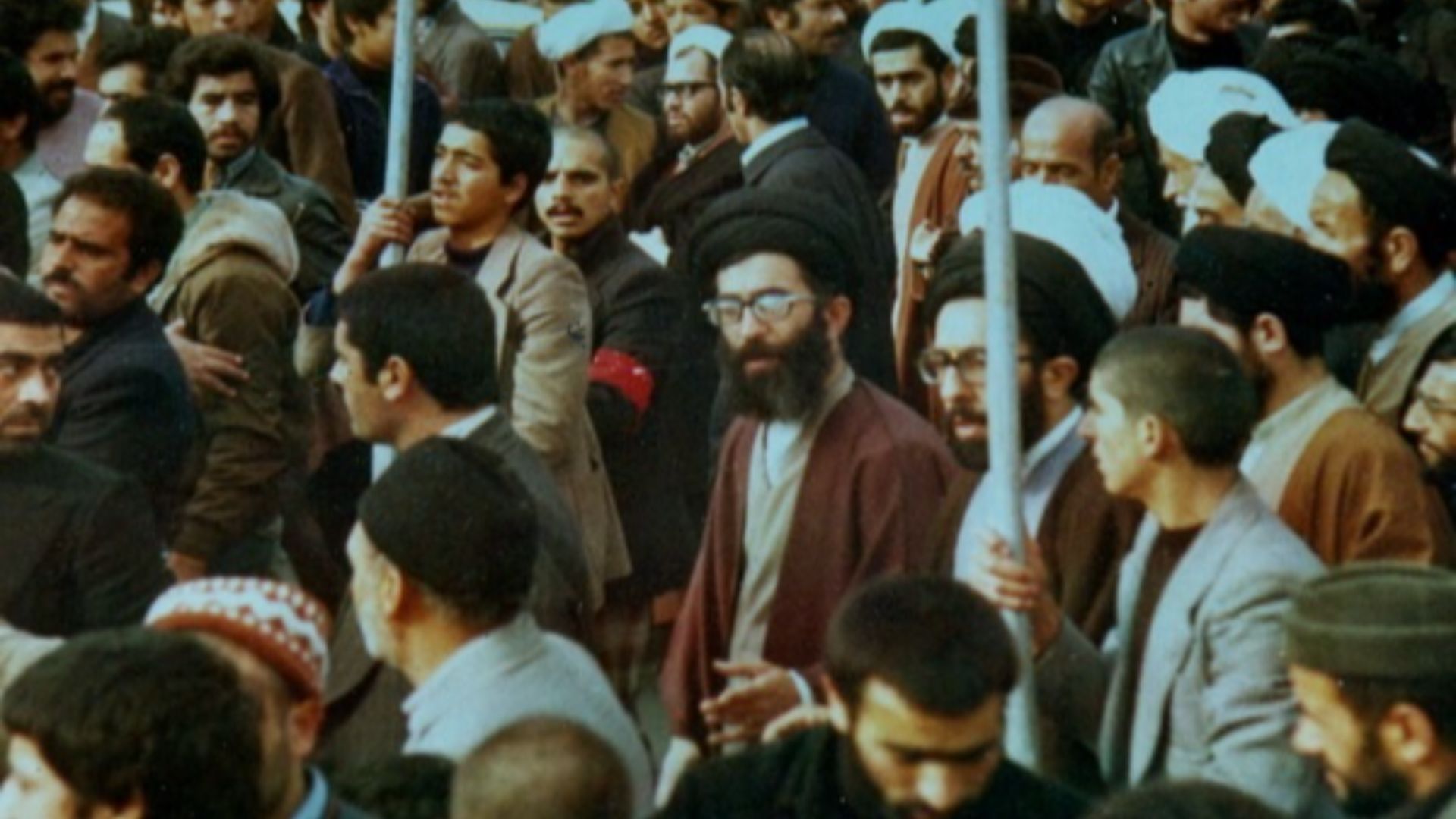
9. The Iranian Revolution
The shah’s government looked heavily armed, heavily backed, and heavily entrenched, which made its collapse in 1979 feel all the more startling. Mass demonstrations, strikes, funerals that turned into protests, and a broad coalition of people who agreed on almost nothing except that the monarchy had to go made the regime impossible to stabilize.
10. The People Power Revolution In The Philippines
This is one of those moments that stays vivid because the images are so specific: crowds in the streets, soldiers hesitating, nuns kneeling in front of tanks. Marcos had the machinery of power, but by 1986, the public refusal to accept him and the scale of the uprising pushed his regime into exile.

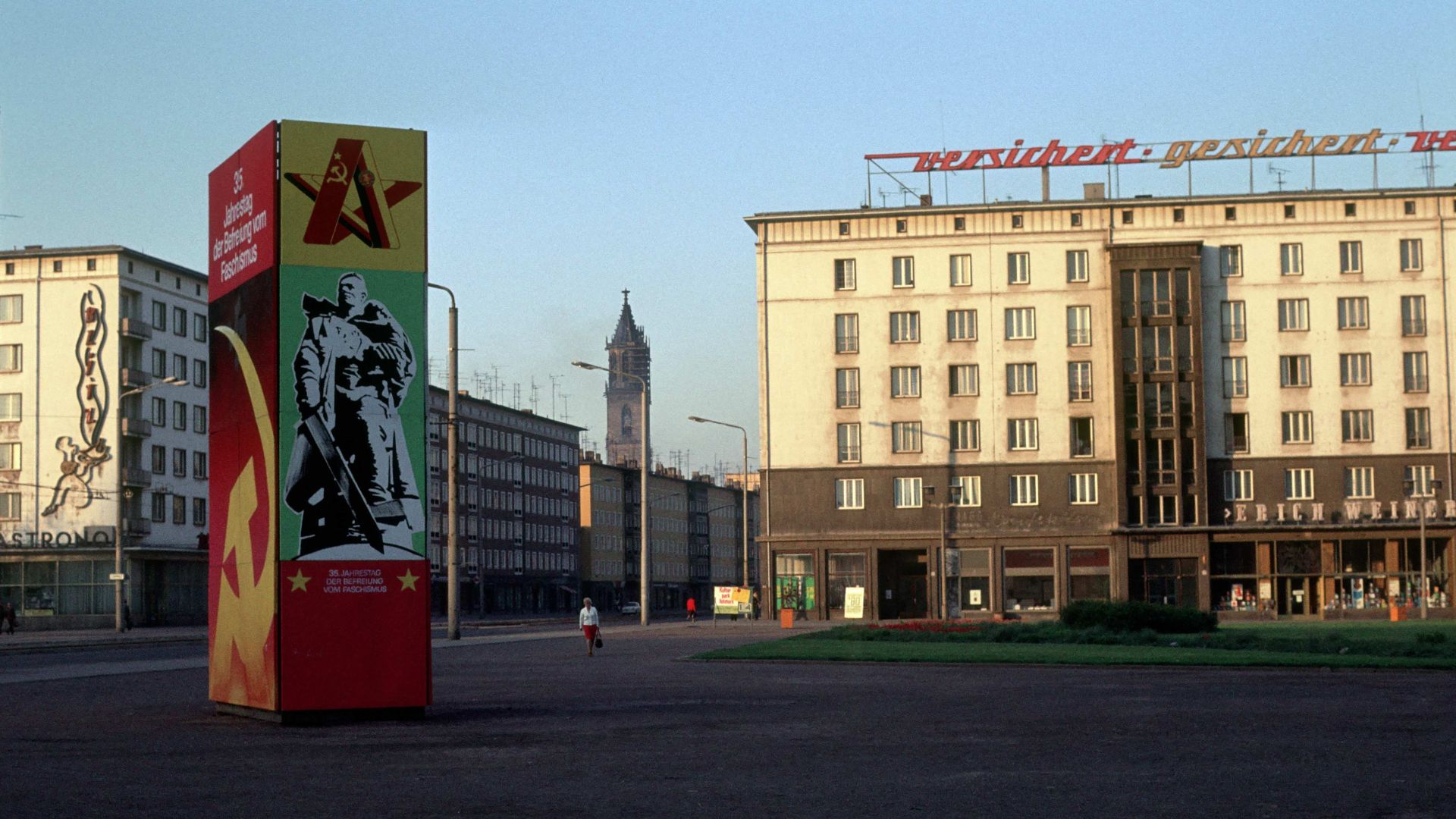
11. The Fall Of Communist Rule In East Germany
East Germany did not collapse in one clean heroic scene, but the weekly demonstrations, public pressure, and the sheer scale of exit and dissent made the regime unworkable. Once the wall opened in 1989, the government’s claim to control looked hollow almost overnight.
 Michel Huhardeaux from Brussels, Belgium on Wikimedia
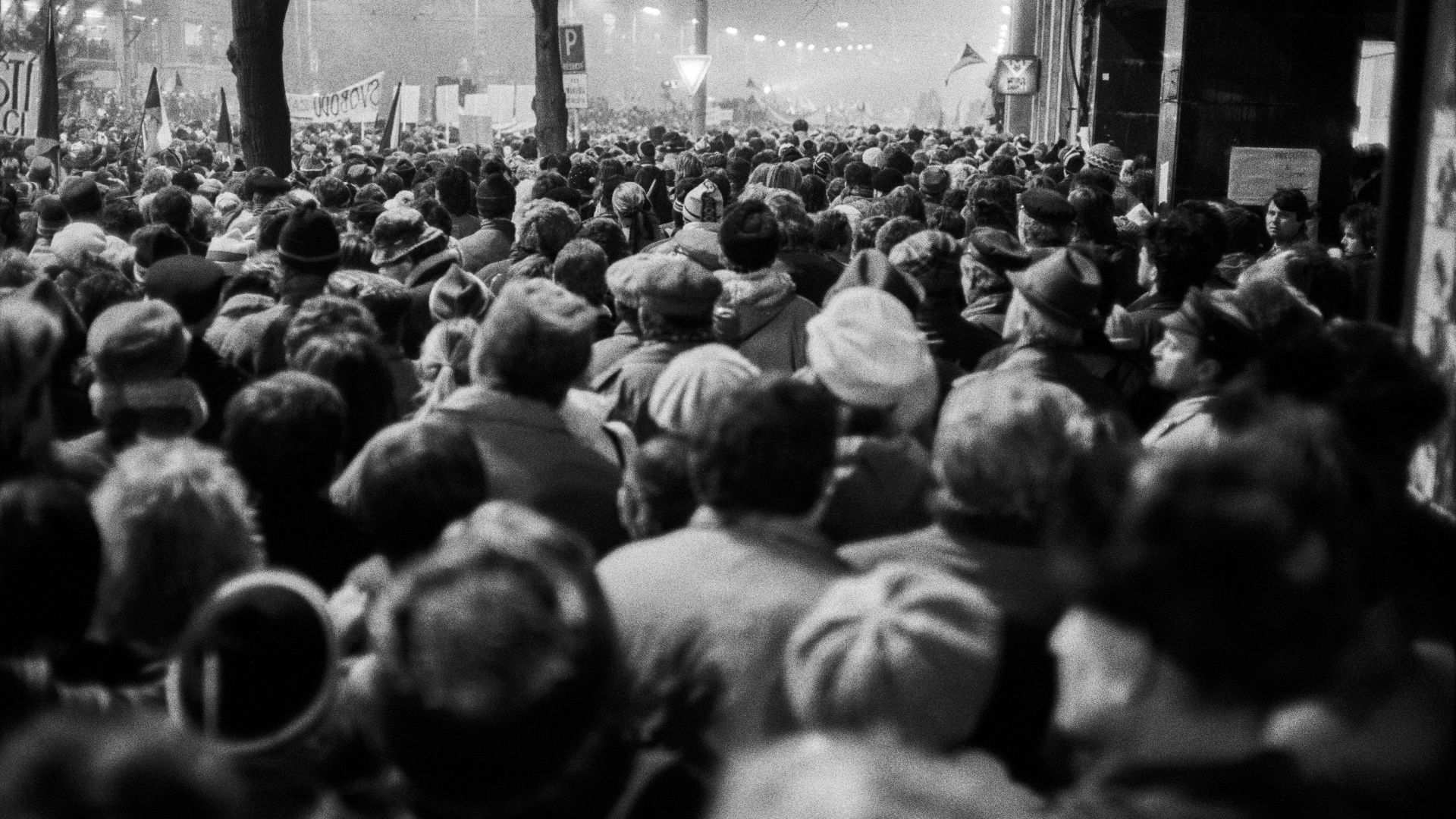
12. The Velvet Revolution In Czechoslovakia
The Velvet Revolution still feels almost improbable because of how quickly a rigid system gave way once mass demonstrations took hold. Students, artists, workers, and ordinary citizens pushed the communist government out without the kind of bloodbath everyone feared, which made the whole thing feel both fragile and historic at once.
 RobbieIanMorrison on Wikimedia
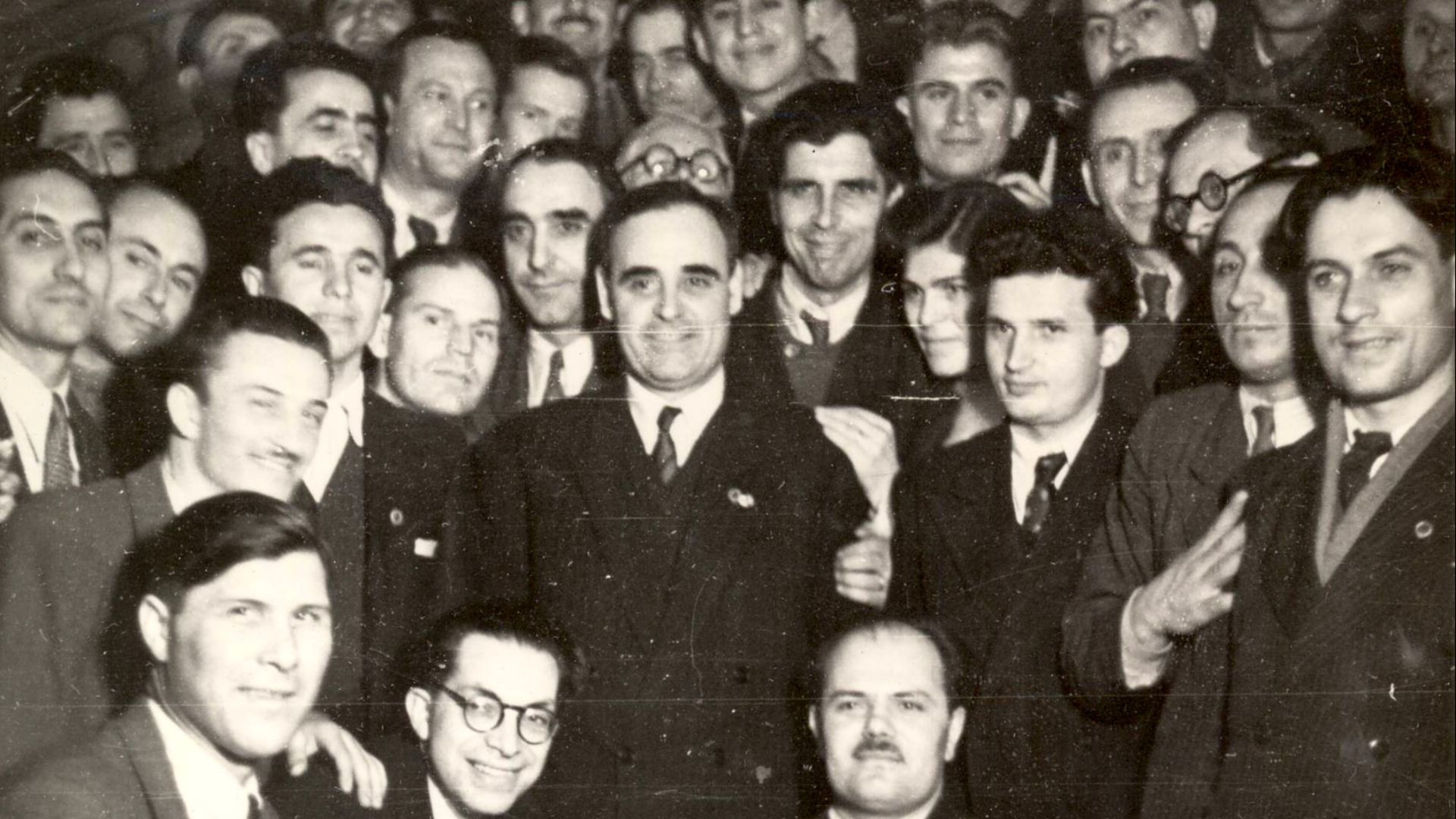
13. The Romanian Revolution
Romania was rougher than the name revolution sometimes lets on. What began as protest widened into national revolt, the regime turned violent, and Nicolae Ceaușescu was overthrown and killed, in a collapse driven by both public uprising and fractures inside the state.
 unknown, image comes from the National Archives on Wikimedia
14. The Bulldozer Revolution In Serbia
In 2000, after a disputed election, huge crowds poured into Belgrade and made it impossible for Slobodan Milošević to cling to office. The nickname sounds almost cartoonish until you remember what it meant in practice: people physically pushing through the machinery of a regime that had overstayed itself.
 Stevan Kragujević on Wikimedia
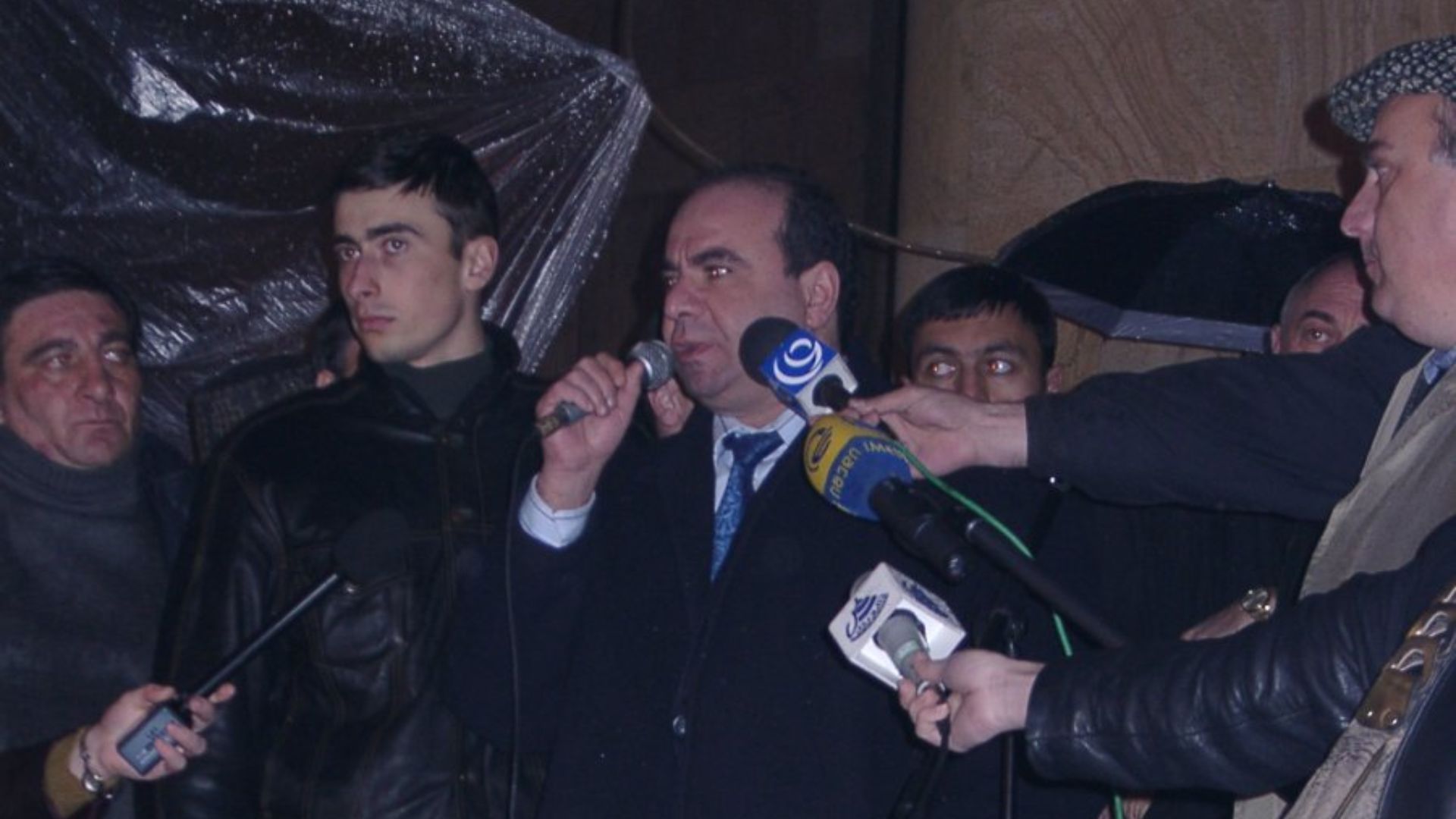
15. The Rose Revolution In Georgia
Georgia’s 2003 uprising had that rare quality of being both theatrical and effective. Protesters carrying roses disrupted parliament, public anger over fraud kept building, and Eduard Shevardnadze stepped down once it became clear the old arrangement could not be patched back together.
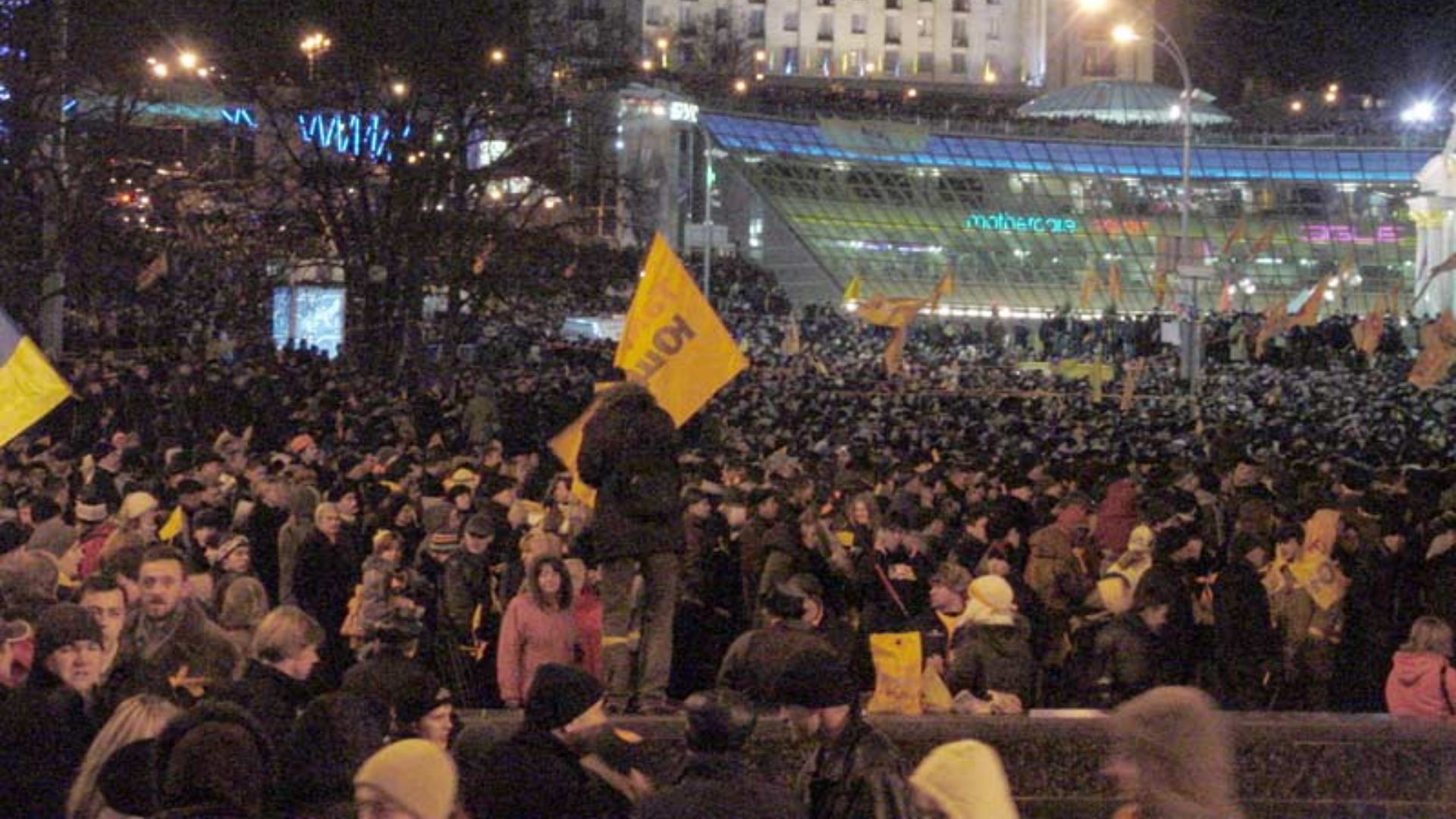
16. The Orange Revolution In Ukraine
The Orange Revolution was less about storming a palace than refusing to accept a stolen result. Massive protests over electoral fraud forced a rerun of the presidential vote, and that public insistence changed the government’s direction in a way that felt unmistakably people-driven.
 The original uploader was Gutsul at Ukrainian Wikipedia. on Wikimedia
17. The Tulip Revolution In Kyrgyzstan
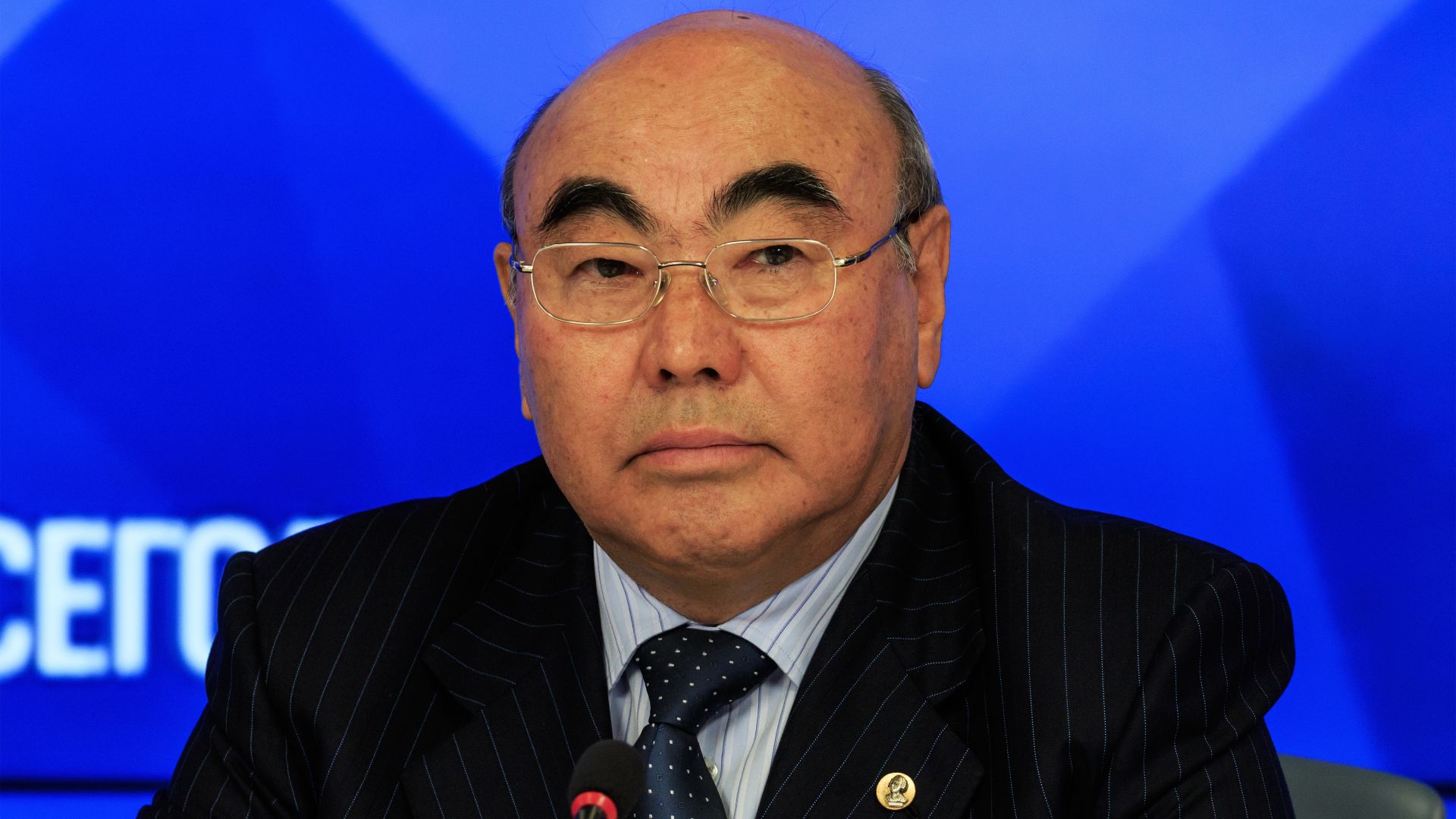
Kyrgyzstan’s 2005 uprising grew out of anger over corruption and disputed elections, and once protests spread, President Askar Akayev fled. It was one of those cases where a government that had learned to manage dissent discovered too late that it had mistaken public frustration for resignation.
18. The Jasmine Revolution In Tunisia
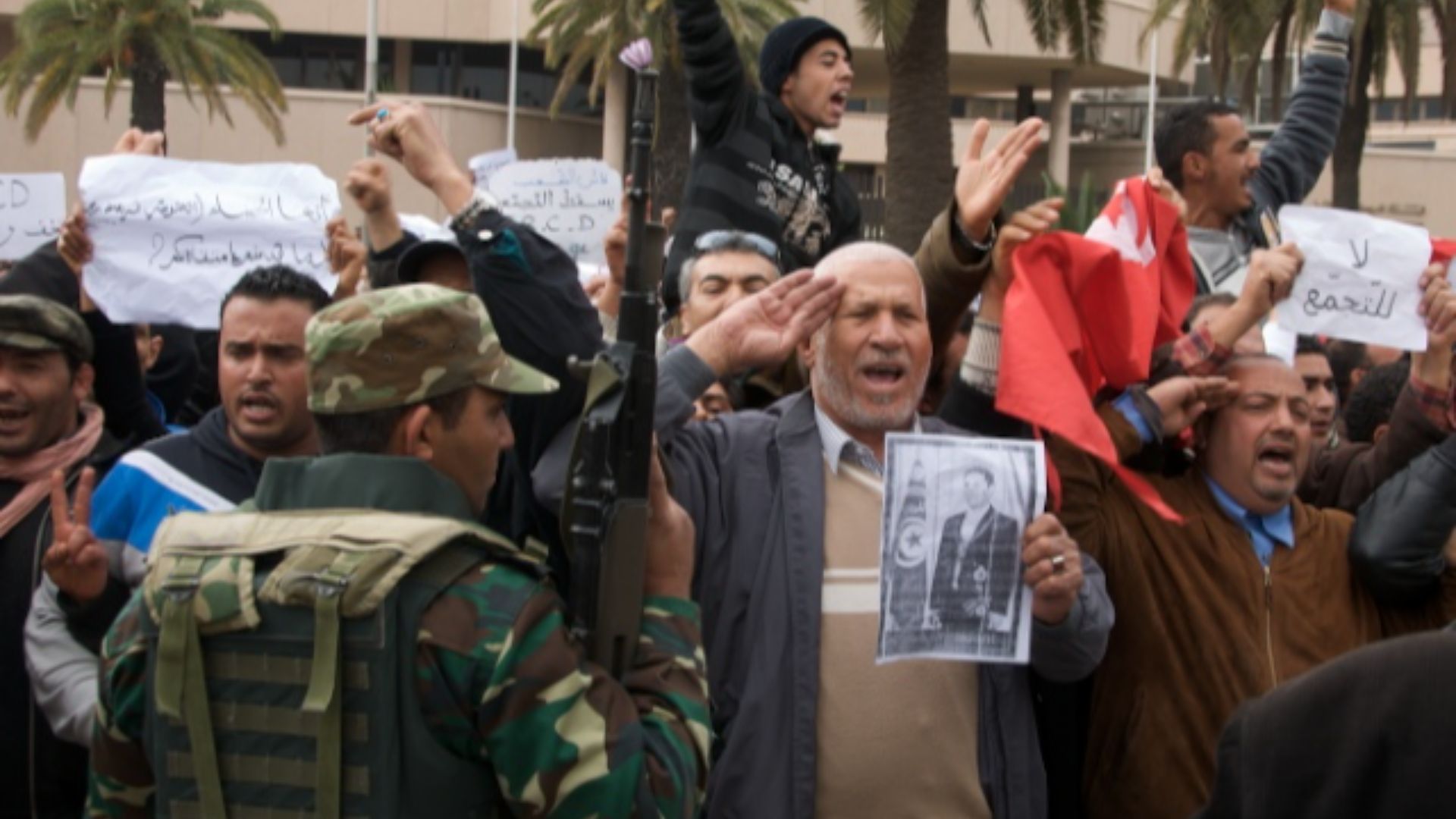
Tunisia’s uprising began with one desperate act and then widened into something much bigger. Protests over unemployment, humiliation, and repression forced Zine al-Abidine Ben Ali from power in 2011, and that success sent a shock wave through the region because it proved an autocrat could still be pushed out by the street.
19. The Egyptian Uprising
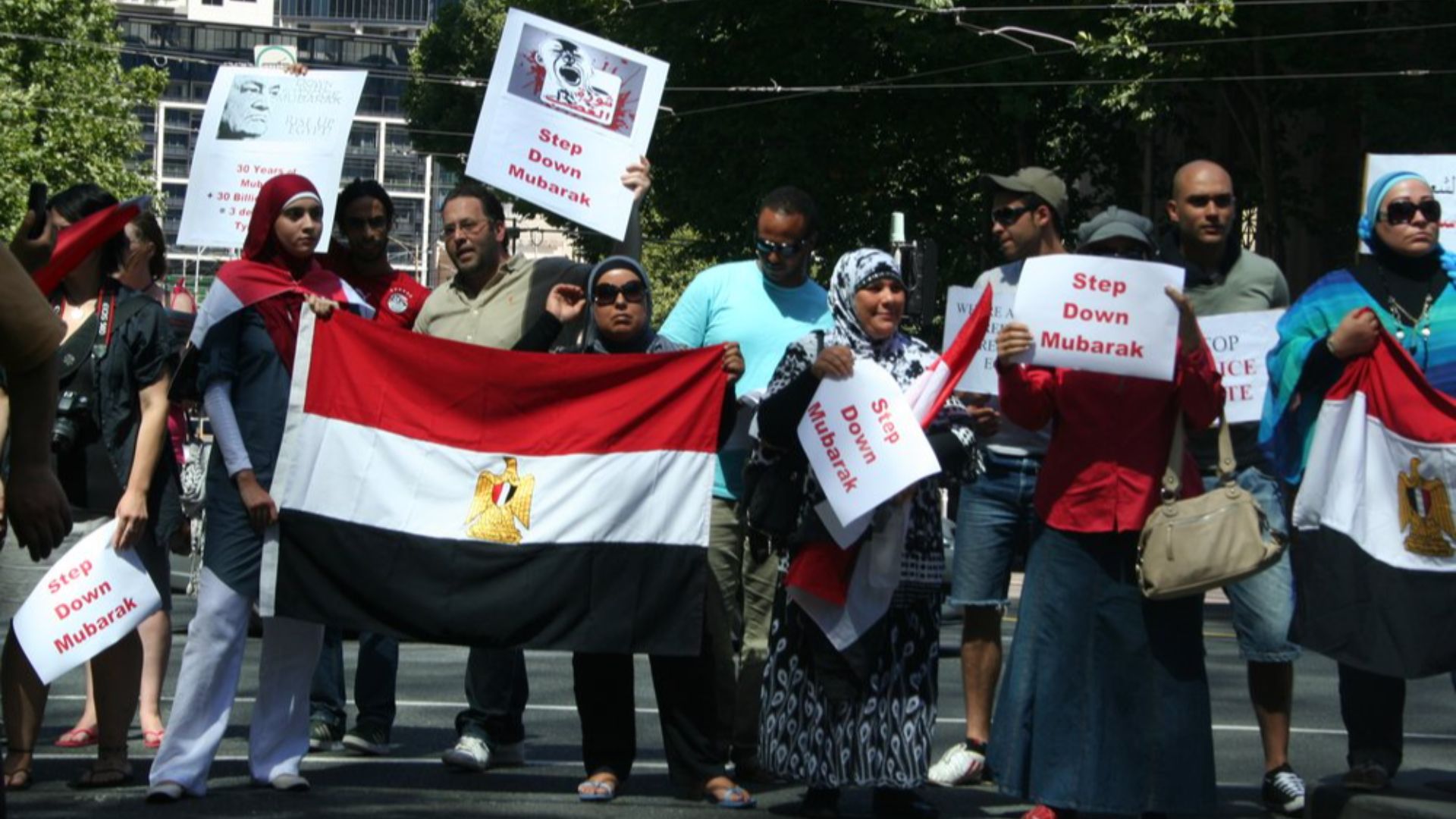
Egypt moved with dizzying speed that winter. Huge demonstrations against corruption, repression, and stagnation filled Cairo and other cities, and after eighteen days of pressure, Hosni Mubarak stepped down, ending a rule that had seemed fixed in place.
20. The Sudanese Revolution
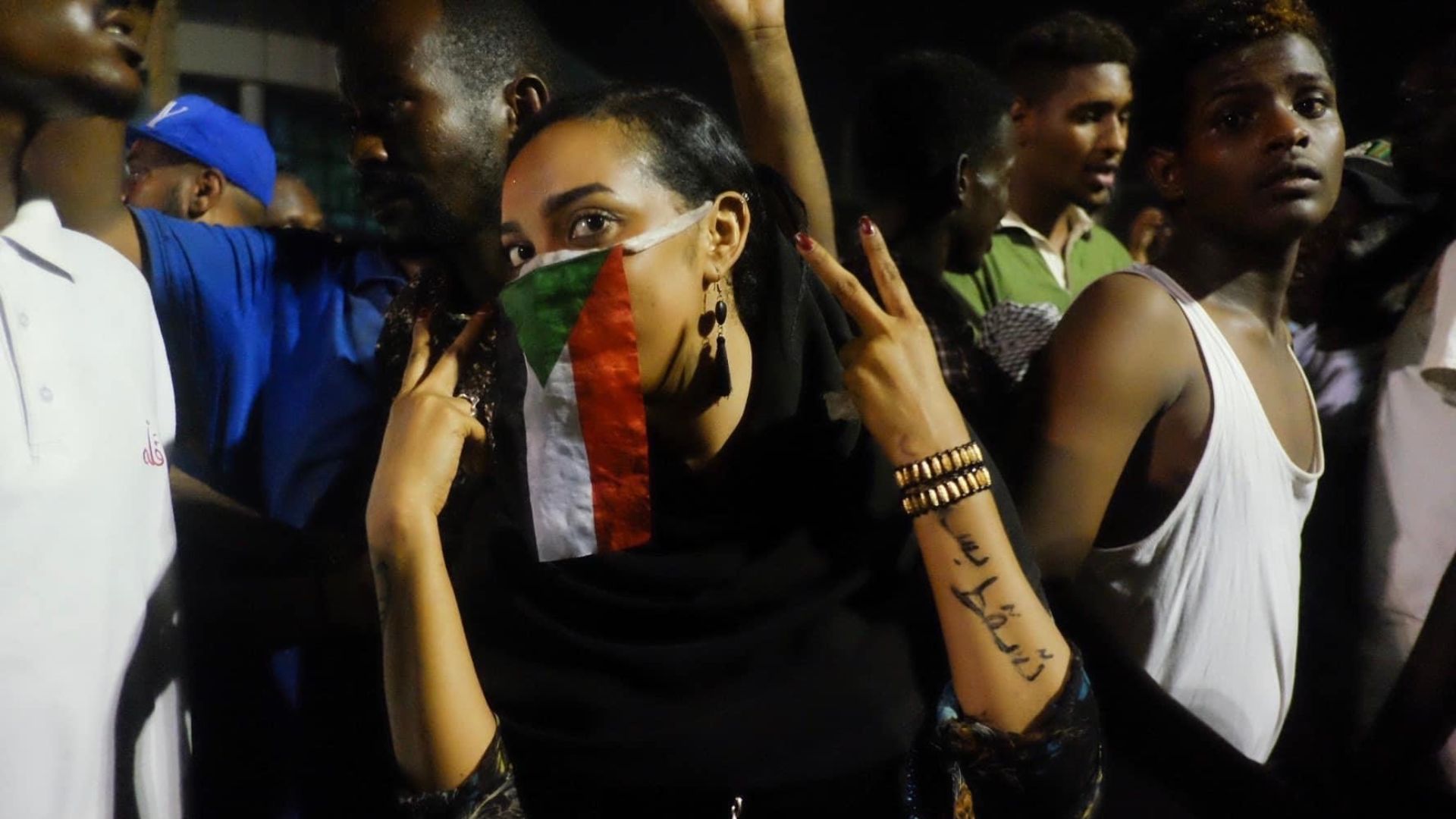
Sudan’s 2019 uprising began over bread prices and grew into something much broader and more dangerous for the regime. Months of protest and organizing forced Omar al-Bashir from office, and even though the military moved to shape what came next, the fall itself came from sustained public pressure that would not thin out and go home.


KEEP ON READING
The Brutal Realities Of Gladiator Life Beyond the Arena
David Cruz asenjo on PexelsWhen most people think of gladiators,…
By Rob Shapiro Mar 31, 2026
The Volcano Winter That Nearly Toppled Europe
Collin Ross on UnsplashMost people, if asked to name a…
By Cameron Dick Mar 31, 2026
From School Plays To Starting A Cult: 20 Of The…
The Books That Made Us. Many people will tell you…
By Farva Ivkovic Jan 31, 2025
20 Facts About Jane Grey, The Forgotten Queen Of England
A Quick, Messy, and Tragic Reign. Lady Jane Grey never…
By Maria Cruz Jan 31, 2025
20 Priceless Historical Art Pieces Rescued By The Monuments Men
Protecting Human History. While the soldiers on the front lines…
By Sara Springsteen Mar 31, 2026
Almost Every Ancient Statue Has a Missing Nose, And It's…
Gary Todd from Xinzheng, China on WikimediaWalk through the classical…
By Elizabeth Graham Mar 31, 2026