

Public Executions Were Once the Most Attended Events in Town — Here's What That Says About Us.
Public Executions Were Once the Most Attended Events in Town — Here's What That Says About Us.
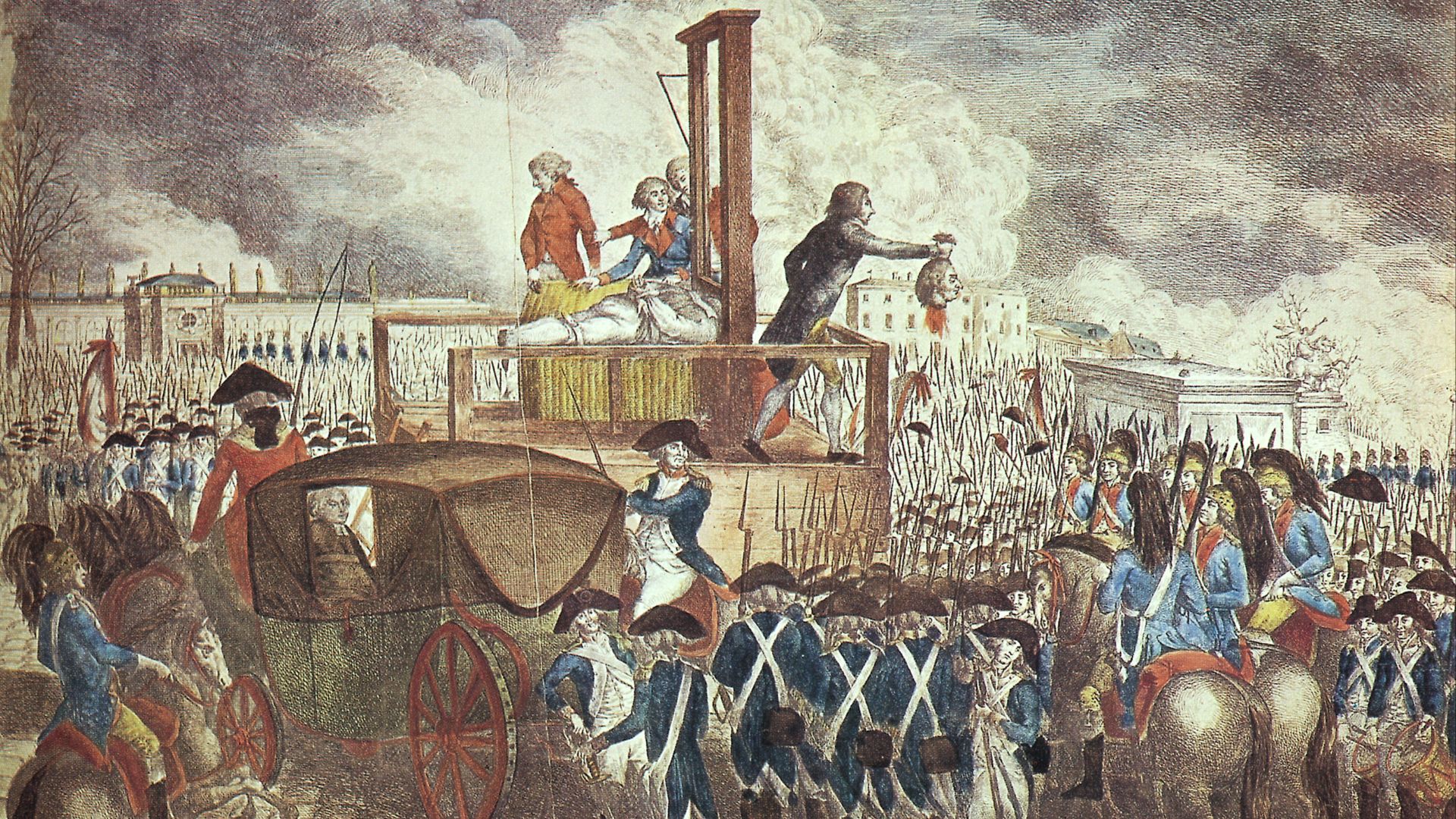 Georg Heinrich Sieveking on Wikimedia
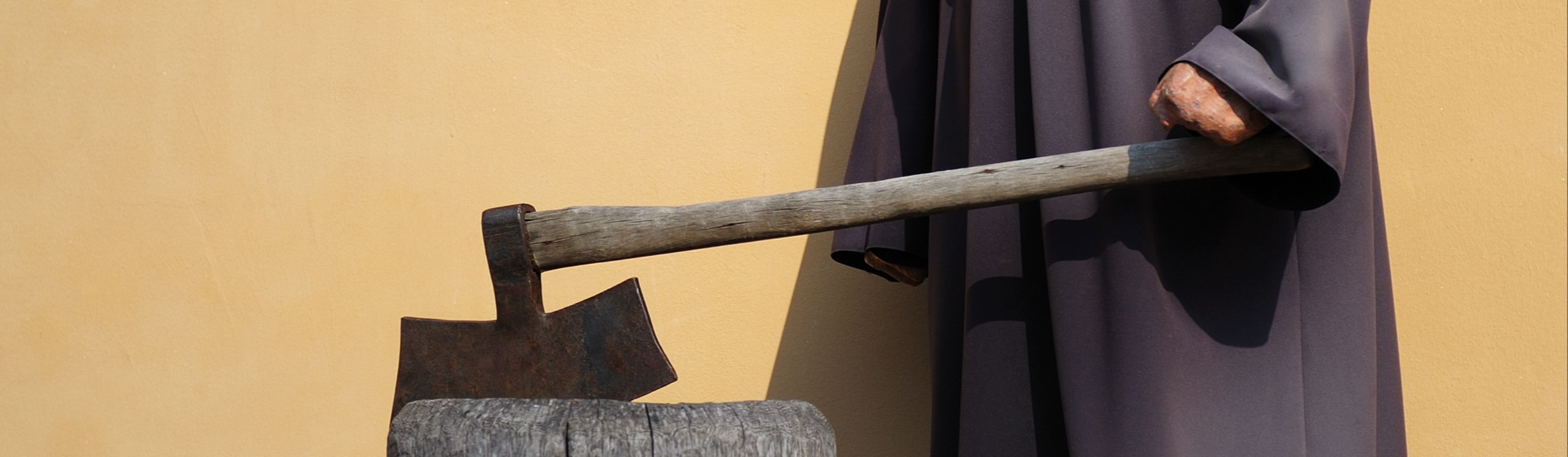
For centuries, a public execution could pull a crowd the way a fair, a parade, or a major match might pull one now. Back in the day, crowds of up to 50,000 gathered at places like Tyburn and Newgate Prison. These weren't tiny, shame-faced gatherings lurking at the edge of town. They were some of the biggest public events around.
In fact, this public spectacle even made its way to the United States. Santa Clara University’s capital punishment exhibit says execution day was a major public event across early America. Crowd numbers often hit in the hundreds and thousands, with people arriving early for the best view. Local businesses even closed to witness the event. If that sounds grim, it is. It's also very human, which may be the more uncomfortable part.
Why People Came
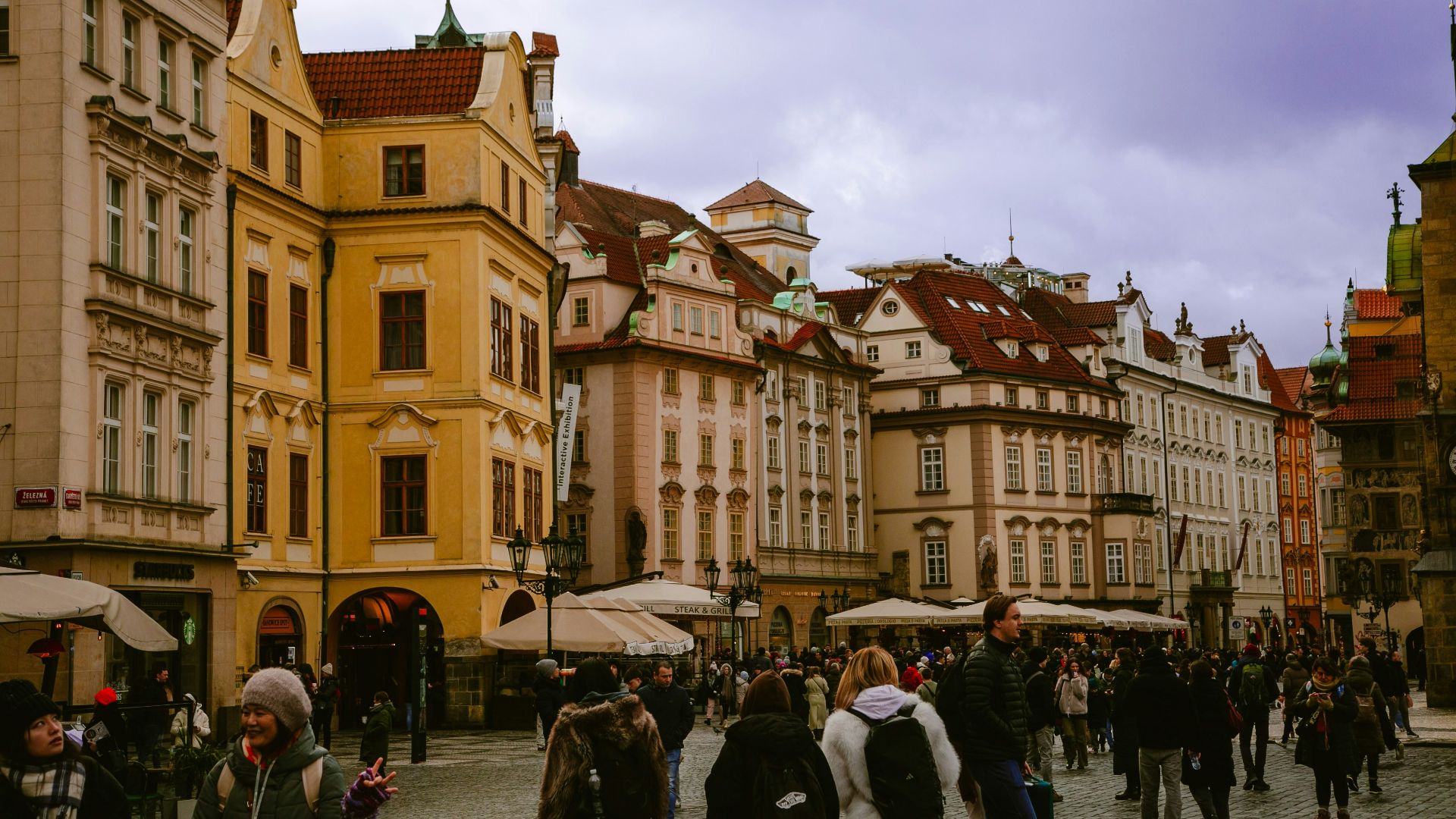
Part of this answer is simple: authorities wanted people there. Harvard’s Visualizing Capital Punishment exhibit explains that public executions were meant to deliver retribution, enforce order, and deter future crime by putting punishment on full display. By the end of the 1700s, more than 200 crimes in England potentially ended with the death penalty. Between 1800 and 1868, more than 3,000 people were publicly executed by hanging in England.
That official explanation, though, only gets you halfway there. People also came because the spectacle itself had a pull, and critics knew it. In a 1846 letter, Charles Dickens complained that some spectators came “as they would go to a dog-fight,” while others came to pick pockets in the crowd. It's a harsh description, though it captures something real about the mix of curiosity, excitement, cruelty, and opportunism these events drew out.
There was a social side to it as well. Execution day was a major public event from the western frontiers to the inner cities. People went to see justice, yes, though they also went to be part of a crowd. They wanted to watch something everyone else would be talking about, and to feel the charge of a shared public moment. Human beings have always been drawn to the thing everybody else is drawn to, even when the thing is terrible.
The Old Razzle Dazzle
Public executions were rarely thrown together at the last minute. Jailers paraded prisoners before often-jeering crowds, and bodies would be left on public display before going to physicians for medical examination. In the United States, the day often began with religious services, followed by a procession, hymns, prayers, and a final speech from the condemned.
Print culture helped turn this morbid song and dance into a business. A London Museum object record for the 1824 Henry Fauntleroy broadside says 13,000 people signed a petition asking for his reprieve, yet he was still hanged outside Newgate before a crowd of up to 100,000. Vendors sold printed accounts of crimes, trials, and dying speeches as souvenirs, and that “as soon as the trap fell,” they ran into the crowd with broadsides to sell.
All of that pageantry served a political purpose. The London Museum calls executions a “show of state power,” while Harvard makes the point that the crowd could either confer legitimacy on the execution or make it look illegitimate. That is a revealing little detail. The crowd was meant to absorb the lesson, but it also had the power to change the meaning of the lesson in real time.
When The Crowd Refused
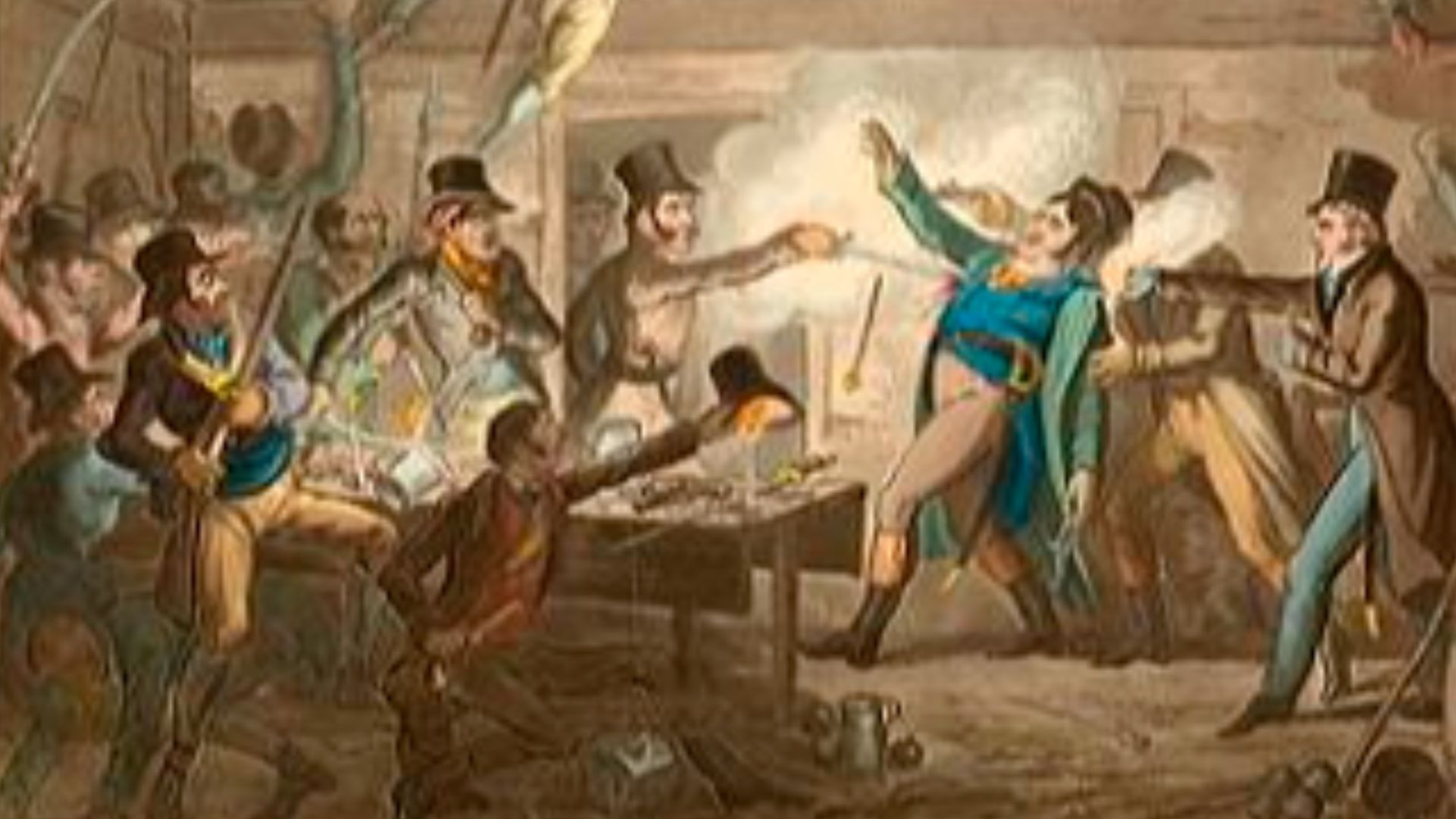 Unknown authorUnknown author on Wikimedia
When the people turned on this event, the pageantry started falling apart. London Museum’s page on the Cato Street Conspiracy says that when Arthur Thistlewood and the other conspirators were executed outside Newgate in 1820, newspaper reports described many in the crowd booing the executioner. The government was so worried about disorder that it stationed soldiers and artillery nearby. A punishment staged as a warning had turned, at least for some spectators, into a scene of sympathy.
Reformers seized on the same idea. In the same 1846 letter, Dickens quoted Edward Gibbon Wakefield’s view that the effect of public execution was often “sympathy for the criminal and hatred of the law.” Public executions ended in the 1860s when people increasingly questioned whether they prevented crime and whether it was right to watch such brutality at all.
The United States held onto the form longer, but the pattern didn't improve. In a 2024 University of North Carolina history thesis, Hannah Fuller writes that the 1936 hanging of Rainey Bethea in Kentucky, the last legal public hanging in the United States, drew crowds of up to 20,000 and national media attention. This was largely because a white woman sheriff was expected to carry it out. Fuller also notes that the controversy helped push Kentucky, two years later, to become the last state to outlaw public hangings.
So what does all of this say about us? Probably something less flattering than we would like. Public executions worked because people wanted justice to be visible, but they also wanted theater, story, emotion, and feeling like a part of something bigger. The scaffolds have disappeared from the town square now, thankfully, though the old appetite for watching punishment, judging strangers, and gathering around controlled violence didn't disappear nearly as neatly as the gallows did.
KEEP ON READING
The story of Ching Shih, the Woman Who Became the…
Unknown author on WikimediaFew figures in history are as feared…
By Emilie Richardson-Dupuis Dec 29, 2025
Einstein's Violin Just Sold At An Auction—And It Earned More…
A Visionary's Violin. Wanda von Debschitz-Kunowski on WikimediaWhen you hear…
By Ashley Bast Nov 3, 2025
This Infamous Ancient Greek Burned Down An Ancient Wonder Just…
History remembers kings and conquerors, but sometimes, it also remembers…
By David Davidovic Nov 12, 2025
The Mysterious "Sea People" Who Collapsed Civilization
3,200 years ago, Bronze Age civilization in the Mediterranean suddenly…
By Robbie Woods Mar 18, 2025
The Love Story Behind the Taj Mahal Was Also a…
Koushik Chowdavarapu on UnsplashThe Taj Mahal is often introduced as…
By Emilie Richardson-Dupuis Apr 2, 2026
20 Soldiers Who Defied Expectations
Changing the Rules of the Battlefield. You’ve probably heard plenty…
By Annie Byrd Feb 10, 2026